
Inflation is the choice that a government makes ~ Milton Friedman
Joined June 2021
- Tweets 4,674
- Following 270
- Followers 470
- Likes 27,194
66 Photos and videos
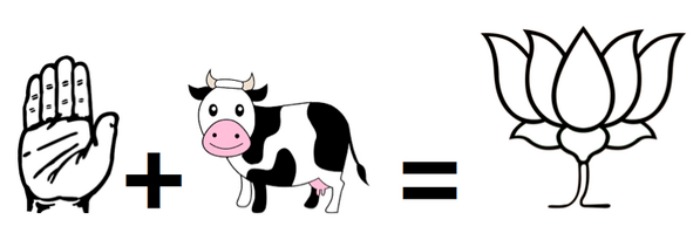
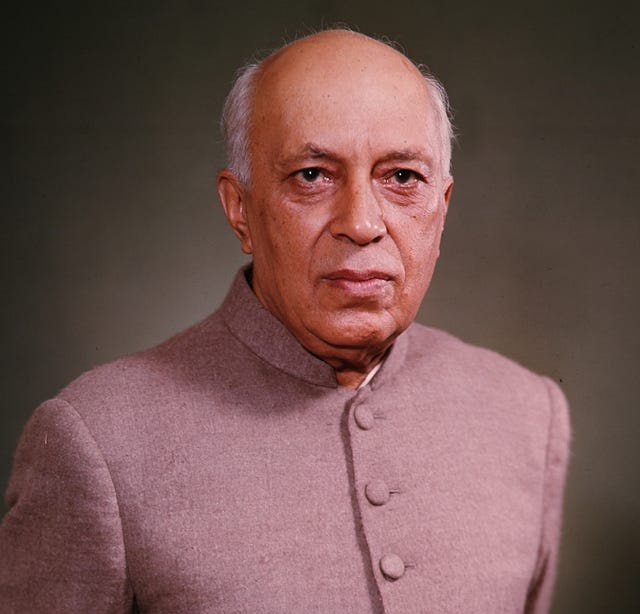
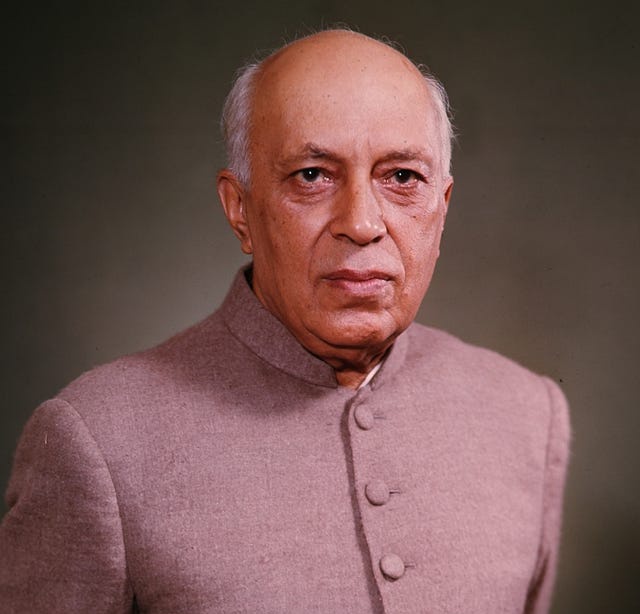
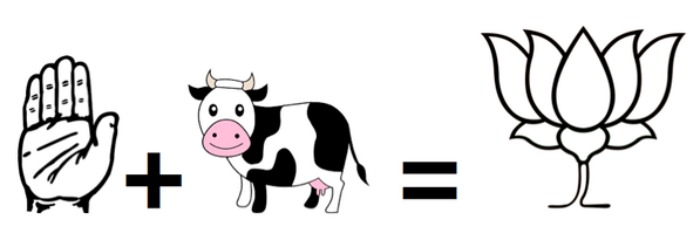
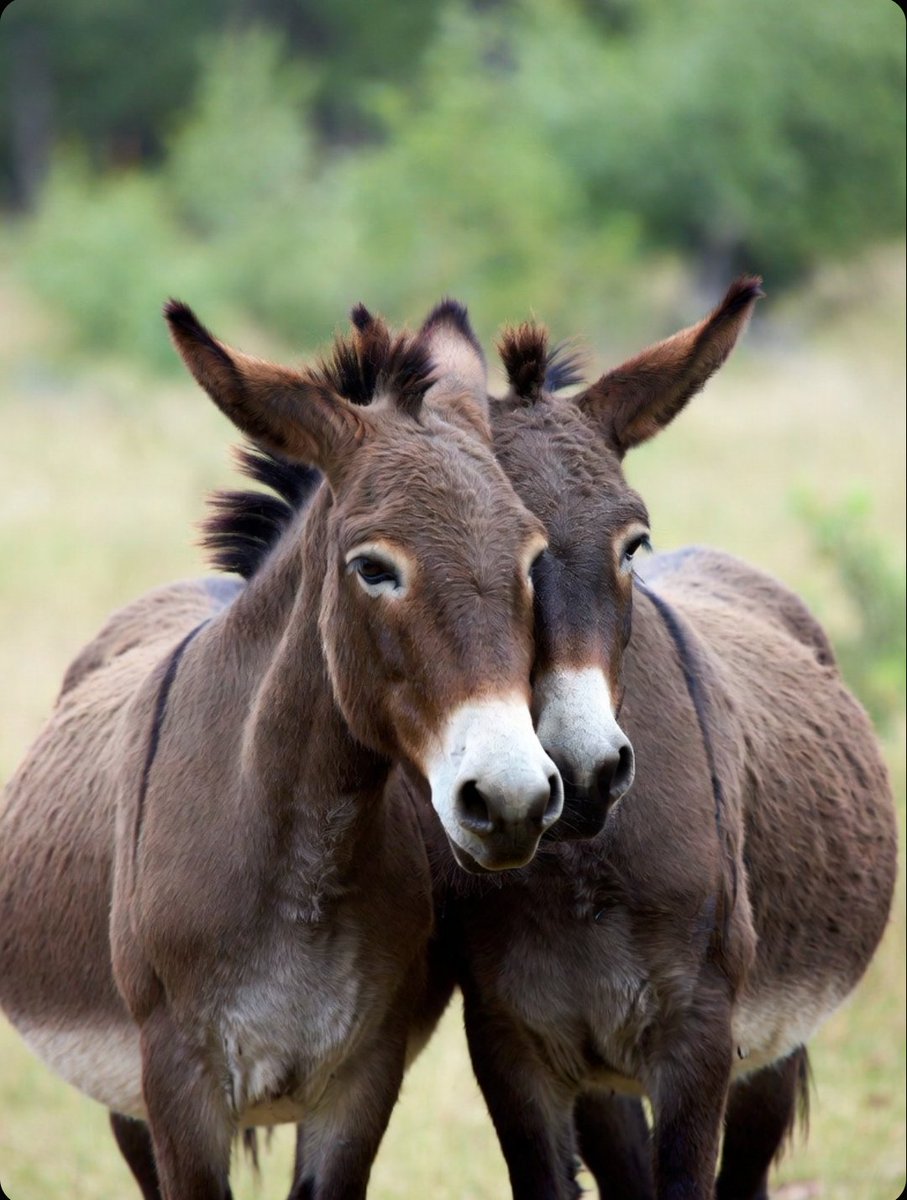
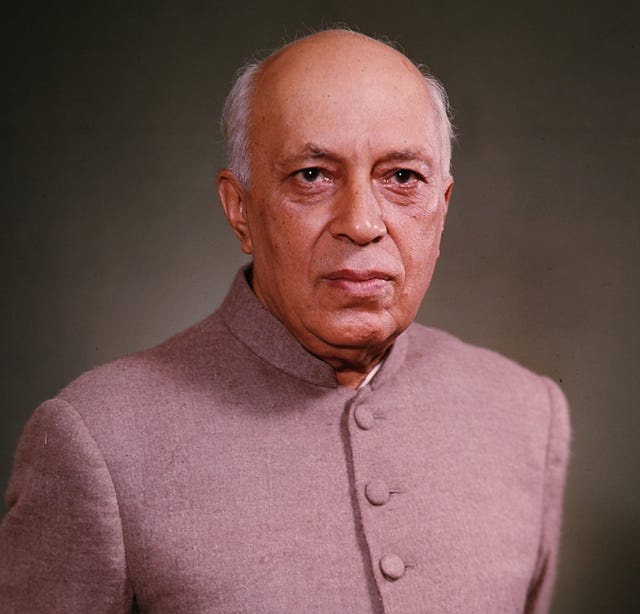
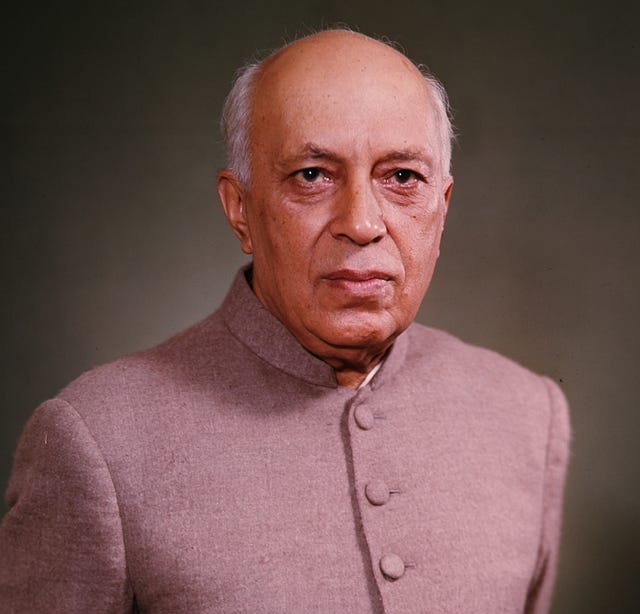
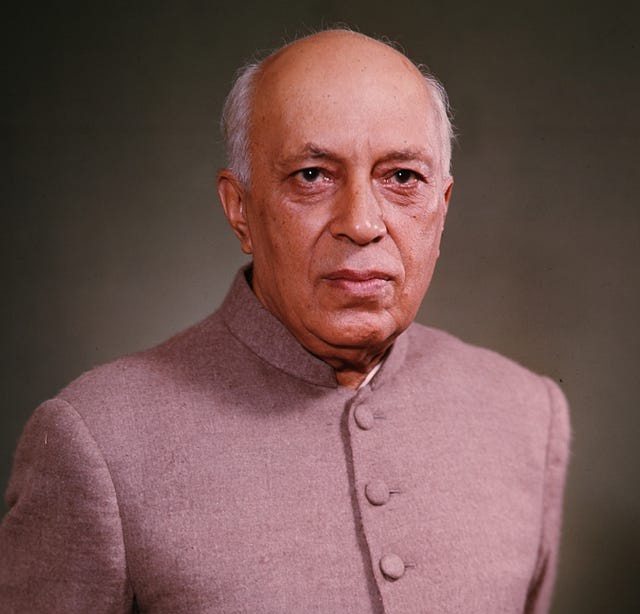
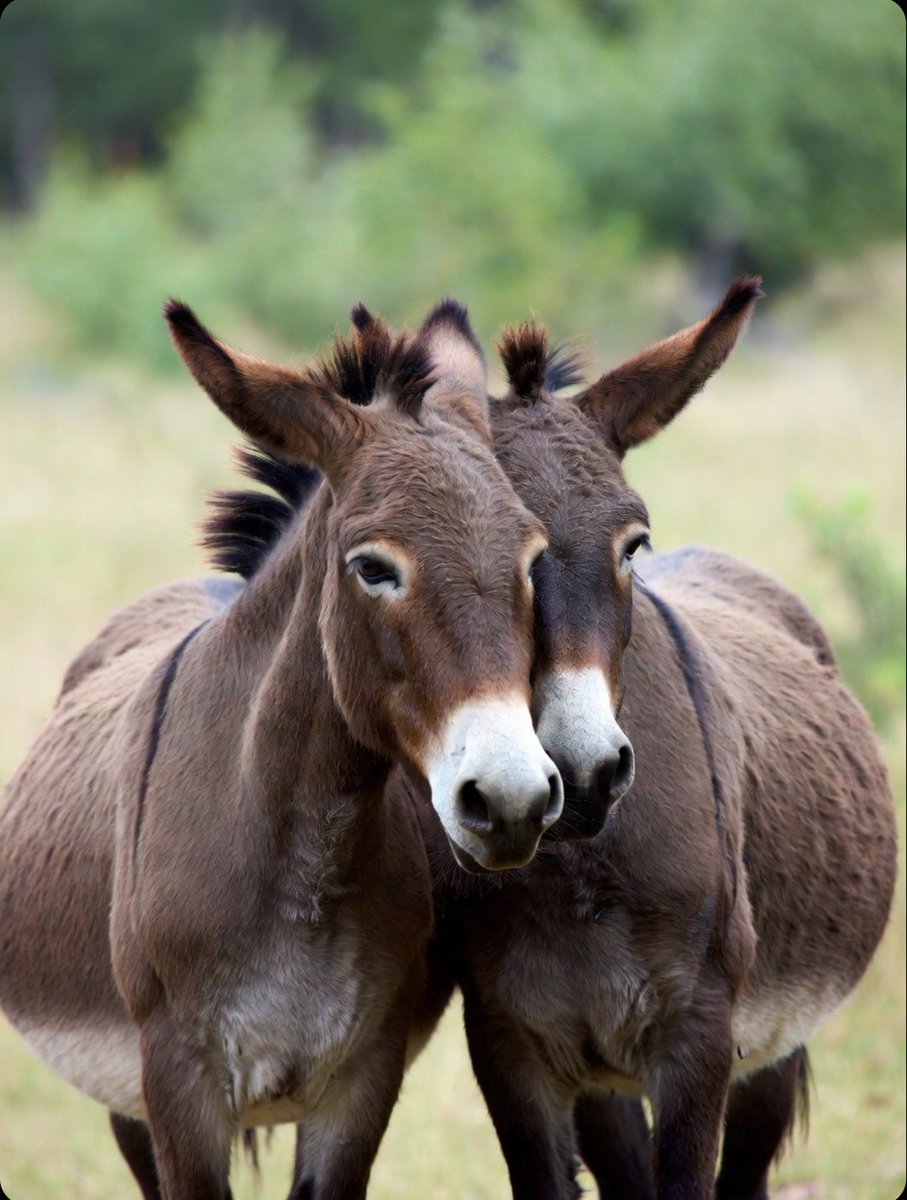

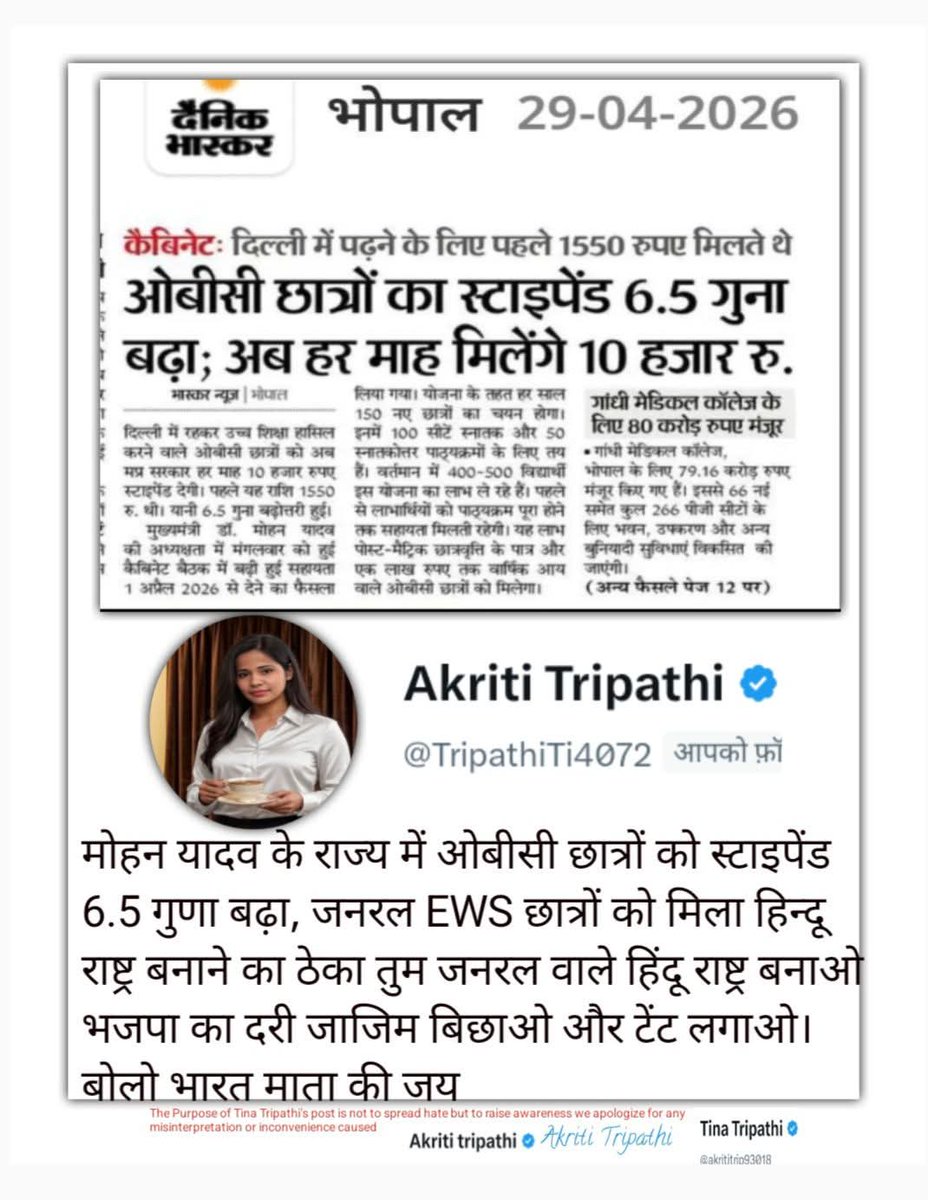
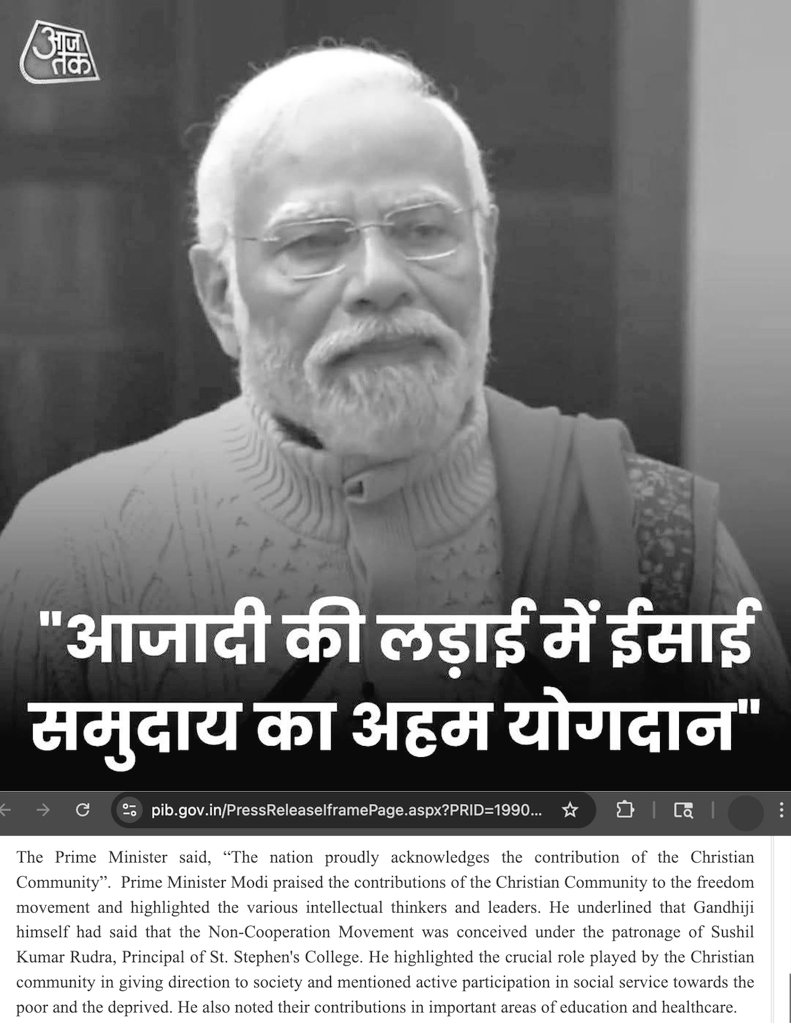



🤣🤣🤣🤣🤣

me with the SpaceX cafeteria lady after she becomes a billionaire from the IPO
23
Alien Warsh (Parody) retweeted

Jun 12
Reliance generates $120B of revenue, $10B of profit and is valued at $170B or ~1.5x revenue
SpaceX generates $18B of revenue, $5B of loss and as is valued at $1.7T or ~100x revenue
Selling a dream to the moon by perhaps today's greatest fundraiser takes the stock to the moon
120
134
2,586
146,368
And certain media presents @elonmusk as some kind of Humanity saver.
He is no different than other businessman.
Jun 11

SpaceX valuation: $1.8 TRILLION
Walmart valuation: $920 BILLION
SpaceX revenue: $18 BILLION
Walmart revenue: $713 BILLION
324

Alien Warsh (Parody) retweeted

Jun 9
83
123
851
872,431
Alien Warsh (Parody) retweeted

Make it make sense

17
70
388
13,756
🤣🤣
Jun 6

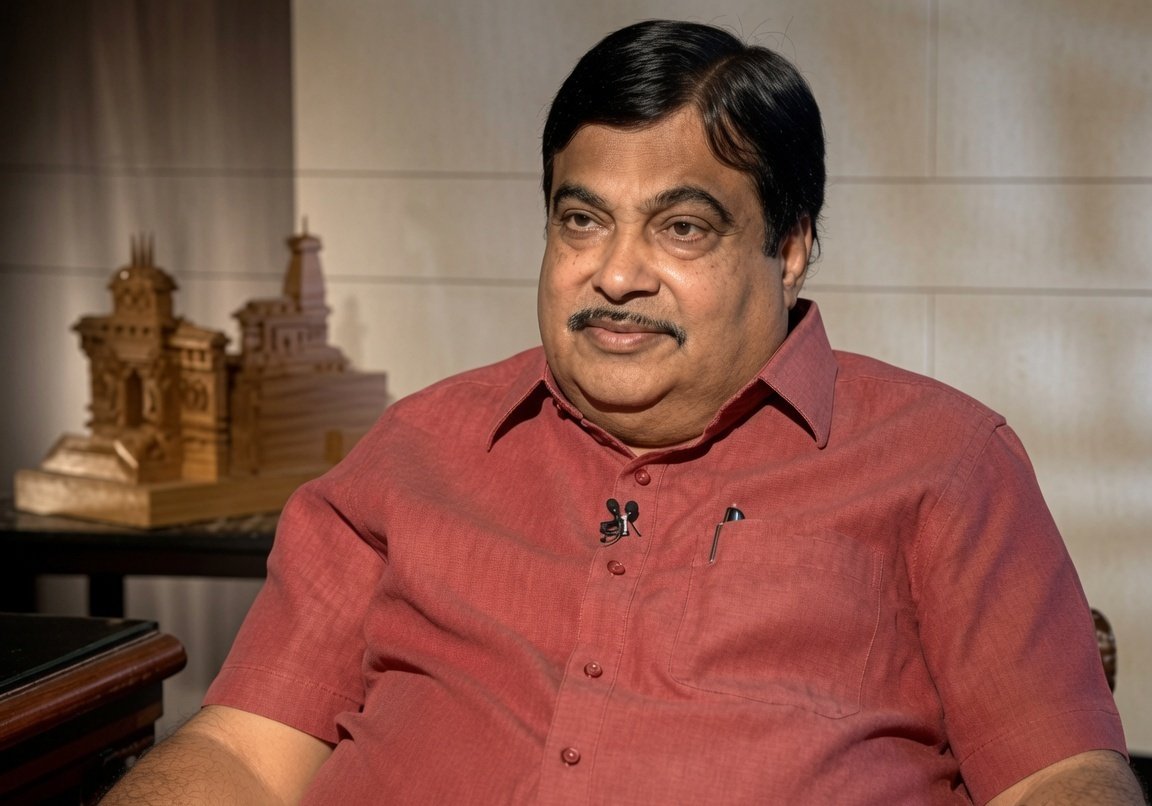
"BJP will abolish income tax if voted to power." — Nitin Gadkari, 12 years ago.
38
Alien Warsh (Parody) retweeted

Jun 5
Liquidity gets converted into leverage on upside and margin call on downside.
3
22
224
43,905
India mein Indians pr hi tax, and foreigners are tax free.
Masterstroke 🤣
Jun 4
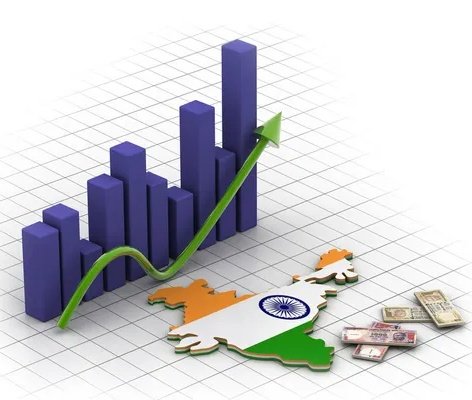
Masterstroke: India to eliminate capital gains tax only for foreigners; Indians can continue paying taxes for nation building.

37
Alien Warsh (Parody) retweeted

Since this Bear Market started ( and Yes, it's a full blown bear market, not a silly " correction" etc), Indian SM has been calling a bottom for the past 2 years.
That's okay: there is swarth anywhere you look: finfluencers, fund & wealth managers, MFDs, Media, etc.
So they have to believe a bull market is just seconds away.
The real intellectual question to ask is: how do you actually spot when the bear market ends in the Bull market starts?
The methods I have used broadly ( there are nuances- like the SS- Agreement in Motion, the secrets of which shall go to the grave with me, Lake of Returns Theory, explained superficially by me last couple years - etc.)
are:
If a decline in a market, ( say, India) is systemic, accompanied by a widespread decline in most markets ( 2000 bear market, 2008 bear market, 2020 short crash), then a 30-40% decline WITHIN 2 years, is a good enough level to start getting in.
Similarly, if a stock has declined but the entire market has also declined similarly, then that stock or sector becomes a decent buy within a fairly finite level of all - there is also science & data to determine this.
BUT BUT BUT
The falls that should never be bought - not for a long while - are isolated , tanhai-waali falls in a particular country or in a particular stock, without much obvious explanation - while the rest of the world or rest of that market itself is in a bull market
Companion-free falls & underperformances are huge red flags in my book: they point to reasons that are not visible just yet but there is something seriously wrong for a particular market to go in a totally different direction than the overall wind.
India, on all previous occasions, did exactly in line with what the rest of the world was doing: it fell after the NASDAQ crashed in 2000. It fell during 2008 in a global bear market. It fell exactly inline with the Global bear market in COVID.
But this time it IS DIFFERENT.
And that is why this time it is dangerous.
Because India is totally forsaken , desolate in the kind of market performance or the lack of it that it has displayed.
This has never happened before.
The rest of the world has been in a massive Bull market, AI and without AI ( LATAM, CEE eg).
My Global macro fund has never had an easier time making money while doing the least amount of work.
But looking at India you would think that the rest of the world was in a bear market.
But the world Bull markets are breaking open bottles of champagne.
India's bull is reduced to drinking tharra.
Exactly like a stock that does not rise in a broad bull market but keeps falling: never ever get into that stock.
There is something that the market knows that you do not.
India looks suspiciously like that haveli that nobody occupies, while all other havelis have all the lights and parties on.
These havelis are spooky.
These havelis have secrets. They are just not saying them out.
It is best to let Manoj Kumar or Biswajit open the haveli first & pry out evil aatma inside.
It is best to occupy a neighbouring chawl in the meanwhile.
But in my book, my method -
unexplained bear markets when everything around it is going gangbusters...
.I never try calling the bottom to those...
You just never know what lies beneath...
143
140
1,026
244,309
Alien Warsh (Parody) retweeted

Jun 4
NVIDIA IS BUYING ITS OWN CHIPS AND CALLING IT REVENUE
And your retirement account is secretly holding the bag.
This scheme is literally straight out of the Enron playbook...
In January 2026, a special purpose vehicle called Valor Compute Infrastructure was created with one purpose:
Buy Nvidia's chips so Nvidia could book the sale as revenue.
Valor raised $5.4 billion and purchased over 100,000 of Nvidia's GB200 GPUs.
But $1.9 billion of that money came FROM Nvidia itself.
Nvidia invested $1.9 billion into the shell company, then sold that same shell company $5.4 billion worth of its own chips and booked every dollar as revenue.
It's the Girl Scout whose dad bought all the cookies and then she wins the sales contest because Dad was the customer. Except this Girl Scout is a trillion-dollar company and the cookie sale is $5.4 billion.
But it gets MUCH worse:
The remaining $3.5 billion in financing came from Apollo Global Management. Apollo structured the debt, packaged it into securities, and then sold those securities to Athene.
And guess who Athene is? Apollo's OWN insurance subsidiary. The one that sells fixed annuities to American retirees as safe, conservative retirement products.
Follow the chain:
Nvidia funds a shell company with $1.9 billion. The shell company buys $5.4 billion in Nvidia chips. Apollo finances the remaining $3.5 billion. Apollo sells the debt to its own insurance arm. That insurance arm packages it into annuity products and sells them to retirees who think they're buying something safe.
The retirees have no idea that their retirement savings are now backed by 100,000 computer chips sitting in some data center that will be worth pennies on the dollar in three years.
Now look at what's happening inside Athene:
$74.2 billion in US reserves but $217 billion in assets have been shifted to a Bermuda-based captive insurer, outside normal US regulatory oversight.
$103 billion of that portfolio (roughly 35%) is classified as Level 3 assets. That means there is no observable market price.
These assets are valued by internal models, not by actual markets.
And sitting on top of all those unpriced assets? 16.6x leverage.
If you're getting flashbacks to 2008, you should be.
Back then it was mortgages bundled into securities that nobody understood, sold to investors who had no idea what they were holding, rated as safe by agencies that never looked under the hood.
Today it's GPU-backed securities. Computer chips bundled into structured credit instruments, routed through an offshore insurance subsidiary, and sold to you as a retirement product.
The collateral is 100,000 GPUs leased to a single customer through an xAI subsidiary. If xAI stops making lease payments for any reason - financial distress, a pivot in strategy, anything - the entire structure unravels.
And Nvidia releases new architectures every year, so each generation delivers dramatically more compute per watt. A 5 year lease on technology that's obsolete in 2 years creates a mismatch that should terrify every annuity holder in America.
Every single step in this chain is technically legal. The SPV is legal, the lease is legal, Nvidia's equity stake is legal, the securitization is legal, and the Bermuda transfer is legal.
But legality and legitimacy are not the same thing.
I've seen every trick Wall Street has ever pulled in my 45 years of doing this.
And what I'm looking at right now is a pipeline that takes AI infrastructure risk, launders it through 8 layers of financial engineering, and deposits it in the retirement accounts of Americans who never agreed to fund Elon Musk's data centers.
In 2008 it was mortgage-backed securities.
In 2026 it's GPU-backed securities.
Different asset. Same greed. With the same ending.
432
2,366
6,979
587,927
Alien Warsh (Parody) retweeted
Jun 5
Bloomberg used indian prices to value rbi gold. Rbi hasnt changed to Indian prices yet , so they used lbma prices to value their gold and converted to rupees. Gold price in rupee went up 10% in may when the govt increased gold duty.
Since rbi releases the rupee and dollar value of gold every week, Bloomberg used to rupee value and Indian prices to figure out how much gold they have and assumed they've sold. Measure in dollars with Lbma prices, there would have been no sale detected.
Just explaining what's happened.

Bloomberg has retracted a post on X based off an inaccurate Bloomberg Economics report bloom.bg/4ebLXmi bloomberg.com/news/articles/…
56
296
1,911
161,954
Alien Warsh (Parody) retweeted

Jun 2
Charlie Munger: "What makes capitalism work is the fact that if you're an able-bodied young person [and] you refuse to work, you suffer a fair amount of agony."
16
27
480
53,923
🤣🤣
Jun 2
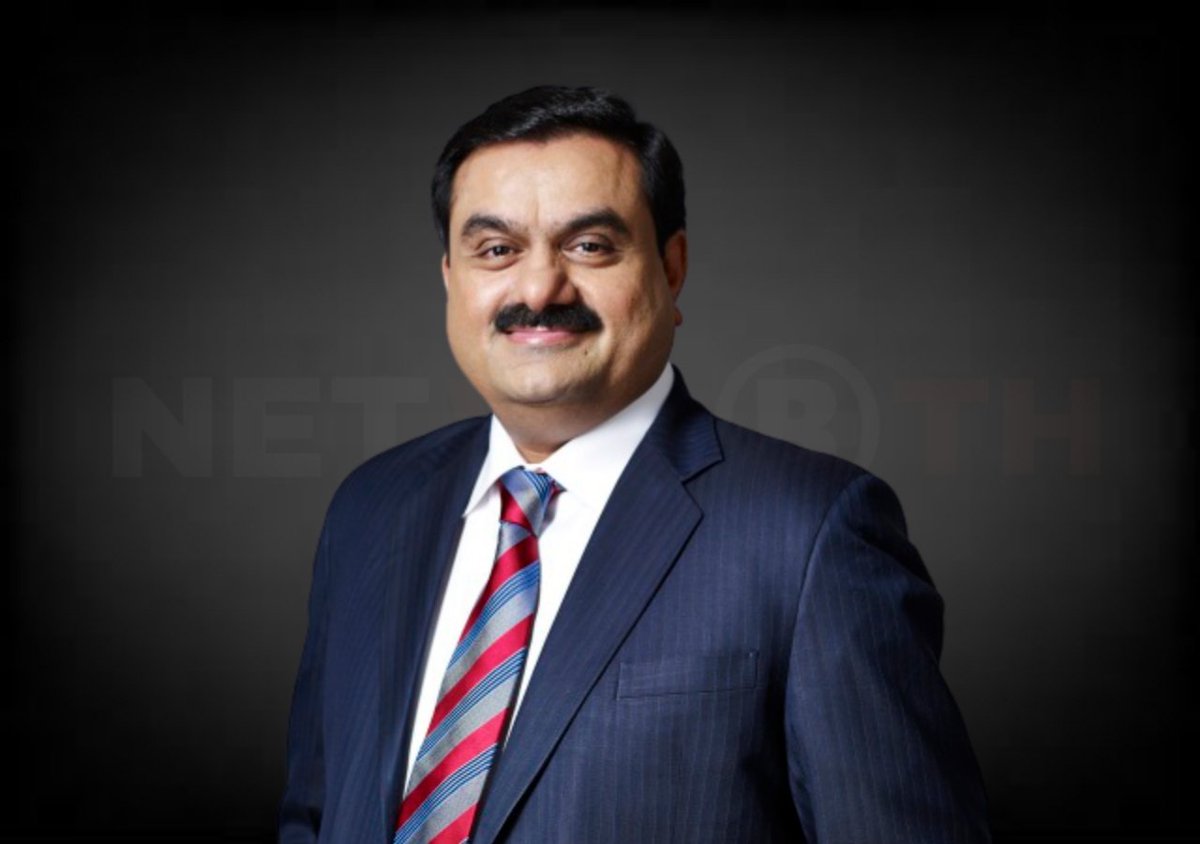
ED raided Anil Agarwal’s Vedanta Group a month after Anil Agarwal challenged Adani in the Supreme Court.

61
Alien Warsh (Parody) retweeted

Jun 1
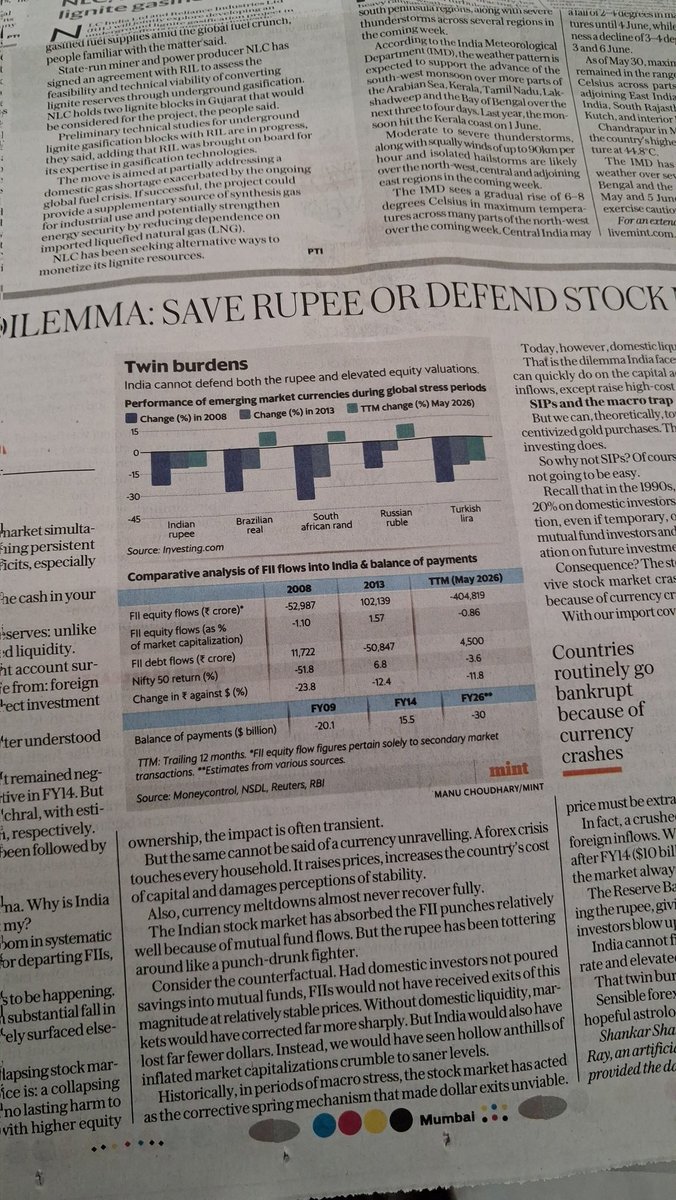
Some useful stats by @1shankarsharma in today's Mint and an interesting argument: India can defend its currency or its stock market, but not both
17
15
151
16,722
Alien Warsh (Parody) retweeted

May 30
India sirf chutiya banane ki race mein no. 1 hai.
May 28
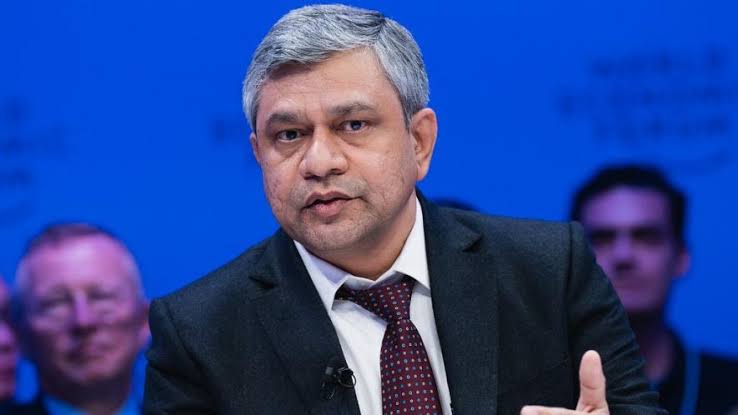
🇮🇳 India is not far behind the US and China in AI race: — Ashwini Vaishnaw

19
130
1,050
14,081
Alien Warsh (Parody) retweeted

May 28
Respected @nsitharaman ji and @FinMinIndia,
Suggestion 2 of 3 for strengthening India's capital markets:
Dividend income on listed equities should not be subjected to double taxation.
A business can raise capital in only two ways: debt or equity.
When a company raises debt, the interest paid to lenders is treated as a business expense and deducted before tax. The lender may then pay tax on the interest received.
However, when a company raises equity capital, dividends are paid out of profits that have already suffered corporate tax. The shareholder is then taxed again on the same stream of income.
More importantly, equity capital bears far greater risk than debt capital. A lender has a contractual right to interest and principal repayment. A shareholder has no such guarantee. Dividends are discretionary, capital is fully at risk, and the shareholder stands last in line if a business fails.
If debt providers receive tax-deductible compensation despite bearing lower risk, there is a strong case for more favourable treatment of equity providers who supply the permanent capital that fuels entrepreneurship, innovation, employment and economic growth.
India needs to encourage long-term risk capital and greater participation in equity markets. Tax policy should reward those who provide patient equity capital to Indian enterprises rather than place them at a relative disadvantage compared to debt capital.
Respectfully submitted.
May 27

Respected @nsitharaman ji and @FinMinIndia ,
Suggestion 1 of 3 for strengthening India's capital markets:
Long-term capital gains tax on listed equities should be abolished.
A long-term shareholder is not a speculator but a provider of patient risk capital. By investing in and holding businesses, investors help companies expand, create jobs, innovate and contribute to India's economic growth.
India requires enormous amounts of long-term capital to build world class enterprises, infrastructure and global champions. Tax policy should encourage households to move savings from passive assets, including imported stores of value such as gold, into productive businesses that create jobs, generate tax revenues and build national wealth.
The appreciation in a company's value is not created in isolation. During its growth journey, the government already collects corporate tax, GST, income tax from employees, customs duties, stamp duties and numerous other levies. Long-term capital gains are often the final outcome of economic activity that has already generated substantial tax revenues.
Most importantly, tax policy should clearly distinguish between investment and speculation. A long term shareholder is a partner in wealth creation, not merely a participant in market transactions. Tax policy should reward long-term ownership of productive businesses and distinguish it from short-term speculation.
India needs more patient capital, more entrepreneurship and more long term investing. Abolishing long-term capital gains tax on listed equities would be a powerful step in that direction.
Respectfully submitted.
157
626
2,196
257,296
Alien Warsh (Parody) retweeted

May 26
If you commit to buy American goods u will get American goods when u pay. In this case mostly oil.
May 26

Marco Rubio says India has "committed" to buy $500bn worth of American goods in the next five years. This is rather puzzling especially since net FDI is already mostly negative. What is India getting in return?
as.ft.com/r/76381c17-b4fb-48…
9
5
80
29,846
The are many more who deserves to be kicked out.
May 25

> After making LTCG from Nil to 12.5%
> After making STCG from 15% to 20%
> After making STT from 0.01 % to 0.05%
> After removing indexation on debt funds and taxing at slab rate
> After introducing tax on SGB in secondary market from Nil to 12.5%
After making so many policy blunders, rupees depreciation and not caring about FII exit, it's so nice of Finance minister to say she is open for public feedback and suggestions.
You never needed any public suggestion, it's your arrogance that has put economy in such a big mess. There is no rocket science in knowing that FII would anyday invest in safe US economy at 5% yields because to beat that 5% they've to earn atleast 12-15% in India if you consider rupees depreciation and tax.
24
Next generation will be calling this "petrol pump" 🤣🤣

35