
99 Photos and videos
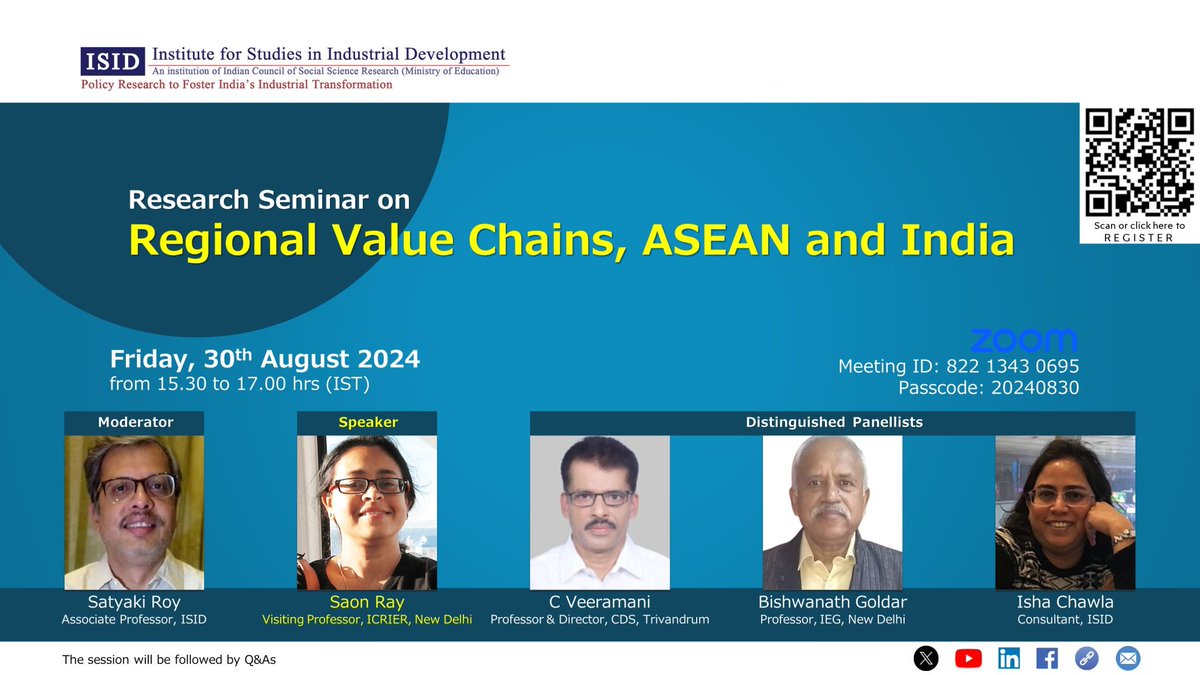

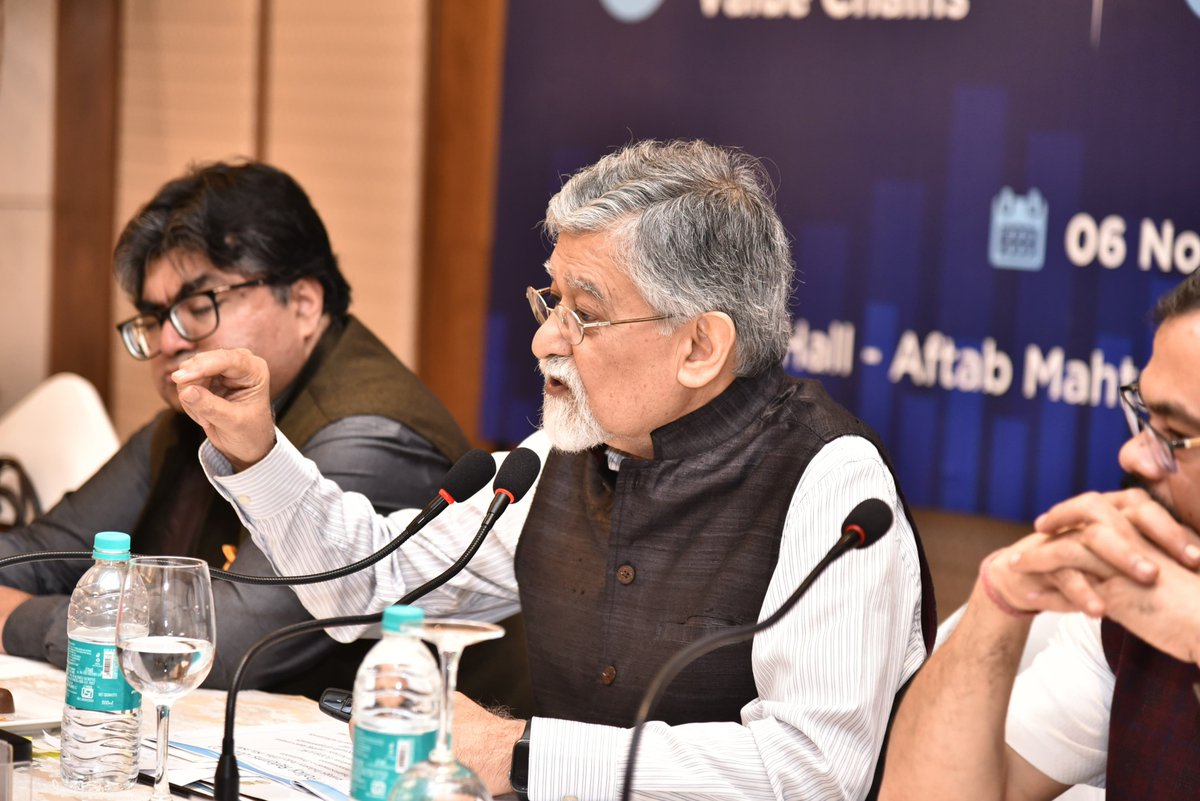



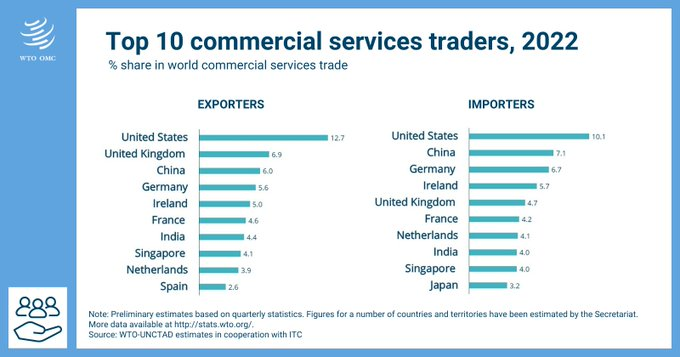


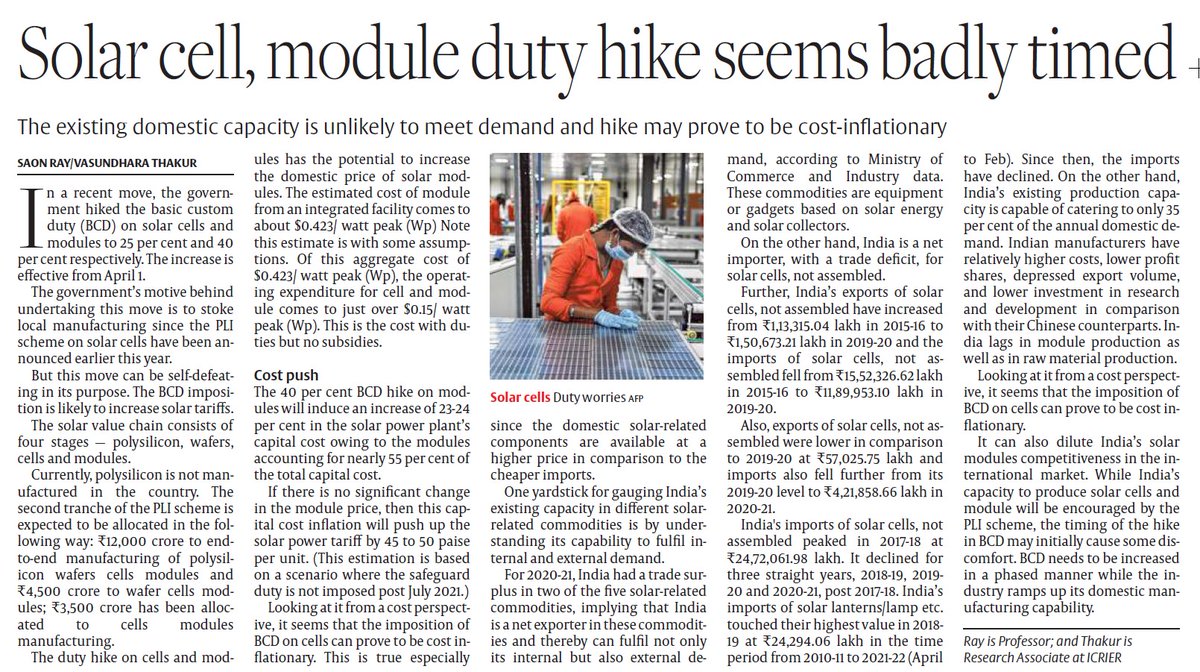
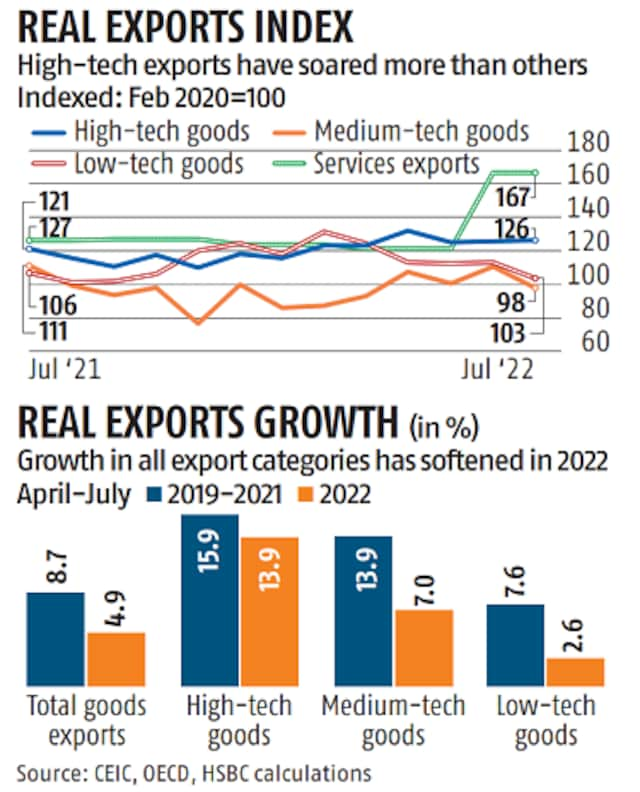

Thread: 1/8
Our book "A Primer on Electric Vehicles in India: A Machine-Generated Literature Overview" is out. (with Deb Mukherji)
This book tries to answer everything you want to know about electric vehicles in the Indian context.
link.springer.com/book/10.10…
1
1
8
457
Saon Ray retweeted

Jun 14
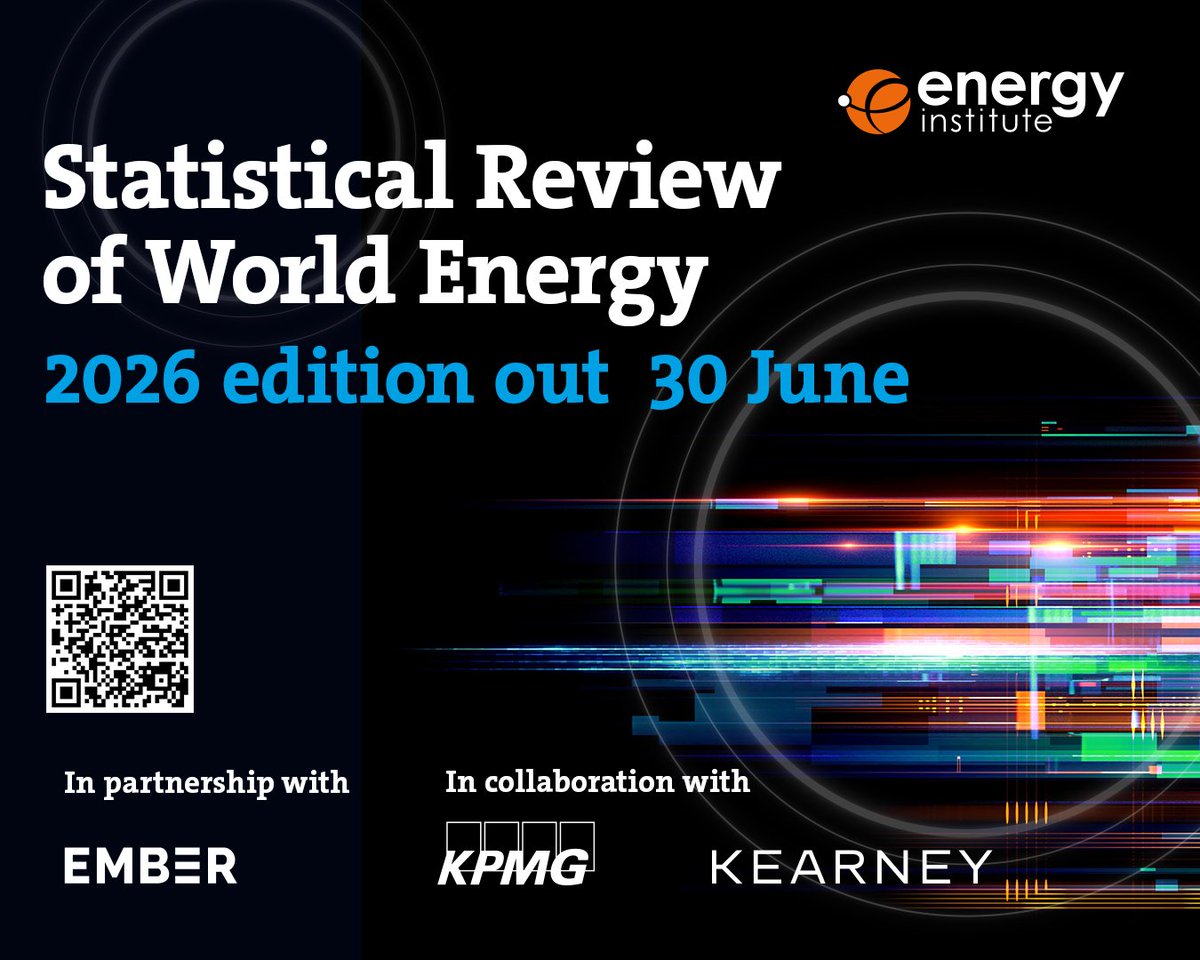
The @EnergyInstitute Statistical Review of World Energy in 2025 found renewable deployment in non-OECD countries has grown at TWICE the rate of OECD countries over the past decade.
Find out the latest trends at this year's edition, co-authored by Ember.
ember-energy.org/latest-upda…
1
12
41
1,986
Saon Ray retweeted

Jun 15
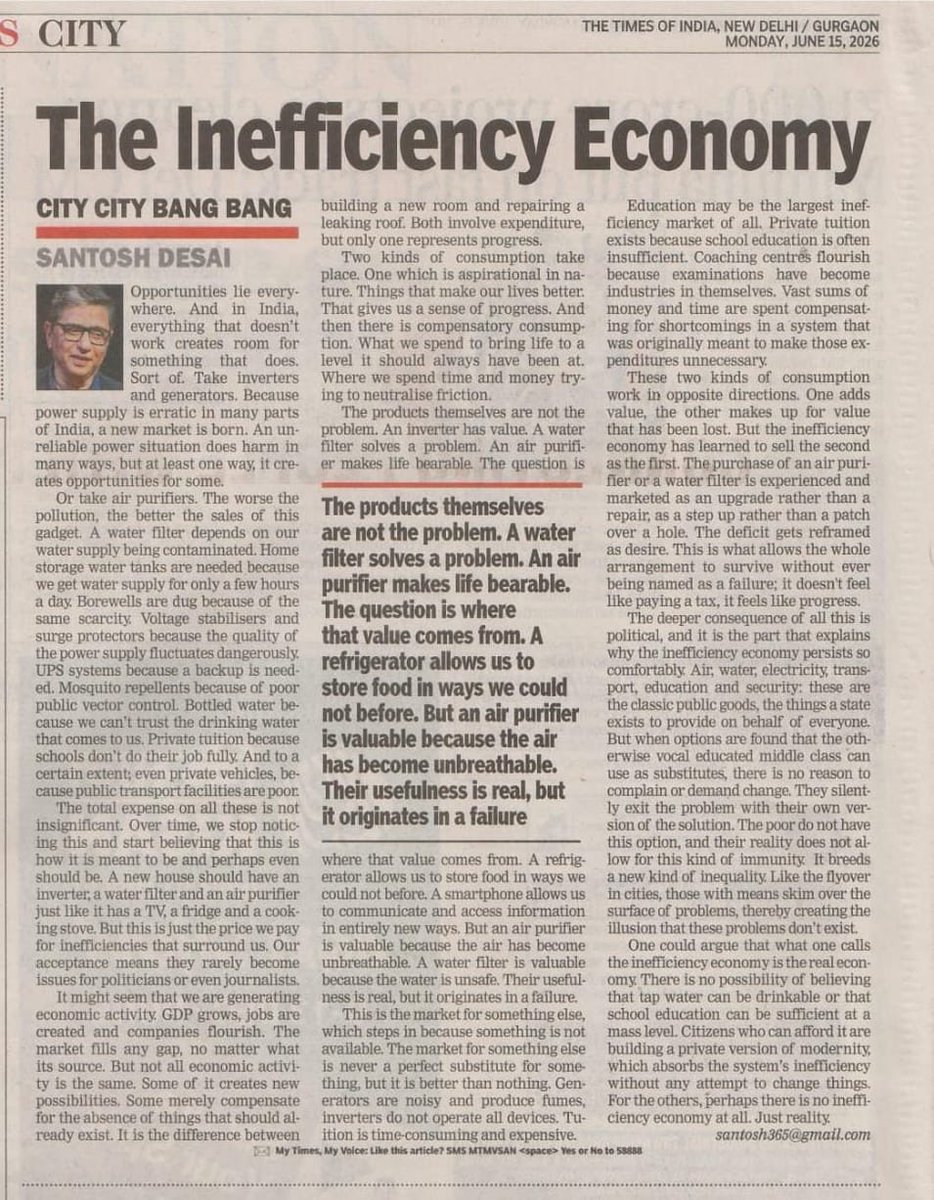
Inverters, generators, air purifiers, water filters, storage tanks…so much of what we buy is a compensation for inefficiency. On the Inefficient Economy. Today in the TOI
34
284
751
26,472
Saon Ray retweeted

Super interesting!
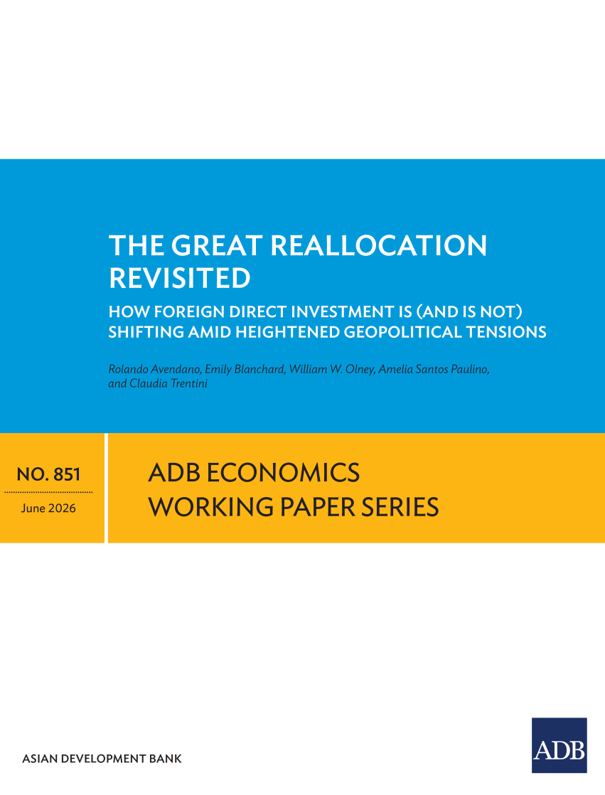
"The Great Reallocation Revisited: How Foreign Direct Investment Is (and Is Not) Shifting amid Heightened Geopolitical Tensions" by Rolando Avendano, Emily Blanchard, William W. Olney, Amelia Santos Paulino, and Claudia Trentini.
"The analysis uses detailed project-level data and new measures of geopolitical exposure and global value-chain linkages. The findings suggest that while tensions may be reshaping global investment, deep value-chain integration constrains firms’ ability to relocate production at scale."
adb.org/publications/great-r…
12
43
2,125
Saon Ray retweeted

Jun 13
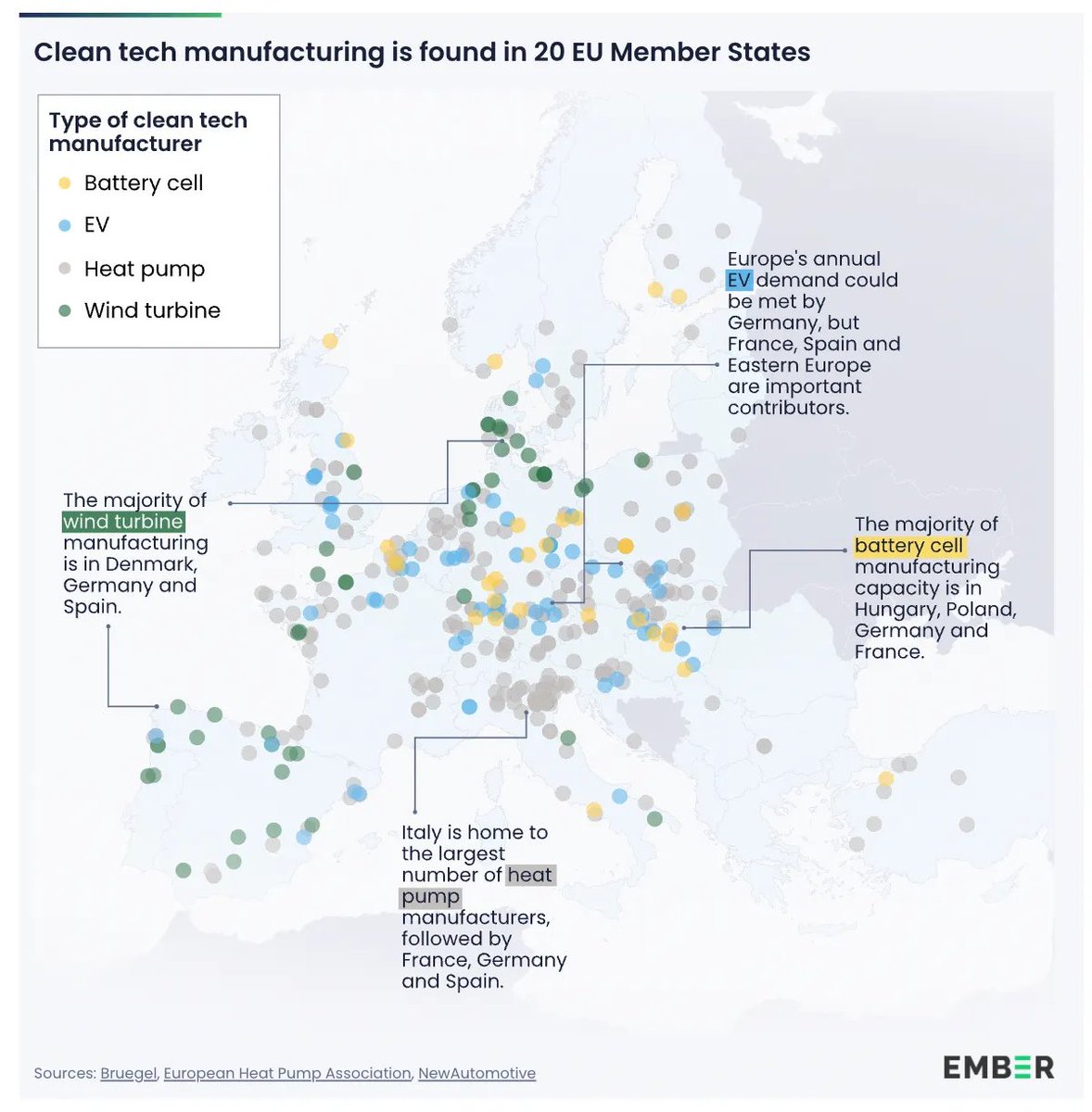
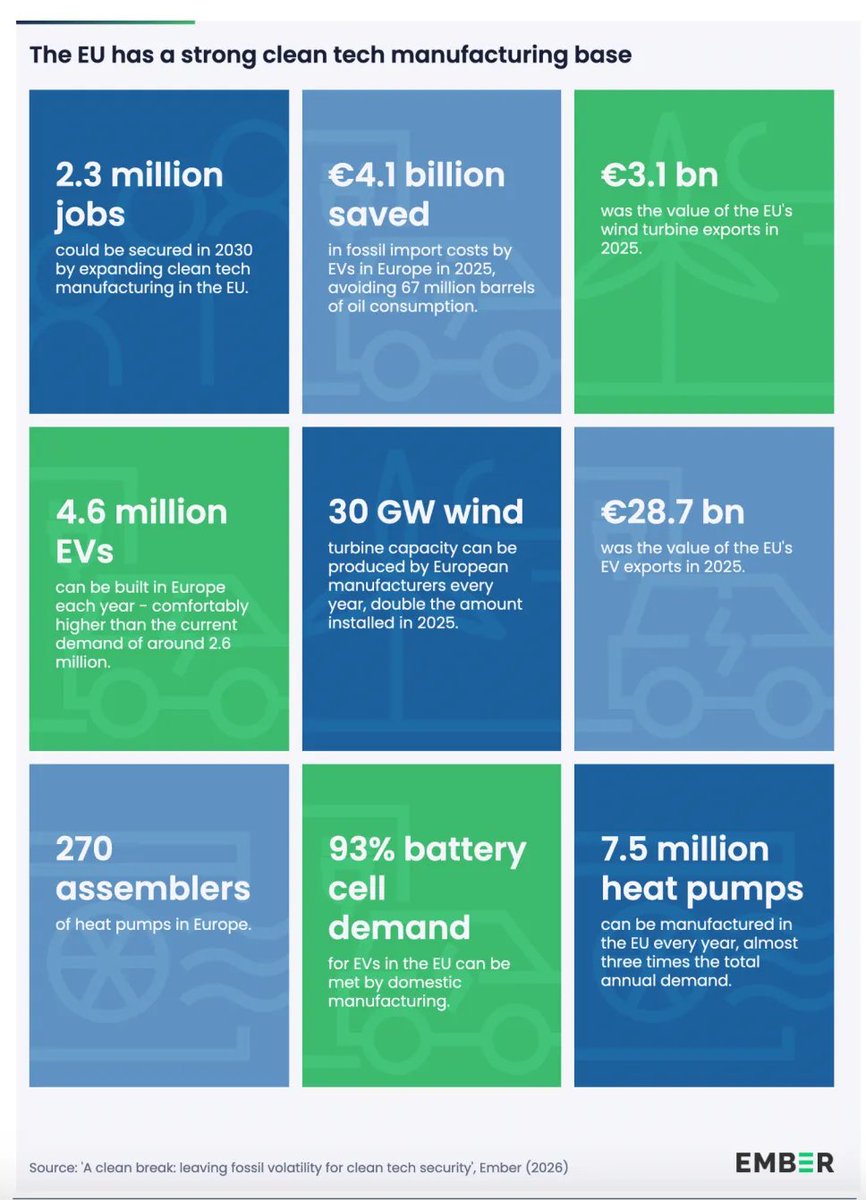
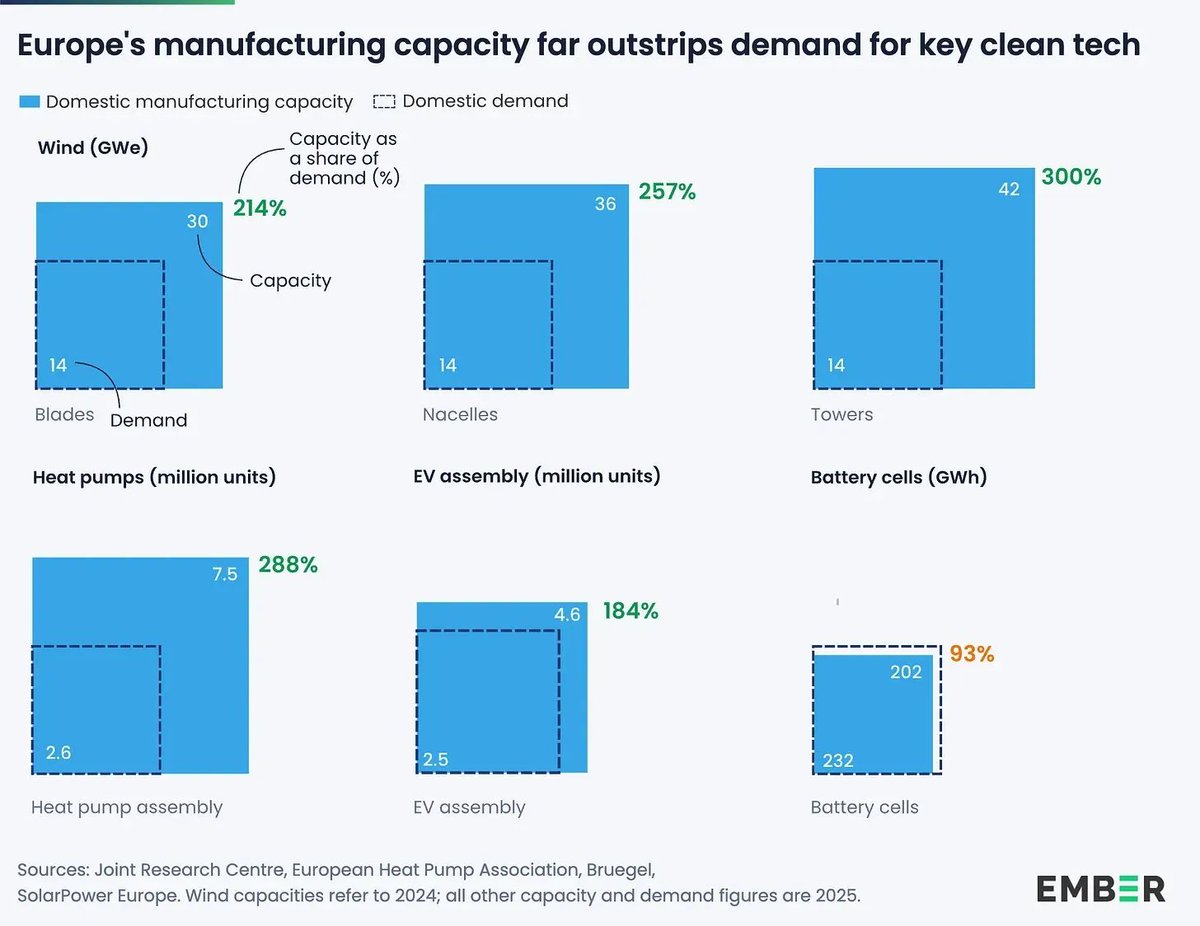
How many of you think European Industry is in crisis?
That EU industry is bedeviled by Chinese industry, American tariffs and Russian energy weapon seems to be the prevailing sentiment.
So....Europe's clean tech industry must be dead right? WRONG. Ember report:
4
27
81
4,795
Saon Ray retweeted

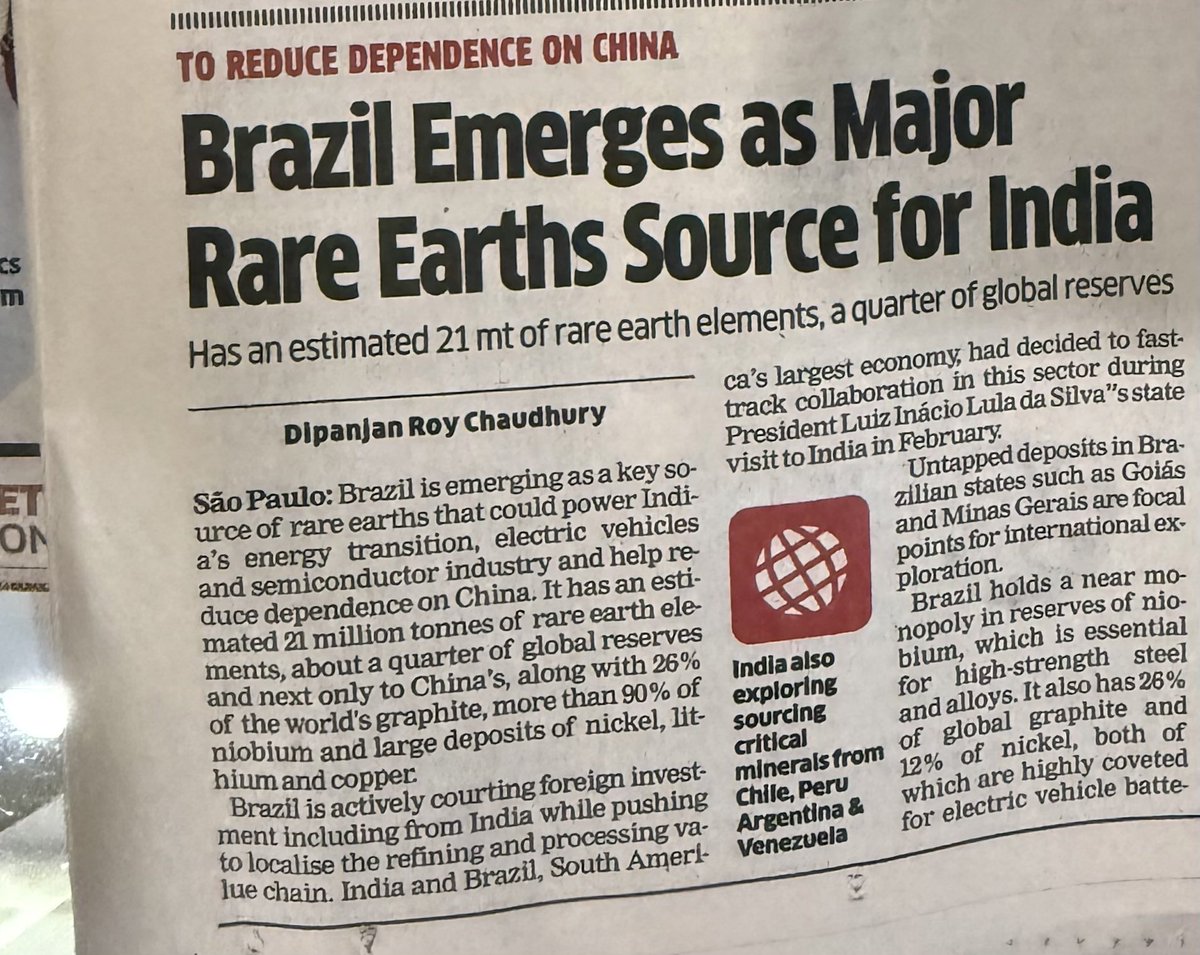
ET in Sao Paulo: I write how Brazil cud emerge as a key source of rare earths powering India's energy transition, EVs & semicon industry & help reduce dependence on China. It has nearly 21 million tonnes of rare earth elements, next only to China's @EconomicTimes
3
37
116
4,614
Saon Ray retweeted

Jun 14
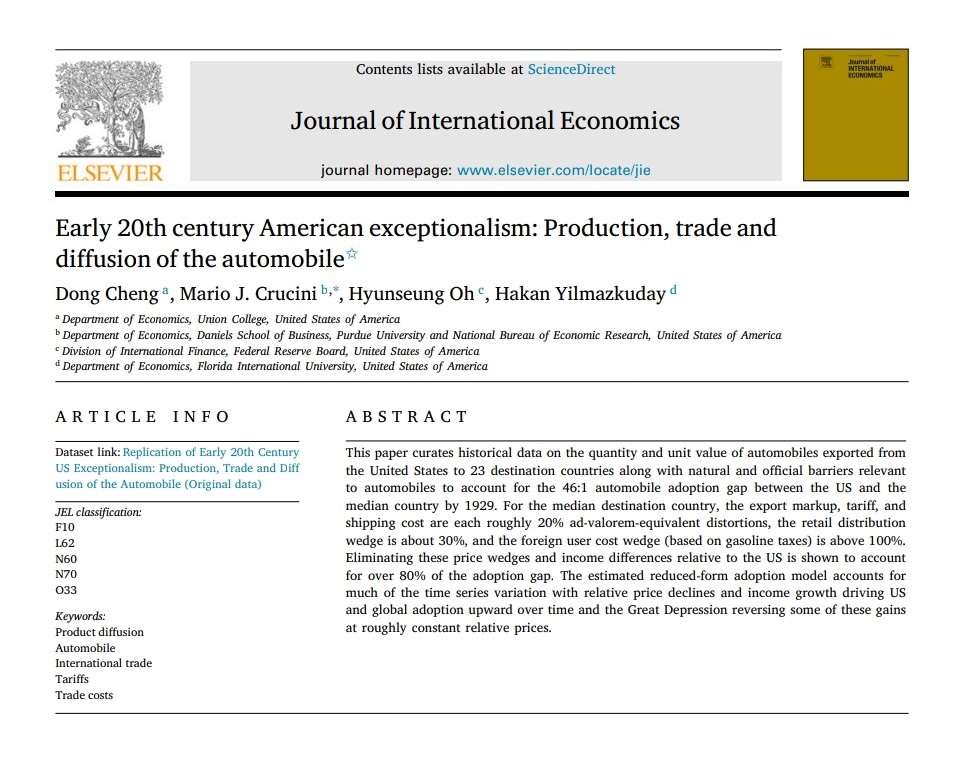
This paper investigates why the US automobile stock per capita was consistently 50 times higher than other countries during the interwar period. doi.org/10.1016/j.jinteco.20…
1
1
90
Saon Ray retweeted

Jun 14
Martin Wolf sent me this comment on the Factful Friday column (linkedin.com/posts/richard-b…) by email and said i could post it with attribution:
"The logic is impeccable, but the causality seems to me to be obvious.
Assume that excess spending in the US is driving what we see. Then we would expect the mechanism to be roughly as follows: the US public/private sectors start to spend more relative to their income and borrow money to finance this. This generates higher interest rates in the US and world economies. These higher interest rates increase saving and lower spending in the rest of the world. The opposite story is one in which the rest of the world cuts its investment and/or increases its savings. This lowers interest rates in the rest of the world and US economies. With lower interest rates the US saves less and spends more.
Now, this might not be the full story. But if the US is crowding out spending elsewhere by spending more, interest rates would generally be high and vice versa. In fact, real interest rates have been remarkably low since the early 2000s. For this reason, the excess saving in the rest of the world is simply a more plausible macro story than the excess spending in the US story. The US is not crowding out spending in the rest of the world; the rest of the world is crowding in US pending..
Martin Wolf
Chief Economics Commentator"
3
22
62
21,042

Climate Adaptation: Issue 2
Issue 2 of our VoxDevLit on Climate Adaptation by Namrata Kala (@MITEcon) & Co-Editors Clare Balboni (@LSEEcon) & Eddy Zou (@LSEEcon) is out now!➡️ voxdev.org/voxdevlit/climate…
1
1
308
Saon Ray retweeted
Jun 10
.
Jun 8

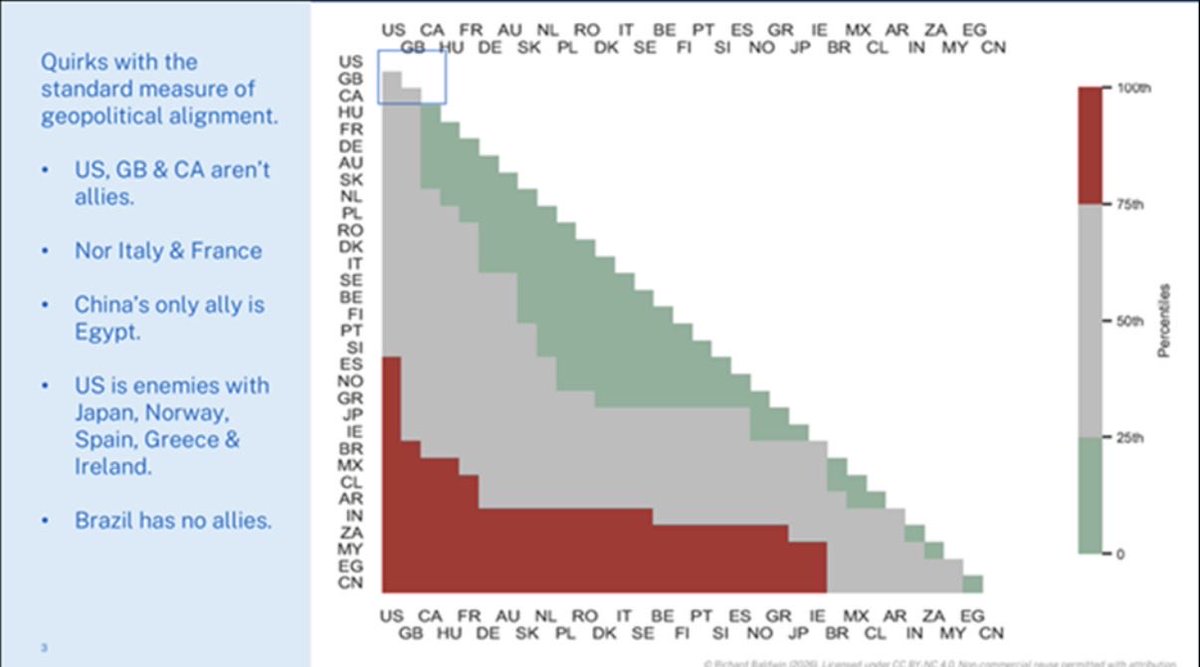
2025 was the year geopolitical shocks should have fragmented world trade.
💥 That’s not what happened.
👉The world on average became more open in 2025.
👉US trade deficit hit an all-time high.
👉China’s goods exports hit a record
🔗 linkedin.com/pulse/2025-trad…
1
2
992
Saon Ray retweeted

Jun 10
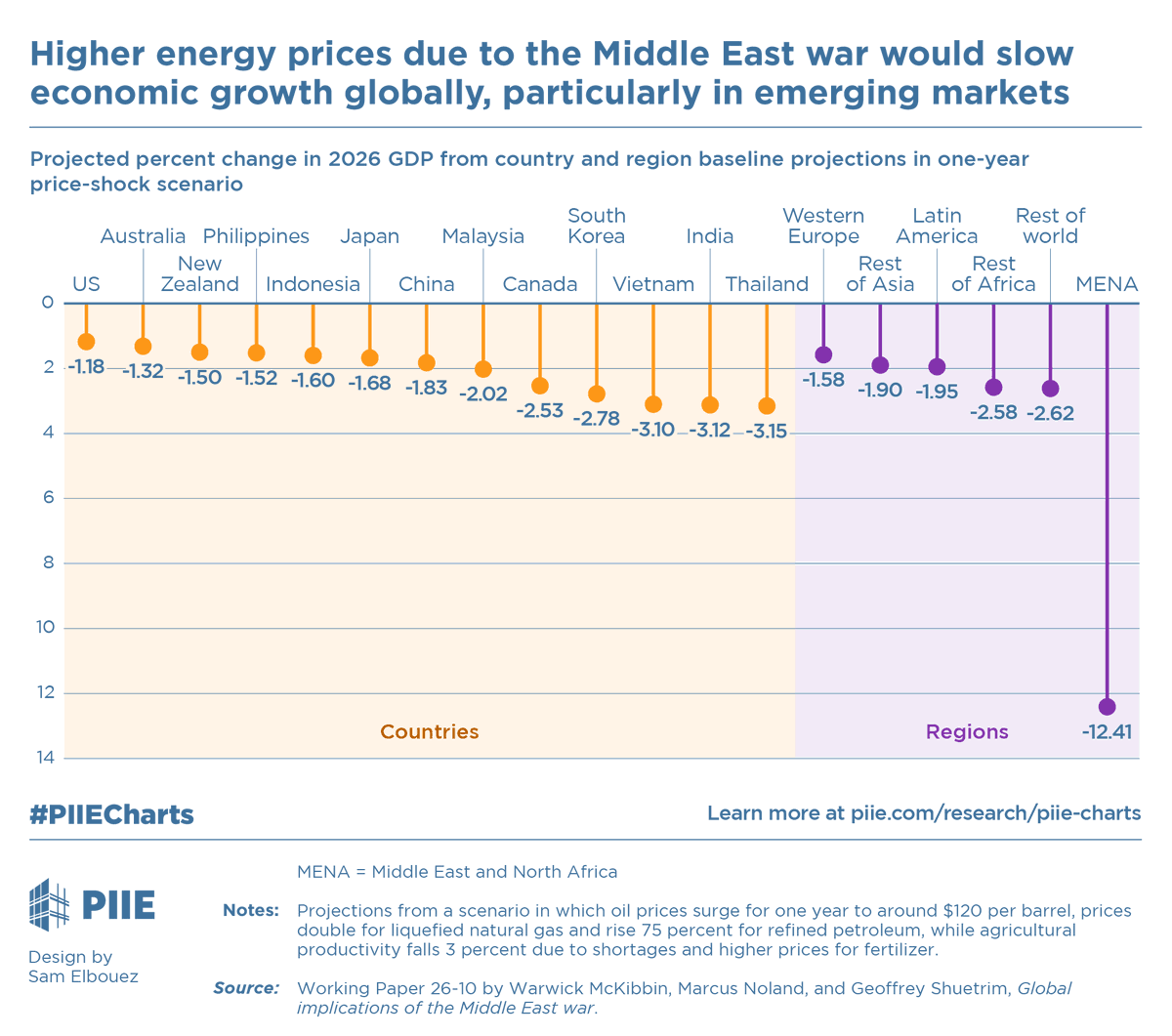
If higher energy prices from the war in the Middle East persist for a year, global growth will slow, hurting emerging economies more than advanced. Countries more dependent on Middle Eastern oil, natural gas, & fertilizers would experience the largest hits to GDP. #PIIECharts
5
13
36
11,090

India says trade deal with US only after Sec 301 probe is over and tariff situation clear. Wants guarantee there won't be more tariffs after deal is sealed. But can it be assured India's deal is fair and better than rivals? My story in @businessline
thehindubusinessline.com/eco…
2
5
811
Saon Ray retweeted

In the last 5 years, manufacturing employment growth rate has ⬆️ to ~5% per year. Goldar & Aggarwal show that this is largely attributable to growth in rural female workforce participation & female-owned manufacturing enterprises
ideasforindia.in/topics/macr…
1
2
5
469

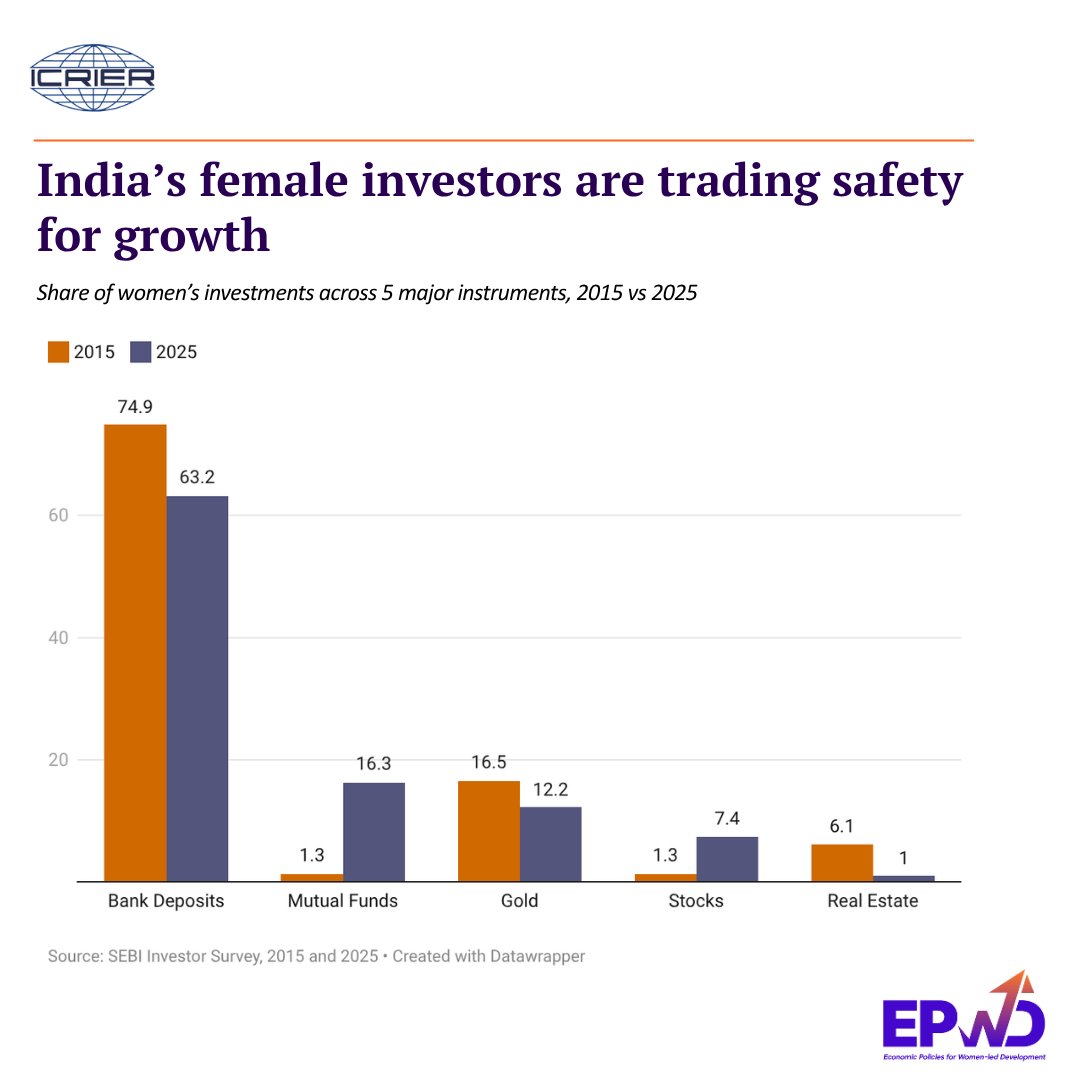
𝟭 𝗶𝗻 𝟰 𝗜𝗻𝗱𝗶𝗮𝗻 𝗶𝗻𝘃𝗲𝘀𝘁𝗼𝗿𝘀 𝗮𝗿𝗲 𝘄𝗼𝗺𝗲𝗻 - 𝗯𝘂𝘁 𝘄𝗵𝗲𝗻 𝘁𝗵𝗲𝘆 𝗶𝗻𝘃𝗲𝘀𝘁, 𝘁𝗵𝗲𝘆 𝗮𝗿𝗲 𝗻𝗼𝘁 𝗮𝘃𝗲𝗿𝘀𝗲 𝘁𝗼 𝗿𝗶𝘀𝗸
Indian women are becoming wealth creators.
More Indian women are investing than ever before, but how they invest tells a more interesting story than how many.
Two forces are bringing women into the market:
- rising economic empowerment (female literacy up from ~54% to ~75% since 2001; labour force participation nearly doubling from nearly 23% to 40% between 2017-18 and 2025), and
-expanding access (demat accounts held by women increased from 67 lakhs to over 3 crore from 2021 to 2025, accounting for roughly 25% of the total)
𝗛𝗼𝘄 𝘄𝗼𝗺𝗲𝗻'𝘀 𝗽𝗼𝗿𝘁𝗳𝗼𝗹𝗶𝗼𝘀 𝗮𝗿𝗲 𝘀𝗵𝗶𝗳𝘁𝗶𝗻𝗴:
➡️ Bank deposits are shrinking from ~75% (2015) to ~63% (2025), freeing up capital.
➡️ Their capital is moving into market-linked assets: mutual funds jumped from under 2% to over 16%, and stocks from under 2% to over 7%.
➡️ Gold has held steady, reflecting its cultural weight, while tangible real estate has nearly vanished (6% → 1%).
𝗕𝘂𝘁 𝗿𝗶𝘀𝗸-𝘁𝗮𝗸𝗶𝗻𝗴 𝗶𝘀 𝘀𝗵𝗮𝗽𝗲𝗱 𝗯𝘆 𝗹𝗶𝗳𝗲 𝘀𝘁𝗮𝗴𝗲, 𝗻𝗼𝘁 𝗷𝘂𝘀𝘁 𝗮𝗰𝗰𝗲𝘀𝘀:
➡️ Dependents drive caution: Around 43% married women with dependents invest lower portions (10-29%) of their income, versus 25% of those without dependents who invest over 50% of their income.
➡️ Occupation matters: 33% of self-employed women favour tangible assets like gold and real estate, versus 21% of salaried women.
➡️ Age shapes preferences: Buying/Upgrading a house is a key long-term goal for younger women (aged 25-35), which shifts to retirement planning and medical care as they age.
𝗪𝗵𝗮𝘁 𝘁𝗵𝗲𝘆'𝗿𝗲 𝗶𝗻𝘃𝗲𝘀𝘁𝗶𝗻𝗴 𝘁𝗼𝘄𝗮𝗿𝗱:
✅ Long-term goals cluster around children's education, home ownership, and wealth accumulation together more than half of all stated goals.
✅ These goals anchor the risk-return trade-off: women aren't just chasing returns, they're matching instruments to what they're saving for.
The takeaway: women's entry into markets is driven by access and empowerment but their allocation is driven by disciplined, goal-led risk matching. The rise of women investors may well be one of the most important and underappreciated, stories in India's financial transformation.
4
3
1,024
Saon Ray retweeted

Jun 3
An important discussion. Why is financial literacy low? I claim that the human capital model of Becker and Heckman can explain this. When do people choose to invest the time and effort to become savvy investors. (1/2)
youtube.com/watch?v=ovAX__2m…
1
2
5
1,158
Saon Ray retweeted

Super interesting!
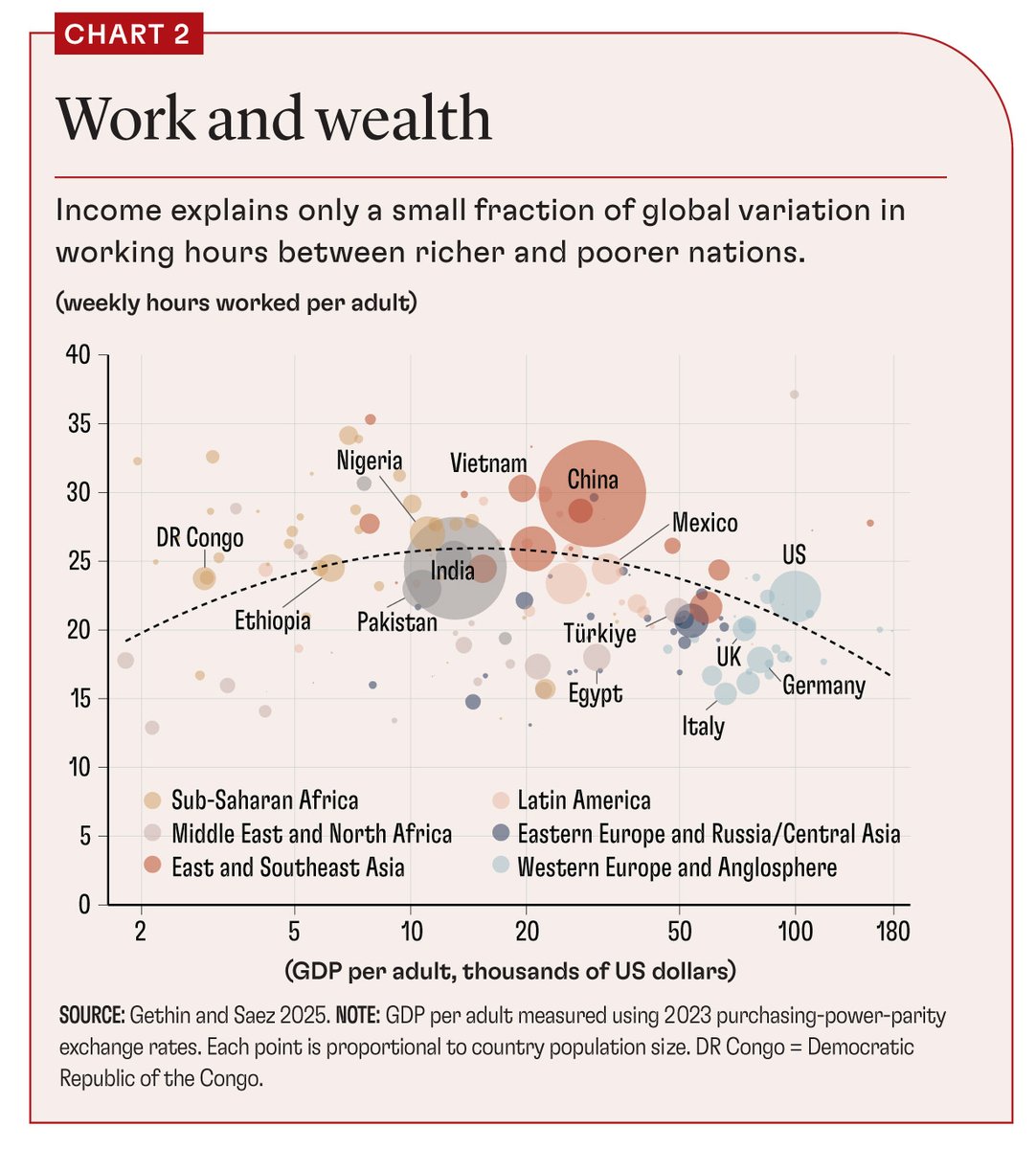
"How Much Does the World Work?" by Amory Gethin and Emmanuel Saez.
"It is often thought that people in richer countries work less. The reality is more nuanced. Hours worked per adult follow a mild bell-shaped relationship with income per capita. They are lowest in poor and rich countries and highest in middle-income economies. Yet income levels explain only a small fraction of global variations in working hours..."
"...cultural and social choices encoded in public policy shape hours worked much more than pure economic development. The balance between work and leisure is not simply about personal preference. It is a collective negotiation embedded in institutions, labor laws, and social expectations."
imf.org/en/publications/fand…
24
73
7,974
Saon Ray retweeted
May 29
New Factful Friday is up on LI! 🔗linkedin.com/pulse/trump-obs…
👉Services exports support four times more American jobs than manufactured exports, yet US policy is mesmerised by manufacturing.
👉Things you can drop on your foot dominate the debate even as the future of trade heads towards services.
▶️Tariffs only operate on things crossing borders physically.
▶️Tariffs can only directly protect jobs tied to making goods.
▶️But those sectors employ only about one in ten middle-class Americans.
💥The other nine out of ten work in service sectors, and for them tariffs are just part of the affordability crisis.
⭐That is the core mismatch. ⭐The romance-vs-reality gap. ⭐The manufacturing mesmerisation.
cc: @AdamPosen, @IMD_Bschool, @cepr_org, @adam_tooze, @jasonfurman, @BrankoMilan, @ChrisGiles_, @ChadBown, @CER_Grant, @jburnmurdoch, @jamescrabtree, @NIESRorg, @ezraklein, @elerianm, @erikbryn, @GitaGopinath, @gabriel_zucman, @Hugodixon, @kaushikcbasu, @k_sonin, @lugaricano, @lugaricano, @lindayueh, @MarkJCarney, @MaxCRoser, @NOIweala, @Nouriel, @NOELreports, @ojblanchard1, @paulkrugman, @politico, @agnesbq1, @DannyQuah, @RBReich, @RayDalio, @SimonEvenett, @simonjhix, @sjwrenlewis, @scottlincicome, @D_A_Irwin, @michaelxpettis
1
8
20
7,377
Saon Ray retweeted

May 23
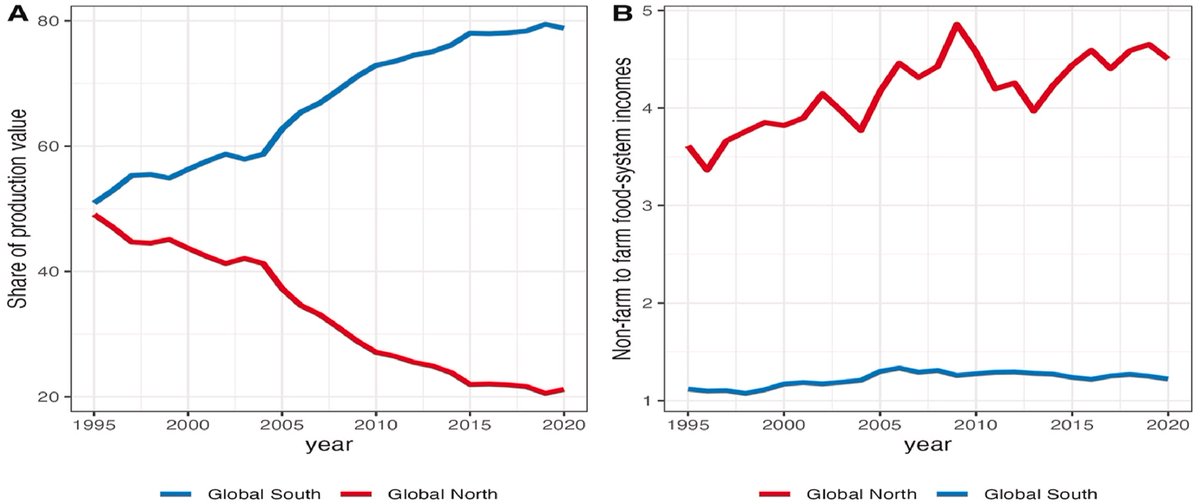
This one led by Meghna Goyal explores unequal exchange in global agri-food value chains, showing that agricultural production happens increasingly in the South but food-system income is captured disproportionately in the North. sciencedirect.com/science/ar…
1
31
95
3,657
Saon Ray retweeted
May 22
My new Factful Friday is up on LI!
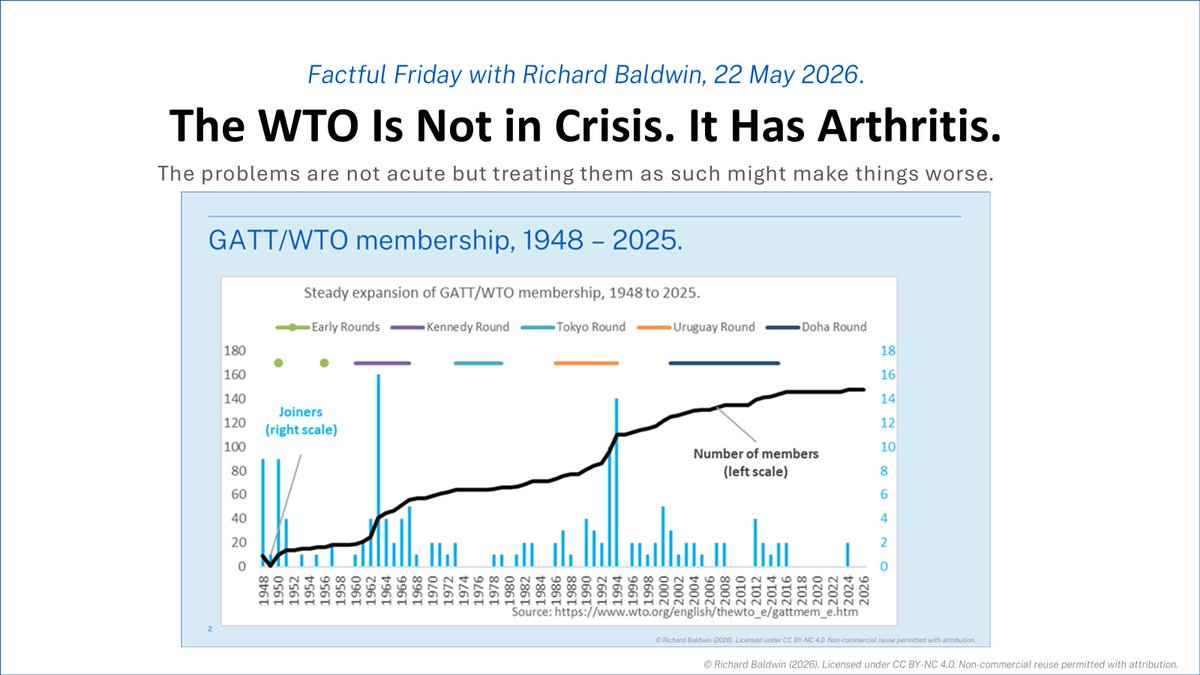
The WTO’s problems are chronic, not acute.
The WTO is critical and central to the world trade order even though it can’t produce grand bargains and stopped being the world’s supreme court for trade disputes. Saying it’s in a crisis when its problems are chronic invites ill-willed nations to make quick fixes that may make things worse.
linkedin.com/pulse/wto-crisi…
cc: @AdamPosen, @IMD_Bschool, @cepr_org, @adam_tooze, @jasonfurman, @BrankoMilan, @ChrisGiles_, @ChadBown, @CER_Grant, @jburnmurdoch, @jamescrabtree, @NIESRorg, @ezraklein, @elerianm, @erikbryn, @GitaGopinath, @gabriel_zucman, @Hugodixon, @kaushikcbasu, @k_sonin, @lugaricano, @lugaricano, @lindayueh, @MarkJCarney, @MaxCRoser, @NOIweala, @Nouriel, @NOELreports, @ojblanchard1, @paulkrugman, @politico, @agnesbq1, @DannyQuah, @RBReich, @RayDalio, @SimonEvenett, @simonjhix, @sjwrenlewis, @scottlincicome, @D_A_Irwin, @michaelxpettis
7
13
5,898
Saon Ray retweeted

FTA and beyond: India has joined Japan, South Korea and China at the WTO to protest a UK proposal that would slash tariff-free steel import quotas from July 1 and increase duties on shipments exceeding the quota to 50%, sources said. thehindubusinessline.com/eco…
3
5
404
Saon Ray retweeted

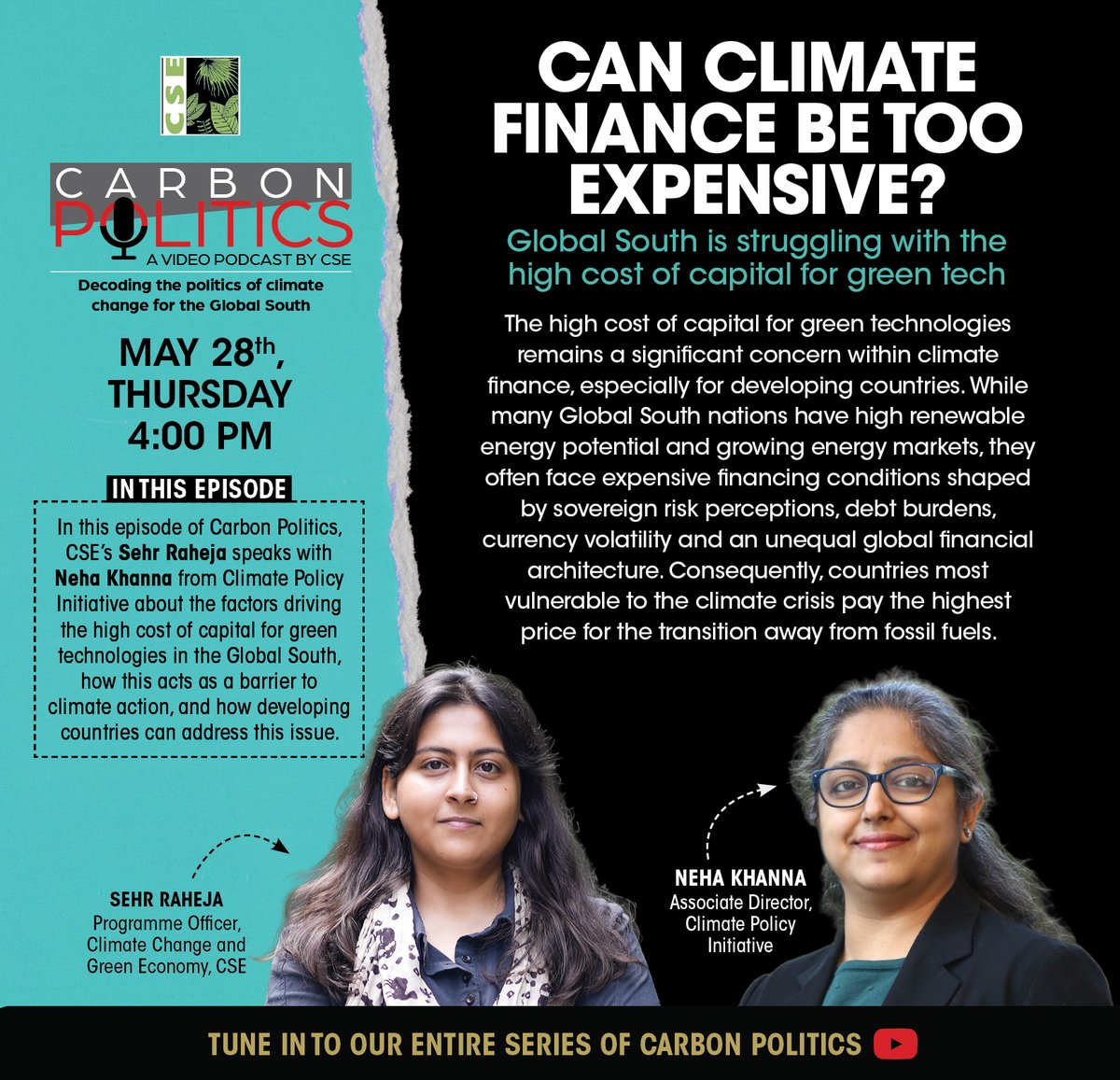
🎙️New Carbon Politics episode drops on May 28
In this episode, CSE's @SehrRaheja speaks with Neha Khanna from @climatepolicy about the high cost of capital for green tech in the Global South and how developing countries can address this issue.
More details in the poster 👇
3
3
375