
Joined November 2019
- Tweets 740
- Following 378
- Followers 5,966
- Likes 2,255
94 Photos and videos

Pinned Tweet

Feb 3
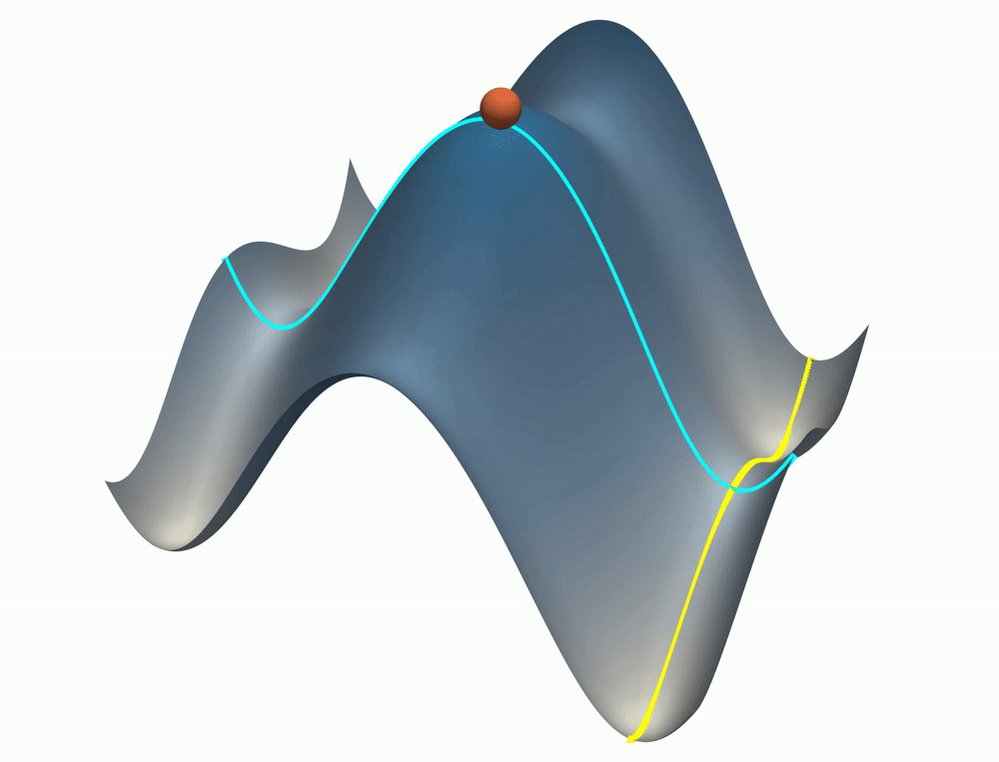
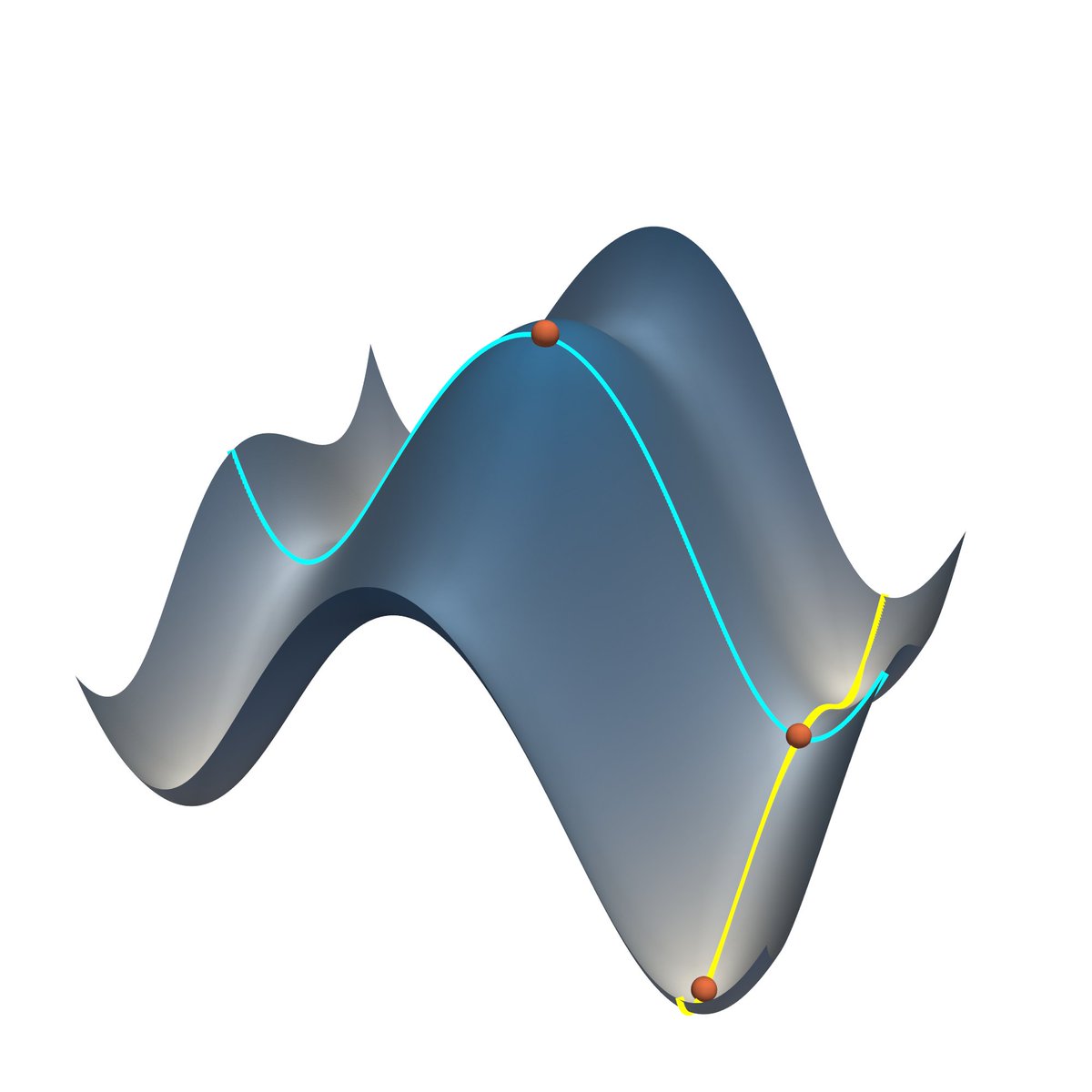
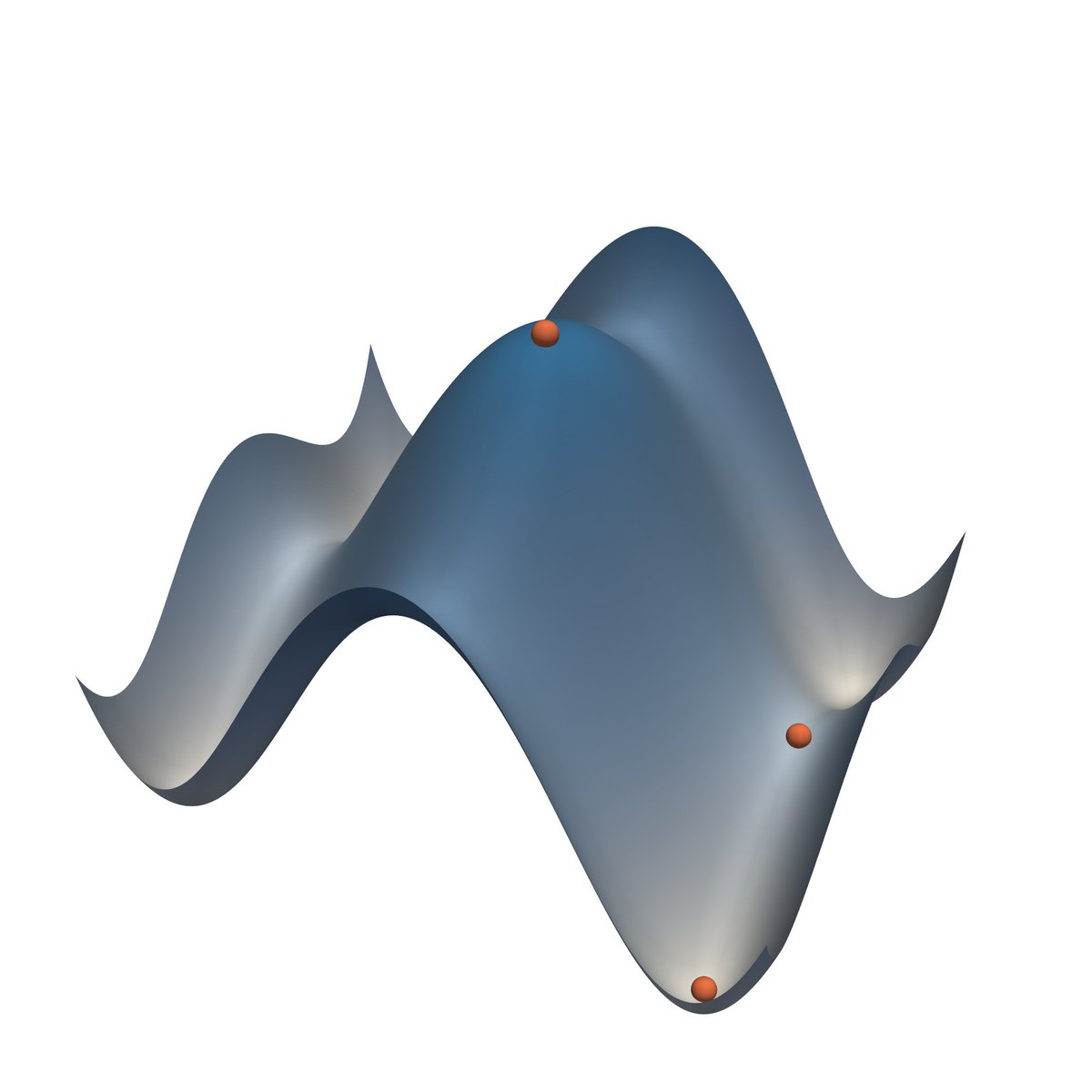
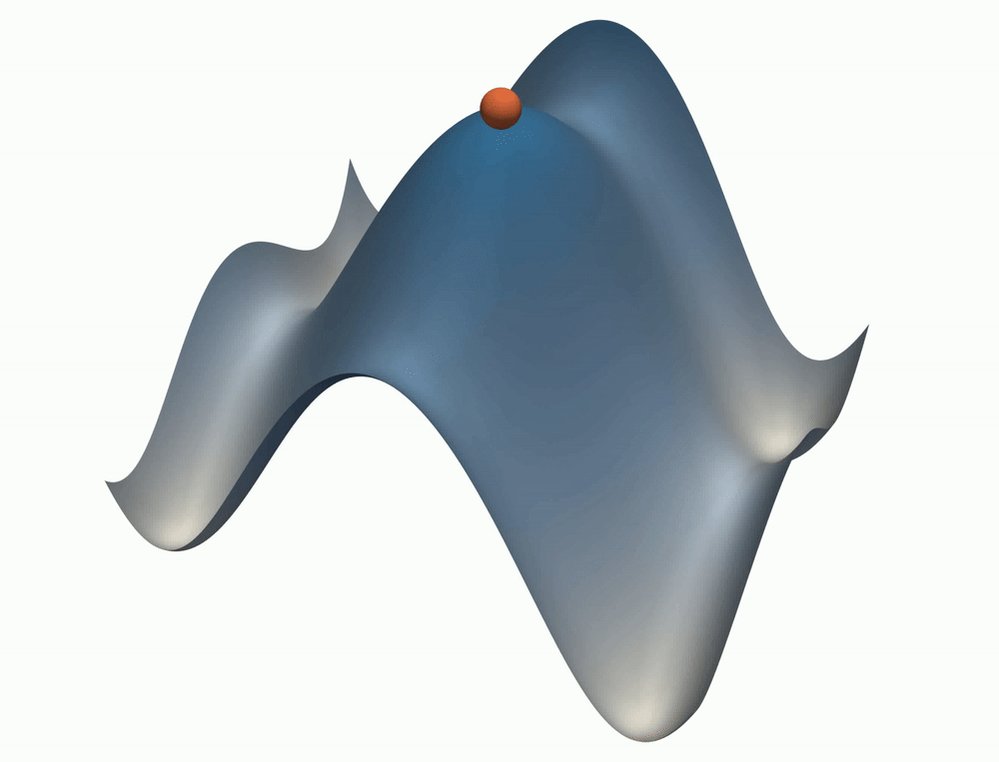
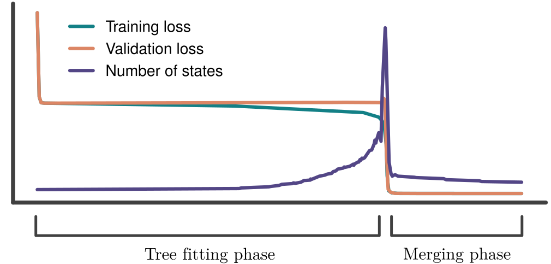
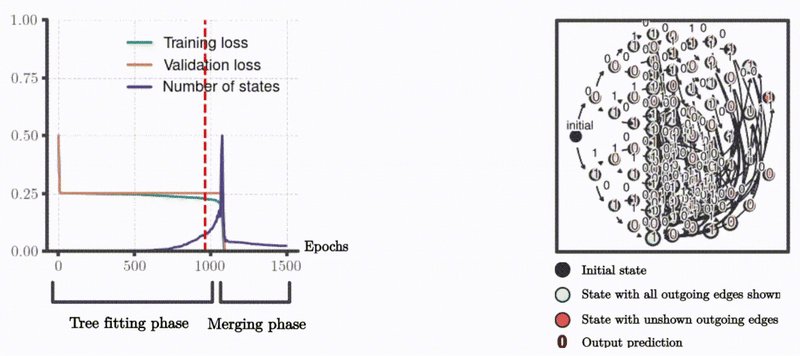
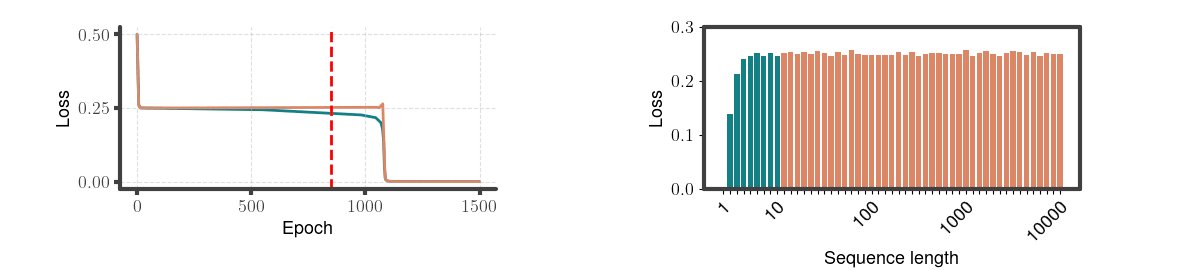
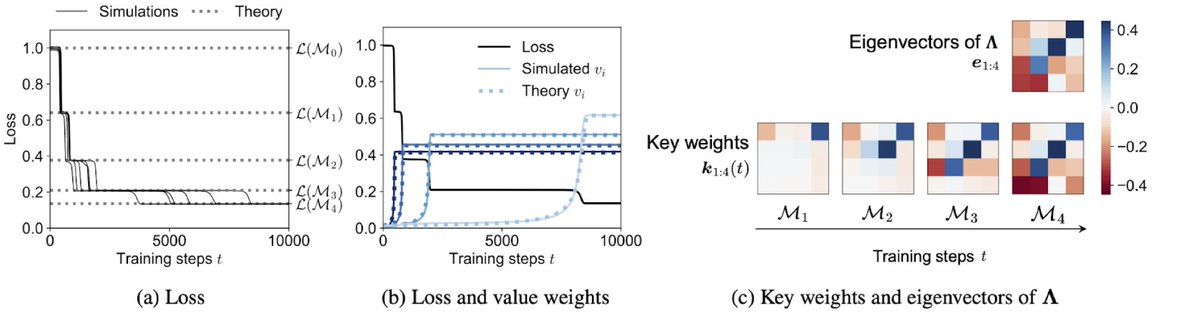
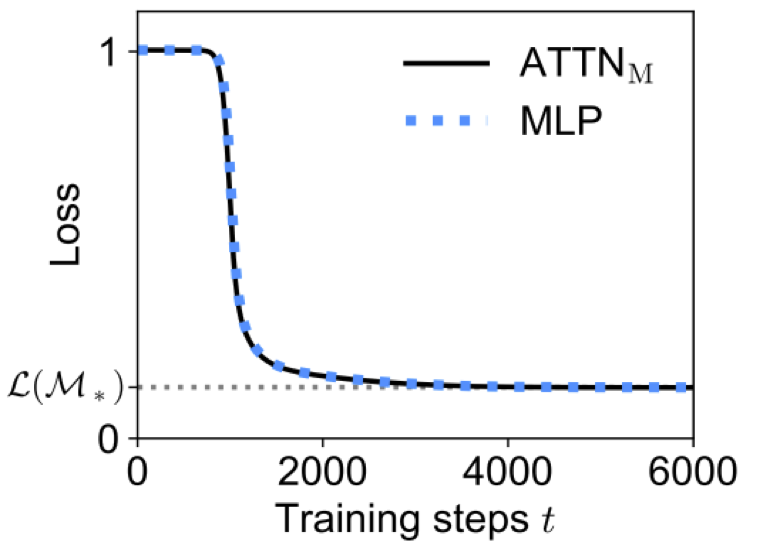
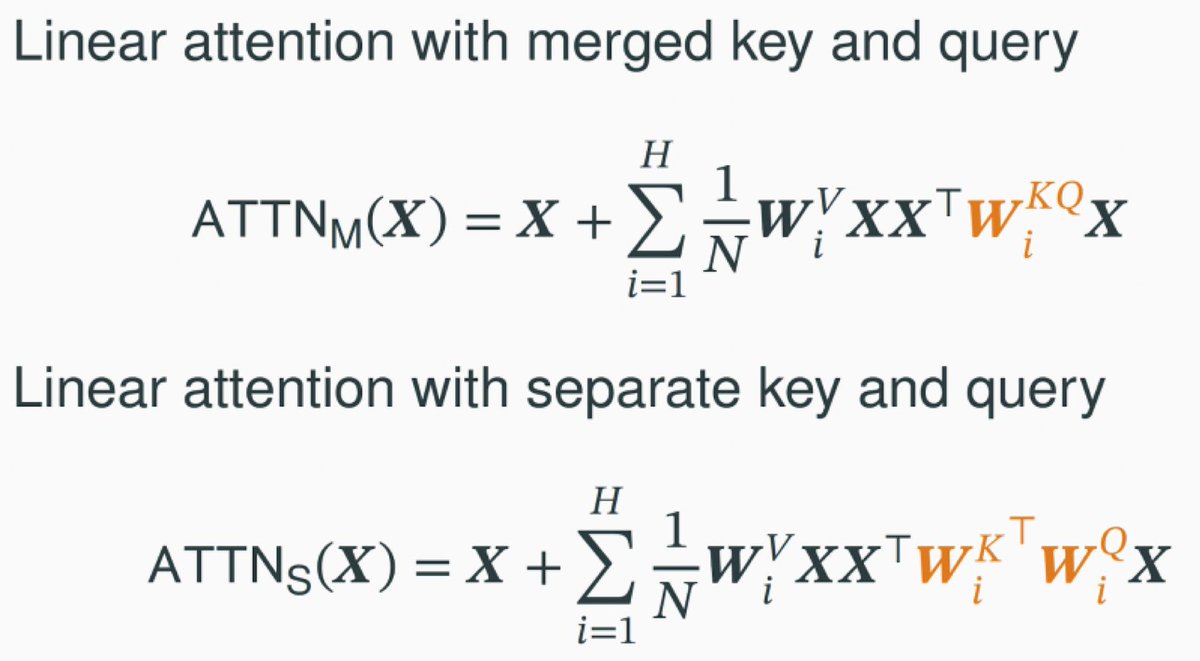
Why don’t neural networks learn all at once, but instead progress from simple to complex solutions? And what does “simple” even mean across different neural network architectures?
Sharing our new paper @iclr_conf led by Yedi Zhang with Peter Latham
arxiv.org/abs/2512.20607
10
58
439
29,509
Andrew Saxe retweeted

Jun 12
Europe has a lot to lose in the current AI race, and it's worth examining how threats to middle-power sovereignty can result in unsafe outcomes.
Such scenarios help illustrate why Europe must invest in AI initiatives that can either leapfrog the current frontier or offer critical components like safety and reliability.
Jun 11

I'm deeply concerned about Europe's future on AI. One of my biggest worries is our erosion of agency, our ability to stay relevant and fight for our values in a future where AI becomes a civilisationally important technology.
Myself, @DadaJudith , @bakkermichiel and others have written a scenario to outline a potential future we worry we are on track towards.
europe2031.ai/
Every optimistic and realistic path I can see for Europe runs through a central node - one where Europe has more leverage, more importance and more say. One where Europe grows more, builds more where it matters, and takes ownership over its resilience.
Europe 2031 is a five-year scenario of the continent's slide into irrelevance: how AI is driving it, and what can still be done.
The co-authors are researchers, scientists and investors who have advised European leaders, co-authored national AI strategies, built and funded these systems from the inside. We have no interest in hype and we deeply care about this continent.
Europe 2031 ends with five concrete recommendations:
- drastically more compute on European soil
- an AI middle-power coalition
- labour-market reforms
- a bold position in robotics and industrial AI
- and a positive vision of what AI can do for society.
Europe can still change course if it finds the political will and the courage to engage in the most ambitious political and economic agenda the continent has undertaken in peacetime.
I encourage you to read it if you have the time:
12
29
186
31,304
Andrew Saxe retweeted

Model collapse is often framed as “models getting worse”
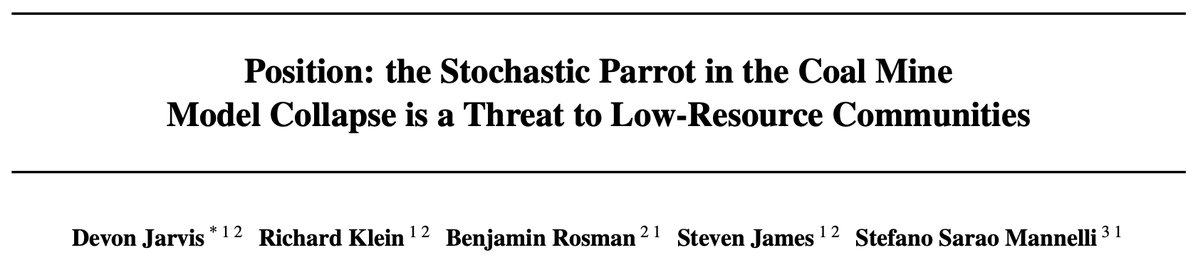
In our ICML Spotlight Position paper, we show a high risk of unequal degradation. Rare languages, minority viewpoints, and low-resource communities are likely to be affected first and most severely
arxiv.org/abs/2605.04127
Jun 10

I'm excited to share our position paper that has been accepted at ICML as a Spotlight paper. In this work we (@kleinric, @BenjaminRosman, Steven James and @stefsmlab) make a call to action for more focus on model collapse in the AI Fairness community
arxiv.org/pdf/2605.04127
1
21
3,169
Andrew Saxe retweeted

May 28
I’m excited to share that our paper “Compositionality and systematicity emerge from iterated learning in deep linear networks” has been published at PNAS. This work was conducted with @kleinric @BenjaminRosman and @SaxeLab. Some highlights below.
pnas.org/doi/full/10.1073/pn…
May 27

New research from the University of the Witwatersrand, South Africa, is shedding light on how language evolves, in both humans and artificial intelligence models. The study explores the role of culture and “iterated learning”, showing how language becomes more structured over generations in both human development and large-scale AI language models.
🔗 Read More: ow.ly/42Vr50Z4BjH
#WitsForGood #WitsResearch #ResearchForGood

1
11
19
1,423
Andrew Saxe retweeted

Apr 24
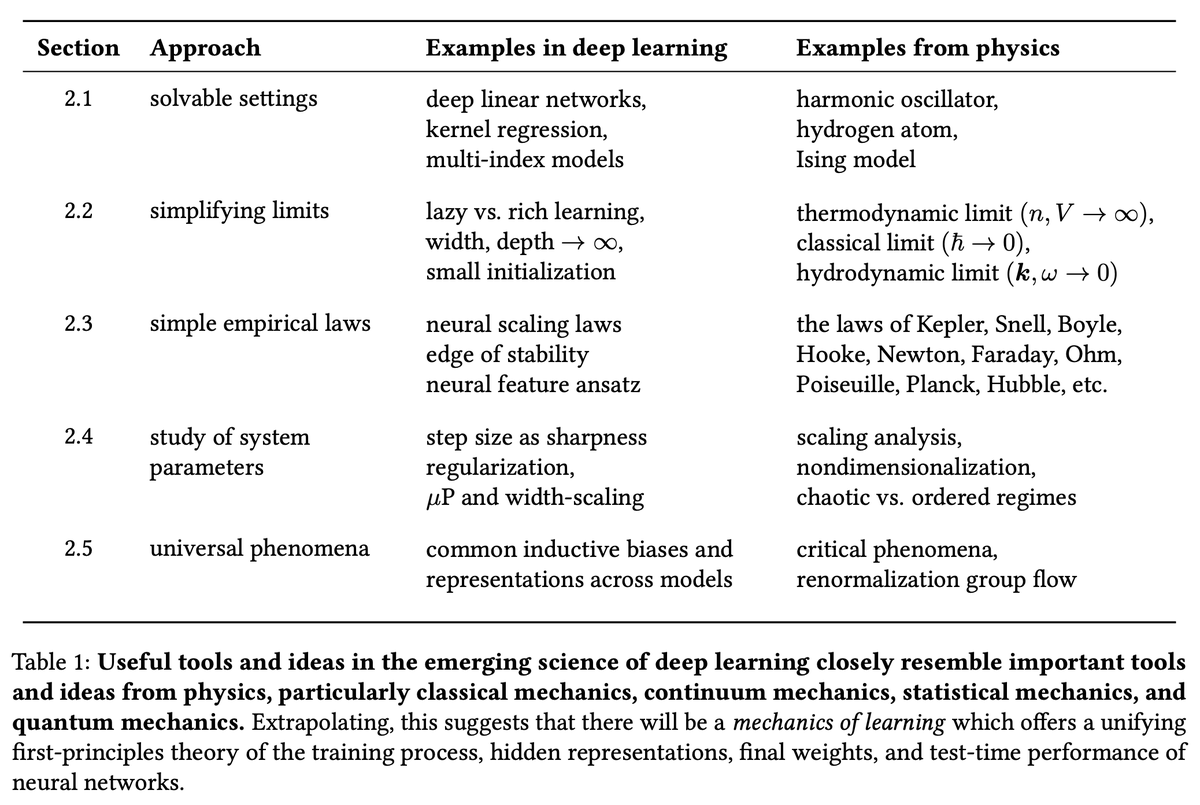
1/ Deep learning is going to have a scientific theory. We can see the pieces starting to come together, and it's looking a lot like physics!
We're releasing a paper pulling together these emerging threads and giving them a name: learning mechanics.
🔨 arxiv.org/pdf/2604.21691 🔧
54
292
1,511
304,601
Apr 23
Come chat about this @iclr_conf, at 3:15 PM on Friday in Pavilion 4 Poster #4216!
Feb 3

Why don’t neural networks learn all at once, but instead progress from simple to complex solutions? And what does “simple” even mean across different neural network architectures?
Sharing our new paper @iclr_conf led by Yedi Zhang with Peter Latham
arxiv.org/abs/2512.20607
6
51
5,812
Andrew Saxe retweeted
Two Analytical Connectionism-related updates:
1. ⏰ 1 week left to apply! Interested in language AI & cognition? Don’t miss it: analytical-connectionism.net…
2. 📜 Lecture notes from the first two editions are finally out: proceedings.mlr.press/v320/

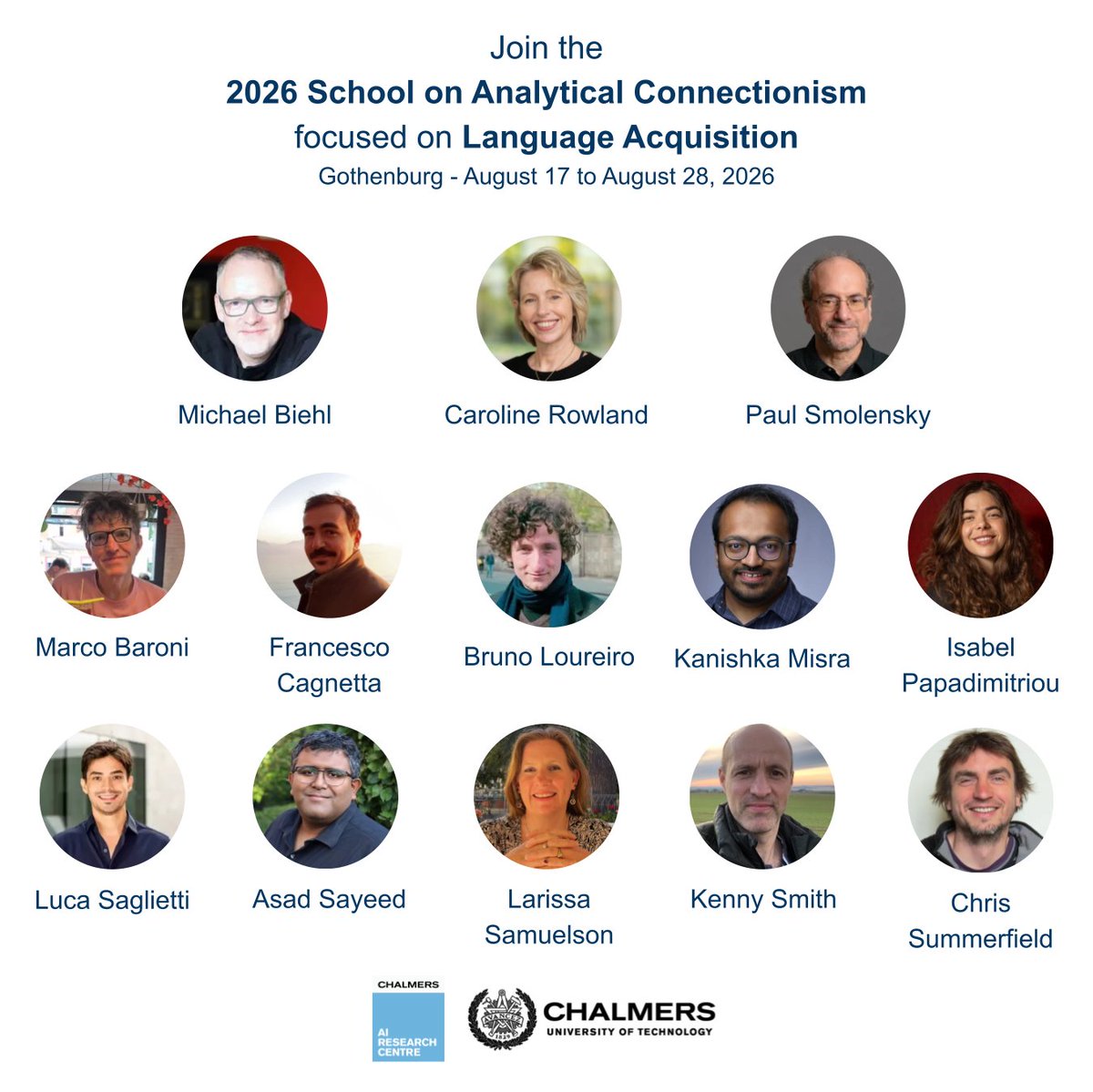
📢 We’re now accepting applications for the 2026 School on Analytical Connectionism dedicated this year to Language Acquisition.
📍 Gothenburg, Sweden
🗓️ August 17–28, 2026
☠️ Apply by April 17!
🔗 analytical-connectionism.net…
👇 Meet the experts joining us this summer!
5
14
2,575
Apr 2
Postdoc opening!
Come work with us on deep learning theory relevant to AI safety
Deadline: 7 Apr 2026
Details and application: ucl.ac.uk/work-at-ucl/search…
36
129
11,762
Apr 2
Very excited by this year's Analytical Connectionism Summer School!
A dream lineup of speakers on the topic of language acquisition in minds and machines
Bursaries available to cover costs
Aug 17 – Aug 28, 2026 Gothenburg
Details: analytical-connectionism.net…
6
34
3,217
Andrew Saxe retweeted

Mar 5
Looking for alternatives to quadratic functions for closed-form analysis in optimization? This post explores matrix Riccati dynamics and their applications to neural networks. francisbach.com/closed-form-…
23
160
9,372
Andrew Saxe retweeted

What is the relationship between memorization and generalization in AI? Is there a fundamental tradeoff? In a new blog post I’ve reviewed some of the evolving perspectives on memorization & generalization in machine learning, from classic perspectives through LLMs. Link below:
12
45
425
23,780
Andrew Saxe retweeted
📢 We’re now accepting applications for the 2026 School on Analytical Connectionism dedicated this year to Language Acquisition.
📍 Gothenburg, Sweden
🗓️ August 17–28, 2026
☠️ Apply by April 17!
🔗 analytical-connectionism.net…
👇 Meet the experts joining us this summer!
1
15
42
10,130
Andrew Saxe retweeted
Hiring 2 Postdocs to work on Theoretical Foundations of AI Safety @chalmersuniv
If you have a background in Physics, Math, or ML and want to tackle AI alignment at a fundamental level alongside UCL, apply below!
🔗Apply: chalmers.se/en/about-chalmer…
🔬Lab: stefsmlab.github.io/
1
22
80
9,127
Feb 16
Excited to launch Principia, a nonprofit research organisation at the intersection of deep learning theory and AI safety.
Our goal is to develop theory for modern machine learning that can help us understand network behaviors, including those critical for AI safety.
1
9
35
299
18,993
Feb 16
We’re hiring postdocs/research scientists! Your interests can be anywhere on the spectrum from pure theory to empirically testing predictions relevant to AI safety.
Our theoretical work relies on dynamical systems and tools from statistical physics.
3
2
2
47
2,939
Feb 16
How to apply:
USD 80,000–100,000 (50-74k GBP) annualized
6 months, w/ extension based on funding
Details: docs.google.com/document/d/1…
Application: forms.gle/xKukH74iX16pPGrA6
4
2
41
2,560
Feb 3
Why don’t neural networks learn all at once, but instead progress from simple to complex solutions? And what does “simple” even mean across different neural network architectures?
Sharing our new paper @iclr_conf led by Yedi Zhang with Peter Latham
arxiv.org/abs/2512.20607
10
58
439
29,509
Feb 3
Equipped with this theory, we make new predictions about how network width, data distribution, and initialization affect learning dynamics.
For example, increasing the number of attention heads in linear attention shortens the plateaus in learning.
2
9
826
Feb 3
Upcoming online talk next Monday 9th February, at the ELLIS Reading Group on Mathematics & Efficiency of Deep Learning!
Open to all. Info at
sites.google.com/view/effici…
2
12
946