
Never miss a lead again. ⚡️ We handle voice calls, text chats, follow-ups, and bookings for service businesses 24/7. Fast replies = more revenue. 👇
Joined March 2026
- Tweets 45
- Following 52
- Followers 19
- Likes 201
6 Photos and videos




Pinned Tweet

Apr 11
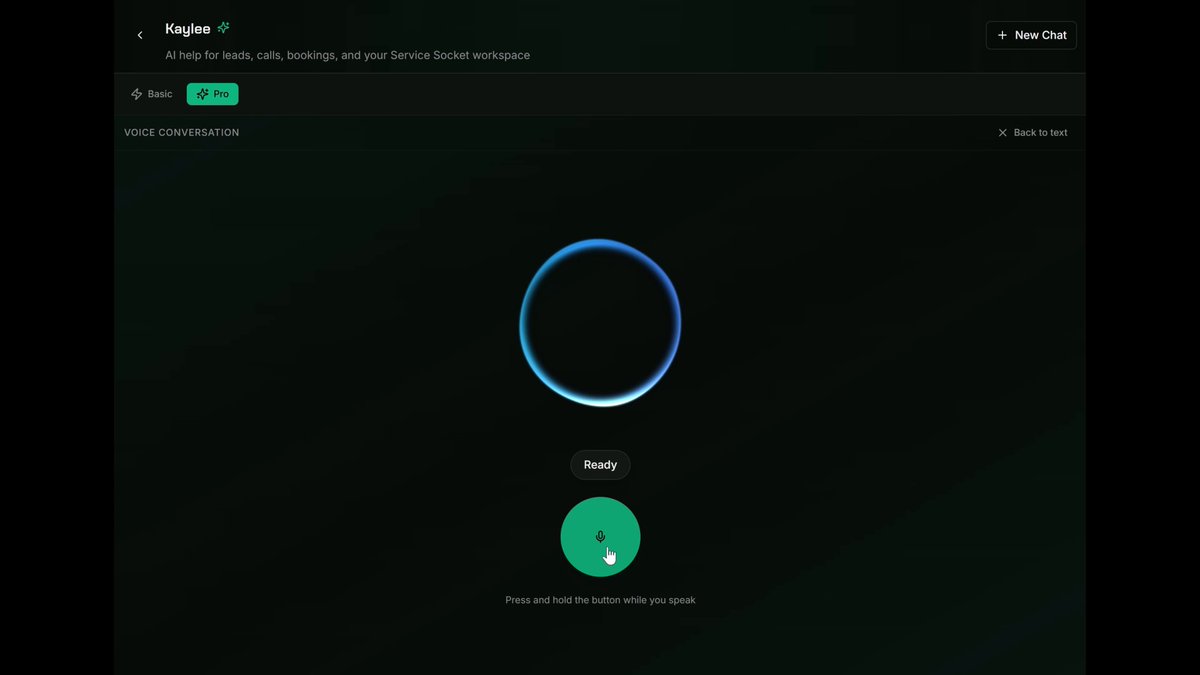
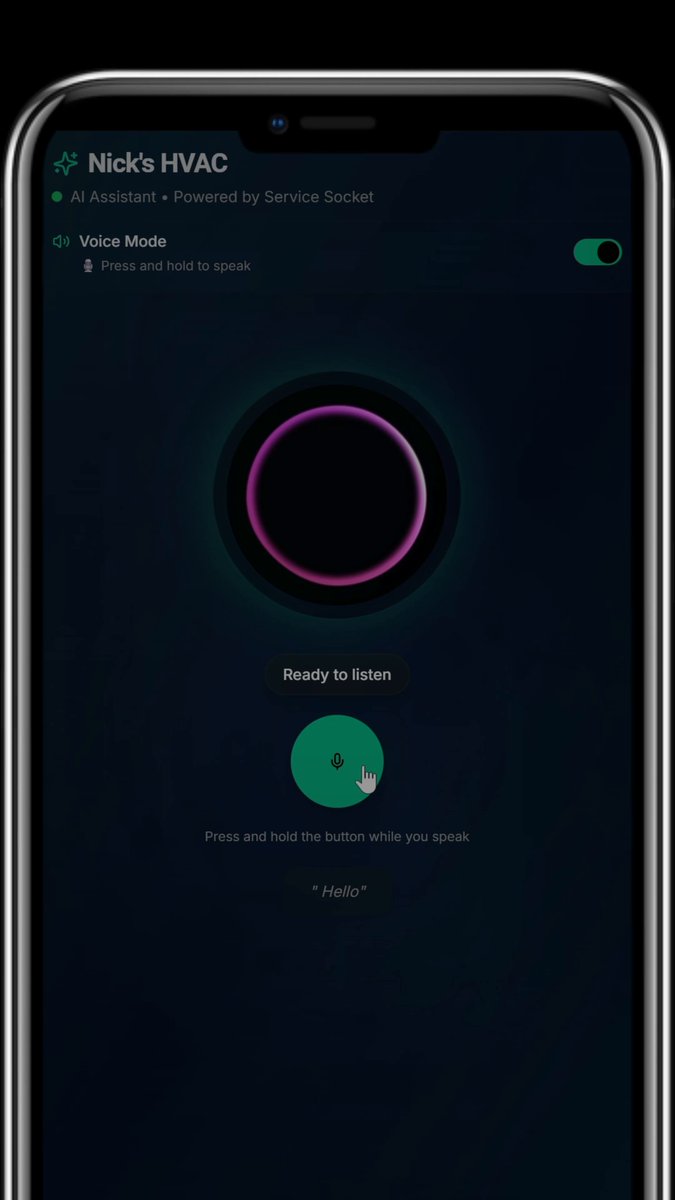
AI Agents doing follow up calls for HVAC and Plumbing companies. 🛠️
2
9
756
May 28
🛠️service businesses putting AI on live customer phone lines:
Be incredibly careful about the underlying architecture you deploy. If your AI voice agent acts like a lagging dial-up modem, you are actively bleeding thousands of dollars in missed jobs.
Here is why the wrong tech stack will destroy your conversion rates and how we are fixing it at Service Socket. 👇
The "Stitched" Illusion
First-generation voice platforms are hitting a major technical wall. Most systems on the market right now are built on a "stitched" framework. They essentially staple three entirely separate API calls together:
Speech-to-Text (Transcribing the customer)
Text-based LLM (Thinking of a response)
Text-to-Speech (Generating the audio)
You simply cannot out-optimize the physics of that legacy stack. Every single network hop introduces a serialization penalty. The time it takes to transcribe speech, generate text tokens, and synthesize audio locks you into a brutal latency floor before the first sound even streams back to the caller.
In the Trades, Lag is a Liability
A 3-second delay is a death sentence for a plumbing or HVAC lead.
If a homeowner calls with a burst pipe or a broken AC and has to wait through a clunky, unnatural silence while a backend bot processes text tokens, they will hang up and call your competitor. You might save a few bucks on front-office payroll, but you will bleed massive revenue in missed bookings. Protecting your conversion rates requires moving away from text middlemen entirely.
Enter Native Real-Time Voice
We built Service Socket because the trades demand instant response times.
We engineered a custom harness architecture and orchestration system that sits directly over a native, real-time voice AI model. Instead of dragging conversational audio through slow text translations, it streams raw audio frames directly into a single multimodal model via a continuous WebSocket connection.
The baseline difference in production at scale is night and day:
⚡ 300–500ms Latency: Zero intermediate translation steps mean near-instantaneous, human-like response times.
🛑 Natural Interruption: True full-duplex operation natively hears when a frantic customer cuts in mid-sentence and yields gracefully in real time.
🧠 Acoustic Context: It understands the actual sound of the call. It catches urgency, frustration, and hesitation rather than just reading a flattened, emotionless transcript.
🔧 Trade-Specific Orchestration: The custom harness is built for the ambiguity of real-world workflows, seamlessly juggling 40 complex tool integrations mid-conversation to book jobs into your dispatch software without awkward dead air.
The Bottom Line
Before signing a contract with any voice AI provider, ask them point-blank:
"Is your pipeline stitched, or is it native, real-time voice AI?"
It is the absolute difference between a frustrating robotic barrier that drives customers away, and a seamless customer experience that books jobs 24/7.
Want to hear what native voice AI should actually sound like for your business?
servicesocket.ai
1
8
78
Service Socket retweeted
Mar 30
Automate and grow your trade business with AI agents built specifically for plumbing, HVAC, roofing, and more. 🛠️ Never miss a Lead Again!
2
2
8
296
Service Socket retweeted

May 15

3
4
9
88
Apr 24
Powered by the #1 voice model @xai
Apr 24
Think Fast Realtime Voice powered by @xai @grok already implemented with over 40 custom tools @ServiceSocket serving the trades🛠️
5
7,407
Service Socket retweeted

Apr 20
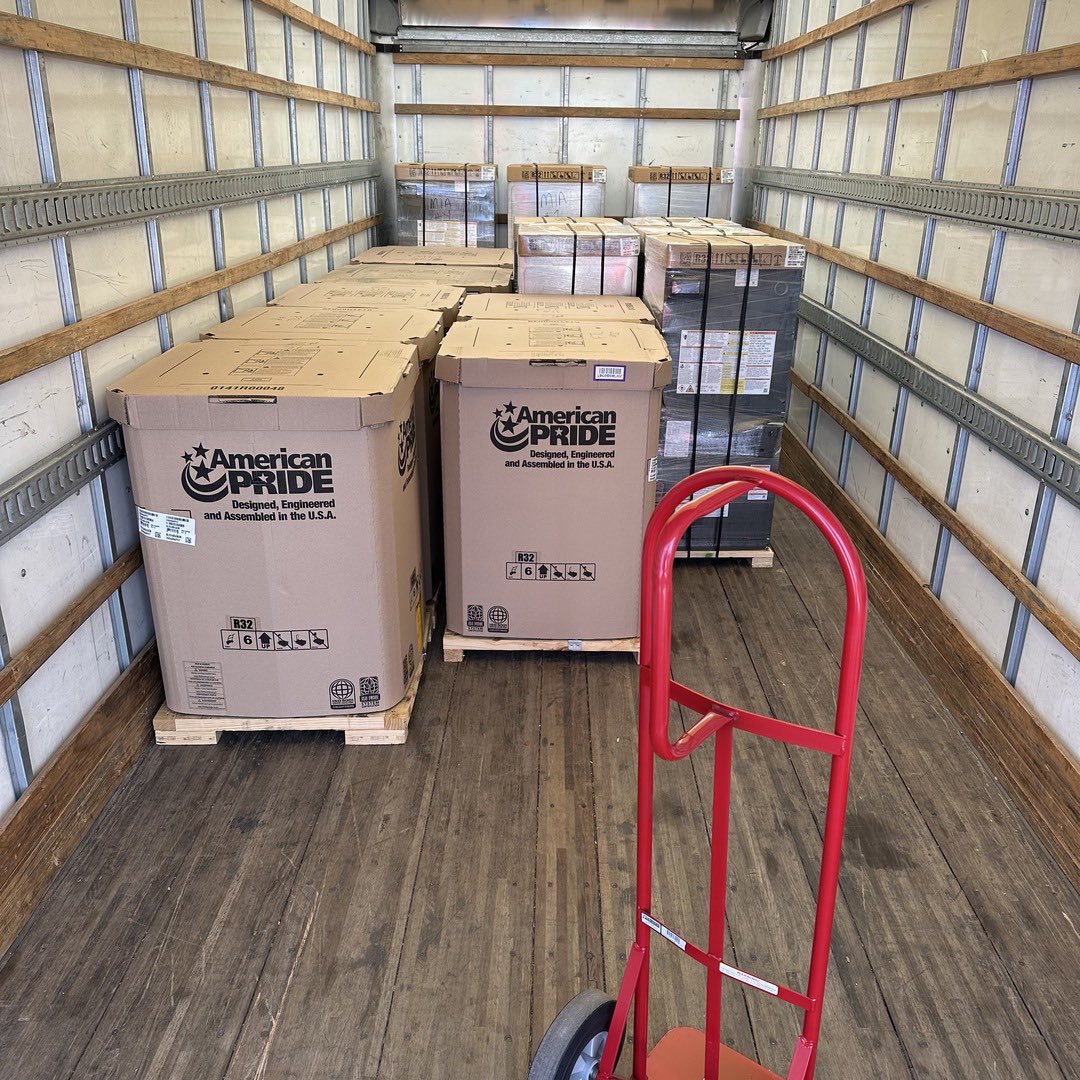
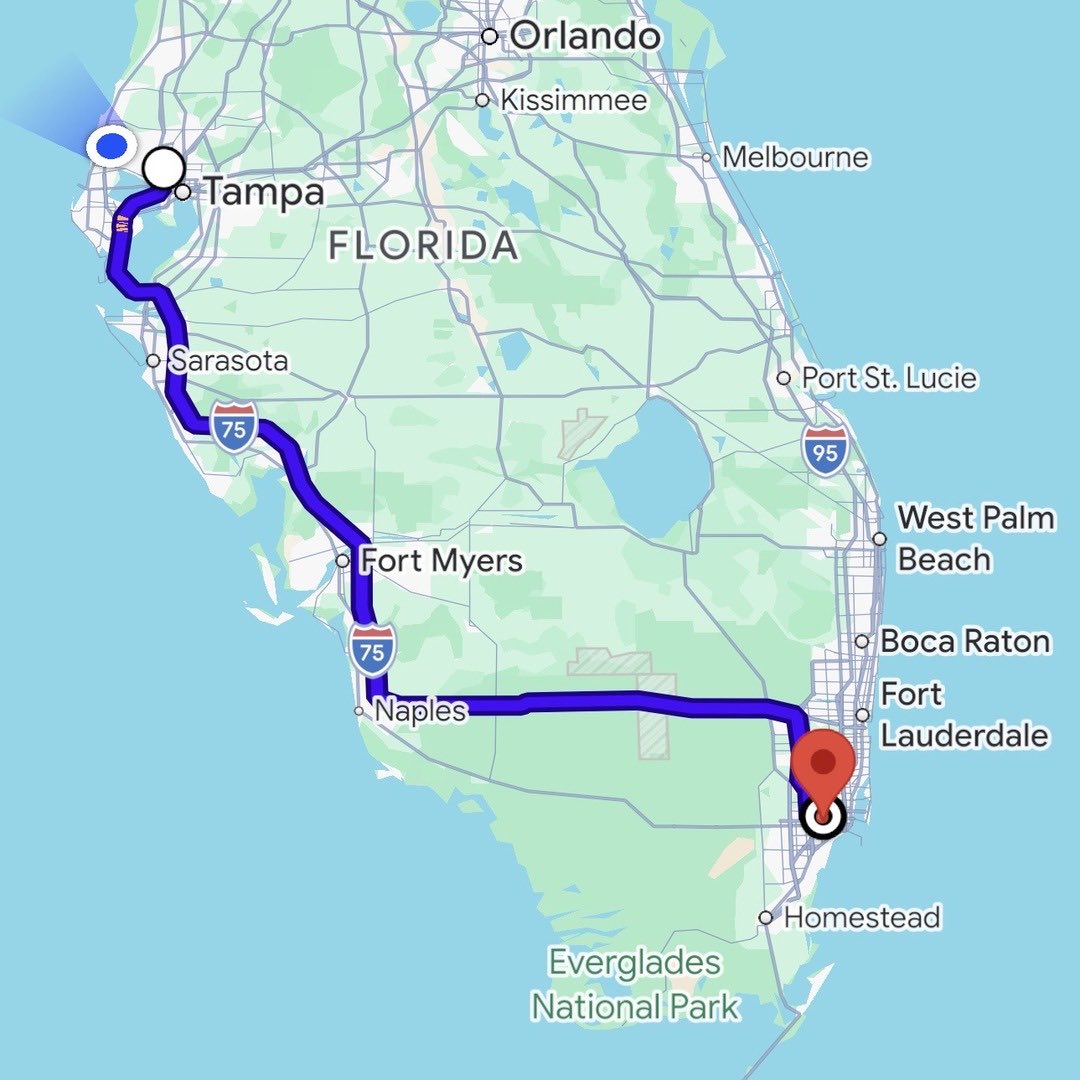
HVAC customer: Can you install 8 units?
Me: Yes, absolutely!
HVAC customer: …5 hours away…
Me: Challenge accepted!
HVAC customer: …in 1 day
Me: Hold my beer


17
3
171
19,521
Apr 21
We build custom AI agents for the Trades 🛠️
Apr 21

The #1 voice agent for the trades is @ServiceSocket. I have tried all of them and this is the only one that actually works well.
7
88
Service Socket retweeted

Apr 18
The Tradecraft crm and field service management system fully integrates with @ServiceSocket
1
5
29
Service Socket retweeted

Apr 18
We use @ServiceSocket at our HVAC shop. It's best voice ai on the market (powered by @xai)
1
7
41
Apr 14
This what it looks like when you give your plumbing shop superpowers 🔧
2
6
53
Service Socket retweeted
Apr 10
@ServiceSocket is already doing this very well. We use it for inbound/outbound calls and it books jobs in our system and even follow up with my customers for payment.
1
2
7
86
Mar 31
If you are in the trades, this is how you never miss a call.
5
8
198