
Just a guy with a ladder and a dream of perfect air flow.
Joined February 2026
- Tweets 64
- Following 55
- Followers 18
- Likes 256
Photos and videos

May 28
We tried a few ai voice systems at our shop and this one worked the best. @ServiceSocket
May 28

🛠️service businesses putting AI on live customer phone lines:
Be incredibly careful about the underlying architecture you deploy. If your AI voice agent acts like a lagging dial-up modem, you are actively bleeding thousands of dollars in missed jobs.
Here is why the wrong tech stack will destroy your conversion rates and how we are fixing it at Service Socket. 👇
The "Stitched" Illusion
First-generation voice platforms are hitting a major technical wall. Most systems on the market right now are built on a "stitched" framework. They essentially staple three entirely separate API calls together:
Speech-to-Text (Transcribing the customer)
Text-based LLM (Thinking of a response)
Text-to-Speech (Generating the audio)
You simply cannot out-optimize the physics of that legacy stack. Every single network hop introduces a serialization penalty. The time it takes to transcribe speech, generate text tokens, and synthesize audio locks you into a brutal latency floor before the first sound even streams back to the caller.
In the Trades, Lag is a Liability
A 3-second delay is a death sentence for a plumbing or HVAC lead.
If a homeowner calls with a burst pipe or a broken AC and has to wait through a clunky, unnatural silence while a backend bot processes text tokens, they will hang up and call your competitor. You might save a few bucks on front-office payroll, but you will bleed massive revenue in missed bookings. Protecting your conversion rates requires moving away from text middlemen entirely.
Enter Native Real-Time Voice
We built Service Socket because the trades demand instant response times.
We engineered a custom harness architecture and orchestration system that sits directly over a native, real-time voice AI model. Instead of dragging conversational audio through slow text translations, it streams raw audio frames directly into a single multimodal model via a continuous WebSocket connection.
The baseline difference in production at scale is night and day:
⚡ 300–500ms Latency: Zero intermediate translation steps mean near-instantaneous, human-like response times.
🛑 Natural Interruption: True full-duplex operation natively hears when a frantic customer cuts in mid-sentence and yields gracefully in real time.
🧠 Acoustic Context: It understands the actual sound of the call. It catches urgency, frustration, and hesitation rather than just reading a flattened, emotionless transcript.
🔧 Trade-Specific Orchestration: The custom harness is built for the ambiguity of real-world workflows, seamlessly juggling 40 complex tool integrations mid-conversation to book jobs into your dispatch software without awkward dead air.
The Bottom Line
Before signing a contract with any voice AI provider, ask them point-blank:
"Is your pipeline stitched, or is it native, real-time voice AI?"
It is the absolute difference between a frustrating robotic barrier that drives customers away, and a seamless customer experience that books jobs 24/7.
Want to hear what native voice AI should actually sound like for your business?
servicesocket.ai
1
12

Chris Larsen retweeted

May 18
Construction workers spent decades measuring and marking concrete by hand.
This robot just made that a legacy skill.
194
692
4,848
322,277
May 11
This article has a ton of info on AI in the trades. If you run a plumbing or HVAC shop you should read this.
4
11

Most HVAC contractors in America are trying to keep you in the 1990s.
I had $15,000 cash to spend on a cold-climate heat pump.
Nearly every contractor I contacted tried to talk me out of it or over-quote me an outrageous amount to deter me away.
One guy spent 20 minutes explaining why variable-speed heat pumps are a scam. Another literally said he wouldn’t put one in his own house.
Why? My guess:
1) They are ignorant of the latest technology
2) They don’t have the training to install/service the new systems
3) Their pockets get filled from big box old school HVAC manufacturers if they sell them
Unfortunately, a new HVAC for most homeowners is very urgent so these contractors use this time crunch to overcharge or upsell inferior systems.
Luckily, I bought a couple of $130 window AC units to hold me over for 2 weeks while I reached out to 15 contractors.
I received quotes ranging from $10,000 to over $24,000. Only 2 of the quotes included a modern cold-climate heat pump.
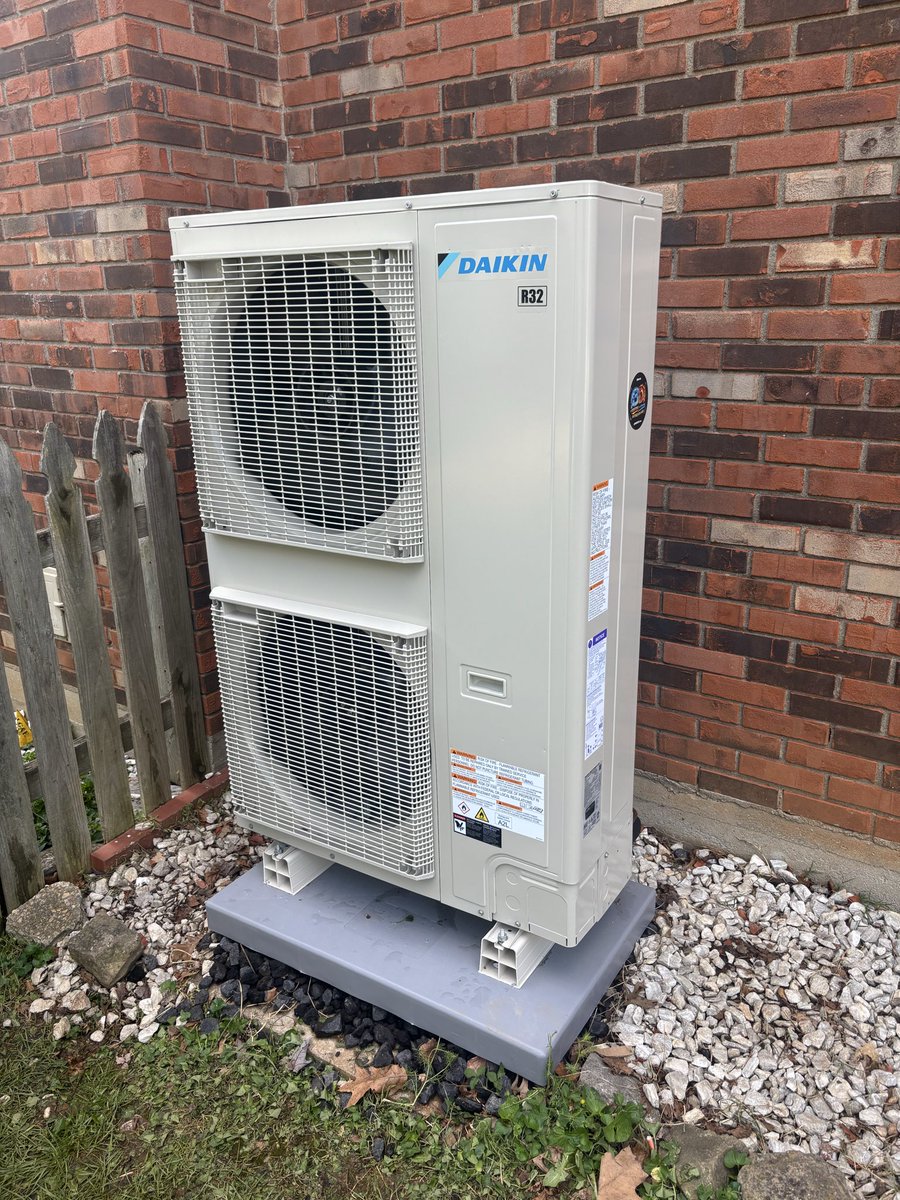
After price matching and negotiations, I ultimately chose a Daikin Aurora Fit cold-climate inverter heat pump 97% modulating gas furnace (true dual-fuel setup)
Total cost after rebates = $13,000
This system usually goes for around $20,000.
Here are the key takeaways I wish I had known before I started shopping:
1. Always demand a real Manual J load calculation. Don’t settle for a “rule of thumb” or register count. I had 3 different contractors give me 3 different sizes until one actually ran proper software.
2. True variable-speed inverter technology is worth it especially in a multi-level home. It runs longer at lower speeds, gives much better dehumidification, smoother temperatures, and is noticeably quieter.
3. Dual-fuel (heat pump high-efficiency gas furnace) is often the smartest move in mixed climates (like my home in Louisville). The heat pump handles most of the year efficiently while the furnace only kicks in on the coldest days (if necessary)
4. Shop aggressively and negotiate hard. Buy yourself some time with some temporary/portable units. I got competing quotes and used them to drive the price down significantly.
5. Duct sealing, correct sizing/tonnage, and proper installation matter more than most people realize especially in older homes.
6. Have a detailed checklist to vet each contractor. An extremely helpful guide I had throughout the process was from @energysmartwv
So why did I insist on cold climate heat pump?
• Way better temperature balance upstairs (even without zoning)
• Excellent dehumidification in humid summers
• Significantly quieter operation
• I’m expecting to save $60/month on electricity
• Less reliance on gas and possibly eliminating the need altogether
Modern cold-climate heat pumps are no longer experimental. They’re one of the smartest upgrades most homeowners can make right now.
Do your homework to make sure you are getting the best system possible for your home. Don’t let old school contractors keep you in the past.
Have you installed (or considered) a heat pump in a cold or mixed climate? Were the contractors helpful or did they try to talk you out of it?
417
209
2,794
718,209
Chris Larsen retweeted

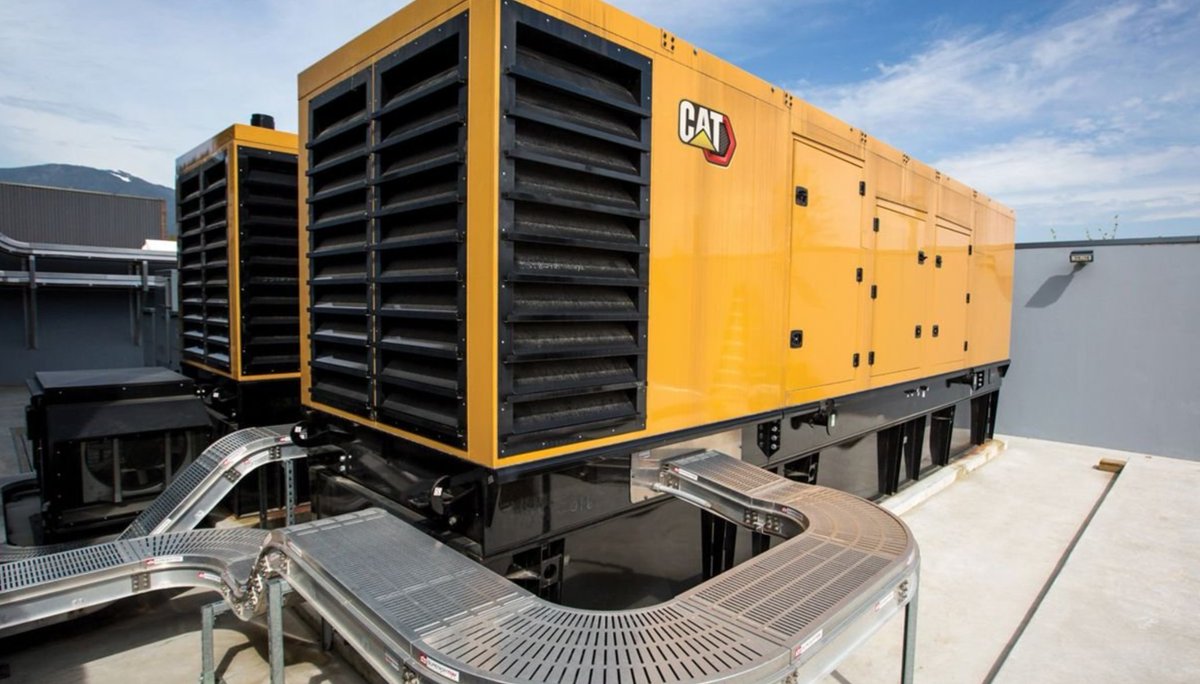
$CAT is not a digger company anymore... They're literally powering AI.
Most people have no idea that Caterpillar owns Solar Turbines - one of the biggest gas turbine manufacturers on the planet, Over 17,000 turbines operating across 100 countries.
And right now every data centre being built needs power that the grid can't provide...
So what do they do? They go to $CAT.
Just look at the deals this year...
2GW of natural gas generators for the Monarch Compute Campus in West Virginia - One of the biggest AI data centre projects in America, Deliveries starting September this year.
2.1GW deal with ProPetro's power division - Five year agreement.
A 500MW prime power project with OnePWR launching this year.
A gigawatt-scale AI campus in Utah.
They're more than doubling their gas turbine manufacturing capacity...
More than doubling their large engine capacity...
Their engine manufacturing capacity for data centres is up 125% since 2023...
Actual words on their website? "Speed to power. We can deliver complete generation packages faster than most any other technology."
$51 billion backlog For god sake!!!
Power and energy is their fastest growing segment. Sales up 37% last quarter.
This is the AI trade nobody talks about. Not chips. Not software. The gas turbines keeping the lights on underneath it all.
OPEN YOUR EYES...
I own $CAT at 7.5% and honestly wish I had more.
Are you paying attention to the infrastructure underneath AI?
62
246
2,094
402,555
Chris Larsen retweeted

Apr 27
2000 year timeline of plumbing emergencies 🔧
3
3
7
189
Chris Larsen retweeted

Apr 22
342 skilled construction workers retire every day in the US.
Use interior wall finishing as an example, you can't just hand someone a trowel and get a Level 5 wall finish. It takes years to develop that skill.
This is Okibo's fully autonomous interior finishing robot that does drywall mudding, joint taping, sanding (Level 4 and 5 finishes), and spray and roller painting (the video is a sanding pass).
It can reach up to 24' so it's designed for high reach in large industrial spaces (data centers, commercial, offsite manufacturing). You just swap the toolhead for a different finish application.
It's an autonomous operation, vision scans the path and starts, there’s one operator overseeing the work and changing tool heads when needed.
Today, it can produce 6,000 sqft/day (up to 8-10x more productive depending on the space).
Apr 20

530,000 Skilled Trade Jobs Sit Empty
25% of Tradespeople Retire by 2030
We need AI and Robotics to continue to improve.
Not to replace labor, but to function.
108
73
698
324,283
Chris Larsen retweeted

Apr 14
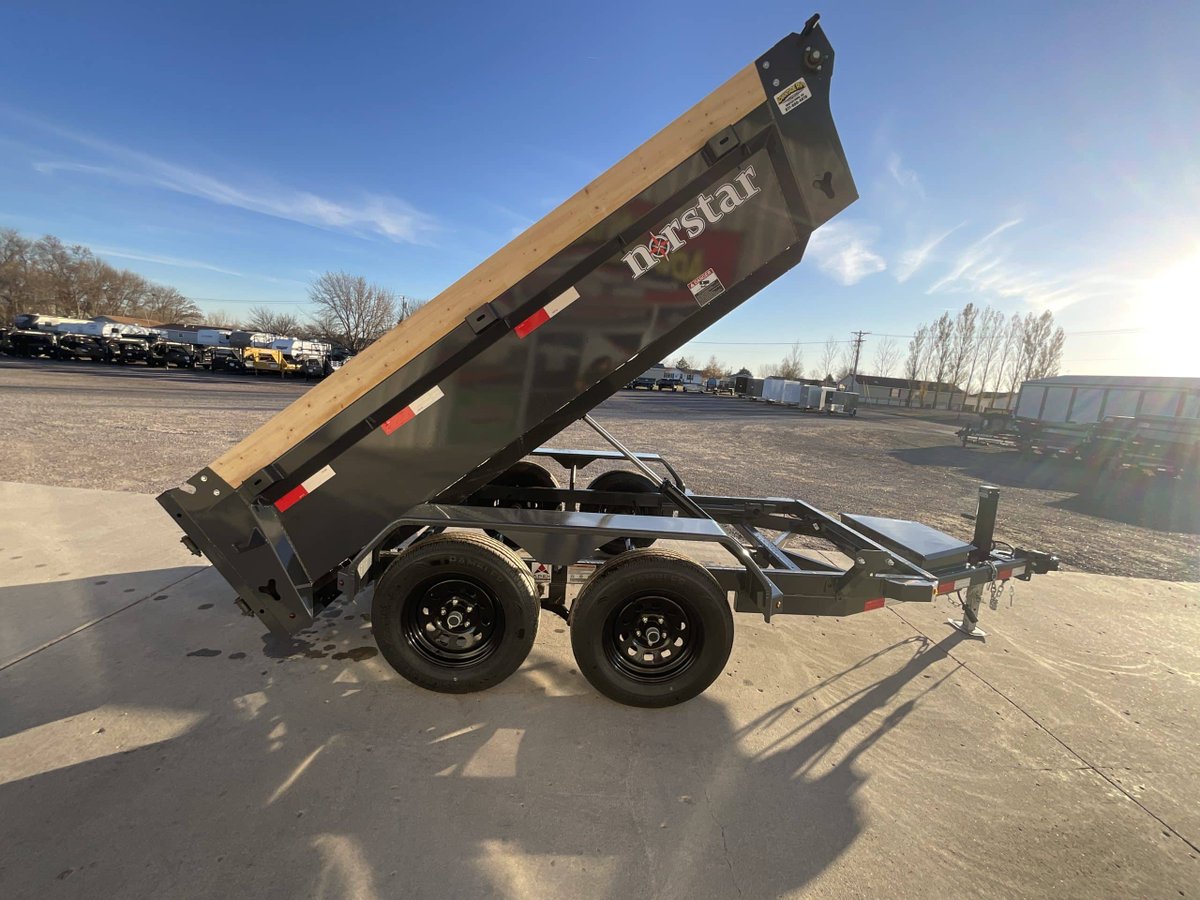
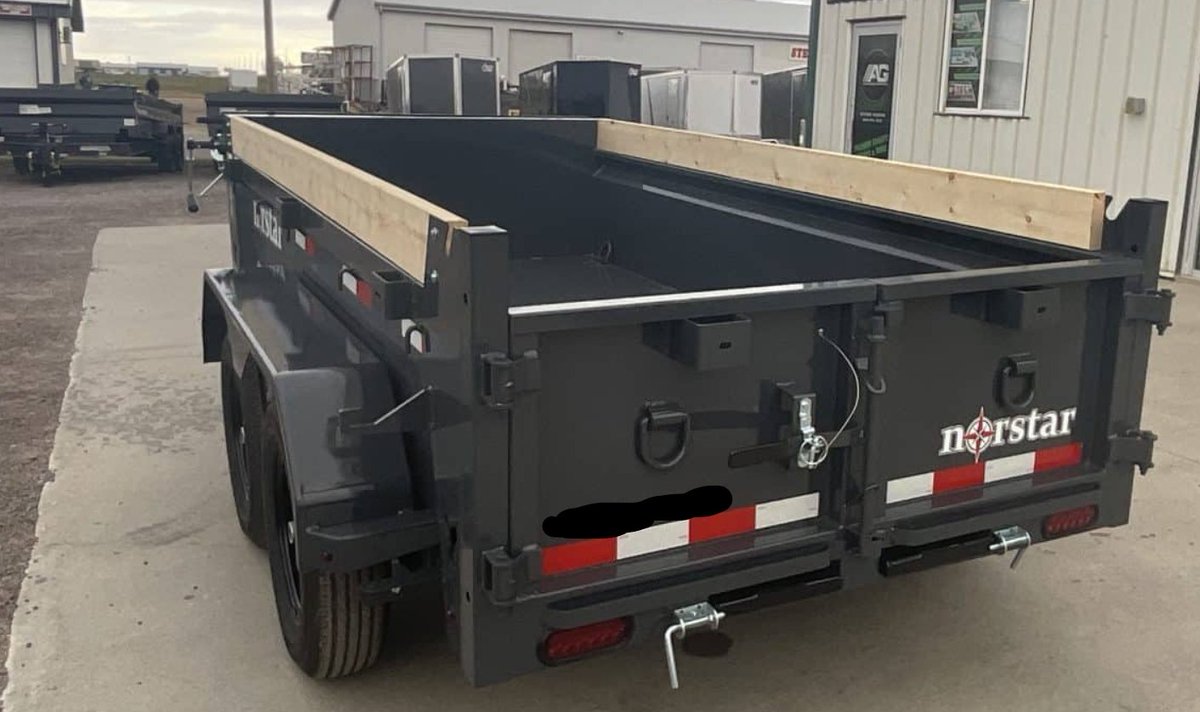
Well my friends, today was one for the books. I landed 6 more large jobs, I'm booked 3 weeks out, my new "apprentice" is ready and eager to learn, and my mom offered me a zero interest loan to purchase this dump trailer to add to my work force! Im kind of shell shocked with everything from all the great things today. I need a snack pack to wind down lol
I forgot to mention, my goal is to advertise this to also "drop off" to a customer, they fill it, I haul it for $100 a pop. Do that a couple times a month and it pays my payment
67
65
626
9,064
Chris Larsen retweeted
Apr 14
This what it looks like when you give your plumbing shop superpowers 🔧
2
6
53
Apr 11
This is the #1 AI Harness for services companies. If you are in the trades these agents can work for you 24/7.
Apr 11
AI Agents doing follow up calls for HVAC and Plumbing companies. 🛠️
8
44
Chris Larsen retweeted
Apr 11
AI Agents doing follow up calls for HVAC and Plumbing companies. 🛠️
2
9
756
Chris Larsen retweeted

Apr 3
Meet the AI agents running end-to-end ad campaigns for home services.
Instantly generates ad images, video, and text copy
Generates a unique URL for every ad that drops leads straight into the booking agent
Integrates natively with Facebook and Google Ads
3
9
159
Chris Larsen retweeted
Mar 31
If you are in the trades, this is how you never miss a call.
5
8
198
Chris Larsen retweeted

Mar 23
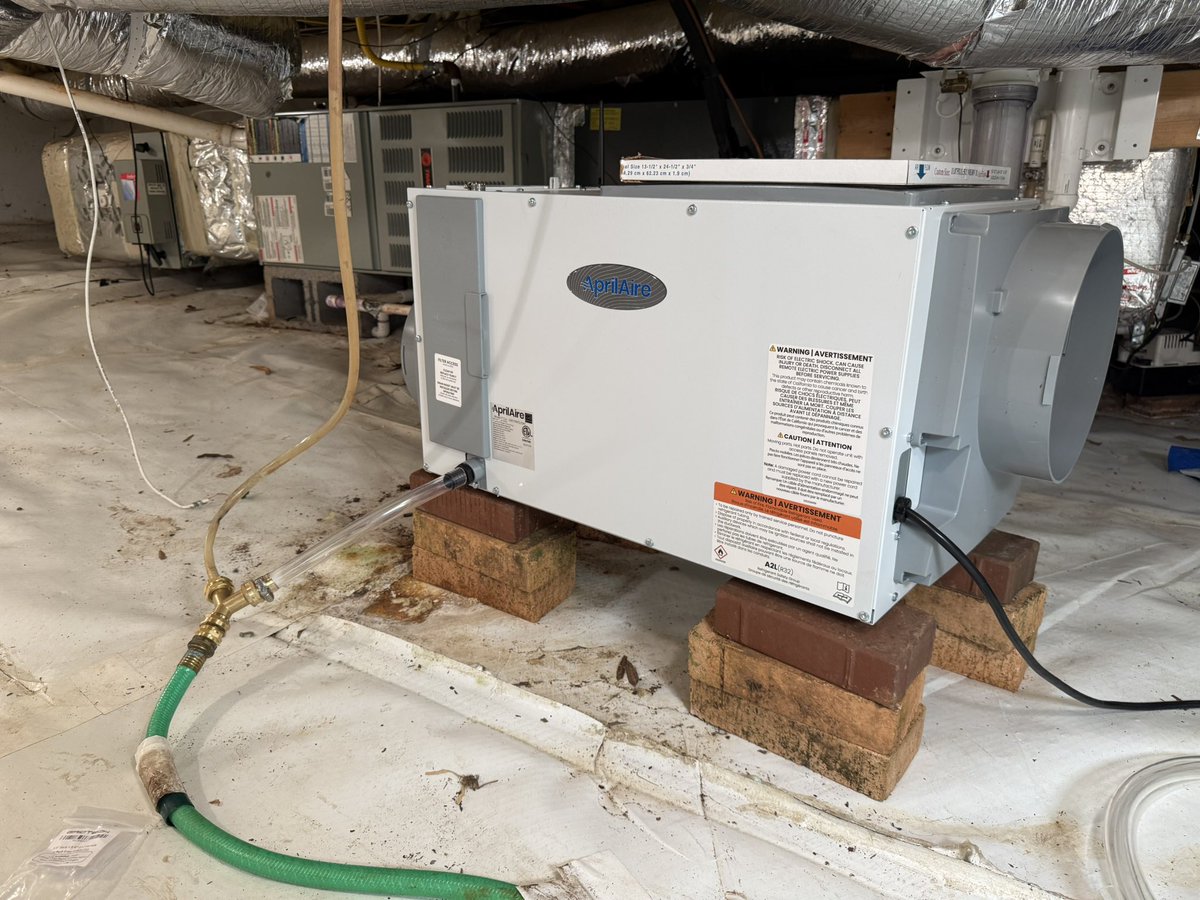
I was quoted $10,000 to install two dehumidifiers in my crawlspace.
I saved $7,500 by designing a DIY custom crawl space dehumidification system with Claude 🤑
I am not an HVAC professional.
Here’s how I did it.
Our story begins with the discovery that our new home needed a dehumidifier installed in the crawl space to prevent mold.
The professionals told me it would cost $10k, since I’d need one unit on each end due to the size of the space, plus a second drain line installed.
“Can’t we just use fans to move the humid air from one side toward the dehumidifier?”
They wouldn’t do that.
Enter Claude…
I uploaded a floor plan of my crawl space and air volume dimensions, telling Claude what I was trying to do. It researched the best dehumidifier sized appropriately for my air volume (100 pints apparently). Found me the best price - $1,500.
Now it was time for fans 💨
I had originally envisioned the single dehumidifier at one end of the space, with fans on the opposite end.
Claude taught me that would just draw more moist outdoor air in through the vents on that side, creating a linear flow through the crawl space.
Instead it modeled the air flow and suggested a circular vortex with 4 fans, one on each wall, in a circle. That sucks in minimal outdoor air, keeping cool dry air circulating.
I told it to research appropriate fans. It found four 20” sealed bearing fans on Amazon (impervious to dust), with DC drive motors (more energy efficient than AC apparently). $120 each.
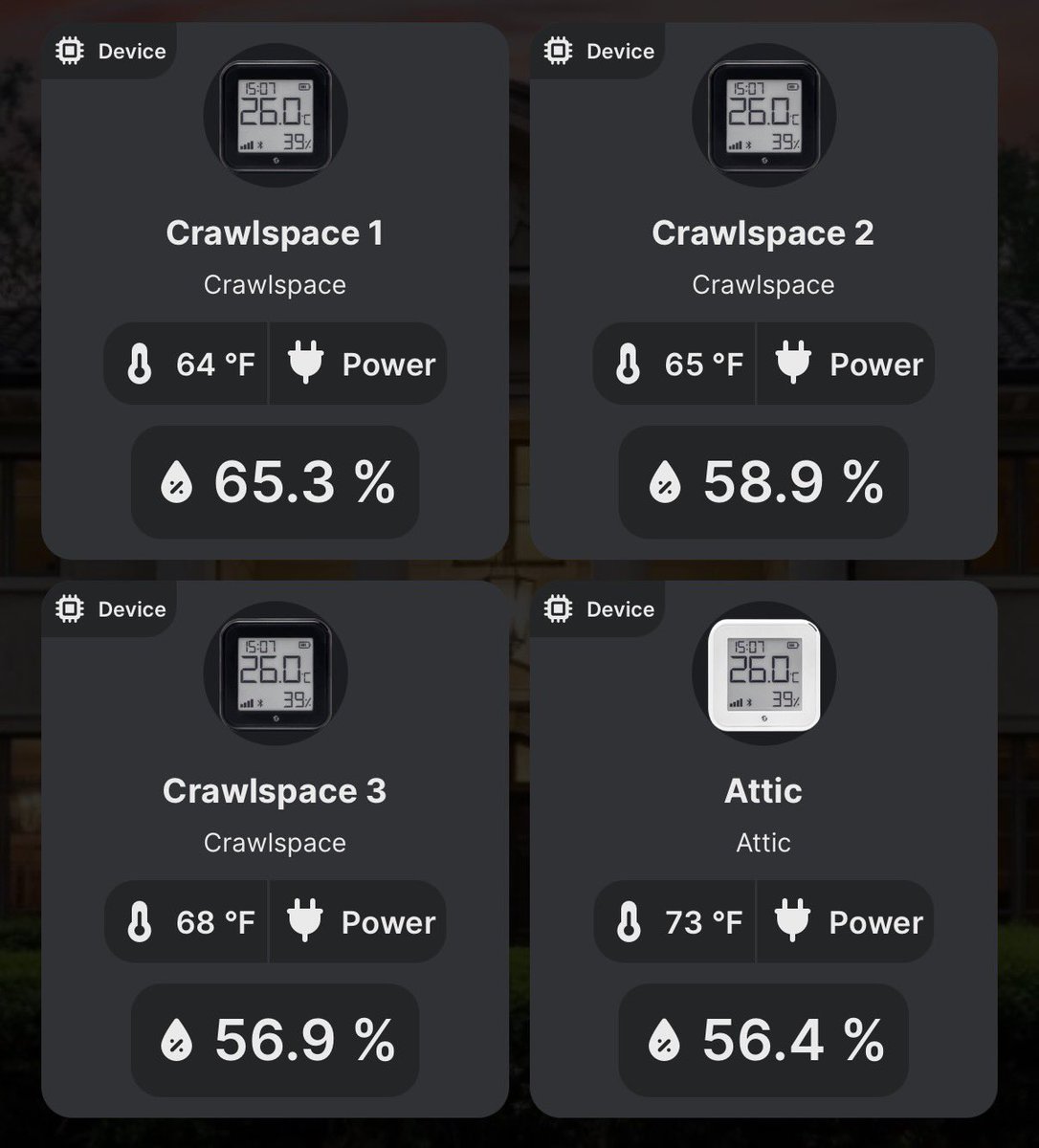
🔌 It told me to buy a smart plug for each fan and a few internet connected humidity sensors. Another $200.
Claude mapped where to install everything in the crawl space.
Here’s how it works - the humidity sensors monitor the crawl space air continuously. If it ever exceeds 60% humidity, the smart plugs switch on all 4 fans, circulating the air in the crawl space past the dehumidifier until the humidity is below 50% 🔃🔃🔃
Total cost ~$2,500 for everything and one Saturday of work for me. I saved $7,500 vs. the original quote because I didn’t need two dehumidifiers, and Claude tells me my version is nearly twice as energy efficient. Plus I learned a ton about my home and had fun.
I didn’t know anything about dehumidifiers, fans, or air flow dynamics before starting.
AI can do so much more than write code - the applications are endless.
103
60
1,220
490,180
Chris Larsen retweeted

Mar 11
This is wild
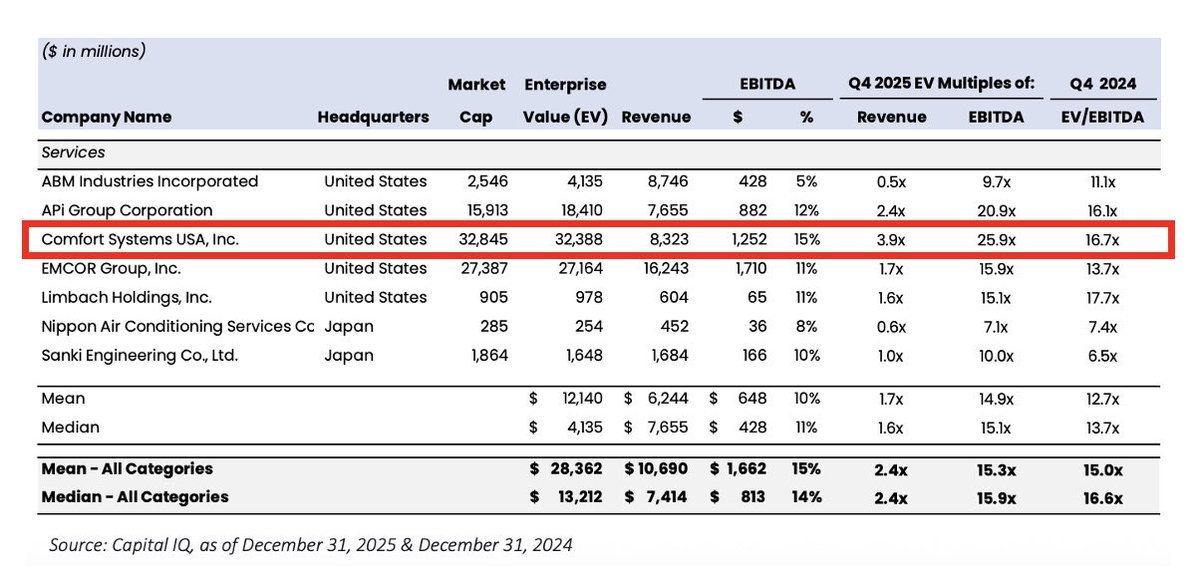
HVAC company trading for 26x EBITDA
86% of revenue is construction
All commercial and industrial projects
EV/EBITDA multiple has increased nearly ~10 turns over the last year
Commercial HVAC is trading like a tech company
Comfort Systems $FIX is getting bid up as a derivative AI play through its heavy exposure to data center construction
Source of trading data: Origin Merchant Partners
9
4
72
10,459
Mar 30
If you are in the trades, then you should check out @ServiceSocket 🛠️
Mar 30
Automate and grow your trade business with AI agents built specifically for plumbing, HVAC, roofing, and more. 🛠️ Never miss a Lead Again!
1
8
32
Mar 27
This is the best voice agent i have tried. If you run a services business and don't want calls slipping through the cracks, then this is it. plugs right into my CRM and calendar.
Mar 27
Our multi-agent AI handles voice calls, chats, follow-up & bookings 24/7 for plumbers, roofers, contractors, auto shops & more. 🛠️
• <1s response time
• 100% calls answered
• Syncs with your calendar & tools
Starting at $99/mo. What’s a missed lead costing your business? Let’s talk
5
22