
Joined March 2009
- Tweets 6,862
- Following 2,684
- Followers 478
- Likes 9,937
316 Photos and videos





Pinned Tweet
It's okay, @aptera_motors will be available to you soon and you will never have a combustible fuel cost again.
x.com/aptera_motors/status/2…

1
2
158
🌞 Cosmic 🏞️ Soul 🛸 retweeted

May 15
There is a new provision in the 2026 Farm Bill called Section 10205 that you need to know about
In this section, the government is trying to ban any state's ability to warn its citizens that a pesticide product causes cancer
The section is called “Uniformity of Pesticide Labeling Requirements”
It would have significantly limited states’ ability to require additional warnings, such as cancer risk labels, on pesticide and herbicide products beyond what the EPA approves
It would have prohibited states or local governments from requiring pesticide manufacturers to add language like “This product causes cancer”
Luckily Rep Anna Paulina Luna introduced an amendment that struck down these sections
But keep in mind, this is what our government was trying to pass. Immunity for pesticides manufacturers and making it illegal to warn you
That’s what we’re dealing with
42
315
485
15,334

May 12
Haters will say this image was made by AI...
May 12
We drove the first five vehicles off our validation assembly line, a critical step in our transition from development to production. → aptera.us/first-five-vehicle…

1
4
🌞 Cosmic 🏞️ Soul 🛸 retweeted

May 9
123
2,473
23,270
525,056
If April showers bring May flowers, then
why do showers flow while flowers show?
6
Believe in something.

12
🌞 Cosmic 🏞️ Soul 🛸 retweeted

May 1
🚨👀 Is local government literally drone-surveilling backyard food gardens?
This guy filed a FOIA in his own name… and got drone footage back labeled as surveillance for “suspected food production” in his own yard. 🥬🚁
What needs to be done about this? 🤔
(foodforestvirginia)
488
4,521
11,048
327,927
🌞 Cosmic 🏞️ Soul 🛸 retweeted
Too bad tilling destroys the soil's natural microbiome and prevents earthworms from providing their own beneficial composting biochemistry in the sustainable way that nature designed it.
You're right that we need to go back to nature, people just aren't focusing appropriately.
1
3
304
🌞 Cosmic 🏞️ Soul 🛸 retweeted

Apr 23
IT BEGINS.
A Greek court has ordered the state to pay €300 000 compensation to the family of a woman who died from the Astra Zeneca c*vid vaccine.
The court held the state responsible because the vaccination campaign was part of public health policy.
317
7,556
22,815
253,093
🌞 Cosmic 🏞️ Soul 🛸 retweeted

Apr 23
Reports say that French authorities are now using thermal imaging drones to locate cattle that were not vaccinated, with follow up visits from police and veterinary teams to administer shots.
31
41
234
27,290
🌞 Cosmic 🏞️ Soul 🛸 retweeted

Apr 23
Tom, this argument leaves out some critical science about what’s actually being measured.
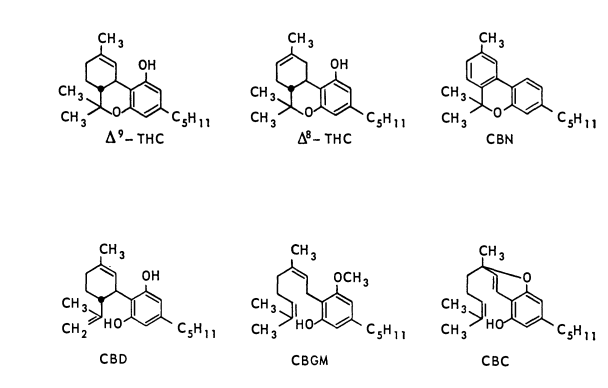
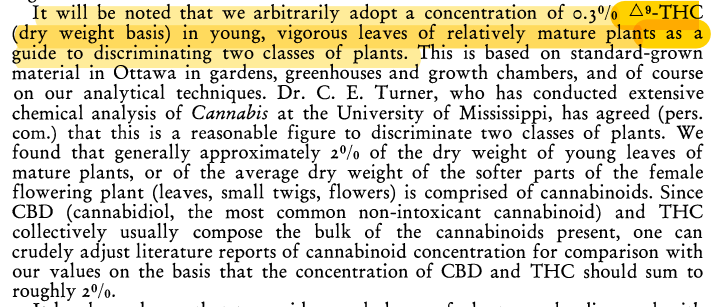
What people call “THC potency” today is not directly comparable to older data. For decades, testing methods only measured delta-9 THC that had already decarboxylated on the plant. They did not account for THCA, the compound cannabis actually produces naturally. THCA only converts into THC through heat, light, or aging. So the “low THC” numbers from the past were incomplete by definition.
A Practical and Natural Taxonomy for Cannabis
hemp.ucdavis.edu/sites/g/fil…
Scientists like Raphael Mechoulam identified THC in the 1960s, but full understanding of cannabinoid acids and proper testing methods came much later. That means the baseline you’re comparing today’s cannabis to was never accurate in the first place.
Keynote: The Chemistry Behind Cannabinoid Acids - Raphael Mechoulam
youtube.com/watch?v=B76d3mGY…
Cannabis is cannabis. The plant has not fundamentally changed. What has changed is our ability to measure it correctly.
Also, people have had access to legal cannabis in the U.S. since 1996, starting with California Proposition 215. If potency alone were driving widespread psychosis and societal breakdown, we would have seen clear, consistent population-level evidence over nearly 30 years. That hasn’t happened.
No one is saying there are zero risks, but overstating potency based on flawed historical data doesn’t help create good policy. It just repeats misinformation that keeps us from regulating cannabis in a rational, science-based way.
25
24
197
6,316
🌞 Cosmic 🏞️ Soul 🛸 retweeted

Apr 23
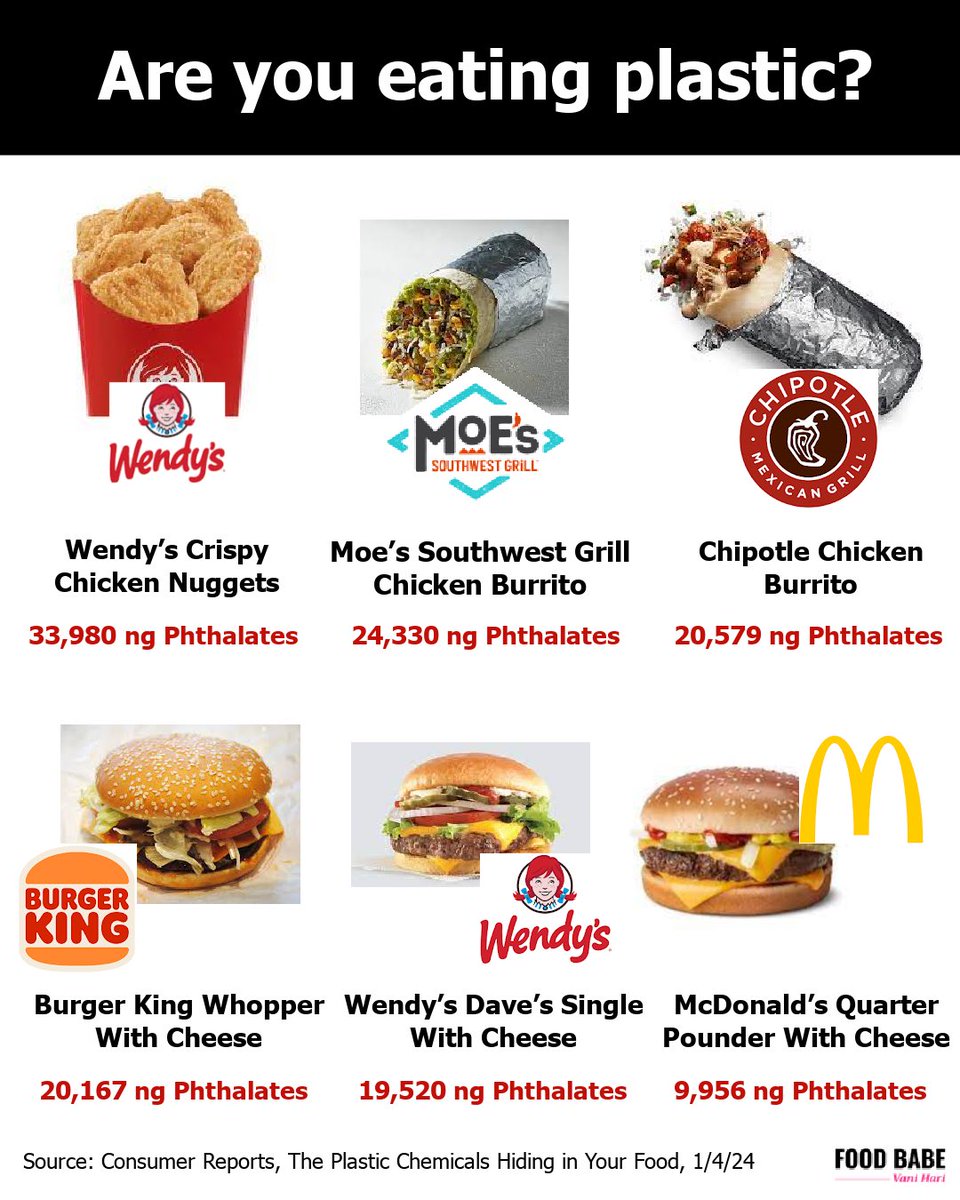
You're not just eating a burger, you're eating the packaging it came in. Consumer Reports tested 18 fast food items and found plastic chemicals in nearly all of them. These chemicals can disrupt your hormones and fertility, and raise your risk of diabetes. Cook at home, ditch the plastic containers, and switch to glass and stainless steel.
18
56
177
8,873
🌞 Cosmic 🏞️ Soul 🛸 retweeted

Apr 23
Aptera in Earth Day green. 💚


18
30
241
4,825
Apr 23
The most ironic thing is that this troll's display name is 'IPlayedWithFire' and the actual account name is 'FirePlayedMe' which is *exactly* what happened.
A pyro is literally someone who plays with fire.
In this case, my firey logic played the bluecheck troll like a fiddle.
Apr 17

Fuck off
15
Apr 18
Not 'pandemic' era.
[Unconstitutional government] LOCKDOWN era.

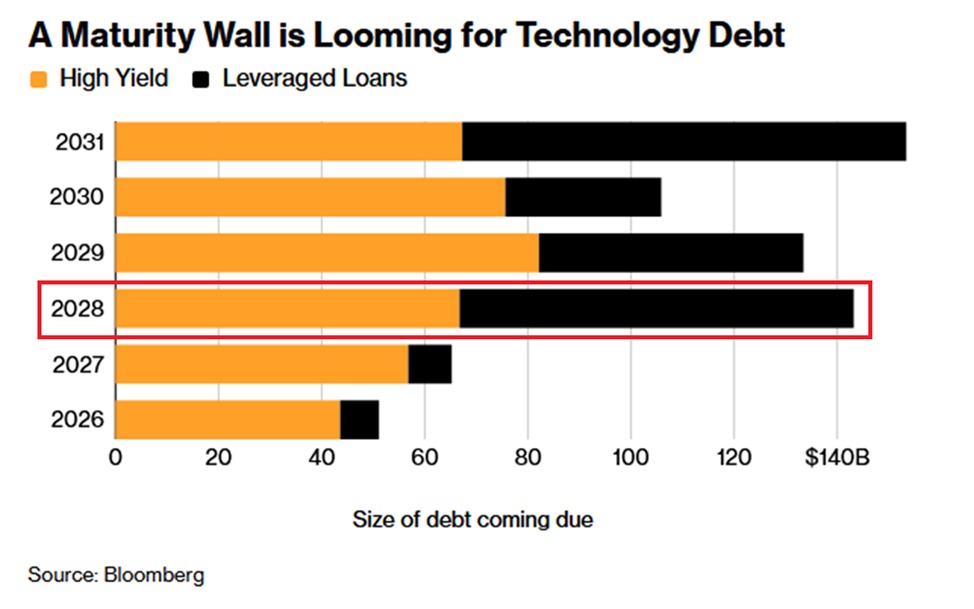
The US technology sector is approaching a massive debt maturity wall:
More than $330 billion in high-yield, leveraged loan, and business development company-linked software and technology debt is set to mature through 2028.
~$142 billion matures in 2028 alone, nearly 3 times the 2026 amount.
Of that, ~$65 billion is in high-yield corporate bonds, while ~$77 billion is in leveraged loans.
Most of this debt was issued during the pandemic era of near-zero interest rates, and companies will now have to refinance at significantly higher costs.
Many firms are expected to begin refinancing as early as the 2nd half of this year.
The tech sector is about to see significantly higher interest rates.
12

🌞 Cosmic 🏞️ Soul 🛸 retweeted

90
1,457
7,686
71,377
🌞 Cosmic 🏞️ Soul 🛸 retweeted

Apr 14
Here are some sites to see if any registered sex offenders live near you. sotar.us/
nsopw.gov/
3
13
36
4,785
🌞 Cosmic 🏞️ Soul 🛸 retweeted

Apr 16
The clinical approach to severe cognitive decline has fundamentally shifted from managing outward symptoms to aggressively extracting the biological root cause.
Advanced therapeutics are now actively targeting the dense protein clusters that physically suffocate neural pathways. By systematically scrubbing this toxic debris from the brain's internal architecture, neuroscientists are witnessing a remarkable restoration of cellular communication. As these structural blockages are cleared out, patients are regaining critical memory functions, sustained focus, and daily cognitive independence.
Actively unblocking compromised neural networks marks a massive leap forward in regenerative neurology. It proves that structural brain damage and memory degradation might not be entirely permanent once the biological interference is removed.

6
38
165
6,325
🌞 Cosmic 🏞️ Soul 🛸 retweeted
Apr 10
When you go to Texas Roadhouse they bring you bread with their famous honey butter
There is no butter in the honey butter
“You're not gonna believe what's in here”
I also verified this, no dairy butter or cream appears on the ingredients list. This should be illegal
447
2,199
7,611
752,437
A sound design I can actually get behind ahahah

The San Bernardino County Fire Department is testing new technology that puts out flames with sound waves
“This tool by Sonic Fire Tech vibrates the oxygen around the fire to the point the flames cannot consume it anymore — they hope the tool can potentially replace water during a firefight”
7