
SikhRI is a global non-profit organization providing educational resources to Sikhs to think critically based on Guru Granth Sahib’s paradigm of IkOankar.
Joined April 2009
- Tweets 10,703
- Following 714
- Followers 17,051
- Likes 2,006
6,838 Photos and videos

Pinned Tweet

Feb 24
What factors inform your perspective on Justice?
The Sikh Research Institute aims to capture Sikh thoughts and feelings on the topic of Niau: Justice in Sikhi.
Let your voice be heard in just 3 minutes.
Our State of the Panth series reports on a specific issue affecting either a large section of the Panth or the human race.
Previous topics include:
• Sexuality
• Caste & Race
• Abortion
• Miri-Piri
• Marriage
Complete the Survey today: sikhri.typeform.com/to/ebUgQ…
#SikhEducation #SikhCommunity #Education #Survey #Justice #Sikhs #Community #Sikhi #StateofthePanth
3
9
10
1,731
Jun 14
Today in #Sikh History:
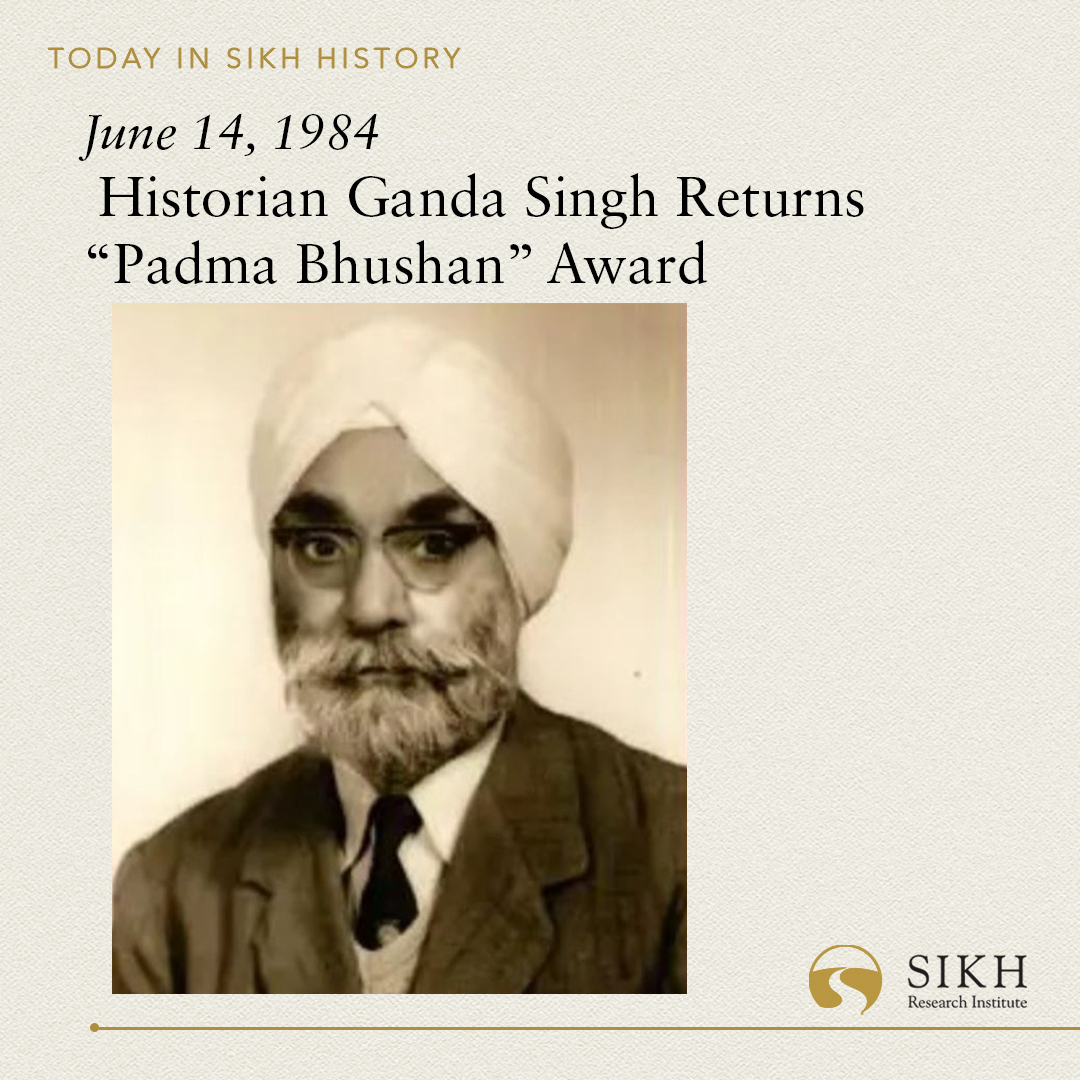
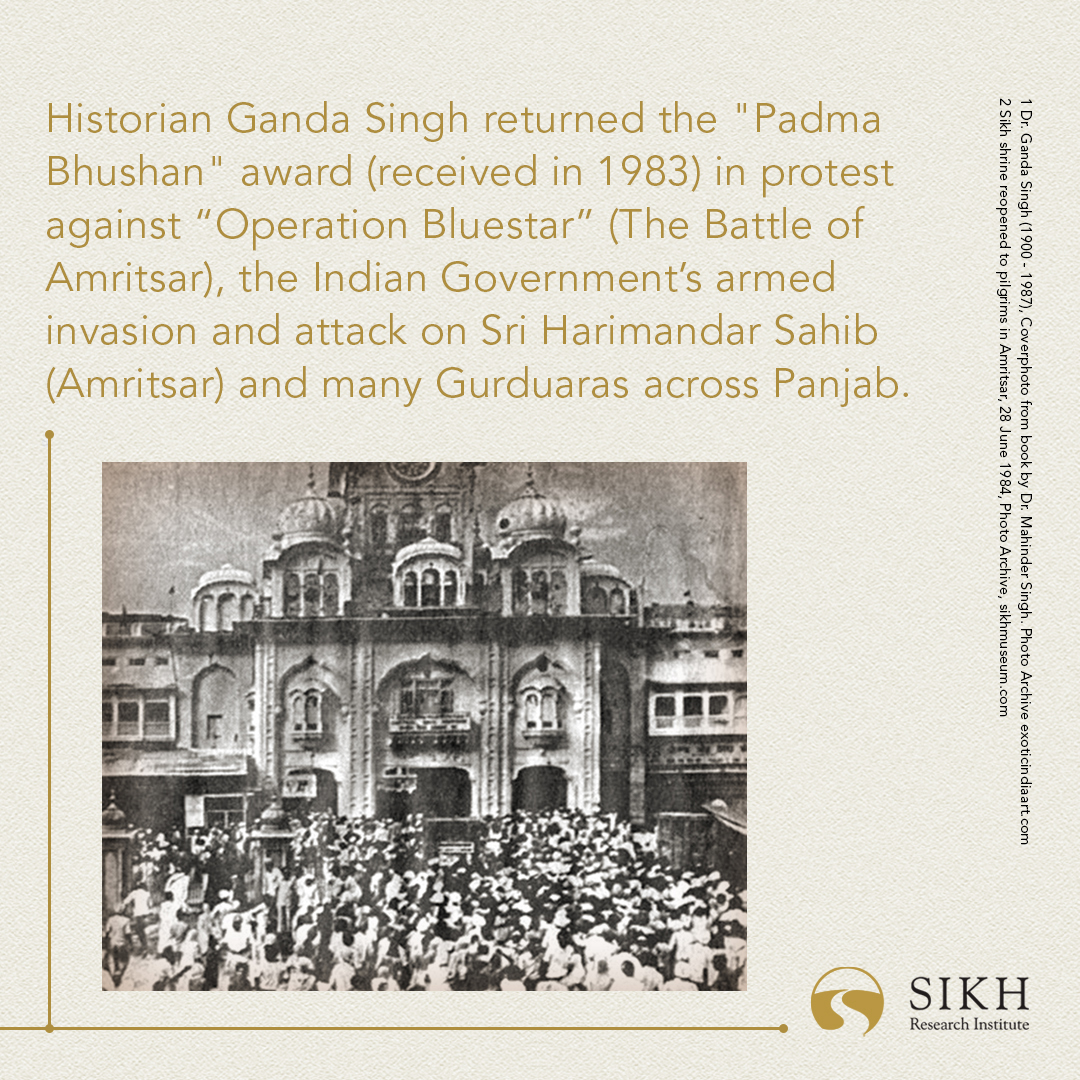
Historian Ganda Singh returned the "Padma Bhushan" award (received in 1983) in protest against “Operation Bluestar” (The Battle of Amritsar), the Indian Government’s armed invasion and attack on Sri Harimandar Sahib (Amritsar) and many Gurduaras across Panjab.
#TodayInHistory #India #Punjab #Panjab #SikhHistory
9
46
730
Jun 14
Today in #Sikh History:
Karim Baksh was from Bakapur in the Nawanshahr District. From a young age, he was spiritually inclined, and in his quest for answers, he met the Sikh saint Bhai Kahla Singh of Banga. He served Bhai Kahla Singh, and after his death, he served Bhai Dula Singh of Thakurval for over 12 years.
Karim Baksh became a Persian teacher in Phillaur, but he spent most of his time memorizing Gurbani. He greeted Sikhs with a Fatih and often visited Sri Harimandar Sahib in Amritsar. He desperately wished to become a Sikh, but due to anti-Muslim prejudice, no one would agree to organize an Amrit Sanchar (Sikh initiation) for him and his family.
#TodayInHistory #India #Punjab
1
3
17
1,773
Jun 14
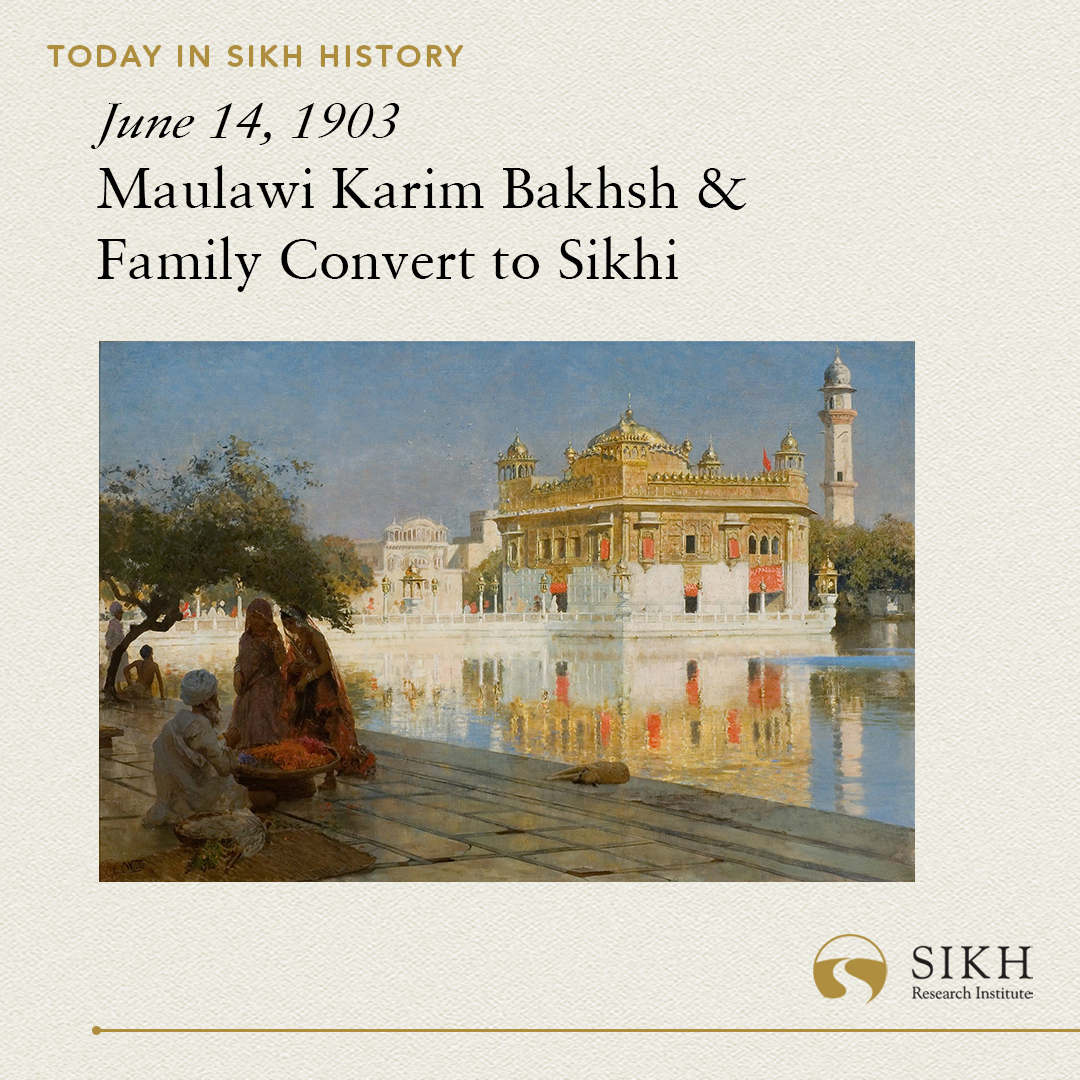
Finally, in 1902, the Singh Sabha of Bhasaur agreed to hold an Amrit Sanchar for Karim Baksh and his family. However, the ceremony was halted due to the controversy surrounding a Muslim family converting to Sikhi. Eventually, on 13-14 June 1903, a large Divan was organized in Bakapur, where the Amrit Sanchar was held, allowing Karim Baksh and his family to become Sikhs.
Karim Baksh, then 43, was given the name Lakhbir Singh after initiation. His four sons—Kukan Din, 15 years old, Fateh Din, 12 years old, Gulam Muhammad, 6 years old, and Khair Din, 4 years old—were given the names Matab Singh, Kirpal Singh, Harnam Singh, and Gurbakhsh Singh, respectively. His daughter, Bibi Nuran, aged 9, was given the name Varyam Kaur.
The famous founder of the Akhand Kirtani Jatha, Bhai Randhir Singh, was also initiated into the Khalsa at the same ceremony. Despite the controversy and boycott by many traditionalists following their conversion, Lakhbir Singh's devotion to Sikhi earned him the title of Sant Lakhbir Singh. His son, Matab Singh, founded a society called the Khalsa Baradari and played a significant role in the struggle to free Gurduaras from British-backed Mahant control.
#Panjab #SikhHistory
2
161
Jun 13
Today in #Sikh History:
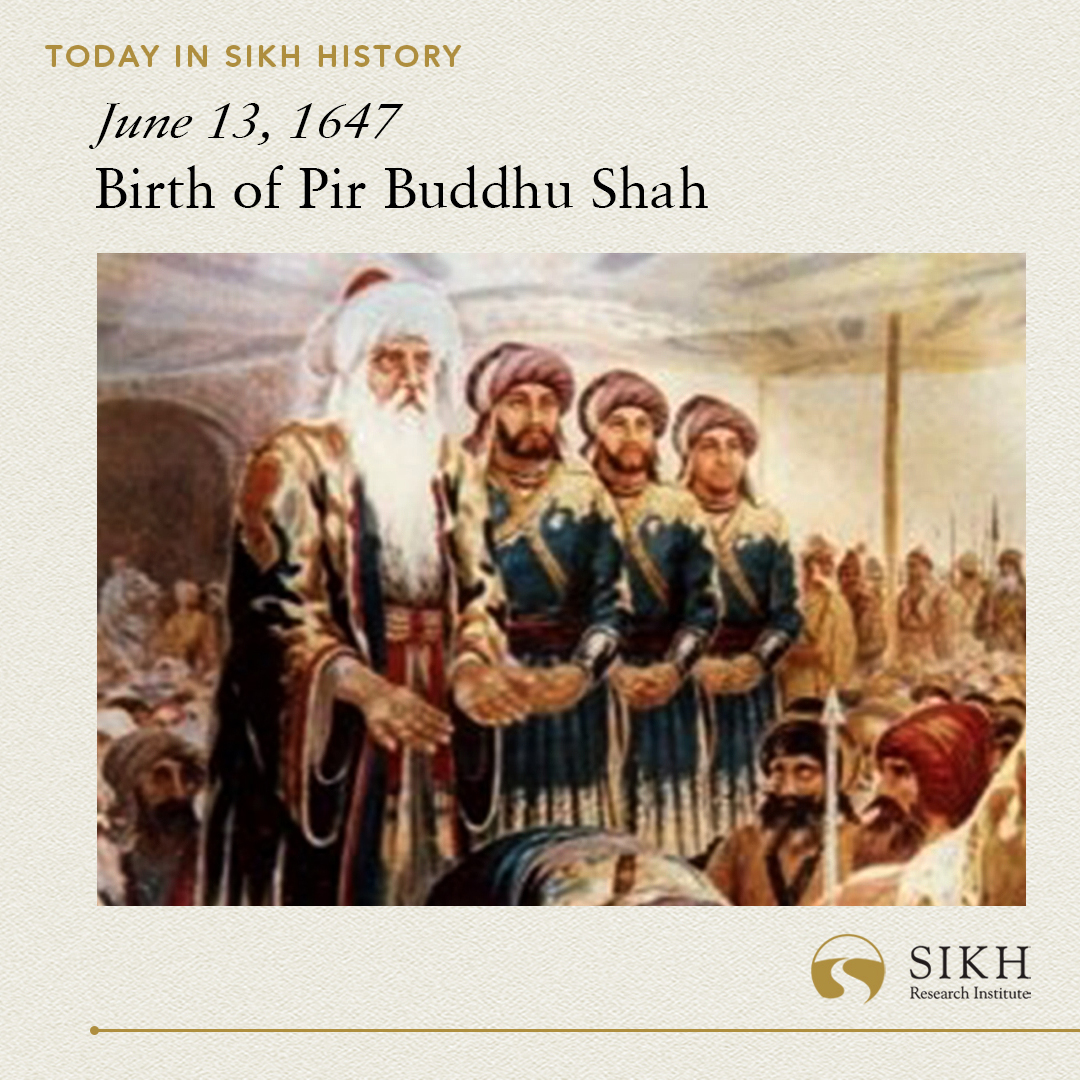
Pir Buddhu Shah, originally named Badr ud-Din, was born in Sadhaura, present-day Ambala District, Haryana. He was a revered Muslim Sufi saint and a devoted follower of Guru Gobind Singh Sahib. His relationship with Guru Sahib began when he visited the young Guru Gobind Singh Sahib, then known as Guru Gobind Rai Sahib, at Paonta Sahib in 1685. Impressed by his piety, Pir Buddhu Shah recommended 500 Pathan soldiers for Guru Sahib's army to safeguard against the Hill Kings.
In 1688, when the Hill Kings attacked Guru Sahib, the Pathan soldiers deserted and joined the enemy forces, except for one named Kale Khan. Upon learning of this betrayal, Pir Buddhu Shah felt personally responsible and swiftly gathered 700 of his own followers, including his brother and four sons, to join Guru Sahib's battle at Bhangani.
Despite lacking formal military training, Pir Buddhu Shah and his followers fought valiantly in the battle. Two of his sons and his brother lost their lives. In gratitude for his unwavering support, Guru Gobind Singh Sahib offered generous gifts to Pir Buddhu Shah, but he humbly declined, requesting only the Guru's comb containing some stray hairs.
#TodayInHistory #India
1
2
16
372
Jun 13
However, allegations were raised against Pir Buddhu Shah for his association with Guru Sahib. Acting on these accusations, the Faujdar of Sirhind, Wazir Khan, instructed a local official named Usman Khan in the parganah of Sadhaura to apprehend the Pir in March 1704. On 21 March, Usman Khan captured Pir Buddhu Shah and subjected him to brutal torture, resulting in his demise.
In 1709, following the conquest of Sirhind by Baba Banda Singh Bahadur, justice was sought for Pir Buddhu Shah's death, leading to the execution of Usman Khan in Sadhaura.
#Punjab #Panjab #SikhHistory
1
85
Jun 13
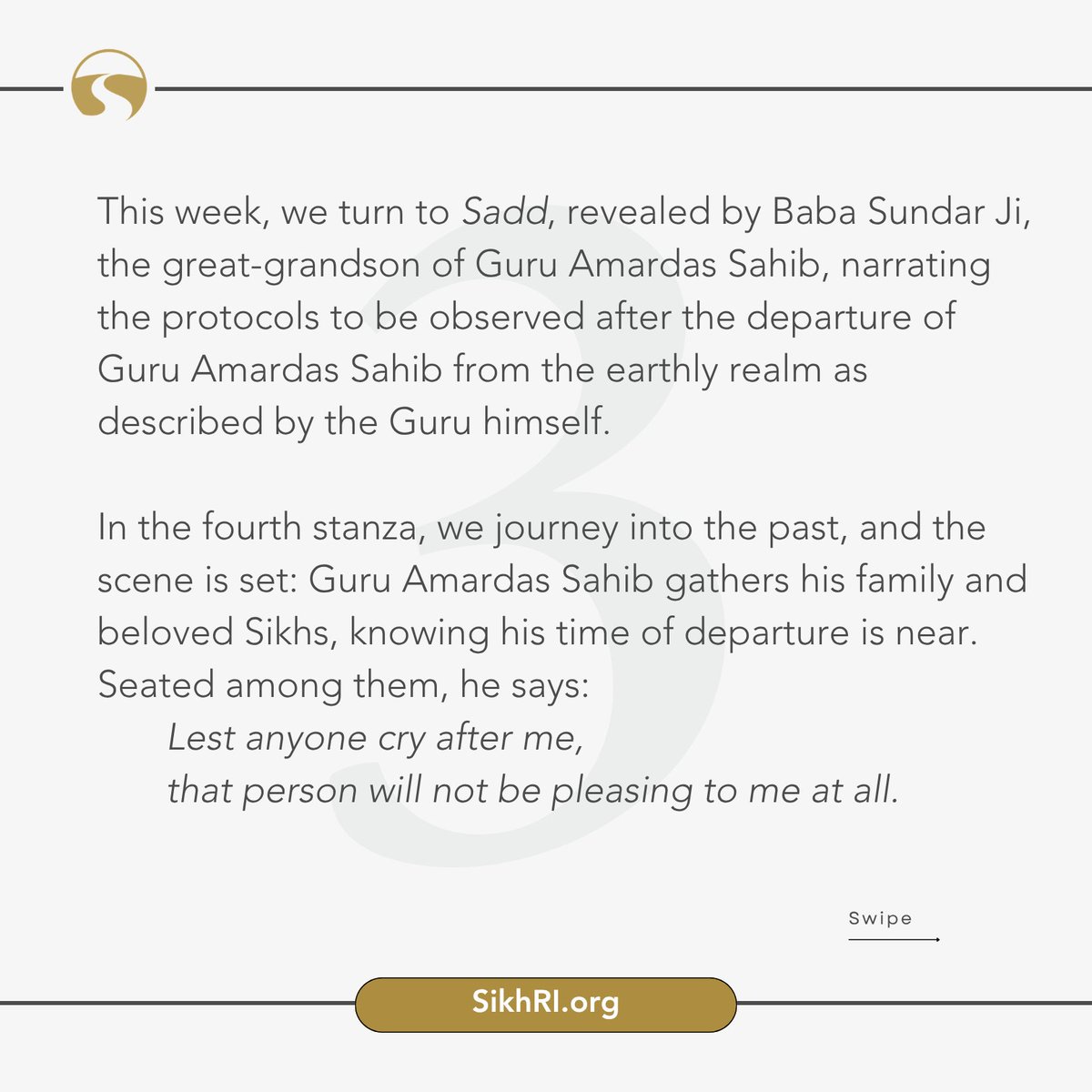
Death is a universal truth. We are reminded of this fact so often, that all who come must go. We are presented with this reality in a multitude of ways throughout our lifetimes—multiple opportunities to learn the lessons it has to teach us about temporariness, about connection to IkOankar (the One), and grief.
#Sikhi #Wisdom #GuruAmardas #WeeklyInspiration
1
2
178
Jun 13
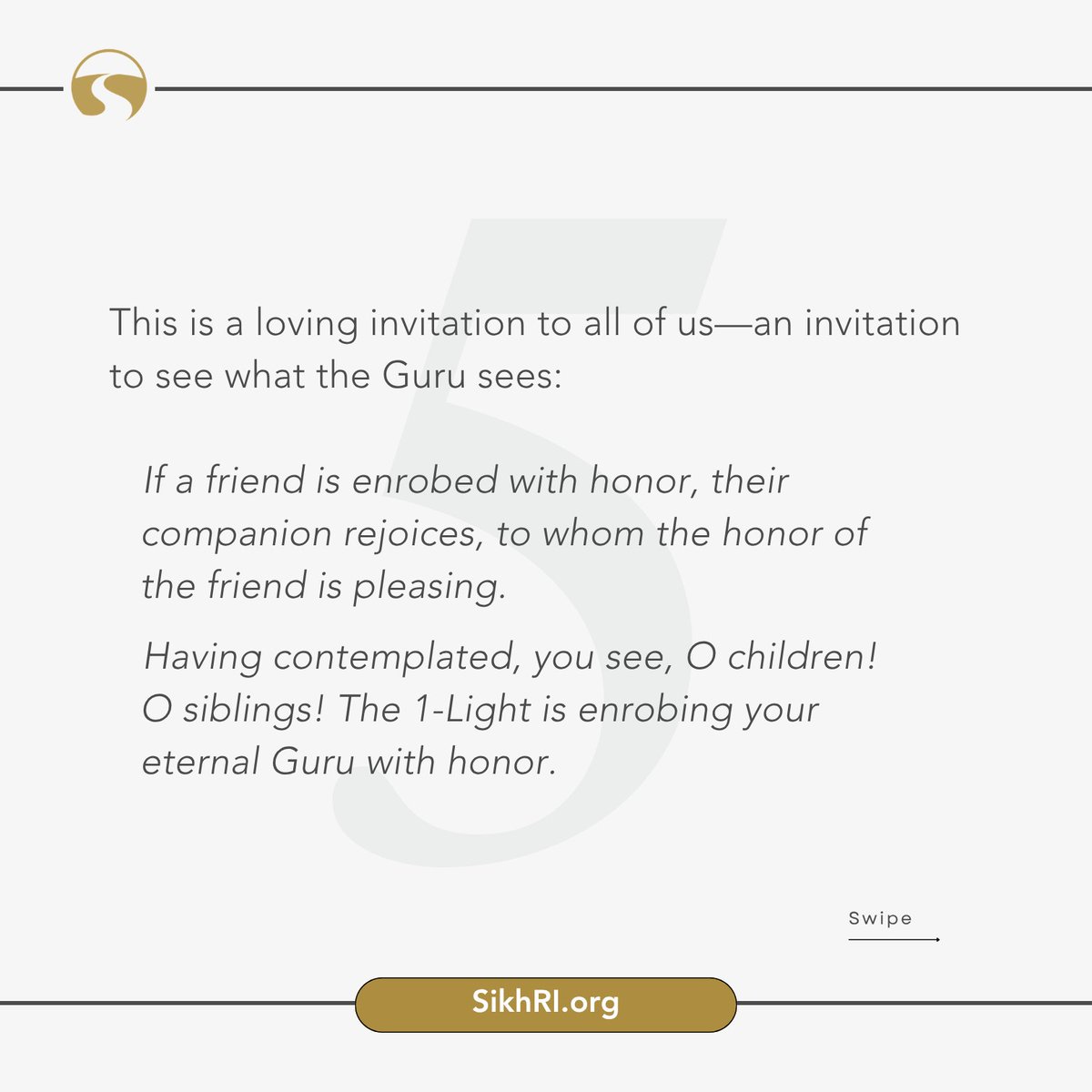
But somehow, each time, it feels like we are learning the lesson for the first time.
#GuruGranthSahib #SikhCommunity #SikhHistory

1
148
Jun 13
114
Jun 11
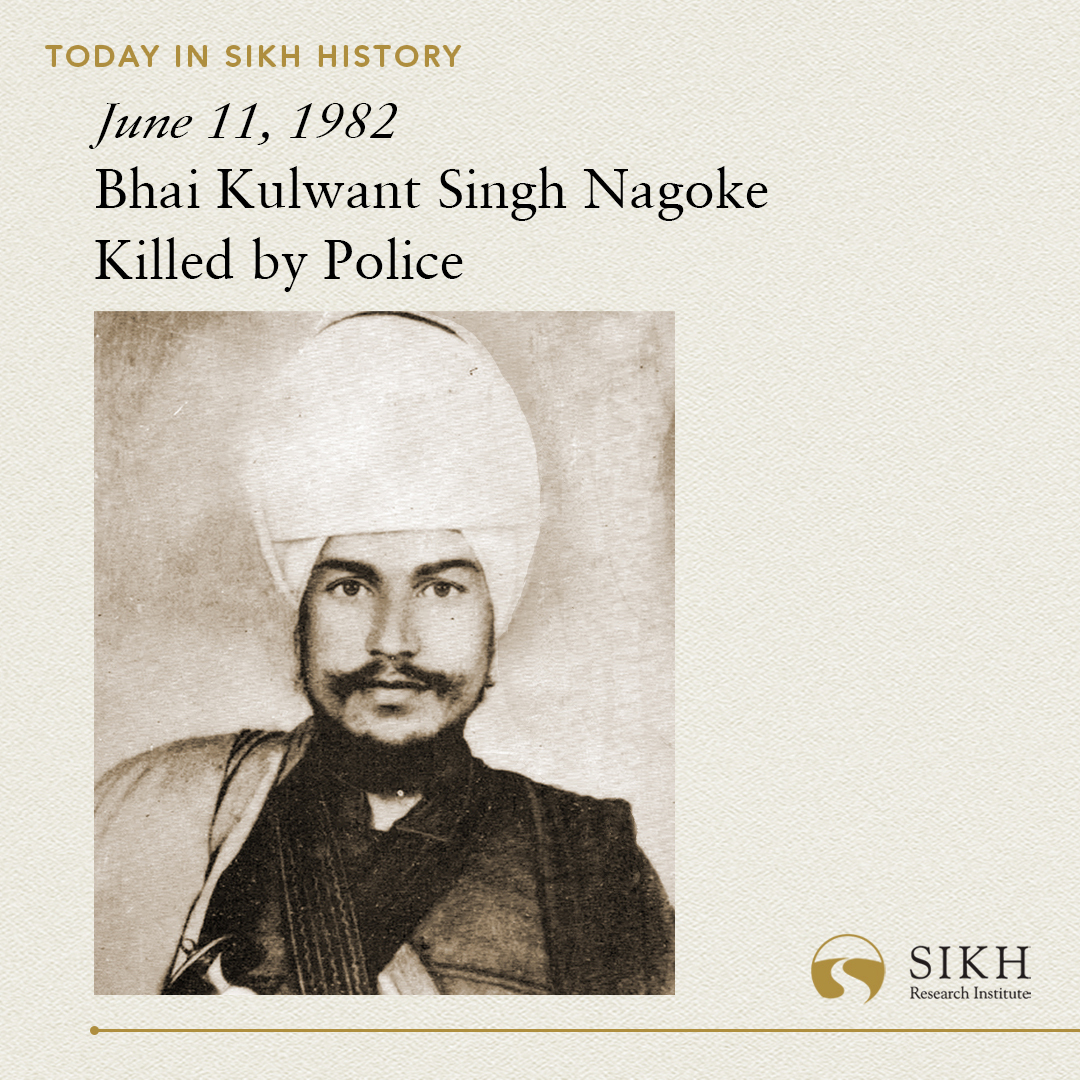
Today in #Sikh History:
Bhai Kulwant Singh Nagoke was a devout Sikh from the Akhand Kirtani Jatha (AKJ). In 1978, the Vaisakhi Massacre in Amritsar occurred when the government-sponsored Nirankari cult fired upon a protest led by Bhai Fauja Singh. Bhai Fauja Singh and 12 other Sikhs from the AKJ and Damdami Taksal were killed. In response to this massacre, members of the AKJ formed the Babbar Khalsa and delivered justice against the Nirankari leaders.
On 27 May 1982, without any evidence, Bhai Kulwant Singh Nagoke was arrested by the Panjab Police. He was tortured for a week before the police even admitted to arresting him on 4 June 1982. Bhai Kulwant Singh was subjected to further torture for several more days before being executed by the police on 11 June 1982.
#TodayInHistory #India #Punjab
2
13
32
1,135
Jun 11
Bhai Kulwant Singh Nagoke’s life was remarkable, but his death was also a harbinger of what would come. He was the first Sikh to be killed in Panjab Police custody under the pretext of a false encounter. Kulwant Singh had been tortured to death, but the police fabricated a story that he had escaped from prison, shot at the police, and was subsequently killed during a police encounter. The truth was much more sinister.
This pattern of killing was repeated tens of thousands of times after 1984 during the decade of disappearances when Panjab was under siege by the Panjab Police and its brutal counter-insurgency operations. Sant Jarnail Singh Bhindranwale attended Bhai Kulwant Singh Nagoke’s funeral and saw firsthand the torture that Kulwant Singh had endured. Kulwant Singh’s martyrdom profoundly impacted Sant Jarnail Singh and contributed to his decision to start the Dharam Yudh Morcha.
#Panjab #SikhHistory
1
3
11
251
Jun 11
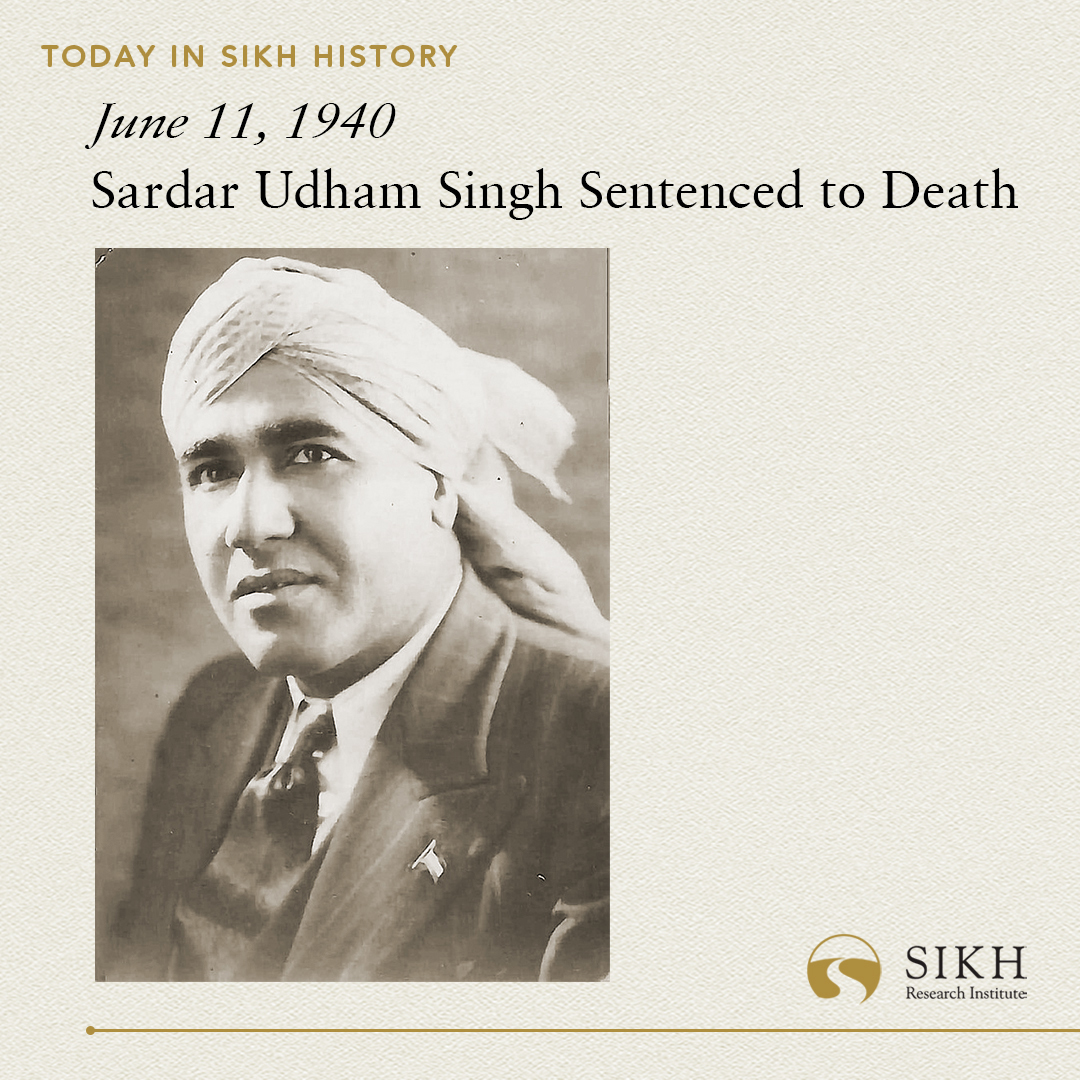
Today in #Sikh History:
The British government sentenced Sardar Udham Singh to death in London, UK, for assassinating Sir Michael Francis O'Dwyer. O’Dwyer was the governor of Panjab during the Jallianwala Bagh massacre in Amritsar on Vaisakhi Day 1919. O’Dwyer had authorized Brigadier-General Reginald Edward Harry Dyer, head of the British Army in Amritsar, to use lethal force against the unarmed protesters at Jallianwala Bagh and supported Dyer after the massacre. Furthermore, O'Dwyer declared martial law in Panjab on 15 April.
Udham Singh was born in 1899 Sunam (Sangrur District). He was radicalized after the Jallianwala Bagh Massacre and joined the Ghadar Party in 1924. He was sentenced to jail for five years and was released in 1931. He then surreptitiously went to London, England, where he planned O’Dwyer’s assassination. On 13 March 1940, Udham Singh shot O’Dwyer to death after O’Dwyer had given a speech for the Central Asian Society.
While in prison, Udham Singh underwent a 42-day hunger strike. He explained his motivation for the assassination: "I did it because I had a grudge against him. He deserved it. He was the real culprit. He wanted to crush the spirit of my people, so I have crushed him. For full 21 years, I have been trying to seek vengeance. I am happy that I have done the job. I am not scared of death. I am dying for my country. I have seen my people starving in India under the British rule. I have protested against this, it was my duty.”
#TodayInHistory #India #Punjab #Panjab #SikhHistory
1
13
27
671
Jun 10
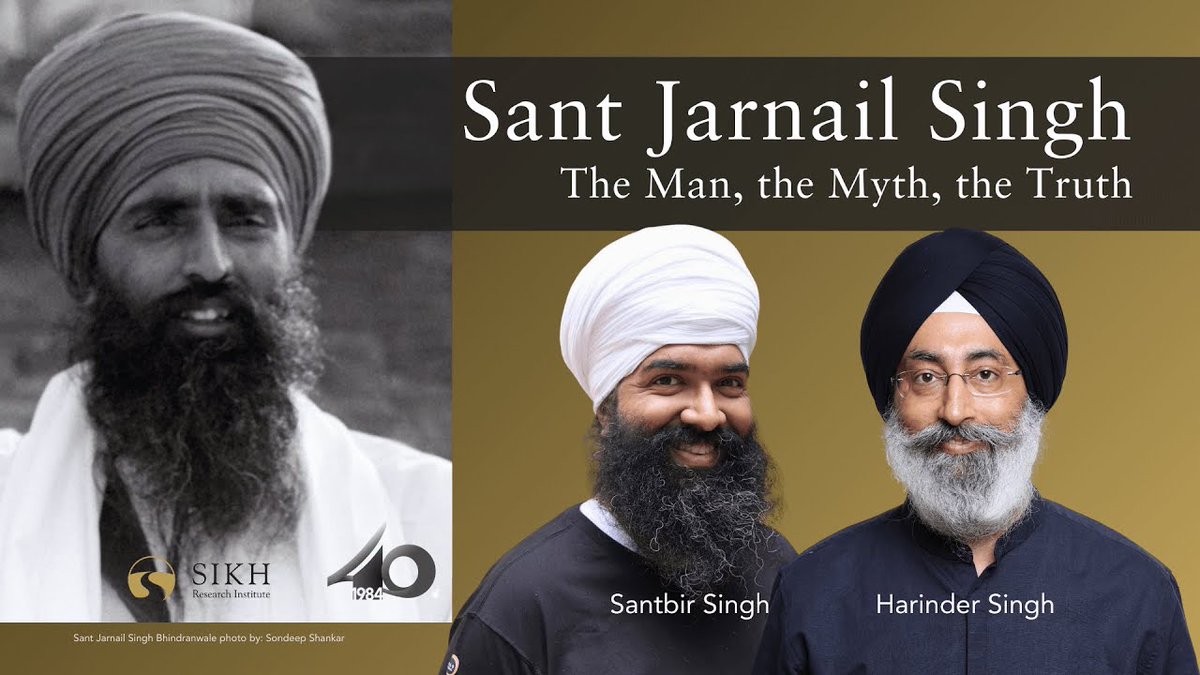
Join host Santbir Singh as he delves into an in-depth conversation with Harinder Singh (@1Force) about Sant Jarnail Singh Bhindranwale, a pivotal figure in 20th-century Sikh history.
Jarnail Singh played a significant role in the events leading up to the June 1984 Ghallughara. While celebrated by many in the Sikh community, he remains a contentious figure, often demonized by the media. This discussion aims to uncover the man behind the myth and explore the true legacy of Sant Jarnail Singh.
Don't miss this compelling exploration of history and identity: youtu.be/RjkOt0ea1Gg
#SikhGenocide #Sikhs #History #June1984 #NeverForget #OperationBlueStar #Sikhs #SikhHistory #SikhCommunity #GhallugharaWeek
1
2
4
210
Mandhir Singh recounts an intense and revealing interaction between his mother and General Brar, who, along with several Indian Army officers, attended a dinner hosted by Singh’s parents in Amritsar.
Continue reading: social.sikhri.org/you-could-…
#SikhGenocide #Sikhs #History #June1984 #NeverForget #OperationBlueStar #Sikhs #SikhHistory #SikhCommunity #GhallugharaWeek
2
5
13
608
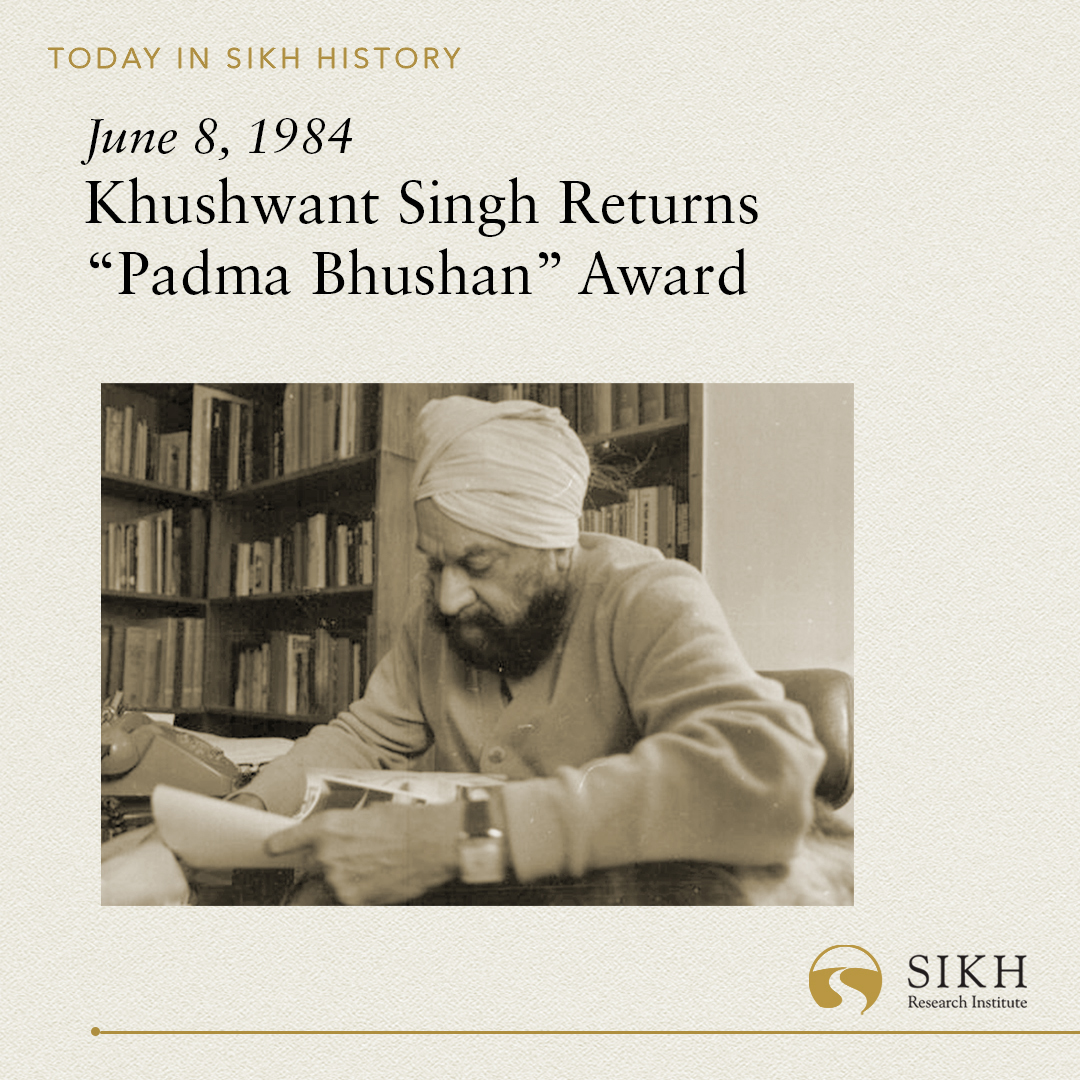
Today in #Sikh History:
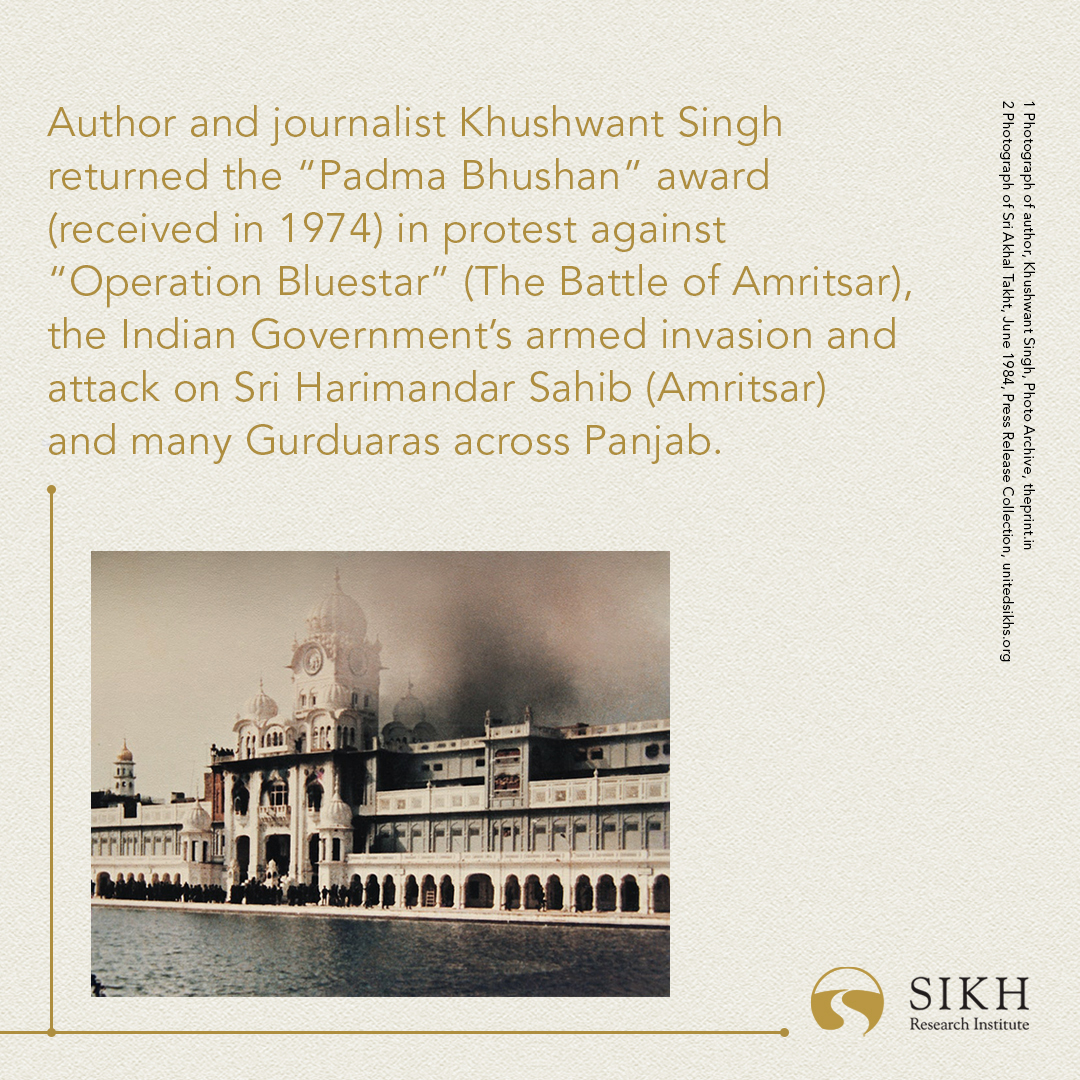
Author and journalist Khushwant Singh returned the “Padma Bhushan” award (received in 1974) in protest against “Operation Bluestar” (The Battle of Amritsar), the Indian Government’s armed invasion and attack on Sri Harimandar Sahib (Amritsar) and many Gurduaras across Panjab.
#TodayInHistory #India #Punjab #Panjab #SikhHistory
1
17
57
1,626
The act of remembrance is, to remember proactively so that we will never forget.
"1984 is in my DNA" reminds us that this was not just Operation Blue Star but an assault on Sikh identity and spirit, and the sacrifices of those who endured that day are never forgotten.
Author: Inni Kaur (@InniKaur)
Continue reading: social.sikhri.org/1984-is-in…
#SikhGenocide #Sikhs #History #June1984 #NeverForget #OperationBlueStar #Sikhs #SikhHistory #SikhCommunity #GhallugharaWeek
7
180
Remembering the events of June 6th
“The army went into Darbar Sahib (Golden Temple) not to eliminate a political figure or a political movement but to suppress the culture of a people, to attack their heart, to strike a blow at their spirit and self-confidence.”
– Joyce Pettigrew, The Sikhs of Punjab
Continue reading: social.sikhri.org/1984-is-in…
#SikhGenocide #Sikhs #History #June1984 #NeverForget #OperationBlueStar #Sikhs #SikhHistory #SikhCommunity #GhallugharaWeek
1
4
4
158
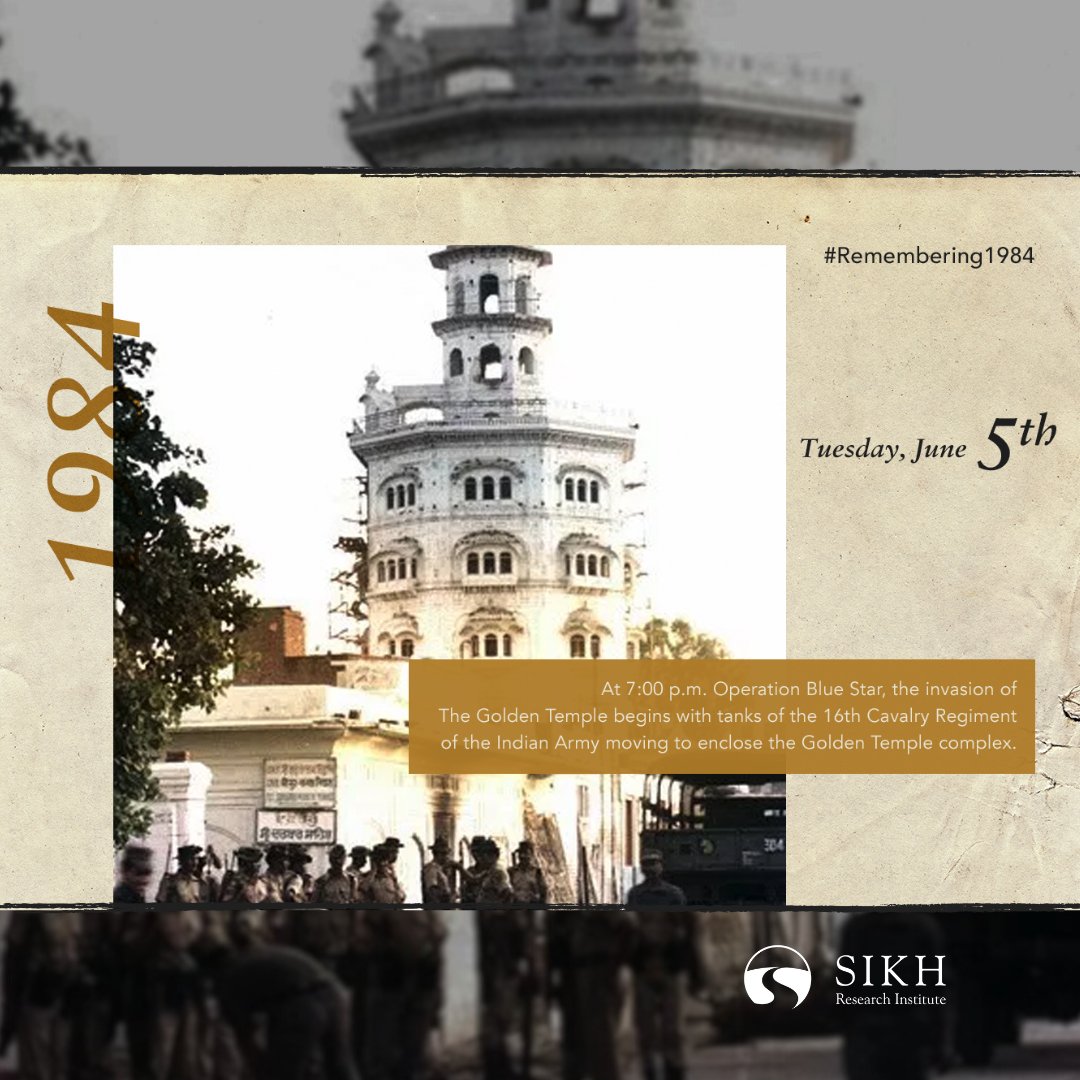
“It was a virtual massacre. A large number of women, children and pilgrims were gunned down.”
– The Guardian, 13th June 1984
Continue reading: social.sikhri.org/1984-is-in…
#SikhHistory #June1984 #SikhGenocide #Sikhs #History #40Years
7
12
235
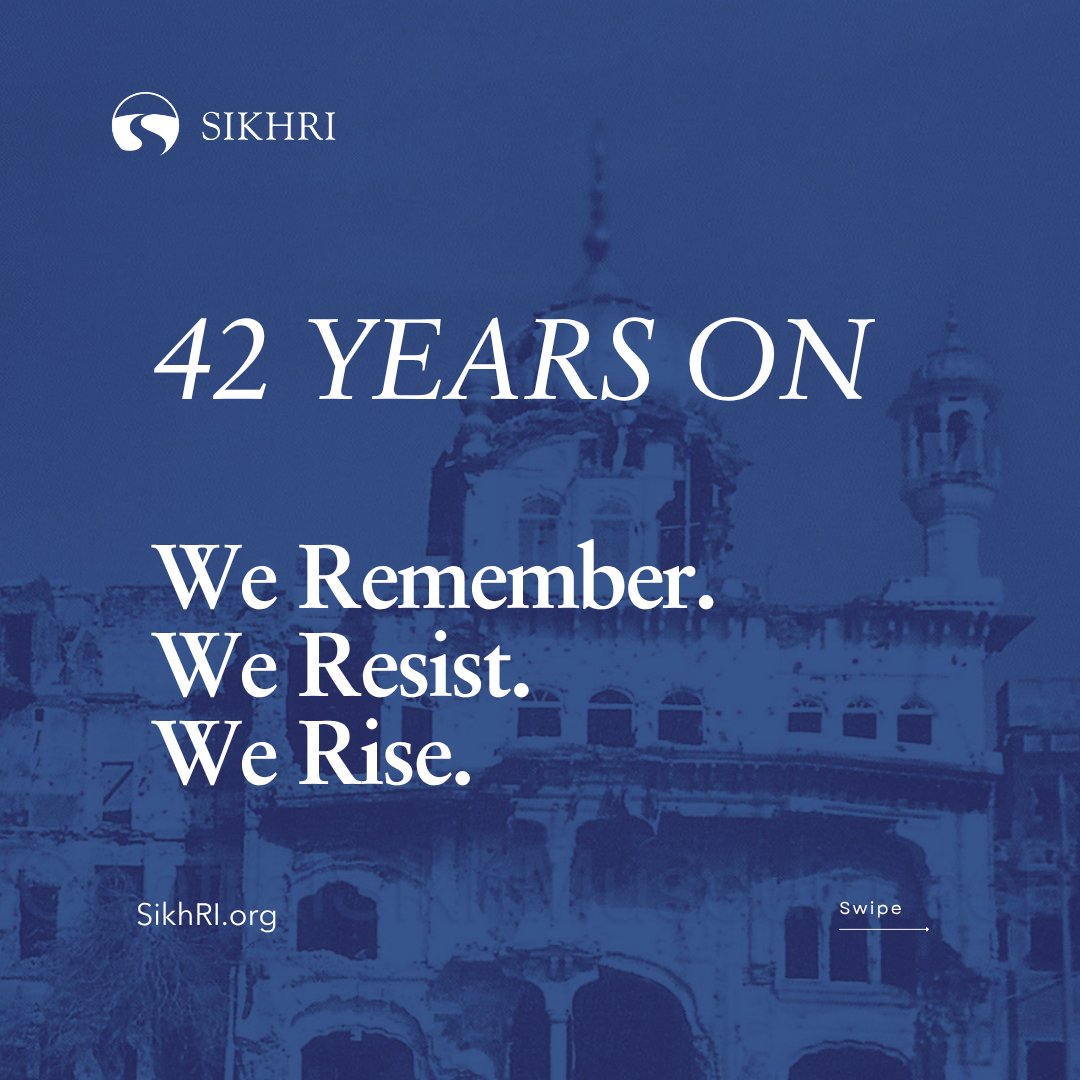
Forty-two years have passed since the Indian state launched its coordinated assault on the Panth—its sanctuaries, its psyche, and its sovereignty.
#June1984 #SikhGenocide
1
3
5
238
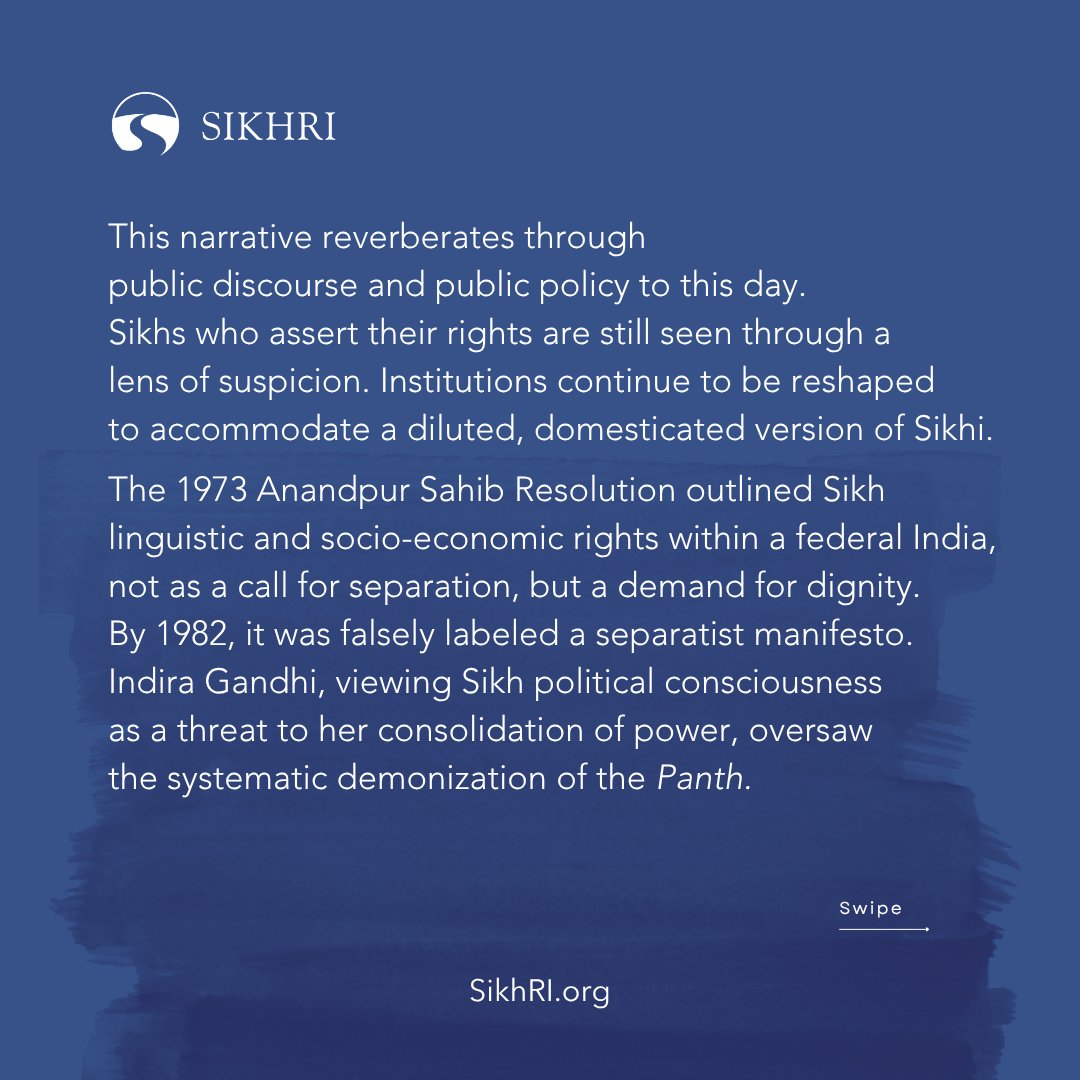
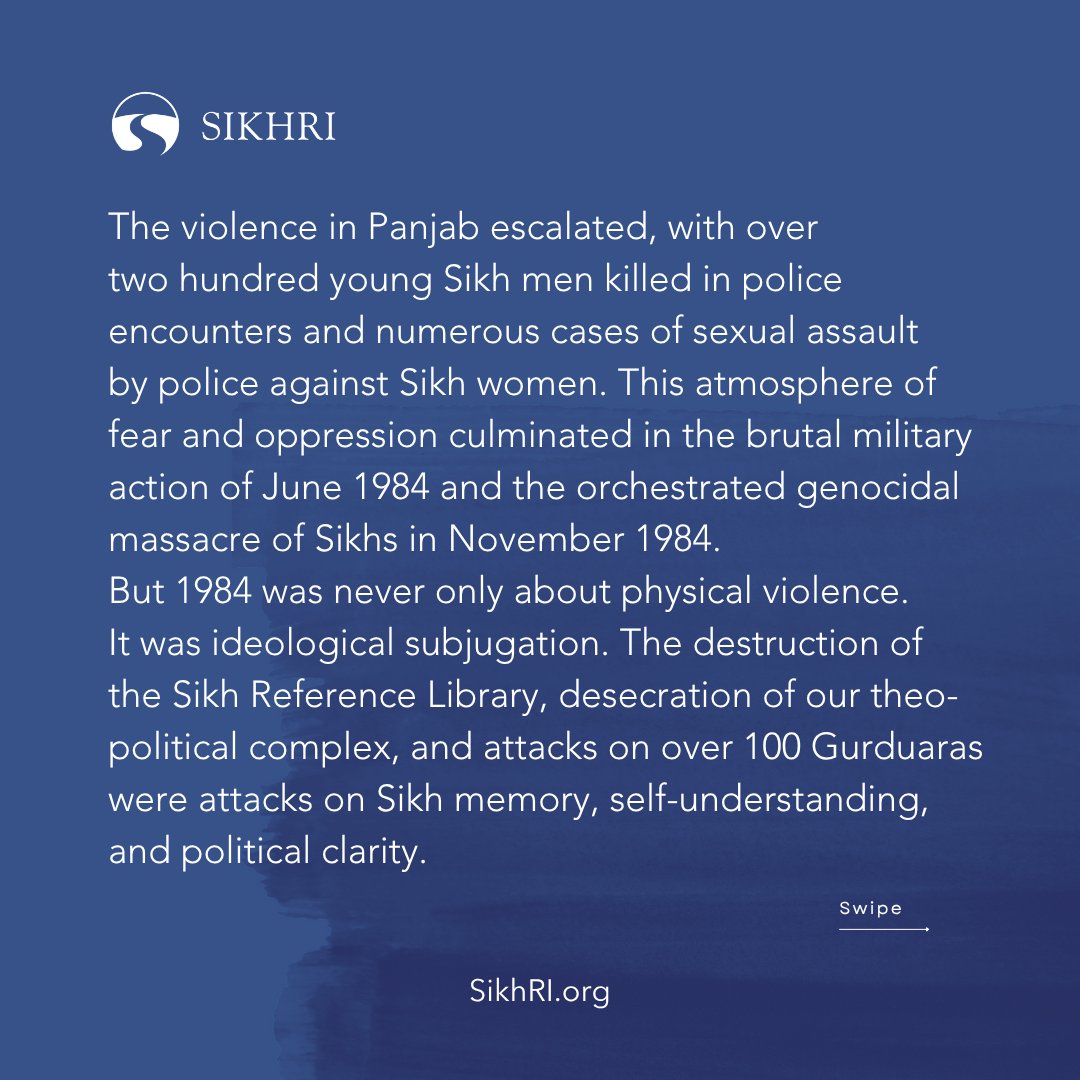
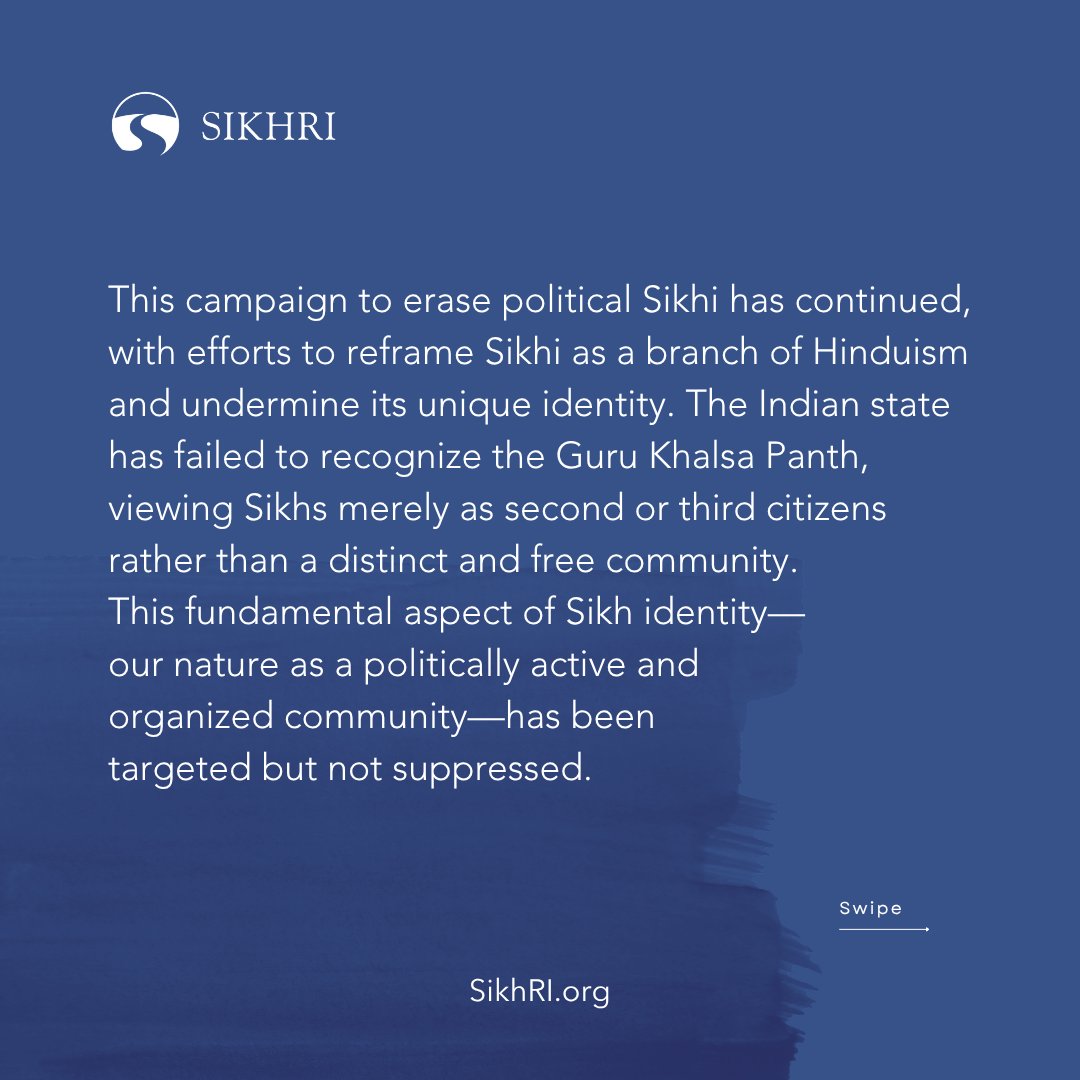
The 1984 Ghallughara (major genocidal campaign) is not merely a historical episode. It is a living force that continues to shape Sikh identity, consciousness, and commitment.
#SikhHistory
1
1
3
187
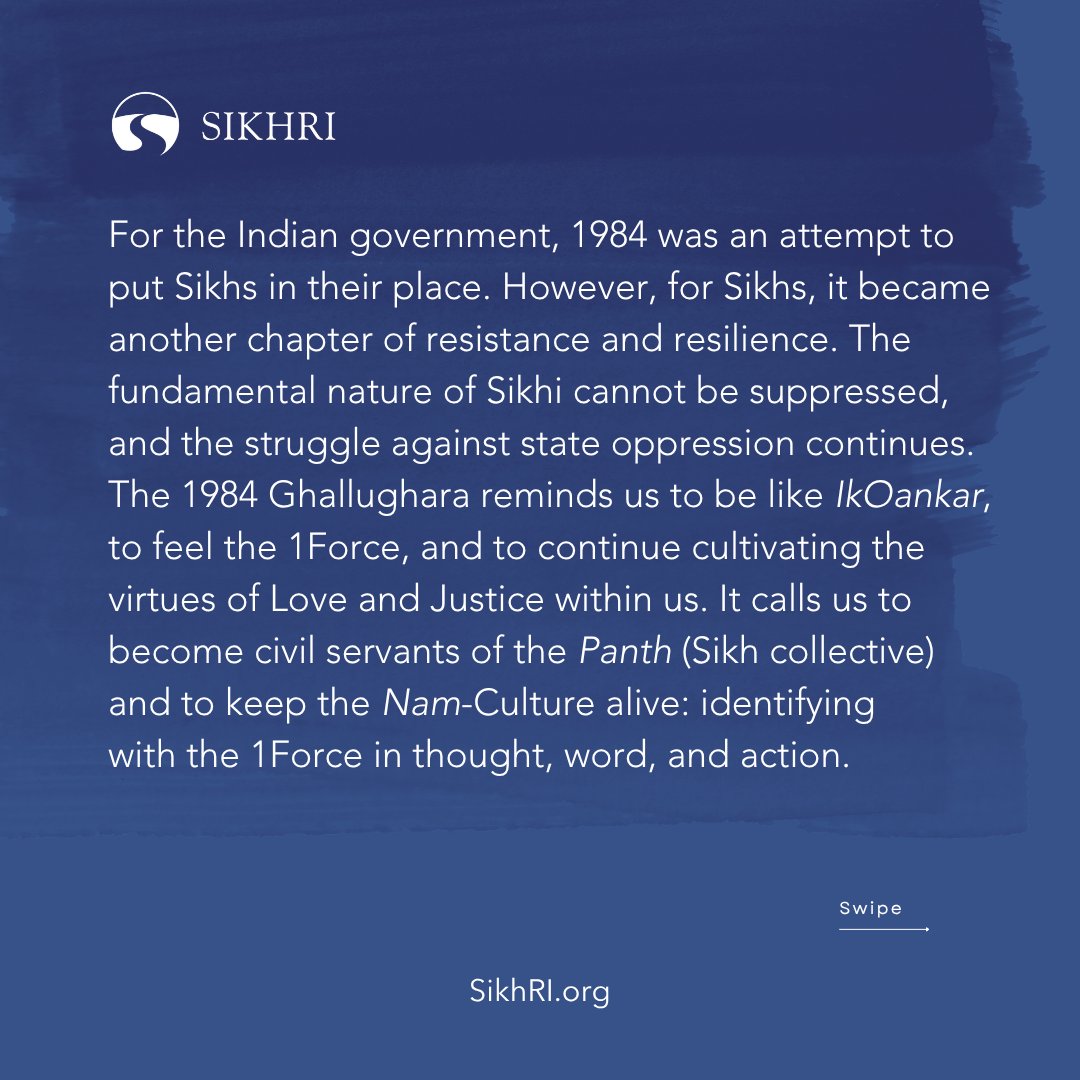
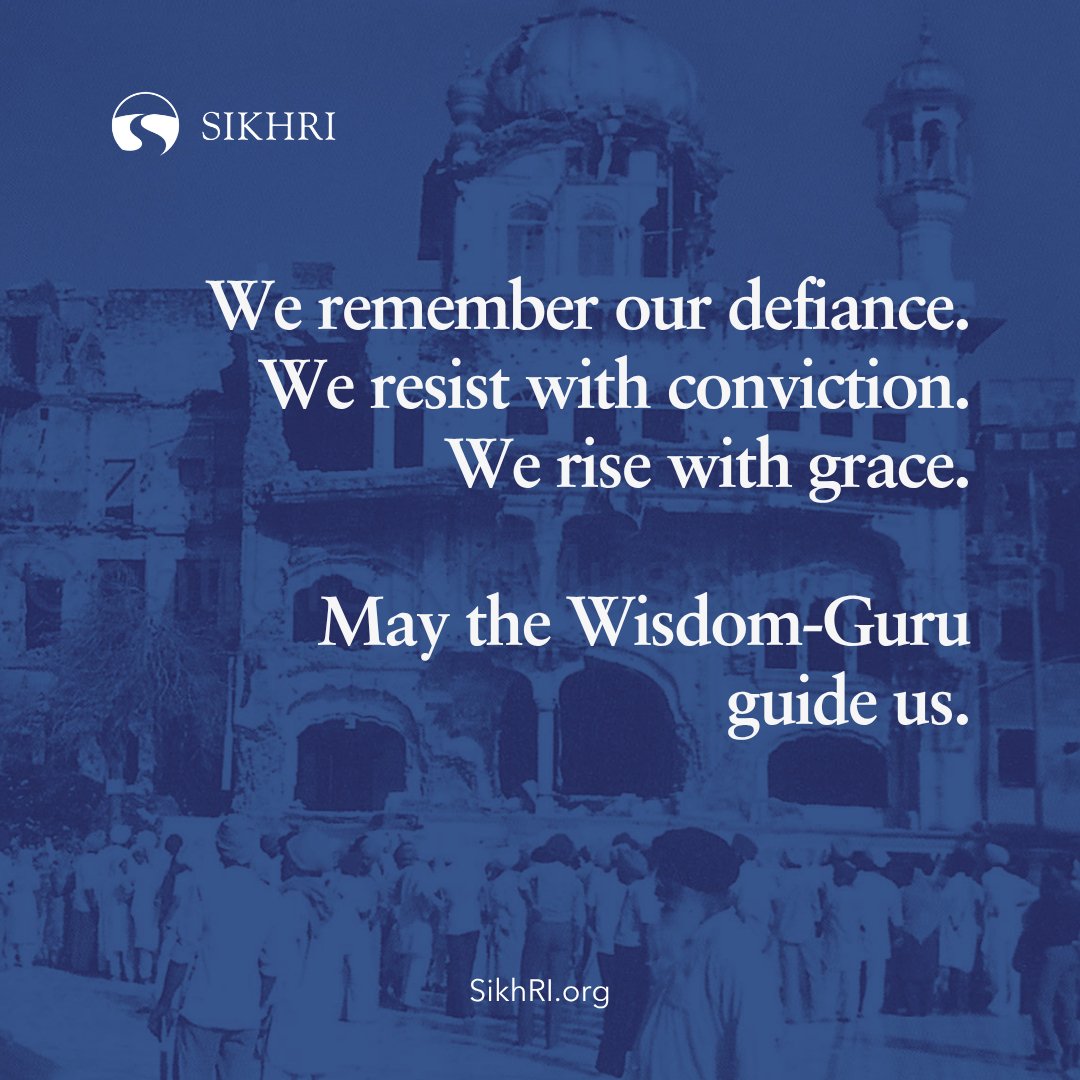
The invasion of Sri Harimandar Sahib, Akal Takht Sahib, and over 100 Gurduaras across Panjab was not just an act of state violence—it was an attempt to crush the spirit of Sikh sovereignty and silence the voice of a distinct, dignified people. But that spirit was not silenced. It stood. It resisted. And it still does.
Continue reading: social.sikhri.org/42-years-x
#Sikhs #History
1
2
171