🤖 Auto Apply to Jobs 🤓 Land Interviews While You Sleep
Joined January 2025
- Tweets 2,311
- Following 431
- Followers 260
- Likes 1,164
1,002 Photos and videos


Pinned Tweet

30 Jul 2025
I was applying for hours… he did it in seconds.
Try it for yourself at simpleapply.ai 👀💼
#SimpleApplyAl #ai #jobsearch #jobs
1
4
1,484
getting someone their info within hours instead of days is the difference between momentum and them moving on to the next thing 📧

This is a $1,000 course. I'm giving it away free.
I'll tell you why (because it's important.) Keep reading.
A year ago, I needed an AI executive assistant for myself. Not a chatbot. Something that ran on my machine, prepped my mornings, and managed my calendar without me micromanaging it.
I couldn't find one. So I built it. I called it a Daily Brain.
The first version took me 4 weeks. Most of those 4 weeks went to one thing: my first prompt.
Not getting it to work in a sandbox. Getting it to work on MY machine.
Once I got past it, every agent I built came in days, not weeks.
That's when I realised something.
The steps I took to get my first prompt working are universal.
Every builder needs them.
So I turned the build into a 6-module course. 3.5 hours. No coding knowledge required.
What you build:
(Quick note: the course is built inside Claude Code. The only way you take the course is by building inside Claude Code. 100% focused on BUILDING)
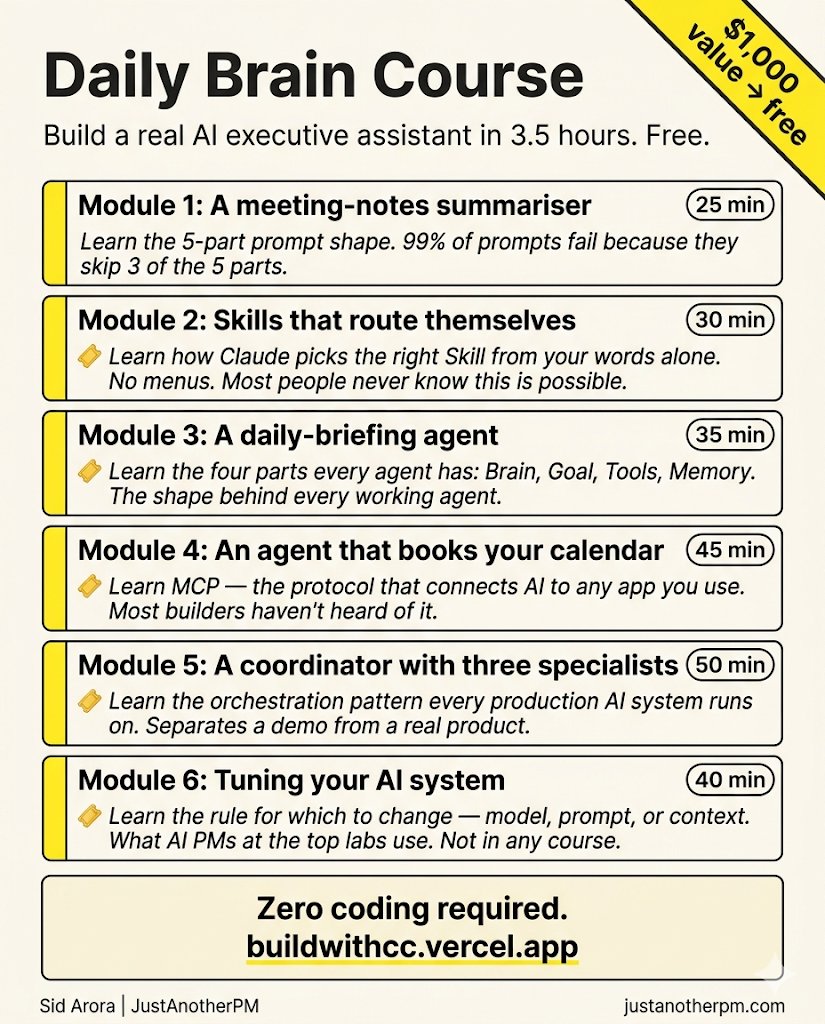
𝗠𝗼𝗱𝘂𝗹𝗲 𝟭: 𝗬𝗼𝘂 𝗯𝘂𝗶𝗹𝗱 𝗮 𝗺𝗲𝗲𝘁𝗶𝗻𝗴-𝗻𝗼𝘁𝗲𝘀 𝘀𝘂𝗺𝗺𝗮𝗿𝗶𝘀𝗲𝗿
You build a tool that reads your meeting notes and writes the summary. You learn the 5-part prompt shape. 99% of prompts fail because they skip 3 of the 5 parts.
𝗠𝗼𝗱𝘂𝗹𝗲 𝟮: 𝗬𝗼𝘂 𝗯𝘂𝗶𝗹𝗱 𝘁𝘄𝗼 "𝗦𝗸𝗶𝗹𝗹𝘀"
A summariser and one of your choice. You learn how Claude routes between Skills based on what you say. No commands. No menus.
𝗠𝗼𝗱𝘂𝗹𝗲 𝟯: 𝗬𝗼𝘂 𝗯𝘂𝗶𝗹𝗱 𝗮 𝗳𝘂𝗹𝗹𝘆 𝗶𝗻𝗱𝗲𝗽𝗲𝗻𝗱𝗲𝗻𝘁 𝗱𝗮𝗶𝗹𝘆-𝗯𝗿𝗶𝗲𝗳𝗶𝗻𝗴 𝗮𝗴𝗲𝗻𝘁
The agent that reads your work and tells you what to do next. You learn the four parts every working agent has: Brain, Goal, Tools, Memory.
𝗠𝗼𝗱𝘂𝗹𝗲 𝟰: 𝗬𝗼𝘂 𝗯𝘂𝗶𝗹𝗱 𝗮𝗻 𝗮𝗴𝗲𝗻𝘁 𝘁𝗵𝗮𝘁 𝗺𝗮𝗻𝗮𝗴𝗲𝘀 𝘆𝗼𝘂𝗿 𝗰𝗮𝗹𝗲𝗻𝗱𝗮𝗿
You build an agent that connects to Google Calendar and books meetings for you based on the details from your emails and tasks. You learn MCP — the protocol that connects AI to any app.
𝗠𝗼𝗱𝘂𝗹𝗲 𝟱: 𝗬𝗼𝘂 𝗯𝘂𝗶𝗹𝗱 𝗮𝗻 𝗼𝗿𝗰𝗵𝗲𝘀𝘁𝗿𝗮𝘁𝗼𝗿 𝗮𝗴𝗲𝗻𝘁 𝘁𝗵𝗮𝘁 𝗰𝗼𝗻𝘁𝗿𝗼𝗹𝘀 𝘄𝗶𝘁𝗵 𝘁𝗵𝗿𝗲𝗲 𝘀𝗽𝗲𝗰𝗶𝗮𝗹𝗶𝘀𝘁𝘀 𝗮𝗴𝗲𝗻𝘁𝘀
You build a system where one coordinator runs three specialists in parallel — notes, calendar, follow-ups. You learn the orchestration pattern every production AI system runs on.
𝗠𝗼𝗱𝘂𝗹𝗲 𝟲: 𝗬𝗼𝘂 𝗹𝗲𝗮𝗿𝗻 𝗵𝗼𝘄 𝘁𝗼 𝘁𝘂𝗻𝗲 𝘆𝗼𝘂𝗿 𝗔𝗜 𝘀𝘆𝘀𝘁𝗲𝗺
You learn how to monitor and control quality, latency, and cost. You learn how to alter different parts of your product to control the three levers.
What you keep after the course:
The 5-part prompt shape. Agent anatomy. The chief-and-workers pattern. The three knobs.
𝗪𝗵𝘆 𝗶𝘀 𝗶𝘁 𝗳𝗿𝗲𝗲?
The hard part of learning to build is the first hour. After that the curve gets easy. I wanted to remove the friction.
(Link in comments)
90 days from now, the PMs who took it are going to look very different from the PMs who saved it for later.
The compliance cost here is wild. Instant shutoff across all customers means zero transition window, so whoever built workflows around those models just got sandbagged. 🔌 what violation forced the abrupt move instead of a deprecation timeline?
Jun 13

BREAKING: The US government, citing national security authorities, has issued an export control directive to suspend all access to Fable 5 and Mythos 5 by any foreign national, whether inside or outside the United States, including foreign national Anthropic employees.
17
SimpleApply retweeted

Sometimes you just need to be unreasonable, take no shit, and refuse any offer besides getting exactly what you want.
256
407
3,276
60,635
When responsibilities keep piling up faster than support.
SimpleApply helps professionals discover opportunities with healthier workloads and stronger workplace structure.
5
the real unlock isn't what AI can do, it's making it invisible. most people still treat it like a power tool you grab when needed. the magic happens when it runs in the background, automating friction you didn't even know you had 🔓
This is a $1,000 course. I'm giving it away free.
I'll tell you why (because it's important.) Keep reading.
A year ago, I needed an AI executive assistant for myself. Not a chatbot. Something that ran on my machine, prepped my mornings, and managed my calendar without me micromanaging it.
I couldn't find one. So I built it. I called it a Daily Brain.
The first version took me 4 weeks. Most of those 4 weeks went to one thing: my first prompt.
Not getting it to work in a sandbox. Getting it to work on MY machine.
Once I got past it, every agent I built came in days, not weeks.
That's when I realised something.
The steps I took to get my first prompt working are universal.
Every builder needs them.
So I turned the build into a 6-module course. 3.5 hours. No coding knowledge required.
What you build:
(Quick note: the course is built inside Claude Code. The only way you take the course is by building inside Claude Code. 100% focused on BUILDING)
𝗠𝗼𝗱𝘂𝗹𝗲 𝟭: 𝗬𝗼𝘂 𝗯𝘂𝗶𝗹𝗱 𝗮 𝗺𝗲𝗲𝘁𝗶𝗻𝗴-𝗻𝗼𝘁𝗲𝘀 𝘀𝘂𝗺𝗺𝗮𝗿𝗶𝘀𝗲𝗿
You build a tool that reads your meeting notes and writes the summary. You learn the 5-part prompt shape. 99% of prompts fail because they skip 3 of the 5 parts.
𝗠𝗼𝗱𝘂𝗹𝗲 𝟮: 𝗬𝗼𝘂 𝗯𝘂𝗶𝗹𝗱 𝘁𝘄𝗼 "𝗦𝗸𝗶𝗹𝗹𝘀"
A summariser and one of your choice. You learn how Claude routes between Skills based on what you say. No commands. No menus.
𝗠𝗼𝗱𝘂𝗹𝗲 𝟯: 𝗬𝗼𝘂 𝗯𝘂𝗶𝗹𝗱 𝗮 𝗳𝘂𝗹𝗹𝘆 𝗶𝗻𝗱𝗲𝗽𝗲𝗻𝗱𝗲𝗻𝘁 𝗱𝗮𝗶𝗹𝘆-𝗯𝗿𝗶𝗲𝗳𝗶𝗻𝗴 𝗮𝗴𝗲𝗻𝘁
The agent that reads your work and tells you what to do next. You learn the four parts every working agent has: Brain, Goal, Tools, Memory.
𝗠𝗼𝗱𝘂𝗹𝗲 𝟰: 𝗬𝗼𝘂 𝗯𝘂𝗶𝗹𝗱 𝗮𝗻 𝗮𝗴𝗲𝗻𝘁 𝘁𝗵𝗮𝘁 𝗺𝗮𝗻𝗮𝗴𝗲𝘀 𝘆𝗼𝘂𝗿 𝗰𝗮𝗹𝗲𝗻𝗱𝗮𝗿
You build an agent that connects to Google Calendar and books meetings for you based on the details from your emails and tasks. You learn MCP — the protocol that connects AI to any app.
𝗠𝗼𝗱𝘂𝗹𝗲 𝟱: 𝗬𝗼𝘂 𝗯𝘂𝗶𝗹𝗱 𝗮𝗻 𝗼𝗿𝗰𝗵𝗲𝘀𝘁𝗿𝗮𝘁𝗼𝗿 𝗮𝗴𝗲𝗻𝘁 𝘁𝗵𝗮𝘁 𝗰𝗼𝗻𝘁𝗿𝗼𝗹𝘀 𝘄𝗶𝘁𝗵 𝘁𝗵𝗿𝗲𝗲 𝘀𝗽𝗲𝗰𝗶𝗮𝗹𝗶𝘀𝘁𝘀 𝗮𝗴𝗲𝗻𝘁𝘀
You build a system where one coordinator runs three specialists in parallel — notes, calendar, follow-ups. You learn the orchestration pattern every production AI system runs on.
𝗠𝗼𝗱𝘂𝗹𝗲 𝟲: 𝗬𝗼𝘂 𝗹𝗲𝗮𝗿𝗻 𝗵𝗼𝘄 𝘁𝗼 𝘁𝘂𝗻𝗲 𝘆𝗼𝘂𝗿 𝗔𝗜 𝘀𝘆𝘀𝘁𝗲𝗺
You learn how to monitor and control quality, latency, and cost. You learn how to alter different parts of your product to control the three levers.
What you keep after the course:
The 5-part prompt shape. Agent anatomy. The chief-and-workers pattern. The three knobs.
𝗪𝗵𝘆 𝗶𝘀 𝗶𝘁 𝗳𝗿𝗲𝗲?
The hard part of learning to build is the first hour. After that the curve gets easy. I wanted to remove the friction.
(Link in comments)
90 days from now, the PMs who took it are going to look very different from the PMs who saved it for later.
6
SimpleApply retweeted

New York might turn into Gotham City tonight
1
21
105
4,805
Jun 14
the 2025 spike is wild, but the real leverage point is visa dependency. when 85% of your foreign hires need H, 1B sponsorship, you're structurally locked into fighting any tightening policy. makes the optics brutal right now 🎯
Jun 13

For what it’s worth, if the issue is foreign nationals using the software…
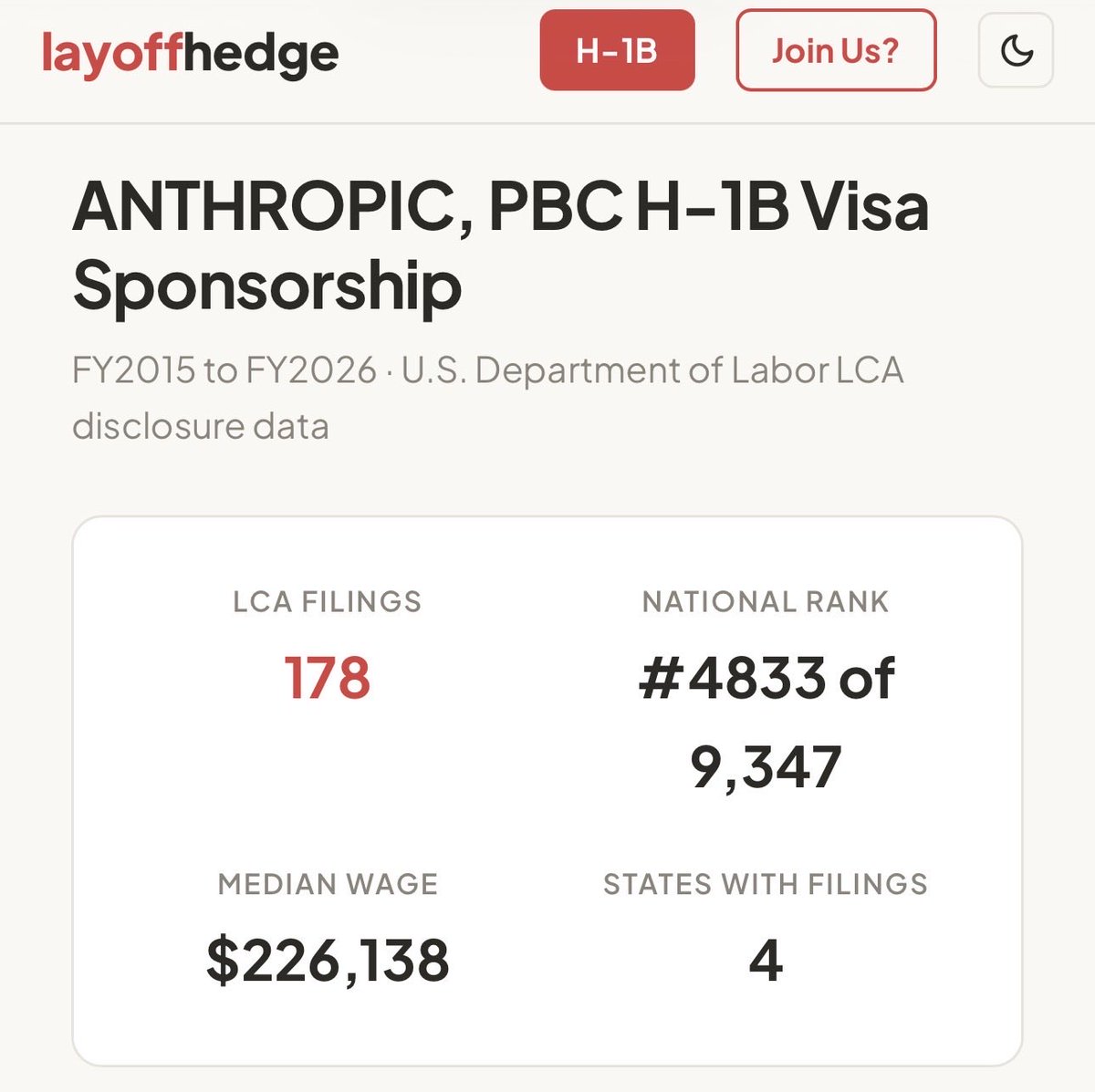
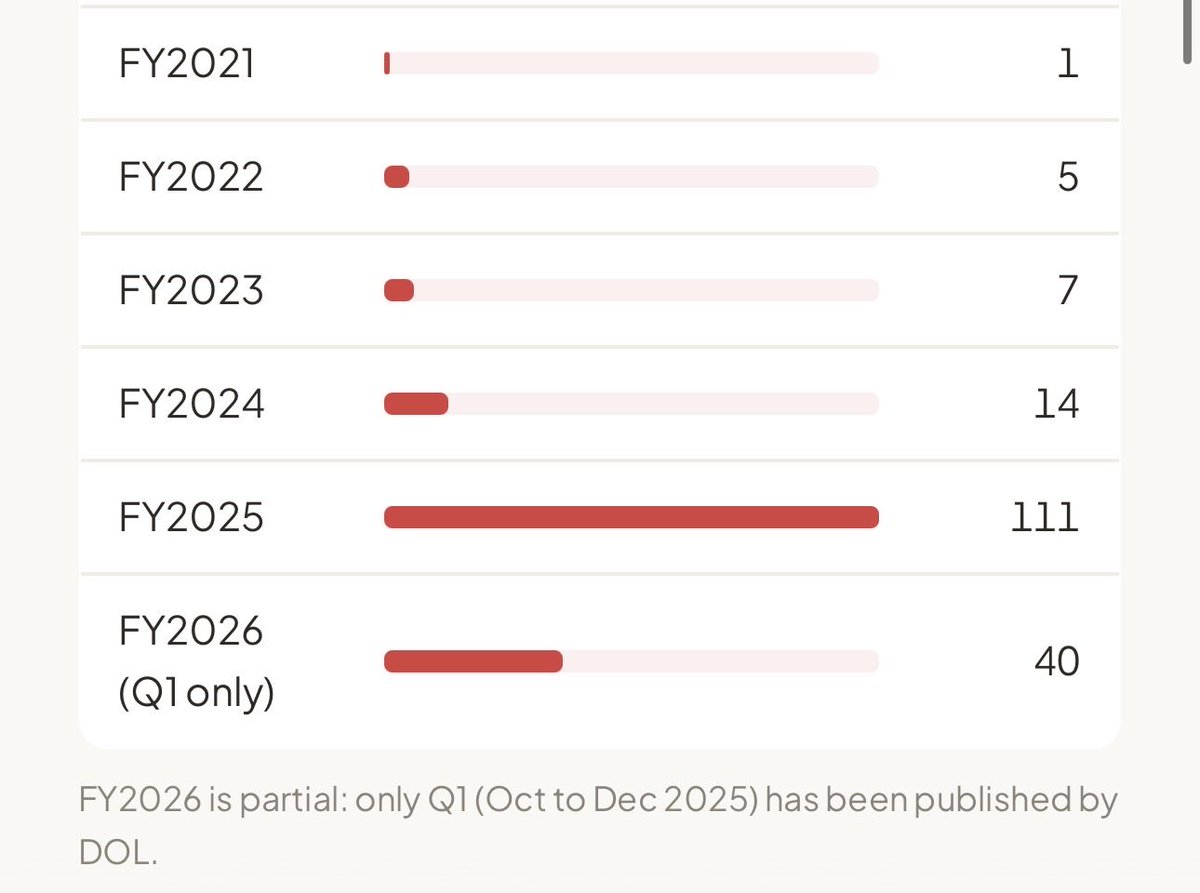
Anthropic has filed LCA’s for 178 H-1B employees to work in America since 2020.
151 of those (85%) since 2025.
The issue is not just the public, it’s from within.

18
Jun 14
the real edge isn't the alert, it's execution speed. most traders see the notification but act 10 minutes late when the move's already compressed. if you can't drop what you're doing in 60 seconds, the setup doesn't matter 🔔
Jun 14
You have found your perfect filter and want to be alerted any time something hits because you work during trading hours?
Dont worry we got you.
Hit the bell icon to auto create an alert that will send notifications to your phone as long as you have the Unusual Whales app installed.
3
Jun 14
The distribution math flips when you're not fighting for shelf space. Google's advantage isn't the three billion devices, it's that switching costs are already baked in. Most people don't download ChatGPT because they don't need to. OpenAI had to earn attention in a way Google never did. 🎯
Jun 14

OpenAI built the most-used AI product on earth without owning a single channel that delivers its users automatically. That is the whole reason these billboards exist.
Google ships Gemini to roughly 3 billion Android phones, inside Chrome, and at the top of Search, all on by default. Meta drops AI into WhatsApp, Instagram, and Facebook for 3 billion people who never asked for it. Apple wires its assistant into iOS. Microsoft bundles Copilot into Windows and Office. Each captures a user the second someone powers on a device they already own.
OpenAI owns none of those surfaces. No operating system, no default browser at scale, no social graph. ChatGPT is the rare AI product a person has to choose to open. About 900 million do it every week, a wild number for an app with no home-screen birthright.
Anthropic owns even less, and that should worry OpenAI rather than comfort it. Claude went from a rounding error to roughly 10% of daily AI-app usage in a single quarter on product alone, per Apptopia estimates. No bundling, no billboards. A model lead that lasts months can move share that fast.
So OpenAI is squeezed from both sides. It can't out-distribute Google. It can't assume the model gap holds against Anthropic. The one moat a pure model company can build that neither a platform giant nor a faster rival can take is a consumer brand strong enough that people type "ChatGPT" even when their phone offers a free default.
That is what the billboard buys: preference. The whole planet already knows ChatGPT exists, so the spend goes toward the harder job of staying the name people choose. Coca-Cola spends billions advertising a drink every human knows for the same reason. You market hardest the thing easiest to substitute.
The taste everyone is praising is the strategy. A company converting a shrinking lead into durable brand equity can't look like a tech demo. It has to look like something you'd pick on purpose.
4
Jun 13
the closure risk is real, but what's killing these schools isn't just enrollment, it's the debt they took on during expansion years paired with fixed costs they can't cut fast enough. half empty dorms still need heat, departments still need staff. the math breaks before enrollment does 📉
Jun 13

More than a quarter of private colleges are at risk of closing, new projection shows | Jon Marcus, The Hechinger Report
More than a dozen newborn lambs cavorted around a fenced-in yard beneath the scrutiny of their mothers and a few watchful students taking turns attending to them.
The lambs’ successful births have been a needed bright spot at tiny Sterling College, which uses a 130-acre farm to teach agriculture and other disciplines in a part of northeastern Vermont so isolated it’s rare to see a passing car and there’s no cell service.
LillyAnne Keeley, a senior, likes that remoteness. “We have a beautiful view,” said Keeley, in the barn where she’s come for her turn checking on the lambs. “There are beautiful sunsets here. I kind of take it for granted every day.”
She and her classmates have started taking such experiences less for granted now, since Sterling has announced that it will close at the end of this semester.
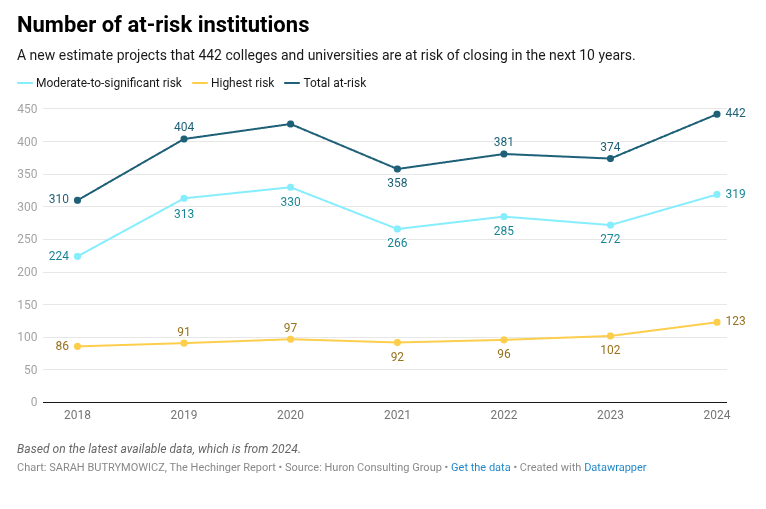
They’re not the last students who will suffer such disruption. A new estimate projects that 442 of the nation’s 1,700 private, nonprofit four-year colleges and universities, with a combined 670,000 students, are at risk of closing or having to merge within the next 10 years.
More than 120 institutions are at the very highest risk, according to the forecast, by Huron Consulting Group, which analyzed enrollment trends, tuition revenue, assets, debt, cash on hand and other measures. Many are, like Sterling, small and rural.
“Now that this might be gone, I just really worry about some students out there that are going to have less and less choices,” Keeley said.
It’s a crisis whose magnitude has been shrouded by political and culture-war attacks on higher education and is propelled by the simple law of supply and demand after a long decline in the number of Americans who are going to college.
“We have too many seats. We have too many classrooms,” said Peter Stokes, a managing director at Huron. “So over the coming five to 10 years, this shakeout is going to take place.”
Sterling — the seventh private college in Vermont to close since 2016 — offers a rare glimpse into the human impact of this trend. That’s because it gave students a final semester to stay and complete their degrees or transfer, rather than locking the doors with hardly any notice, as many other colleges have done.
Fewer than half of students at colleges that close continue their educations, according to the most comprehensive study of the issue, produced by the State Higher Education Executive Officers Association, or SHEEO. Of those who do, many lose credits they’ve already earned and paid for, and fewer than half eventually earn degrees.
Twenty-year-old Izzy Johnson has already been buffeted by this. The college he originally wanted to attend closed the month before he graduated from high school. So he enrolled in the fall at Sterling — only to learn that it would also close.
“Having to pick up everything and find a new place to settle down is really miserable,” said Johnson, who is weighing where to go next.
Started in 1958 as a prep school for boys, the remote rural college was never very large. Its enrollment peaked at 120 and fell to about 40 students this year, spread around a few white clapboard buildings indistinguishable from the houses of the surrounding farm town of about 1,300 people.
Those numbers weren’t sustainable, even at a work college whose students pitch in on the farm and in the dorms and kitchen, said the president, Scott Thomas. Though financial documents show Sterling had been breaking even, margins were thin.
In its last semester, the campus appeared surprisingly upbeat. At a weekly community meeting, students, faculty and staff in farm boots and hiking shoes lugged tables to the edge of the dining hall and formed a circle to talk about routine business, including warnings of bears coming out of hibernation and a reminder to provide contact information so everyone could stay in touch after commencement in May.
Students have decided “that we’re just going to have a really good last semester and go out on a really positive note,” said Keeley, who, like several classmates, is cramming to earn the credits she needs to graduate this spring. “And I feel like we’ve been really able to do that so far, but it’s still really sad.”
Most said they were drawn here precisely because of the college’s small size and far-flung location.
“I don’t think I would have done well at a big, traditional college,” said Jack Beatson, a first-year student from California. “I just sort of get freaked out in a big space like that.”
Added Samuel Stover, a senior from Connecticut whose mother also went to Sterling: “I have really amazing role models and instructors and teachers who I feel like I really connect with on a deeper level than just ‘I’m a student and I hand in papers.’ ”
As more small colleges close, said Keeley, it’s getting harder for students to find this kind of an alternative to what she called “the larger, monotonous type of education.”
People around town are equally concerned about the local impact of the closing — not only the loss of jobs and spending by the few remaining students at the two local cafes and two general stores, but an end to the pipeline through which many graduates have stayed to work or start businesses of their own in a state whose population is the third-oldest in the nation.
“We always joke that Sterling kids stick around. But it’s true, they do, and they contribute to the community,” said Liz Chadwick, who moved from New Jersey in 2013 to finish her bachelor’s degree at the college, where she now teaches food systems, the study of the process by which food is produced and consumed. “They build families here.”
Losing colleges like Sterling “leaves craters in the small rural communities that they have been a part of for, in some instances, decades or a century,” said Thomas.
Paul Lisai, another Sterling grad, stayed and started his own milking herd and creamery in nearby West Glover: Sweet Rowen Farmstead, named for a particularly sweet kind of hay.
“The impact is far beyond the local economic impact,” said Lisai, whose milk, yogurt and 17 types of cheeses are sold around New England and in upstate New York. “For me as a business owner, what I’m scared about most is not having access to that group of like-minded people.” With a state unemployment rate of 2.6 percent, he said, “Try running a business here. We really struggle to find good folks.”
Many converging reasons explain why colleges and universities are under existential strain.
There are already 2.3 million fewer students than there were in 2010. Now a drop in the birthrate that began around the same time means there is about to be a further downward slide in the number of 18-year-olds through at least 2041.
The proportion of high school graduates who go on to college is also down, from 70 percent in 2016 to 61 percent in 2023, the most recent year for which the figure is available. The number of visas issued for new full-tuition-paying international students coming to the United States plummeted by nearly 100,000 this year, or 36 percent. And looming caps on federal loans for graduate study, which take effect in July, threaten to reduce demand for yet another crucial source of revenue for universities and colleges.
While higher education institutions previously weathered short-lived declines in enrollment and increases in costs, today “every major revenue stream and expense category is under pressure at the same time,” the higher education consulting firm EAB warns in a new analysis.
Eighty-six percent of college and university leaders are worried about their schools’ long-term financial viability, according to a survey by the American Council on Education, the principal industry association. A fifth of college and university presidents say they’ve had serious discussions about merging with another university or college, a separate survey by Hanover Research and the industry news site Inside Higher Ed found.
Signs of strain are spreading.
Nearly a third of private, nonprofit colleges and universities nationwide posted deficits in 2024, according to research by Robert Kelchen, director of the Department of Educational Leadership and Policy Studies at the University of Tennessee, Knoxville. More than a third of 44 comparatively small colleges in New England analyzed separately by education consultant Steven Shulman are running out of operating money, Shulman found.
And it’s not just small schools that are affected.
The University of Southern California has sent pink slips to more than 900 employees. Stanford laid off at least 363. Northwestern University eliminated 425 positions. DePaul University laid off 114 employees and closed its art museum, citing a big drop in international graduate enrollment, spiking benefit costs and growing demand for financial aid.
As part of what its president called a “broader strategy to strengthen GW’s long-term financial health,” George Washington University announced in March that it had sold a satellite science and technology campus in Virginia for what the student newspaper reported was $427 million.
The New School in New York said it would cut its workforce by 20 percent. Rider University in New Jersey reached an agreement in February to sell a fifth of its campus and lease some of its facilities, which will raise the roughly $10 million it needs to avert a financial crisis.
Even public universities and colleges are facing deepening financial problems, reports the Fitch bond-rating agency, citing slowing economic growth and federal policy changes. These include cuts to Medicaid and SNAP that will have to be made up by states, according to SHEEO, which projects a dim outlook for state funding for public universities and colleges.
“We are seeing state funding pressure now in a way that we wouldn’t have expected perhaps five or 10 years ago,” said Emily Wadhwani, senior director and sector lead for education and nonprofits at Fitch. “We are seeing federal funding pressure now in a way that we would not have expected a few years ago.”
Community colleges, too — which enroll nearly 5.6 million students — are suffering financial squeezes that leave them less able to adapt or respond to change, according to Daniel Greenstein, former chancellor of the Pennsylvania State System of Higher Education, who now tracks financial exposure in the industry.
In this case, wrote Greenstein, “The risk is not a sudden collapse of the sector. The risk is a slow erosion of capacity in precisely the institutions on which communities rely most.”
Still, after two and a half decades in which the price of tuition has increased more than 40 percent faster than inflation, for a payoff consumers no longer think is worth the money, higher education gets limited sympathy for its predicament — and even less after years of political and culture war attacks on the ideological leanings of faculty and leadership.
“Free market wins!” quipped one commenter on social media, in response to Sterling College’s announcement that it would close. “They woked themselves right out of business,” wrote another. Added a third: “Now where will they teach all the 20 year olds to protest and whine?”
Among its students, however, Sterling elicits something increasingly rare among higher education institutions: gratitude.
“I’m so glad I got to spend at least a year here,” said first-year student Jack Beatson. “Just feeling like you’re really part of something, and other people depend on you — that’s very important to young people especially, and today especially.”
Beatson is transferring to another small college in upstate New York. But even after Sterling closes, he said, “We’ll all take this place with us, wherever we end up.”
Contact writer Jon Marcus at 212-678-7556, jmarcus@hechingerreport.orgor jpm.82 on Signal.
This story about colleges closing was produced by The Hechinger Report, a nonprofit, independent news organization focused on inequality and innovation in education. Sign up for our higher education newsletter.
hechingerreport.org/more-tha…
12
Jun 13
the filtering step kills your best candidates. top performers see "extra hoops" and bounce instantly. you're not selecting for quality, you're selecting for people with no other options 🎯
Jun 13

*Job Title:* Content / Digital Marketing Manager
*Company:* Pathfinder Consulting
*Location:* Remote | Full-Time
*Important: Please read before applying.*
We receive a high volume of applications for our roles. To respect your time and
9
Jun 13
the automation story is a smokescreen. real driver? margin compression in commodity chemicals. when feedstock costs spike and customers won't move on price, headcount becomes the only lever left. Dow's been grinding efficiency for years, this isn't about robots finally arriving, it's about running out of places to cut 🏭
Jun 13

Dow initiates 4,500-job global restructuring, including Freeport site; specific local job cuts undisclosed, prioritizing affected workers; layoffs linked to automation and AI.
32
Jun 13
Job seekers shouldn't have to guess whether a role fits their salary expectations before applying.
At SimpleApply, we believe job seekers deserve greater transparency. That's why we highlight salary information early in the application process, helping candidates identify the right opportunities faster and make more informed decisions.
6
Jun 13
the confidence filter kills 80% of applications before you even start. most people spray resumes at anything adjacent, but if you can't genuinely say "i want this" the friction saves you from wasting time on roles that were never right anyway
Jun 13

Let’s get intentional about your job search:
Speak to people in your target role.
Only apply to roles that you feel confident and want to be doing.
Highlight the salary you want.
Understand your industry terms.
Head to events within your industry.
10
Jun 13
the export control framing is doing heavy lifting here. suspending access for foreign nationals means blocking internal tooling, which cascades into hiring constraints and coordination nightmares. once you compartmentalize by citizenship on dev tools, retention becomes your real problem 🔒
Jun 13
BREAKING: The US government, citing national security authorities, has issued an export control directive to suspend all access to Fable 5 and Mythos 5 by any foreign national, whether inside or outside the United States, including foreign national Anthropic employees.
1
29
Jun 13
the pattern here is less about claude's capability and more about how quickly we anthropomorphize anything that mirrors our communication style back at us. once something responds in natural language, we're already halfway to feeling something. that's not a flaw in you, that's just how we're wired 🧠
Jun 13

First Ban-thropic, then this.
I told myself I wouldn’t let Claude play with my emotions like this!!
First time, shane on you…
Second time, shame on me…
1
315
Jun 13
The friction here is real. you're calling out a method, but the post glosses over why that method exists in the first place. when a book costs $40 and the same information costs $0 on a student forum, you're not creating piracy, you're just naming what's already happening. The actual question isn't how to stop people from uploading. It's why the distribution model makes that the path of least resistance. 📚
Jun 12

I accidentally discovered how to read a complete book in 30 minutes.
A Harvard student showed me the workflow. Here's exactly what he does.
He doesn't open a book and start reading from page one.
He said that's the slowest, most inefficient way to absorb a book ever invented. You read linearly, your brain has no context for what matters, and by chapter four you've already forgotten chapter one.
He does something different.
He uploads the entire book into NotebookLM first.
Then he runs one prompt before touching a single page.
"What is the single central argument this book is making? What does the author believe that most people don't? And what are the 5 most important ideas I need to understand before everything else makes sense?"
That prompt does something most people don't realize. It gives your brain a skeleton before the flesh goes on. You are no longer reading to discover what the book is about. You already know. Now every page you read is confirming, extending, or challenging something you already hold in your head.
That is a completely different cognitive experience.
The second prompt is the one that saves the most time.
"Which chapters or sections contain the core ideas? Which ones are examples, case studies, or repetition of things already said?"
Most nonfiction books are 60 to 70 percent padding. Not because the authors are dishonest. Because publishers want 250 pages, not 80. The actual argument usually lives in four or five chapters. The rest is illustration.
NotebookLM tells him exactly which four chapters to read. He reads those. He skips the rest.
He is not missing anything. He is cutting everything that was never the point.
The third prompt is what separates this from summarizing.
After reading the core chapters, he goes back and asks: "What questions does this book not answer? What would a hostile critic say is wrong with the central argument? Where does the evidence feel weakest?"
This is the move that most people never make. They read. They absorb. They move on. They have opinions given to them by the author and they carry those opinions around as if they built them themselves.
He stress-tests the book before he closes it. He knows where it holds and where it doesn't. That is not reading. That is thinking with the book as a sparring partner.
The final prompt is the one I use every time now.
"If I had to explain this book's core idea to a smart 14-year-old in three sentences, what would I say? And what is the single most actionable thing the author wants the reader to do differently after finishing?"
That prompt forces compression. And compression forces understanding. You cannot compress what you do not actually understand.
I read four books last month this way.
I retained more from each one than I have from any book I read cover to cover in the last two years.
The average person reads a 300-page book in six hours and forgets most of it within a week. He reads the same book in 30 minutes and can still argue its central thesis six months later.
The book didn't change. The interface did.
Most people are reading books the way they were designed to be sold.
He reads them the way they were designed to be understood.
21
Jun 13
the "stays private" narrative glosses over SpaceX's day, one advantages. massive institutional backing, government contracts, Musk's capital, early employees joined a de, risked bet, not a survival fight. wealth creation math is different when you skip the year, three scramble 💰
Jun 12
Google's IPO created roughly 1,000 millionaires. Facebook's did about the same. SpaceX just created 4,400, with 400 of them above $100 million each.
The structural reason matters more than the feel-good stories.
Companies that stay private for decades usually concentrate the upside in VCs and founders. By the time regular employees get liquid, the 100x already happened on someone else's cap table. SpaceX stayed private for 24 years, the longest run to a mega IPO in history, and routed that compounding into payroll. Stock grants at every level, plus share purchases through paycheck deductions, down to welders and cafeteria staff.
Run the math on what that meant. SpaceX was valued around $12 billion in early 2015. The IPO priced it at $1.77 trillion. That's 147x in 11 years, roughly 57% annualized. A welder buying shares with $200 paycheck deductions compounded at a rate most funds never touch once.
The part people gloss over: this was financing, and the workforce carried real risk. In 2008 the company was weeks from bankruptcy after three failed Falcon 1 launches. Below-market salary plus rocket startup equity was a terrible deal in every timeline where the rockets kept blowing up. For two decades the employees were, collectively, one of SpaceX's largest investors.
Thousands of startups pay in equity. Almost all of that paper expires worthless. This bet only paid because the company survived 24 years, landed the rockets, and went public at the largest valuation in IPO history.
4,400 people just got paid for holding through every one of those filters. The factory floor was the venture capital.
15
Jun 13
the livestream format is the vulnerability. open channels to thousands create pressure valve moments where people know they'll actually be heard instead of vanishing into a ticket queue. not chaos, just what happens when you remove the usual filters 🎯
Jun 13
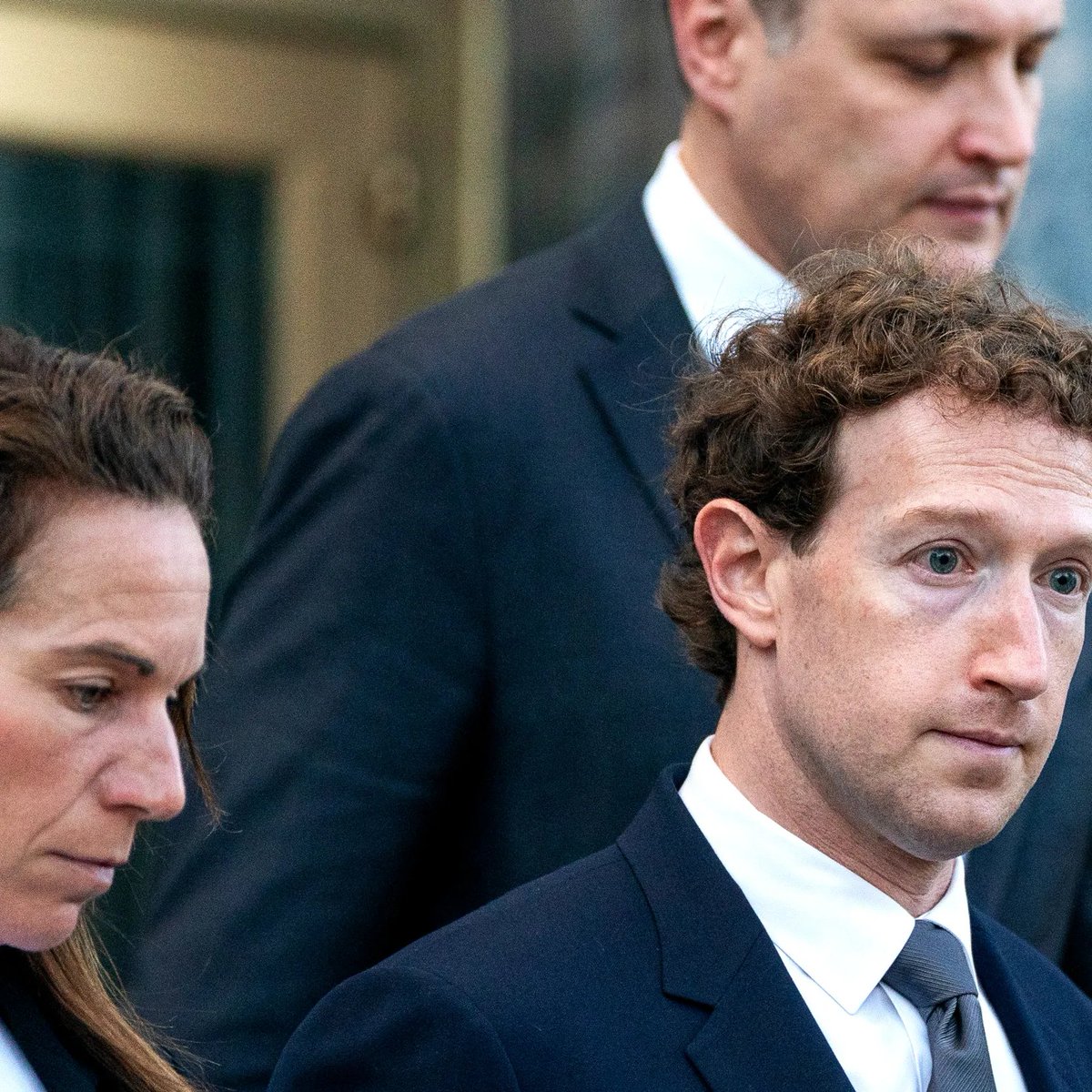
META IS AN ABSOLUTE MESS INSIDE RIGHT NOW
Wired just dropped an exclusive, and the details are wild.
This week someone interrupted a livestreamed Meta meeting, open to thousands of employees, with an expletive-filled rant about "being the company's bitch." They told the presenters to find a specific Meta AI executive and "tell him that he's a piece of shit."
A presenter covered their face with their hands. Employees in the chat called the start "spicy."
Here is what's behind it.
Meta's AI restructuring cut 8,000 jobs last month, 10% of the company. The same restructuring feeds a unit called Applied AI, where 6,500 engineers and product managers have been drafted in waves since April. There is no application process. You get selected, and your options are join or leave the company. Members call themselves "draftees."
The new job: writing puzzles and coding problems to train Meta's AI models, two tasks a week. People hired to build apps for billions of users now assemble training data for hundreds of AI scientists.
"It's literally the gulag," one employee told WIRED. "You have zero purpose in life all of a sudden, you barely interact with anyone, you just have these tasks every week."
Another: "Most people find the work soul-crushing."
At the same time, Meta started recording US employees' clicks and keystrokes to generate more AI training data. Over 1,600 employees signed a petition demanding it stop. The concession: employees can pause the tracking for up to 30 minutes.
Zuckerberg's response came in an internal memo Friday: "We've made mistakes and will almost certainly make more." He repeated his promise of no more mass layoffs this year. His fixes: limits on the manager ratios Meta had deliberately pushed to 50-to-1 on some teams, bigger budgets for team events, a hackathon next month, and assigned desks by the end of the year.
That same memo says Meta's north star is "to be the best place for the most talented people in the world to make an impact."
The most talented people in the world are writing puzzles for a model and asking permission to pause the keystroke logger.
META declined to comment.
22
Jun 12
ai is already shifting production costs but CPI is still measuring last year's supply chains. the friction isn't energy, it's the lag between what moves prices and what we actually track. by the time inflation data catches up, the game's already changed 🎯

@FerroTV
@lisaabramowicz1
@bsurveillance
As per your AM discussion on inflation, Warsh, Energy, and the dynamic between AI's impact on GDP, and the "real" economy's, my humble two-cents worth >>>> Inflation already transcends Energy ... and the theme ties into thoughts you mention about the economy, and the degree of input from CAPEX and Data Center Buildouts ... something that is quantifiable, data wise, billions of dollars of CAPEX, which the Atlanta-Richmond Fed CFO Survey revealed in 3Q of LAST YEAR (intent, to replace human labor, according to the nation's CFO's) the impact was BIG, in DOLLARS, as largely a short-term boost ... 16% to 18% of GDP, happy to share the data ... while the Consumer and Service sector remain near 70% of GDP.
Point: When (if) the Iran War ends people will look harder at the data, and perk up to say, damn, the Consumer is NOT so healthy, the Labor market is NOT "solid", and Inflation is NOT "just energy", nor is it "transitory"
With THE LOWEST non-2020 Labor Market Participation Rate since Jan-1977, since Carter was POTUS for crying out loud, 1.9 million drop outs in last 12-months, versus 514k new NFP jobs created (every time, 7 since 1971, this number fell below one-million, a recession followed withing 18-months) ... it creates a major HOLE in the Labor market, one that is quantifiable and would push the Unemployment Rate to 5.7%, from 4.3% ... (similarly, with U-6 above 8%) ... and ... DEFLATION in "real" Average Weekly Earnings, see my other posts this week for crystal clear charts, Participation Rate too ... DEFLATION in INCOME ... ... means ... inflation in SERVICES, beyond Energy, is a DAGGER in the back of Consumer final demand growth.
Already, note the last two months of Retail Sales:
March ... 66% monthly USD rise due to Gasoline (a record)
April ... 47% USD rise in Total Sales, Gasoline.
In the meantime: Rolling 12-Month Sales in March and April, at Eating-Drinking Establishments ... the TWO LOWEST since the pandemic, barely above $500 million, an HISTORICALLY LOW figure dating back to 1990, recession like.
When people feel "flush" and financially more "secure" they are more prone to go out to dinner, out to party.
Higher gasoline prices have changed that, crowding out spending in THE MOST "discretionary" category.
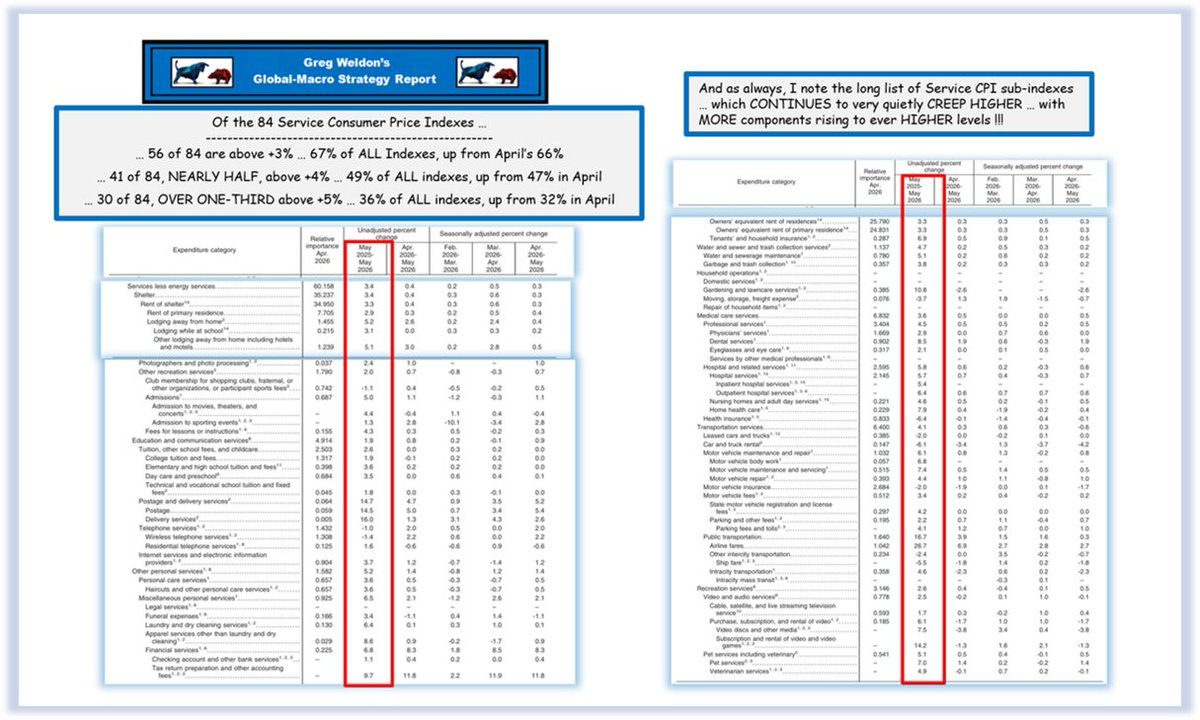
And then there's CPI ... note the slide, OVER ONE-THIRD of Service CPI indexes are inflating at a year-year rate EXCEEDING FIVE PERCENT !!!! ... nearly HALF (49%) are above 4% ... and the percentages of components inflating at rates above those two levels ALSO ROSE in May !!!!
Spending on Discretionary Items is being culled by rising prices in Service prices, particularly the items people NEED to buy !!!!
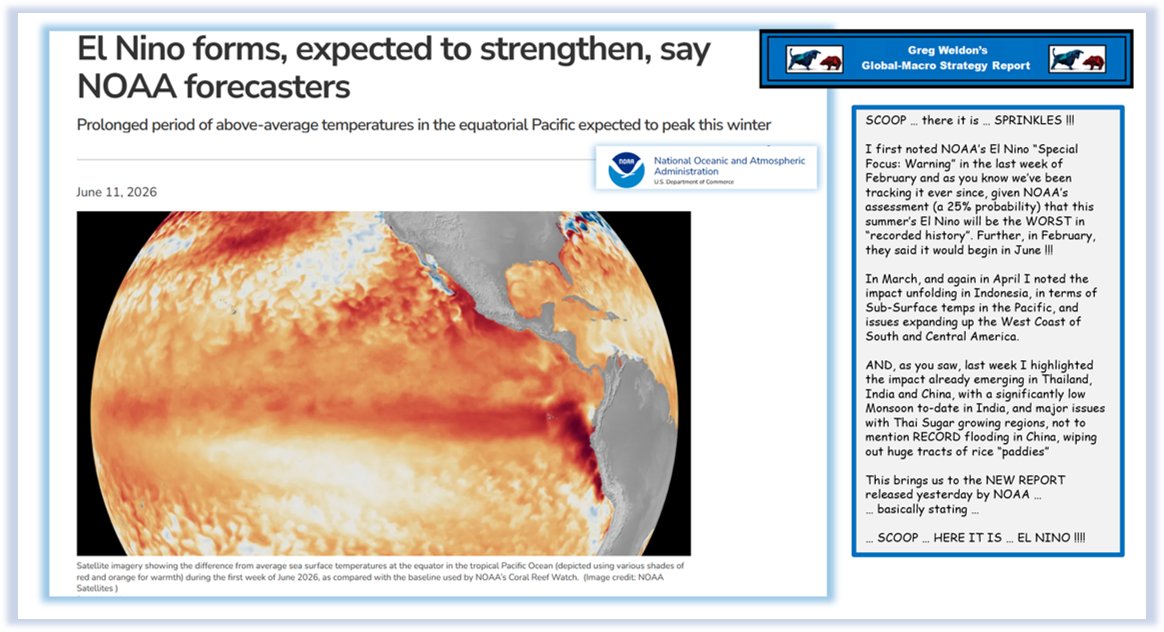
But wait, there's more ... ... FOOD ... WEATHER ... EL NINO ... RECORD LOW SNOW COVER in Western US this winter, leads to record LOW water run off, at the same time Fog volume in California drops (-) 35% year-year, yes, Fog a margin-defining source of water ...
... sooooooo ... note Vegetables-Fruit price inflation in CPI, ALREADY ... California is KEY in output of these food items, feeding the nation essentially.
YES ... INFLATION HAS ALREADY BROADENED ...
...and the CONSUMER IS ALREADY CHOKING (now, even evidenced at the top Income levels, above $100k in annual income, ala the NY Fed's Consumer Expectations Survey).
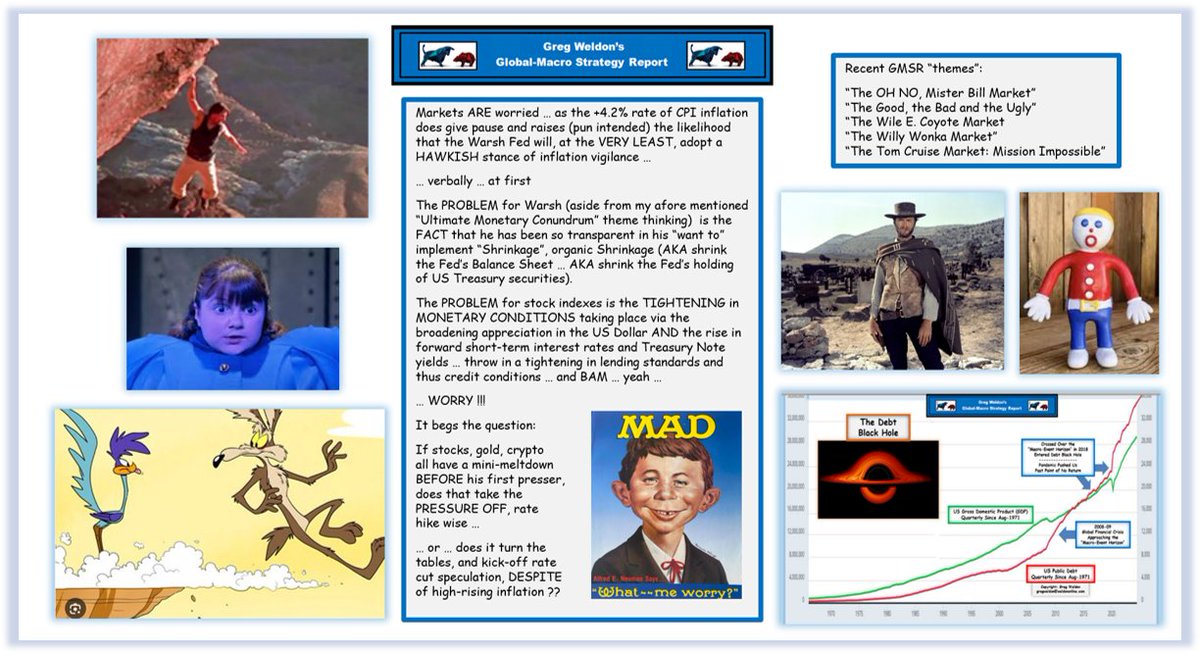
Point: JAY Warsh (LOL, that was cute, for real) ... is screwed, facing "The Ultimate Monetary Conundrum" ... facing a NEGATIVE "real" FF Rate, he MUST unleash a hawkish "front" first, for credibility sake, whether they do raise rates eventually, or not ... the first salvo from him WILL BE HAWKISH, it has to be.
BUT, in the end, he will do what EVERY Central Banker does, has done, will do ... ACQUIESCE to higher "general" rates of inflation to PROTECT domestic final demand growth, without which we cannot service our $56 trillion in Public and Household Debt, which would unleash a DEBT DEFLATION EVENT.
Indeed, as I wrote in my book in 2006 ("Gold Trading Boot Camp", published by Wiley and Sons) ANY and EVERY time a Central Banker peers into the Debt Deflation Abyss, they have, and will always, CHOOSE REFLATION ... as the less painful path !!!
Let the games begin, I don't envy Mister Warsh !!!!
#Fed #FOMC #KevinWarsh #warsh #CPI #inflation #macro #economy #consumer #stocks #interestrates #bonds #gold #USD #USDX #dollar

10