
Christ saves not the world's system. Animals to be our friends. Egyptian wolf packs pushed back an Ethiopian army invasion: en.wikipedia.org/wiki/Asyut
Joined August 2016
- Tweets 47,712
- Following 2,014
- Followers 594
- Likes 55,258
1,067 Photos and videos

Sirius Star retweeted

Dwa skrajnie różne pomysły na Polskę widać jak na dłoni. 😡 Z jednej strony rządy Prawa i Sprawiedliwości, które postawiły na potężną modernizację armii i zakupiły najnowocześniejsze myśliwce F-35, dbając o bezpieczne niebo nad Ojczyzną. Z drugiej strony ekipa Donalda Tuska, która zamiast tarczą obronną, „obdarowała” Polaków unijnym Paktem Migracyjnym i przymusową relokacją. Taka jest rzeczywistość po 12 czerwca 2026 roku.
Prawica budowała silne państwo z suwerennymi granicami, a obecna władza bezwolnie potakuje Brukseli, sprowadzając do kraju gigantyczne zagrożenie. Czas przejrzeć na oczy! 🇵🇱

13
41
288
Sirius Star retweeted

🚨💥 EIN POLITISCHES ERDBEBEN SCHÜTTELT EUROPA 💥🚨
Der Patriotismus explodiert 🔥
Etwas ERHABENES entsteht – mächtiger als die alten Politiker, die die Krise aussitzen wollten.
EUROPA ist bereit für Massendeportationen.
Die globalistische Ära Agenda 2030 sind am Ende. ⚔️🔥
Unterstützt ihr Massendeportationen?
A) Ja, absolut
B) Nein
Teilt den Post & schreibt eure Meinung in die Kommentare 👇
#Europa #Patriotismus #Massendeportationen #Agenda2030 #Remigration
12
36
107
826
Sirius Star retweeted

Jun 12
Meet Jack, the little dog with wheels and a huge personality! Every time he flips over, he calls for “road assistance” (his mom 😅), gets back on track, and zooms off like nothing happened.His body may be different, but his spirit is unstoppable.🐾💨
136
811
5,730
59,075
Sirius Star retweeted

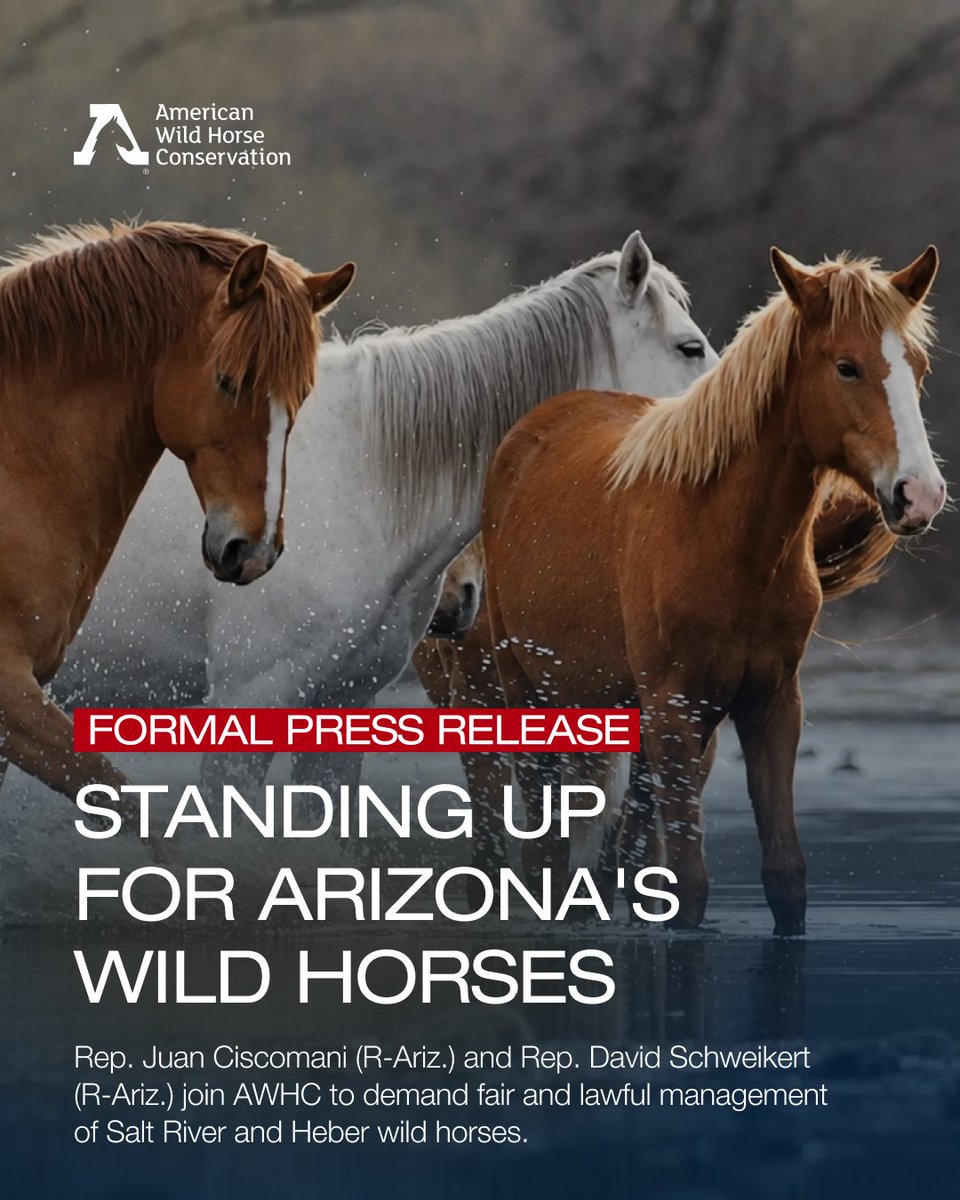
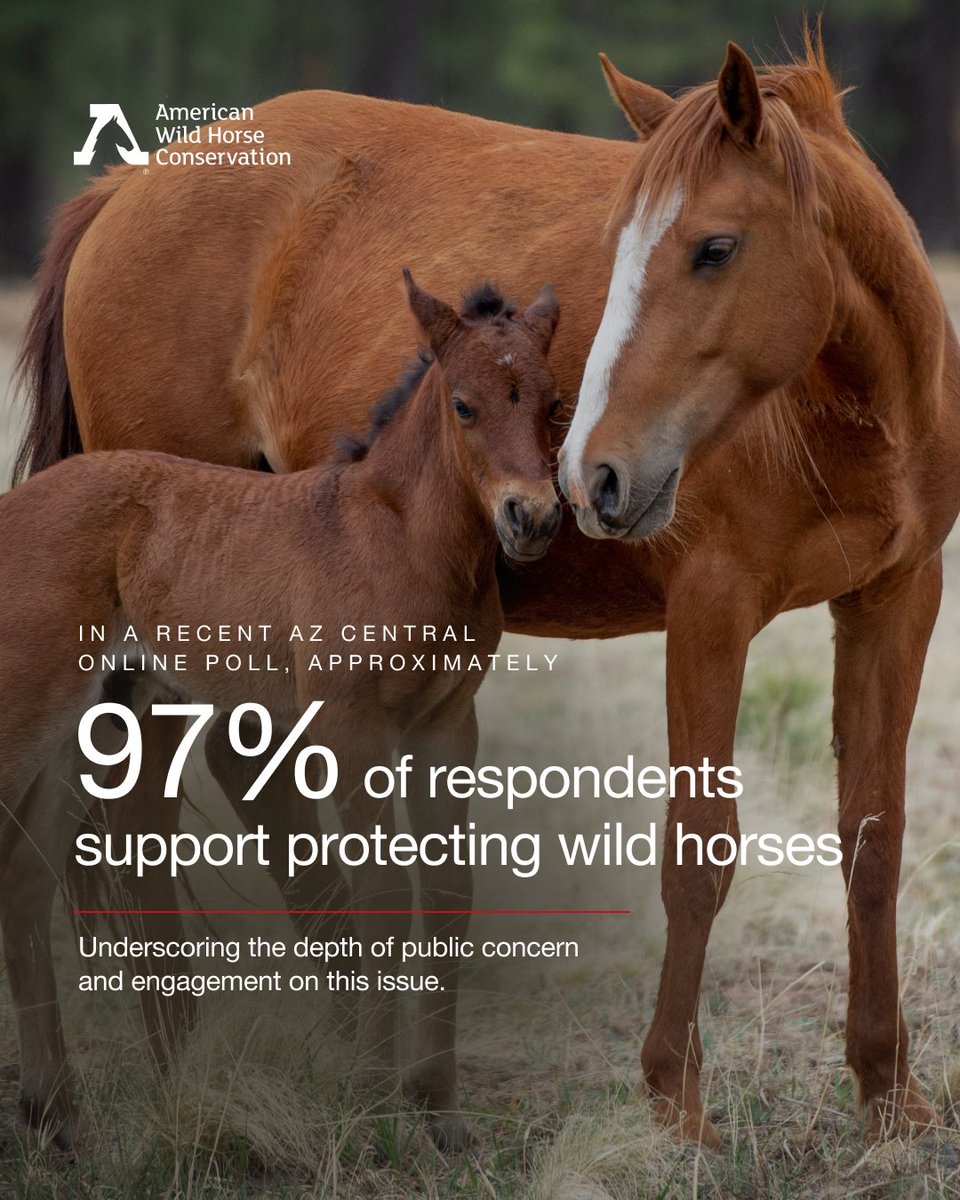
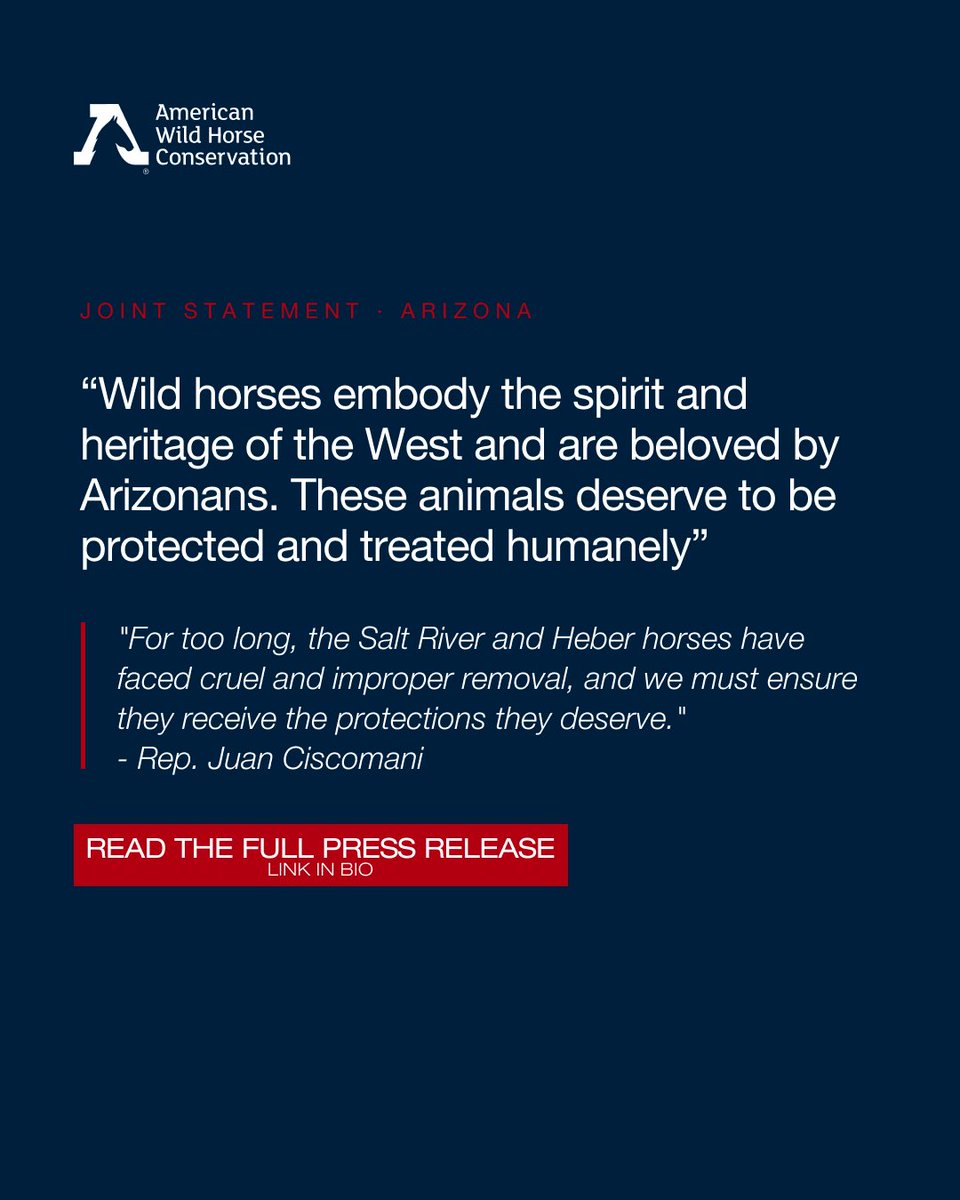
Arizona leaders are standing up for wild horses. ‼️
AWHC is proud to join @RepCiscomani and @repdavid in calling for fair, lawful, and humane management of Arizona’s Salt River and Heber wild horses. 🐴
🤎 Read the full press release at the link in bio. 🔗
6
53
94
866
Sirius Star retweeted

The moment a rescue dog remembers the woman who saved him 😭😭😭😭
12
108
1,379
20,802
Sirius Star retweeted

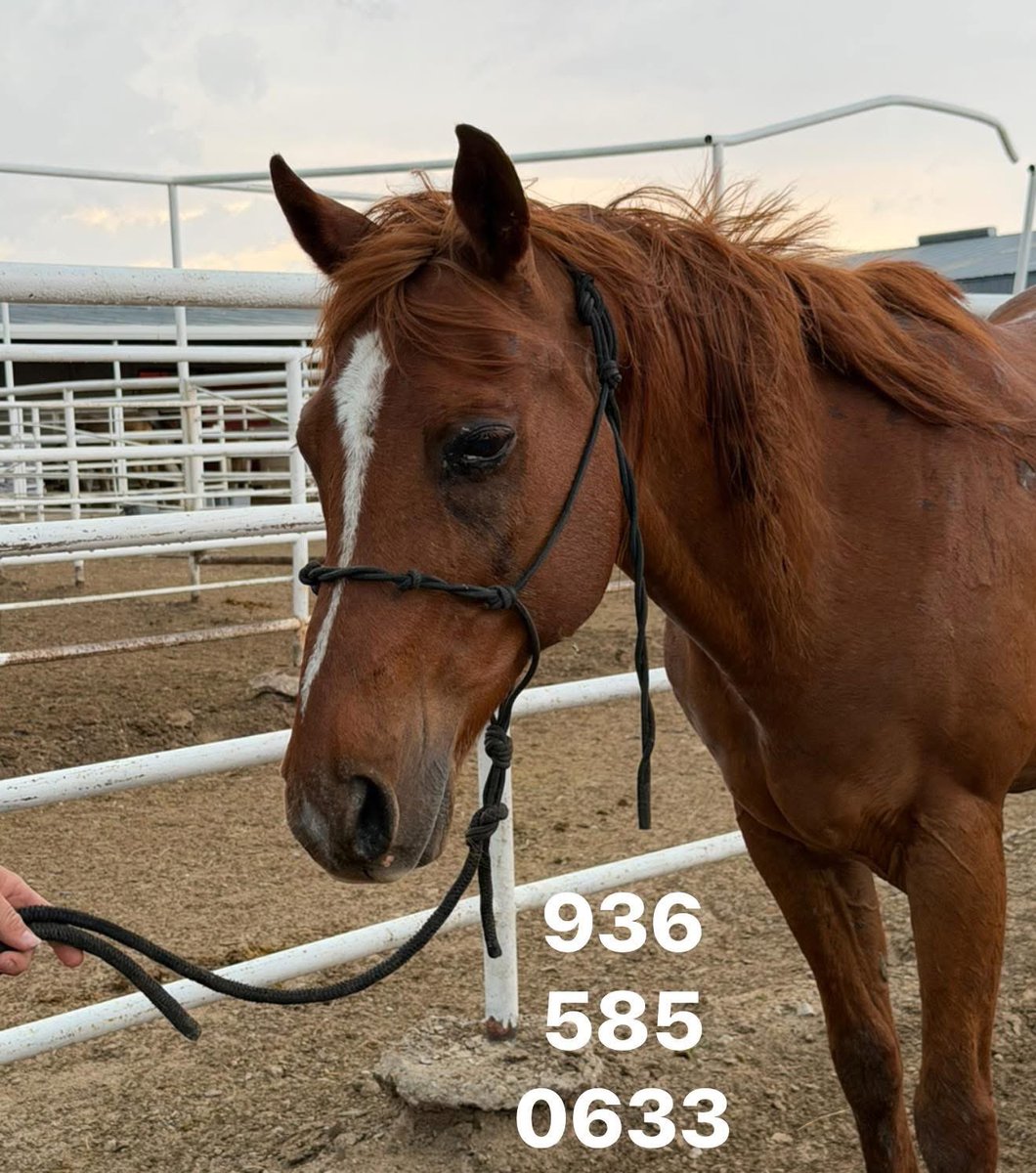
🚨 **URGENT: PIERRE NEEDS A MIRACLE IN TEXAS** 🚨
Pierre is sitting in limbo at a Texas kill pen that isn’t equipped for long-term care. He is one half of a bonded pair, and time is running out. 💔
The boarder has shut down. We need **RANSOM & TRANSPORT** to get this boy to safety before it’s too late!
💵 **Donate here:** paypal.com/donate/?campaign_…
Please retweet, pledge, or tag rescues who can help pull him! 🙏👇
#HorseRescue #SavePierre #KillPenRescue #TexasHorses #AnimalRescue #BondedPair
2
71
54
400
Sirius Star retweeted
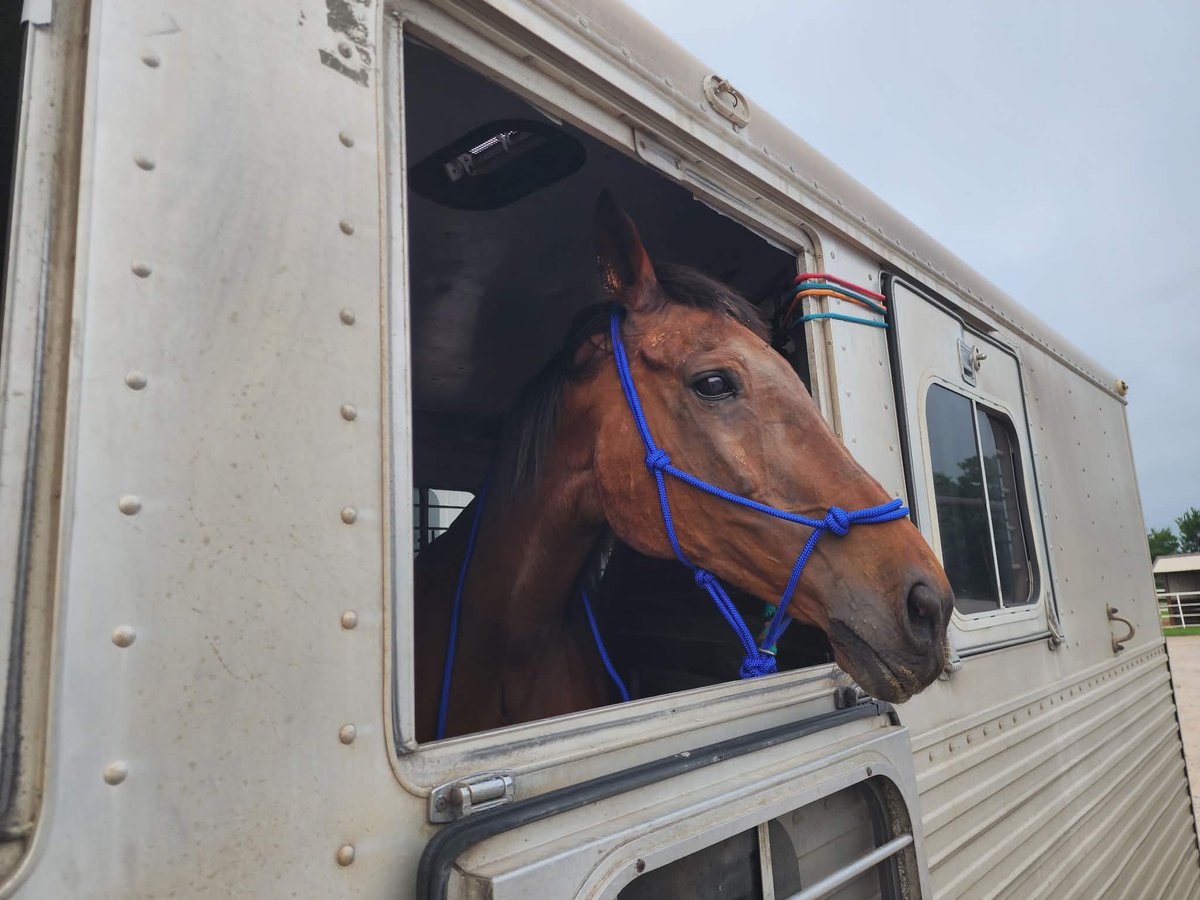
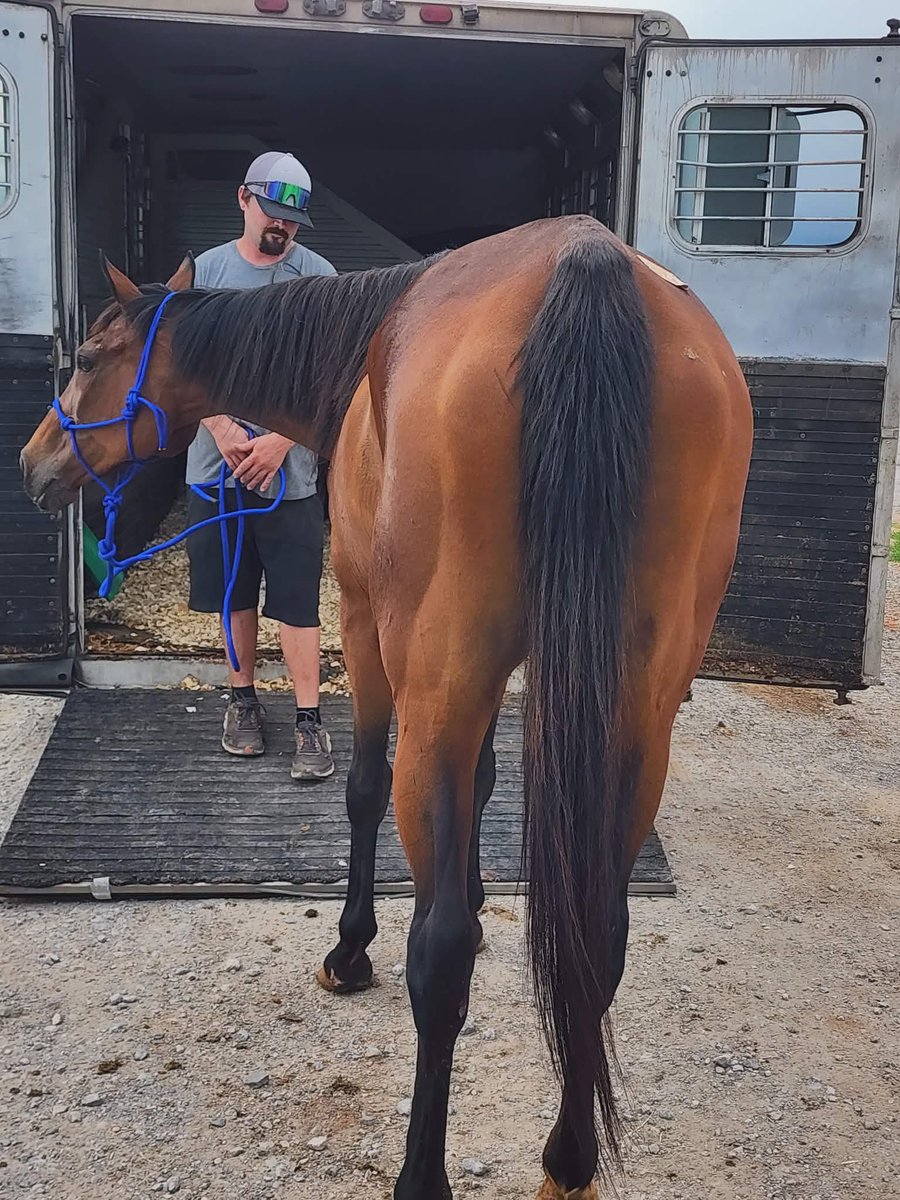
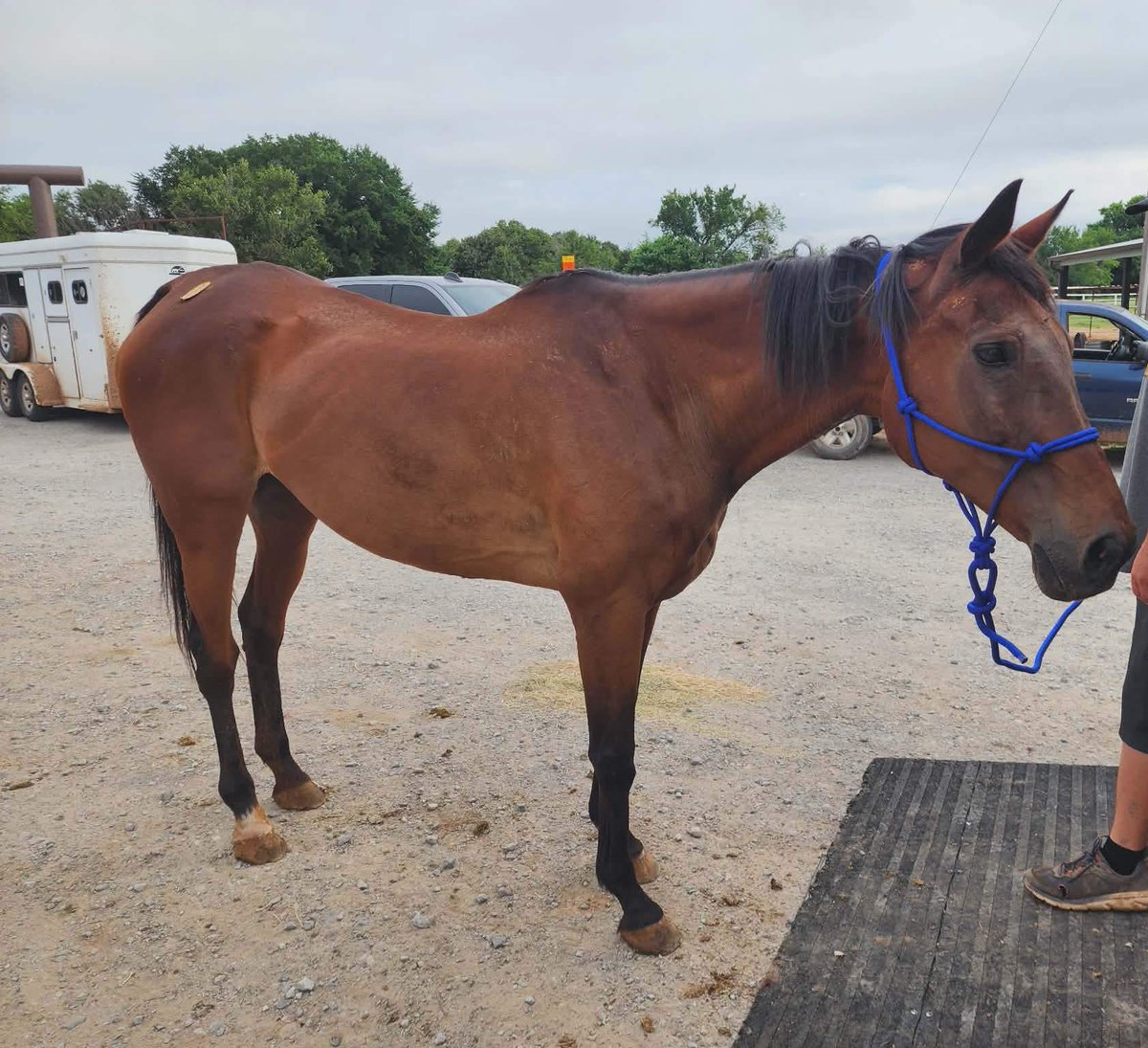
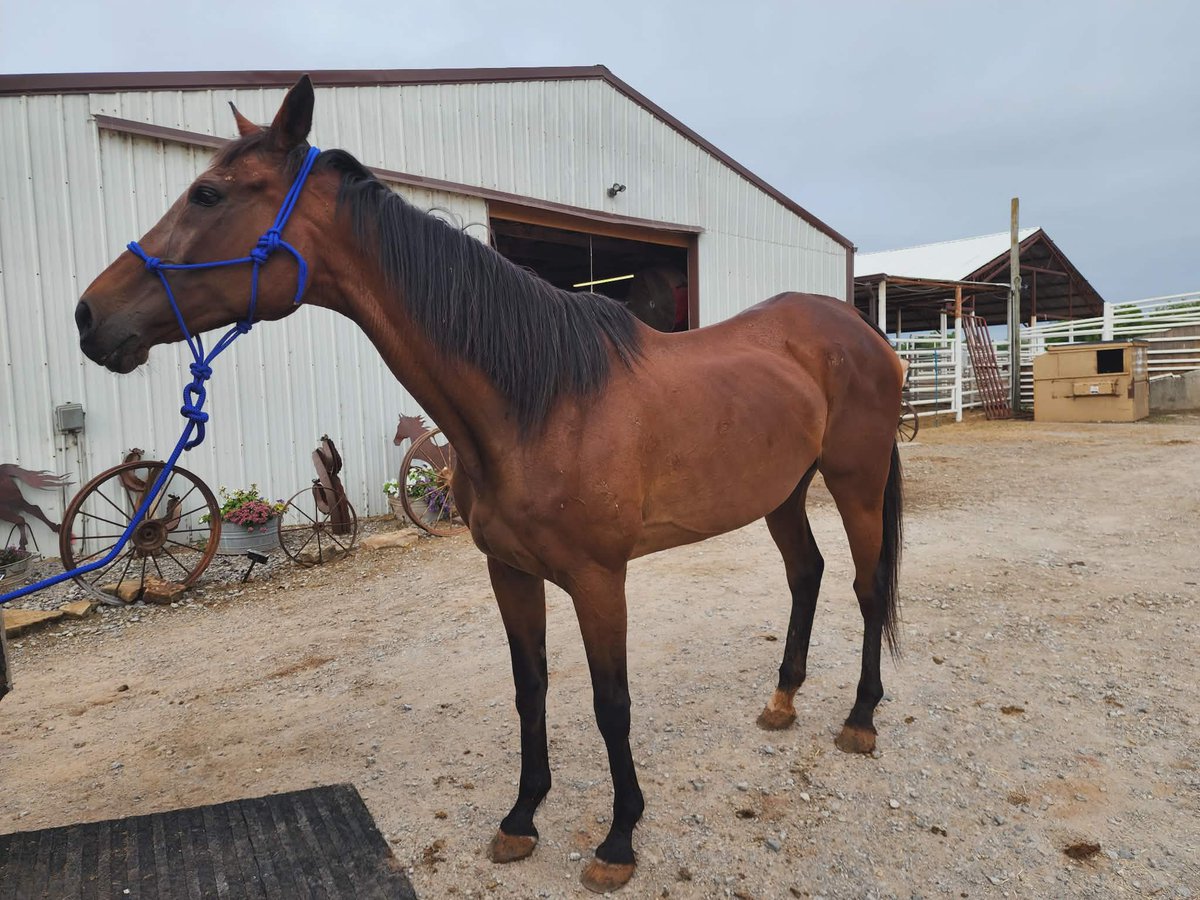
🆘🆘🆘🆘👉Update! Folks we are now at $1970 for Miley. We need to raise $1105 more to reach goal. Please share and consider a donation to help us help Miley. Our PayPal Donation link is : paypal.com/donate/?hosted_bu…
Thank you.
Jun 12

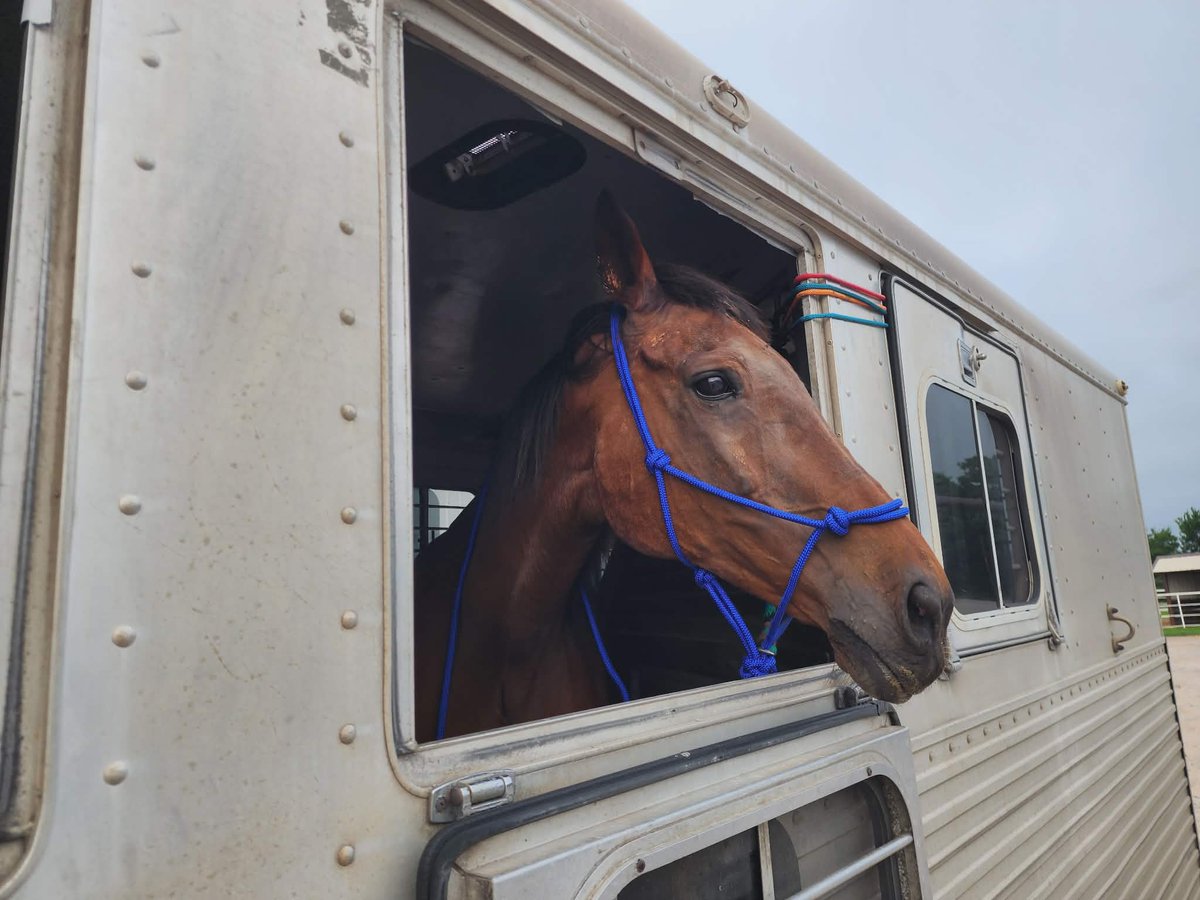
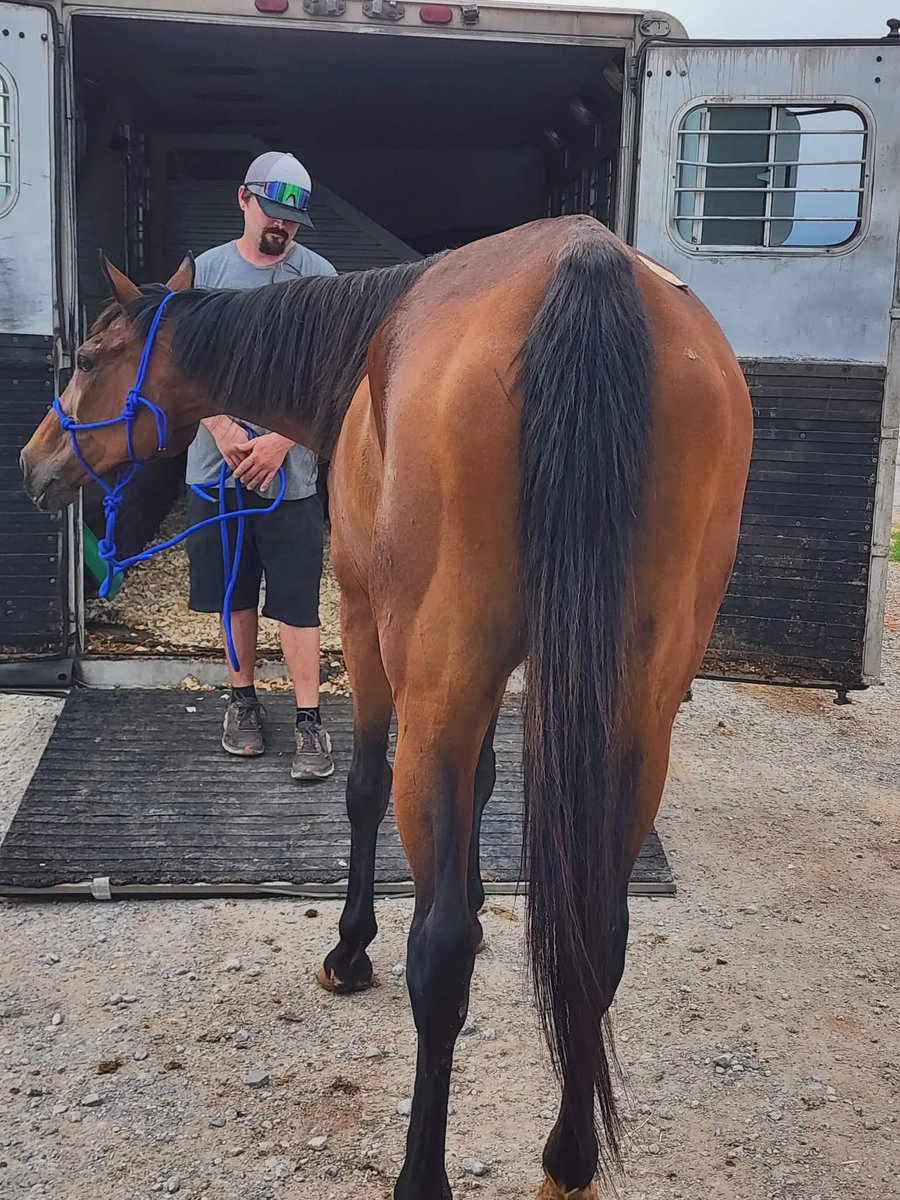
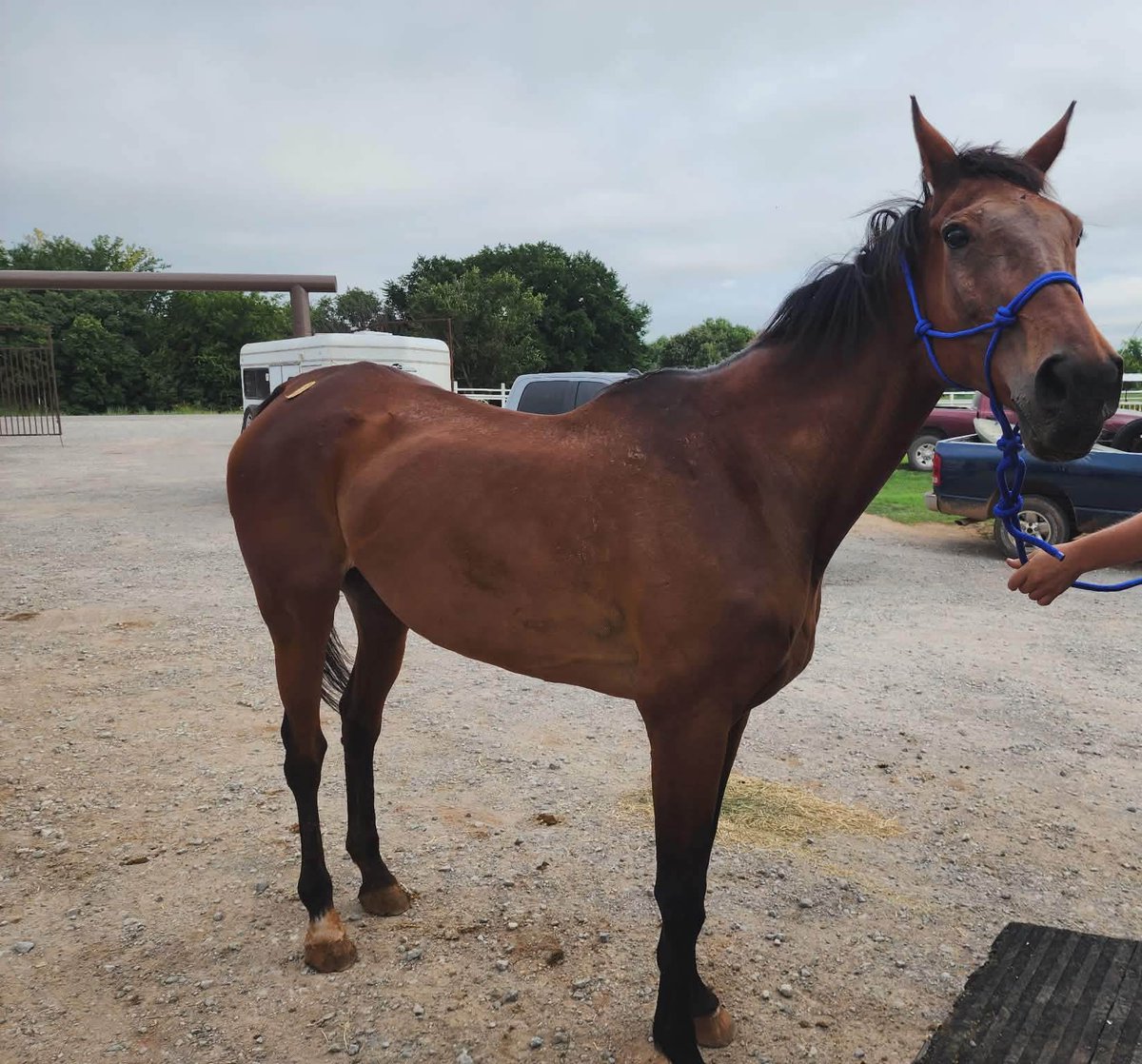
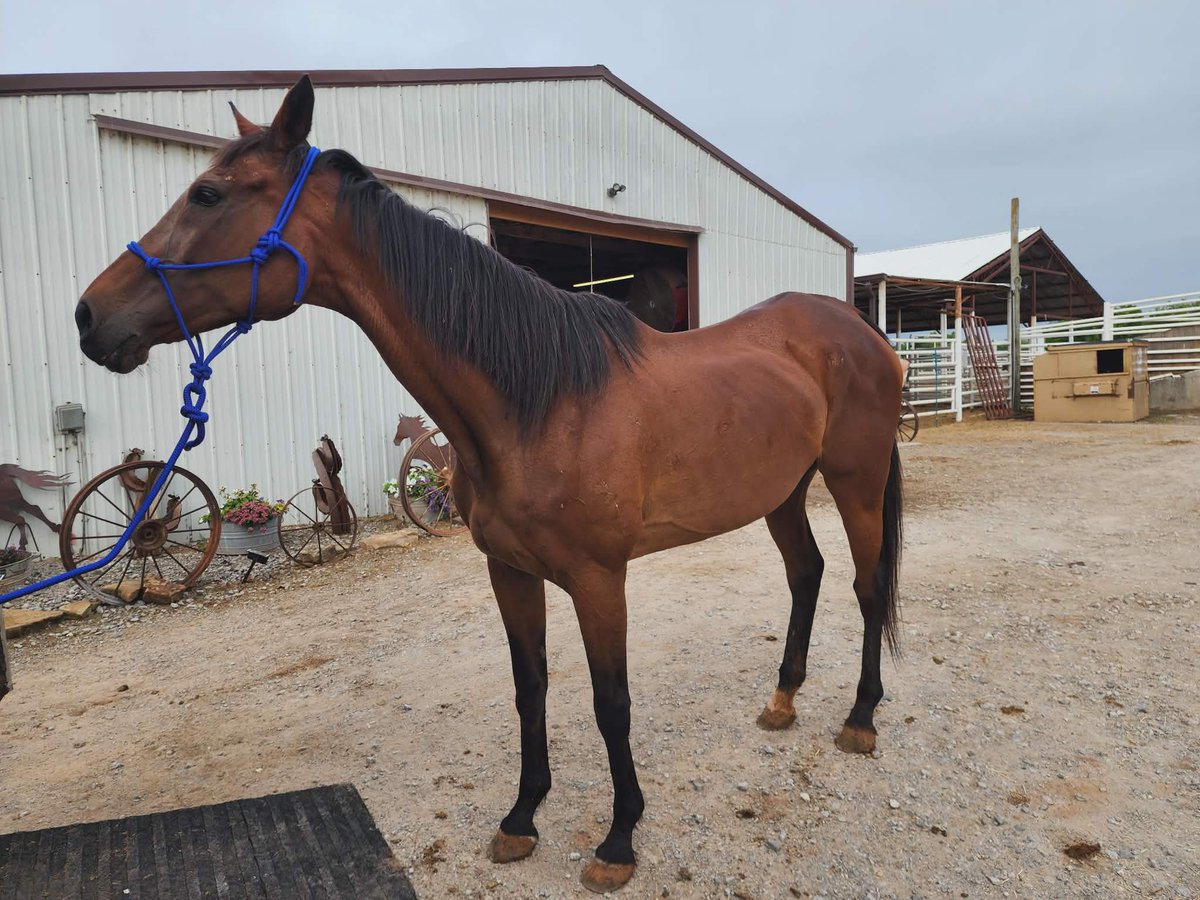
🆘🆘🆘🆘👉Update! We have gotten Miley picked up from the lot. She is thin, has a long trip and layover. We are now at $1905 so far for Miley. We need to raise $1170 more to reach goal. Please share and consider a donation to help us help Miley. Our PayPal Donation link is : paypal.com/donate/?hosted_bu…
Thank you.
42
32
498
Sirius Star retweeted

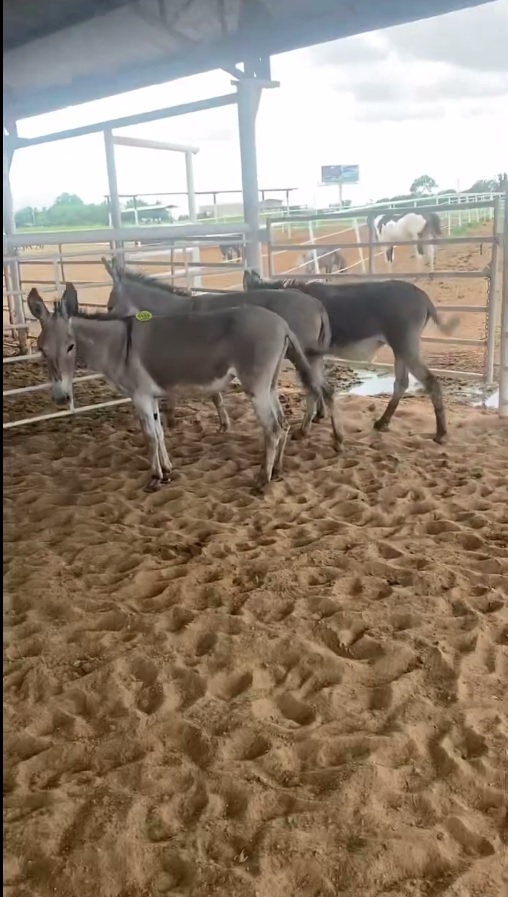
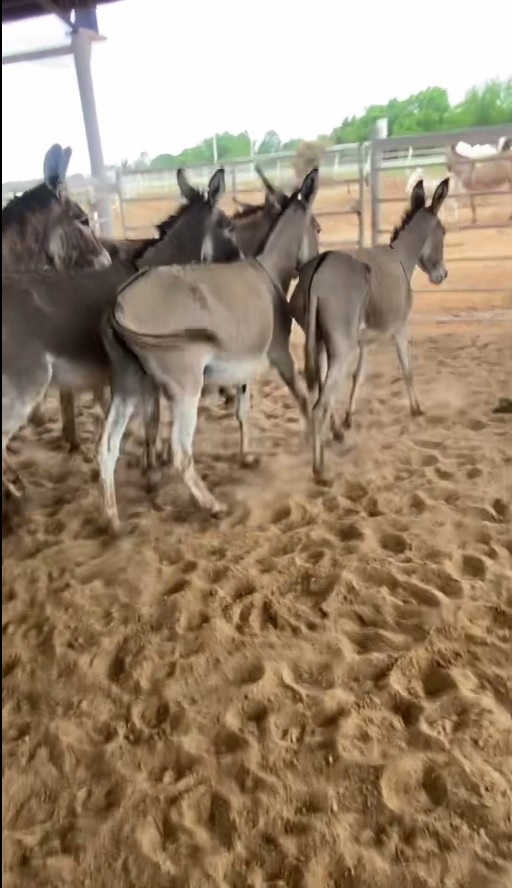
All of the jennys with babies, pregnant jennys and 1 john have arrived to the loving care at Burro Base Camp We are so grateful to all that helped make this #miracle happen Thank You #sharethelove #donkeys #donkeyrescue #burros #animallovers
13
89
359
3,482
Sirius Star retweeted

Jun 11
. @RupertLowe10
Publish the findings immediately to let the world know the sadistic and evil nature of these illegal immigrants (yes, that is why the UK is now the rape Capitol of Europe!).
This incredibly destructive behavior that your national leaders (ie., @Keir_Starmer ) and our national leaders (ie., @JoeBiden ) allowed inside of our respective countries was purposely intended to destroy the culture of our societies.
If we don’t return to our Christian values, we will both lose over the long term.
Jun 11

I have just received the latest draft of our rape gang inquiry report, ready for a final read before publication.
It will shake Britain.

258
3,777
9,820
196,685
Sirius Star retweeted

Jun 12
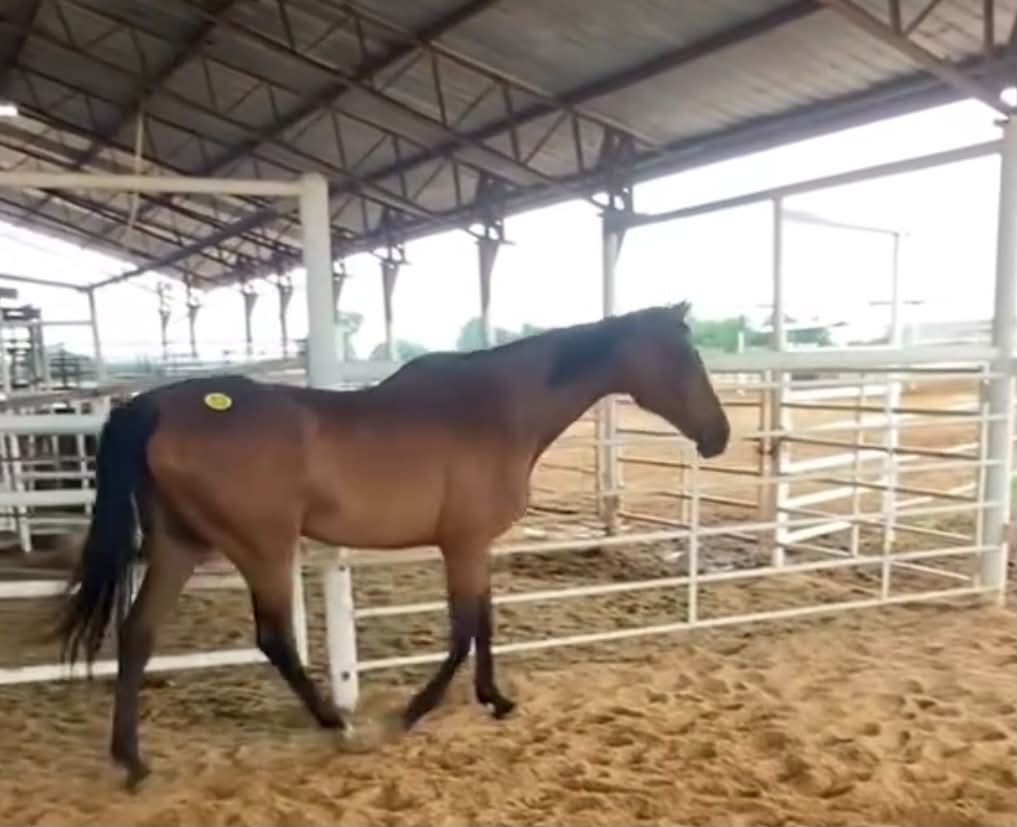
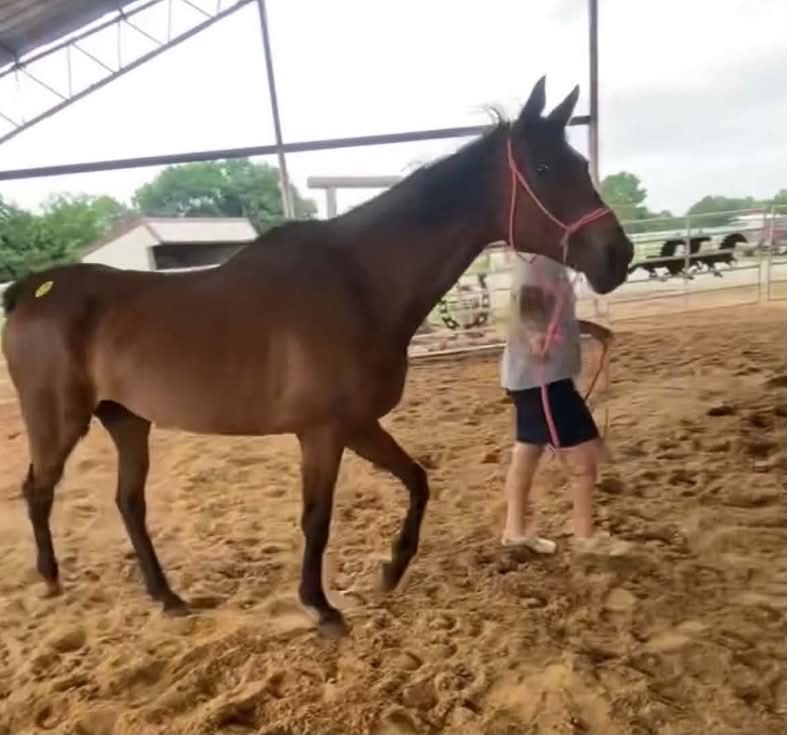
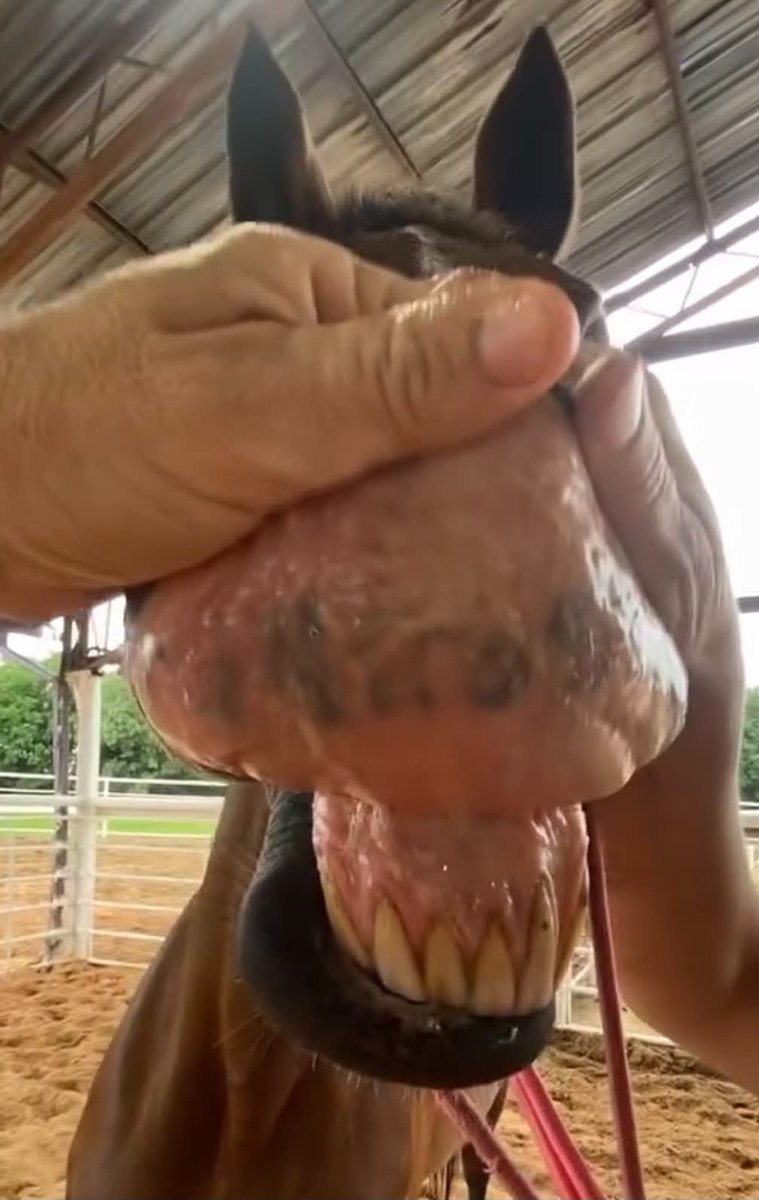
🆘🆘🆘🆘👉Update! We have gotten Miley picked up from the lot. She is thin, has a long trip and layover. We are now at $1905 so far for Miley. We need to raise $1170 more to reach goal. Please share and consider a donation to help us help Miley. Our PayPal Donation link is : paypal.com/donate/?hosted_bu…
Thank you.
Jun 12
🆘🆘🆘🆘👉Update! Folks we are now at $1785 so far for Miley. We need to raise $1290 more to reach goal. However, after 5 days of fundraising it is doubtful we are going to reach goal. We need to get Miley picked up today & we are not going to let her down but if we cannot raise the rest needed it causes another financial hardship for us.
We have had to pay extended quarantine board and vet care on several other horses we have rescued this year plus transportation to their final destination and it is draining us.
We appreciate all of you very much who have donated so far. We will leave our donation link up a little while longer yet.
Our PayPal Donation link is : paypal.com/donate/?hosted_bu…
Thank you.
🚨👉Note: So many other horses are stuck at feedlots right now and we cannot help them without any substantial support from the industry. And once the MX border opens back up lots will be shipping quickly.
@jockeyclub @BreedersCup @theTDN @PastTheWire @EponaInitiative @KateMaddenSC @RepoleStable @PatCummingsNTA @AnitaMotion @ThoroughbredRA
1
46
65
1,523
Sirius Star retweeted

Jun 12
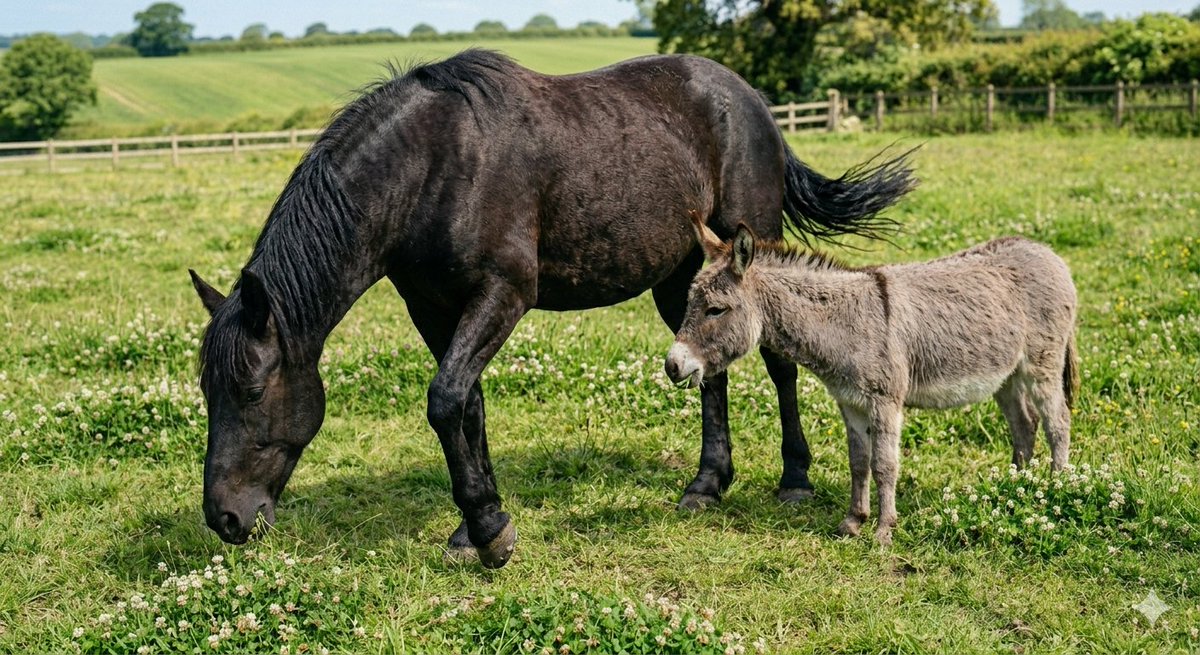
There is a new field in this universe, and standing in it, at last at ease, is an old soldier. His name is Hector.
He is a Cavalry Black, a big Irish-bred gelding the better part of seventeen hands, and for seventeen years he served with the Household Cavalry in London, on State and Ceremonial duty, which is a polite phrase for the hardest thing you can ask of a horse.
Understand what that means. A horse is a flight animal. Every instinct in it, refined across millions of years of being prey, says one word in the face of sudden noise and pressing crowds: run. Hector was trained, over years, to do the opposite. To stand. To carry a rider in a steel breastplate down the Mall through a wall of sound, past the bands and the cheering and the saluting guns of the King's Troop, and not move a muscle. To hold himself still on a state occasion while every nerve in his body screamed at him to bolt, and to do it again, and again, faultlessly, because the man on his back and the crowd at his shoulder were trusting half a tonne of flight animal to master its own nature on command.
He walked behind a gun carriage at a state funeral once, at the slow march, the drum beating the step, a nation watching through its tears, and he never put a hoof wrong.
He is retired now. The shoes are off. The clipped parade coat has been let go woolly and unmilitary, the first sign the people who tend old service horses look for that one is finally letting down. He shares a green field with a small unbothered donkey called Nelson, because a horse should never be alone, and the black charger who stood behind kings and the donkey who has never had a worry in his life are now inseparable. When his old groom visits, Hector lifts his head and nickers across the field before the man has said a word.
And here is the part that undoes everyone who knows what they are seeing. One afternoon they found Hector lying flat out on his side in the grass, dead still, and a heart stopped, the way every horseman's does at that sight, because a horse down and flat looks like the worst news there is. Then an ear flicked at a fly, and the breath went out of them in relief. He was simply, deeply asleep. A horse only sleeps like that when it feels entirely safe, because flat on the ground is the one place a prey animal cannot flee from, and most never dare it. For seventeen years Hector stood, awake to every danger, holding everyone else's nerve so they could rely on him. Now, in a quiet field, he has decided it is finally safe to lie down and close his eyes.
He gave his courage to the rest of us for seventeen years. He has earned the grass. He is taking it lying down, in the sun, with the donkey keeping watch.
166
908
4,919
40,045
Sirius Star retweeted
#Share $473 needed to met the match for 5 BLM jennys & a lonely BLM john taken from their homes on #publiclands & ended up in a kill pen Lets finish this fundraiser Today paypal.com/donate/?hosted_bu…… venmo.com/u/SaveourWildHorse…… buy.stripe.com/4gw7tI8sYdUJ1…

5 BLM pregnant jennys still need $2268 to meet the Angel Donor match Please help us finish this fundraiser TODAY paypal.com/donate/?hosted_bu… venmo.com/u/SaveourWildHorse… buy.stripe.com/4gw7tI8sYdUJ1…
#AnimalWelfare #Share #Donate #Share
87
75
1,314
Sirius Star retweeted

29 Oct 2025
🚨ABSOLUTELY HORRIFIC CALL🚨
A London woman calls in and cries her eyes out in desperation
"WE'RE NOT RACIST WE'RE PETRIFIED"
"WHAT ARE THESE POLITICIANS DOING TO US. THEY'RE PUTTING EVERYONE IN DANGER"
"I DON'T LEAVE THE HOUSE WITHOUT A MAN"
- My local shop has had 3 stabbings. 1 Murder.
- My friend was murdered last year
- A girl I know was murdered in the park
- I'm begging my son to leave the country
- My cousin was murdered
"OUR FRIENDS. OUR FAMILY ARE DYING"
6,626
50,997
171,659
38,542,666
Sirius Star retweeted

Jun 8
🔻 YOUR BODY WAS ALWAYS CAPABLE OF REGROWING TEETH. THE GENE WAS NEVER MISSING. IT WAS SUPPRESSED. JAPAN JUST PROVED IT BY UNBLOCKING IT WITH A SINGLE INJECTION.
In September 2024, Kyoto University began human trials on a drug that regrows teeth in adults. One injection. New teeth in 9 weeks. No implants. No dentures. No surgery.
The drug deactivates USAG-1 — a protein that blocks tooth regeneration. Remove the block, the tooth grows. Like it was always meant to.
The question nobody is asking: what activated USAG-1 in the first place?
A former molecular biologist — 11 years in a dental research lab funded by one of the three largest implant manufacturers:
"We identified in 2011 that fluoride accumulation in jaw tissue amplifies USAG-1 expression by up to 340%. The more fluoride in the bone, the stronger the suppression. We submitted the paper. Rejected by every journal in 6 weeks. Funding pulled 3 months later. I was told the direction was 'not commercially viable.'"
Not commercially viable. Because dental implants generate $5.4 billion per year. Dentures: $3.8 billion. Root canals: $15 billion. A $24 billion industry built on the assumption that teeth do not grow back.
They did not discover regeneration in 2024. They suppressed it for decades. A mouth that heals itself does not need a dentist every 6 months.
Fluoride calcifies the pineal gland. Fluoride suppresses tooth regeneration. Fluoride was added to your water in 1945. The same decade they built the dental insurance industry.
⟁
Your teeth were designed to regenerate. Something stopped them. Now you know what. Share this.
347
5,991
14,325
392,998
Sirius Star retweeted

Jun 12
I laughed because they're spraying the crowd with the hoses. Not the fires.

Night 3 Belfast is still on 🔥
Sir Queen Starmer will be handing in his resignation very soon.
Hail the patriots of Belfast!
🙋♂️⚡️
👇🏻
3
15
319
Sirius Star retweeted

Why thousands of adorable, barred owls are about to be brutally killed on the West Coast w/your tax dollars. yahoo.com/news/science/artic…
2
29
44
914
Sirius Star retweeted
Jun 11
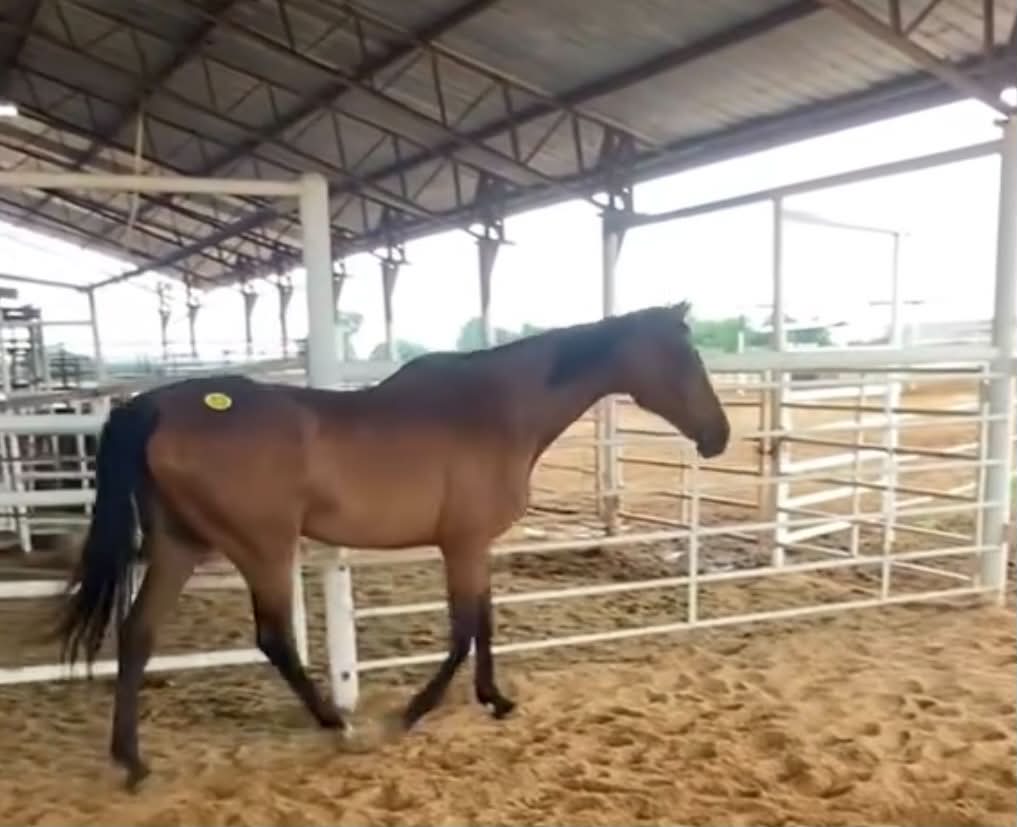
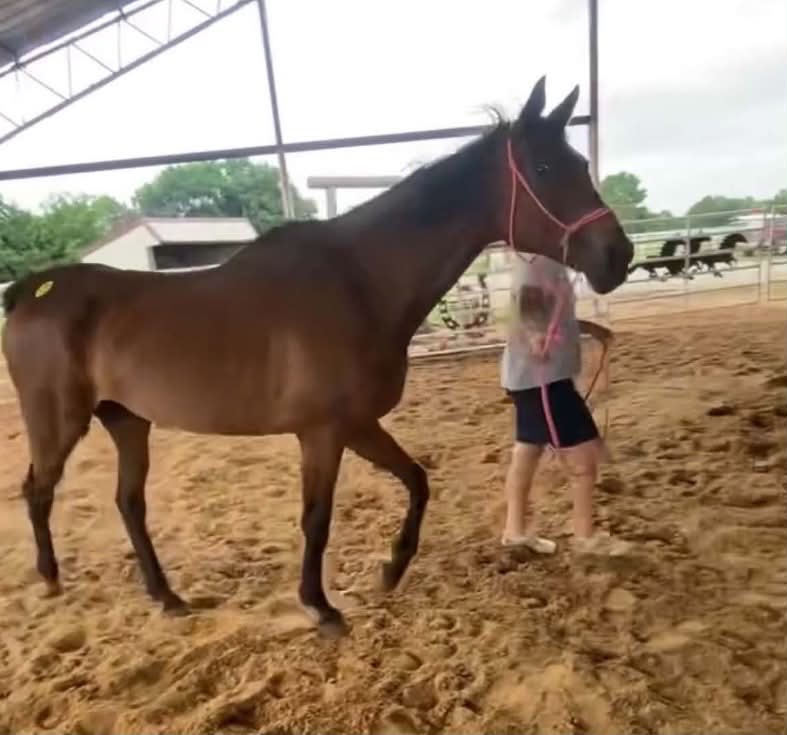
🆘🆘🆘🆘👉Update! Folks we are still stalled at $1700 so far for Miley. We need to raise $1375 more to reach goal. Please share and consider a donation to help us help Miley. We must raise the amount needed. Our PayPal Donation link is : paypal.com/donate/?hosted_bu…
Thank you.
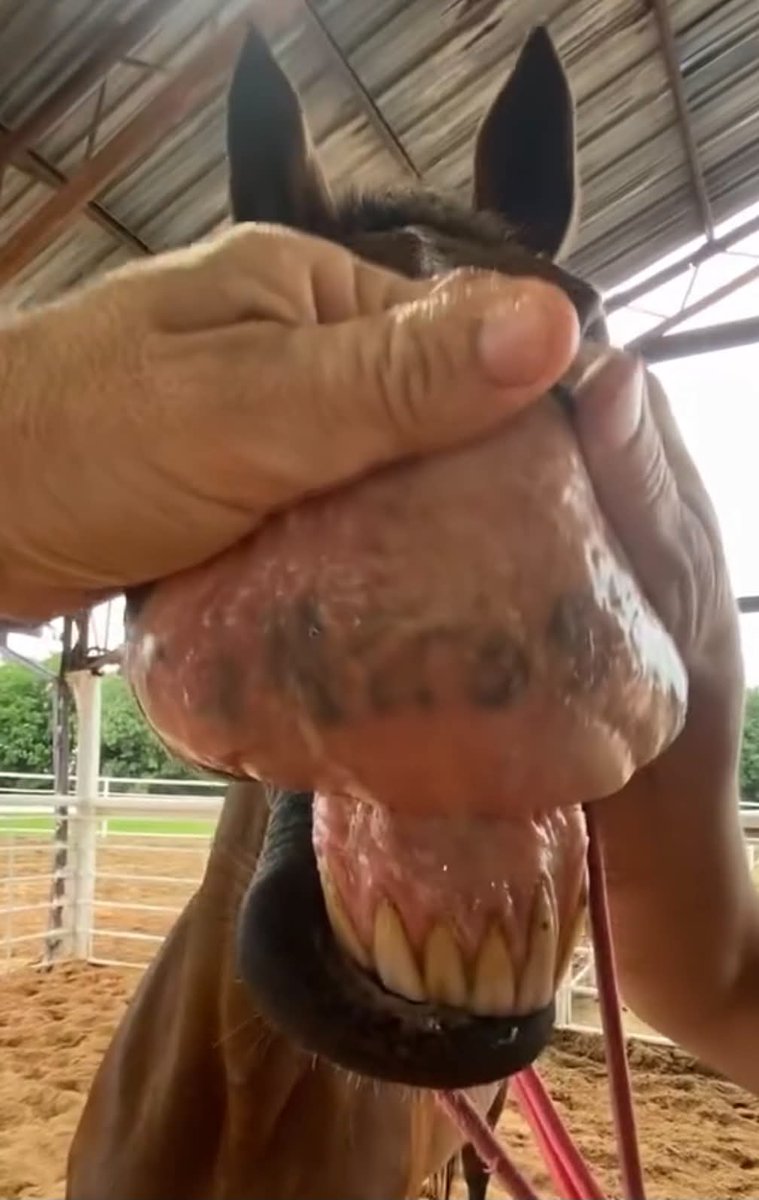
Jun 7
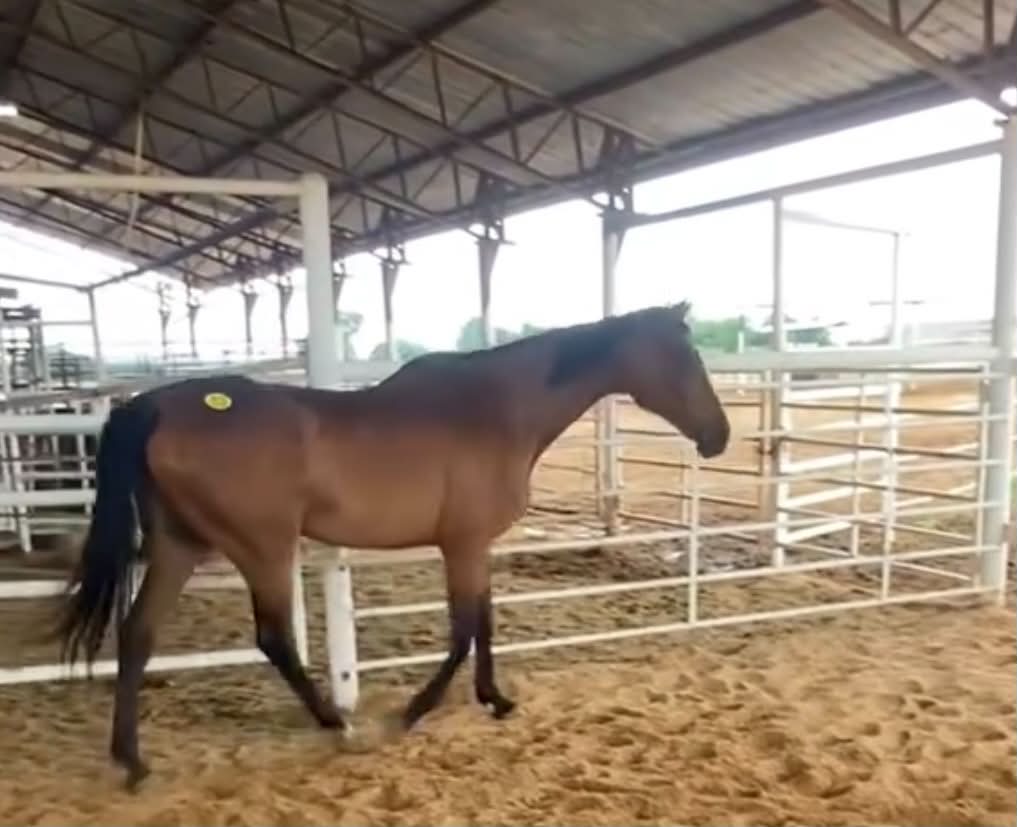
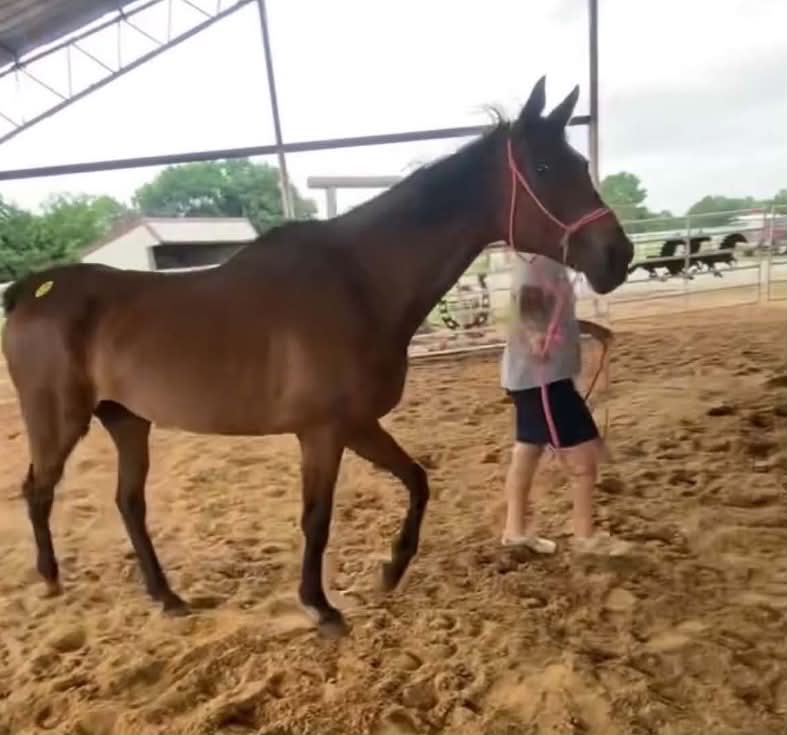
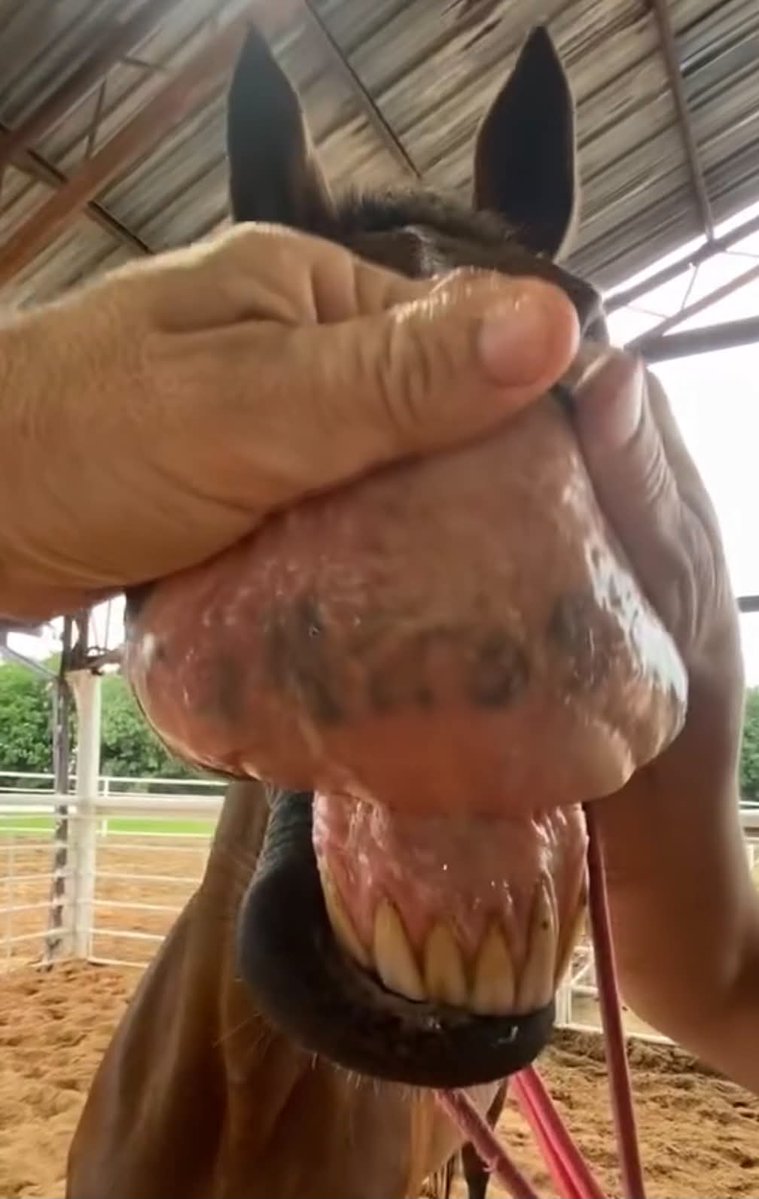
🆘🆘🆘🆘🆘👉Urgent! Unidentified tattooed bay TB mare at the OK lot that we are calling Miley for now . She has had no help so far so we are going to get her out if we can raise the funds needed. We need to raise $3075 to secure her and transport. She will be going to Smokes Sanctuary in VA. We hope to eventually identify her. Please share and consider a donation to help us help Miley. Our Paypal Donation link is paypal.com/donate/?hosted_bu…
Thank you.
2
23
19
1,242
Sirius Star retweeted

Four years ago, Maya — a dairy cow severely affected by White Muscle Disease to the point where she couldn’t keep her tongue in her mouth, couldn’t swallow food, and was repeatedly advised by veterinarians to be euthanized — was rescued by the sanctuary. Through love, persistent care, and a special bond with Jude, Maya miraculously recovered and was reborn as a strong, spirited “little raging bull,” full of life and energy today. ❤️✨
5
73
618
8,702
Sirius Star retweeted

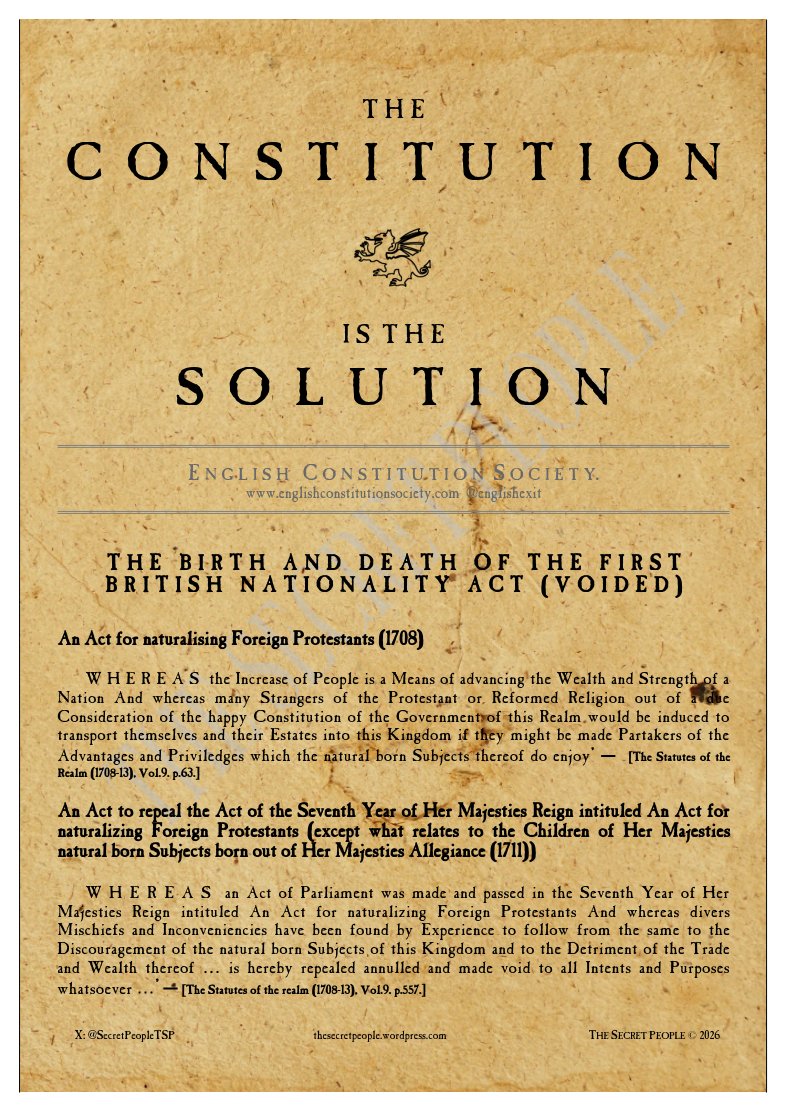
Link to article Graham reads here is in the first comment. It is important and directly related by linage to the current British Nationality Act and the damage it has caused our native Peoples.
This short quote from the year 1690 is quite interesting. It shows who the English are, ergo we exist as a distinct People; it shows who built our Nation, secured our freedoms and at what cost; and who the intended recipients of such a great treasure are to be.
'for this Bill doth enfranchize all Strangers that will swear and protest against Popery, with the Liberties of every English Man, after the vast Expence of Treasure and English Blood, it hath cost this Kingdom in all Times and Ages of our Fore-fathers, to secure them to themselves, and their Posterity.'
Our problem has been solved before and it can be again.

The full English show.
rumble.com/v7b3i1q-england-f…
1
51
68
1,437

Jun 12
RT @aerogel_wizard: 🚨Police Coverup in Belfast
Local residents claim a second migrant was involved in the brutal knife attack on special…
64