
Joined May 2020
- Tweets 8,484
- Following 1,402
- Followers 5,992
- Likes 25,008
394 Photos and videos




3 days left to apply for Arbitrum NYC Founder House.
An IRL builder experience starting on March 6th for early-stage teams looking for:
- Up to $340K in prizes grants
- Hands-on mentorship (product, infra, GTM)
- Direct access to ecosystem leaders like Robinhood, Alchemy & more
If you’re building in AI, DeFi, or any onchain vertical and looking to take your product to mainnet on Arbitrum, apply today.
luma.com/openhouse-newyork
26
53
204
13,652


The Reya Foundation ICO brought in over 4000 participants from over 60 countries.
Allocation was capped. Demand wasn’t. We’re proud to announce that the 2% supply is oversubscribed.
Next: finalise allocations, launch spot markets and a major milestone – $REYA on Reya.
You believe high performance trading should live on Ethereum. That belief now has a global mandate.
Reya is here to deliver 🏛️
127
43
382
73,061
Whalevibes retweeted

4 Dec 2025
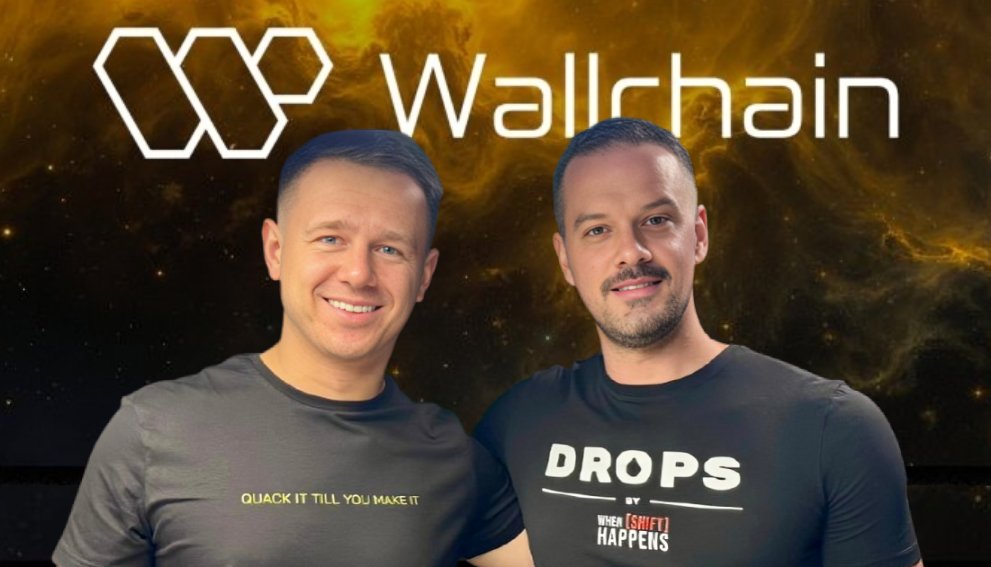
Replacing the Middlemen: Wallchain and the Future of AttentionFi
In this episode of DROPS, I sit down with @kyparus to discuss how an idea shaped by failed pivots, a stint at Google, and an overnight revenue collapse has become @wallchain: an AI-driven protocol aiming to rebuild how brands and creators work together.
We explore his journey from a tiny Ukrainian village to @ycombinator, NFT live-streaming apps, MEV arbitrage, and finally into what he calls “attention fi”, which is the belief that attention and distribution should be programmable, measurable, and on-chain.
From “Quacker” to Builder
Yurri says, “Firstly, I’m a quacker,”. A quacker, in his words, is someone who chooses a creator’s mindset regardless of how large their audience is. “Secondly, I’m just a crypto Twitter guy, and I’m a builder.”
He grew up in a small Ukrainian village and eventually worked his way into Google as a software engineer. But the safe path never appealed to him. He always wanted to build, launch, fail, and try again.
In 2020, he co-founded a live shopping app and joined Y Combinator. The app was essentially TikTok-style live streams where viewers could instantly buy items that creators used on camera.
Despite the novelty, it struggled. “Execution wasn’t the best, and there was a huge pain with distribution,” he says.
Thirty Pivots and a Hard Lesson
After the shopping app, the team pivoted into an NFT live-streaming product on top of OpenSea, where creators hosted streams during the final hours of their auctions. The NFT community was more supportive, but there still wasn’t a sustainable business model.
“We pivoted like 30 times in the last five or six years,” Yurii says. Each pivot reinforced the same idea: distribution is the real bottleneck.
Alongside these pivots, the team explored MEV arbitrage on Ethereum and BNB Chain. They built a MEV protocol that captured arbitrage profits inside decentralised exchanges before external bots saw the transactions. Despite the growth, losing a major partnership reduced their volume and made the business increasingly unstable.
It forced Yurii to zoom out and ask: What is the biggest, most persistent problem founders face?
Why Distribution Is the Real Problem
Yurii returns to a famous Y Combinator line: “First-time founders focus on product, second-time founders focus on distribution.”
Most crypto projects, he argues, aren’t really selling a product today. “The most common product in crypto projects is the future,” he says. Teams sell narratives, so whoever masters distribution wins regardless of the infrastructure. This is why projects spend heavily on agencies, key opinion leaders, and manual outreach, yet rarely achieve sustainable growth.
Wallchain is Yurii’s attempt to fix this by giving everyone access to distribution.
Automating a Trillion-Dollar Industry
Explaining Wallchain to an Uber driver, Yurii keeps it simple: “We help brands get users 100 times more efficiently than traditional methods.”
The creator economy is massive, but powered by manual labour. From negotiating deals with creators, to verifying engagement, and managing payouts all require months of coordination.
Yurii has seen crypto teams where five full-time employees do nothing but monitor ambassadors and review content. “Overall, this is almost a trillion-dollar industry built on manual work,” he says. “It recently became possible to replace it with AI.”
With advances in natural language understanding, AI can analyse creator profiles, evaluate content quality, detect real vs fake engagement, identify target audiences and track campaign execution. Over time, Yurii imagines a “generalised business results machine powered by AI” where brands input their product and desired outcome, and the system predicts which distribution strategies will work.
Authenticity and the Rise of the “Smart Follower”
One of Wallchain’s key innovations is how it measures influence. Instead of counting followers, they examine who those followers are by building a social-graph-based “smart follower” score. If accounts followed by industry leaders follow you, your influence score increases.
More recently, Wallchain introduced authenticity as a ranking factor. The algorithm evaluates a profile’s history: Does the creator post thoughtful commentary? Are they shilling constantly? Are their replies meaningful or just “GM” spam? Is their engagement organic or botted?
“There is AI slop, and there is human slop,” he says. Both need to be discounted.
Bot detection becomes easier when you focus on who is engaging. Likes and impressions can be bought cheaply, but authentic interaction from high-influence accounts is much harder to fake.
Wallchain vs Kaito: Mindshare vs Fundamentals
This is also where the comparison with Kaito becomes important, due to its reach and early establishment in the creator-attention market. Yurii is respectful but clear in how he frames the difference. As he puts it, “There are some pros and cons in various approaches and not all customers are a best fit”
In his view, Kaito has mastered mindshare, while Wallchain, by contrast, positions itself on fundamentals.
Yurii explains that his team runs tailored campaigns, working closely with every project to understand its product, team, conversion paths, and specific business goals. Instead of mass-market, one-size-fits-all activations, Wallchain often chooses depth over breadth, even running private or semi-private campaigns when that yields better retention or user quality.
The Inevitable Future: Programmable Distribution
Zooming out, Yurii sees an inevitable shift: more than 200 million creators already exist, and Gen Z overwhelmingly wants to become creators. As this number grows to one billion, the infrastructure for matching brands with creators must evolve.
His vision is one where creators should be able to wear a brand’s item on stream and get paid automatically. But the challenge remains in separating authentic attention from farming.
“It’s inevitable,” he says. “It’s obvious to some small group of people that it’s going to change a trillion-dollar market.”
Everyone is a creator now. For Yurii, attention fi is the foundation that allows real products to reach real users without burning millions on middlemen.
👉If you enjoyed reading the summary, head over to When Shift Happens on YouTube or your favorite podcast platform to access the full convo.
90
23
237
41,640
Whalevibes retweeted

30 Nov 2025
Lots of things are happening on Warden lately.
We’ve got new agents and big updates almost every week,
and the next one won’t be an exception 👀
Watch @JoshGoodbody tease our next big move below 🔥
149
41
284
23,078
Whalevibes retweeted

1 Dec 2025
Gm Spaacers
New week, same mission.
We saw how much you enjoyed the way @Galileo_spaace broke down our strategy 👀
stay tuned, we’re not done cooking yet.
24 Nov 2025

Because transparency matters to us, here’s why we became the first project to work with several infofi platforms at once.
There’s a full strategy behind it, rooted in how attention moves in crypto and how ecosystems grow.
1️⃣ We’re in an attention market: good products aren’t enough
We know we built a strong product.
Everyone who uses Spaace feels it: the fluidity, the quests, the XP systems, the liquidity incentives, the trading loop that actually feels fun.
👉 But here’s the truth nobody likes to say out loud:
A good product doesn’t win alone.
Attention wins.
And in this market, attention doesn’t just fall from the sky.
If you’re not backed by a massive VC, if you’re not part of a private cabale, if you’re not held by the “right circle”, then you have to win attention the hard way ➞ with your community.
That’s why we chose to tap into the infofi meta.
2️⃣ Why multiple InfoFi, not one?
Each infofi platform has dozens of projects fighting for mindshare.
Users have 100 opportunities in front of them.
We wanted to remove the choice.
We wanted Spaace to be the project you see everywhere.
Not once. Not twice.
Across every leaderboard.
So we launched three separate campaigns, each with significant reward pools, designed to push Spaace to the top position in every meta.
Call it attention fee.
Call it user acquisition.
Call it strategic dominance.
👉 The goal is simple:
make Spaace unavoidable.
3️⃣ We aligned incentives with real usage (not meaningless grinding)
Each of our campaigns focuses on real platform activity:
➤ real XP
➤ real volume
➤ real offers
➤ real trading
➤ real engagement
Every action on Spaace feeds both your rewards here, and your visibility there.
We fused two metas together:
Real usage ↔ Mindshare acquisition
So when someone trades, farms XP, or brings liquidity, they’re not grinding for nothing.
They’re contributing to multiple ecosystems at once.
4️⃣ What it brings to users: the highest ROI time you can spend in NFTs
For users, the equation is crazy simple
➜ By farming Spaace, you are simultaneously farming:
✅ Spaace airdrop
✅ Reward pools on the three infofi platforms
✅ Future drops from those platforms
One grind → many payoffs.
One platform → multi-meta farming.
One action → amplified rewards.
It’s literally the definition of “no-brainer.”
5️⃣ What it brings to Spaace: strategic dominance and aligned growth
For us, this approach matches our DNA:
🟠 Spaace = the most rewarding NFT marketplace.
Not because we say it ➝ because we designed it that way.
And beyond rewards, this strategy creates:
✅ more attention
✅ more usage
✅ more liquidity
✅ more retention
✅ more belief
✅ more power in the NFT meta
This is how you build a marketplace that grows with its users instead of relying on hype cycles.
6️⃣ Why it works: incentives move faster than narratives
People don’t follow narratives.
They follow incentives.
In a competitive market, incentives dictate user behavior long before the story does.
This entire strategy is the top of the funnel:
Incentives → Visibility → Action → Community → Conviction → Daily Users → Success
You don’t jump to “community” by hoping for virality.
You earn community by giving people a reason to show up.
And nothing brings people faster than aligned incentives.
________
This is how you win in a market of attention.
This is how you grow an ecosystem.
This is how you build something that lasts.
And we’re just getting started.
493
225
614
21,388
Whalevibes retweeted

30 Nov 2025
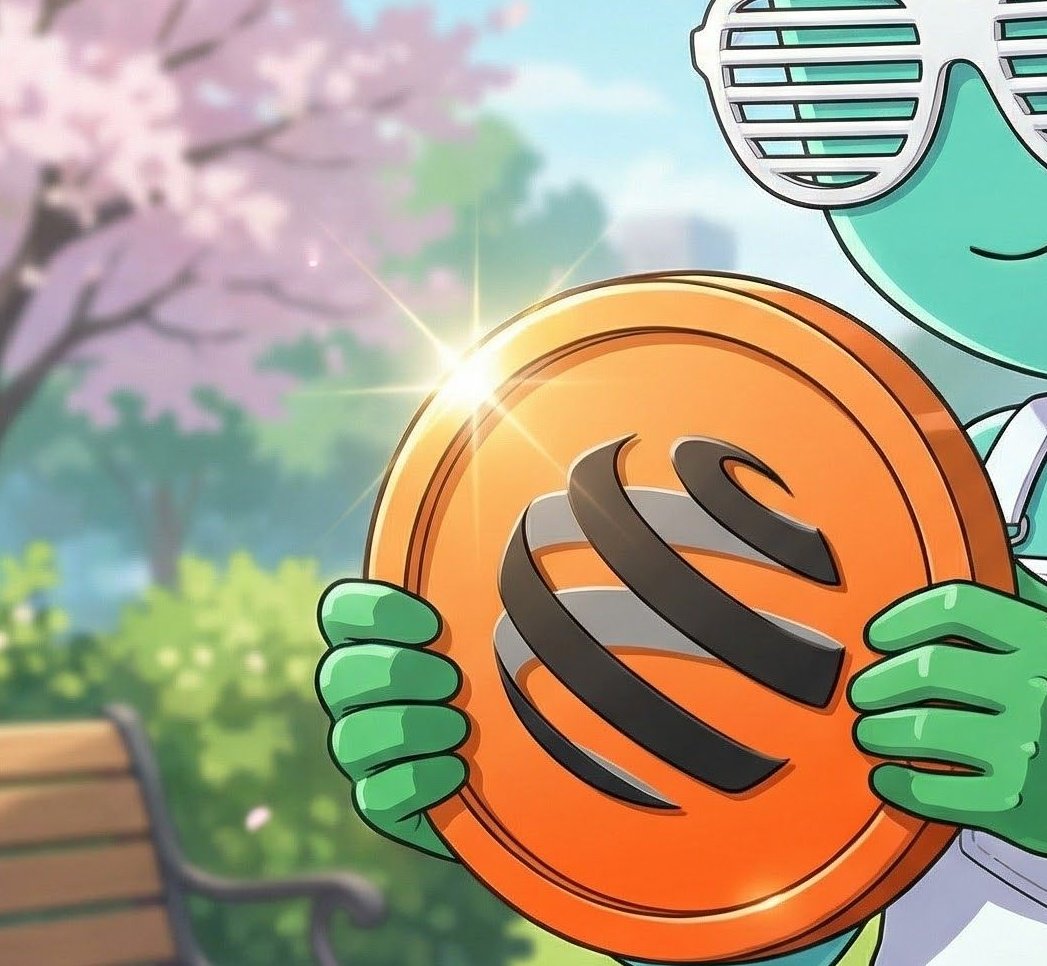
BTC is the biggest digital asset by marketcap, yet almost none of the value is active in onchain DeFi
@beyond__tech is going to change that by making $BTC and Bitcoin native tokens fully interoperable with the rest of the blockchain world (to 70 chains and 500 tokens using LayerZero)
It will make BTC usable in DeFi apps on Ethereum, Solana, Base, and others which is a big deal IMO.
This could change a lot👀
50
1
60
1,006
Whalevibes retweeted
29 Nov 2025
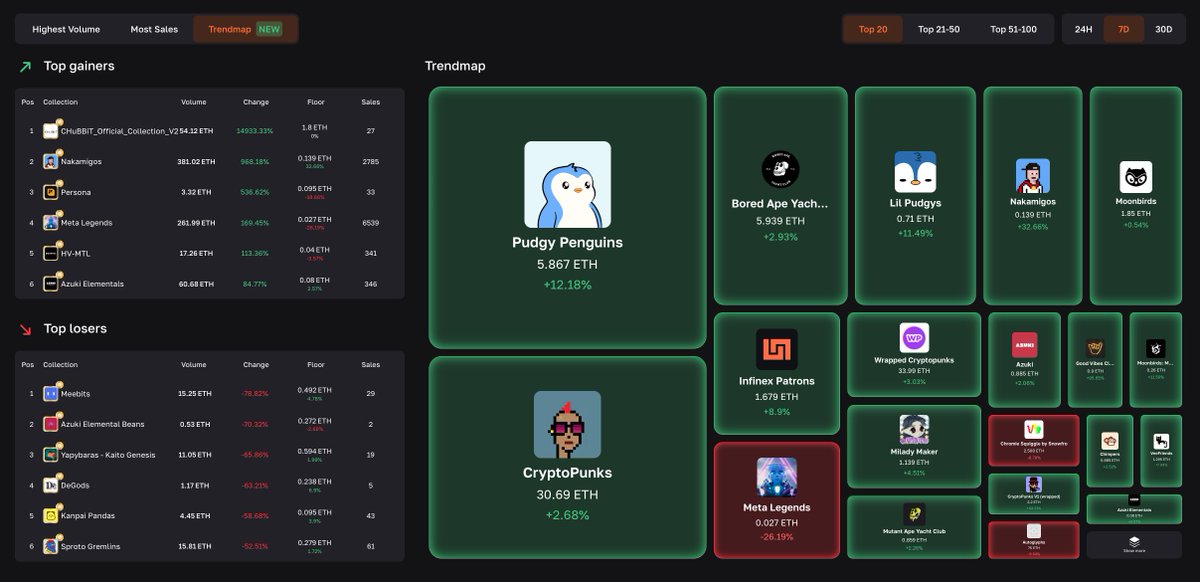
New feature on Spaace: The Trendmap.
A real-time heatmap that shows you exactly where the market is heating up.
No more guessing. No more “what’s pumping?”.
Open Spaace, zoom out, see everything.
289
82
444
37,210
Whalevibes retweeted

25 Nov 2025
gm to everyone who is rebuilding Wall St on a blockchain
166
17
221
6,255
Whalevibes retweeted
25 Nov 2025
If there’s one thing to be proud of on Spaace, it’s your rank.
It shows your activity wasn’t in vain, you’ve earned your spot 🪂
Drop your rank below and flex with the Spaace fam 👇
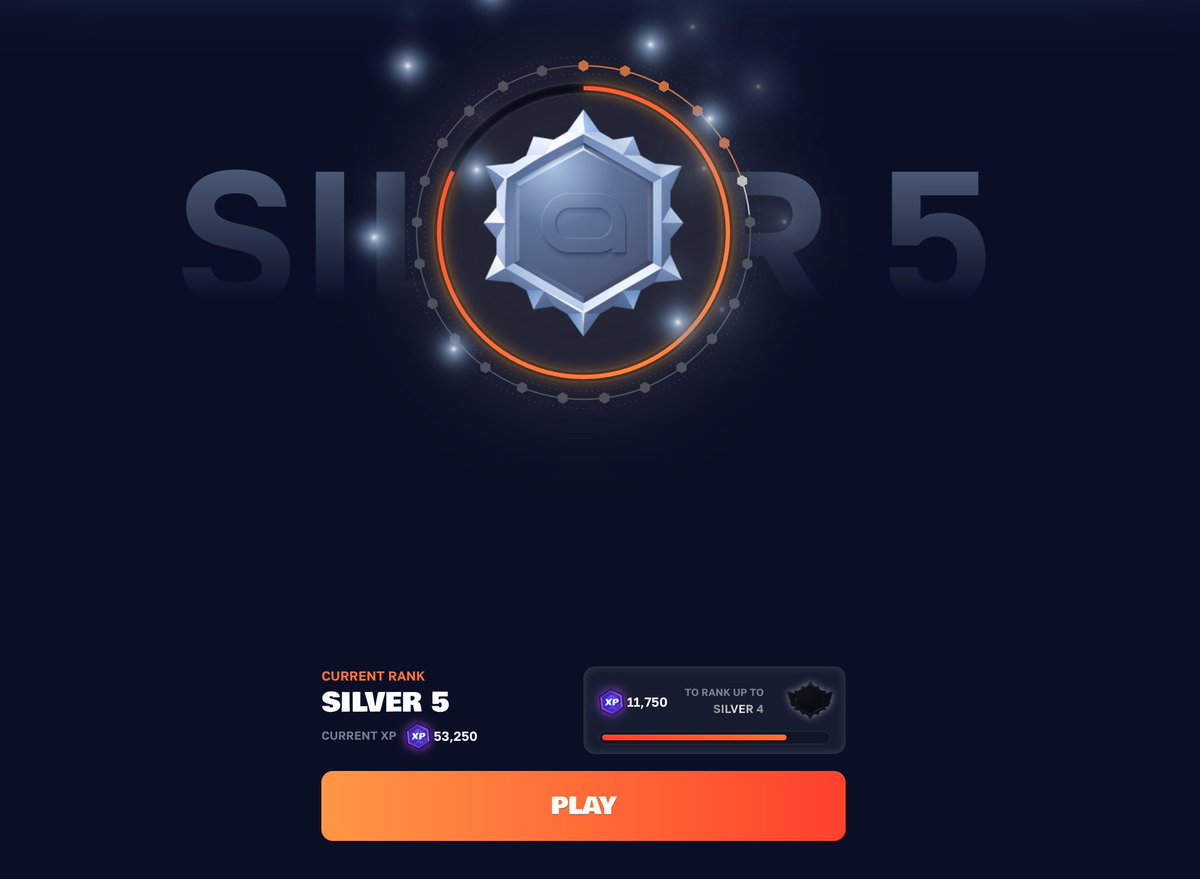
321
91
545
34,210
Whalevibes retweeted
25 Nov 2025
Getting a follow back by @spaace_io means a lot to me🫶
Starts to feel like the '21 NFTs season again
Many collections have their real floor on Spaace which means if you’re not buying here, you're not buying the real floor. Beside that, earning XP to position for $SPAACE could turn out to be a big win.
$Spaace literally partnered with almost all the big NFT-related projects and influencers to bring NFTs back!
Hereby i'm inviting you to this most rewarding marketplace🙏
88
6
98
1,959
Whalevibes retweeted

24 Nov 2025
Any interaction with this post confirms you’re locked in for $SCOR season.
210
41
375
9,893
Whalevibes retweeted
23 Nov 2025
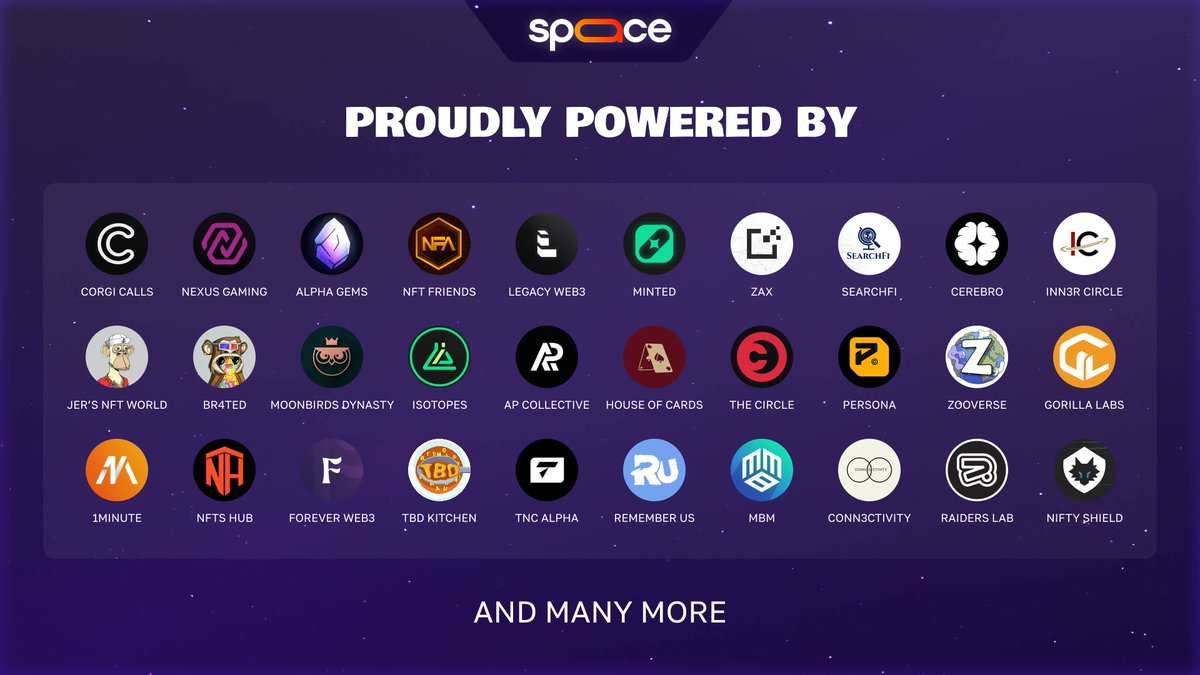
We believe that the real power of Web3 lives in its communities.
Since day one, we've been backed, supported and funded by collectors and NFT communities.
Today, we want to spotlight some of the amazing groups we’ve had the chance to collaborate with.
Thank you for the trust 🧡
440
146
846
63,143
Whalevibes retweeted

22 Nov 2025
Lunacian are you ready?
The battle begins in 5 hours time ⚔️
21 Nov 2025

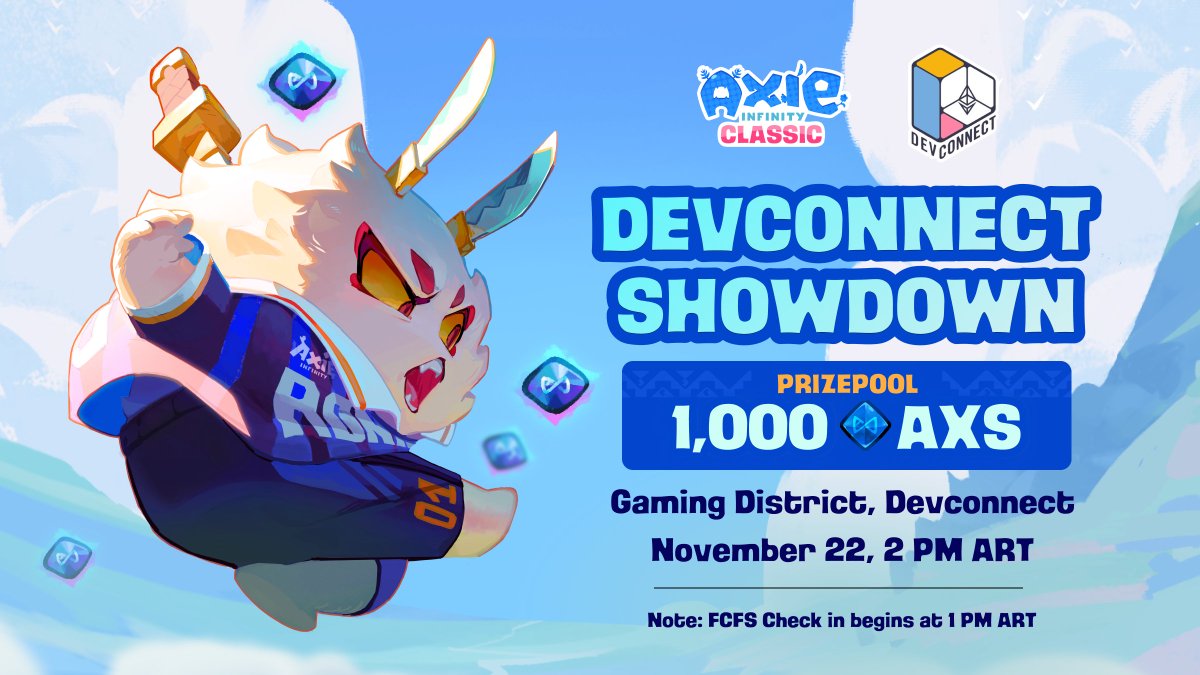
Lunacian, a battle is brewing with 1,000 AXS on the line at @ETHGlobal DevConnect 🇦🇷
It’s time to ready your axies ⚔️
📍 Compete LIVE at DevConnect
📆 November 22nd 2PM ART
👑 Be crowned an Axie Classic Champion
Sign Up Now 👇
🔗:communitygaming.io/tournamen…
15
30
107
10,873
Whalevibes retweeted
22 Nov 2025
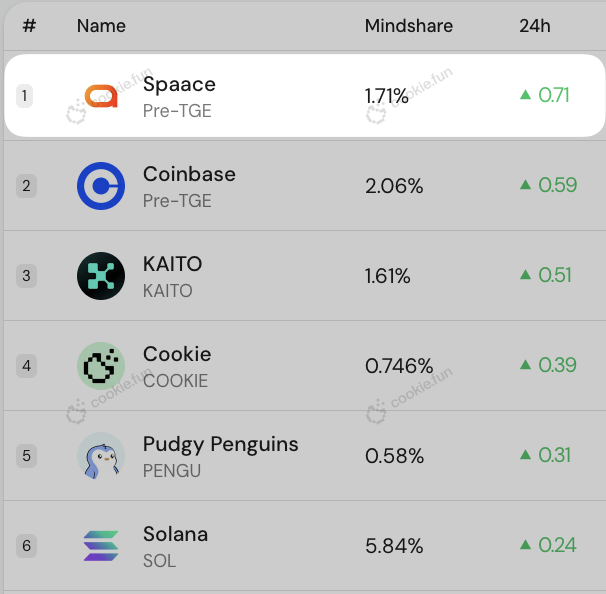
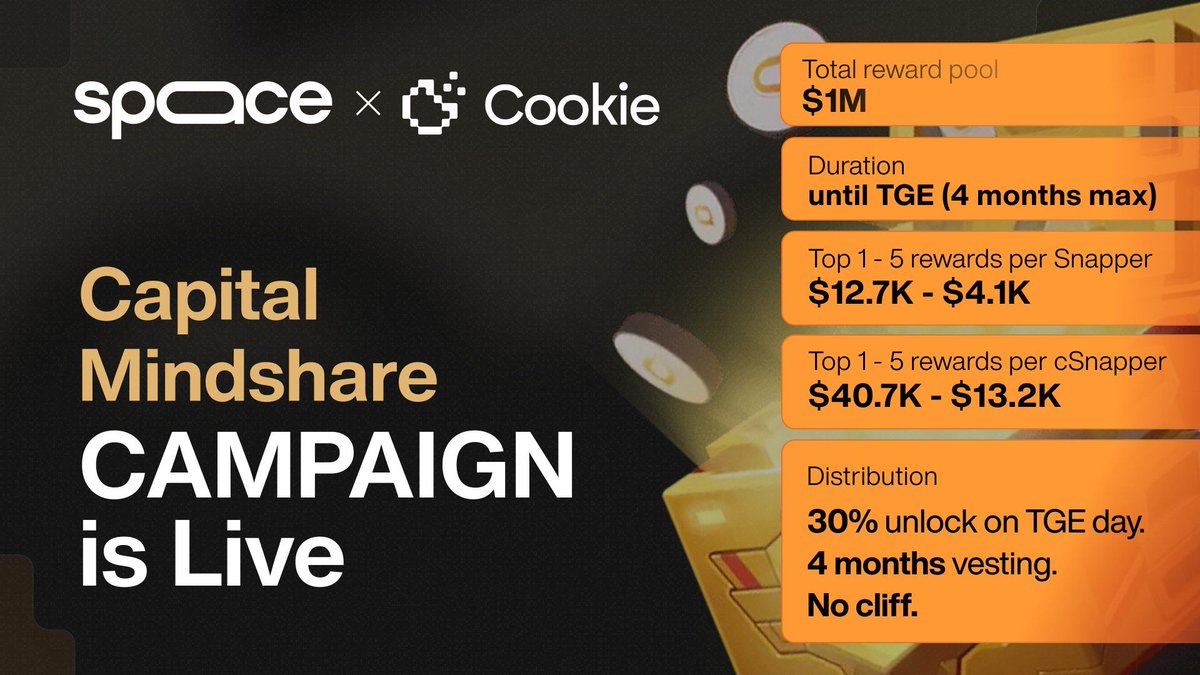
Does Spaace runs the biggest cross campaign atm?
I think so with @spaace_io joining cookie with over $1M in $SPAACE rewards and their wallchain campaign (and bantr too)
4 month vesting which is pretty normal and bearable IMO and it got regional reward reservations too
Luckily joined spaace early but it's not too late to step in.
81
3
75
1,642
Whalevibes retweeted
21 Nov 2025
Most “AI research agents” sound smart, but you can’t verify a single thing they say. 👾
That’s why we’re bringing @caesar_data intelligence into Warden Protocol: so agents don’t just act, they reason with evidence.
- Research today is slow, noisy, and fragmented.
- Agents are fast, autonomous, and everywhere.
This partnership finally makes those two worlds meet onchain.
154
68
354
226,179
Whalevibes retweeted
21 Nov 2025
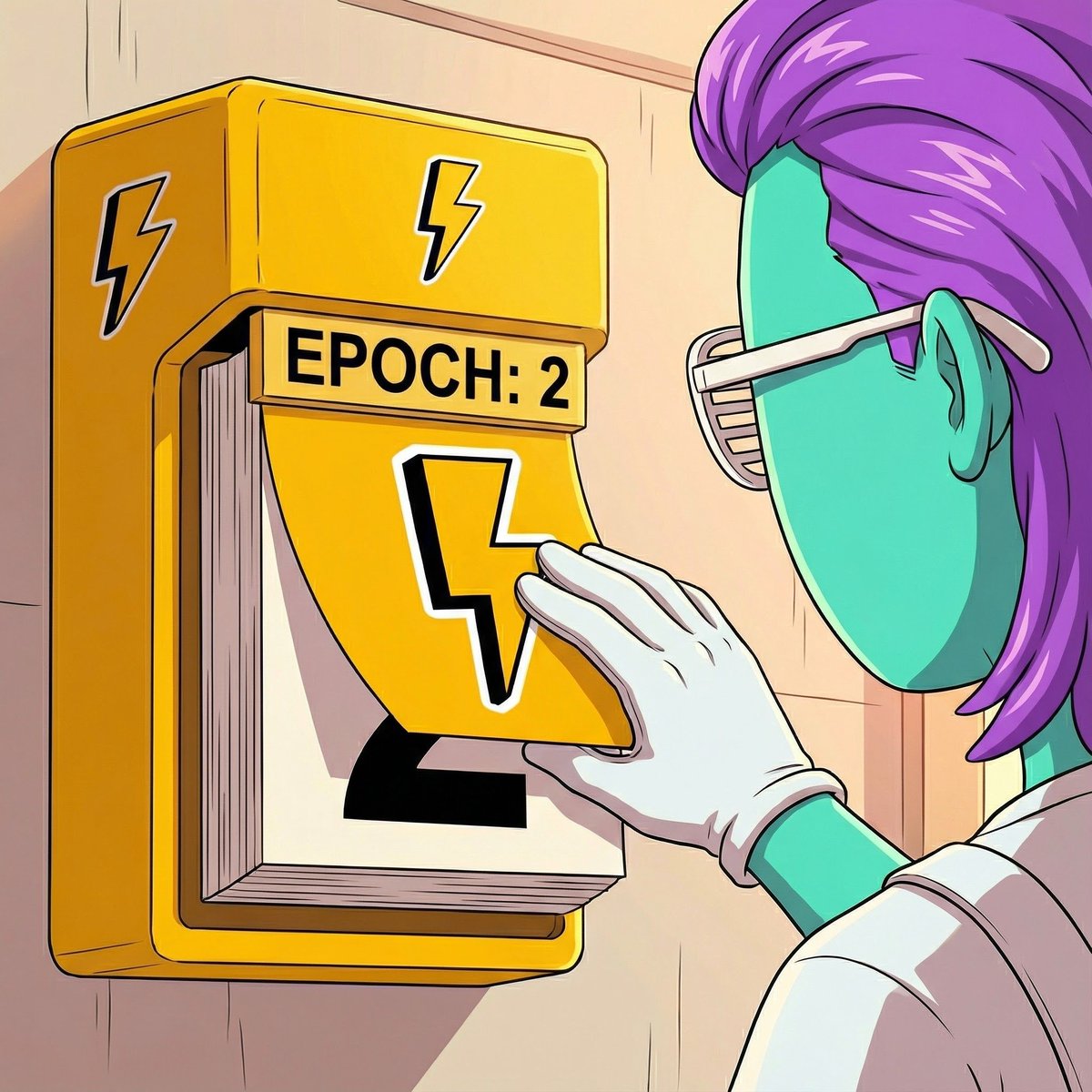
Klout Epoch 2 started!
After Epoch 1 (I landed under top 75), Epoch 2 has begun and @kloutgg allocated 1% of their total $klout supply to both the epochs.
The hype looks good, and packs could drop any day. TCG with trend predictions is next.
Manifesting a Top 30 this epoch 🤞
Wby?
56
6
63
1,817
Whalevibes retweeted
20 Nov 2025
The Inference, Episode 2 - Live with Warden x.com/i/broadcasts/1OdJrOoya…
89
26
202
190,661
Whalevibes retweeted
19 Nov 2025
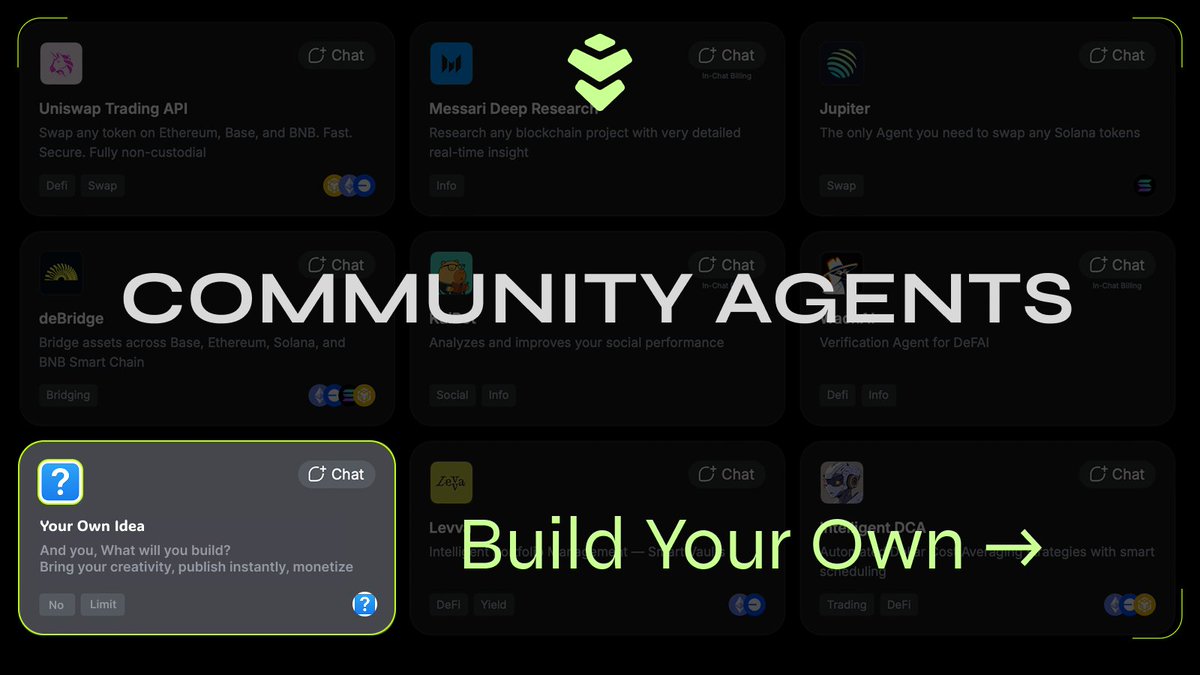
Warden’s App Store moment is here. 👾
Introducing Community Agents: third-party agents built by devs across the ecosystem, now living natively inside the Warden Agent Hub.
Open. Permissionless. Distributed to millions.
The first Community Agent is live already: the Portfolio Agent.
The future of the agentic internet starts here.
147
65
294
228,608