
Progressive Social Democrat; Moderate, Sensible Far-Left
Joined February 2021
- Tweets 4,936
- Following 423
- Followers 952
- Likes 37,035
675 Photos and videos














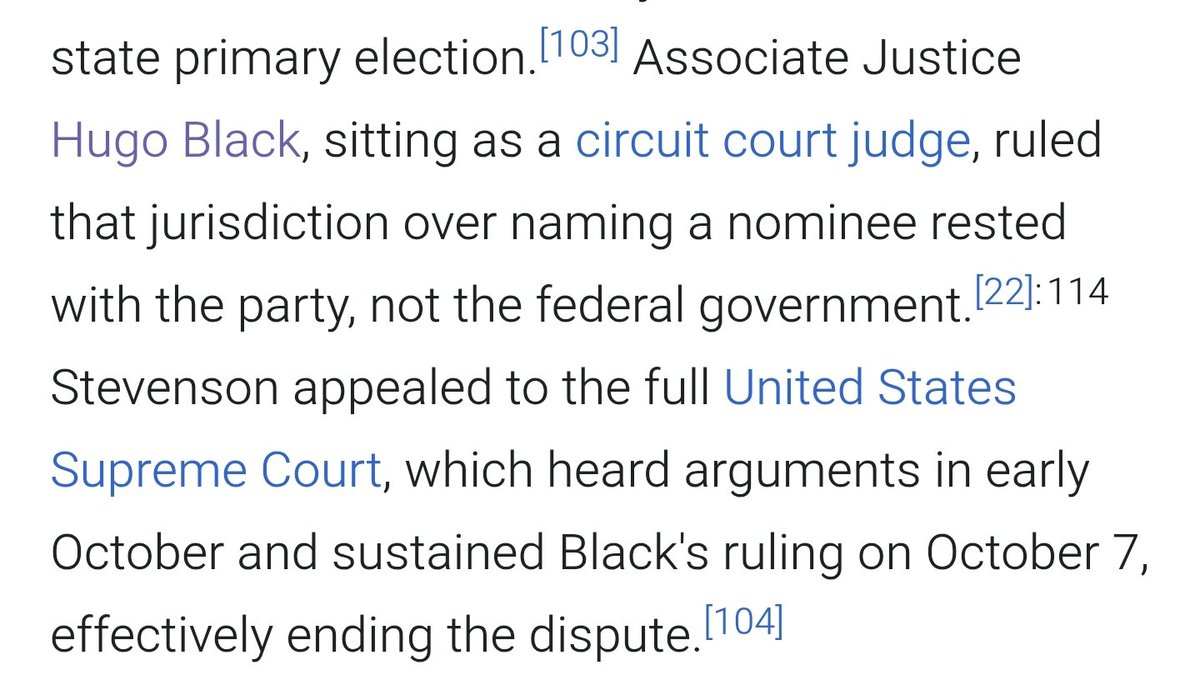

"Bleeding Kansas", anyone?
Either way, Kansas has grown to be the most Democratic (by margin of general election votes 2016-thru-2024) flyover state in the US, and I'm not sure it tracks relative urbanisation one-to-one either.

Kansas being blue on this map is kind of wild.
How is it even possible? Lower-income people in the state must be Republican by Kim Jong-Un margins.
1
7
310
🔄🔃🔄 retweeted

6 Dec 2024
Landshark is Tumblr for RWers which is why he's good
2
5
461
🔄🔃🔄 retweeted

13 Jun 2025
The National Institute of Statistics of Paraguay estimates the country’s total fertility rate (TFR) at 1.95, already below replacement:
ine.gov.py/Publicaciones/Bib…
Now, you may be asking: Why should I care about Paraguay (unless, of course, you’re from Paraguay)?
Paraguay’s income per capita, around $6,500, is roughly one-fifth that of the U.S. in PPP terms. It ranks in the bottom quartile of Latin America, poor by most standards (although not as poor as Haiti).
Yet despite being a poor country, Paraguay’s TFR has already fallen below replacement and is declining fast. The official projection for 2050 is 1.72.
That seems overly optimistic. Based on regional trends, I’d expect something closer to 1.3 or lower. I could be wrong, of course, but it’s difficult to justify a rosier forecast given current data.
On top of that, Paraguay suffers from net emigration: many Paraguayans leave for Argentina, Brazil, or Spain in search of better opportunities. It’s not a country likely to attract large-scale immigration to offset fertility decline.
So here’s the real question: Have economists seriously started thinking about the long-run consequences of a sustained TFR well below replacement in a country with $6,500 per capita income, net outmigration, and limited state capacity?
Because this is no longer a hypothetical. It’s Paraguay in 2025.

12
44
255
59,301
🔄🔃🔄 retweeted

I don’t care about people, only the movement of Geist
4
5
53
932
🔄🔃🔄 retweeted

Jun 13
Looked into this Backrooms thing. Blender? No thanks. Are movies really just computer-generated slop now? The death of art.
58
5
162
67,235
🔄🔃🔄 retweeted

Jun 13
We’ve got thousands of ethnographic accounts across hundreds of hunter-gatherer societies from all over the world over the last 5 centuries and there’s nothing you can do to get the vast majority of people who speculate about our ‘hunter-gatherer ancestors’ to read any of them.
37
98
1,455
60,571
Jun 13
No, Mythos is obviously not as dangerous as Dario says it is; yes, it's still SOTA and Anthropic is the prime frontier lab; no, the US government isn't using their leverage against Anthropic because Mythos is legitimately dangerous; yes, it's because of their previous DoD fight.
4
160
Jun 13
People glaze unconditional redistributive cash transfers too much!
1
20
1,200
Jun 13
The debate on UBI is de facto about whether the welfare state/system should accept, and live with, the possibility of some people's permanent unemployment (save for reasons of disability/care), and whether that focus should shift away from active labour market policy to benefits
10
174
🔄🔃🔄 retweeted

Jun 13
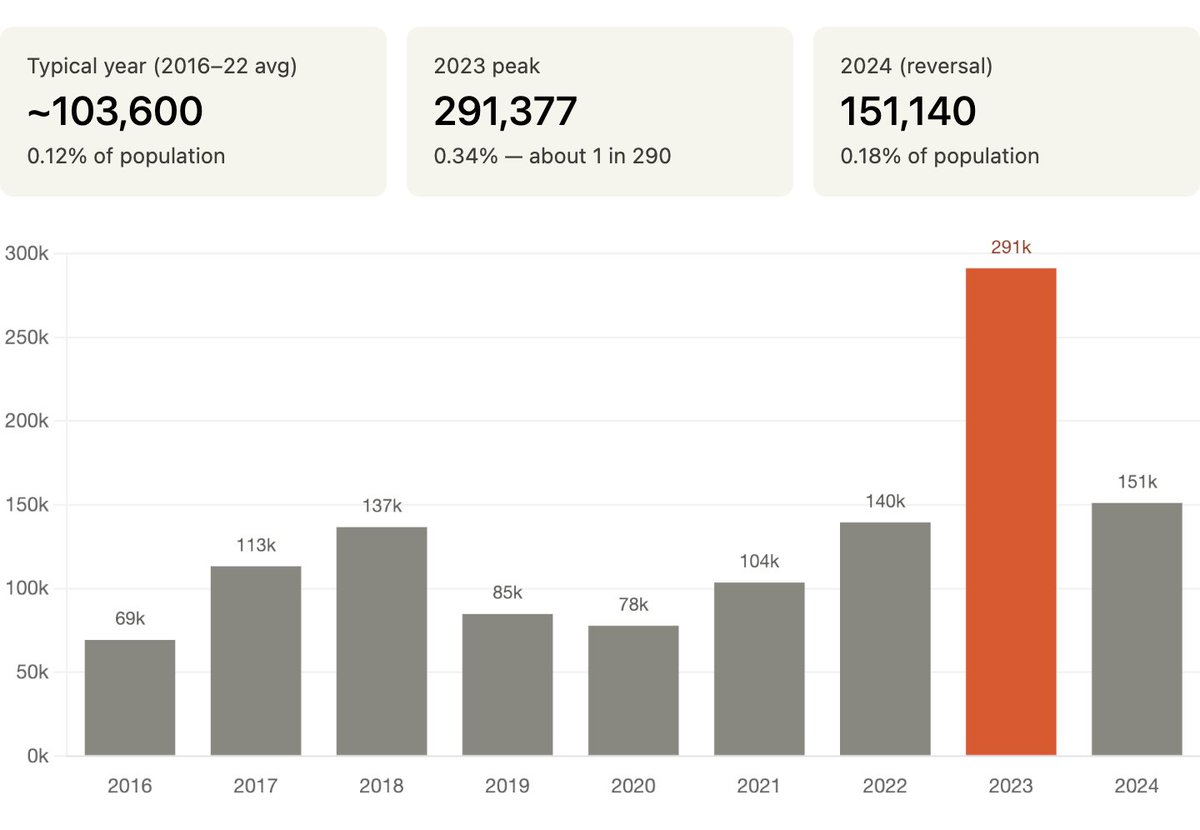
I wrote about emigration from Turkey. Everyone's talking about it, but the numbers are fairly calm: in a country of 86 million, a couple hundred thousand leave per year.
No great exodus.
It's much more about who's leaving.
10
45
270
42,978
Jun 12
Among the signatories for the founding of "Gesellschaft für Positivistische Philosophie" (which served as a precursor to both Berlin and Vienna Circles), the name of one certain "Dr. Sigmund Freud" was included.
4
3
21
927
Jun 12
I believe they should rename the party into "Socialistische Eenheidspartij" after the historic re-concurrence of the Communist and Social Democratic Parties.

Tomorrow is a historic day for the Dutch left
PvdA and GL merge into PRO
In 2021, my friend @FvandeWolde started a movement (RoodGroen) to push for this merge. Step by step through motions, events, member consultations
And I had the honour to help him together with many others

4
9
83
4,120
🔄🔃🔄 retweeted

Jun 11
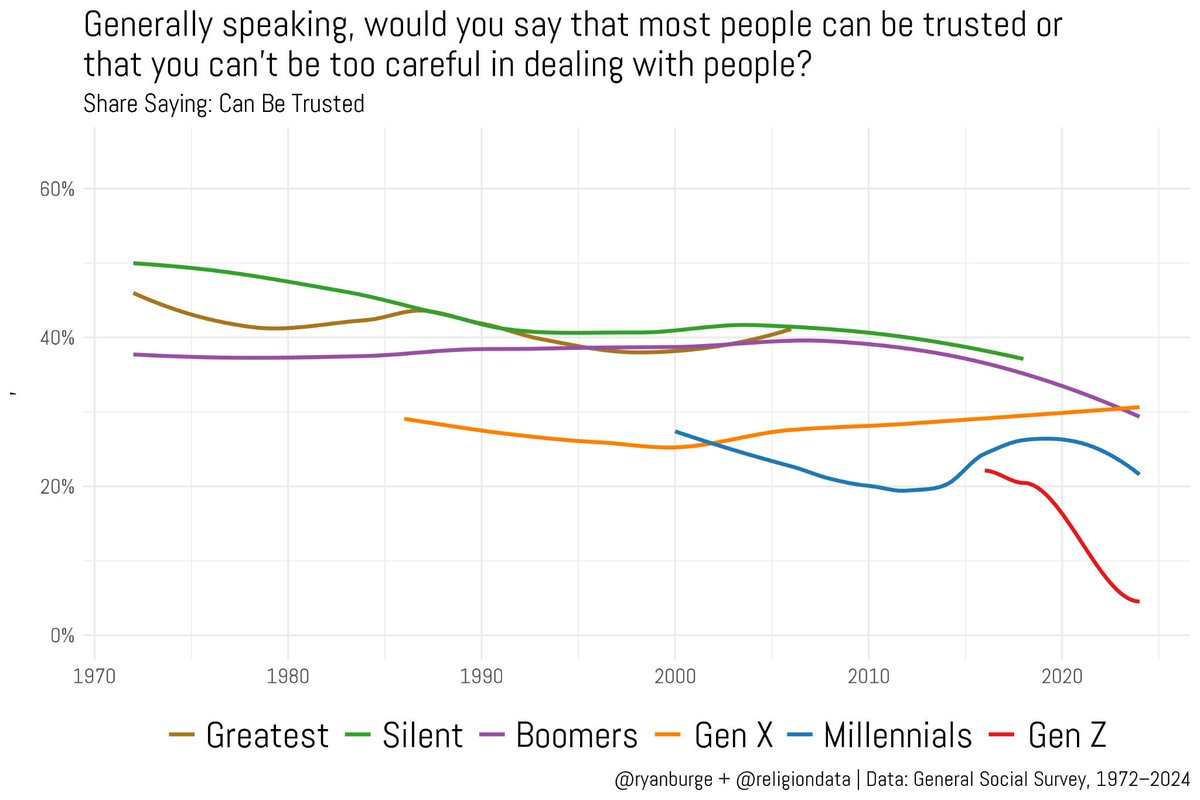
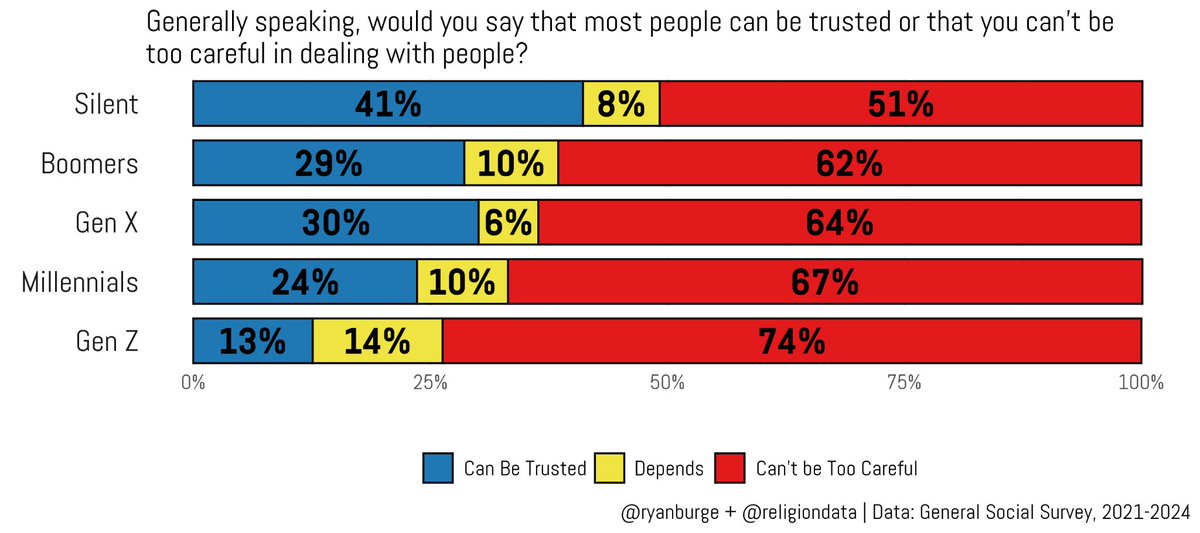
Does life experience make us less trusting?
Boomer trust was the same from 1972-2010. Then it noticeably dropped.
Gen X is at the same spot now as they were in 2000.
Millennials? Down ~5 points.
But look at Gen Z. The sample size is small, but the line is straight down.
7
13
57
5,855
🔄🔃🔄 retweeted
Jun 11
Generation Z has the lowest levels of interpersonal trust of any generation we've ever polled.
And although the data is time limited, the velocity of their decline in trust already far exceeds any previous generation.
106
220
1,296
447,831
🔄🔃🔄 retweeted

Jun 11
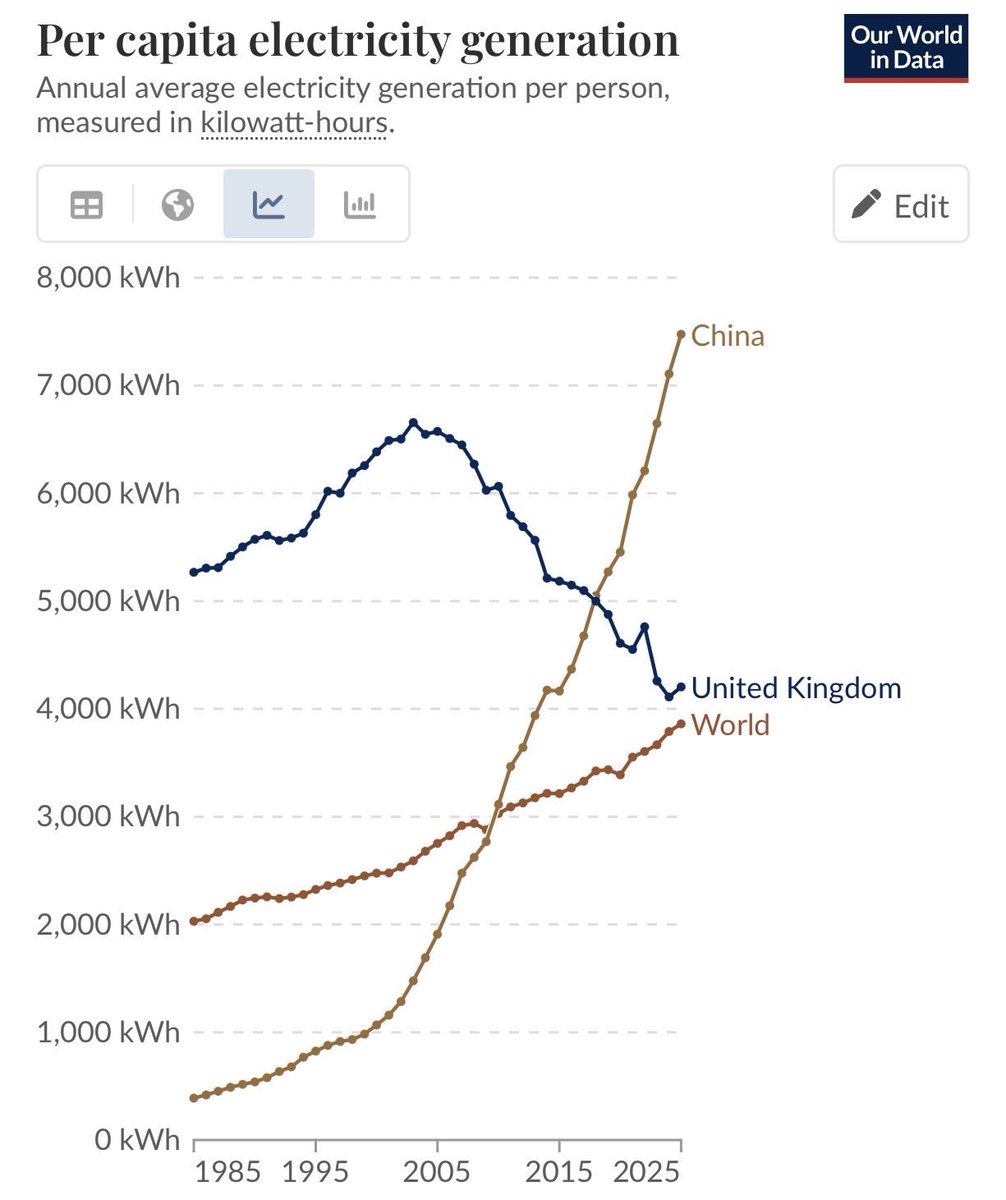
This chart is even more striking, I think, since a lot of people have already made peace with China pulling ahead
Jun 10

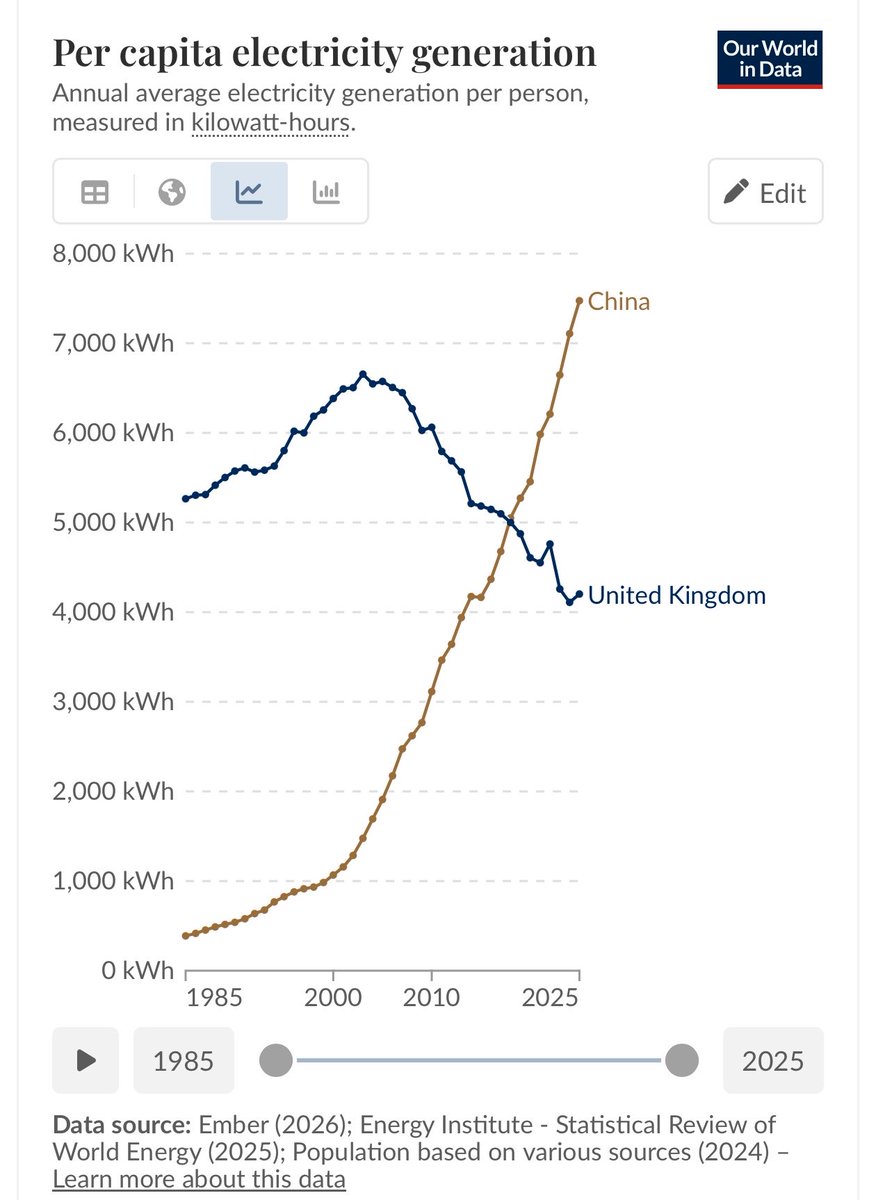
This should be a wake-up call for the UK…
(Note that this is a per-capita chart)
10
17
317
12,919
🔄🔃🔄 retweeted

Jun 11
"Institutions" is codeword for social forms btw. Abandoning Marx's critique of political economy for institutional econ (which can be hand-wavy) is swapping one social theory for another, except institutional economics doesn't have an organizing principle like the value form.
3
4
20
934

If you want a sociological analysis of capitalism why not just start at incentives/coordination/institutions of capitalism and focus on organization theory. Value form just caters to marxists who already take value as a self evident category in need of consistency.
2
1
18
1,242