
Sounds & Syllables - the sensible primary spelling and word building programme. Also @jasonwade71
Joined April 2021
- Tweets 3,228
- Following 180
- Followers 9,296
- Likes 426
123 Photos and videos
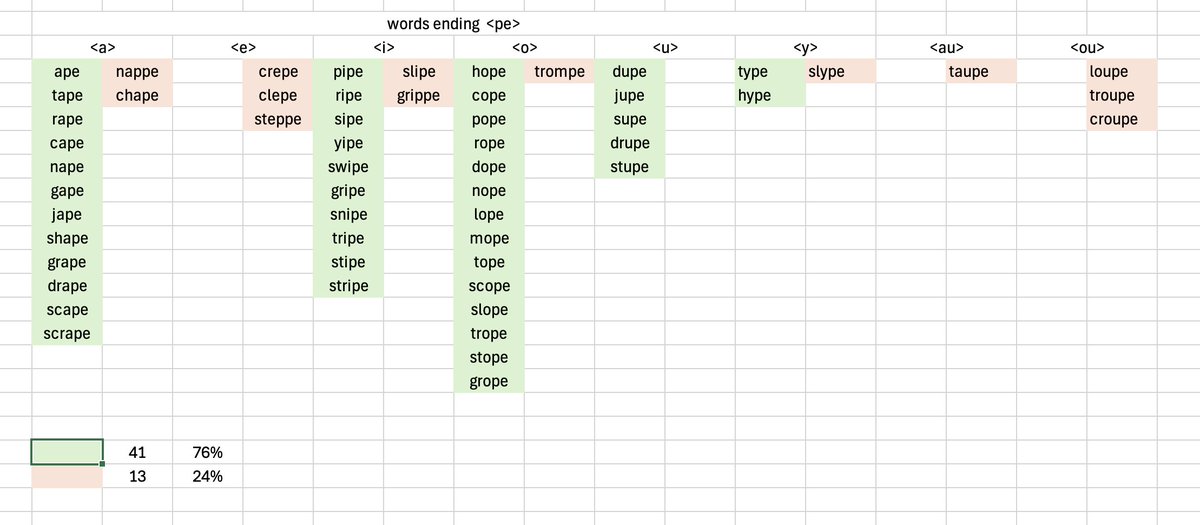
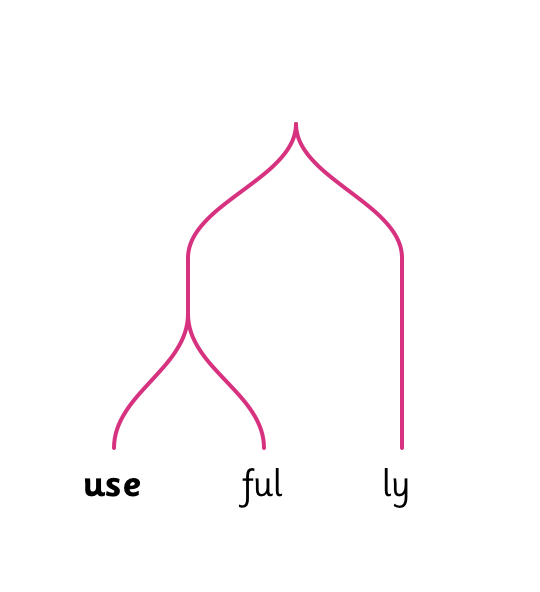



Other than <sceptic> are there any other English words in which <sc> does not spell /s/ before <e> (scent), <i> (science) or <y> (scythe>?
1
1
1
601
Sounds & Syllables retweeted

Feb 4
My previous account (@PamelaSnow2) was hacked so please disregard that handle and join me here 🌻
20
31
93
66,656

17 Nov 2025
😳
17 Nov 2025

"As states, districts, and schools work to ensure that the science of reading revolution fulfills its promise, they should not overlook one of the most profound tools for improving student literacy and learning: writing."
Read more from Charles Sahm: fordhaminstitute.org/nationa…
#ScienceOfReading #WritingMatters #WritingInstruction #LiteracyLeadership #K12Education #ReadingAndWriting #EdResearch #CurriculumLeaders #TeacherPD #InstructionalLeadership #EducationReform #ScienceOfLiteracy #WritingRevolution #TeachWriting #LiteracyForAll #SchoolImprovement #StrongerReadersStrongerWriters
1
623
7 Apr 2025
Perhaps it's because I'm UK based and syllable rules never became a thing here. I really struggle to see how the application of these rules will help a child to better decode 'cabin'.
For those who swear by them, what am I missing?
5 Apr 2025

Every now and again I see people highlighting the benefits teaching children syllable types/division rules.
I watch the presentation/read the article and come away wondering why I would waste instructional time on them!
How often do they work? What solid research supports them?
5
6
22
4,945
Sounds & Syllables retweeted

4 Apr 2025
English spelling is full of silent letters.
Most are there for good reason — they were once pronounced.
But some were added to make English look fancier — and others are actually 100% mistakes.
Here's the strange history of the letters we write but never say... 🧵
71
656
3,074
389,541
1 Apr 2025
Rewriting Sounds & syllables units on <s> / <se> and <c> / <ce> spellings.
Anglo-Norman scribes have a lot to answer for.
2
14
1,122
28 Mar 2025
As a side note, the <es> (fishes, fixes) plural and the syllabic <ed> (waited, waded) are examples of dissimilation, the phonetic environment causing neighbouring sounds to become less similar: in these cases, the insertion of a schwa / schwi between them.
1
1
432
28 Mar 2025
A good example of this is the /əɫ/ spelled <al> suffix (global, local, etc.) which typically becomes /ə/ spelled <ar> (circular, polar, stellar, etc.) to avoid two /ɫ/ sounds in close proximity.
1
1
441
16 Feb 2025
OK, this is going to the last in the series - at least for now.
I've been making these for 4 years now and it's becoming more and more of a chore than something enjoyable.
I might post them periodically as the whim takes me, so you might see more in the future.
🙂
6
17
823
16 Feb 2025
Thank you to everyone who downloaded, shared and used them.
🙂
11
737
Sounds & Syllables retweeted

9 Feb 2025
Marvellous - thank you Jason
1
1
4
1,059
3 Feb 2025
A huge thank you to everyone who posted well wishes. 👇
Four days of barely being able to make it out of bed, but starting to feel a little better this morning.
My heart goes out to all who have had this strain of flu - it's been a particularly nasty one.
2 Feb 2025

I'll be taking a week off (for the first time in 4 years) of publishing a morphology resource.
The dreaded flu has the better of me.
🤒
1
10
1,343
2 Feb 2025
I'll be taking a week off (for the first time in 4 years) of publishing a morphology resource.
The dreaded flu has the better of me.
🤒
15
45
3,776
25 Jan 2025
I’m really looking forward to getting my paws on this. Chris’ last book is probably the best all-round primer on teaching ready. I’m sure this will be equally good.
🙂
25 Jan 2025

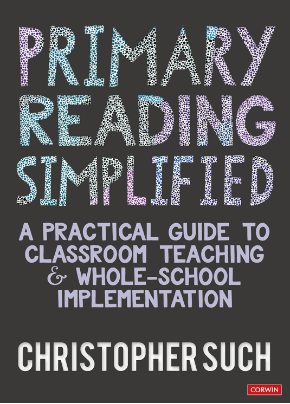
My new book, Primary Reading Simplified, is released this Monday (27th January).
Briefly, I'd like to explain why it exists, who I think will find it useful and where you can find it.
>>
1
15
2,335
19 Jan 2025
The original word map for this was so vast and sprawling that a microscope would have been required to read it, so this is a heavily curated map.
Plenty more fabulous 'hand' related words to be discovered beyond this map.
🙂
2
664
18 Dec 2024
It's always good to read things that challenge your thinking.
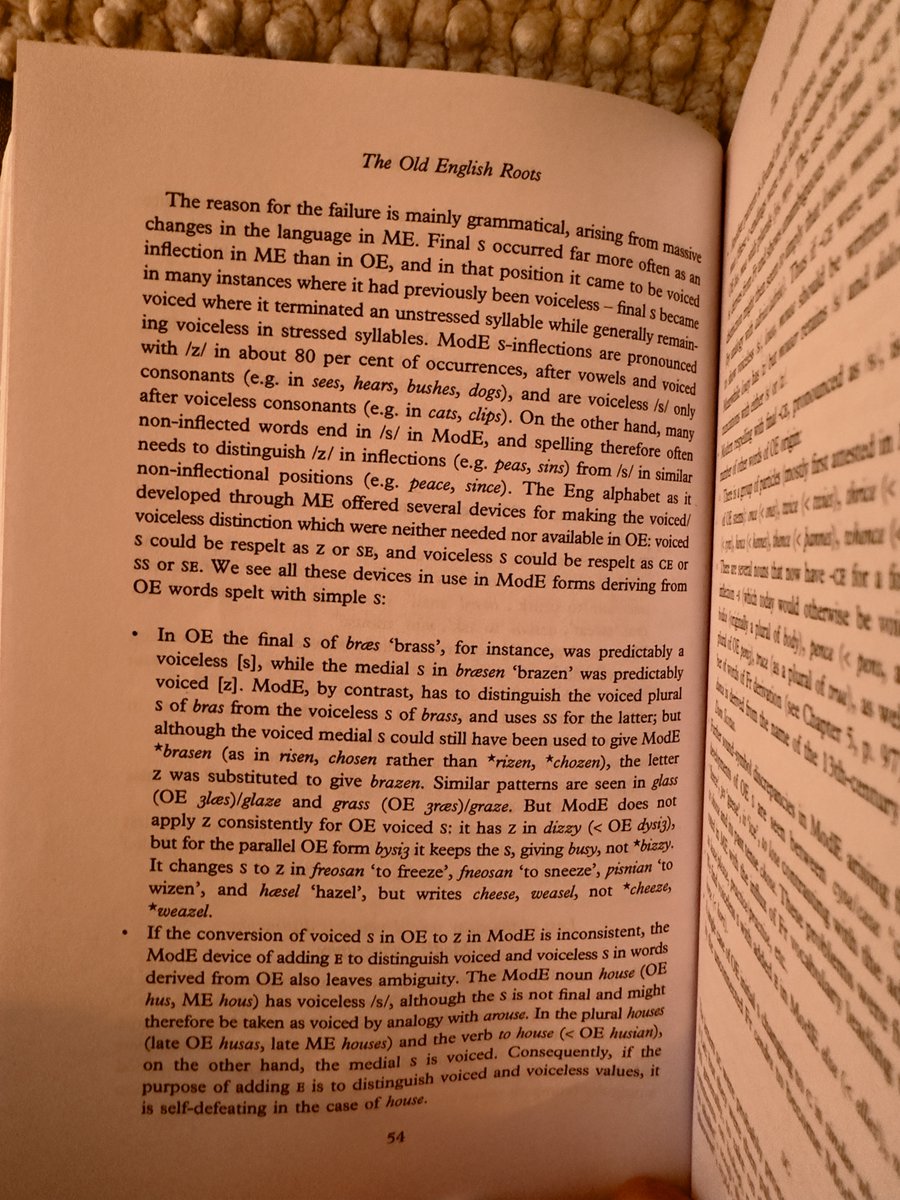
I've always considered that the disambiguating nature of <e> added to words ending <s> is byproduct rather than a function.
This suggests otherwise.
7
1
9
2,106
18 Dec 2024
I still think that a blanket approach - that <e> in words ending <se> is always there to disambiguate - is implausible.
And without research into individual words - beyond most of us - it's impossible to state with confidence for this word that <e> serves to disambiguate.
4
662
15 Dec 2024
Following <tain>, is the second of the 'tenere' root cards.
I will publish other variant spellings in the coming weeks.
🙂
3
791
Sounds & Syllables retweeted

8 Dec 2024
This is such an important root to know for elementary Ss because of the important academic vocabulary words that contain the root tain. It also is an easy root to teach, very straightforward.
1
6
28
3,152
8 Dec 2024
This one has a few different spellings that overlap with other roots. I’ll release more spelling variants over the upcoming weeks.
2
756