Hackney South & Shoreditch Labour CLP, promoted by Lewis Hurst, on behalf of Hackney Labour, Unit 106, Bradbury Works, Gillett Square, London N16 8JN.
Joined July 2014
- Tweets 7,657
- Following 669
- Followers 1,914
- Likes 2,547
1,006 Photos and videos



Hackney South Labour retweeted

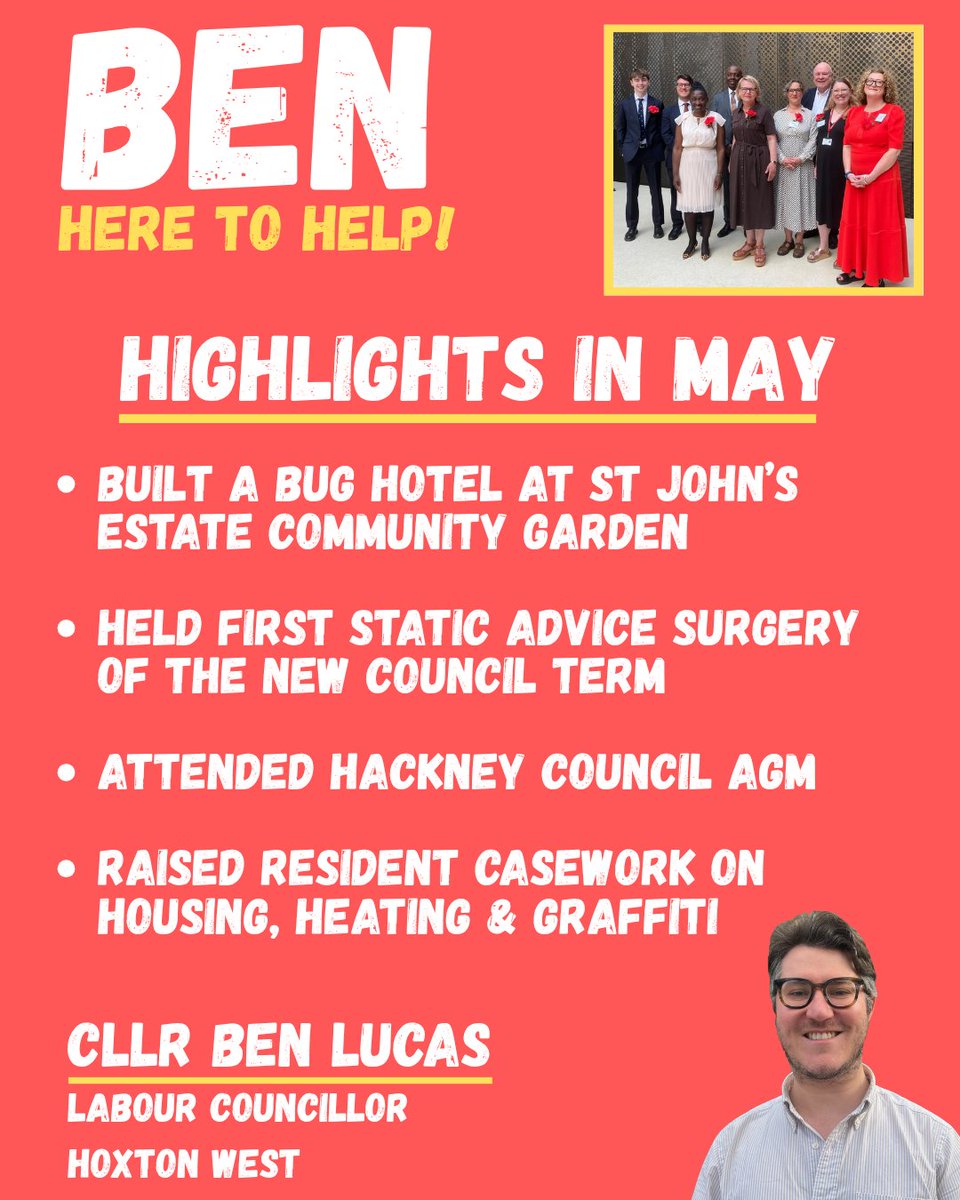
Just over a month since I was re-elected. Some moments in May:
Labour Group AGM
Council AGM
Raising Casework
Meeting with Residents
2
1
11
317
Hackney South Labour retweeted

Jun 13
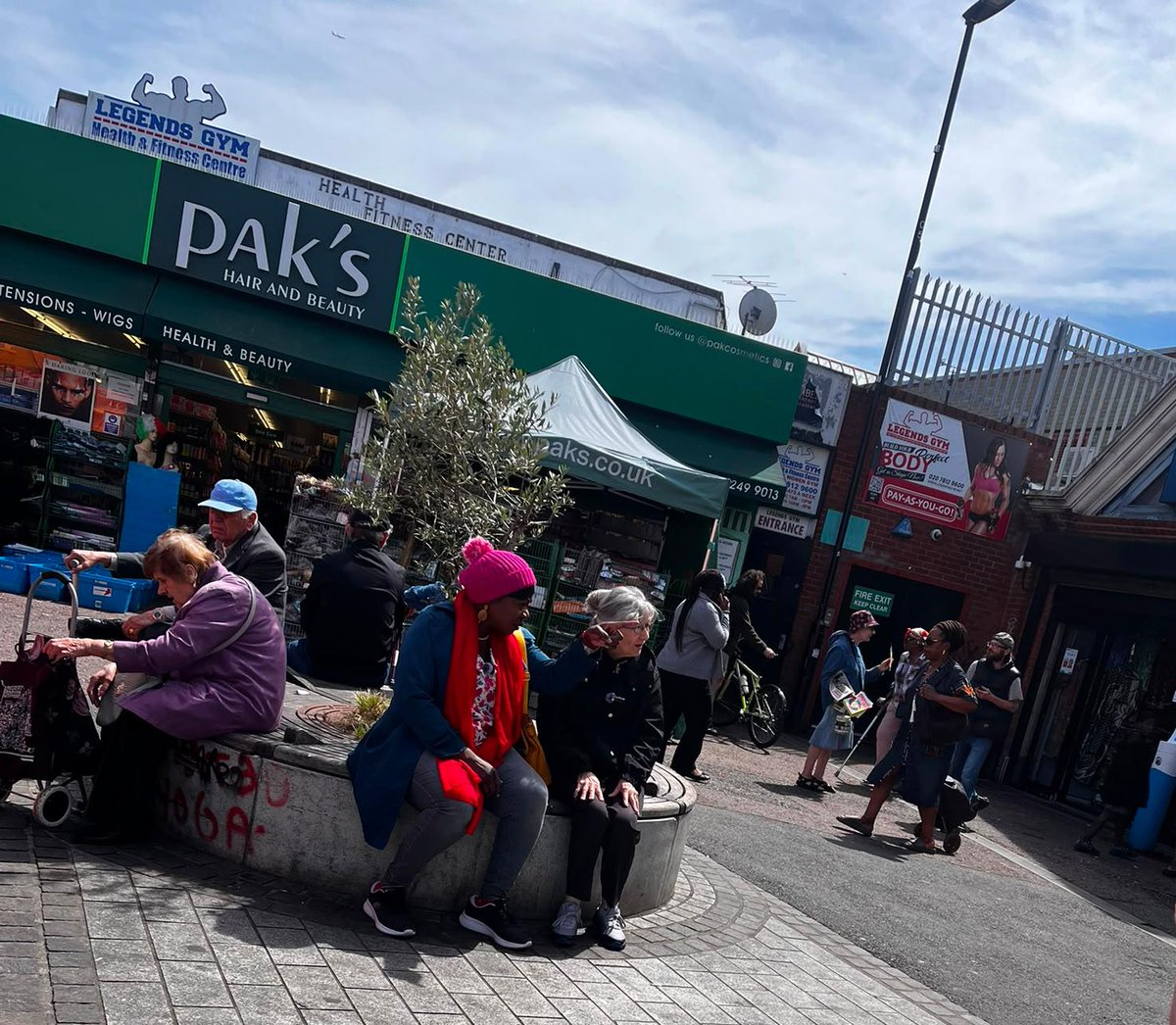
Just two Hackney girls remembering the past and reflecting on the present. The community comes together on Ridley market.
3
11
295
Hackney South Labour retweeted

Jun 13
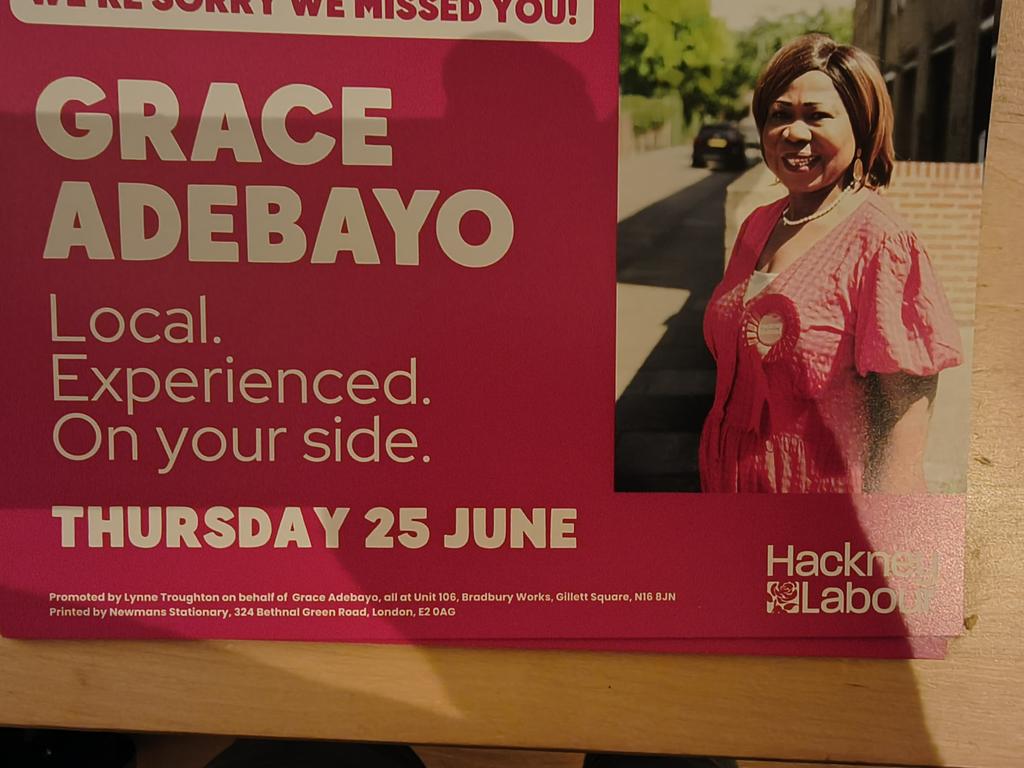
ROOTED IN DALSTON. FIGHTING FOR DALSTON 🛍️
For over 40 years, Grace made @LabourDalston home.
Vote Grace Adebayo for #Dalston on Thursday 25 June 2026.
📮 Postal voters: please send your vote back ASAP!
🗳️ Polling station: iwillvote.org.uk
#VoteGraceDalston 🌹
4
11
18
2,155
Hackney South Labour retweeted

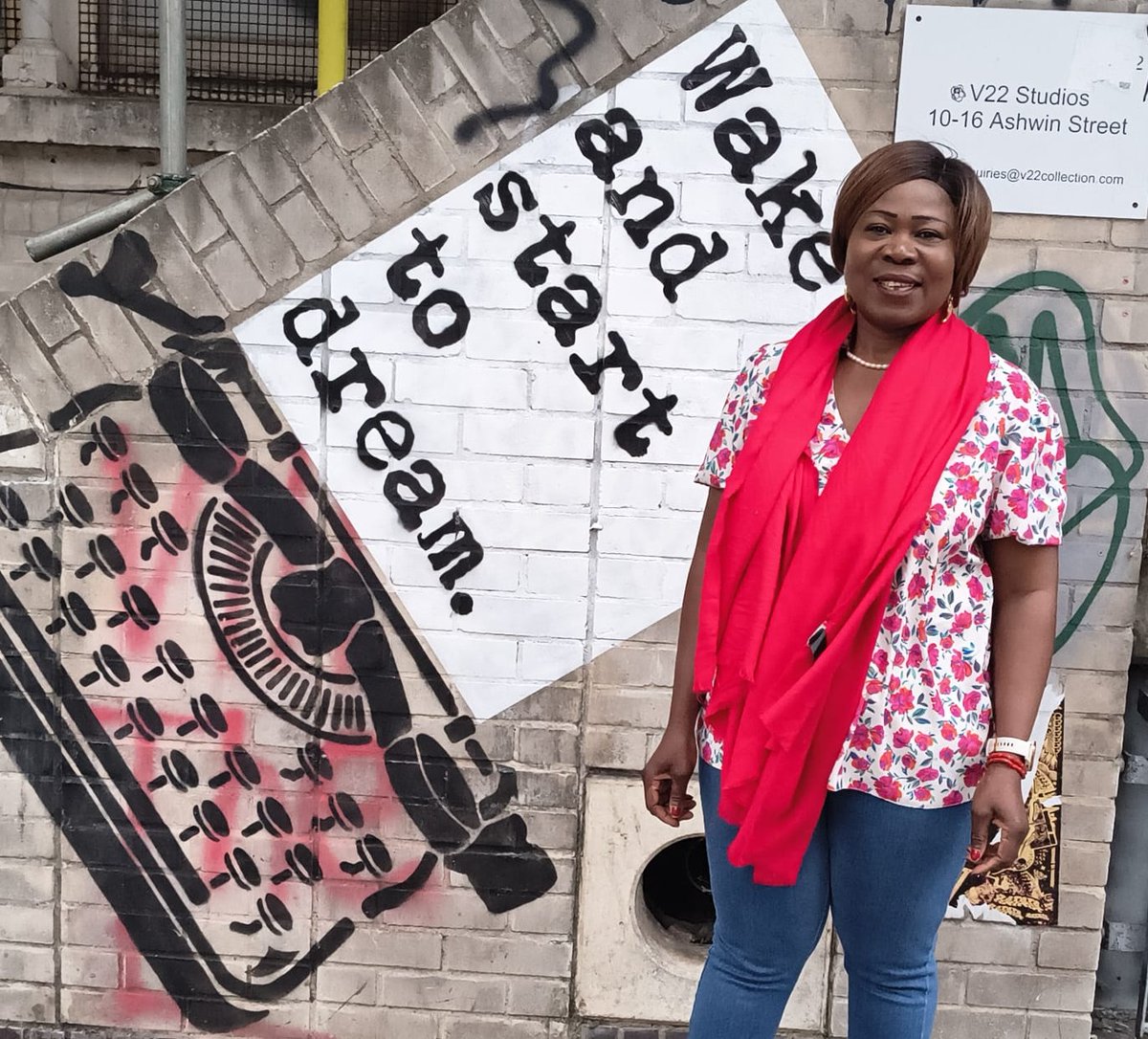
Dalston's cultural and heritage spaces are at the heart of our community. I am committed to protecting the places that celebrate our history, nurture creativity, and bring people together for future generations. @HackneyLabour @SouthHackneyLab
1
7
9
397
Hackney South Labour retweeted
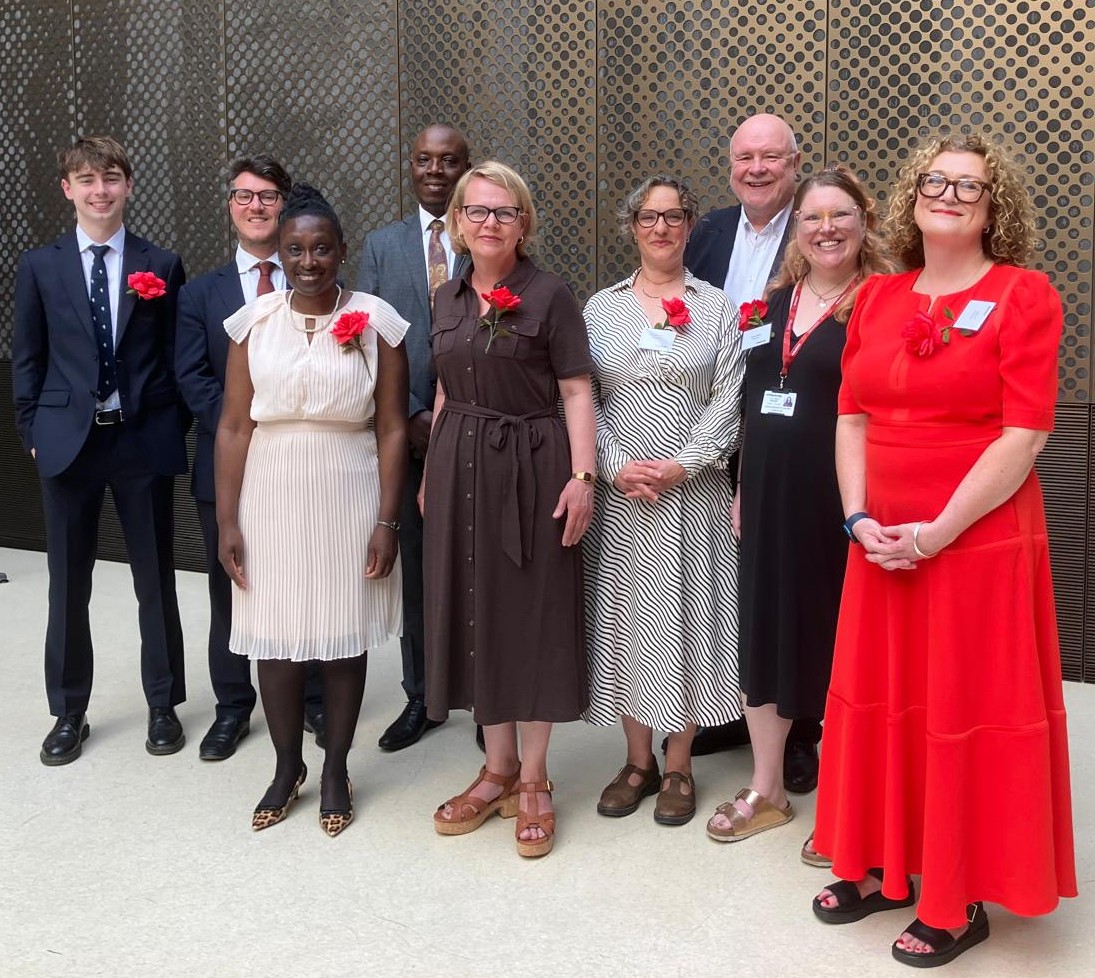
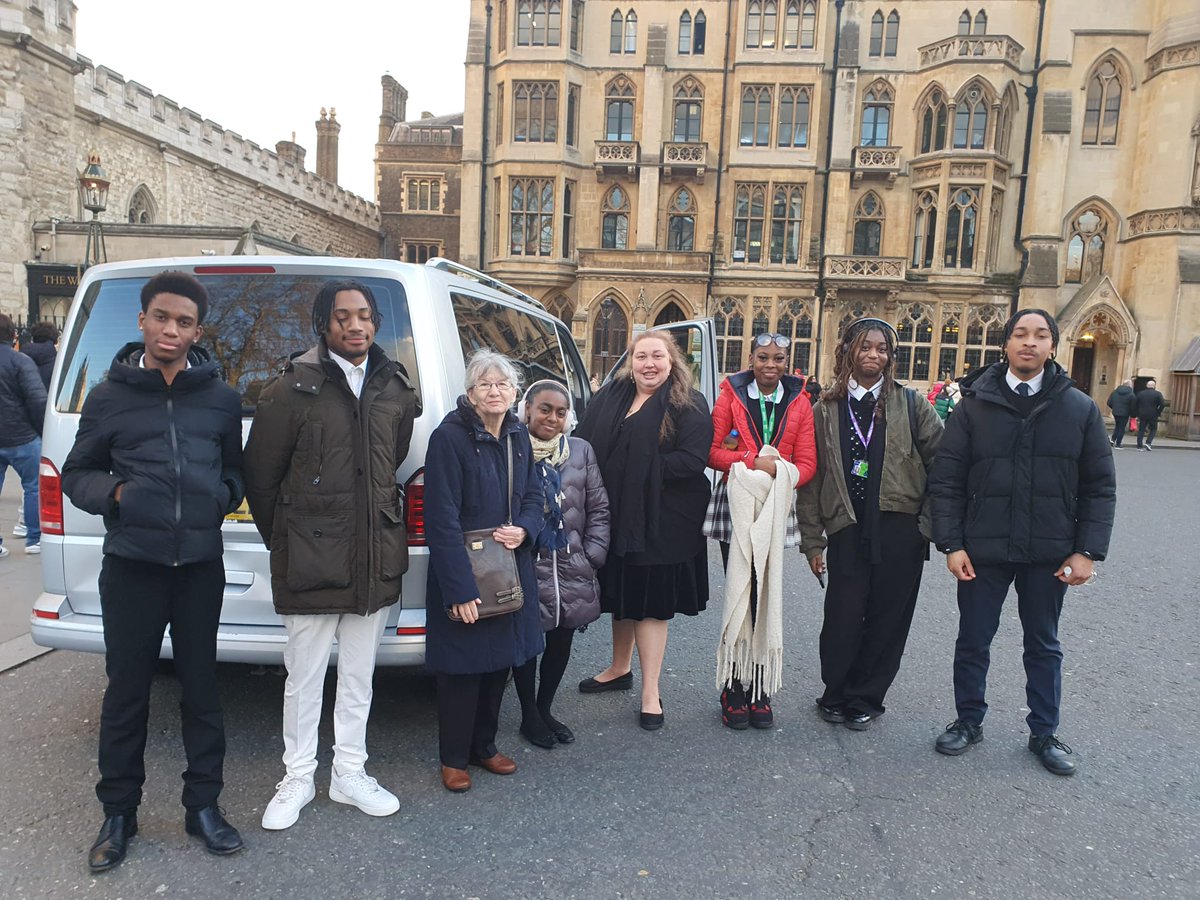
At the Supreme Court to receive their Youth Justice Awards from the Judges & the High Sheriff of Greater London, our inspiring Hackney Youth. We celebrate their motivational work in the community. I'm proud to
be there and stand tall with them❤️
#whyILoveHackneyCentral
1
7
18
387
Hackney South Labour retweeted

Jun 3
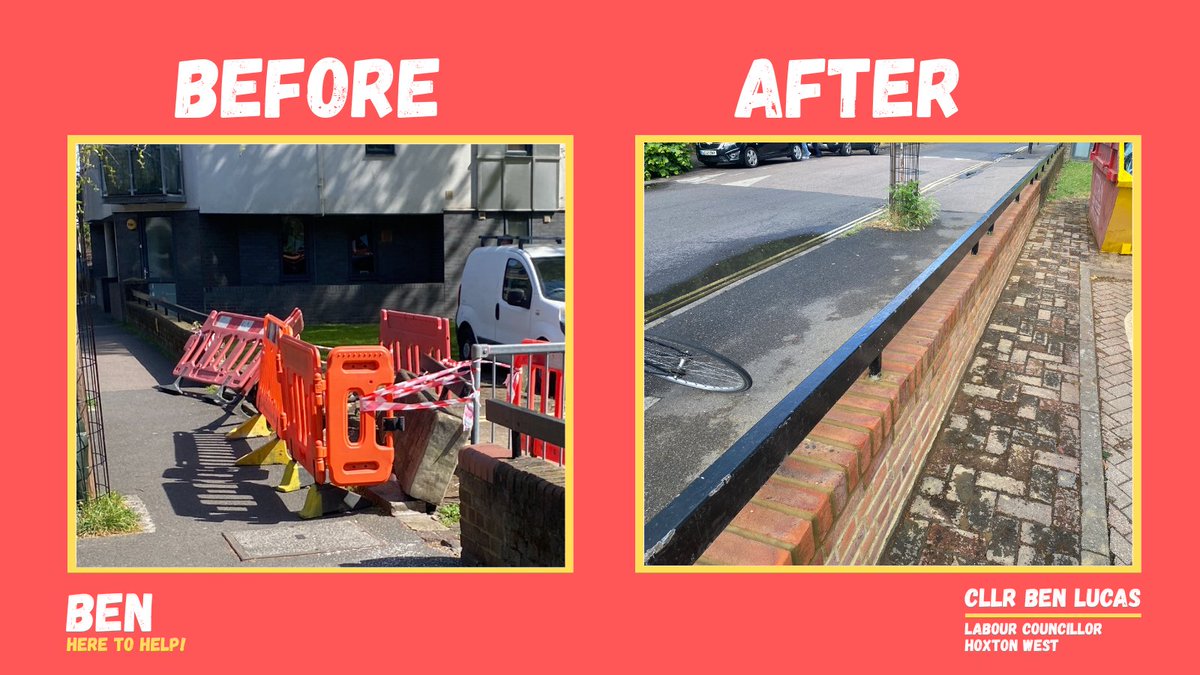
It's fantastic that the wall on Murray Grove has been repaired by @hackneycouncil, after I raised this weeks ago on behalf of local residents.
It wasn't just a bad eyesore, it was a hazard for pedestrians and those living on Provost Estate.
Thankfully it's looking much better!
3
4
16
1,076
Hackney South Labour retweeted

Jun 4
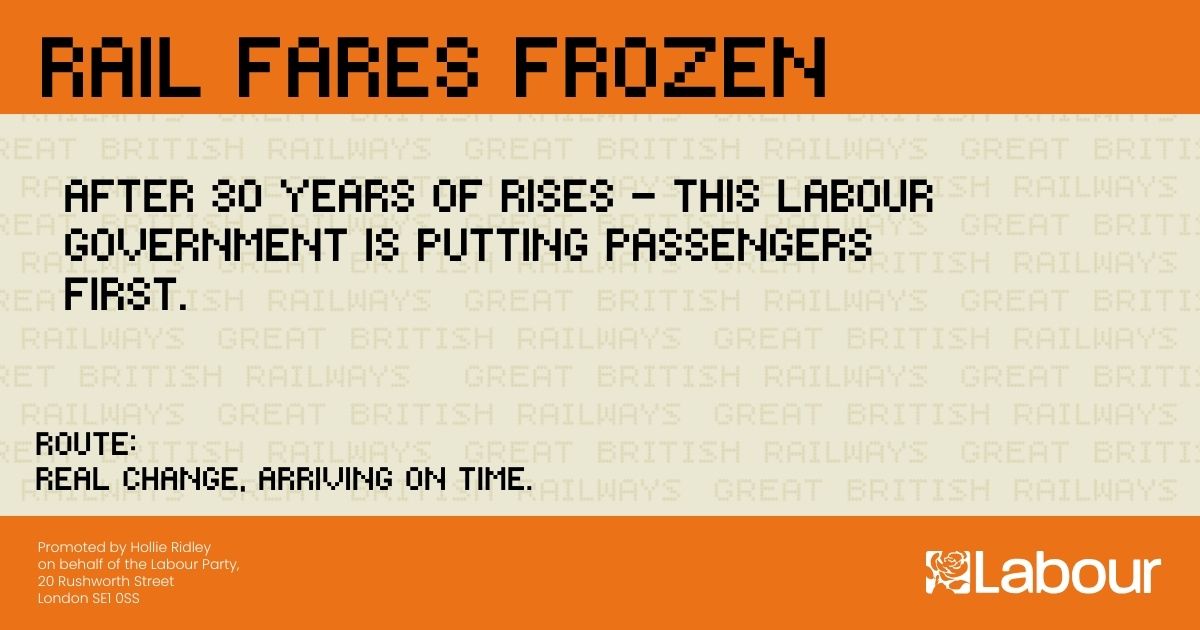
Labour is building a railway that Britain can be proud of.

1,062
297
1,575
172,638

RT @WeLoveHandS: 🌞🎪 Cllr @KamAdams1 was delighted to join the #HoxtonMarket Summer Fair today, meeting residents, traders and visitors from…
6
Hackney South Labour retweeted
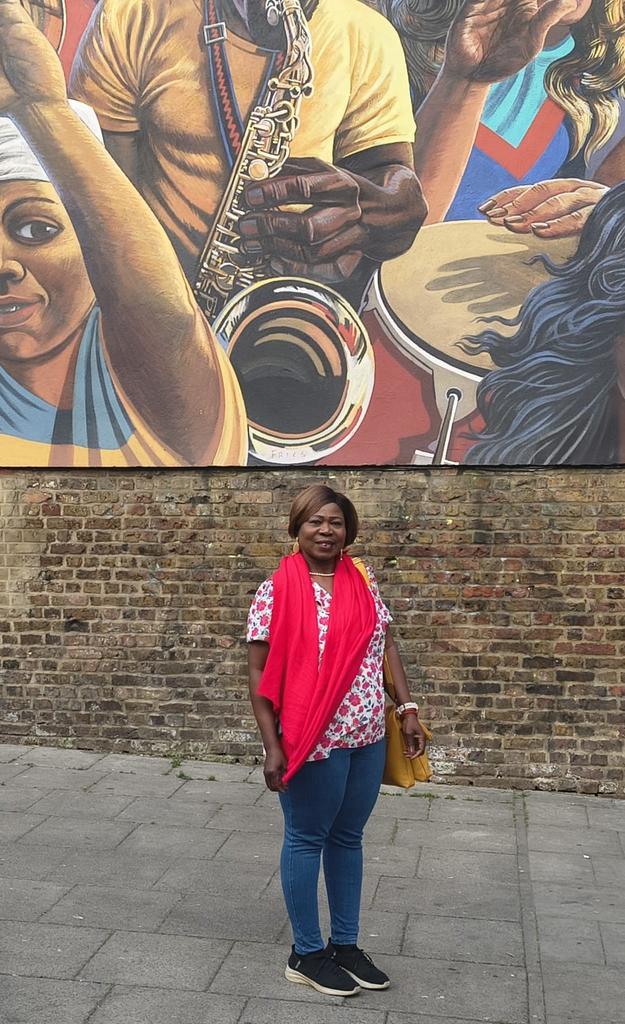
As your councillor, I fought hard to make sure the new developer of the building where the world famous Hackney Peace Mural is based, preserves and maintains it. If elected I intend to continue to fight to protect the mural and curved garden.
5
6
18
758
Hackney South Labour retweeted
Hackney Peace Mural in Dalston Lane was created in 1984 by Ray Walker, a member of Dalston Labour Party which has protected the survival of the iconic work ever since.
4
6
166
Hackney South Labour retweeted
Jun 7
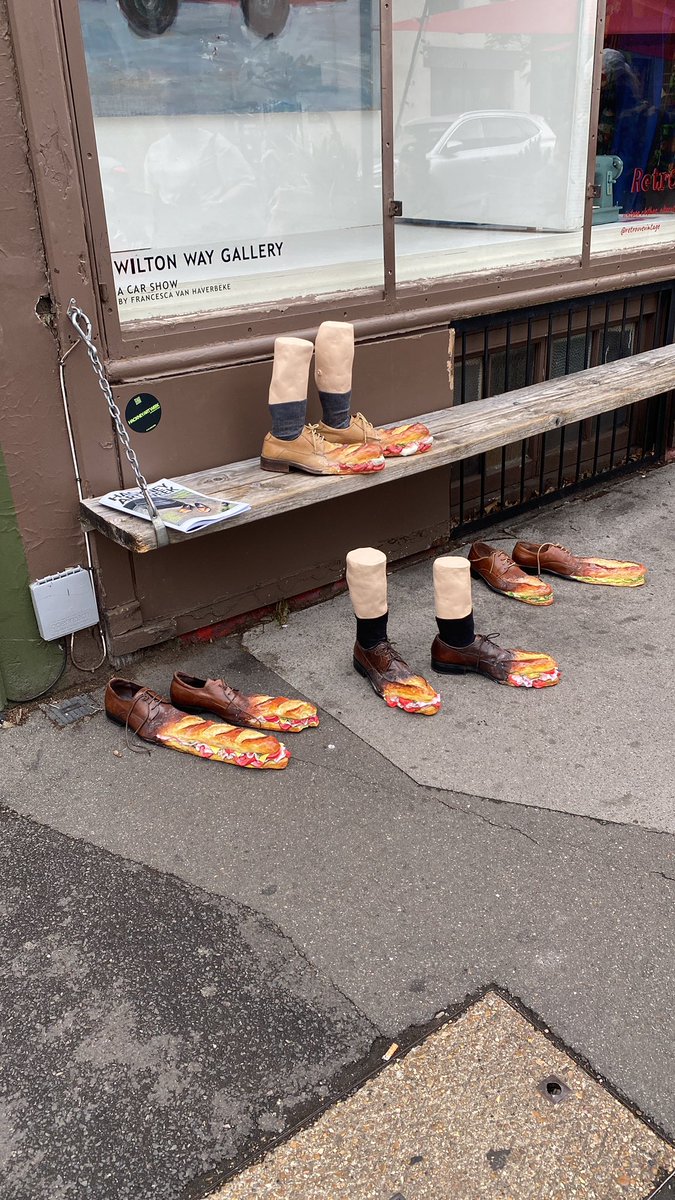
Great to stumble across Hackney Art Week exhibits while out canvassing for @susorunge 🎨🎭
After many a long day on the campaign trail recently, could these be the perfect shoes for the #LabourDoorstep?🌹
1
3
7
421
Hackney South Labour retweeted
Jun 7
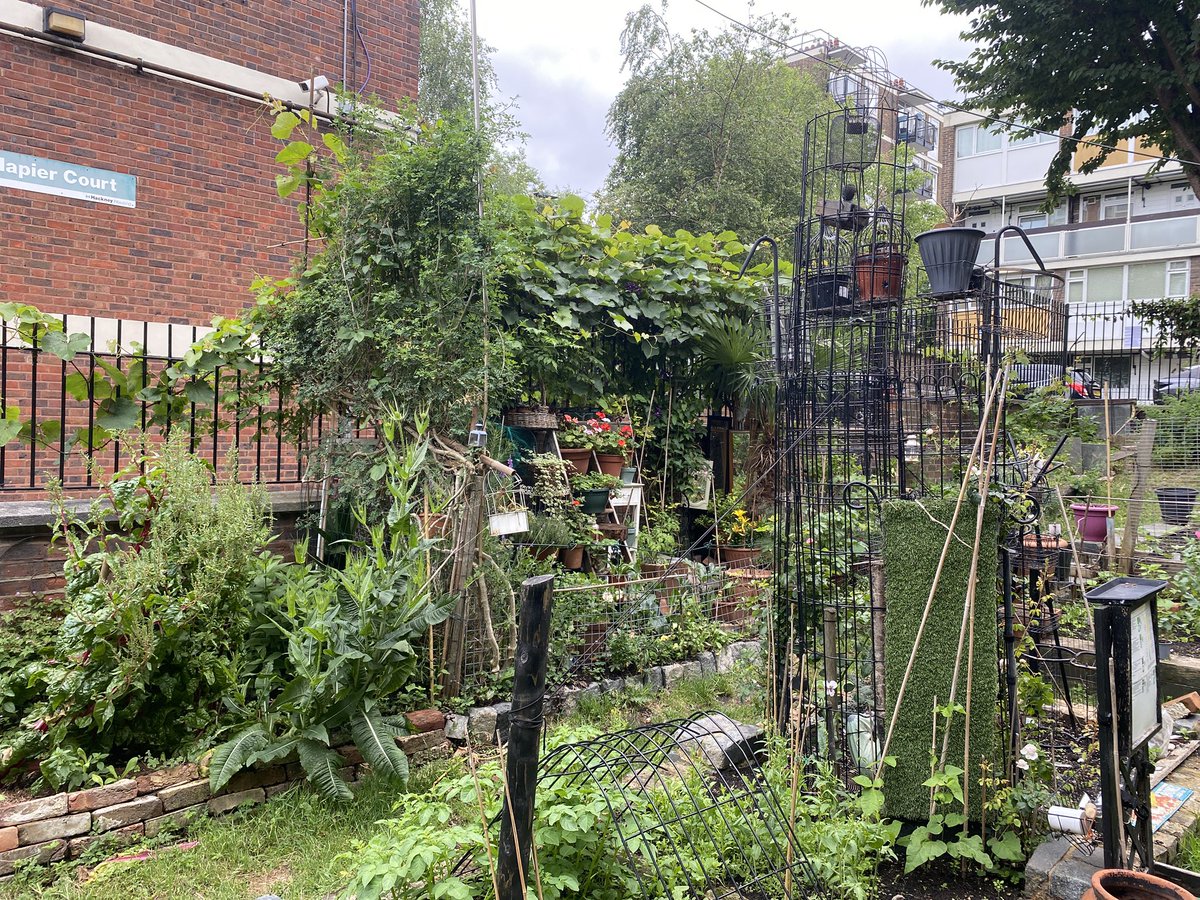
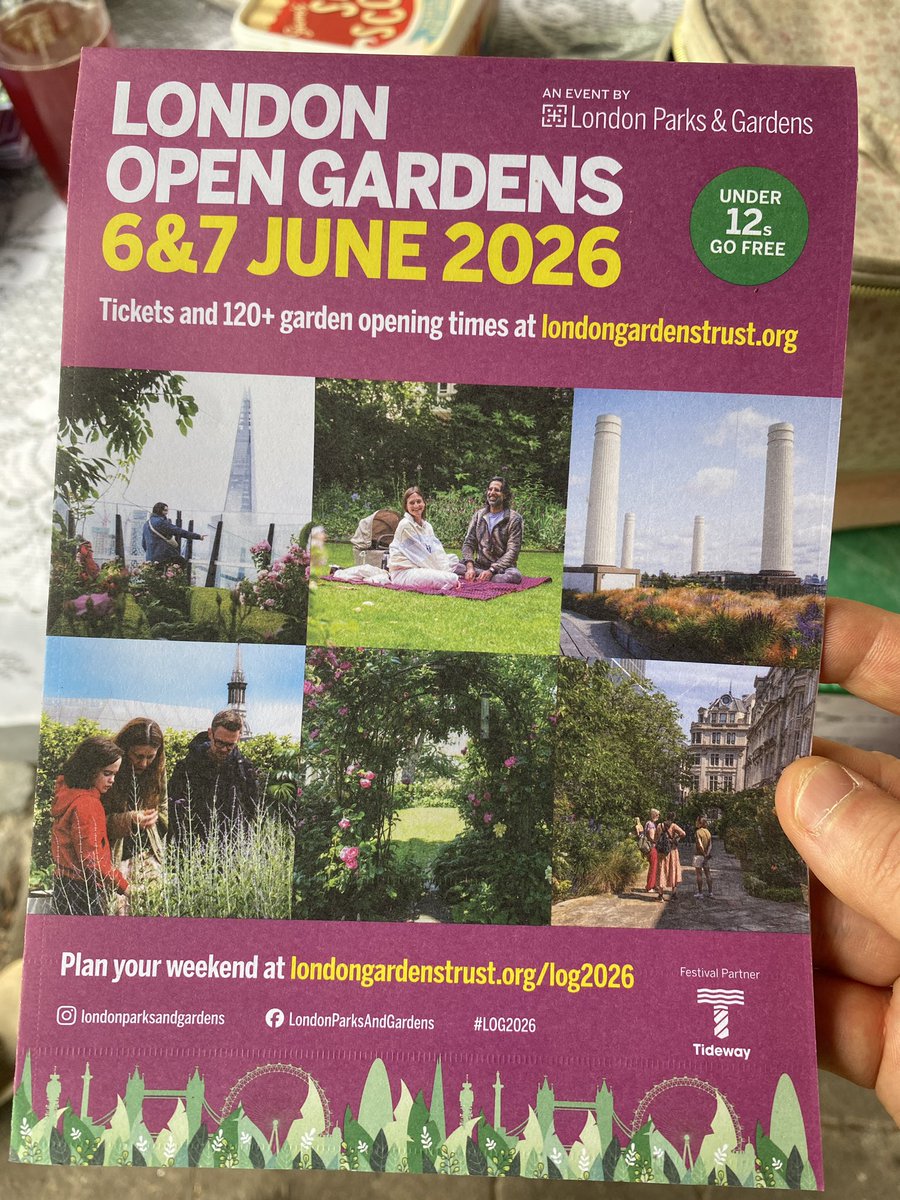
Thank you @GrowingN1 in #HoxtonWest for inviting me to a wonderful showcase as part of London Open Gardens 2026 🪴🍏
It was great to get a tour of the growing kitchen, sample delicious food, and chat with residents - who make it what it is!
2
2
243
Hackney South Labour retweeted
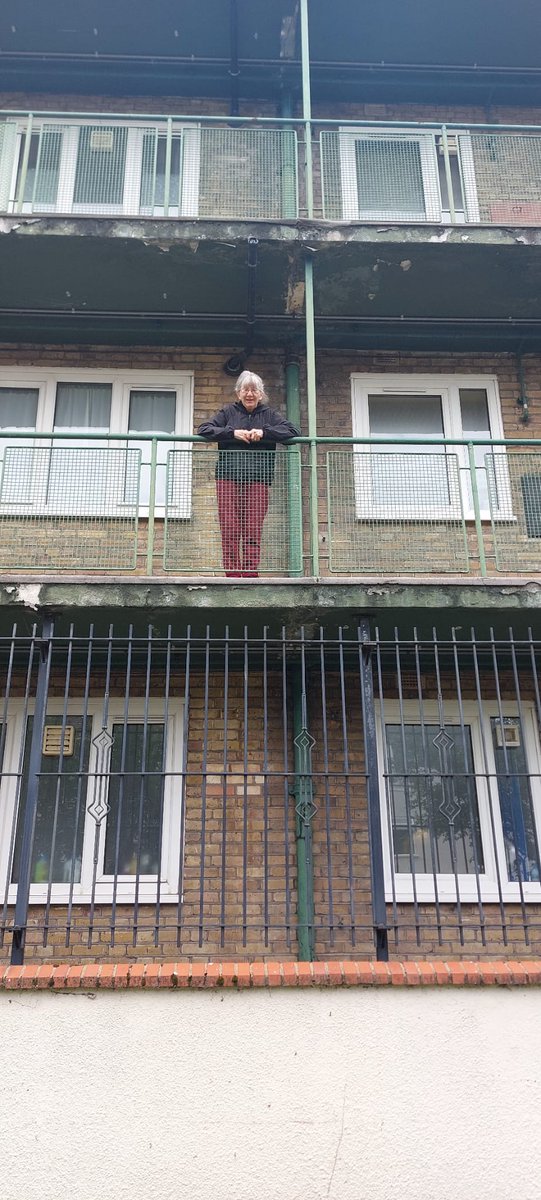
That's me outside my home. Looking across the road from the balcony, a cafe that sells expensive coffee☕
Looking over from the other side of my home, our community. We make our own coffee.
Always your neighbour, always your champion🫂 #IloveHackneyCentral
1
7
44
2,288
RT @SadiqKhan: Until social media companies can prove their platforms are safe for young people, a ban for children under 16 is the only wa…
15
Hackney South Labour retweeted
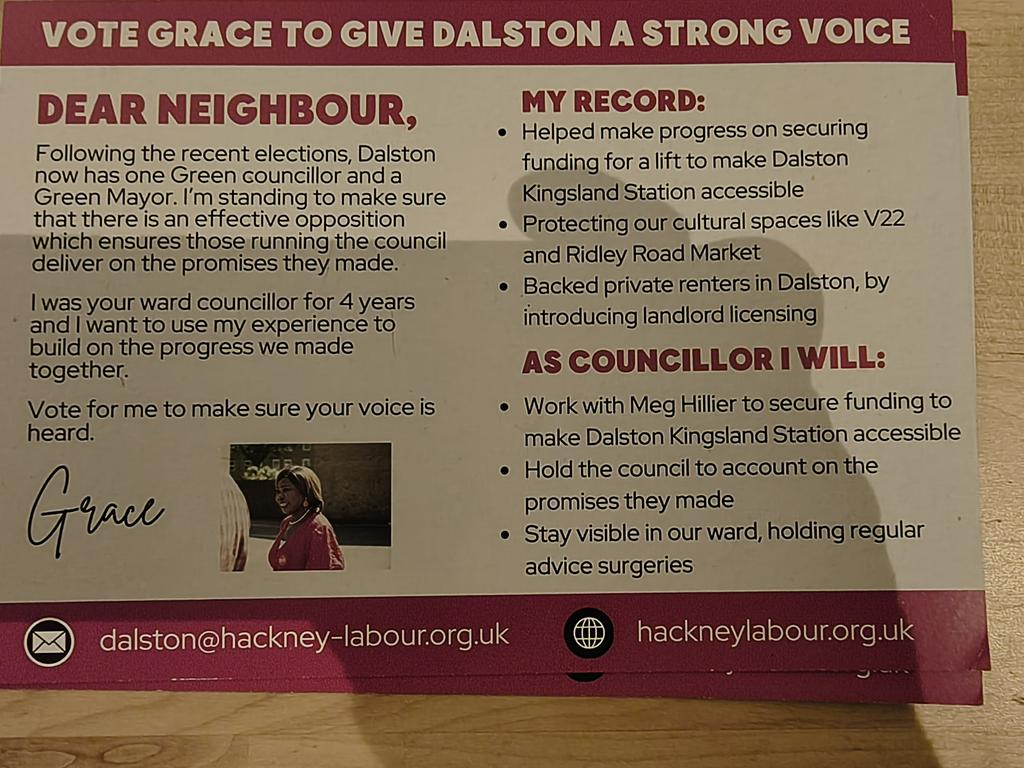
On 25 June, Dalston goes to the polls, and I'm standing again.
I've fought for cleaner streets, protected Dalston's cultural and heritage spaces, and campaigned for step-free access at Dalston kingsland station.
Vote for experience, action, and a strong local voice on 25 June
4
8
15
1,901
Hackney South Labour retweeted

Henry Nowak was 18 - a kind and hard-working student with his life ahead of him. His murder – at the hands of Vickrum Digwa - was a horrifying and evil act. Digwa murdered Henry and then lied about him, as he lay dying - falsely accusing him of racism.
The Nowak family deserve answers about what happened on that night, particularly in the police response. @policeconduct will be equipped with the resources, authority and independence it needs to conduct a full, fearless and transparent investigation. They must find the truth and ensure, if necessary, that there are consequences.
It is also clear that we must take action to tackle the daily tragedy of knife crime. Progress has been made, with knife crime now falling, but we must go further. That is why I have recently published this Government's Halving Knife Crime Plan.
We must be clear about who is responsible for this crime. The punishment must be reserved for those who are responsible for this evil act. We do not believe in collective punishment in this country. Instead, we stand together against an act of pure evil. We condemn those who committed this heinous crime. Not all those who share their faith or ethnicity.
A final note. With further sentencing and possible charges pending, and misinformation already circulating, we must be cautious in what we say about this case so proceedings are not placed at risk. Those responsible must be brought to justice.
1,616
263
1,216
194,524
Hackney South Labour retweeted

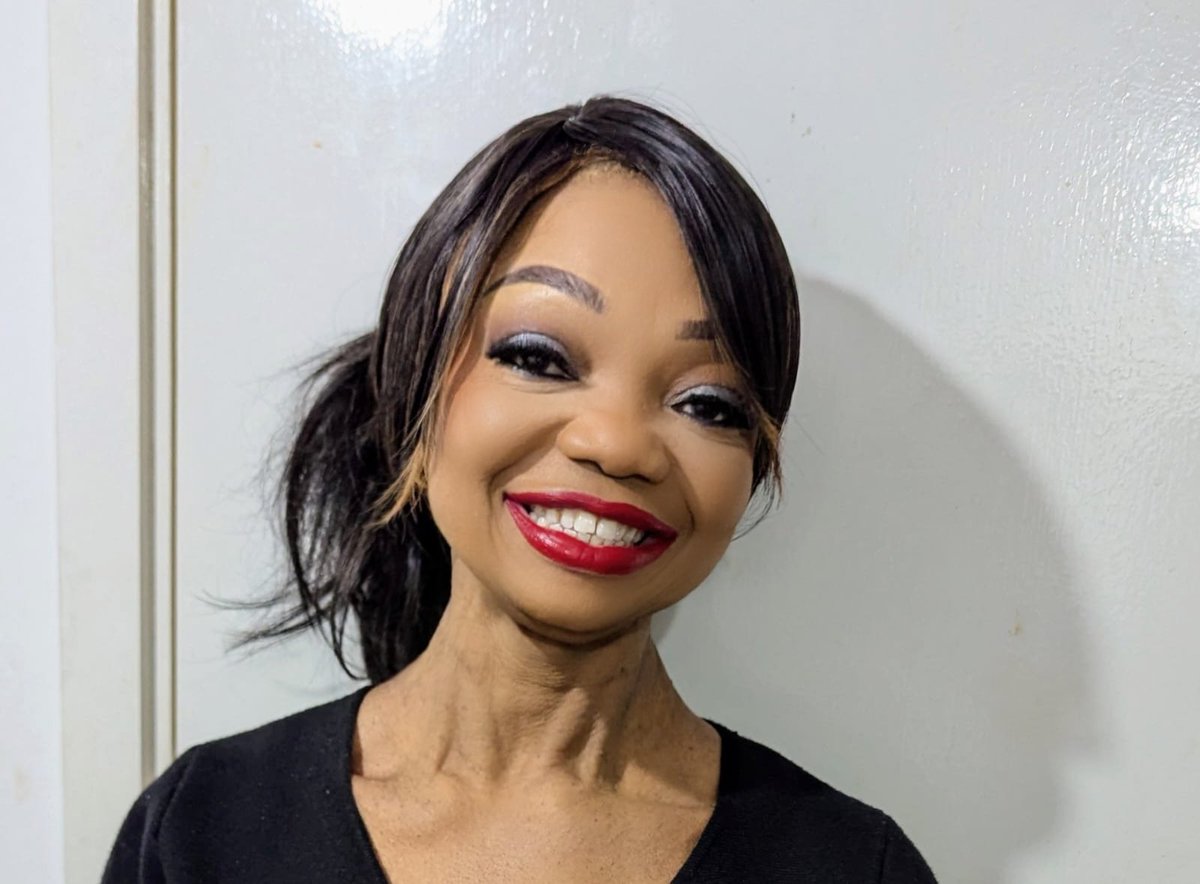
For nearly four decades, Susan has dedicated her life to advancing the rights, opportunities, and wellbeing of women and girls, building a legacy that spans two continents and countless communities.
Her journey began in the early 1990s in Nigeria, where, as a young television presenter, she supported the Better Life for Rural Women programme championed by the then Nigerian First Lady, Maryam Babaginda and her State's First Lady, Feyi George. What started as a passion for highlighting women's issues through the media evolved into a lifelong commitment to empowerment, equality, and social change.
Today, She is widely recognised as a respected community leader, former broadcaster, social campaigner, and politician whose work has helped shape policies and programmes affecting women and vulnerable communities in both Nigeria and the United Kingdom.
Throughout her public service career, Susan has been at the forefront of efforts to tackle violence against women and girls (VAWG). During her time in public office, she spearheaded strategic initiatives and forged partnerships across the London Borough of Hackney to improve prevention, protection, and support services for women and girls affected by abuse and violence.
A key achievement was her role in advocating for and supporting the delivery of Hackney's Violence Against Women and Girls Strategy, helping to bring together statutory agencies, community organisations, and local stakeholders in a coordinated response to gender-based violence.
She has also been a passionate advocate for women's safety in public spaces. Through partnerships with businesses, law enforcement agencies, and community groups, she supported initiatives aimed at making the night-time economy safer for women, promoting awareness campaigns and encouraging safer venues across the borough.
Her commitment to survivors of abuse has been equally significant. Working alongside charities, survivor networks, and community organisations, she has consistently championed the importance of lived experience in shaping policies and services, ensuring that survivors' voices remain at the centre of decision-making.
Beyond policy and advocacy, Susan has inspired countless women and girls to pursue leadership opportunities. Through mentoring programmes, public speaking engagements, and community initiatives, she has encouraged women to participate actively in civic life and public leadership.
A longstanding champion of equality, diversity, and inclusion, Susan has consistently challenged discrimination and worked to create opportunities for women within communities, organisations, and public institutions. Her leadership has been particularly evident during annual campaigns such as International Women's Day and the 16 Days of Activism Against Gender-Based Violence, where she has helped mobilise communities to address domestic abuse, sexual violence, and misogyny.
Her influence extends beyond local government. Susan has represented communities on national and international platforms, advocating for women's rights, social justice, and gender equality. Her participation in major international forums and community initiatives has strengthened her reputation as a committed and effective voice for positive change.
Susan's outstanding contributions have been recognised through numerous awards and honours. In 2025, she received the prestigious UN Women UK Outstanding Community Champion Award, recognising her exceptional work supporting communities and creating opportunities for women and girls.
She was presented with the International Women in Leadership Merit Award, acknowledging her leadership, community impact, and dedication to empowering women.
She was also appointed an Officer of the Order of the British Empire (OBE) in recognition of her services to gender equality and local government.
In 2018, She was named among the 100 Most Reputable Africans, a distinction that placed her alongside several African Heads of State
2
8
148
Hackney South Labour retweeted

Everybody knows the landscape problem: Which string theory is the right one? Here is the answer.
blog.floatingpragma.io/share…
Community note
The string theory landscape problem remains unsolved in mainstream physics; the linked proposal is an unpeer-reviewed theory by the post's author without independent verification or acceptance. en.wikipedia.org/wiki/String_th… github.com/FloatingPragma…
260
384
4,056
18,067,579
Hackney South Labour retweeted
Jun 2
Following the local elections, it was right back to work for me in #HoxtonWest and Hackney Town Hall.
Here are some highlights from the last month👇
1
4
21
748