
We speak for the 2700 trees to be clearcut by Obama Pres Ctr/Tiger Woods PGA Course, Jackson Park, Chicago. MPH:CSU. Army:BTS. #ChicagoLakefrontNationalPark
Joined June 2022
- Tweets 11,158
- Following 1,751
- Followers 1,366
- Likes 101,101
3,689 Photos and videos






Pinned Tweet

12 Jun 2022
The Obama Presidential Center has cut down 303 mature trees in Jackson Park; 612 trees left to destroy. One in 8 kids in Chicago have asthma. South and SE Chicago residents have the greatest incidence of asthma. We need these trees. #TreesMakeAir #SaveJacksonPark
29
53
117
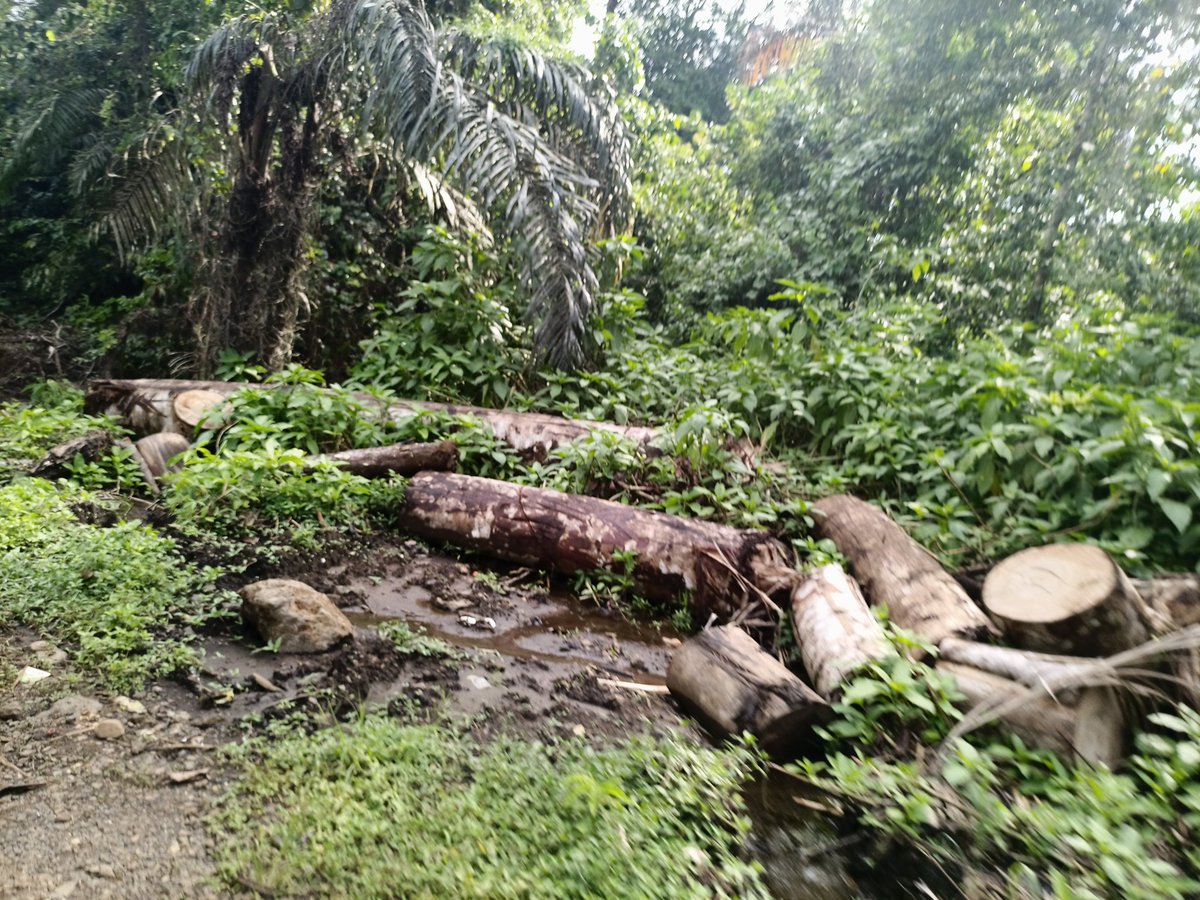
Trees make air. Rather than scrambling to preserve Chicago's lakefront parkland from meaningless development, Chicago deserves a #ChicagoLakefrontNationalPark.

We need to stop framing environmentalism as an economic sacrifice.Forests aren't just pretty backdrops or "luxury green spaces." They are infrastructure.
When we clear-cut a forest for short-term profit, we are actively dismantling the systems that clean our air,filter our water
2
3
68
Save Jackson Park retweeted

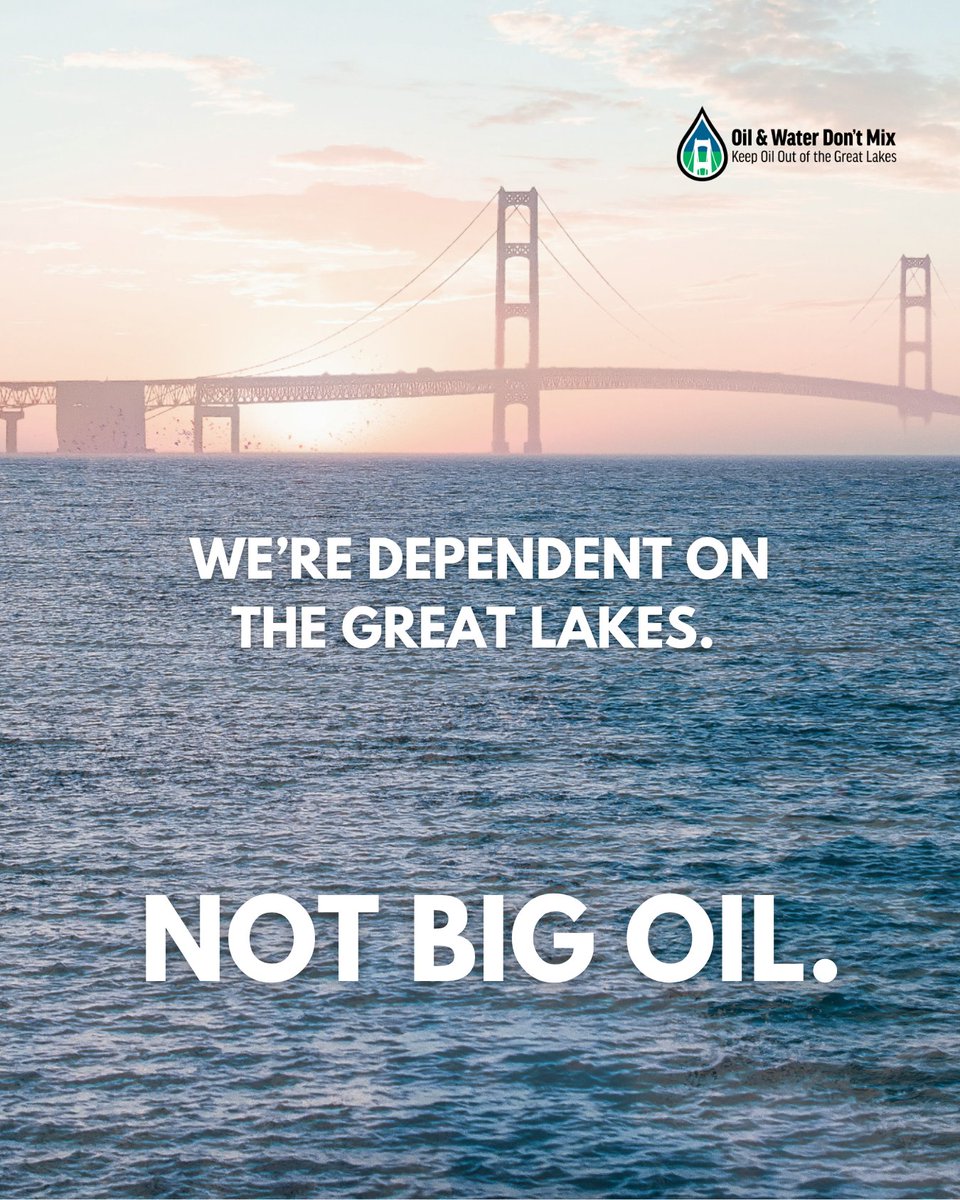
The Line 5 tunnel is for Big Oil profit, not for Great Lakes safety. Reject the Line 5 tunnel project. oilandwaterdontmix.org/submi…
3
13
21
4,375
In case you've forgotten... We remember organizational perpetuated environmental harms in order to not repeat them and also to find a way to mitigate them for our shared future: #ChicagoLakefrontNationalPark.

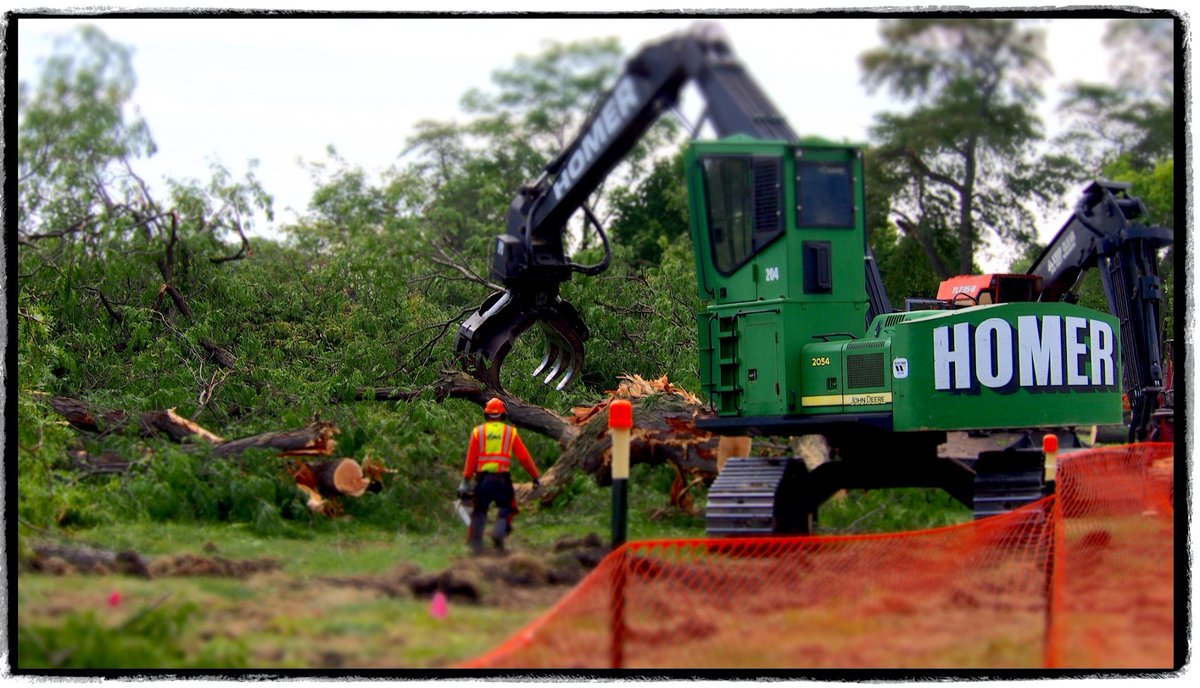
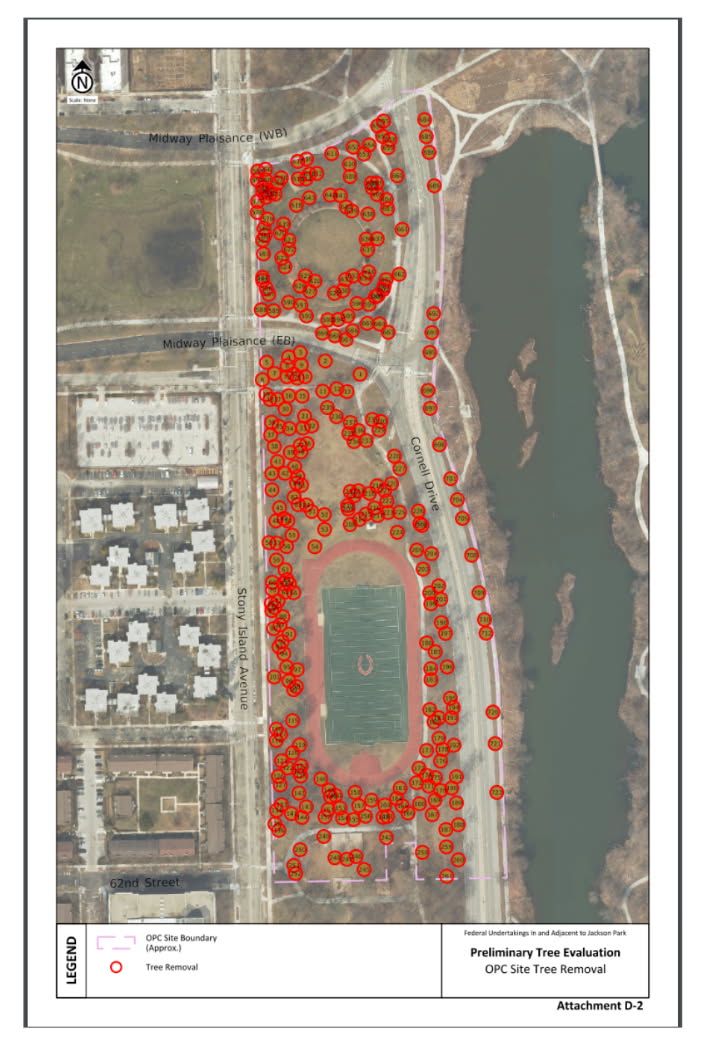
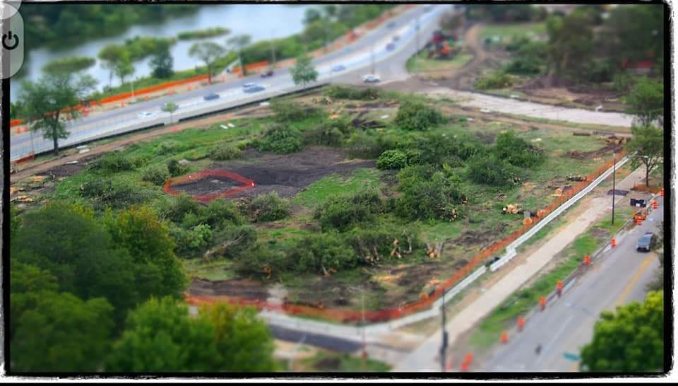
The Obama Presidential Center was not built in open space. Please see middle schematic: those red dots are all the large legacy trees the Obama Foundation cut down. These trees were sequestering CO2 & producing oxygen for us to breathe: ~200 pounds of oxygen per tree cut down. Air quality in Chicago is abysmal, and now it's worse because of the building of the OPC. We need a #ChicagoLakefrontNationalPark to stop this from ever happening again. With a tree canopy of 13-16%, Chicago ranks way under other major urban areas: New York City: ~21%Los Angeles: ~25%.
"Tree oxygen production varies by tree size. Based on data from Minneapolis, Minnesota (Nowak et al. 2006b), trees 1–3″ dbh produced ≈2.9 kg O2/year (6.4 lb O2/year); trees 9–12″ dbh: 22.6 kg O2/year (49.9 lb O2/year); 18–21″ dbh: 45.6 kg O2/year (100.5 lb O2/year); 27–30″ dbh: 91.1 kg O2/year (200.8 lb O2/year); and greater than 30″ dbh: 110.3 kg O2/year (243.2 lb O2/year)."
Oxygen Production by Urban Trees in the United States
David J. Nowak, Robert Hoehn and Daniel E. Crane
Arboriculture & Urban Forestry (AUF) May 2007, 33 (3) 220-226; DOI: doi.org/10.48044/jauf.2007.0…
2
5
141
May 29
It's not a matter of picking $$ over nature. The companies doing this and the president enabling it to be done already have more money than they could spend in their lifetimes. This is pathological greed.
May 29

This is the Ironwood Forest National Monument.
129,000 acres of Sonoran Desert that took millennia to become what it is.
Centuries-old ironwood trees.
Saguaro cacti older than the United States.
Bighorn sheep on the ridgelines.
Pygmy owls moving through the dark.
Rock art left by people who lived here thousands of years before us.
Rep. Paul Gosar just introduced
a bill called the Southern AZ Protection Act.
It doesn't protect the land.
It strips every protection the monument has.
Opens it to mining.
An 800-year-old forest for a copper mine.
And once it's gone, no president could bring it back without an act of Congress.
Right next door sits the Silver Bell Mine.
An open pit copper operation
owned by ASARCO —
a company responsible for 20 federal Superfund sites.
They want to expand.
Into the monument.
Is that a trade you’d make?
#DemsUnited
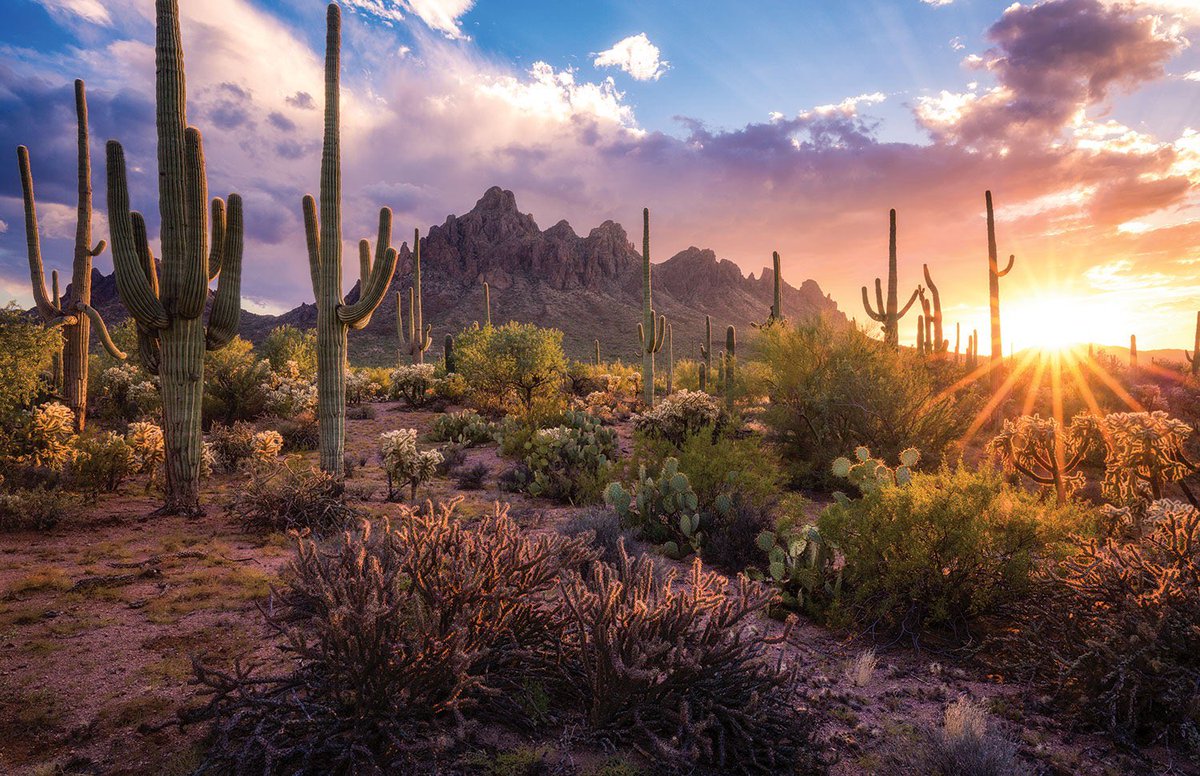
ALT Sunrise over Ironwood Forest National Monument in Arizona’s Sonoran Desert. Tall saguaro cacti stand across a rugged desert landscape filled with shrubs and cholla cactus, while rocky mountains rise in the background beneath pink and purple clouds. Golden sunlight breaks across the horizon, casting long rays through the desert vegetation.
1
4
61
May 23
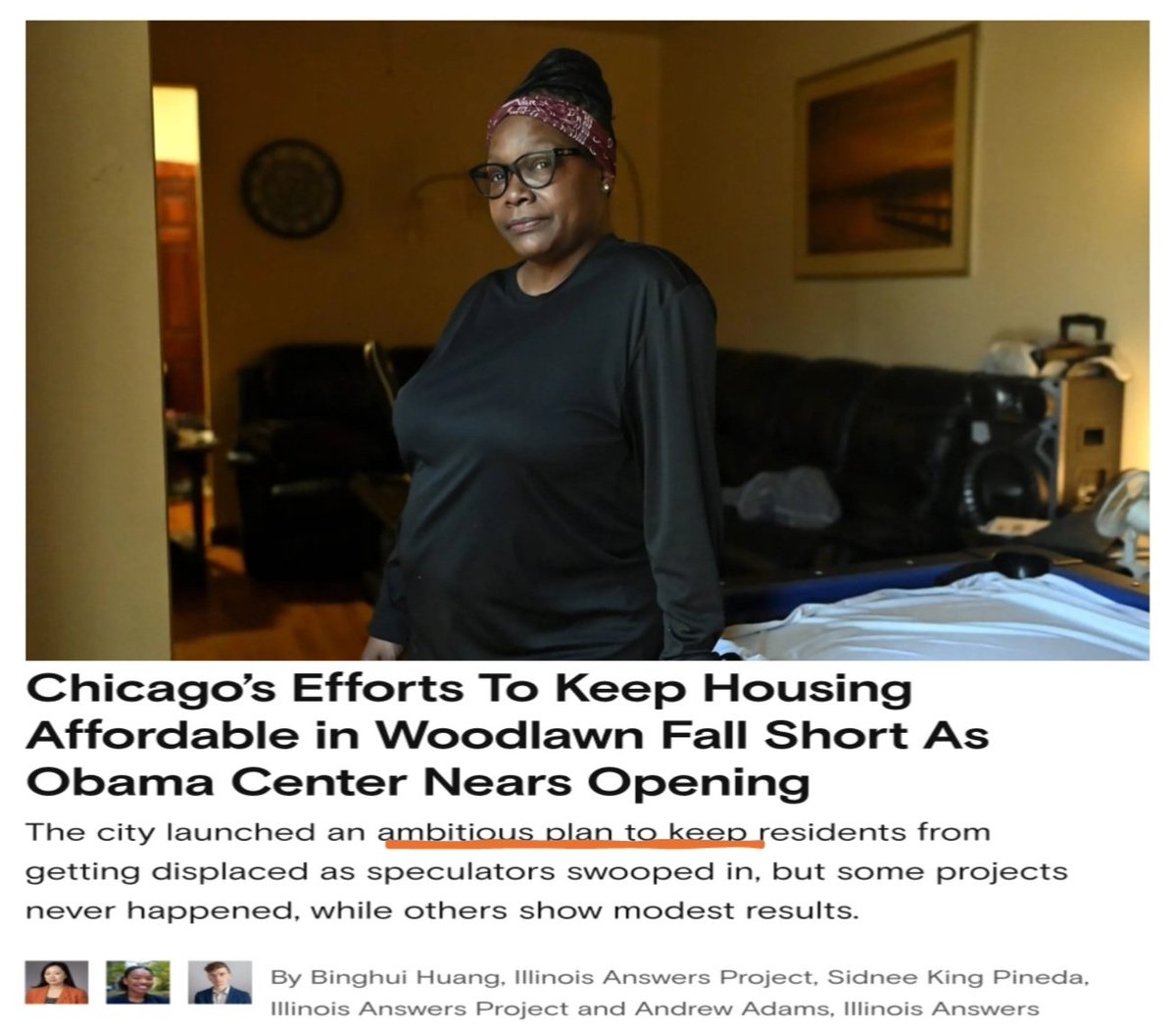
The Obama Foundation expressed a desire for local residents to stay in their neighborhoods, but historically resisted signing binding legal contracts to stop it. "Latisha Bolden, exhausted from a hospital shift, came home to devastating news... They’d have to move out of their Woodlawn apartment by end of July... Units like hers now cost $600 more monthly." blockclubchicago.org/2026/05… via @BlockClubChi
1
1
385
Save Jackson Park retweeted

May 22
Maybe we shouldn't cut down any more trees in jackson Park for a Tiger Woods Golf course (2,106 large trees) or on our lakefront for a new Bear's Stadium (~200 large trees). Large trees sequester CO2 while cooling our air... ~240 pounds of CO2 yearly.
Oxygen Production by Urban Trees in the United States
David J. Nowak, Robert Hoehn and Daniel E. Crane
Arboriculture & Urban Forestry (AUF) May 2007, 33 (3) 220-226; DOI: doi.org/10.48044/jauf.2007.0…
May 22

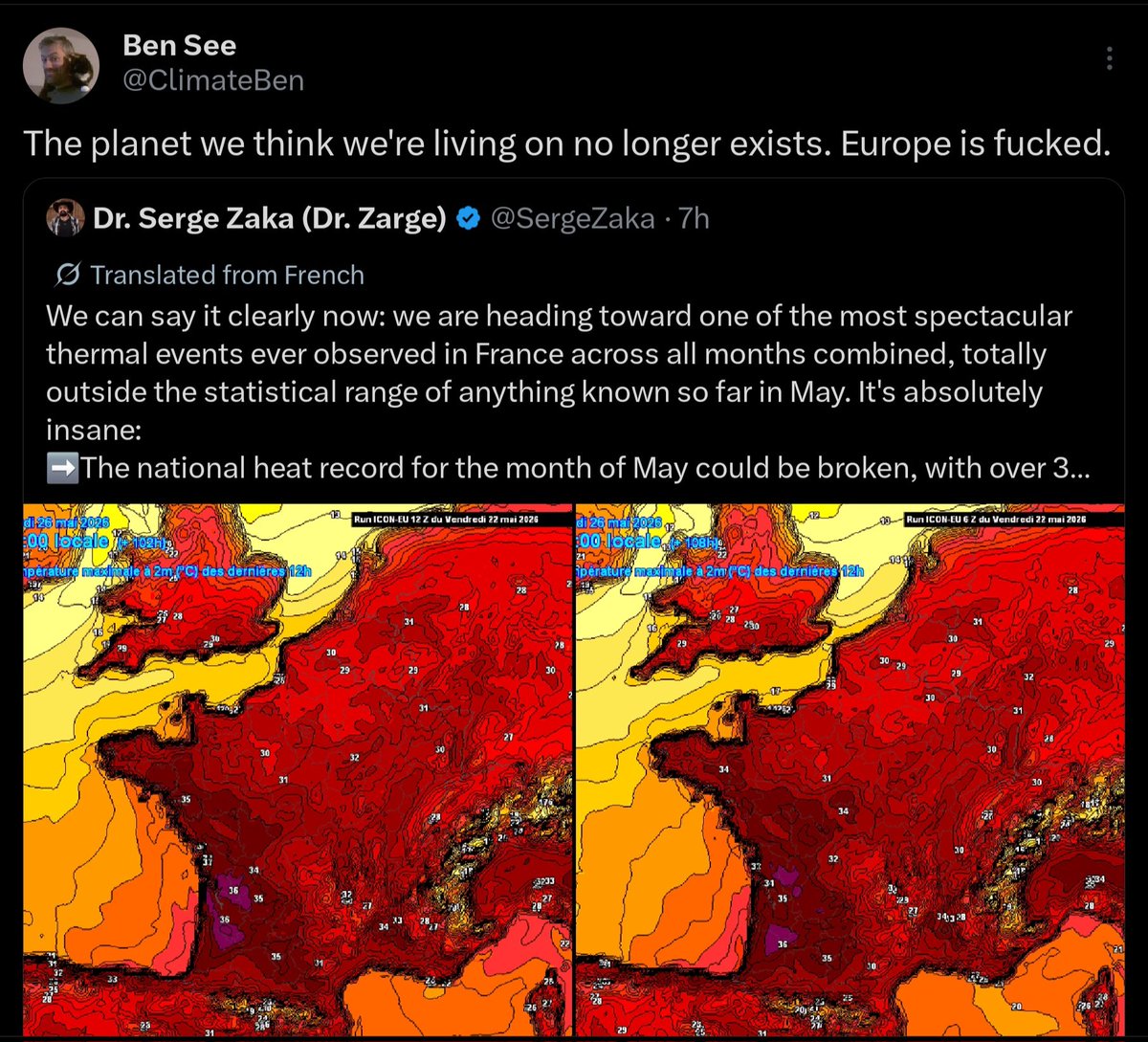
The planet we think we're living on no longer exists. Europe is fucked.
1
6
147
Save Jackson Park retweeted

May 14
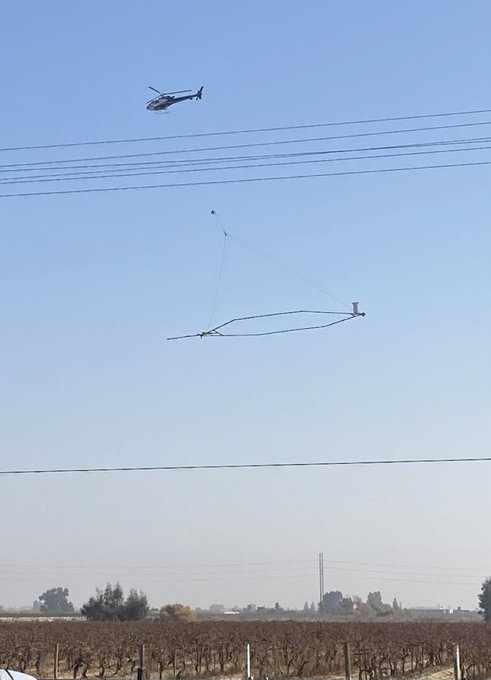
If you see a helicopter towing one of these over your neighborhood, bad news: your town is getting a data center. They’re running airborne electromagnetic surveys to map groundwater in the area.
TRANSLATION: figuring out how much water they can divert before people notice.
952
22,913
56,030
1,626,290
May 11
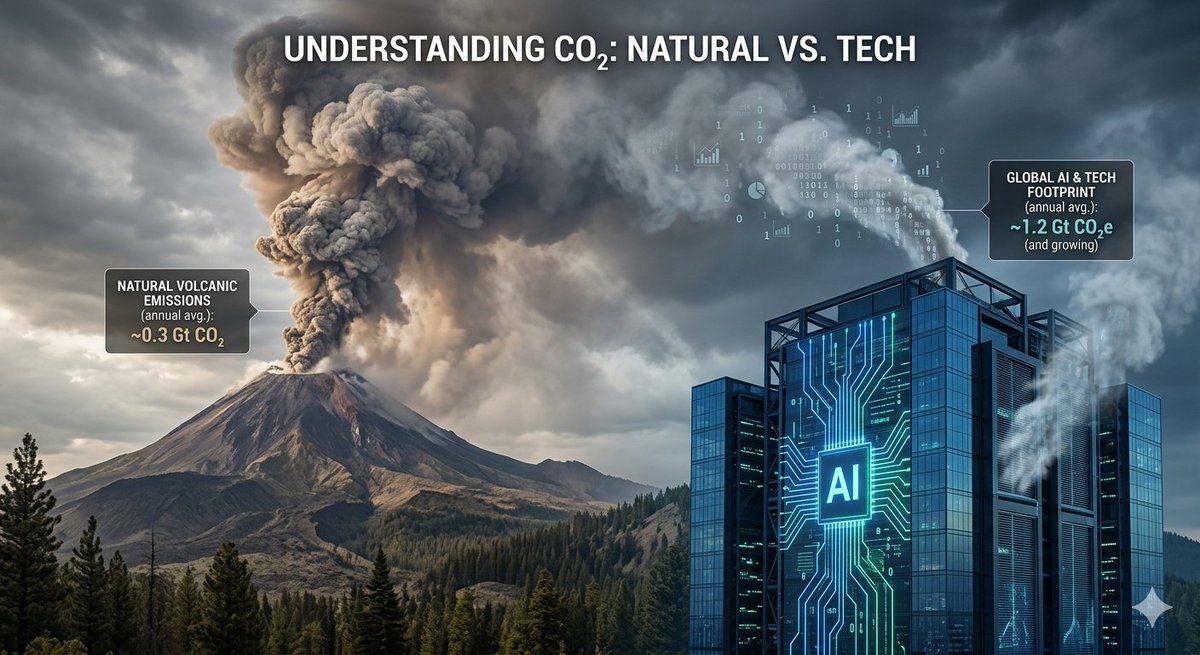
- Training a single large AI model can emit as much carbon as five cars over their entire lifetimes. A ChatGPT query can use 10 times more electricity than a standard Google search.
- By 2025, the global AI carbon footprint could equal the annual emissions of New York City. In the U.S. alone, data centers are projected to account for 6%–8% of total electricity use by 2026–2030. [1, 2, 3, 4, 5, 6, 7]
- AI data centers contribute significantly to CO2 pollution through both their massive electricity consumption and the "embodied carbon" required to build them. [1, 2]
- An AI model has a substantial environmental impact because the energy used to power and cool these facilities often comes from fossil-fuel-dependent grids. [1, 2]
- A large portion of an AI center's footprint comes from the manufacturing of specialized hardware (like GPUs) and the construction of the facilities themselves using energy-intensive materials like steel and concrete. [8]
SOURCES:
Volcanoes & Natural Gas Cycles
[1] USGS: Volcanic Gases and Their Effects – Official data on the 180–440 million tonne annual \(CO_{2}\) emission range from volcanoes.
[2] Nature: Methane Oxidation in Volcanic Plumes – Groundbreaking research (2026) showing how specific eruptions, like Hunga Tonga, can chemically "scrub" methane from the air.
Breaking Down & Storing \(CO_{2}\) (CDR)
[3] IEA: Direct Air Capture (DAC) Report – Current state of liquid and solid sorbent technologies used to pull \(CO_{2}\) from ambient air.
[4] Nature: CO2 Mineralization in Basalt – Evidence that \(CO_{2}\) injected into volcanic rock can turn into solid mineral (stone) in under 2 years.
[5] Regreener: Best Carbon Removal Projects of 2026 – A summary of leading industrial sites like Climeworks Mammoth and Stratos.
[6] MIT Climate: Enhanced Rock Weathering – Deep dive into how crushed volcanic ash can sequester carbon when spread on land.
AI Centers & Environmental Impact
[7] Nature: The Real Environmental Impact of AI – Analysis comparing the energy-intensive training of AI models to the lifetime emissions of multiple cars.
[8] IEA: Electricity 2024 (Data Center Forecast) – Global data on how data center power demand is scaling and its projected share of the energy grid through 2026.
1
1
161
May 11
As a researcher and teacher for 35 years, I’ve seen how transformative tools can be. AI is making our intellectual lives infinitely better, but we have to be honest about the trade-offs.
In nature, a volcano’s power comes with a chemical cost. In technology, our "digital" world still has a very physical, heavy footprint on the Earth. Nothing ever comes for free. ;)
Progress is good—but informed progress is better. Let’s keep building, but let's keep counting the cost. 🌍✨
#AI #ClimateChange #Research #Sustainability #SaveJacksonPark
1
1
2
80
May 11
The Chicagoland area serves as a major hub for artificial intelligence, featuring both high-density data centers designed for AI infrastructure and specialized academic/research institutions. [1, 2]
-- AI Data Centers & Infrastructure
These locations provide the computing power, colocation, and infrastructure necessary for AI training and deployment.
Aligned Data Centers (ORD-01 & ORD-02) (Northlake): A major hub for high-density AI-driven workloads, featuring patented cooling technologies.
CoreSite (CH1) (Downtown Chicago): Located at 427 S La Salle St, offering cloud-adjacent, high-density computing with direct access to AWS, Azure, and Google Cloud.
Equinix Chicago (CH1-CH7) (Various): A network of data centers providing interconnection and AI-ready infrastructure.
Digital Realty (Elk Grove Village, Franklin Park, Chicago): Multiple locations (e.g., 2200 Busse Rd) supporting large-scale AI infrastructure.
CyrusOne (Aurora CHI2): Specialized in large-scale data solutions.
CloudHQ ORD Campus (Des Plaines): Large-scale, high-capacity campus. [3, 4, 7, 8, 9, 10, 11]
-- Research & Academic AI Centers
These institutions focus on AI research, development, and talent training.
University of Chicago Data Science Institute: Focuses on AI research and application.
Northwestern University Center for Deep Learning: Focuses on advancing machine learning and AI techniques.
Illinois Tech (IIT) AI and Machine Learning Programs: Dedicated academic center for AI and ML training. [15, 16]
AI Development & Solution Providers
-- ELEKS (Chicago): Specialized in R&D, data science, and AI development.
Closeloop Technologies (Chicago): Focused on AI-powered application development.
SDLC Corp (Chicago): Focuses on AI consulting and machine learning solutions.
Metropolis Technologies (Chicago): AI-driven computer vision platform for real-world applications. [17, 18]
[1] chicagolandchamber.org/event…
[2] bizjournals.com/chicago/news…
[3] google.com/searchviewer/10?s…
[4] aligneddc.com/chicago-data-c…
[5] epoch.ai/blog/what-you-need-…
[6] ibm.com/think/topics/ai-data…
[7] datacentermap.com/usa/illino…
[8] equinix.com/data-centers/ame…
[9] digitalrealty.com/data-cente…
[10] coresite.com/data-center/ch1…
[11] baxtel.com/data-center/chica…
[12] cyfuture.cloud/kb/ai-data-ce…
[13] profalexreid.com/2025/09/22/…
[14] nsf.gov/focus-areas/ai/workf…
[15] aiworkshop.info/blog/chicago…
[16] data-science-ua.com/location…
[17] goodfirms.co/artificial-inte…
[18] builtinchicago.org/companies…
May 10

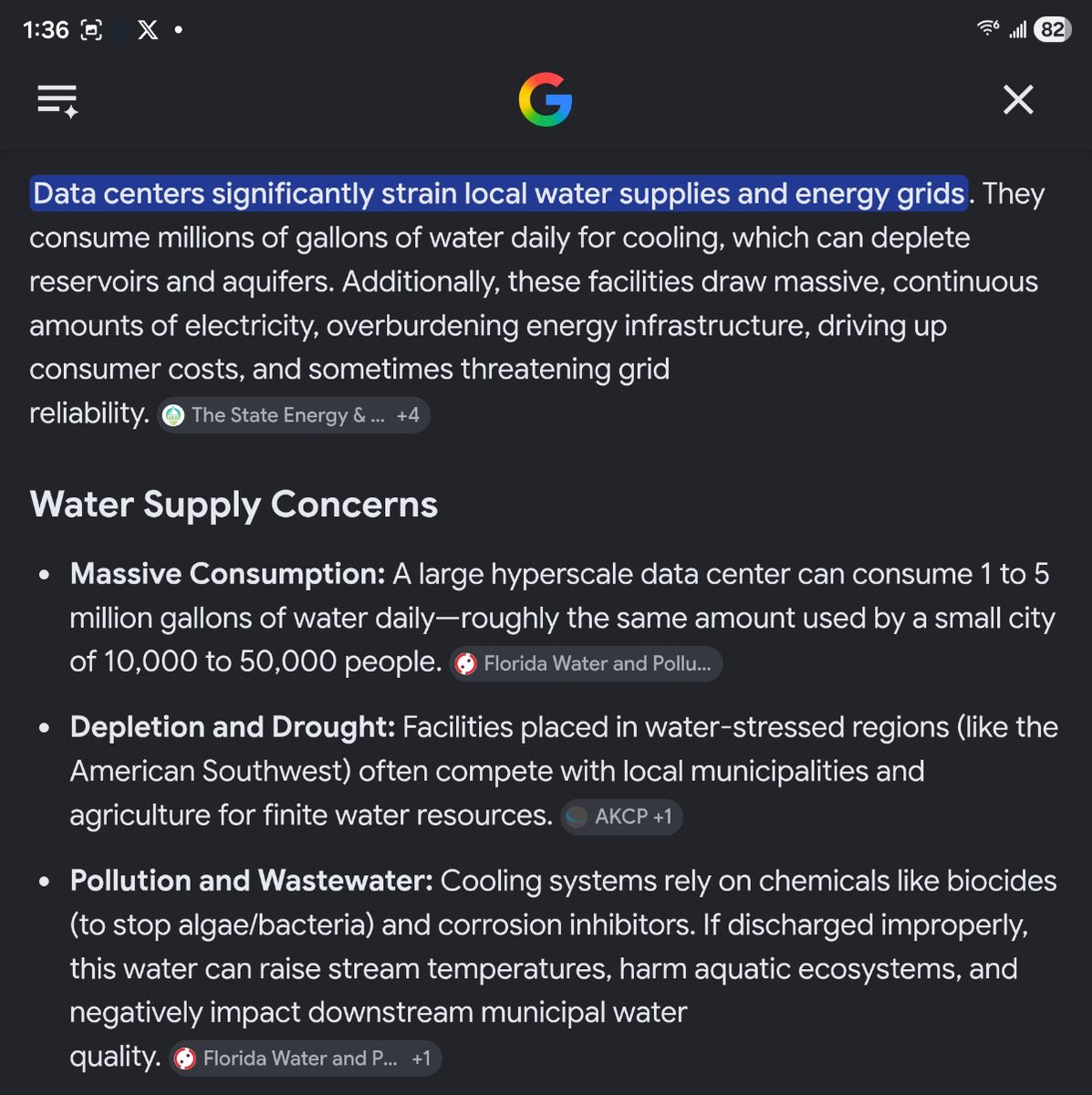
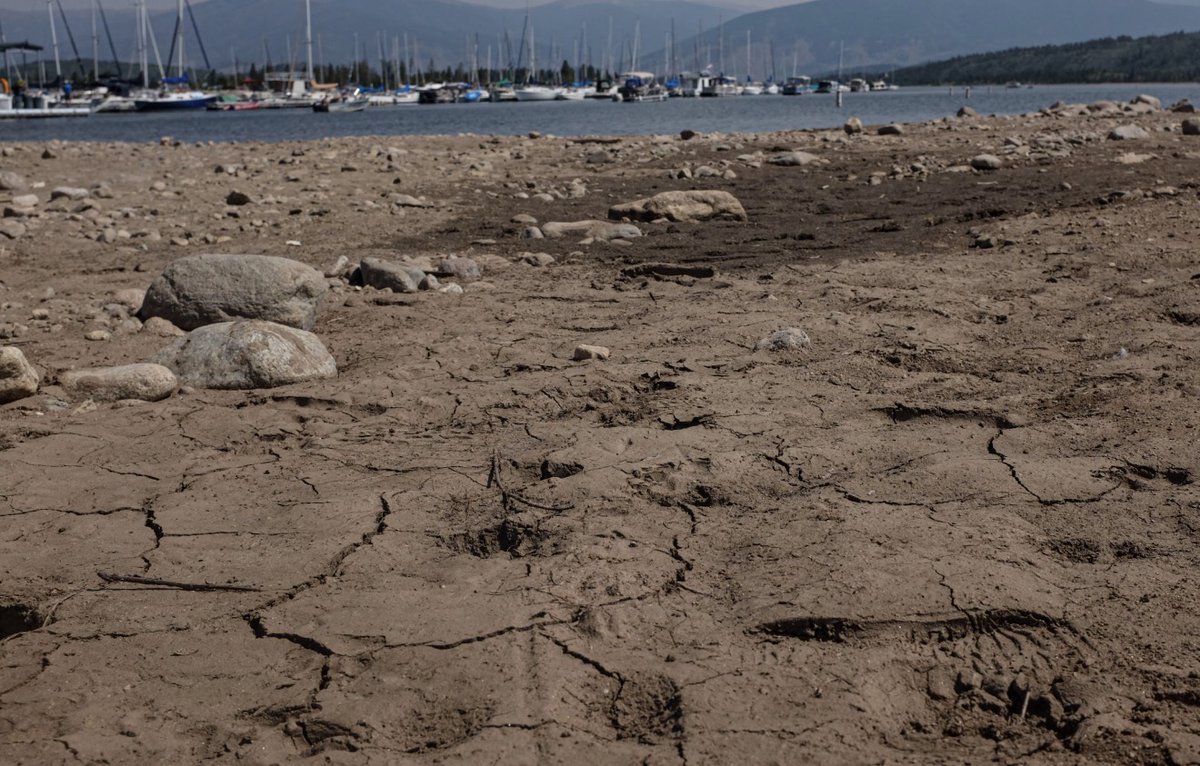
Colorado just told 1.5 million people they can't water their lawns. The state is still green-lighting AI data centers that each drink as much water as a town of 50,000 people. Reservoirs at historic lows.
One Colorado Springs utility has 95,000 acre-feet of total water access. Ten data centers are in line asking for up to 117,000. If every project gets approved, the utility has to more than double its entire water supply. None of those data centers exist yet. The inquiries already exceed what the system holds.
On March 16, Governor Polis activated Phase 2 of the state's Drought Response Plan. First time in nearly six years. Nine days later, Denver Water declared Stage 1 drought and put mandatory watering restrictions on 1.5 million customers. First time since 2013. Federal managers ranked this year's snowpack 45th out of 46 years on record.
Two days before the Denver Water vote, the only bill that would have required data centers to publicly report water use died in a Colorado Senate committee.
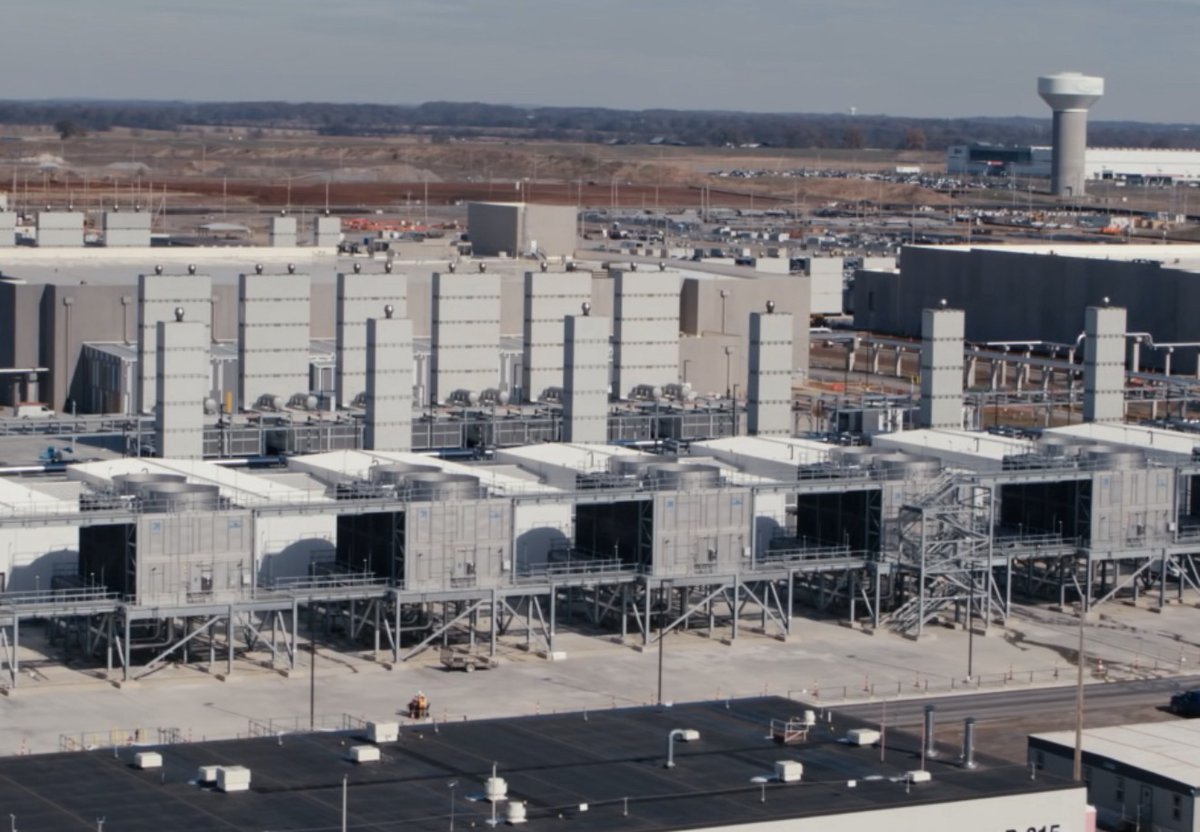
The state has 56 small data centers today. QTS Realty Trust is building Colorado's first hyperscale east of Denver. It qualified to build in Aurora because city code now prohibits new evaporative cooling. Denver has no equivalent rule.
A single hyperscale pulls as much water as a town of 50,000 people for cooling. The power plants behind it pull more. On-site water use across five Western states is projected at 21,600 acre-feet by 2035. Counting upstream electricity generation, it climbs to 89,700.
Xcel projects Colorado data centers will need 8.5 gigawatts by 2040. Roughly another Denver metro's worth of power.
Global AI bought 400 acres near Windsor for a campus targeting 1,000 megawatts.
Colorado's alfalfa farms used 394 billion gallons last year. The water budget was already overdrawn before the cooling towers came online.
Disclosure was the floor. The bill still died.
2
328
May 10
How will the Psi Quantum AI Computing Center to be built in Chicago impact SE Chicago residents? How about communities in Grayslake, Yorkville, Elk Grove Village, Hoffman Estates, Aurora, Plano, Itasca, Chicago's Near SS (HydraVault), all of which have new AI Computing Centers, thanks to IL State Tax Incentives? Are any of our politicians looking out for us? It IS an election year.
Source: NBC 5 Chicago share.google/h4aTm55uO9BhYlG…

Residents in Cumberland County, New Jersey say they can’t even wash their clothes or drink their tap water because of the new META Data Centers
- On resident messed up an entire load of white clothes because it came out stained because of the brown water
- Multiple residents say they can no longer drink the water and must buy bottled water
- 82 year old resident says she must move
- 81 year old resistant also says she has to move
- Another resident says “My electric and gas bill is more than my car payment”
- One resident says the lights from the data center are so bright she doesn’t have to turn night lights on in her house at night
- ER visits are being reported due to asthma linked to air quality
Drastic increases in water pollution, air pollution, noise and light pollution
1
3
200
Apr 19
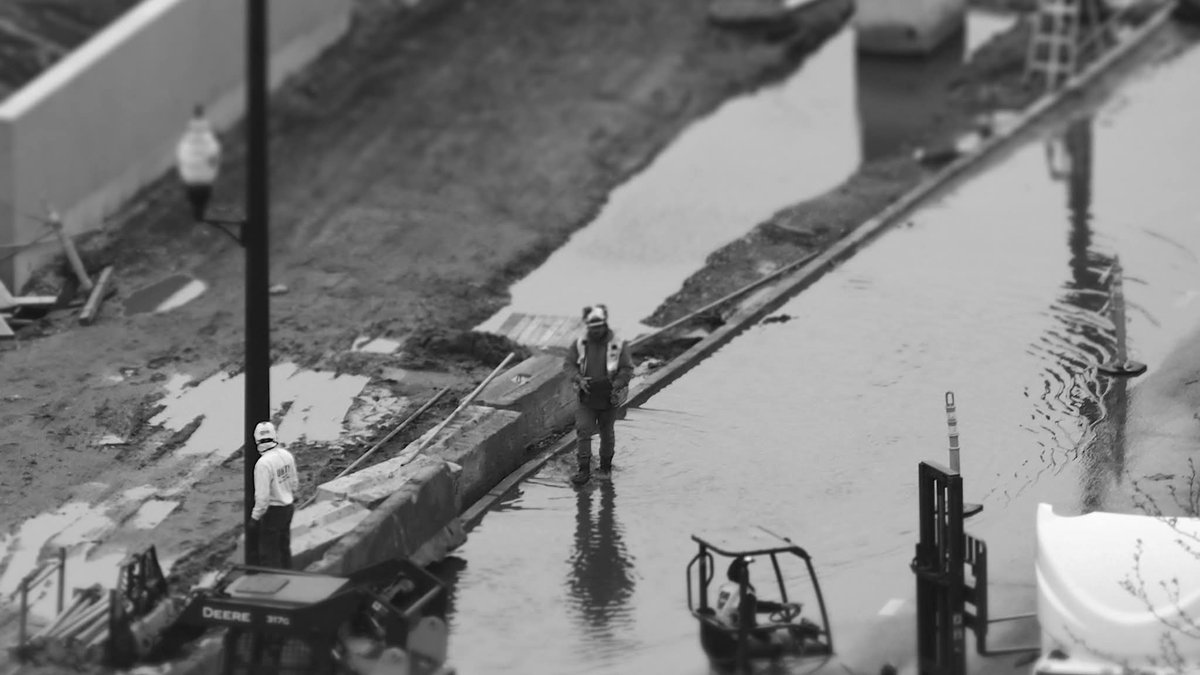
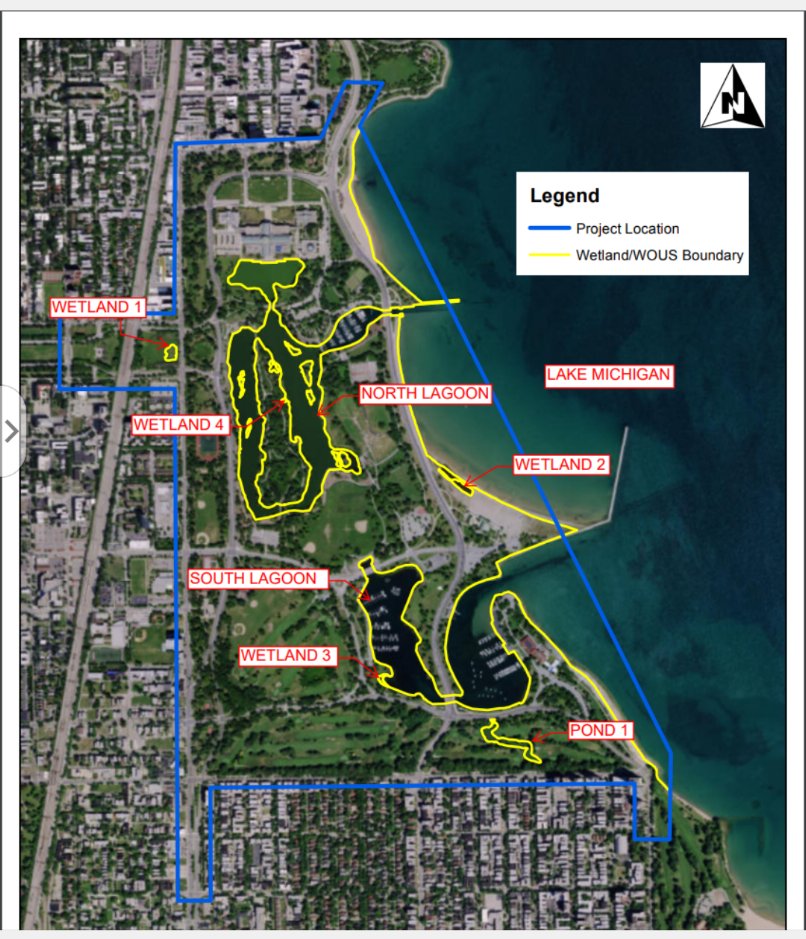
Obama Presidential Center: A river runs through it. You know why? Check out Wetlands #4. There are no plans for elevated walkways but there are rolling hills constructed of styrofoam on OPC parkland..
"Permanent public facilities near wetlands face significant hazards from unstable geoforms (landforms/soil structures), primarily including high subsidence risk, soil saturation, and liquefaction." (National Association of Wetland Managers)
"Key Geoform and Geotechnical Hazards:
-Subsidence and Settlement: Wetland soils contain high organic matter and water; removing water or applying structural weight causes massive, uneven sinking (NAWM))
- Liquefaction Potential: Saturated, sandy, or loose soils can behave like liquids during seismic events, resulting in total foundation failure (University of Illinois Chicago)
- Slope Instability: Saturated slopes surrounding wetlands are prone to landslides" (UIC)
"Key Aspects of Building Parks on Wetlands:
- Permitting: Construction requires federal (Corps of Engineers) and state/local permits to avoid, minimize, or mitigate impacts
- Mitigation: If wetlands are disturbed, developers must often create or restore a larger or equal-sized wetland area
- Design Considerations: Parks on these sites often use permeable pavers, elevated walkways, and native, water-tolerant plantings to preserve hydrology"
Source: American Society of Landscape Architects (asla.org/focus-areas/water-s…)
Photo credit: Doug Shaeffer
1
3
270
Apr 17
Roundup, made by Bayer, is used on Chicago Park District. Roundup would be sprayed on a TGR Design golf course if it was built in Jackson Park. And, 2,106 large, mature trees would be chopped down to make space for it. In Chicago, it's hard to know what will kill you first: Asthma or cancer. Our shootings are way down. #TreesMakeAir
"German chemical giant Bayer has agreed to pay $7.25 billion to settle thousands of lawsuits alleging its Roundup weedkiller causes cancer."
missouriindependent.com/brie…
Apr 15

Thomas Massie just declared: “This government is under siege.”
And he exposed Susie Wiles and Pam Bondi for taking “millions of dollars from Bayer.”
“All three branches of this government are under siege by lobbyists and lawyers from a German company named Bayer.”
“They spent over $9 million lobbying … so that they don’t have to be liable for any damages their herbicide Roundup causes.”
“The Constitution guarantees people a trial if they’ve been harmed.”
“Why are we contemplating going against the Constitution?”
“The Attorney General has opined favorably for this German company in front of the Supreme Court about getting rid of any liability that they should have for any damages.”
“By the way, the President’s Chief of Staff and the President’s Attorney General worked for one of the biggest lobbying firms that’s received millions of dollars from Bayer.”
“Maybe that’s why we’ve seen an executive order that says that the production of this chemical from this German company is a national defense priority.”
“And we know why they’re doing that.”
“It’s to keep them from having any liability.”
“This is wrong.”
“We shouldn’t succumb to the lobbyists, not in the executive branch, not in the judicial branch, and certainly not here in Congress.”
1
4
229