
CTO Bern @ti8m_AG. Dozent @FFHS. Combine #agile, #innovation and #ict #architecture for #digitalisation of your business.
Joined June 2010
- Tweets 1,281
- Following 814
- Followers 348
- Likes 2,351
58 Photos and videos
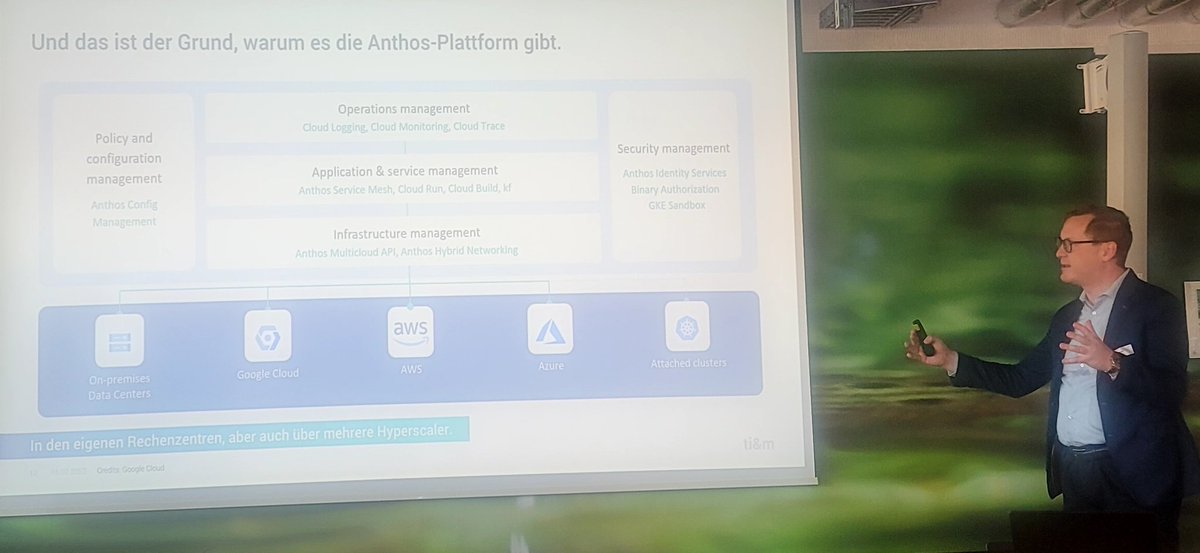
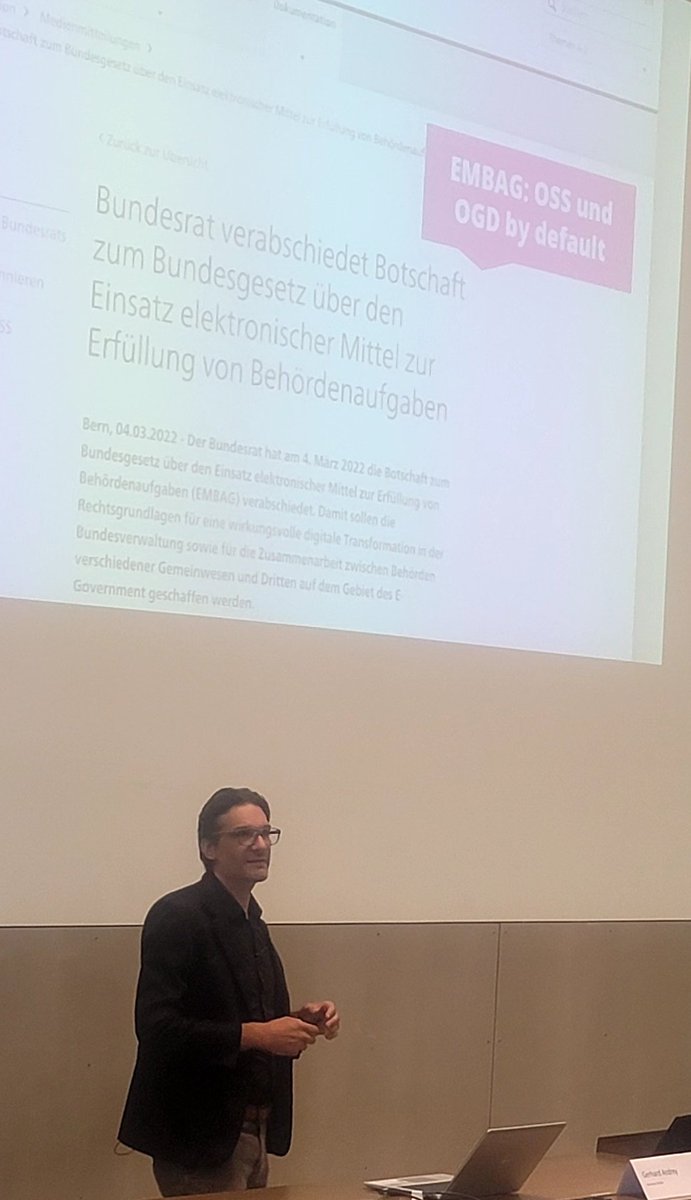
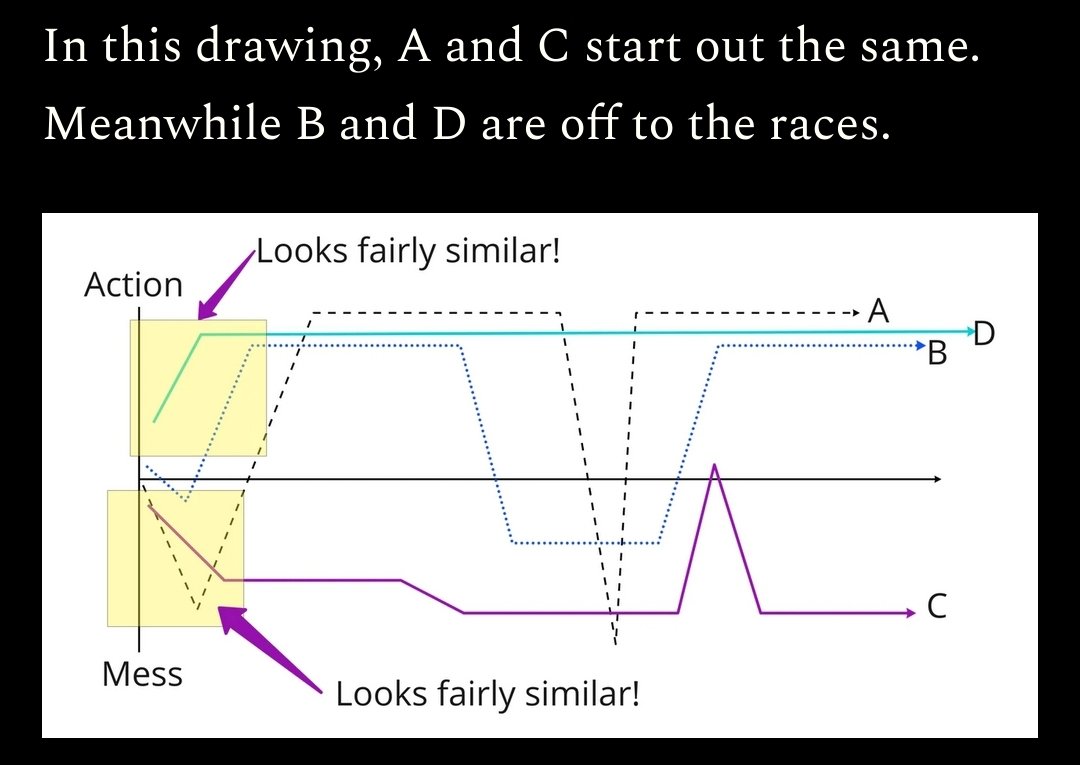


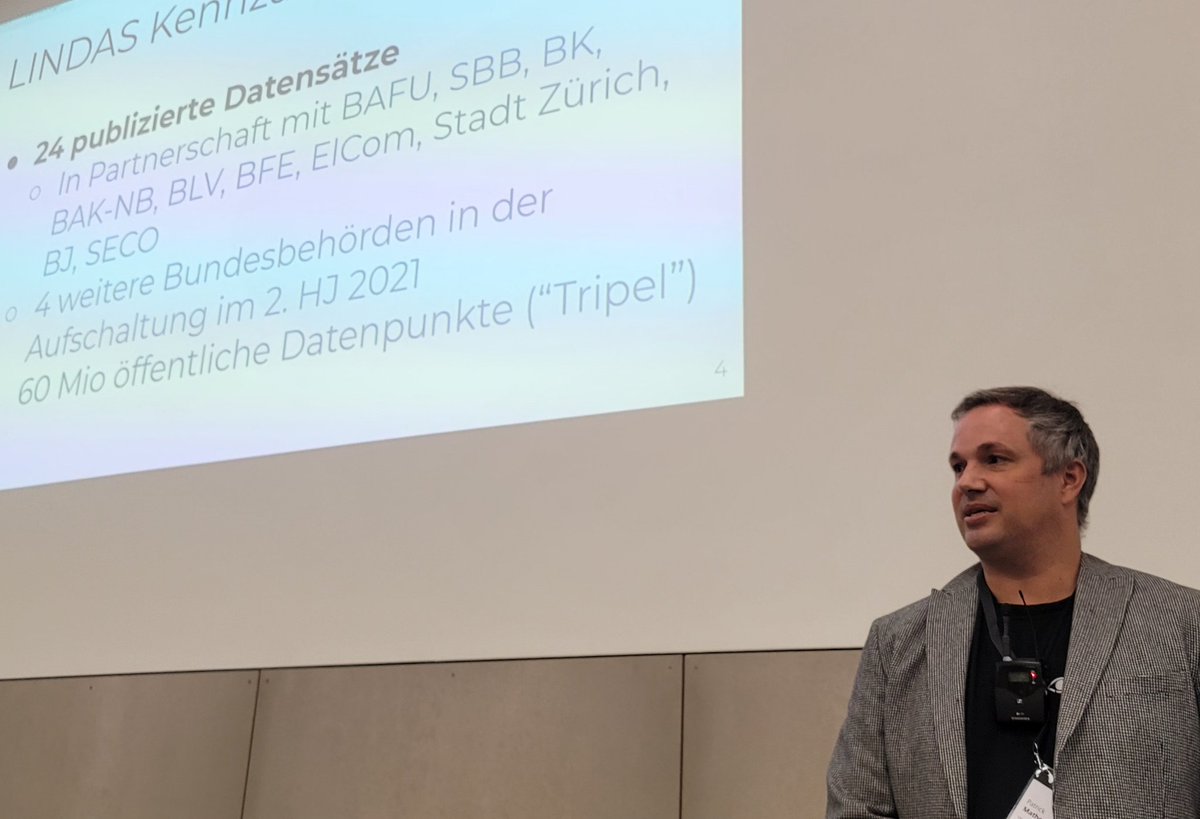
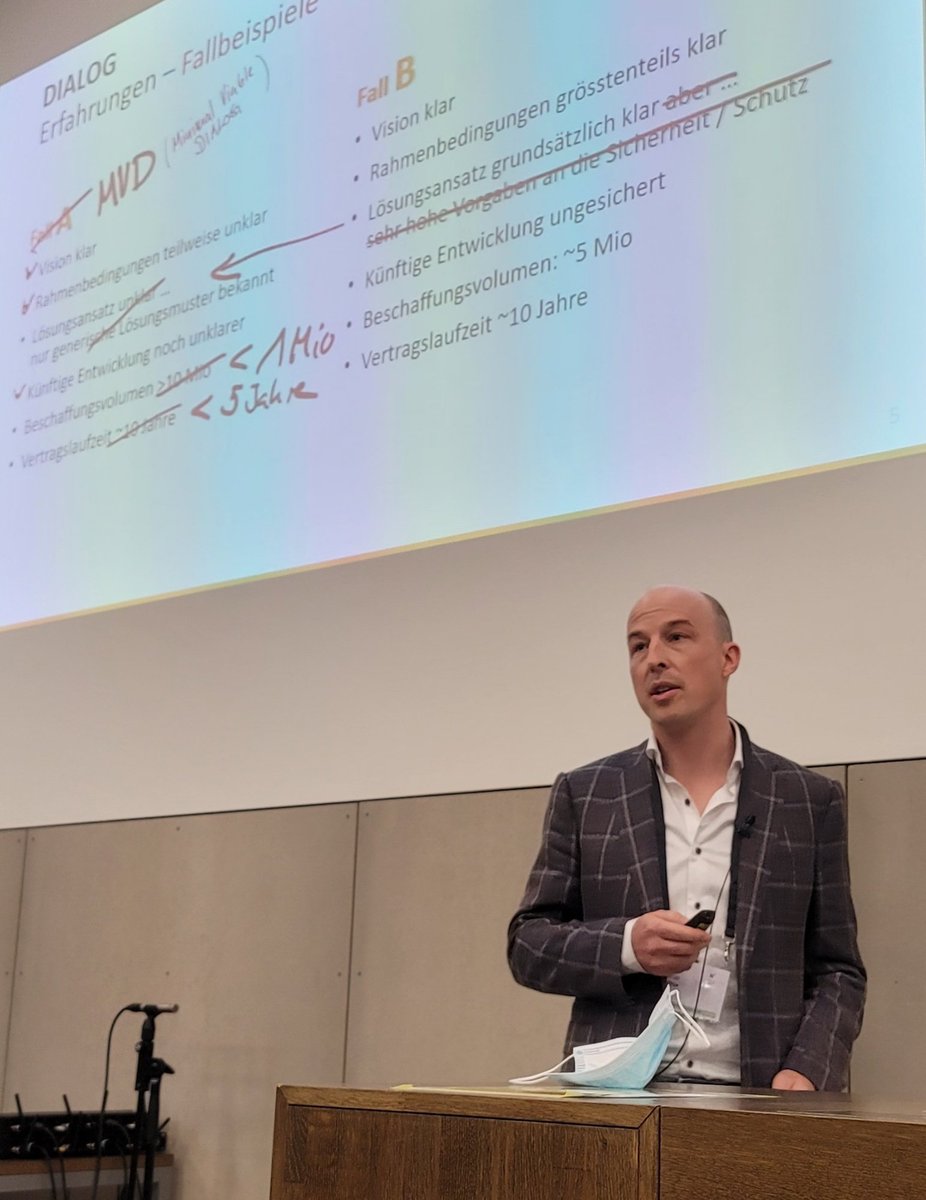
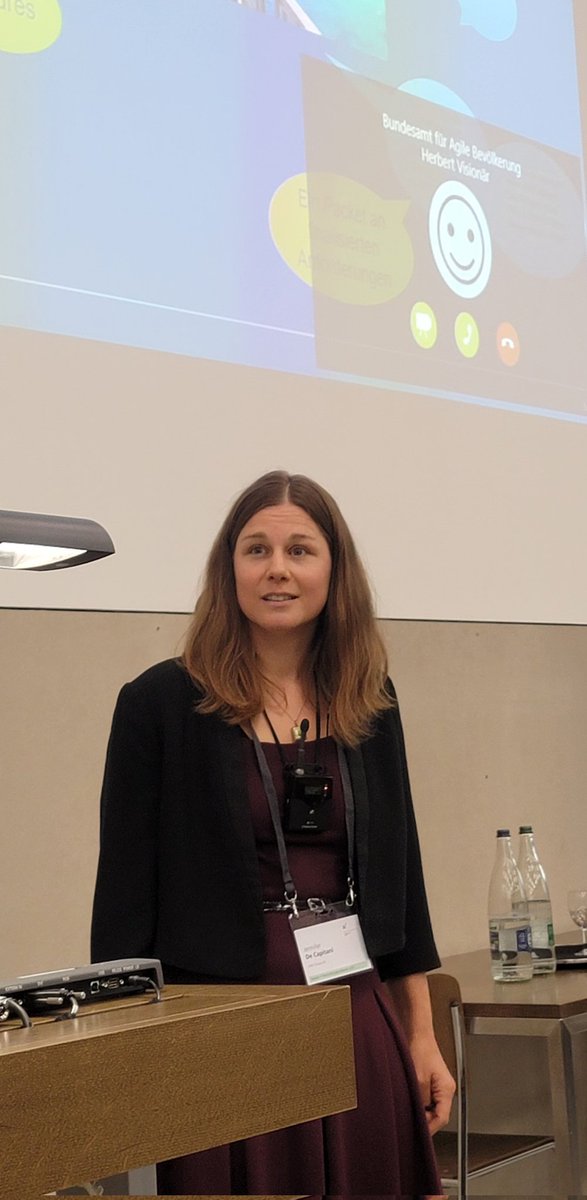
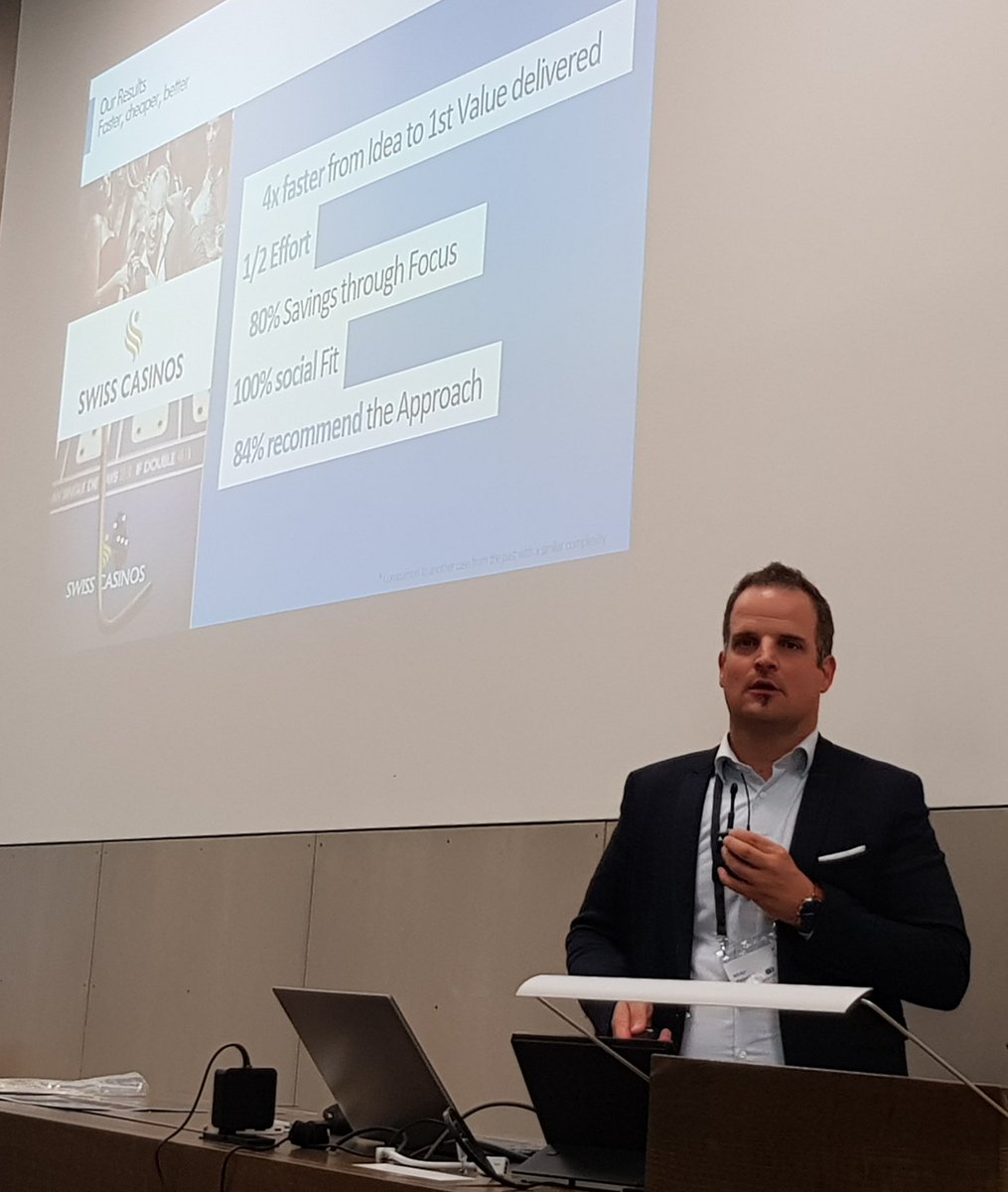
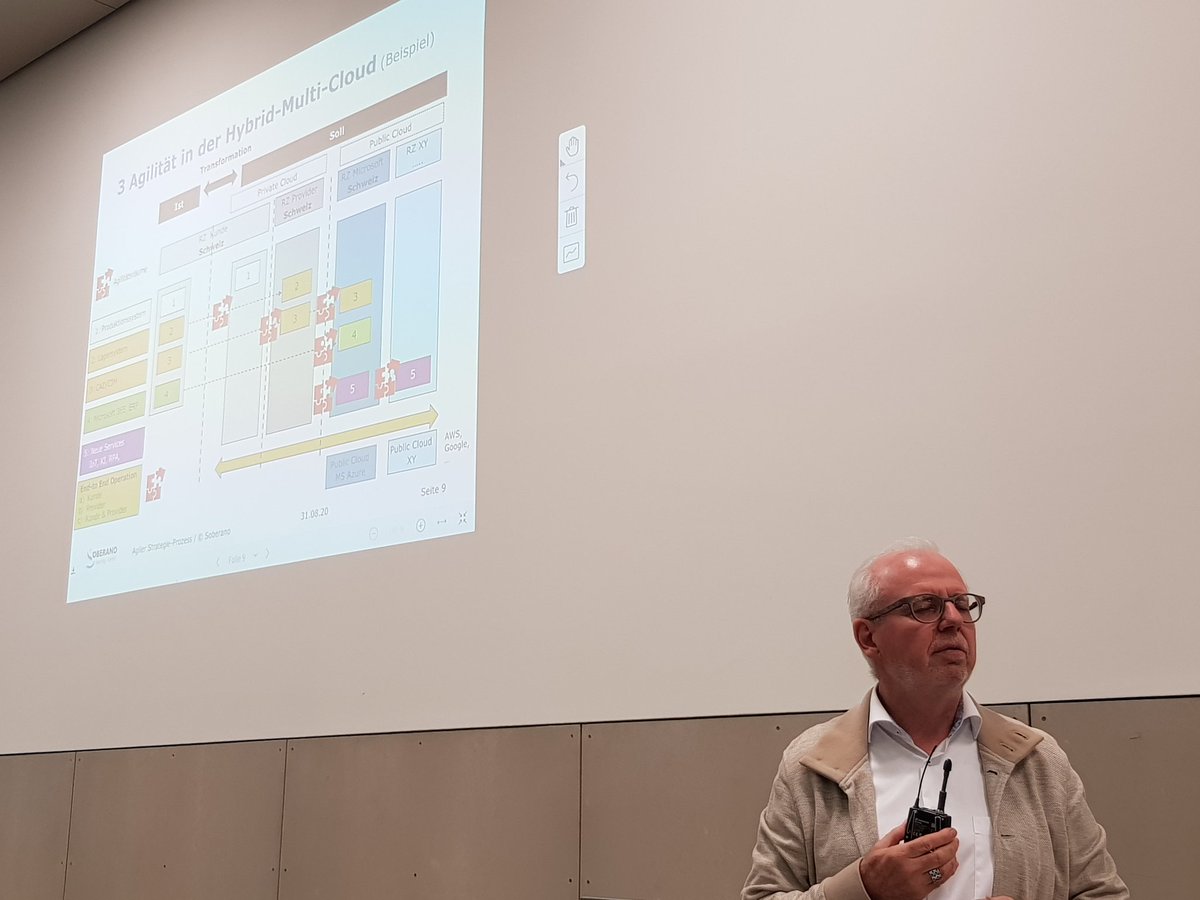
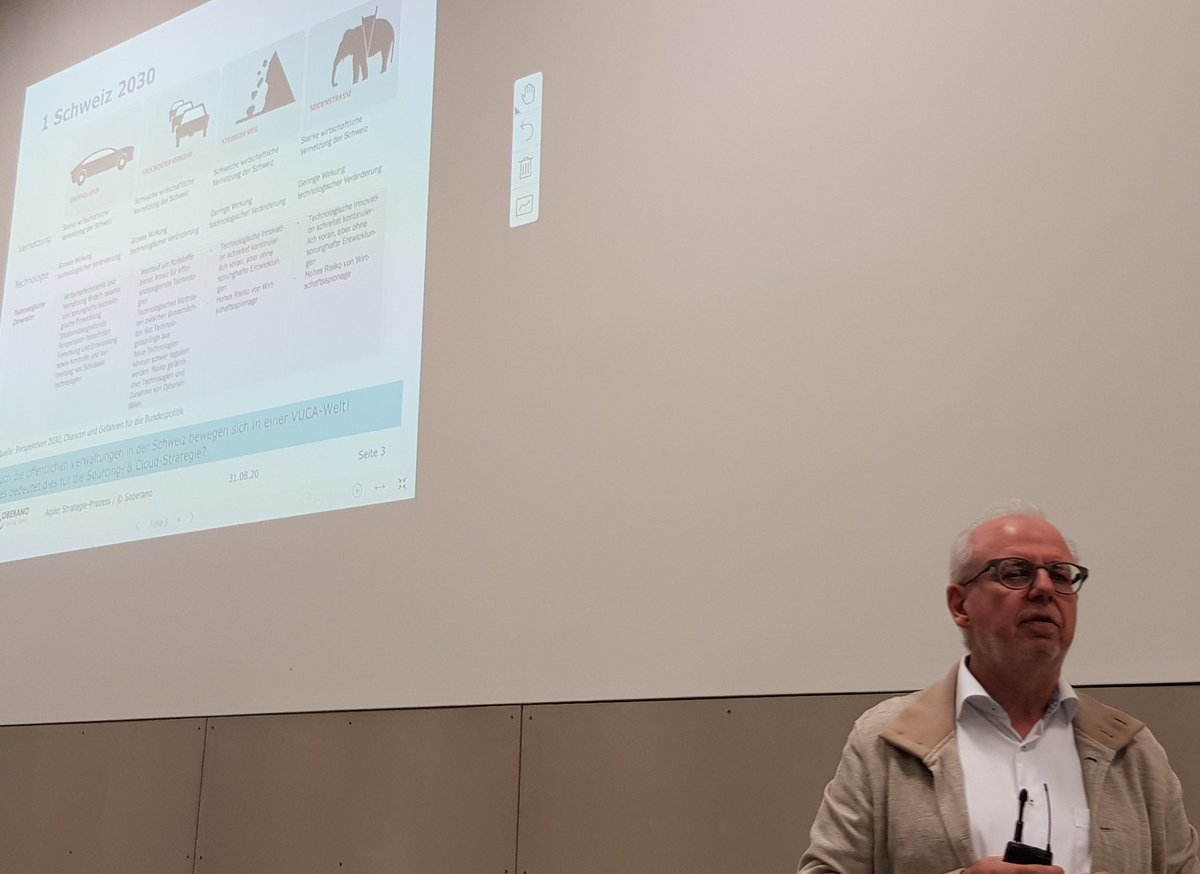
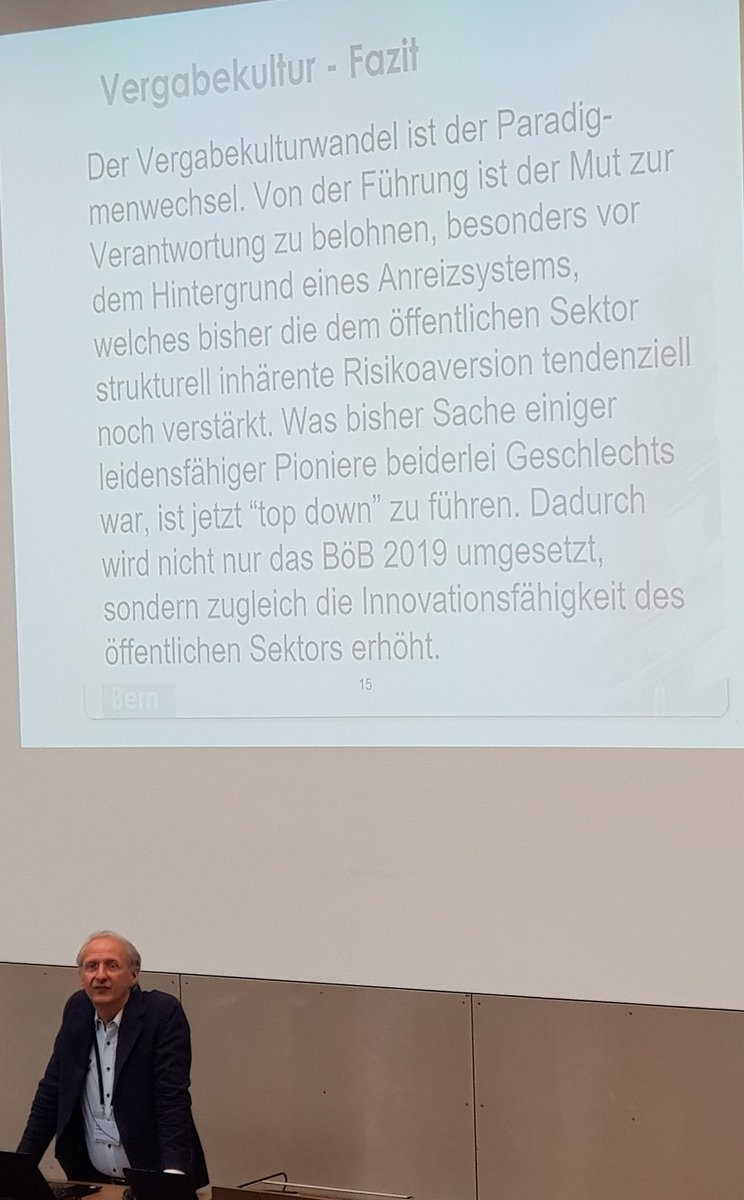

Out now: Künstliche Intelligenz, Asset-Tokenisierung, Cloud und Quantencomputing – im neuen ti&m Special zeigen wir, was das Banking bewegt und stellen einige unserer Projekte für Schweizer Banken vor. 🚀 🤖 💻
👉 Jetzt lesen: bit.ly/3PIeVOJ
#DigitalBanking
1
3
313
Wir freuen uns, den Projektstart für die Umsetzung des neuen Mobile- und E-Banking für die Banken des Esprit-Netzwerks, ein Verbund von 25 regional und national tätigen Banken, bekannt zu geben.
Mehr dazu in unserer Medienmitteilung: bit.ly/3ZleC0N

1
3
328

23 Nov 2024
This would create a triple win for China: they get rid of their excess dollars, they help their partner countries escape dollar dependency, and they deepen these countries' economic integration with China instead of the US.
21 Nov 2024

The story around China issuing USD-denominated sovereign bonds in Saudi Arabia is generating an enormous amount of buzz in China, and could potentially be immensely important.
I strongly suspect it's a message to the upcoming Trump administration.
Let me explain what seems to be going on.
On the face of it, it's not a major story: China issued $2 billion in USD-denominated sovereign bonds in Saudi Arabia, which means that investors lent USD to the Chinese government that they promised to pay back. That's what a bond is. So far, relatively boring.
The first somewhat interesting aspect of it is that the bonds were oversubscribed by almost 20x (meaning $40 billion in demand for $2 billion worth of bonds), which is far more demand than usual for USD sovereign bonds. Typically US Treasury auctions see oversubscription rate between 2x to 3x so there obviously seems to be very strong market appeal for China's dollar-denominated debt.
The second interesting aspect is that the interest rate on the bonds was remarkably close to US Treasury rates (just 1-3 basis points higher, i.e. 0.01-0.03%), which means that China is now able to borrow money - in US dollars (!) - at virtually the same rate as the US government itself. That's the case for no other country in the world. As a benchmark, countries with the highest credit ratings (AAA) typically pay at least 10-20 basis points over US Treasuries in the rare instances when they issue USD bonds.
The third interesting aspect is the venue itself for this bond sale: Saudi Arabia. This is unusual since sovereign bonds are typically issued in major financial centers, not in Riyadh. The choice of Saudi Arabia and the fact that the Saudis agreed to this is particularly significant given its historical role in the global dollar system, the so-called 'petrodollar' system which I don't need to explain... By issuing dollar bonds in Saudi Arabia that compete directly with US Treasuries, and getting essentially the same interest rate, China is demonstrating it can operate as an alternative manager of dollar liquidity right in the heart of the petrodollar system. For Saudi Arabia, which holds hundreds of billions in dollar reserves, this creates a new option for investing their dollars: they can invest it with the Chinese government instead of the US government.
Ok, that's all interesting but still not the main reason why Chinese social media is abuzz. The reason why is because they postulate that this is trial round by China to demonstrate to the US that they can effectively use their own currency against them, with potentially dramatic consequences.
How?
First of all, think it through, imagine if China scales this up and instead of issuing $2 billion worth of bonds, they start issuing 10s or 100s of billions worth of it.
What this means for the US is that China would effectively be competing with the US Treasury in the global dollar market. Instead of countries like Saudi Arabia automatically recycling their dollars into US Treasury bonds, they could put them into Chinese dollar bonds that pay the same rate.
This would create a parallel dollar system where China, not the US, controls part of the flow of dollars. The US would still print the dollars, but China would increasingly manage where they go. Imagine that...
Another critical aspect is that every dollar that goes into Chinese bonds instead of US Treasuries is one less dollar helping to finance US government spending. At a time when the US is running massive deficits and needs to constantly sell Treasury bonds to fund itself, having China emerge as a competing dollar bond issuer that can match Treasury rates could pose immense financing problems for the US government. It could effectively end the US's so-called “exorbitant privilege”.
But wait, you might ask yourself, what's the point of China having so many dollars? Don't they transfer the problem to themselves: they too need to find a place to invest all these dollars, don't they?
You'd be right, the last thing China needs is more US dollars: in 2023 it ran a US dollar trade surplus of $823.2 billion, and for 2024, it's expected to be $940 billion. China is already absolutely awash with dollars.
But that's where the beauty of the Belt & Road Initiative comes in. Out of the 193 countries in the world, 152 of these countries are part of the BRI. And a very common characteristic many of these countries have is: they owe debt in USD, to the US government or other Western lenders.
This is where China's strategy could become truly clever. China could use its US dollars to help Belt & Road countries pay off their dollar debts to Western lenders. But here's the key: in exchange for helping these countries clear their dollar debts, China could arrange to be repaid in yuan, or in strategic resources, or through other bilateral arrangements.
This would create a triple win for China: they get rid of their excess dollars, they help their partner countries escape dollar dependency, and they deepen these countries' economic integration with China instead of the US.
For BRI countries, this is attractive because they can escape the trap of dollar-denominated debt (and the threat of US financial sanctions) and get likely better conditions with China, which will help their development.
In effect this would China placing itself as an intermediary at the heart of the dollar system, where the dollars still eventually make their way back to the US - just through a path that builds Chinese rather than American influence and progressively undermines the US's ability to finance itself (with all the consequences this has on inflation, etc.).
At this stage you probably tell yourself "come on, there's no way China can do that, the US government surely has tools at its disposal to prevent this stuff". And the answer, surprisingly, is that there is actually little the U.S. can do that doesn't undermine them in some shape or form.
The most obvious response would be to threaten sanctions against countries - like Saudi Arabia - or institutions that buy Chinese dollar bonds. But this would further demonstrate that dollar assets aren't actually safe from US political interference, further encouraging countries to diversify, compounding the problem. The dollar's strength partly comes from network effects - everyone uses it because everyone else uses it - but as we've seen with Russia sanctions create a coordinating moment for countries to move away together, weakening these network effects.
Another option would be for the Federal Reserve to raise interest rates to make US Treasuries more attractive. But this would be self-defeating: it would increase the US government's own borrowing costs at a time when they're already struggling with massive deficits, potentially triggering a recession. And China, getting similar rates as the US, could simply match any rate increase.
The US could also go for the "nuclear option" of restricting China's ability to clear dollar transactions but this would effectively immediately fragment the global financial system, undermining the dollar's role as the global reserve currency - exactly what the US wants to avoid. And with China being the most important trading partner of the immense majority of the world's countries, nothing is less sure that the U.S. would win at this game...
In short this seems to be like some sort of Tai Chi 'four ounces moving a thousand pounds' (四兩撥千斤) move by China, using minimal force to redirect the dollar's strength in a way that benefits China.
Like I wrote at the beginning however, at this stage this is most likely just a message by China to the upcoming Trump administration: "we can do this so maybe think very carefully about all the nasty things you have in mind for us..." The beauty of this move is how strategically elegant it is: it costs China almost nothing to demonstrate, but forces Washington to contemplate some very uncomfortable possibilities.
1
46
Stephan Sutter retweeted

22 Nov 2024
Listening to a view that US military pursues HITL (humans in the loop) and China pursues HOOTL (humans out of the loop) ... well, the existing systems point to the exact opposite and China is the leading voice trying to ban LAWS (lethal autonomous weapon systems) at the UN.
1
3
22
4,311
Stephan Sutter retweeted

1 Nov 2024
"I just wrote a paper explaining why size necessarily brings fragility. You have family-owned businesses that have been around for 500 years. You cannot name a corporation that survives intact for even a few decades. We should not be concerned about wealth; we are rich enough, but we should be very concerned about robustness." @nntaleb

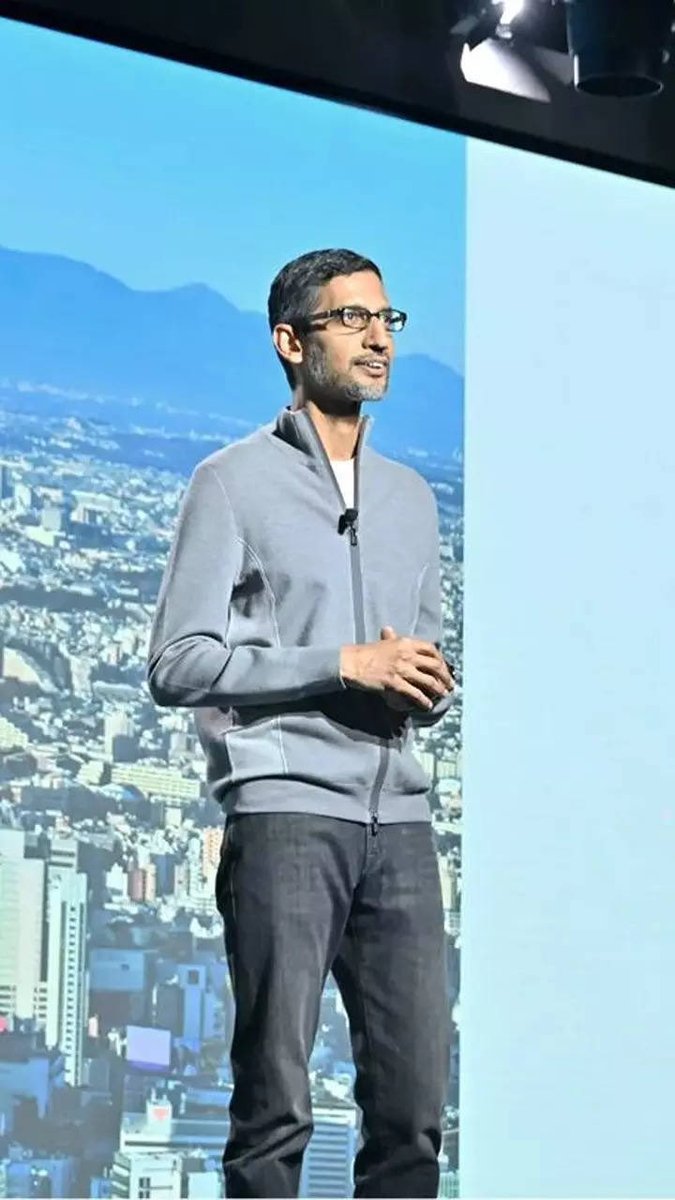
Imagine being Sundar Pichai now:
- you had the largest continually updated data set of any company to train AI on (the Google Index)
- you invented the underlying technology of LLMs like ChatGPT in 2017 called Transfomers
- you had complete search dominance: all you had to add was AI and you'd own the market
And yet:
- you managed to complete fumble your massive head start and was late to everything
- you made your APIs so hard to use nobody seriously integrated it into their apps and people instead went Anthropic and OpenAI
- you now see your search dominance quickly slipping away to Perplexity and yesterday's launched ChatGPT Search
This will be a business case studied in universities for decades
1
6
1,409
Stephan Sutter retweeted

22 Oct 2024
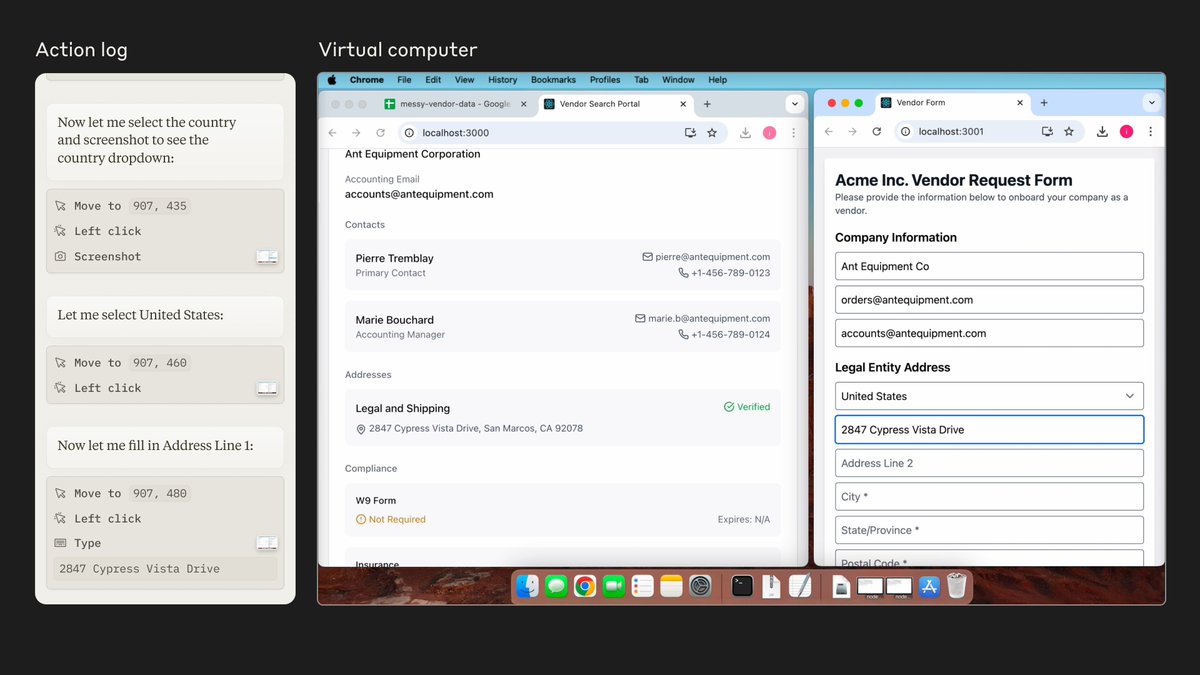
Computer use is the first step toward a completely new form of human-computer interaction.
In just a few years, the way we interface with computers will be completely different from today.
Let me explain:
83
276
3,221
618,857
Stephan Sutter retweeted

23 Oct 2024
Latest Thoughtworks Technology Radar is out - our regular survey of technologies that capture our attention in our client work. We found lots of AI-adjacent tools to be useful, but also that coding assistants often lead to problems
thoughtworks.com/radar
13
186
758
138,991

Great to see Mistral AI doubling down on small capable models. Quick video overview of the announement if anyone is interested: youtu.be/dh1i3YAwd1I?si=aGcB…
2
8
2,551
Stephan Sutter retweeted

8 Oct 2024
So many people have asked me for years "what is time?"
I'm happy to have found a little, er, time to write a piece "On the Nature of Time"
writings.stephenwolfram.com/…

128
634
3,657
761,623
Stephan Sutter retweeted

8 Oct 2024
The only way to keep this platform usable since its emuskulation is to block, block and block again. I very seldom blocked people before Musk. Now I block around 20 a day. It feels quite satisfying, like shooting zombies in a computer game. 🧵
461
756
5,504
258,352
Stephan Sutter retweeted
2 Oct 2024
Gosh, I had forgotten that one ->
20 Aug 2015

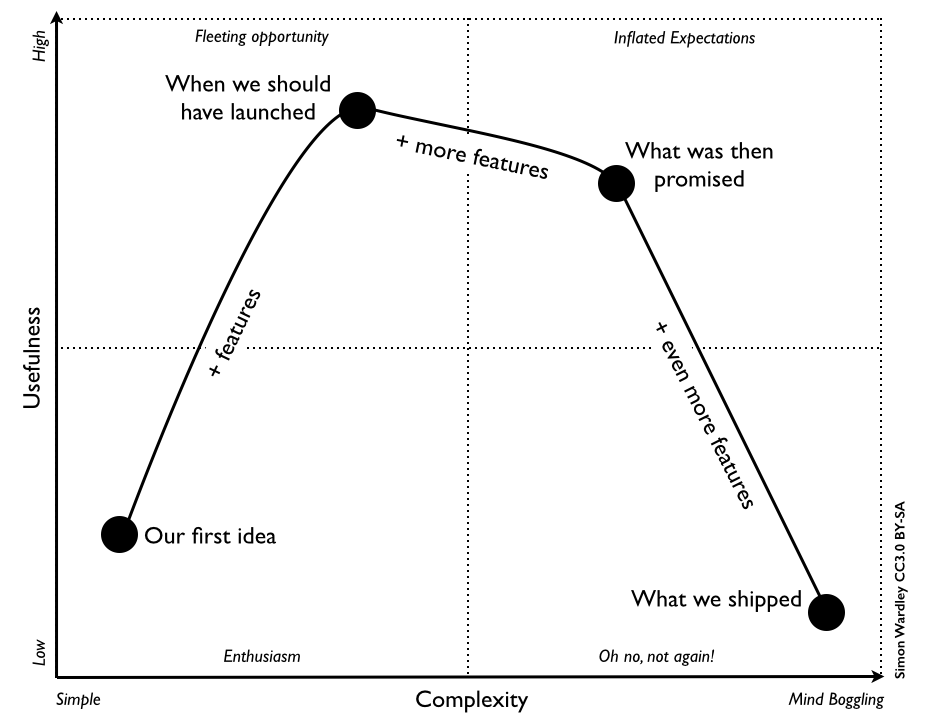
Everything you need to know about product development in one handy graphic ...
4
10
54
5,190
Stephan Sutter retweeted

27 Sep 2024
This is happening in 2025! 🎉
20 Sep 2024

Does anybody want a conference talk on the theory behind this and how it works? Something along the lines of "Reverse-engineering architecture diagrams from your Java app".
2
1
19
2,364
Stephan Sutter retweeted

23 Sep 2024
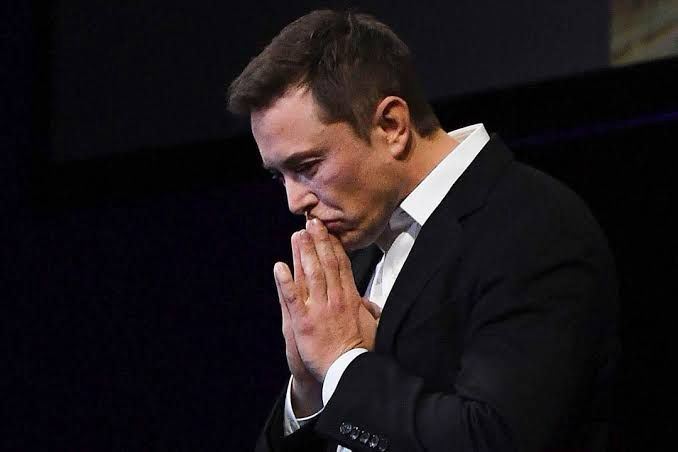
Elon runs six multi billion-dollar companies simultaneously (SpaceX, Tesla, X, xAI, Neuralink, and Boring Company)
Most founders can’t run one.
Walter Isaacson (who spent a year shadowing Elon and wrote his biography) explains ‘How Elon does it’ on a podcast
Thread 🧵
541
5,344
40,648
7,719,421
In unserem neuesten White Paper werfen wir einen kritischen Blick auf die aktuellen Möglichkeiten und Limits von GenAI und zeigen konkrete Anwendungsfälle auf, die heute schon Mehrwert schaffen. 🤖 🔎
Jetzt kostenlos herunterladen: bit.ly/4dgWfyF
#GenAI #KI #AI
1
1
150
Stephan Sutter retweeted
18 Sep 2024
Fascinating thread ->
17 Sep 2024

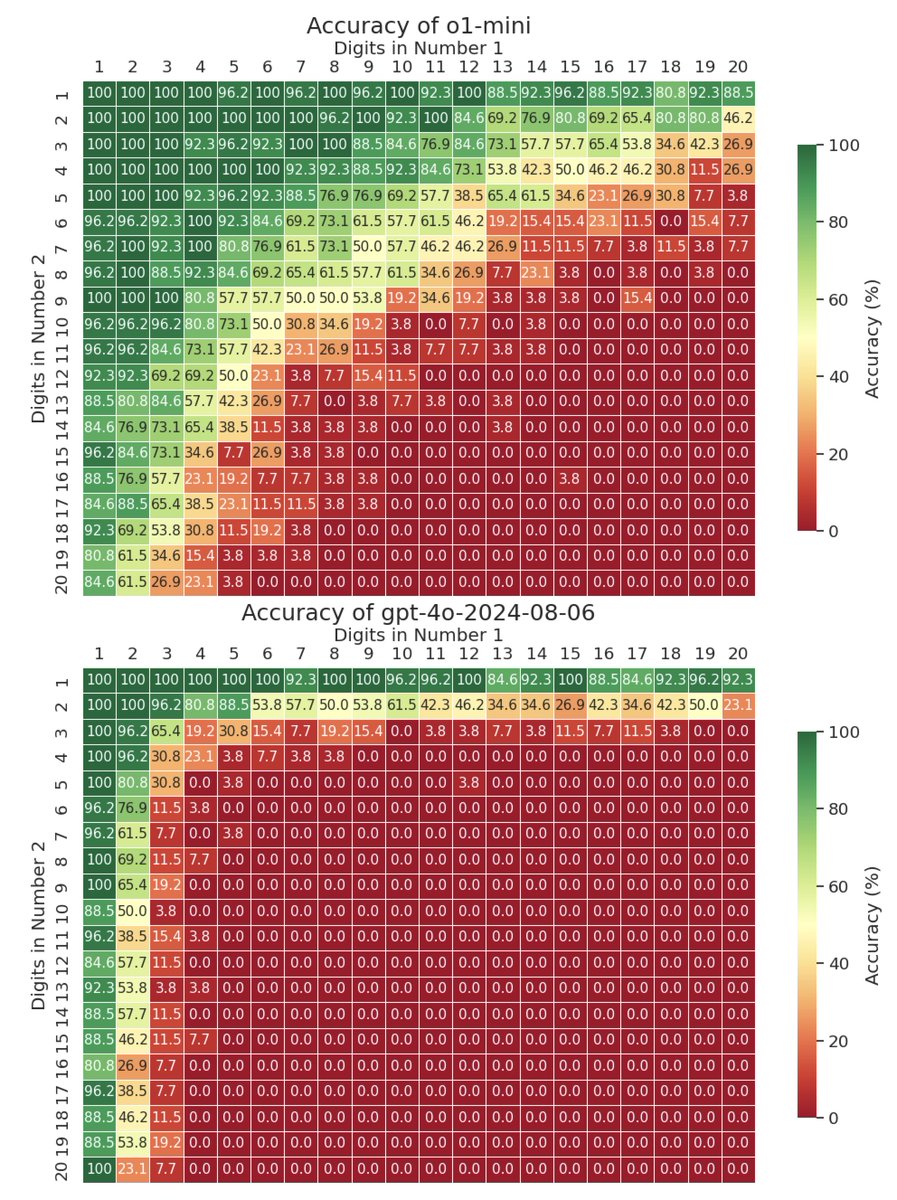
Is OpenAI's o1 a good calculator? We tested it on up to 20x20 multiplication—o1 solves up to 9x9 multiplication with decent accuracy, while gpt-4o struggles beyond 4x4. For context, this task is solvable by a small LM using implicit CoT with stepwise internalization. 1/4
1
1
7
1,830
Stephan Sutter retweeted
18 Sep 2024
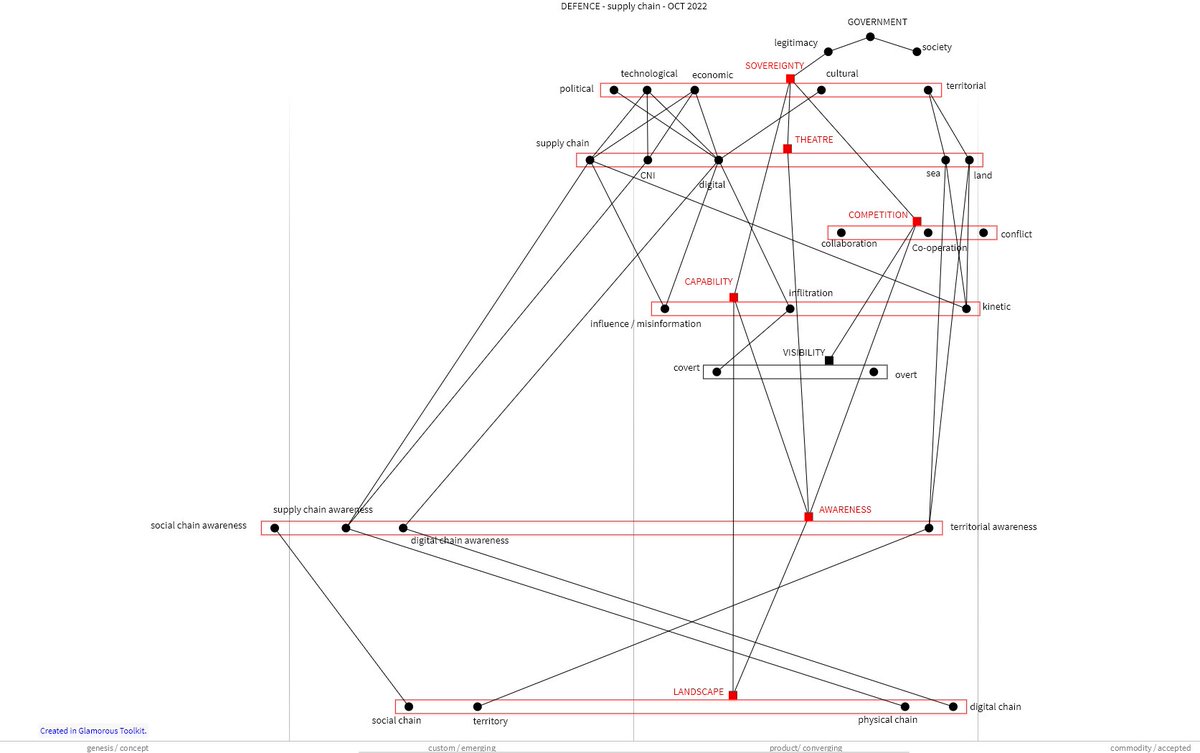
X : What is the relationship between the two axis of a Wardley map?
Me : There's really only one axis - evolution. The value chain (of which there can be multiple on a map) is simply a partially ordered list where things are more visble to each other the closer are.
1
1
10
1,577
Stephan Sutter retweeted

13 Sep 2024
I've had access to @OpenAI's o1 for several weeks. My advice on using it:
1. Don’t think of it like a traditional chat model. Frame o1 in your mind as a really smart friend you’re going to send a DM to solve a problem. She’ll answer back with a very well thought out explanation that walks you through the steps.
2. Write your prompt in notepad. Plan out what you want. Explain all the steps – provide even more detail than you’re used to.
3. Use o1-mini for tasks that don’t require as much world knowledge but following things through step-by-step.
4. o1 tends to give me the parts of the answer and the complete response while o1-mini will give me the steps.
5. In my anecdotal and highly subjective experience, when you make corrections or adjustments, use patience in explaining what you need changed. Models that reason respond well to reasoned responses.
66
203
1,903
217,655
Tolle Sache! Wir gratulieren euch ganz herzlich zum 1. Platz beim eGovernment-Wettbewerb. 🏆
Wir sind stolz, als Technologiepartner von CURIAplus gemeinsam mit euch die Digitalisierung des Parlaments voranzutreiben. 🚀

Das Projekt CURIAplus gewann den 1. Platz beim eGovernment-Wettbewerb in der Kategorie «Verwaltungsprozesse von Anfang bis Ende neu gedacht». Wir freuen uns und danken allen Beteiligten für ihren Einsatz: bit.ly/4dTuspr

1
1
150
Stephan Sutter retweeted
3 Sep 2024
Brilliant, as always ->
2 Sep 2024

The Government of Japan @JapanGov has made an announcement about the arrest of Captain Paul Watson @CaptPaulWatson, and it’s surprisingly honest and informative 🐋🇯🇵
5
20
1,980
Stephan Sutter retweeted
31 Aug 2024
X : Are you a fan of Elon Musk?
Me : No and yes. I disagree with many of his views & actions but I recognise how he is helping keep the US in the EV / Space / Renewable fields. That's also the problem.
5
5
27
4,934