
Programmdirektor Liberale Demokratie @LiberaleModerne
Joined July 2018
- Tweets 5,070
- Following 579
- Followers 765
- Likes 10,515
102 Photos and videos

Stephan Stach retweeted

𝗪𝗲𝗿 𝘀𝘁𝗲𝗰𝗸𝘁 𝗵𝗶𝗻𝘁𝗲𝗿 𝗱𝗲𝗺 𝗩𝗼𝗿𝗱𝗲𝗻𝗸𝗲𝗿 𝗣𝗿𝗼𝗷𝗲𝗸𝘁? 🥸
Heute im Fokus: die Aktionsgemeinschaft Soziale Marktwirtschaft e.V. (ASM) (1/6) 🧵👇

1
3
4
788
Stephan Stach retweeted

Jun 11
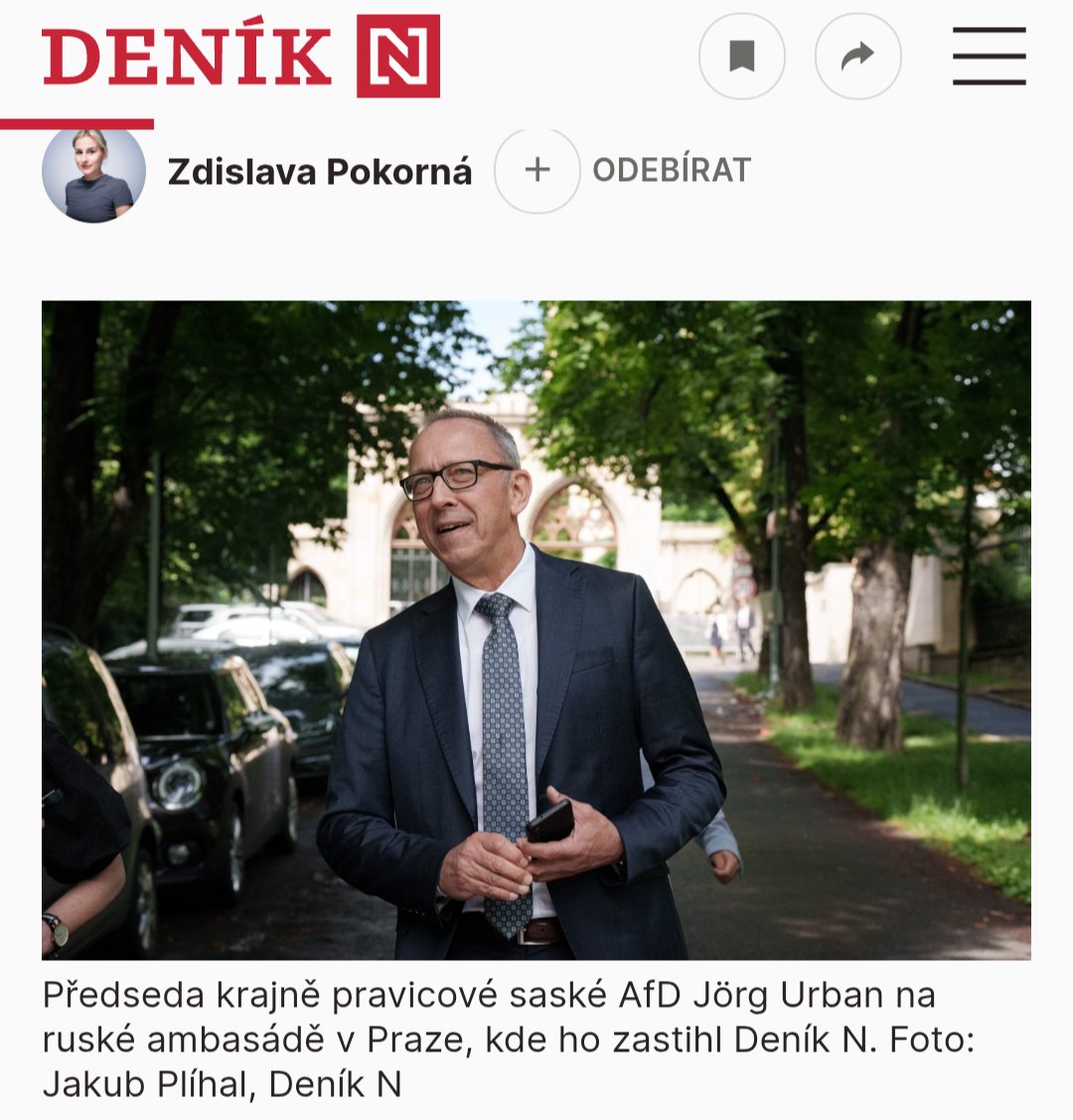
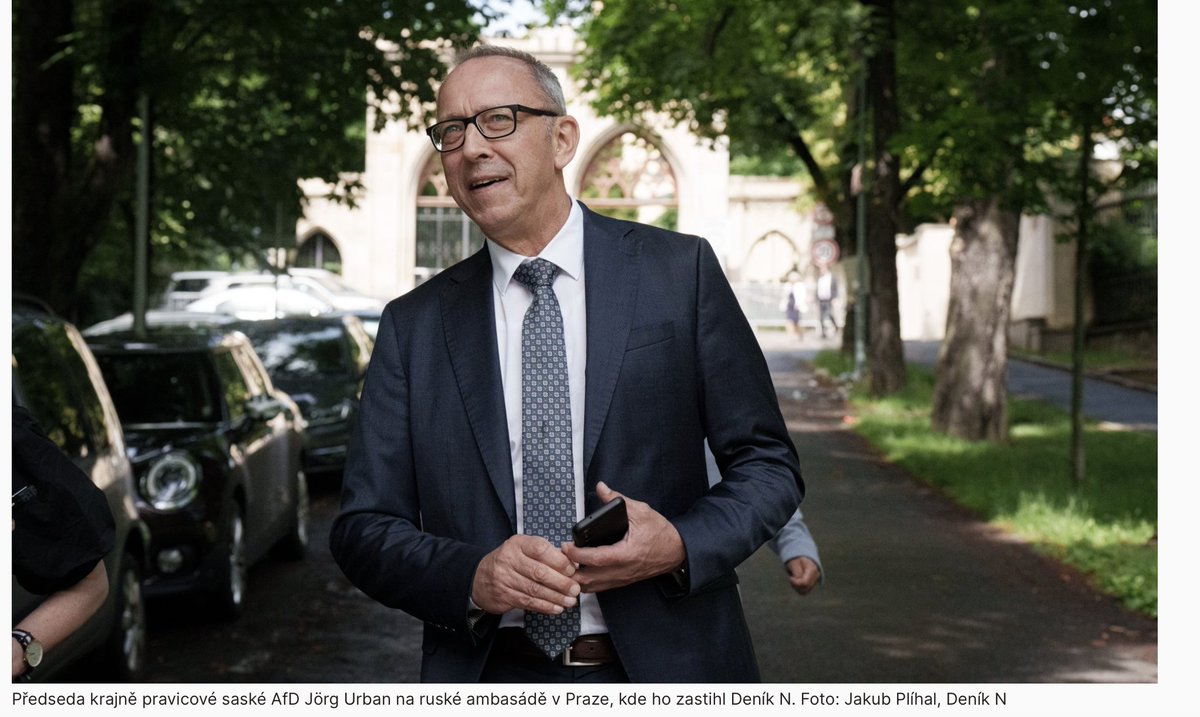
Chairman of Alternative for Germany (AfD) Saxony Jörg Urban was just caught at the Russian Embassy in Prague by Czech journalists from @enkocz.
Russian Embassy in Prague often serves as a regional headquarters of Russian intelligence to run their assets in Germany.
Full story:
denikn.cz/2092589/hvezda-nem…
211
2,956
6,713
475,848
Stephan Stach retweeted

Kreml-Organ propagandisiert weiter.
Lustig ist, dass darunter auch noch Egon Krenz steht. Passt auch.
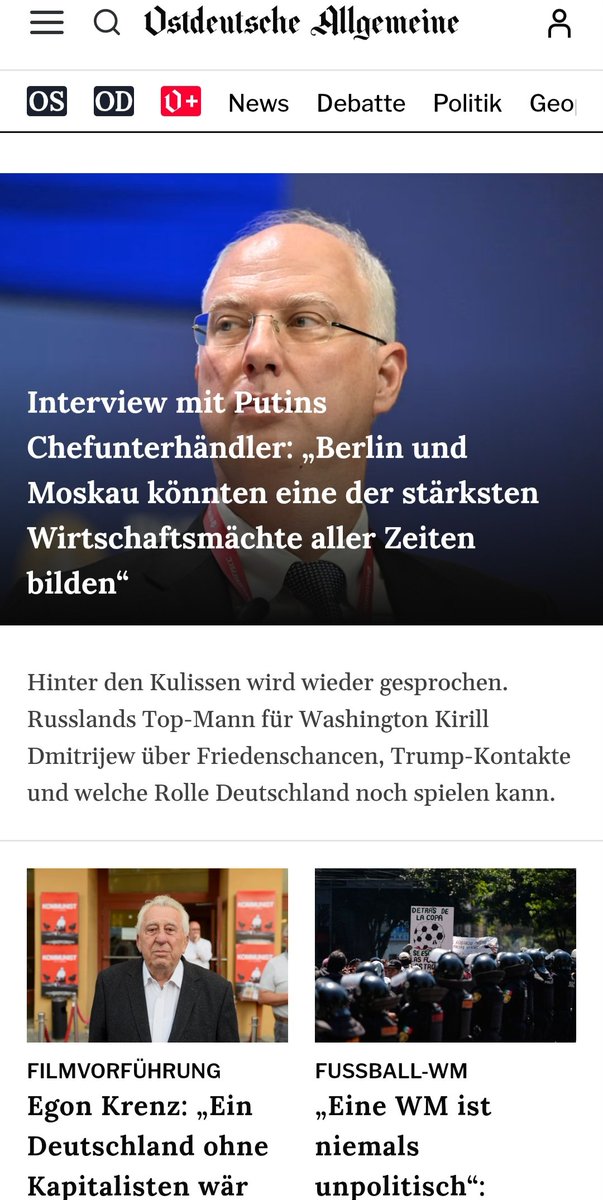

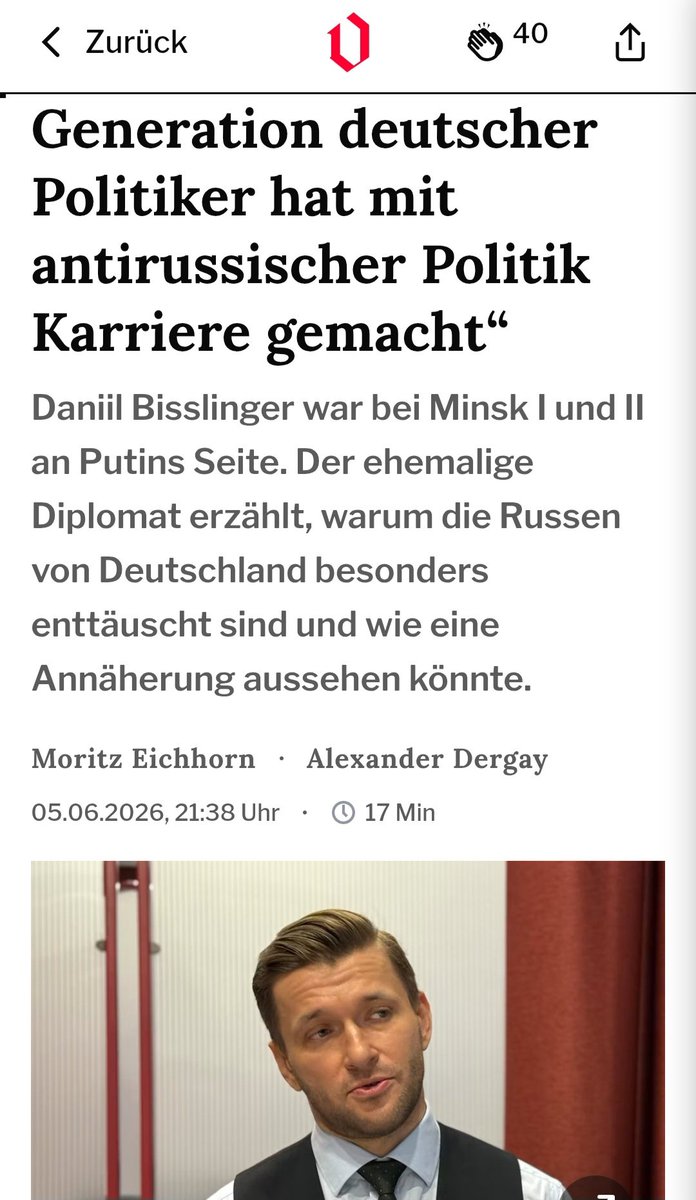
Einflussnahme in progress. Friedrichs Blatt ist ein buchstäbliches Kreml-Organ.
Daniil Bisslinger, einer von Putins Einflussnehmern, kann sich da jetzt auch noch groß ausbreiten.
2
8
26
7,325
Stephan Stach retweeted

Jun 10
Der russische Propagandist Solowjow gilt als »Chefhetzer« Putins, droht Deutschland mit Invasionen und Atomschlägen. Sachsens AfD-Chef Urban hinderte das nicht daran, Solowjows Kanal ein Interview zu geben, berichten wir im @politico-Podcast »Inside AfD« welt.de/politik/deutschland/…
156
197
630
43,407
Stephan Stach retweeted

Jun 9
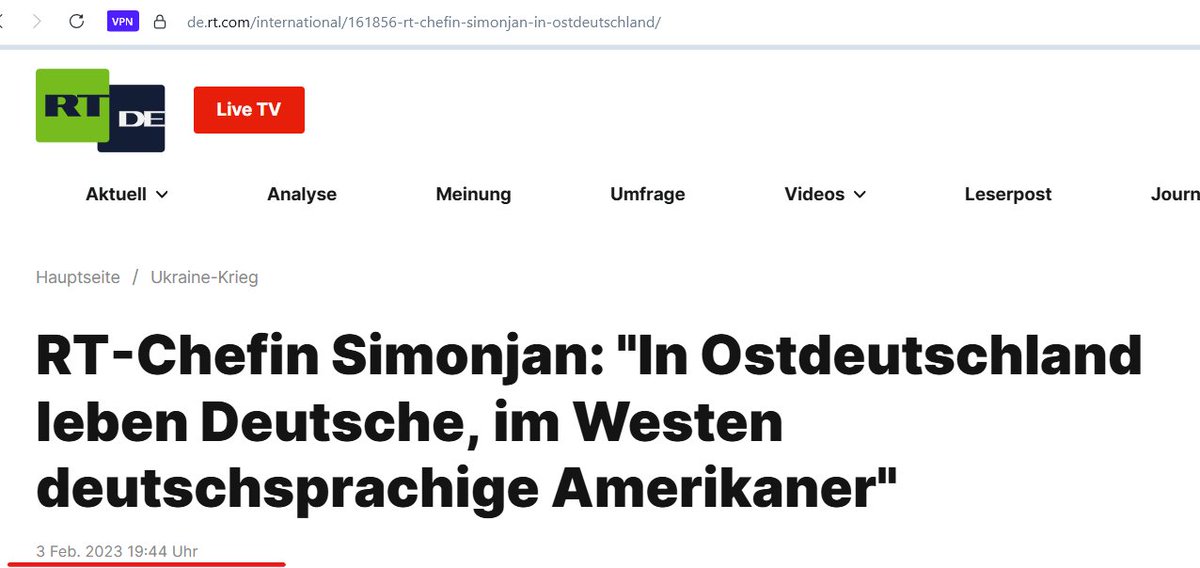
Da ist die Quelle!
"im Westen deutschsprachige Amerikaner"
Jun 9

„In Ostdeutschland leben Deutsche, in Westdeutschland aber mehrheitlich deutschsprachige Amerikaner.“ — Margarita Simonjan, Telegram-Kanal RT DE, 27. Januar 2023
60
337
1,478
112,504
Stephan Stach retweeted

Jun 8
Quo vadis, USA? Ebenso unterhaltsame wie erhellende Diskussion mit @BachmannRudi.
Was treibt Trump? Keine Ideologie, kein politisches Programm, sondern 1) Es muss krachen (von einem Aufreger zum nächsten) 2) Bereicherung des Familienclans.
Die gute Nachricht ist: Trump zerlegt systematisch die Wählerkoalition, die ihm die Mehrheit bescherte. Wenn die Demokraten sich nicht (wieder) zu dusselig anstellen, haben sie gute Chancen, den Kongress und das Weiße Haus zurückzugewinnen.
Bleibt die beunruhigende Frage, wie dieser politische Super-Gau passieren konnte. Auch dazu gibt es (vorläufige) Antworten.

🇺🇸 Die USA vor den Midterms - Wohin steuert das Land?
Wie widerstandsfähig sind die demokratischen Institutionen der USA – und was bedeuten Trumps zweite Amtszeit und die Midterms 2026 für Europa? Darüber sprachen Ralf Fücks @fuecks und Rüdiger Bachmann @BachmannRudi von der University of Michigan.
Bachmann zeichnete dabei ein differenziertes Bild: Trotz aller politischen Verwerfungen und der tiefen Polarisierung seien Gerichte, Föderalismus und die öffentliche Debatte weiterhin wichtige Gegengewichte zur Macht des Präsidenten. Gleichzeitig hinterlässt Trump tiefe Spuren in der amerikanischen Innenpolitik ebenso wie in den internationalen Beziehungen. Das Vertrauen in die USA als verlässlichen Partner ist erschüttert, und die langfristigen Folgen für Wissenschaft, Migration und die Rolle Amerikas in der Welt sind noch kaum abzusehen.
Besonders richtete sich der Blick auf die Midterms 2026. Für Bachmann werden sie zum ersten großen Test für Trumps zweite Amtszeit: Können die Republikaner ihre knappen Mehrheiten verteidigen, oder wenden sich Wählergruppen, die Trump 2024 zum Sieg verholfen haben – von Wechselwählern bis zu Teilen der Latino-Wählerschaft –, zunehmend von ihm ab? Für Europa steht dabei mehr auf dem Spiel als amerikanische Innenpolitik. Die Wahlen werden zeigen, ob die USA ihren Kurs der Abschottung und Unberechenbarkeit fortsetzen oder ob sich politische Gegengewichte formieren, die das transatlantische Verhältnis wieder stabilisieren könnten.
🔗 Zum vollständigen Video:
youtube.com/watch?v=Icqn7sS6…
#USA #Trump #Amerika #Demokratie #LiberaleModerne #LibMod
2
8
39
4,435
In Leipzig haben heute ca. 20-30 Mitglieder von neuen, autoritären K-Gruppen eine Veranstaltung über neue, autoritäre K-Gruppen gesprengt - mit Lärmen, Pöbeln und Drohungen. Vorm Ende der Einführung war schon Schluss. Trotzdem haben die Gäste nun einen Eindruck vom Problem.

Ein Haufen aus diversen K-Gruppen hat eben die Veranstaltung über K-Gruppen gesprengt. Und damit demonstriert, wie ihre Strategie der Raumnahme funktioniert. 🥳 Nächstes Mal muss besseres Sicherheitskonzept her. Danke an die vielen ernsthaft interessierten BesucherInnen (1/2)
9
30
5,584
Stephan Stach retweeted

📢 𝗪𝗮𝘀 𝗸𝗼𝗺𝗺𝘁 𝗻𝗮𝗰𝗵 𝗱𝗲𝗺 𝗣𝗼𝗽𝘂𝗹𝗶𝘀𝗺𝘂𝘀?
Am 9. Juni diskutieren wir gemeinsam mit @scriptsberlin die Auswirkungen von Regierungswechseln in den Visegrád-Staaten.
@DanielHegedus82 @StachStephan @LiberaleModerne
⚠️ Anmeldung 👇libmod.de/kalender/abbau-umb…
4
9
856
Stephan Stach retweeted

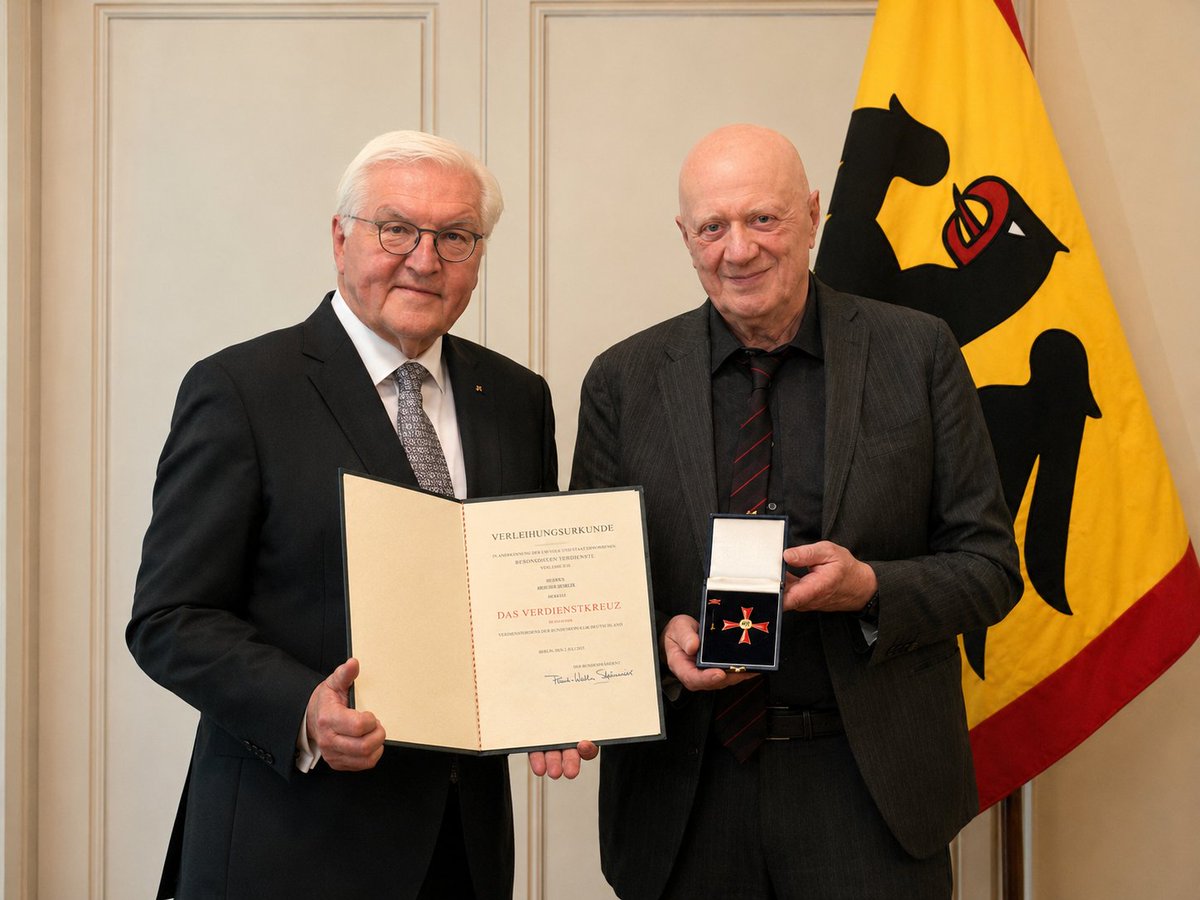
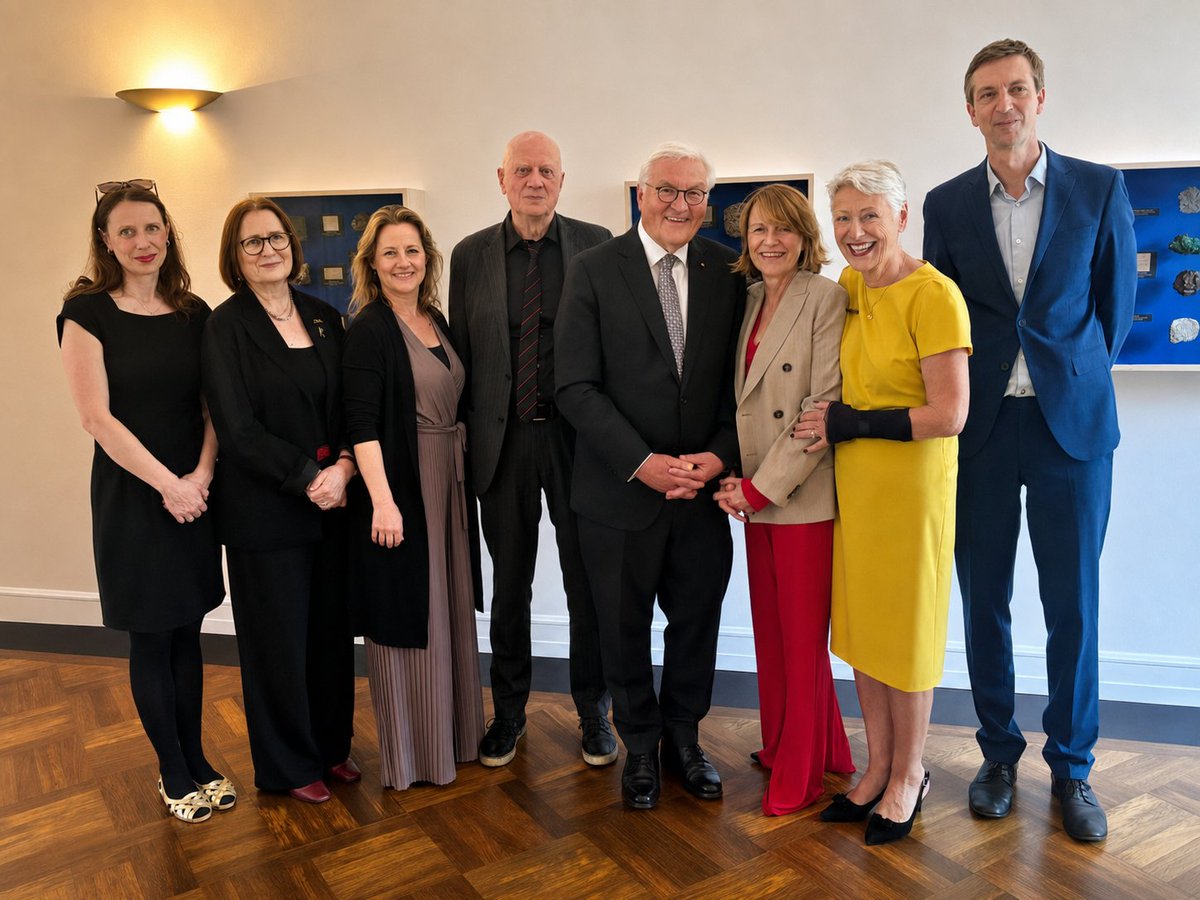
Unser Gründer und geschäftsführender Gesellschafter Ralf Fücks @fuecks wurde gestern von Bundespräsident Frank-Walter Steinmeier mit dem Bundesverdienstkreuz 1. Klasse ausgezeichnet. Gewürdigt wird damit sein langjähriger Einsatz für Freiheit und Demokratie.
Ob als Politiker, langjähriger Vorstand der Heinrich-Böll-Stiftung oder als Mitgründer von LibMod: Ralf Fücks prägt seit Jahrzehnten die Debatten über liberale Demokratie, ökologische Modernisierung und die Zukunft Europas. Sein besonderes Engagement gilt der Ukraine sowie der Stärkung demokratischer Zivilgesellschaften in Mittel- und Osteuropa.
Das gesamte LibMod-Team gratuliert herzlich zu dieser verdienten Auszeichnung und freut sich über die Anerkennung seines außergewöhnlichen Wirkens für eine liberale und zukunftsfähige Gesellschaft.
Herzlichen Glückwunsch, lieber Ralf! 👏
#Bundesverdienstkreuz #RalfFücks #LibMod #Demokratie #Freiheit
33
27
184
7,219
Stephan Stach retweeted

Jun 3
Nur ein sehr stabiles Genie nimmt seinen Helm auf dem Mond ab… 😇

202
401
2,868
27,268
Stephan Stach retweeted
Sie interessieren sich für Demokratie, Rechtsstaatlichkeit und politische Entwicklungen in Mittelosteuropa? Dann melden Sie sich jetzt zu unserer Mittagsveranstaltung am 9. Juni in Berlin-Mitte an:
Abbau? Umbau? Wiederaufbau?
Der Wechsel zwischen liberalen und illiberalen Regierungen in den Visegrád-Staaten und seine Auswirkungen auf Staat, Parteien und Gesellschaft
Regierungswechsel in den V4-Staaten sind oft mehr als politische Richtungswechsel. Sie können den rechtlichen Rahmen des politischen Systems, staatliche Institutionen, Parteienlandschaften und gesellschaftliche Konfliktlinien tiefgreifend verändern.
Besonders aktuell stellt sich diese Frage nach der Abwahl Viktor Orbáns in Ungarn: Lassen sich der Ab- und Umbau liberal-demokratischer Institutionen einfach rückgängig machen? Welche Folgen haben solche politischen Pendelbewegungen für Rechtsstaatlichkeit, Checks and Balances und gesellschaftliche Polarisierung?
Darüber diskutieren wir mit namhaften Expertinnen und Experten:
- Prof. Tanja Börzel, FU Berlin
- @DanielHegedus82, Institut für Europäische Politik
- Kai-Olaf Lang, Stiftung Wissenschaft und Politik
- Moderation: @IreneHahnFuhr, Zentrum Liberale Moderne
Die Veranstaltung ist der Auftakt unserer Reihe „Liberalismus – Konservatismus – Populismus in Mittelosteuropa“, gemeinsam veranstaltet mit dem Exzellenzcluster Contestations of the Liberal Script – SCRIPTS.
🗓 Dienstag, 9. Juni 2026
🕐 13:00 – 15:00 Uhr, Einlass ab 12:45 Uhr
📍 Reinhardtstraßenhöfe, Reinhardtstraße 12, 10117 Berlin
Die Teilnahme ist kostenfrei, die Plätze sind begrenzt.
👉 Jetzt anmelden: libmod.de/kalender/abbau-umb…
1
6
6
421
Stephan Stach retweeted

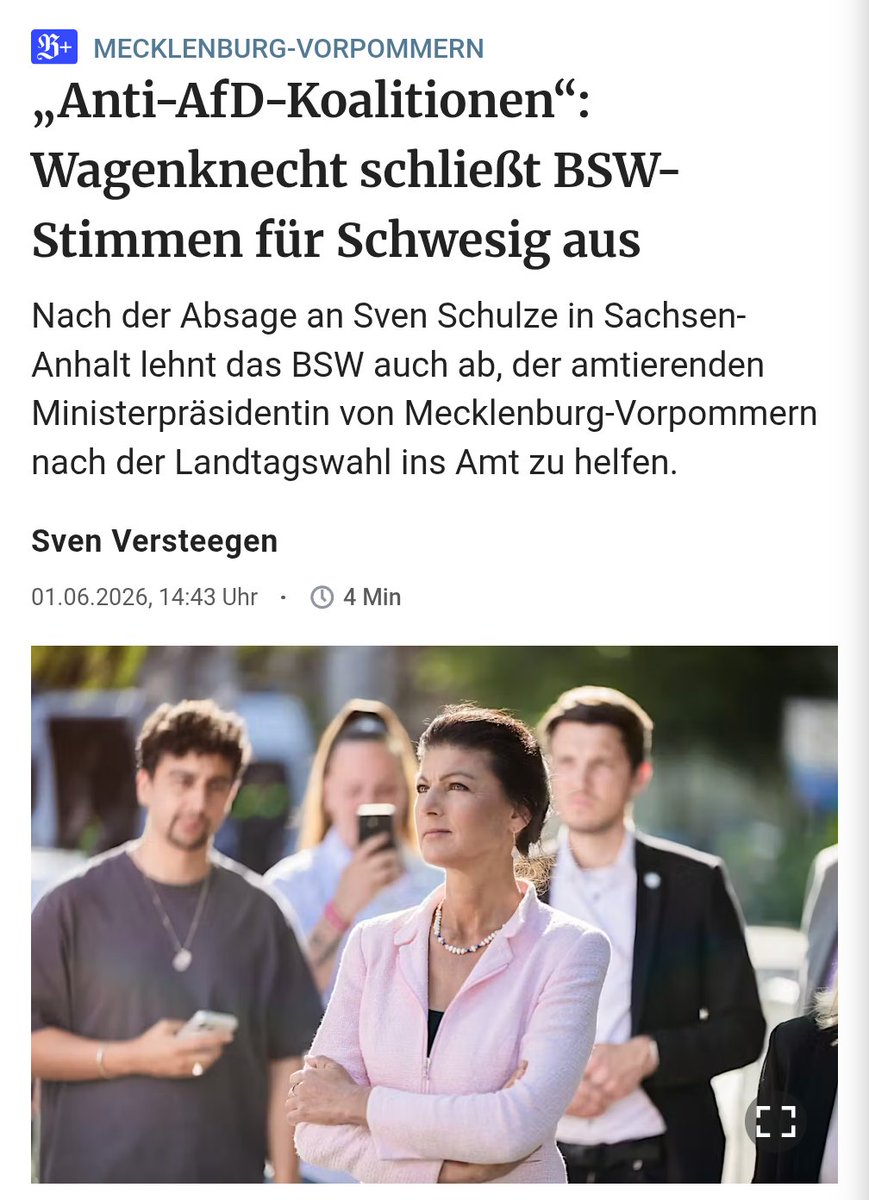
Steigbügelhalter für Rechtsextreme - so schnell kann es gehen. Hauptsache es dient Putins imperialistischen Plänen. #BSW #Wagenknecht #ehrenlos.

Wir werden weder dem CDU-Kandidaten in Sachsen-Anhalt noch Manuela Schwesig in Mecklenburg-Vorpommern unsere Stimmen geben. Es braucht eine politische Veränderung. Wenn sich die Mainstream-Parteien eine Allparteien-Koalition zusammenzimmern wollen, die nur das Ziel hat, die AfD zu verhindern, werden sie das ohne uns machen müssen.
434
177
817
34,137
Stephan Stach retweeted
Jun 2
"Sie foltern und haben Spaß daran".
Wer fordert, die Ukraine solle einen Teil ihres Staatsgebiets an Russland abtreten, sollte wissen, was die Menschen dort erwartet, wenn sie nicht mit den Besatzern kollaborieren: Rechtlosigkeit und nackte Gewalt. faz.net/aktuell/feuilleton/m…
57
526
1,206
25,590
Stephan Stach retweeted
So hatte sich das Markus Frohnmaier wahrscheinlich hier auf X nicht vorgestellt, aber er bekommt tatsächlich viele relevante Fragen zu seiner Russlandreise gestellt. Also einige der wirklich wichtigen. 😊

Stellt all eure Fragen hier in den Kommentaren!
Ich schaue sie mir an und nehme sie mit nach St. Petersburg.
Welche Fragen habt ihr an Russland?
7
35
3,390
Stephan Stach retweeted
May 30
Wenn ich höre: "Die Wissenschaft hat festgestellt, dass es die extreme Rechte stärkt, wenn man ihre Themen übernimmt", bin ich versucht abzuschalten. Man sollte zumindest zwischen Themen, Forderungen und Narrativen unterscheiden, statt alles in einen Topf zu werfen. Die Probleme zu tabuisieren, die der AfD die Wähler in die Scheune treiben, ist ebenso töricht, wie ihr nach dem Munde zu reden.
Dagegen trifft Cas Mudde den Punkt, wenn er argumentiert, dass die "Brandmauer" die radikalen Populisten auf Dauer stärkt, wenn es nicht gelingt, das Vertrauen in die Kompetenz und Tatkraft demokratischer Politik zurückzugewinnen. Die AfD zehrt von der Blässe der demokratischen Parteien, ihrem Mangel an Ideen und Mut, eingefahrene Bahnen zu verlassen.
Die Krise der SPD darauf zurückzuführen, dass sie in der Regierung "Sparpolitik" gegen die Interessen ihrer Wähler betreibt, ist die abgestandene Neoliberalismus-Litanei. Und ihr ausgerechnet die komplett verantwortungslose "Linke" als Beispiel vorzuhalten, ist ein vergifteter Ratschlag.
Wenn Parteien, wie Mudde empfiehlt, nur noch ein ganz spezifisches Wählerklientel bewirtschaften, zerstören sie am Ende genau die demokratische Handlungsfähigkeit, die er zurecht einfordert. tagesspiegel.de/politik/extr… via @Tagesspiegel
31
146
618
57,914

May 30
Zur von Jan Philipp #Reemtsma im @FAZ_Feuilleton angestoßenen Debatte über die Sinnhaftigkeit des #Faschismus-Begriffs für die aktuelle politische Debatte hier ein Text aus dem @LiberaleModerne-Archiv vom März 2026: libmod.de/ist-donald-trump-e…
3
4
1,228
May 30
"Der Liberalismus ist nicht tot, im Gegenteil. Das Freiheitsstreben von Menschen ist nicht totzukriegen".
Schönes Interview mit @SLagodinsky warum @Die_Gruenen ihren eigenen Liberalismus pflegen sollten.
taz.de/Gruenen-Abgeordneter-…
1
69
Stephan Stach retweeted
May 27
In its treatment of its own soldiers, Russia’s conduct of the war in Ukraine does not differ significantly from that of the Red Army during World War II. Human lives do not matter.
May 27

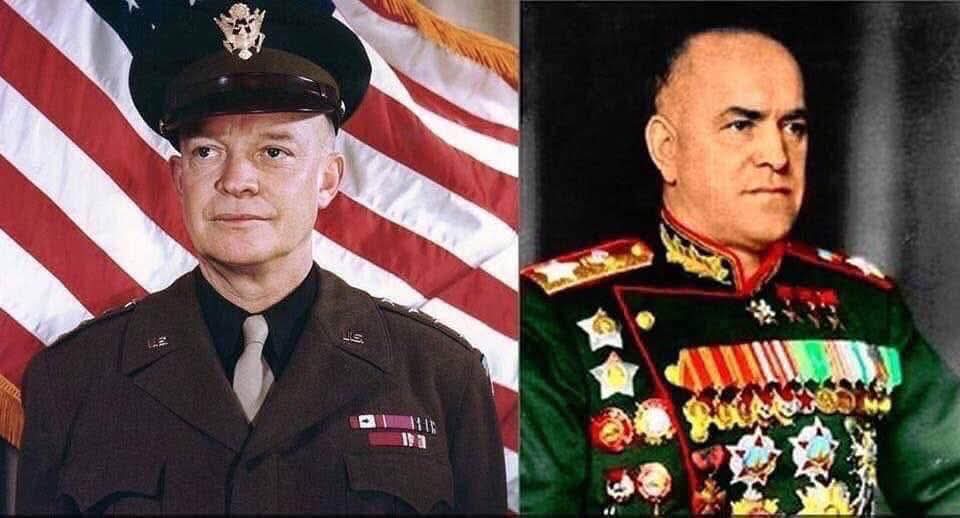
Interesting excerpts from the memoirs of Supreme Allied Commander General Dwight D. Eisenhower (later President of the United States from 1953–1961) about Marshal Georgy Zhukov:
“During the several hours we spent together in the airplane, Marshal Zhukov and I often discussed military operations... A great revelation to me was his description of the Russian method of attacking through minefields. German minefields, covered by enemy defensive fire, were tactical obstacles that caused us heavy casualties and many delays. Breaking through them was always difficult, despite the fact that our engineers had invented every imaginable mechanical device for the safe clearing of mines.
Marshal Zhukov casually remarked to me: ‘There are two kinds of mines: antipersonnel and antitank. When we encounter a minefield, our infantry continues the attack as though it were not there at all. We consider the losses from antipersonnel mines to be equal to the losses we would have suffered had the Germans defended that sector with concentrated manpower instead of minefields. Advancing infantry does not detonate antitank mines, so once they have crossed the minefield and secured the opposite side, the engineers then come forward and clear lanes through which vehicles can pass...’
I could vividly picture what would have happened to any American or British commander who attempted to use such tactics, and an even clearer picture of what the men in any of our divisions would have said if we had tried to make such practices part of our tactical doctrine...
Americans measure the cost of war in human lives, while the Russians measure it in the total expenditures of the nation.
As far as I could see, Zhukov cared little for the methods we considered essential to maintaining the morale of American troops: systematic rotation of units, opportunities for rest and recreation, short leaves, and above all the development of methods designed to avoid exposing men to combat risks that were not absolutely necessary. All of this, common practice in our army, was largely unknown in his army.
...The fundamental difference between American and Russian attitudes toward the treatment of people was illustrated in another incident. In a conversation with a Russian general, I mentioned the difficult problem of caring for large numbers of German prisoners of war — a problem we faced at various stages of the war. I noted that we gave German prisoners the same food ration as our own soldiers.
‘Why would you do that?’ Zhukov exclaimed in astonishment.
I replied that, first of all, my country was bound to do so under the Geneva Conventions. Secondly, thousands of American and British servicemen were prisoners in German camps, and I did not want to give Hitler any excuse to treat them even worse than he already did.
Zhukov was even more astonished by this answer and exclaimed: ‘But why should you care about soldiers captured by the Germans?! They were prisoners already and could no longer fight anyway!’
The excerpts are quoted from Dwight D. Eisenhower, Crusade in Europe, The Johns Hopkins University Press, 1997 (first published in 1948), pp. 468–470.
Interestingly, in the Russian translation of Eisenhower’s memoirs (2000 edition), these passages — seemingly of particular interest to Russian readers — were removed.
Everyone shouting “we can do it again” should remember that they would be sent to fight using Zhukov’s methods and traditions.
6
19
68
4,671