
Making money work for you. Investing insights on stocks, dividends, ETFs to build wealth. Finance pro helping you retire early.
Joined July 2023
- Tweets 318
- Following 319
- Followers 110
- Likes 652
7 Photos and videos






5 Oct 2023
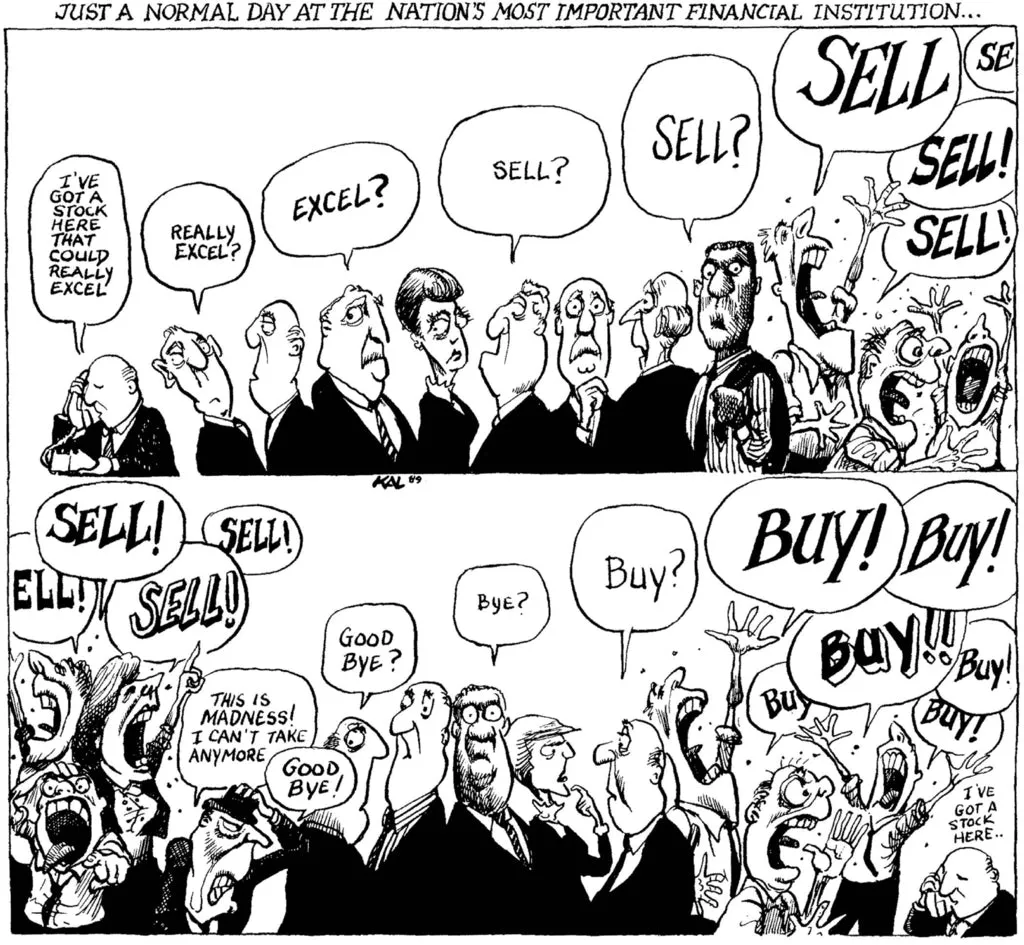
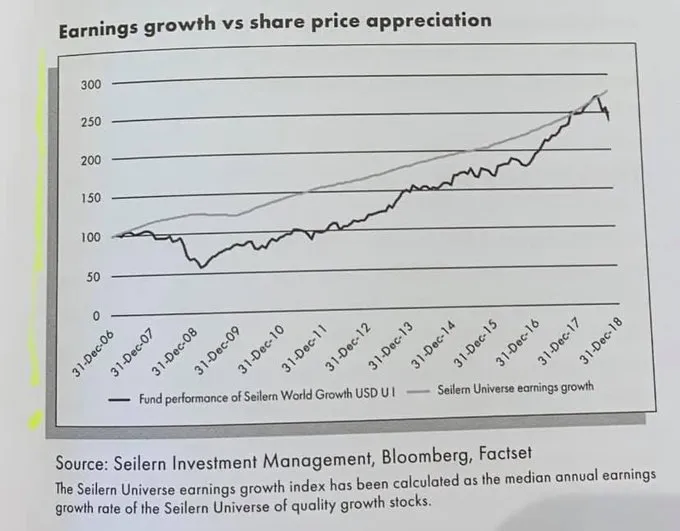
Being teachable should be a constant mindset no matter how old or young we are! We should seek and value everyone’s experiences and be willing to listen, you never know when you might be able to apply what you’ve learned from someone into your own life and experience!
2
94
22 Sep 2023
Life: "If life gave out achievement badges, what would be on your list of accomplishments? 💪 #LifeGoals"
71
7 Sep 2023
The Impact of Interest Rates on Value Investing
🧵 Interest Rates and Value Investing 💲
1. In our value investing series, we've covered a range of topics. Today, let's explore how changes in interest rates can affect value investing strategies and portfolio decisions. Understanding this relationship is vital for investors. 🏦💰 #InterestRates #ValueInvesting
2. Interest Rates and Bond Yields: When interest rates rise, bond yields typically increase. This can make bonds and other fixed-income investments more attractive relative to stocks. Value investors may reassess their asset allocation in response. 📈📉 #BondYields
3. Impact on Discount Rates: Value investors often use discounted cash flow (DCF) analysis to estimate a stock's intrinsic value. Changes in interest rates can alter the discount rate applied to future cash flows, affecting valuation calculations. 💱 #DiscountedCashFlow
4. Competing Yields: Rising interest rates can lead to higher yields on fixed-income investments like bonds and savings accounts. Investors seeking income might shift their focus away from dividend-paying stocks, affecting demand and prices. 💹 #YieldComparison
5. Bargains in a Rising Rate Environment: As interest rates rise, some stocks may become undervalued because investors shift their money to fixed-income assets. Value investors can find opportunities in this environment. 📊🛒 #ValueOpportunities
6. Economic Outlook: Changes in interest rates often reflect changes in the economic outlook. Value investors should consider how these changes might impact the industries and companies they're invested in. 🌐📈 #EconomicOutlook
7. Case Study: 2013 Taper Tantrum: In 2013, the prospect of the Federal Reserve tapering its bond-buying program caused a spike in interest rates. Some value stocks, particularly in interest-rate-sensitive sectors like utilities, faced headwinds during this period. 📅📈 #TaperTantrum
8. Diversification Matters: In a changing interest rate environment, diversification becomes crucial. A well-diversified portfolio can help mitigate the impact of interest rate fluctuations on your overall returns. ⚖️📊 #Diversification
9. In conclusion, interest rates can significantly influence the investment landscape for value investors. Being aware of how interest rate changes affect various asset classes and industries is essential for making informed decisions. 📈🏦 #InterestRateImpact
Stay tuned for more insights and strategies in our value investing series! 🚀 #ValueInvestingInsights
1
2
70
6 Sep 2023
🧵 Value Investing and Market Cycles 🔄
1. In our value investing series, we've discussed various aspects of this strategy. Today, let's explore how value investing aligns with market cycles. Understanding these cycles can help you make more informed investment decisions. 📊 #MarketCycles #ValueInvesting
2. Boom and Bust: Market cycles often follow a pattern of boom and bust. During a boom, stocks may become overvalued, and during a bust, they may become undervalued. Value investors thrive on identifying undervalued stocks during these downturns. 💥 #BoomAndBust
3. Contrarian Approach: Value investors are contrarians by nature. They're more likely to buy when others are selling (during a bust) and sell when others are buying (during a boom). This contrarian approach can lead to favorable risk-reward outcomes. 📉📈 #ContrarianInvesting
4. Patience Pays Off: Market cycles can be lengthy. Value investors, who focus on the long-term intrinsic value of companies, are better equipped to weather the volatility of market cycles. Patience is a key virtue in value investing. ⏳ #PatiencePaysOff
5. Case Study: The 2008 Financial Crisis During the 2008 crisis, many stocks plummeted, but value investors like Warren Buffett saw it as an opportunity. They bought undervalued stocks and benefited as the market eventually recovered. 📈 #FinancialCrisis #ValueOpportunities
6. Staying Alert: While value investing is patient, it doesn't mean being passive. Stay alert to market trends and economic indicators that signal shifts in the cycle. This awareness helps you adjust your portfolio strategy accordingly. 🚨 #StayAlert
7. Balancing Risk: Be mindful of the risks associated with market cycles. Value investors must assess whether a downturn is a temporary correction or a sign of deeper troubles. Diversification and risk management are essential. ⚖️ #RiskManagement
8. Emotional Discipline: Market cycles can evoke strong emotions. Greed during a boom and fear during a bust can lead to irrational decisions. Stick to your value investing principles and avoid making emotional investment choices. 💪🧠 #EmotionalDiscipline
9. In conclusion, value investing and market cycles are interconnected. Understanding the dynamics of market cycles and staying true to value investing principles can help you navigate the ever-changing investment landscape successfully. 🔄 #ValueInvestingInsights
Stay tuned for more insights and strategies in our value investing series! 🚀 #ValueInvesting
1
44
6 Sep 2023
Good morning, Twitter (X)!🌞
Why did the spreadsheet go to therapy?
Because it had too many issues and couldn't find its balance! 😄
Happy Wednesday! Let's tackle the day with humor and spreadsheets in check! 💼📊 #GoodMorningTwitter
55
5 Sep 2023
🧵 The Ethics of Value Investing 🤝
1. In our value investing series, we've discussed strategies and principles. Today, let's explore the ethical considerations that value investors should keep in mind. Balancing profit with ethics is crucial for responsible investing. #EthicalInvesting
2. Corporate Responsibility: Consider a company's commitment to ethical and social responsibility. Do they engage in sustainable practices? Are they involved in controversies that might harm their reputation or your conscience? #CorporateResponsibility
3. Environmental Impact: Evaluate a company's environmental impact. Are they environmentally responsible or do they contribute to pollution and resource depletion? Ethical investors often favor eco-friendly businesses. #EnvironmentalImpact
4. Social Responsibility: How does the company treat its employees and communities? Ethical investors prioritize companies that demonstrate fair labor practices and contribute positively to their communities. #SocialResponsibility
5. Governance: Assess a company's governance structure. Ethical investors value transparency, ethical decision-making by management, and a board of directors that prioritizes shareholder interests. #CorporateGovernance
6. Product Impact: Consider the societal impact of a company's products or services. Are they beneficial or harmful to consumers and society at large? Ethical investors prefer companies with products that align with their values. #ProductImpact
7. Case Study: ESG Investing ESG (Environmental, Social, and Governance) investing incorporates ethical considerations into investment decisions. It's gaining popularity among investors who want their money to support responsible practices. #ESGInvesting
8. Avoid Controversies: Some companies are embroiled in ethical controversies, such as labor disputes or environmental violations. Value investors should carefully weigh the risks and rewards of investing in such companies. #EthicalControversies
9. Ethical Screening: Consider using ethical screening criteria to filter out companies that don't align with your values
1
33
4 Sep 2023
🧵 The Art of Value Investing Research 📊
1. In our value investing series, we've explored the fundamentals and strategies. Today, let's delve into the art of research - a crucial component of successful value investing. Effective research separates the great investments from the mediocre ones. #ValueInvestingResearch
2. Read Annual Reports: Start with a company's annual reports and financial statements. These documents offer insights into the company's performance, management's commentary, and its future outlook. Look for trends and red flags. #AnnualReports
3. Study Competitors: Analyzing a company in isolation is insufficient. Understand its industry and competitors. How does the company compare in terms of market share, profitability, and competitive advantages? #CompetitorAnalysis
4. Listen to Earnings Calls: Company executives often discuss financial results, strategies, and market conditions during earnings conference calls. These calls can provide valuable context and management insights. #EarningsCalls
5. Scour News and Press Releases: Keep an eye on recent news related to the company and its industry. Significant events or developments can impact a stock's value. Stay informed about both positive and negative news. #NewsAnalysis
6. Understand Industry Trends: Industries evolve. Stay informed about macroeconomic factors, technological advancements, and regulatory changes that can affect the company's prospects. Anticipate how trends might impact earnings. #IndustryTrends
7. Valuation Methods: Employ various valuation methods like discounted cash flow (DCF), price-to-earnings (P/E), and price-to-book (P/B) ratios. Each method provides a different perspective on a stock's potential value. #ValuationMethods
8. Qualitative Analysis: Numbers alone don't tell the full story. Assess qualitative factors like management quality, corporate governance, and the company's competitive advantages. Strong qualitative attributes can bolster your investment case. #QualitativeAnalysis
9/ Talk to Industry Experts: Sometimes, industry experts or insiders can provide valuable insights that aren't readily available to the public. Networking and seeking expert opinions can enhance your research. #ExpertInsights
10. Case Study: Warren Buffett's In-Depth Research Buffett is known for his meticulous research. He often spends hours studying financials and understanding a company's operations. His investment decisions are grounded in a deep understanding of the business. #BuffettResearch
11. In conclusion, value investing research is an art that combines quantitative analysis, industry understanding, and a keen eye for details. The more thorough your research, the better equipped you are to make informed investment decisions. #ValueInvestingResearch
Stay tuned for more insights and strategies in our value investing series! 🚀 #ValueInvestingInsights
3
97
Keith Mills retweeted

30 Aug 2023
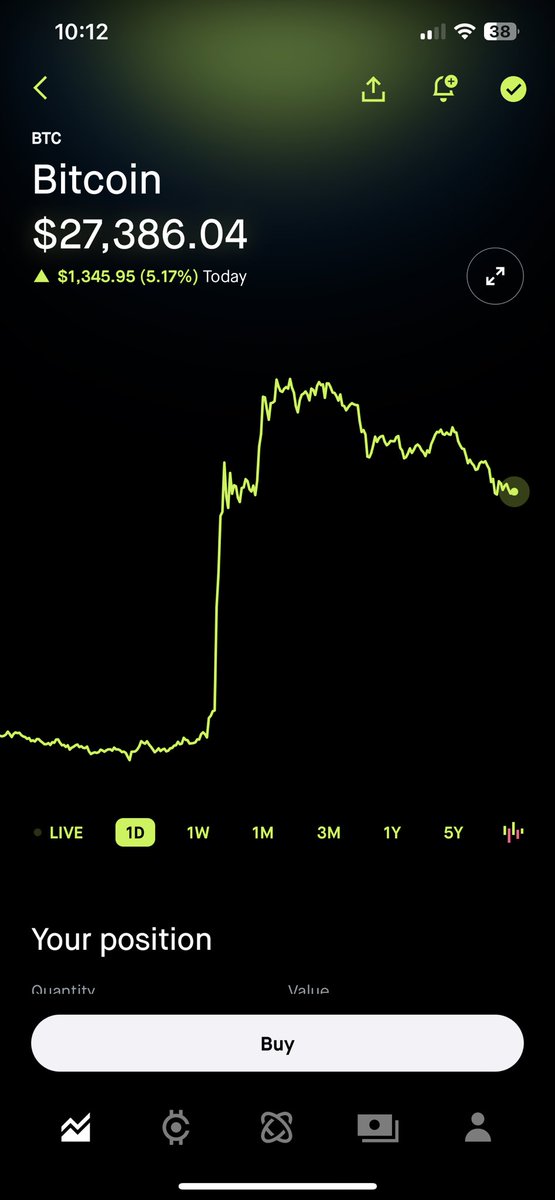
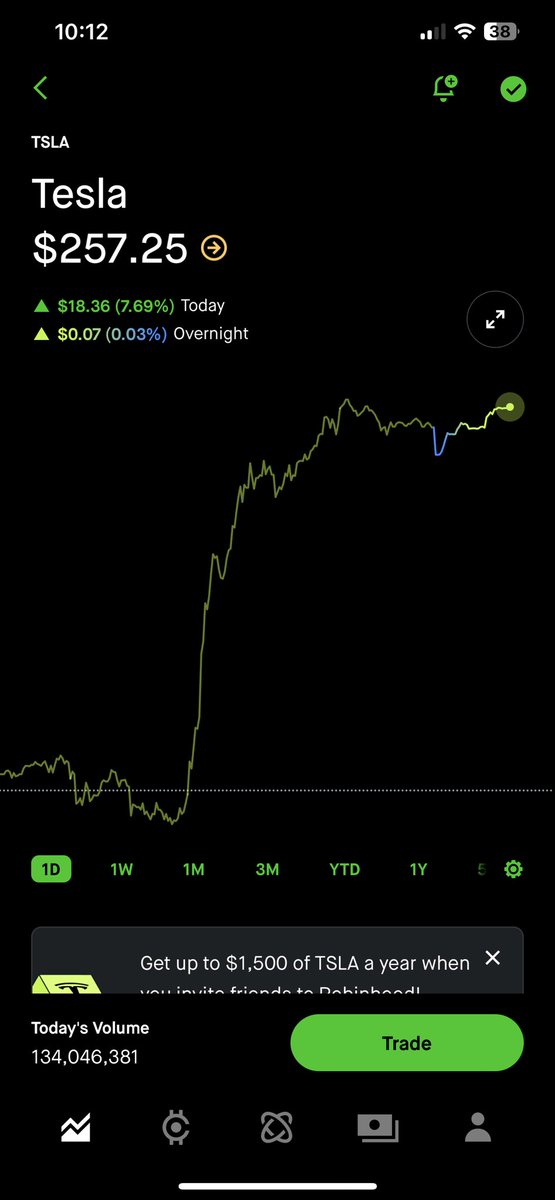
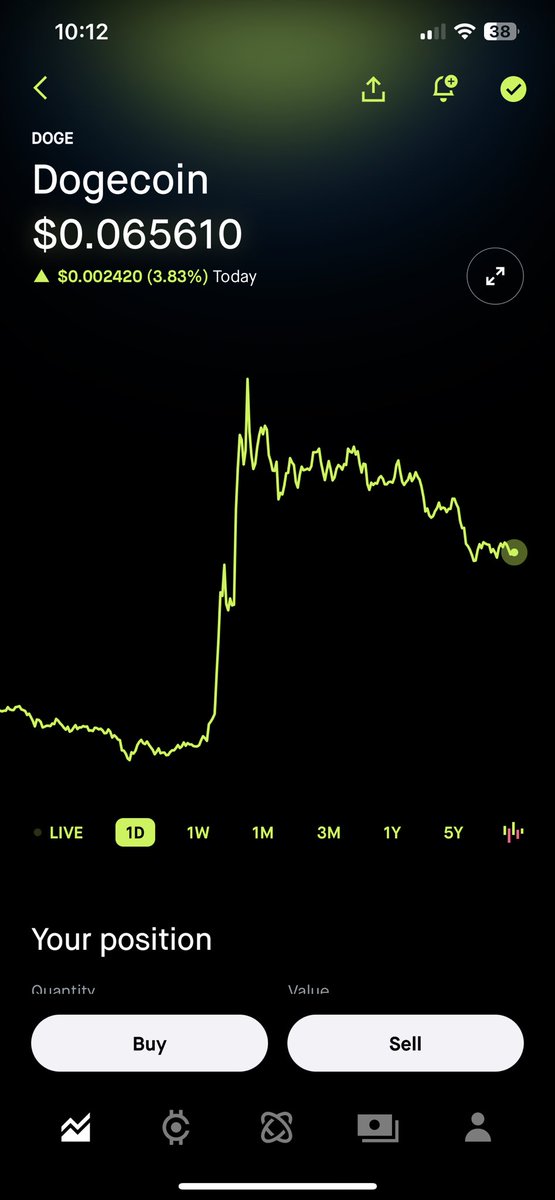
$BTC 📈 $TSLA 📈 $DOGE 📈
All positive today ➕➕➕
I hope everyone’s happy 😊
Keep chasing 🏃♂️your goals
Follow your DESIRES 🌱💸🏝️
#Bitcoin #Tesla #Dogecoin #Crypto #Finance #StocksInFocus #bitcoinnews
5
6
1,199
3 Sep 2023
🧵 The Role of Dividends in Value Investing 💰
1. Welcome to another segment of our value investing series! Today, we'll explore the significance of dividends in a value investor's strategy. Dividends can be a reliable source of income and a valuable indicator of a company's health. Let's dive in! #DividendInvesting
2. Steady Income Stream: Dividend-paying stocks provide a consistent stream of income for investors. This income can be especially valuable for retirees or those seeking regular cash flow from their investments. #DividendIncome
3. Signal of Financial Health: Companies that pay dividends are often financially stable and profitable. A consistent history of dividend payments can signal a company's confidence in its ability to generate cash flow and sustain operations. #FinancialHealth
4. Dividend Yield: The dividend yield is calculated as Dividend Per Share / Stock Price. It tells you the percentage return you'll receive from dividends alone. Stocks with higher dividend yields can be attractive for income-focused investors. #DividendYield
5. Dividend Growth: Some companies consistently increase their dividends over time. This is a strong indicator of financial health and management's commitment to shareholder value. Look for a history of dividend growth. #DividendGrowth
6. Dividend Payout Ratio: The dividend payout ratio is the percentage of earnings a company pays out as dividends. A lower ratio suggests the company is reinvesting more in growth, while a higher ratio indicates a focus on rewarding shareholders. #DividendPayoutRatio
7. Case Study: Dividend Aristocrats These are S&P 500 companies with a history of consistently increasing their dividends for at least 25 consecutive years. They're often considered by value investors seeking stable income and growth potential. #DividendAristocrats
8. Diversification: Incorporating dividend-paying stocks into a diversified portfolio can provide stability and income, helping to offset the risks associated with growth or non-dividend stocks. Balance is key. #DiversifyPortfolio
9. Risk Considerations: While dividends can be appealing, don't blindly chase high-yield stocks. Extremely high yields might indicate financial distress or an unsustainable dividend policy. Always perform due diligence on a company's financials. #RiskManagement
10. In conclusion, dividends play a valuable role in value investing. They provide income, indicate financial health, and can enhance portfolio stability. When selecting dividend stocks, prioritize a strong history of payments and a sustainable payout ratio. #DividendInvesting
Stay tuned for more insights in our value investing series! 🚀 #ValueInvestingInsights
1
1
142
1 Sep 2023
🧵 Value Investing Pitfalls to Avoid 🚫
1. In our value investing series, we've covered the essentials of this strategy. Now, let's discuss common pitfalls to steer clear of as a value investor. Recognizing and avoiding these traps can help safeguard your investments. #ValueInvestingPitfalls
2. Ignoring Growth Potential: While value investing emphasizes undervalued stocks, don't disregard a company's growth prospects entirely. Sometimes, undervalued companies have significant growth potential that isn't reflected in their current prices. #GrowthMatters
3. Value Traps: Not every cheap stock is a hidden gem. Some are "value traps" – stocks that appear undervalued but continue to decline due to poor fundamentals or an unfavorable business environment. Deep research is essential to avoid these traps. #ValueTraps
4. Overconfidence: Overestimating your ability to pick winning stocks can lead to excessive risk-taking. Stay humble and recognize that even the most experienced investors can make mistakes. Diversify to mitigate the impact of any single error. #AvoidOverconfidence
5. Neglecting Quality: Prioritizing undervaluation over quality can be a mistake. Low-quality companies might remain cheap for a reason – they lack competitive advantages or face fundamental issues that hinder growth. Balance value with quality. #QualityMatters
6. Anchoring Bias: Anchoring occurs when investors fixate on a specific price point, often the purchase price, and refuse to sell until the stock reaches that point again. Be open to reevaluating your investments based on current information. #AnchoringBias
7. Holding Onto Losing Positions: Stubbornly holding onto losing stocks in the hope they'll recover can lead to significant losses. If the fundamental reasons for your investment have changed, consider cutting your losses and reallocating capital. #CutYourLosses
8. Lack of Diversification: Overconcentration in a single industry or sector can expose your portfolio to higher risks. Diversify to spread risk across various assets and industries, but without compromising on your core value investing principles. #Diversification
9. Ignoring Market Trends: While value investing focuses on fundamentals, ignoring broader market trends can be detrimental. Understanding the market environment and how it impacts your investments is crucial for making informed decisions. #MarketTrends
10. Case Study: Blockbuster vs. Netflix Blockbuster ignored the trend of digital streaming, leading to its downfall. In contrast, Netflix recognized the shift and adapted its business model. This case illustrates the importance of staying attuned to market dynamics. #AdaptToChange
11. In conclusion, value investing is a powerful strategy, but it's not without its pitfalls. Avoiding these common traps requires a combination of diligence, discipline, and continuous learning. Stay vigilant and adapt as needed to navigate the investment landscape successfully. #ValueInvestingSuccess
Thank you for joining our value investing series! As you continue your investment journey, remember that mistakes can be valuable lessons. Stay committed to refining your approach and making informed decisions. 📈🚀 #ValueInvestingInsights
1
54
1 Sep 2023
Building Wealth with Value Investing
📊 Ready to uncover the principles of value investing? In this thread, we'll explore the strategies that legendary investors like Warren Buffett use to build long-term wealth. Join the journey! #ValueInvesting
1. 💡 The Essence of Value Investing: Value investors seek stocks trading below their intrinsic value. They're bargain hunters, looking for hidden gems in the market.
2. 📈 Margin of Safety: A key principle in value investing. Buy when the market undervalues a stock, ensuring a margin of safety against potential losses.
3. 📚 Fundamental Analysis: Dive deep into a company's financials, management, and competitive position. Understand what makes it a strong investment.
4. 🌟 Patience Pays Off: Value investing requires patience. Buy and hold stocks for the long term, letting the market recognize their true value over time.
5. 🌐 Diversification Still Matters: While focused on value, don't forget to diversify your portfolio across different industries for risk management.
6. 🔍 Contrarian Thinking: Be willing to go against the crowd when the market is overly optimistic or pessimistic. The best opportunities often arise when others panic.
7. 🧠 Continuous Learning: Value investing is an evolving art. Stay updated on market trends, economic indicators, and company news to make informed decisions.
Share your experiences with value investing and your favorite value stocks! Let's learn and grow together. #ValueInvestingWisdom
1
81
1 Sep 2023
Staying Resilient in Market Volatility
🧵 Navigating Market Volatility as a Value Investor 📉
1. Welcome back to our value investing series! In this thread, we'll discuss how value investors can navigate market volatility – a natural part of investing. Staying resilient during turbulent times is crucial for long-term success. Let's explore some strategies. #MarketVolatility
2. Keep Calm and Stay Rational: Market volatility often triggers emotional reactions. As a value investor, focus on the fundamentals. Remember why you invested in a stock in the first place and assess whether those reasons still hold true. #StayRational
3. Embrace Volatility: Market volatility can create opportunities for value investors. During market downturns, previously overvalued stocks might become undervalued. Be ready to pounce on these opportunities with well-researched buys. #OpportunityInDisguise
4. Stick to Your Strategy: It's easy to be swayed by short-term trends during volatility. Stick to your value investing principles and avoid making hasty decisions based on market noise. Trust your analysis and the thorough research you've done. #StayDisciplined
5. Focus on Long-Term Goals: Remember that value investing is a long-term strategy. Short-term fluctuations, while unsettling, are often overshadowed by a company's long-term potential. Stay focused on your investment goals and the big picture. #LongTermThinking
6. Case Study: The Great Recession During the 2008 financial crisis, many value investors found opportunities in the chaos. Warren Buffett famously said, "Be fearful when others are greedy and greedy when others are fearful." #GreatRecession #ValueOpportunities
7. Avoid Timing the Market: Timing market bottoms and tops is notoriously difficult. Rather than attempting to predict short-term market movements, focus on the intrinsic value of your investments and their potential for growth over time. #NoMarketTiming
8. Maintain a Cash Cushion: Having some cash on hand during market downturns gives you the flexibility to take advantage of attractive opportunities that arise. A cash cushion also helps you stay confident when others are panicking. #CashCushion
9. Stay Informed but Limit Noise: Stay updated on relevant news and market developments, but avoid being overwhelmed by constant media coverage. Filter out noise and focus on well-researched information that aligns with your strategy. #LimitNoise
10. In conclusion, market volatility is a test of your resilience as a value investor. Embrace the challenges, stick to your strategy, and remain focused on your long-term objectives. By navigating volatility, you're well on your way to building wealth steadily. #ResilientInvesting
Thanks for following our value investing series! Remember, continuous learning and adapting to market dynamics are key to your success as an investor. Stay curious and keep honing your skills. 📚🚀 #ValueInvestingInsights
1
57
31 Aug 2023
🧵 Building a Resilient Value Portfolio 💼
1. Welcome back to our value investing series! In this thread, we'll explore the steps to construct a resilient value portfolio that can weather market fluctuations and deliver sustainable returns over the long term. Let's get started! #ValueInvestingPortfolio
2. Diversification: The age-old advice holds true. Diversifying your portfolio across different industries and sectors reduces risk. While value investing focuses on undervalued stocks, diversification can help you balance potential gains and losses. #Diversification
3. Quality Over Quantity: It's tempting to invest in a multitude of undervalued stocks. However, quality matters more than quantity. Focus on a few companies with strong fundamentals and competitive advantages. Quality beats quantity in value investing. #QualityMatters
4. Risk Assessment: Analyze the risks associated with each potential investment. Consider factors like regulatory changes, industry disruption, and financial stability. A deep understanding of the risks helps you make informed decisions. #RiskAssessment
5. Position Sizing: Allocate capital based on your level of confidence in each investment. While undervalued stocks can offer potential, some might carry more uncertainty. Allocate more to well-researched, high-confidence picks. #PositionSizing
6. Continuous Monitoring: Value investing isn't a one-time analysis. Keep a watchful eye on your portfolio's performance and the companies within it. Regularly review financial statements, news, and industry trends to stay informed. #PortfolioMonitoring
7. Rebalancing: Market dynamics change, and your portfolio should adapt. Rebalance periodically to ensure your allocation remains aligned with your strategy. Sell overvalued stocks and consider adding to positions that have become more undervalued. #Rebalancing
8. Case Study: Benjamin Graham's Margin of Safety The father of value investing, Graham emphasized the concept of a "margin of safety." Invest with a buffer – buy stocks when they're significantly undervalued to account for potential errors in analysis. #MarginOfSafety
9. In conclusion, building a resilient value portfolio requires a blend of diversification, quality focus, risk assessment, and continuous monitoring. Stay disciplined, stay patient, and always seek the "margin of safety" in your investments. #ValueInvestingPortfolio
10. Thanks for joining our value investing series! Remember, value investing is a long-term journey that demands diligence and strategic thinking. Stay curious, keep learning, and may your investments grow steadily over time. 📈 #ValueInvestingJourney
Stay tuned for more financial insights and strategies! 🚀 #ValueInvestingInsights
62
31 Aug 2023
The Psychology of Value Investing
🧵 The Psychology of Value Investing 🧠
1. Welcome to our value investing series! Today, we delve into the psychological aspects of this strategy. Successful value investing requires a disciplined mindset that can resist market emotions and short-term noise. Let's explore these mental facets. #PsychologyOfInvesting
2. Contrarian Thinking: Value investing often involves going against the crowd. Buying when others are selling can be uncomfortable, but it's a hallmark of this strategy. Embrace contrarian thinking and have the conviction to stick to your analysis. #ContrarianInvesting
3. Patience and Delayed Gratification: Value investing is about delayed rewards. Not all undervalued stocks will rebound immediately. Patience is key. Understand that it might take time for the market to recognize the hidden value you've identified. #PatiencePays
4. Fear and Greed: Markets are influenced by fear and greed. During market downturns, fear can lead to undervaluation. Conversely, greed can inflate prices during bull markets. Stay rational and avoid making decisions solely based on emotions. #FearAndGreed
5. Confirmation Bias: Be aware of the tendency to seek information that confirms your existing beliefs. To be a successful value investor, actively seek out opposing viewpoints and challenge your assumptions. This will help refine your analysis. #ConfirmationBias
6. Herd Mentality: Following the crowd can be detrimental. Just because many investors are rushing into a stock doesn't mean it's a good buy. Do your own research and make decisions based on fundamentals, not popular opinion. #HerdMentality
7. Cognitive Dissonance: It's natural to avoid information that contradicts your decisions. However, in value investing, it's important to confront conflicting data and adjust your approach if necessary. Flexibility is a strength. #CognitiveDissonance
8. Long-Term Thinking: Value investing is a marathon, not a sprint. Focus on the long-term potential of your investments. Short-term market fluctuations are noise; what matters is a company's ability to create value over years. #LongTermThinking
9. Case Study: Warren Buffett's Temperament The "Oracle of Omaha" is known for his unshakable temperament. He sticks to his value investing principles even during turbulent markets. His patient and rational approach has led to remarkable success. #WarrenBuffett
10. In conclusion, value investing requires a disciplined and rational mindset. Embrace contrarian thinking, cultivate patience, and remain focused on long-term value. By understanding and managing psychological biases, you can navigate the market with confidence. #ValueInvestingMindset
Stay tuned for more insights and strategies in our value investing series! 🚀 #ValueInvestingInsights
61