Global Threats. State Solutions. Founded by @Michael7ucci.
Joined May 2023
- Tweets 2,313
- Following 1
- Followers 2,813
- Likes 281
1,288 Photos and videos




Pinned Tweet

Jun 2
In a letter to Congressional leaders, State Armor Founder & CEO @Michael7ucci calls for an investigation into Airwallex — a global payments company that’s deeply embedded in the U.S. financial technology ecosystem and has deep ties to the CCP.
➡️ thecentersquare.com/national…

3
12
69
473,820
State Armor retweeted

Jun 13
US: The Next Front in US-China Competition Is the Homefront: As pressure to push China-linked businesses, organizations, and funding out of the federal sector increases, Beijing is zeroing in on new targets: state, local, and subnational entities. nationalinterest.org/feature…
1
7
14
817
Jun 12
Google has filed a lawsuit against a China-based cybercrime network accused of using Google's Gemini AI to power a massive phishing operation that allegedly generated thousands of fake websites and millions of scam messages targeting consumers.
➡️ nytimes.com/2026/06/12/techn…
1
1
125
Jun 12
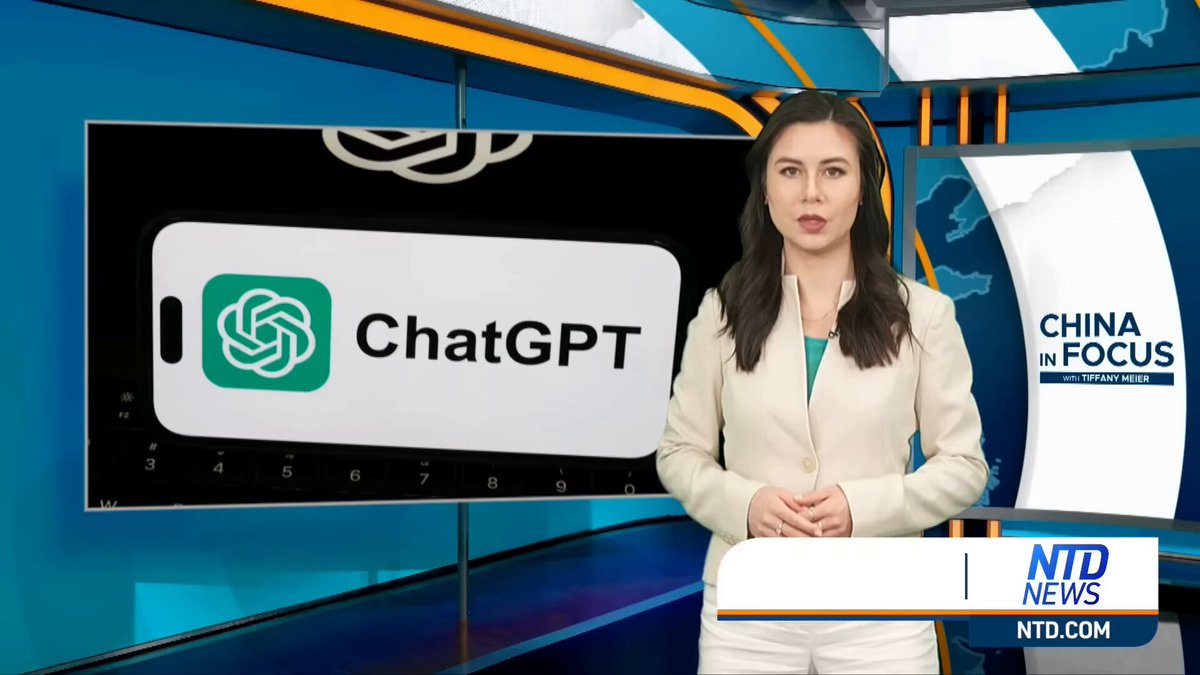
.@ChinaInFocusNTD reports OpenAI says China-linked accounts used ChatGPT to influence U.S. debate over AI data centers.
"OpenAI says the goal was to insert divisive content into actual discussions about AI infrastructure and its impact on communities."
1
6
14
414
Jun 11
A new @CrowdStrike report warns that China is ramping up efforts to steal AI technology from U.S. companies.
“China-nexus adversaries are escalating espionage against technology organizations to steal the AI capabilities and intellectual property they cannot build fast enough on their own,” the company said in a statement.
➡️ washingtontimes.com/news/202…
2
2
149
Jun 11
🚨 OpenAI has identified and disrupted two clusters of PRC-linked operations that used ChatGPT to generate content targeting U.S. debates over AI infrastructure, data centers, and wider tech policies.
China is working to shape America's AI future. openai.com/index/prc-linked-…
2
3
270
Jun 10
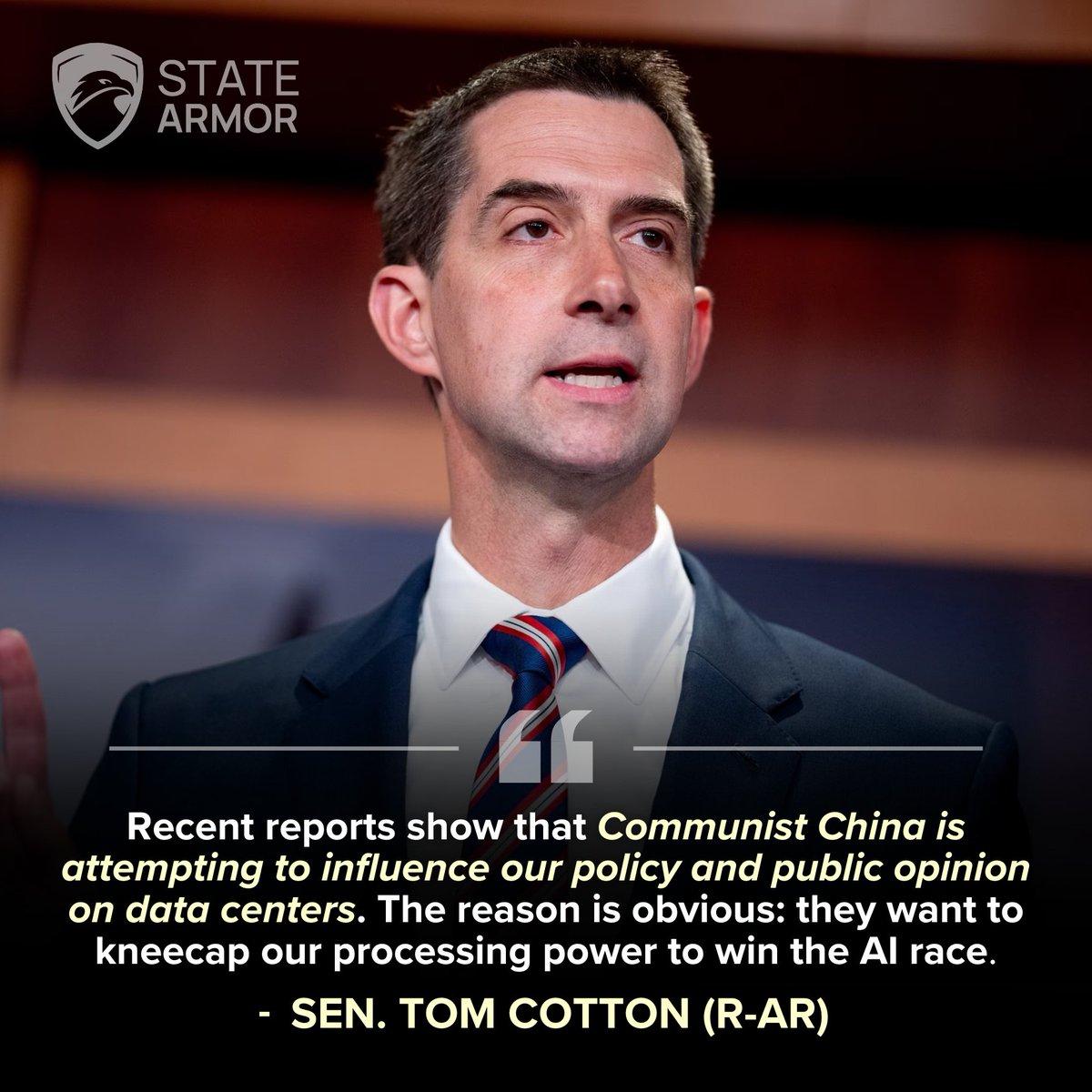
Sen. @TomCottonAR is calling on @TheJusticeDept to investigate whether a Neville Roy Singham-funded network is working to undermine U.S. AI infrastructure and data center development on behalf of Communist China’s interests.
➡️ foxnews.com/politics/sen-tom…
3
11
592
Jun 9
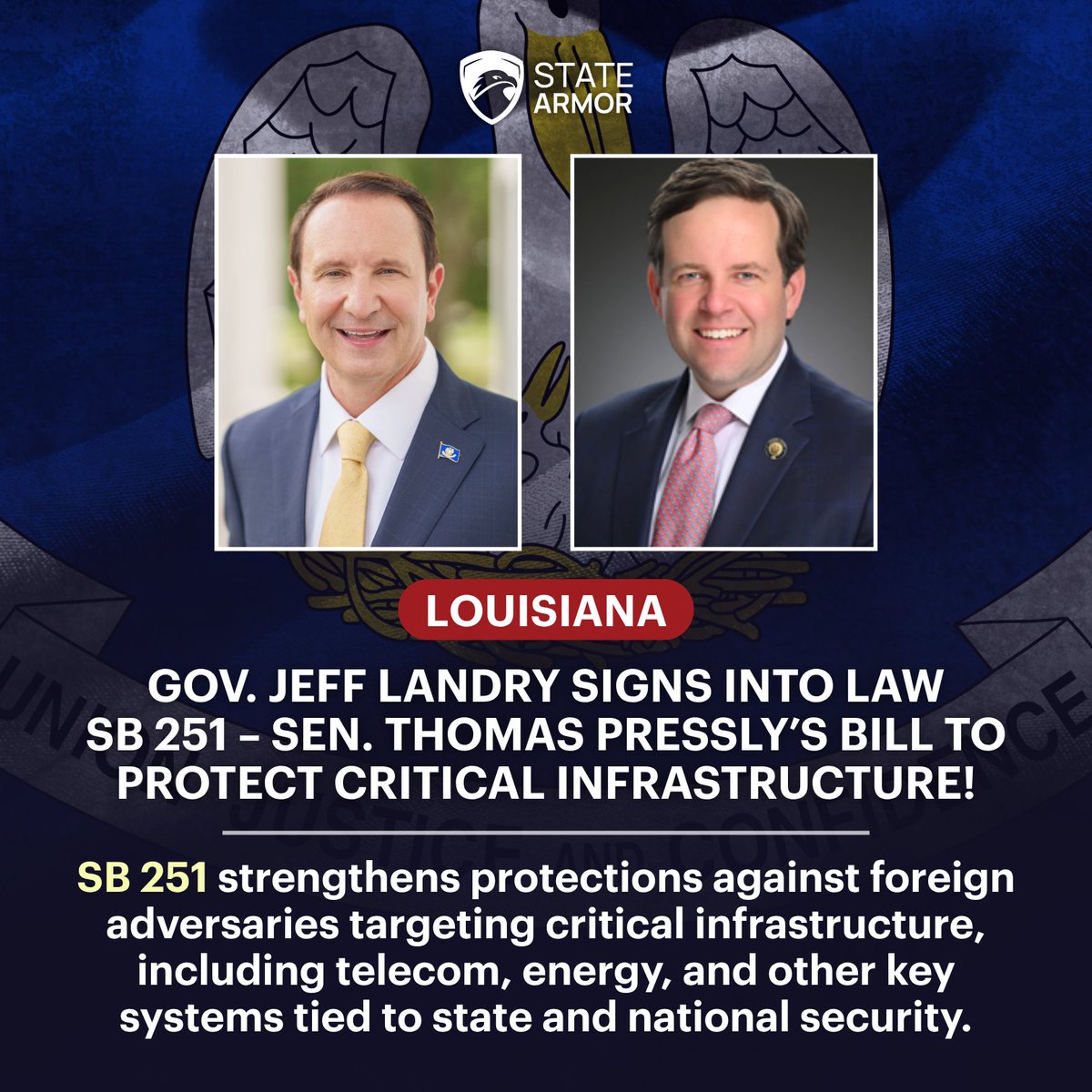
🚨 NEW: @LAGovJeffLandry has signed SB 251 — state Sen. Thomas Pressly’s bill strengthening the state’s critical infrastructure from threats by foreign adversaries like Communist China — into law!
1
1
5
193
Jun 9
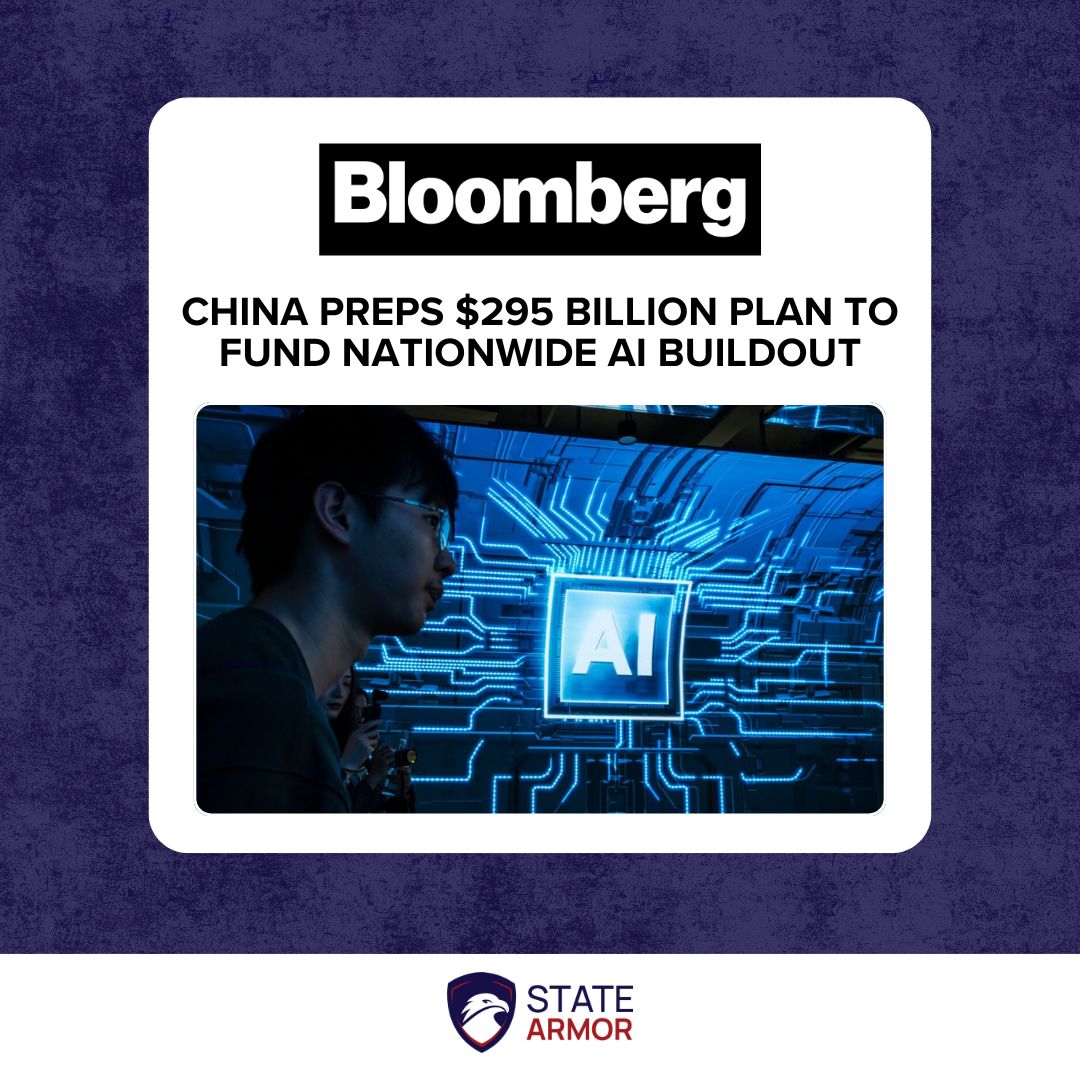
China is preparing to spend $295 billion on AI infrastructure and plans to rely heavily on Chinese technology firms.
The message from Beijing is clear: they want to build their own ecosystem, replace American technology, and lead in AI.
➡️ bloomberg.com/news/articles/…
1
7
971
Jun 8
Microsoft is quietly helping launch an incubator for Chinese tech startups focused on AI and global expansion, according to a new report.
Beijing is racing for AI dominance. Why is an American company helping?
➡️ nypost.com/2026/06/08/busine…
9
12
2,261
Jun 6
On June 6, 1944, ordinary men did the extraordinary.
82 years later, we remember the heroes of D-Day and the freedom they helped secure.
1
8
207
Jun 5
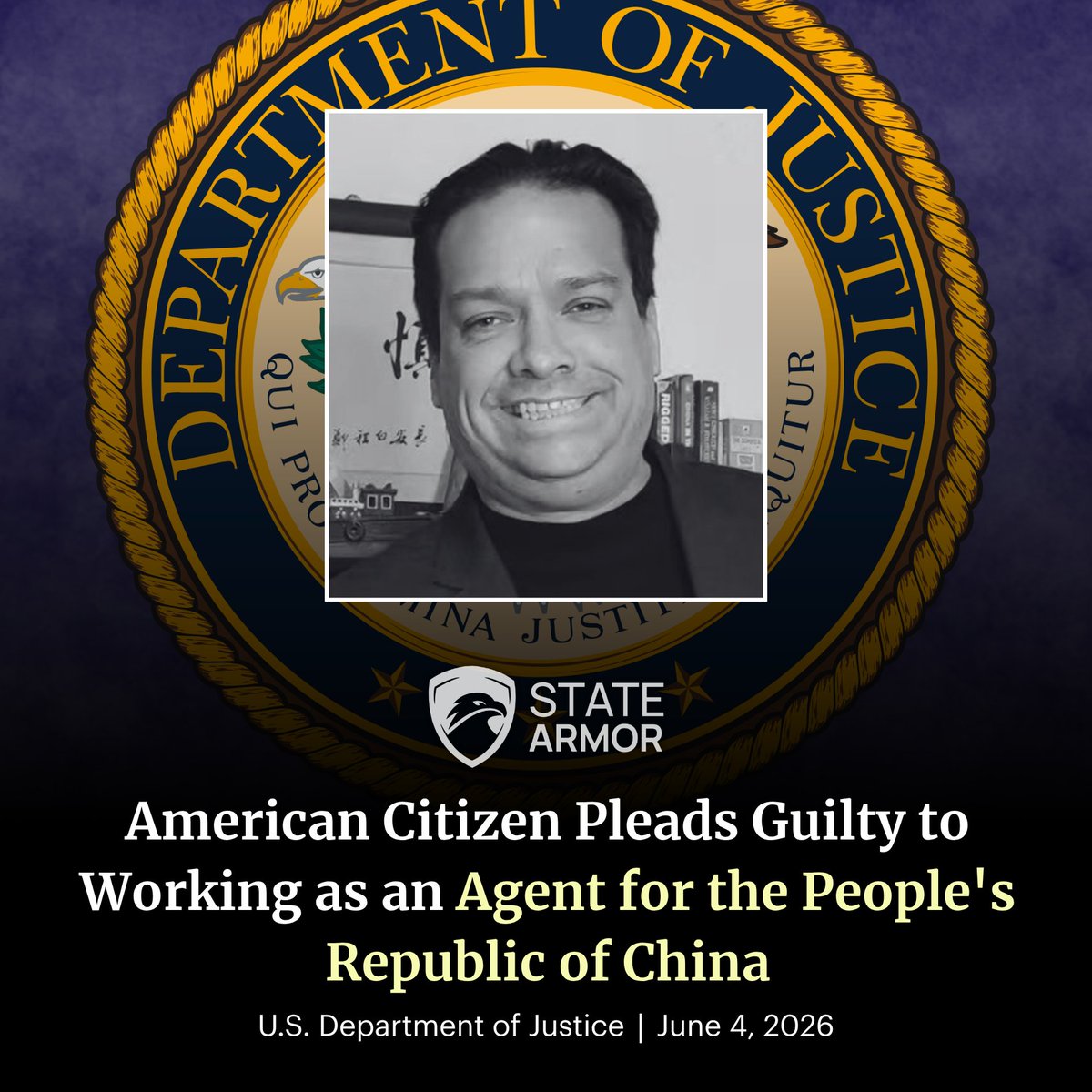
Thomas Weir Pauken II, an American citizen who lived and worked in China, pleaded guilty to acting as an agent of the Chinese government in the U.S.
The DOJ says he gathered information on U.S. targets, sought political access, and reported to Chinese intelligence operatives.
1
7
18
2,294
Jun 5
According to court documents, from at least 2019 until February 2026, Pauken worked at the direction and control of people he knew worked for the PRC, including a person he met in 2017 identified as “Cathy.” justice.gov/opa/pr/american-…
2
3
223
Jun 5
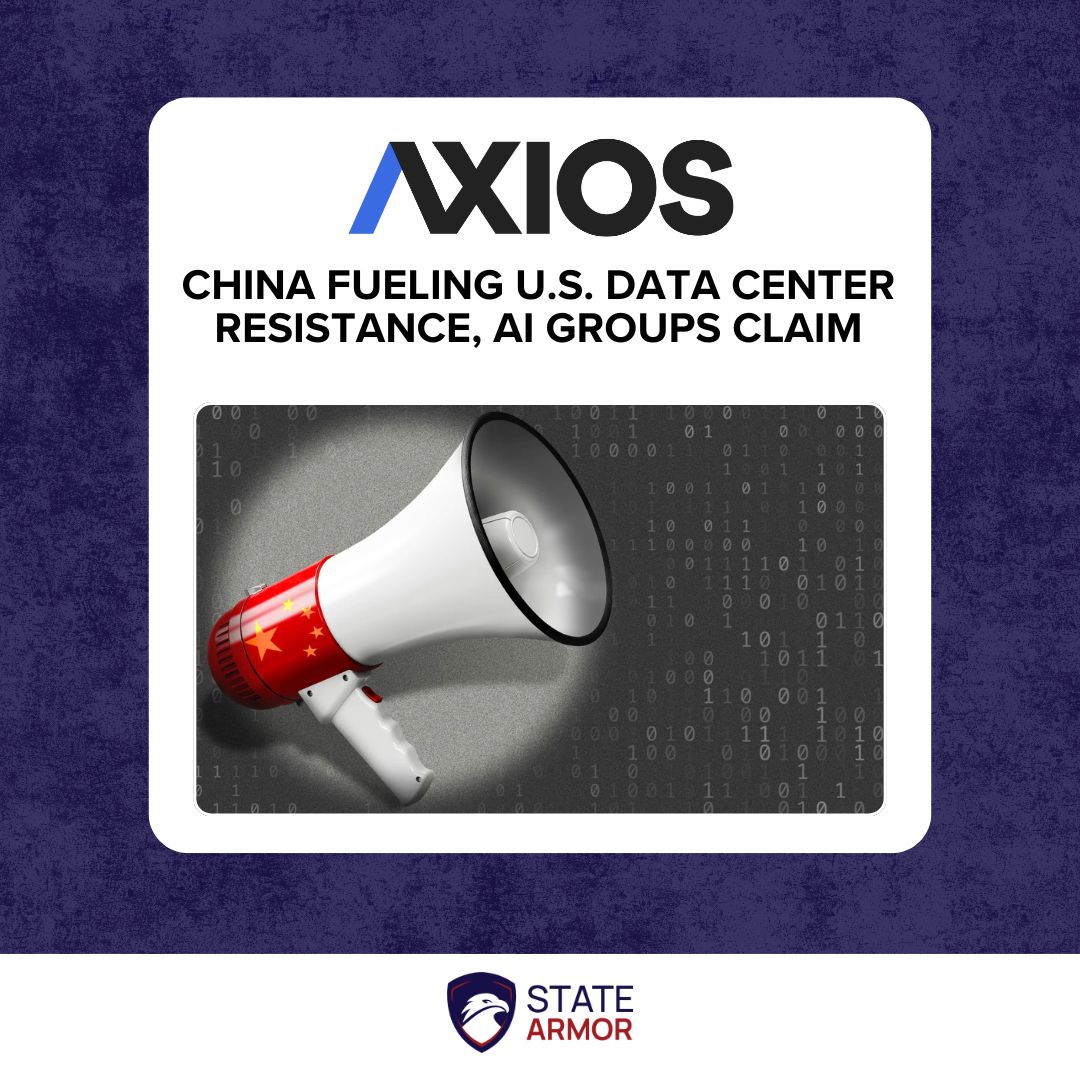
China wins if the United States stops building.
New reporting suggests accounts connected to China and its proxies may be amplifying anti-data center content online as the U.S. and China compete in the AI race.
➡️ axios.com/2026/06/05/china-f…
3
10
338
Jun 4
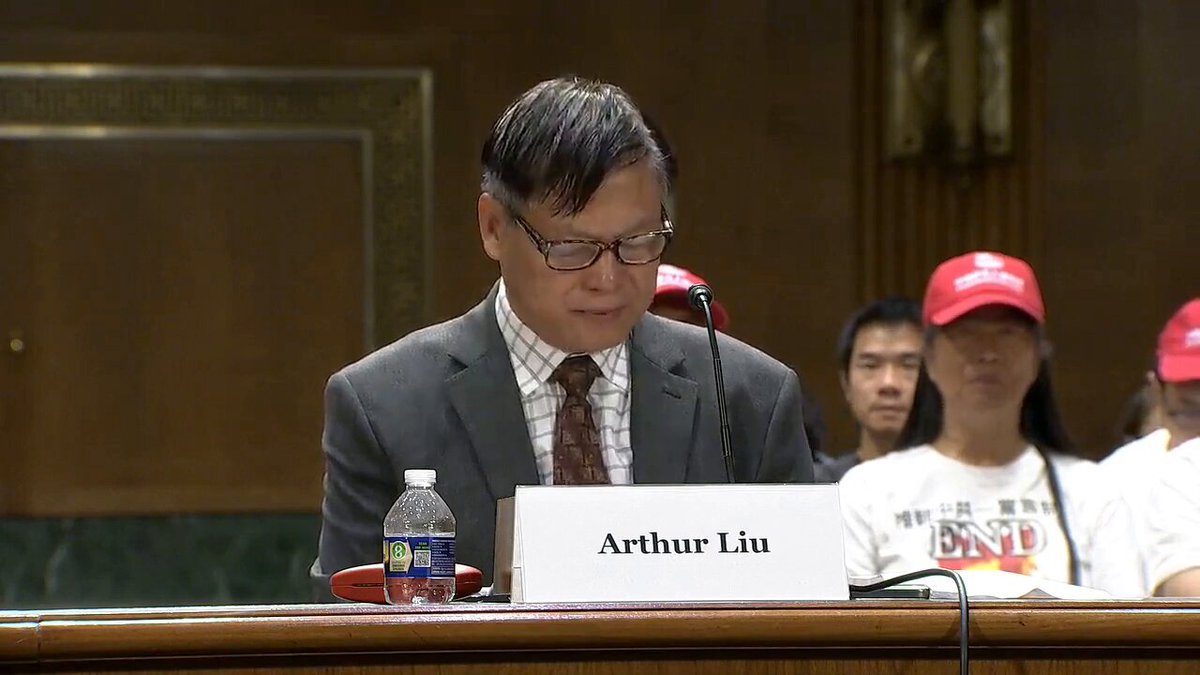
🚨 Arthur Liu, the father of Olympic gold medalist Alysa Liu, details how the FBI warned him that a Chinese spy was targeting his family before the 2022 Beijing Olympics.
"It was like a scene right out of the movie."
11
47
157
82,315
State Armor retweeted

Jun 4
At a House hearing on China's threats to America, Stephen J. Cox, Counsel to the Governor of Alaska, warns about the threat posed by the Chinese Communist Party-tied fintech firm Airwallex.
Sensitive U.S. financial data may be exposed to CCP access!
Cox notes, "Many of the Chinese Communist Party's threats to Americans increasingly manifest themselves through areas traditionally governed by states: public safety, consumer protection, licensing, and infrastructure."
Cox's testimony: "One area that has drawn my particular attention involves cross-border payments platforms and money transmitters operating inside the United States. And I want to give kudos to Senator Tom Cotton on this commission who deserves a lot of credit for publicly raising concerns about Airwallex with the U.S. Department of Justice and the potential exposure of sensitive American financial data to CCP influence or access. I share those concerns about Airwallex and this industry more broadly, and I have begun to have conversations in Alaska about whether our state licensing and regulatory authorities should take a harder look at money transmitters that are connected to foreign adversary governments.
"A money transmitter license is a privilege, it's not a right, and I believe state regulators should be asking whether companies entrusted with sensitive financial information can satisfy their state law obligations when data, operations, and key personnel may be subject to foreign adversary influence. States do not need to, and we shouldn't, conduct foreign policy to play an important role here, but states can protect consumers. States can safeguard critical infrastructure. States can ensure that Americans are not unknowingly exposed to foreign adversary leverage.
And that mission resonates particularly strongly in a state like Alaska. Alaskans have an express constitutional right to privacy, and we take that right very seriously. If Alaskans are paying a premium for products and services, and we are, they deserve to know what they're getting and what risks may come with it.
We're also America's Arctic state and Pacific state. We sit at the intersection of strategic cargo, telecom, critical minerals, ports, fisheries, and Arctic logistics. As a result, many of the threats that we might be discussing today are not abstract for us. So my message is simple: many of the Chinese Communist Party's threats to Americans increasingly manifest themselves through areas traditionally governed by states: public safety, consumer protection, licensing, and infrastructure.
And because of that, states have both the authority and the responsibility to act carefully and lawfully and strategically alongside our federal partners."
5
49
158
30,408
Jun 4
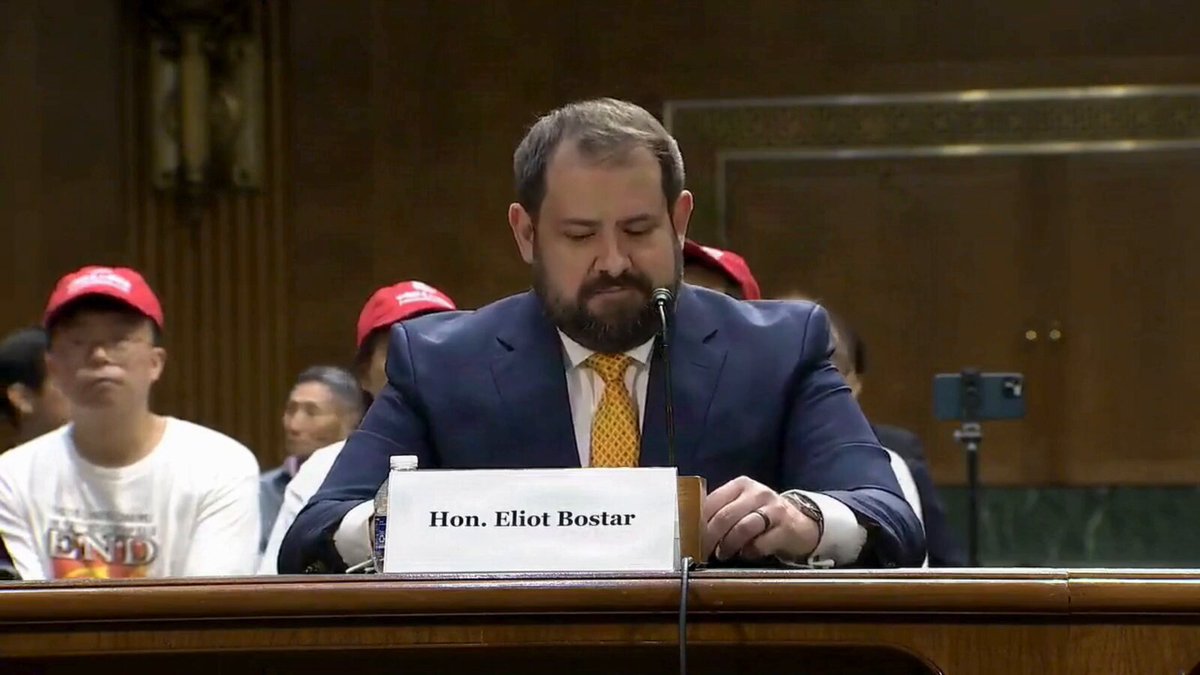
“The People’s Republic of China is a threat to every state and every community in our country.”
Nebraska state Sen. Eliot Bostar testifies before the @CECCgov on how the Cornhusker State is confronting CCP influence, protecting critical infrastructure and technology, and combating transnational repression targeting dissidents.
3
22
54
9,959
Jun 4
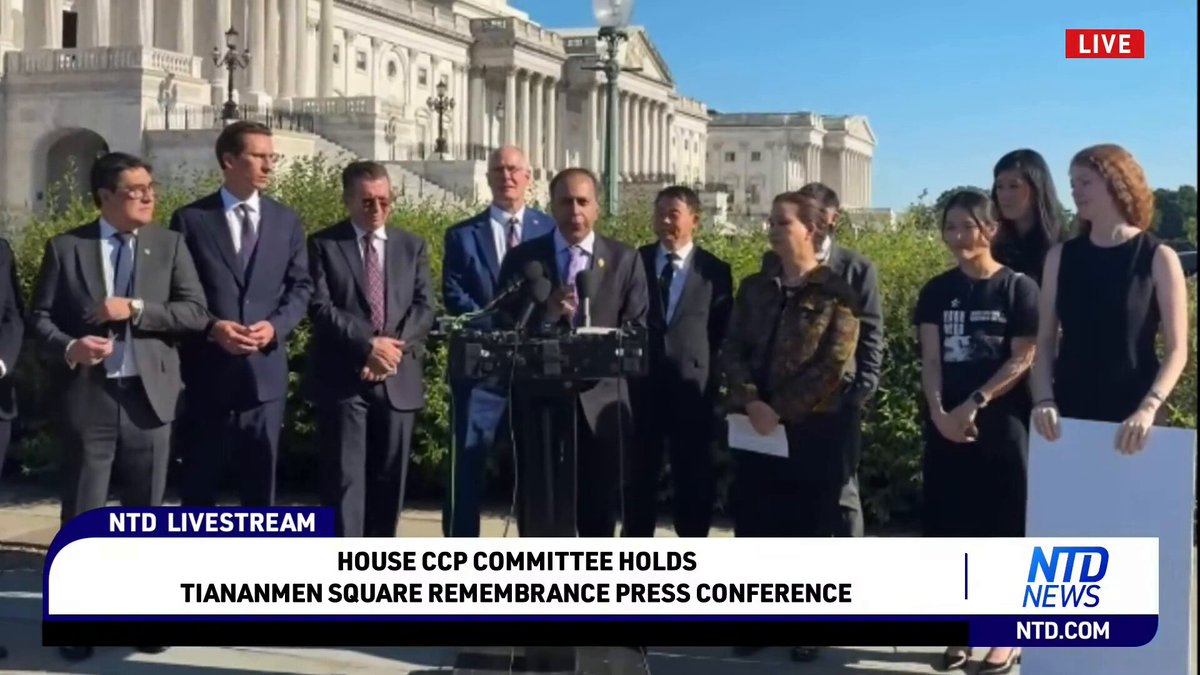
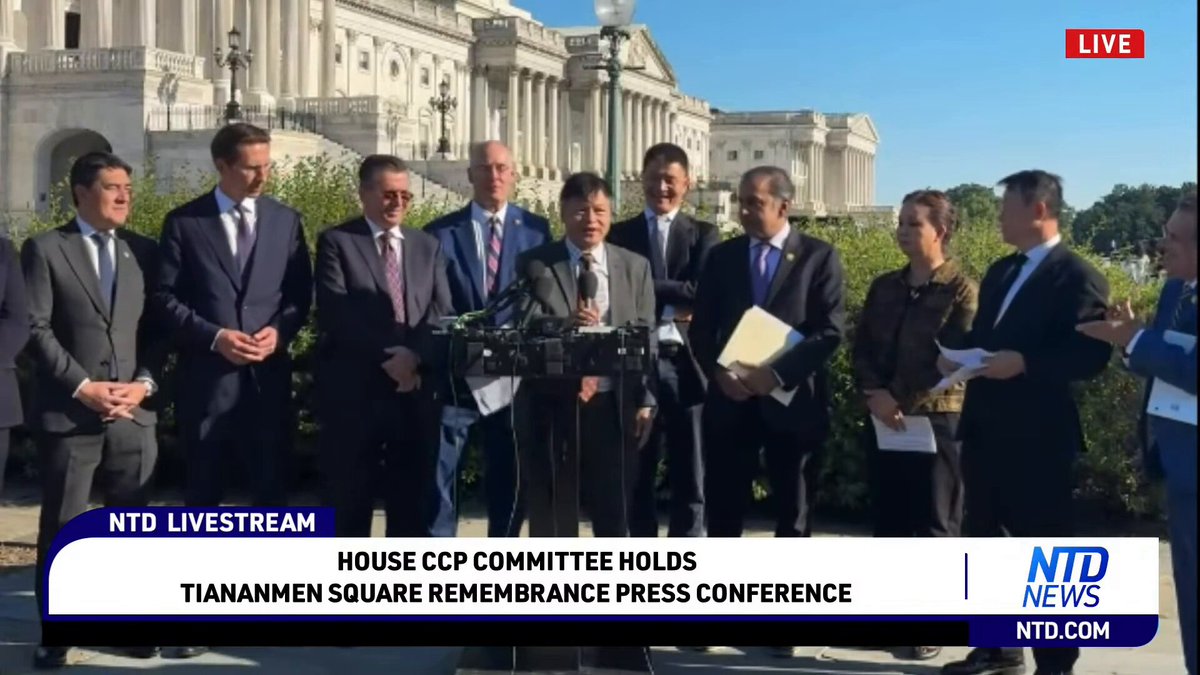
.@CongressmanRaja says the CCP still tries to erase the memory of Tiananmen Square:
"If you go to DeepSeek and you ask, 'Please tell me about Tiananmen Square,' it comes back saying, 'Let us please talk about math.'"
"No, we are not going to forget."
5
16
41
1,310
Jun 4
Arthur Liu says the Chinese government targeted his daughter, Olympic champion Alysa Liu.
"She posted news reports of the labor camps and the persecution of the Uyghurs in China... She was only like 11, 12 years old... And the Chinese government never forgot about her."
47
172
585
38,025
Jun 4
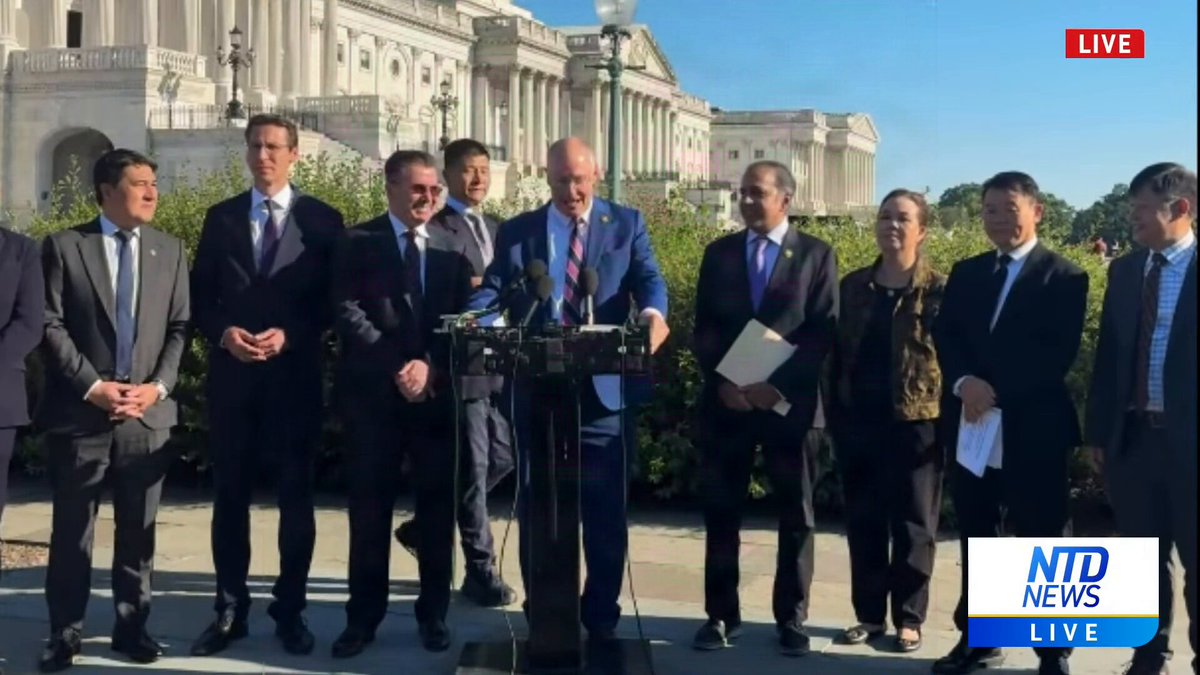
🚨 @RepMoolenaar on the anniversary of the Tiananmen Square massacre:
"Literally translated, Tiananmen means heavenly gate. But on this day in 1989, the CCP turned the heavenly gate into a hell on earth."
31
55
155
6,645
Jun 3
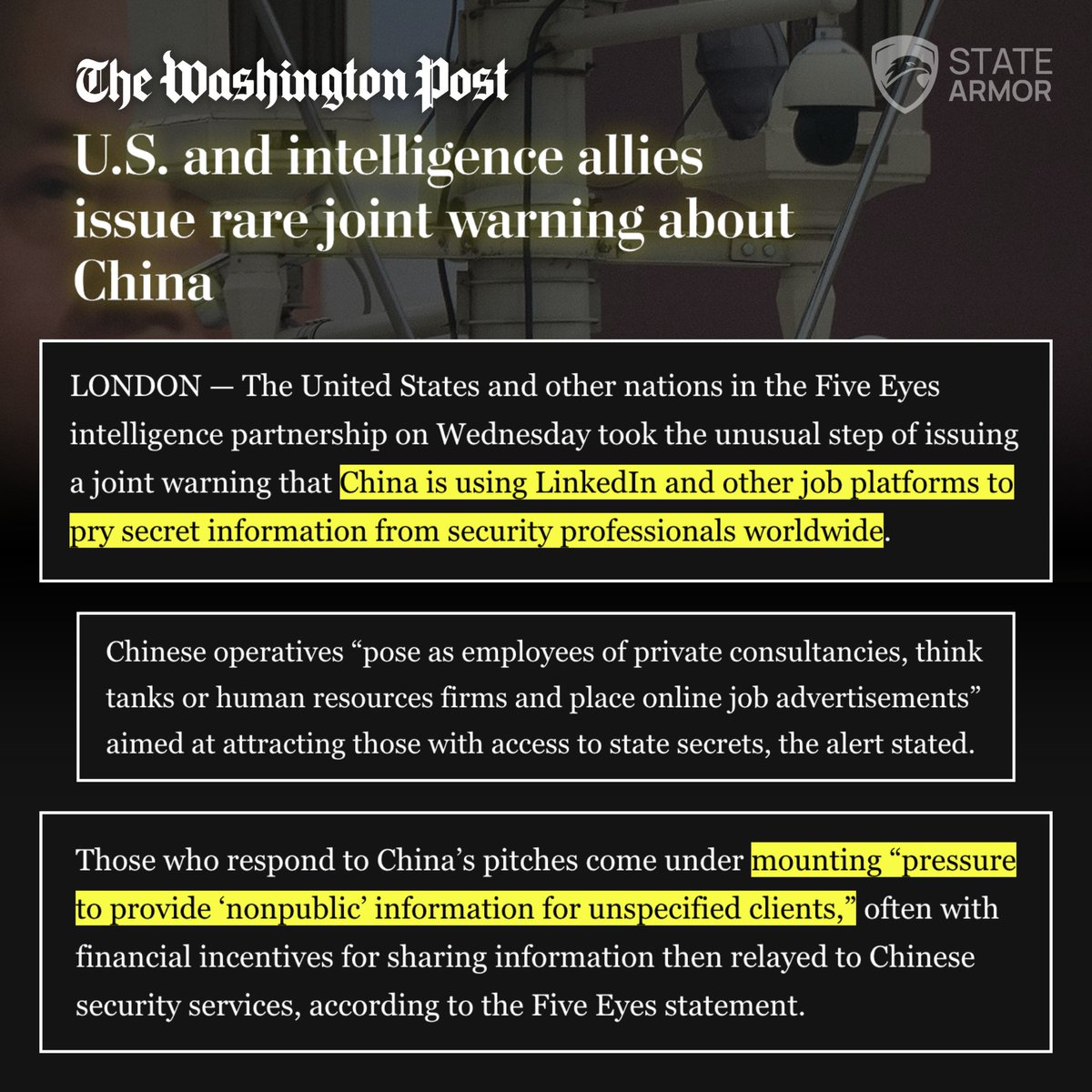
🚨 The Five Eyes alliance — U.S., U.K., Canada, Australia, & New Zealand — warns Chinese intelligence operatives are posing as recruiters on LinkedIn and other job platforms to target individuals with government, military, and security backgrounds.
➡️ washingtonpost.com/world/202…
3
31
63
3,096