
Founder and CEO of @StateArmor and State Armor Action
Joined June 2021
- Tweets 16,387
- Following 578
- Followers 13,086
- Likes 24,809
3,067 Photos and videos





Seeing Knicks legends like Ewing and Oakley in the stands, I have to think Jordan is going to call them to congratulate them on the Knicks championship and then quickly transition into trash talking about how they couldn't win when he was in the league.

After 53 years, an entire childhood of Michael Jordan stopping Patrick Ewing and one Danhausen the Knicks are NBA Champions.

1
1
11
2,500
Michael Lucci retweeted

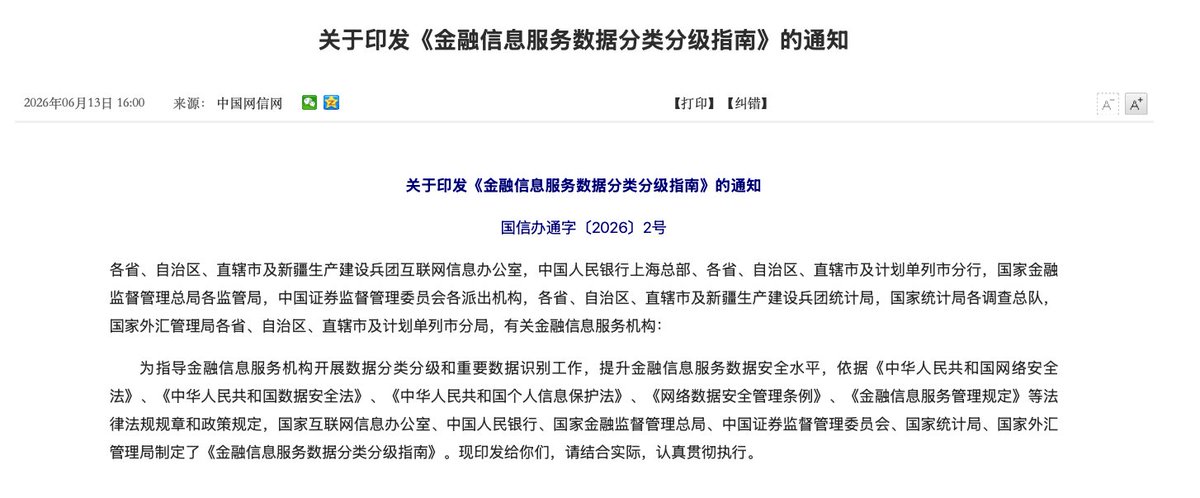
New financial data rules just dropped from Beijing (CAC, PBOC, CSRC, etc.), and they explain exactly why the Chinese market is going dark. 👇
A breakdown of the new "Financial Information Service Data Classification & Grading Guide":
1/ Political Security is King: The highest tier ("core data") is explicitly reserved for data that impacts political security. Security > Economy.
2/ The "Important Data" Trap: Almost everything is now restricted. This doesn't just cover steel or EV tech—it includes food/beverage, retail, and hospitality across provinces. If it’s broad economic data, it’s classified.
3/ The Fallout: This explains exactly why firms like Bernstein are pulling out of Chinese consumer sector coverage. You can't analyze what you can't see/say.
The Bottom Line: Analyzing the Chinese market is about to get a lot more murky. As I said long ago: from now on, all news will be good news. 🤫
5
26
109
12,949
Michael Lucci retweeted

Jun 12
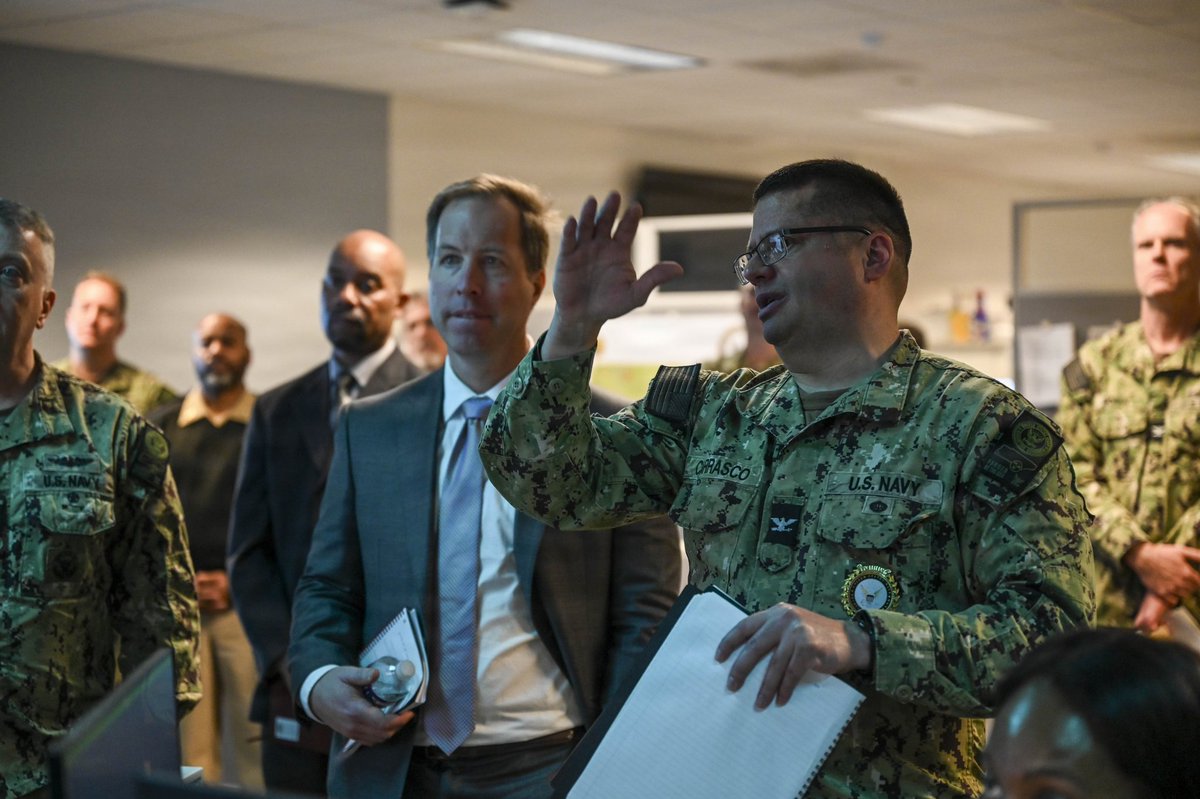
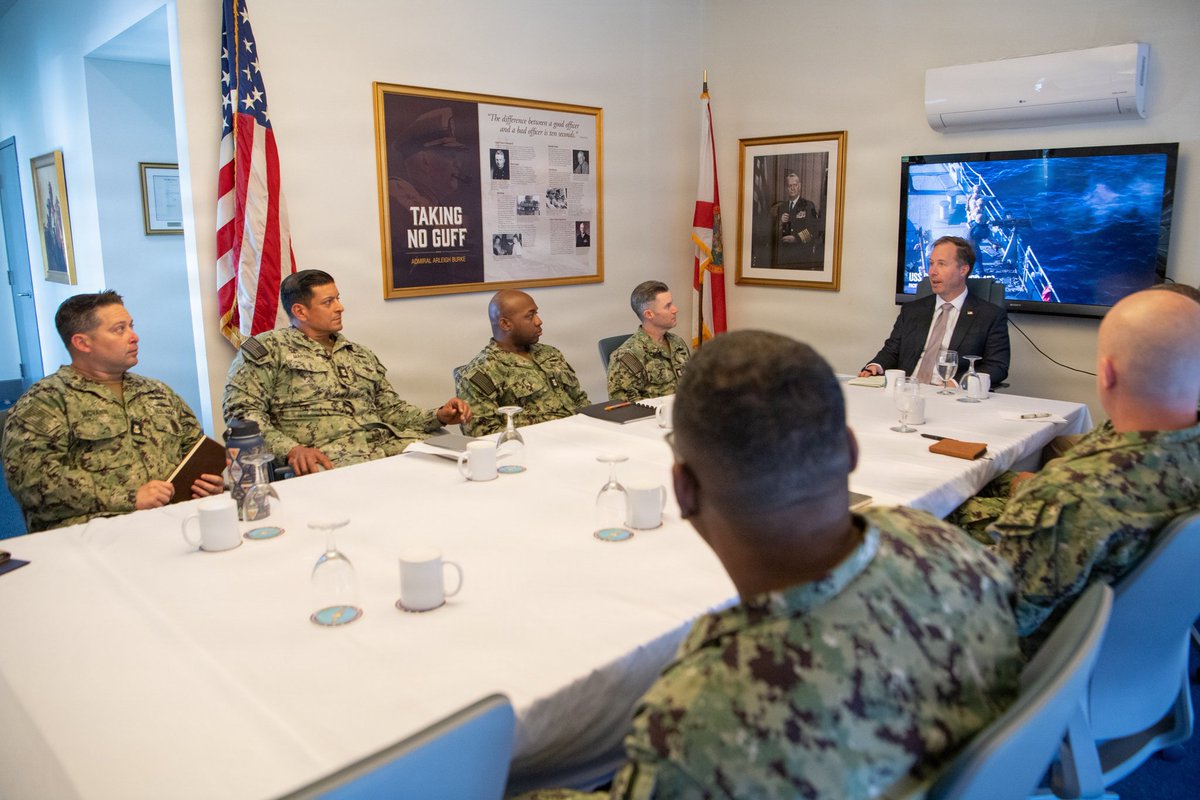
If you’re an exceptional technologist or builder with a proven track record, and want to serve our nation as a Direct Commission Navy Officer, apply for the highly selective Navy Innovation Unit.
You will get our thorniest problems.
We expect rapid and transformative results.
Jun 12

⚓️📰 #USNAVY UPDATE: The Navy Reserve is opening a new direct-commission pathway into the Navy Innovation Unit, recruiting elite engineers, architects and builders to solve maritime technology challenges.
Keep your civilian job. Serve the mission. @USNavy
navy.mil/press-office/press-…
7
54
343
68,794
Michael Lucci retweeted

Your reminder that China is intentionally sustaining a war which is killing innocents, ravaging our continent, and has been given a free pass for it.
Extraordinary how Beijing keeps telling us who they are, and we keep pretending not to hear.
Jun 12

Former MI6 Chief Richard Moore: Without China, Russia would have lost war in Ukraine.
North Korean troops and Iranian drones grab headlines. But what keeps Putin in Ukraine is China — chemicals for artillery shells, components for drones and missiles.
1/
21
59
176
10,197
Michael Lucci retweeted

Jun 13
China is "strongly dissatisfied" with a U.S. move to add several large Chinese companies to the Pentagon's list of firms it says are aiding China's military, the commerce ministry said on Saturday. reuters.com/business/autos-t…
9
10
39
8,886
Michael Lucci retweeted

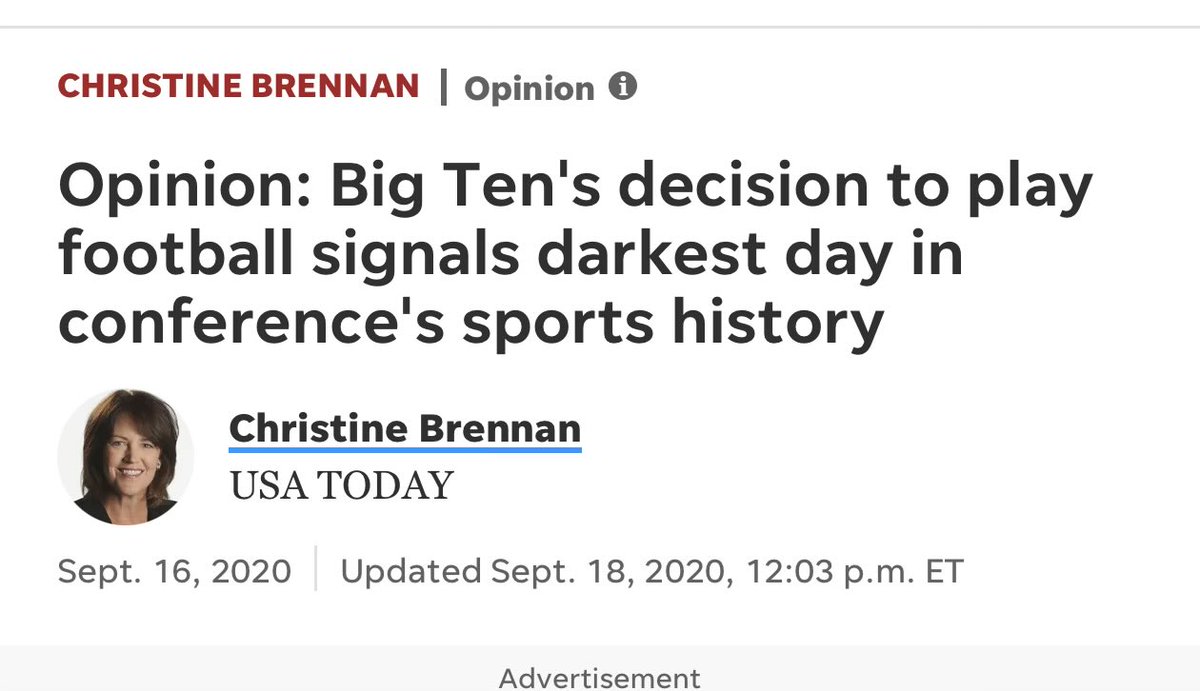
Absolutely shocked that the woman who thought the decision to play football in 2020 was worse than Jerry Sandusky is now expressing bewilderment that the South doesn’t stone visitors to death
Jun 12

CNN did a segment on Freddy, the German soccer tourist, and sports analyst Christine Brennan claimed "I saw some conversation, Wolf and Pamela, about how the rest of the world is looking at the United States and feeling that we are—it's a foreboding image and that we are inhospitable...But how wonderful again, that sports can bring people here and show people that the United States and you know, the South is welcoming a German tourist in a way we would never have anticipated"
Who is "we"?
56
356
3,701
242,477
Michael Lucci retweeted

2
10
102
3,530,787
Best of luck to Communist China in the 2026 World Cup!
It's wonderful to see the World Cup bring nations and fans together right here in the USA.
With that in mind, let me be the first to say good luck to China!
3
2
15
1,133
Michael Lucci retweeted

The American South is one of the freest, friendliest, most prosperous, and yes least xenophobic places on the planet.
Jun 12
CNN did a segment on Freddy, the German soccer tourist, and sports analyst Christine Brennan claimed "I saw some conversation, Wolf and Pamela, about how the rest of the world is looking at the United States and feeling that we are—it's a foreboding image and that we are inhospitable...But how wonderful again, that sports can bring people here and show people that the United States and you know, the South is welcoming a German tourist in a way we would never have anticipated"
Who is "we"?
26
53
473
46,628
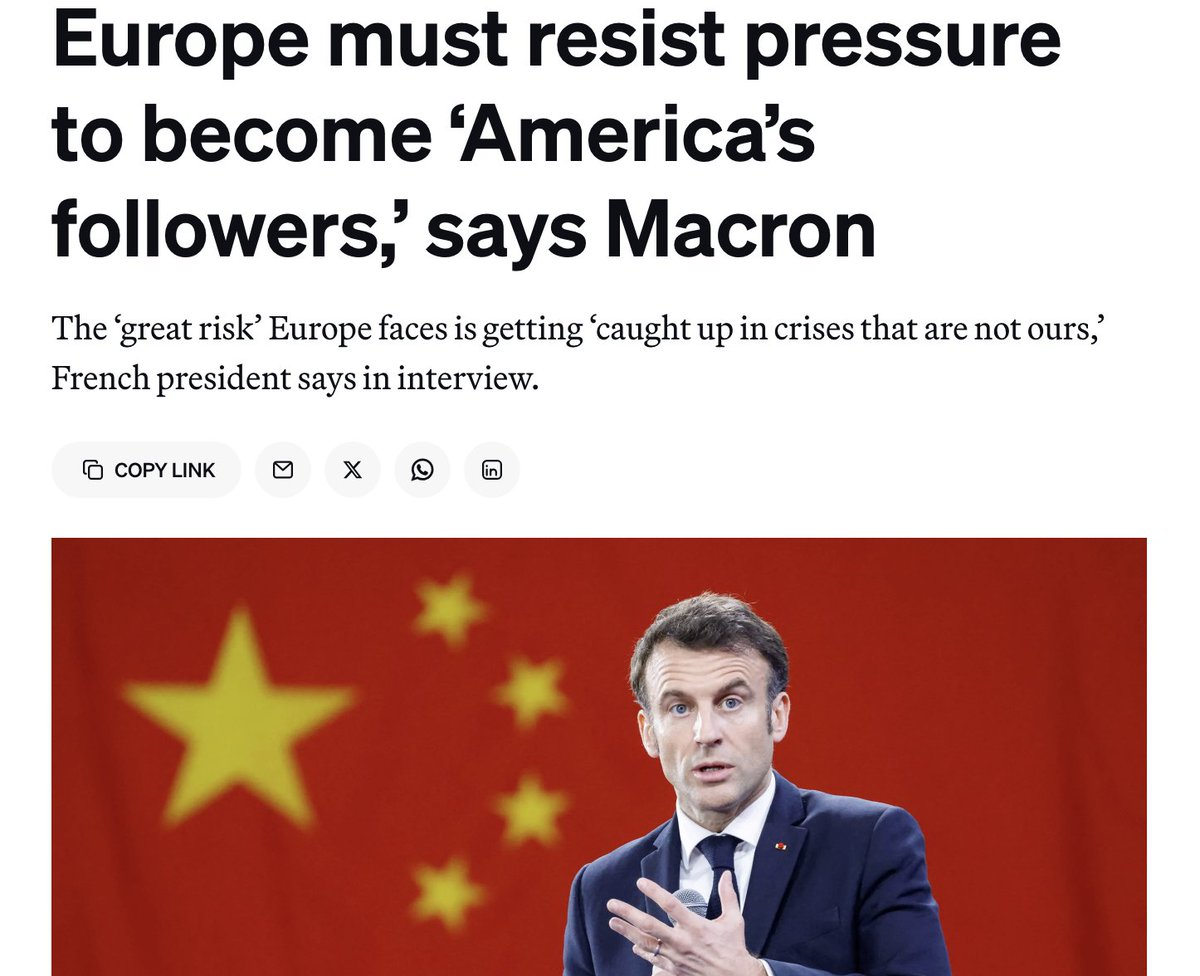
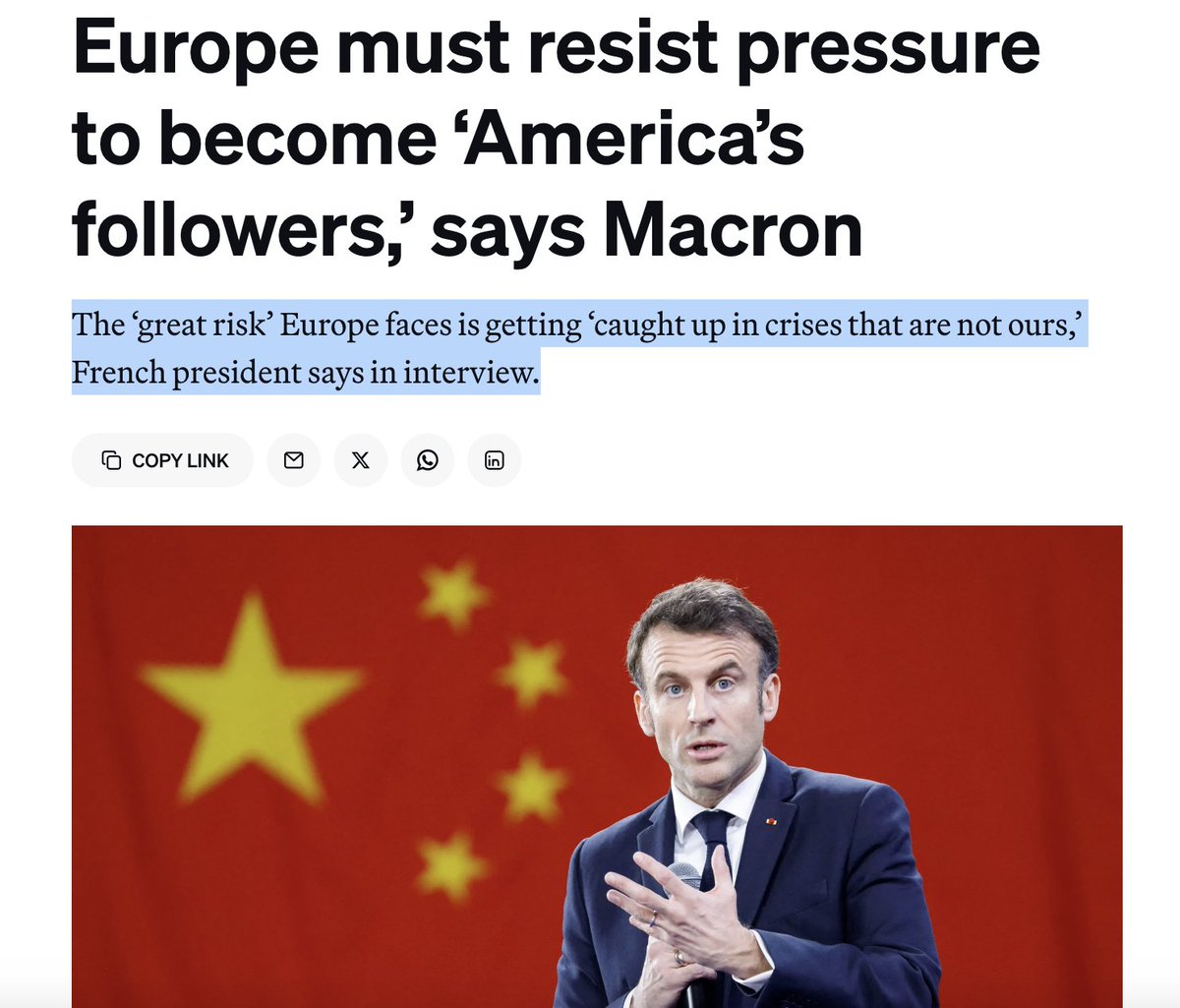
Imagine how much Europeans laugh at the fact that they can be totally counterproductive on all things China, tell Biden to screw off on all things China, shovel Huawei into their 5G ASAP, ignore China’s role in Russia’s invasion of Europe, and then issue a press release saying “why won’t Trump partner with us? (sad face)” and all the USA democrats immediately take the European side and pounce on Trump.
Then later when Democrats get back in power, Europe will tell them to screw off on all things China. The USA Democrats will be bewildered why the Euros won’t partner with them against China when the USA Dems were willing to partner with Europe against Trump.
It’ll never cross their minds that their leverage is in consistently being on Team America even if they dislike Trump, and that getting played by the Europeans to undermine Trump actually makes them appear weak, gullible and easily manipulated for when they get back in power.

The Europeans do European stuff for a decade under Trump I, Biden, and Trump II and the argument is "I blame Trump". Maybe just maybe Europe is just a political mess <facepalm.gif>
1
2
6
411
Michael Lucci retweeted

This opinion piece is damaging to Jews who live in Canada. We are being physically assaulted, and our synagogues, schools, businesses, and even our homes are being vandalized. This rabbi is downplaying our collective experience. I don’t know a single Jew who hasn’t thought about leaving. A select few are giving everything they have to make things better in Canada, but to put it lightly, that’s an uphill battle. Why should we stay in a country where we are considered vermin? Why wait until we face what our grandparents did?
2
8
37
797
Michael Lucci retweeted

This is the Liberal response that has been coordinated to the outrage of the Jewish community and rumors of mass emigration out of Canada. Typical playbook:
✅ Gaslighting
✅ Tokenism
✅ Fear mongering
Dad always used to say, “Don’t piss on my foot & tell me it’s raining”

Opinion: Canada is one of the most durable Jewish homes in the world. As rabbis, we are proud to lead and live here theglobeandmail.com/opinion/…
4
9
50
4,887
On behalf of the United States of America, Letterman is winning the match before the match.
🫡🇺🇸

The British are in absolute shambles that America is now superior to them in soccer
1
5
265
Michael Lucci retweeted

The critics miss that the Balikatan military exercises took place just prior to the Trump-Xi Summit. It involved traditional allies such as Canada and Australia, but, more significantly, the Philippines and—most significantly—Japan, all training with us. That spoke volumes.
Jun 12

This article in @ForeignPolicy casts incredibly bad advice to America's allies in both Asia and Europe. This bad advice is underwritten by an overt failure to understand the Trump admin and their strategic documents on their own terms.
This reads like a political hit rather than analysis.
If authors analyzing the Trump administration want to be treated in good faith, they need to start engaging in good faith. This article falls short of that target. Rather than reading as analysis, it reads as somewhat deluded conjurings of scholars who are politically opposed to the Trump administration and who are willing to ignore any data or fact pattern, even overwhelming data and fact patterns, if those data are inconvenient to an argument that reads like a thinly-veiled political hit piece.
Obvious examples:
1) The article reads as if the authors have literally never spoken with someone who can steel man Trump's positions. Every part of the analysis construes a worst case scenario of what Trump is up to, and then throws that catastrophic vision over to America's Asian allies and tells them to deal with it. Of course, America's Asian allies can simply talk to the Trump admin, which will result in them reading this analysis like it comes from another planet.
2) The Trump admin themselves have addressed several concerns in this article, or at least explained how they view the world and what they hope to achieve. Most recently, Hegseth's comments in Singapore along with the Japanese immediate response to Hegseth are highly relevant. The viewpoints of the Trump administration themselves are largely left out of this analysis of what America's Asia allies should understand about and do in response to the Trump administration.
So again, this reads like a political hit piece. How do you not use good faith Trump admin sources for helping Asian allies understand the Trump admin?
3) The authors seemingly ignore the NDS and NSS, or otherwise interpret those documents in the least charitable/most catastrophic way possible.
What does "erect a strong denial defense along the First Island Chain" mean for Asian allies? The authors largely ignore the implications of that key, often-repeated goal of the Trump admin.
What does "speak softly and carry a big stick" mean for understanding Trump admin statements? Again, the authors ignore the interpretive lens that is repeatedly handed to them by the Trump admin.
4) At the top of the article, the authors note that Europe is struggling to defend Europe. Indeed, defense capacities are severely diminished and need to be rebuilt. The UK is living the political end of this crisis as we speak.
At the bottom of the article, the authors cast European support as a potential solution to an American retreat in Asia that absolutely has not occurred. This is a delusion solution to solve a problem created via delusion. American and Japanese leaders keep saying an American retreat from Asia *will not occur.*
But setting that aside, the argument here is for the blind to lead the blind. The Europeans cannot defend Europe even when they have a 10-to-1 GDP advantage over Russia, yet the authors suggest that Europe should get distracted in Asia where they have extremely limited capacity to project power, or where they would simply expend weapons stocks they need to finally achieve conventional defense of their own continent. It doesn't make sense.
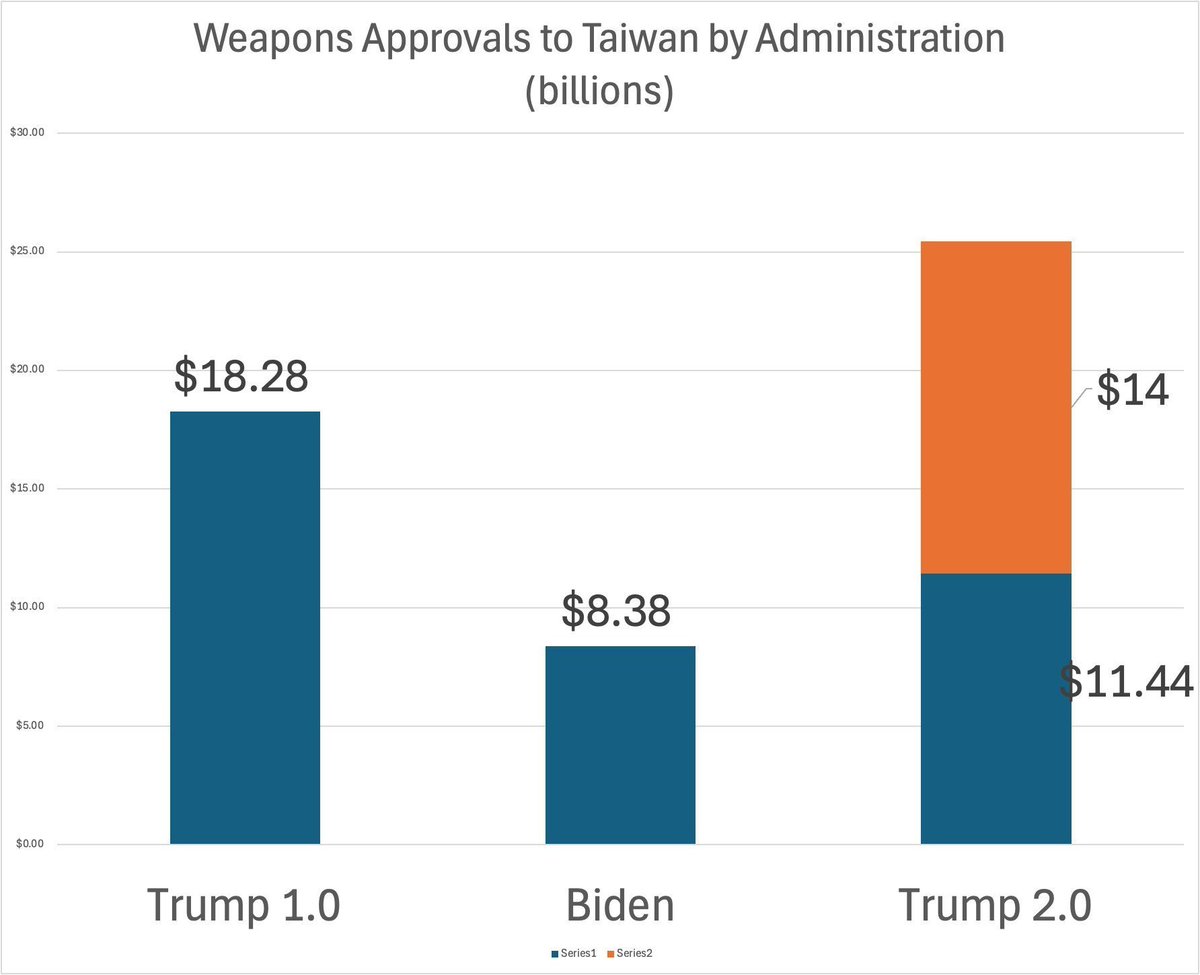
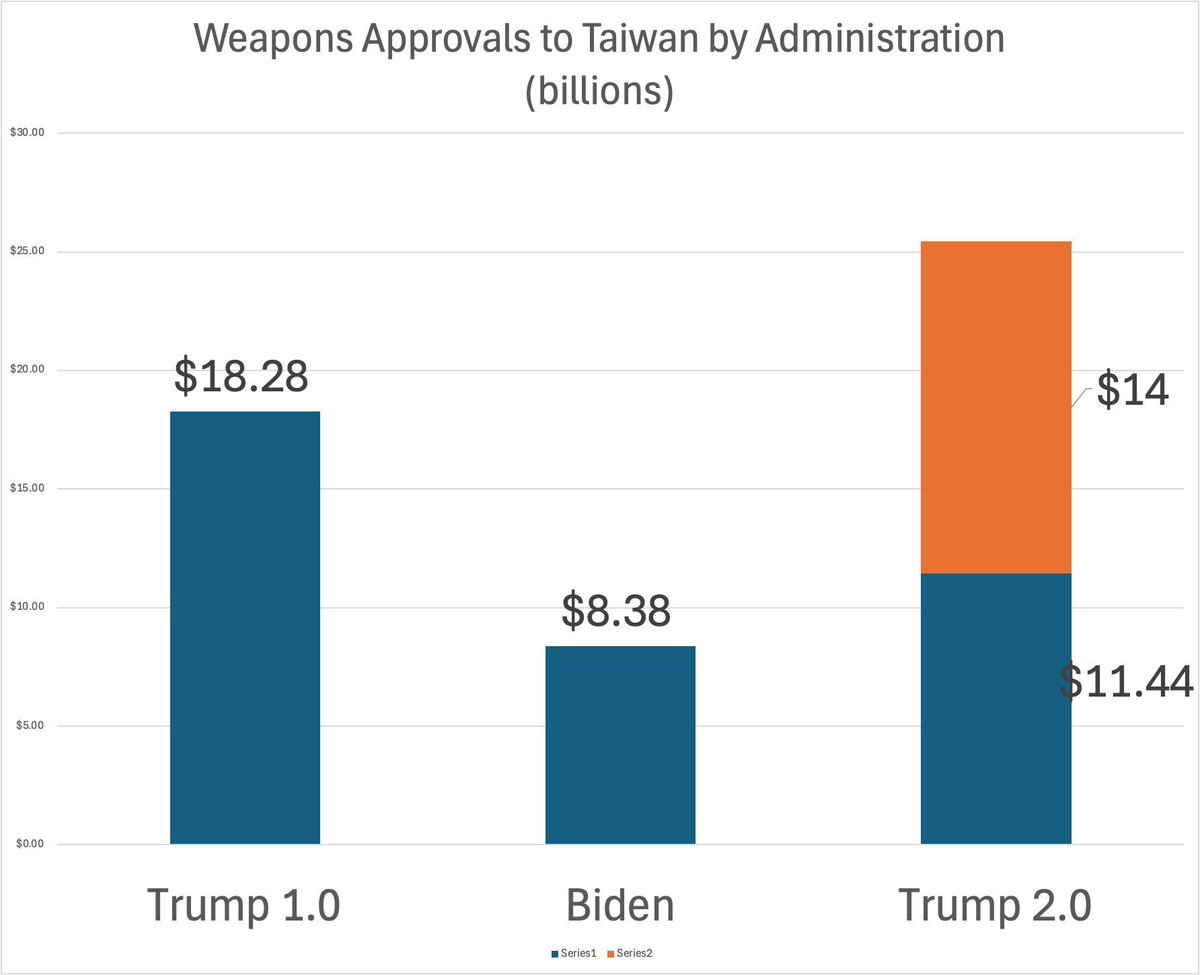
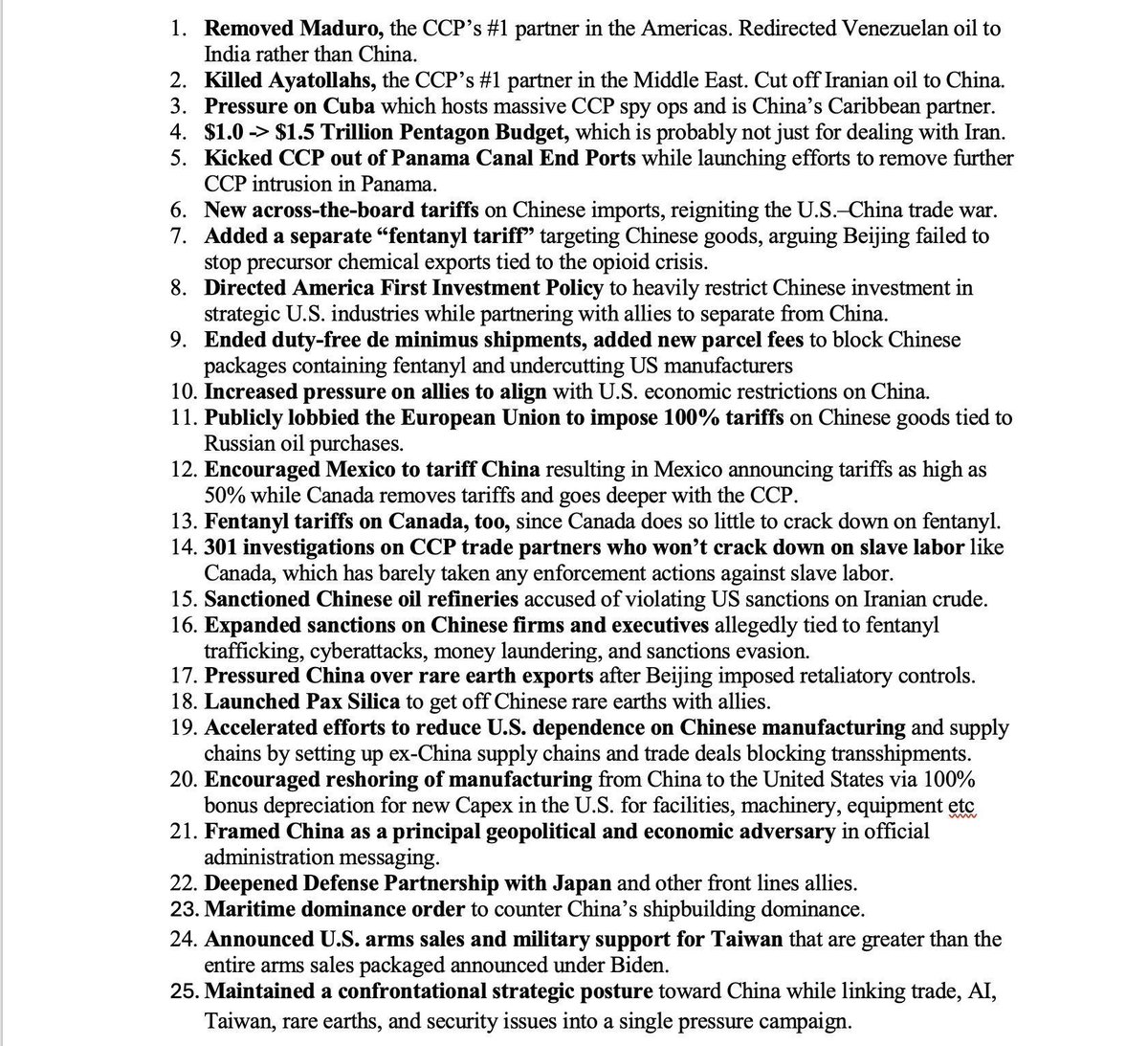
5) The analysis sustains itself by ignoring practically all facts that point in the opposite direction of the author's assumptions, such as the long list of tough-on-China actions and weapons approvals I've added here. In particular, it is egregious for a Biden NSC alum to go after Trump on weapons approvals to Taiwan when Biden slashed such approvals by 50% compared to Trump 1.0, and Trump in just 2025 out-printed Biden's entire 4 years of approvals in one $11.4 bil approval.
Biden tanking weapons approvals should not only be mentioned, it should be thoroughly explained in an article written by a Biden alum that goes after Trump where Trump clearly outperforms Biden.
Weapons approvals are but one example of the authors ignoring all countervailing evidence.
There is plenty of evidence that the Trump admin is hawkish rather than dovish on China. It certainly is more so than Biden and Obama were. At this point in Trump 1.0, practically nothing had been executed to counter China (though tariffs on ~$34bil had been announced).
One can build practically any argument through misconstrued analysis of rhetoric that is detached from hard data and facts. And the authors have done exactly that. This analysis should be discarded in foreign capitals.
1
7
11
2,326
Michael Lucci retweeted

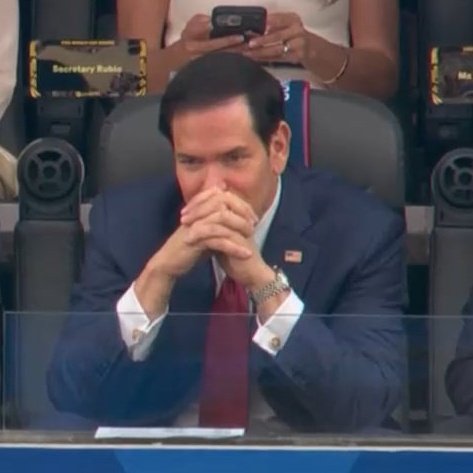

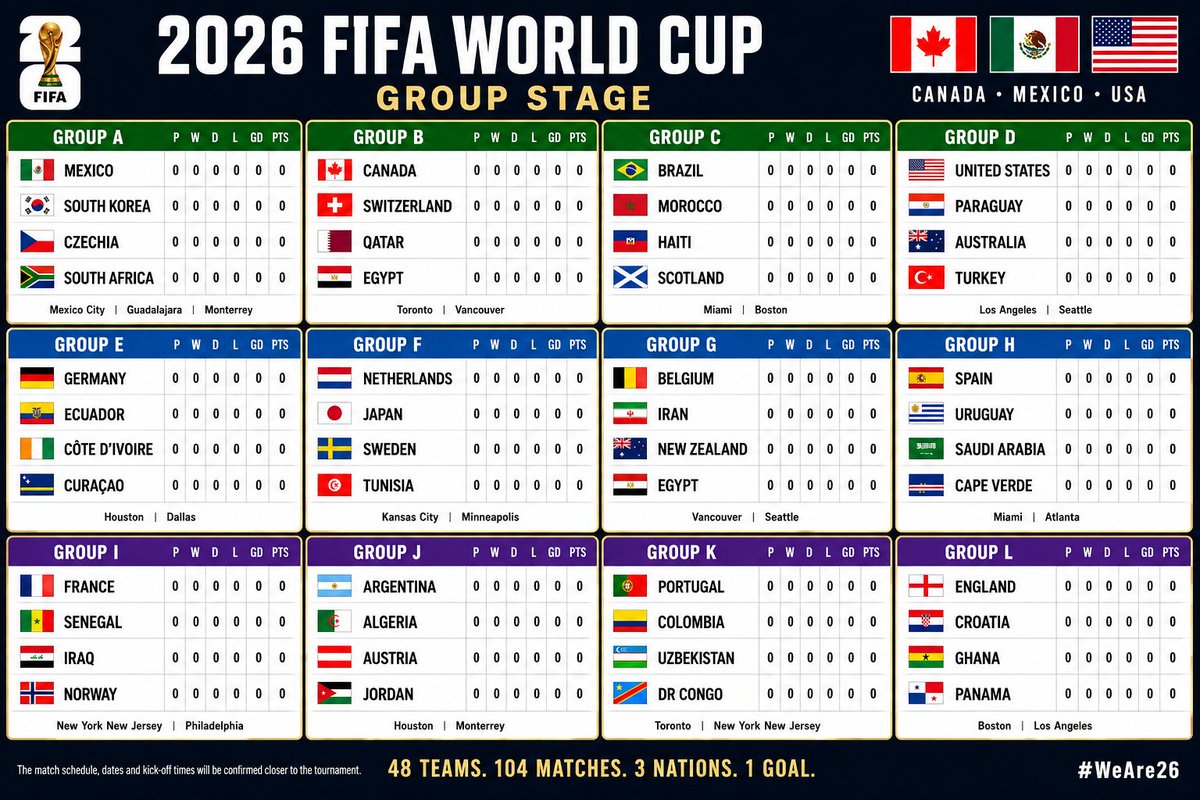
Estados Unidos bombardeando al Tren de Aragua y ganándole a Paraguay al mismo tiempo.
🇺🇸.
36
576
7,908
134,033
Michael Lucci retweeted

Jun 13
US: The Next Front in US-China Competition Is the Homefront: As pressure to push China-linked businesses, organizations, and funding out of the federal sector increases, Beijing is zeroing in on new targets: state, local, and subnational entities. nationalinterest.org/feature…
1
7
13
806
Michael Lucci retweeted

Jun 13
The Star-Spangled Banner hits different on home soil at the FIFA World Cup 🇺🇸
368
2,029
16,736
2,766,298