
PSALMS 27:1-2 || RN RM BSN || FCBarcelona || AI and Automation
Joined November 2024
- Tweets 1,934
- Following 415
- Followers 169
- Likes 1,439
106 Photos and videos














Pinned Tweet

28 Oct 2025
I DESERVE THE BEST LIFE HAS TO OFFER.
YOU SEE THIS THING, I KNOW IT, I BELIEVE IT, AND I WILL GET IT(THEM)
AND I WON’T JUST WAIT FOR IT TO STROLL TO ME, I’M GOING OUT TO GET IT
AS FAR AS YOUR EYES CAN SEE RIGHT?
AS FAR AS YOUR MIND CAN TRAVEL!!
1
6
563
David_RN retweeted

Jan 25
Lupus nephritis is a serious and often silent inflammatory kidney disease caused by systemic lupus erythematosus (SLE), in which the immune system attacks renal tissues. Immune complexes deposit in the glomeruli, triggering inflammation and progressive kidney damage. The condition usually develops within the first five years of SLE and is a major cause of illness and death among affected patients.
In the early stages, lupus nephritis may have no obvious symptoms. As damage progresses, patients may develop foamy urine from protein loss, swelling (edema) of the legs, face or hands, blood in the urine, high blood pressure and persistent fatigue, all reflecting declining kidney function. The disease results from autoantibodies such as anti–double-stranded DNA forming immune complexes that activate complement and inflammatory pathways. Repeated immune injury causes cellular proliferation, fibrosis, and gradual loss of functional nephrons, eventually impairing filtration.
Lupus nephritis is more common and often more severe in people of African, Hispanic/Latino and Asian descent and it affects women more than men. (Cos of the BAFF genes. I have treated this before). Although most cases occur in young adults, children can also be affected, often with a more aggressive course.
Severity is determined by kidney biopsy using the ISN/RPS classification. Classes I and II are mild, Classes III and IV are proliferative and severe, Class V causes heavy proteinuria, and Class VI represents advanced scarring with progression to end-stage renal disease.
Diagnosis relies on renal biopsy, supported by urine tests, blood tests for kidney function and complement levels and imaging studies. Treatment focuses on immune suppression and kidney protection, using immunosuppressants, corticosteroids, hydroxychloroquine and supportive care such as blood pressure control and salt restriction.
Without treatment, lupus nephritis may progress to chronic kidney disease or kidney failure, but early diagnosis and appropriate therapy can induce remission and preserve kidney function.
#BonesTutes #ImmunoTutes

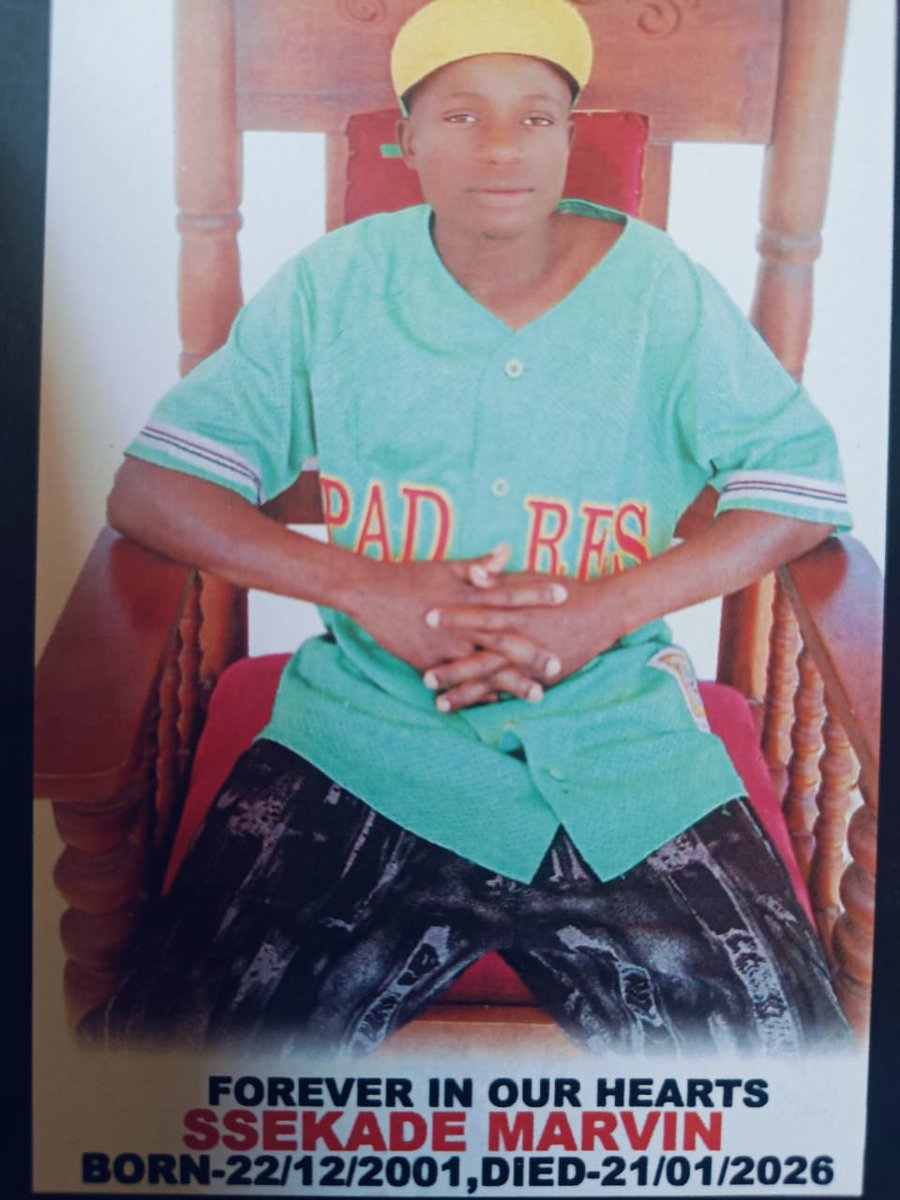
🔥 Yesterday I just buried my nephew of 25 years. He died from Lupus Nephritis - a rare kidney disease in men.
Our family is devastated by this loss!
Some members believe he was bewitched. I didn't help much because the whole village had never heard of Lupus -no local name for it
1
19
41
5,055
Jun 12
64
David_RN retweeted

Jun 11
Oh! 2027 will the most interesting year ever, everybody is awake and ready !! Everybody is tired and will Defend their votes with their life
111
735
2,369
27,838
David_RN retweeted

Jun 11
27 days later and the abducted kids and school teachers in Oyo have not been rescued 💔
Jun 4

21 days later and the abducted kids in Oyo have not been rescued 💔
4
2,313
3,080
78,775


David_RN retweeted

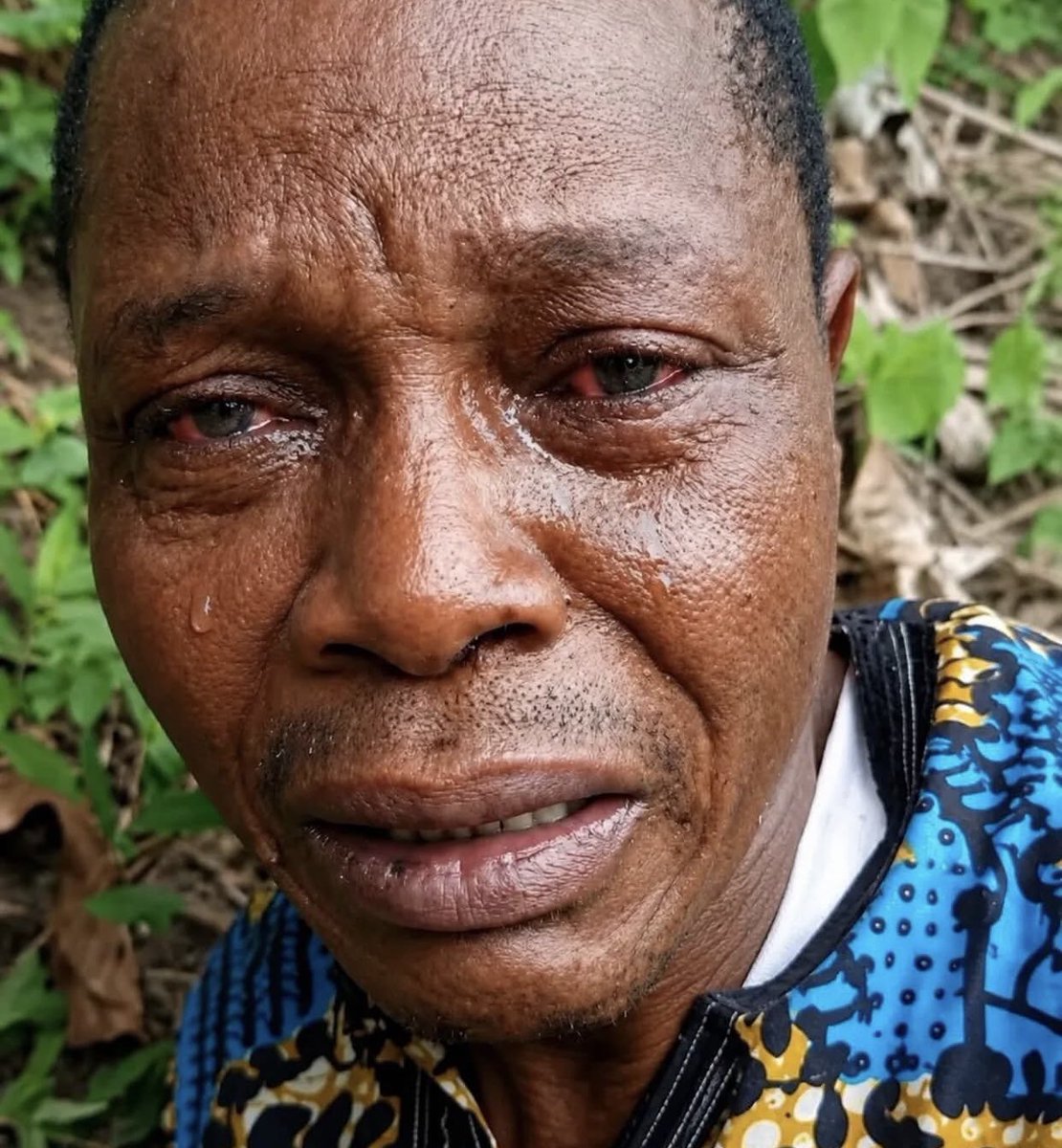
One month ago an underpaid and overworked teacher went to work and didn’t return home 😢 6 other teachers and 39 children .,
They are still in the hands of people who knows with full confidence Nigerian government will not move fast to stop them .
How many teachers have to d!e before you do something about the escalating insecurity ravaging our country 💔
How many children have to be stolen from their families ?
@officialABAT @officialABAT @officialABAT
Step down !!!!!!!
#TinubuHasFailedNigerians
#TinubuHasFailedNigerians
#TinubuHasFailedNigerians
13
1,209
1,070
13,737
David_RN retweeted

Jun 11
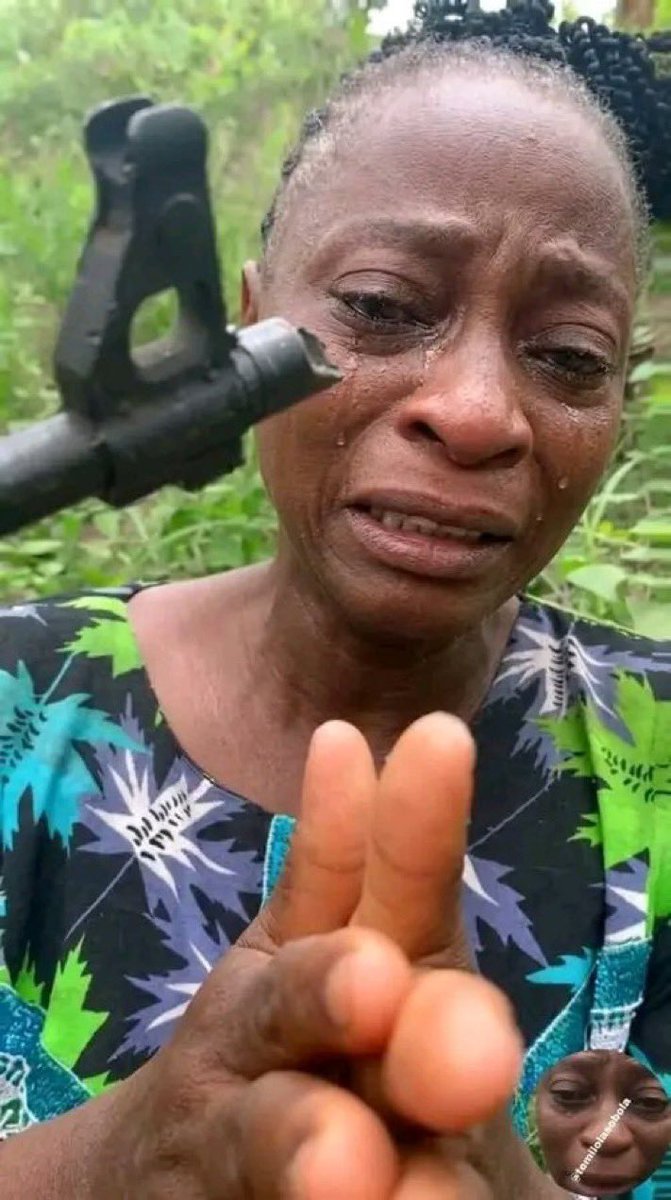
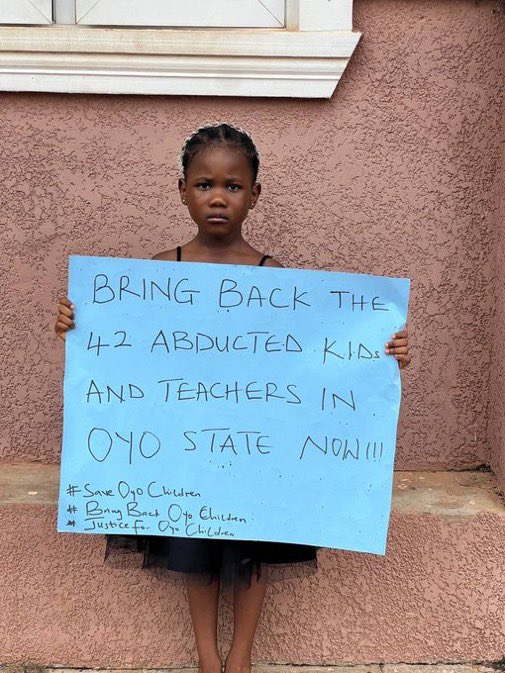
It’s 27 days since Oyo children were taken.
It’s 27 days since Oyo children were taken.
It’s 27 days since Oyo children were taken.
It’s 27 days since Oyo children were taken.
It’s 27 days since Oyo children were taken.
SHOULD WE MOVE ON & FORGET THE KIDS?
Jun 10

It’s 26 days since Oyo children were taken.
It’s 26 days since Oyo children were taken.
It’s 26 days since Oyo children were taken.
It’s 26 days since Oyo children were taken.
It’s 26 days since Oyo children were taken.
WHY ARE WE SILENT ABOUT THIS?


17
1,539
1,327
62,923
David_RN retweeted

Jun 11
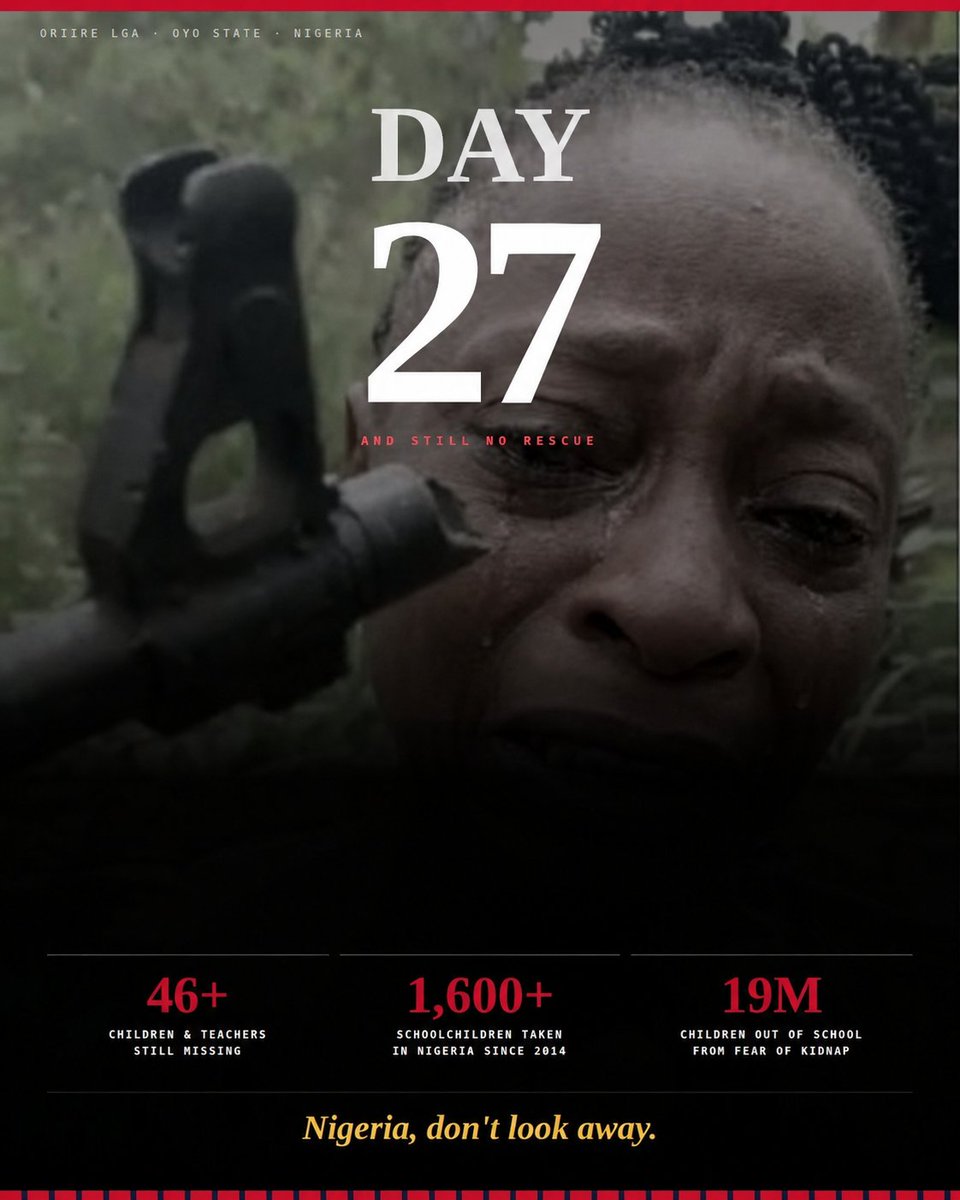
We are NOT moving on.. 27 days, still no rescue....
Rescue the kids and Teachers.
8
2,859
2,043
33,866
David_RN retweeted
Jun 11
1
127


David_RN retweeted

Jun 11
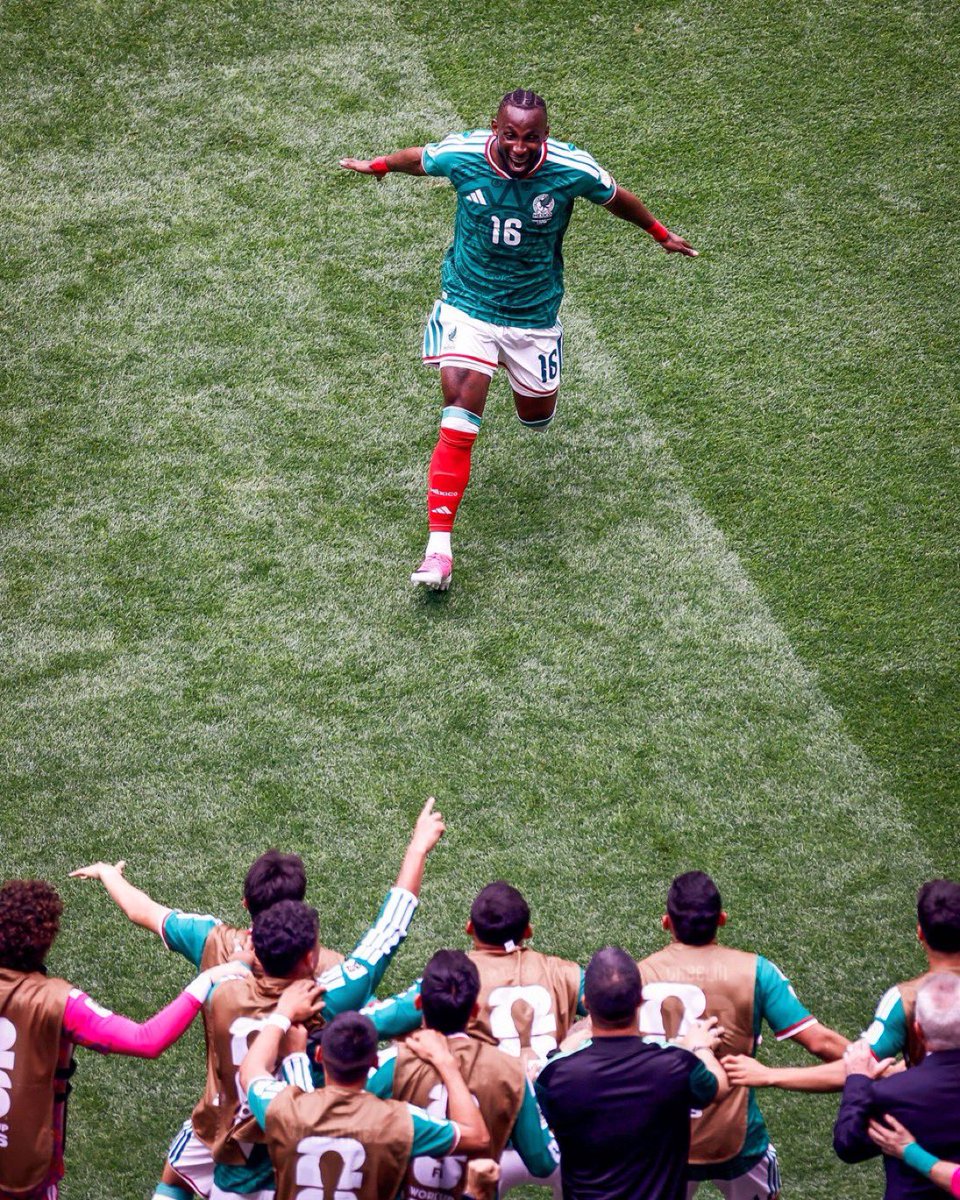
Julian Quinones - First goalscorer at the 2026 World Cup.
Born in Colombia, he naturalised as a Mexican in 2023.
He moved to Mexico at age 17 to join Tigres. He lived in Mexico from 2016 until 2024 when he signed for Al-Qadsia in Saudi.
He’s married to a Mexican and his kids were born in Mexico.
Colombia invited him to the national team in 2023, but he turned them down and chose to play for Mexico instead.
He was the top scorer in Saudi this season, ahead of Ivan Toney and Cristiano. One to watch out for at the World Cup.
116
1,320
15,155
536,026
David_RN retweeted
Jun 11
Mexico’s GK and Midfielders 🤧
For South Africa, their players are running like they’ve got ice packs on their calf, the only apparent nice thing about their team is their GK.
#fifaworldcup
#México
#worldcup
1
1
62


David_RN retweeted
Jun 10
Gbam. I don dey preach this thing since.
He does everything for Flick. Everything. He can even slot in LB if needed
1
9
535
David_RN retweeted
Jun 10
Bassey needs that big move mehn, he should be at a tier-1 club, not many LCB are better than him.
He's fast, strong, and good with the ball.
Deco, you fit reason am, he no go too cost us sef
47
145
1,765
29,739
David_RN retweeted

The same energy many nurses put into chasing Japa 🇺🇸 🇬🇧 is the same energy needed to chase opportunities in big organizations like NAFDAC, NGOs, oil & gas firms, and multinationals.
A lot of people aren't underqualified, they're just underapplying.
2
3
7
499
David_RN retweeted
Jun 9
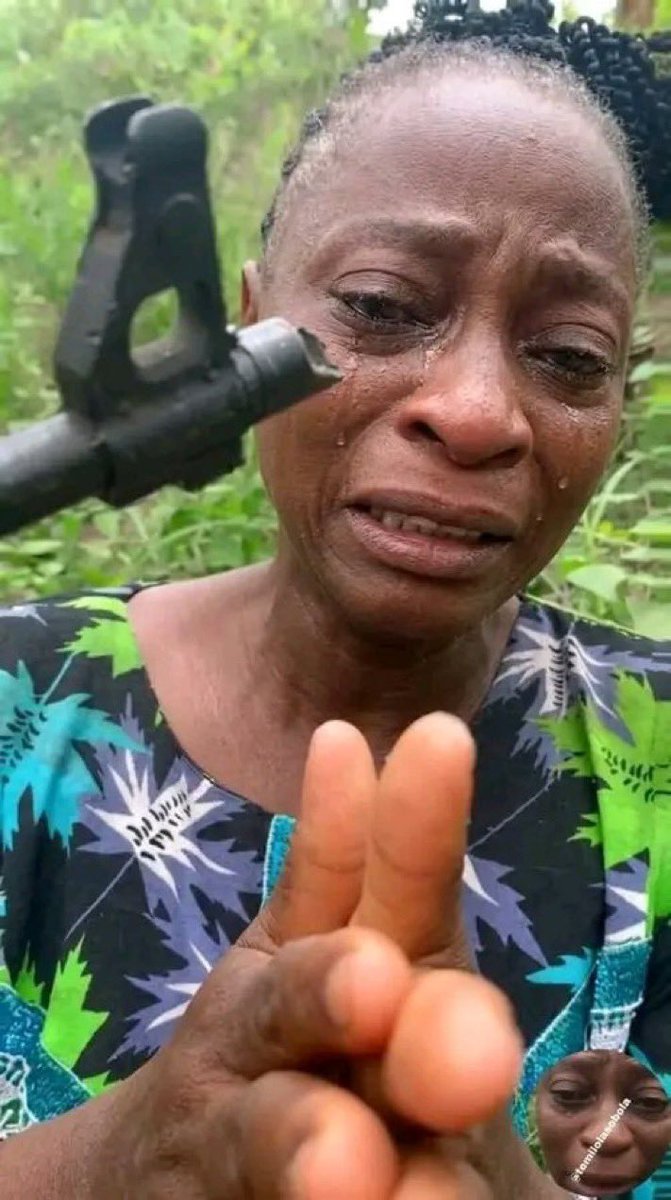
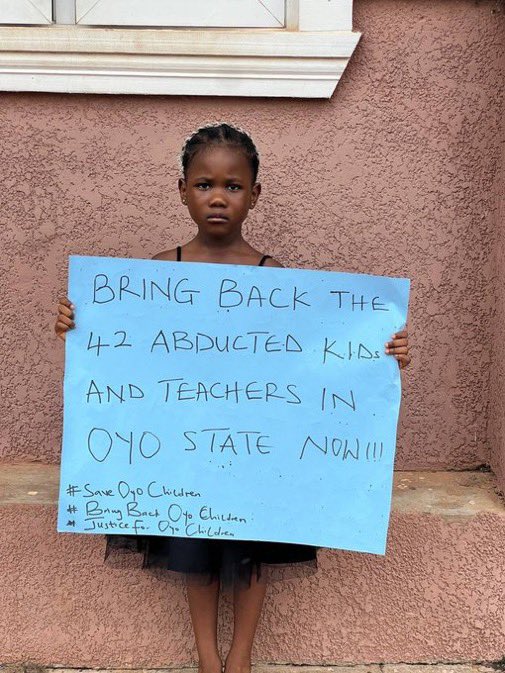
It’s 25 days since Oyo children were taken.
It’s 25 days since Oyo children were taken.
It’s 25 days since Oyo children were taken.
It’s 25 days since Oyo children were taken.
It’s 25 days since Oyo children were taken.
WHY ARE WE SILENT ABOUT THIS?


Jun 8
It’s 24 days since Oyo children were kidnapped
It’s 24 days since Oyo children were kidnapped
It’s 24 days since Oyo children were kidnapped
It’s 24 days since Oyo children were kidnapped
It’s 24 days since Oyo children were kidnapped
WHY ARE THE CHILDREN STILL IN CAPTIVITY?
17
3,212
2,809
71,390
David_RN retweeted

13 Mar 2023
This saxophone I play will take me across nations solely for the movement of the gospel
Nations arise and worship God through my sound !
8 Mar 2023

42
135
1,649
115,012