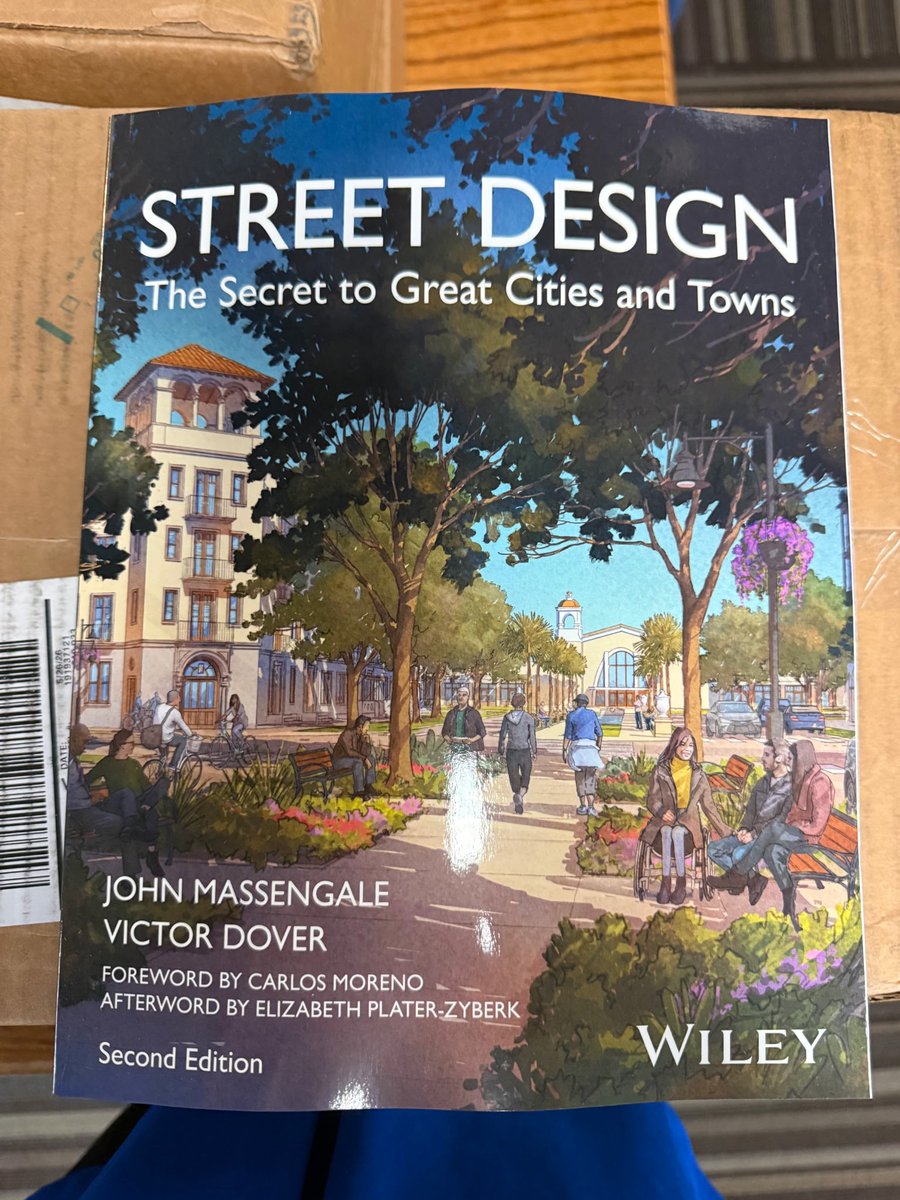
Street Design: The Secret to Great Cities and Towns
Joined December 2013
- Tweets 5,438
- Following 392
- Followers 1,949
- Likes 1,470
162 Photos and videos

Pinned Tweet

10 Nov 2025
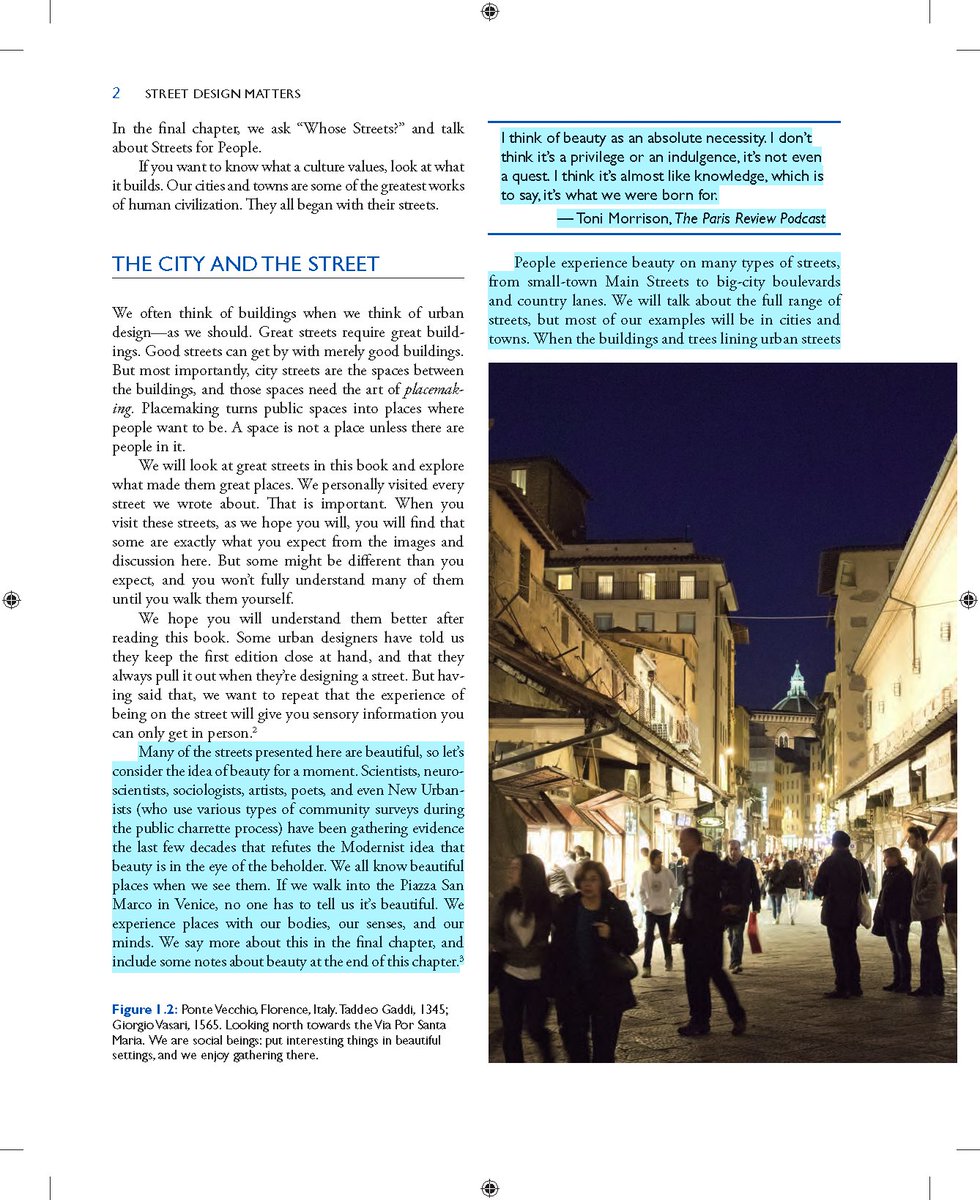
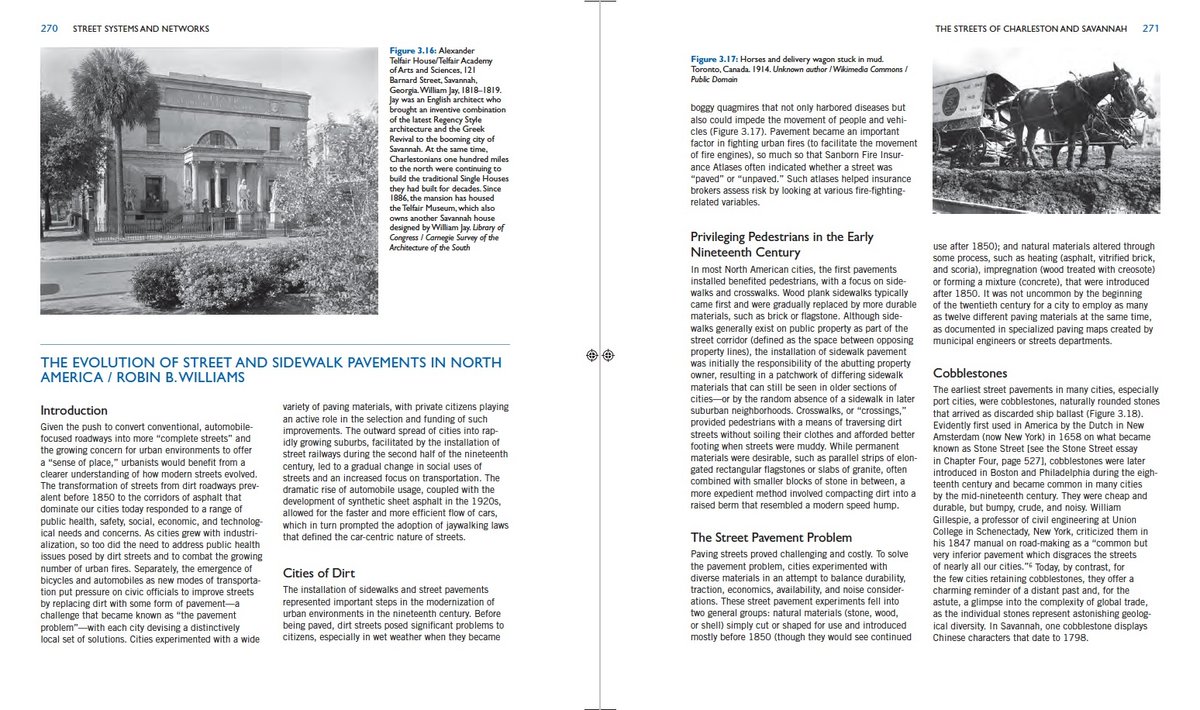
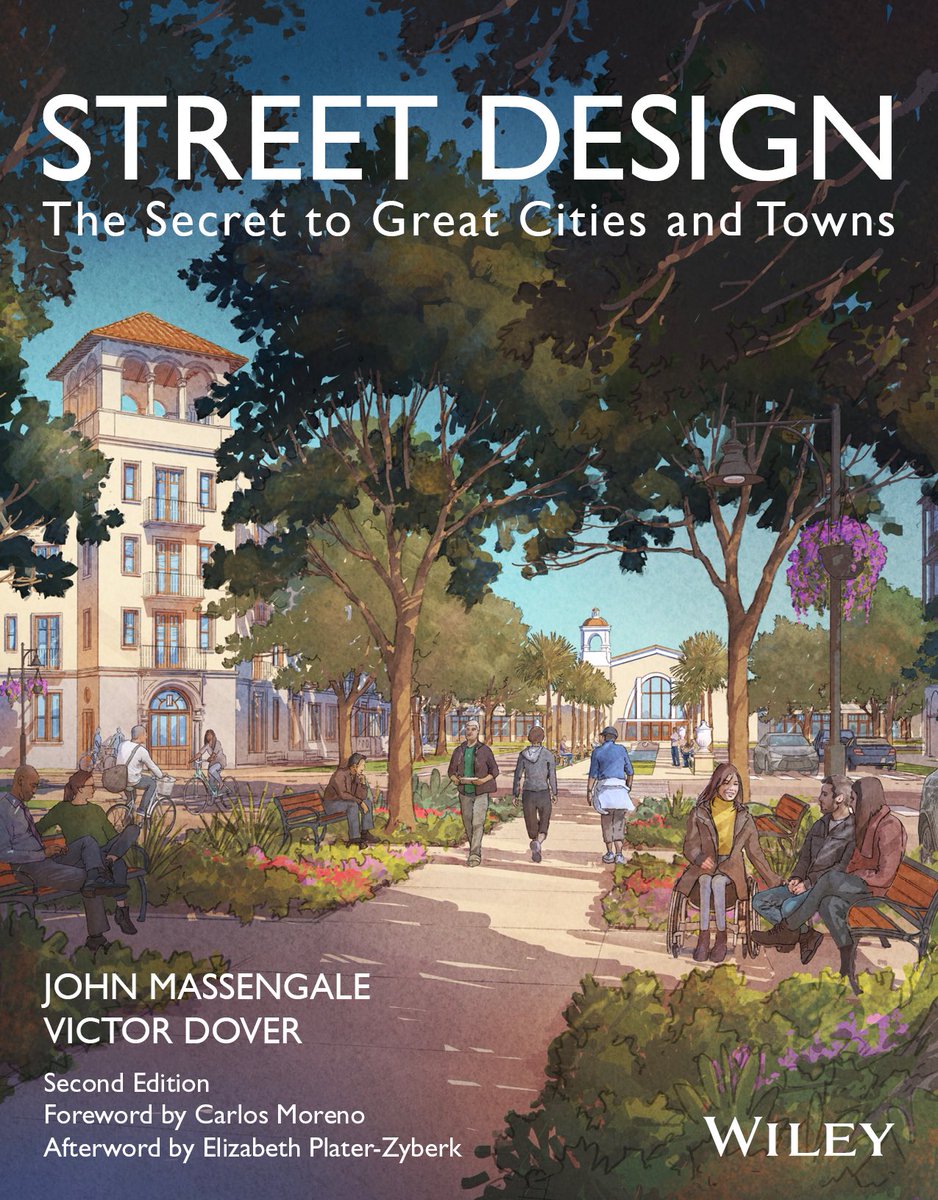
Elizabeth Plater-Zyberk says, “This book should be required reading in schools of urban design, architecture, and landscape architecture, and an understanding of it should be part of the licensing requirements for civil, traffic, and transportation engineers.”
11
30
1,486
Street Design retweeted
Jun 10
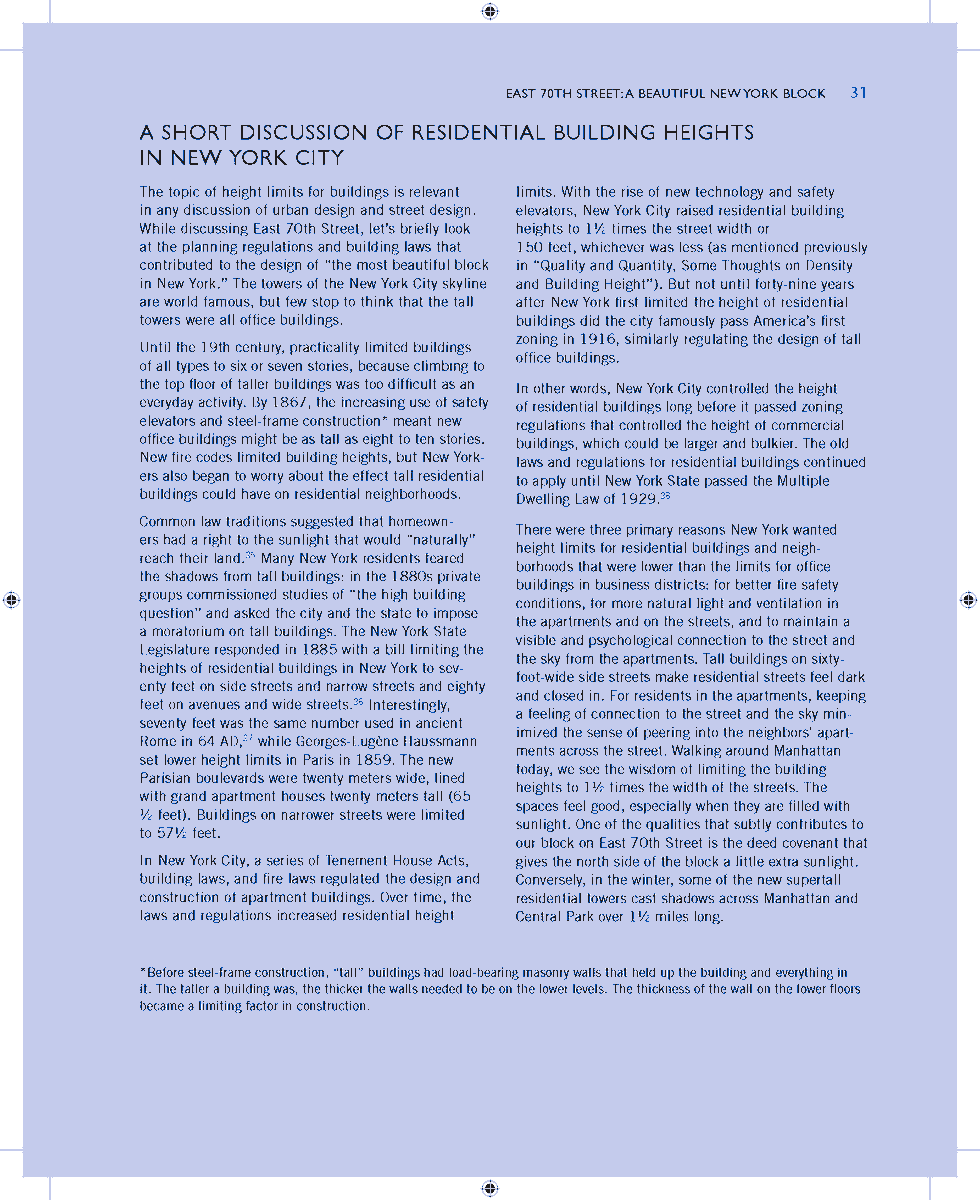
2) Related NYC residential height limits:

2
2
34
Street Design retweeted
Jun 7
If you want to see what a culture values, look at what it builds. Highest and Best Use does not mean Tallest and Biggest Profit. x.com/jmassengale/status/206…

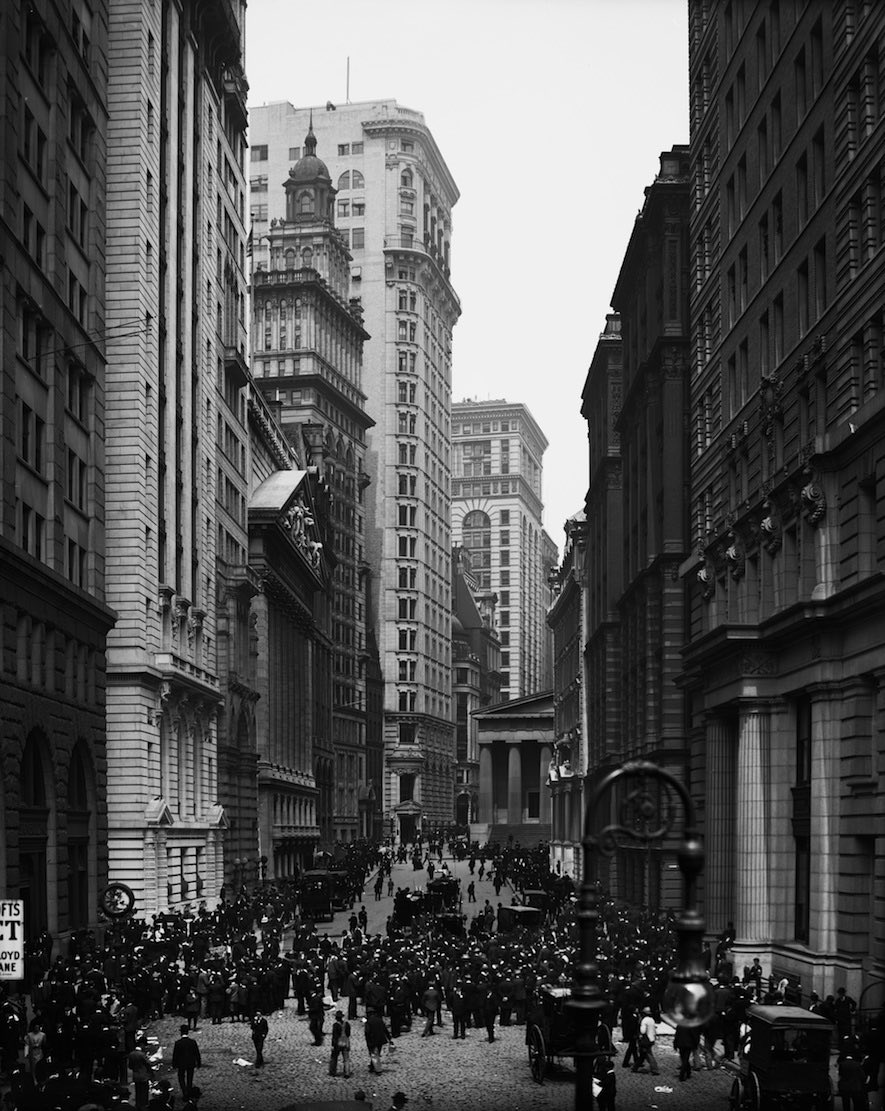
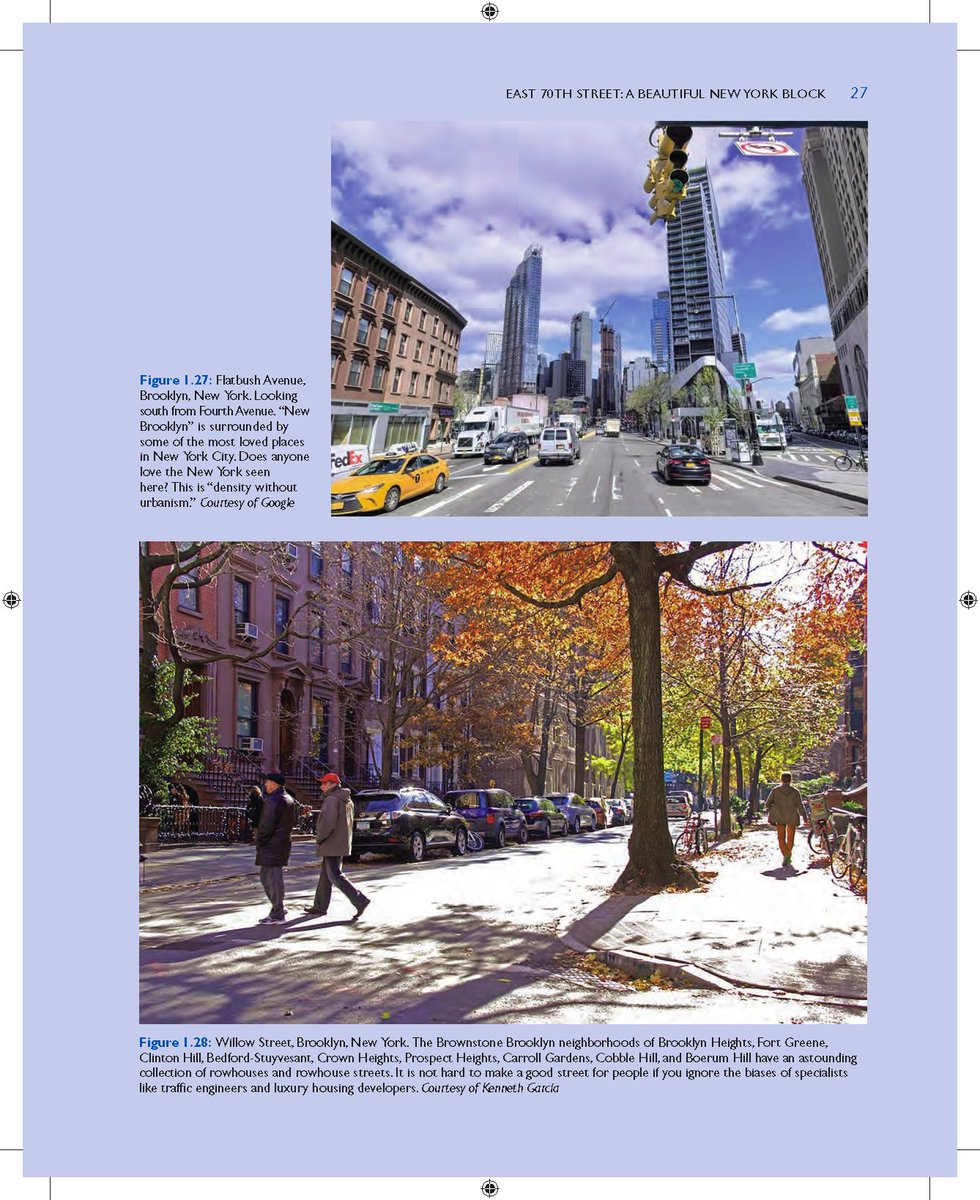
RESIDENTIAL NEIGHBORHOODS IN NEW YORK WERE NOT GOVERNED BY THE 1916 ZONING
From the late 19th century on, residential building heights were 1.5 times the street width. The 1929 Multiple Dwelling Law created an exception: 5 examples were built between 1929 and 1961 zoning.

1
2
4
162
Street Design retweeted
Jun 11
Thank you, @Kaid_in_DC — and thank you for your own contribution to the book.
linkedin.com/posts/kaid-benf…
3
6
84
Street Design retweeted

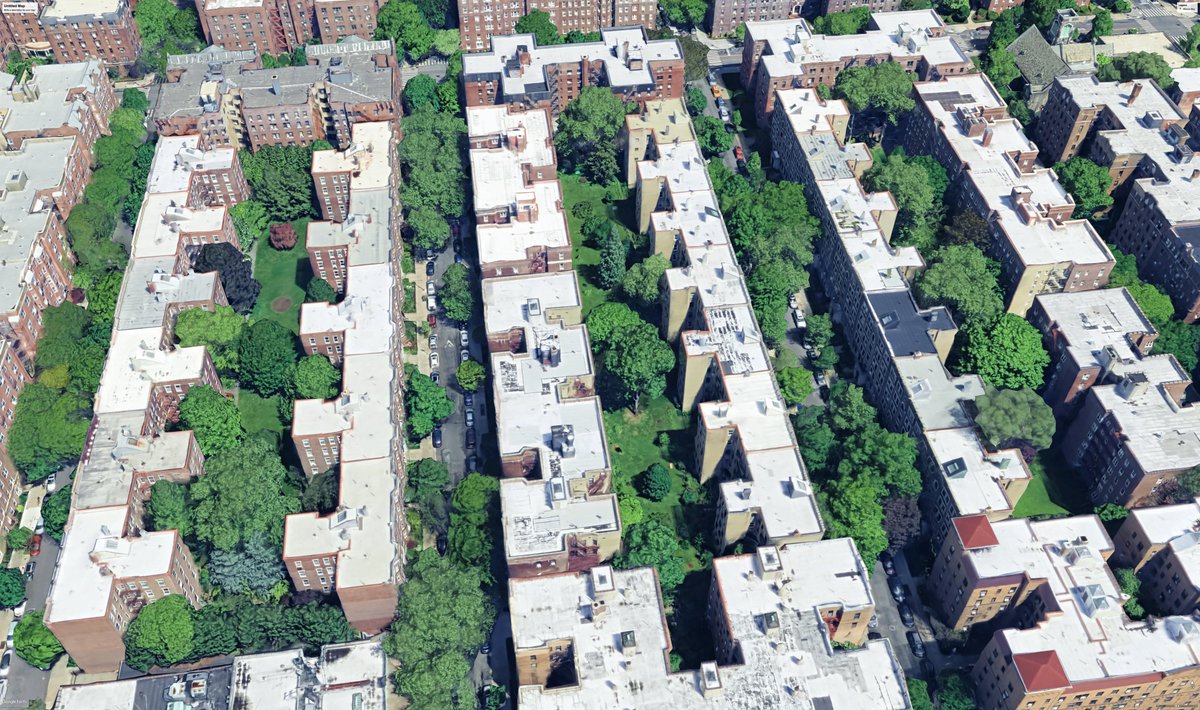
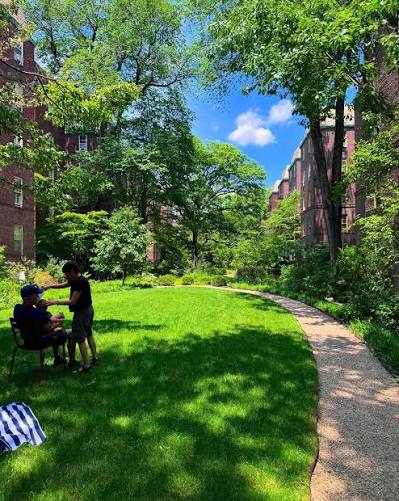
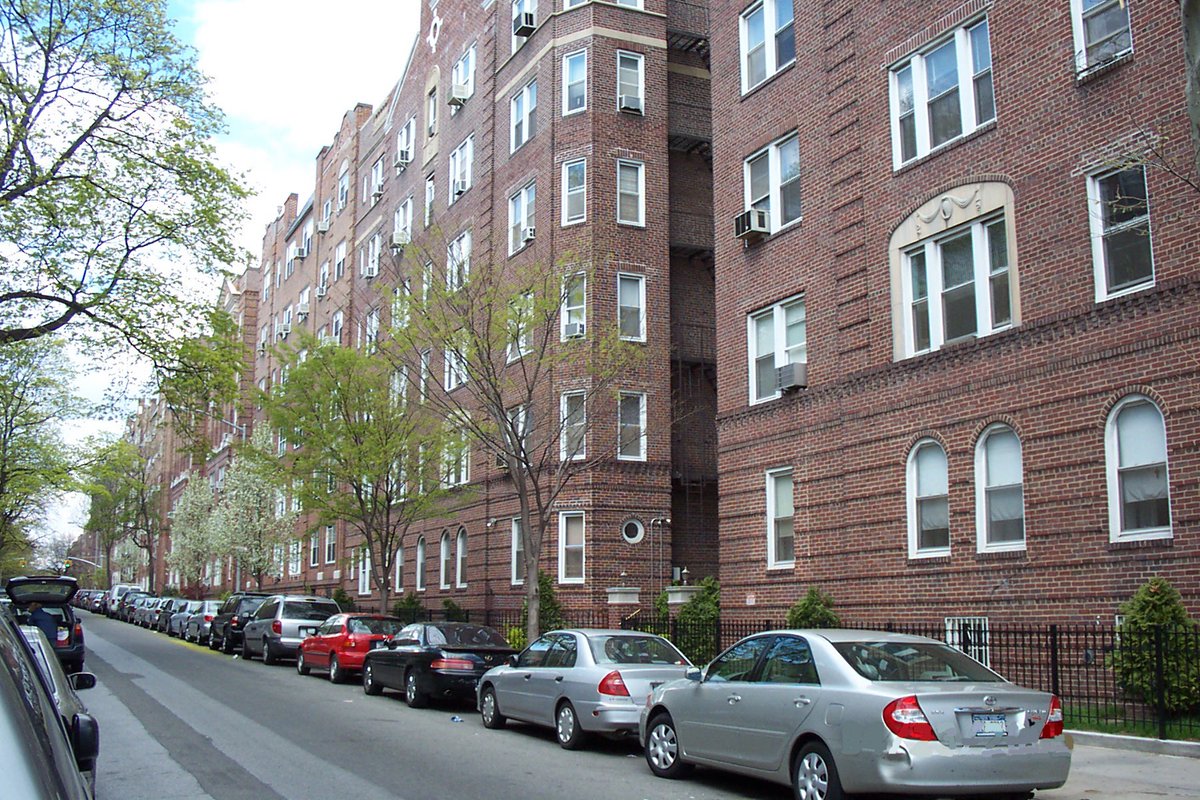
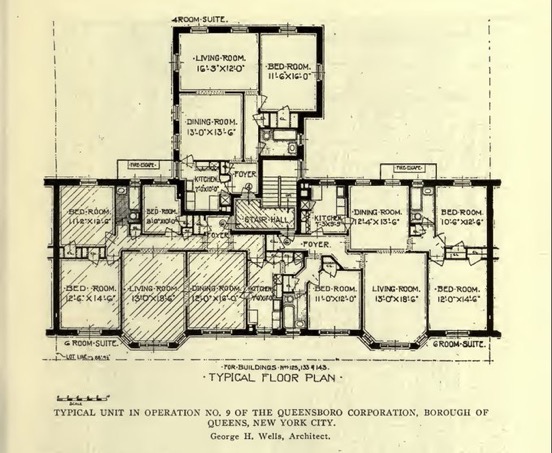
When the directors of the Queensboro Corp. -- the developer responsible for much of present-day Jackson Heights, Queens -- traveled to Europe in 1914, they were not afraid that borrowing from foreign models would produce a theme park. They were searching for better ways to build out Queens.
Manhattan offered a cautionary example. Its residential buildings were often narrow and deep, with excessive lot coverage, inadequate light, and little meaningful open space. In Berlin and other European cities, the Queensboro directors found new innovations on the old perimeter block model: wide, shallow buildings aligned to the street, no side setbacks, and organized around large interior courtyards.
They adapted that model in Jackson Heights, creating some of the finest residential areas in the country, combining extraordinary population density with abundant light, air, greenery, and shared open space.
Then, rather than allowing the model to evolve and spread, American cities largely outlawed it through zoning and building codes. Setback requirements, lot-coverage limits, height restrictions, parking mandates, and increasingly rigid egress rules made it difficult or impossible to build new neighborhoods like Jackson Heights. We imported one of Europe’s most successful urban innovations, proved that it could work beautifully in an American context, and then effectively prohibited ourselves from building more of it.

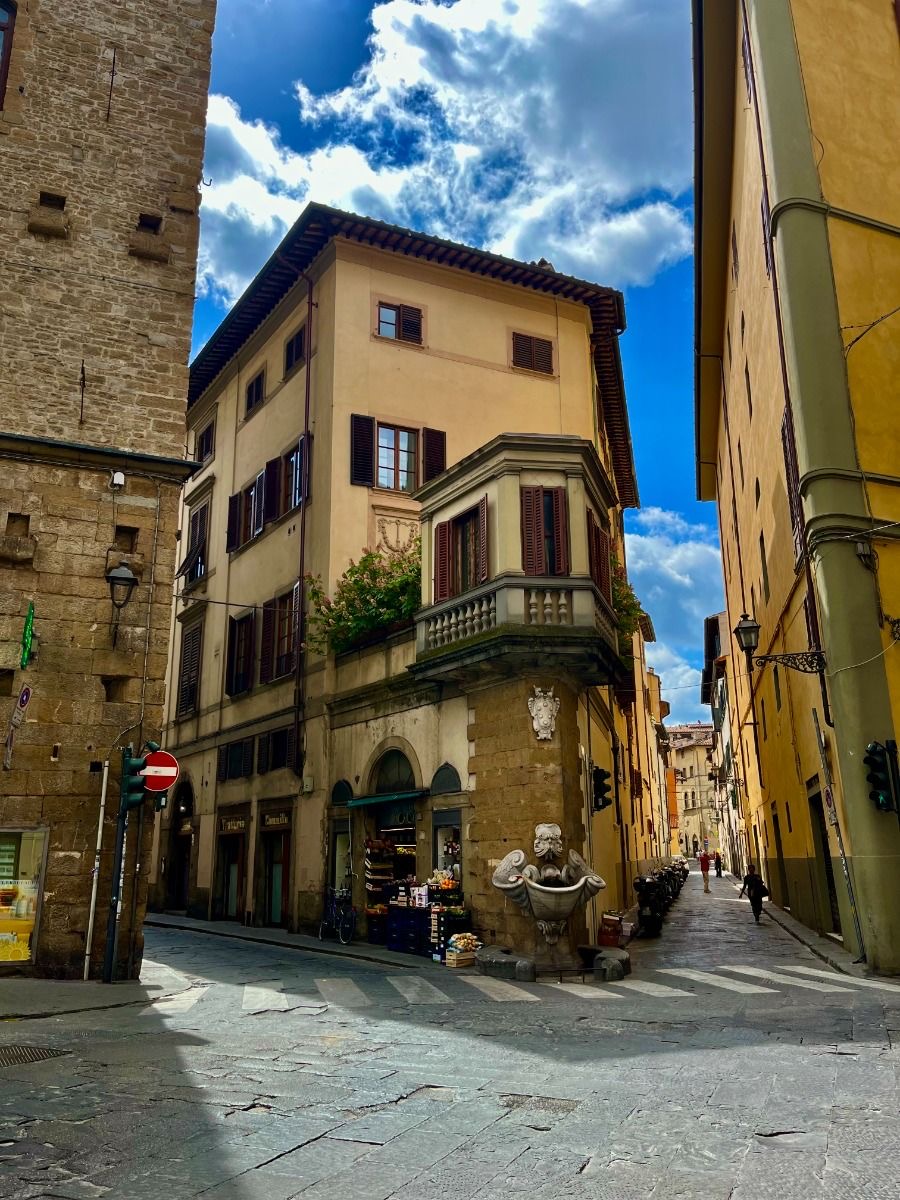
Perfect example of how walkable city "Urbanists" are just another species of Disney adult that want to live in an all-inclusive theme park. Florence is not this way because some 21st century urban planner built it. You can't just build a Florence in Indiana.
4
16
251
17,854
Street Design retweeted
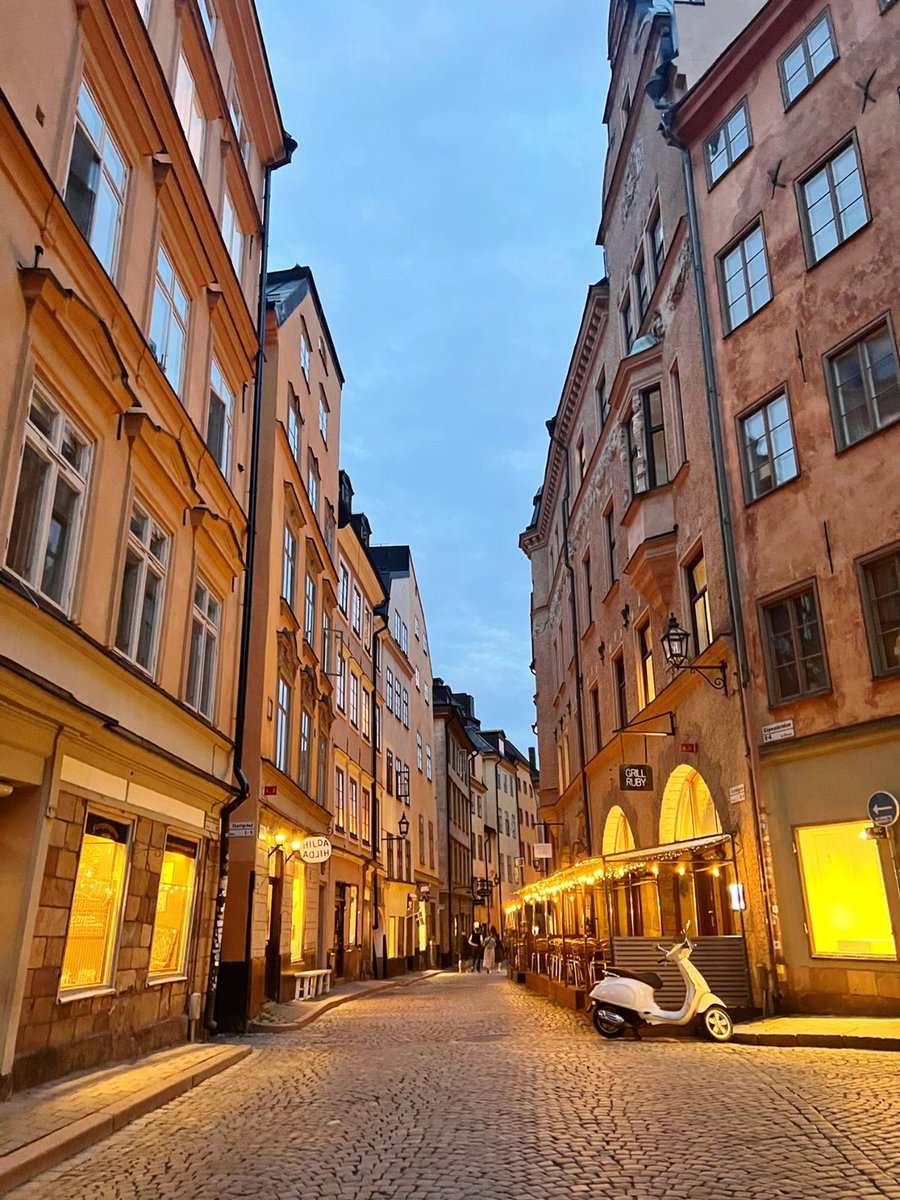
a weird general rule in urbanism is that the more aesthetic choice often delivers some enormous public benefit
narrow lane widths are not just picturesque; they're also associated with FAR LOWER pedestrian fatality rates
Jun 13

Stockholm’s pedestrian fatality rate per 100k is 0.45. The U.S. is over 5x that.
Like much of the EU Stockholm uses standards of 9.8’ for city street lanes, even narrower for residential ones, and allows for 10.8’ in bus and truck corridors. The U.S. sets 26’ as a minimum width for a two lane street and common lane widths on city streets are 12-14’.
Yet when proposals are made to narrrow lane widths along dangerous streets, local fire departments are first in line to stop them.
9
32
349
32,870
Street Design retweeted

The Dutch mobility system isn't just built around cycling.
It's built around bike-train intermodality: the bike solves the train's convenience problem and the train solves the bike's range problem. Together they offer an attractive alternative to driving: youtu.be/jq93DgLvmFc
35
192
772
42,325
Street Design retweeted

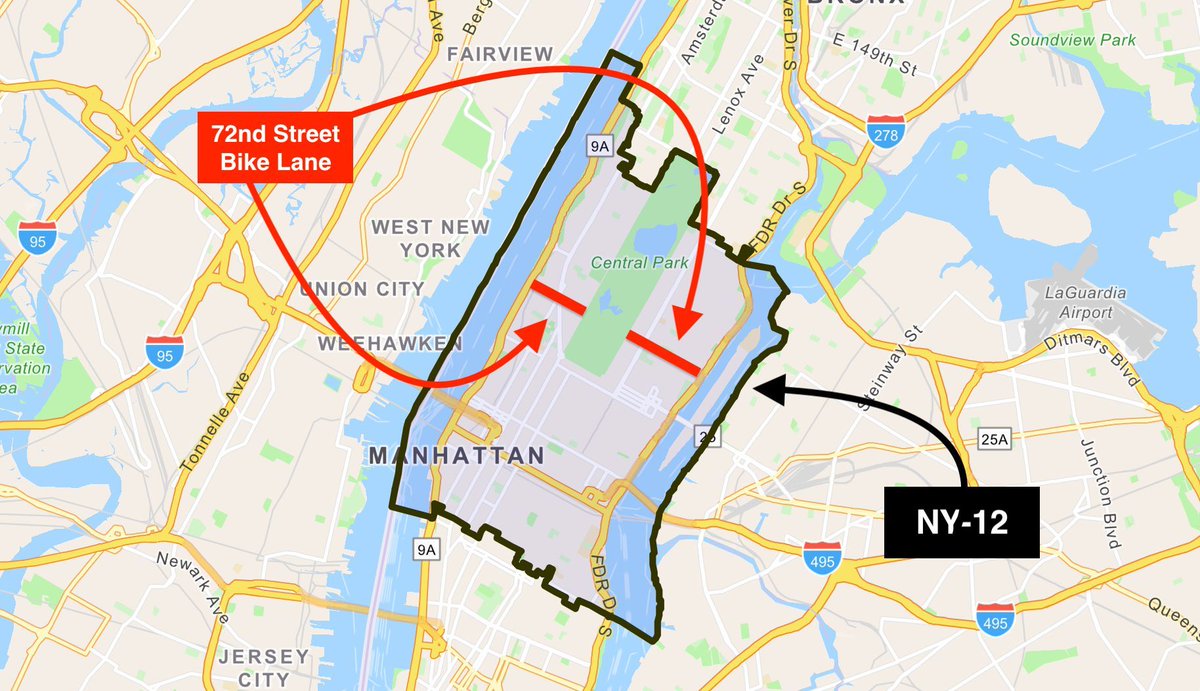
The NY-12 candidates’ near-unanimous endorsement of the 72nd Street bike lane project is especially noteworthy given the escalating and increasingly alarming tactics of the project’s opponents. buff.ly/YBFJEt4
1
4
30
1,507
Street Design retweeted

Jun 14
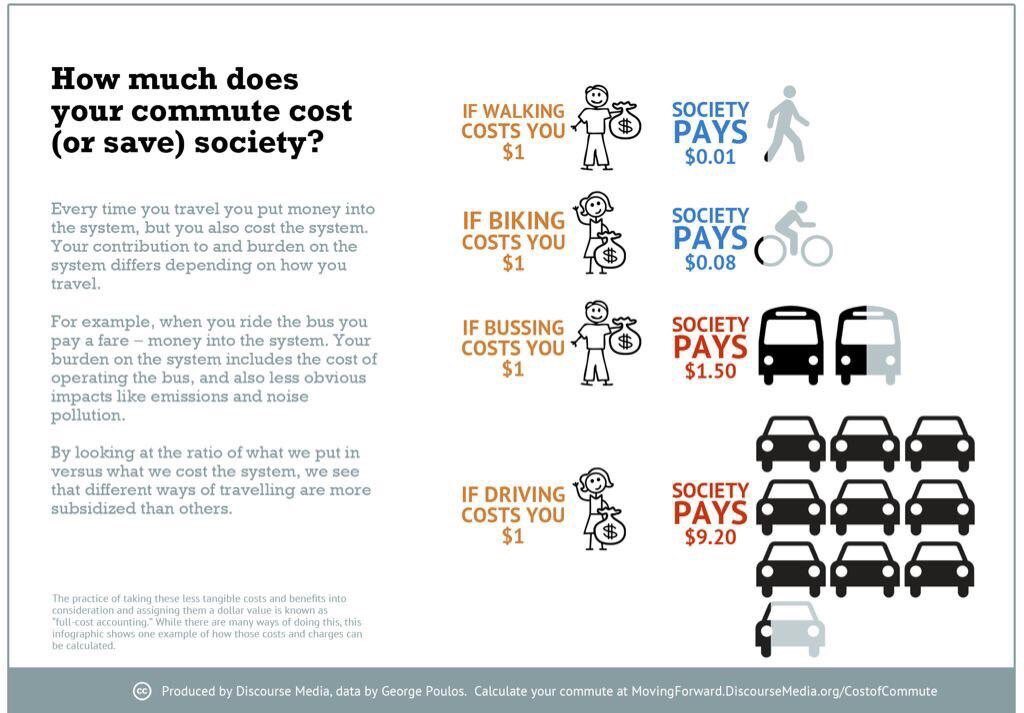
If walking costs you $1, we all pay $0.01. If biking costs you $1, we all pay $0.08. If bussing costs you $1, we all pay $1.50. If driving costs you $1, we all pay $9.20. Via study that still underestimates climate cost.
This isn’t about choice. It’s about who pays for your choice.
#citymakingmath
7
90
256
5,269
Street Design retweeted

Jun 13
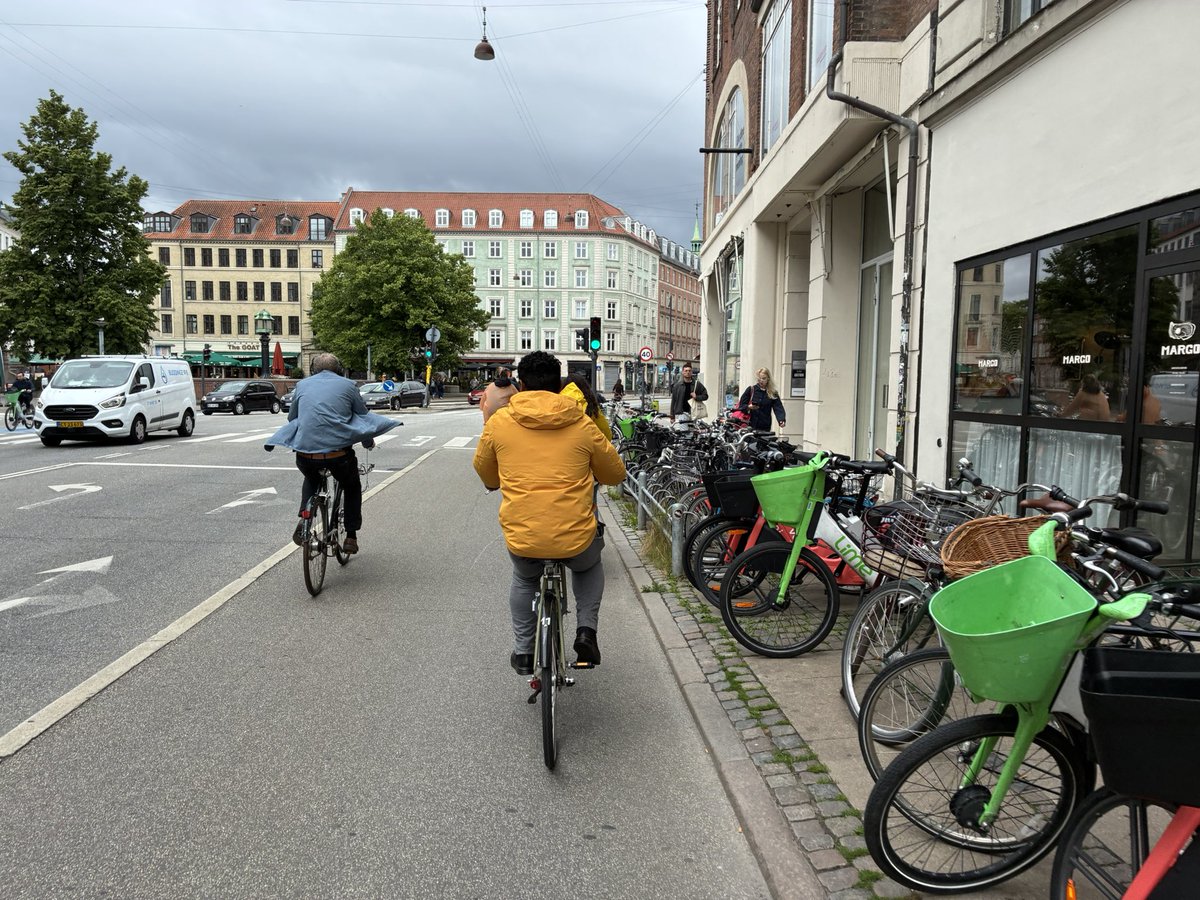
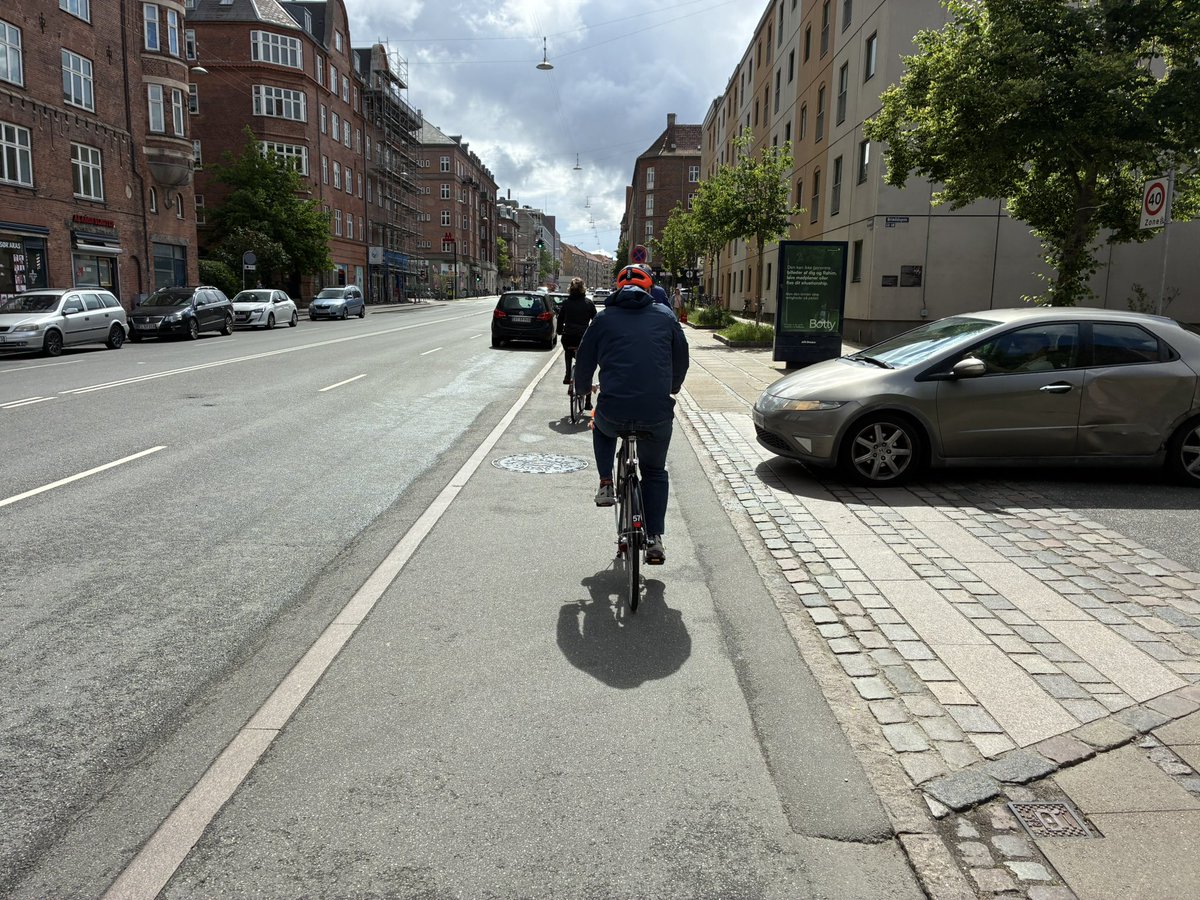
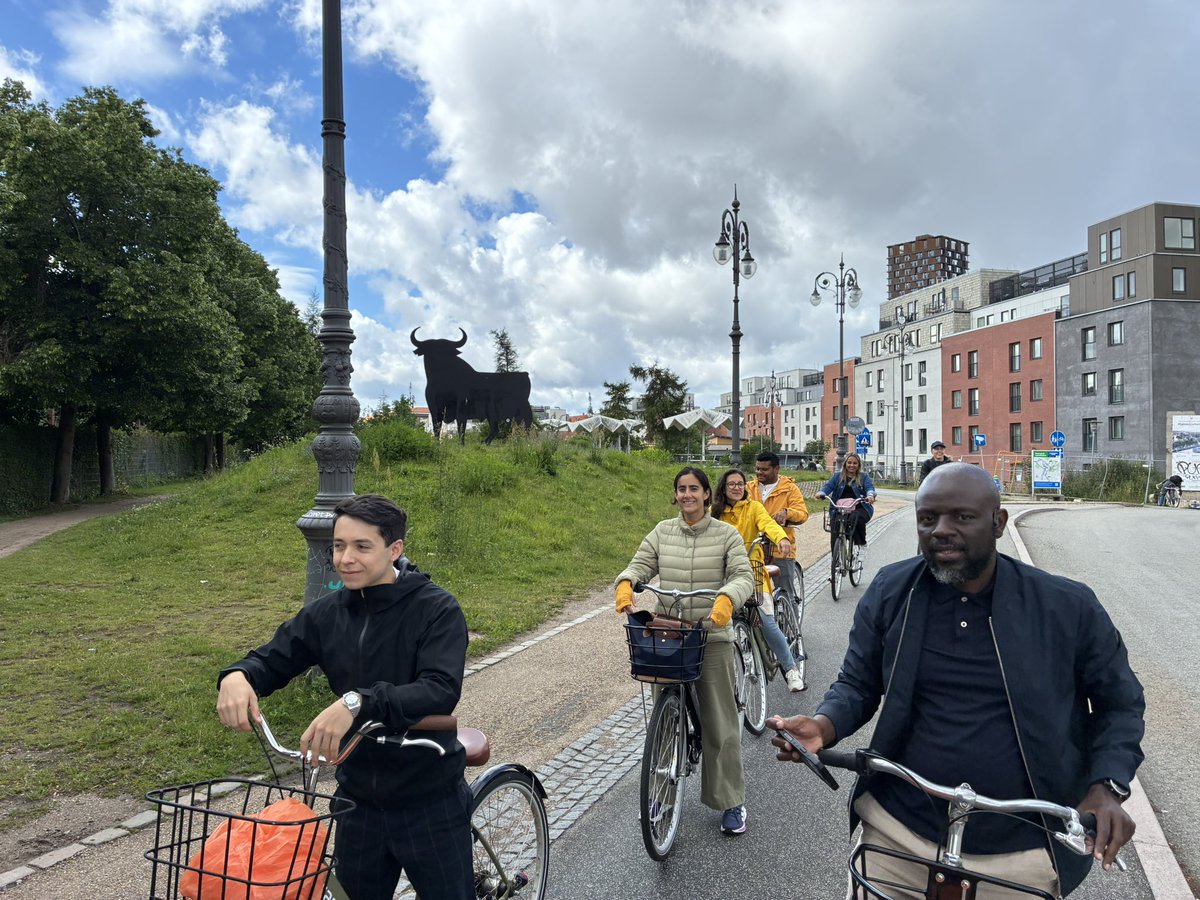
Am in Copenhagen looking at their outstanding cycle infrastructure - developed over 50 years through cross-party political ambition and long term funding.
Probably the best bike lanes in the world!

20
29
190
5,527
Street Design retweeted

After the big repave #bikenyc has been waiting for the protected lane return and it's here!
Saw them filling in the #FreshKermit on Skillman residential section this weekend. @NYC_DOT @StreetsblogNYC @TransAlt @bikenewyork
Also have been seeing giant numbers of deployments of new trees going in along the route from 34th Ave all the way here!
8
50
2,824
Street Design retweeted

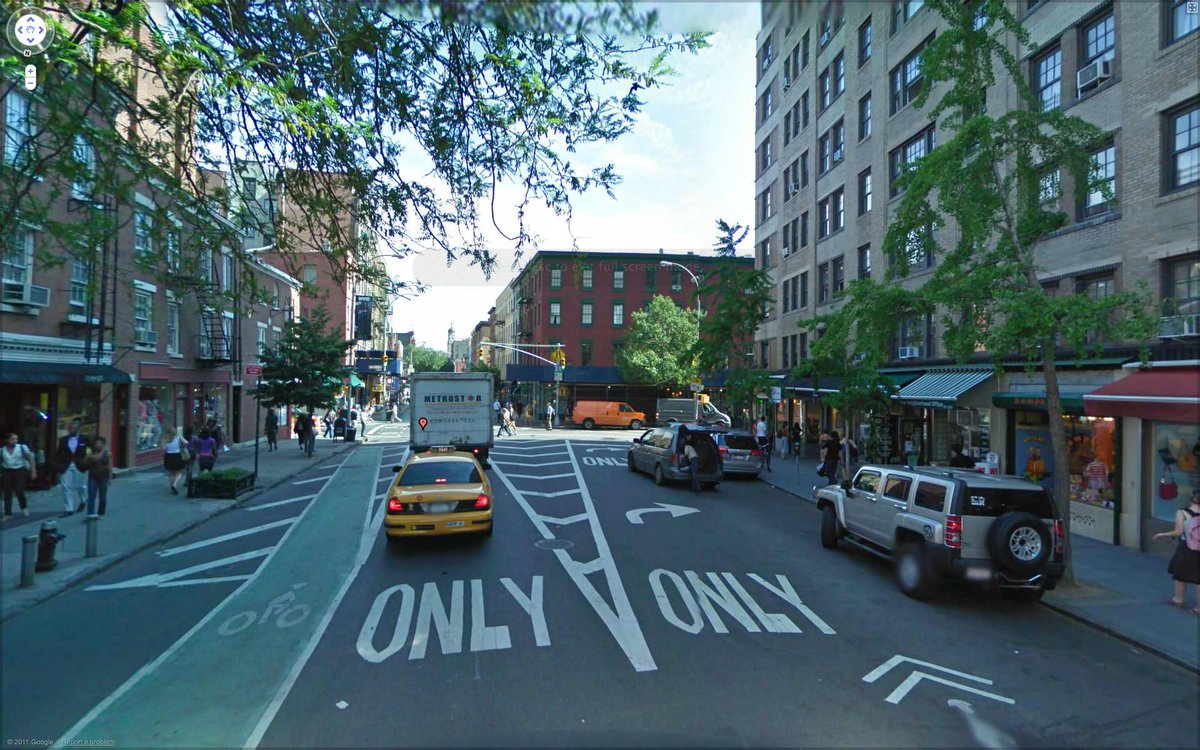
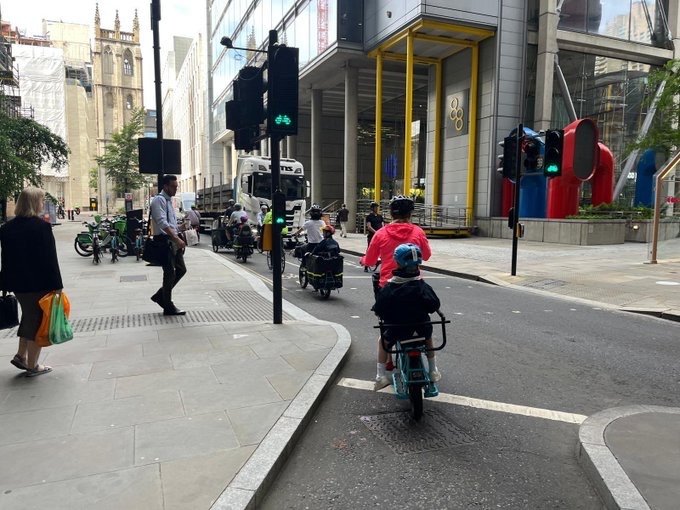
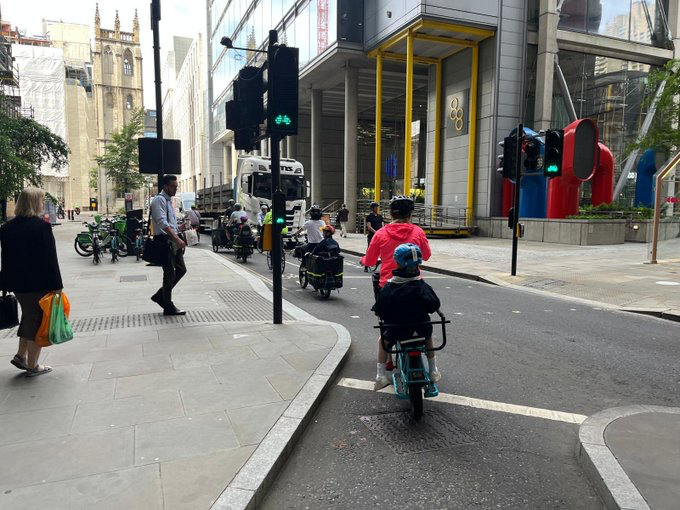
Despite all the progress we've made in New York, New York still looks like this, and London now looks like that.
7
4
18
1,417
Street Design retweeted
The auto sewer in the previous photo is the historic center of Greenwich Village.
2
5
196
Street Design retweeted
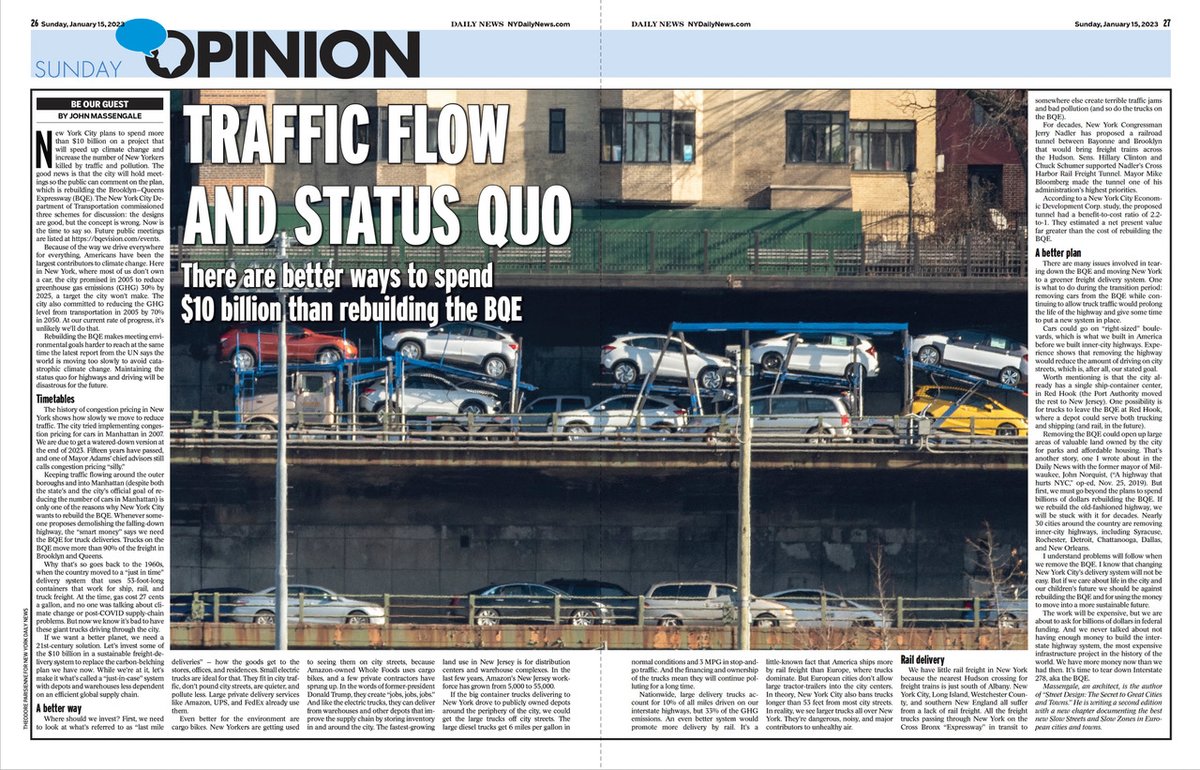
There are better ways to spend $10 billion (or is it $20 billion?)
2
2
90
Street Design retweeted
Some economic studies on #BQE removal from @cindymclaughlin / @StreetsblogNYC docs.google.com/spreadsheets…
1
2
2
53
Street Design retweeted
The depression stopped all building. Rent control did not. There were many apartments built at the beginning of World War, and many built in the 1950s and 1960, even as people decamped to the suburbs (not because of rent control).
2
4
61
Street Design retweeted
RESIDENTIAL NEIGHBORHOODS IN NEW YORK WERE NOT GOVERNED BY THE 1916 ZONING
From the late 19th century on, residential building heights were 1.5 times the street width. The 1929 Multiple Dwelling Law created an exception: 5 examples were built between 1929 and 1961 zoning.
2
3
266
Street Design retweeted
The most obvious reason is that we all grew up in a culture of cars. But we also know that people walking avoid ugly streets if they can, and that's an ugly design. It doesn't help that after a few months "Fresh Kermit" looks bad. The scaffolding doesn't help either.
2
5
233
Street Design retweeted
Jun 7
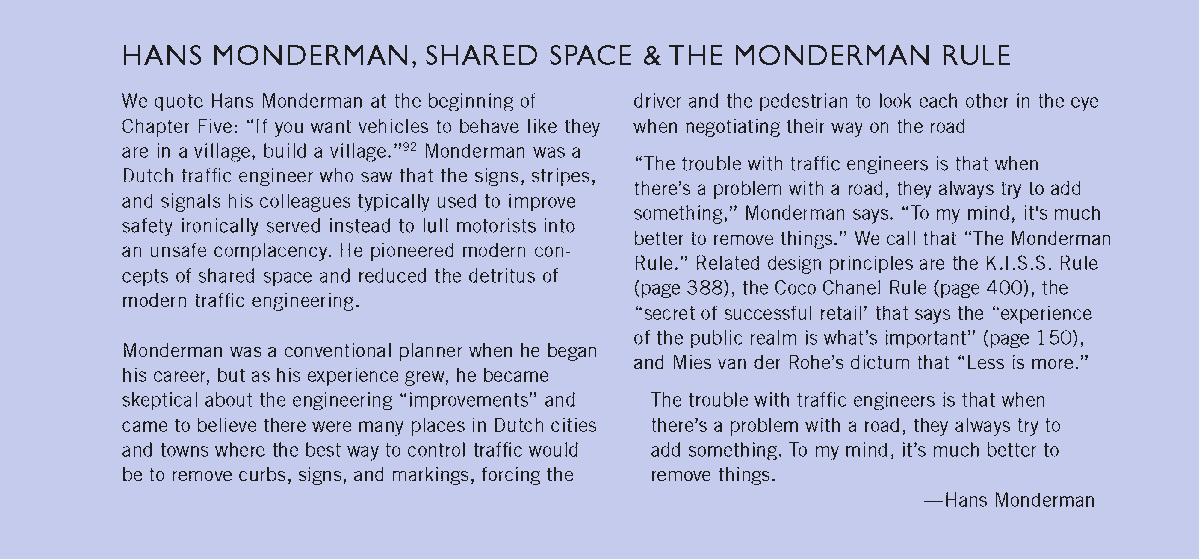
#MondermanRule
"The trouble with traffic engineers is that when there's a problem with a road, they always try to add something. It's much better to remove things." - Hans Monderman
1
4
6
148
Street Design retweeted

Jun 7
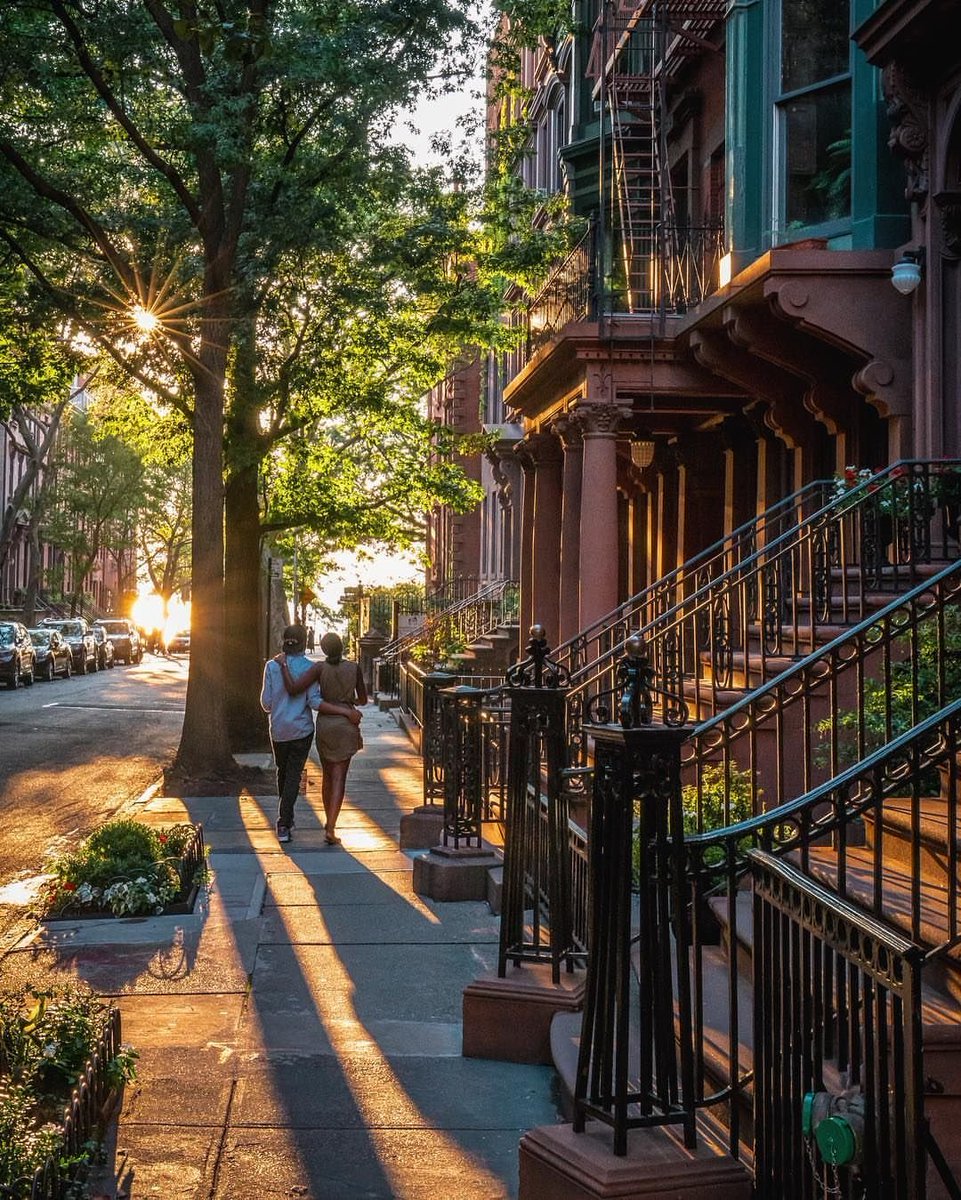
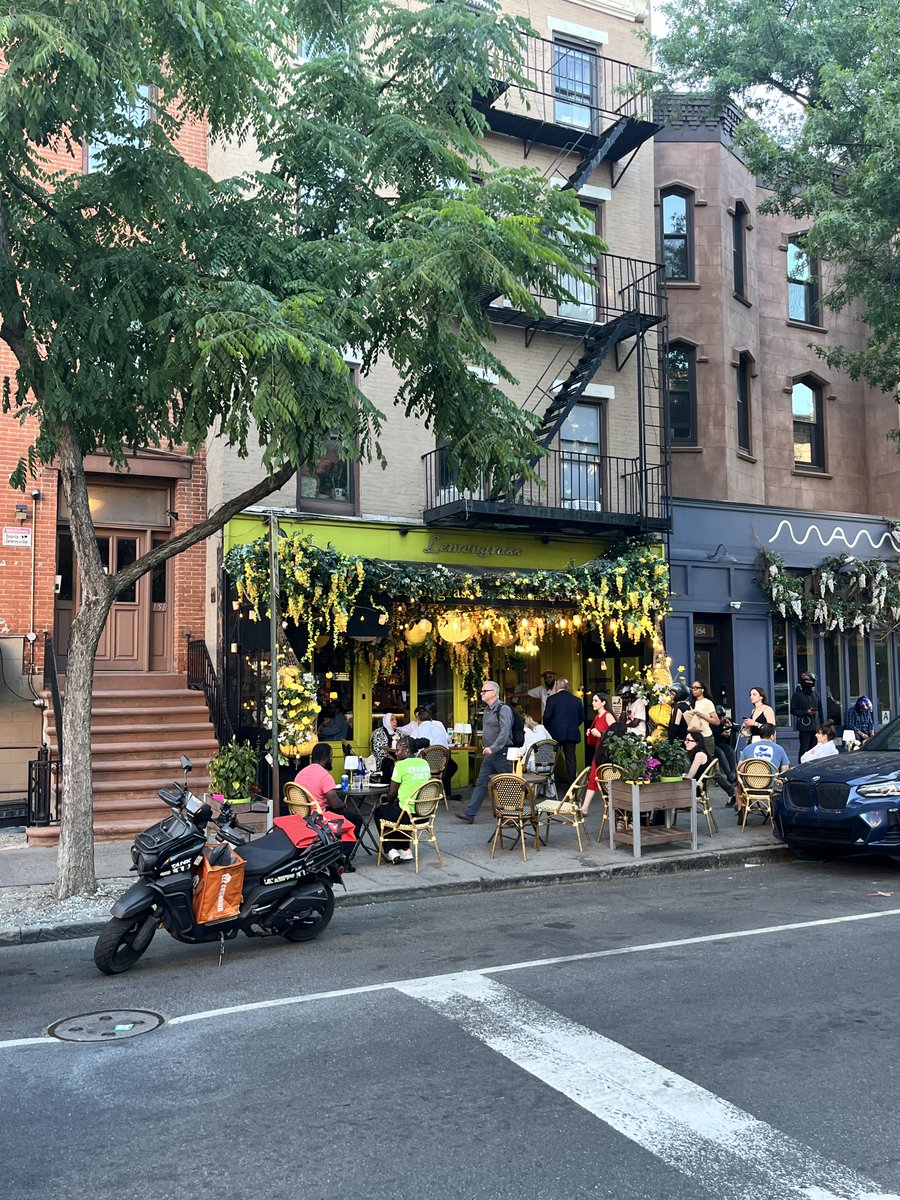
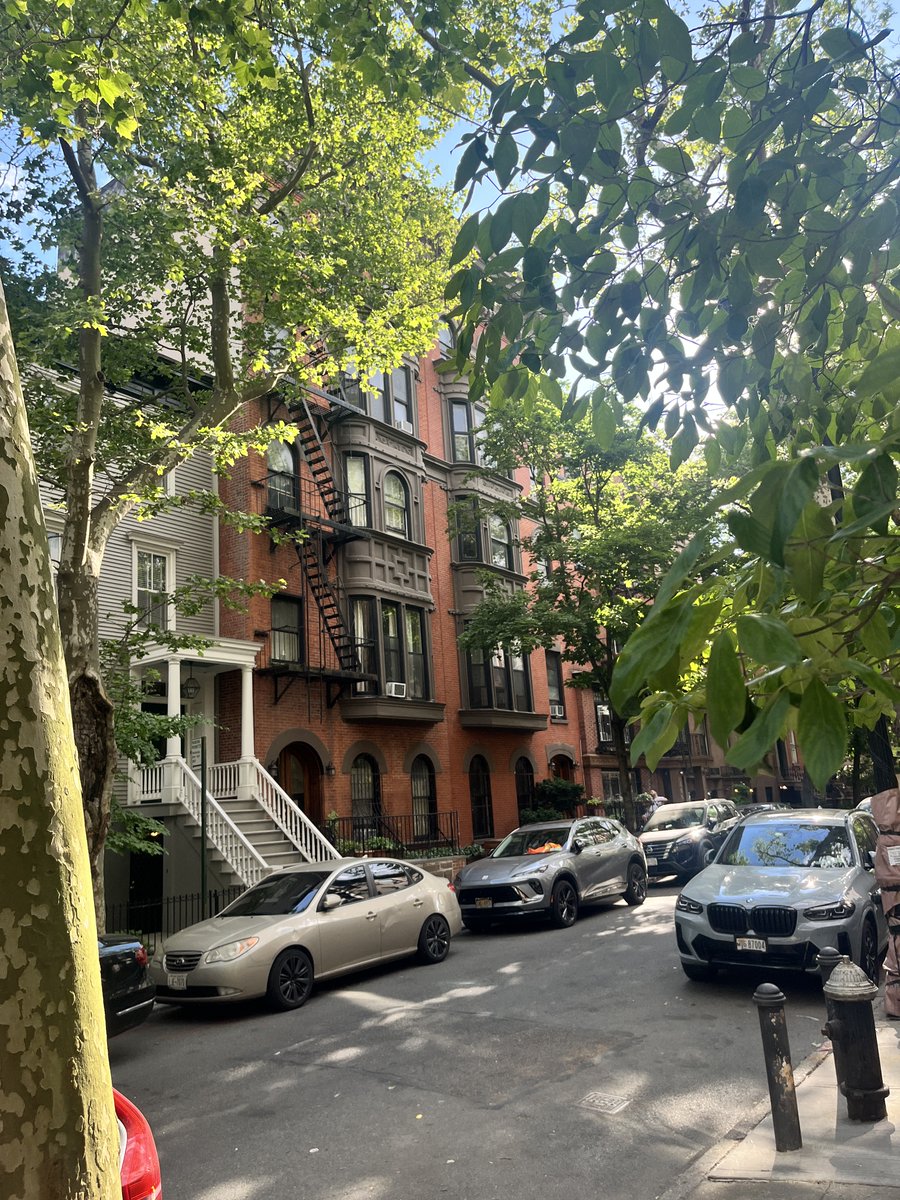
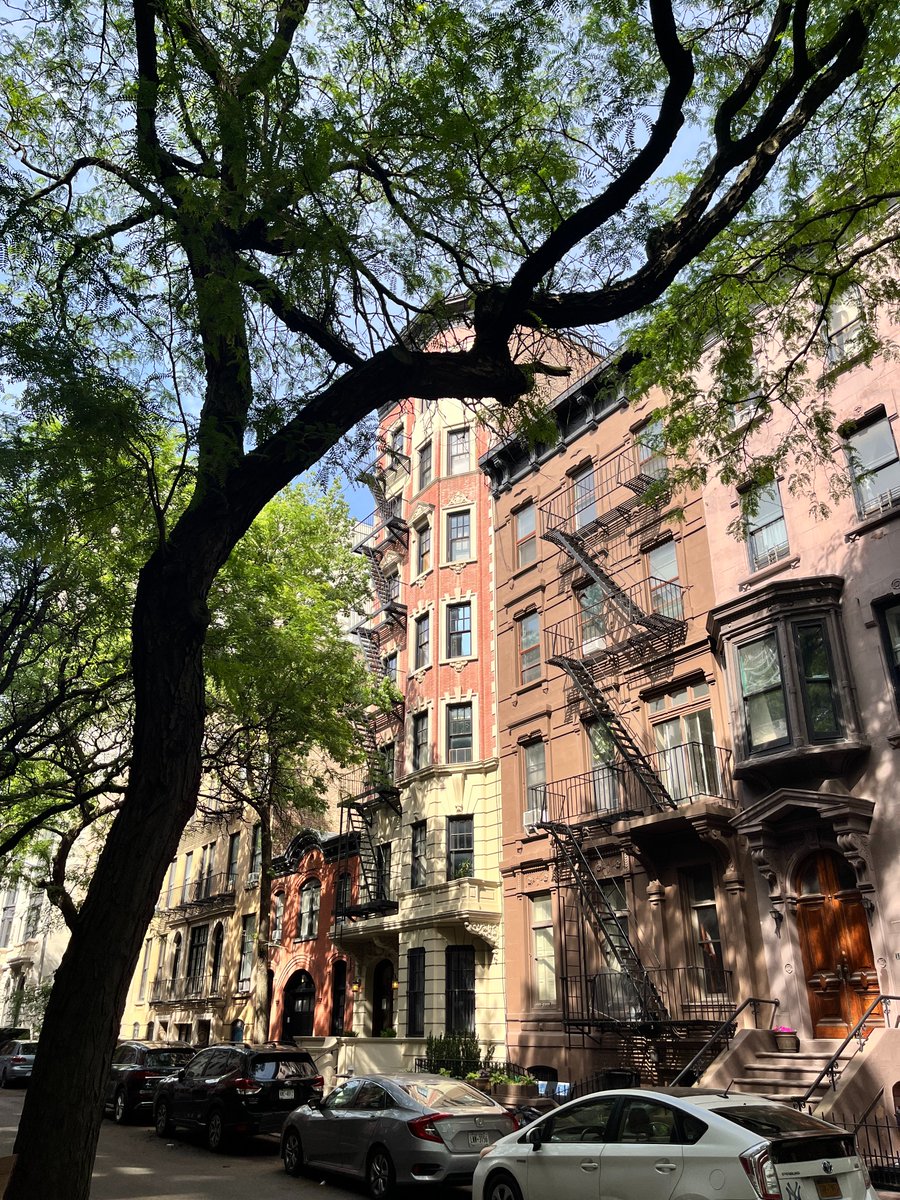
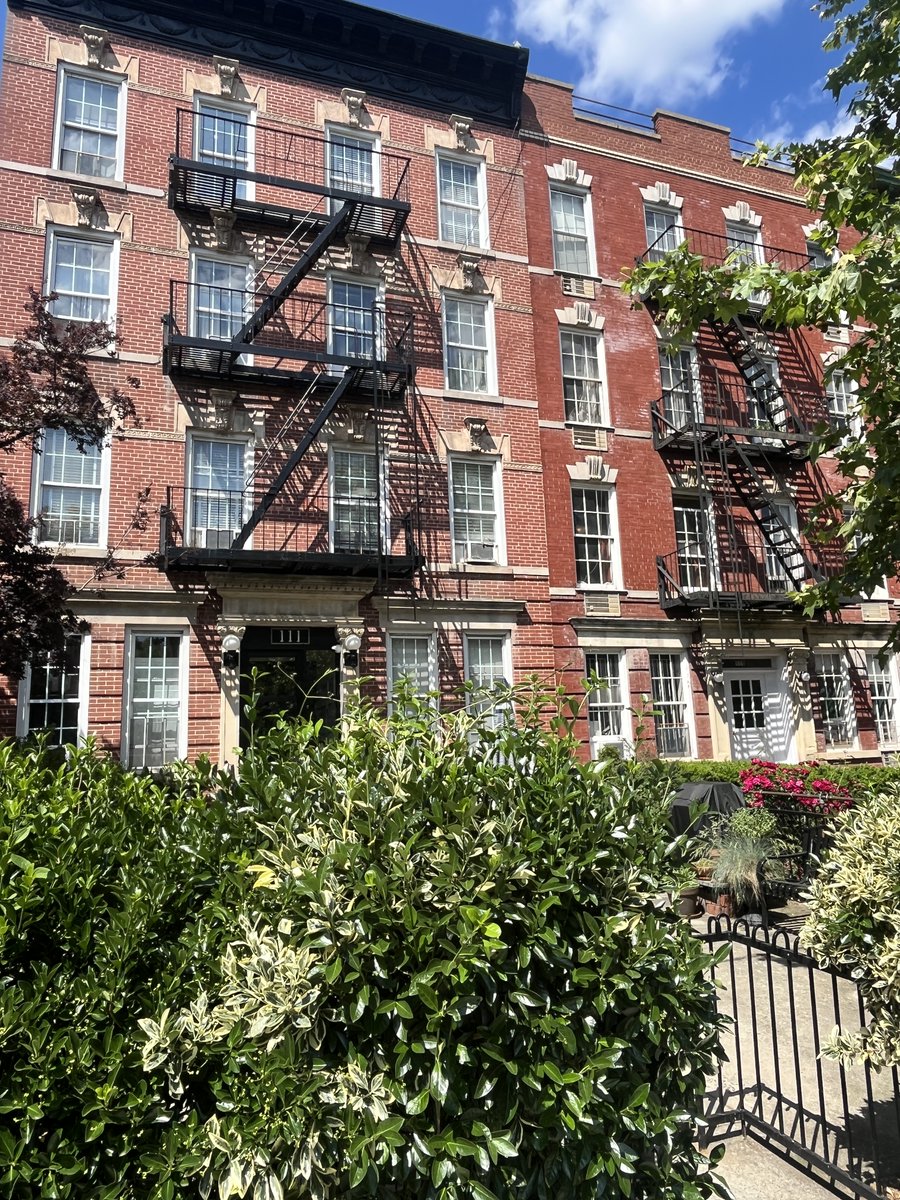
What makes it, and the surrounding areas of Cobble Hill, Carroll Gardens, Boerum Hill (and really the rest of Brownstone Brooklyn) such a worthy model for study is how replicable it is
Gridded Streets
Street Trees everywhere
Narrow, symmetrical, warm architecture.
3
7
126
6,934