
Joined September 2022
- Tweets 2,843
- Following 166
- Followers 26,485
- Likes 3,807
498 Photos and videos











Pinned Tweet

11 Aug 2025
1/ 🚨 Stroom Soft Launch is LIVE
The future of native BTC yield has arrived - and it’s called strBTC, a liquid Bitcoin staking token.
👉app.stroom.network/
Here’s everything you need to know 🧵👇

22
20
91
15,936
Stroom retweeted

May 8
Happy to announce that tomorrow, May 9th, I am taking part in Colosseum's Frontier Hackathon with my vaultpilot-mcp.ai project, build together with @StroomNetwork team (@rostique, @ablazetw)
May 4

There is one week remaining to submit your product to the Frontier Hackathon.
$2.5 million in pre-seed funding, Colosseum accelerator admittance, and eternal Solana glory on the line.
colosseum.com/frontier

4
7
18
1,395
Mar 18
First Lightning Network oracle — built with @DIAdata_org ⚡
Take a look 👇
Mar 17

Partnership with @StroomNetwork
DIA enables onchain verification for Stroom's Bitcoin reserves through DIA Value.
Proof of Reserves feeds deliver Lightning Network node balance data to Ethereum, allowing strBTC holders to verify BTC backing without centralized attestation.
🧵

1
1
3
552
Mar 10
First oracle for Lightning Network — ever.
@DIAdata_org made it possible to bridge Lightning with DeFi. Real-time TVL tracking for Bitcoin liquid staking.
Mar 10

@DIAdata_org now delivers Bitcoin reserve verification on-chain.
@StroomNetwork uses $DIA oracles to prove Lightning Network node balances match token supply. Continuously, not quarterly.
Proof of reserves, done properly.
diadata.org/blog/post/dia-en…
1
9
696
Mar 7
Congrats 🙌

Utexo has raised $7.5M from @tether, @BigBrainVC, and @PortalVentures to bring USDT natively on Bitcoin.
After more than a decade, USDT is finally coming home.
2
369
Mar 2
Hey everyone!
You may have noticed we've been closing our Lightning channels.
Over the last month, routing yields have dropped significantly, and many liquidity providers have been exiting the network. We're closing channels to serve withdrawals.
In parallel, we're exploring how we can best contribute to the Bitcoin ecosystem going forward. More details coming soon.
Thanks for your continued support 🙏
3
11
1,776
Feb 20
$1 billion/month on Lightning. The payment rails are live.
Stroom exists to make sure the capital behind them is just as efficient. Stake BTC → earn yield → keep Lightning liquid. 🧡⚡

2
1
7
730
Stroom retweeted

@vladcostea interviewed @rostique, core builder and
@ViacheslavZhyg1, CTO and co-founder at
@StroomNetwork.
Bitcoin staking is here.
youtube.com/live/psw4Fn8mcjA…

4
6
355
Jan 30
We had a new leading destination in January: @krakenfx Lightning Node⚡️
Always fascinated by how network dynamics change constantly🏆
2
272
Jan 22
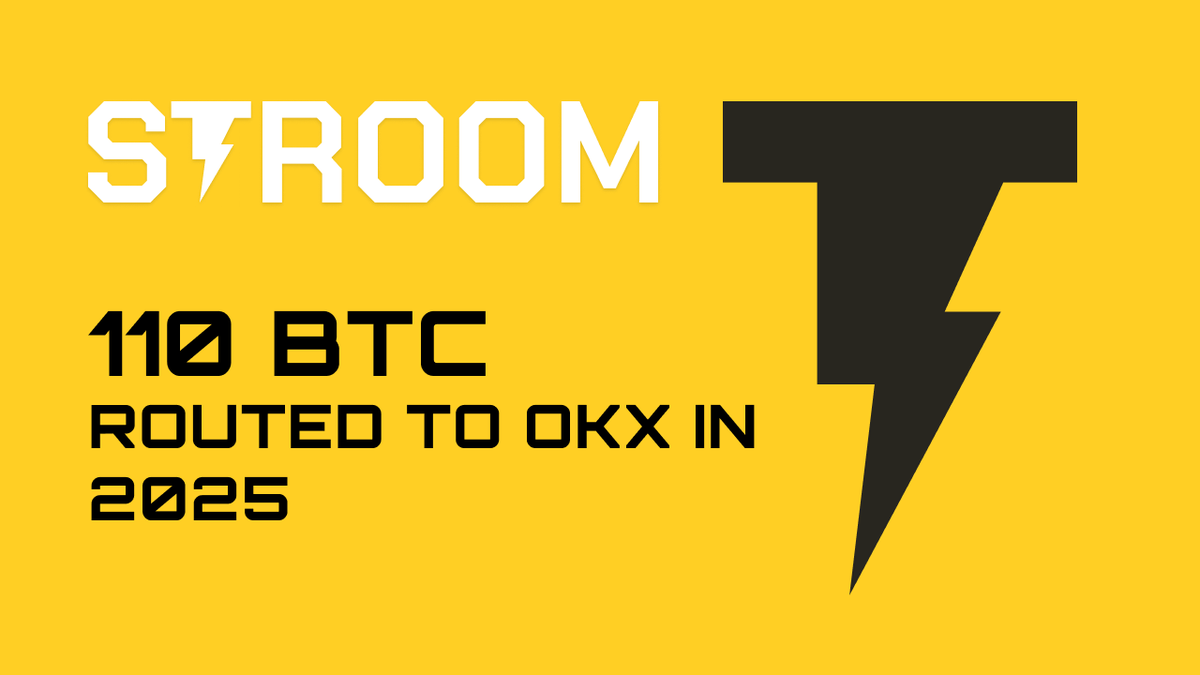
You asked - we answered!🫡 The highest routed volume went to OKX in 2025🚄
Did you guess right?😏
1
4
343

gm, we're on @DefiLlama now ⚡🦙
First @Lightning Network protocol ever listed.
Track @StroomNetwork's TVL and metrics in real-time — Bitcoin liquid staking on Lightning, fully transparent.
defillama.com/protocol/stroo…
7
4
13
548
Jan 19
Things are moving at the speed of lightning⚡️
Only a few weeks ago🗓, we announced the launch of our first Lending market on Termmax.
Now, all $500k available has been borrowed with corresponding wstBTC! 🙀
Bring USDC liquidity to the pool and don't miss out on a high APY!🙌
app.termmax.ts.finance/earn/…
2
2
242
Jan 15
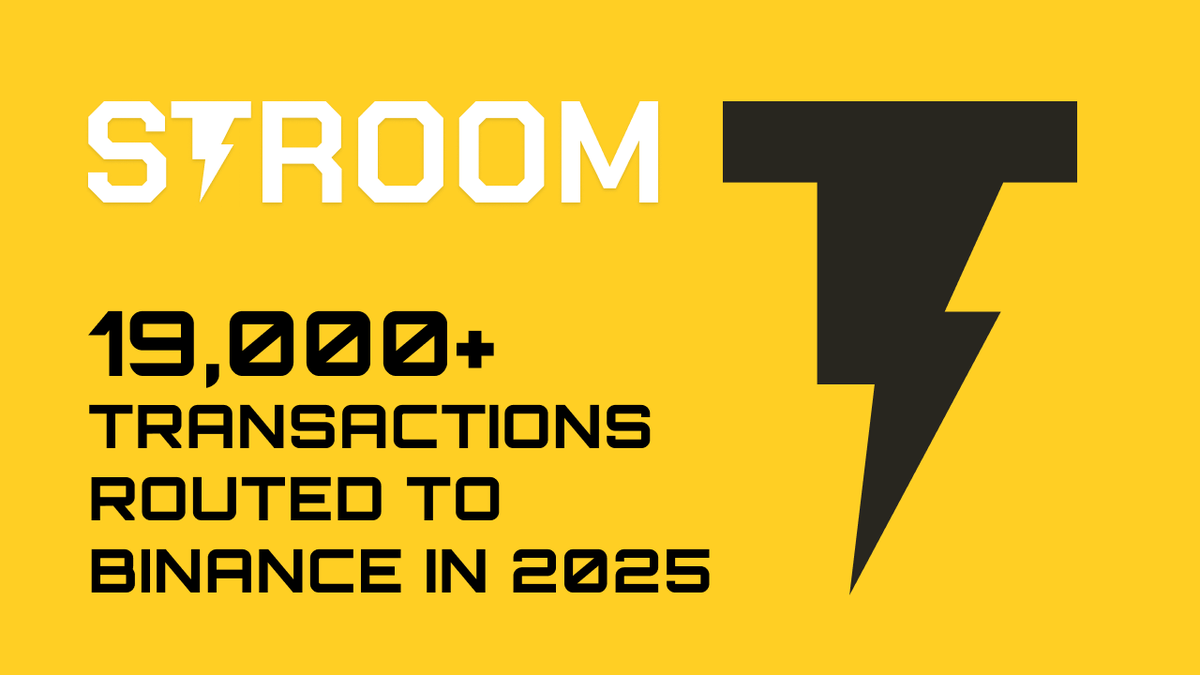
Wonder which payment destination was the 1️⃣top one for our node in 2025?
Drum roll🥁🥁🥁
It was @binance with over 19k transactions routed to it 🎉
1
1
4
235
Jan 13
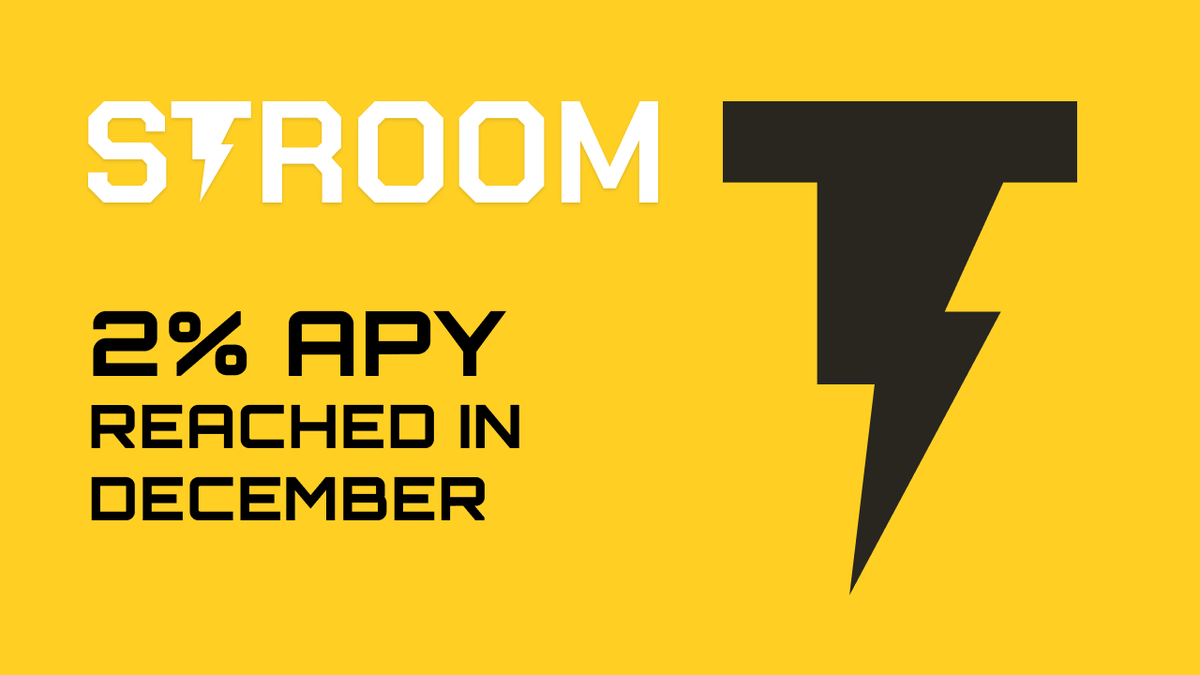
From 0.1 to 2% in 4 months! Stroom's Lightning node APY goes only up🚀
1
5
248
Stroom retweeted

23 Dec 2025
🅽🅴🆆 🅼🅰🆁🅺🅴🆃
You can now borrow USDC with wstrBTC from @StroomNetwork at a fixed rate on Ethereum.
✨ Borrowers also earn 4x Stroom Points 2x XP ✨
Liquidity bootstrapped by @hcl_labs.
🔗 Links below

23 Dec 2025

🚨 BREAKING: Stroom BTC DeFi utility expands 🚨
@StroomNetwork is launching the first lending market for wstrBTC on @TermMaxFi, curated by @hcl_labs!
Do not hesitate and receive an early 4X multiplier for Stroom points as well as Termmax XP🔥
Explore: app.termmax.ts.finance/marke…
15
2
32
1,972
23 Dec 2025
🚨 BREAKING: Stroom BTC DeFi utility expands 🚨
@StroomNetwork is launching the first lending market for wstrBTC on @TermMaxFi, curated by @hcl_labs!
Do not hesitate and receive an early 4X multiplier for Stroom points as well as Termmax XP🔥
Explore: app.termmax.ts.finance/marke…
3
13
1,633
18 Dec 2025
⚡️ 200,000 TRANSACTIONS ROUTED ⚡️
Better late to share than never, but Stroom hit a massive milestone last week! Over 200K transactions and we're just getting started 🚀
How fast can we reach 500k? 👀
2
1
9
548
Stroom retweeted
10 Nov 2025
Another curator joins TermMax! 🚀
@hcl_labs, a DeFi-native market-neutral fund, has launched TermMax V2 Vault with base yields from @Aave.
Liquidity flows into these markets:
• USDC/mF-one ( @Midas / @fasanaracapital)
• USDC/yUSD ( @YieldFi )
• USDC/RLP ( @ResolvLabs )
🔗 below
8 Sep 2025

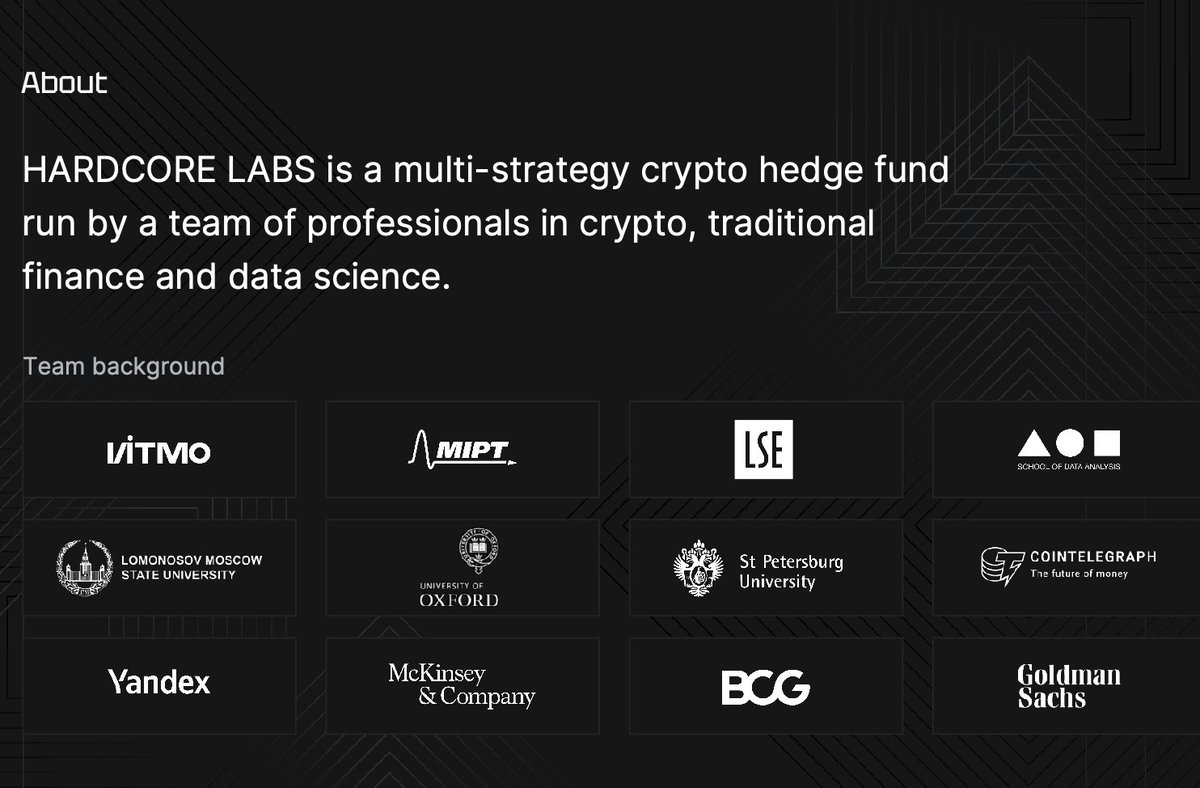
Who we are? For the last 4 years, we bring exceptional talent to crypto capital markets
13
4
15
7,220
Stroom retweeted

9 Dec 2025
Many Bitcoin bridges lock $BTC in custody and ask users to trust the operators. @StroomNetwork's design deploys it instead. The architecture channels Lightning routing for fees, incorporates Babylon staking, and is designed to scale with Bitcoin L2s as they mature. strBTC grows in your wallet daily without leaving Bitcoin.
Validators use FROST threshold signatures to jointly control the multisig vault - no single operator can move funds unilaterally. For Phase 2, validators will collateralize with external assets through @symbioticfi and @eigenlabs, creating economic accountability through slashing.
Right now the bridge runs Phase 0 (soft launch August 2025, $26.4M TVL) with $wBTC deposits converted to $strBTC. The native BTC bridge and full restaking security are still being deployed. But Lightning routing - the primary yield source - already operates with routing fees generated on-chain.
We think the design choice is interesting. Rather than building one monolithic security model, they're layering in multiple yield sources. Lightning today provides immediate yield. @babylonlabs_io and L2 integrations will expand that as the rollout continues and partnerships mature. Each source adds redundancy and reduces reliance on any single mechanism.
The full analysis - DAO governance, how slashing actually works, why FROST threshold signatures solve the custody problem - lives on Medium 👇🏻
medium.com/p/stroom-network-…

35
14
63
8,235