
Joined June 2009
- Tweets 147,054
- Following 3,051
- Followers 3,302
- Likes 162,410
Photos and videos
Surfer Observer retweeted

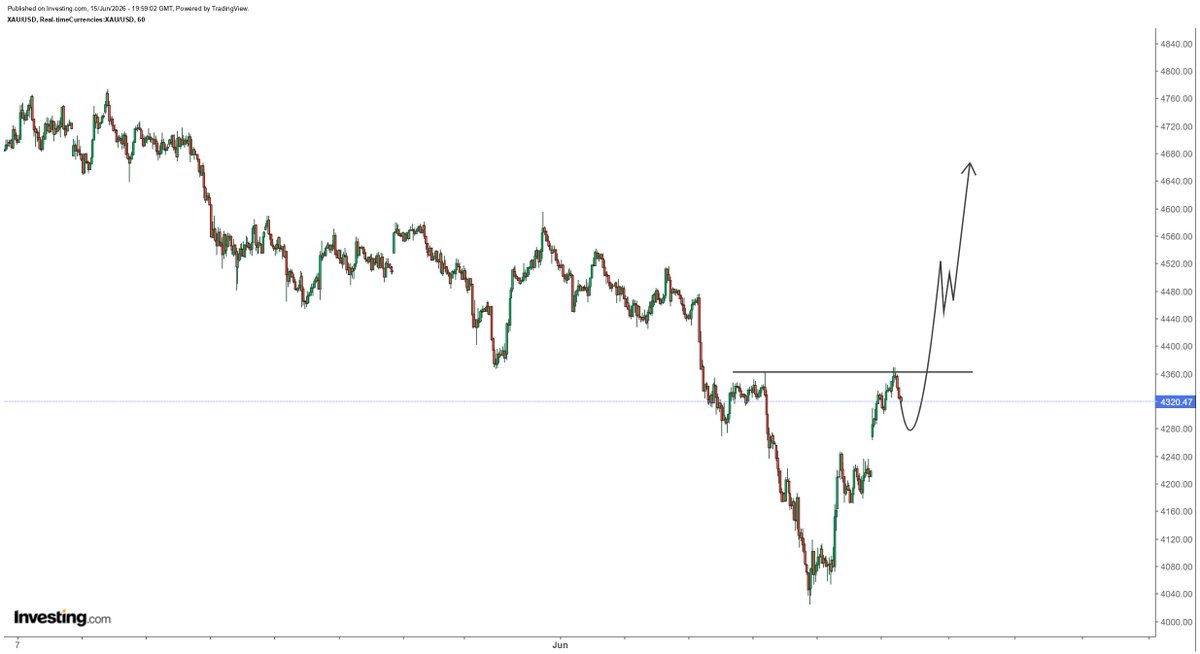
Price action in gold I expect over the coming days...
10
8
190
9,611
Surfer Observer retweeted

Jun 14
Erm.... has everyone just forgotten that this man tried to cancel local elections? Why the bloody hell would you want to vote labour again?

111
1,438
7,526
40,875
Surfer Observer retweeted

Trump's Iran 'deal' has achieved nothing & set the world back | Andrew Neil youtu.be/iioBmJro5nU?is=_yyp… via @YouTube
39
56
241
52,153
Surfer Observer retweeted

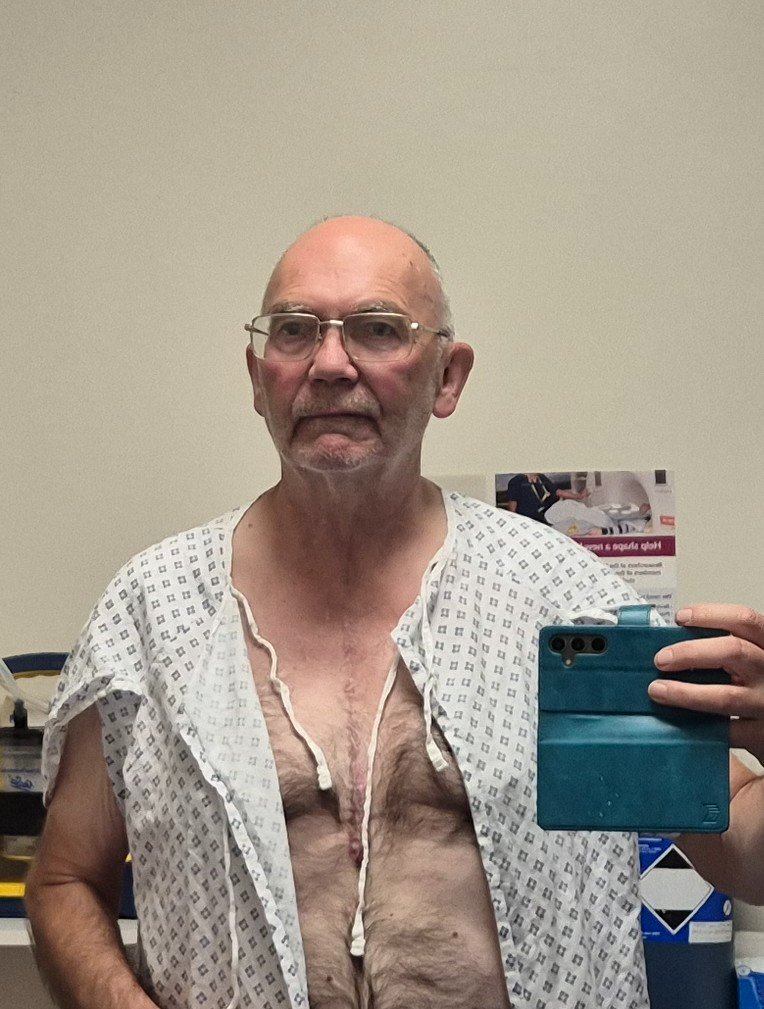
You think that's nuts,im 67,just been asked if im pregnant
8
12
105
1,851
Surfer Observer retweeted

A ride for perverts. Should be stopped. Kids and women will unwillingly see these weirdos willies.
160
201
744
16,441

Surfer Observer retweeted

Jun 14
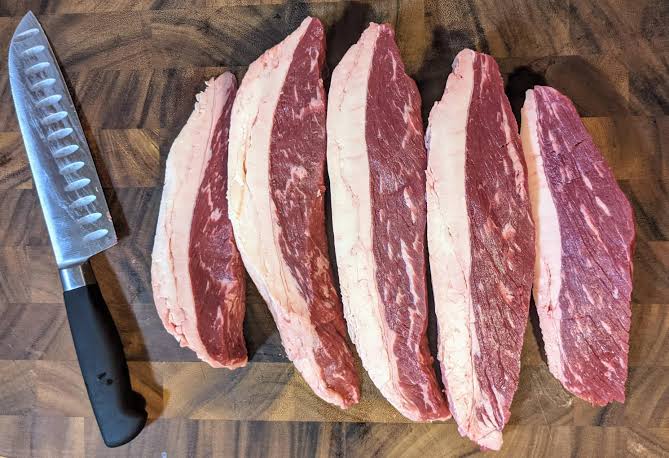
One gram of fat for every gram of protein. On carnivore, treat that as the floor, not the goal.
Fat is your fuel here. No carbs are coming to help. Skimp on it and you will feel flat, starving, and wretched, then blame the diet.
Most people do better higher still, nearer two grams of fat to one of protein. Aim past the minimum, never below it.
Start with the cut. You want it well marbled, fine white threads of fat running all through the red.
The lean, ruby, trimmed steak is the wrong one. Reach for ribeye over fillet. Chuck, brisket, short rib, belly. Fatty mince, twenty percent fat or more, never the lean.
Then add more on top. A knob of butter melting over the hot steak. Eggs cooked slowly in butter until they drink it in.
Cook in tallow or butter, never a dry pan. The fat that renders out is the prize, not the mess to tip away.
Brown your mince and leave the fat where it is. Stir that golden pool back through it. That is the meal, not the waste.
Spoon the drippings back over the plate. Leave the yolks soft. Choose the fatty fish over the lean.
Get the fat right and the rest follows. The energy, the fullness, the steady calm. On carnivore, the fat was never the side. It is the whole point.
35
212
1,318
24,655
Surfer Observer retweeted

My 17-year-old daughter:
“I’m confused. We’ve always been taught not to share personal information or anything that identifies us online because it isn’t safe. Now they want us to do exactly that to access social media.”
236
1,428
7,893
79,286
Surfer Observer retweeted

🔴 JUST IN
A B-52 Stratofortress has reportedly crashed after takeoff at Edwards Air Force Base in California.
Huge fire sending a plume of smoke into the sky.
Praying for any potential survivors.
9
13
63
3,143
Surfer Observer retweeted

Well done Celia great Reform work 💪👍

Remember this #pothole-riddled road? When I led the campaign, it attracted both local and national media attention. My constituents stood with me and now we've got #result!
This is what a strong local voice can achieve.
Fighting for local people. Delivering for local people 🇬🇧
#Family #Community #Country
36
155
847
18,736
Surfer Observer retweeted

Remember this #pothole-riddled road? When I led the campaign, it attracted both local and national media attention. My constituents stood with me and now we've got #result!
This is what a strong local voice can achieve.
Fighting for local people. Delivering for local people 🇬🇧
#Family #Community #Country
43
112
470
24,998
Surfer Observer retweeted

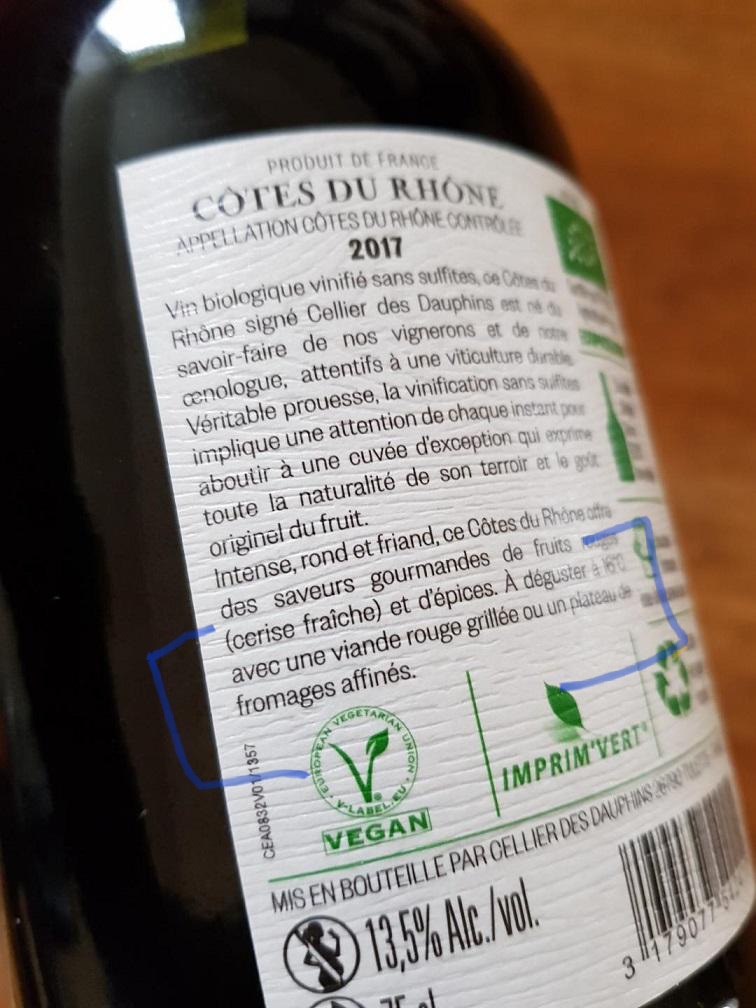
J'ai trouvé ce vin bio labellisé vegan qui conseille de le déguster avec une viande rouge grillée 😏
88
213
1,426
25,914

Surfer Observer retweeted

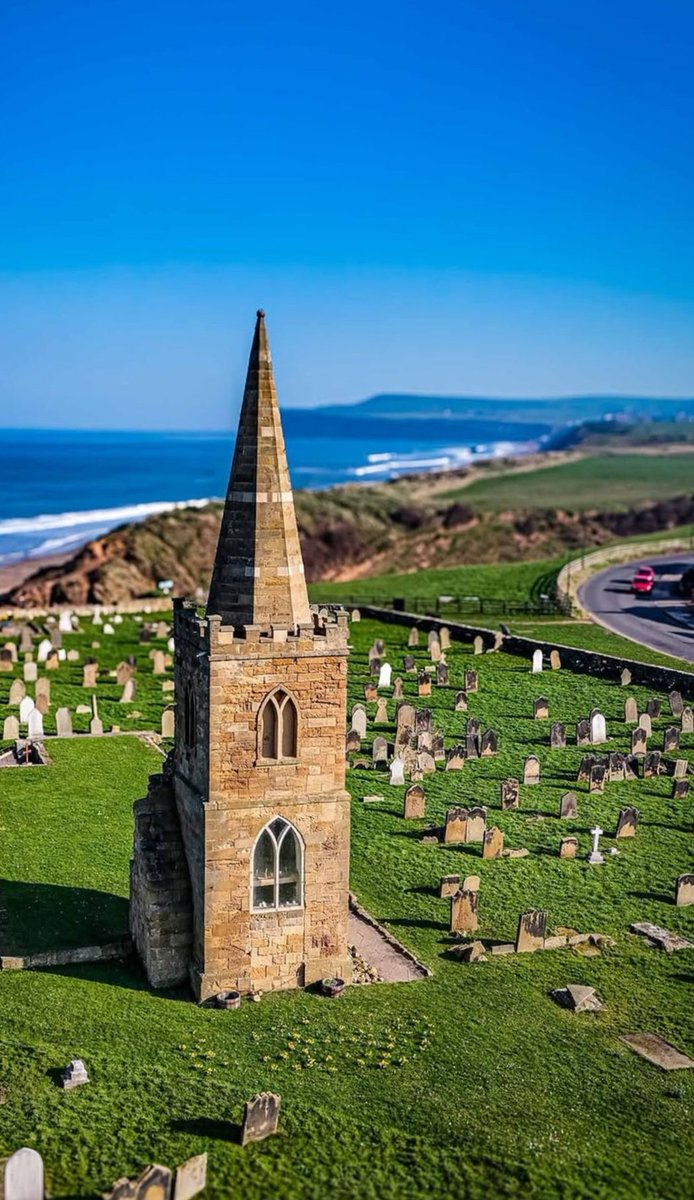
Tyson Fury walks out to UFC 250 wearing a “Donald Trump for UK Prime Minister” hat 🔥🇬🇧
722
3,988
36,041
1,405,677
Surfer Observer retweeted
18h
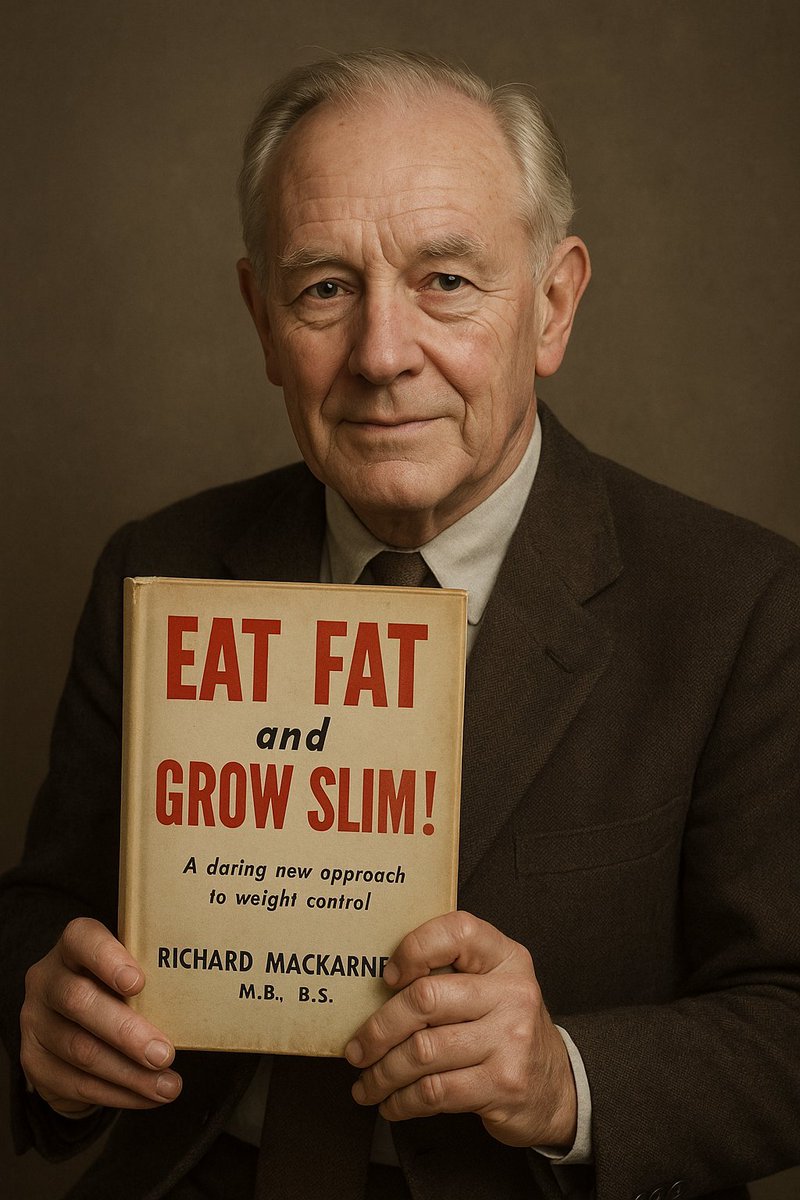
In 1958 a British doctor handed the nation the reason it was getting fat. It thanked him by forgetting he existed.
His name was Richard Mackarness, and before medicine he trained as a painter, studying under Mervyn Peake, the man who wrote Gormenghast. Then he changed course, qualified, and wrote a book with a title that still reads like a dare.
Eat Fat and Grow Slim.
The subtitle was cheekier still: Banting Up to Date, a nod to the Victorian undertaker who had cured his own obesity on meat and fat a century earlier and been ignored for it. Mackarness was picking up a thread the establishment had spent decades pretending not to see.
His claim was simple and, to the dieticians of the day, outrageous. The thing fattening Britain was the carbohydrate, the bread and sugar and refined flour that humans had eaten in real quantity for only the thinnest sliver of their existence. Fat was close to innocent. He called the alternative the Stone Age diet: two million years as hunters, a few thousand as farmers, and a body that never got the memo about the switch.
He was also writing on borrowed time, in the last years before the official war on fat: before the advice that swept dripping and butter from British kitchens and poured in margarine and industrial seed oils. He defended animal fat at the exact moment the establishment was lining up to condemn it.
He had met the men doing this work too, crossing to America in 1958 to sit with the doctors he called the anti-cereal doctors, Donaldson among them, comparing patients who were losing weight while eating like lords.
Then he pushed past weight altogether. As a psychiatrist at Park Prewett in Basingstoke he set up one of the first food allergy clinics the NHS had seen, and suggested something properly heretical: that some of the depression and fog filling his waiting room came straight off the dinner plate. He wrote it up in 1976 as Not All in the Mind, a title aimed at every colleague who had ever told a patient it was all in theirs.
The verdict was a polite, immovable no. Not accepted, not adopted, filed under eccentric, while the nation was told to eat its wholemeal toast and fear the butter.
The book sold anyway. People tried it, felt the difference, and never quite worked out why their doctor looked pained when they mentioned it.
Mackarness died in 1996. The thing he was mocked for, that refined carbohydrate rather than fat sits behind much of modern metabolic disease, is creeping back into respectable conversation as though no one had said it first.
Somebody did. He trained as a painter, and he saw the picture fifty years before the rest of the room.
20
396
1,259
17,540
Surfer Observer retweeted

Jun 14
PLEASE SHARE RT🚨 Just when you think you seen them all. Another police brutality video coming to light of 3 male police officers beating a man head to toe including his face with cuffs. The bastards are lawless thugs @RestoreBritain @RestoreNetwork_
#RestoreBritain
#RupertLowe
#England
#EnglishPride
#Patriot
#BritishValues
#SaveBritain
#ProudToBeEnglish
#BritishHeritage
#MakeBritainGreat
#VoiceOfThePeople
#UnitedKingdom
1,117
13,433
27,932
422,809
Surfer Observer retweeted

Yesterday, during my father's funeral procession, led by the United States Marine Corps, my family noticed the man in this photograph standing at the side of the road. He held his hat in his hand and placed his hand on his heart as a sign of respect for my father and our family as we walked by.
His respectful gesture deeply touched my family and the entire train. Along the way, we encountered many other cars simply going about their day.
Since his license plate was visible in the photo, my daughter did some research and we found him!!!
His name is Ernest Boerlin and he is also a veteran of the United States Navy.
When I sent him a private message to thank him for honoring my father, he replied:
"It was an honor to show my respect for a comrade and his family." Please accept my prayers and condolences for you and your family in your loss. Fair winds and calm seas. God bless you.
Thank you, Ernest. Your gesture of kindness and respect deeply touched our family and friends, and we are grateful for it. May God bless you and your loved ones.
Let's thank Ernest for his service and show him our affection, folks!

450
3,342
23,533
325,477
Surfer Observer retweeted

Restore is Tory 2.0
You will see this in time.
879
85
661
56,758
Surfer Observer retweeted

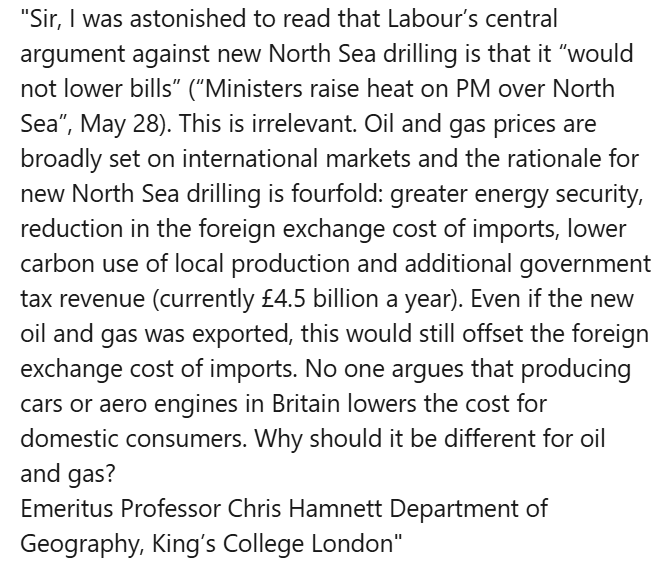
Letter in the Times...
28
393
1,536
41,925
Surfer Observer retweeted

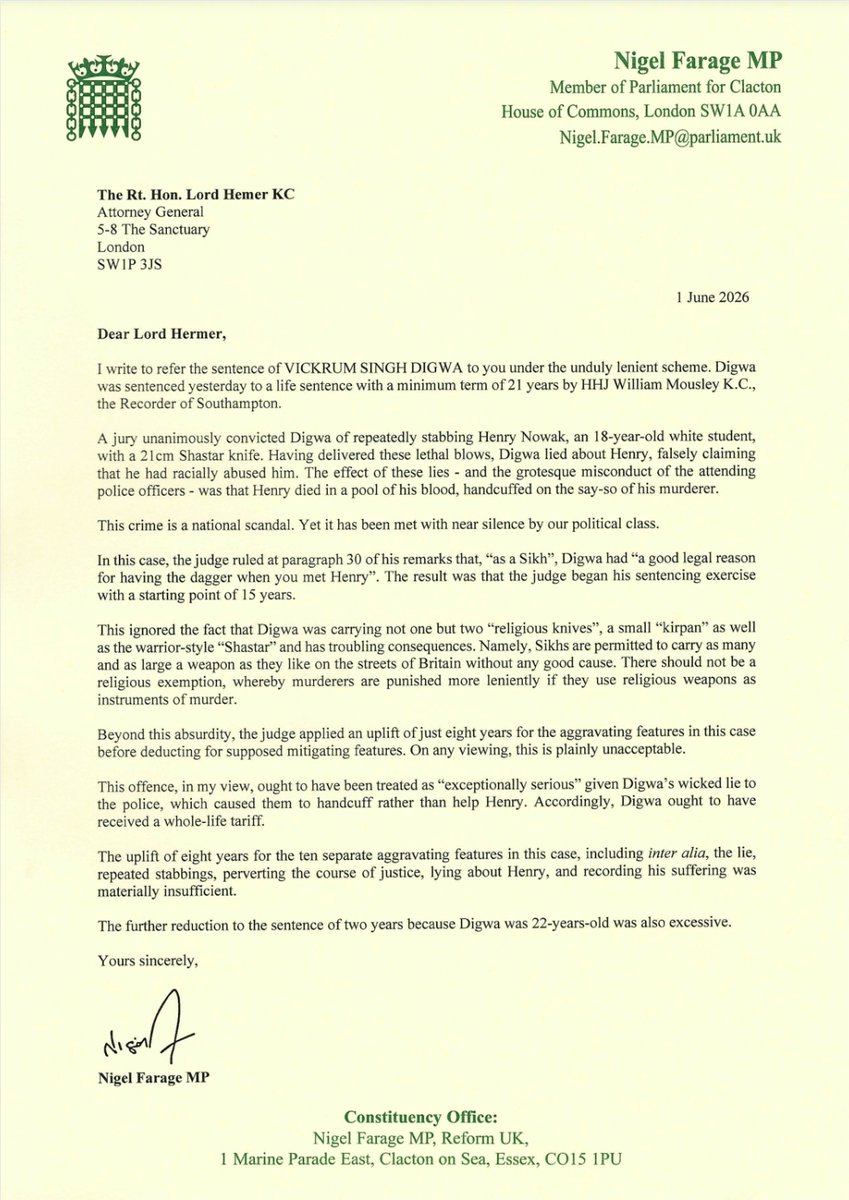
The jail sentence of Vickrum Digwa has now been referred to the Court of Appeal.
He should never be allowed to walk our streets again.
Jun 2

I have written to the Attorney General and referred Henry Nowak’s murderer under the Unduly Lenient Sentence Scheme.
A Reform government would not allow him to walk free from prison.
184
593
3,304
86,657