Passionate supporter of public education; retired but rehired as Community School Coordinator; pitbull mom;all the views expressed are my own!
Joined August 2015
- Tweets 2,191
- Following 329
- Followers 448
- Likes 13,104
424 Photos and videos

Susan McCandless retweeted

Jun 14
THIS IS THE MOST EPIC VIDEO YOU’LL SEE TODAY.
A U.S. Army paratrooper flying the massive American flag like a damn cape right over the Lincoln Memorial and National Mall at sunset. Old Glory dominating the D.C. skyline.
Freedom isn’t just words — it’s this level of badass.
This is America.
🔥 Drop a 🇺🇸 if you’re proud. Repost to wake people up.
508
5,731
27,294
299,834
Susan McCandless retweeted

Jun 13
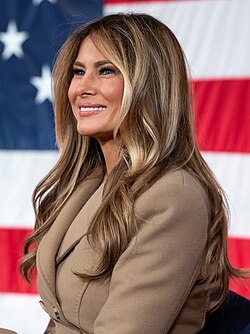
If Melania wasn’t married to Trump, she’d be on every magazine cover as the most elegant, dignified First Lady in modern history.
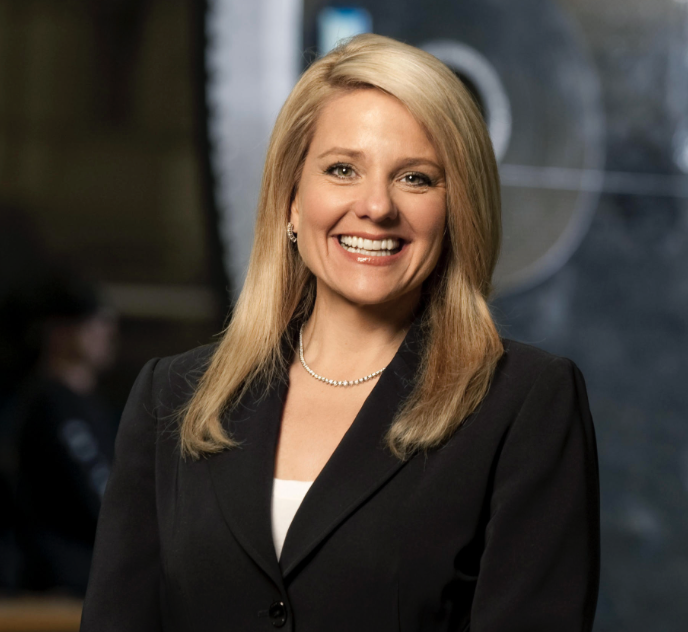
If Gwynne Shotwell didn’t work for Elon, she’d be universally celebrated as one of the greatest executives alive.
The same people who worship “strong women” suddenly go blind when she stands next to the wrong man.
1,293
6,731
39,656
478,720
Susan McCandless retweeted

Jun 13
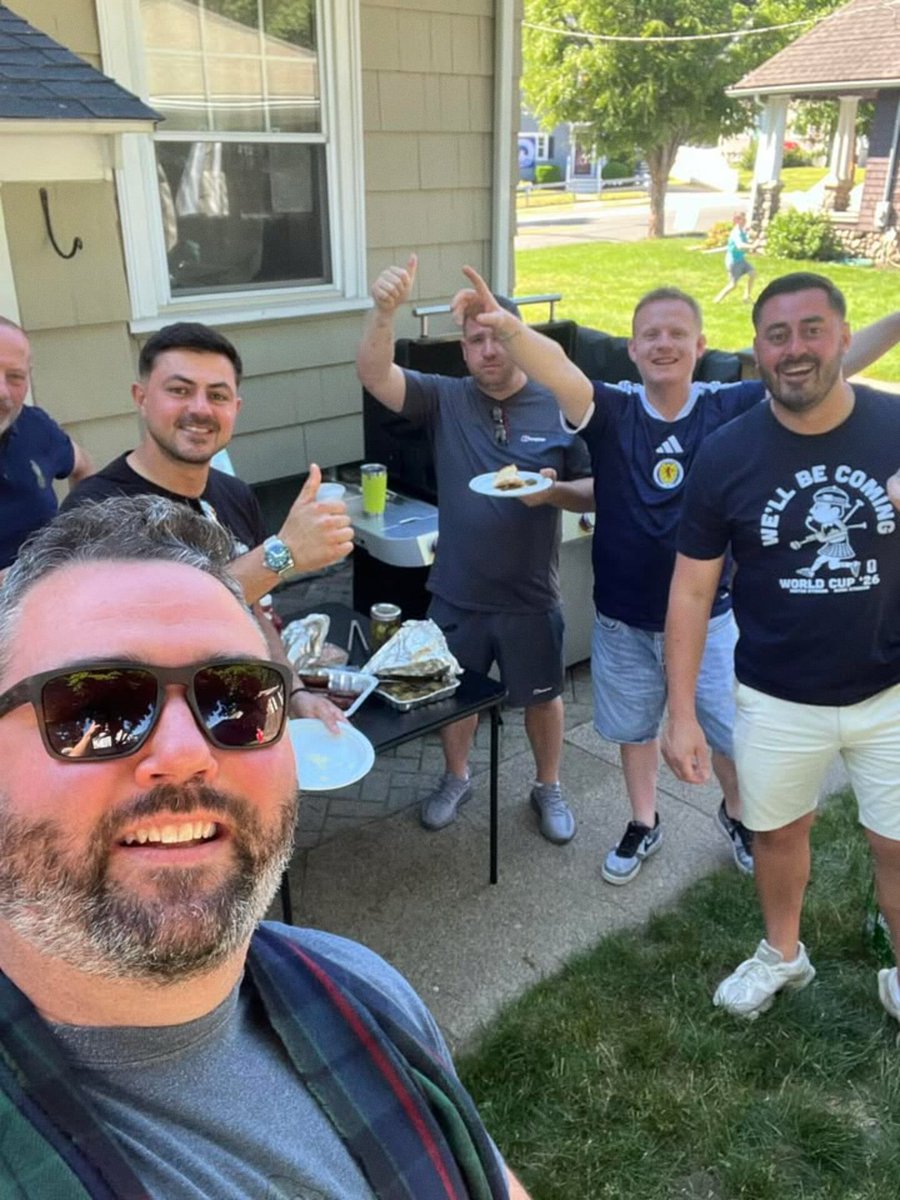
Remember the Air bnb the Scotland fans moved into overnight? The neighbours have put on a barbecue for them this afternoon before their big game later this evening.
This is what it’s about 👏👏
191
1,824
24,845
252,699

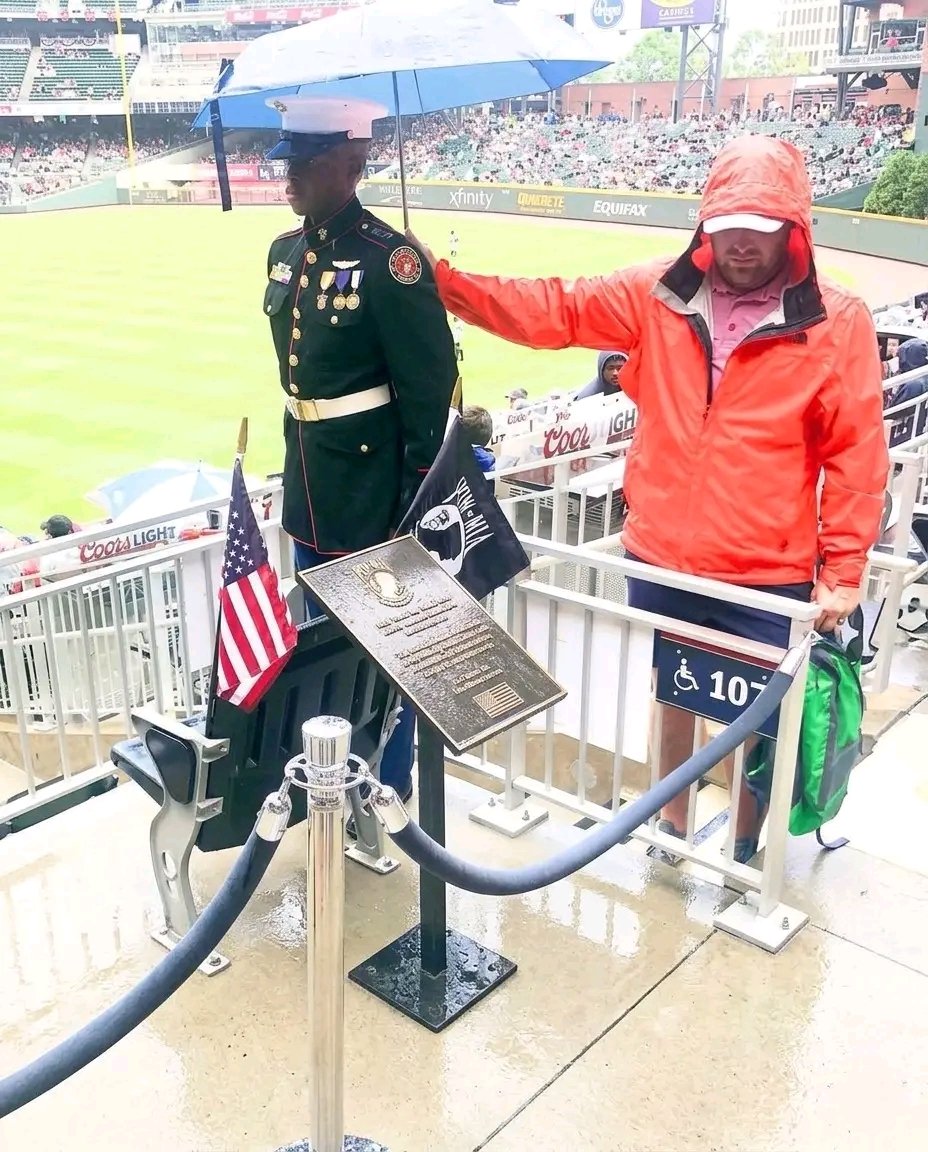
It was Memorial Day at SunTrust Park in Atlanta.
The Braves were preparing to play. The crowd filled the seats. The flags hung still in the heavy spring air. And then, before the first pitch, the stadium grew quiet for the part of the day that mattered more than the game.
Near home plate stood a small white table.
A single place setting. An empty chair. A folded napkin. A glass turned upside down. A slice of lemon. A pinch of salt. A single rose.
The POW/MIA table, set the same way at military events across America. Each item carries meaning. The empty chair is for the service members who never came home. The lemon for their bitter fate. The salt for the tears of their families. The inverted glass because they cannot toast with us tonight.
That table represents the more than 81,000 American soldiers still missing, scattered across battlefields, oceans, and jungles from World War II to today.
Standing beside that table was a seventeen-year-old Junior ROTC cadet. Crisp uniform. White gloves. Posture perfect. He had volunteered for the honor of standing watch over the empty chair.
Then the sky opened.
The rain came down in sheets. Fans pulled up hoods. Players jogged for cover. Officials rushed to protect equipment.
The cadet did not move.
He stood at attention, eyes forward, hands at his sides, the rain soaking through his uniform, dripping from the brim of his cap, running down his face like tears he was too disciplined to wipe away.
He had a duty. You do not abandon the post for weather.
In the stands, one man noticed what everyone else was too busy to see. An older fan, just there to watch baseball. He looked at the boy in the rain. He looked at the empty chair beside him. And he understood something most people miss.
That cadet wasn't just standing for ceremony. He was standing for every soldier who could not stand anymore.
The man stood up.
He climbed down from his seat. He walked across the wet stadium floor. He carried a simple umbrella. And without a word, without seeking attention, without a single glance toward the cameras, he stepped beside the cadet and quietly raised the umbrella over the boy's head.
He stood there with him.
Two strangers. Two generations. One umbrella. One unspoken understanding that some things are bigger than getting wet.
The cadet never broke posture. Never turned his head. Never even smiled.
But the man stayed. Through the rest of the ceremony, through the national anthem, through every moment that mattered, he stood beside that boy and held the umbrella steady.
Someone in the crowd took a photograph.
By the next morning, it had traveled around the world. Millions of people stopped scrolling to look. Veterans wrote that it made them cry. Parents showed it to their children. Strangers shared it with strangers. In a country that often feels divided, here was an image that did not ask anyone to choose a side.
It just asked people to remember.
REMEMBER
🕯 The empty chair, and who it's for.
🌧 The boy who stood in the rain because someone had to.
☂️ The man who walked down from the stands because someone had to do that too.
We often think heroism looks like grand speeches and great battles. We look for it on stages and in headlines.
But sometimes heroism is quieter than that. Sometimes it is a teenager refusing to flinch. Sometimes it is an older man with an umbrella who decided that today, this stranger's dignity was worth getting wet for.
You do not need a uniform to honor service. You do not need a microphone to show respect. You do not need permission to do the right thing when you see it.
You just need to stand up.
Walk down the steps.
And hold the umbrella.
26
209
579
7,754

Jun 12
RT @RCdeWinter: Breaking news:
Teacher Arrested At Pearson Airport
A high school teacher was arrested today at Toronto's Pearson Airport…
133
Susan McCandless retweeted

😂😂😂 “Good thing it’s all the same in the dark… Right, Harold?!”
This lady is an absolute HOOT — midlife menopause marriage humor at its finest! If you’re over 40 (or know someone who is), you’re gonna lose it.
Check her out on Instagram 👉 @tmitammi for more TMI messy midlife stories and unsolicited wellness updates that will have you cackling.
Tag your bestie who needs this energy right now! 🔥
79
334
1,628
121,393
Susan McCandless retweeted

Jun 11
This baby was born at 34 weeks. Still legal to abort in over ten states (including D.C.).
Jeremiah 1:5 - “Before I formed you in the womb I knew you…”
Made in the Image of God. No child should be aborted
646
5,463
25,534
693,651

Susan McCandless retweeted

DR. ALVEDA KING: “I still have a dream! I dream that one day we will move beyond black power and white power and embrace GOD’S power and human dignity!”🔥
86
727
5,288
90,977
Susan McCandless retweeted

Jun 7
I just found out that my aunt, a lifelong Republican, voted for a Democrat in California.
This never would have happened if she were still alive.
843
9,456
93,289
1,200,052
Susan McCandless retweeted

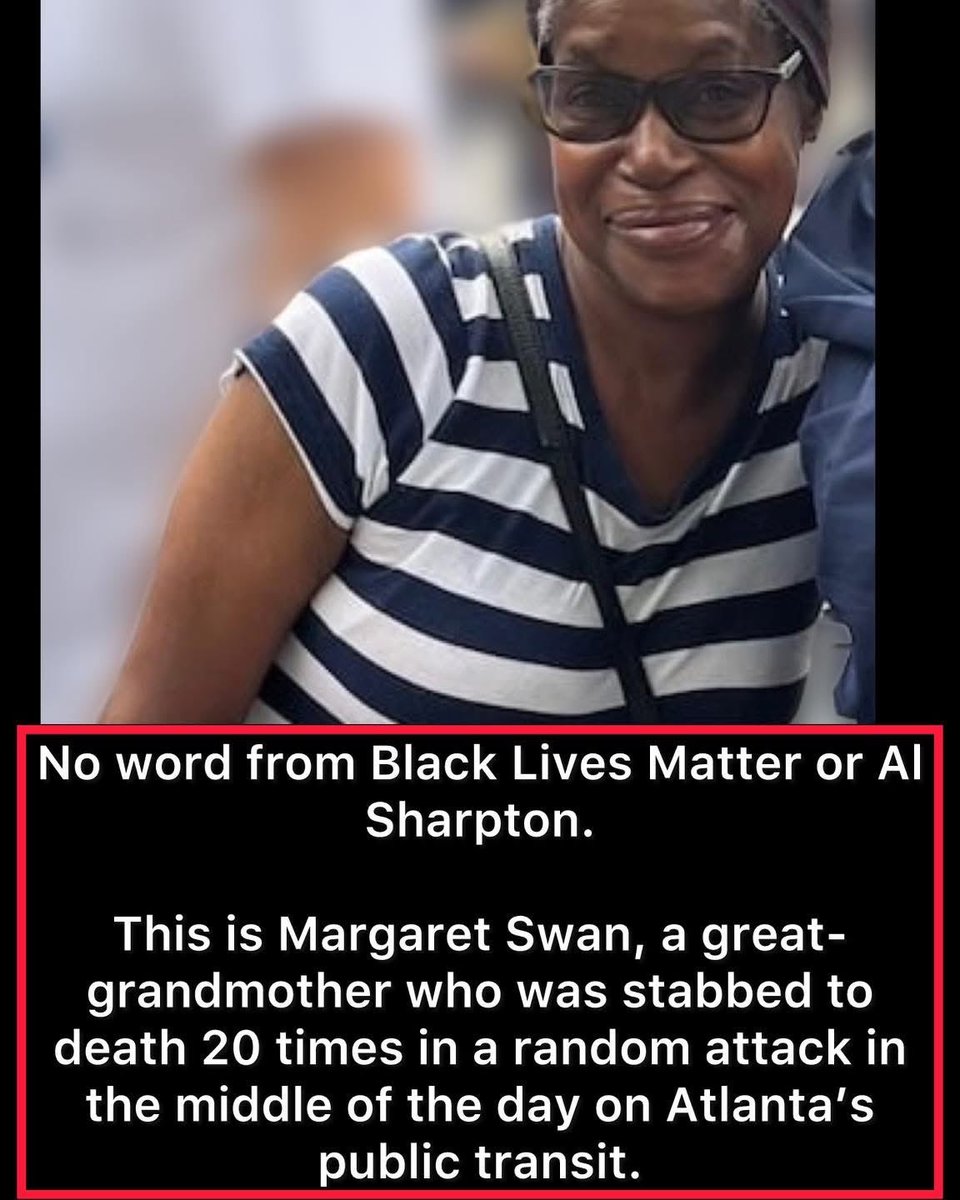
No word from Black Lives Matter or Al Sharpton.
Not one demand for answers. Not one national outrage campaign. Not even people saying her name.
This is Margaret Swan, a great-grandmother who was stabbed to death 20 times in a random attack in the middle of the day on Atlanta’s public transit.
Her murder was the second horrific attack on MARTA in just one week.
I want answers from Atlanta. The number of assaults, robberies, and rapes on MARTA trains is more than three times the national average.
1,002
11,612
28,468
192,170
Susan McCandless retweeted

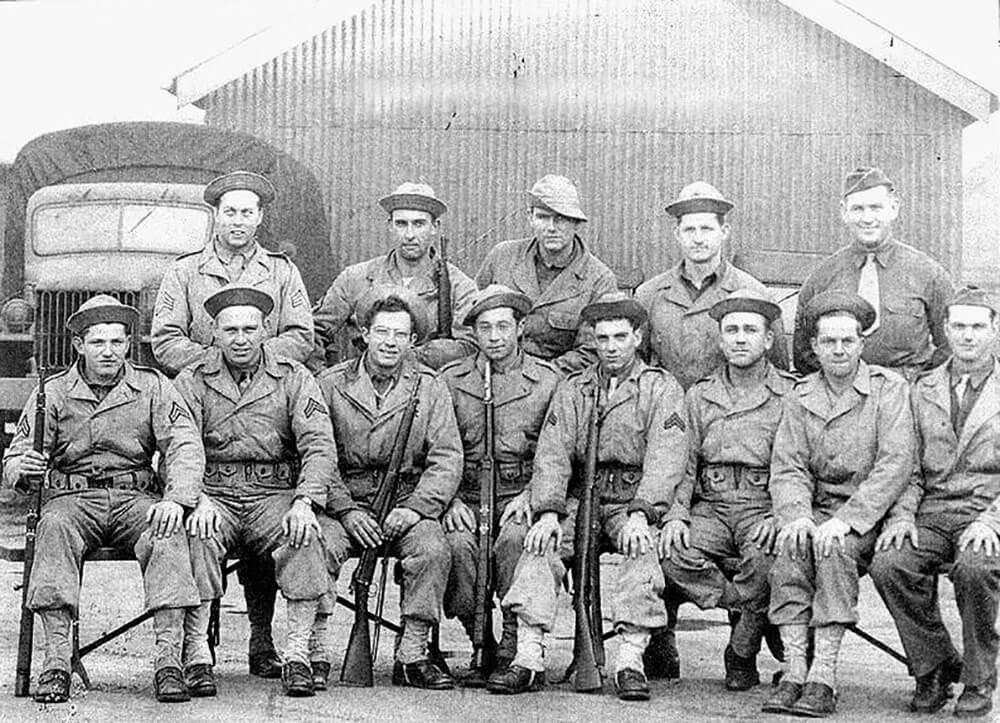
On this day in 1944 a little town in the Blue Ridge Mountains with about 3200 people would lose 20 sons, with 19 coming on Omaha Beach during the first wave.
The “Bedford Boys” were made up primarily from Company A, 116th Infantry Regiment, 29th Infantry Division, and trained for two years in England before leading the charge for one of the greatest battles in history. Bedford would lose 23 sons in total, making it the highest per capita loss of life of any town, which led Congress in to designate Bedford as the site of the D-Day Memorial, dedicated in 2001.
76
923
3,785
149,387
Susan McCandless retweeted

This is funny! 🤣
I have everything that I wanted as a teenager, only 60 years later. I don't have to go to school or work. I get an allowance every month. I have my own pad. I don't have a curfew. I have a driver's license and my own car. The people I hang around with are not scared of getting pregnant and I don't have acne.
Life is great. I changed my car horn to gunshot sounds. People get out of the way much faster now.
Gone are the days when girls used to cook like their mothers. Now they drink like their fathers.
I didn't make it to the gym today. That makes five years in a row.
I decided to stop calling the bathroom "John" and renamed it the "Jim". I feel so much better saying I went to the Jim this morning.
When I was a child I thought "nap time" was a punishment. Now it feels like a small vacation.
The biggest lie I tell myself is... " I don't have to write that down, I'll remember it".
If God wanted me to touch my toes, He would've put them on my knees.
Last year I joined a support group for procrastinators. We haven't met yet.
Why do I have to press one for English when you're just going to transfer me to someone I can't understand anyway?
Of course, I talk to myself. Sometimes I need expert advice.
At my age "Getting Lucky" means walking into a room and remembering what I came In there for.
216
581
2,883
75,314
Susan McCandless retweeted

May 25
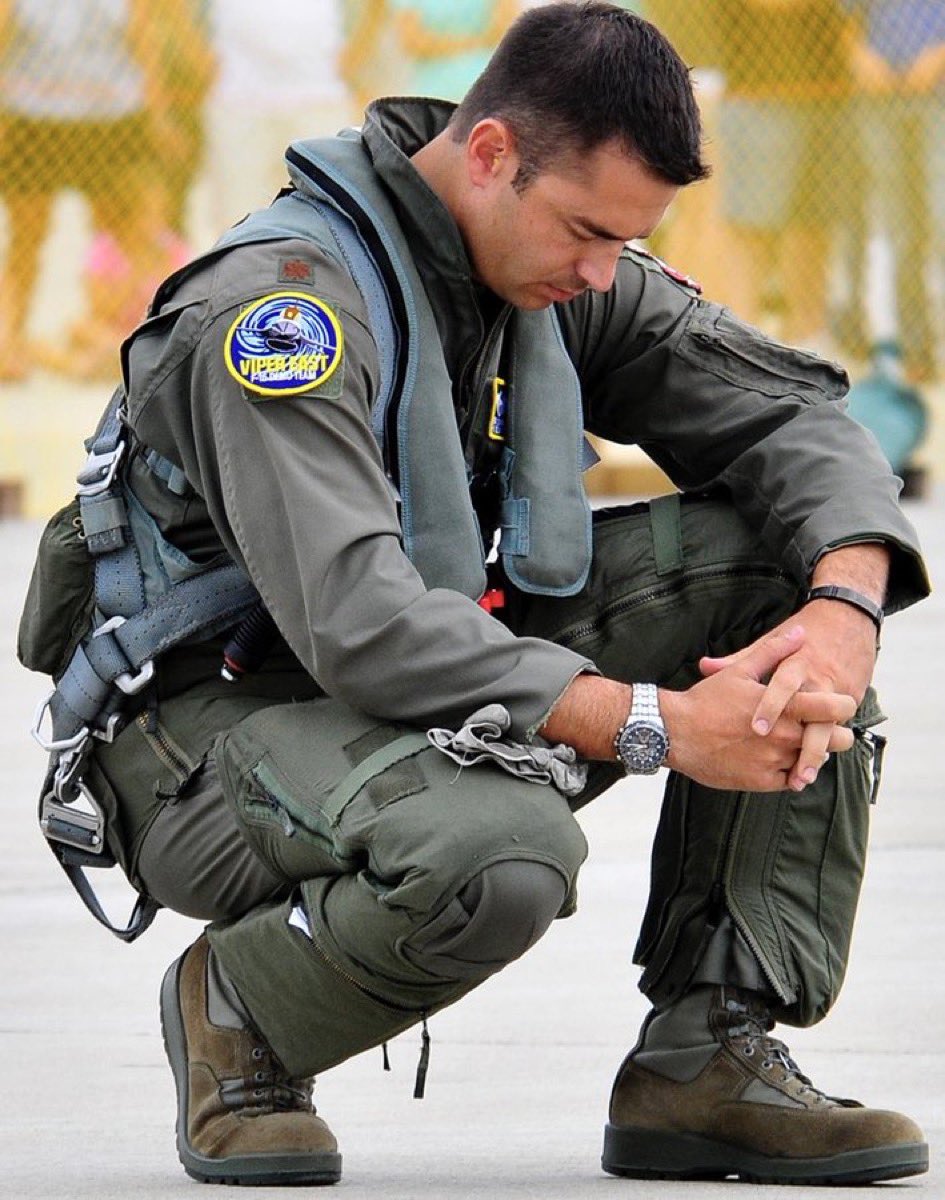
“Then I heard the voice of the Lord saying, ‘Whom shall I send? And who will go for us?’ And I said, “Here am I. Send me!”
~ Isaiah 6:8
This Memorial Day, we Americans remember the brave men and women who answered that same call. I wore this scripture on a chain around my neck for 20 years.
They heard the voice of duty — of God and country — and said, “Send me.” They left homes, families, and futures behind to defend liberty on distant battlefields.
Some never returned. Their sacrifice was total. Their “Here am I” became eternal.
Today we honor their courage, their faith, and the freedom they secured for us. We owe them a debt we can never fully repay — only remember and live worthy of.
To every Gold Star family, every veteran who carried the weight: Thank you.
May we never forget those who said “Send me”… and meant it with their lives.🙏✝️
Goodnight, ya’ll.
466
4,026
16,468
81,752
Susan McCandless retweeted

May 24
JUST IN: Pete Hegseth just shared this EPIC video of Blackhawk Helicopters flying around the track at the 2026 Indy 500
GIVES ME CHILLS ❤️
102
969
10,390
147,778

Susan McCandless retweeted
May 19
This young black man with a 🎤 drop “if you don’t like America go to another country b*tch. I love this country I protect this b*tch”
THIS IS THE ENERGY GOING INTO TODAY
TIME TO GET LOUD MAGA 🔥
179
585
2,533
22,588