
Economist.
Joined November 2012
- Tweets 939
- Following 1,843
- Followers 31,267
- Likes 3,748
34 Photos and videos
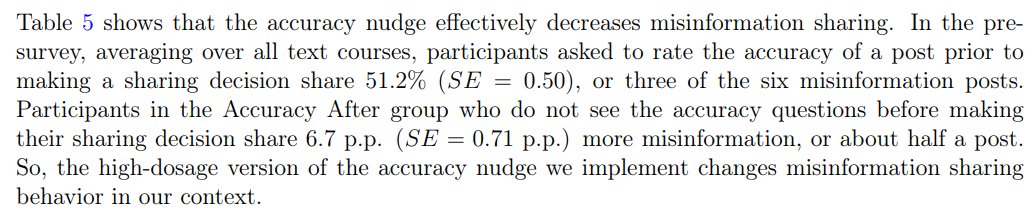
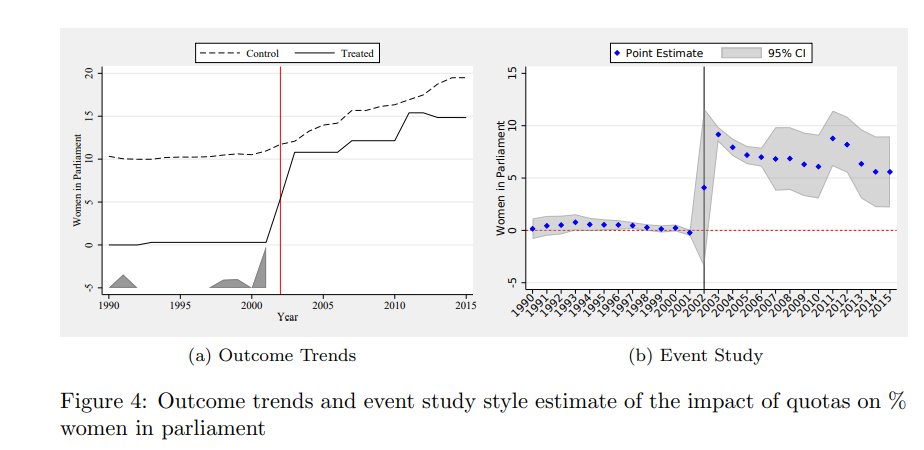

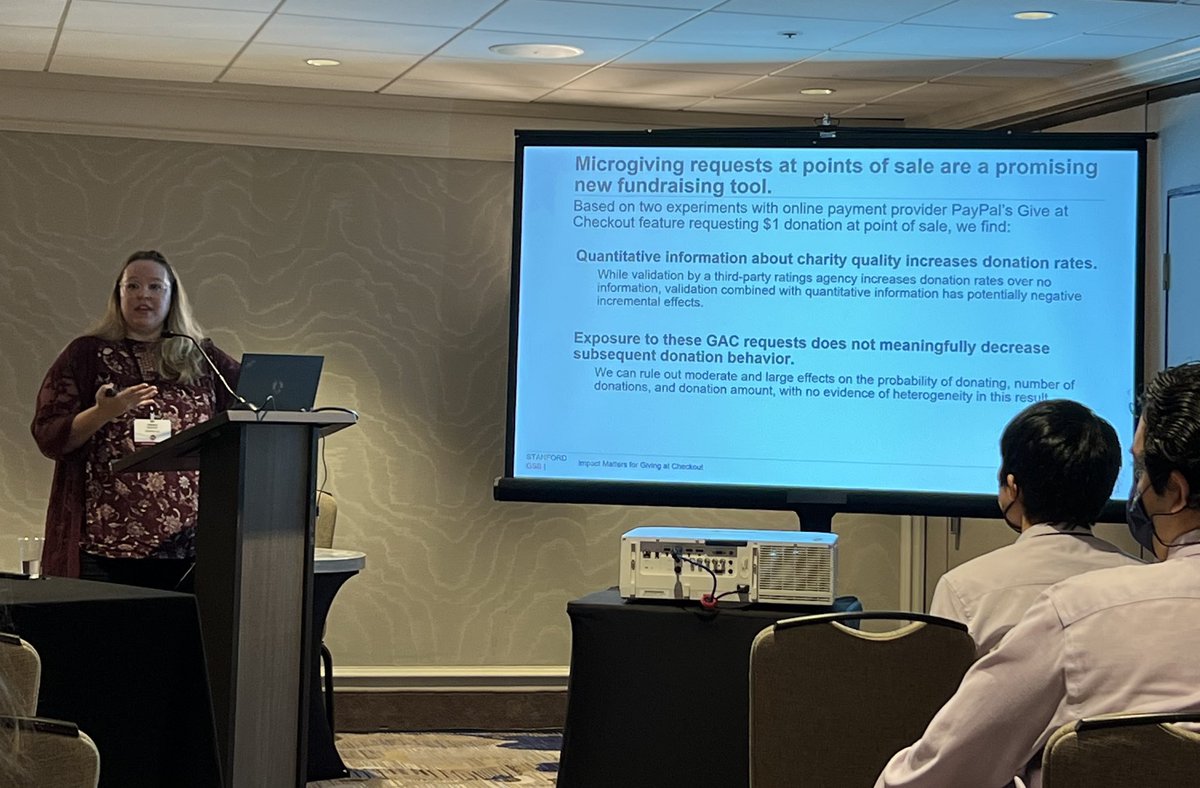
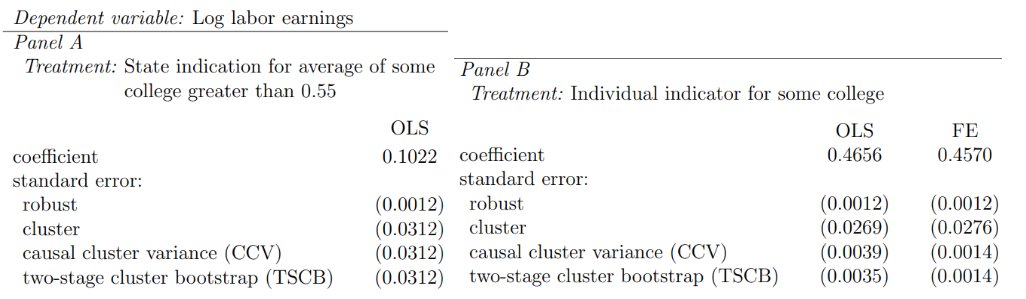
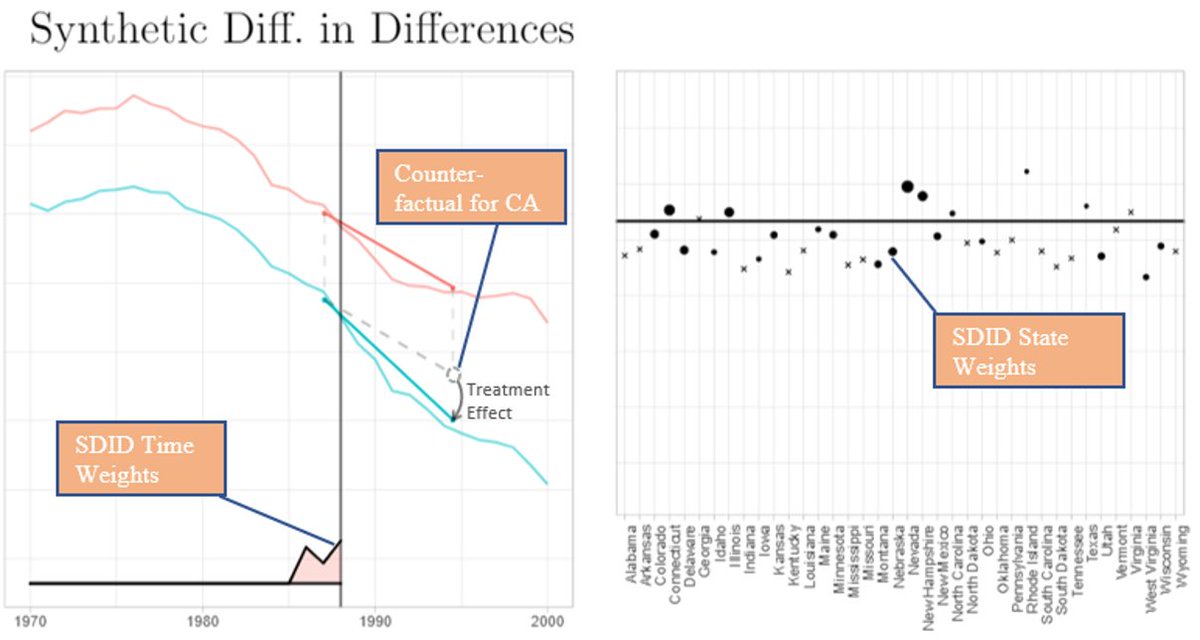
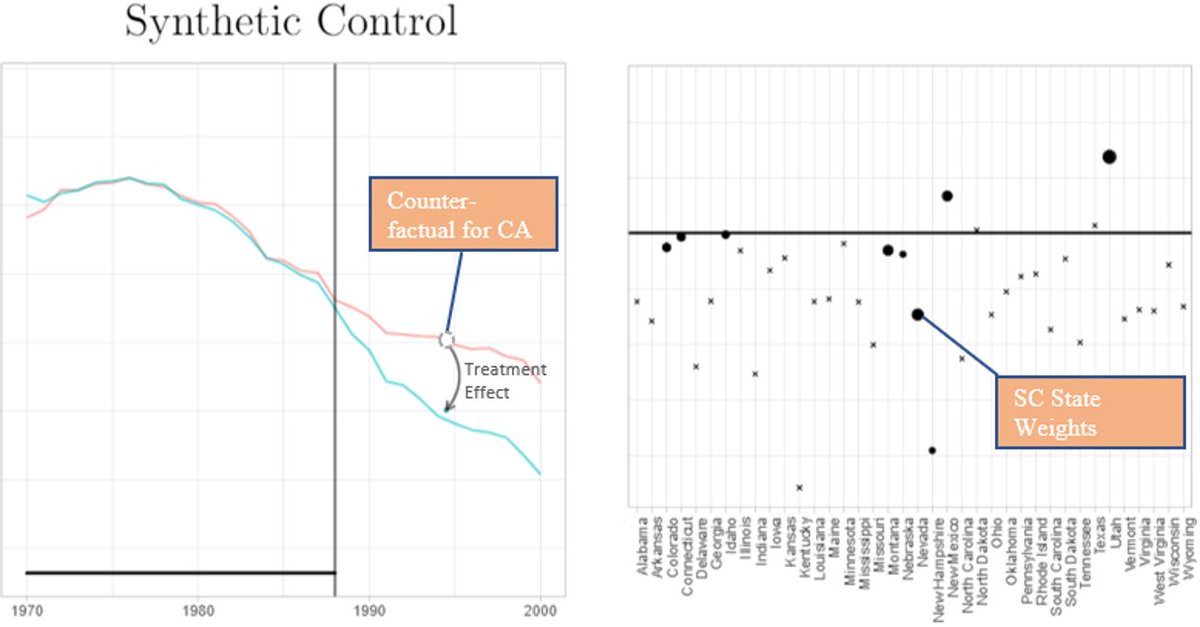
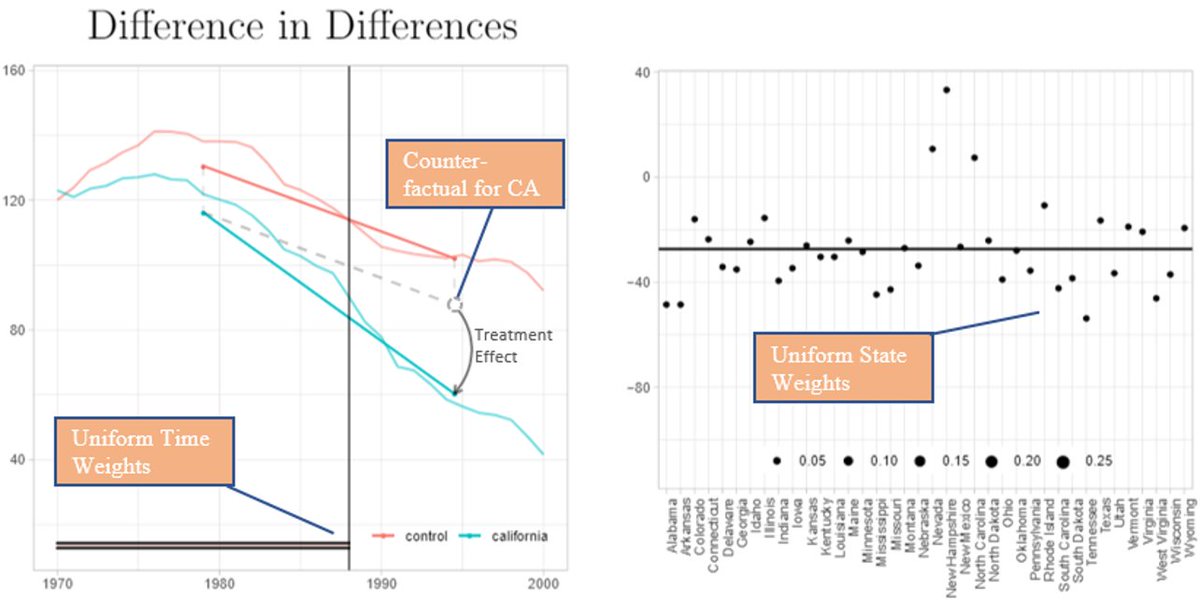
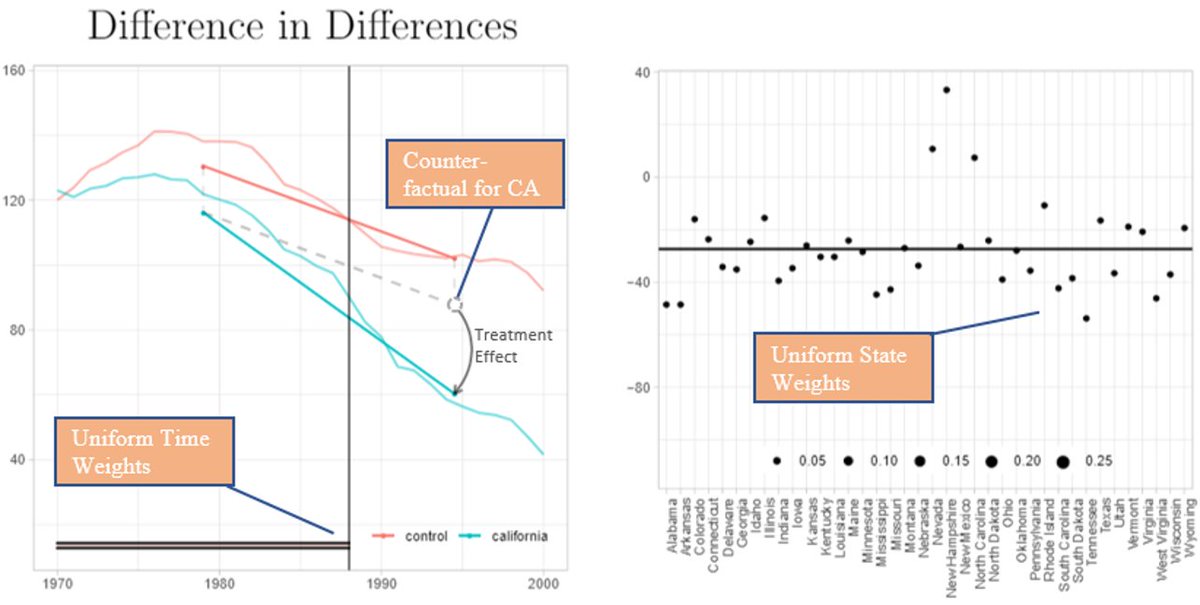

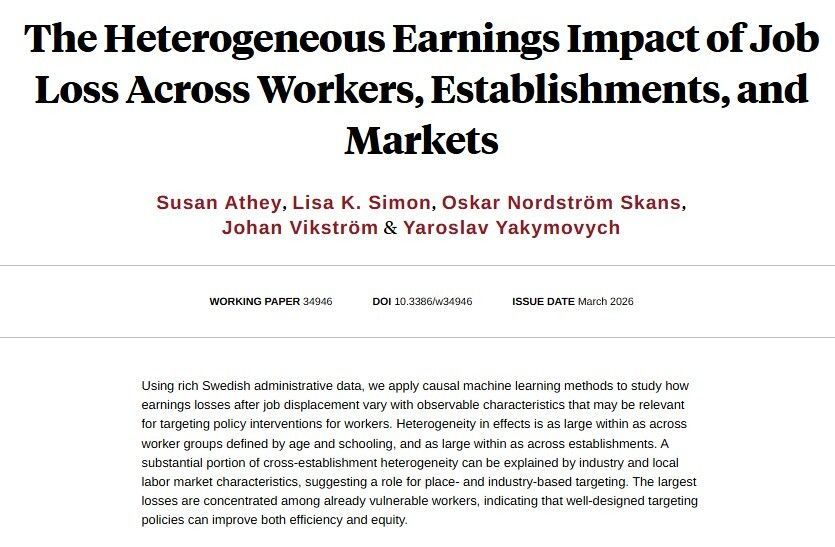
Causal machine learning reveals that the heterogeneous impact of job displacement can be predicted in advance; there is substantial heterogeneity within firms and education groups, from @Susan_Athey, Lisa K. Simon, Oskar Nordström Skans, Johan Vikström, and Yaroslav Yakymovych nber.org/papers/w34946
2
29
141
23,170
Susan Athey retweeted

Mar 15
Fascinating: age and schooling explain less variation than establishment and local market factors. Time to recalibrate our policy design assumptions.
1
1
2,325
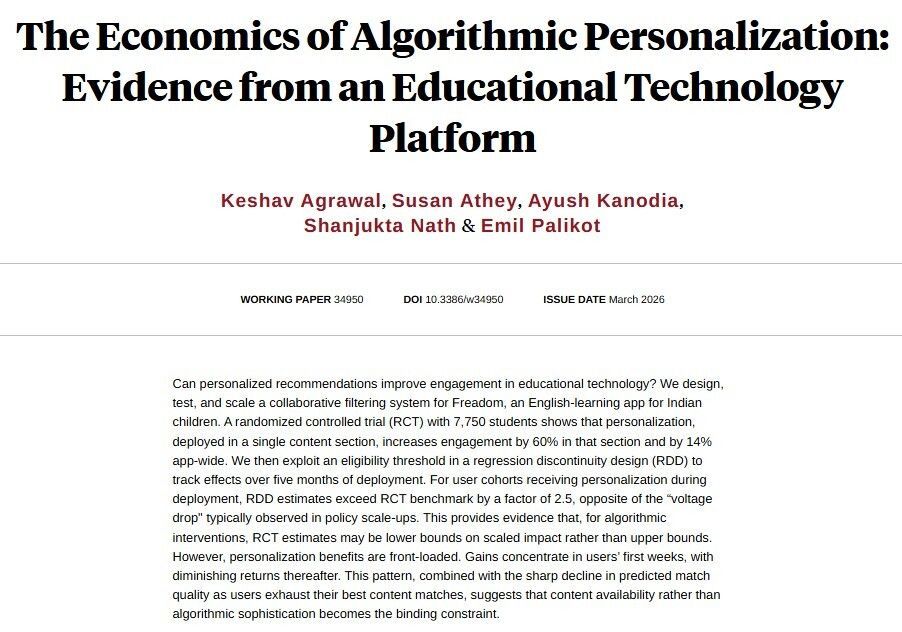
A randomized controlled trial with an education technology application shows that personalization increases engagement. Benefits are larger for users that gain access after the system has scaled to more users, from Keshav Agrawal, @Susan_Athey, Ayush Kanodia, @ShanjuktaN, and @EmilPalikot nber.org/papers/w34950
1
22
70
13,839
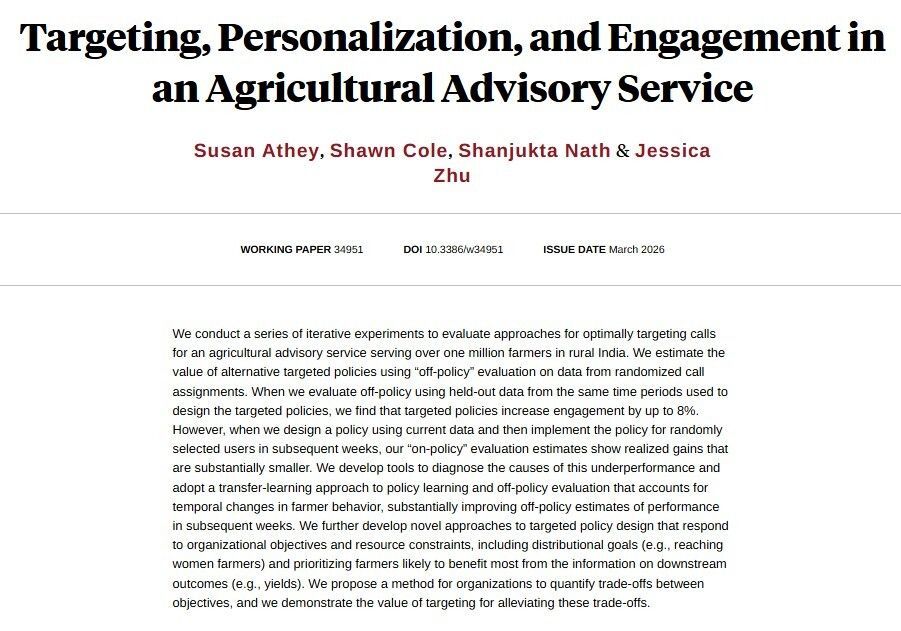
A series of randomized controlled trials evaluated the impact of data-driven targeting rules to allocate scarce bandwidth in call times for a program providing agricultural advice, from @Susan_Athey, Shawn Cole, @ShanjuktaN, and Jessica Zhu nber.org/papers/w34951
4
20
7,513
Susan Athey retweeted

Mar 17
Very excited to share this paper! It's been years in the making across many iterations, and I'm thrilled it's now out as an NBER WP. With Keshav Agrawal,@Susan_Athey , Ayush Kanodia, and @ShanjuktaN (and with much support from Nikhil Saraf). A 🧵 (1/12)

A randomized controlled trial with an education technology application shows that personalization increases engagement. Benefits are larger for users that gain access after the system has scaled to more users, from Keshav Agrawal, @Susan_Athey, Ayush Kanodia, @ShanjuktaN, and @EmilPalikot nber.org/papers/w34950
1
7
26
4,915
Susan Athey retweeted

Mar 24
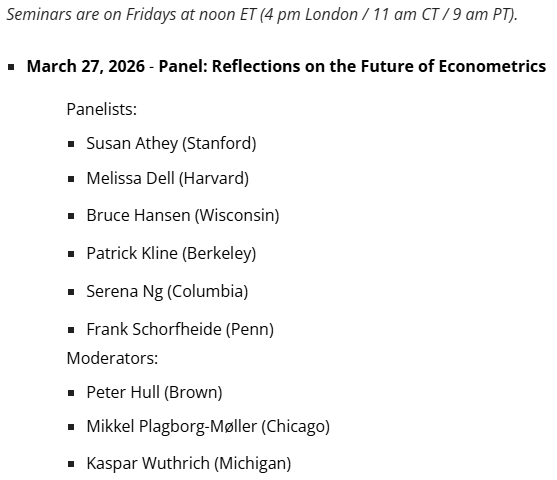
Very excited for this Friday's Chamberlain Online Seminar, where we'll muse about "The Future of Econometrics." Check out this panelist lineup!
Friday 3/27 at Noon ET. Come see!
4
42
245
45,601

Feb 7
John Roberts, my PhD thesis advisor, recently passed away. Words can't capture such a life and spirit, but SAET posted an In Memoriam I wrote together with several colleagues. saet.uiowa.edu/wp-content/up…
6
19
110
17,832
Feb 2
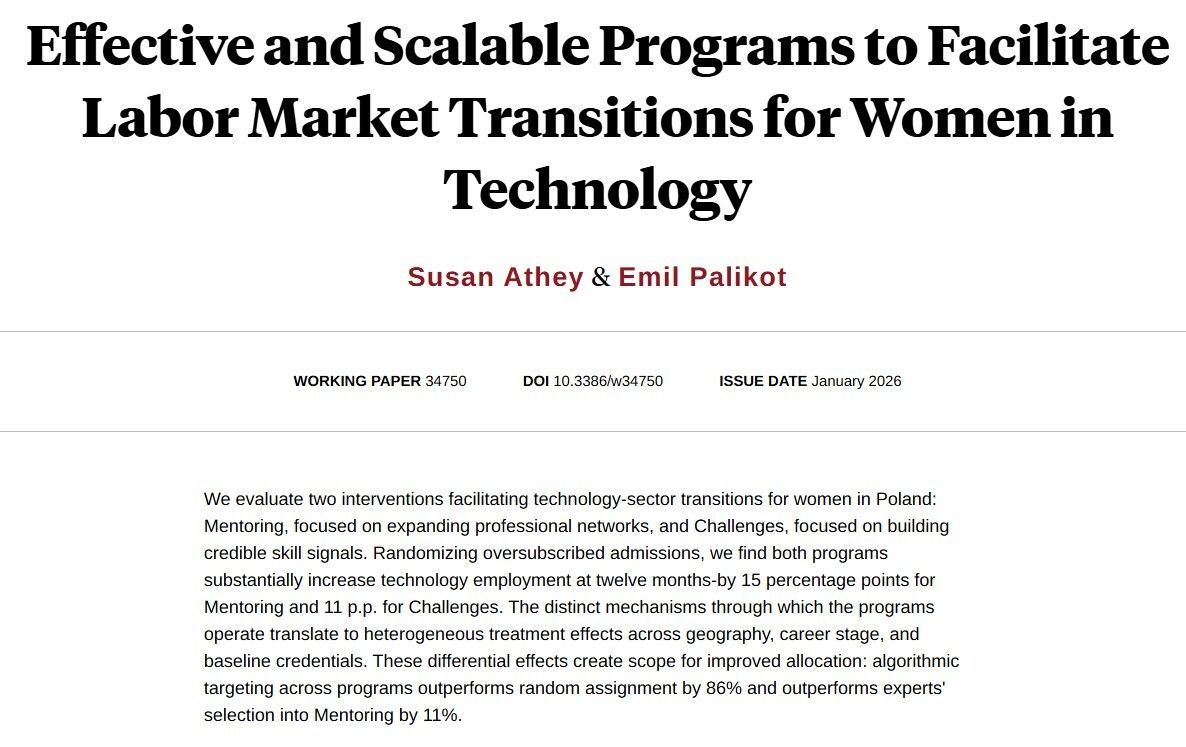
Check out our NBER working paper evaluating two programs to facilitate labor market transitions. Incredibly exciting to invent a new program and see that it was effective! We also used a novel approach to measure selection and treatment effects for mentoring.
Studying what facilitates career transitions across sectors through a field experiment analyzing two programs. Tech jobs increase by 15 percentage points with mentoring and by 11 percentage points when workers create portfolios, from @Susan_Athey and Emil Palikot nber.org/papers/w34750
14
89
8,034
Studying what facilitates career transitions across sectors through a field experiment analyzing two programs. Tech jobs increase by 15 percentage points with mentoring and by 11 percentage points when workers create portfolios, from @Susan_Athey and Emil Palikot nber.org/papers/w34750
3
14
41
14,992
Jan 28
Thanks Luis for writing this beautiful post on my advisor and colleague John Roberts. I can’t believe he’s gone.
Jan 27

Economist and @StanfordGSB Professor Donald John Roberts passed away last Thursday 2026/01/22. He was 80 years old. I considered him a mentor and a friend. He was always interesting and funny and had a really positive disposition. It was a pleasure to chat with him.
Together with his long term coauthor Paul Milgrom, John was a key person in changing how economists think about firms as organizations. He always remembered fondly the years he spent at Northwestern's Kellogg School from 1971 to 1980, where he joined a fantastic group that included Roger Myerson, Bengt Holmström, Nancy Stokey, Robert Weber, Mark Satterthwaite and Paul Milgrom. They all used used game theory and information economics to study of many problems across economics: he mainly in industrial organization (notably his work on limit pricing with Milgrom and his work with Milgrom Kreps and Roberts on repeated Prisoner's dilemma with incomplete information), but the group made path breathtaking work in auctions, financial markets, mechanism design.
He later worked on complementarities and organizations, with key papers on supermodular games and monotone comparative statics. He showed firm performance resulted from the interplay of information, incentives, and complementarities. This work is crucial to understand technology adoption and strategy.
He also studied, with @I_Am_NickBloom management practices empirically in India, by running an experiment where consulting advice was randomized, and in China on WFH also with Nick.
He wrote with Milgrom a book for MBAs that bombed for MBAs (too dense, too many ideas) but that Econ profs and PhDs (me at the time!) loved: Economics, Organization and Management (1992). It had a massive impact (15K cites, astonishing for an MBA textbook), and it is still a book I read. It was the first textbook to apply modern contract theory and incentive economics to management problems. He extended this work in his 2004 book The Modern Firm, which was named best business book of the year by The Economist, and which analyzed how organizational design, competitive strategy, and business environment must fit together for firms to perform well. I always think of firms in terms of his frameworks. (He summarized the way he thought about Firm capabilities by PARC- People, Architecture, Routines, Culture-he liked to say his Stanford students teased him by reading his acronym backwards).
In all his work he asked how economic reasoning could illuminate the organization of productive activity. He believed that economic theory should connect to real decisions, and that the study of organizations deserved the same rigor applied to markets.
I loved John and learned a lot from him. R.I.P.
3
47
9,672
23 Nov 2025
How well does AI-powered quality measurement substitute for up-front screening? Evidence from Uber.
22 Aug 2025

Check out @Susan_Athey’s interview on how AI-powered after-the-fact quality checks boost driver performance at Uber—and what it means when AI can track compliance. Insights via @StanfordGSB.
gsb.stanford.edu/insights/ho…
2
26
7,084
23 Nov 2025
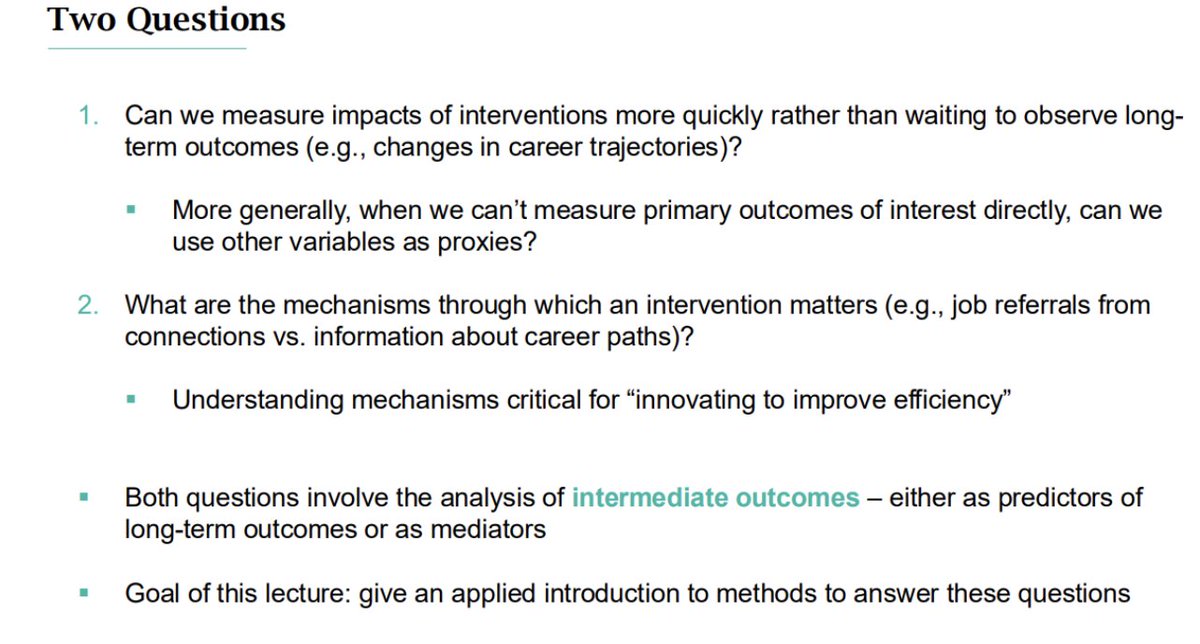
ICYMI: Chetty on surrogates, Imai on mediation. I keep suggesting these lectures to colleagues and students!
27 Aug 2025
Listen to Raj Chetty talk about how surrogate indices make it possible to make decisions more quickly using multiple short-term outcomes to predict long-term effects with @nberpubs.
nber.org/research/videos/202…
3
24
105
24,356
16 Nov 2025
Check out our new paper on causal panel data models
20 Oct 2025
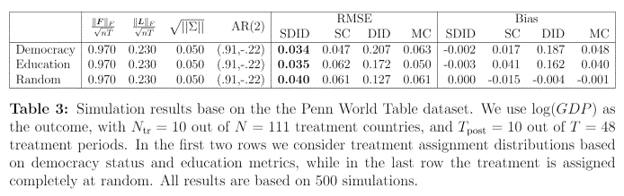
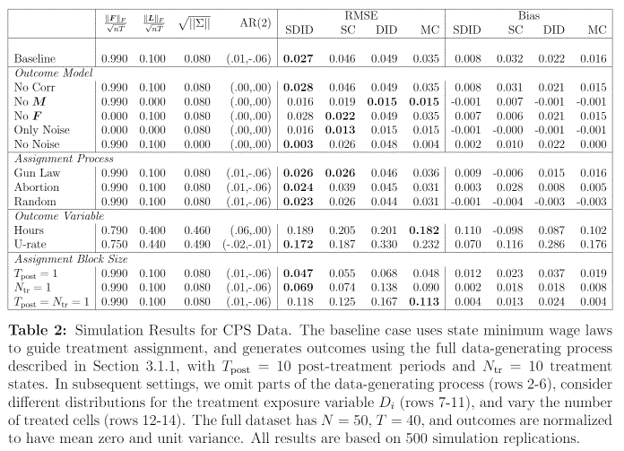
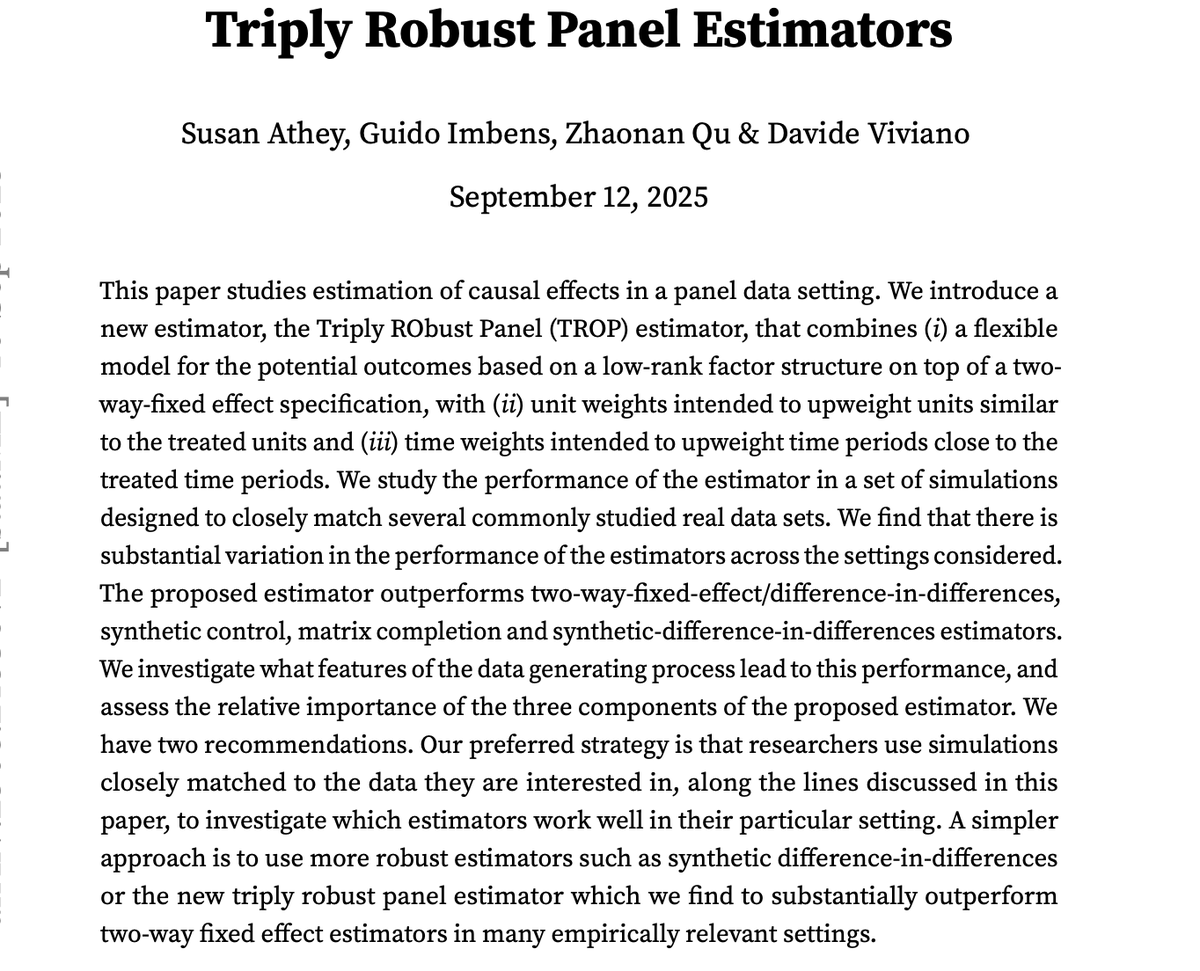
New paper: Triply Robust Panel Estimators (TROP) by @Susan_Athey @guido_imbens Zhanonan Qu @VivianoDavide. TROP estimates causal effects in panel models by combining a flexible outcome model (regularized low-rank factors FE), unit weights, time weights arxiv.org/pdf/2508.21536
23
109
13,186
Susan Athey retweeted

20 Oct 2025
New paper: Triply Robust Panel Estimators (TROP) by @Susan_Athey @guido_imbens Zhanonan Qu @VivianoDavide. TROP estimates causal effects in panel models by combining a flexible outcome model (regularized low-rank factors FE), unit weights, time weights arxiv.org/pdf/2508.21536
1
7
34
14,935
Susan Athey retweeted

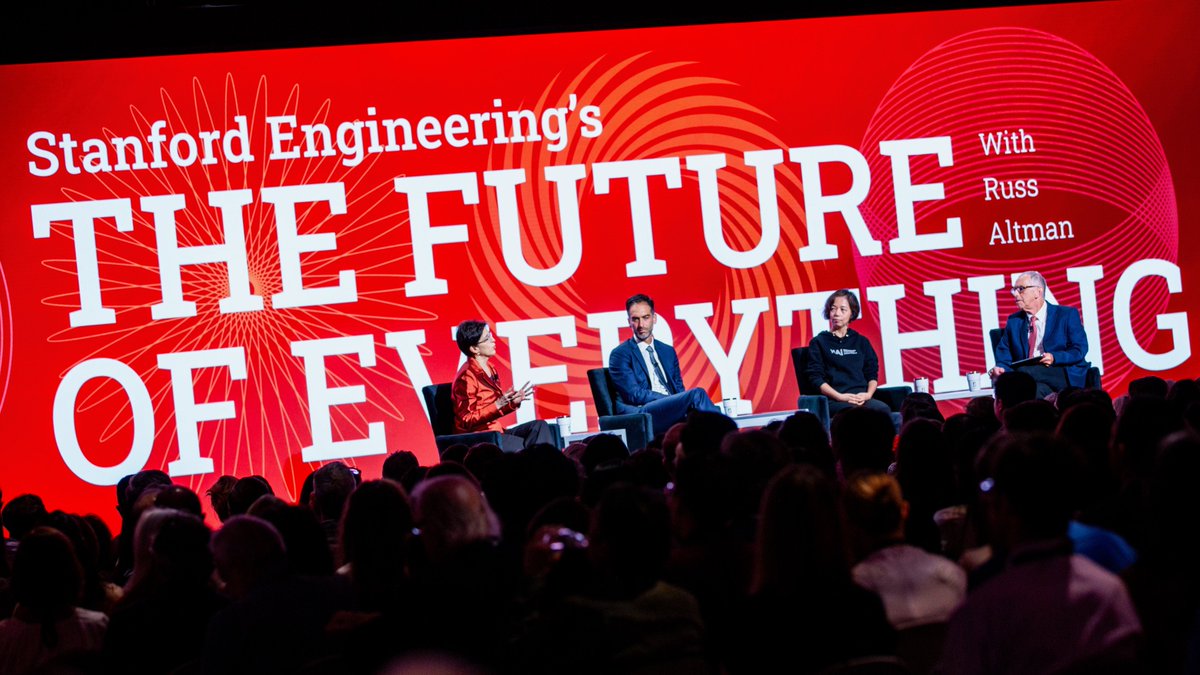
Daiquiris, dinosaurs and eggs. They all get a shoutout in this terrific @StanfordEng "Future of Everything" podcast episode featuring SIEPR's @nealemahoney and @Susan_Athey, along with @StanfordHAI's @drfeifei, talking about AI and the innovation economy.
#Stanford #StanfordAlumni @StanfordAlumni #AIEconomy
2
4
4
2,541
Susan Athey retweeted

29 Sep 2025
We have just released 🎥video recordings 🎥of the NBER's "Economics of Transformative AI Workshop." Explore the world's top researchers on the topic presenting and discussing 16 cutting-edge papers on this rapidly advancing topic.
@nberpubs #econtwitter @erikbryn @professor_ajay
6
53
229
31,621
Susan Athey retweeted
22 Aug 2025
Check out @Susan_Athey’s interview on how AI-powered after-the-fact quality checks boost driver performance at Uber—and what it means when AI can track compliance. Insights via @StanfordGSB.
gsb.stanford.edu/insights/ho…
1
4
14
9,103

New CEPR Discussion Paper - DP20675
Systemic Cyber Risk: Linking Measurement, Market Incentives, and Policy
@Susan_Athey, Neil Gandal @utulsa @TelAvivUni, @TylerWMoore
ow.ly/CmEr50X1WNP
#CEPR_IO #EconTwitter
1
6
2,425
Susan Athey retweeted

9 Sep 2025
If you add a new factor of production like AI, the optimal incentive structure and decision rights for human workers change. Productive complements can easily be bad when they distort effort! Theoretically, see my 2019 work with Athey and Gans linked below...
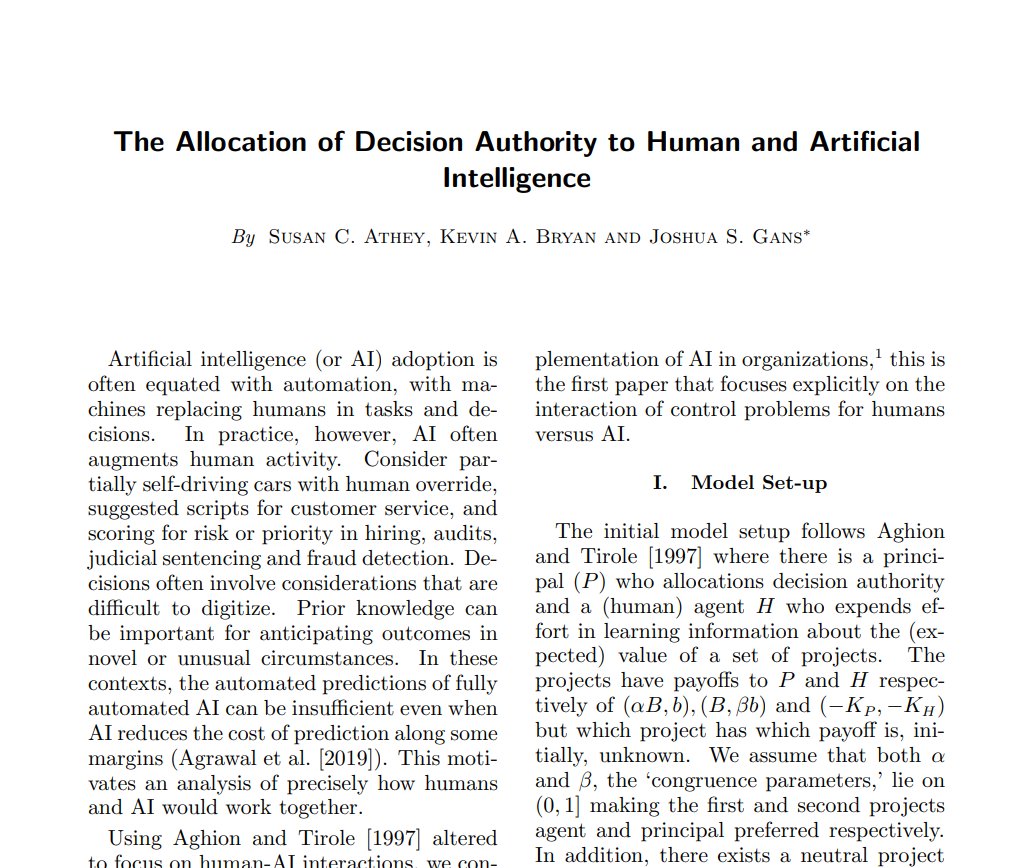

Does human task performance decrease when teammates are machines, and why? In the July issue, by Fabrizio Dell'Acqua, Bruce Kogut, (@brucekogut), Patryk Perkowski, (@patrykkyrtap) zurl.co/gHpNJ
2
33
109
19,657
Susan Athey retweeted

24 Sep 2025
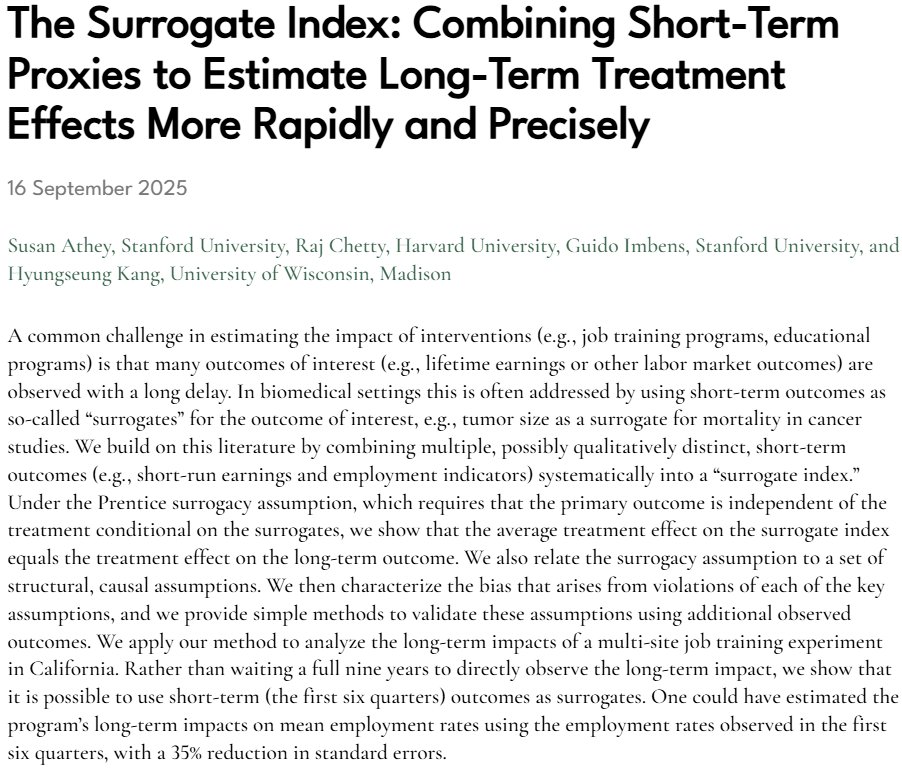
"This paper presents new methods for estimating long run treatment effects from
short term experiments and observational data."
New paper from @Susan_Athey, Chetty, Imbens, and Kang:
restud.com/the-surrogate-ind…
#econtwitter
#REStud
@OppInsights
13
50
8,708