🎥 mother, activist. Member of PSC 🇵🇸Free Palestine 🇵🇸 JVP #BDS #NHSblueheart 💙
Joined December 2017
- Tweets 29,170
- Following 1,373
- Followers 1,298
- Likes 354,838
155 Photos and videos

Susi Jaroljmek 🇵🇸💛💙 retweeted

Jun 15
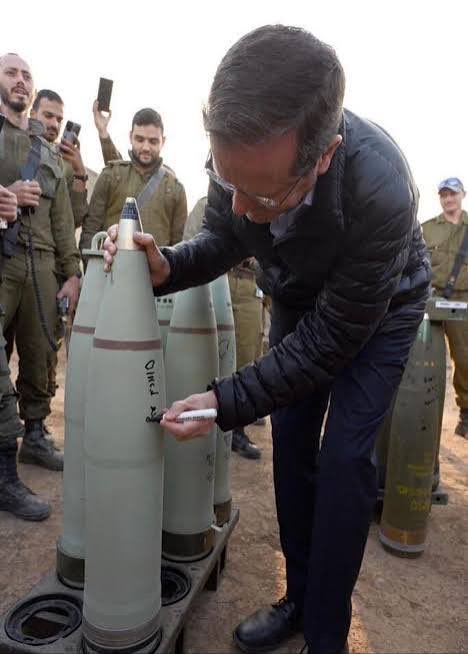
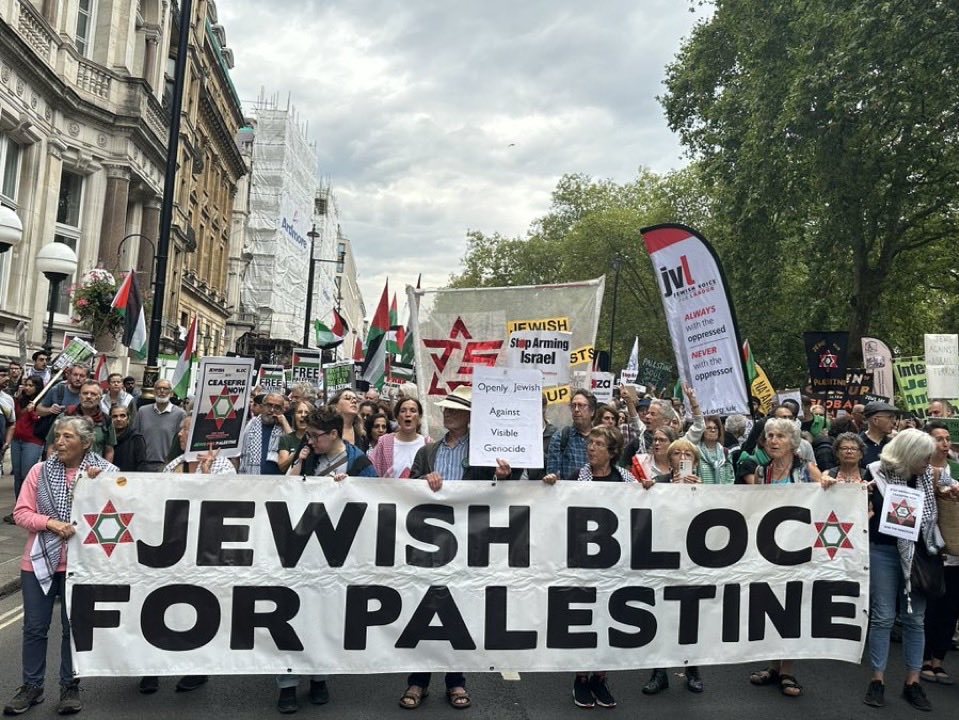
In a disastrous ruling, the Court of Appeal in London has overruled the High Court and upheld the government's decision to ban Palestine Action as a terrorist group.
Defining a protest group as terrorists has created an absurd situation where thousands of people have been arrested for holding up signs.
Learn more:
105
586
936
56,106
Susi Jaroljmek 🇵🇸💛💙 retweeted

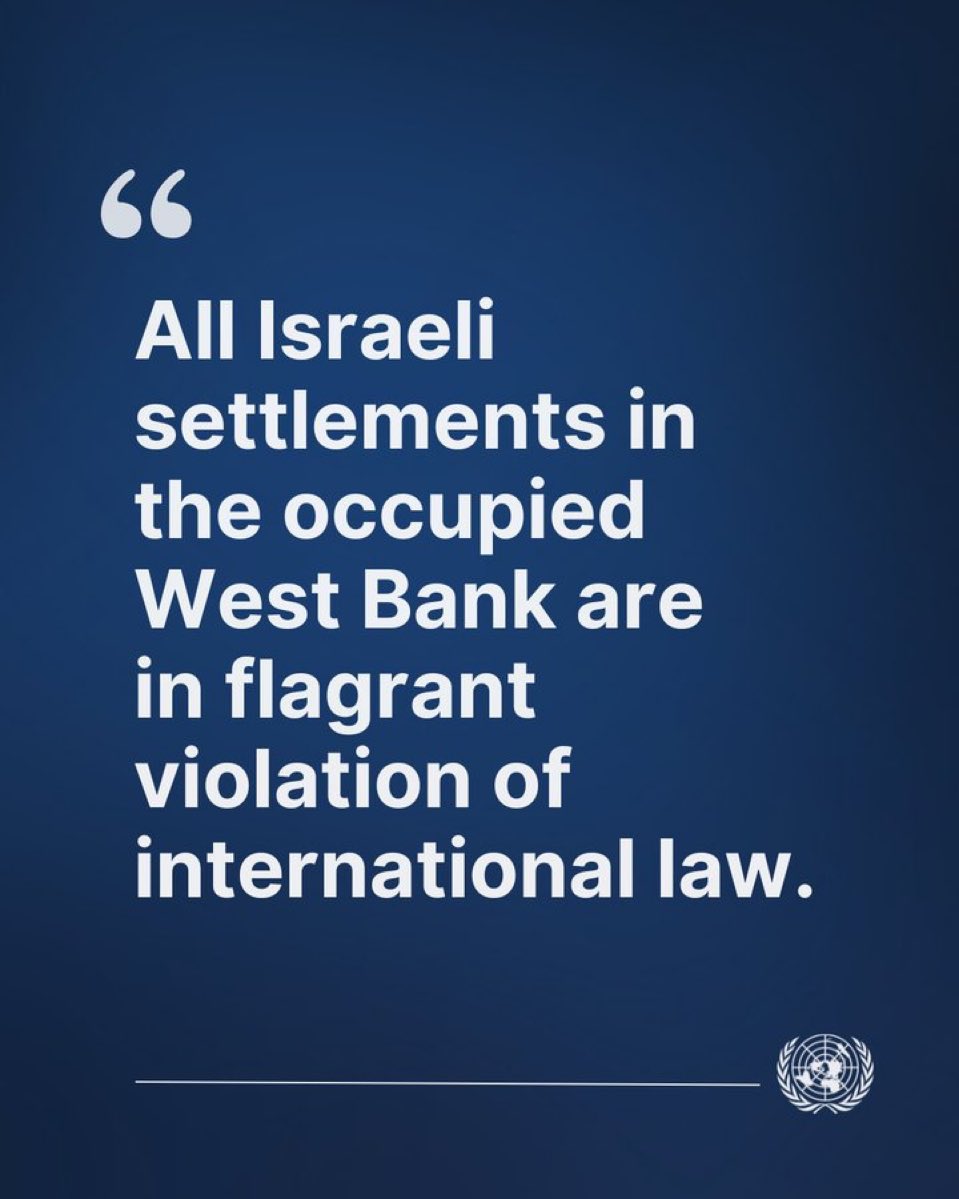
The illegality of Israeli settlements in the occupied West Bank is one of the most well-established positions in international law, resting on four distinct pillars:
📜 GENEVA CONVENTIONS
Article 49(6) of the Fourth Geneva Convention (1949) explicitly prohibits an occupying power from transferring parts of its own civilian population into the territory it occupies. Israel ratified the Convention in 1951. The International Committee of the Red Cross, the authoritative interpreter of humanitarian law, has consistently held that this provision applies directly to the settlements.
🌐 UN SECURITY COUNCIL RESOLUTIONS
The Security Council has repeatedly affirmed settlement illegality — including in binding resolutions the US did not veto:
• Res. 446 (1979): settlements have "no legal validity"
• Res. 465 (1980): calls on Israel to dismantle existing settlements
• Res. 2334 (2016): passed 14-0 (US abstained), explicitly states settlements constitute "a flagrant violation of international law" and have "no legal validity"
⚖️ ICJ RULINGS
• Advisory Opinion on the Wall (2004): the Court found settlements in the West Bank, including East Jerusalem, had been established in breach of international law, and that the wall built to protect them compounded that illegality
• Advisory Opinion on the Occupied Palestinian Territory (2024): the Court went further, ruling that Israel's continued presence in the OPT — including the settlement enterprise — is itself unlawful, and called on all states not to recognise or assist it
🏛️ UN GENERAL ASSEMBLY
Countless UNGA resolutions have reaffirmed settlement illegality, including Res. 77/247 (2023), which requested the landmark 2024 ICJ opinion.
No serious legal scholar disputes this consensus. The settlements are illegal. The only remaining question is whether the international community will act on it.

Which international law says that they are illegal?
65
1,028
2,276
43,650
Susi Jaroljmek 🇵🇸💛💙 retweeted

Jun 15
Parts of Nabatieh, in southern Lebanon, look like they've been hit by an earthquake - the devastation from Israeli airstrikes is so immense
We met one woman returning to her damaged home
As soon as she entered, she prostrated herself in prayer... then rushed to water her plants
Our report on a day of relative peace, amidst concern it might not last long:
@CharbelCherif @Freddie_G7 @EP_Lawrence @andygraham134
4
34
48
5,161
Susi Jaroljmek 🇵🇸💛💙 retweeted

Jun 15
A journalist for Press TV has been hit by shrapnel while filming a report on Israeli attacks in southern Lebanon. Hadi Hoteit said he was targeted despite wearing a ‘Press’ vest, and is in hospital receiving treatment.
34
791
1,322
32,733
Susi Jaroljmek 🇵🇸💛💙 retweeted

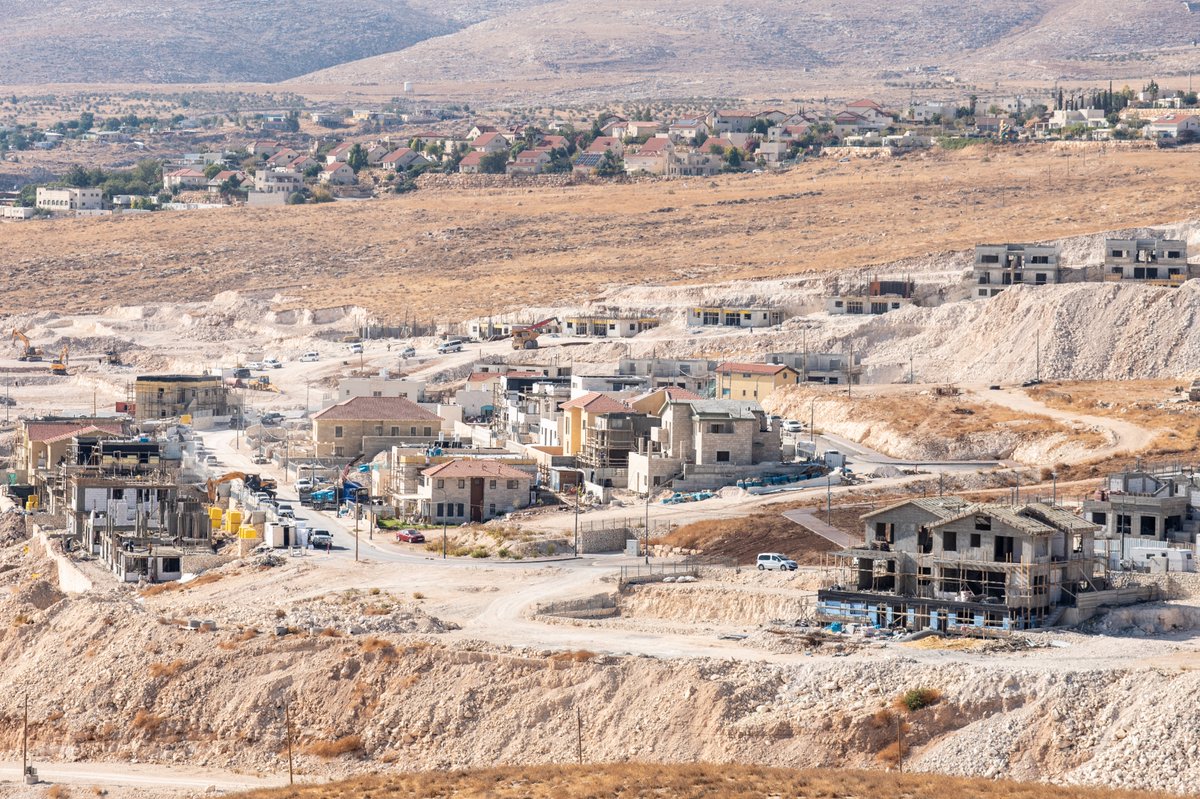
The ICJ made clear: ALL states have an obligation to work to end the illegal occupation of Palestinian lands. That means holding accountable companies that lubricate Israeli operations in the West Bank while lining their pockets.
My latest justiceinconflict.org/2026/0… #bizhumanrights
3
39
66
1,808
Susi Jaroljmek 🇵🇸💛💙 retweeted

Jun 15
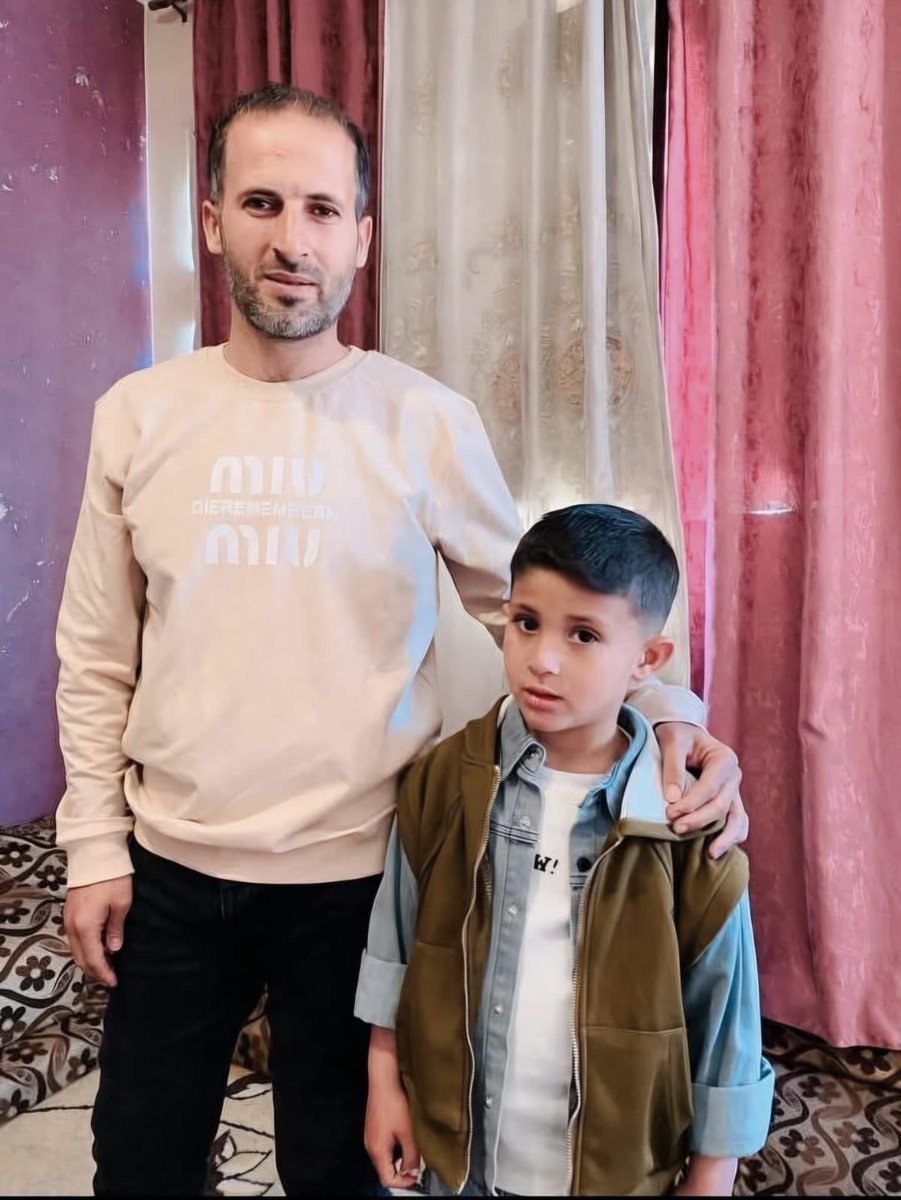
🔴 NEW: An Israeli drone strike killed Mohammed Mousa Al-Habil (38), an emergency room nurse at Al-Shifa Hospital, along with his 6-year-old son, Mousa, while they were refilling water tanks on the roof of their home in Gaza City’s Sheikh Radwan neighborhood, according to Gaza Healthcare Workers Watch. The group said the father and son were directly targeted during the attack.
49
1,229
2,034
49,689
Susi Jaroljmek 🇵🇸💛💙 retweeted

Jun 15
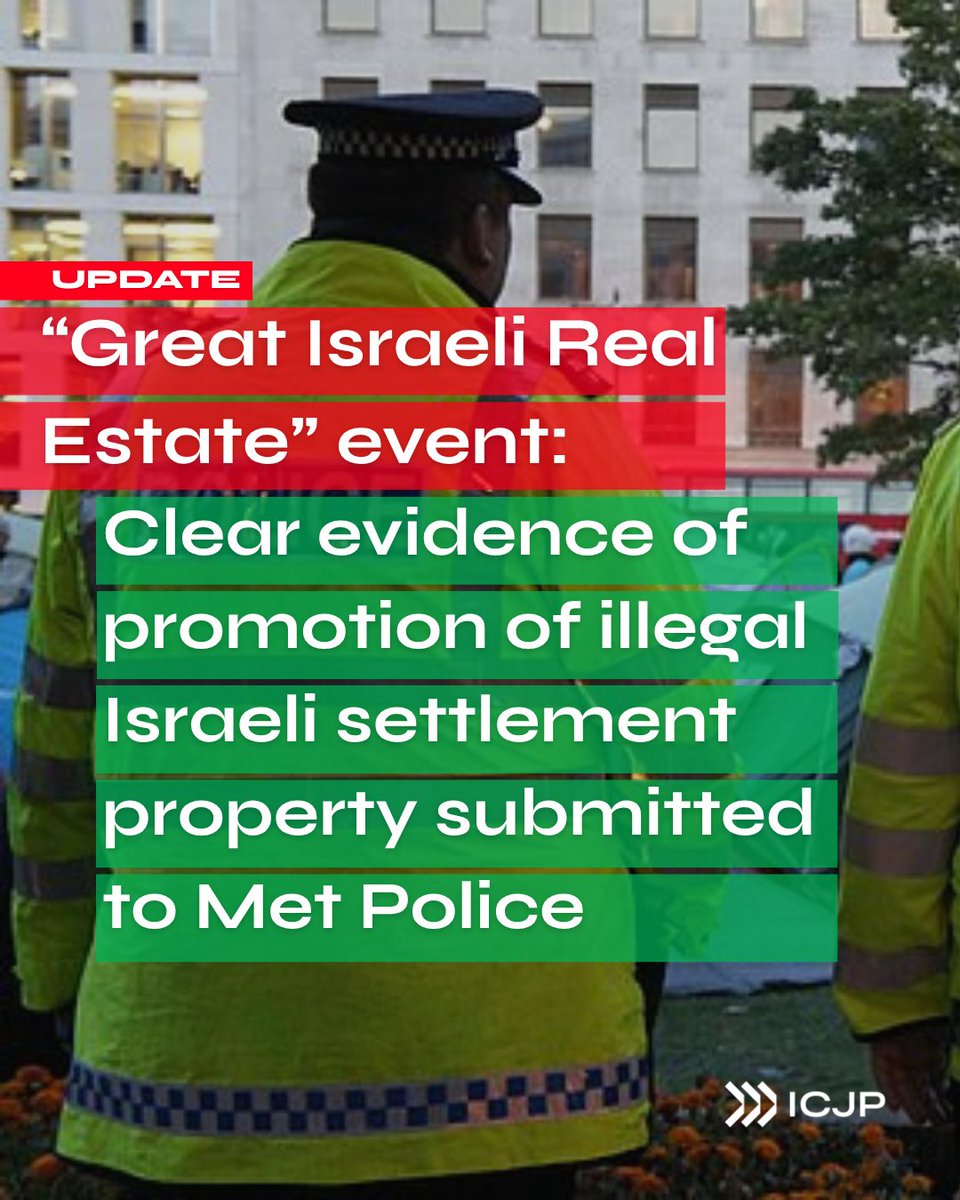
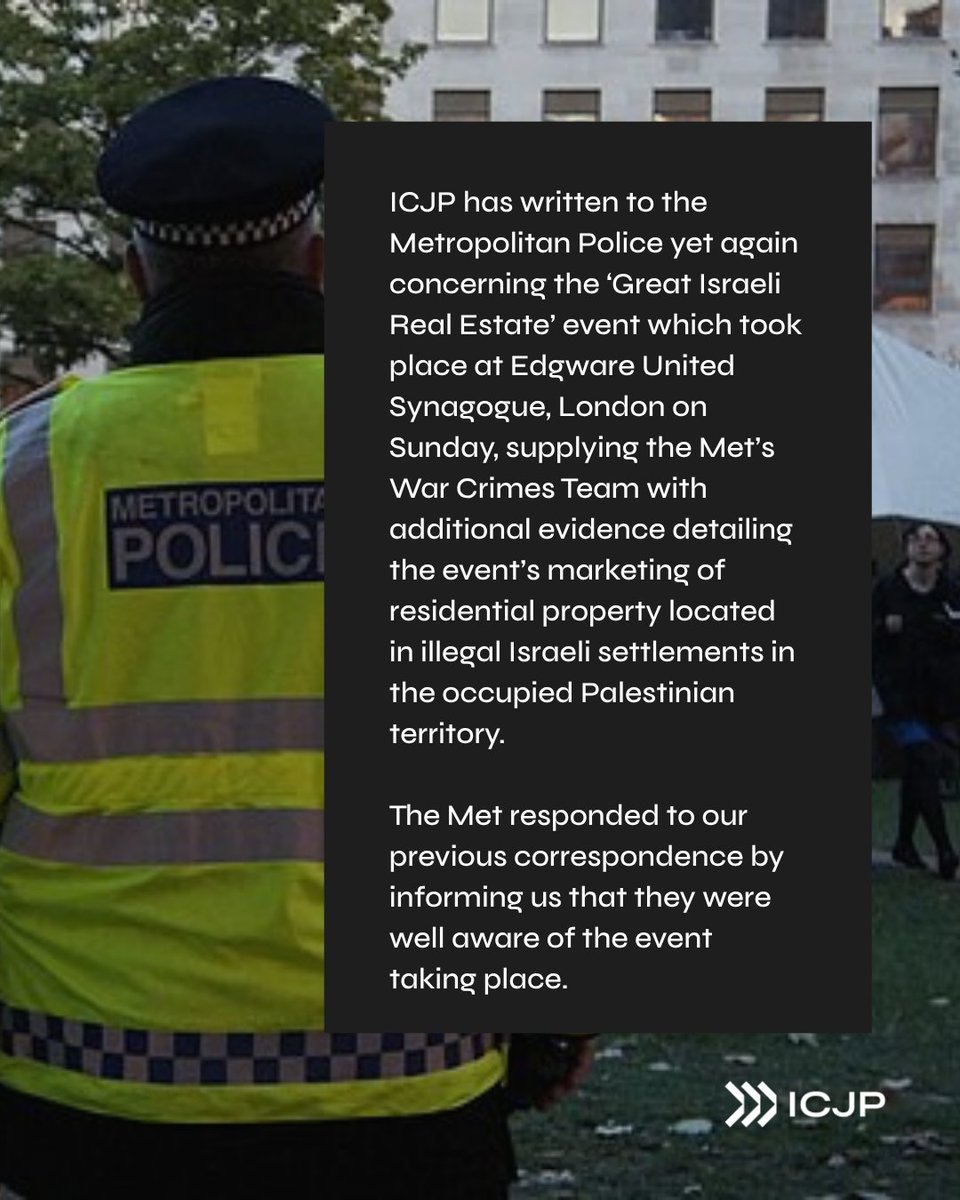
We have written to the @metpoliceuk yet again concerning the ‘Great Israeli Real Estate’ last Sunday.
We've uncovered additional evidence that properties located within the illegal settlement of Ma’ale Adumim were advertised for sale at the event by Tivuch Shelly Real Estate Agency.
🔗 icjpalestine.pulse.ly/xolwad…
24
423
535
6,323
Susi Jaroljmek 🇵🇸💛💙 retweeted

Jun 15
3,269 Israeli violations of the ceasefire in Gaza english.palinfo.com/news/202…
7
2
78
Susi Jaroljmek 🇵🇸💛💙 retweeted

"Sky News has verified the identities of everyone from the school who was killed. 120 students, 73 boys & 47 girls, aged from 6 to 13, & 26 teachers, who were killed in the strike".
@Chesh reports on the primary school bombed by the US. 120 children & 26 teachers, all murdered.
110
4,295
7,885
317,474
Susi Jaroljmek 🇵🇸💛💙 retweeted

Jun 14
BREAKING: Israeli settlers are burning down the villages of Deir Dibwan and Burqa in the West Bank.
They set a mosque on fire, torched several vehicles, and poured gasoline on an elderly man in an attempt to burn him alive.
285
7,823
9,664
968,739
Susi Jaroljmek 🇵🇸💛💙 retweeted

Jun 14
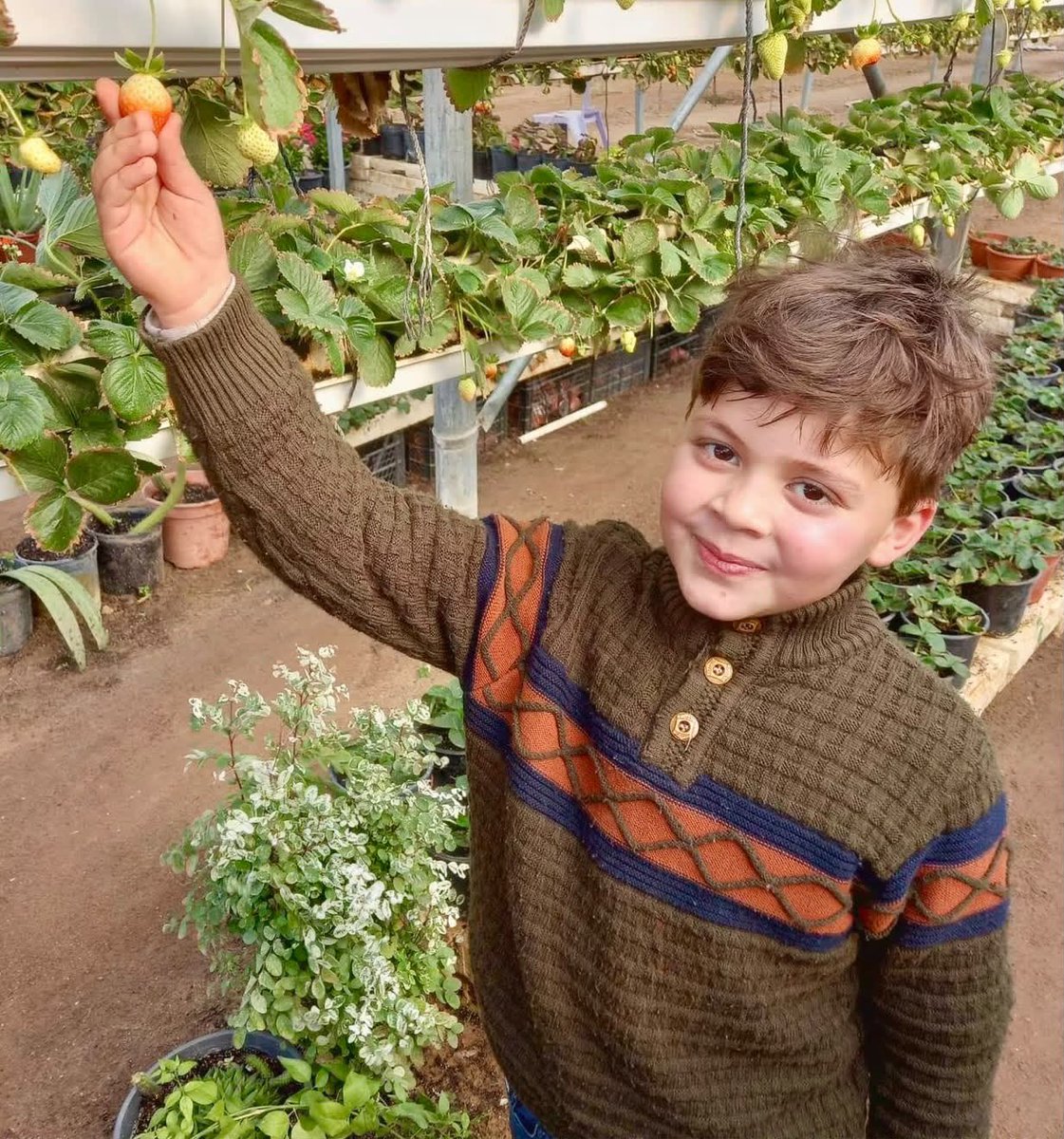
Israel killed little Riyadh in Gaza.
He died of his injuries today.
409
10,570
28,923
1,616,619
Susi Jaroljmek 🇵🇸💛💙 retweeted
Sharif Abdel Kouddous from @DropSiteNews: "The sheer number of journalists killed.. has severely affected how much coverage is coming out of Gaza.. the genocide continues & the killing of journalists continues.. the press vest has been turned from a shield into a bullseye"
1
169
227
4,962
Susi Jaroljmek 🇵🇸💛💙 retweeted

Jun 15
There is no ceasefire in Lebanon with I$raeli attacks continuing in the south as it insists the MOU between Iran and the US doesn’t apply to them.
Multiple villages have been targeted this morning with demolition operations while a booby-trapped vehicle was detonated on the road between Haris and Tebnine.
Some municipalities have warned people not to return as many of those displaced from their homes are heading south.
I$raeli forces this morning opened fire on Kfar Roummaine and also targeted the area around Maifdoun as civilians tried to return with at least one person wounded.
68
1,085
1,456
115,052
Susi Jaroljmek 🇵🇸💛💙 retweeted

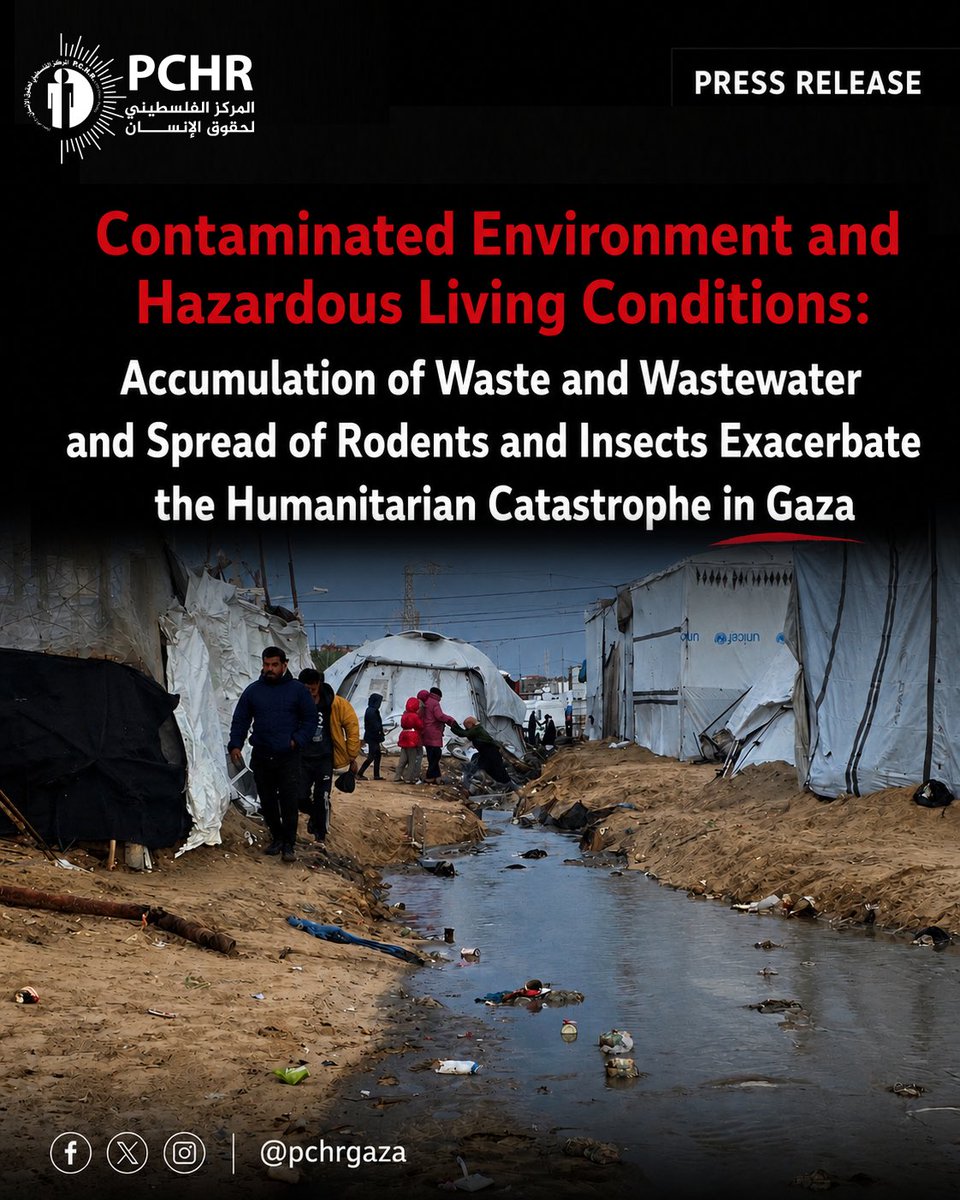
♦️More than two million Palestinians are living in a severe health and environmental catastrophe resulting from the accumulation of hundreds of thousands of tons of solid waste within residential areas, shelters, and displacement tents scattered across the streets, as well as the leakage of wastewater and the widespread proliferation of rodents and insects. These conditions threaten people’s lives and health and add a new dimension to their worsening humanitarian suffering. This health and environmental catastrophe cannot be separated from the policies and measures imposed by the Israeli Occupation Forces (IOF) over the past 32 months in the #Gaza Strip, which continue to this day despite the declaration of a ceasefire on 10 October 2025. More than two million Palestinians remain confined to only 30% of the Strip’s total area and are deprived of any meaningful recovery or rehabilitation of civilian infrastructure due to the ongoing ban on the entry of essential materials, particularly construction supplies such as cement.
▪️This coincides with the ongoing systematic destruction of infrastructure, the prohibition of the entry of equipment and machinery necessary for rubble removal and waste collection, the obstruction of fuel supplies required for the operation of municipal services, and the prevention of repairs to water and wastewater networks, as well as restrictions on the entry of materials needed to combat rodents and insects. These measures directly contribute to the creation of an environment that endangers the basic necessities of human life. These practices constitute serious violations of Articles 55 and 56 of the Fourth Geneva Convention, which oblige the occupying power to ensure public health and to take preventive measures necessary to combat the spread of diseases and epidemics among the civilian population.
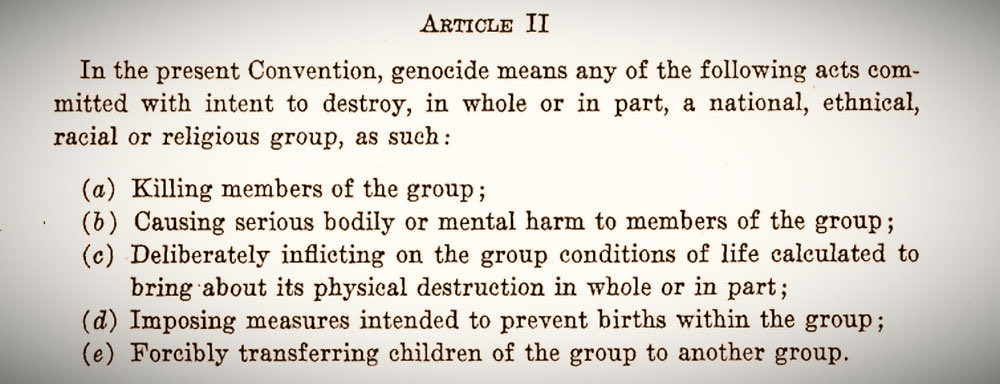
▪️The ongoing confinement of more than two million Palestinians in a limited area, amid the spread of waste, wastewater leakage, and the proliferation of rodents and insects, forms only part of the deadly living conditions imposed systematically and continuously on the civilian population, including the deprivation of the bare minimum essentials for survival and public health. These conditions correspond to the concept of deliberately inflicting on a group conditions of life calculated to bring about its physical destruction in whole or in part, as set out in Article II(c) of the Convention on the Prevention and Punishment of the Crime of Genocide. The maintenance of such policies despite repeated warnings by the United Nations and humanitarian organizations regarding the risk of outbreaks of deadly diseases and epidemics, and the failure to take necessary measures to prevent the worsening of the crisis, constitute a highly significant indicator in assessing the presence of the special intent required under international law for the crime of genocide.
📝According to PCHR’s follow-up, the extensive destruction of infrastructure, municipal buildings, waste management facilities, and landfills, in addition to the shortage of fuel necessary for the operation of wastewater and waste transfer vehicles, has led to an almost complete inability to collect and safely dispose of solid waste. As a result, waste is accumulating in residential areas, near shelters, and between tents in streets and markets, creating conditions conducive to the outbreak of epidemics.
📑 pchrgaza.org/?p=38457
2
47
47
1,424
Susi Jaroljmek 🇵🇸💛💙 retweeted

Jun 14
I strongly condemn today's Israeli strikes on Beirut. The strikes took place despite the ceasefire & at a time when the US & Iran are expected to reach an agreement that will pave the way to a peaceful resolution of this conflict.
This conflict is having a devastating impact on the world's economy.
I urge all parties to show maximum restraint at this crucial moment & I strongly hope for a successful outcome of the ongoing efforts by the US & Iran.
2,692
1,455
6,965
945,721
Susi Jaroljmek 🇵🇸💛💙 retweeted

Jun 14
Growing risk that thousands buried in Gaza’s rubble may never be identified, says Red Cross
theguardian.com/world/2026/j…
4
414
619
37,422
Susi Jaroljmek 🇵🇸💛💙 retweeted

Jun 14
Pushing to seize 70 percent of Gaza’s territory, the Israeli army is opening fire at Palestinian civilians caught off guard by the ever-expanding ‘Yellow Line.’ trib.al/3RZcOPg
27
203
274
5,680
Susi Jaroljmek 🇵🇸💛💙 retweeted

Today the 'Great Israeli Real Estate' event is planned to go forward in London, apparently at a synagogue after the previous venue cancelled its involvement. This event should NOT be going ahead. 1/7 theguardian.com/uk-news/2026…
21
120
168
17,324
Susi Jaroljmek 🇵🇸💛💙 retweeted

Jun 14
Breaking: Four Palestinians were killed and several others injured, some critically, in an Israeli strike targeting the entrance of Al-Yemen Al-Saeed Hospital in Jabalia refugee camp, northern Gaza.
8
304
383
6,428
Susi Jaroljmek 🇵🇸💛💙 retweeted
Jun 14
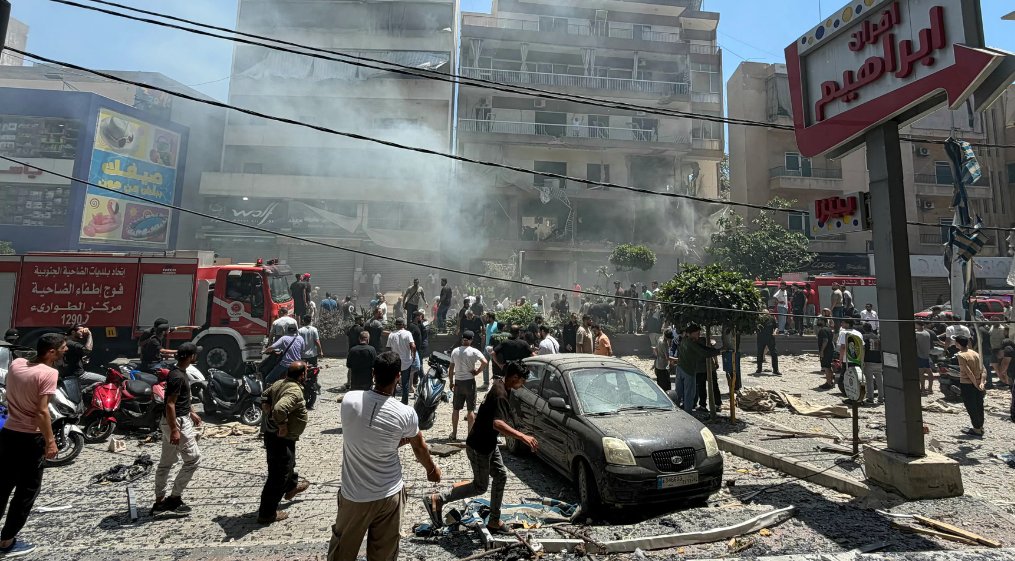
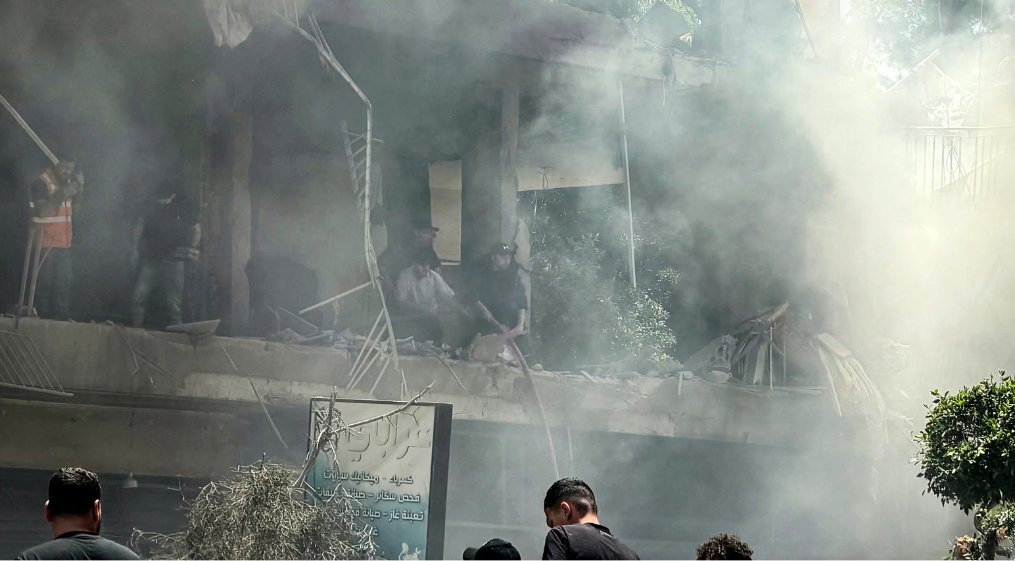
Photos of aftermath of Israeli air attacks on Beirut’s southern suburbs.
🔴 LIVE updates: aje.news/7304tc

32
533
1,030
42,124