Leadership: Academic Surgery @MedStarHealth; @ASCRS_1; @SAGES_Updates; EIC @SurgJournal; @AmColSurgCancer; @AmCollSurgeons; Video Host: bit.ly/3HkbebQ
Joined March 2012
- Tweets 122,470
- Following 2,247
- Followers 41,901
- Likes 1,742
4,836 Photos and videos


Pinned Tweet

20 Jun 2022
Thank you Ellen and Steven for your unparalleled altruistic gift. Your incredible philanthropy has ensured us the ability to perpetuate investigation & education to improve patient outcomes throughout the world in the Ellen Leifer Shulman & Steven Shulman Digestive Disease Center
20 Jun 2022

#CleveClinicFL gratefully acknowledges the generous philanthropic gift of $5M by Ellen & Steven Shulman to support the innovative academic work of @SWexner by dedicating the Ellen Leifer Shulman and Steven Shulman #DigestiveDisease Center in @CityofWeston cle.clinic/3N3eQ4h
47
46
332
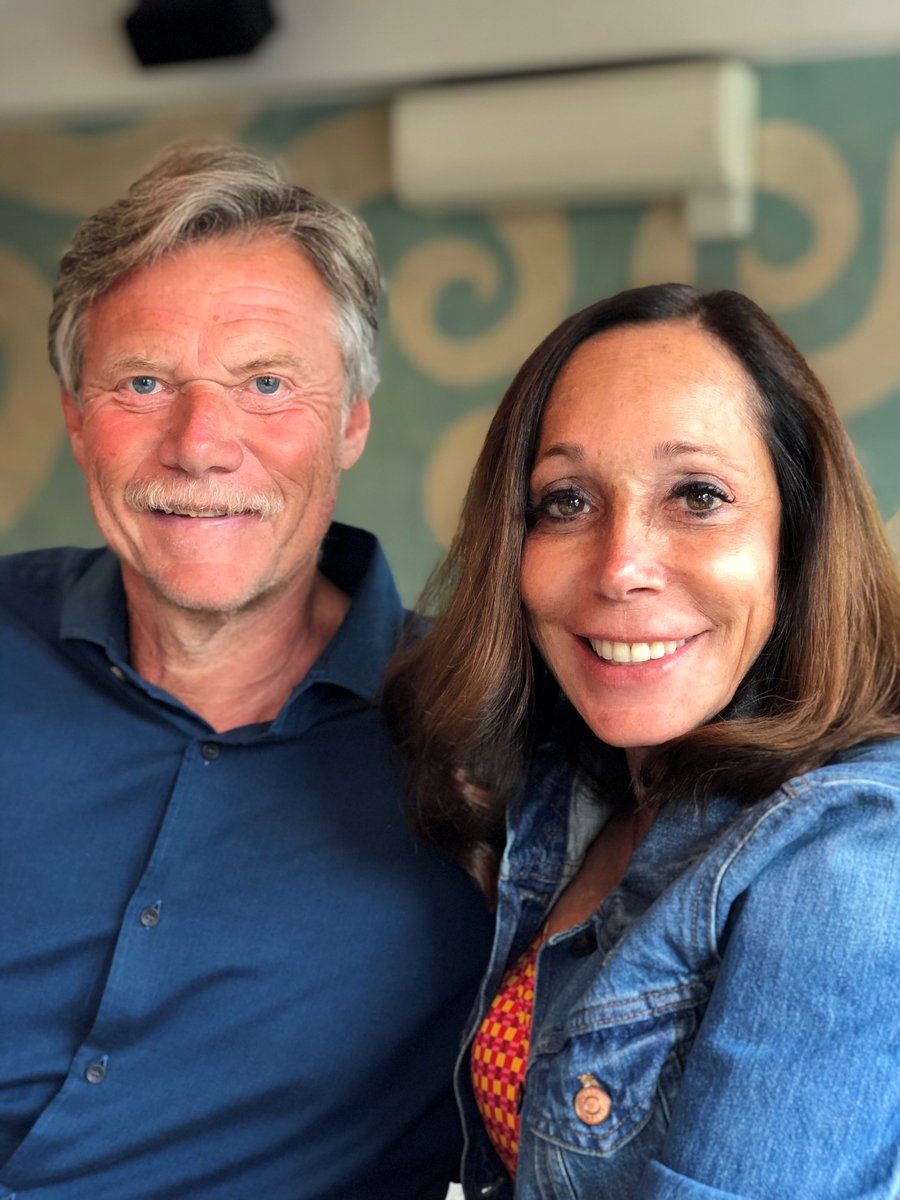
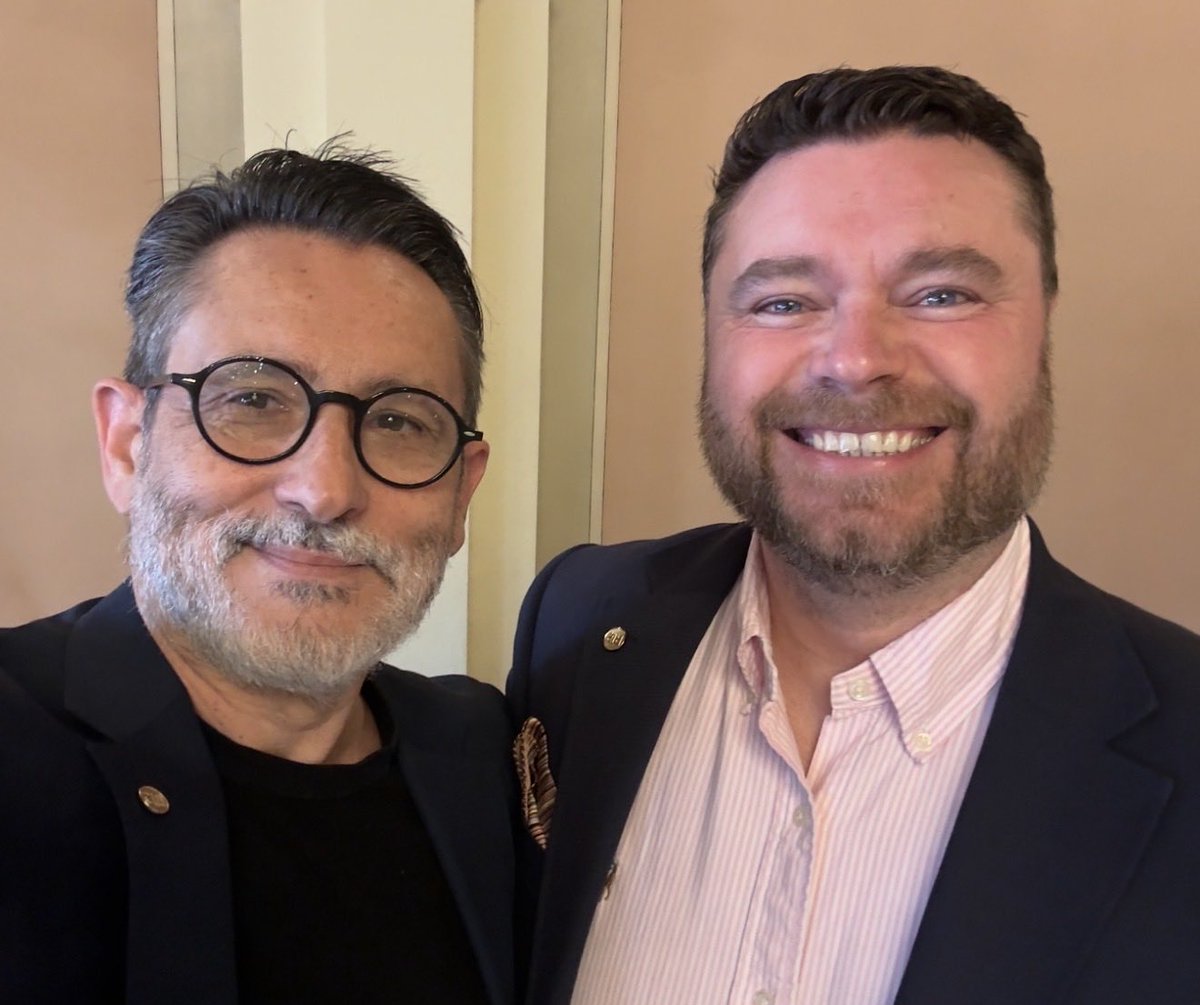
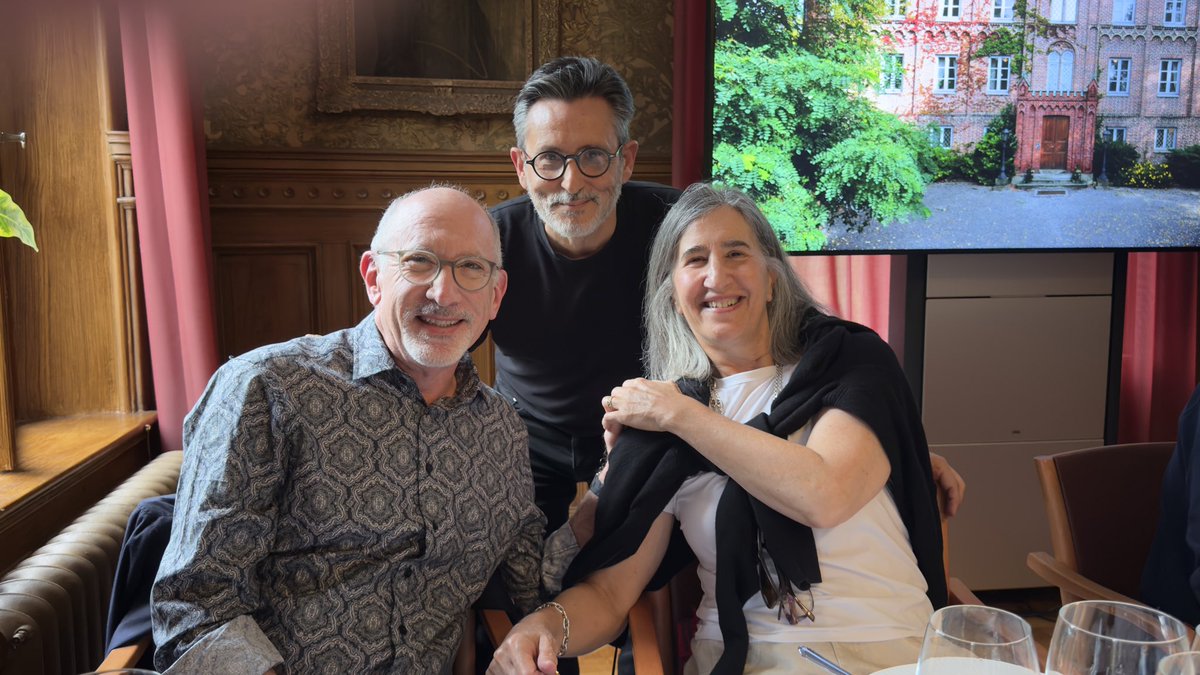
Huge congratulations on your very well deserved election @juliomayol

Honoured to have been elected #ViceChair of the #BJS Foundation. Looking forward to working with outstanding colleagues to advance surgical research, education, and innovation worldwide
@BJSurgery @BJSOpen @BJSAcademy @asgbi @SEIQuirurgica
1
1
3
321
Steven D Wexner MD, PhD retweeted

Help us spread the word about #QSCC2026. 🗣️
Use the QSCC Social Toolkit to share conference info and connect more healthcare professionals with this multidisciplinary learning opportunity. brnw.ch/21x3kSm
2
1
247
Larger body size significantly elevates risk for bladder cancer in men healio.com/news/hematology-o…
210
Steven D Wexner MD, PhD retweeted
👋 Newly matched residents: Join us at the ACS Headquarters in Chicago on June 15-17 for a new ACS Residency Readiness Course and get a last minute boost of preparation before you start your surgical intern year. brnw.ch/21x36q5
5
10
967
Steven D Wexner MD, PhD retweeted
▶️ New on the #SurgicalReadings podcast: Researchers compared body composition changes after bariatric surgery and GLP-1 treatment. Hear what they found and why preserving fat-free mass matters. brnw.ch/21x3kq0
3
4
570
Steven D Wexner MD, PhD retweeted

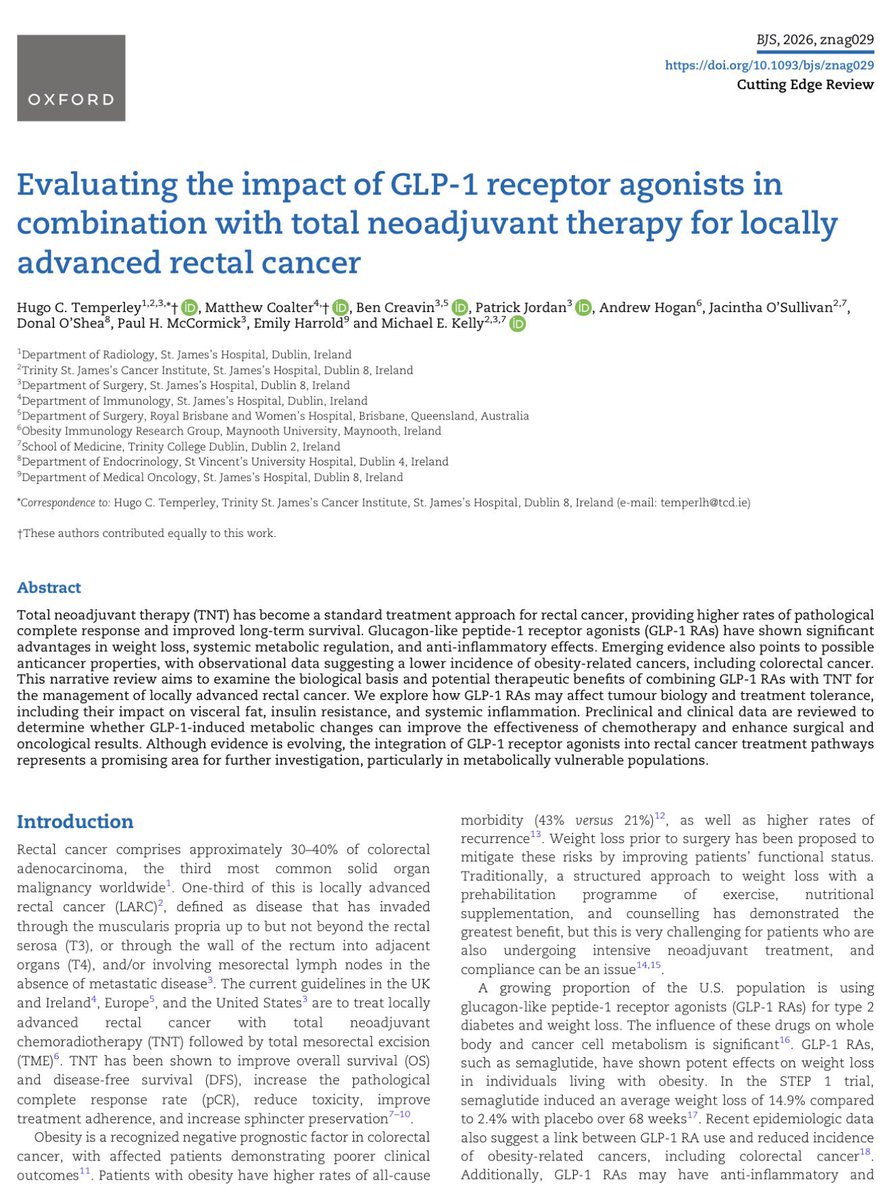
An intriguing concept from @BJSurgery.
Could metabolic optimization become part of rectal cancer treatment?
Total neoadjuvant therapy (TNT) has become the standard of care for locally advanced rectal cancer following landmark trials such as RAPIDO, PRODIGE 23, and OPRA, improving pathological complete response rates, treatment compliance, and disease-free survival.
At the same time, GLP-1 receptor agonists have expanded far beyond diabetes and obesity, with emerging evidence suggesting potential anticancer effects. Against this backdrop, a recent BJS review explores the rationale for combining GLP-1 therapy (such as semaglutide) with TNT and highlights a planned phase II randomized trial (NCT07314528).
Potential advantages include:
• Reduced visceral adiposity
• Improved insulin sensitivity
• Lower systemic inflammation
• Enhanced treatment tolerance
Yet an important paradox remains: GLP-1-induced weight loss includes loss of lean muscle mass, and sarcopenia is independently associated with increased treatment toxicity and worse oncologic outcomes in rectal cancer patients undergoing neoadjuvant therapy.
The critical question is not whether patients lose weight, but what kind of weight they lose. Can the metabolic benefits of GLP-1 therapy outweigh the risks of skeletal muscle depletion during TNT?
This study represents the emergence of “metabolic oncology,” the concept that modulating host metabolism may enhance cancer treatment beyond direct antineoplastic effects. The biological rationale is compelling, but prospective evidence is essential.
Critical to the trial’s success will be careful body composition analysis, distinguishing potentially beneficial visceral fat loss from potentially harmful skeletal muscle loss.
If positive, this trial could open an entirely new dimension in rectal cancer management.
I’d be interested in hearing colleagues’ perspectives on the balance between metabolic optimization and sarcopenia risk during TNT. @SWexner @GaertnerWB @SeanLangenfeld @juliomayol
#RectalCancer #ColorectalSurgery #GIOncology #GLP1 #Semaglutide #CancerResearch
@ASCRS_1 @AmCollSurgeons @AmColSurgCancer @asgbi @BJSAcademy
7
10
1,159
Steven D Wexner MD, PhD retweeted

Important study @BJSurgery showing discordance between restaging MRI and pathologic T stage in rectal cancer; only 36.8% of cases were correctly staged,
consistent with our study in @ColorectalDis
@SWexner
academic.oup.com/bjs/article…
pubmed.ncbi.nlm.nih.gov/3737…
1
6
12
2,189
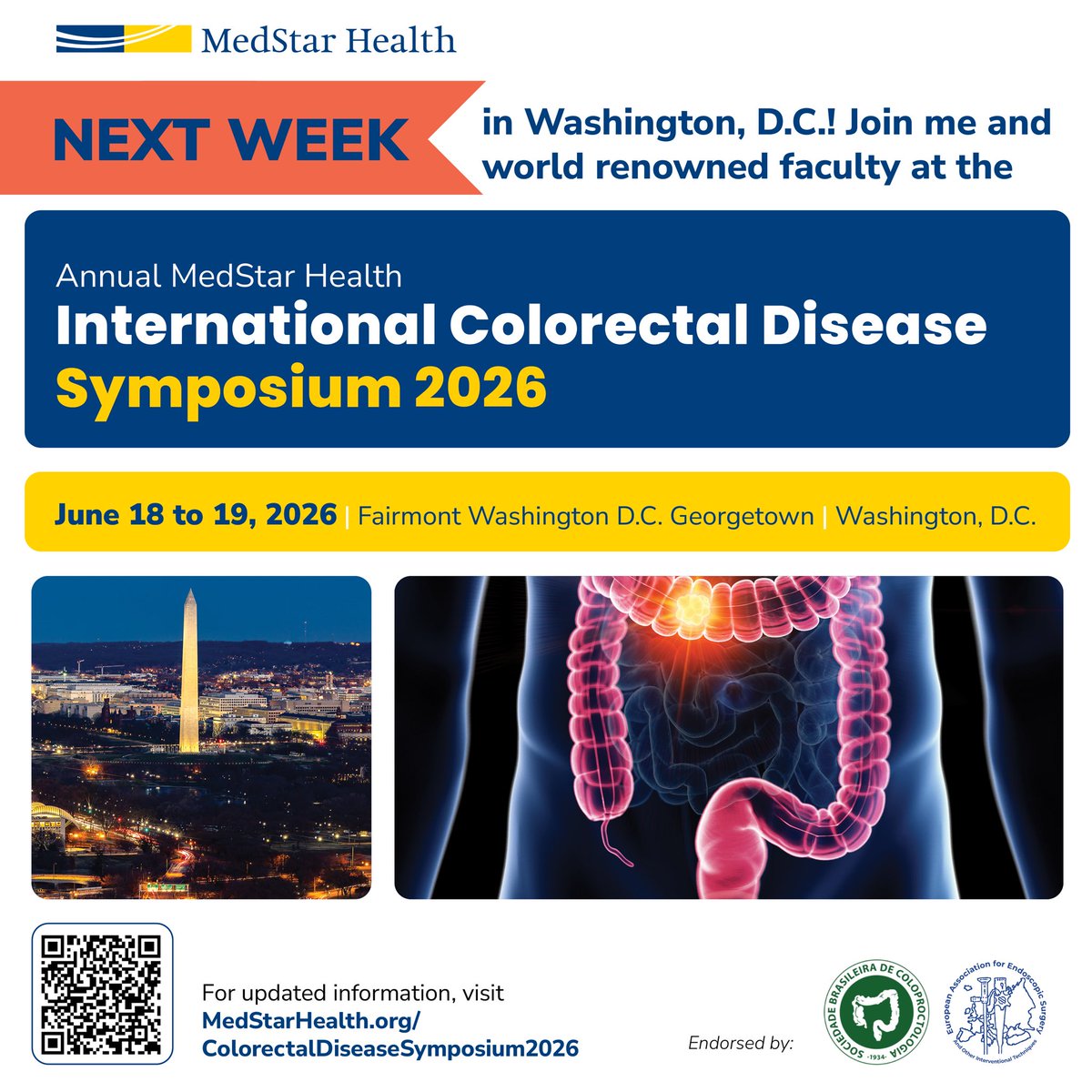
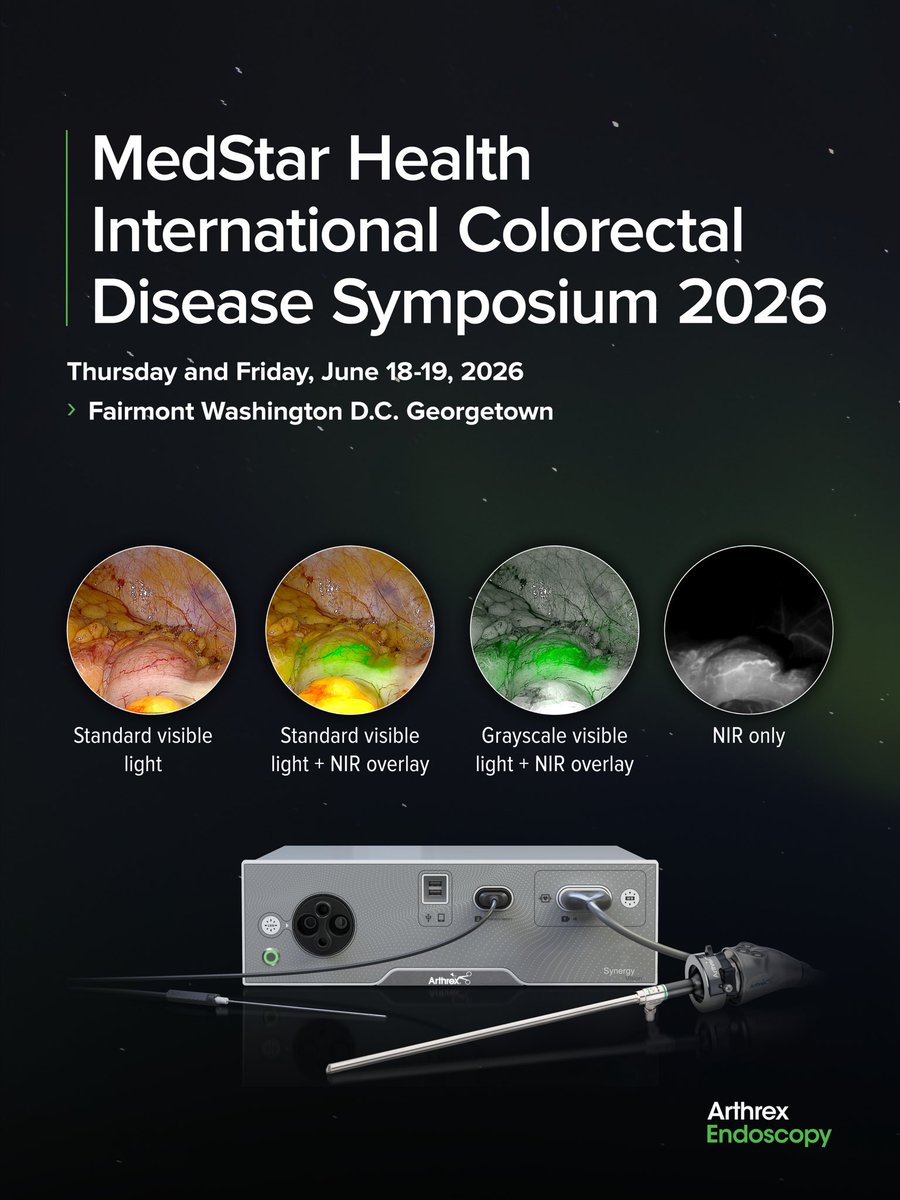
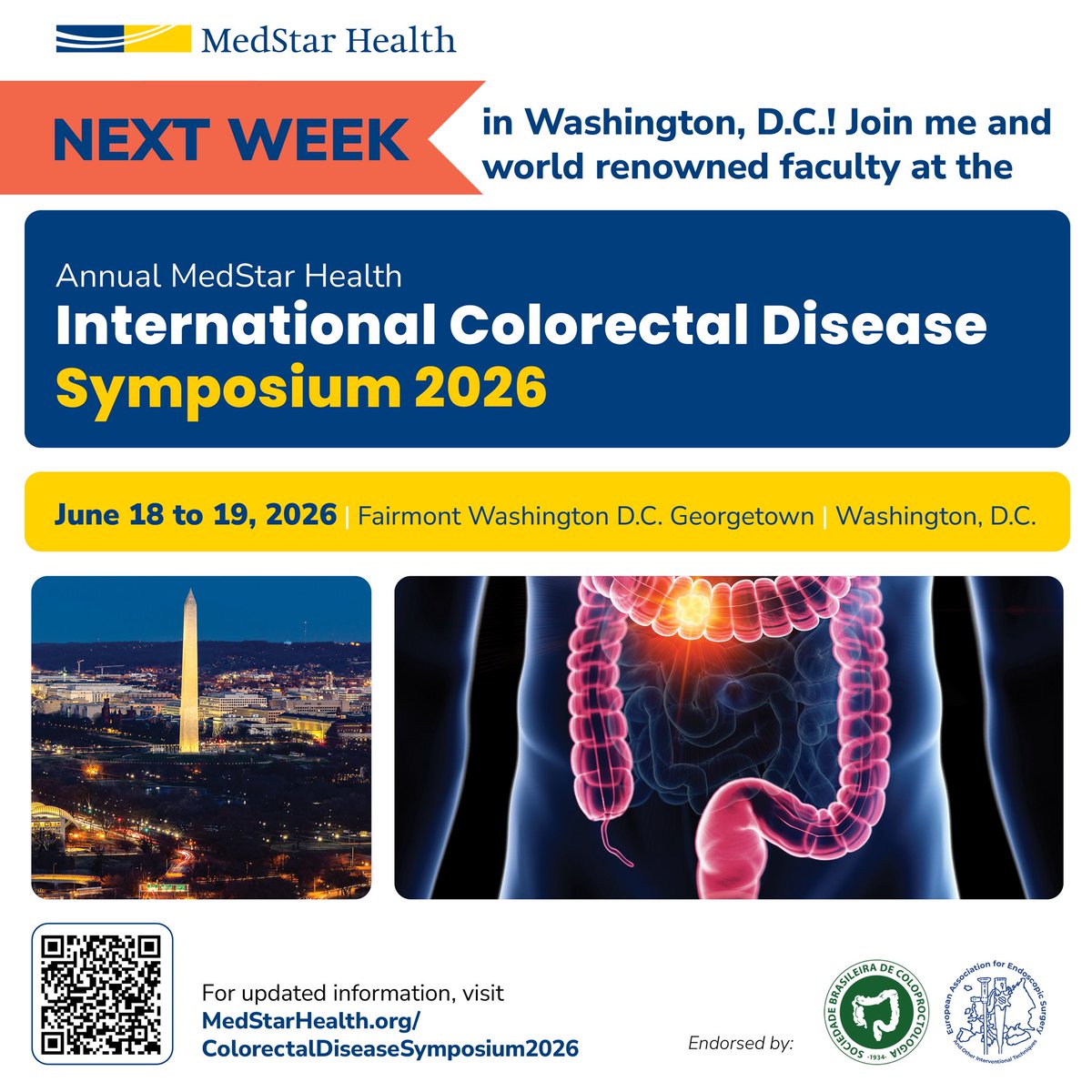
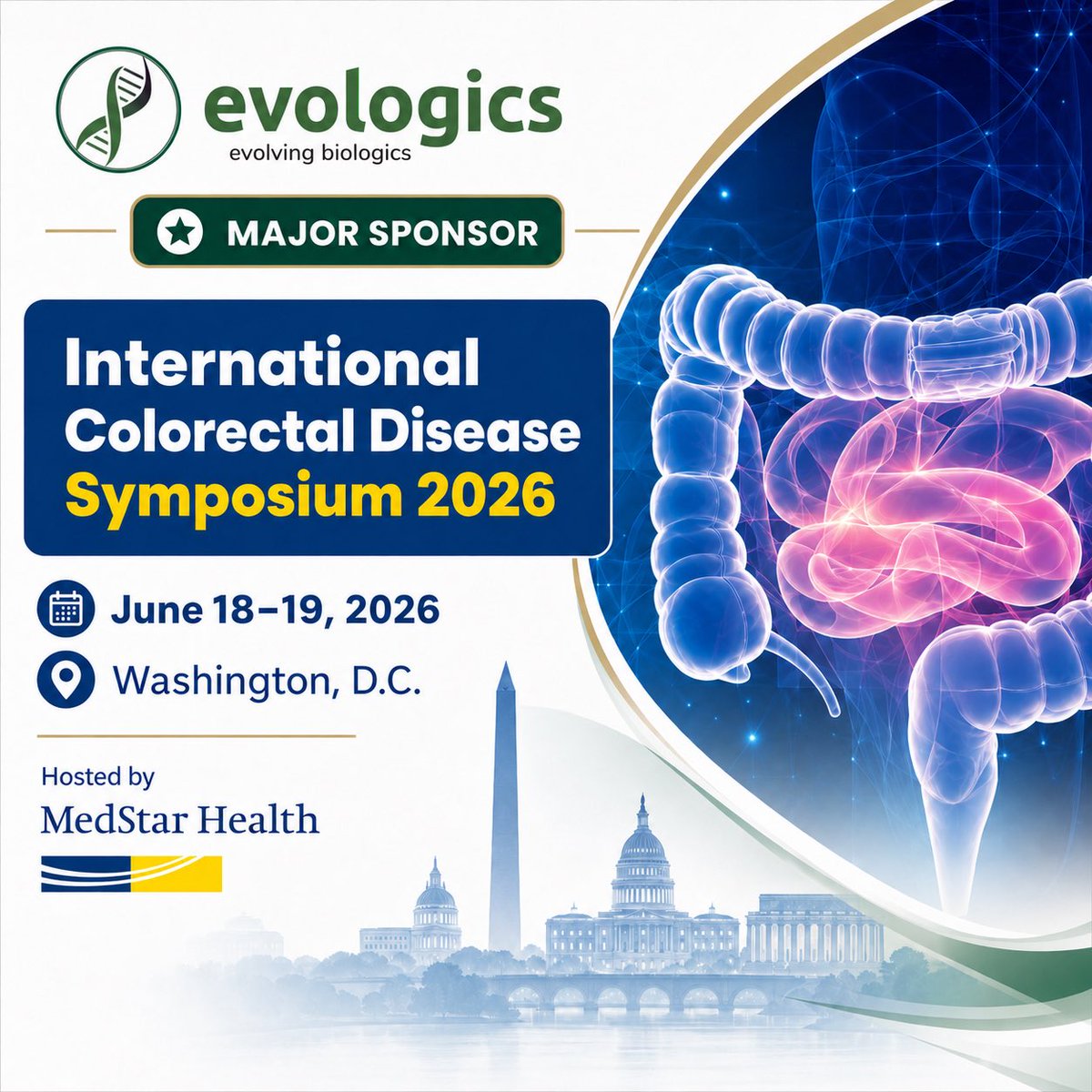
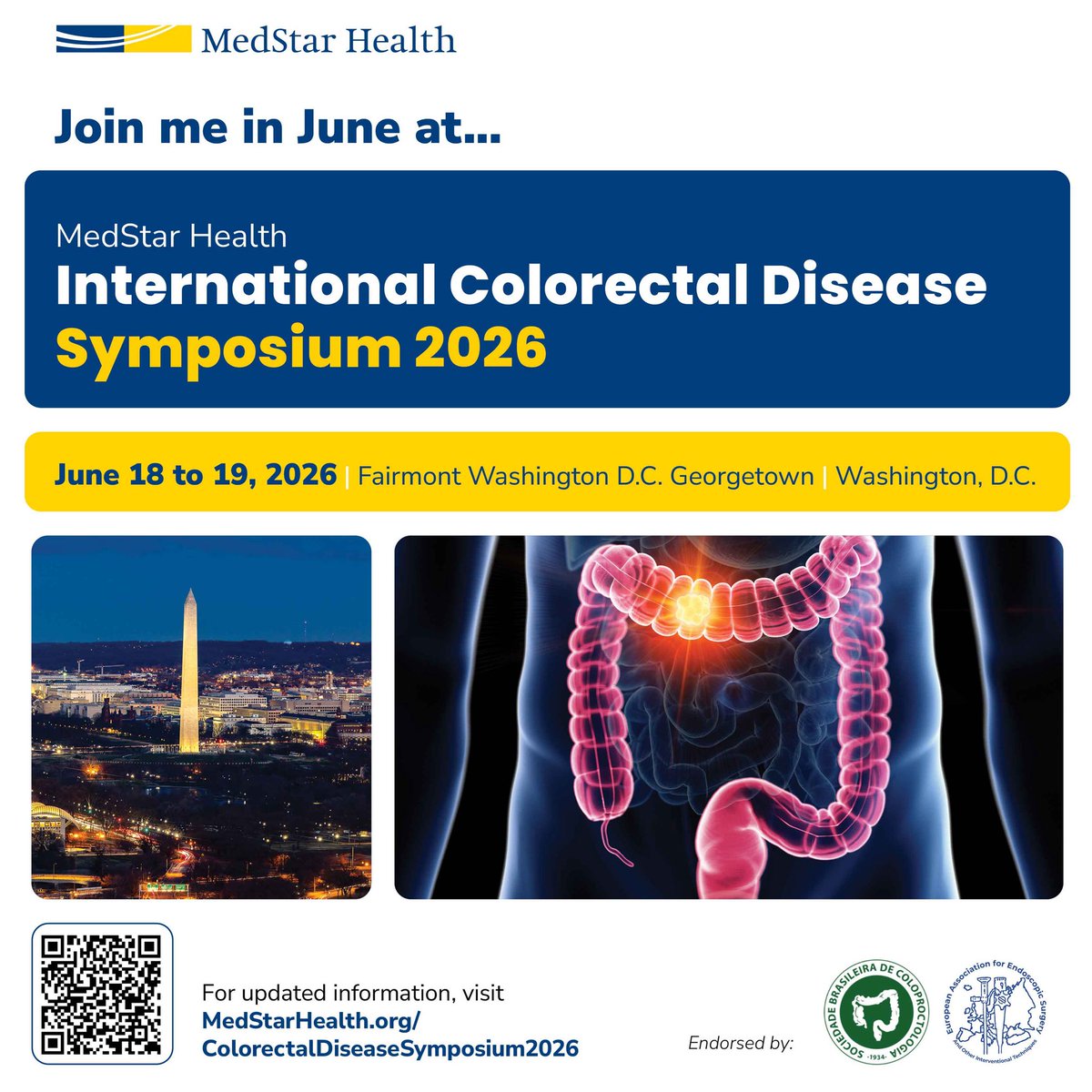
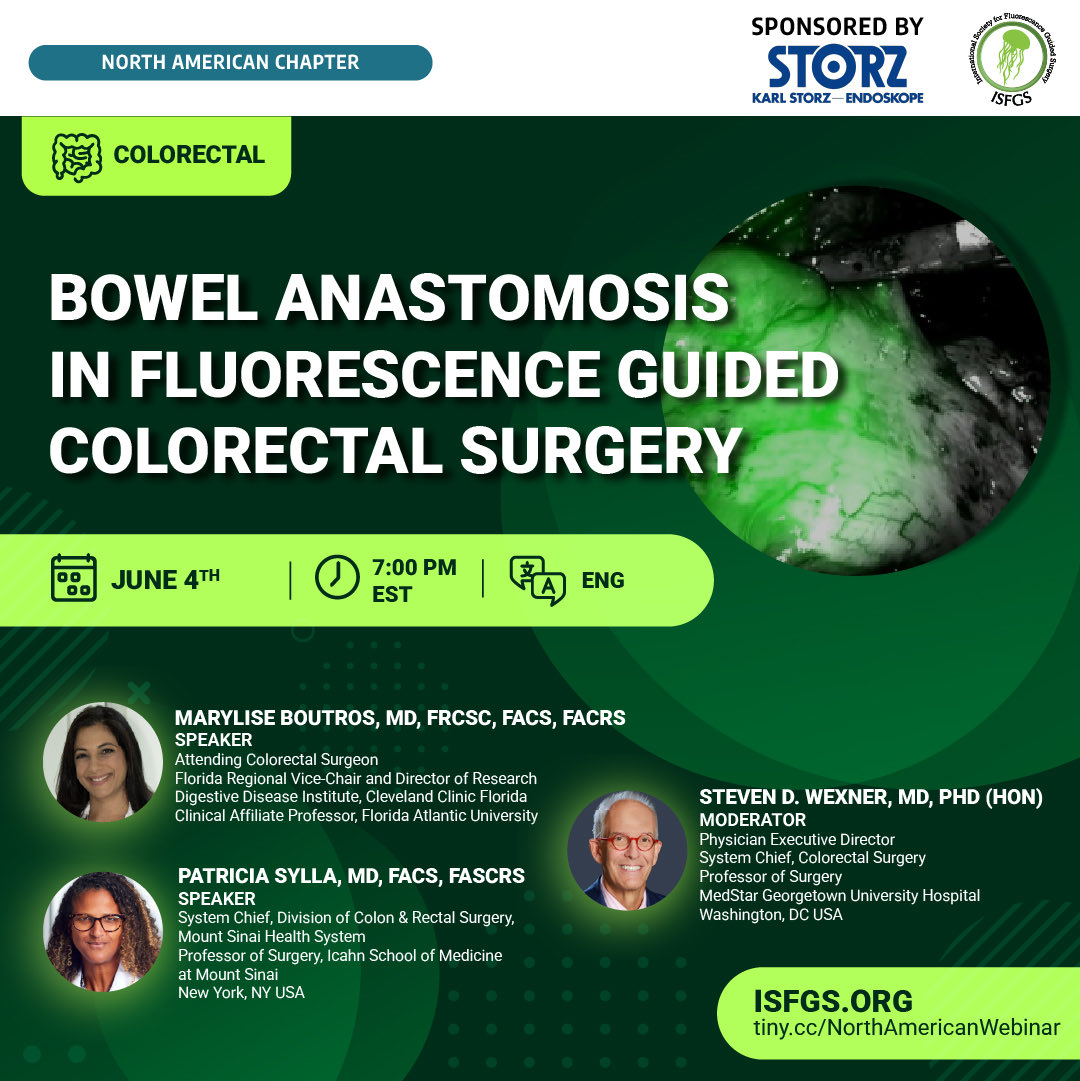
Starting this Thursday June 18
Jun 11

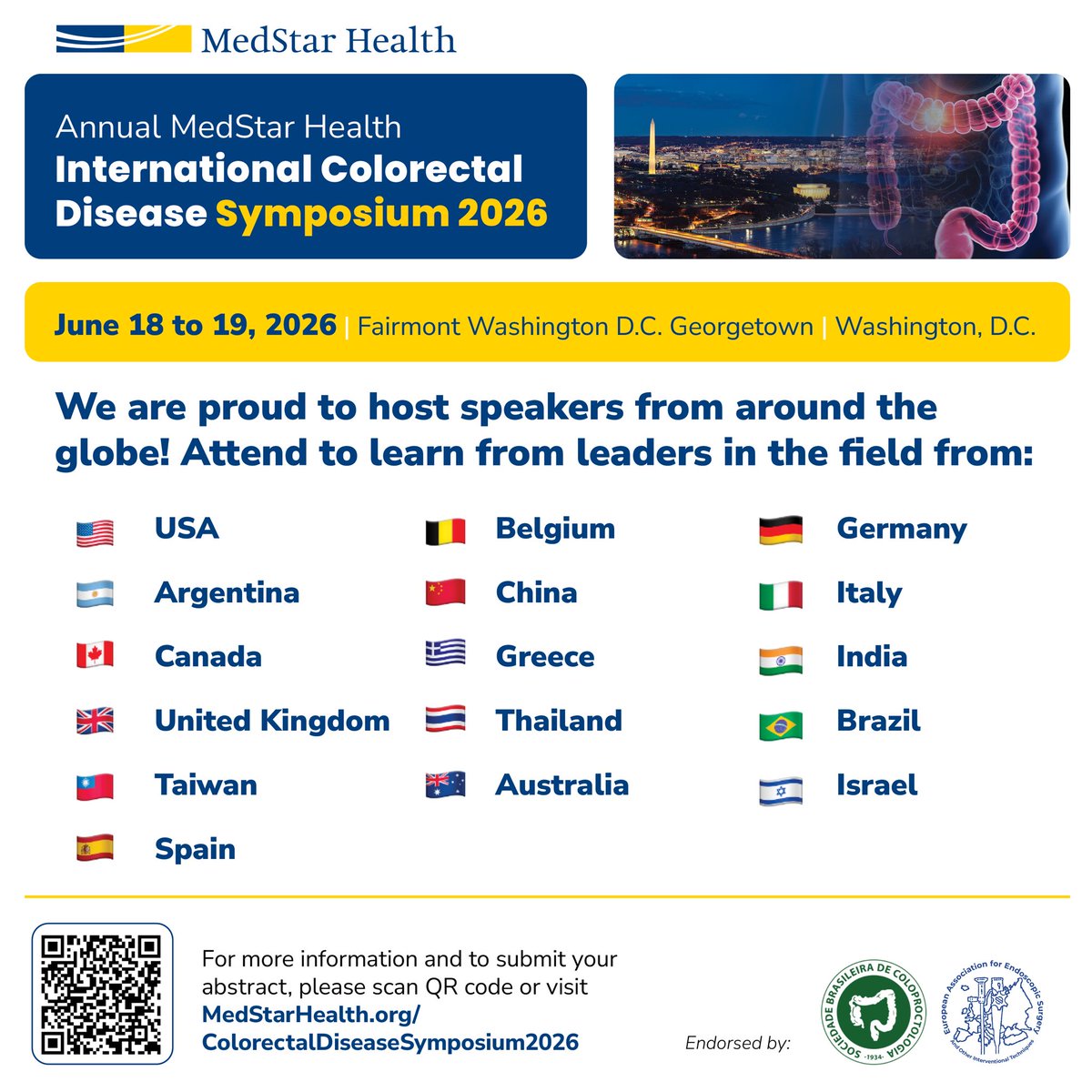
We look forward to welcoming hundreds of participants from 34 countries including 🇦🇷 🇦🇺 🇧🇪 🇧🇴 🇧🇷 🇨🇦 🇨🇳 🇨🇷 🇪🇬 🇪🇹 🇩🇪 🇬🇷 🇬🇺 🇮🇳 🇮🇱 🇮🇹 🇯🇵 🇯🇴 🇰🇪 🇰🇷 🇲🇽 🇲🇳 🇲🇦 🇳🇦 🇳🇮 🇳🇬 🇳🇴 🇵🇰 🇵🇪 🇵🇭 🇪🇸 🇷🇺 🇹🇼 🇹🇭 🇬🇧 🇺🇸 to @MedStarHealth @MedStarGUH @Georgetown #AICRDS26 and @isfgs
6
9
496
Jun 13
'It cannot replace physician judgment': AMA calls for AI regulations in clinics, insurance healio.com/news/primary-care…
231
Jun 12
Looking forward @ehaasmd to welcoming you to @MedStarHealth @MedStarGUH @Georgetown @isfgs #AIRCDS26
Jun 12

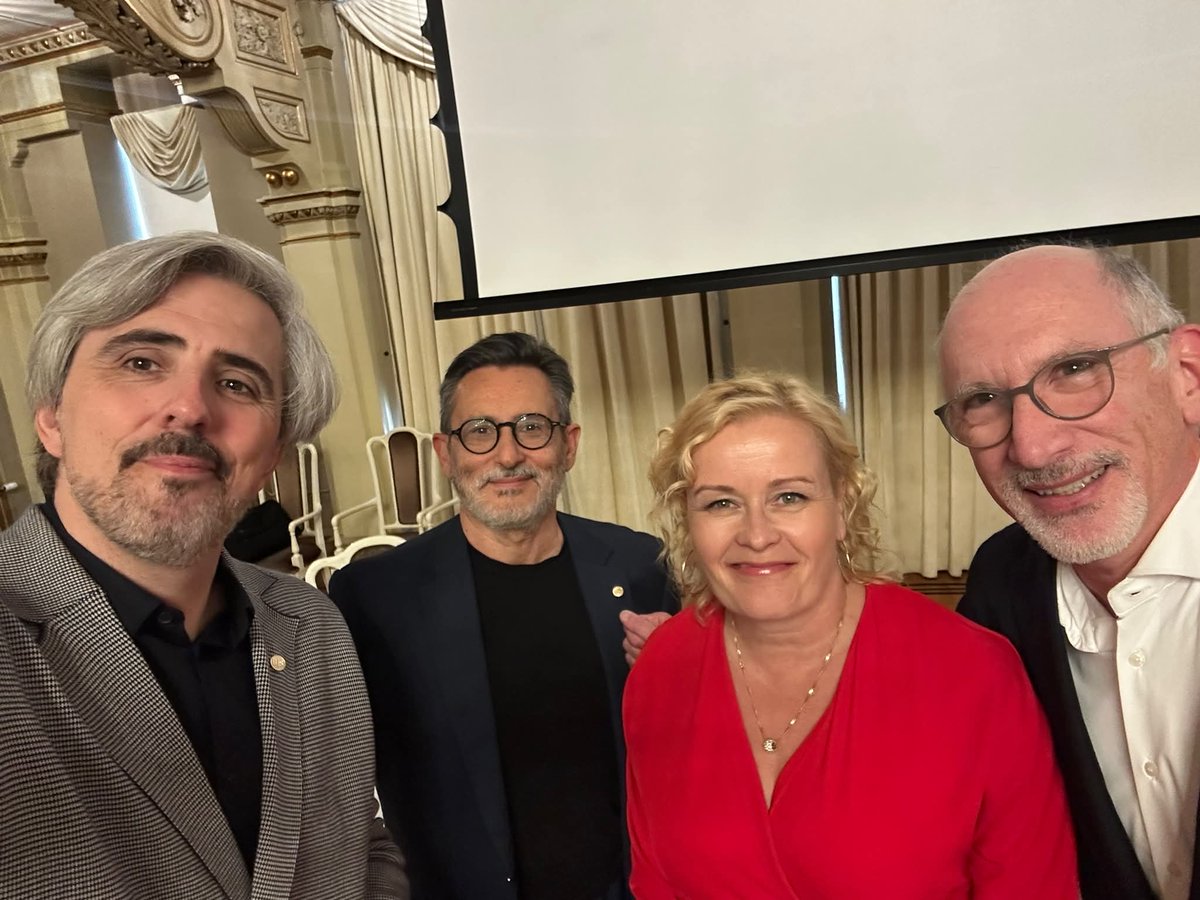
Looking forward to speaking about “New Improved Anastomosis” @medstarICDS26 International Colorectal Symposium along with some of the Colorectal greats @SWexner @MedStarHealth #AICRDS26
5
694
Steven D Wexner MD, PhD retweeted
AI has the potential to transform surgical care. But how do we ensure accountability, safety, and trust as autonomous systems become more common?
A new ACS Bulletin Viewpoint explores the governance and safety challenges of AI integration in surgery. brnw.ch/21x3iwd
6
5
858
Jun 12
Congratulations

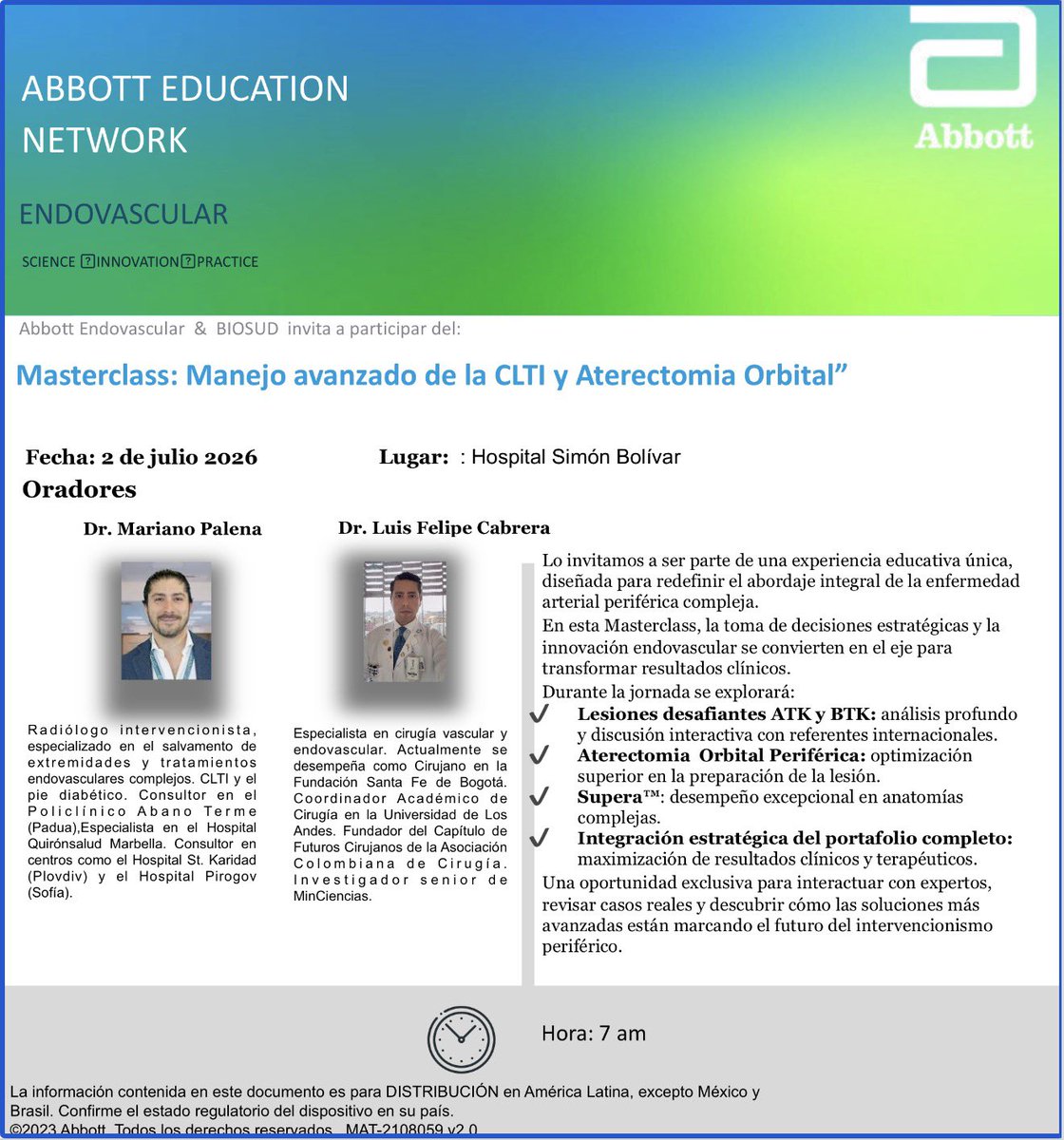
Honored to be part of the @AbbottNews @AbbottGlobal education network with the master class about advanced treatment of CLTI and orbital atherectomy! Right next to the giant of endovascular interventionist Dr @PalenaMariano ! @SWexner @pferrada1 @monteromiguel @TomVargheseJr @antoniomunoa
2
580
Steven D Wexner MD, PhD retweeted

Jun 12
Best videos ever mate 😂😂
1
859
Steven D Wexner MD, PhD retweeted

Jun 12
Transection Alone is not an Indication for Sentinel Node Biopsy in Melanoma 🔪 @herbchen @pferrada1 @PipeCabreraV @CiruAndes2 @SWexner @TomVargheseJr @sminaev2015 Link: americanjournalofsurgery.com…
3
4
657
Steven D Wexner MD, PhD retweeted
Jun 12
The Growing High-Risk Population 🔪 @herbchen @pferrada1 @PipeCabreraV @CiruAndes2 @SWexner @TomVargheseJr @sminaev2015 Link: americanjournalofsurgery.com…
3
4
387
Steven D Wexner MD, PhD retweeted
Jun 12
Robotic versus Traditional coronary artery bypass grafting (CABG): A Dual-Phase Meta-Analysis Comparing Human and AI-Derived Evidence 🔪 @herbchen @pferrada1 @PipeCabreraV @CiruAndes2 @SWexner @TomVargheseJr @sminaev2015 Link: americanjournalofsurgery.com…
3
5
480
Jun 12
Experts: Measles is top infectious threat this summer, not Ebola or hantavirus healio.com/news/infectious-d…
1
240
Jun 12
Huge congratulations

Congratulations to ACS Fellows Drs. Paula Ferrada, Jeremy Goodman, and Jacqueline Saito, who were recognized by @BeckersHR among 145 patient safety experts helping ensure patients receive safe, effective care. brnw.ch/21x3f35
1
2
11
1,239
Steven D Wexner MD, PhD retweeted
The ACS offers several scholarships and fellowships for ACS members that provide funding for research, attendance at ACS events and conferences, and other professional development opportunities.
Explore the current opportunities and apply by June 16. brnw.ch/21x3h2o
4
6
807
Jun 11
1
12
1,690