Group Leader at the MPI for Polymer Research. We work on creating self-assembled materials that can talk to cells - and they may even understand what is said.
We are looking for a Deputy Editor to join our in-house chemistry team. The role will be based in the USA representing our prestigious Chemistry portfolio, which includes @angew_chem and @ChemEurope family of journals. Please like and share!
Apply under: careers.wiley.com/en/positio…
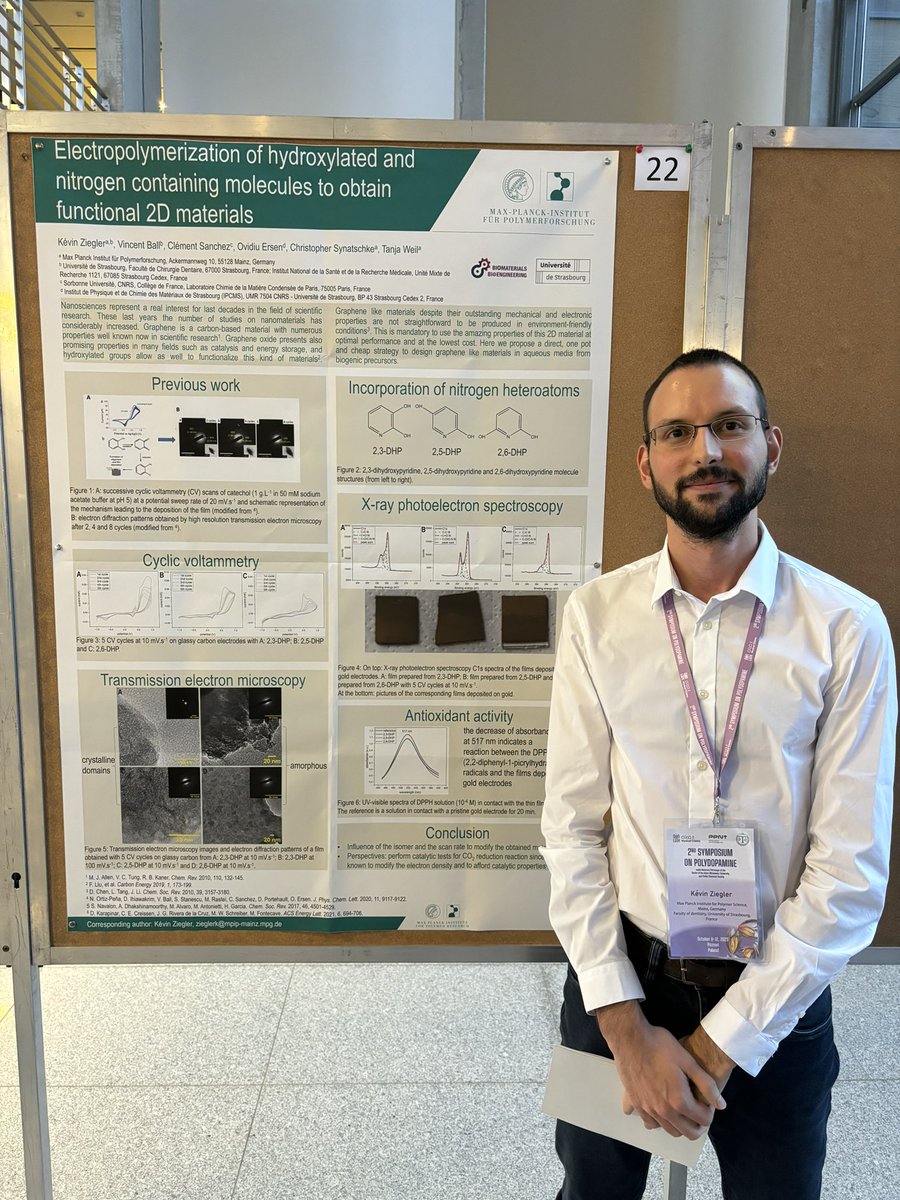
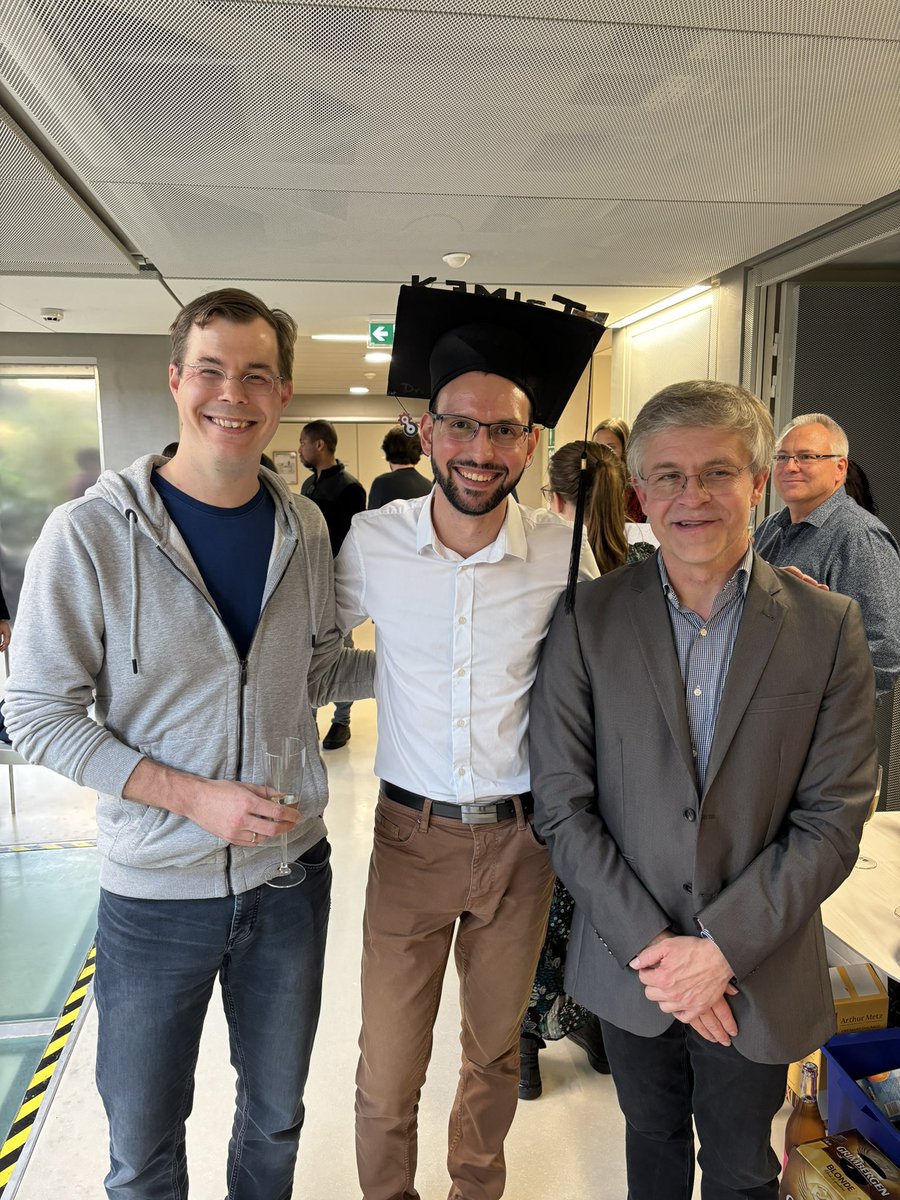
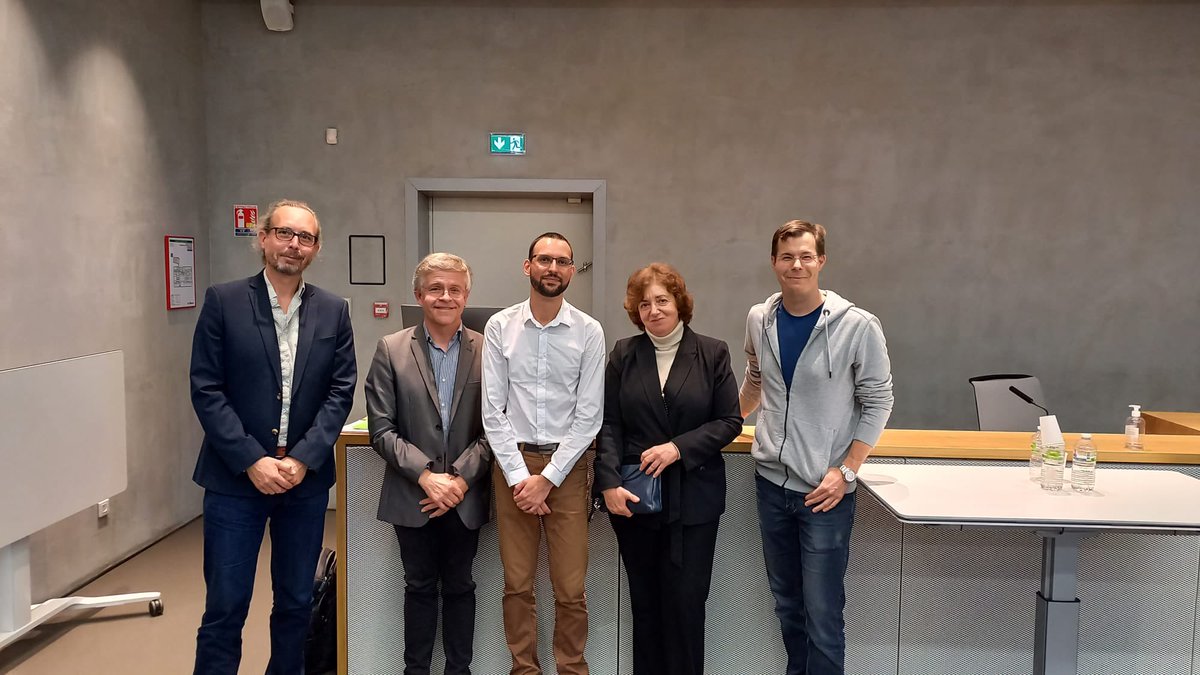
Congratulations to our newly minted Dr. Kevin Ziegler! His project was a joint collaboration with Prof Vincent Ball from UNISTRA on electropolymerized catechols in @SynatschkeLab subgroup.
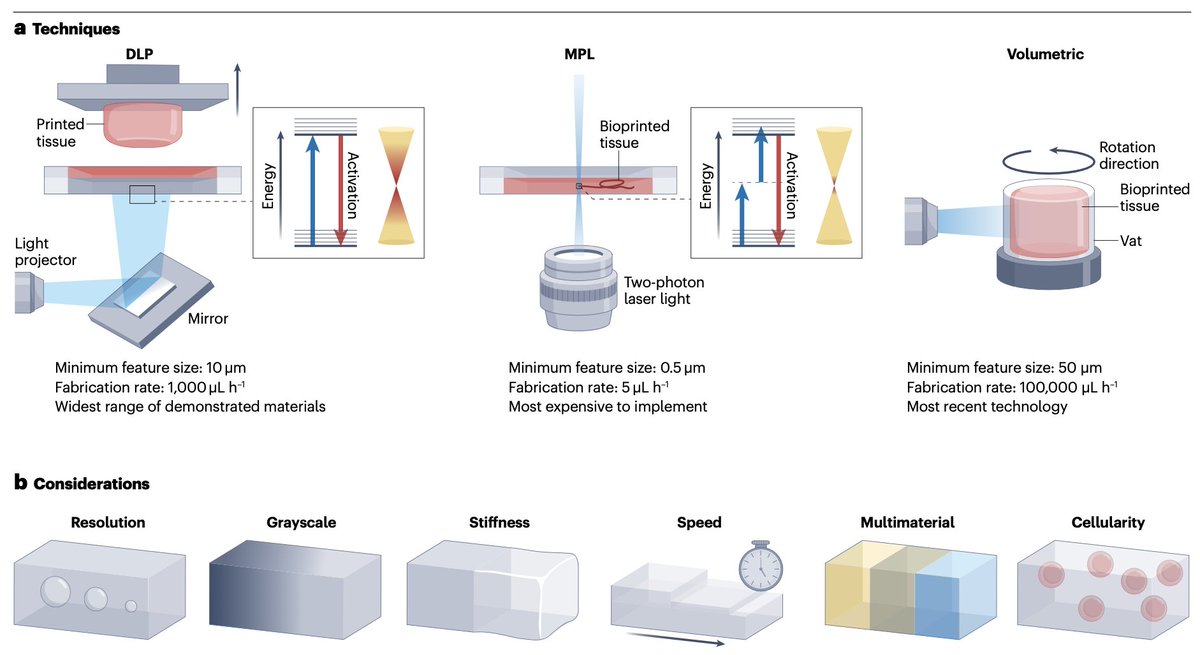
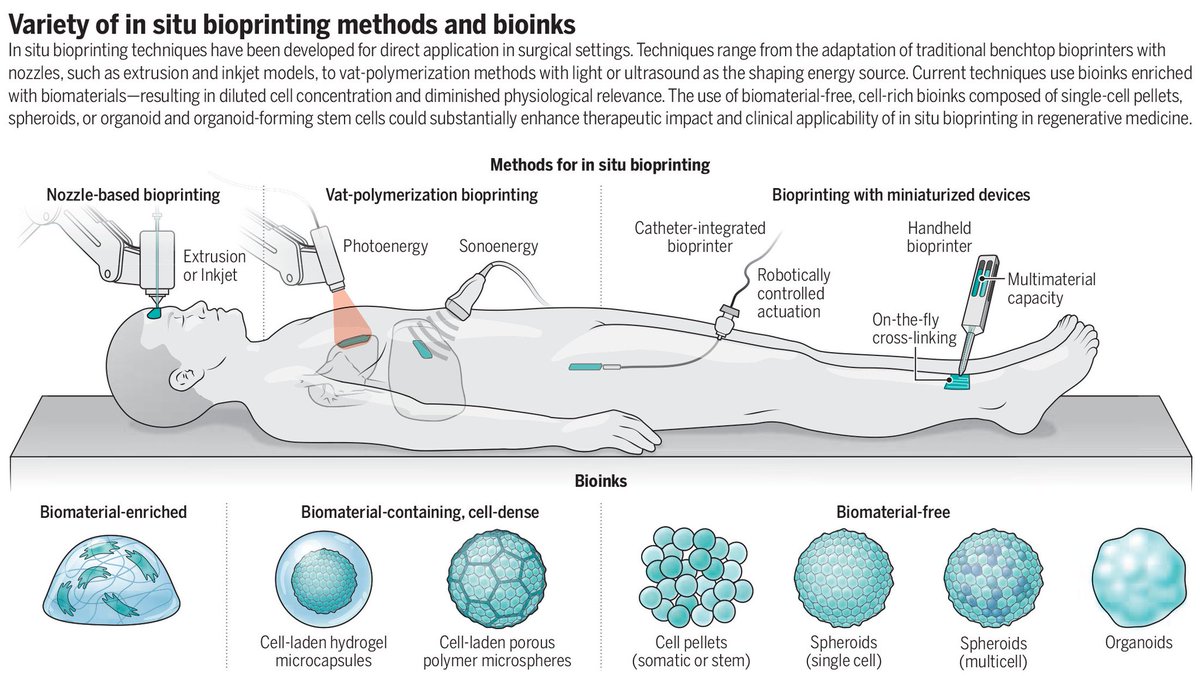
Excited to see our latest manuscript, entitled "Light-based fabrication and 4D customization of hydrogel biomaterials" is now LIVE at @natrevbioeng!
Read for free here: rdcu.be/dVggd
Congrats to Irina Kopyeva (@UWBioE) and @RP_Brady (@UWChemE)! This was a fun one!
Light can be applied to engineer materials approaching the 4D complexity of tissues. In their Review, @coledeforest et al discuss the light-based fabrication of hydrogels - the union of light-based manufacturing and photoresponsive chemistries @RP_Bradygo.nature.com/4gEapgm
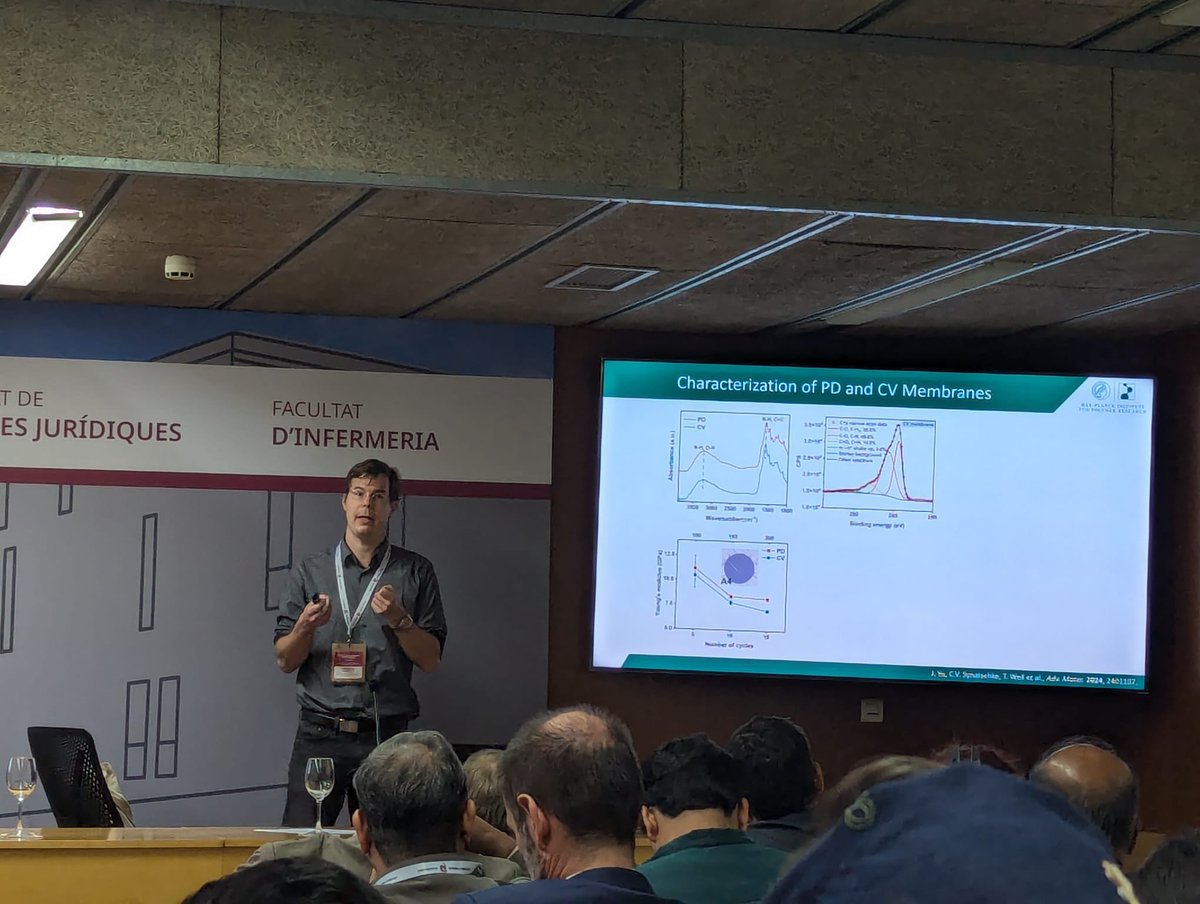
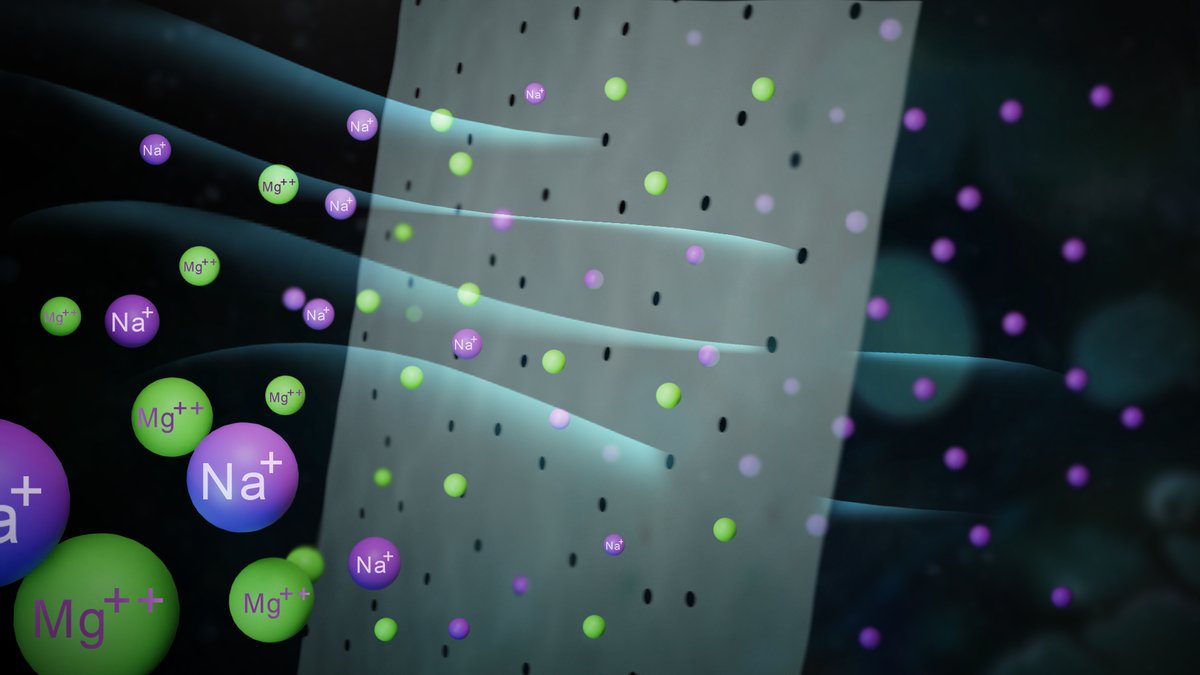
A team @mpi_polymer around @SynatschkeLab@WeilTanja has developed a 20nm thin filter using the mussel-like material "polydopamine". It efficiently separates ions & molecules, mimicking biological membranes. Read more in our press release: mpip-mainz.mpg.de/en/press/p…
I feel honored to be awarded the Liebig Medal. Thanks to Stefanie Dehnen @DehnenStefanie and Mischa Bonn @BonnMischa for a great ceremony. Special thanks to my fantastic group @mpi_polymer. You are just great! A big thanks to my family and the colleagues at MPIP.
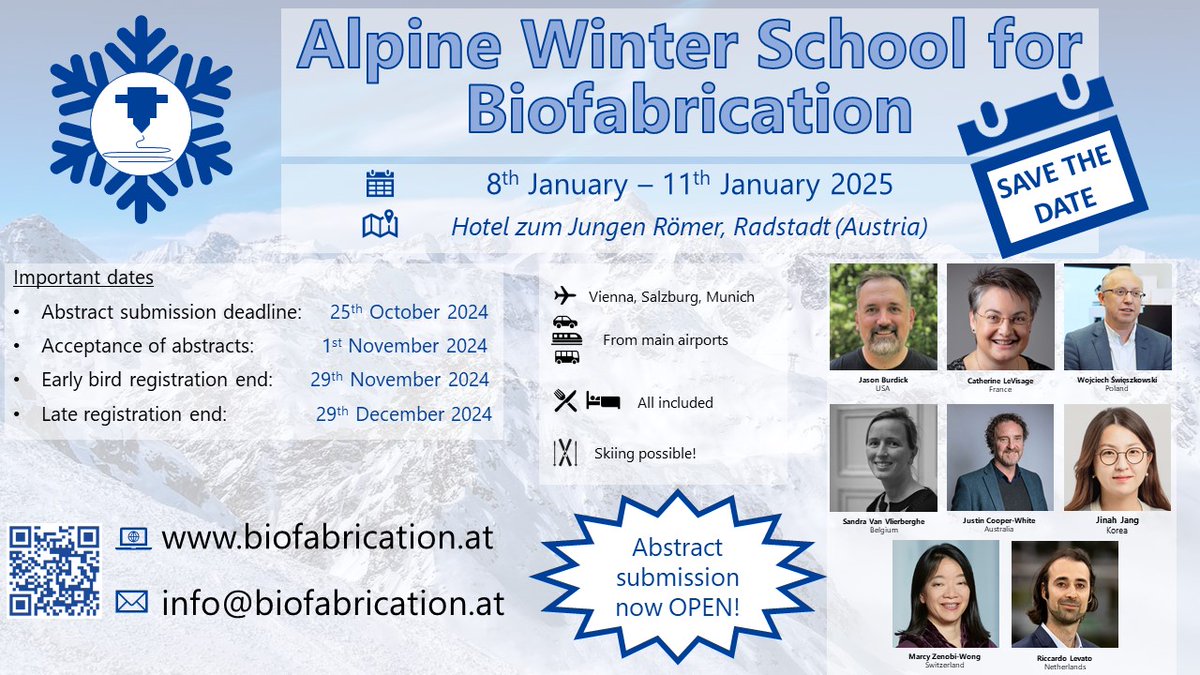
Excited to announce that the
❄ Alpine Winter School for Biofabrication ❄
is now open for abstract submission!
Already some 🔝 speakers confirmed, more soon!
All info: biofabrication.at
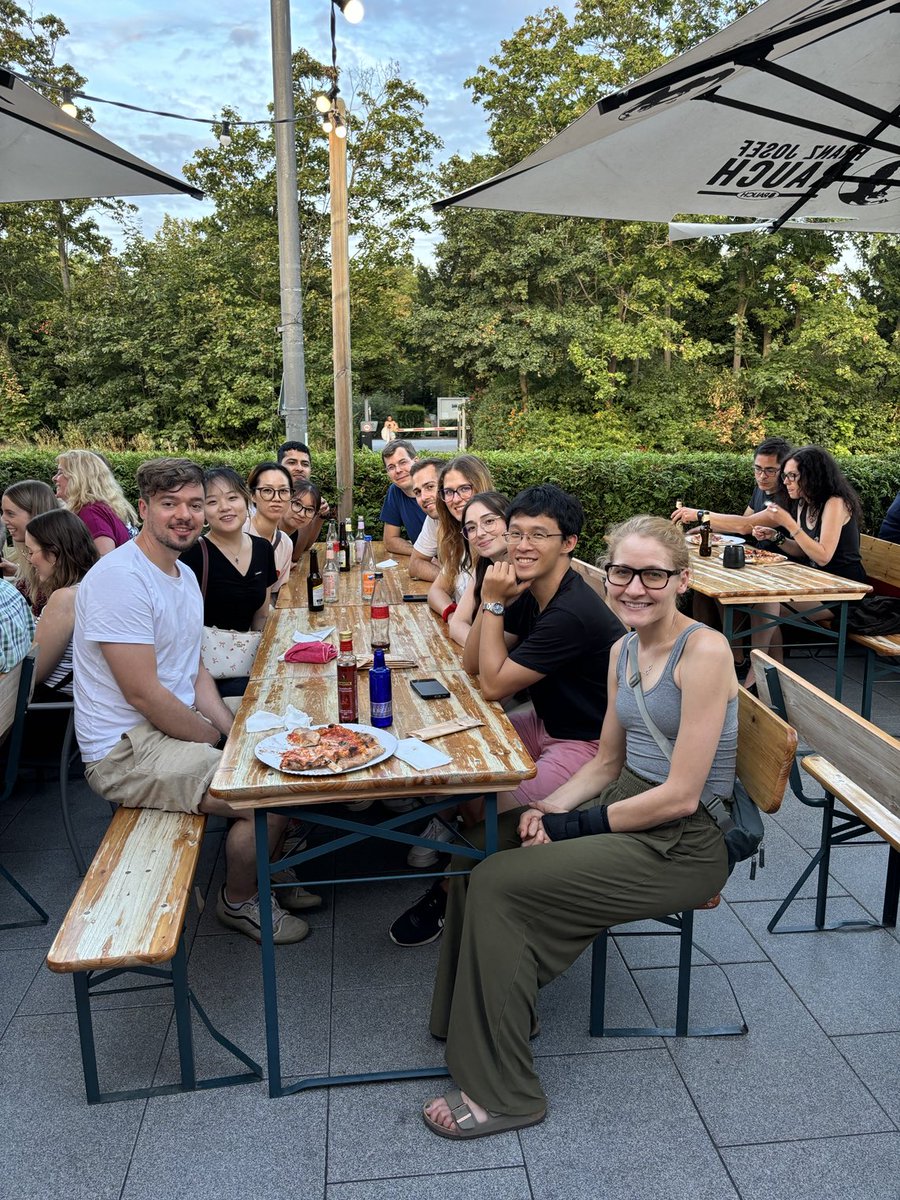
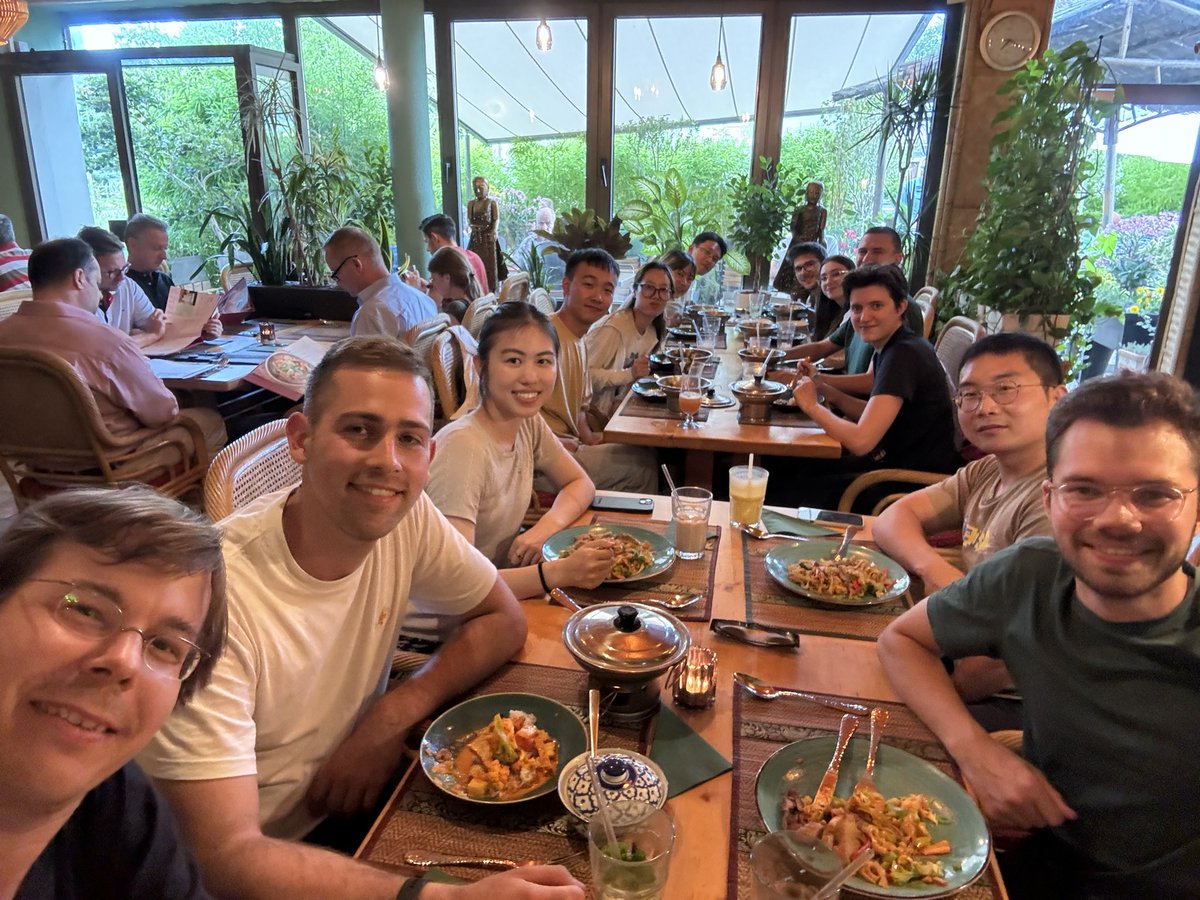
Having Pizza after group building activity is sparking fun debates about cultural differences. I love being part of an international group. 7 nationalities in this picture.
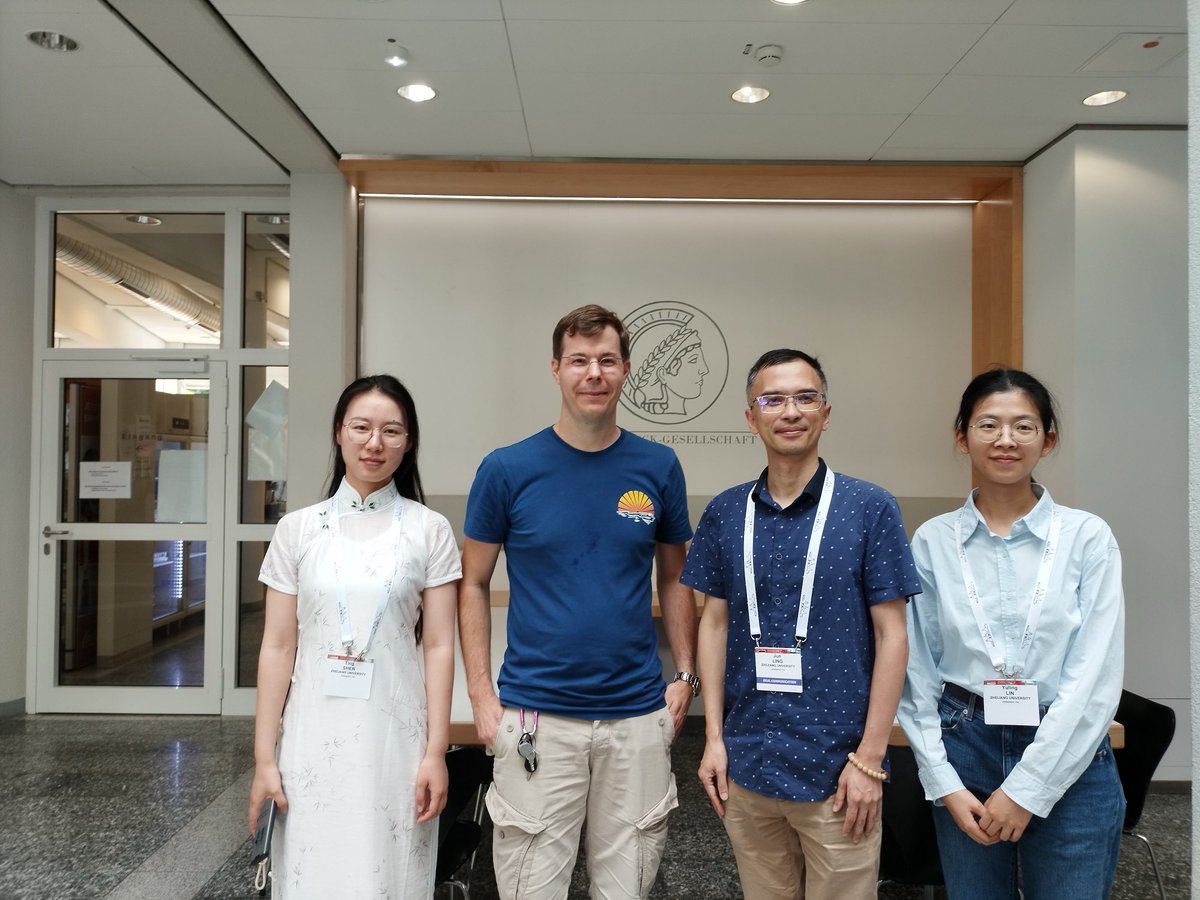
It’s always fun when a friend comes to visit, even if it’s just for a short tour of the institute. Happy to visit your lab Jun Ling @ZJU_China when I get a chance to go to China next.
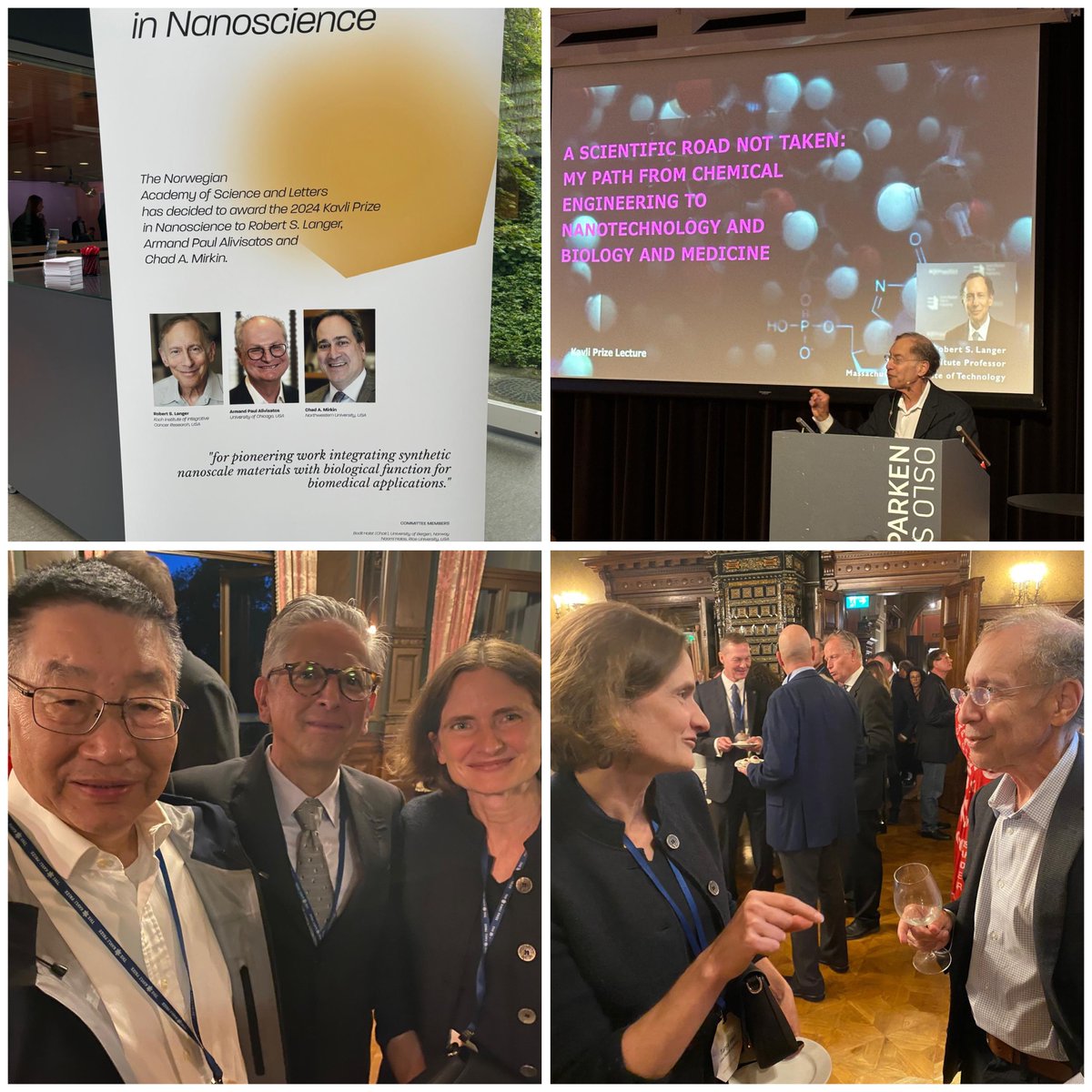
Wonderful opportunity to meet & interact with Robert Langer, Shuit-Tong Lee, @PSWnano & many others @KavliPrize. Inspiring lectures by the Laureates. Congratulations to the Nanoscience Laureates Robert, Paul @PaulAlivisatos & Chad @CHADNANO!
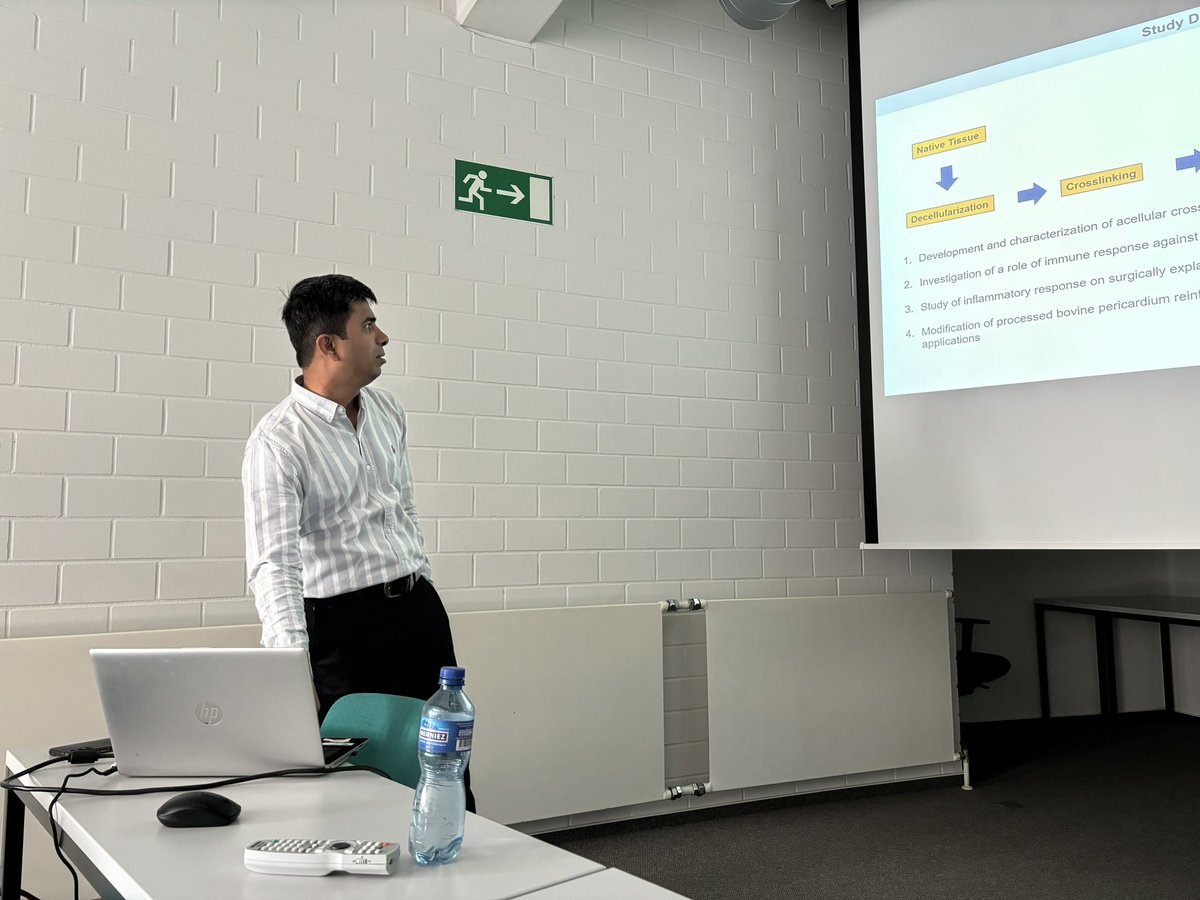
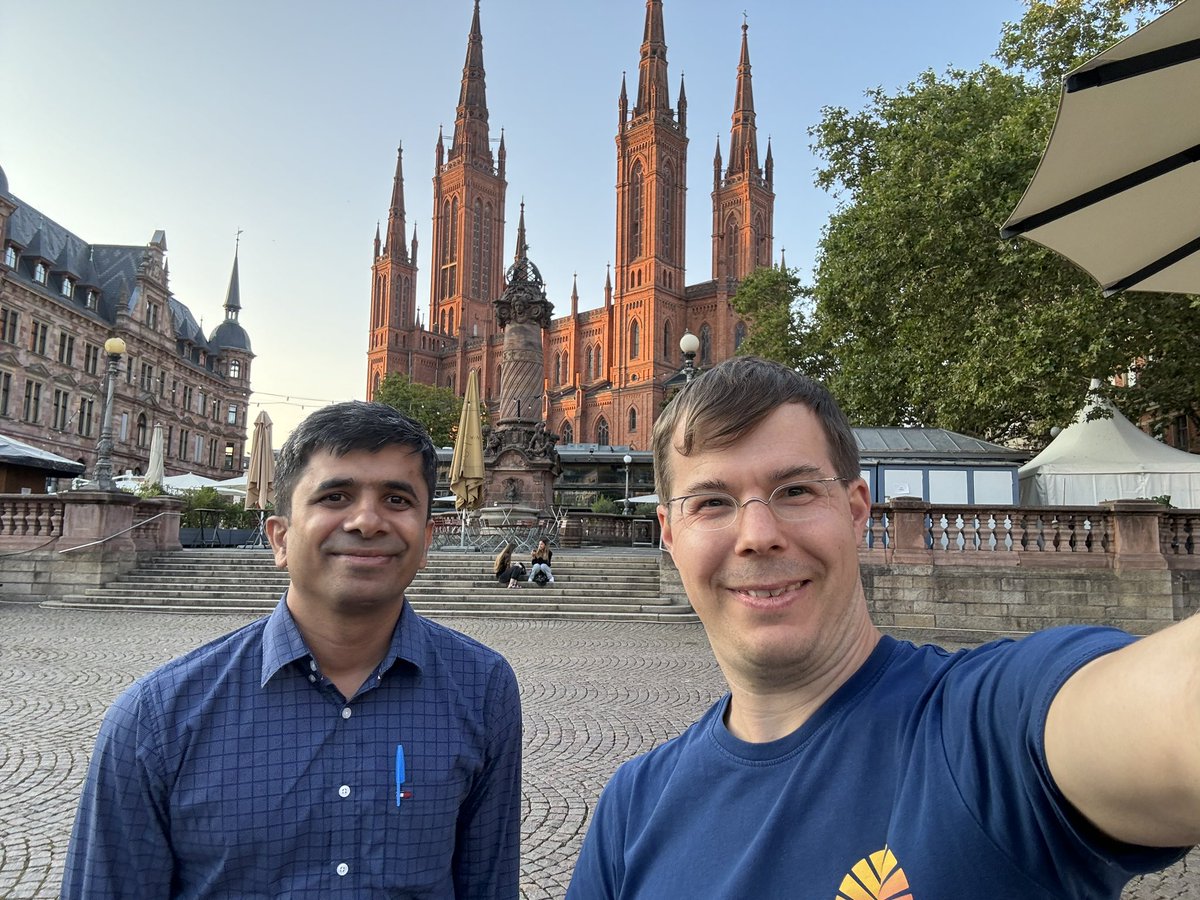
We are happy to host Prof Santosh Mathapati for a short visit @mpi_polymer in @SynatschkeLab. Today, he gave a lecture on translating biomaterials from the bench to the bedside.
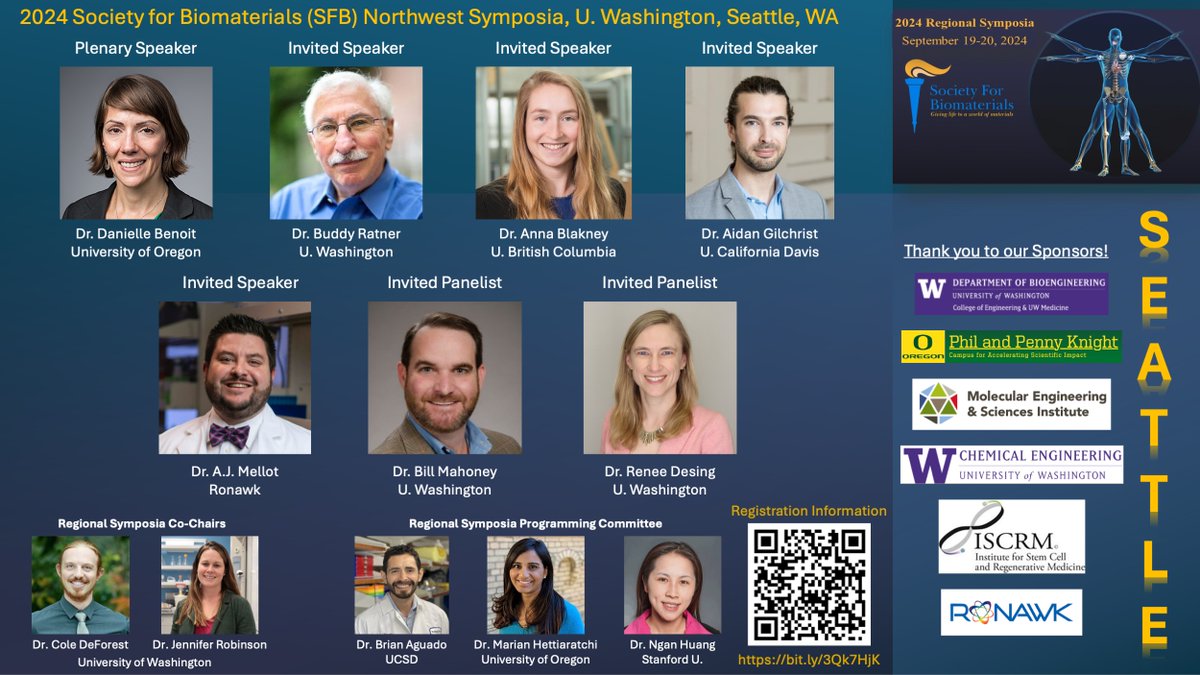
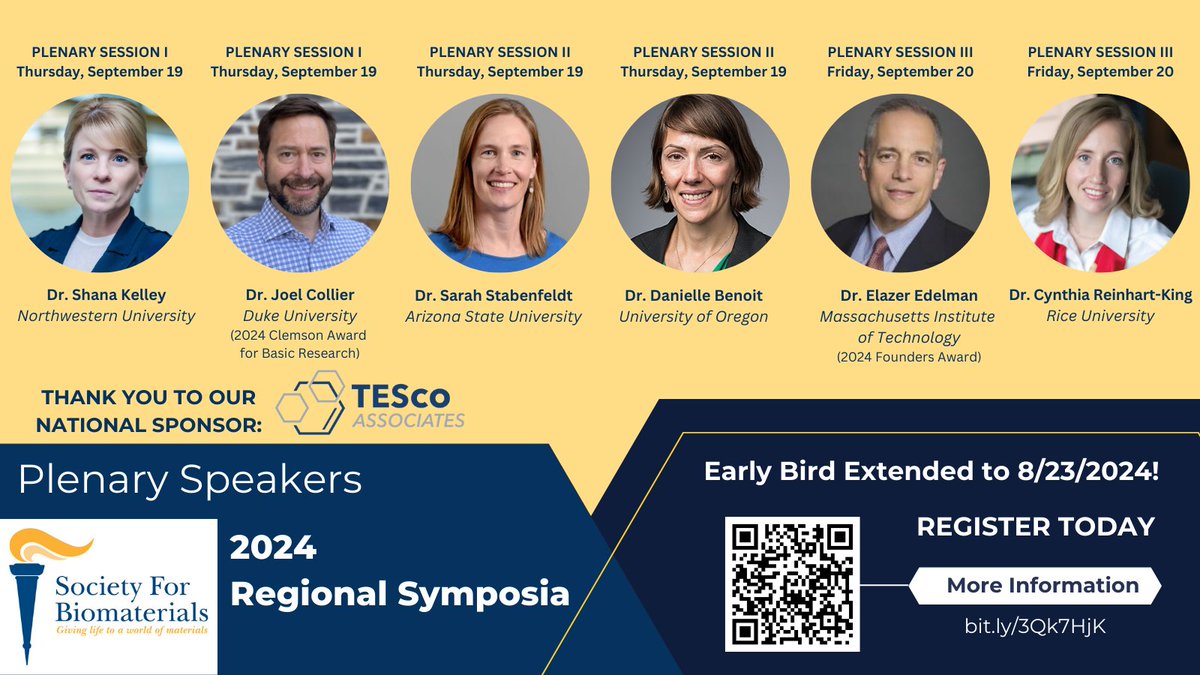
Please join us for the Society for Biomaterials (@SFBiomaterials)'s inaugural Northwest Symposia here in Seattle @UW on Sept. 19-20, 2024! Exciting speakers, posters, social, & networking. Early bird registration ends THIS FRIDAY (8/23).
Register here: biomaterials.org/2024-region…
📢Enjoy Extended Early Bird Rates Until 8/23!📢You will not want to miss out on two days of incredible plenary talks, informative sessions and poster presentations, and invaluable networking opportunities! bit.ly/3Qk7HjK#biomaterials
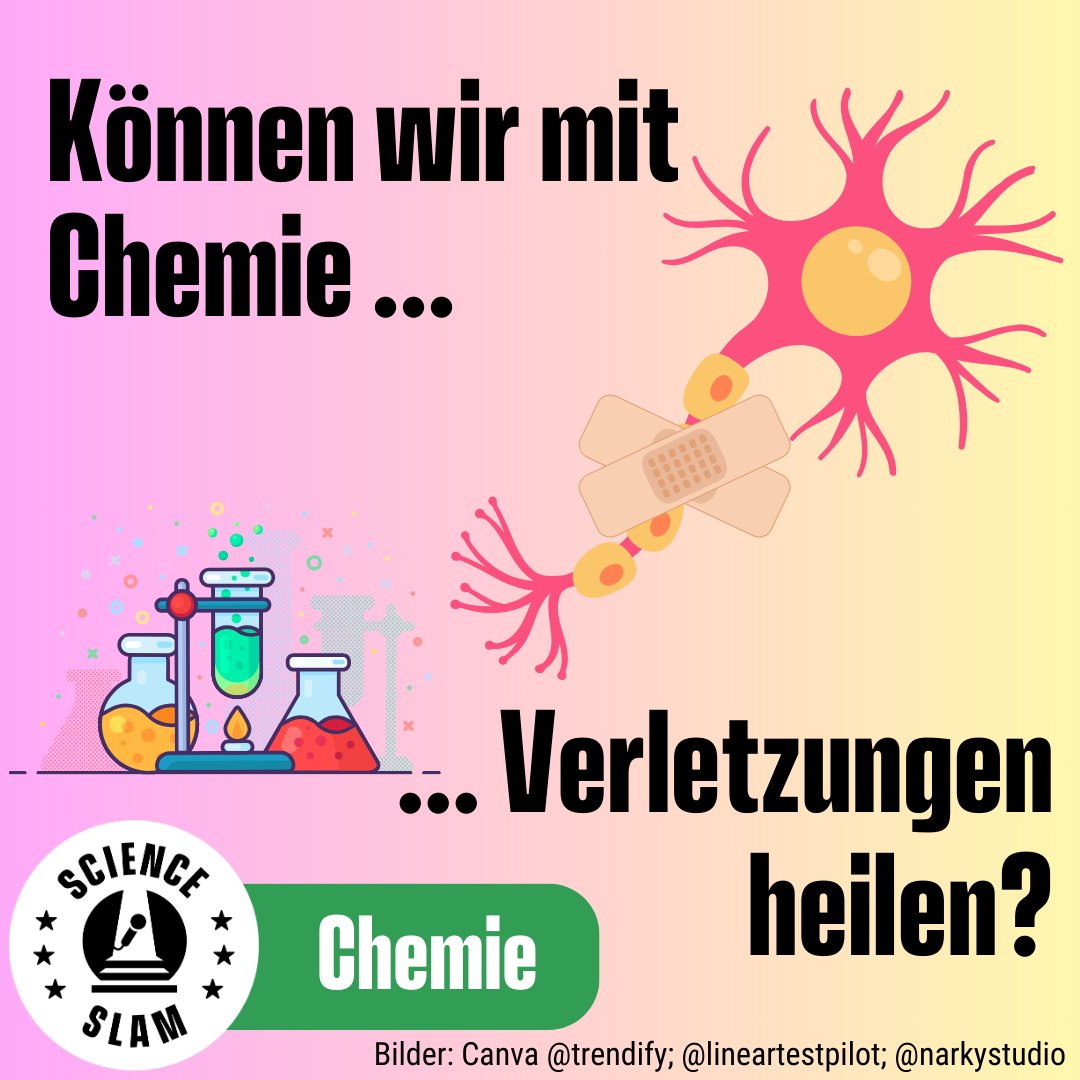
Mit Chemie verbinden wir meist giftige Dämpfe und explosive Reaktionen. Aber kann man mit Chemie auch Verletzungen heilen?
Der Chemiker Christopher Synatschke hat sich genau das zur Aufgabe gemacht.
#scienceslam#wisskomm
ALT Text: „Können wir mit Chemie Verletzungen heilen?“
Als Comic-Zeichnungen sind in der linken Ecke Glasbehälter mit bunten Flüssigkeiten sowie einem Erlenmeyer-Kolben zu sehen, von der linken unteren Ecke bis zur rechtren oberen Ecke zieht sich ein Neuron, über dessen Axon zwei Pflaster geklebt sind. Unten steht das Wort „Chemie“.
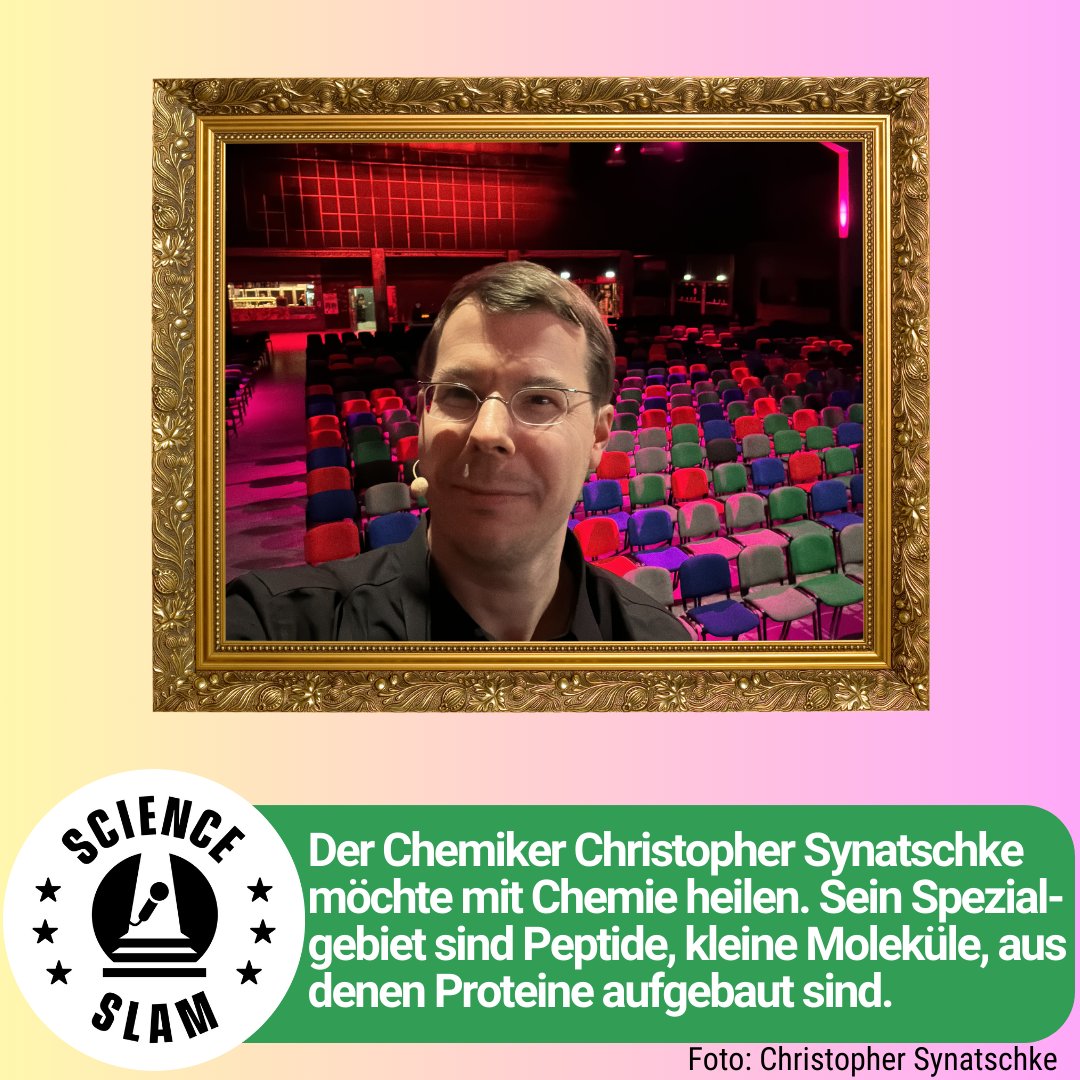
ALT In einem goldenen Rahmen ist ein Foto des Chemikers Christopher Synatschke zu sehen. Darunter steht: Der Chemiker Christopher Synatschke möchte mit Chemie heilen. Sein Spezialgebiet sind Peptide, kleine Moleküle, aus denen Proteine aufgebaut sind.
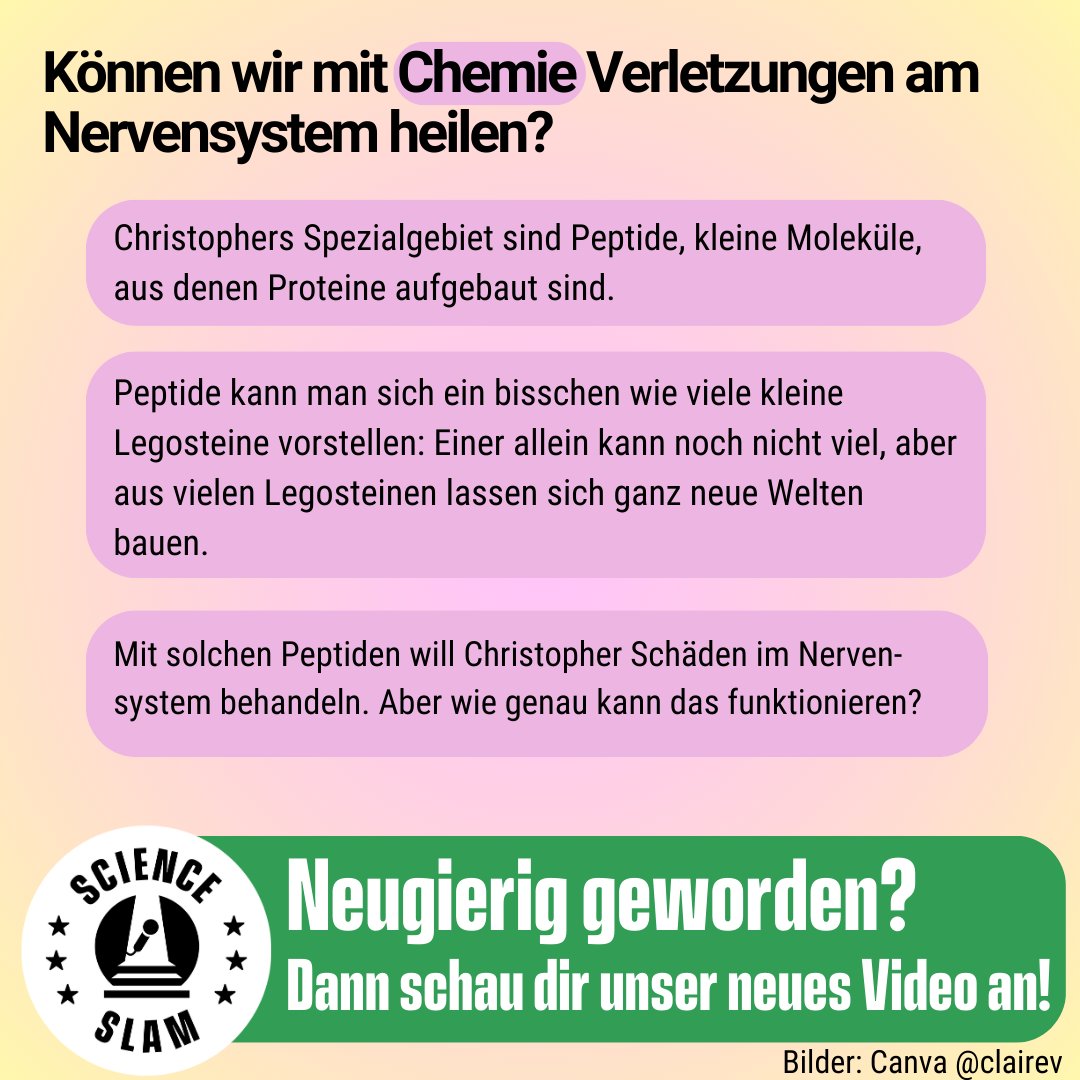
ALT Text: „Können wir mit Chemie Verletzungen am Nervensystem heilen? Christophers Spezialgebiet sind Peptide, kleine Moleküle, aus denen Proteine aufgebaut sind. Peptide kann man sich ein bisschen wie viele kleine Legosteine vorstellen: Einer allein kann noch nicht viel, aber aus vielen Legosteinen lassen sich ganz neue Welten bauen. Mit solchen Peptiden will Christopher Schäden im Nervensystem behandeln. Aber wie genau kann das funktionieren?“
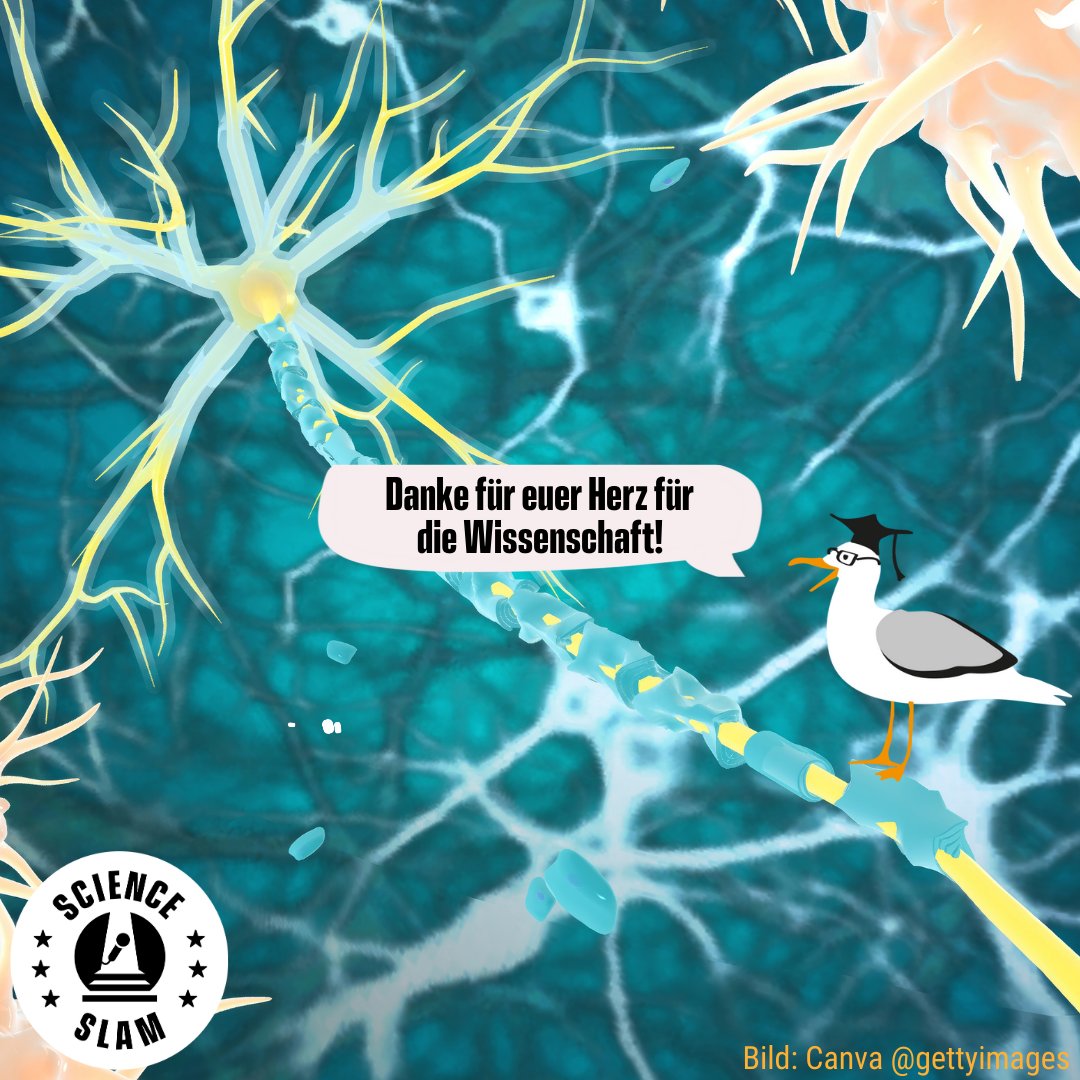
ALT Comic-artige Zeichnung eines Nervensystems; man sieht Neurone, die mit einander vernetzt sind. Auf dem Axon eines Neuron sitzt die Science-Slam-Möwe und sagt „Danke für euer Herz für die Wissenschaft!“
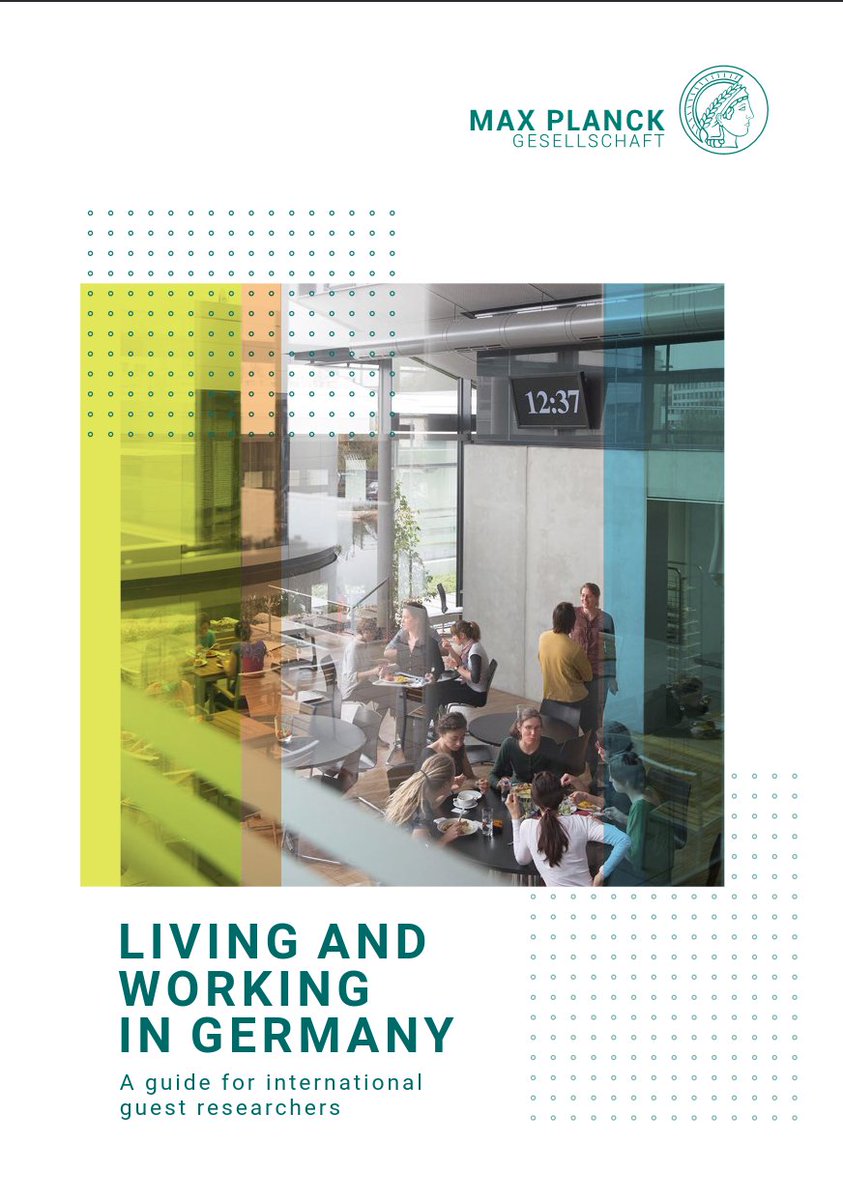
Living and working in #Germany: a guide for international guest researchers. As we want to make your arrival and stay as a guest scientist as easy and pleasurable as possible, we have compiled this brochure designed to orient you to the Max Planck world 👋mpg.de/4311252/living-and-wo…
ALT Cover of the brochure "Living and working in Germany. A guide for international guest researchers"
Ready to lead your own research team-?😎The Max Planck Society offers you the chance to head an independent Research Group at a participating Max Planck Institute of your choice - the next open topic call starts on Sep 9, 2024. Stay tuned for updates!🌟
mprg.mpg.de
Today we say goodbye to the amazingly talented Rachel Shi, Fulbright Scholar in @SynatschkeLab, who we will miss dearly. All the best for your next adventure at Yale MedSchool.