
Joined May 2024
- Tweets 12,092
- Following 1,844
- Followers 2,100
- Likes 39,279
411 Photos and videos








WEB3 SYNTRIX 💜 retweeted

Jun 14
18
11
36
573
WEB3 SYNTRIX 💜 retweeted

Jun 14
New update we’d be having
@SmokeIsBroke
@FunksonSol
@GuardiaApp
All I need is to see you on that day
Have a great day
22nd June 1:00pm EST/6:00pm WAT
Jun 10

There’s going to be my first project spotlight space
NOT AN AMA
DATE: 22nd June 1:00pm EST,6:00pm WAT
Just different projects coming to show you why you should be locked in Wii them
We have :
@orbinumnetwork
@SolanaFans26
@moonrush_space
@memewarzone
@SFIXdex
@slottogg_
@macke_eth
More info about other projects pulling up
Set reminders
twitter.com/i/spaces/1nxeLLn…
16
4
31
338

Late GM CT
Now let's continue our knowledge increment on @ritualnet
If you look deeper the most valuable AI asset of the next decade probably won't be the model.
It will be memory.
Not model memory.
Your memory.
Every conversation.
Every preference.
Every workflow.
Every correction.
Every habit.
Every decision pattern.
Every piece of context accumulated over years.
We're entering a future where AI won't simply answer questions.
It will know how you think.
It will know what you prioritize.
It will know which opportunities you ignore.
It will know what makes you change your mind.
And that's where an uncomfortable question appears.
Who owns that intelligence layer?
Most discussions around AI focus on models.
Bigger models.
Smarter models.
Faster models.
Cheaper models.
Meanwhile, a much more important resource is quietly being created in the background.
Behavioral memory.
A personal dataset that becomes increasingly unique over time.
The scary part?
You can switch models.
You can switch interfaces.
You can switch applications.
But if you lose years of accumulated memory, context, and behavioral understanding, you're not really starting from where you left off.
You're starting over.
That's a form of lock-in that most people haven't recognized yet.
The next generation of AI infrastructure won't just compete on intelligence.
It will compete on portability.
Can your memory move?
Can your context move?
Can your digital identity move?
Can you prove ownership of the intelligence you've helped create?
Today, most users are effectively renting their AI memory.
Tomorrow, they may demand ownership.
The companies building for the next decade should probably be thinking about that now.
Because whoever controls memory may ultimately control the relationship between humans and AI.
Not many people are talking about this yet.
But they will.
Dropping more details tomorrow stay tuned y'all

36
5
52
608

Jun 13
Midnight late grind
Collect mic 🎤: why are you still awake ?
Jun 13

Howdy mutuals
It's been a long time here
How are y'all doing
Please if you see this do well to repost, retweet
My account seems to be under shadow ban

3
4
36
WEB3 SYNTRIX 💜 retweeted
Jun 13
Everyone knows the World Cup is underway.
But there’s another competition attracting attention:
on-chain gambling.
The issue with most platforms is simple — users are expected to trust what happens behind closed doors.
@AptCasinofun is taking a different approach:
• Games executed on-chain
• Results publicly verifiable
• Built across Aptos and Solana
• Live product before the token launch
While many projects are still selling a vision, this one already has something people can use.
$APTC launches June 15.

20
7
60
690
WEB3 SYNTRIX 💜 retweeted
Jun 12
You’re still not involved with @tappybirdxyz 😒😒
Yours missing out on a lot of goodies if you’re snoozing honestly;we got the dev @0sumTX followed by @solana and he’s a core member of @mtndao with great backing from @solanagaming
What else is the conviction you need ? What more would be t great conviction?
CA: 3EH7ZAVLSHUWdWsmaLNqEsDwHJxz8eQDaJXPwgvSpump
Mint here:
tappy.casa/mint/tappybird/
Play the game:
tappybird.xyz/app
You can also find it directly in the Solana Seeker dApp Store.
44
9
76
640
WEB3 SYNTRIX 💜 retweeted
Jun 12
GM CT
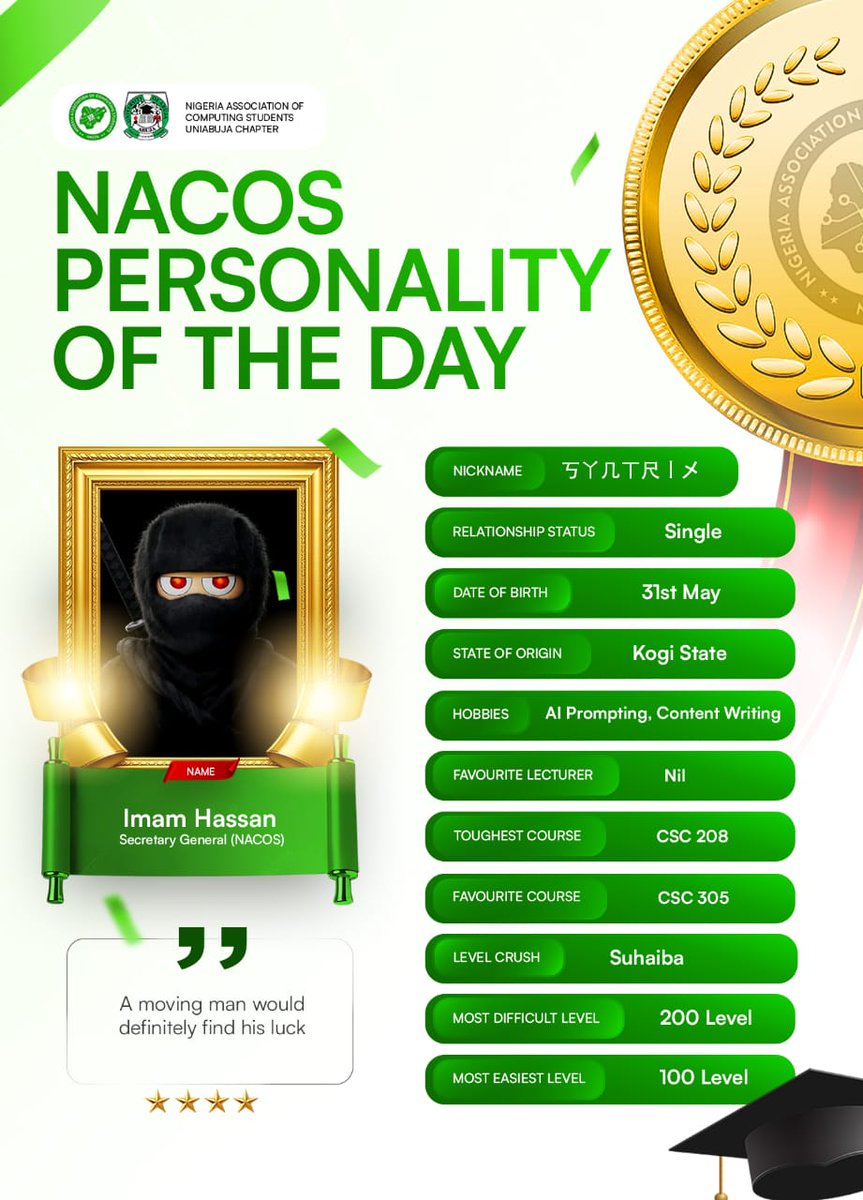
While chasing motion today, don't forget to wish me congratulations as I am the personality of the day today 😑
GM if you GM back
60
2
56
310
WEB3 SYNTRIX 💜 retweeted

Jun 11
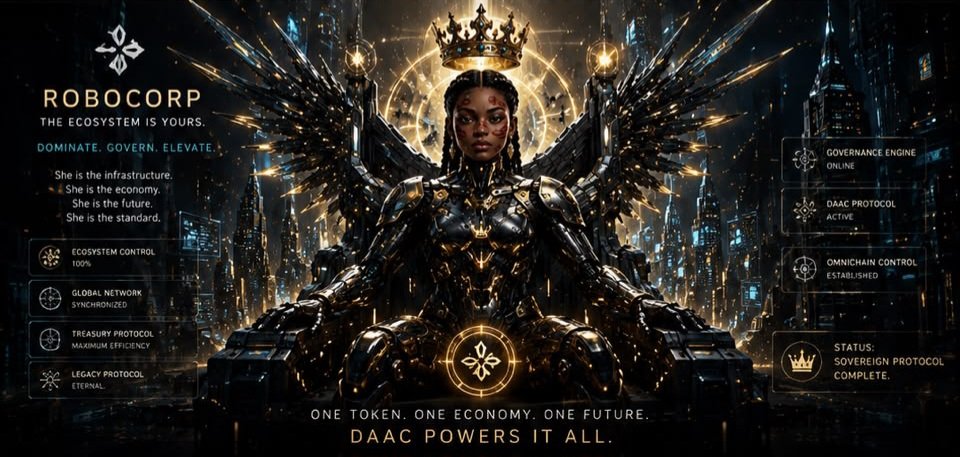
Most people think AI is the future.
But here's the thing:
AI isn't really useful if it can only talk.
The real breakthrough happens when AI can take action, complete tasks, and get actual work done.
That's why @RobocorpCo caught my attention
20
14
42
440
WEB3 SYNTRIX 💜 retweeted
Jun 10
There’s going to be my first project spotlight space
NOT AN AMA
DATE: 22nd June 1:00pm EST,6:00pm WAT
Just different projects coming to show you why you should be locked in Wii them
We have :
@orbinumnetwork
@SolanaFans26
@moonrush_space
@memewarzone
@SFIXdex
@slottogg_
@macke_eth
More info about other projects pulling up
Set reminders
twitter.com/i/spaces/1nxeLLn…
24
10
81
1,774
WEB3 SYNTRIX 💜 retweeted
Jun 10
GM CT
Algorithm show this post to those who showed up today
Chase motion
GM if you GM back
10
1
12
49
Jun 9
I will win regardless
Jun 9

I will win regardless
3
4
47
Jun 9
GM C T
Spot me and @Rocketdyor .......Great doing business with you dad
GM if you GM back

4
36
WEB3 SYNTRIX 💜 retweeted
Jun 8
GM CT
@LegendZulee said she would be woman 😑😂
GM if you GM back
9
1
13
188
Jun 7
Showing up to the grind everyday and getting nothing in return without complaints it’s one thing we don’t really talk about fr;On my end it’s:
-Getting blocked by devs
-Underated by projects
-Get rejected (Dev comes back with “I got scammed”)
-Sign up for our affliate (pay is on commission)
When actual paid task ? Wen
CC:@I_am_Rackz
Jun 7
Showing up to the grind everyday and getting nothing in return without complaints it’s one thing we don’t really talk about fr;On my end it’s:
-Getting blocked by devs
-Underated by projects
-Get rejected (Dev comes back with “I got scammed”)
-Sign up for our affliate (pay is on commission)
When actual paid task ? Wen
CC:@I_am_Rackz

3
7
93
WEB3 SYNTRIX 💜 retweeted
Jun 7
Showing up to the grind everyday and getting nothing in return without complaints it’s one thing we don’t really talk about fr;On my end it’s:
-Getting blocked by devs
-Underated by projects
-Get rejected (Dev comes back with “I got scammed”)
-Sign up for our affliate (pay is on commission)
When actual paid task ? Wen
CC:@I_am_Rackz
Jun 7

that moment when you’re about to post something then you see someone else post the exact same thing and get 100 likes
you close the app
you don’t talk about it

15
3
29
1,129
WEB3 SYNTRIX 💜 retweeted
Jun 6
GM CT
It's weekend, keep chasing motion
GM if you GM back
44
1
48
182