President of Smart Jox, LLC Board of Directors📚Philanthropist📚💰Retired Certified Personal/ Basketball Trainer💪🏾🏀
Joined August 2018
- Tweets 4,808
- Following 287
- Followers 175
- Likes 16,262
54 Photos and videos




Elon Musk explains his 5-step algorithm for solving any problem:
"The most common mistake of smart engineers is to optimize a thing that should not exist."
"I have this very basic first principles algorithm that I run as a mantra."
Elon breaks it down:
Step 1: Question the requirements.
"Make the requirements less dumb. The requirements are always dumb to some degree, no matter how smart the person who gave you those requirements. You have to start there, because otherwise you could get the perfect answer to the wrong question."
Step 2: Try to delete it.
"Try to delete the part or the process step entirely. If you're not forced to put back at least 10% of what you delete, you're not deleting enough. Most people feel like they've succeeded if they haven't been forced to put things back in. But actually they haven't, they've been overly conservative and left things in that shouldn't be there."
Step 3: Optimize or simplify.
"The most common mistake of smart engineers is to optimize a thing that should not exist. So you don't optimize until after you've tried to delete."
Step 4: Speed it up.
"Any given thing can be done faster than you think. But you shouldn't speed things up until you've tried to delete it and optimize it otherwise, you're speeding up something that shouldn't exist."
Step 5: Automate.
"And then the fifth thing is to automate it."
Elon explains why the order matters:
"I've gone backwards so many times where I've automated something, sped it up, simplified it, and then deleted it. I got tired of doing that. So that's why I have this mantra."

77
1,007
4,741
750,092
T E D D A V I S, J R. retweeted

Jun 14
Congratulations to the Spurs on a great season. The culture that has been built there by Pop, RC, Mitch, and their organization has been incredible. They are so young, to be able to do what they did this year kind of amazed me. The Spurs will continue to be one of those teams because of their talent and their unbridled confidence in themselves. They just need a little more experience. I’m so proud of both De’Aaron and Keldon. Head up, march on, love you both.
12
29
747
39,031
T E D D A V I S, J R. retweeted
Jun 14
How bout them Knicks!!
Jalen proves IF YOU ARE GOOD ENOUGH YOU ARE BIG ENOUGH.
KAT 50/40/90 the best numbers by a big guy EVER! And this was a true team where EVERYONE starred at one point or another. How bout Alvarado?
Thank you James Dolan! For bringing my brothers (Leon and Wes) to NY and letting them do what they do… INCLUDING Kenny Payne!!
You all have practiced “ family” and brought the city together as one.
No doubt that Leon’s, Wes’s and Karls moms had a hand in this happening!!
Congrats to all. So well deserved and EARNED!!
21
222
3,769
137,866

T E D D A V I S, J R. retweeted

Jun 13
Elon Musk reveals SpaceX is building a 30,000-robot academy where humanoids learn from each other.
Cars were easy. Tesla had ten million on the road, beaming back driving data every second.
But humanoid robots?
There weren't ten million Optimi yet. There weren't ten.
Robotics had run data-starved for decades. Tesla decided to fix it.
You couldn't train a humanoid that had never been deployed.
So Musk built a school for them instead.
"We can have at least 10,000 Optimus robots, maybe 20-30,000, that are doing self-play and testing different tasks."
Tesla called it the Optimus Academy.
Picture a warehouse the size of a chip fab.
Thirty thousand humanoid robots inside.
Picking things up. Folding clothes. Walking. Tripping. Catching themselves.
Failing in ways no human roboticist had thought to script.
Each watching the others, learning what the human body shouldn't have made look easy.
Every move generated a data point. Every failure generated a sample.
Every robot taught every other robot.
In simulation, Tesla could spin up a million robots overnight.
But simulated physics lied about friction, slip, and drift.
Real physics didn't.
Cars learned from drivers. Optimi learned from each other.
Each generation made the next one cheaper, faster, smarter.
By the tenth generation, no human would recognize the curriculum.
Recursive learning at electromechanical scale.
Musk, on closing the loop:
"You use the tens of thousands of robots in the real world to close the simulation to reality gap."
Whoever opened the academy first owned the species.
P.S. I made a playbook breaking down 100 most powerful decision making mental models used by history's greatest thinkers.
5,000 downloads. 113 five-star reviews.
Grab a free copy here:
besuperhuman.gumroad.com/l/m…
If you're new here, follow @GeniusGTX for content on the greatest minds in economics, psychology, and history.
— Elon Musk ( @elonmusk ), CEO of Tesla and SpaceX, on Dwarkesh Patel's ( @dwarkesh_sp ) podcast
10
49
267
46,012
T E D D A V I S, J R. retweeted
Jun 13
Isaiah Sealy hurt his knee playing pick up yesterday. It is going to require surgery. We don’t know the timeline. I am disappointed for him because he has gotten so much better and spent time working on his game.
76
102
2,029
303,643
T E D D A V I S, J R. retweeted

Jun 12
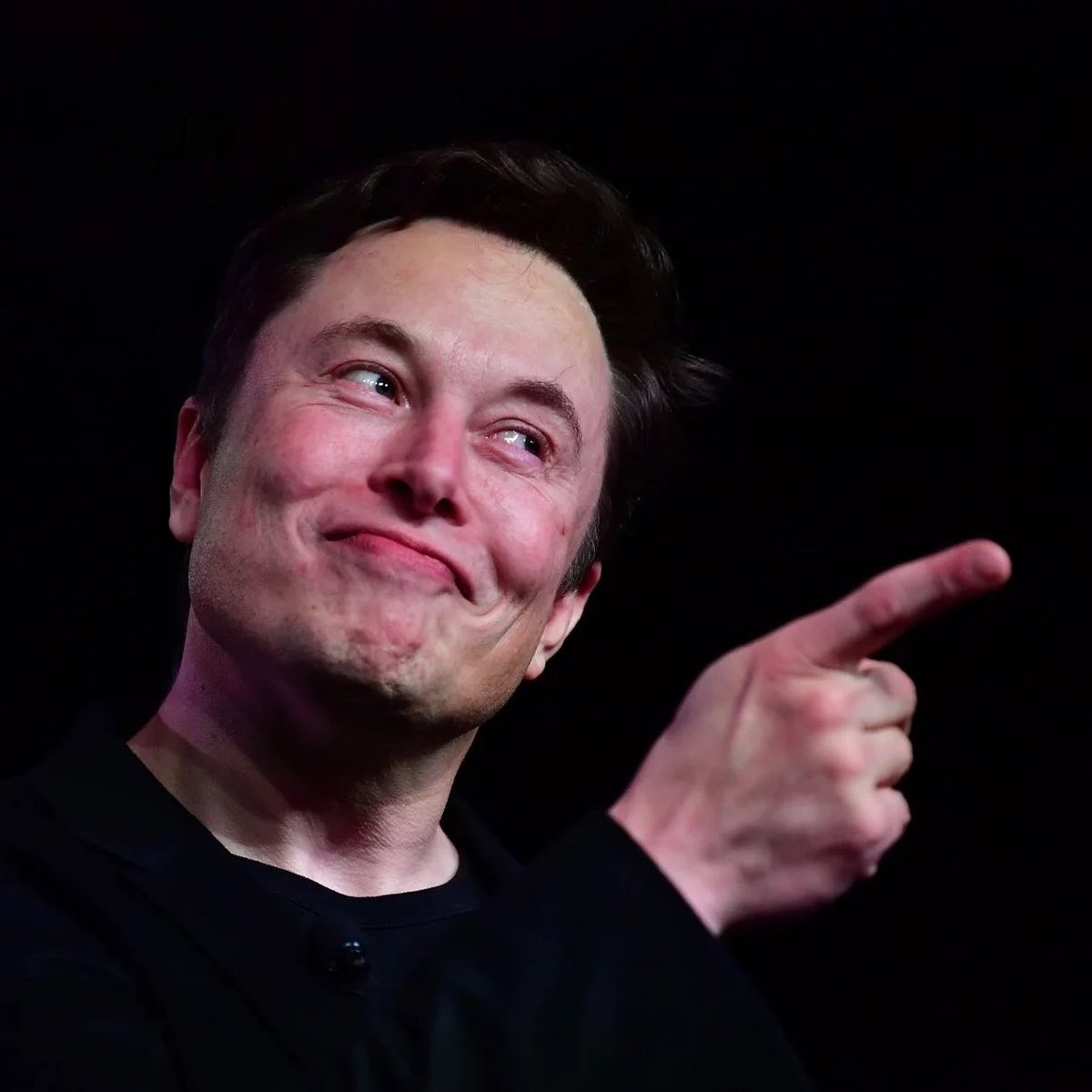
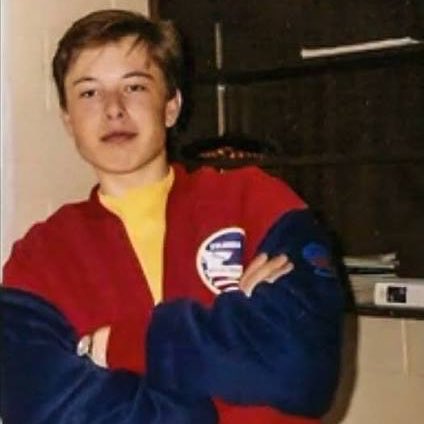
The first trillionaire in human history
- Elon Musk
- Born in South Africa
- Bullied relentlessly as a kid
- Immigrated to North America
- Arrived with a backpack and a dream
- Built Zip2 with his brother
- Sold it 4 years later for $300 million
- Co-founded PayPal with the profits
- Revolutionised digital payments
- Sold PayPal to eBay for $1.5 billion
- Bet everything on Tesla and SpaceX
- Got mocked for electric cars
- Got laughed at for reusable rockets
- Nearly went bankrupt in 2008
- Kept building anyway
- Turned Tesla into the world’s most valuable automaker
- Made EVs mainstream and transformed the automotive industry
- Made reusable rockets a reality
- Reduced the cost of reaching space by 95%
- Sparked the modern commercial space race
- Built Starlink and connected millions around the world to high-speed internet
- Turned SpaceX into the most valuable private company in history
- Bought Twitter for $44 billion
- The world said he overpaid
- He was called reckless, stupid & crazy
- Advertisers fled, media declared it dead
- Critics called it the worst acquisition in tech history
- Renamed it 𝕏
- Rebuilt the platform anyway
- Turned it into one of the most influential platforms on Earth
- Launched xAI and accelerated the global AI race
- Sent astronauts to space
- Is trying to get humans to mars
- Created millions of jobs
- Generated hundreds of billions in value
- Inspired an entire generation of builders
Before:
- Failed repeatedly
- Worked insane hours
- Slept in factories and offices
- Got bullied, laughed at and mocked
- Constantly told “it’s impossible”
- Kept building anyway
- Made it possible
Today:
- Richest person on Earth
- First trillionaire in human history
- Largest IPO in history $1.77 trillion
Most people quit when the world laughs at them.
Elon Musk built the future instead.
Love him or hate him…
Nobody has changed more industries in a single lifetime.
Payments. Cars. Energy. Space. Social Media. Communications. AI.
History won’t remember the people who said it couldn’t be done.
It will remember the people who did it anyway.
Congratulations Elon.
The first trillionaire. 🚀
4,417
28,912
112,505
2,425,774
T E D D A V I S, J R. retweeted

Jun 11
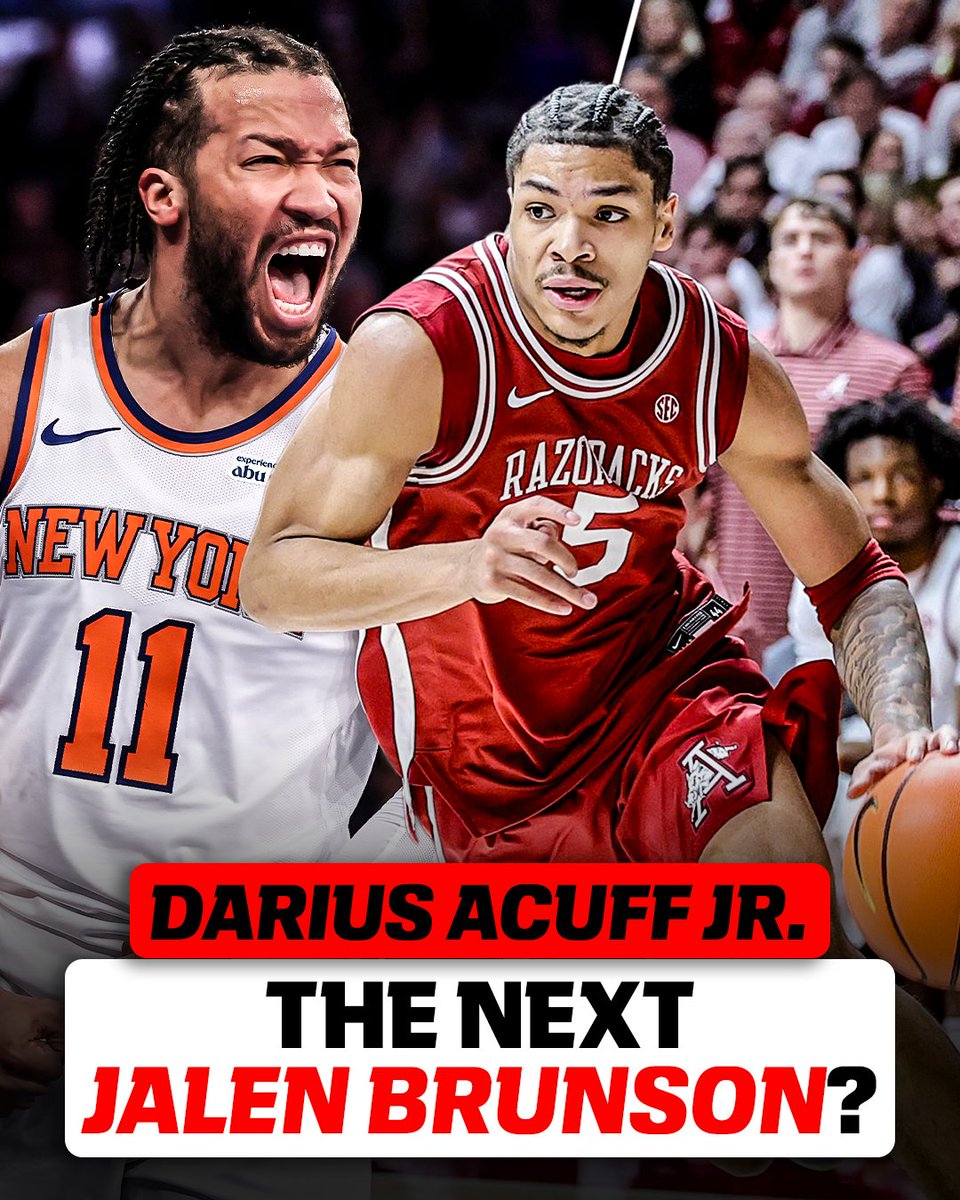
Darius Acuff Jr. wants to be the next Jalen Brunson, who is a star with more heart than height.
The projected lottery pick sat down with @MedcalfByESPN ahead of the NBA draft ➡️spr.ly/6016B8fgqk
8
46
503
25,396
T E D D A V I S, J R. retweeted

20 rules for young men:
1. Never date a friend’s ex
2. It’s ok to go to the movies by yourself
3. Hygiene is more important than you think
4. Know the different between love and lust
5. Stay informed on what’s going on. Don’t be a sheep
6. Have a sense of humor but don’t joke about your dreams and goals
7. Study the types of people who upset you and why
8. Stand up to bullies. You’ll only have to do it once.
9. Don’t bully people weaker than you
10. Learn how to tell stories
11. Don’t complain. 80% of people don’t care about your problems and 20% are glad you have them
12. Be impressed by the things that matter
13. When coming across a successful person, talk less, ask more.
14. Leave a lasting impression after people meet you
15. Don’t feel guilty for being too ambitious
16. Be mentally and emotionally ready to lose loved ones at some point of your life.
17. Always have some cash with you
18. Regardless of what you get paid per hour, give your best.
19. Avoid porn at all cost.
20. You never marry a girl, you marry her entire family.
483
1,457
10,647
492,548
T E D D A V I S, J R. retweeted

Jun 12
Former Kentucky Wildcat, NCAA Champion, and former NBA player Michael Kidd-Gilchrist recently took part in his first live interview with Kontji Anthony on WREG’s Live at 9 to share his story and continue raising awareness for the stuttering community. 🏀💙
MKG has built an incredible legacy both on and off the court. Beyond being the No. 2 overall pick in the 2012 NBA Draft and winning a national title at Kentucky, he founded Change & Impact to help improve access to speech therapy and advocate for people who stutter.
His message: You are not alone. ❤️
From nationwide awareness tours to helping create legislative change and expanding healthcare access, MKG continues making an impact far beyond basketball. 👏💙 #BBN
3
42
442
23,130
T E D D A V I S, J R. retweeted
Jun 11
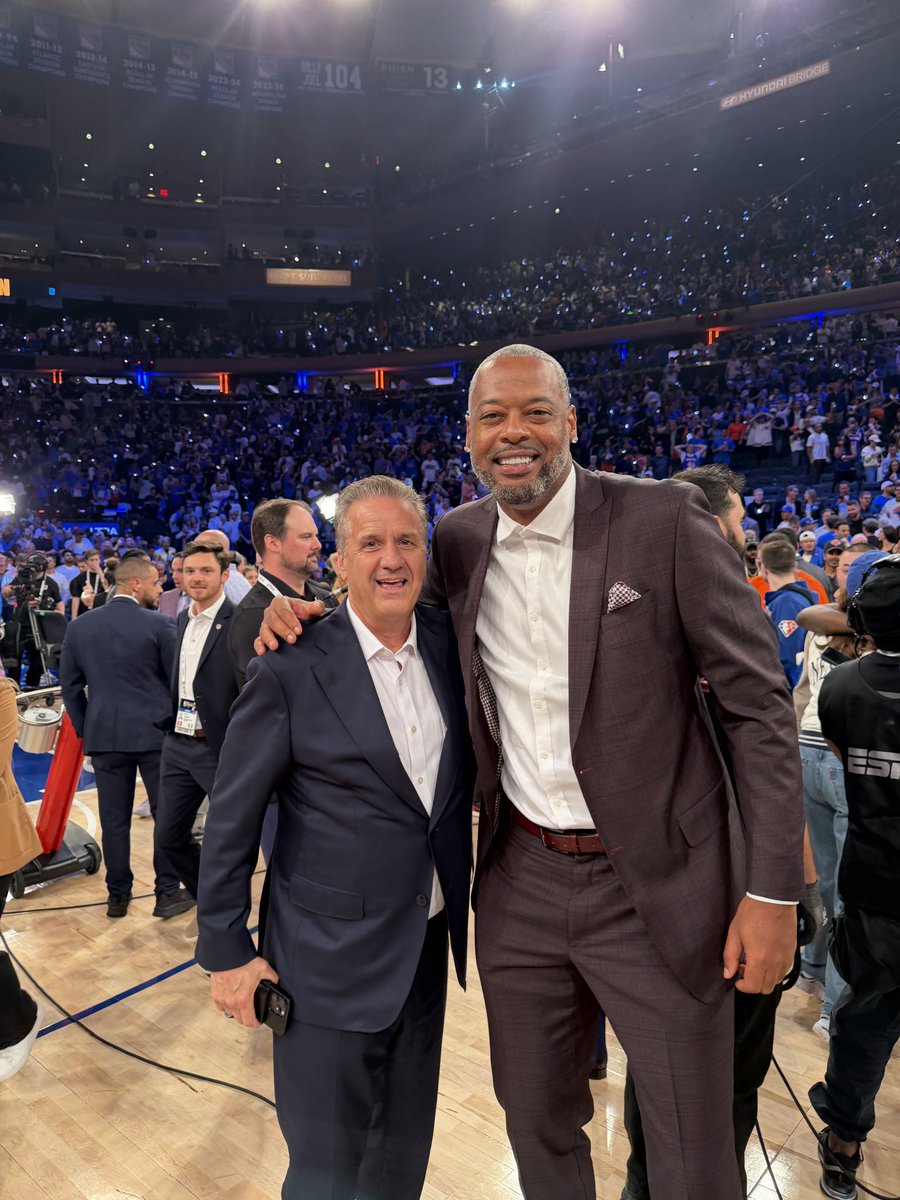
I was asked after the game have I ever seen a comback like that. I have never seen a pro game comeback like that but Marcus Camby and I looked at each other and said UMass at West Virginia in 95. Lol
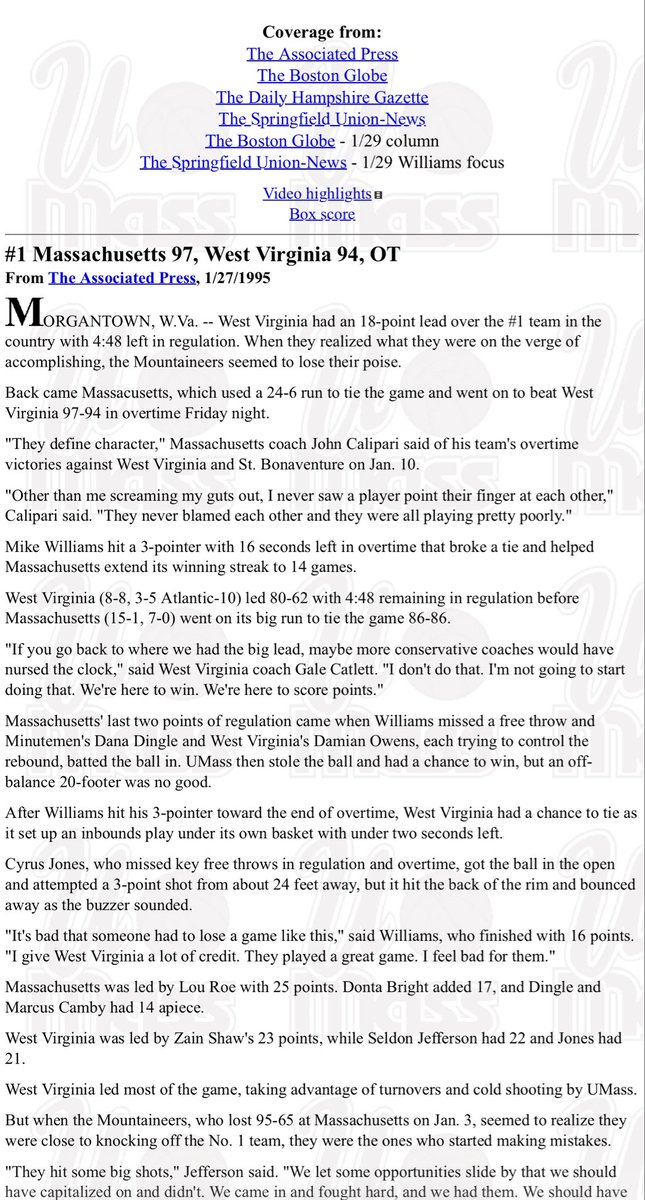
Jun 11

My first big un!!! One of the best 50 in history of college bball. 17 year nba career too
19
52
823
79,463
T E D D A V I S, J R. retweeted

Jun 11
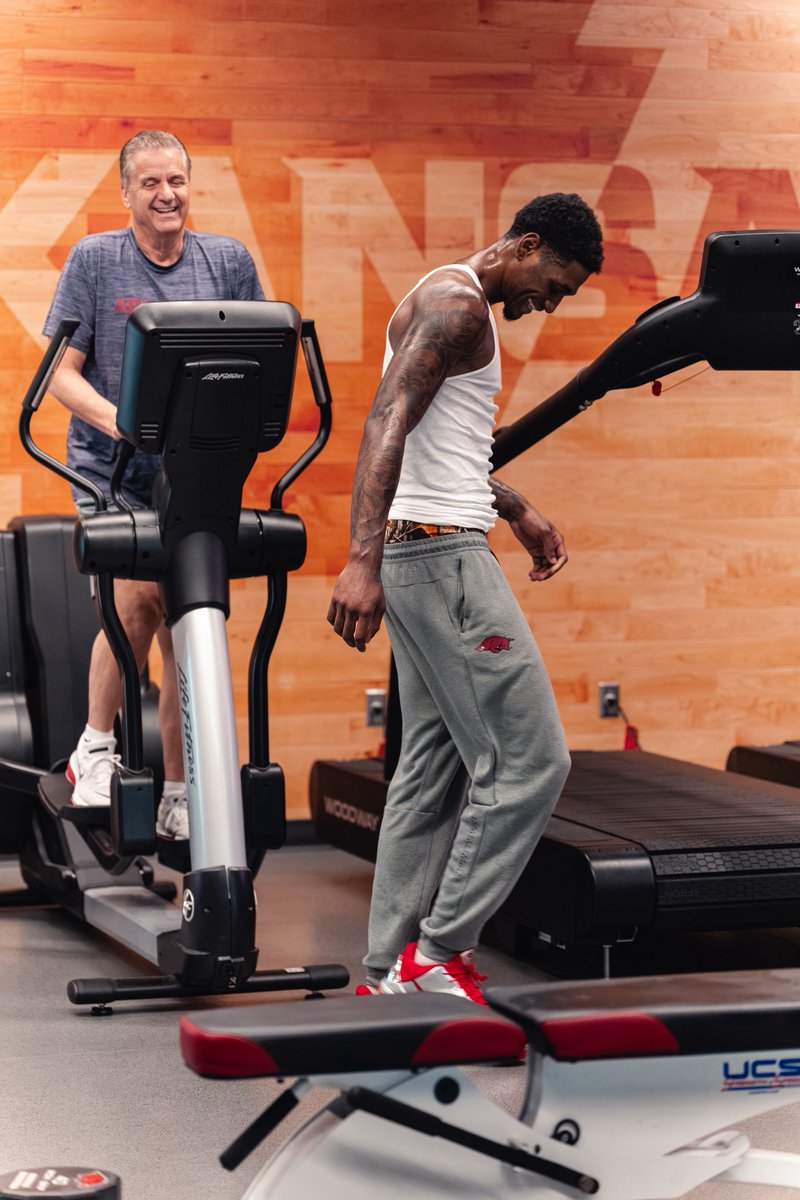
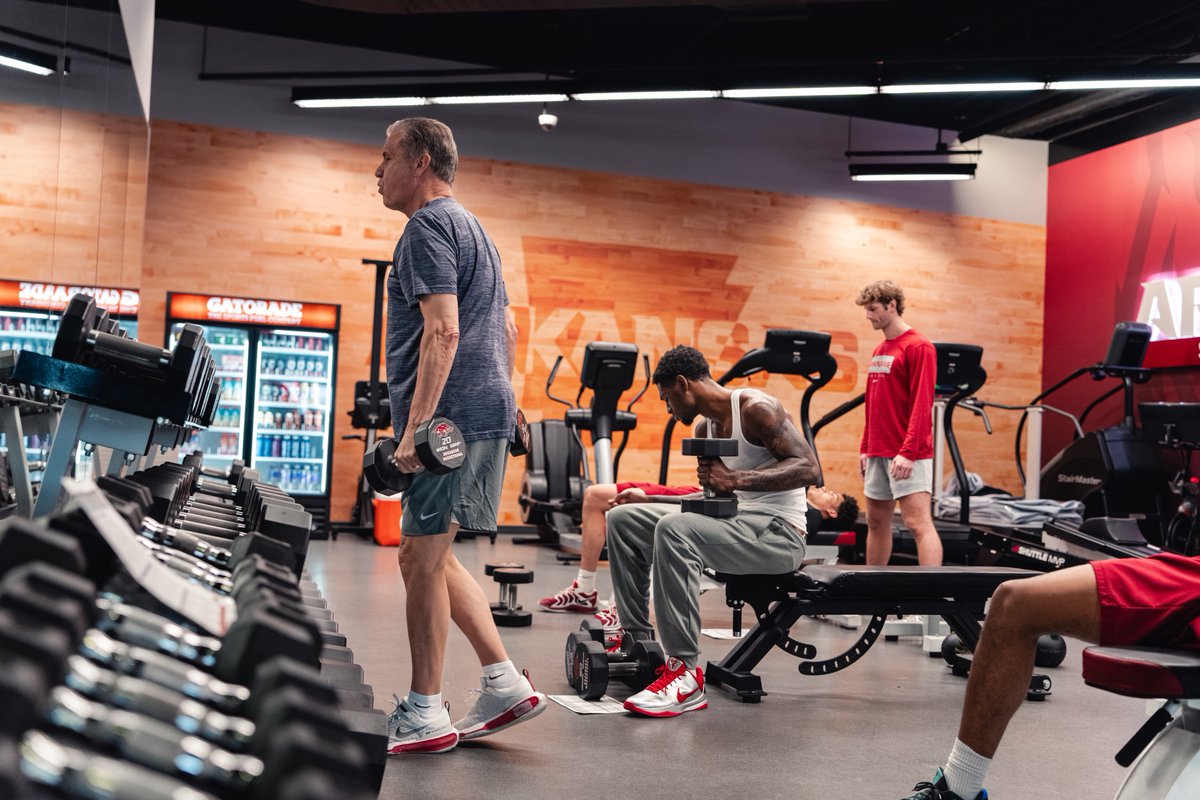
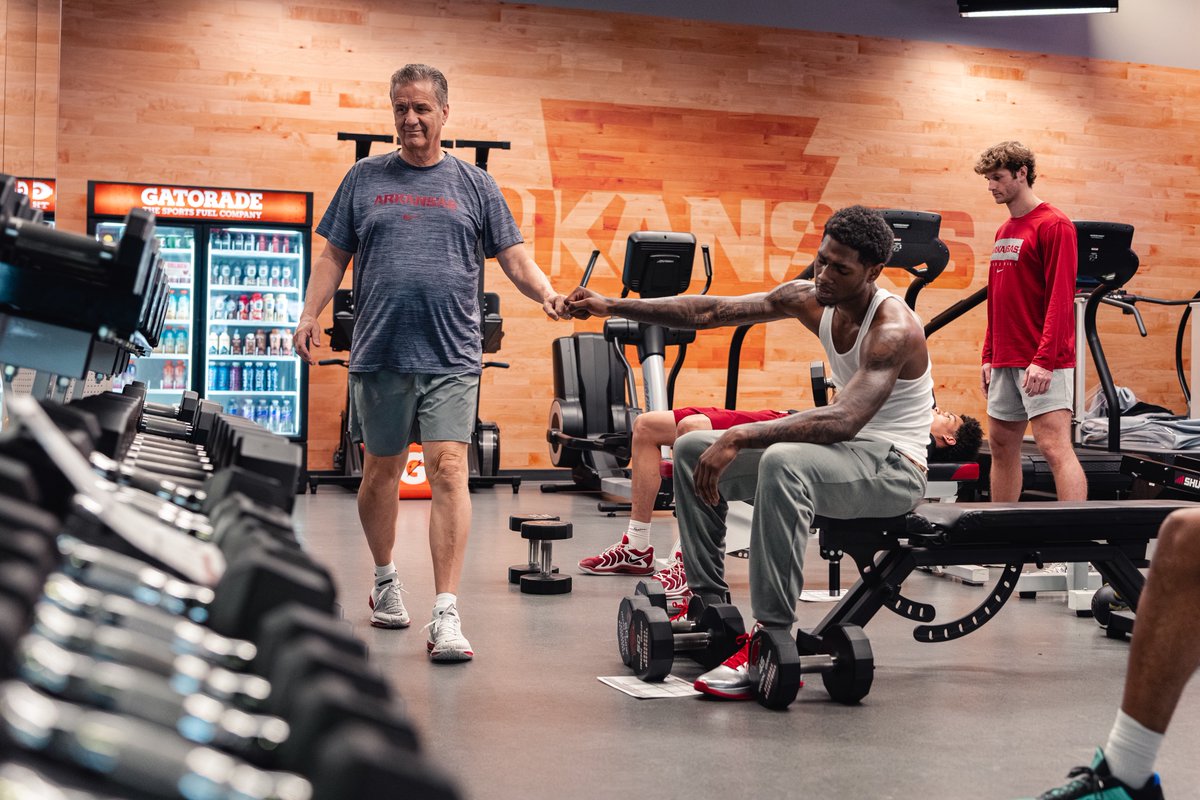
🐗🐗🐗

2
76
4,841
T E D D A V I S, J R. retweeted
Jun 11
My first big un!!! One of the best 50 in history of college bball. 17 year nba career too
40
185
4,185
271,917
T E D D A V I S, J R. retweeted
Jun 11
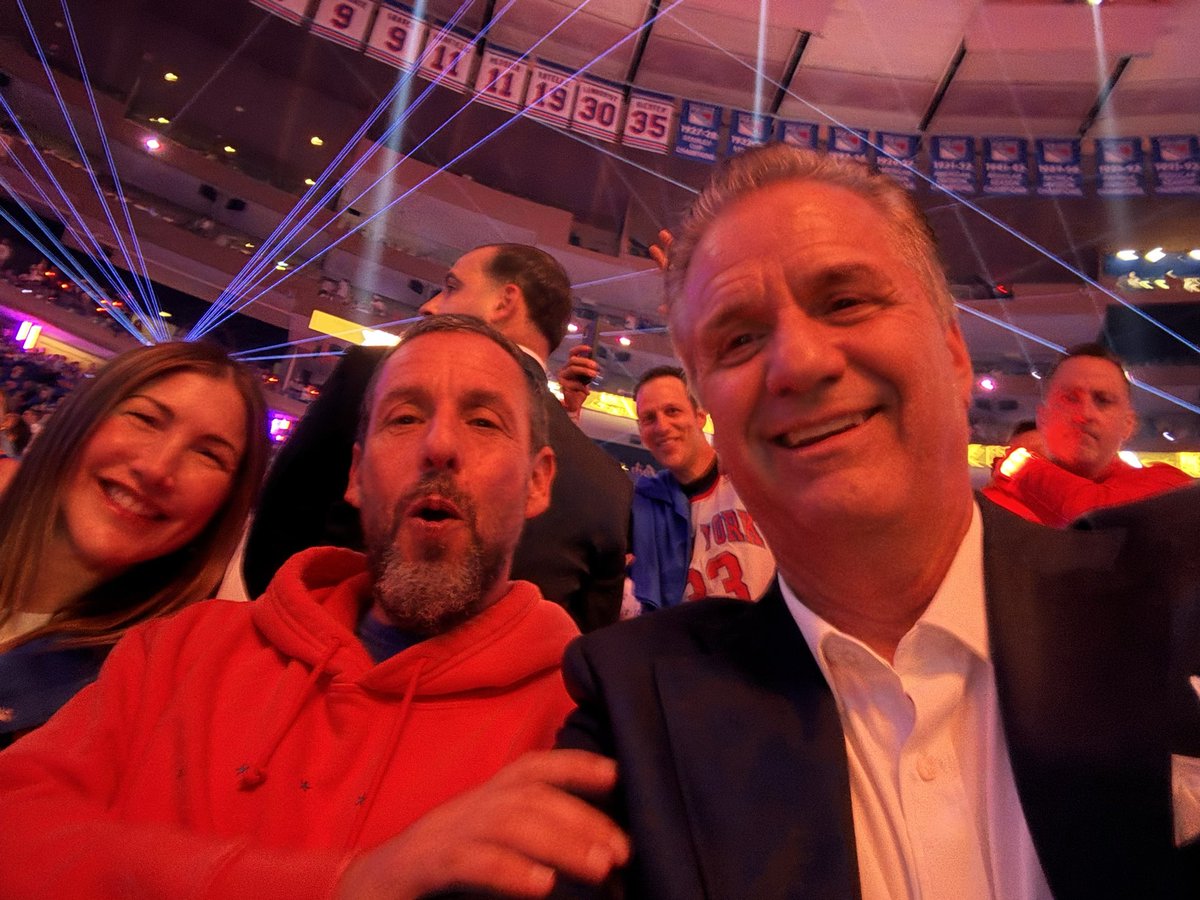
What an unbelievable night at The Garden! It’s hard to even explain the feeling in that building. Two unbelievable teams, high-level competitors and a building pulsing with emotion and passion.
It was so great to see Karl, De’Aaron and Keldon, as well as two of my other great big guys - Marcus Camby and Dakari Johnson!
I am so happy for my friends Leon Rose and William Wesley and the staff in New York for what they have built.
I got to spend some time with all the Knicks Alums, Adam Sandler, Chris Rock but I was too nervous to introduce myself to Taylor Swift! LOL!
Watching those two teams, with their guards showing incredible fight, focused on winning and and MAKING OTHERS BETTER, I couldn’t help but think about two guards in this upcoming draft who do the same things. Darius Acuff and Meleek Thomas along with Trevon Brazile are going to make a couple of franchises very happy!!
CANT WAIT TO START COACHING MY TEAM!!!!
Now back to recruiting!!
110
404
8,377
686,516
T E D D A V I S, J R. retweeted

Jun 10
Should you buy the SpaceX IPO? @danielnewmanUV breaks down whether $135 is fair, what to do on day one, and what the valuation could look like five years out. 🚀
#spacex #space #IPO
19
28
353
41,606
T E D D A V I S, J R. retweeted
Jun 11
Sabadoo! De doh!
1
5
66
9,598
T E D D A V I S, J R. retweeted

Darius Acuff talks defense and guarding his matchup with Draymond
“You can ask any of my coaches in college, no matter how many defensive mistakes I made every night, if they tried to put me on a 2 or a 3, I'm like 'man I'm not guarding no 3, I play the point man, I'm guarding the point guard man' especially if it's like a matchup... like if I'm not guarding you and you not guarding me, it ain't no matchup, we just hooping out here so I definitely like to guard my matchup.”
62
45
1,505
1,146,011
T E D D A V I S, J R. retweeted

Jun 11
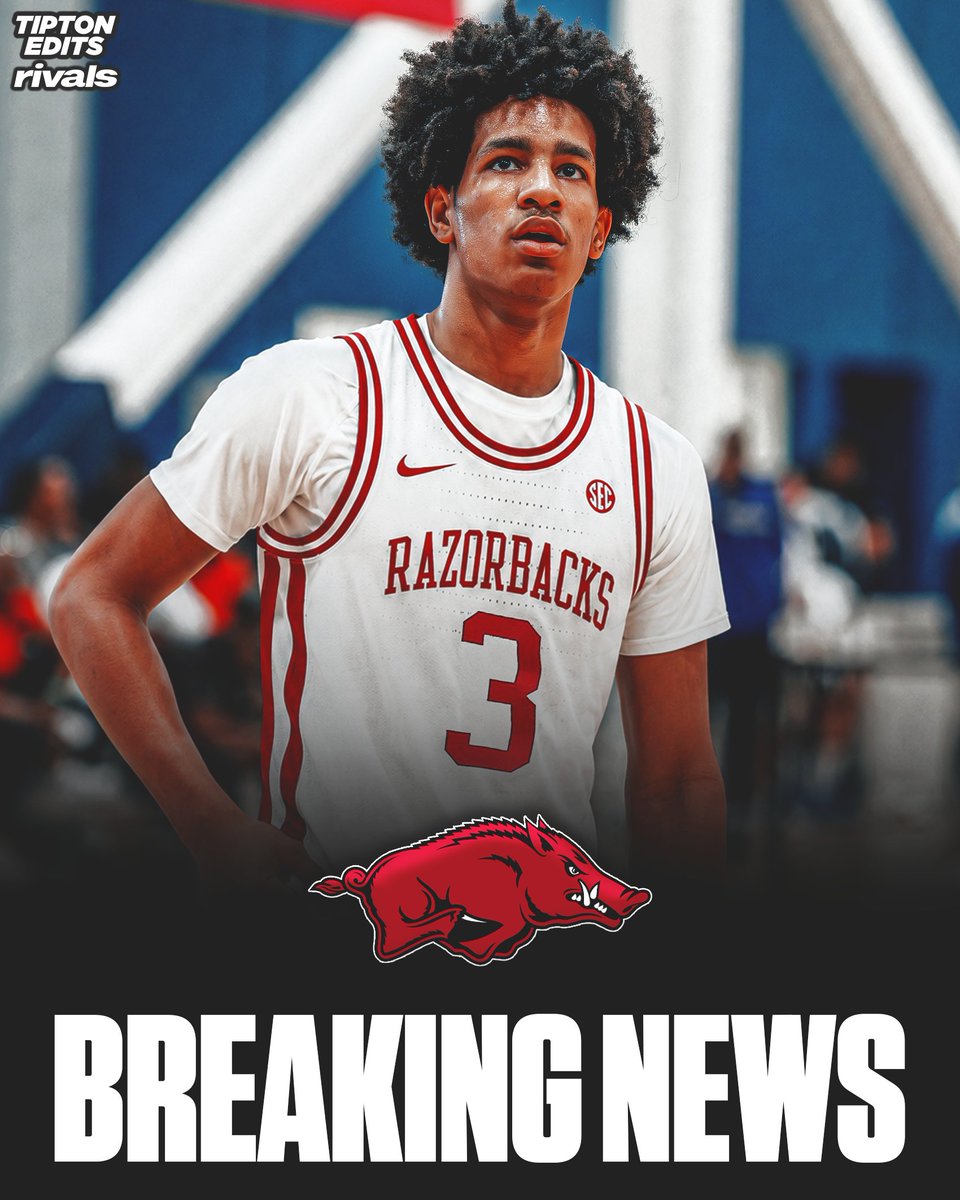
NEWS: 2027 Top-25 overall recruit Davion Thompson has committed to Arkansas, he told @Rivals.
The 6-2 point guard considered Vanderbilt, Michigan, and Baylor as his other finalists.
"Coach Cal has done it with so many guards before me. I believe he can help me reach my goals."
on3.com/rivals/news/davion-t…
47
218
1,523
306,385
T E D D A V I S, J R. retweeted
Jun 11
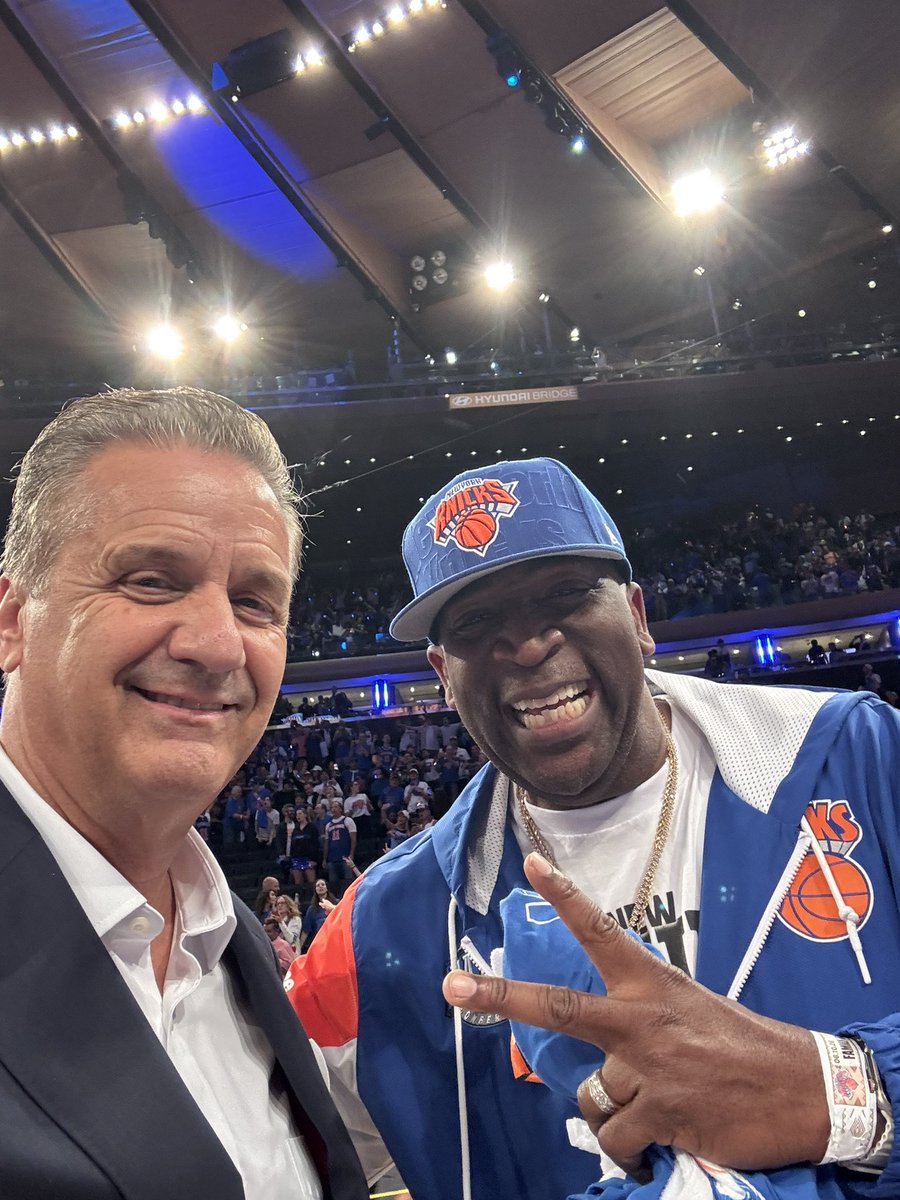
With Karl Sr. after the biggest comeback in NBA finals history!
51
408
8,215
180,938
