FACTS. DATA. MEDIA
Joined January 2014
- Tweets 5,340
- Following 62
- Followers 59,026
- Likes 190
Photos and videos
Pinned Tweet

16 Mar 2023
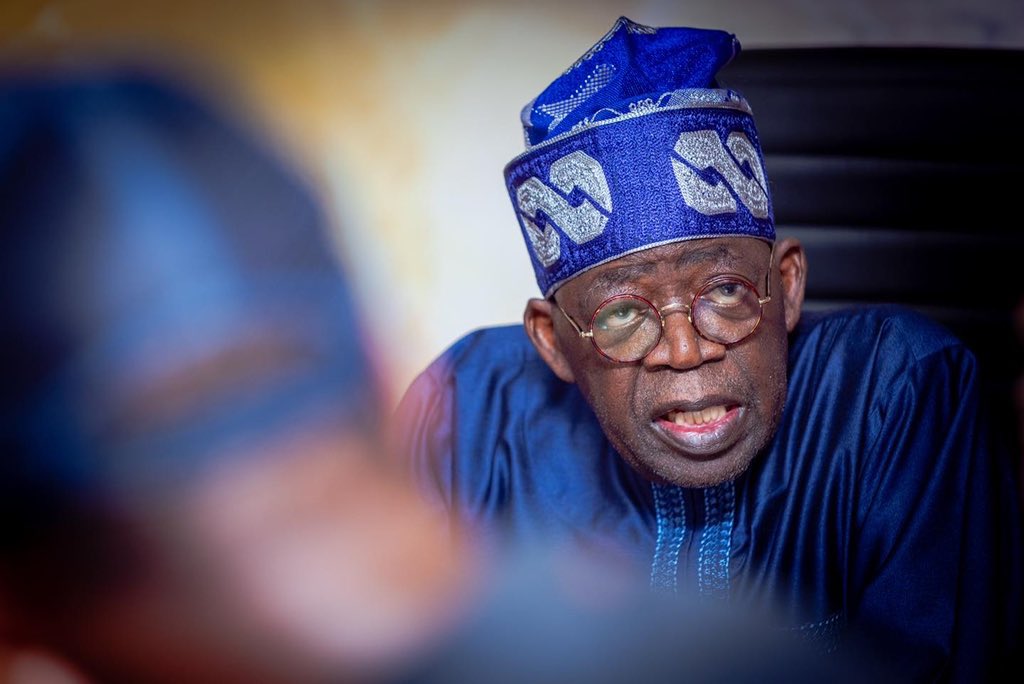
Nigeria : At the Cusp of Renewed Hope
103
225
1,428
194,203
THE EYES OF BAT retweeted

Feb 7
New Film on MKO Abiola by a Nigeria-American movie/documentary maker OSE OYAMENDAN. Please watch it!
youtube.com/watch?v=fCpz84C8…
20
196
407
53,114
THE EYES OF BAT retweeted

Jan 29
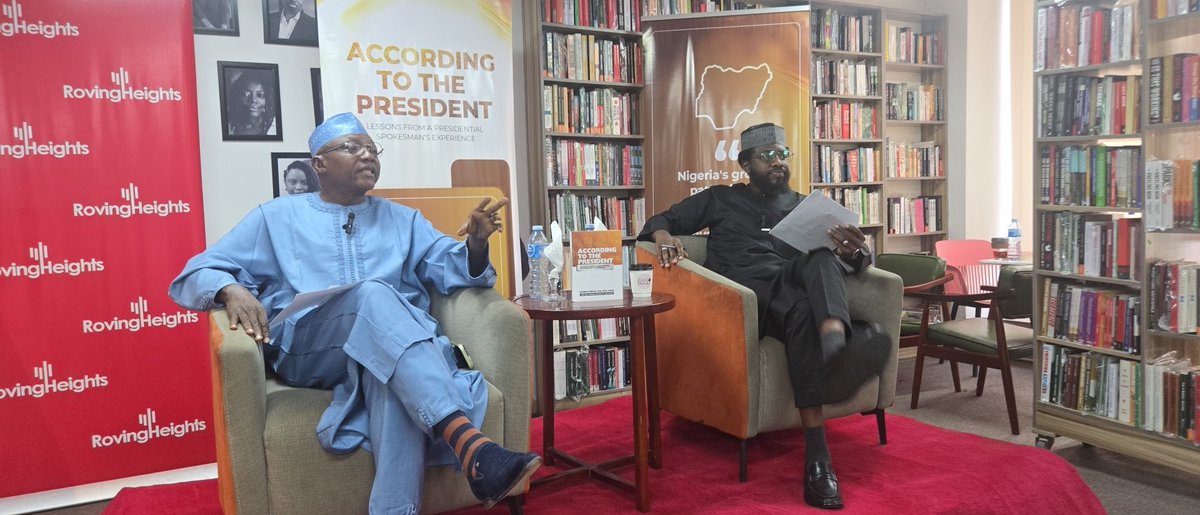
As a journalist the decision to use a story or drop it, is a power you have. - Mal. Garba Shehu
2
7
22
3,699
THE EYES OF BAT retweeted
Jan 29
On Advice to aspiring journalists:
True success in journalism is not driven by greed or money. The journalists who rise the highest are those guided by purpose—fighters for truth, justice, and good causes. Journalism rewards conviction, courage, and integrity far more than profit ever could.
10
29
176
10,276
THE EYES OF BAT retweeted
Jan 29
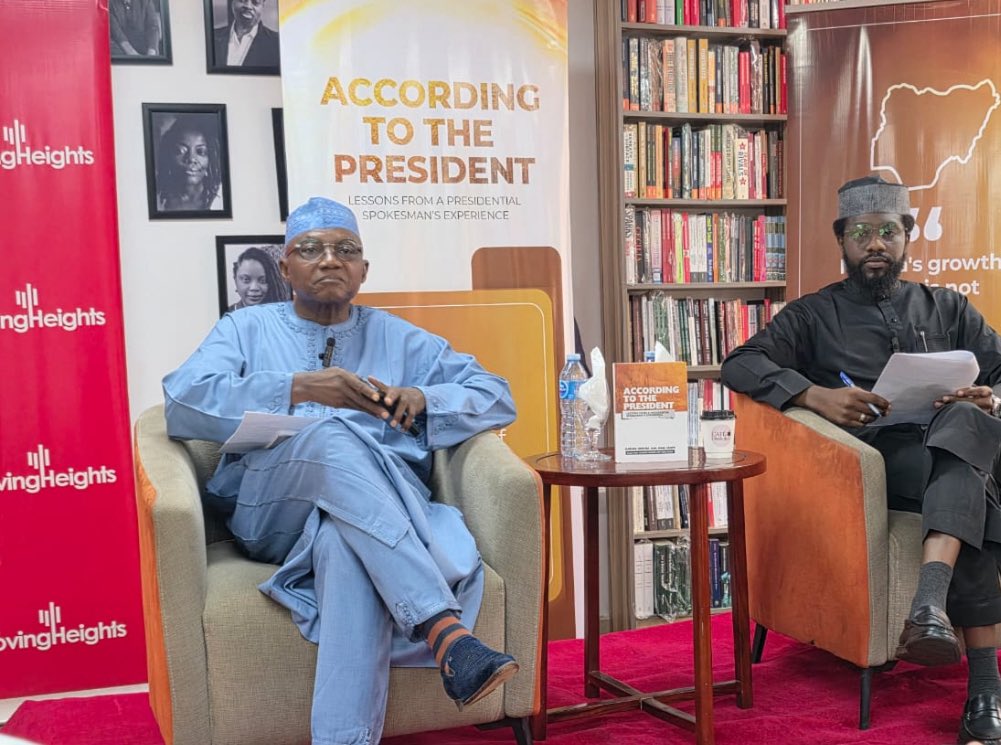
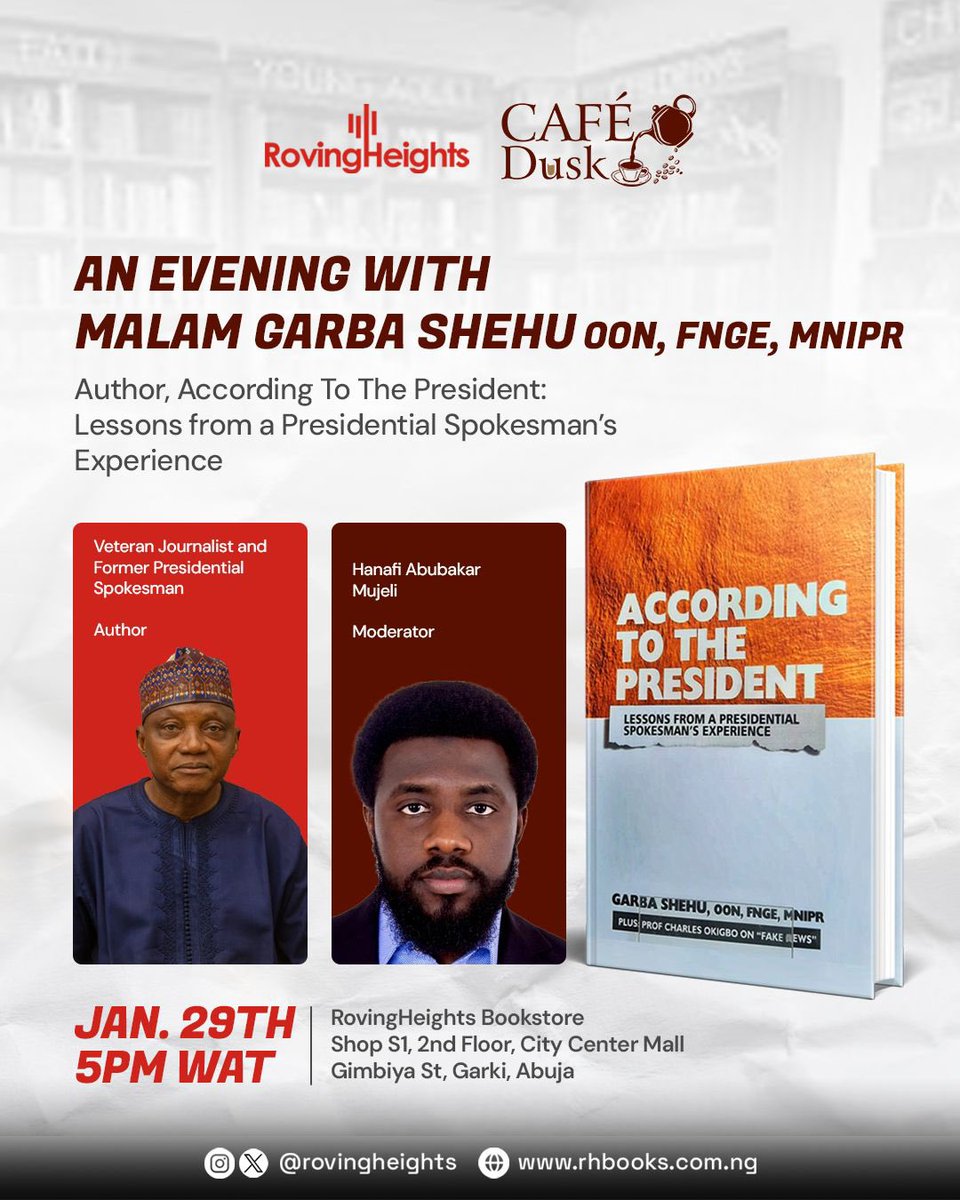
It’s happening today.
Join me this evening at RovenHeights Bookstore for an engaging conversation around my book According to the President. Looking forward to great questions and even better dialogue.
Jan 28

Looking forward to an evening of conversation and insight. Rovenheight Bookstore is hosting a special session with me tomorrow on my book According to the President. Hope to see you there.
2
9
24
2,486
THE EYES OF BAT retweeted
Jan 29
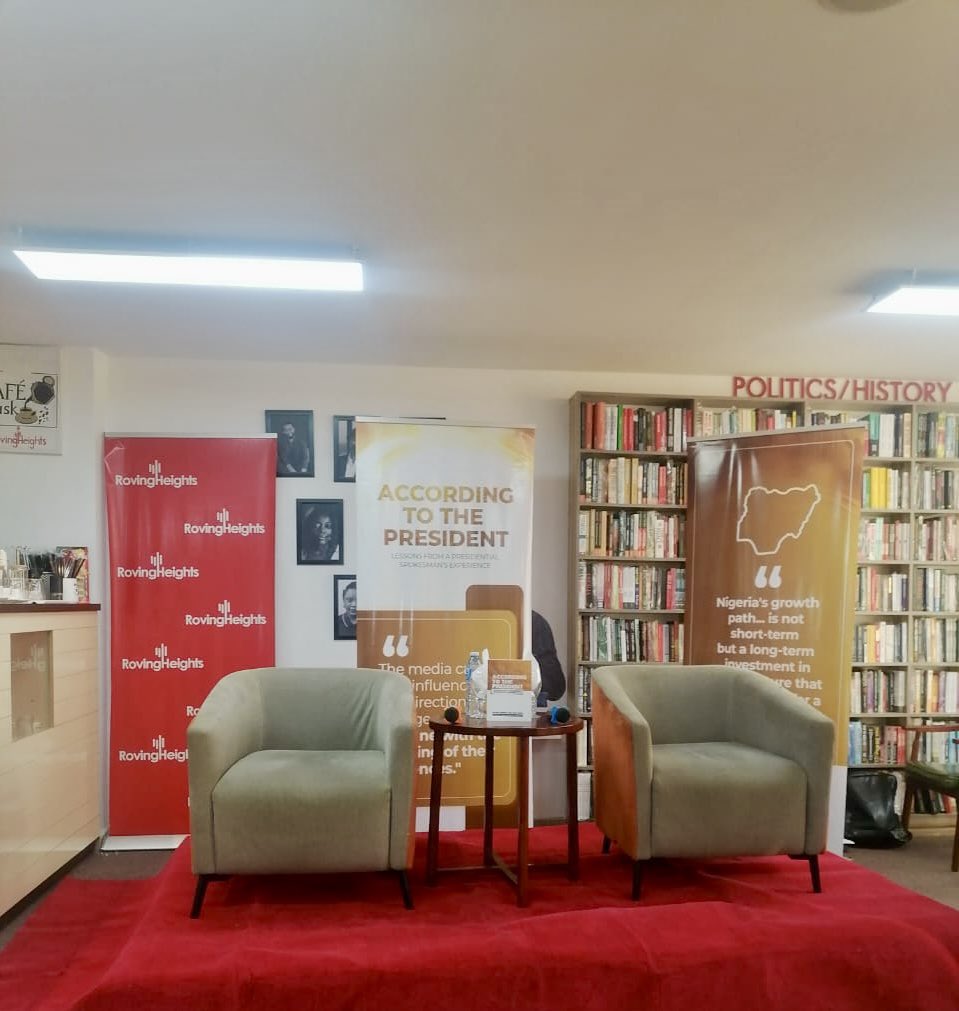
The calm before the conversation.
Getting ready for an evening of dialogue on According to the President at RovenHeights Bookstore.
1
12
97
4,030
THE EYES OF BAT retweeted
Jan 28
Looking forward to an evening of conversation and insight. Rovenheight Bookstore is hosting a special session with me tomorrow on my book According to the President. Hope to see you there.
7
26
4,560
THE EYES OF BAT retweeted
Jan 6
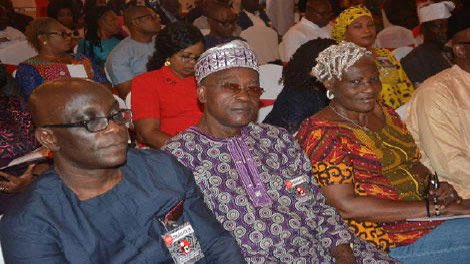
Rest in peace, dearest Tunde Awobiyi.
You were a joy to know and work with.
Gone too soon.
As the Secretary General, when I served as president, Tunde will be remembered as a true legend of the Nigerian Guild of Editors, the Sunday Times of which he was an iconic editor, and of Nigerian journalism.
Condolences to his family, friends, and admirers.
3
3
22
3,928
THE EYES OF BAT retweeted

16 Feb 2025
Makes sense why the president pushed for the re election of a Nigerian( Amb Bankole Adeoye) as the chairman Africa Union Peace and Security Council (AUPSC).
It gives immense soft power to Nigeria.
The AUPSC is akin to the United nation security council.
A lot of assets and resources from AU via the AUPSC will be deployed to ECOWAS vis a vis the Gulf of Guinea and the Sahel.
AUPSC will be establishing of a combined maritime task force to enhance security in the Gulf of Guinea and Nigeria will be playing a leading role.
AUPSC will be upgrading Nigerian National Counter-Terrorism Centre to a Regional Counter–Terrorism Centre.
AUPSC has renewed the mandate of the Multinational Joint Taskforce, addressing the twin challenges of terrorism and violent extremism in the Lake Chad Region.
AUPSC will be operationalizing the African Standby Force with Nigeria playing a vital role.
Nigeria has also signed an agreement with the AU to provide Strategic Sea Lift Services for AU peace support operations, natural disaster support, humanitarian actions, and personnel. Under the agreement, the Nigerian Navy will provide a vessel for the operations on a cost-recovery basis.
In all of these, AU/ international bodies and donors will be spending their resources and our military will become better.
This is how a country becomes a major force and project power.
There is no geopolitical influence without a strong military
16 Feb 2025

NIGERIA CALLS FOR COMBINED MARITIME TASK FORCE FOR THE GULF OF GUINEA AT AU SUMMIT, NAVY TO PROVIDE SEA LIFT SERVICES
President Bola Ahmed Tinubu has called on the Africa Union Peace and Security Council (AUPSC) to prioritise the establishment of a combined maritime task force to enhance security in the Gulf of Guinea.
At the 38th Ordinary Session of the Assembly of the African Union (AU) Heads of State and Government in Addis Ababa, Ethiopia, on Sunday, President Tinubu expressed Nigeria's readiness to host the task force's headquarters in Lagos.
President Tinubu conveyed Nigeria's position as the AU considered the report on the AUPSC, focusing on peace and security in Africa, and the biennial report on the implementation of the Master Roadmap of Practical Steps to Silence the Guns in Africa (2023-2024).
The statement was delivered on behalf of President Tinubu by the Minister of Foreign Affairs, Ambassador Yusuf Tuggar.
"The time has come for the African Union Peace and Security Council to prioritise the creation of a Combined Maritime Task Force for the Gulf of Guinea.
"I wish to announce that Nigeria would like to host the headquarters of the task force in Lagos," he said.
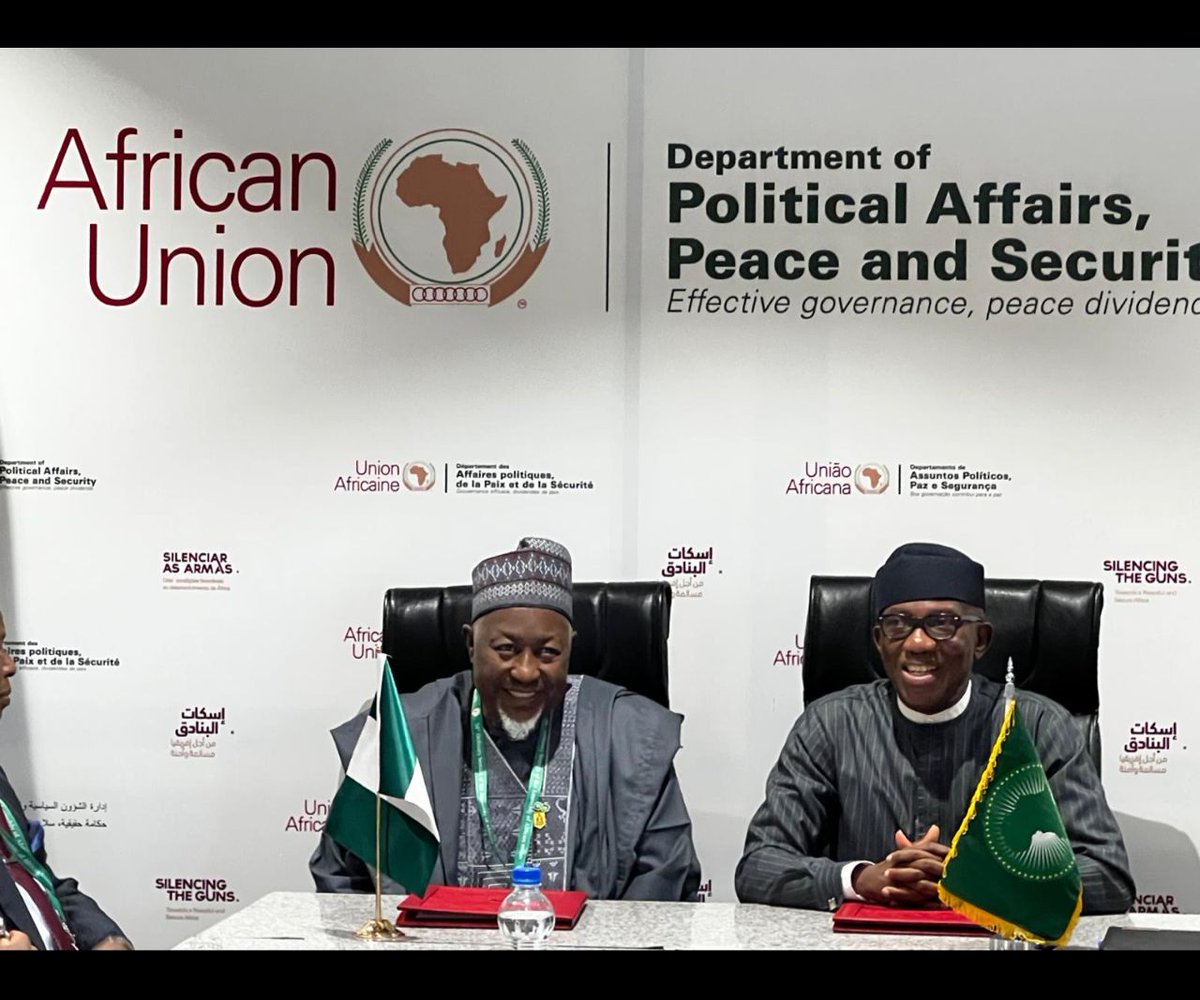
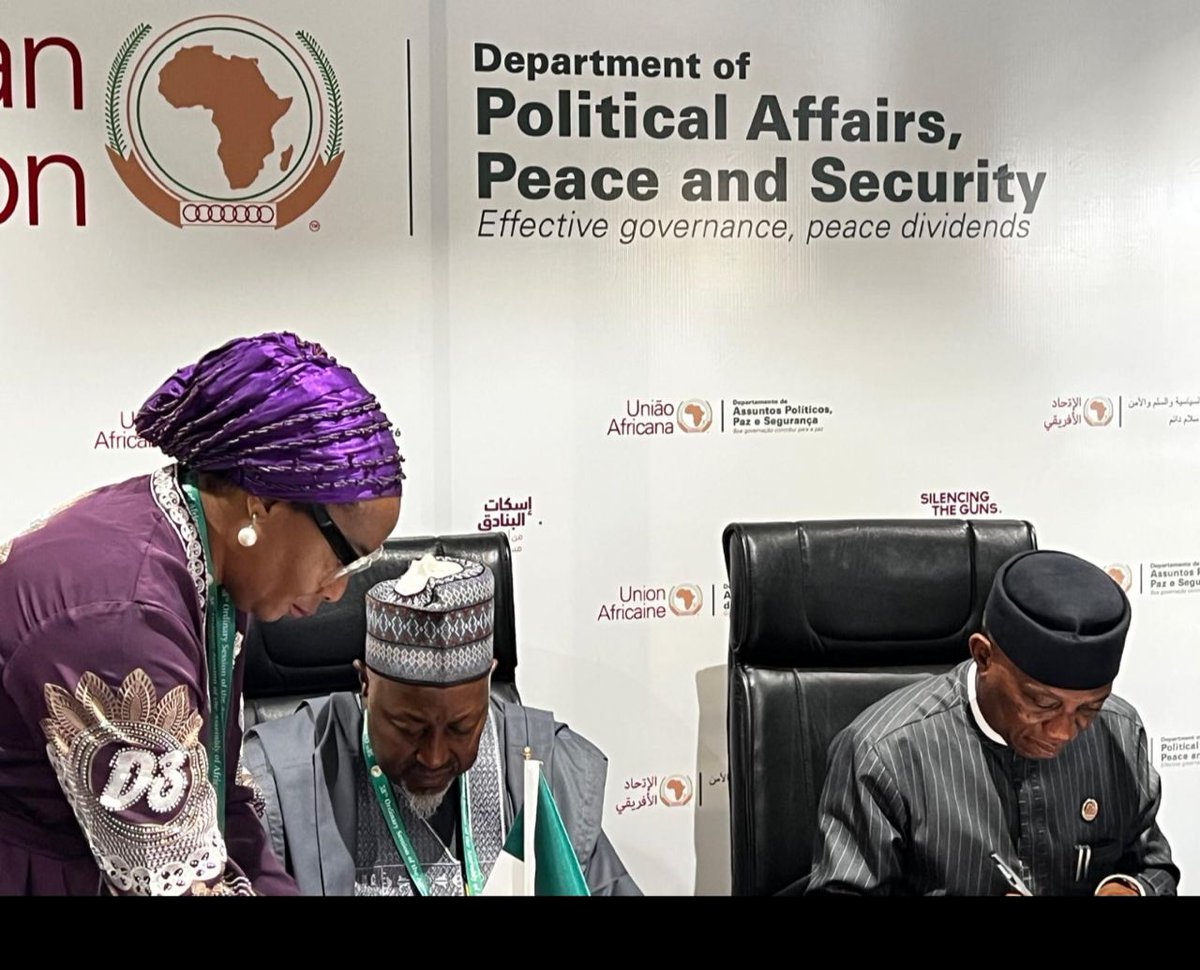
Nigeria's recommendation of a maritime task force comes on the same day that it signed an agreement with the AU to provide Strategic Sea Lift Services for AU peace support operations, natural disaster support, humanitarian actions, and personnel movement.
Nigeria's defence minister, Badaru Abubakar, signed the agreement. Under the agreement, the Nigerian Navy will provide a vessel for the operations on a cost-recovery basis.
Nigeria's Attorney-General and Justice Minister, Prince Lateef Fagbemi, Minister of Foreign Affairs, Ambassador Yusuf Tuggar, Naval Chief, Vice Admiral Emmanuel Ikechukwu Ogalla, and Director-General of the Nigerian Intelligence Agency, Ambassador Muhammed Muhammed, witnessed the agreement signing.
Ambassador Bankole Adeoye, the AU Commissioner for Political Affairs, Peace and Security, signed for the AU.
President Tinubu expressed satisfaction that the AUPSC had already adopted the outcomes of a high–level meeting, including the decision to upgrade the Nigerian National Counter-Terrorism Centre to a Regional Counter–Terrorism Centre.
He also appreciated the Peace and Security Council's decision to renew the mandate of the Multinational Joint Taskforce, addressing the twin challenges of terrorism and violent extremism in the Lake Chad Region.
On Libya, the Nigerian leader expressed concern that the instability in the North African country has continued to worsen security challenges in the Sahel and called on the Assembly to back initiatives to restore law and order.
"The Sahel cannot enjoy peace as long as Libya does not," he warned.
President Tinubu highlighted the severe insecurity affecting countries grappling with democratic transition, including Sudan, Burkina Faso, Mali, Niger, South Sudan, and Gabon.
"It would not be out of place to explore the possibility of extending the inherent benefits of UN Security Council Resolution 2719 to support AU Peace Support Operations," he said.
In doing so, he added that the AU must try to prevent the increasing incursion of extra-continental forces, including private military companies, into African security matters.
President Tinubu welcomed the progress in operationalising the African Standby Force, reiterating Nigeria's support.
He appealed to all AU member countries and delegations to show the necessary flexibility and allow the draft MoU on the operationalisation of the standby force to be adopted.
.
African credit rating agency:
President Tinubu also strongly supported an African-led credit rating agency (ACRA), noting that it would provide fairer, more transparent credit assessments for African economies.
11
87
296
24,958
11 Feb 2025
In an age of instant communication and disinformation, public narrative management has become yet another facet of the NSA’s portfolio. Carefully crafted statements, or deliberate silences, can bolster public confidence in uncertain times.
thejour.com/opinion/orchestr…
2
1
2
481
THE EYES OF BAT retweeted

31 Jan 2025
“We are committed to expanding and fast-tracking universal energy access for Nigerians by 2030. This will involve increasing electricity access, boosting clean cooking solutions for 227M people and expanding our renewable energy to 50% of the energy mix amongst others.
I call on partners to join us in delivering affordable, reliable, and sustainable energy to every Nigerian.
Together, we will power a brighter, greener future.”
The Mission 300 Africa Energy Summit
@akin_adesina
869
826
2,838
274,383
30 Jan 2025
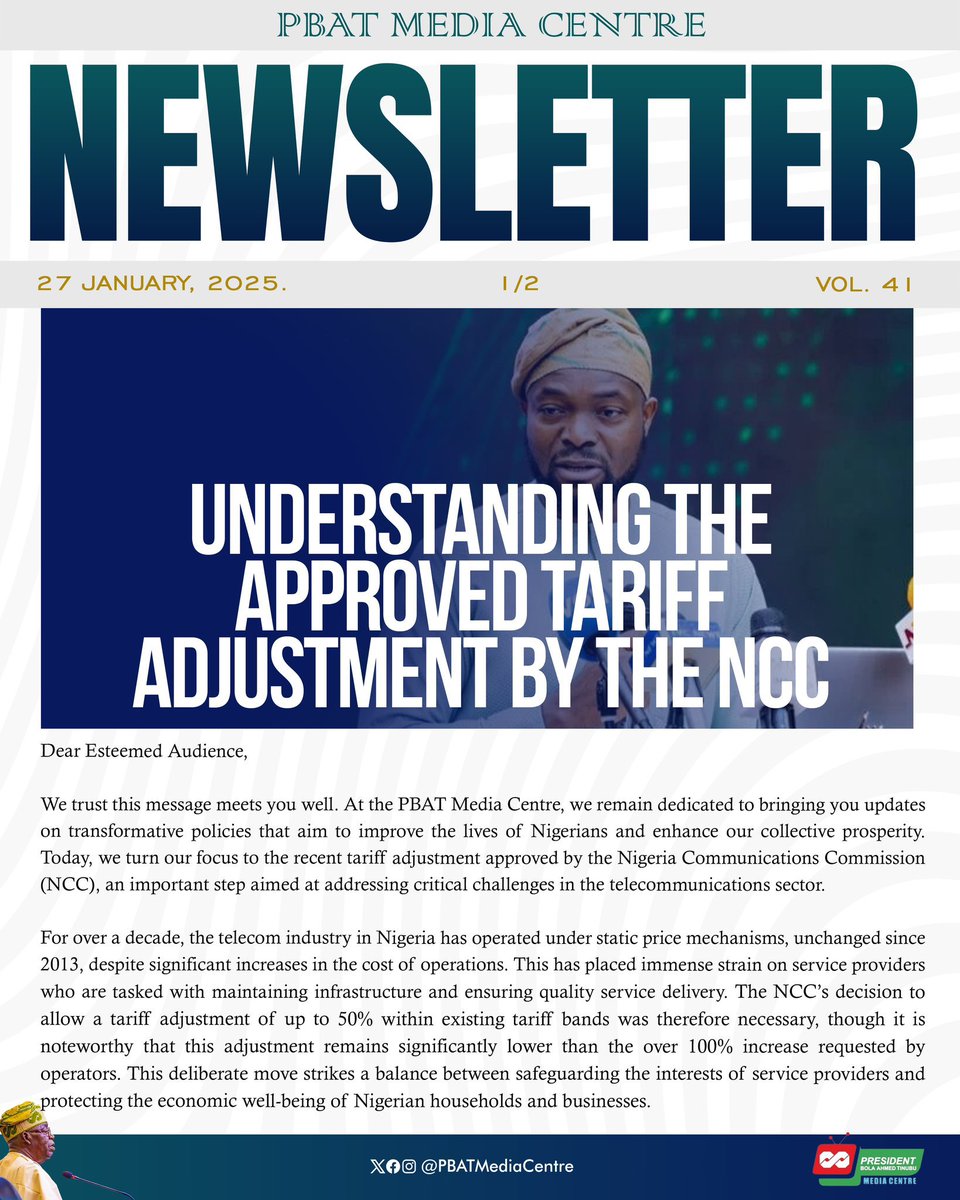
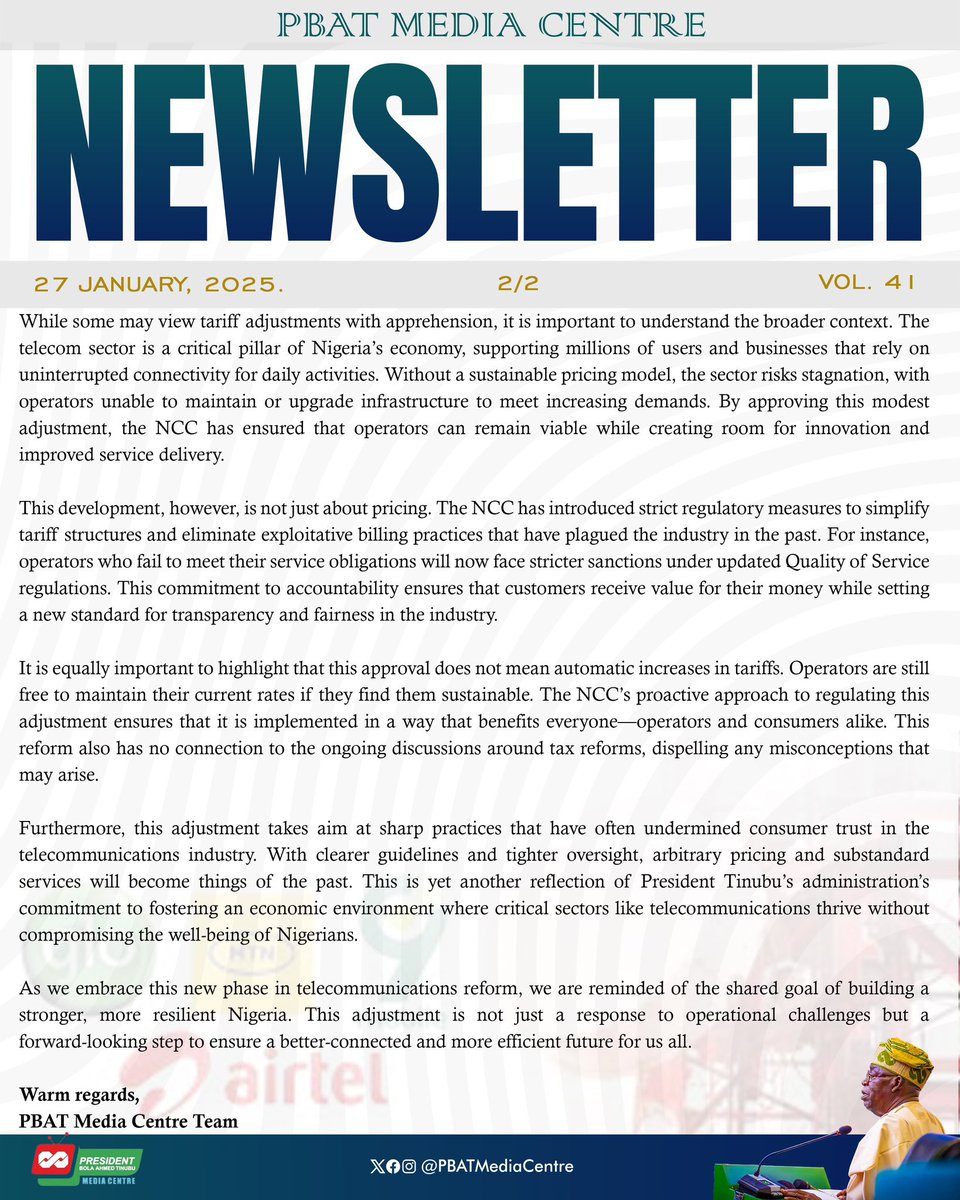
NCC’s Tariff Hike Will Generate N1.6 Trillion in Tax Revenue, Says GSMA
arise.tv/nccs-tariff-hike-wi…
4
437
THE EYES OF BAT retweeted

27 Jan 2025
President Bola Tinubu’s Student Loan Initiative has transformed countless lives—fulfilling a key campaign promise to empower Nigerian students. This groundbreaking program provides interest-free loans with no guarantor or collateral required, and repayments start two years after securing employment. To date, ₦20.8 billion has been disbursed to over 200,000 students across tertiary institutions.
If you’re a student struggling with fees, act now! Secure your future by applying through the @NELFUND social media channels.
Promise Made, Promise Kept!
— Kamorudeen Yusuf
#StudentLoan #RenewedHope #Nelfund
17
85
244
18,018
THE EYES OF BAT retweeted

26 Jan 2025
The Federal Ministry of Health and Social Welfare @Fmohnigeria is determined to achieve H.E. President Bola Ahmed Tinubu's @officialABAT vision of a transformed healthcare ecosystem in Nigeria in this very important year by setting achievable yet ambitious targets.
We believe that we must be accountable to our people in sharing with them exactly what they should expect with the ultimate expectation that our performance as a government will be assessed on that basis.
Therefore, I am pleased to detail some of the important initiatives that you can expect from the health sector in 2025 in this briefing from my desk.
24
134
281
23,271
THE EYES OF BAT retweeted

1
34
54
3,219
THE EYES OF BAT retweeted

24 Jan 2025
Oluomo of Oshodi >>>> Oluomo of Derby
This is a standalone tweet.
59
133
708
60,154
THE EYES OF BAT retweeted
12 Jan 2025
On 5th of January , News emerged that two days prior hundreds of Boko Haram militants had overrun several towns in northeast Nigeria and captured the military base in Baga. This would then be the beginning of the end of Boko haram. With an election on the Horizon, GEJ finally decided to “play ball” and wouldn’t exit the stage without a fight.
On 23 January 2015, it was disclosed that Nigerian troops were in final preparations for a major offensive against Boko Haram insurgents in North Eastern Nigeria. This Operation will later become the most offensive mission ever to be undertaken by any African troop. The goal of the mission was to eliminate "safe havens and escape routes of terrorists in or out of Nigeria" and provide "once and for all comprehensive operations" to eliminate the Boko Haram threat. Before now, Boko haram has captured over 20 local government areas in Nigeria.
25 January – Boko Haram rebels launched a large offensive against Nigerian forces in Maiduguri leading to the deaths of at least eight civilians, up to 53 militants, and an unknown number of soldiers. Although the attack failed, the rebels captured the nearby strategic town of Monguno. The status of the 1,400 soldiers stationed in Monguno was unknown. As a result of these attacks, Boko Haram controlled four out of five roads leading into the major city, prompting fears that it would be taken as well.
29 January – The Nigerian military had , captured the border town of Michika from Boko Haram rebels.
By 6 February, Nigerian warplanes and ground troops had forced Boko Haram forces to abandon about a dozen towns and villages.
On 7 February, Nigeria announced that the elections would be postponed for six weeks, citing unsafe voting conditions in the northeast.
On 16 February – Nigeria regained the key town of Monguno, Borno, from Boko Haram. The town had previously fallen to the militants on 25 January.
On 21 February, The Nigerian Army retook Baga, which had fallen to Boko Haram on 3 January.
During the week of 15 February, more than 300 Boko Haram fighters were killed by Nigerian forces as eleven more towns were recaptured. Various weapon stockpiles were seized or destroyed, and additional insurgents were arrested.
On 6 March, the African Union officially endorsed sending 8,000 troops to help secure the Nigerian border, but declined to allow the troops to enter Nigeria. The truth is most countries in Africa were afraid of the capabilities of boko haram. Boko Haram had earlier released a video claiming that they had stockpiled “enough weapons to take on Nigeria and its neighbours" and ofcourse they weren’t bluffing.
March 2 was the Battle of Konduga – 73 Boko Haram militants disguised as herders were killed near Konduga town in Borno
As Boko Haram continued to lose territory, the group pledged allegiance to the Islamic State of Iraq and the Levant on 7 March. The then Nigerian army spokesperson Sami Usman Kukasheka said the pledge was a sign of weakness and that Shekau was like a "drowning man".
On 16 March 2015– Nigeria, began to liberate Damasak, Borno, from Boko Haram militants
On 17 March, The Nigerian military reclaimed the small city of Bama, Borno, from Boko Haram.
In the heat of serious battle, Boko Haram leader Abubakar Shekau had promised to disrupt the elections, then scheduled for March 28, in retaliation.
On 27 March, the Nigerian army captured Gwoza, which was believed to be the location of Boko Haram headquarters. According to the army, the victory meant that "virtually all" of Boko Haram's territory had been recaptured a day before the elections.
In just 6 weeks, Nigerian military retook all captured local government areas and territories once captured hereby limiting Boko haram to the Sambisa forest.
On 22 April, After elections, the Nigerian military began to push into the Sambisa Forest, a dense forest covering 23,000 square miles. But Boko haram wouldnt go down without a fight.
On 25 April, Boko Haram launched a counterattack on an island in Lake Chad. Boko Haram also retook the town of Marte in Borno, invading with tanks and over 2,000 troops. Yes over 2000 troops facing our gallant troop.
After the attack, Niger recommended that the island of Lake Chad be evacuated. By early May, more than 5,000 people had left the island towns and reached N'guigmi, Niger by foot. An additional 11,500 evacuees were expected.
Then the mother of all fights started. A fresh push into Sambisa Forest by Nigerian forces began on 27 April.
As the Nigerian army advanced into the forest, it began to free a large number of women and children held as hostages by Boko Haram.
On April 28, just under 300 hostages were freed. It is unclear if the freed prisoners were captured in Boko Haram raids or if they were area residents. A battle on April 29 killed over 400 Boko Haram insurgents, while freeing an undisclosed number of female captives.
On 30 April, another 234 women and children were freed from Boko Haram captivity as the military destroyed 13 Boko Haram camps. In total, close to 700 hostages had been rescued. Efforts to press into the Sambisa Forest were slowed, as the military encountered landmines and booby traps. Boko Haram pushed back, launching suicide attacks on civilians and attempting to capture the Giwa Barracks in Maiduguri.
On May 15, Boko Haram forces recaptured the border town of Marte, demonstrating that efforts to contain the militant group to the forest were not completely successful.
The following day, the Nigerian military responded by destroying ten Boko Haram camps in the Sambisa Forest.
In September 2015, the Director of Information at the Defence Headquarters of Nigeria announced that ALL Boko Haram camps had been destroyed.
On 24 December 2015, Muhammadu Buhari, the President of Nigeria, claimed that Boko Haram was "technically defeated."
We continue to honor the men of valor that have made our country.
God bless the Nigerian Armed forces
79
444
974
74,093
8 Jan 2025
WATCH: Nigeria's Foreign Minister, Ambassador Yusuf Tuggar (@YusufTuggar), sits down with @ARISEtv to discuss the country's evolving foreign policy priorities.
youtu.be/fXsz-uPKNt4?si=wOwr…
1
5
433
THE EYES OF BAT retweeted

6 Jan 2025
Starting the new year with purpose🇳🇬🎯
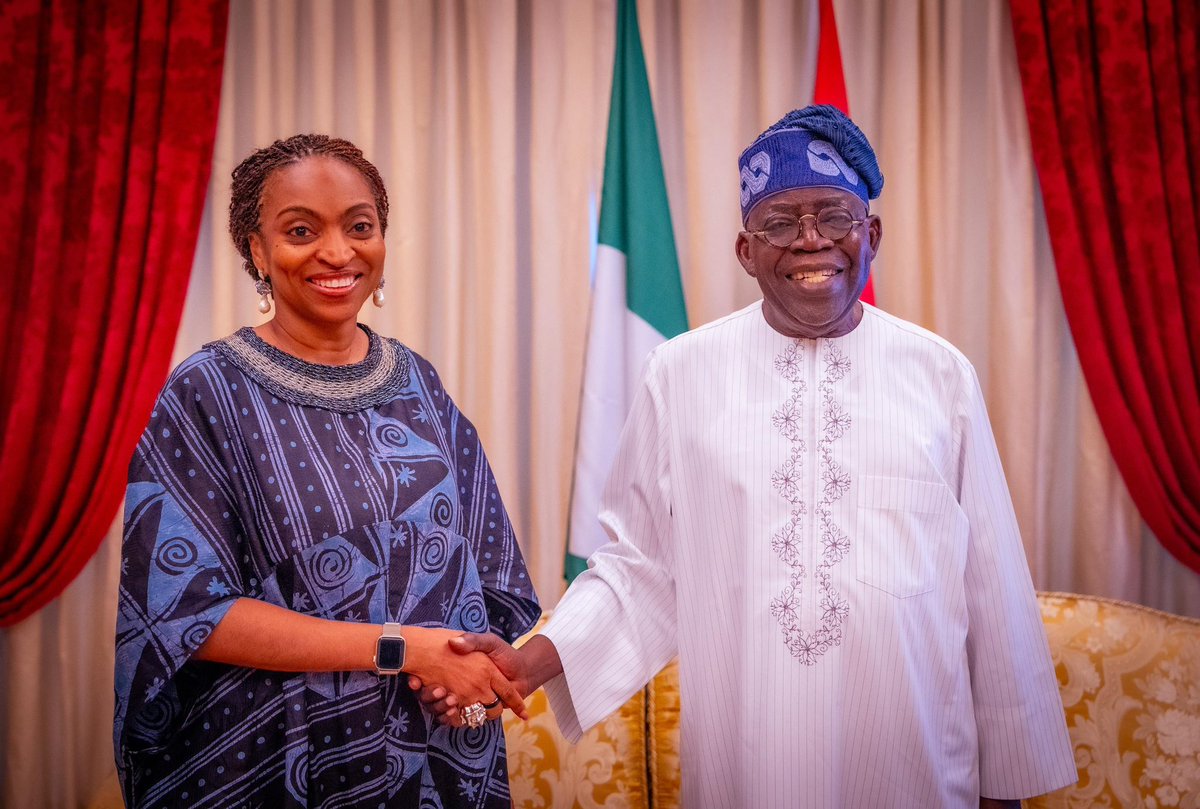
I had my first 2025 official meeting with His Excellency, President Bola Ahmed Tinubu aligning on the Ministry’s strategic direction for 2025 and our commitment to drive impactful reforms and sustainable economic growth for Nigeria.
51
161
1,206
59,730
THE EYES OF BAT retweeted

25 Oct 2024
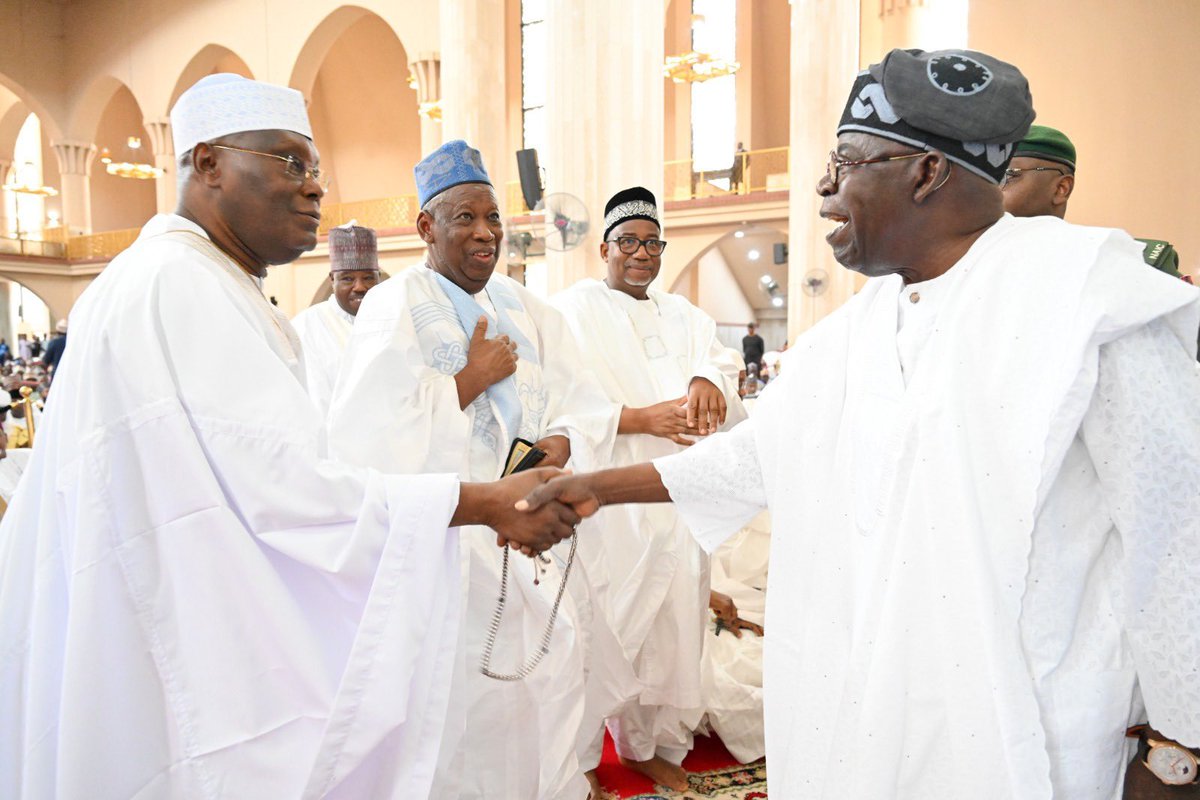
BAT; "Atiku, I hear say you dey call me T-pain?"
Atiku; " Yes na, I never recover from the pain you show me for 2023 elections"
17
36
130
4,151

A Token of Appreciation on Customer Service Week
Dear Esteemed NIN Holders, Applicants and Partners,
As part of our culture of excellence and in celebration of this year's Customer Service Week, 2024, we express our profound appreciation for your steadfast support, trust, and strategic partnership. We reiterate our commitment to providing exceptional and top-notch Customer Service in line with this year’s theme, Above and Beyond.
Your valued support is an enabler of our dedication to go beyond and above in meeting and exceeding your expectations. Our array of Innovative NIN services are tailored to meet your digital identity needs. Your satisfaction is our utmost commitment and it is the heart of our core values,
Our customers' feedback and partnership help shape our vision of providing a digital primary identity for all citizens and legal residents making it a
a reference point for all.
As we celebrate the 2024 Customer Service Week, We look forward to improved and exceptional services as we continue to go Above and Beyond for our teeming customers and partners.
A grateful heart from all of us at the National Identity Management Commission.
You can reach us via: nimccustomercare@nimc.gov.ng ;07002255646

98
47
122
13,778