Joined January 2015
- Tweets 4,840
- Following 1,278
- Followers 880
- Likes 108,093
152 Photos and videos




Pinned Tweet

24 Jul 2023
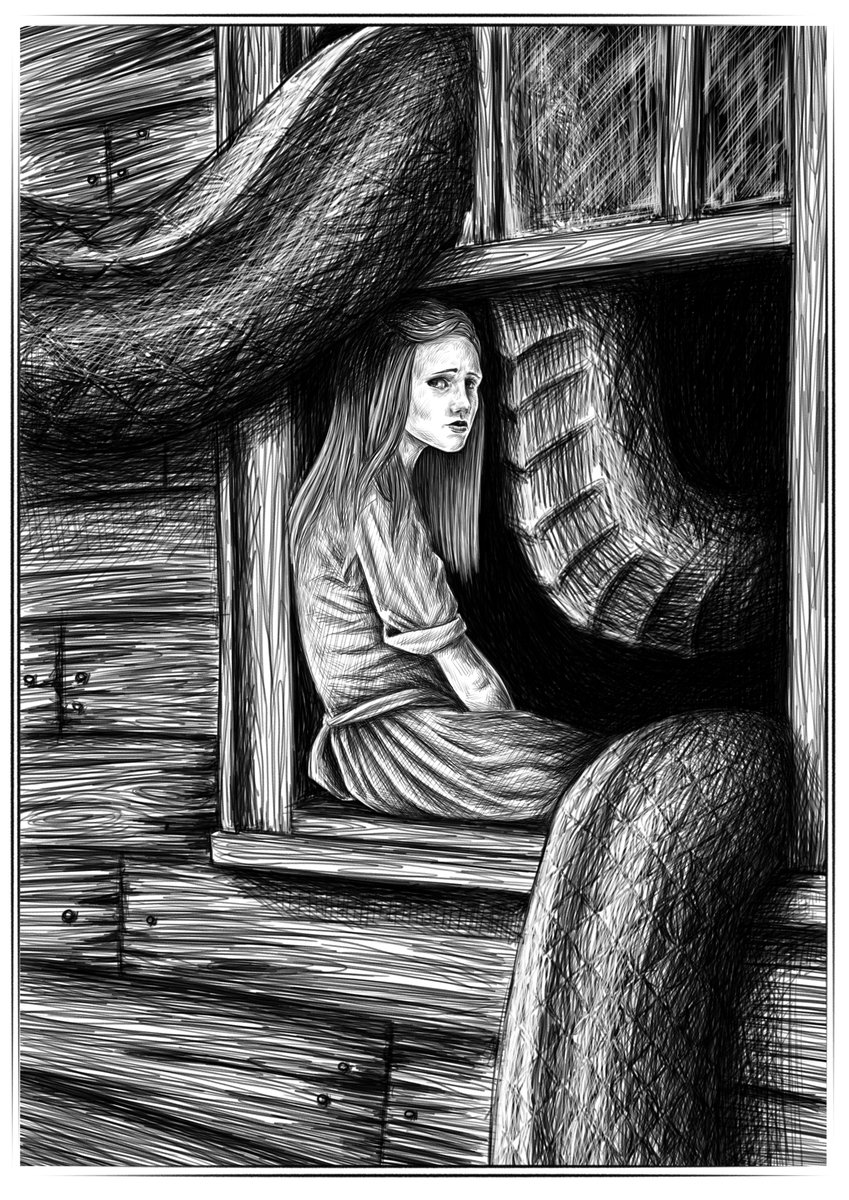
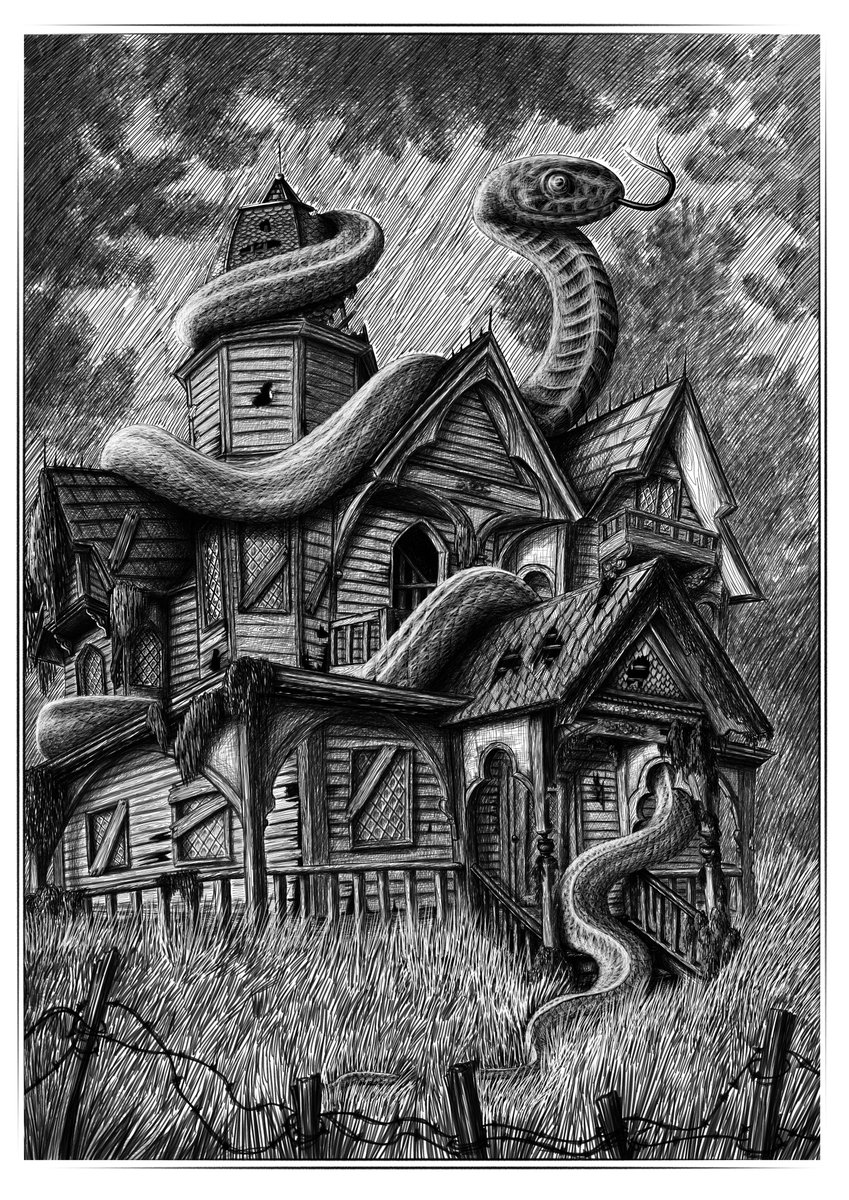
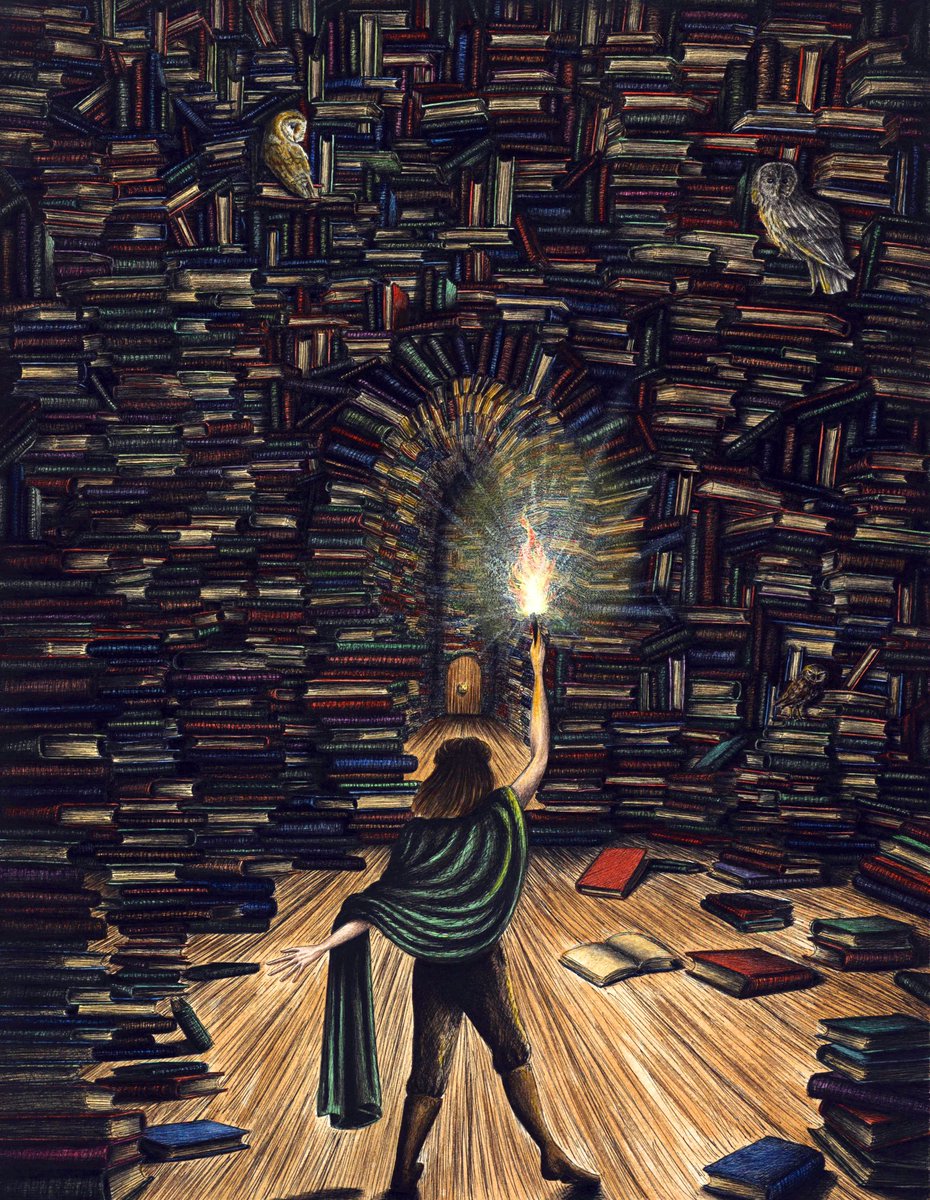
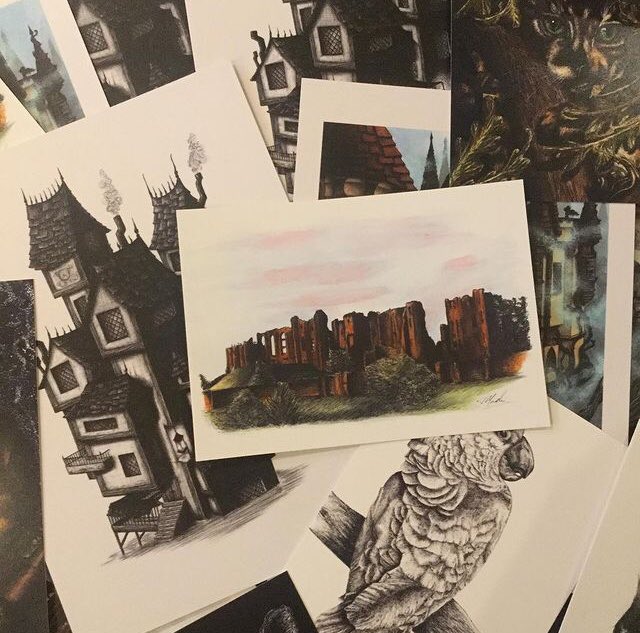
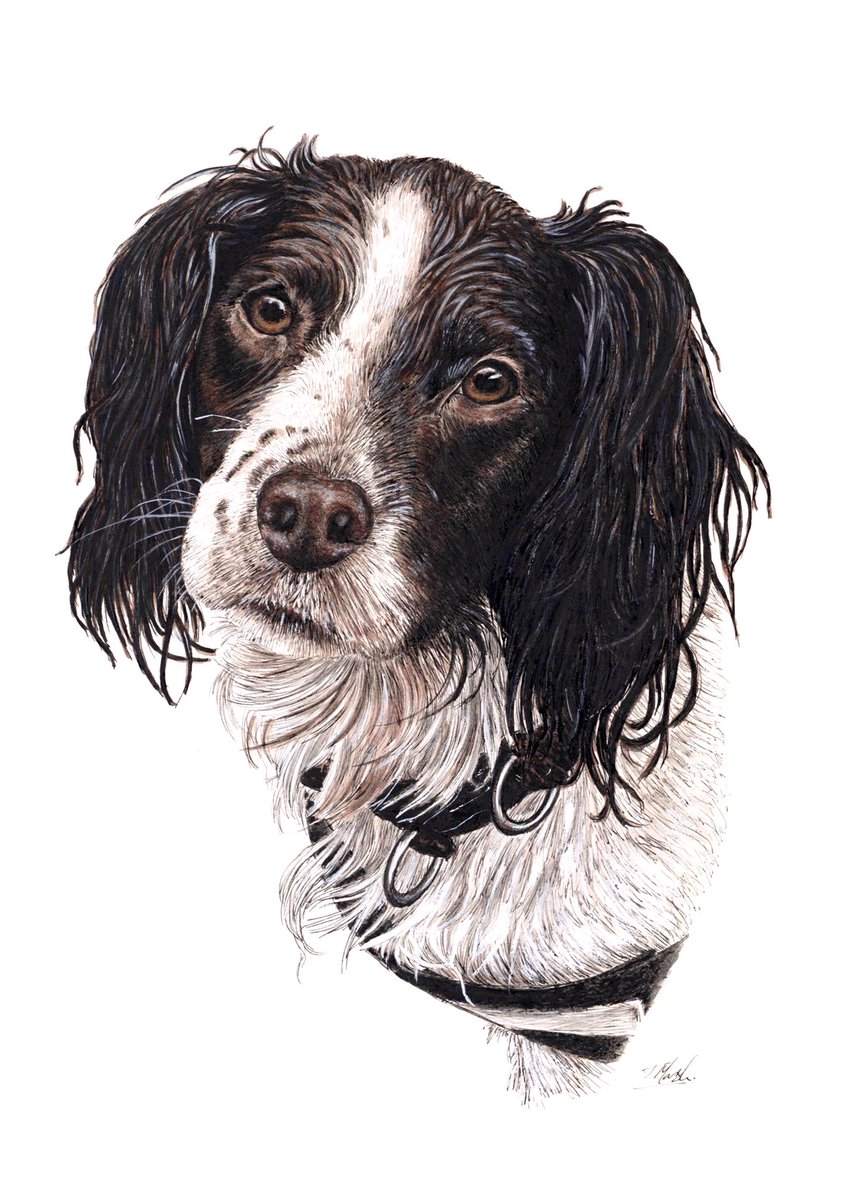
Just added some printable bookplates to my Etsy shop! 📚 📖 #Illustrator #etsyfinds #booklovers etsy.com/uk/listing/15297539…
1
603
Tabitha Marsh 🇪🇺 retweeted

May 20
Trump has lifted the ban on cyanide bombs used to kill wildlife in the way, of destroying our public lands.
It's beyond vile and repulsive!
#SaveTheWildlife
261
2,376
3,673
122,836
Tabitha Marsh 🇪🇺 retweeted

May 18
the trump administration is going to use fucking CYNAIDE bombs on animals??? in their homes??? to get rid of them???? I AM FUCKING LIVID, this shit cannot keep happening!!!
May 18

The Trump administration has authorized the use of cyanide bombs to kill off animals on public lands.


549
15,758
52,465
795,378
Tabitha Marsh 🇪🇺 retweeted

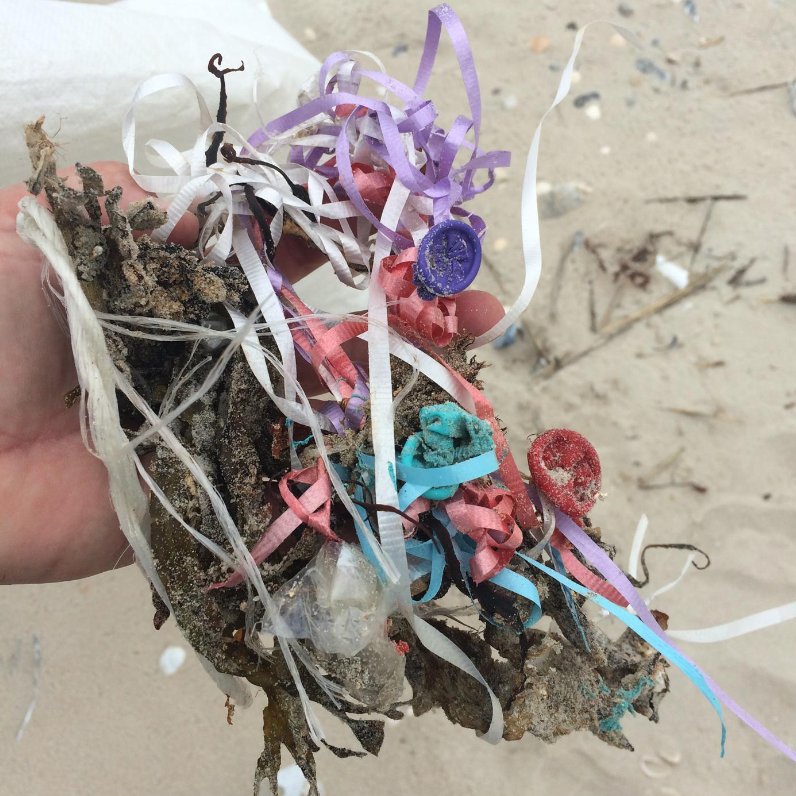
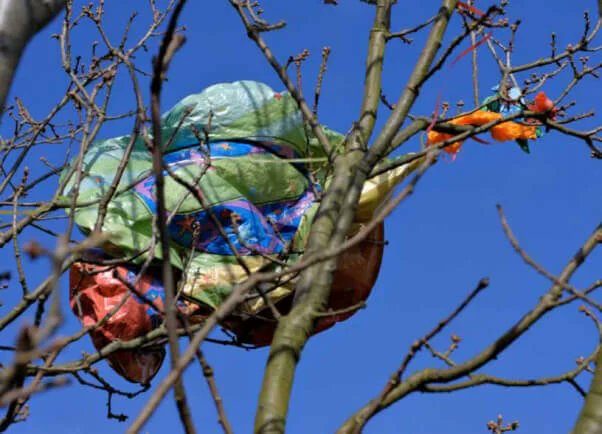
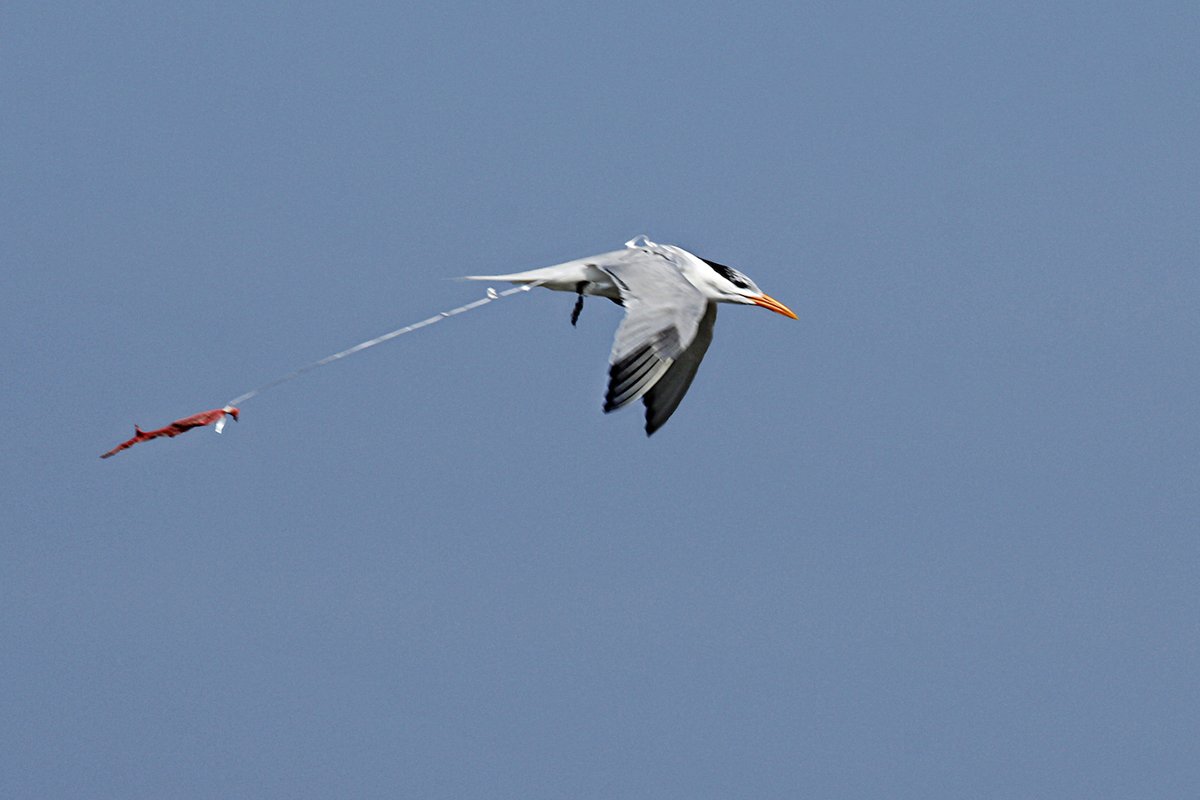
If I do anything good with my life, let it be convincing people that balloon releases are littering and kill wildlife.
55
2,118
5,640
42,701

Tabitha Marsh 🇪🇺 retweeted

May 11
No son Punch y no le importan a casi nadie. Van a sufrir tortura en experimentos que no serán aplicables a la salud humana. Hay un negocio millonario para el lucro de unos cuantos basado en la crueldad hacia los animales.

Estos pequeños macacos están siendo “promocionados” para ser torturados y asesinados en crueles experimentos.
17
1,597
3,988
35,424
Tabitha Marsh 🇪🇺 retweeted

May 11
China’s trawlers are electrocuting the Persian Gulf to death.
Their industrial scale Pulse fishing kills everything in the water, leaving a dead ocean.
They need to be stopped before the ocean is completely lifeless.
335
4,498
8,984
155,125
Tabitha Marsh 🇪🇺 retweeted

May 10
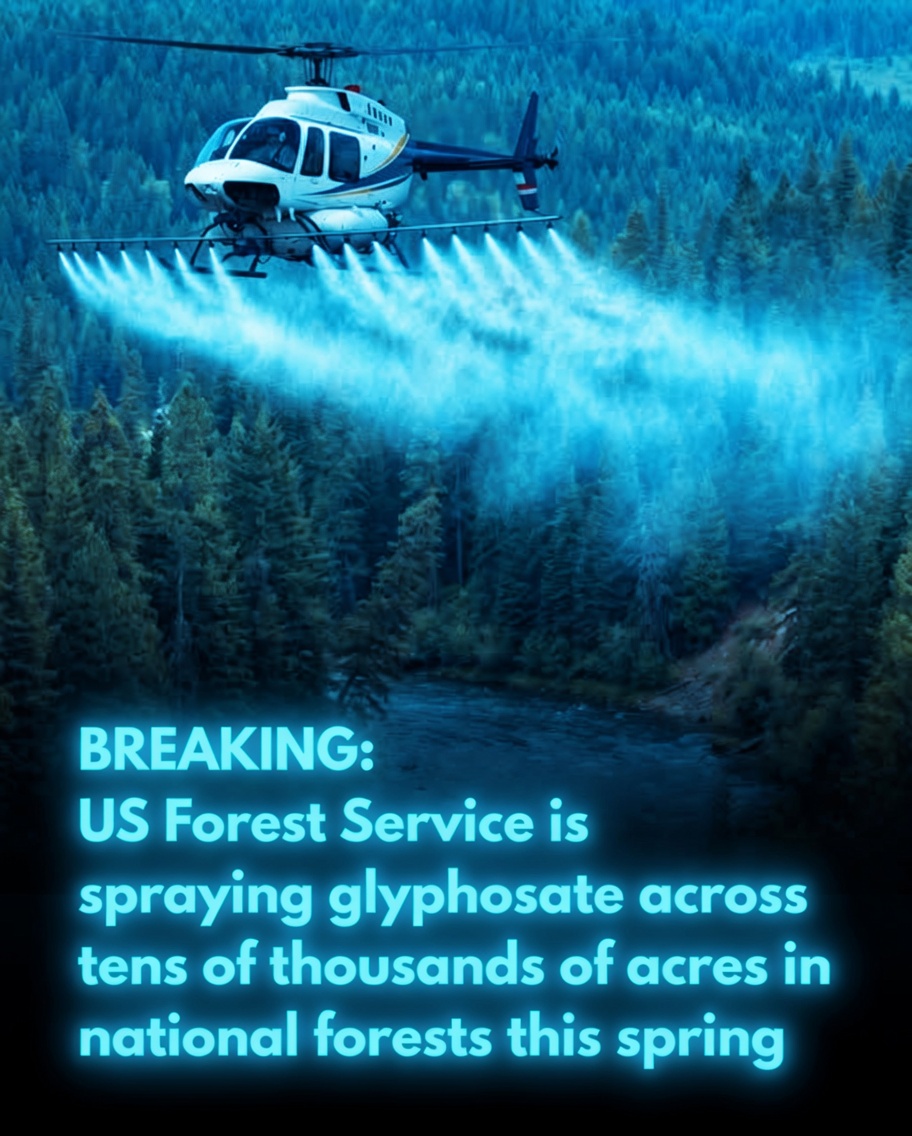
This is indefensible: Spraying glyphosate over wild lands is ecocide, and toxic to humans, of course. But there is one upside: It allows us to see the full corruption of our system, which pretends to be preoccupied with our health, even as it poisons the world behind our backs.
May 10

The U.S. Forest Service is spraying glyphosate (Roundup) across tens of thousands of acres of national forests this spring to support commercial timber production.
Following wildfires, forests naturally regenerate with diverse shrubs, wildflowers, and wildlife. However, a recent investigation reveals that the Forest Service and private logging companies are routinely applying the herbicide to eliminate competing native vegetation, favoring commercially valuable species such as Douglas fir and sugar pine.
This practice has created large areas with significantly reduced biodiversity, often described as "dead zones", where insect, bird, and plant populations have sharply declined. Glyphosate, classified by the World Health Organization as a probable human carcinogen, has seen its use in California national forests quintuple over the past two decades, reaching a record 266,000 pounds in 2023.
Local communities, environmental groups, and residents are raising concerns about potential impacts on water quality, endangered species (including salmon and rare foxes), and public health. Critics argue that prioritizing industrial timber production over ecological diversity conflicts with the broader mission of national forests as public lands.
The issue has intensified debates over forest management, balancing economic interests with long-term environmental and community health.
586
7,301
22,552
831,919
Tabitha Marsh 🇪🇺 retweeted

Apr 30
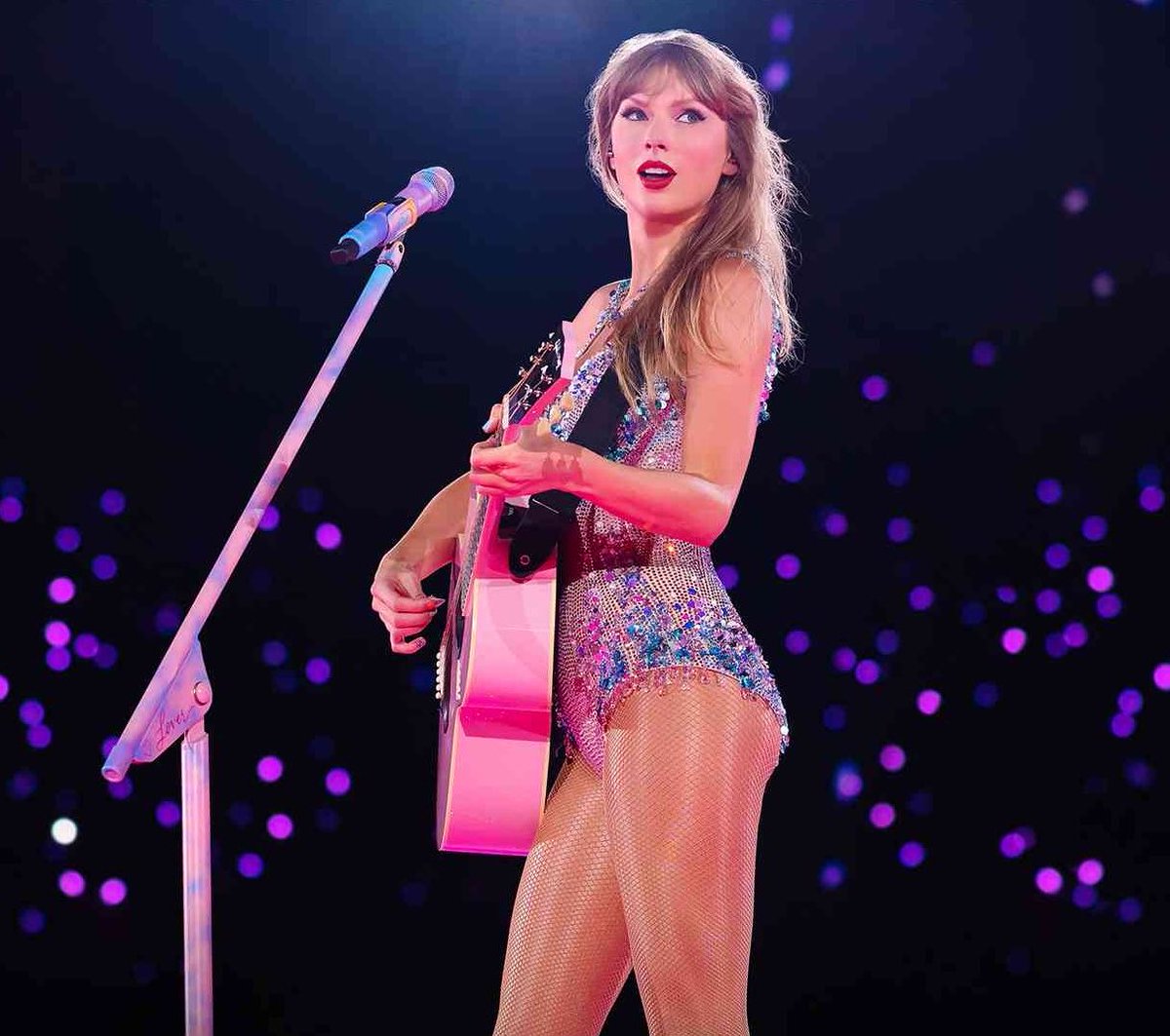
Universal Music is selling $1.4 billion in Spotify shares. It paid nothing for them. Spotify handed the shares over in 2008 just for letting Spotify play music, and the deal was set up so almost none of that money would ever reach the artists who made the music. Taylor Swift's 2018 contract changed that.
Back in 2008, Spotify was a small Swedish startup that needed songs to play. The big record labels had the songs. They had no reason to hand them over cheap, so the two sides cut a deal. Spotify gave them shares. The labels gave Spotify the right to play their music. Universal walked away with 5%. That stake later grew to 7% when Universal bought EMI and rolled EMI's 2% into its own. Then it drifted back to 3% as Spotify took on more investors and shrank everyone's slice. At today's prices, 3% of Spotify is worth about $2.7 billion. Universal sat on those shares for 18 years and never sold a single one. Until yesterday.
Most artists never see royalty money. When a label signs you, it pays you an advance to live on while you make the album. It also covers your studio time, your music videos, your marketing, your tour. All of those costs go on a tab. The label keeps every dollar your music earns until you clear that tab. Berklee, the music school in Boston, says as many as 96% of major-label artists never earn enough to clear it. They stay in the red their entire careers.
Sony moved first in 2018. It sold half its Spotify shares for $768 million and paid $250 million directly to its artists in cash, no matter how much each one still owed. Warner followed a few months later. It sold all of its Spotify shares for $504 million and said $126 million would go to its artists too. Warner played it differently. Most of that money went to pay down what those artists already owed, instead of putting fresh cash in their pockets.
Taylor Swift was negotiating her own deal with Universal that same year. She refused to sign unless Universal put the Sony version of the rule in her contract. Cash to artists, no matter what they owed. She wrote at the time that the clause "meant more to me than any other deal point." Universal had said publicly in March 2018 it would share Spotify money with artists. But it had not put the cash-not-credit rule in writing. Swift's contract, signed eight months later, did.
Universal is finally selling. Hundreds of millions of dollars in cash are about to land in artists' bank accounts, including artists who have spent years or decades in the red and would otherwise get nothing from a sale like this.
Most of those artists have never met Taylor Swift. All of them benefit from a single line she insisted on eight years ago.

Taylor Swift’s record contract could lead to millions of dollars being paid to artists as UMG prepares to sell half of their equity stake in Spotify.
When Swift signed her contract in 2018, she negotiated a clause stating that any sale of UMG’s Spotify shares would result in a distribution of money to their artists, non-recoupable.
Her “non-recoupable” clause ensures that artists receive that money even if they still owe advances to the label that signed them.
(billboard.com/pro/taylor-swi…)

52
2,284
12,926
1,024,703
Tabitha Marsh 🇪🇺 retweeted
May 8
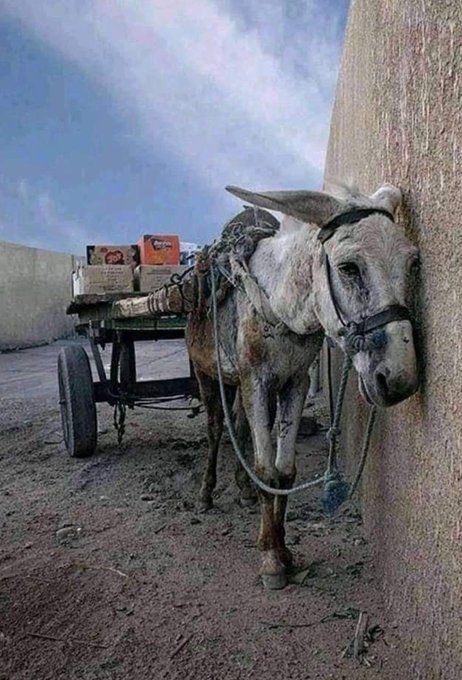
A donkey skin sells in Kenya for $130. Boiled into a Chinese beauty product called ejiao, it becomes part of an $8 billion industry. Almost 6 million donkeys are killed every year to feed it. The finished products are sold on Amazon.
Ejiao is a kind of gelatin made by simmering donkey skin for hours. It's mixed into face creams, anti-aging pills, candies, and tonics. Even China's own health regulator has admitted ejiao is just boiled donkey skin. No clinical trials show that it works. But a hit Chinese TV drama called Empress in the Palace put it back in fashion around 2012. The country's growing middle class started taking it for anemia, fatigue, miscarriage, even premature aging.
Donkeys can't reproduce that fast. A female donkey is pregnant for 12 full months and has just one foal at a time. She doesn't start breeding until age two or three. So when Chinese demand exploded, China's own donkey population collapsed from 11 million in 1992 to under 2 million by 2020.
The hunt then went global. Africa has roughly 33 million donkeys, two-thirds of the world's supply. Botswana's donkey population has halved since 2016. In Kenya, government-approved slaughterhouses killed about half the country's donkeys in three years. According to The Donkey Sanctuary, 41% of African donkey owners surveyed had at least one animal stolen.
Donkeys are walked for weeks across borders, denied food and water, until they collapse. They're hit on the head with sledgehammers. Their throats are slit. Some are still breathing when they're skinned. A 2017 PETA investigation in China found foals as young as 5 months old killed this way. Up to one in five donkeys dies before reaching the slaughterhouse.
In February 2024, all 55 African Union countries voted to ban the trade for 15 years across the continent. China is Africa's biggest trading partner. The continent banned this trade anyway. The Donkey Sanctuary still projects demand will hit 6.8 million skins a year by 2027. Within weeks of the ban, donkey theft spiked across Africa. The trade went underground. Chinese companies are now in talks to set up donkey farms in Pakistan instead.
A donkey in rural Africa is often a family's only way to fetch water, carry goods to market, and send kids to school. When it gets stolen overnight, the women and children become the donkey. They walk further with heavier loads. The girls drop out of school first.
The donkey in this photo is leaning against a wall because it's exhausted. The industry on its back is worth $8 billion.
May 6
If animals could talk, the world would be filled with tears… And perhaps also with shame.
184
1,904
4,026
138,151
Tabitha Marsh 🇪🇺 retweeted

Igor Lytvynchuk, 37, has been identified as the man hurling large rocks, some the size of coconuts ,at critically endangered Hawaiian monk seal Lani, off the coast of Maui’s near Shark Pit Beach in Lahaina. Scum! 😡
318
1,376
3,288
70,741
Tabitha Marsh 🇪🇺 retweeted

Isn’t it great that we’re celebrating David Attenborough’s 100th birthday whilst ignoring the message he’s spent the last 20 years trying to get through to us:
96
2,694
9,793
166,837
Tabitha Marsh 🇪🇺 retweeted

So the first of the 14 penguins entombed in the basement of the London Aquarium has died.
How long before the others go?
May 5

A penguin at the centre of a campaign to be moved from London Aquarium's basement has died.
Ratchet, the second oldest in the colony, passed away overnight at the age of 31.
He moved to the aquarium in 2017, meaning 9 years without day light.
express.co.uk/news/uk/220209…
36
633
1,635
79,515
Tabitha Marsh 🇪🇺 retweeted

May 6
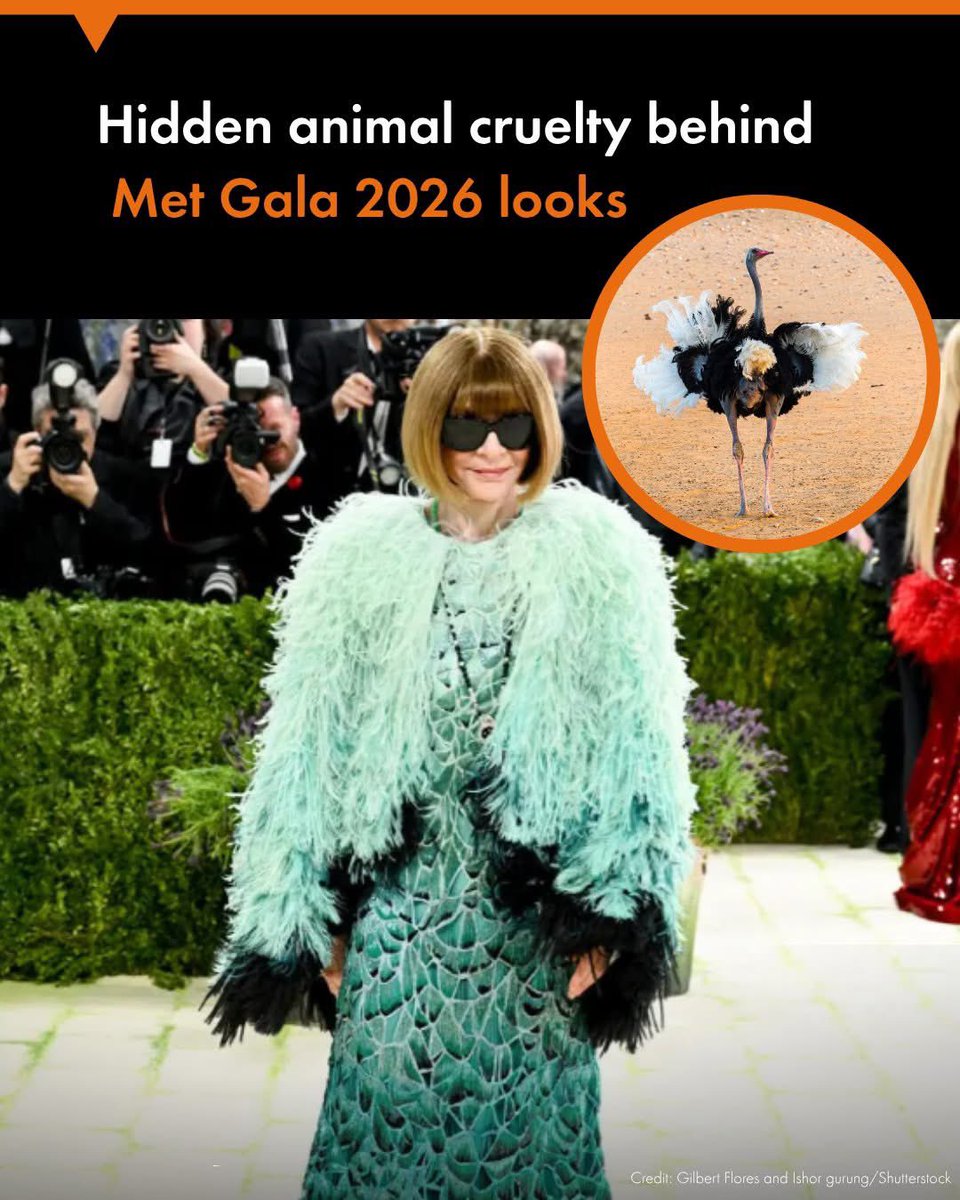
‼️The sheer volume of feather plumage featured on outfits at the 2026 Met Gala begs the question, are feathers the "new" fur?
Every year, ostriches are exploited and brutally slaughtered for the profits of fashion brands that have not progressed to humane and innovative alternatives.
61
499
937
11,337
Tabitha Marsh 🇪🇺 retweeted

PLEASE SHARE......THIS IS WHAT DWR CYMRU ARE DOING TO OUR RIVER
Location is bottom of car park at Llanrwst library heading towards Gowers Bridge
301
3,936
5,843
439,785
Tabitha Marsh 🇪🇺 retweeted
And there is the reality.
All of the promises, all the rhetoric, all the empty, meaningless words.
Welsh Water at its finest.

PLEASE SHARE......THIS IS WHAT DWR CYMRU ARE DOING TO OUR RIVER
Location is bottom of car park at Llanrwst library heading towards Gowers Bridge
217
4,603
8,636
184,799
Tabitha Marsh 🇪🇺 retweeted

Homes England is also planning to build over @BrisMeadows a designated site of nature conservation interest with veteran trees being cut down and ancient hedgerows with bluebells destroyed. Yet @EmmaforWycombe still claims Labour care about nature?

Nightingales are at risk....😡👇Come on @HomesEngland why here?
A wildlife charity is objecting to plans for 450 new homes due to concerns they could threaten resident nightingales.
Homes England's proposals is for land next to the Chattenden Woods and Lodge Hill Site of Special Scientific Interest (SSSI) on the Hoo Peninsula in Kent.
The Royal Society for the Protection of Birds (RSPB) says the area is the most important nightingale site in the UK and is home to more than 1% of the country's population which could be disturbed by humans and pet cats if the plan is approved.
Homes England said extensive surveys had allowed it to understand how future impact could be avoided and its plan had been shaped in consultation with ornithological experts.
A spokesperson for the developers said: "They [the proposals] are evidence-based and designed to minimise risks to nightingales, with clear measures in place to mitigate any impacts.
"As part of our long-term commitment to nature-positive objectives, the plans include significant improvements to nightingale habitat across the wider Lodge Hill estate."
Concerns about the impact housing could have on nightingales in the area were also raised in 2013, and they were flagged again 10 years later.
The RSPB says nightingales usually return to the same place to nest every year and nest on, or near, the ground so their eggs and young are at higher risk.
It added that the UK's population of nightingales had already suffered a 41% decrease between 1995-2023.
Read more here:
bbc.co.uk/news/articles/c74d…
39
690
1,662
47,842

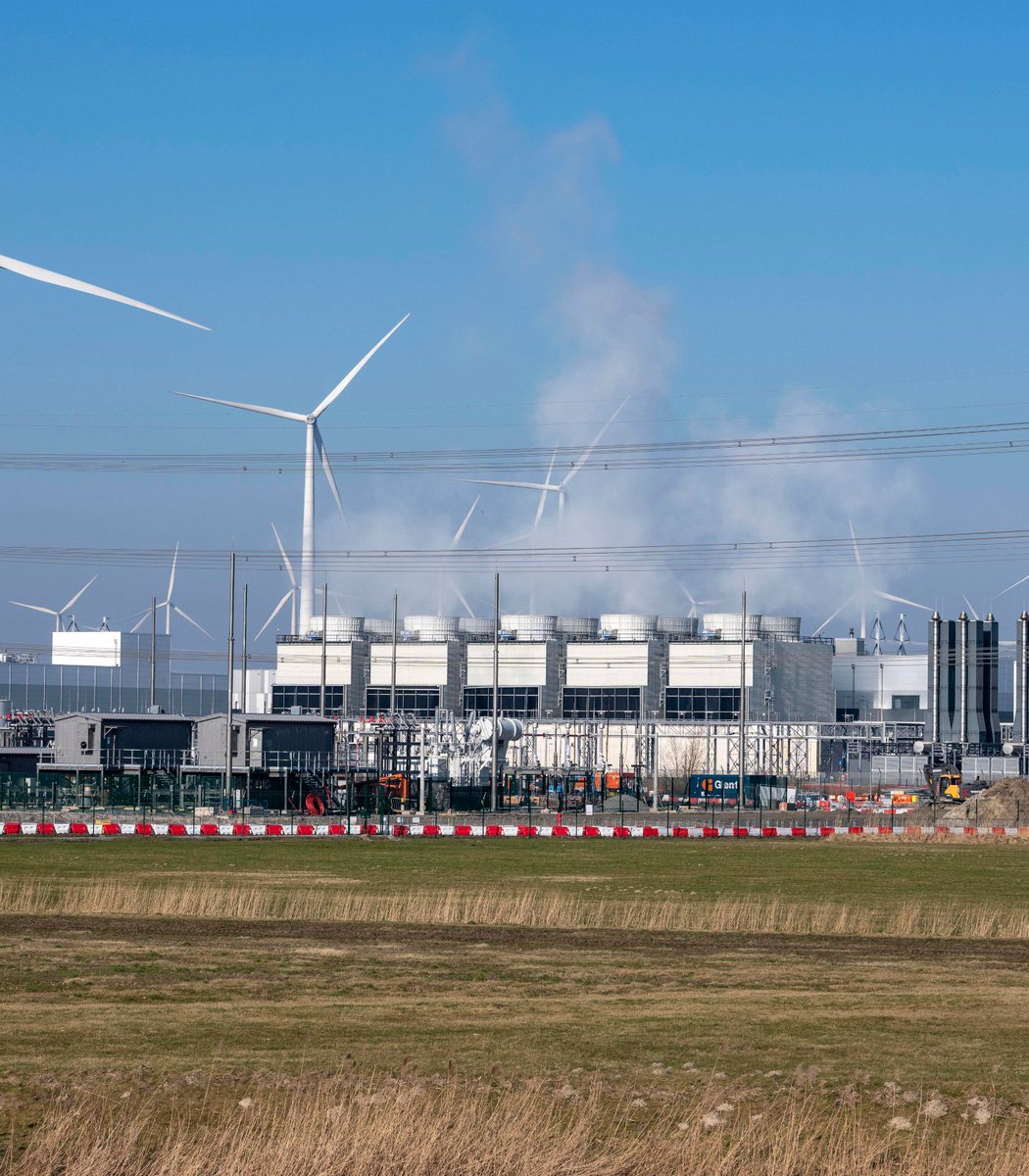
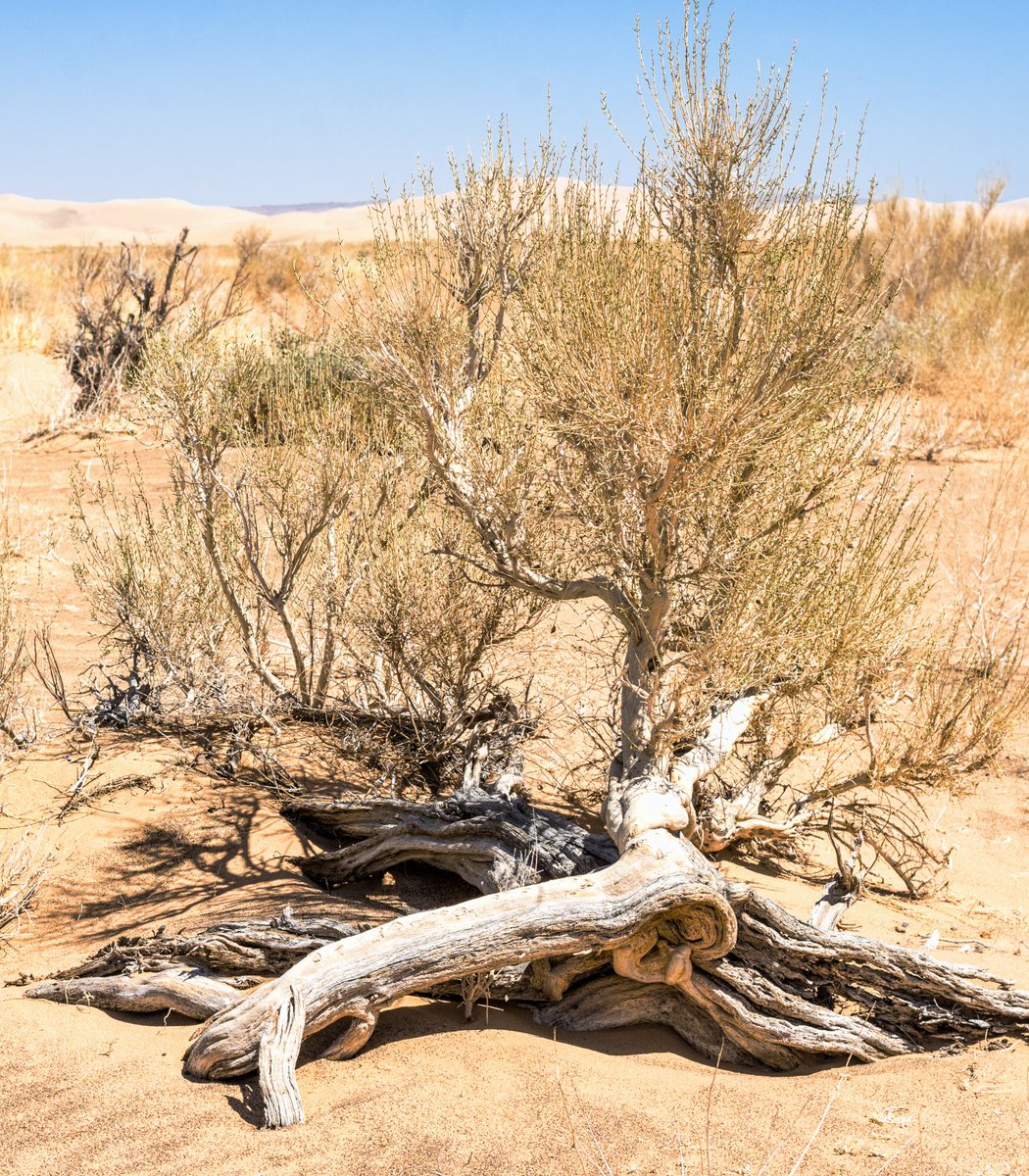
Scientists have discovered AI data centers are even worse for the environment than we thought.
Big data centers create "heat islands" that raise local surface temperatures an average of 3.6°F, enough to potentially devastate local wildlife and water supply.
225
7,568
19,227
4,233,924

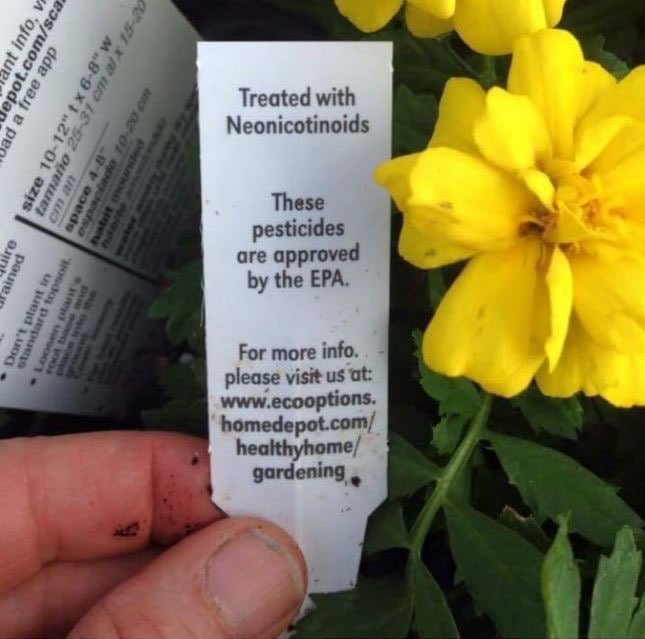
Very Important Message!!
Do NOT, and I repeat do not buy plants treated with Neonicotinoids. Bees take the pollen back to the hive and feed it to the brood.
This is a number one cause of the colony collapse. It's important to NOT buy these plants!
Make sure to share this post!
483
23,992
35,364
503,362
Tabitha Marsh 🇪🇺 retweeted

Apr 29
If you thought we've run out of ways to be cruel to the animals we eat, someone invented this process. 😡
Can you imagine the claustrophobia, confusion, & terror these #fish will endure? 😢
801
2,875
7,812
568,178