
"Superpowering" the Industrial Workforce
Joined December 2017
- Tweets 125
- Following 956
- Followers 120
- Likes 700
26 Photos and videos








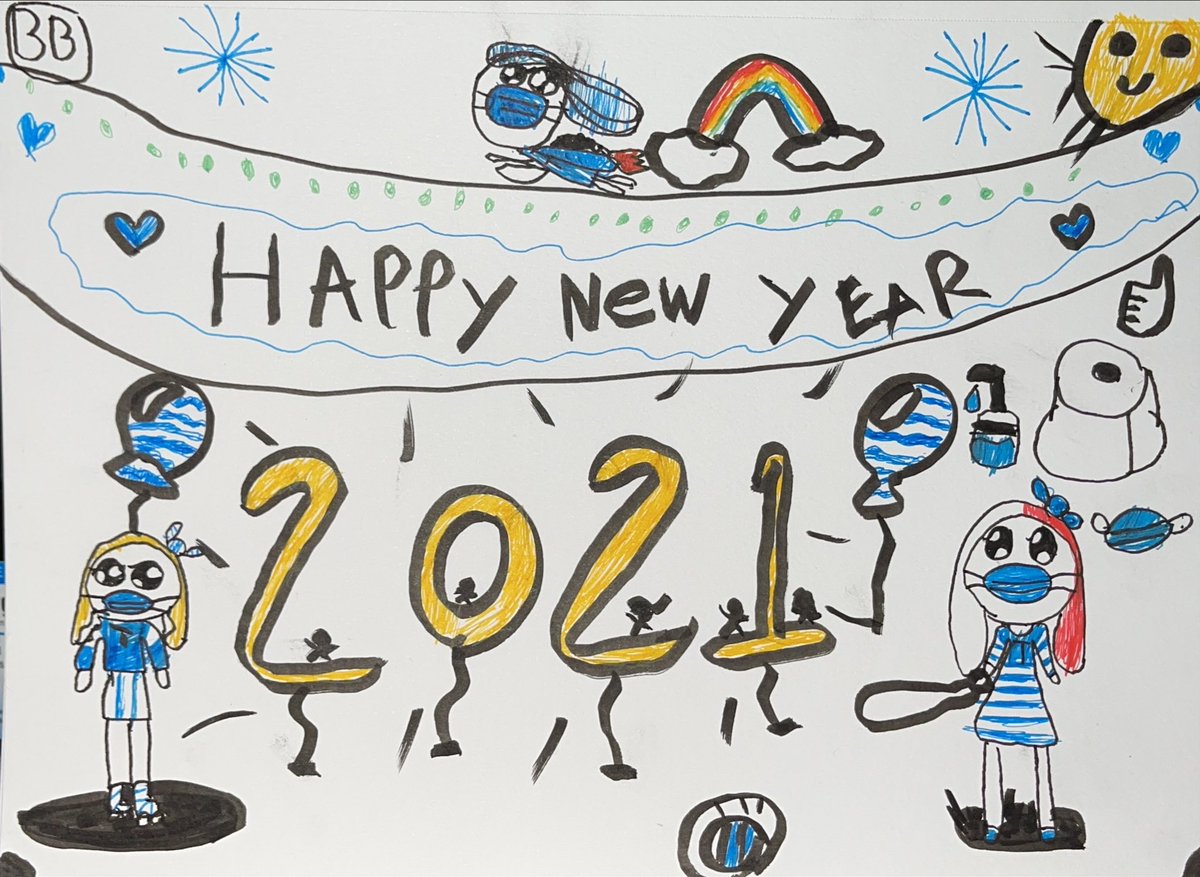


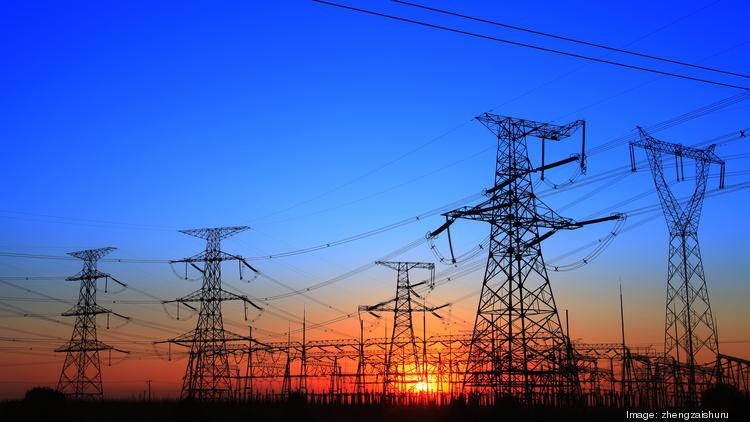

Wishing everyone a Happy, Healthy and Prosperous New Year in 2026!
linkedin.com/posts/tacit-tod…
78
Today we honor the brave men and women who have served our nation with courage, dedication, and sacrifice. Your commitment to protecting our freedoms will never be forgotten. Thank you for your service. 🇺🇸 #VeteransDay #ThankYouVeterans
92
Tacit retweeted

30 Mar 2025
To achieve our ambitions in AI and domestic manufacturing, we need as much electricity as possible. This means we need to keep all forms of power generation going - if we step back in production even one inch, we will create big problems.
This is because the existing U.S. electrical grid faces a dual crisis of deteriorating infrastructure and a shrinking skilled workforce.
The grid's infrastructure is aging rapidly, with 70% of transmission lines over 25 years old and power transformers averaging more than 40 years in service – an age when failure becomes more common.
This aging system needs extensive maintenance and replacement to maintain reliability, yet the technical workforce needed for this work is diminishing at the same time.
About 25% of utility workers became eligible for retirement between 2017-2022, creating an experience gap where 56% of utility workers now have less than a decade of experience.
The consequences are becoming apparent – in 2021, the average U.S. customer experienced 7.5 hours of electric service interruption, while the North American Electric Reliability Corporation warns that 19 states could face rolling blackouts during normal peak conditions within five years if these issues aren't addressed.
The American Society of Civil Engineers estimates a $578 billion investment shortfall by 2033 to meet basic reliability and capacity needs.
174
240
2,054
304,247
Wishing everyone a Happy, Healthy and Prosperous New Year in 2025! linkedin.com/posts/tacit-tod…
101
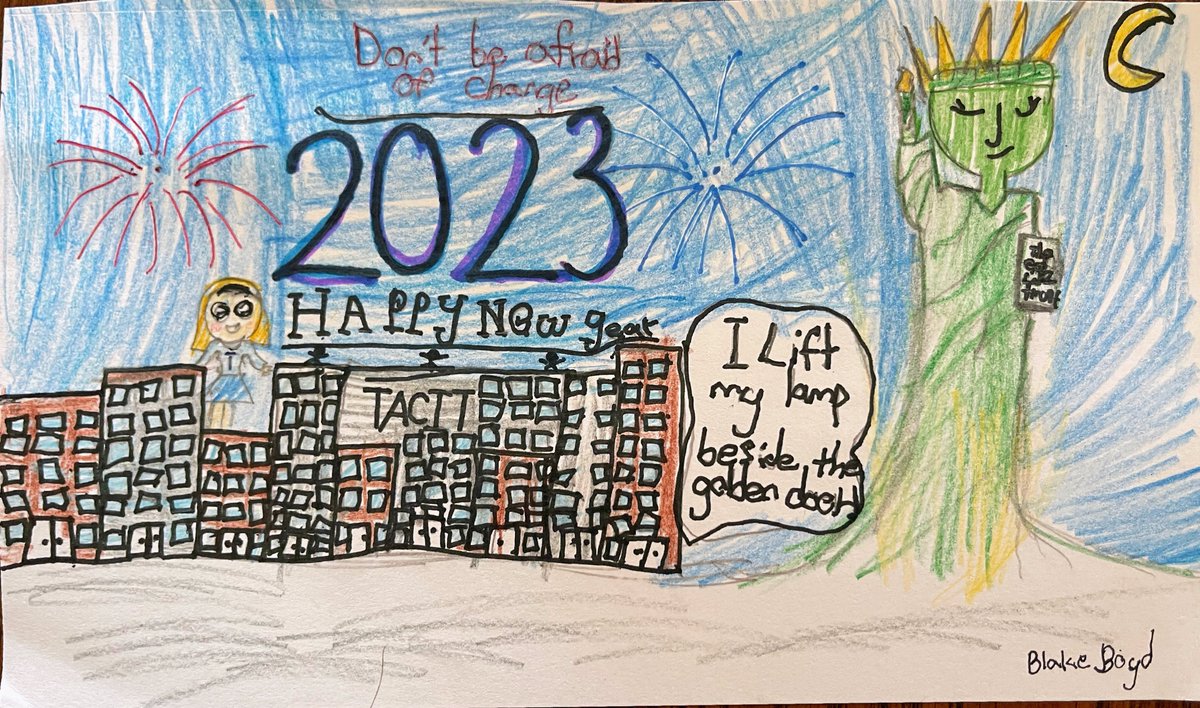
Wishing everyone a Happy, Healthy and Prosperous New Year in 2024! Tacit is excited about the new opportunities and challenges that await us and embrace the sentiments stated in this art. Thank you to everyone supporting our vision! #Tacit #HappyNewYear2024
ALT Happy New Year 2024 - Tacit
2
224
Excited to join Meet Our Fund 5 on October 16-17 in San Francisco! The @inside team and @Jason do a great job over 2 days running these sessions and highly recommend it. (meetourfund.com) #meetourfund linkedin.com/posts/tacit-tod…
139
Today, on Memorial Day we honor our fallen heroes who bravely defended our country. It’s a day to commemorate the veterans, current service men and women, and families and remember those heroes.
linkedin.com/feed/update/urn…
#MemorialDay #MemorialDay2023
116
Tacit retweeted

15 May 2023
If you’re in need of a staffing boost, it's worth consulting with an engineering staffing firm. These firms have connections and industry knowledge that put them in contact with the best talent in the industry.
hubs.ly/Q01PLzzJ0
#Staffing #Hiring #EngineeringStaffing

1
2
85
Tacit retweeted

13 Dec 2022
BREAKING NEWS: This is an announcement that has been decades in the making.
On December 5, 2022 a team from DOE's @Livermore_Lab made history by achieving fusion ignition.
This breakthrough will change the future of clean power and America’s national defense forever.
1,869
17,036
65,609
Just signed up for @LAUNCH's Public Demo Day this Thursday to see @jason's seven latest investments 🦄 RSVP at ctt.ec/4TK19
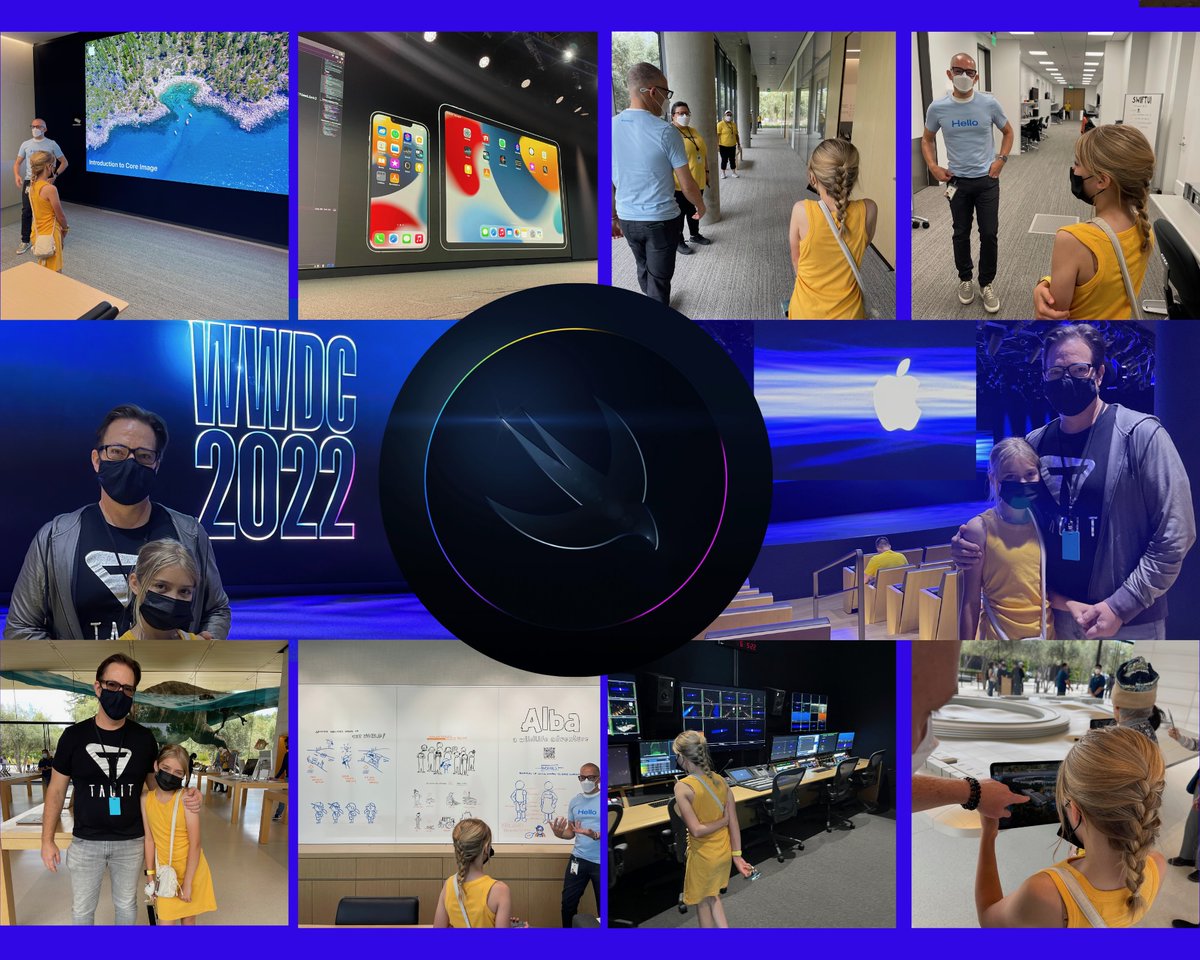
Super excited to attend @Apple #WWDC live tomorrow! #Gratitude to Apple team for making today special for my daughter! #WWDC2022 linkedin.com/posts/tacit-tod…
ALT Apple WWDC - Tacit Check-in on June 5th
1
4
Memorial Day is a day to honor our fallen heroes who bravely defended our country. To all the men and women who have given the greatest sacrifice one could give for our country! linkedin.com/posts/tacit-tod…

22
16
224
Tacit retweeted

17 Mar 2022
The future is looking green! 🍀 🍃 🌳
Today and every day, we have green on our minds with #PathToClean — our goal to electrify 30% of our utility fleet by 2025 and 50% by 2030.
exeloncorp.com/newsroom/exel…

1
6

☘️ Happy #StPatricksDay! Chicago takes wearing o’ the green seriously — this year marks the 60th anniversary of when the Chicago River was first dyed green.
2
5
12
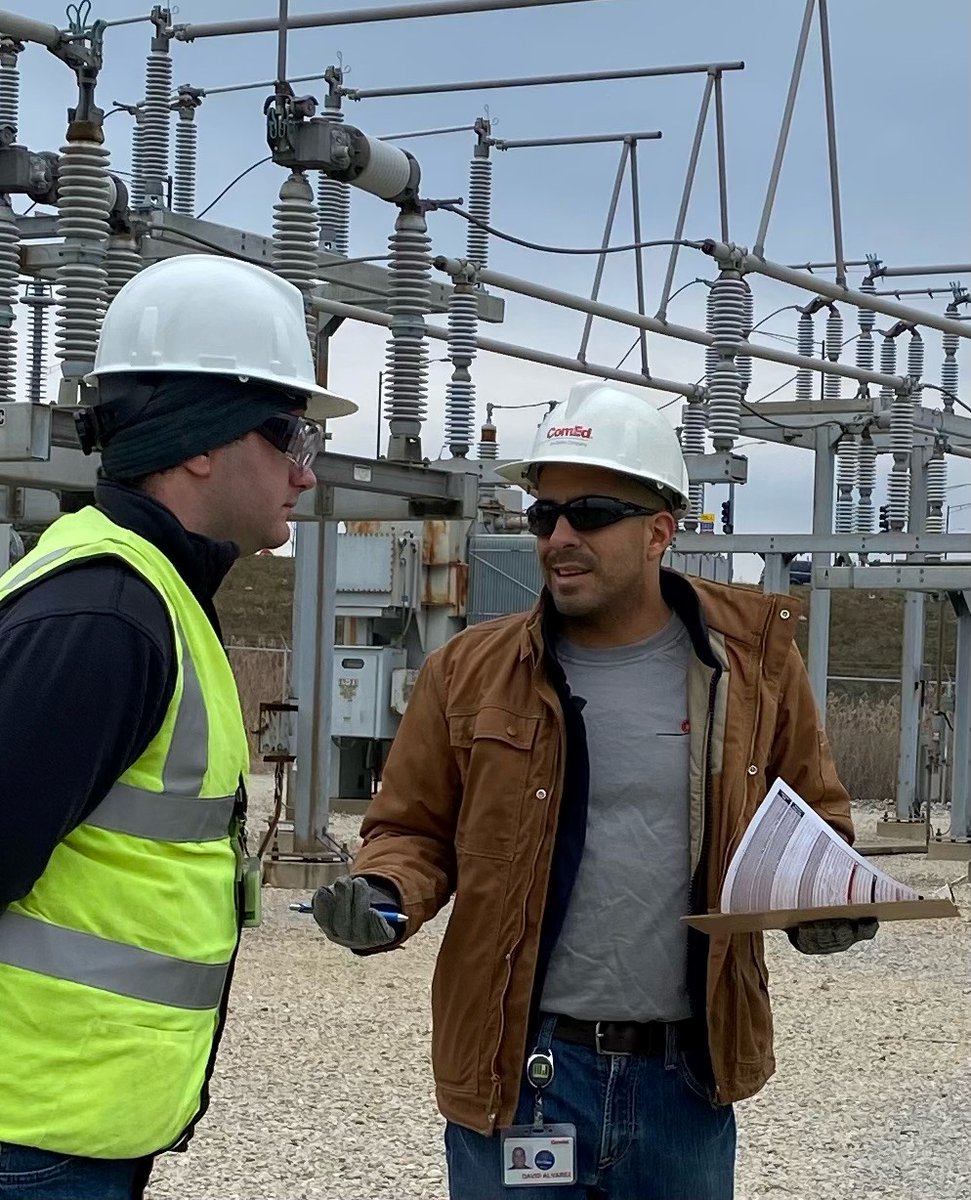
Meet David, a civil engineer who manages our new transmission and substation projects for industrial customers with large electric demands. His role goes beyond engineering and construction — he also delves into real estate, legal, environmental, finance and more! #DayInTheLife
1
2
11