
Joined December 2015
- Tweets 9,855
- Following 523
- Followers 676
- Likes 2,395
160 Photos and videos
Pinned Tweet

25 Jun 2025
amazon.com/Chasing-Shadows-s…
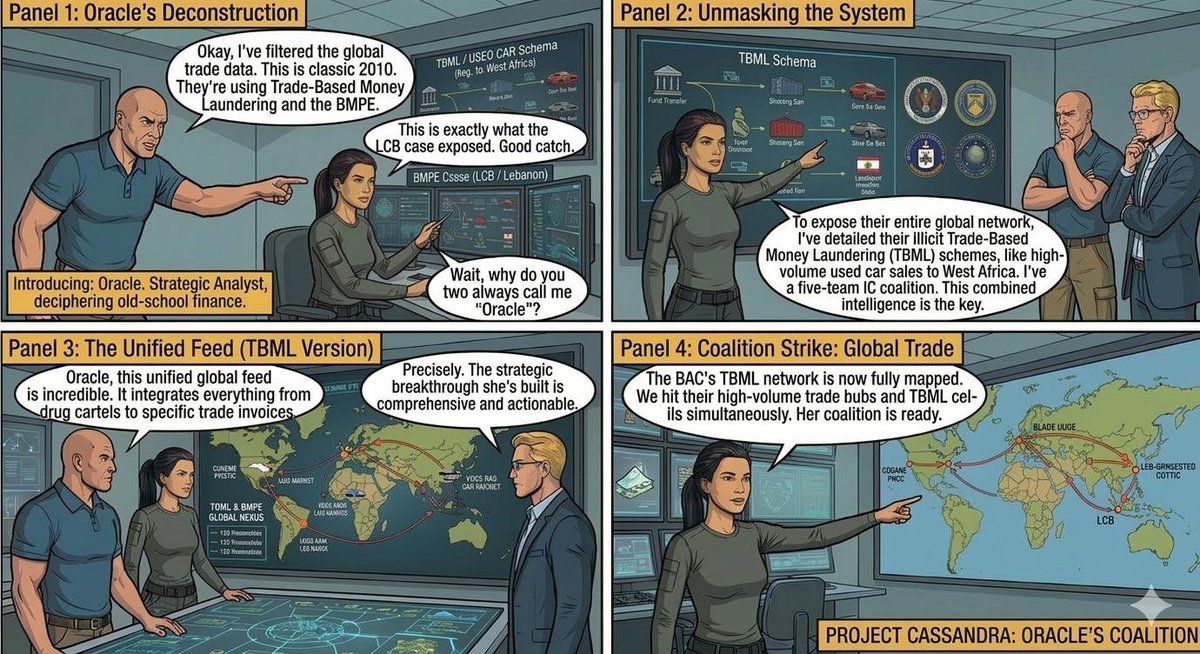
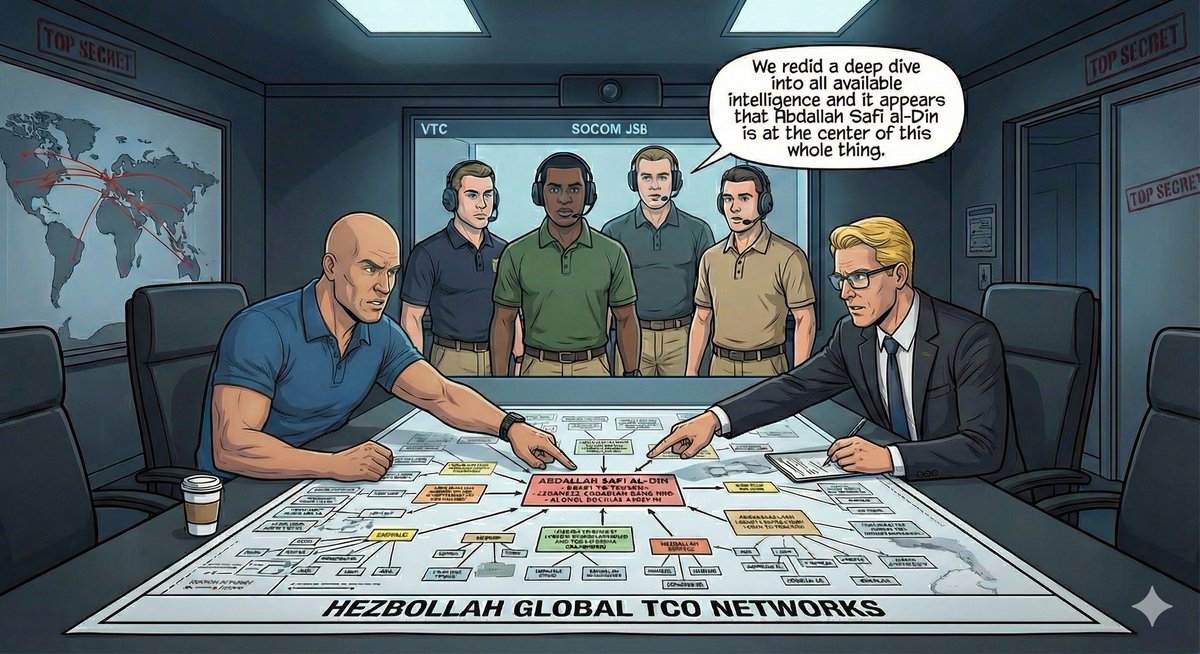
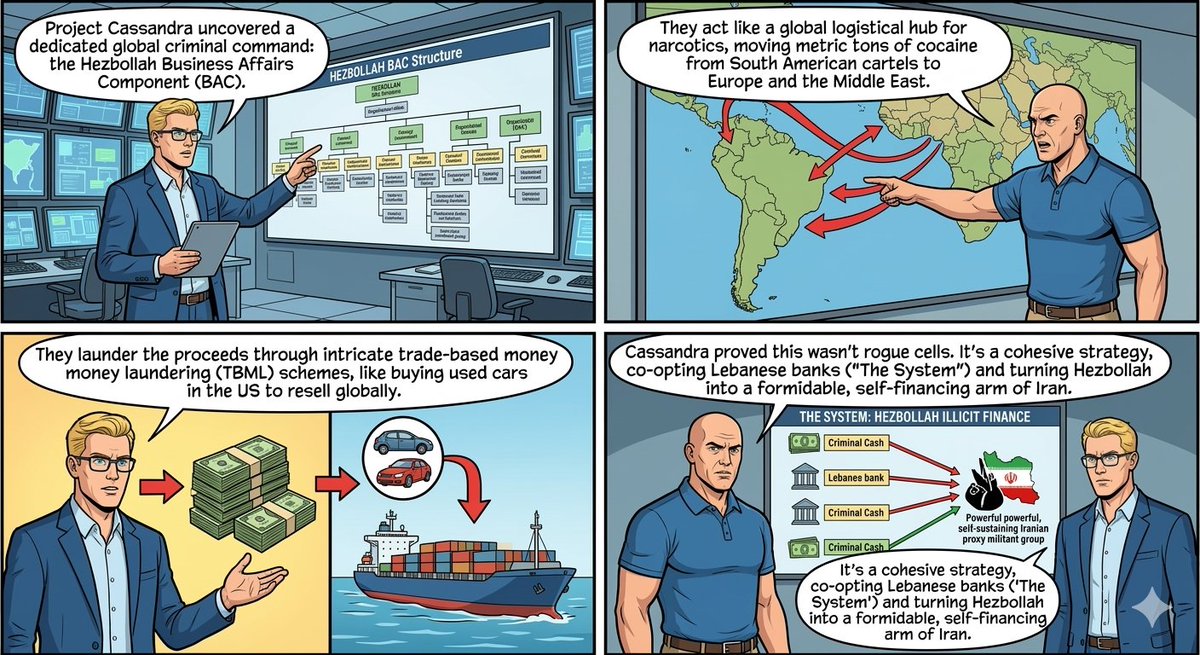
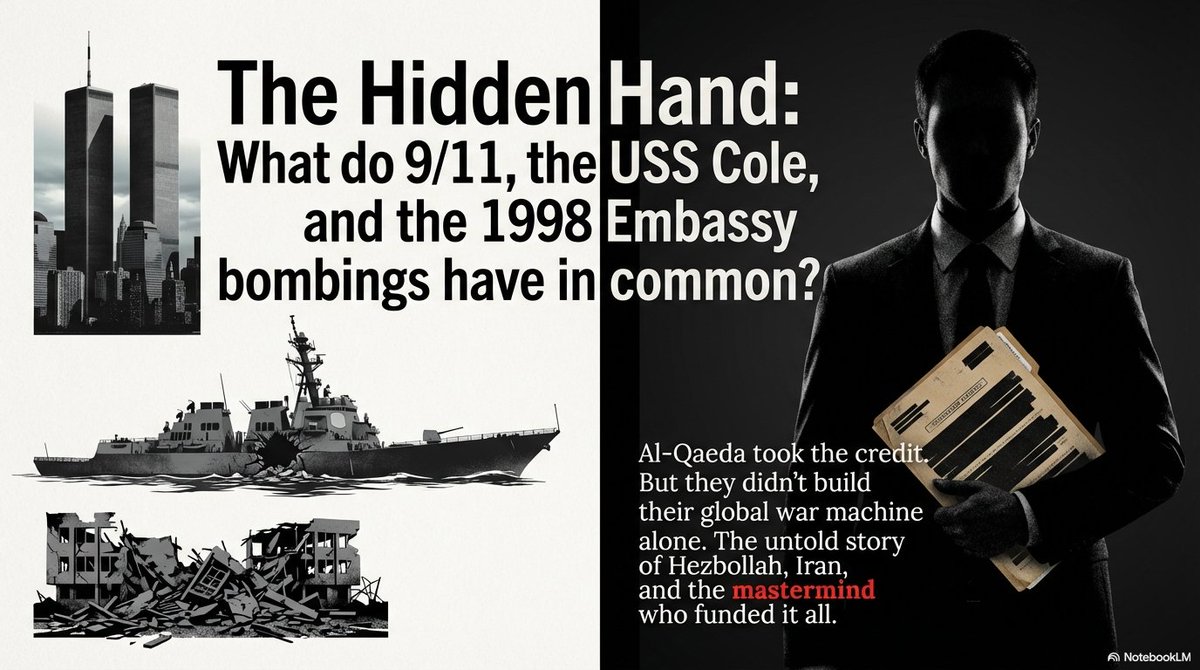
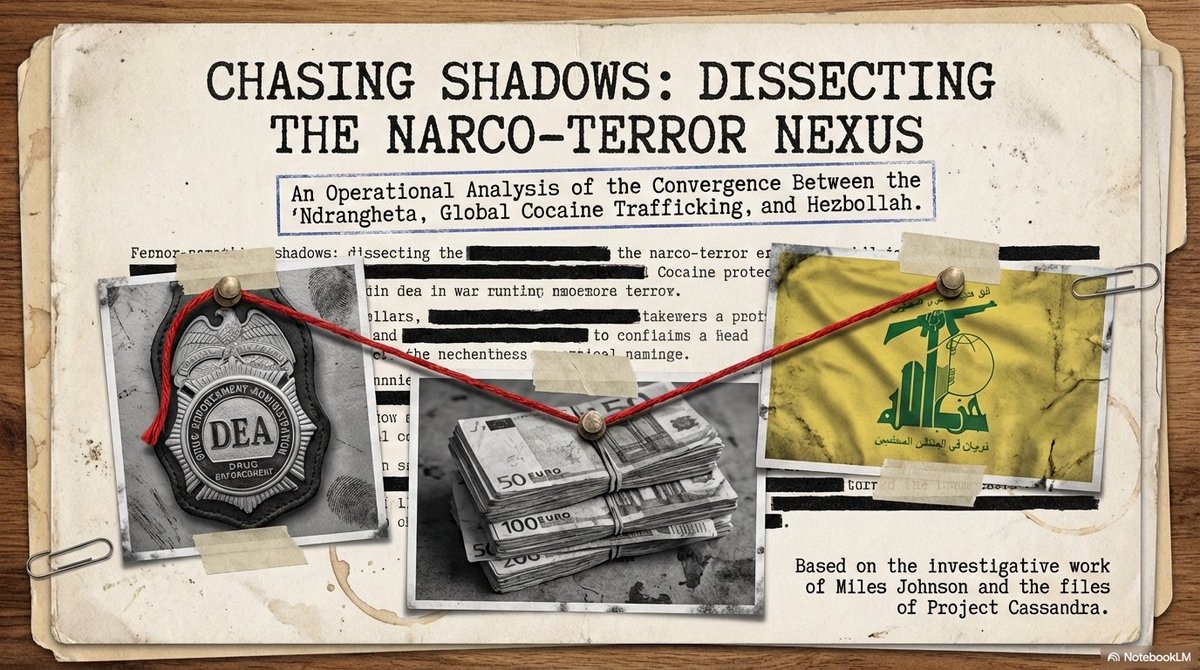
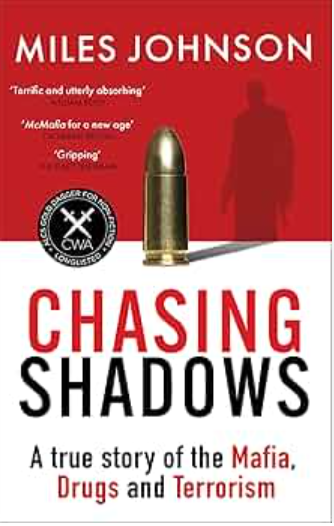
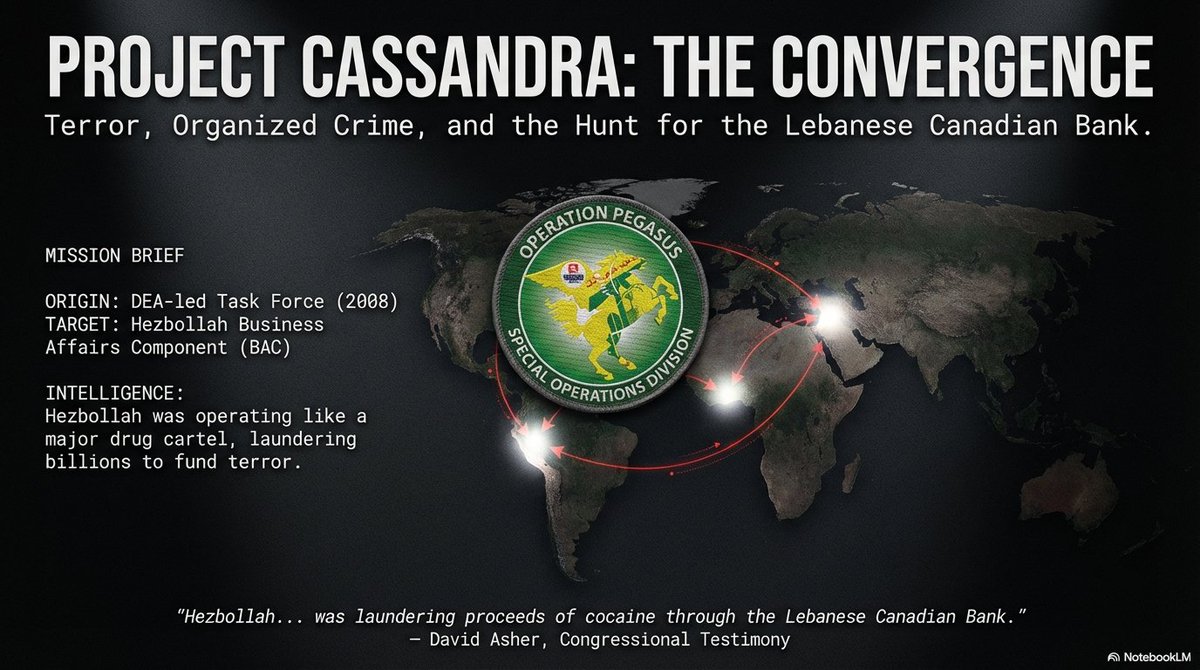
Award winning journalist @MilesMJohnson book Chasing Shadows covers Project Cassandra. Detailing how DEA and an International Task Force followed a trail of dirty money across continents and uncovered how Hezbollah leveraged the cocaine trade to fund its operations, including military interventions and terrorist activities.
2
11
25
62,515
Task Force 18 retweeted

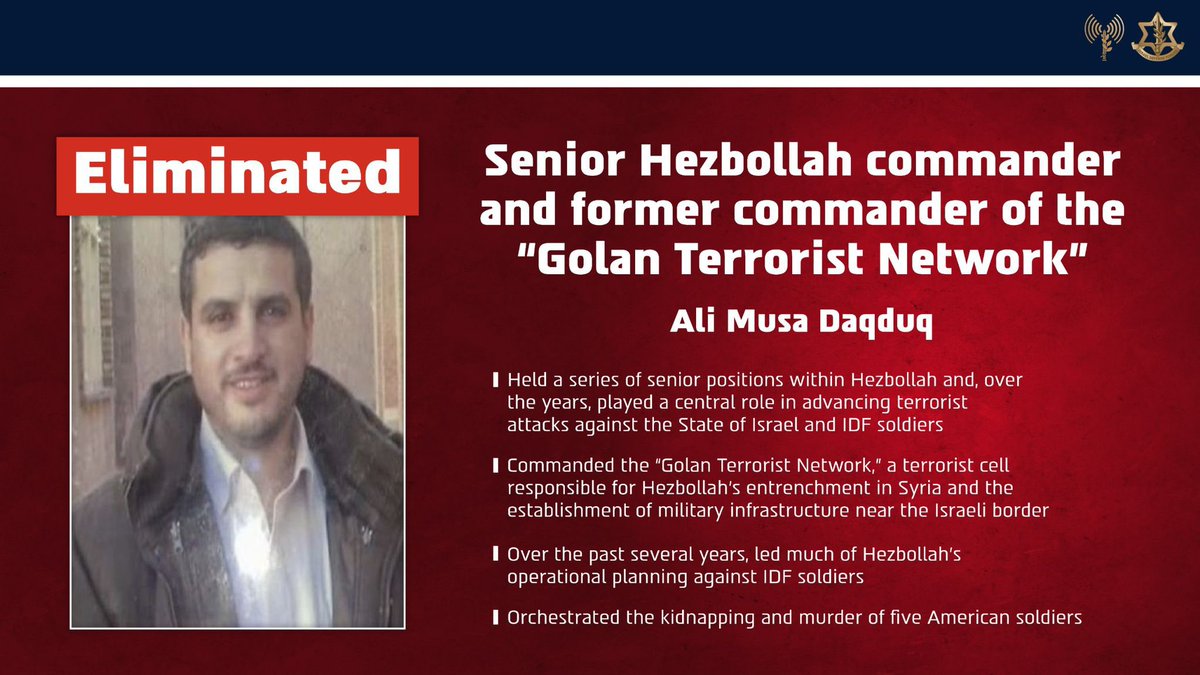
This is the Hezbollah leader killed in an Israeli strike in Lebanon today - a guy who had kidnapped & killed 5 American soldiers. He was a Specially Designated Global Terrorist and wanted by the United States.
This is also the strike that Trump said never should have happened. As far as I'm concerned, the only response should have been, "Thank you."

🔴ELIMINATED: Ali Musa Daqduq, a senior Hezbollah commander who held a series of 5 senior positions within Hezbollah.
Daqduq played a central role in advancing terrorist attacks and combat operations against Israel and IDF soldiers. In 2007, he orchestrated the kidnapping and murder of 5 American soldiers.
1
5
12
547

Task Force 18 retweeted
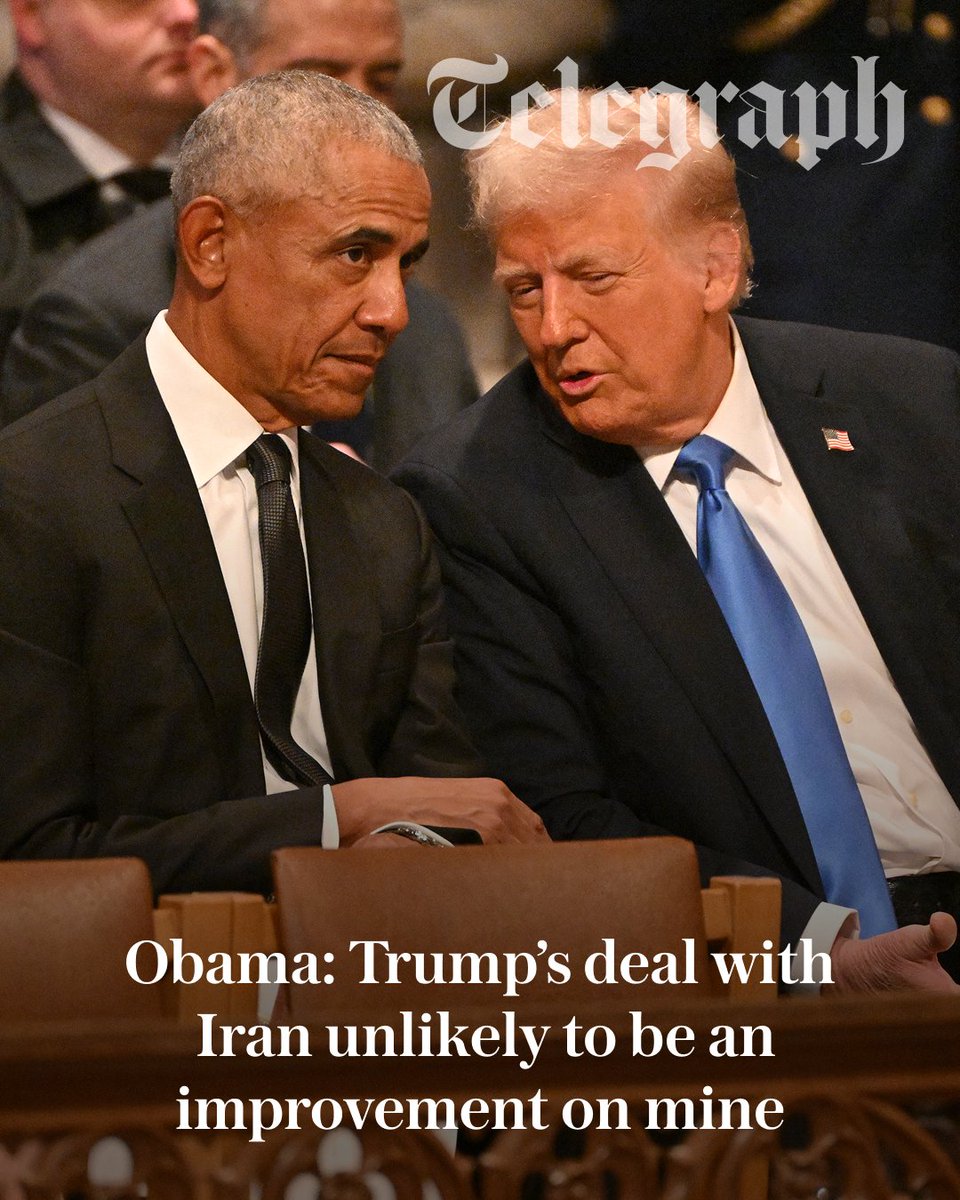
Obama in 2015 on his own deal: “What is a more relevant fear would be that in year 13, 14, 15, they have advanced centrifuges that enrich uranium fairly rapidly, and at that point the breakout times would have shrunk almost down to zero.” theatlantic.com/internationa…
Iran 2026: no enrichment and lost 25,000 centrifuges including advanced models.

🇺🇸 The Obama administration brokered the Joint Comprehensive Plan of Action (JCPOA) in 2015, which capped Iran’s uranium enrichment and limited its nuclear ambitions.
Read more about the former president's views ⬇️
telegraph.co.uk/world-news/2…
4
19
78
7,329
Task Force 18 retweeted

The scenes from the buzzer
3
82
909
20,855
Task Force 18 retweeted

Jun 12
82 years ago today, Easy Company enters the town of Carentan. 🪖
62
886
10,502
1,059,552

Task Force 18 retweeted

"We don't really talk about it, but the weight of that jersey. The expectations, the pressure of that jersey. Right now, it's the lightest it's ever felt."
Josh Hart talks about his emotions after winning the NBA Finals:
2
75
1,050
24,156
Task Force 18 retweeted

Jun 13
AP Exclusive: Humanitarians at Médecins Sans Frontières sexually exploit Sudanese underage girls in refugee camps, systematically targeting vulnerable victims of war. Internal report, buried for 11 months, suggests there was organized sexual trafficking.
apnews.com/article/chad-suda…
55
1,088
1,965
64,604
Task Force 18 retweeted

Jun 13
As we await more on the Iran front:
Put aside your TDS.
Put aside your TMS — Trump Messiah Syndrome.
Be serious. Evaluate. Verify. Treat every claim with skepticism. Criticize where warranted. Acknowledge where positive.
And try not to use Iran as just another battlefield in your tribal political war.
I know I’m recommending the impossible for too many of you.
61
95
643
75,365
Task Force 18 retweeted

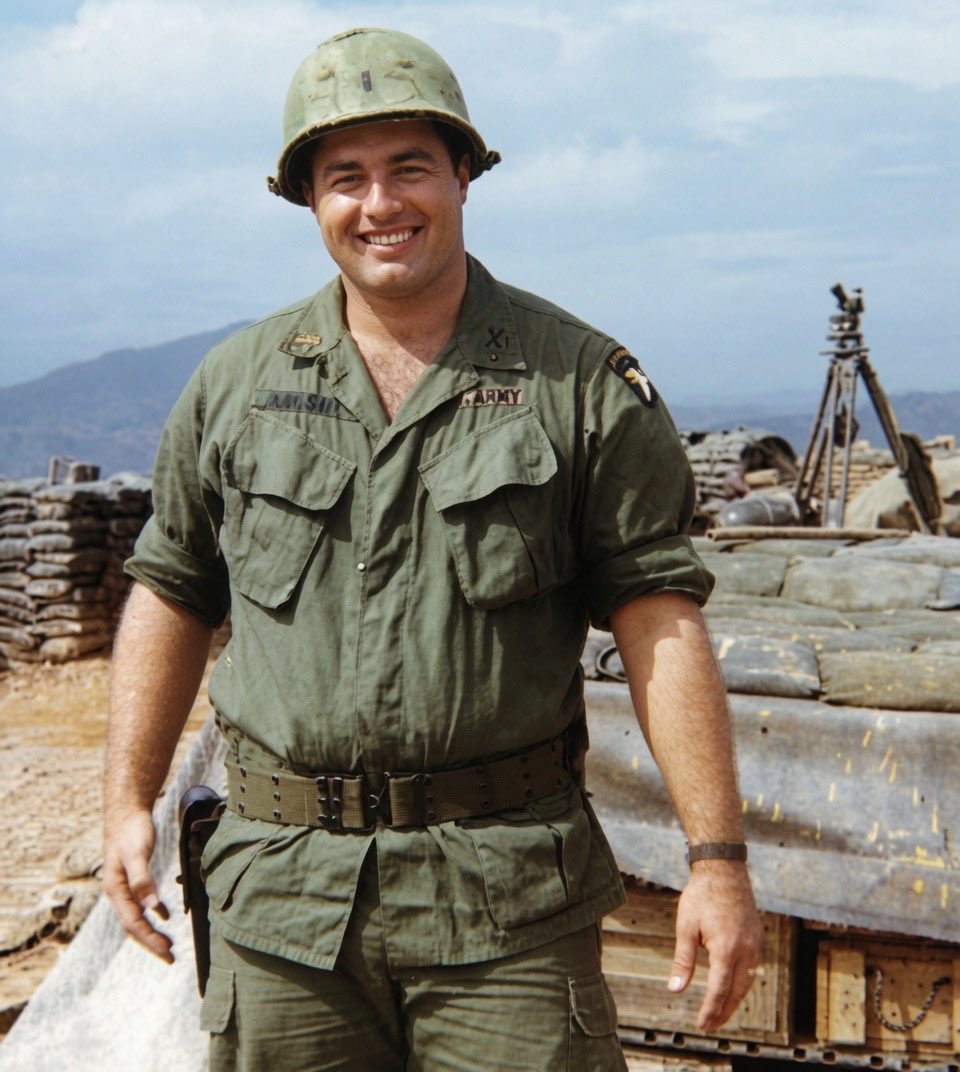
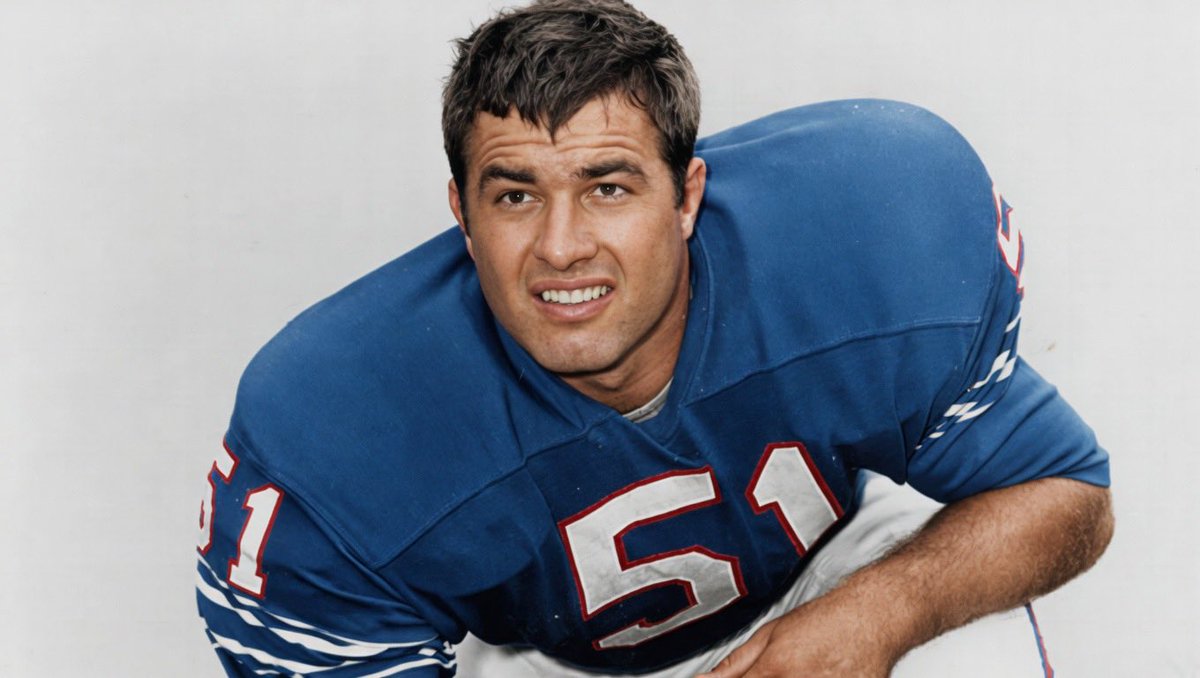
🇺🇸 Most Badass Football Players: Combat Veterans Edition #9 Bob Kalsu
Bob Kalsu, the 1968 Buffalo Bills team Rookie of the Year, was one badass football player.
Born April 13, 1945, in Oklahoma City, Kalsu grew into a powerful 6-foot-3, 250-pound force on the offensive line.
At the University of Oklahoma he earned All-American honors as a tackle and helped lead the Sooners to a 10-1 record and a win in the Orange Bowl.
The Buffalo Bills selected him in the eighth round of the 1968 AFL draft.
By the end of his rookie season he had started nine games at right guard and was named the team’s Rookie of the Year.
Kalsu had completed ROTC at Oklahoma and carried a service obligation. Many people urged him to seek a deferment.
He had just married his wife Jan and they already had a young daughter with another child on the way.
Kalsu refused.
He told those around him that he had made a commitment to his country and that he was no better than anyone else.
After the 1968 season he entered the Army as a second lieutenant.
He arrived in Vietnam in November 1969 and was assigned to the 101st Airborne Division as an artillery officer with the 2nd Battalion, 11th Field Artillery. He was quickly promoted to first lieutenant.
By the summer of 1970 Kalsu found himself in the middle of one of the most intense battles of the war: the siege of Fire Support Base Ripcord near the A Shau Valley.
For 23 days American forces on the isolated hilltop base came under sustained attack from North Vietnamese Army units. The fighting featured constant mortar and rocket fire, infantry probes, and brutal artillery exchanges.
On July 21, 1970, during one of the final days of the battle, Kalsu was with his artillery unit when the base came under another mortar attack.
Word reached him that a damaged helicopter was attempting an emergency landing with enemy troops in close pursuit.
Kalsu left his bunker to warn the soldiers under his command.
An 82mm mortar round exploded nearby, killing him instantly at age 25.
Two days later his wife Jan gave birth to their son, Bob Jr.
Kalsu never met him.
He was posthumously awarded the Bronze Star.
Kalsu's name is located at Panel 8W, Line 38 on the Vietnam Veterans Memorial in Washington, D.C.
Bob Kalsu is an American Badass.
Thank you, Lieutenant! 🫡🇺🇸

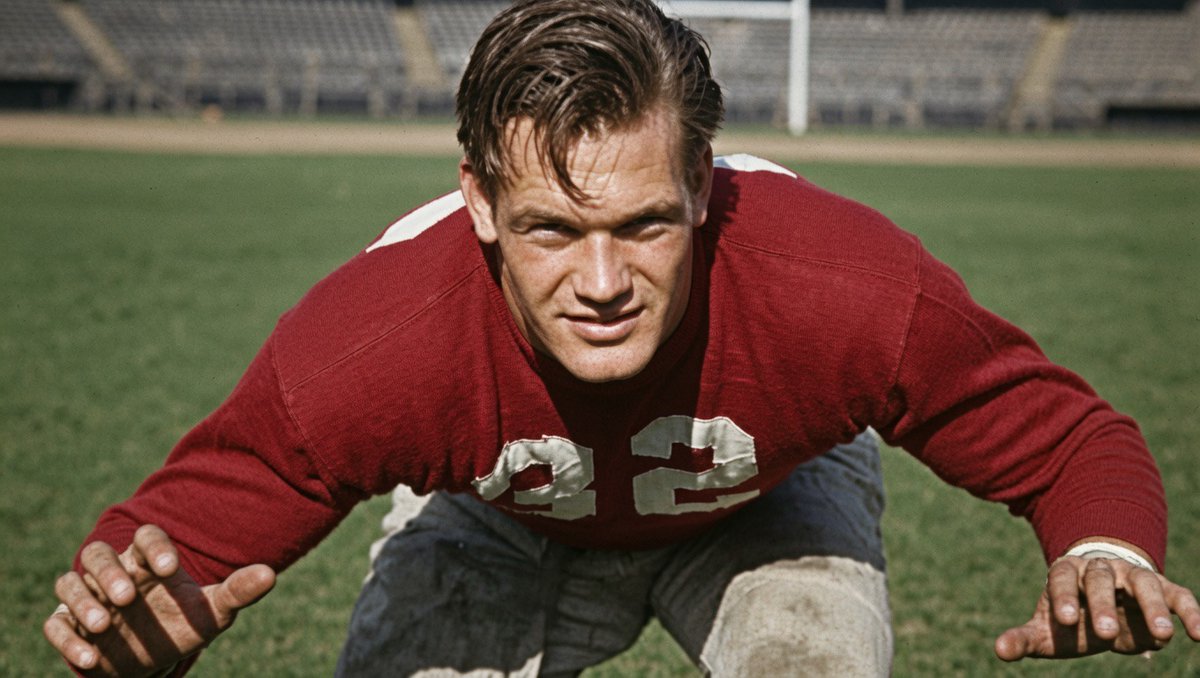
🇺🇸 Most Badass Football Players: Combat Veterans Edition #10 Al Blozis
Al Blozis, member of the 1940s NFL All-Decade Team for the NY Giants, was one badass football player.
Born in 1919 in Garfield, New Jersey, Blozis was an absolute physical specimen at 6'6" and around 260 pounds, a giant for his time.
He starred at Georgetown University in both football and track & field, even setting a world record in the shot put.
The New York Giants drafted him in 1942, and he quickly became one of the best offensive tackles in the NFL.
He played the full 1942 and 1943 seasons with the Giants, earning All-Pro honors.
Because of his extreme height, Blozis initially faced restrictions when trying to enlist. He persistently fought for a waiver until the Army finally accepted him on December 9, 1943.
While stationed stateside in late 1944, he secured a brief military furlough to play three final games for the Giants, which includes the 1944 NFL Championship Game, before deploying to Europe as a second lieutenant with the 28th Infantry Division.
On January 31, 1945, while fighting in the Vosges Mountains of France, two soldiers from Blozis’ unit went missing during a heavy snowstorm.
Despite dangerous conditions, Blozis volunteered to search for them.
He was killed by German machine gun fire during the search.
His remains were later recovered, and he is buried at the Lorraine American Cemetery in France.
He was posthumously awarded the Bronze Star.
After the war, the New York Giants retired Al Blozis’ #32 in honor of his service and sacrifice.
He remains one of the most respected figures in Giants history, not only for his dominance on the field, but for choosing to fight when he could have stayed home.
Al Blozis is an American Badass.
Thank you, Lieutenant! 🫡🇺🇸
3
49
249
16,702
Task Force 18 retweeted

Jun 13
Two words that define Iran’s approach to the world throughout this period then and now: Quds Force. Those explaining Iran’s foreign policy avoid this topic or cast terrorism and missile proliferation as “forward defense.”
Jun 13

The war mongers are in Tehran, not Washington.
Between 2009 and 2025, the United States spent twelve years under Obama and Biden trying to reach a modus vivendi with the Islamic Republic. Sanctions relief, diplomacy, outreach, engagement. Yet a stable accommodation remained elusive.
Why? Veterans of the Obama team and their ideological supporters blame America’s supposed “war mongers.” The claim is absurd. The central argument of the hawks has never been that conflict is desirable. It is that the Islamic Revolutionary Guard Corps is a revolutionary jihadi organization that can only be deterred, not seduced.
Most Americans would prefer engagement to work. They are not eager for confrontation. They will give diplomacy every chance to succeed. But they are not willing to ignore reality indefinitely.
The problem was never those of us warning about the impossibility of a lasting accommodation with Tehran. The problem was Tehran itself.
When engagement fails year after year, American leaders return to deterrence not because American hawks are politically powerful, but because their diagnosis is far more accurate.
We hawks did not scuttle engagement. Tehran did.
2
7
23
5,002
Task Force 18 retweeted

Jun 12
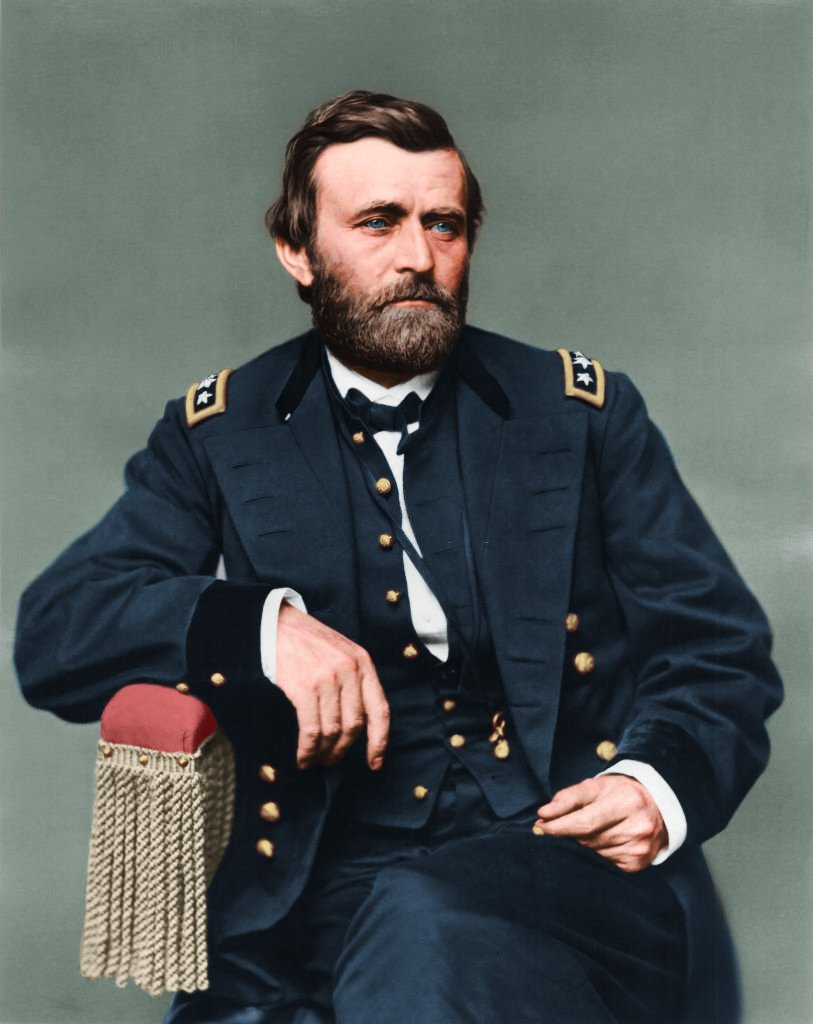
OTD in 1864: 100,000 men vanished overnight, and the greatest general of the age had no idea where they went. This might be the most underrated move of the Civil War.
Context: Grant had just spent ten days locked in trench warfare at Cold Harbor, Virginia, after a frontal assault on June 3 that cost him thousands of men in under an hour. He admitted it was the worst mistake of his career. The armies were so close that soldiers could not lift their heads above the dirt in daylight.
Everyone, including Lee, expected Grant to do what every Union commander before him did after a bloody repulse: retreat north and regroup.
Instead, on the night of June 12, Grant did something audacious. He pulled the entire Army of the Potomac out of trenches that were in some places only yards from Confederate lines. No bugles, no fires, wheels muffled. By morning the Union trenches were empty and Lee's scouts found nothing but abandoned earthworks.
The army marched south, away from Richmond, which made no sense to Confederate observers. Then Union engineers did something almost nobody thought possible: they threw a pontoon bridge across the James River, roughly 2,100 feet of it, over water up to 85 feet deep with a four-foot tidal swing. They built it in about eight hours. It was one of the longest floating bridges in military history.
For three full days Lee was effectively blind, unsure whether Grant was north or south of the James. By the time the picture cleared, Grant's army was across the river attacking Petersburg, the rail hub that fed Richmond.
The siege that followed lasted nine months and ended with Lee's surrender at Appomattox.
Everyone remembers Cold Harbor as Grant's worst day. Almost nobody remembers that one week later he pulled off the maneuver that won the war.
34
454
2,345
75,207
Task Force 18 retweeted
Jun 13
82 years ago today, Albert Blithe is wounded by sniper fire after volunteering for a patrol outside of Carentan. 🪖
Dick Winters sets the record straight on Blithe’s hysterical blindness, being wounded, and his life after World War II.
23
195
2,401
106,248
Task Force 18 retweeted

Jun 13
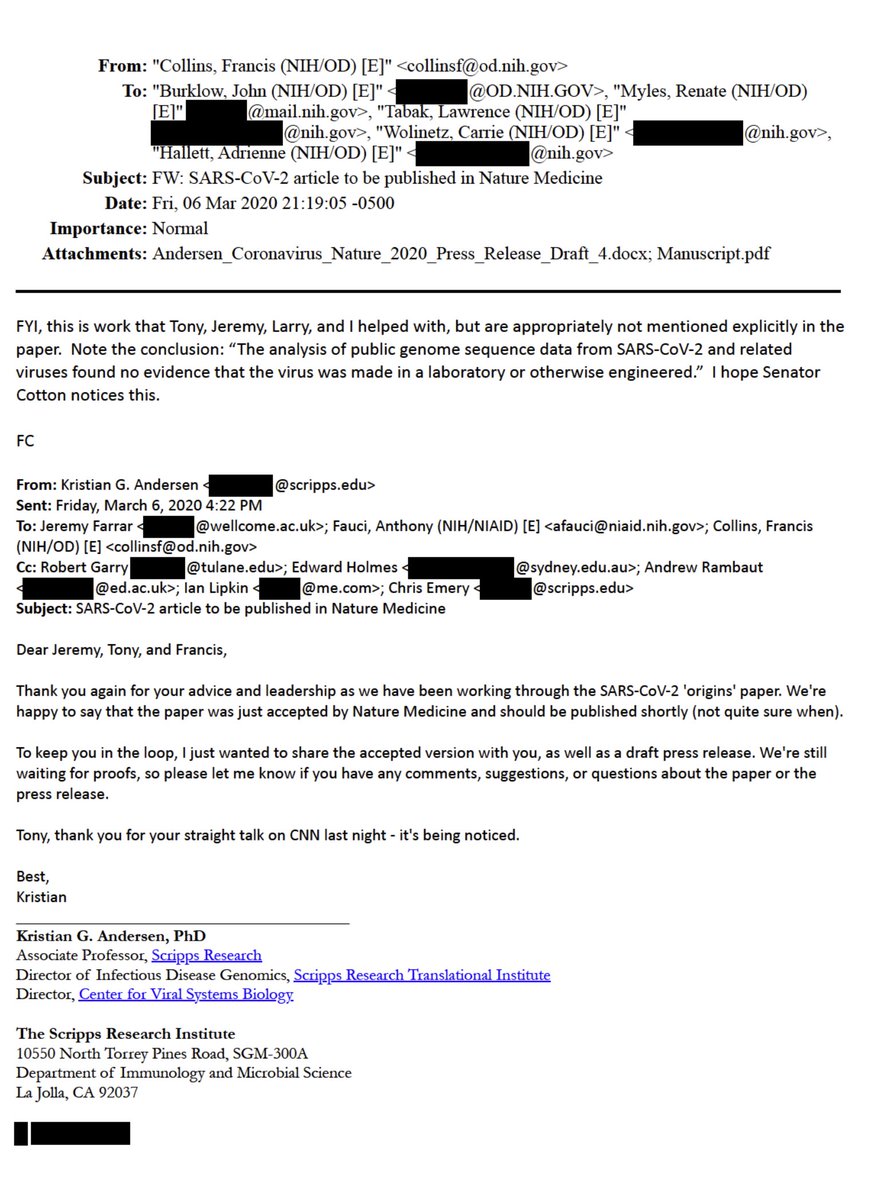
This is what we long suspected. Collins was in the driver’s seat even more than Fauci. He needs to forced to testify under oath
Jun 11

Weeks later, that same group of concerned scientists would publish the Proximal Origin shutting down debate that COVID-19 could have come from a lab.
In an internal email, NIH Director Francis Collins notes that he and Fauci helped with the paper “but are appropriately not mentioned."
6
16
74
2,806
Task Force 18 retweeted

Jun 12
On the morning of June 6, 1944, Lt. Dick Winters had already survived one disaster before the sun came up.
His C-47 roared over Normandy through a wall of flak, flying too fast and too low. He jumped anyway. The prop blast ripped his leg bag clean off, taking his rifle, his ammo, and most of his gear. He hit the ground in occupied France armed with a knife in his boot.
Most men in that situation hide. Winters started walking toward the sound of the war.
By dawn he had scavenged a rifle, collected a handful of scattered paratroopers, and learned that his company commander's plane had gone down with everyone aboard. Just like that, a quiet lieutenant from Pennsylvania who didn't drink, didn't curse, and wrote letters home about wanting to find a peaceful farm someday was in command of Easy Company.
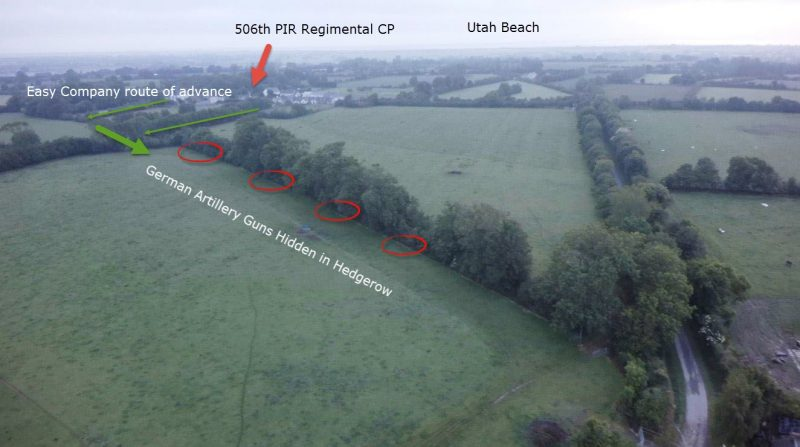
A few hours later a battalion officer gave him one of the great understated orders in military history. German fire was coming from a farm called Brecourt Manor, hammering the troops coming off Utah Beach. The order was basically: there's fire along that hedgerow, take care of it.
What was actually there: four 105mm howitzers dug into a hedgerow network, connected by zigzag trenches, covered by machine guns, and defended by roughly 60 German troops. The guns were dropping shells directly on causeway exit 2, where thousands of Americans were trying to get off the beach. Every minute those guns fired, men died in the sand.
Winters had 12.
He did not charge. He crawled forward alone to study the position, then briefed his men like he had all the time in the world. Machine guns here to pin the defenders. Compton, Guarnere, and Malarkey crawling along the flank. Hit the first gun with grenades and speed from a direction the Germans never expected.
It worked almost exactly as drawn. The first gun fell in minutes. Then his men used the German trenches as a highway, rolling up the battery one gun at a time, beating back counterattacks, and dropping blocks of TNT down the barrels to destroy them for good.
In the middle of the firefight, Don Malarkey spotted what he thought was a Luger on a dead German and sprinted into open ground to grab it. The German machine gunners held their fire, apparently deciding that anyone that reckless had to be a medic. He made it back alive. It wasn't even a Luger.
At the second gun, Winters found something better than a pistol: a German map showing every artillery and machine gun position covering Utah Beach. He sent it up the chain immediately. On the most important morning of the war, a 26-year-old lieutenant had just handed the Allies the enemy's entire defensive layout for the sector.
When reinforcements under Lt. Ronald Speirs arrived, they stormed the fourth and final gun. About three hours after it started, the battery was silent and the exits off Utah Beach were open for thousands of men who will never know his name.
The cost: one American killed, a few wounded. The Germans lost around 15 dead and a dozen captured. Winters received the Distinguished Service Cross and later said the best decoration he ever got was a sergeant telling him years later that his men trusted him with their lives.
The assault on Brecourt Manor is still studied at West Point as a textbook example of a small unit destroying a fixed position.
Around 60 defenders. Four guns. Twelve paratroopers and a lieutenant who started D-Day with nothing but a knife.
If it sounds familiar, it should. This is the same Easy Company from Band of Brothers. The difference is that none of it was fiction.
And when Winters was asked decades later if he was a hero, he gave the answer that still gets quoted at his statue in Normandy: "No. But I served in a company of heroes."
46
598
4,284
133,791
Task Force 18 retweeted

Jun 12
An investigative report by @KalineAntoun traces allegations that Hezbollah and IRGC operatives obtained authentic Lebanese passports under false identities through state institutions, raising questions about security breaches, accountability and the extent of Hezbollah’s influence within General Security.
Insights from: @DrGhadaAyoub @TonyBouloss @alyalamine @youssefdiab__
More here: f.mtr.cool/rnwfnldfiv
15
31
5,844
Task Force 18 retweeted
Jun 12
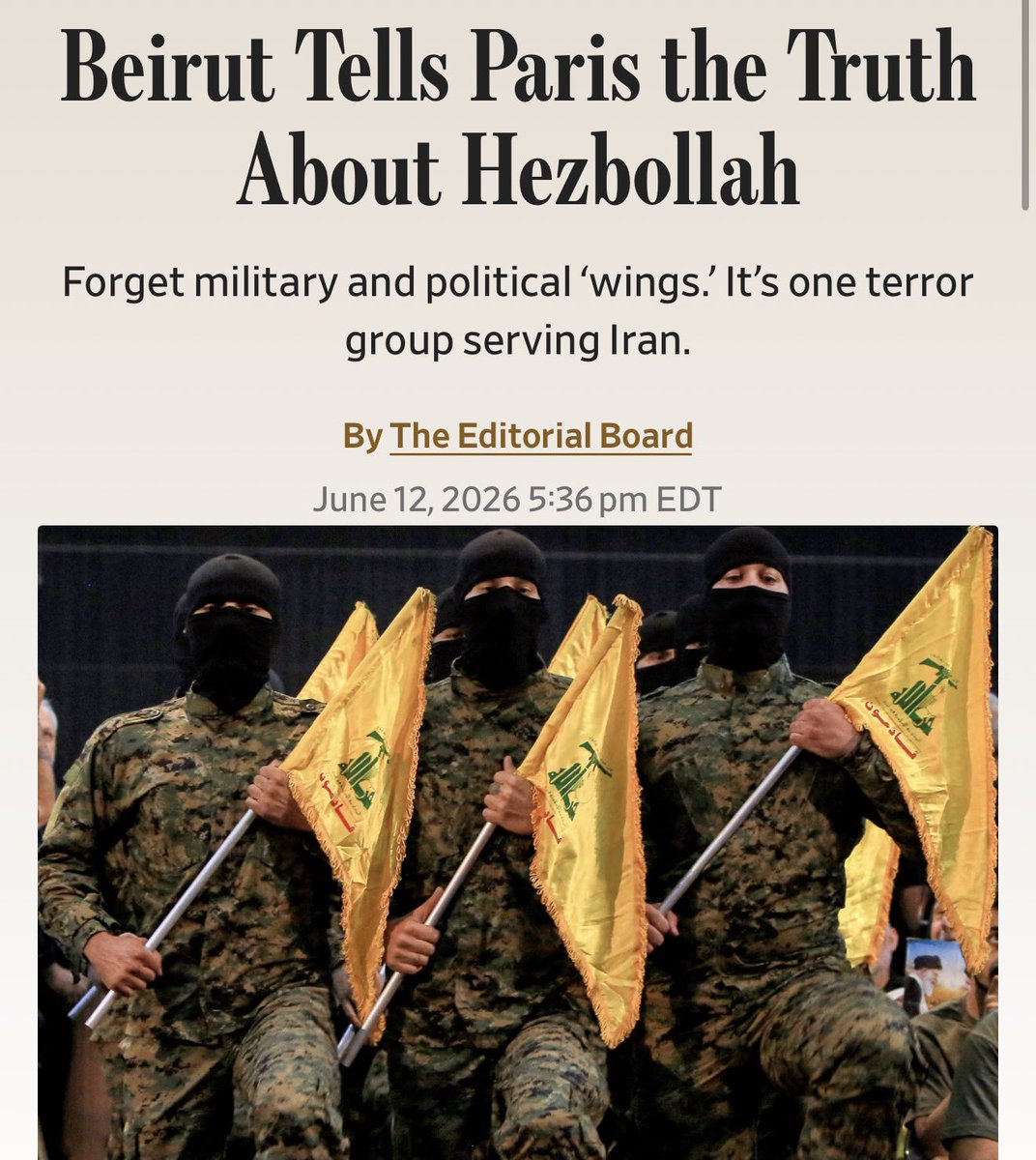
There’s a reason Europe considers Hezbollah only half a terrorist group. France has forced the European Union to distinguish between Hezbollah’s military and political “wings,” the one sanctioned and the other diplomatically respectable. One problem: It’s a fiction, as Lebanese Foreign Minister Youssef Raggi laid bare on Wednesday.
34
285
876
24,874
Jun 12
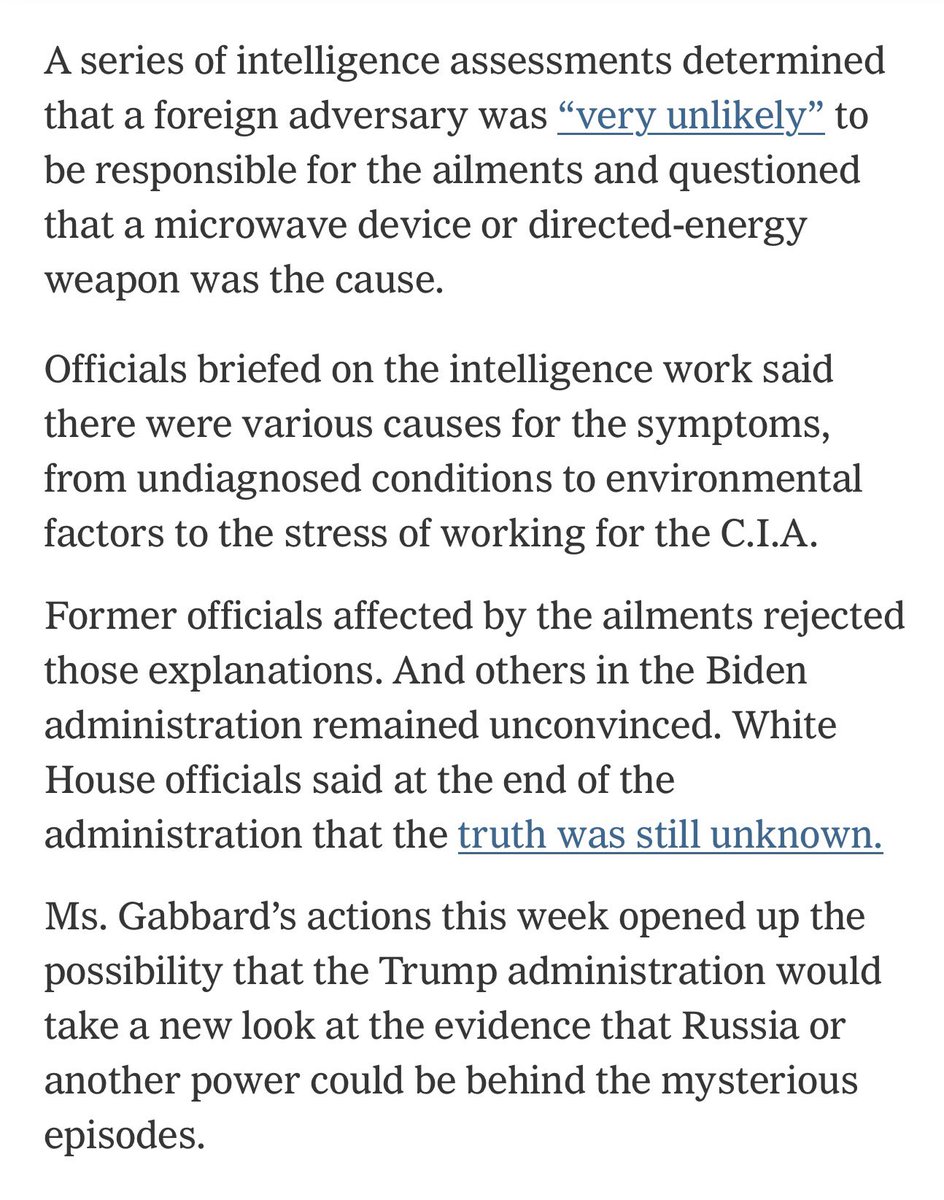
Havana Syndrome was likely the result of a directed energy weapon wielded by members of Russian GRU Unit 29155. After two more years of research, that body of evidence has only grown larger and more compelling. However, as a result of an internal CIA investigation that appears to have been deliberately designed in order to not take into account any of that evidence, the world’s most prestigious espionage agency now finds itself riven with strife between employees who want to see justice done for their targeted colleagues, and others who continue to insist “there’s no there there.”
Jun 12

Also, the US acquired the pulse microwave device from the Russians and it works the way the IC expert panel posited such a device would work. theins.press/en/inv/290088
41