
We use behavioural science to help people make better decisions.
Joined February 2016
- Tweets 1,393
- Following 632
- Followers 2,764
- Likes 927
124 Photos and videos
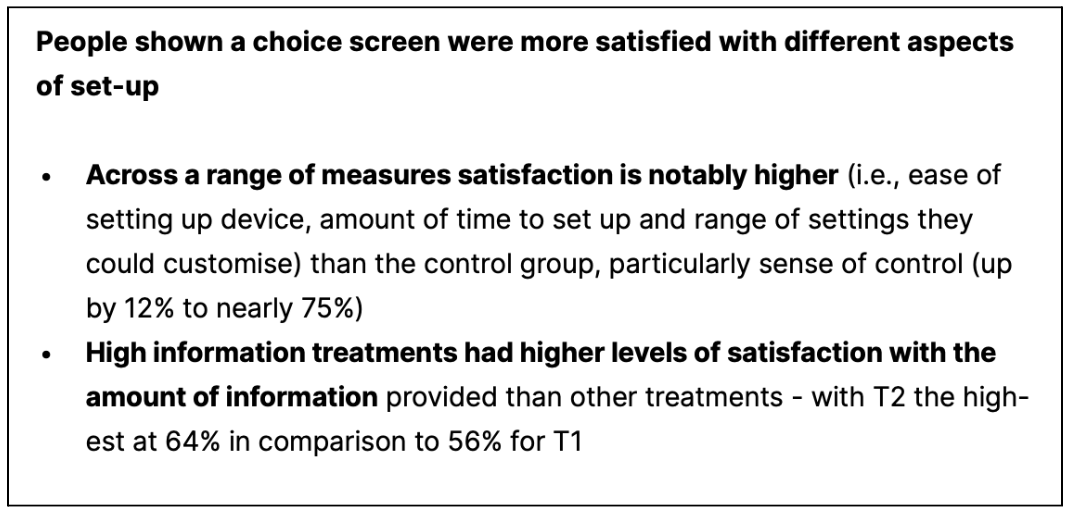
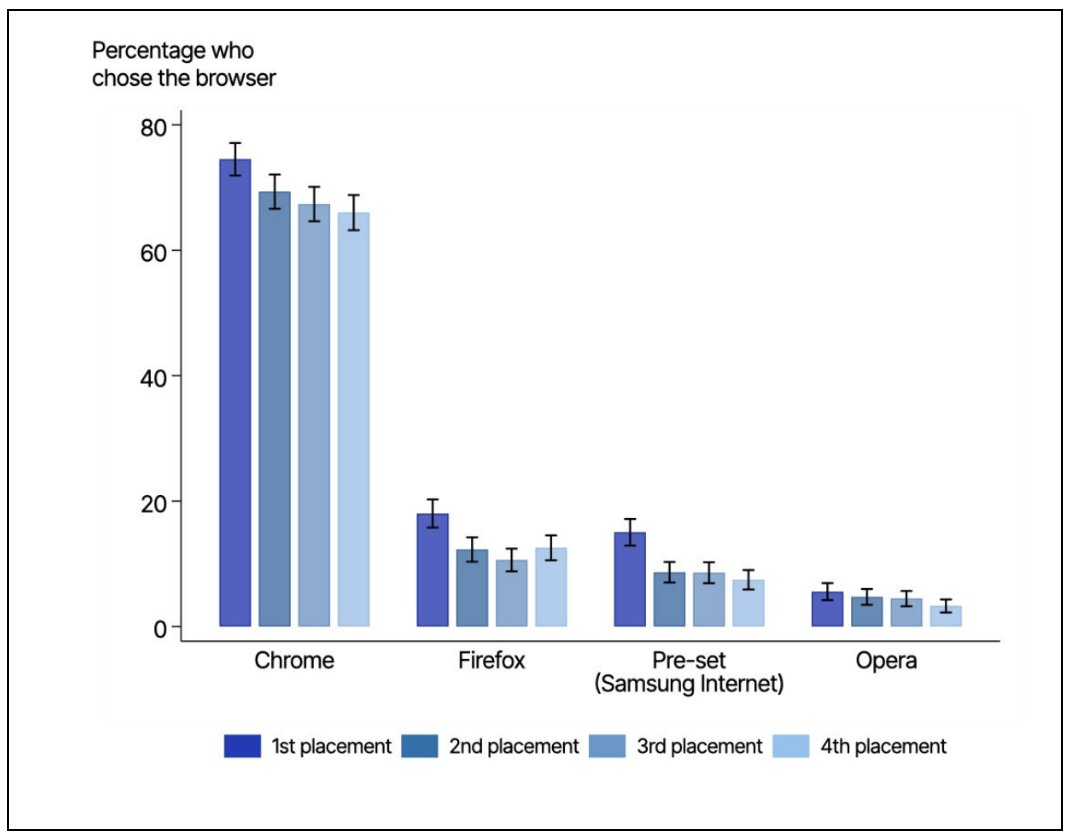
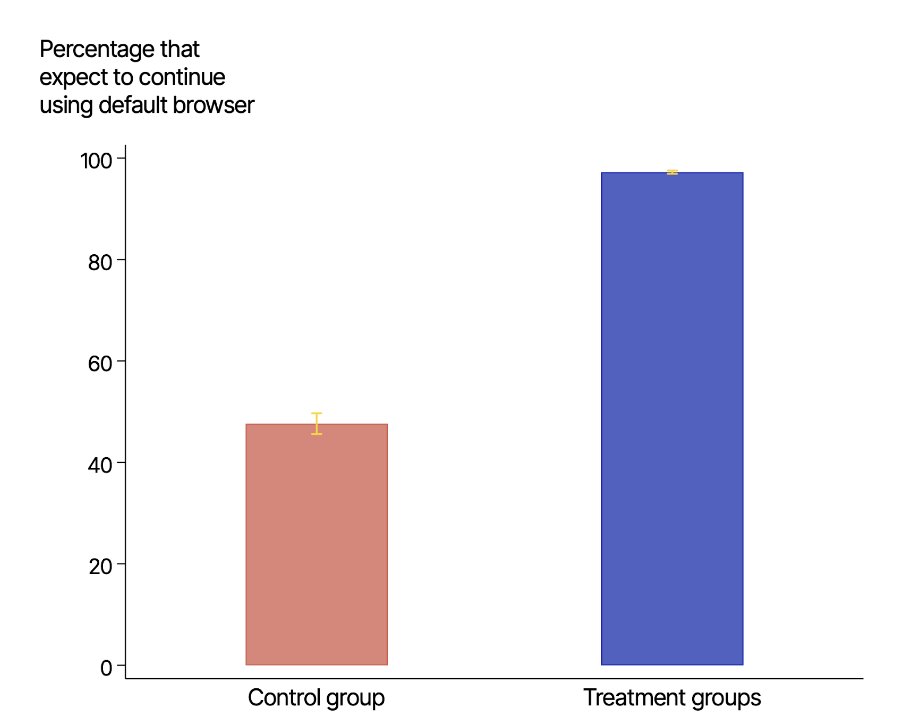
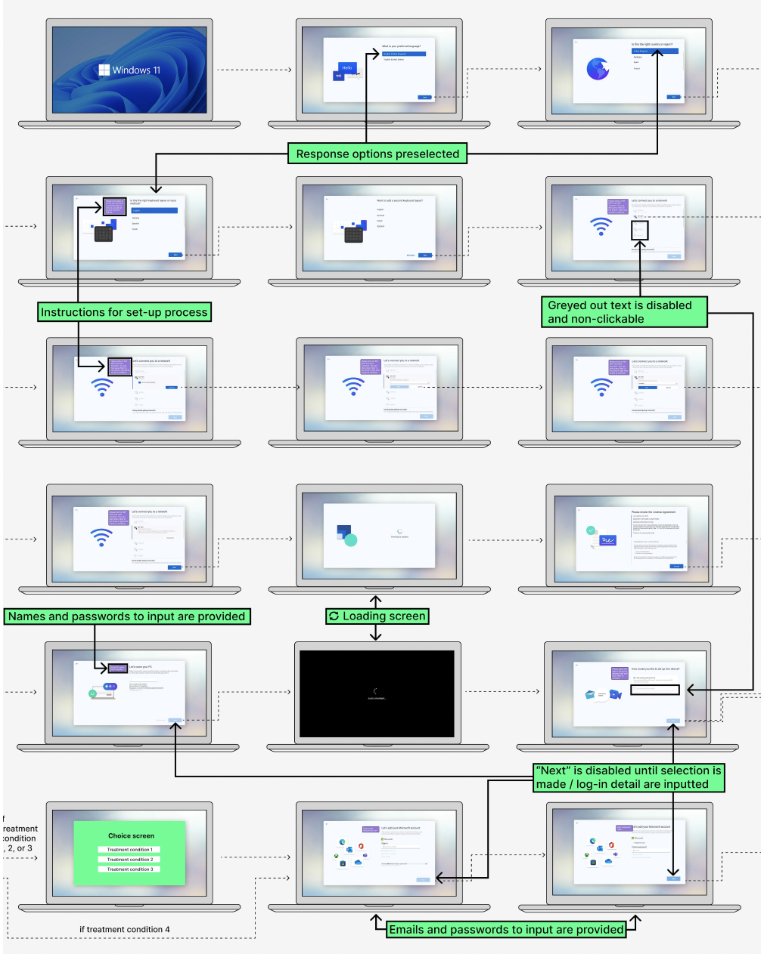
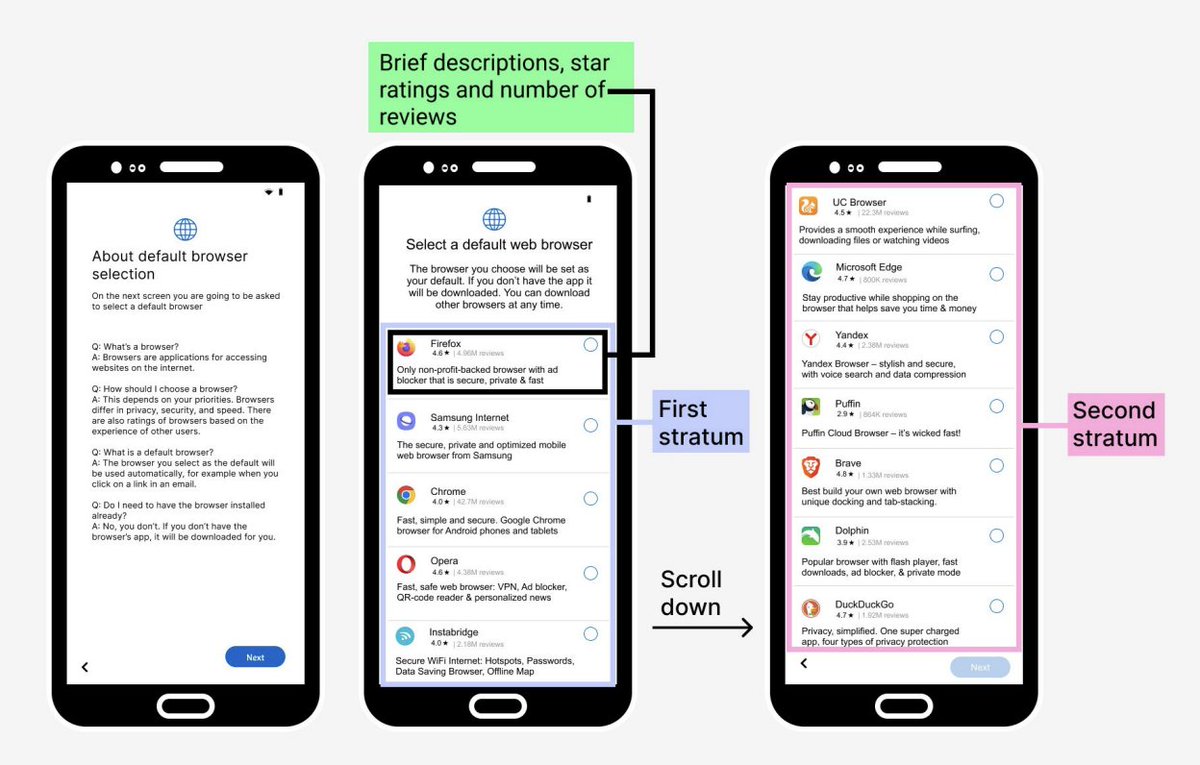




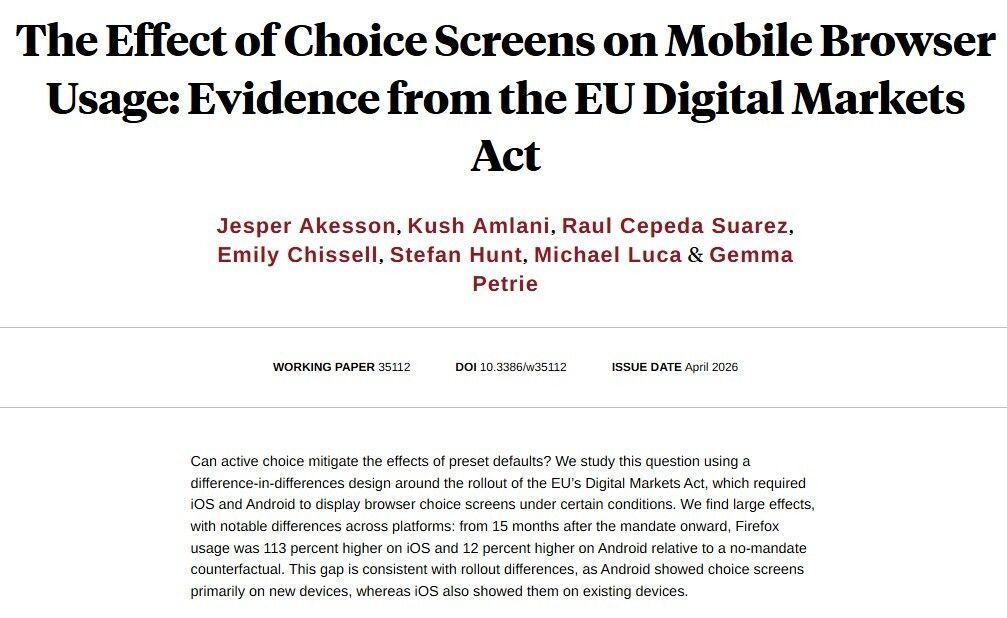
Studying if active choice mitigates the effects of preset defaults by using the rollout of the EU’s Digital Markets Act, which required iOS and Android to display browser choice screens under certain conditions, from @jesper_akesson, Kush Amlani, Raul Cepeda Suarez, Emily Chissell, Stefan Hunt, @mike_luca, and Gemma Petrie nber.org/papers/w35112
5
14
4,243

3 Dec 2024
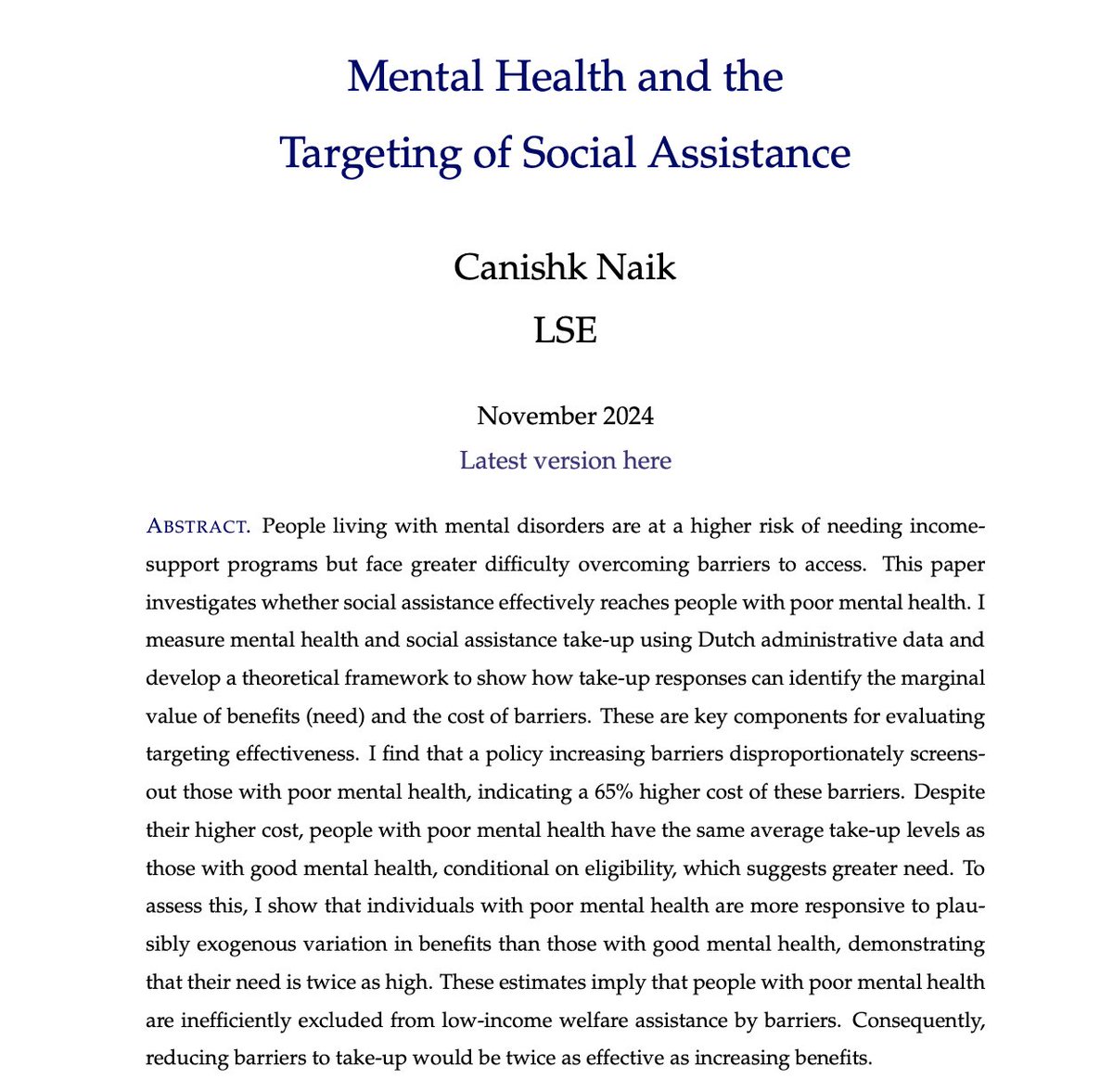
Check out this thread from our Research Associate, Canishk, explaining his new paper which investigates the barriers that make it more difficult for people with poor mental health to access social assistance programmes, despite needing it most. 🧵
27 Nov 2024

Hello! Excited to share my job market paper with #econtwitter
I study how barriers to social assistance disproportionately screen out people with poor mental health—despite their high need.
Summary below
Paper: 🔗(canishknaik.github.io/pdf/MH…)
@WelcomeEcon
2
2
778
14 May 2024
#Heatpumps are a highly #energyefficient heating and cooling technology, but many consumers are reluctant to make the switch. In our latest blog, we explore the #behavioural drivers and barriers to heat pump adoption. Check it out below!
👇 👇 👇
thebehaviouralist.com/applyi…
1
270
6 Mar 2024
Our most recent blog post introduces a novel behavioural design method: #behaviouraljourneymapping.
Head to our website now to read the full post: thebehaviouralist.com/behavi…
#behaviouralscience #design #behaviouralinsights
262
27 Feb 2024
Sign up now for our #webinar on improving consumer engagement with demand-response:
👉 Wednesday, Feb. 28 at 2 pm GMT
👉 Learn about our new guidebook on the role #behaviouralscience in energy demand flexibility
👉 Developed in partnership with @users_tcp
zoom.us/webinar/register/WN_…
1
195
20 Feb 2024
Check out our new case study describing our work creating a guidebook on using #behaviouralinsights to support #energydemandflexibility! The guidebook is now LIVE and can be downloaded here: bit.ly/49HzdQa
thebehaviouralist.com/portfo…
1
3
353
13 Feb 2024
There's still time to apply to the Office Administrator position at TB! Follow the link below to learn more about how to join our team
#jobopportunity #officeadministrator #behaviouralscience
thebehaviouralist.com/career…
167
The Behaviouralist retweeted

7 Feb 2024
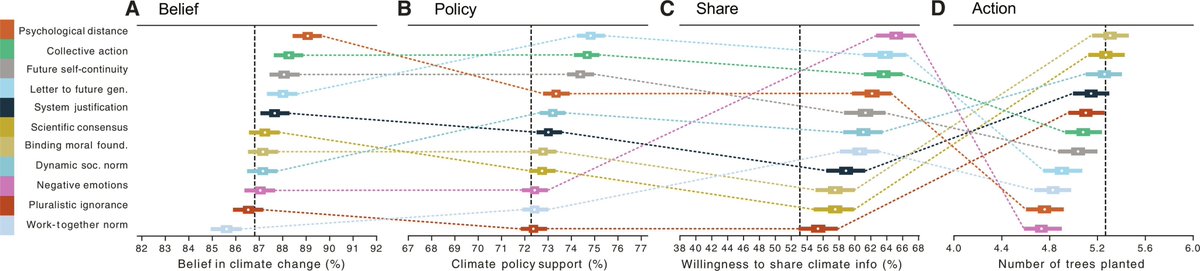
We tested 10 behavioral interventions to mitigate #climatechange in 63 countries (N = 59,440)
The interventions’ effectiveness was small, largely limited to nonclimate skeptics, and differed across outcomes:
-Beliefs were strengthened mostly by decreasing psychological distance (by 2.3%)
-Policy support by writing a letter to a future-generation member (2.6%)
-Information sharing by negative emotion induction (12.1%)
-No intervention increased the more effortful behavior—several interventions even backfired by reducing tree planting!
Our paper is in @ScienceAdvances : science.org/doi/10.1126/scia…
It was led by @vlasceanu_mada and @kim_doell and included a massive team of over 250 collaborators from around the world!
10
89
248
63,309
6 Feb 2024
Curious about how #behaviouralinsights and #energypolicy can work together? Sign up now to receive our next newsletter, which will focus entirely on our work in this arena. Enter your email address at the bottom of our homepage to subscribe!
thebehaviouralist.com/
125
30 Jan 2024
❗New case study alert❗Head to our website to learn about our work with the @LLSusa to understand barriers to clinical trial enrolment of blood cancer patients in the Veterans Health Administration
thebehaviouralist.com/portfo…
1
1
482
23 Jan 2024
#clinicaltrials are essential for the development of new medical treatments, but researchers often struggle to enrol sufficient numbers of patients. Keep your eyes peeled 👀 for a new case study describing TB's recent work on this topic in collaboration with @LLSusa!
220
16 Jan 2024
Bitter cold and long nights can make the winter months a struggle. Kubzansky and colleagues discuss the importance of #prosociality as a #publichealth initiative. The takeaway? Do something for another person today to ward off the January blues!
lnkd.in/eeZhJSxB
156
9 Jan 2024
Happy new year! We're back in the office and excited for a busy 2024! Keep an eye out for updates on new projects focusing on:
🌬 #airquality and #behaviourchange
💡 #energypolicy
🚉 #transportation mode choice
💷 #consumer protection
and much, much more!
143
19 Dec 2023
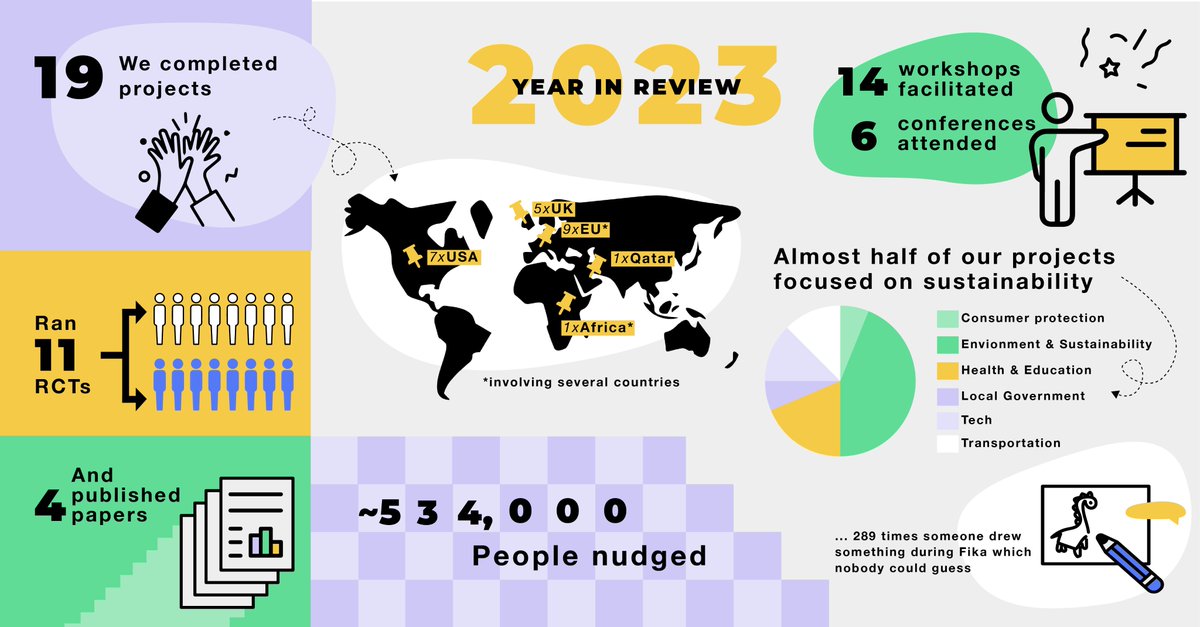
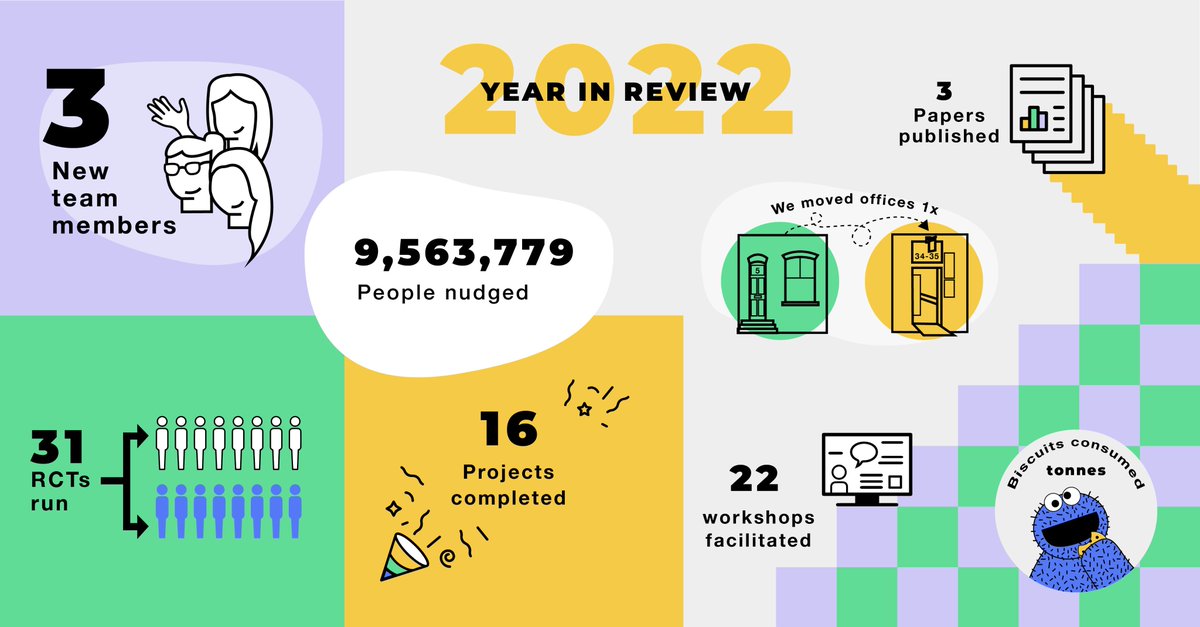
As the year draws to a close, here at TB we've been #reflecting on all that we've #accomplished in 2023. Here are some of our highlights from the past 12 months -- from projects to papers and team fun, it's been a great year!
1
188
14 Dec 2023
Our work on #wateraudits is cited in The National News this week. Follow the link below to learn more about how #behavioural interventions can reduce #waterconsumption
thenationalnews.com/opinion/…
111
12 Dec 2023
New work from our founders @RDMetcalfe and Robert Hahn has recently been published in the Journal of Consumer Psychology! Follow the link below to learn more
#omissionbias #behaviouralscience #Psychology
myscp.onlinelibrary.wiley.co…
1
158
28 Nov 2023
Our work on #fakereviews is featured in the @WSJ this week! @jesper_akesson shares key findings from our work with @WhichUK and explains the impact of fake reviews on #consumer choices
wsj.com/us-news/youre-probab…
74
The Behaviouralist retweeted

24 Nov 2023
Nice summary in the WSJ on our fake reviews paper, with discussion by @jesper_akesson and @econominable
@Tbehaviouralist
wsj.com/us-news/youre-probab…
1
2
2
814
14 Nov 2023
TB's research on #fakereviews is discussed in @Newsweek! Follow the link below to learn about how fraudulent reviews impact #consumer #behaviour
newsweek.com/how-fake-review…
1
1
182
13 Nov 2023
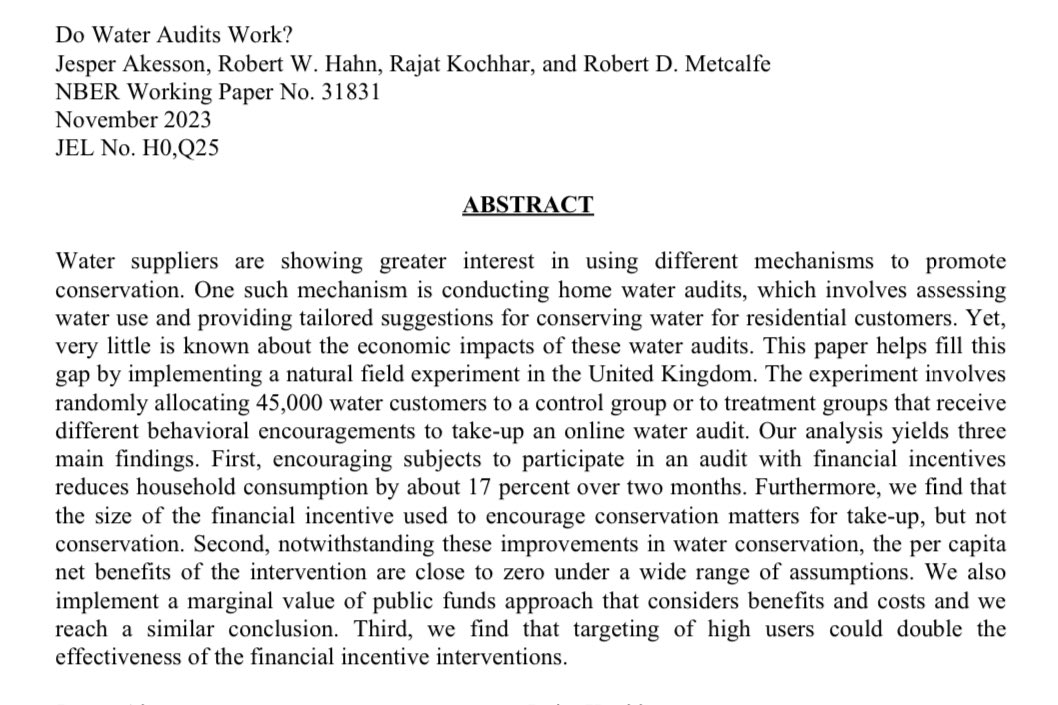
A recent paper by our team on water audits 👇
13 Nov 2023

Very excited that our paper on “do water audits work” is released today as an @nberpubs wp.
We find that water audits meaningfully conserve water but the welfare increases are not meaningful.
@jesper_akesson @Tbehaviouralist @rajatkochhar
1
1
981