
Defence reporter. Military plane spotter. Scale model builder. Writer of books. Sometimes my worlds collide. Personal account. May be unserious.
Joined December 2010
- Tweets 60,363
- Following 728
- Followers 18,114
- Likes 32,030
4,367 Photos and videos




Pinned Tweet

21 Mar 2024
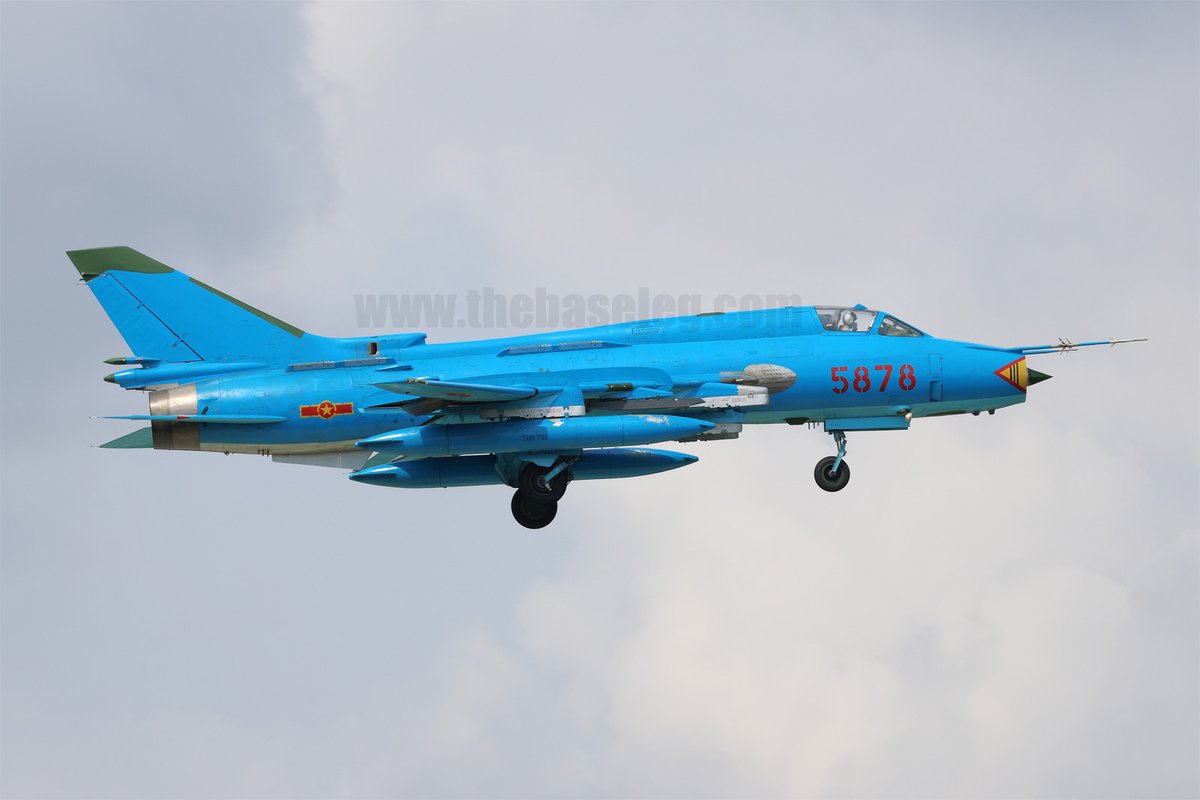
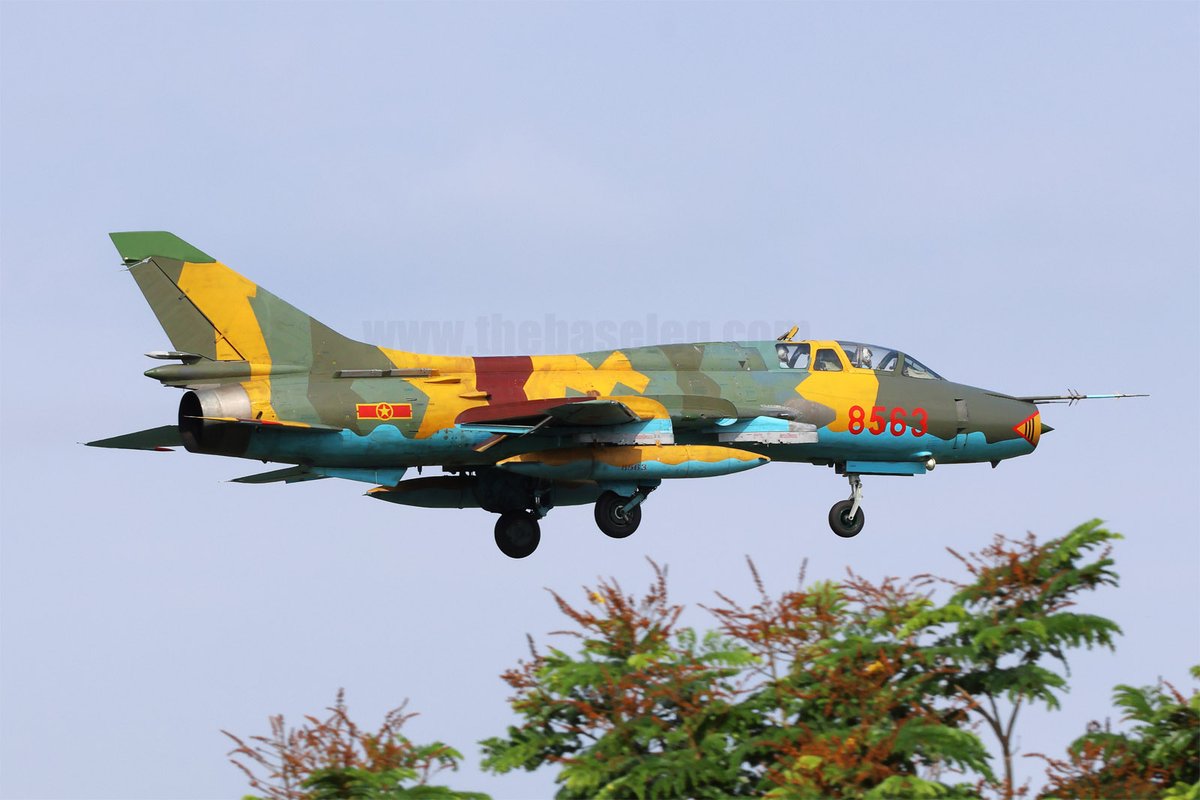
Visit to Da Nang for the Sukhoi Su-22 Fitters of the Không Quân Việt Nam, because these Cold Warriors won't be around forever.
Everything from the inlet and shock cone design to the periscope for the Su-22UM3K backseater, just screams "1970s Soviet aircraft design"
18
50
274
39,936
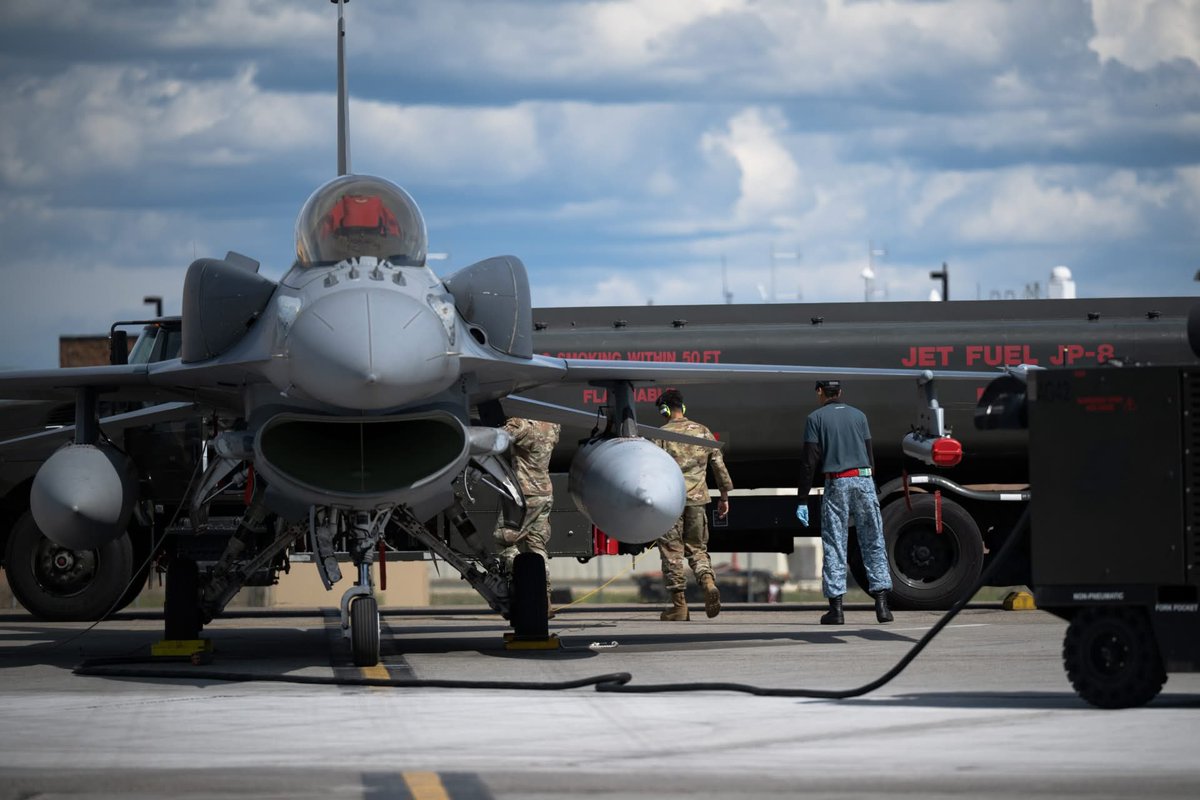
First time the Elta EL/L-8212 airborne self protection pod has been seen in an official photo released by Singapore’s military. This one is by an upgraded F-16D at Red Flag Alaska (Singapore Ministry of Defence photo)
2
26
112
4,747
Jun 12
4 UAEAF C-17s have been noted on flight trackers landing at South Korea so far, flying via Subang in Malaysia.
3 have since gone back the other way, with the 4th having just landed (as of now)
Jun 12

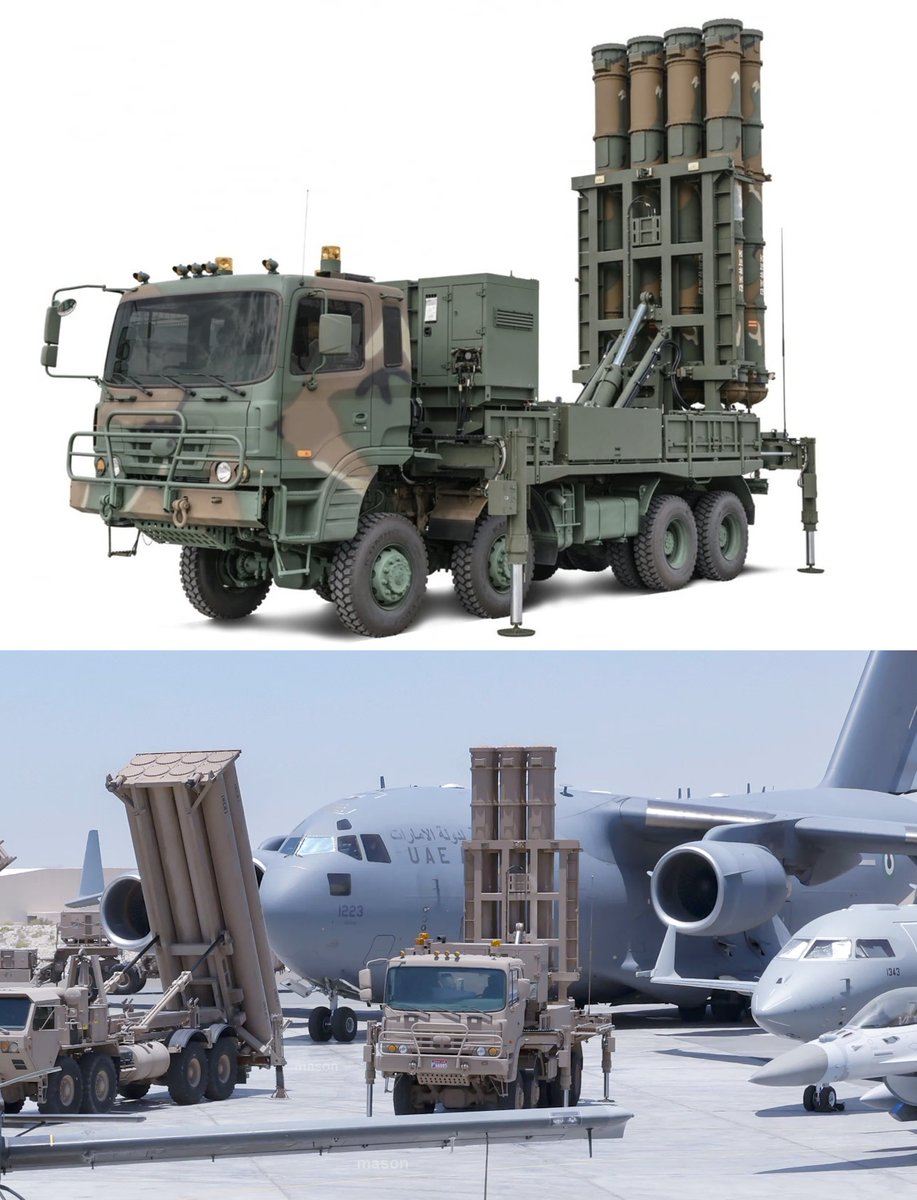
Today's news. It is reported that the UAE dispatched eight C-17 to take the entire third M-SAM-II ballistic missile interceptor battery from South Korea. The decision to transport it by air was made because the Strait of Hormuz has been blockaded since the US-Iran war, and the delivery of the third battery was reportedly completed a full six months ahead of the schedule.
The two export-type M-SAM-II batteries already deployed in the UAE were used to intercept Iranian missiles and drones in the recent conflict.
It was reported that over 60 interceptor rounds were fired, with a success rate of 96%.
UAE, Saudi Arabia, and Iraq have placed large orders for 10 and 8 M-SAM-II batteries and that Kuwait and Qatar are expected to purchase the M-SAM-II soon, according to inndustry sources.
LIG D&A is currently in contact with countries in Southeast Asia, Europe, and Latin America regarding M-SAM-II and L-SAM, and it was confirmed a few days ago that Indonesia wants two M-SAM-II batteries.
However, questions are being raised as to why Indonesia is purchasing only two M-SAM-II batteries, rather than M-SAM-III, L-SAM-I, or L-SAM-II. Assuming Indonesia has secured two medium-range SAM batteries, where does it plan to deploy them? Will it be military bases or the capital city facing threats from CRBM, SRBM, MRBM, or HGV?
Of course, there is a possibility that the quantity or items may change as the letter of intent is modified.
While some argue that they will place additional orders after operating two batteries, there are many reasons why purchasing nations are eager to sign contracts quickly. To give just two examples for easier understanding, the primary reason is to avoid falling behind in the supplier's production line, and the other is inflation.
It would appear that LIG's M-SAM-II is the second most popular ballistic missile interceptor system after the PAC since the 2020s.
However, even though it is relatively cheaper than the PAC, unlike the M-SAM-I, the II uses high-cost interceptor missiles with a completely different design.
Furthermore, the export-type includes a much more powerful radar incorporating whole new technologies.
This means that the cost of the batteries and the speed of production have increased.
Although LIG D&A and Hanwha's missile factories have expanded and Hanwha Systems is increasing its radar production capacity by securing a new factory, industry sources indicate that production lines are already fully booked through 2030 with orders from the UAE, Saudi Arabia, and Iraq.
The good news is that faster deliveries are now possible due to the expansion of missile and sensor production lines.
●The export type uses Czech Tatra vehicles, and the battery consists of one C2 center, one radar, and four launch vehicles.
●The M-SAM-II radar of the export type is designed to counter from drone, TBM, SRBM, and some MRBM, HGV.
3
4
37
3,422
Mike Yeo 杨启铭 retweeted

Jun 11
Finally, they agree on something :)
Jun 11

IRAN AND ISRAEL BOTH DENY EXISTENCE OF ANY AGREEMENT. - N12 NEWS
8
35
604
24,134
Mike Yeo 杨启铭 retweeted

Jun 11
Very troubling choice of target. "Strikes early Wednesday destroyed what appears to be a drinking-water facility on Iran’s southern coast, near the Strait of Hormuz, according to an analysis by The New York Times." nytimes.com/2026/06/10/world…
5
67
161
19,726
Mike Yeo 杨启铭 retweeted

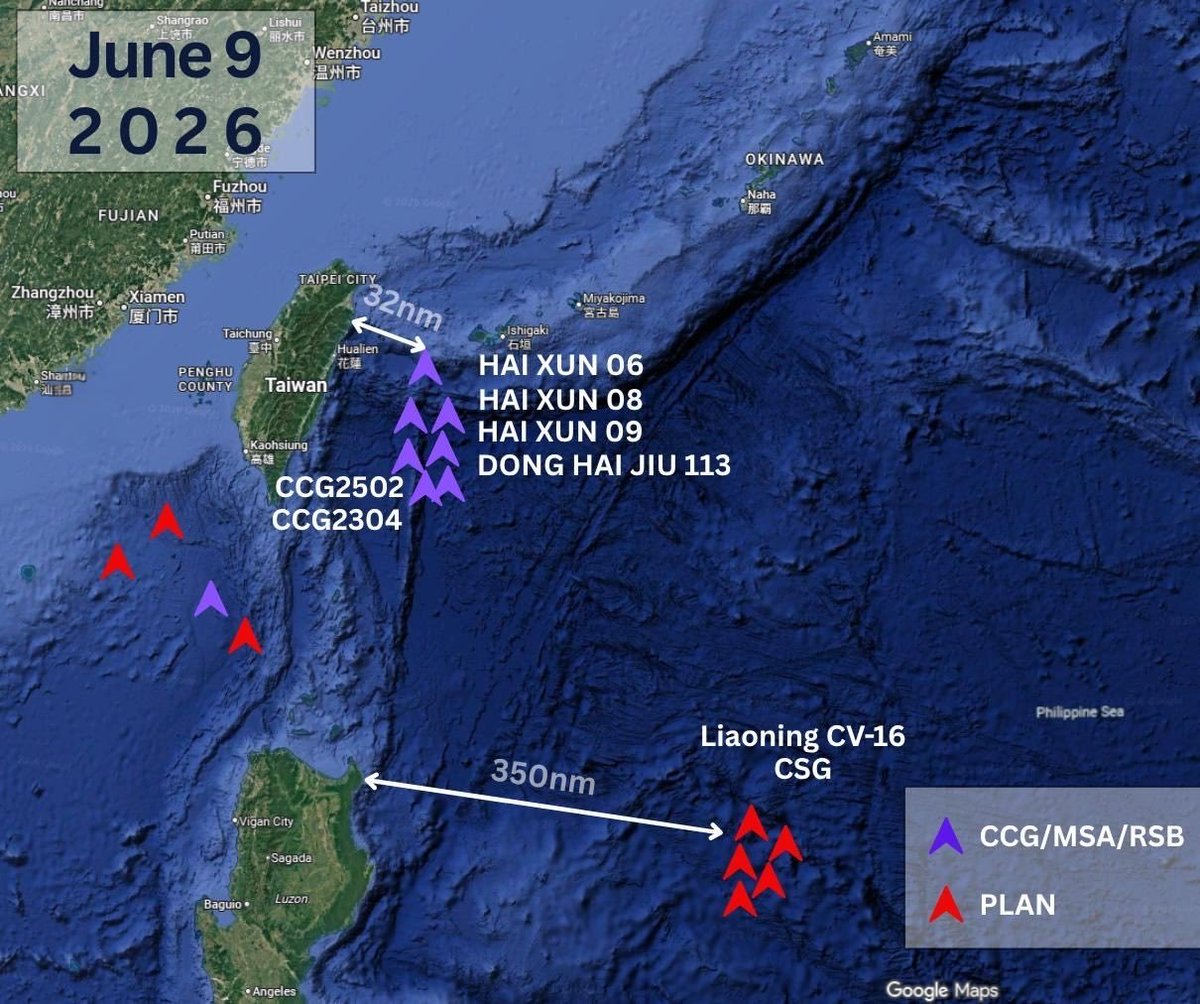
Taiwan’s Coast Guard Administration says five Chinese government vessels, including Haixun 06, Haixun 08, Haixun 09, Donghai Jiu 113, and CCG 2202, operated east of Taiwan and broadcast inquiries about port entry to three passing merchant cargo ships while falsely asserting jurisdiction.
According to Taiwan’s CGA, Haixun 06 queried a Singapore-flagged vessel near Eluanbi on June 7, a Liberian-flagged vessel east of Suao on June 9, and a Benin-flagged vessel east of Sandiaojiao later the same morning.
Taiwanese Coast Guard vessels warned the Chinese ships that they had no jurisdiction in Taiwan’s EEZ and told the merchant vessels to maintain normal navigation and ignore the Chinese broadcasts.
📸: Joseph Wu, Secretary-General of Taiwan's National Security Council
63
150
404
65,198
Jun 10
Navy contract award for foreign suggests it’s for F-35Bs. A customer so hush hush suggests it’s for….

Pentagon paid $154 million to start building parts for 11 F-35 stealth fighters — for a country it won't name. Production runs through 2030.
defence-blog.com/u-s-navy-aw…
46
59
3,034
672,486
Mike Yeo 杨启铭 retweeted

Jun 10
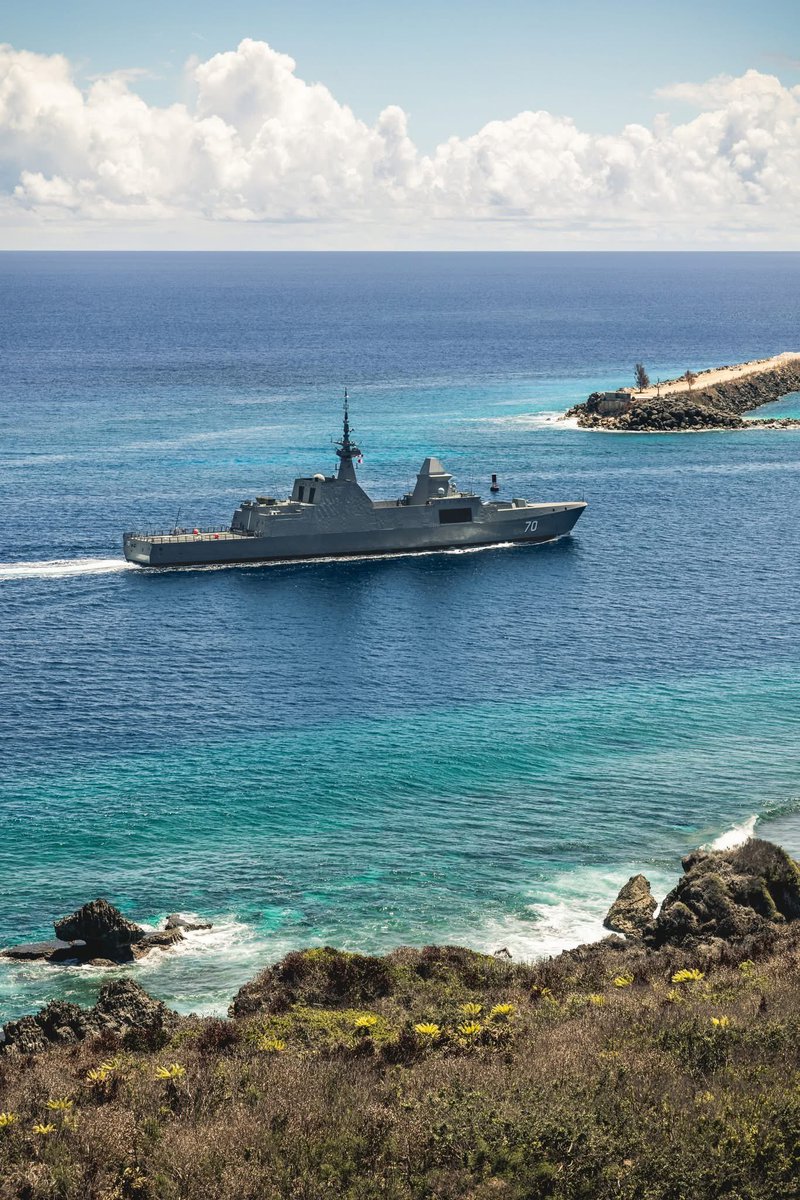
Republic of Singapore Navy Formidable-class frigate RSS Steadfast (70) coming into Guam - June 9, 2026 SRC: FB- US Naval Base Guam
1
7
84
3,535
Mike Yeo 杨启铭 retweeted

Jun 10
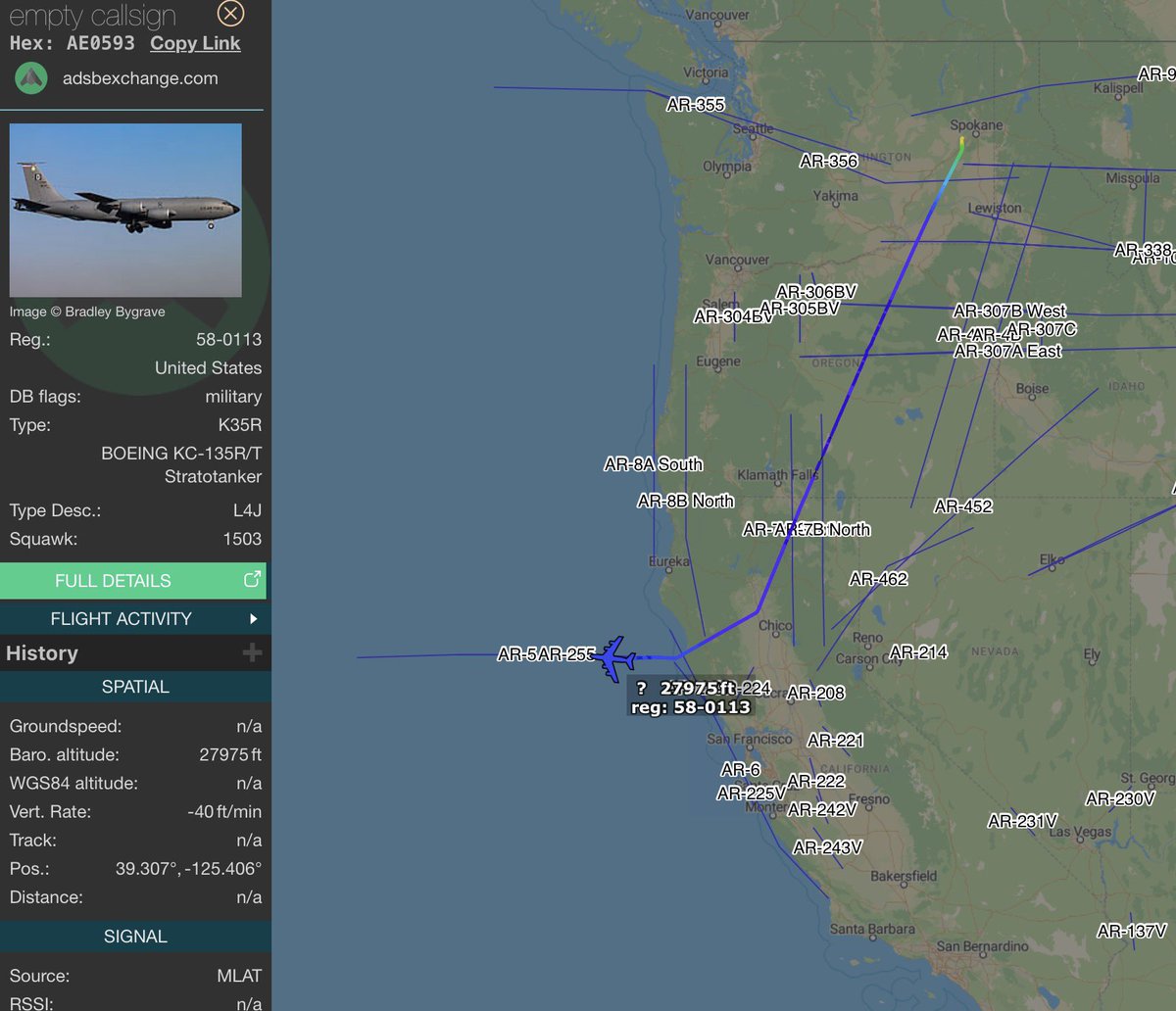
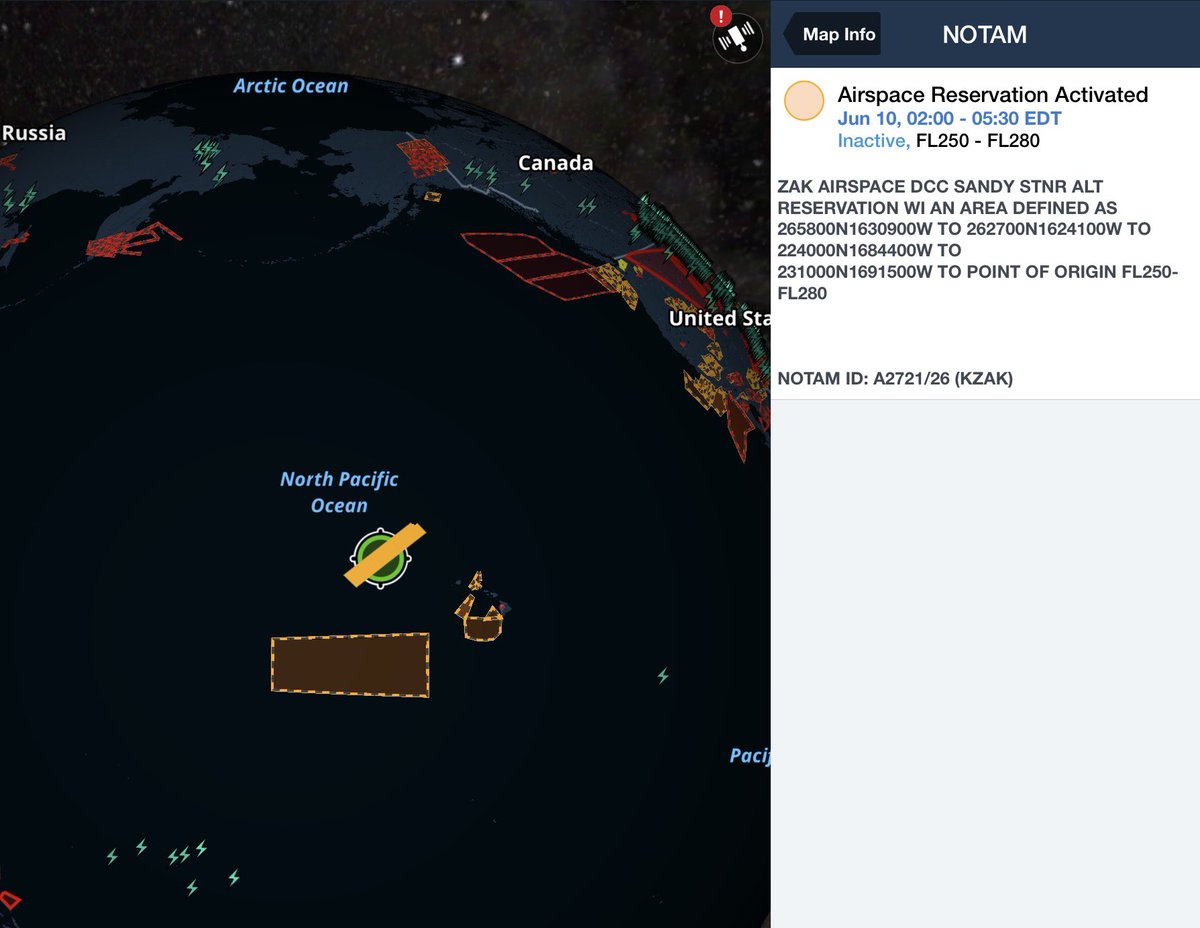
A B-2A Stealth Bomber callsign SMOG11 just finished refueling with ADLAY40 flt (x3 KC-135) on the AR-5 off the coast of California enroute to Australia. I got them working SAN FRANCISCO RADIO on HF. 🇺🇸💪😎
*Disclaimer, this is not a wartime flight. It’s an annual migration of the B-2A going down under to participate in planned exercises. 🦘🐨🇦🇺
8
41
345
97,355
Mike Yeo 杨启铭 retweeted

Jun 10
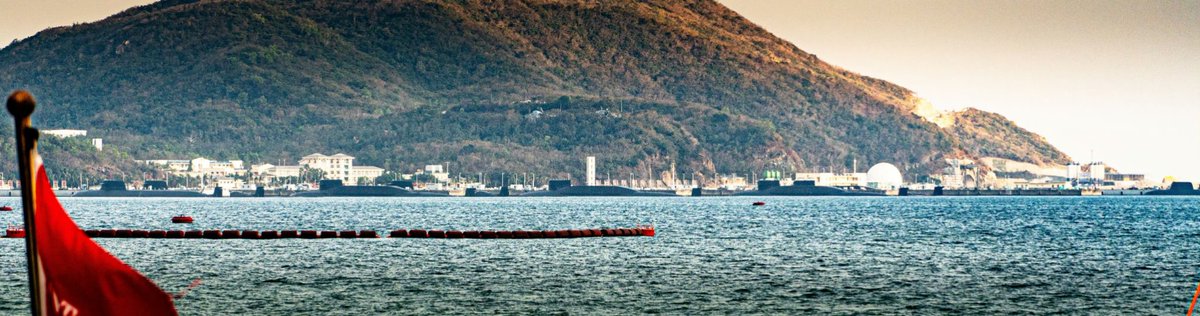
Interesting shot of the nuclear powered submarine berthing facilities at Longpo, Hainan. Showing four SSN and four SSBN. Remarkably, all four attack subs may (!) be Type 09IIIB. Via J35的天空/Wb.
2
18
89
7,513
Mike Yeo 杨启铭 retweeted

Jun 7
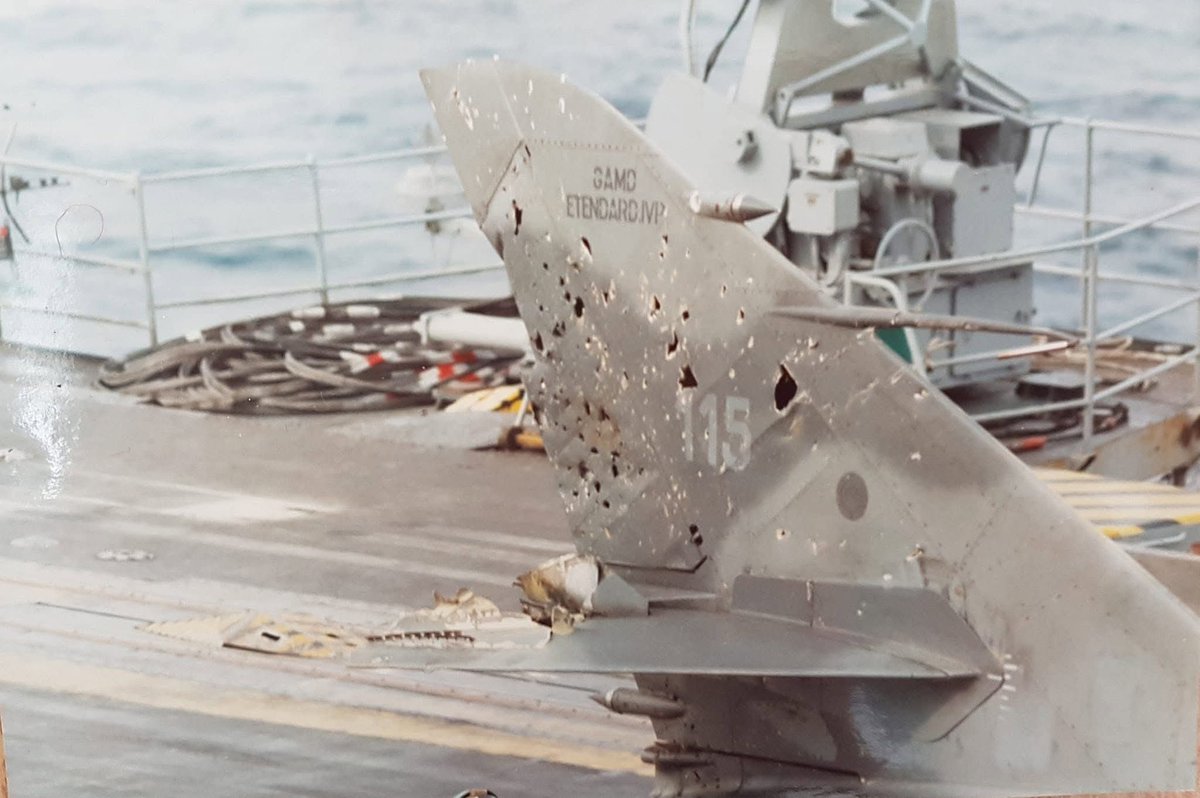
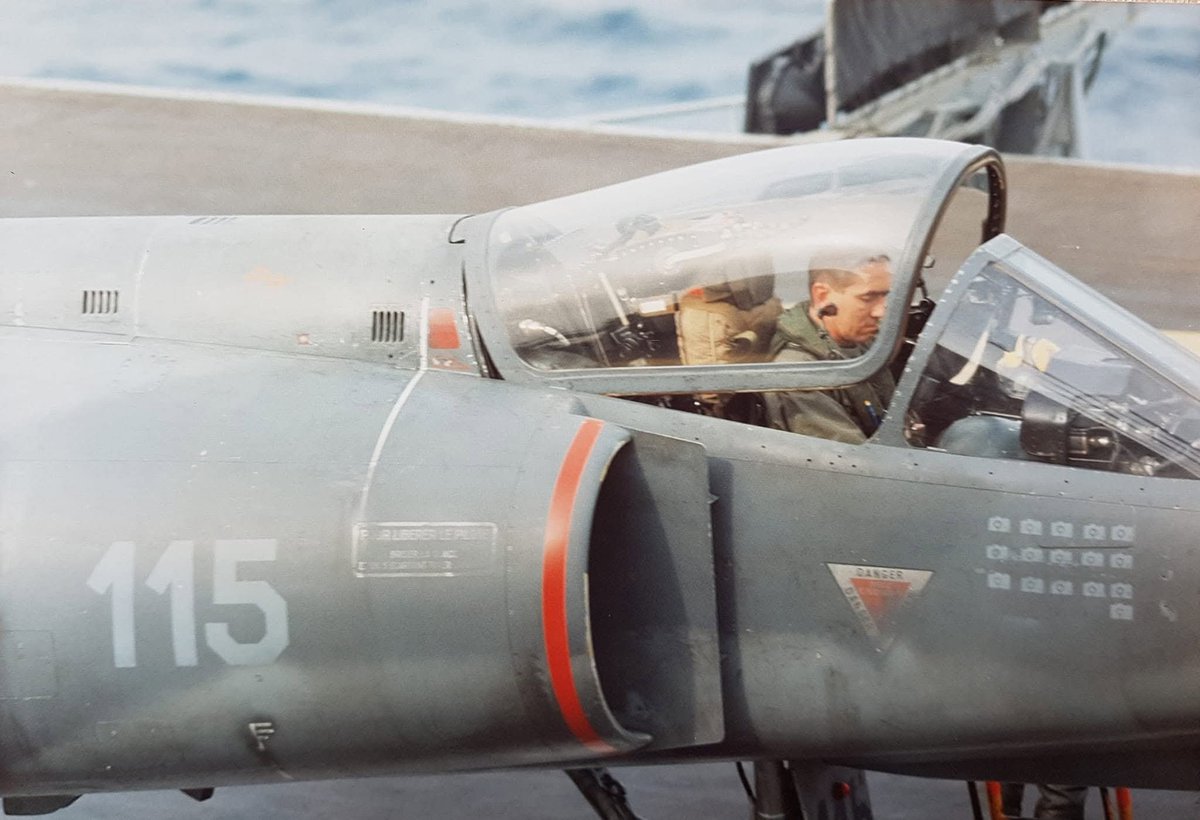
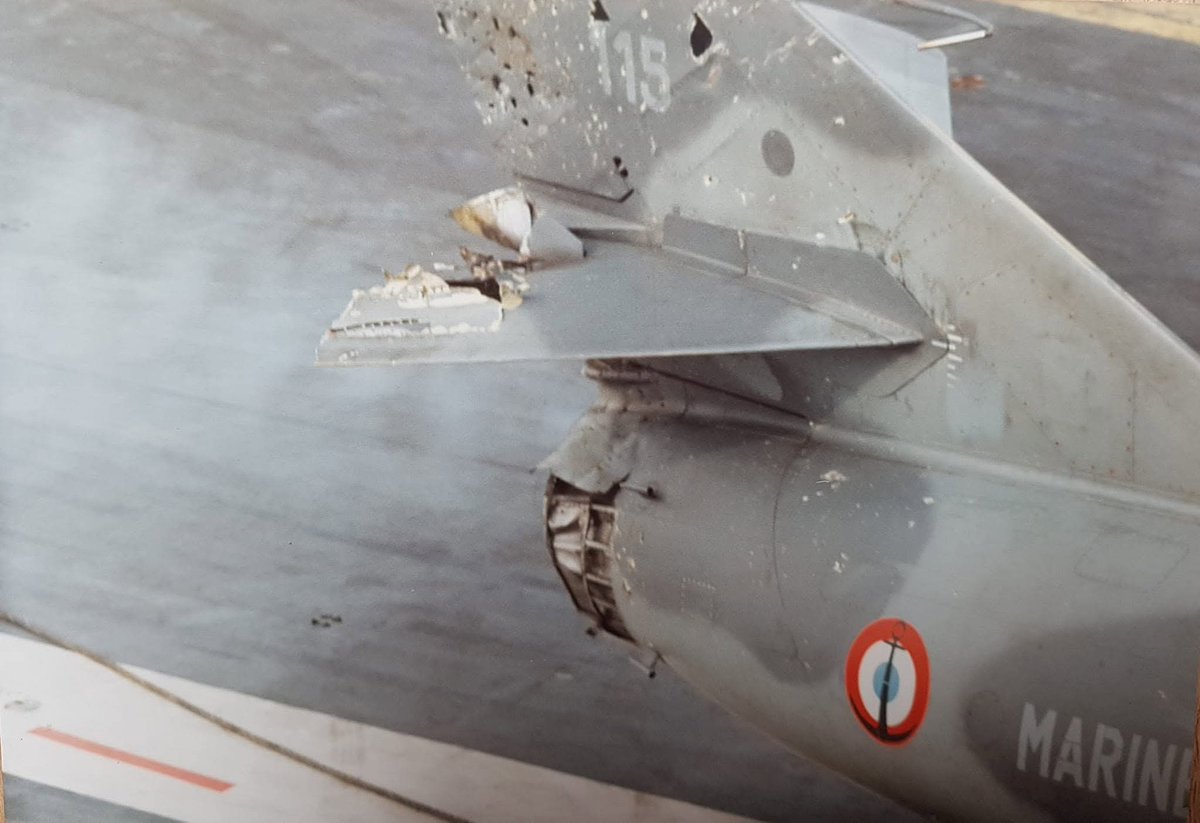
Remarkably, there´s footage of this landing. I had never seen such clear pictures of the damage, as seen here.
📹3. мајевичка лпбр ВРС

📸 La foto curiosa
Etendard dañado durante la guerra de Yugoslavia.
El 15 de abril de 1994, un Etendard IV PM fue alcanzado por un SA-14 en Goradze.
El Etendard tomó a 300 km/h en el Clemenceau (cuando la máxima era 256 km/h). El portaaviones tuvo que aumentar su velocidad a 32 nudos para tratar de compensar las velocidades.
4
44
428
113,931
Jun 7
He really doesn’t like the Western Europeans
Jun 6

Pete Hegseth in Normandy:
Sadly, today different European beaches are stormed by different dangerous ideologies.
In Spain and Italy and Greece and Bulgaria, boats and men arrive.
When will European capitals do something about that invasion? Or is it too late?
14
30
2,141
Mike Yeo 杨启铭 retweeted

Jun 4
There's a part of being a dog owner we don't talk about enough. We all know, deep down, that one day the Rainbow Bridge will come into view-but most of us do our best to tuck that thought away, somewhere far in the back of our minds. We focus instead on the wagging tails, the muddy paw prints, the quiet companionship on long days and even longer nights.
That's the trade we make without ever signing a paper.
But when the time comes, and our best friend, our shadow, our loyal partner crosses over, it leaves a space that never quite fills back in. Not really. You can clean up the toys, put away the bowls, even convince yourself you're "moving on," but that silence... it lingers.
That's why getting another dog can feel like such a battle.
It's not about not loving dogs. It's because you loved one so deeply that the thought of walking that road again, knowing exactly how it ends, feels almost too heavy to carry. You remember the last look, the last walk, the last time they rested their head on your knee... and you wonder if your heart can take that kind of goodbye again.
But if there's any truth in all of it, it's this: they were worth it.
Every single moment.
And maybe, just maybe, the reason it hurts so much is because of how much love there was in the first place. 🐶💛
244
600
6,045
241,197
Mike Yeo 杨启铭 retweeted

Open Letter to the President of the Russian Federation: president.gov.ua/en/news/vid…
1,124
3,909
17,870
1,573,812
Mike Yeo 杨启铭 retweeted

Jun 3
六四从未公开的画面。这是英国独立电视新闻的前线记者冒死拍摄、偷送出境的影像,受限于当年新闻篇幅,只播出了不到20秒,剩下的99%,一直被封存于地下片库,长达30多年直到2026年5月,这段含现场杂音的「完整原始母带」,第一次公之于众。
326
5,665
19,400
1,303,695
Mike Yeo 杨启铭 retweeted

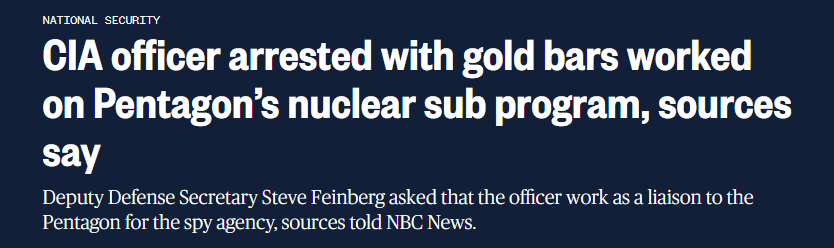
not a combination of words that you like to see
18
75
5,844
Jun 4
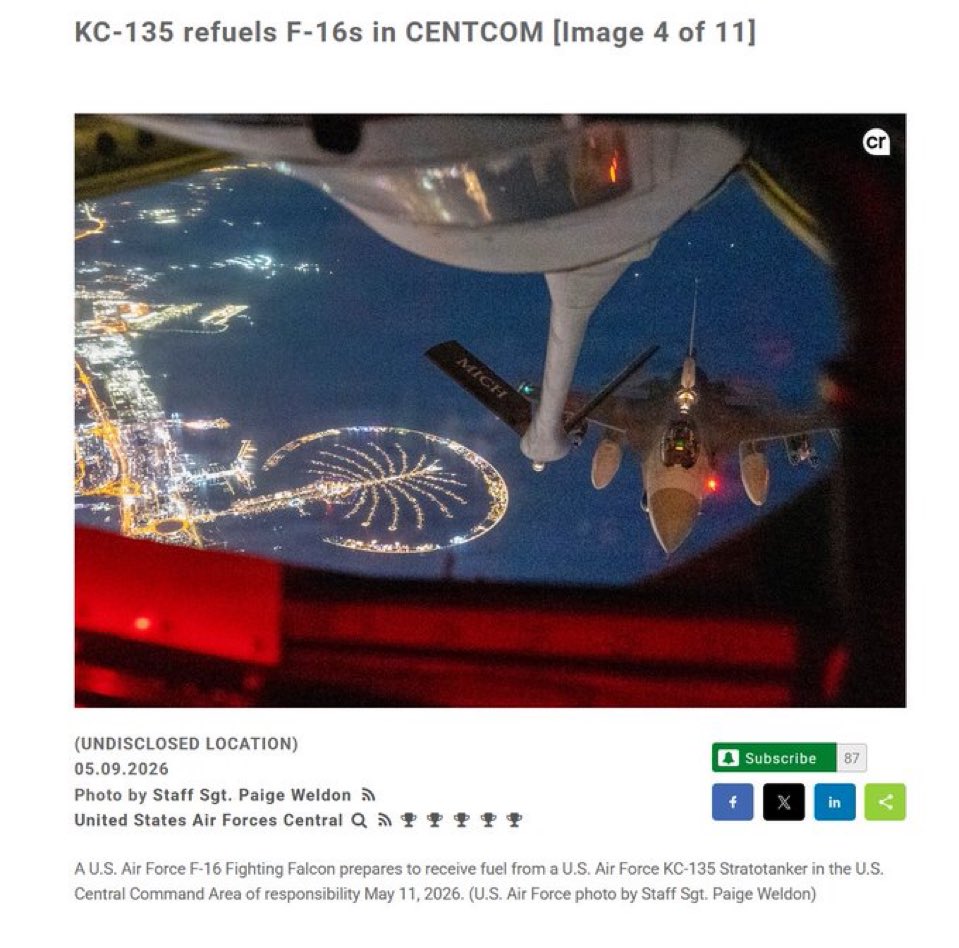
“…in the US Central Command Area of Responsibility” oh my goodness where is this it’s a mystery no one will ever guess
4
3
29
1,866
Mike Yeo 杨启铭 retweeted

Jun 3
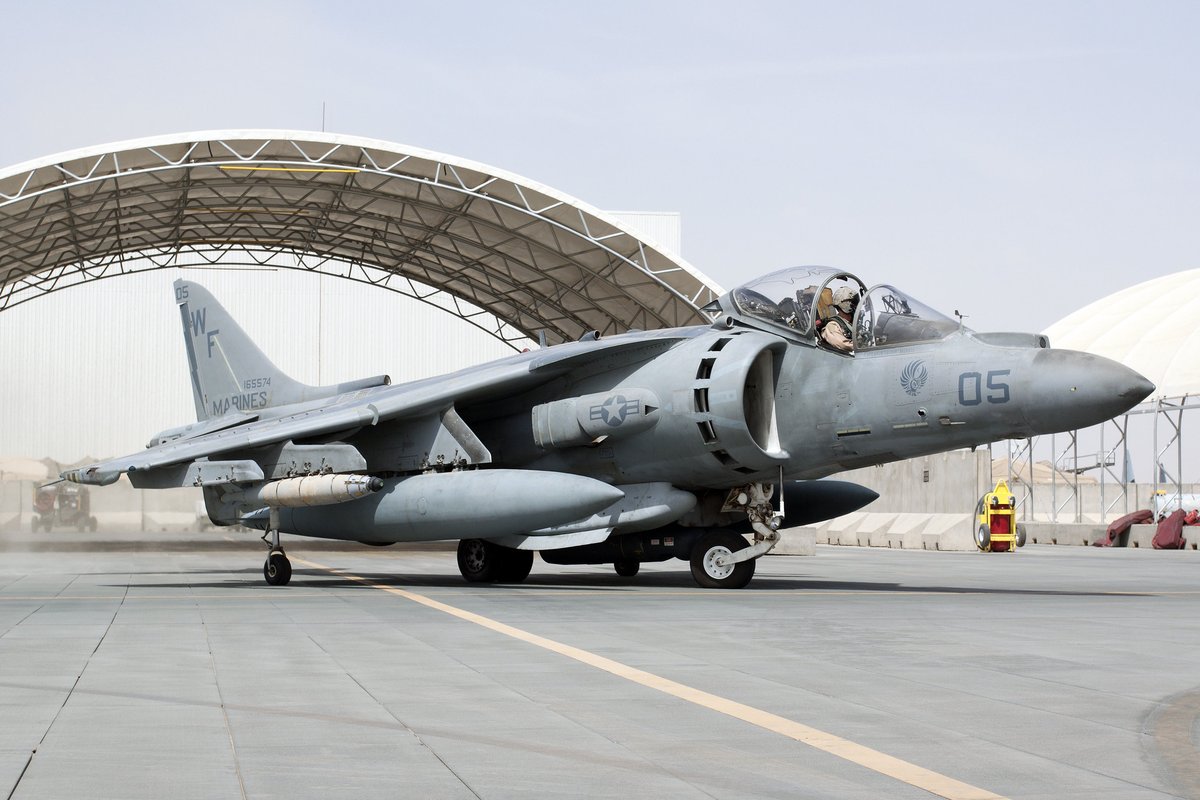
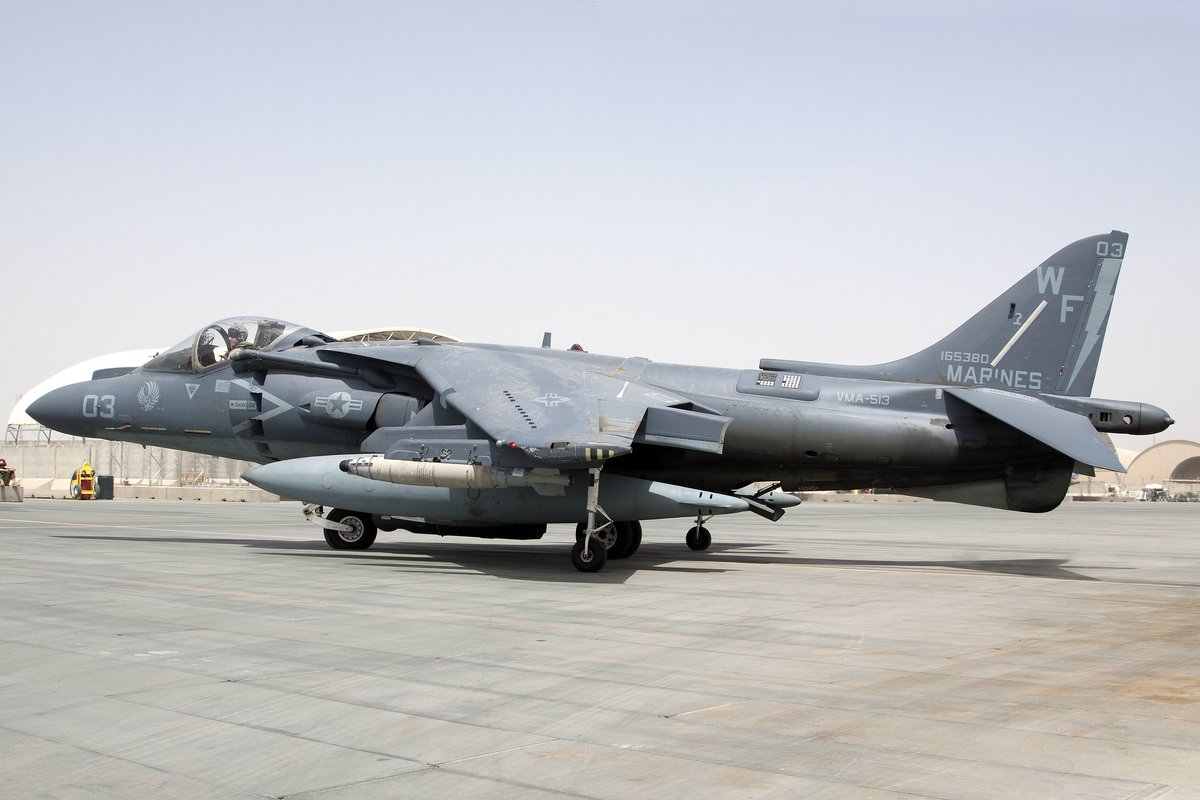
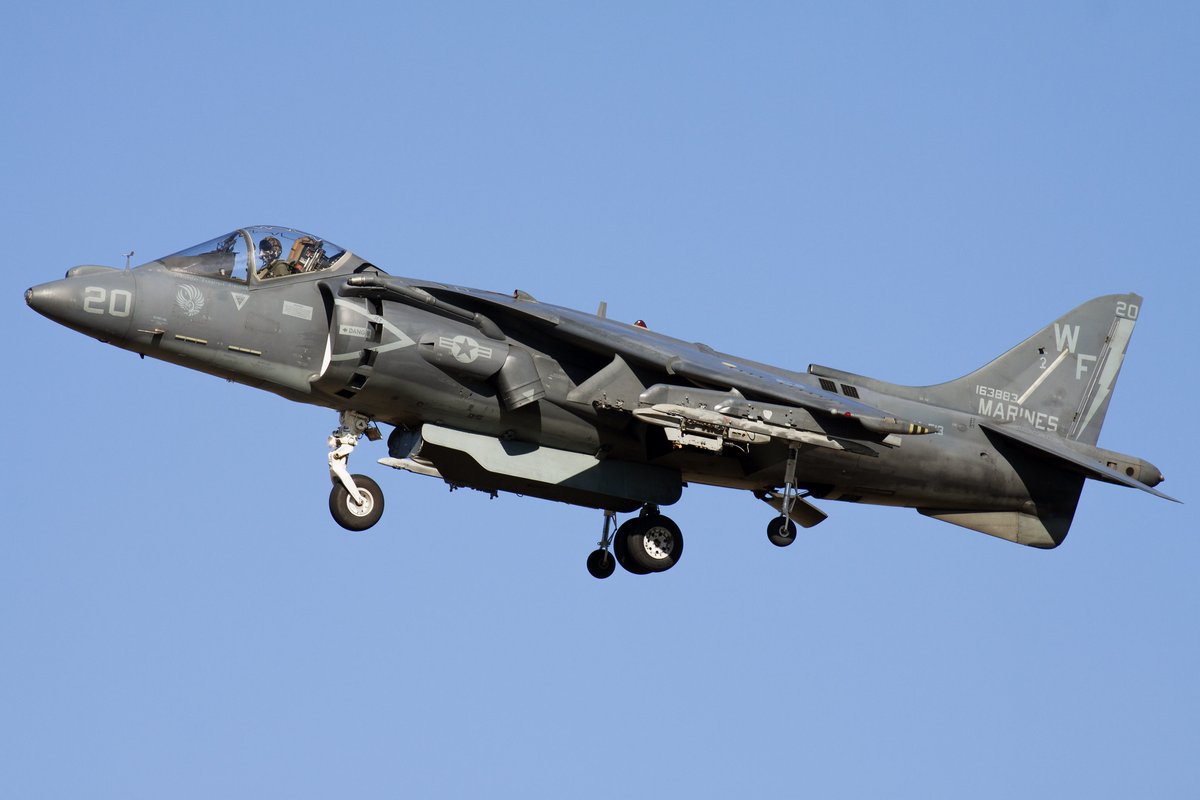
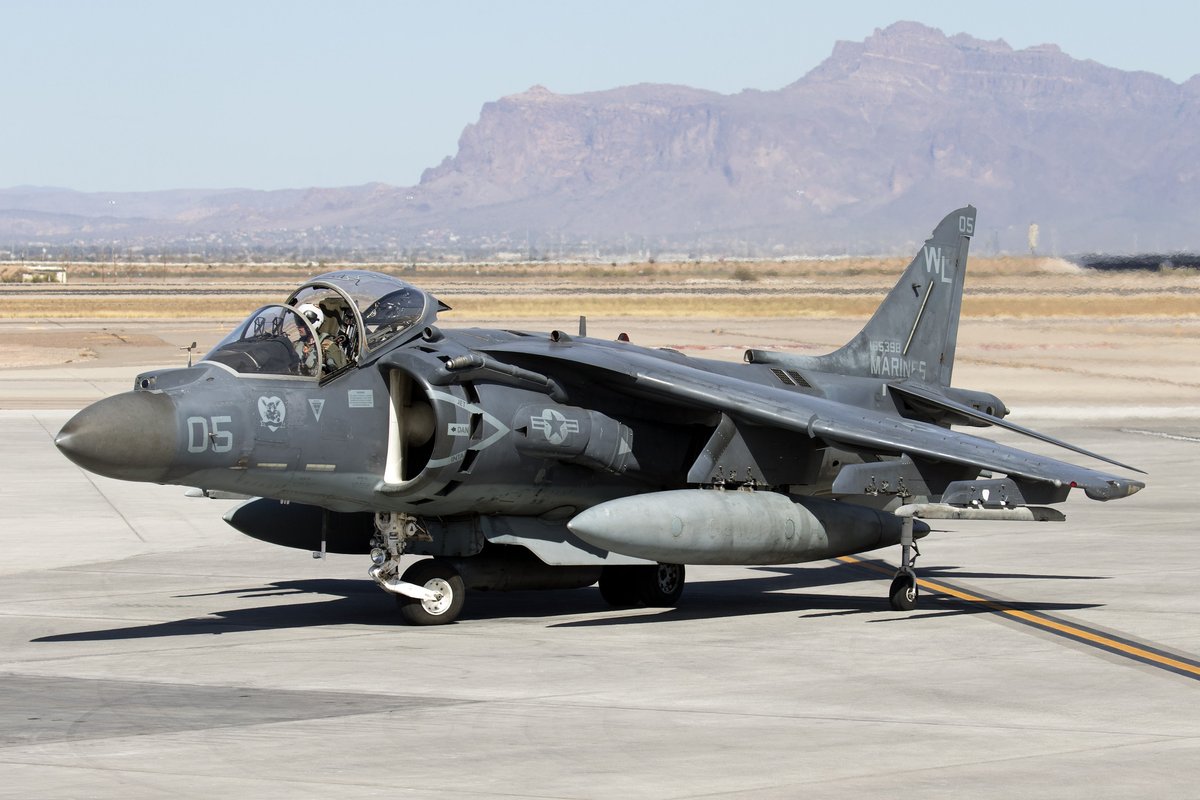
The Marine Corps' @BoeingDefense/@BAESystemsAir AV-8 #Harrier fleet has been finally retired, leaving the Italian and Spanish navies as the last bastions for this magnificent aircraft and brilliant British invention.
12
148
973
30,558
Mike Yeo 杨启铭 retweeted
Jun 3
We appear to have a new type of Chinese nuclear powered submarine on out hands. The most remarkable aspect about it is its construction at Jiangnan in Shanghai, in a dedicated new facility.
A few additional remarks in a quick thread.
navalnews.com/naval-news/202…
17
173
696
181,695
Mike Yeo 杨启铭 retweeted

At the press conference held on June 2 given by Press Secretary Aguin of the Ministry of Defense, there was an exchange regarding remarks made by a spokesperson of China’s Ministry of Foreign Affairs.
The exchange is provided below.
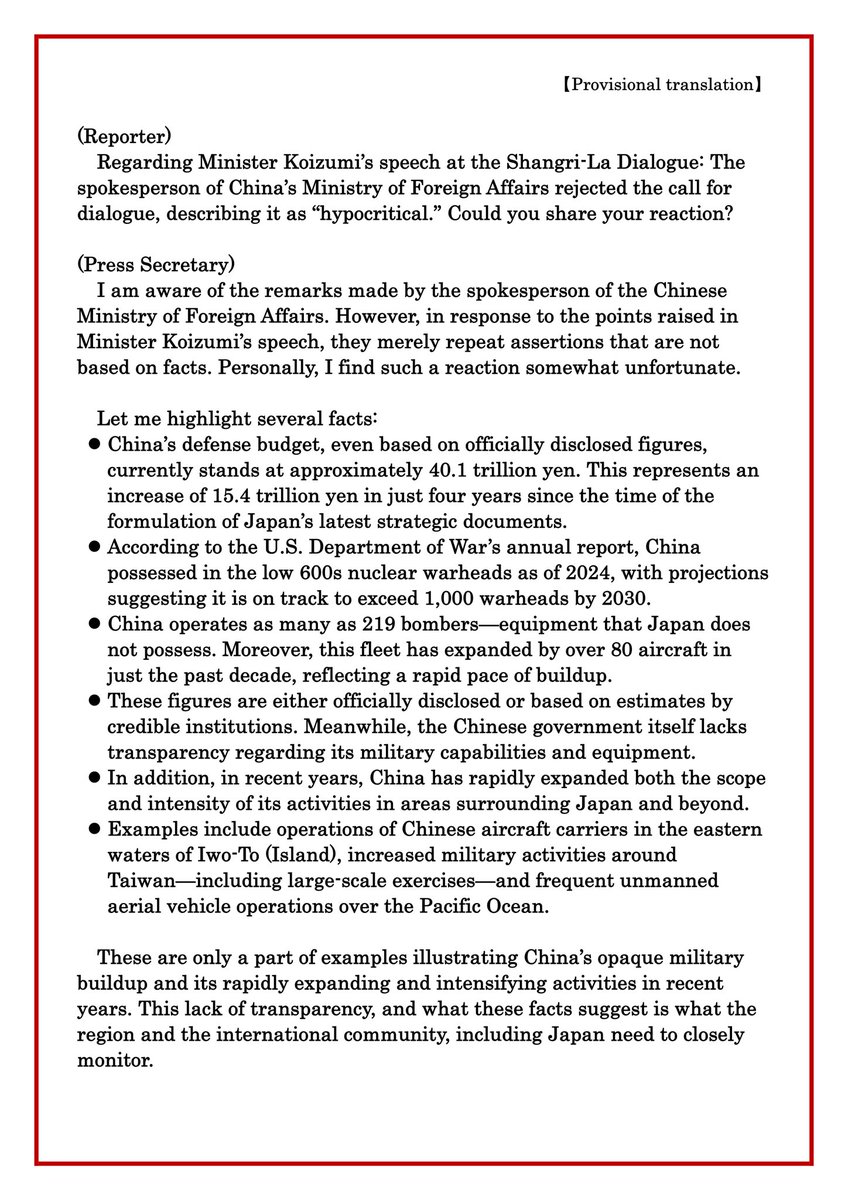
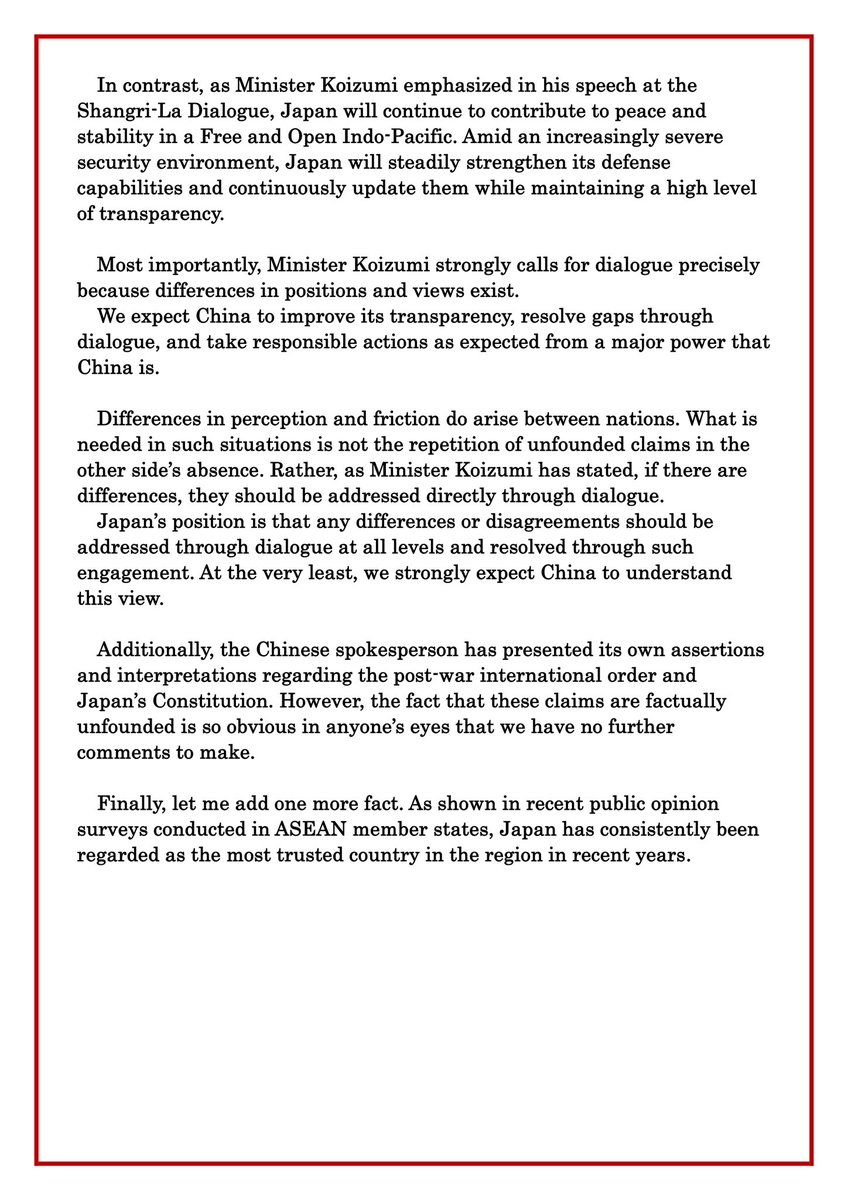
3
124
483
48,988
Mike Yeo 杨启铭 retweeted

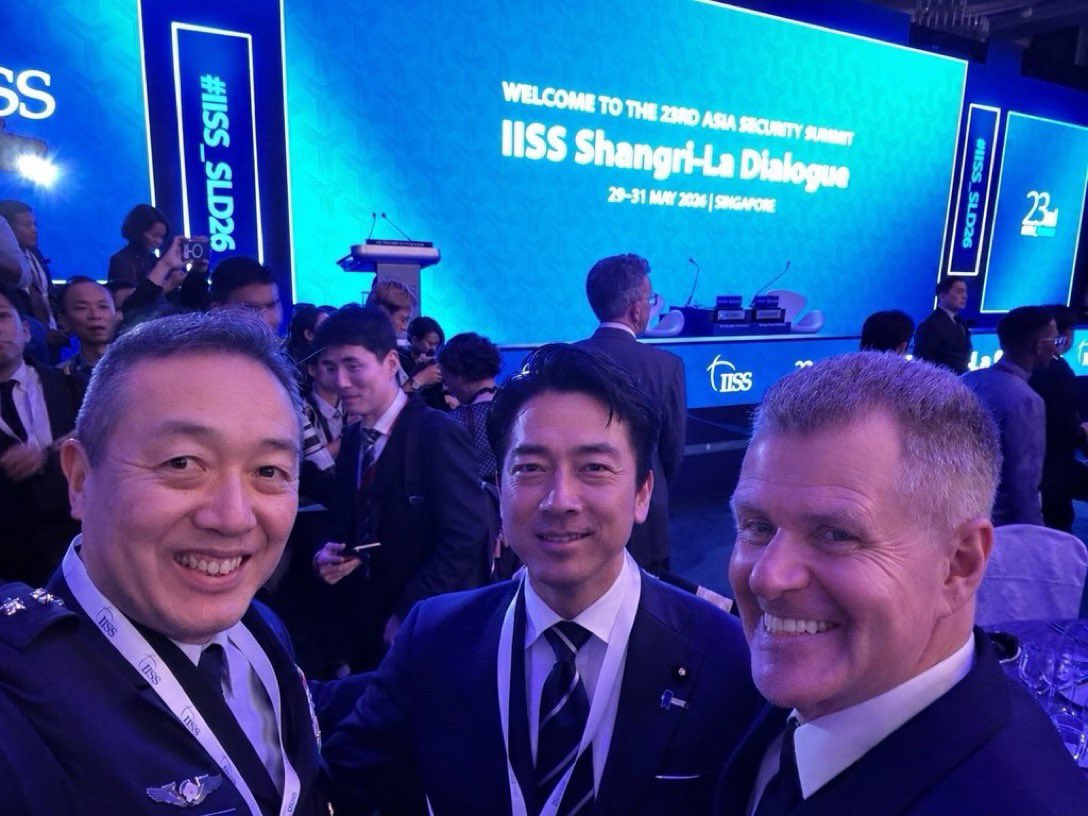
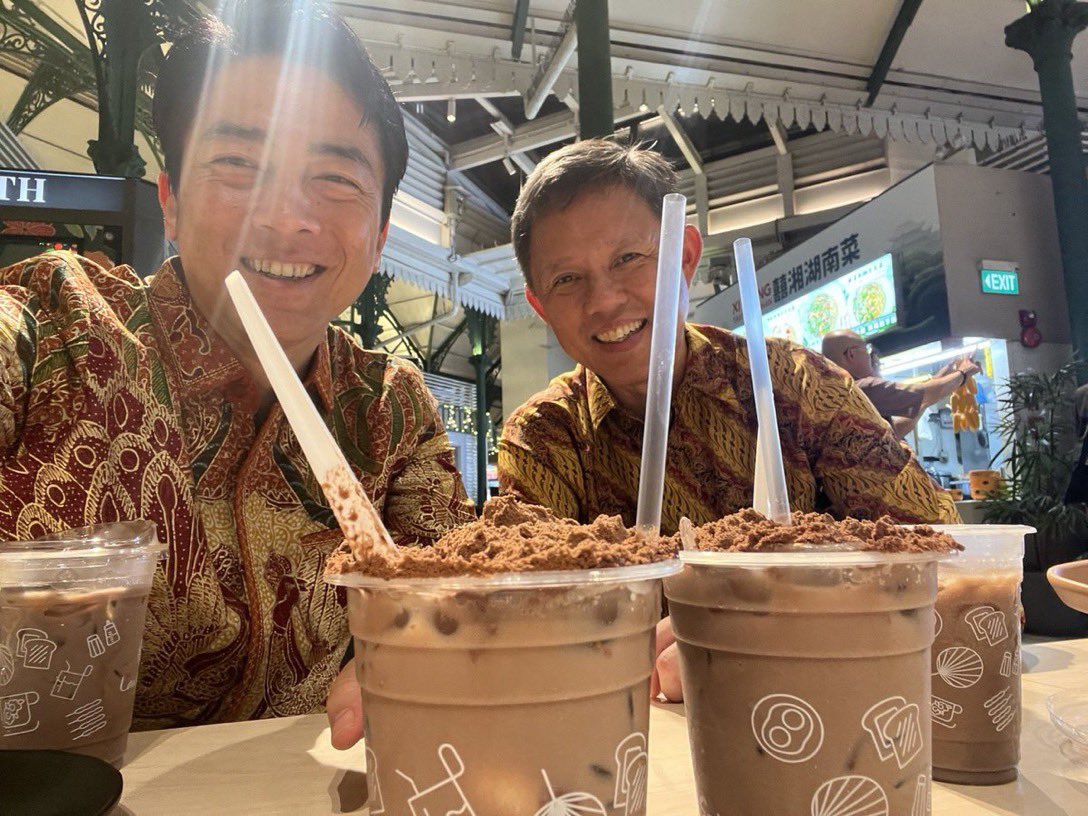
Split screen reality: PRC bangs on about how Japan’s militarisation is a concern for the region and the world, needs to earn trust in the region, etc. Meanwhile Koizumi plastering social media with selfies alongside SE Asians who clearly have no issues with Japan’s security role.
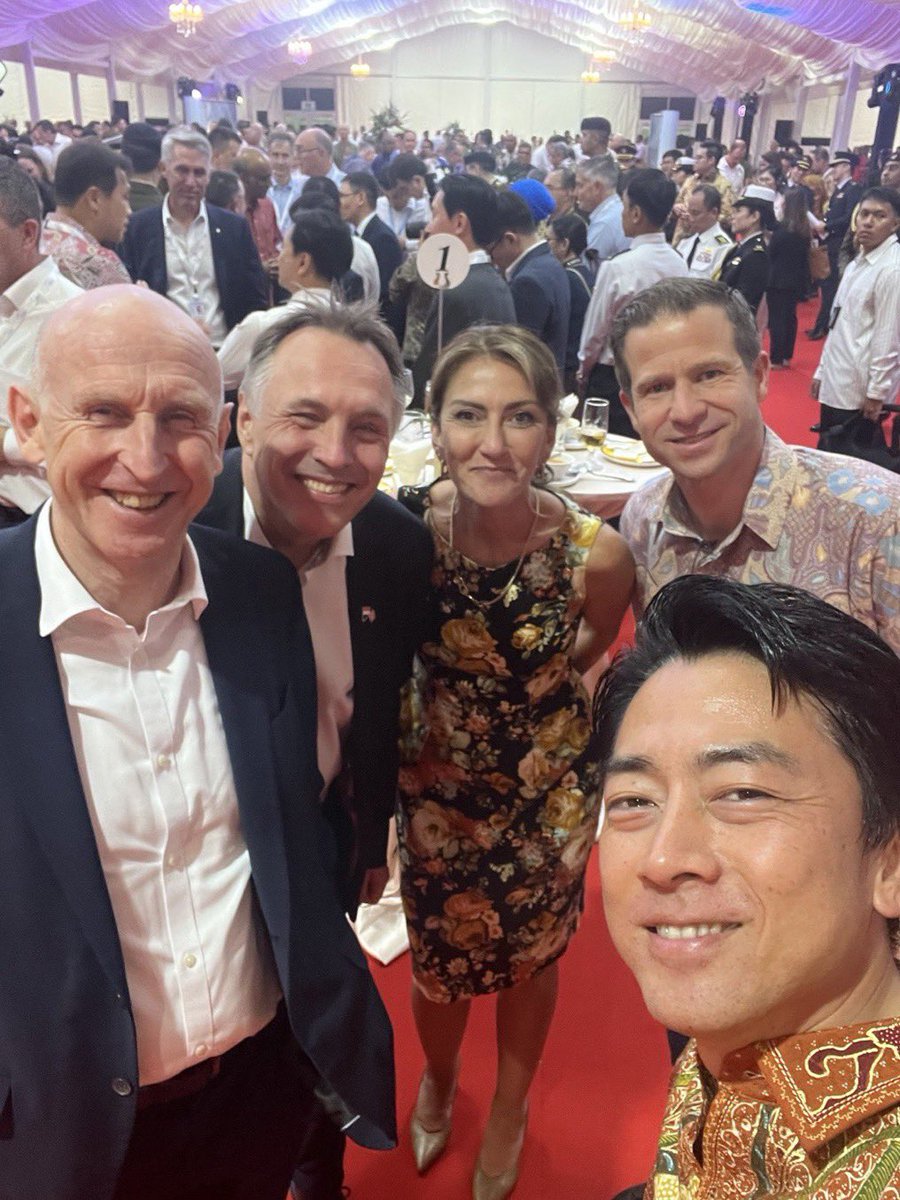
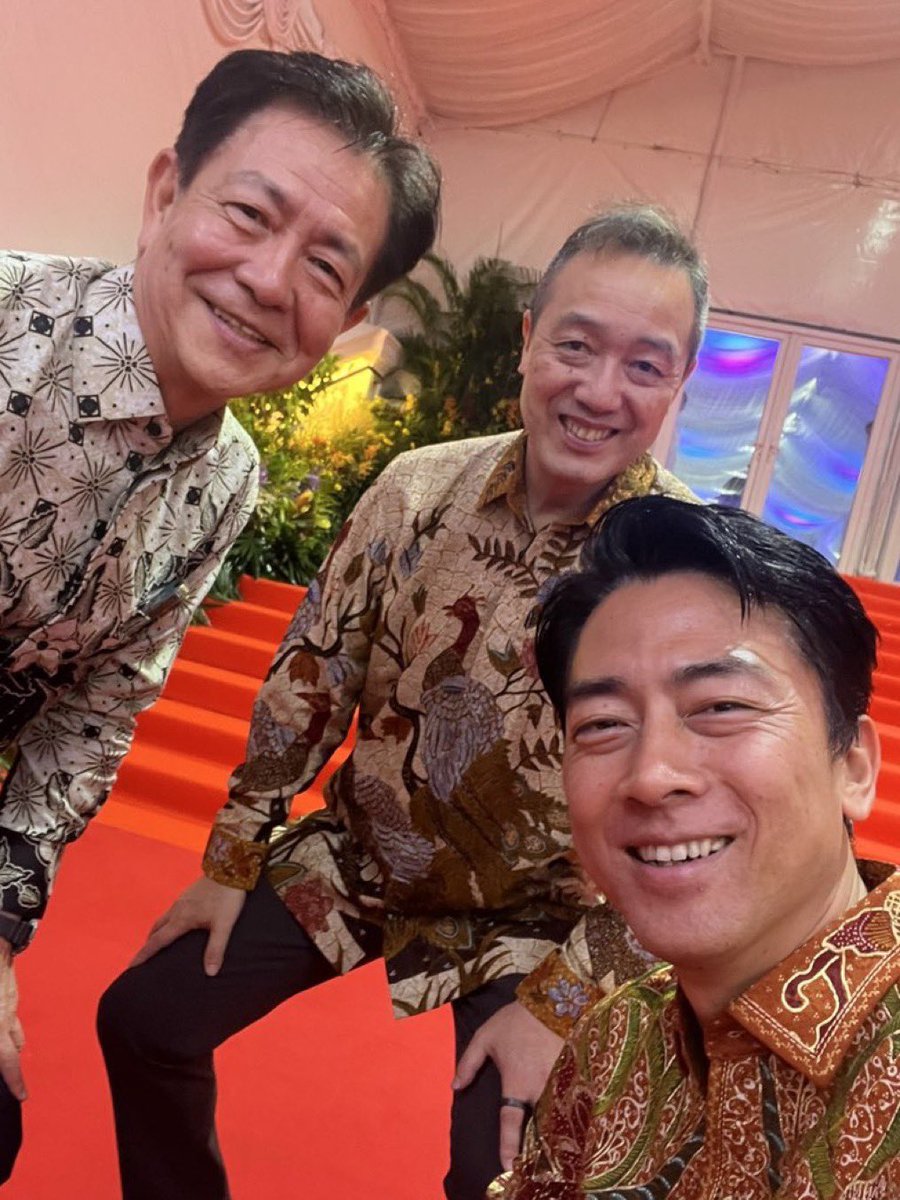
May 26

Japanese militarism brought catastrophe to the world and the Japanese people. Neo-militarism is a path down the same abyss.
We urge the Japanese side to learn lessons from history, honor its commitments to peace, and take concrete actions to earn trust from its Asian neighbors and the international community.
46
275
1,450
134,064