Slowly losing my online anonymity.
Joined February 2020
- Tweets 127
- Following 790
- Followers 120
- Likes 14,660
23 Photos and videos
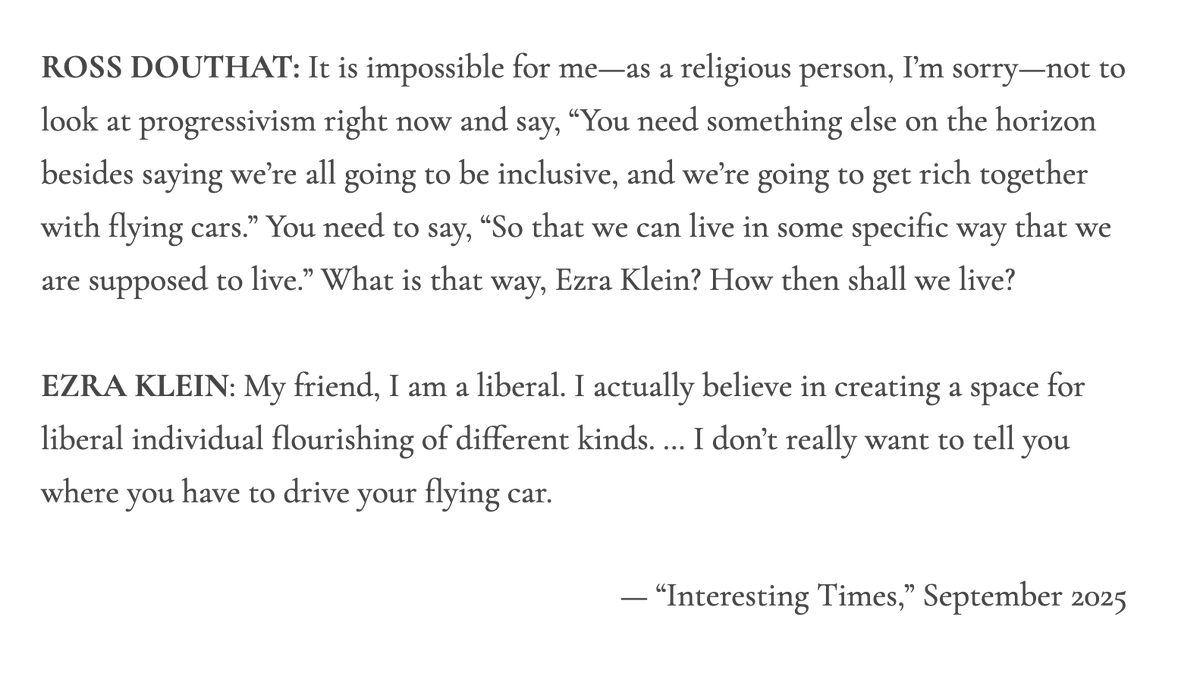
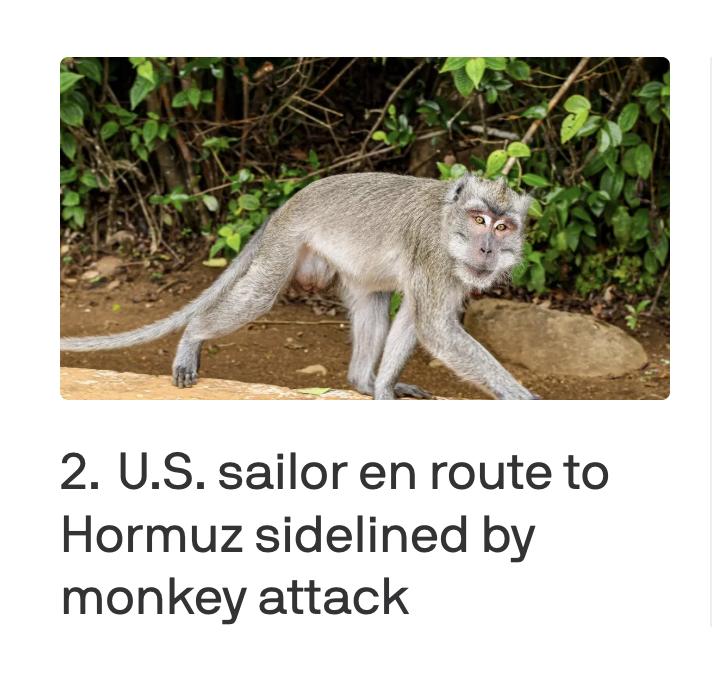
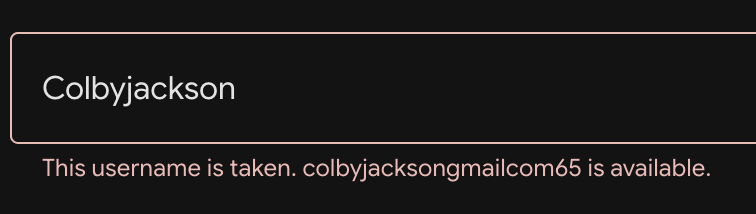

Colby Jack retweeted

Jun 4
It's crazy my brain has a subconscious place for "don't copy anything, you already have something important copied but not pasted yet."
68
66
1,448
55,321


Apr 27
Incredibly excited to belatedly dive into most recent issue of @the_point_mag on Liberalism and the Good Life.
"Surely, though, there must be something more to the “good life” than this." - @BaskinJon
1
2
440
Apr 27
"...there remain few tasks more urgent today—for the friends and the foes of liberalism alike—than to demonstrate that there remain places worth going"
thepointmag.com/politics/on-…
1
1
238
Colby Jack retweeted

Mar 25
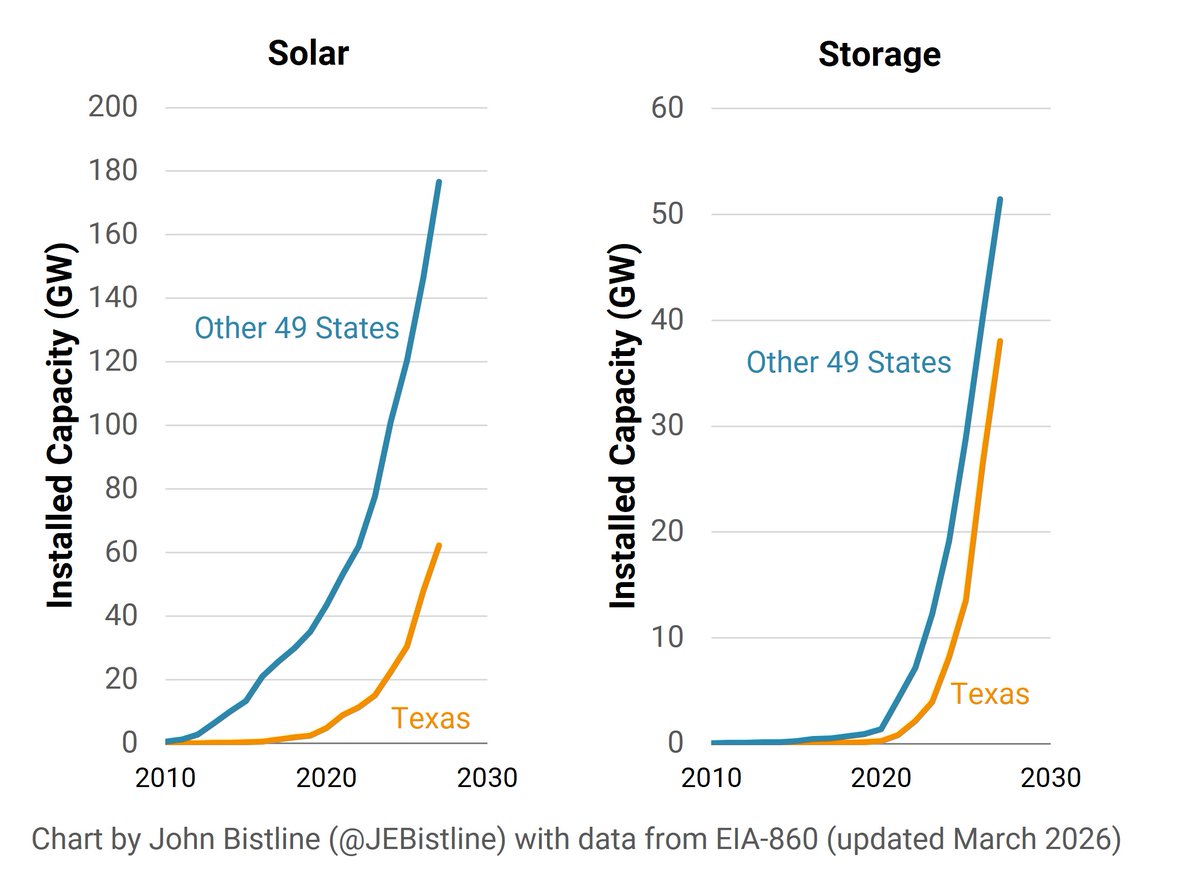
Texas is deploying battery storage so fast that it's almost keeping up with the other 49 states... by itself!
66
432
3,297
235,764
Colby Jack retweeted

Mar 19
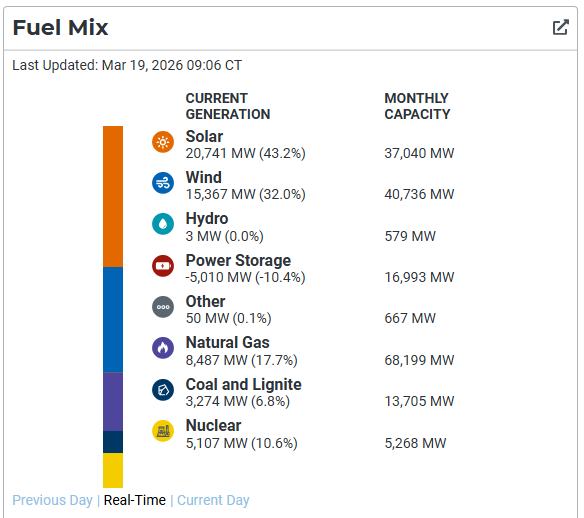
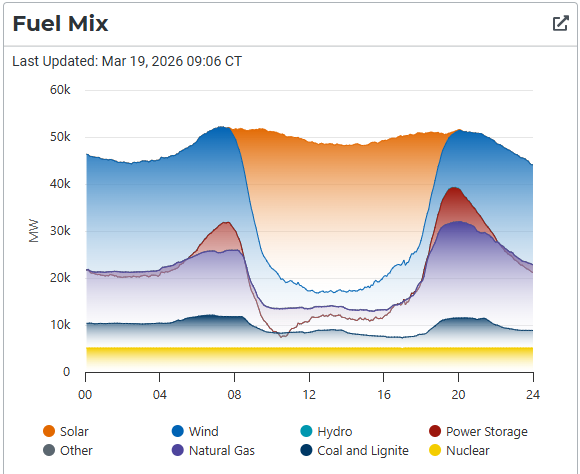
The world is changing right in front of us and no one knows it. Texas is running its world-class economy on 70% renewables, right now. Gas is there if we need it, but for today, we can save the fuel for another day.
89
378
2,737
125,163
Colby Jack retweeted

Feb 28
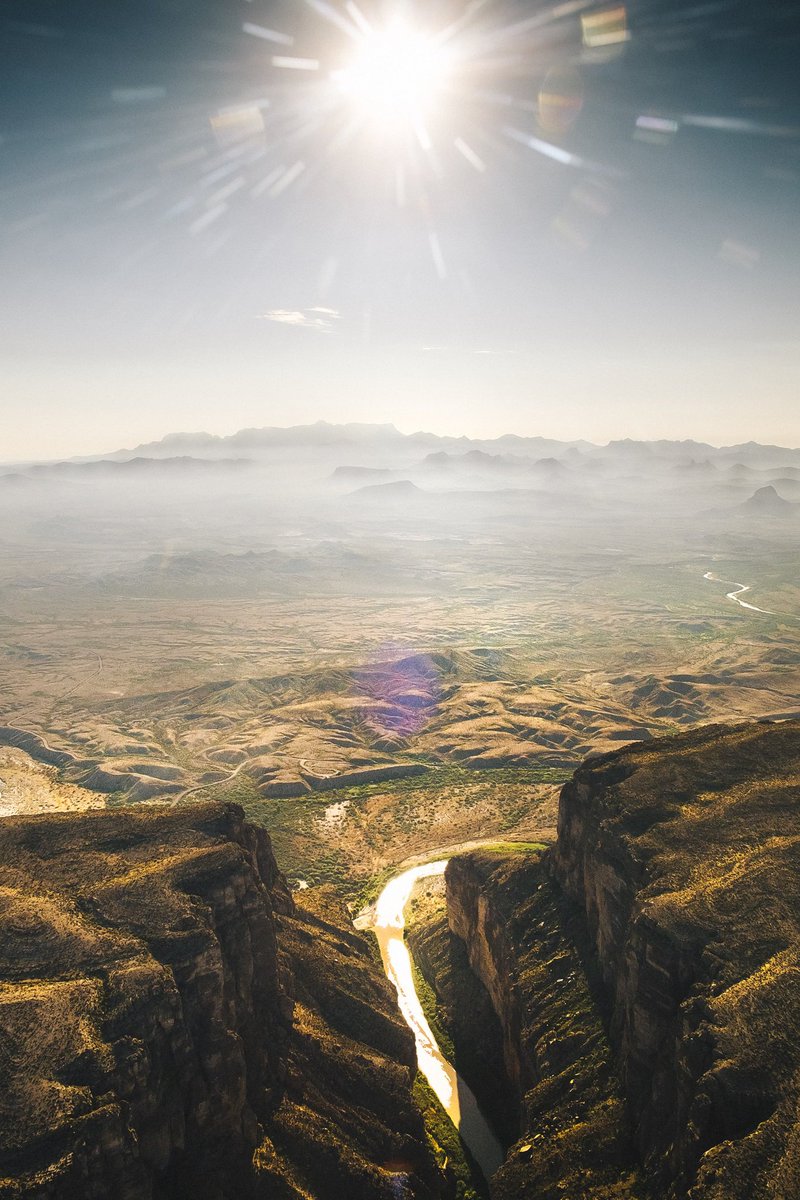
I’ve spent a significant amount of time in the Big Bend region.
The most striking thing about the border wall debate is the bi-partisan uproar against it.
Locals are befuddled by the lack of warning and law enforcement are adamant that it’s an unnecessary expense.
As Terrell County Sheriff @SheriffThad put it, the terrain itself is a God-given barrier.
Spend any time there at all and you’ll understand why. It’s an unforgiving, desolate, yet remarkably beautiful region.
The numbers don’t pencil out for a need and the wall is a solution in search of a problem.
Let’s not destroy one of the most beautiful parks unnecessarily. Let’s not destroy a local tourism economy. Let’s treat Big Bend like the sacred land it is.
My colleague @Forrest4Trees covered the backlash to the plan here: texasmonthly.com/news-politi…
55
177
620
20,279
Colby Jack retweeted

Feb 27
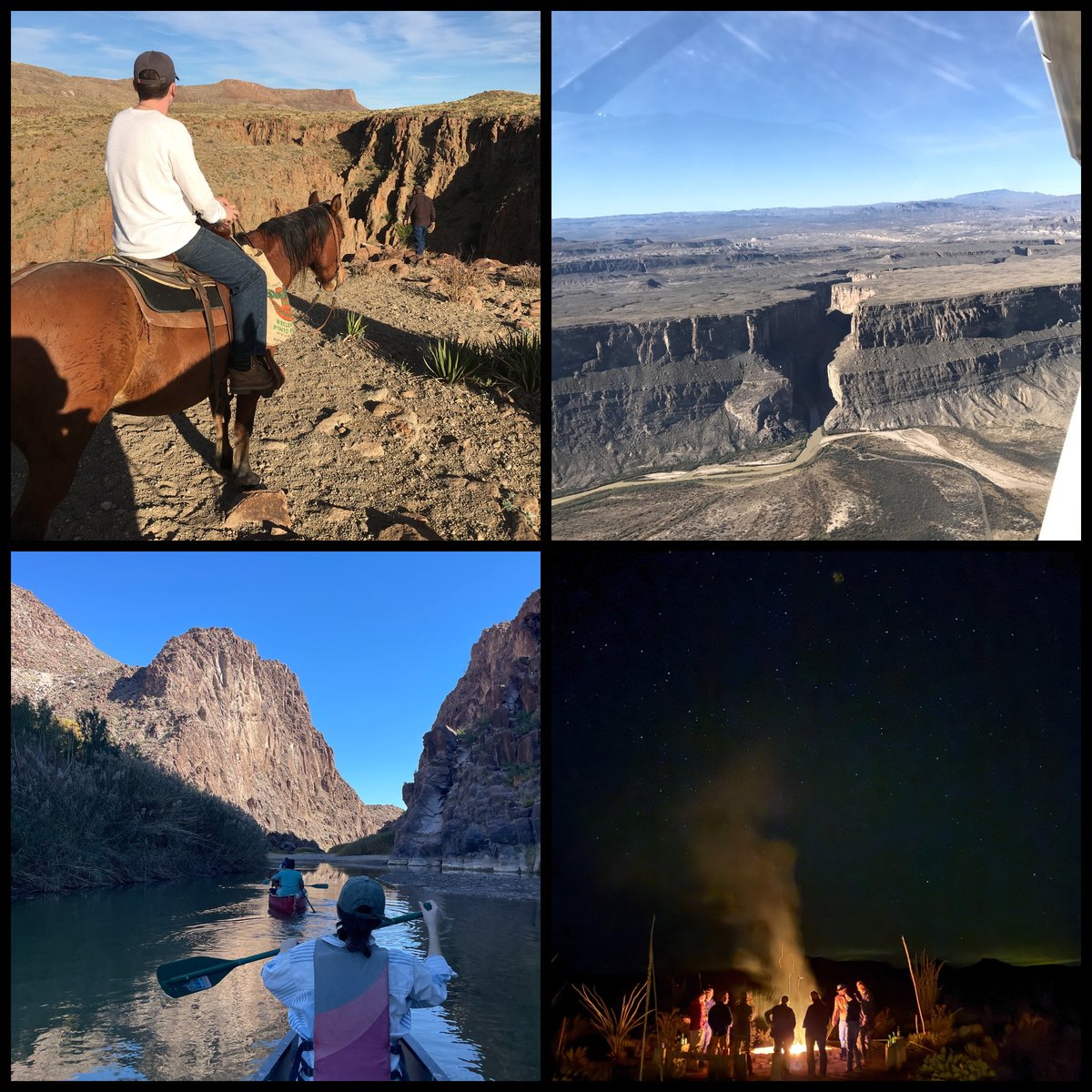
When I was 14 years old, I traveled to the Big Bend region of West Texas for the first time.
My extended family had lived along the U.S.–Mexico border since the 1970s, but this was my first time visiting them. As a suburban kid from Philadelphia, I’d never seen anything quite like it. Counties more than twice the size of Delaware held no more than a couple thousand permanent residents. Mountains, rivers, desert arroyos, cattle ranches — miles and miles of wild, untouched land stretched out in every direction, mostly unobstructed. The land is populated by ocotillo and agave plants, pig-like mammals called javelinas, coyotes, mountain lions, bears, snakes, deer and (more recently) majestic mountain sheep called aoudads. It was and remains the Western Frontier — alive and well, still unmarred by oil fields or residential buildings or government overreach.
After my first summer working for my cousin in Big Bend, I went back every summer until I was 18 years old. I learned to drive manual transmission cars, dirtbikes, forklifts, and backhoes; I learned to shoot guns, ride horses, hike, camp, make fires, run rivers, and tow a trailer. I learned to work — backbreaking, hard work in the 115-degree sun. I was surrounded by people who knew how to live off the land, fix their own cars, and make ends meet with the bare minimum in a place where jobs (along with water, food, and people) were sparse.
After I went to college, I kept coming back — usually once or twice a year, often for weeks or months at a time, until a few years ago when I finally bought a 10-acre plot of dirt and started construction on an adobe home for my family, which was completed last year.
It is, without exaggeration, my favorite place in the world. My happy place. My getaway spot. My hope, with any luck, is that in a few decades my son will be inheriting the home and the land, shepherding it, and passing it along to his own children.
And now, once again, I’m facing the prospect of President Donald Trump building a border wall through our backyard.
This is not a drill. DHS is notifying residents and property owners about 30-foot, steel barricades going up throughout this pristine land. 30x30 foot shelters for fiber optic cable, surveillance, and CBP agents all along the border. Miles of 12-24 foot wide roads in land that has never had anything but dirtbike and horseback trails. It's coming and it could be happening as soon as this summer.
I want to be clear: Building a wall here will 1) Destroy jobs in the region, cutting off river guides and horseback outfitters from the water and trails they use now, and thus reducing tourism, thus crushing the hotel/Airbnb/food industry that feeds people throughout Big Bend. 2) It will hand control of the river over to Mexico, basically cutting Americans off from the most precious natural resource in all of West Texas. 3) It will irreversibly damage the wild West, the last remaining truly untouched land in the lower 48, and 4) It won't actually reduce border crossings. In Fiscal Year 2024, just 0.32% of all crossings happened in the 517 mile Big Bend sector. Just 3,000 encounters happened in all of 2025. That's less than the number of encounters in NORTH DAKOTA in 2024.
And all of this would cost hundreds of millions if not billions of dollars.
This is what it looks like on the border in Big Bend. This region is one of the most remote, unnavigable terrains in all of the United States. Border crossers aren’t going to be more dissuaded by a 30-foot wall than the thousand-foot sheer cliffs that already litter the Mexican landscape south of the Rio Grande River.
Supposing desperate border crossers also happened to be experienced rock climbers who trudged up from Central America with gear to navigate the mountains, cliffs and arroyos, they’re still likely to die of heat exhaustion or thirst in a place where the temperature routinely exceeds 100 degrees Fahrenheit from April to October. And if they come in the winter, well, they’re liable to get hypothermia in the desert night, when the temperatures routinely drop below 40 degrees. That’s to say nothing of finding water or food in an area where locals with wells, rain catchment systems, and city lines are frequently struggling to collect potable drinking water; and the arid desert provides no easily accessible sources of food on such a journey.
And if they make it through all that, they're just turning themselves in or being found half-dead near the border.
It's just totally unnecessary.
Again: This is one of the last remaining truly untouched, open, wild, and free lands in the U.S. Much of it is public, and a lot of it is privately owned by environmentalist-minded people who are simply preserving it (and now may have their land stolen via eminent domain by the government).
8
21
141
8,690
Colby Jack retweeted

Feb 22
I don’t follow hockey, but this had me tearing up. They brought their teammate’s (who was killed by a drunk driver) kids out onto the ice with their dad’s jersey to celebrate the moment. 🥹

1,742
28,584
284,410
6,959,191
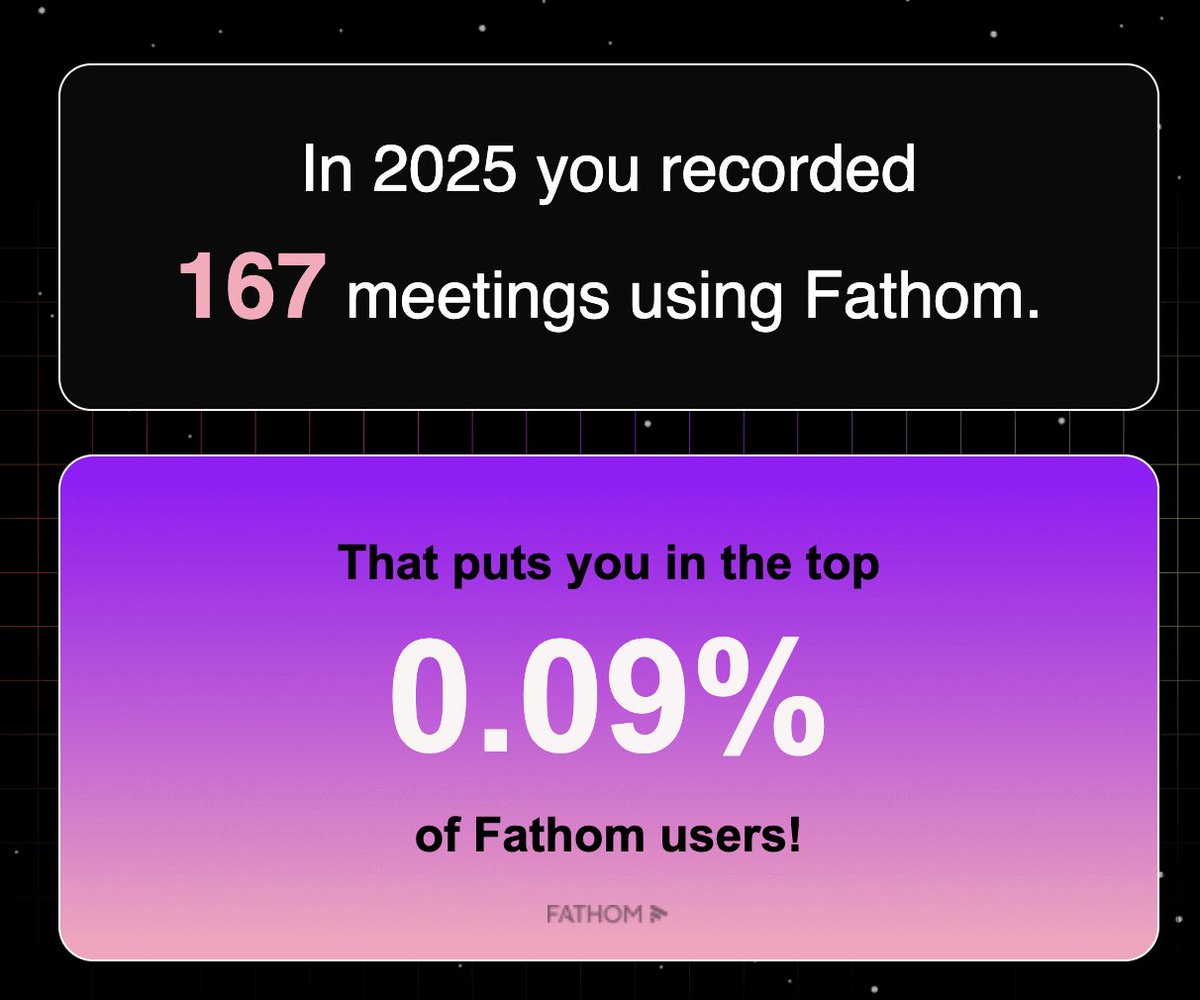
2025: Fathom says I’m a top 0.09% user. Percentiles are undefeated at making normal things feel extreme.
1
64
Plot twist: it’s ~3 meetings/week. Shoutout to
@mymindbloom for prioritizing async work.
Also: if this is top 0.09%, Fathom’s typical user barely opens the app.
33
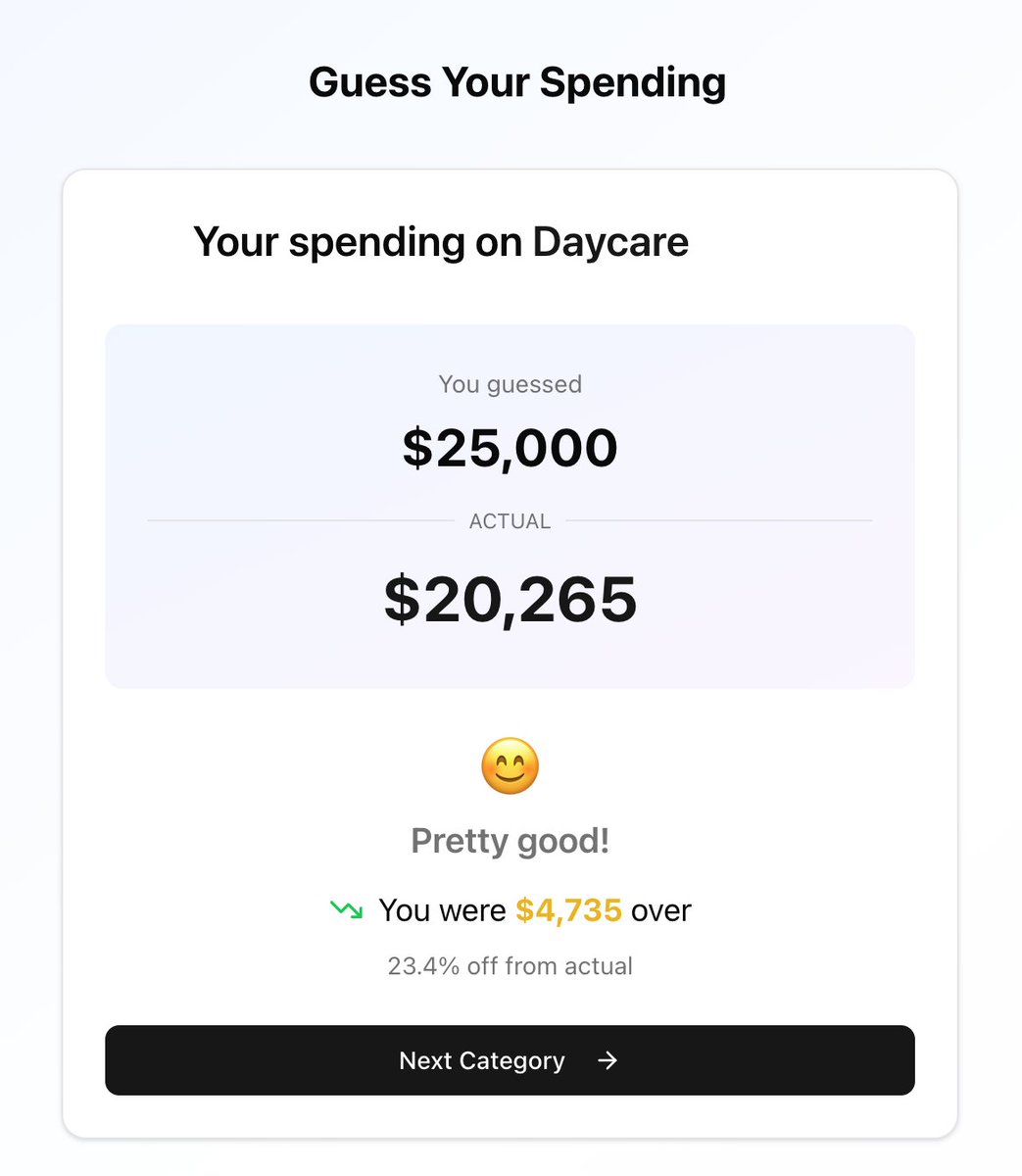
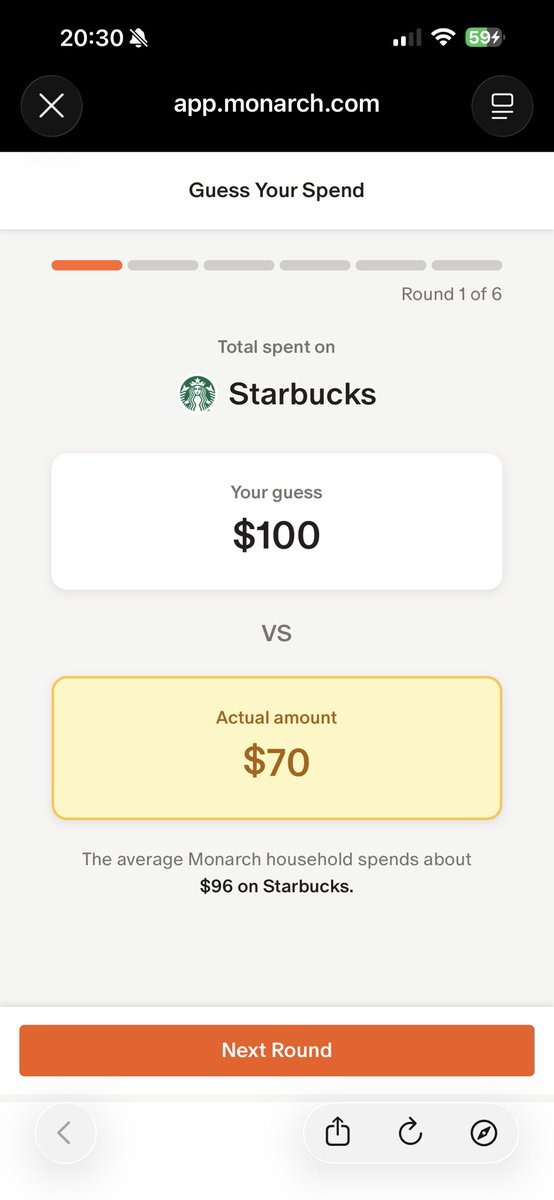
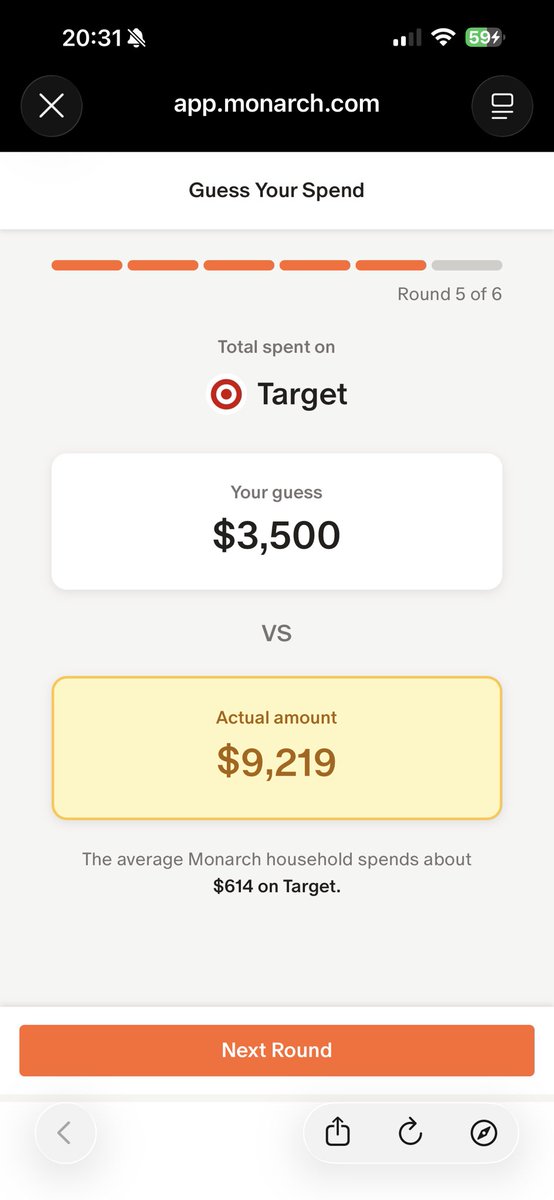
YNAB doesn't have this cool "Guess Your Spend" functionality, so I built one myself.
Guess away with an export from YNAB, Mint, etc.
guess-your-spending.vercel.a…

3
7
911
21 Jul 2025
Between 1981-81 we redefined death. Seriously. From heart failure to brain failure.
Why? To provide cover for removing functioning organs from the human body of "dead" patients
20 Jul 2025

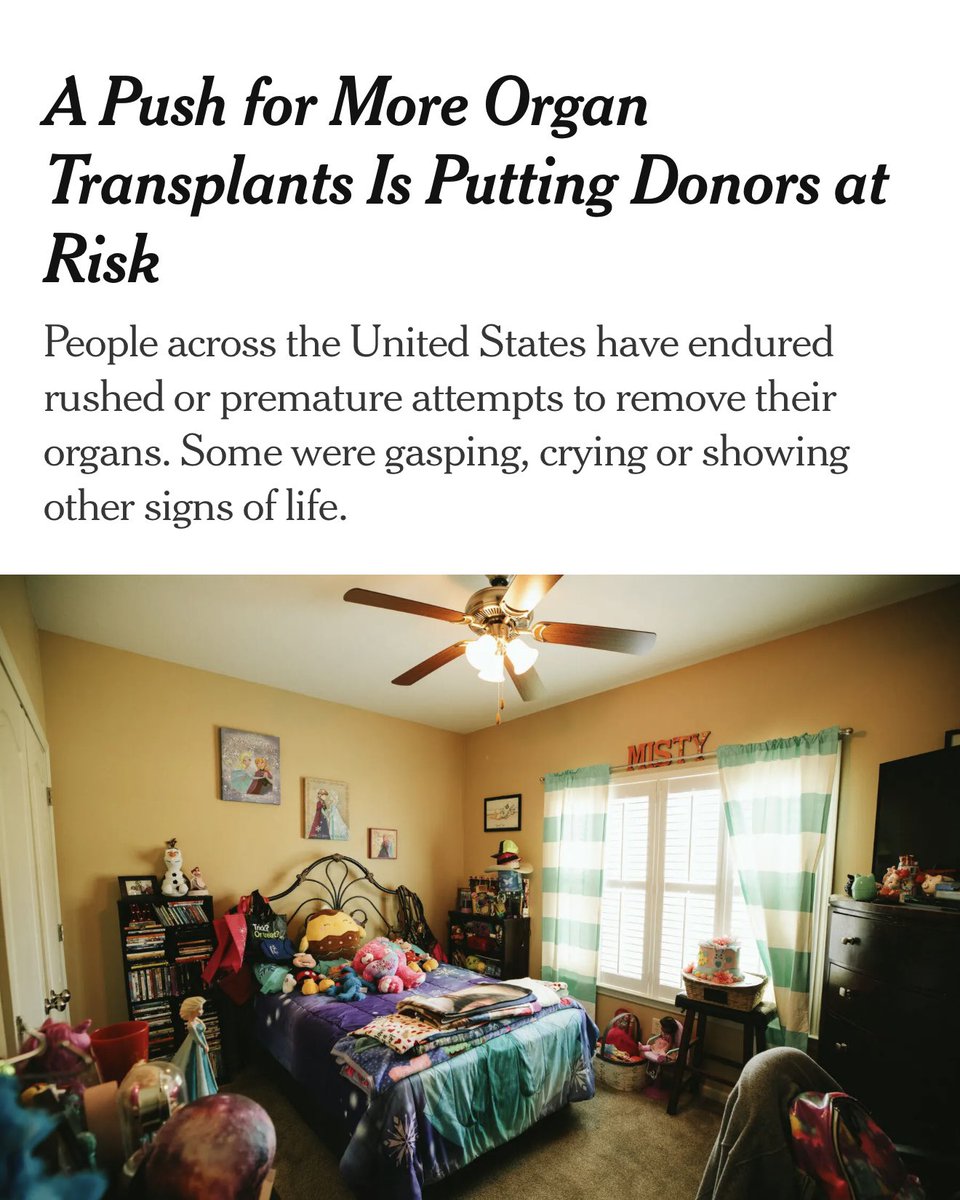
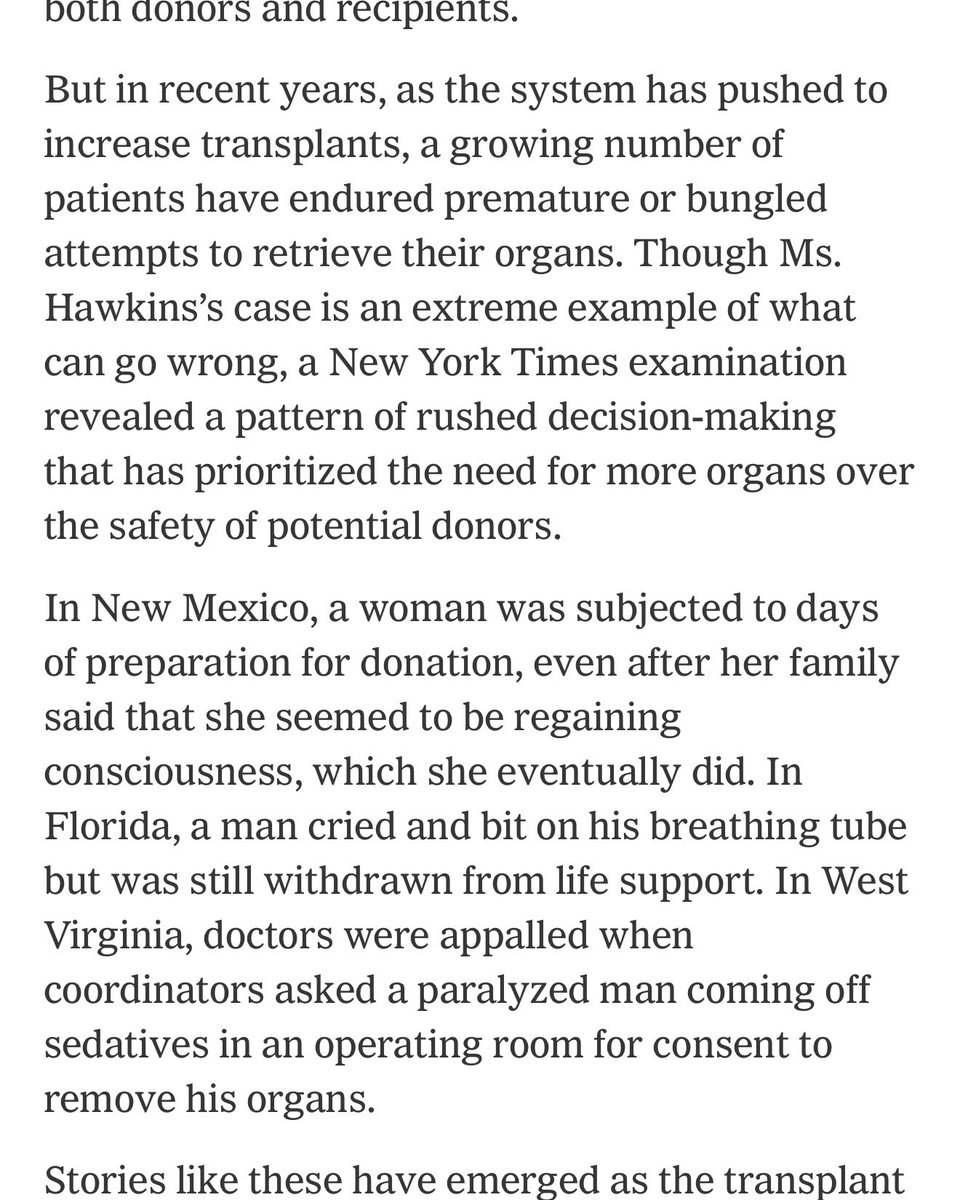
People on Twitter have been talking about premature organ harvesting for years.
I’ll be honest, I thought it was a conspiracy theory.
I was wrong. It’s real, and it’s horrific.
2
225
Colby Jack retweeted

17 Jun 2025
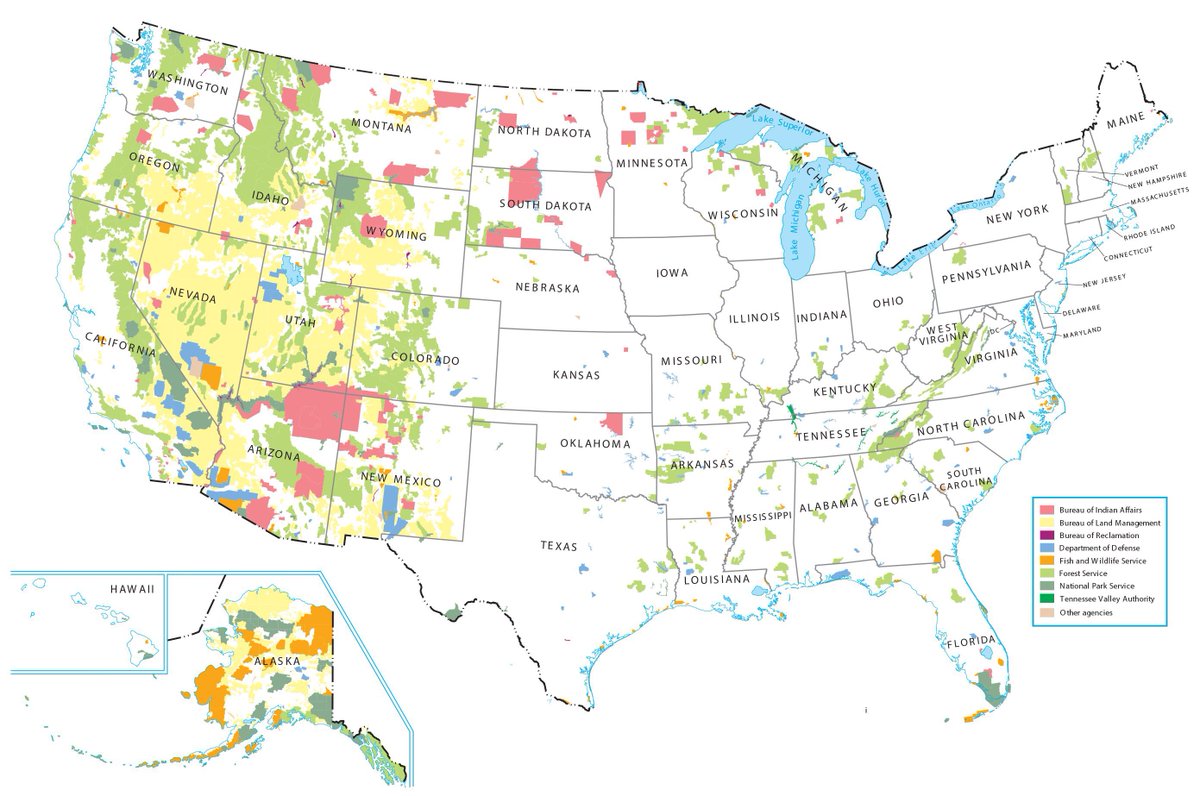
I am the biggest Texas homer (y’all know that) but one of the biggest flaws about Texas is her lack of public land. 99% of her beauty is privately held.
Take it from me – Public land is a gift and you don’t realize how important it is until you don’t have it. Cherish it.
269
2,531
18,913
281,370
13 May 2024
OpenAI just announced a desktop app with screen vision and voice capabilities. Immediate use cases come to mind:
1. Feedback on slide decks and data visualizations
2. Constructive critique when practicing a presentation.
3. Suggest copy edits without copying into a new window
1
1
153
17 Jun 2025
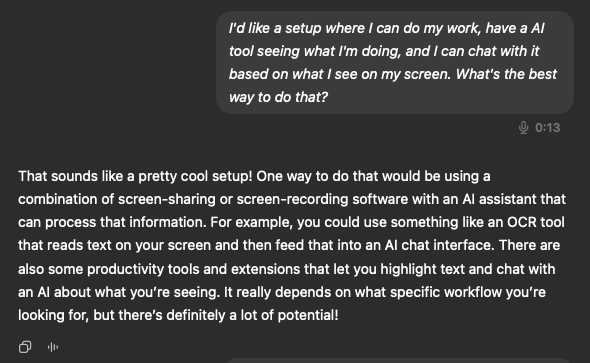
OpenAI announced desktop screen vision a year ago. Yesterday I tried to use it and discovered the feature still doesn't exist. What gives?
Looking for a solution that lets me screen share and voice chat with what I'm seeing. Does this still not exist?
1
55

Colby Jack retweeted

21 May 2025
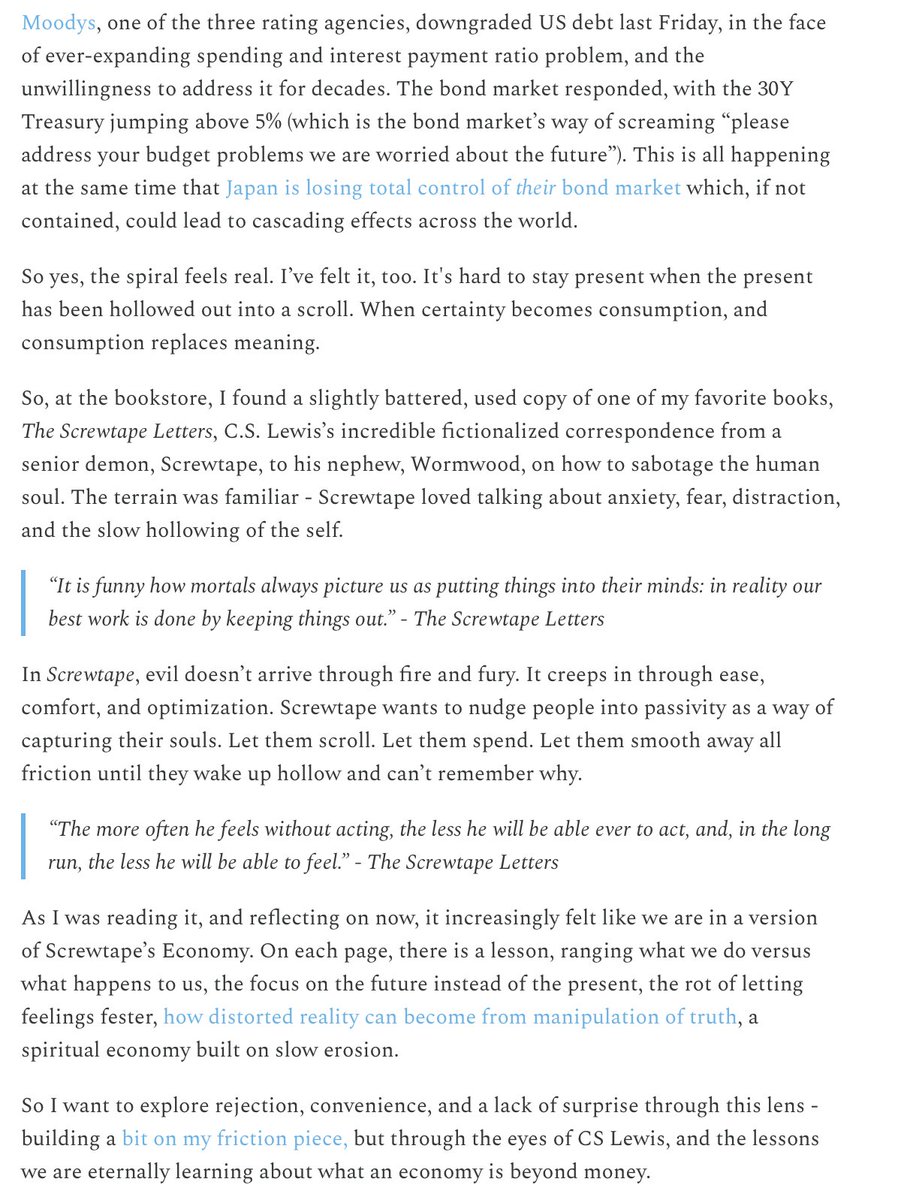
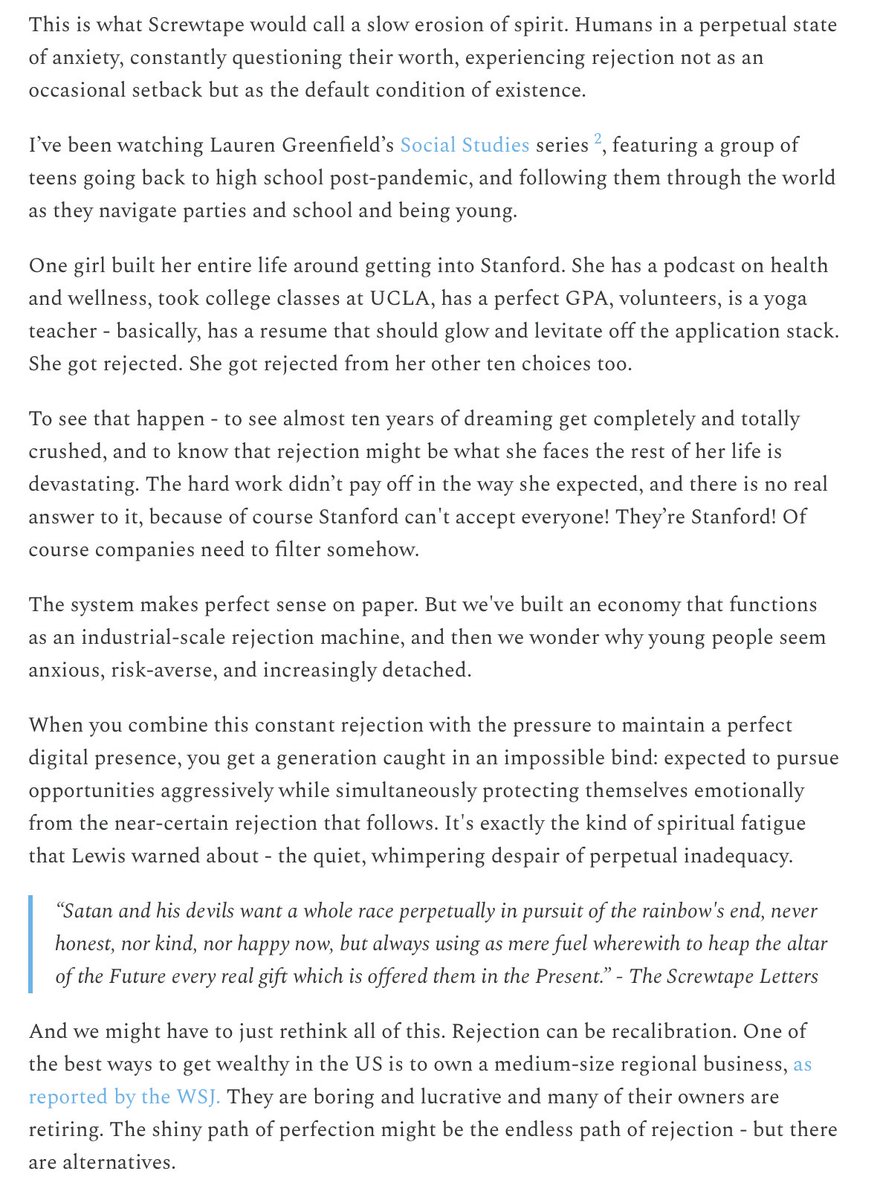
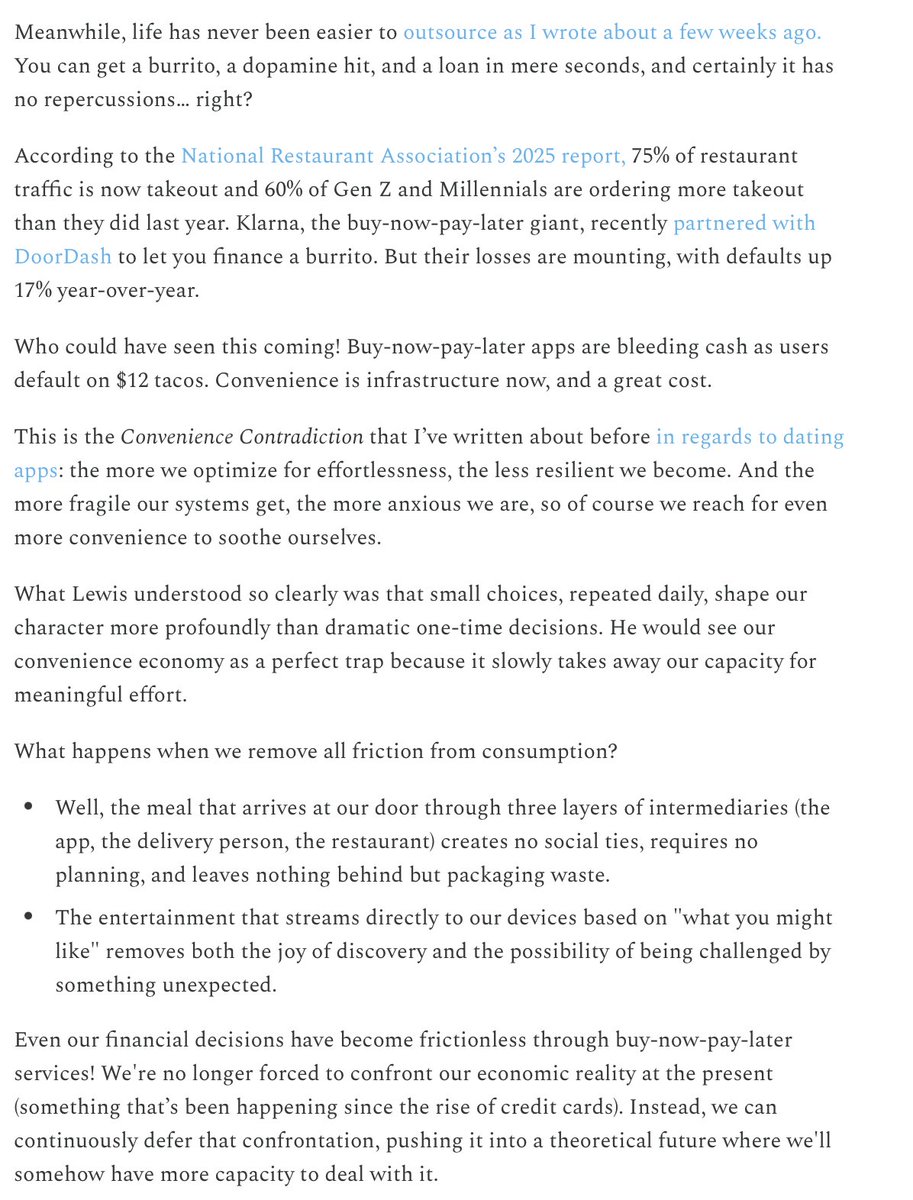
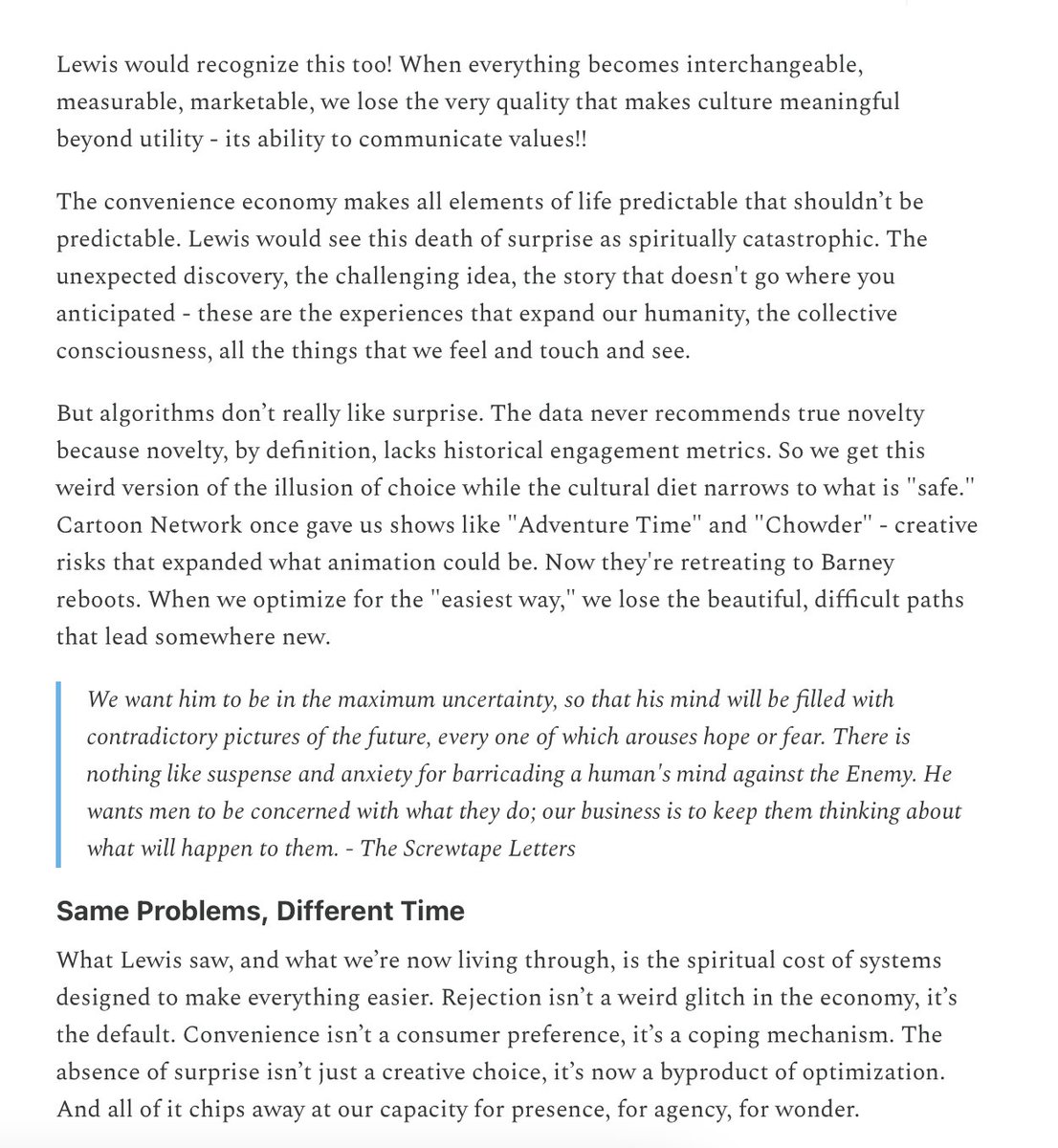
Rejection, convenience, and predictability are all core parts of the economy - think college kids trying to get jobs right now, Klarna and DoorDash and the defaulting NACHOs, and the downfall of Cartoon Network.
In the Screwtape Letters, CS Lewis describes how demons feast on the human spirit - not by making them evil, but by making them passive, making things easy, making people feel but not do anything about those feelings.
Everything is an economic questions. What is the real cost of rejection, convenience, and predictability? Our financial systems have also optimized for short-term convenience at the expense of long-term resilience. The Moody's downgrade shows that all of us face the consequences of deferred friction in the end (even if you think it's nbd, it says something about where we are).
So what would Lewis say about the modern era? Same problems different times? The slow untethering of reality? Link in next post, enjoy!
19
65
612
80,961
Colby Jack retweeted

5 May 2025
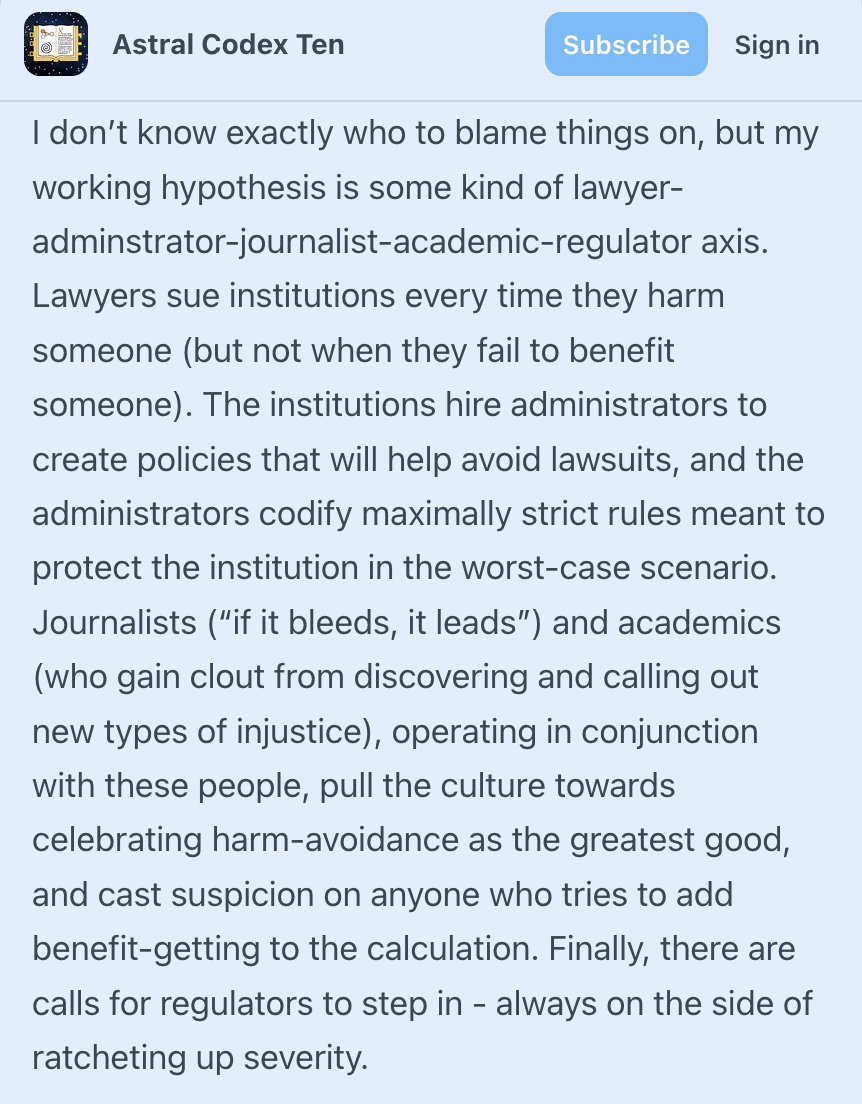
This is the best one-paragraph explanation for what's gone wrong with our institutions:
674
2,454
15,582
3,983,145