
Insights from finance that move the markets and minds.
Joined October 2024
- Tweets 1,552
- Following 8
- Followers 164
- Likes 1,700
250 Photos and videos









The Financial Insight™ retweeted

12 Jan 2025
#Opinion
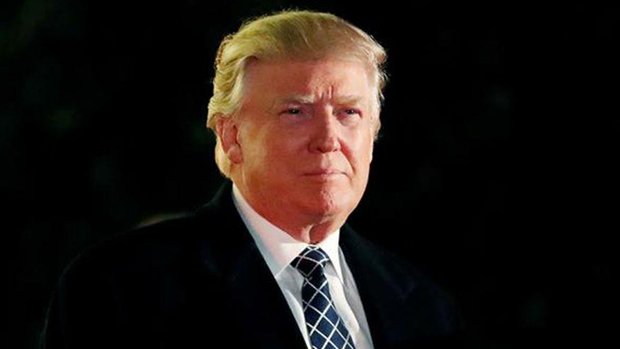
Trump's Territorial Expansion or Merely a Debt Strategy | by The Financial Insight🔸
Intro:
The idea of acquiring #Greenland or annexing #Canada, as speculated during #DonaldTrump 's second term in office, could theoretically align with increasing the size of the U.S. economy relative to its debt.
Here's the reasoning:
The debt-to-GDP ratio is critical in assessing a country's financial health. This ratio compares the national debt to the country's annual economic output (GDP). If the ratio is high, it indicates that the debt may be unsustainable.
From an economic perspective, Trump's gamble could theoretically influence the U.S. debt-to-GDP ratio, a key metric in assessing the sustainability of national debt.
Below is a detailed and formal exploration of this concept.
- Hypothetical Impact on the U.S. Debt-to-GDP Ratio
If the U.S. were to annex or acquire economically significant regions, such as Canada or Greenland, their respective GDPs would be incorporated into the U.S. economy.
For instance:
Current U.S. Debt-to-GDP Ratio: As of 2024, U.S. debt is approximately $33 trillion, with a GDP of $26 trillion, resulting in a ratio of - 127%.
Impact of Annexation: Canada’s GDP (~$2.5 trillion) and Greenland’s resource-based economic potential would increase the combined GDP to ~$28.5 trillion, theoretically reducing the ratio to -116%.
This reduction in the debt-to-GDP ratio would
create the appearance of improved fiscal health,
even though the absolute value of the debt remains unchanged.
- Revenue Generation and Resource Monetization
The incorporation of territories like Greenland and Canada could provide substantial long-term economic benefits, including:
Tax Revenues: Both individuals and corporations in annexed regions would become subject to U.S. federal taxation, significantly expanding the federal tax base.
Natural Resources: Greenland’s untapped rare earth minerals, oil, and gas reserves represent a strategic economic opportunity.
Similarly, #Canada 's abundant natural resources, including energy reserves, minerals, and forests, could generate considerable revenue for the U.S. economy.
These additional revenues could bolster the U.S.’s ability to service its national debt, further improving fiscal sustainability.
- Strategic Implications for Global Debt Markets
A lower debt-to-GDP ratio would enhance the U.S.’s creditworthiness in global markets, potentially reducing borrowing costs. As the issuer of the world’s reserve currency, the U.S. could leverage its expanded economic base to maintain or even strengthen the dollar’s dominance in international trade and finance. This enhanced financial standing would allow the U.S. to issue debt with greater confidence and at more favorable terms.
- Broader Context and Strategic Considerations
While the economic arguments for territorial expansion may appear compelling, they are likely secondary to broader strategic considerations.
(or is it?)
Acquiring territories such as Greenland would enhance U.S. geopolitical influence, particularly in the Arctic region, where new trade routes and resource competition are becoming increasingly significant. Similarly, the symbolic value of consolidating North America under U.S. control could reflect ambitions to solidify global dominance.
- Integration Costs:
- Integrating new territories into the U.S. legal, political, and economic systems would involve substantial costs, potentially offsetting any short-term gains in GDP or revenue.
- Canada is a sovereign nation with a strong national identity and is unlikely to agree to annexation.
- Greenland is a territory of Denmark, and the Danish government has firmly rejected any sale or transfer of Greenland.
- Annexing a nation or territory without mutual agreement would violate international norms and treaties, leading to political and economic isolation.
🚨Conclusion
The hypothetical acquisition of Greenland or annexation of Canada could theoretically improve the U.S. debt-to-GDP ratio by expanding the economy’s size and resource base. However, the practical, legal, political, and refugee challenges make such scenarios highly unlikely.
While integrating additional territories might provide long-term economic benefits, addressing the U.S. national debt sustainably requires strategies focused on domestic economic growth, fiscal responsibility, and debt management rather than speculative territorial expansion.
Follow @TheFinancialIns to get updates easily on X.
#GlobalEconomy #Geopolitics #CanadaPolitics #GreenlandIsNotForSale #USA #India #Trump #ElonMusk #TerritorialExpansion #GreenlandDebate
#AnnexationDebate #GlobalPower #Greenland #InternationalRelations #RefugeeCrisis #jdvance #ImmigrationPolicy #BorderIssues #HumanitarianAid #GlobalMigration #DebtCrisis #EconomicGrowth #FiscalPolicy #NationalDebt #EconomicStrategy #WorldEconomy #StockMarketUpdate #DOGE #India #Indianeconomy #FIIs #DIIs #NSE #BSE #Nifty50 #banknifty #SENSEX
1
2
10
273
2 Sep 2025
#dailymarketdata
📍Daily Market Update | 02 Sept 2025 | Tuesday
Gold: ₹ 1,05,890 | $ 3,494.3
Silver: ₹ 1,26,100 | $ 40.71
Crude: $ 68.15
USD/INR: 88.12
DXY: 97.84
Gift Nifty trading around: 24,763
Share this to keep your network informed, and follow @TheFinancialIns for quick updates.
#USTreasury #BondMarket #InterestRates #Inflation #RecessionRisk #USEconomy #YieldCurve #TrumpPolicy #Investing #StockMarketUpdate #FIIs #DIIs #NSE #BSE #Derivatives #Futures #Options #India #IndianEconomy #Nifty50 #BankNifty #Sensex #Earnings #SEBI #Investing #EquityMarkets #FinancialNews #IndianMarkets #MCX #ShareMarket #CommodityMarket #Gold #Silver #CrudeOil #MarketUpdate #FIIs #DIIs #MarketVolatility #Finance #Midcaps #SmallCaps #banknifty #Futures #marketcrash #stockmarketcrash #India #Indianeconomy #tariffs #TrumpTariffs
2
142
1 Sep 2025
📍Nifty expiry moves to Tuesday (first on Sept 2), BSE expiry moves to Thursday (first on Sept 4).
Plan Accordingly.
Share this to keep your network informed, and follow @TheFinancialIns for quick updates.
#USTreasury #BondMarket #InterestRates #Inflation #RecessionRisk #USEconomy #YieldCurve #TrumpPolicy #Investing #StockMarketUpdate #FIIs #DIIs #NSE #BSE #Derivatives #Futures #Options #India #IndianEconomy #Nifty50 #BankNifty #Sensex #Earnings #SEBI #Investing #EquityMarkets #FinancialNews #IndianMarkets #MCX #ShareMarket #CommodityMarket #Gold #Silver #CrudeOil #MarketUpdate #FIIs #DIIs #MarketVolatility #Finance #Midcaps #SmallCaps #banknifty #Futures #marketcrash #stockmarketcrash #India #Indianeconomy #tariffs #TrumpTariffs
3
119
1 Sep 2025
#globalreport 🌎
📍Global Markets | 01 Sept 2025 | Monday
- 🇺🇸 Dow Jones Futures: 45,653.00 ( 0.11%)
- 🇺🇸 Dow Jones: 45,544.88 (-0.20%)
- 🇺🇸 S&P 500: 6,460.26 (-0.64%)
- 🇺🇸 Nasdaq: 21,455.55 (-1.15%)
- 🇺🇸 Russell 2000: 2,366.42 (-0.50%)
- 🇯🇵 NIKKEI 225: 41,854.00 (-2.02%)
- 🇭🇰HANG SENG : 25,577.50 ( 1.99%)
- 🇹🇼TW50: 23,307.17 (-1.20%)
- 🇰🇷 KOSPI: 3,156.40 (-0.93%)
- 🇩🇪 DAX : 23,902.21 (-0.57%)
- 🇬🇧 FTSE 100: 9,187.34 (-0.32%)
- 🇫🇷 CAC 40: 7,703.90 (-0.76%)
- 🇿🇦 JSE: 101,835.59 (-0.02%)
🇺🇸🇩🇪🇬🇧🇫🇷🇿🇦 : CP
Share this to keep your network informed, and follow @TheFinancialIns for quick updates.
#USTreasury #BondMarket #InterestRates #Inflation #RecessionRisk #USEconomy #YieldCurve #TrumpPolicy #Investing #StockMarketUpdate #FIIs #DIIs #NSE #BSE #Derivatives #Futures #Options #India #IndianEconomy #Nifty50 #BankNifty #Sensex #Earnings #SEBI #Investing #EquityMarkets #FinancialNews #IndianMarkets #MCX #ShareMarket #CommodityMarket #Gold #Silver #CrudeOil #MarketUpdate #FIIs #DIIs #MarketVolatility #Finance #Midcaps #SmallCaps #banknifty #Futures #marketcrash #stockmarketcrash #India #Indianeconomy #tariffs #TrumpTariffs
5
99
1 Sep 2025
#dailymarketdata
📍Daily Market Update | 01 Sept 2025 | Monday
Gold: ₹ 1,04,940 | $ 3,473.87
Silver: ₹ 1,24,900 | $ 40.34
Crude: $ 67.21
USD/INR: 88.13
DXY: 97.68
Gift Nifty trading around: 24,607
Share this to keep your network informed, and follow @TheFinancialIns for quick updates.
#USTreasury #BondMarket #InterestRates #Inflation #RecessionRisk #USEconomy #YieldCurve #TrumpPolicy #Investing #StockMarketUpdate #FIIs #DIIs #NSE #BSE #Derivatives #Futures #Options #India #IndianEconomy #Nifty50 #BankNifty #Sensex #Earnings #SEBI #Investing #EquityMarkets #FinancialNews #IndianMarkets #MCX #ShareMarket #CommodityMarket #Gold #Silver #CrudeOil #MarketUpdate #FIIs #DIIs #MarketVolatility #Finance #Midcaps #SmallCaps #banknifty #Futures #marketcrash #stockmarketcrash #India #Indianeconomy #tariffs #TrumpTariffs
3
137
29 Aug 2025
📍#USDINR at ATH - 88.20.
Share this to keep your network informed, and follow
@TheFinancialIns for quick updates.
#USTreasury #BondMarket #InterestRates #Inflation #RecessionRisk #USEconomy #YieldCurve #TrumpPolicy #Investing #StockMarketUpdate #FIIs #DIIs #NSE #BSE #Derivatives #Futures #Options #India #IndianEconomy #Nifty50 #BankNifty #Sensex #Earnings #SEBI #Investing #EquityMarkets #FinancialNews #IndianMarkets #MCX #ShareMarket #CommodityMarket #Gold #Silver #CrudeOil #MarketUpdate #FIIs #DIIs #MarketVolatility #Finance #Midcaps #SmallCaps #banknifty #Futures #marketcrash #stockmarketcrash #India #Indianeconomy #tariffs #TrumpTariffs
3
177
29 Aug 2025
#globalreport 🌎
📍Global Markets | 29 Aug 2025 | Friday
- 🇺🇸 Dow Jones Futures: 45,640.00 (-0.14%)
- 🇺🇸 Dow Jones: 45,636.90 ( 0.16%)
- 🇺🇸 S&P 500: 6,501.86 ( 0.32%)
- 🇺🇸 Nasdaq: 21,705.16 ( 0.53%)
- 🇺🇸 Russell 2000: 2,378.41 ( 0.19%)
- 🇯🇵 NIKKEI 225: 42,632.00 (-0.46%)
- 🇭🇰HANG SENG : 25,137.00 ( 0.55%)
- 🇹🇼TW50: 23,724.25 ( 0.27%)
- 🇰🇷 KOSPI: 3,190.38 (-0.19%)
- 🇩🇪 DAX : 24,039.92 (-0.03%)
- 🇬🇧 FTSE 100: 9,216.82 (-0.42%)
- 🇫🇷 CAC 40: 7,762.60 ( 0.24%)
- 🇿🇦 JSE: 101,858.90 (-0.14%)
🇺🇸🇩🇪🇬🇧🇫🇷🇿🇦 : CP
Share this to keep your network informed, and follow
@TheFinancialIns for quick updates.
#USTreasury #BondMarket #InterestRates #Inflation #RecessionRisk #USEconomy #YieldCurve #TrumpPolicy #Investing #StockMarketUpdate #FIIs #DIIs #NSE #BSE #Derivatives #Futures #Options #India #IndianEconomy #Nifty50 #BankNifty #Sensex #Earnings #SEBI #Investing #EquityMarkets #FinancialNews #IndianMarkets #MCX #ShareMarket #CommodityMarket #Gold #Silver #CrudeOil #MarketUpdate #FIIs #DIIs #MarketVolatility #Finance #Midcaps #SmallCaps #banknifty #Futures #marketcrash #stockmarketcrash #India #Indianeconomy #tariffs #TrumpTariffs
3
78
29 Aug 2025
#dailymarketdata
📍Daily Market Update | 29 AUG 2025 | Friday
Gold: ₹ 100907 | $ 3,473.77
Silver: ₹ 1,16900 | $ 39.080
Crude: $ 66.28
USD/INR: 87.52
DXY: 98.05
Gift Nifty trading around: 24,670
Share this to keep your network informed, and follow @TheFinancialIns for quick updates.
#USTreasury #BondMarket #InterestRates #Inflation #RecessionRisk #USEconomy #YieldCurve #TrumpPolicy #Investing #StockMarketUpdate #FIIs #DIIs #NSE #BSE #Derivatives #Futures #Options #India #IndianEconomy #Nifty50 #BankNifty #Sensex #Earnings #SEBI #Investing #EquityMarkets #FinancialNews #IndianMarkets #MCX #ShareMarket #CommodityMarket #Gold #Silver #CrudeOil #MarketUpdate #FIIs #DIIs #MarketVolatility #Finance #Midcaps #SmallCaps #banknifty #Futures #marketcrash #stockmarketcrash #India #Indianeconomy #tariffs #TrumpTariffs
3
102
24 Aug 2025
Lending Bubble.*
[View is personal, not investment advise.]
3
48
21 Aug 2025
#globalreport 🌎
📍Global Markets | 21 Aug 2025 | Thursday
- 🇺🇸 Dow Futures: 45,005.00 ( 0.02%)
- 🇺🇸 Dow Jones: 44,938.31 ( 0.04%)
- 🇺🇸 S&P 500: 6,395.78 (-0.24%)
- 🇺🇸 Nasdaq: 21,172.86 (-0.67%)
- 🇺🇸 Russell 2000: 2,269.35 (-0.32%)
- 🇯🇵 NIKKEI 225: 42,673.00 (-0.50%)
- 🇭🇰HANG SENG : 25,173.50 ( 0.03%)
- 🇹🇼TW50: 23,511.45 ( 0.43%)
- 🇰🇷 KOSPI: 3,160.58 ( 0.97%)
- 🇩🇪 DAX : 24,276.97 (-0.60%)
- 🇬🇧 FTSE 100: 9,288.14 ( 1.08%)
- 🇫🇷 CAC 40: 7,973.03 (-0.08%)
- 🇿🇦 JSE: 101,055.87 (-0.14%)
🇺🇸🇩🇪🇬🇧🇫🇷🇿🇦 : CP
Share this to keep your network informed, and follow @TheFinancialIns for quick updates.
#USTreasury #BondMarket #InterestRates #Inflation #RecessionRisk #USEconomy #YieldCurve #TrumpPolicy #Investing #StockMarketUpdate #FIIs #DIIs #NSE #BSE #Derivatives #Futures #Options #India #IndianEconomy #Nifty50 #BankNifty #Sensex #Earnings #SEBI #Investing #EquityMarkets #FinancialNews #IndianMarkets #MCX #ShareMarket #CommodityMarket #Gold #Silver #CrudeOil #MarketUpdate #FIIs #DIIs #MarketVolatility #Finance #Midcaps #SmallCaps #banknifty #Futures #marketcrash #stockmarketcrash #India #Indianeconomy #tariffs #TrumpTariffs
3
79
21 Aug 2025
#dailymarketdata
📍Daily Market Update | 21 Aug 2025 | Thursday
Gold: ₹ ₹1,00,140 | $ 3,341.99
Silver: ₹ 1,14900 | $ 37.88
Crude: $ 67.08
USD/INR: 87.02
DXY: 98.28
Gift Nifty trading around: 25108
Share this to keep your network informed, and follow @TheFinancialIns for quick updates.
#USTreasury #BondMarket #InterestRates #Inflation #RecessionRisk #USEconomy #YieldCurve #TrumpPolicy #Investing #StockMarketUpdate #FIIs #DIIs #NSE #BSE #Derivatives #Futures #Options #India #IndianEconomy #Nifty50 #BankNifty #Sensex #Earnings #SEBI #Investing #EquityMarkets #FinancialNews #IndianMarkets #MCX #ShareMarket #CommodityMarket #Gold #Silver #CrudeOil #MarketUpdate #FIIs #DIIs #MarketVolatility #Finance #Midcaps #SmallCaps #banknifty #Futures #marketcrash #stockmarketcrash #India #Indianeconomy #tariffs #TrumpTariffs
3
141
20 Aug 2025
#globalreport 🌎
📍Global Markets | 20 Aug 2025 | Wednesday
- 🇺🇸 Dow Jones: 44,922.27 ( 0.02%)
- 🇺🇸 S&P 500: 6,411.37 (-0.59%)
- 🇺🇸 Nasdaq: 21,314.95 (-1.46%)
- 🇺🇸 Russell 2000: 2,276.61 (-0.78%)
- 🇯🇵 NIKKEI 225: 37,661.67( 0.43%)
- 🇭🇰HANG SENG : 25,032.00 (-0.36%)
- 🇹🇼TW50: 23,722.65 (-2.67%)
- 🇰🇷 KOSPI: 3,096.57 (-1.74%)
- 🇩🇪 DAX : 24,423.07 ( 0.45%)
- 🇬🇧 FTSE 100: 9,189.22 ( 0.34%)
- 🇫🇷 CAC 40: 7,979.08 ( 1.21%)
- 🇿🇦 JSE: 101,196.15 ( 0.05%)
🇺🇸🇩🇪🇬🇧🇫🇷🇿🇦 : CP
Share this to keep your network informed, and follow @TheFinancialIns for quick updates.
#USTreasury #BondMarket #InterestRates #Inflation #RecessionRisk #USEconomy #YieldCurve #TrumpPolicy #Investing #StockMarketUpdate #FIIs #DIIs #NSE #BSE #Derivatives #Futures #Options #India #IndianEconomy #Nifty50 #BankNifty #Sensex #Earnings #SEBI #Investing #EquityMarkets #FinancialNews #IndianMarkets #MCX #ShareMarket #CommodityMarket #Gold #Silver #CrudeOil #MarketUpdate #FIIs #DIIs #MarketVolatility #Finance #Midcaps #SmallCaps #banknifty #Futures #marketcrash #stockmarketcrash #India #Indianeconomy #tariffs #TrumpTariffs
3
66
20 Aug 2025
#dailymarketdata
📍Daily Market Update | 20 AUG 2025 | WEDNESDAY
Gold: ₹ 100740 | $ 3,313.52
Silver: ₹ 1,15900 | $ 37.28
Crude: $ 65.94
USD/INR: 87.09
DXY: 98.39
Gift Nifty trading around: 24,971.5
Share this to keep your network informed, and follow @TheFinancialIns for quick updates.
#USTreasury #BondMarket #InterestRates #Inflation #RecessionRisk #USEconomy #YieldCurve #TrumpPolicy #Investing #StockMarketUpdate #FIIs #DIIs #NSE #BSE #Derivatives #Futures #Options #India #IndianEconomy #Nifty50 #BankNifty #Sensex #Earnings #SEBI #Investing #EquityMarkets #FinancialNews #IndianMarkets #MCX #ShareMarket #CommodityMarket #Gold #Silver #CrudeOil #MarketUpdate #FIIs #DIIs #MarketVolatility #Finance #Midcaps #SmallCaps #banknifty #Futures #marketcrash #stockmarketcrash #India #Indianeconomy #tariffs #TrumpTariffs
3
111
19 Aug 2025
#globalreport 🌎
📍Global Markets | 19 Aug 2025 | Tues
- 🇺🇸 Dow Jones: 44,911.82 (-0.08%)
- 🇺🇸 S&P 500: 6,449.15 (-0.01%)
- 🇺🇸 Nasdaq: 23,713.76 ( 0.01%)
- 🇺🇸 Russell 2000: 2,294.47 ( 0.35%)
- 🇺🇸 Dow Futures: 42,875.00(-0.02%)
- 🇯🇵 NIKKEI : 43,590.46 (-0.28%)
- 🇭🇰HANG SENG : 25,176.85 (-0.37%)
- 🇹🇼TW50: 21,190.87 ( 0.39%)
- 🇰🇷 KOSPI: 3,170.27 (-0.22%)
- 🇩🇪 DAX : 24,314.77 (-0.18%)
- 🇬🇧 FTSE : 9,157.74 ( 0.21%)
- 🇫🇷 CAC: 7,884.05 (-0.50%)
- 🇿🇦 JSE: 101,142.62 (-0.79%)
🇺🇸 🇩🇪🇬🇧🇫🇷🇿🇦 : CP
Share this to keep your network informed, and follow @TheFinancialIns for quick updates.
#USTreasury #BondMarket #InterestRates #Inflation #RecessionRisk #USEconomy #YieldCurve #TrumpPolicy #Investing #StockMarketUpdate #FIIs #DIIs #NSE #BSE #Derivatives #Futures #Options #India #IndianEconomy #Nifty50 #BankNifty #Sensex #Earnings #SEBI #Investing #EquityMarkets #FinancialNews #IndianMarkets #MCX #ShareMarket #CommodityMarket #Gold #Silver #CrudeOil #MarketUpdate #FIIs #DIIs #MarketVolatility #Finance #Midcaps #SmallCaps #banknifty #Futures #marketcrash #stockmarketcrash #India #Indianeconomy #tariffs #TrumpTariffs
4
104
19 Aug 2025
#dailymarketdata
📍Daily Market Update | 19 Aug 25 | Tues
Gold: ₹ 1,01,170 | $ 3,335.28
Silver: ₹ 1,17,100 | $ 38.07
Crude: $ 66.53
USD/INR: 87.33
DXY: 98.14
Gift Nifty trading around: 24,963
Share this to keep your network informed, and follow @TheFinancialIns for quick updates.
#USTreasury #BondMarket #InterestRates #Inflation #RecessionRisk #USEconomy #YieldCurve #TrumpPolicy #Investing #StockMarketUpdate #FIIs #DIIs #NSE #BSE #Derivatives #Futures #Options #India #IndianEconomy #Nifty50 #BankNifty #Sensex #Earnings #SEBI #Investing #EquityMarkets #FinancialNews #IndianMarkets #MCX #ShareMarket #CommodityMarket #Gold #Silver #CrudeOil #MarketUpdate #FIIs #DIIs #MarketVolatility #Finance #Midcaps #SmallCaps #banknifty #Futures #marketcrash #stockmarketcrash #India #Indianeconomy #tariffs #TrumpTariffs
4
157
18 Aug 2025
#globalreport 🌎
📍Global Markets | 18 AUGUST 2025 | MONDAY
- 🇺🇸 Dow Jones: 44,946.12 ( 0.08%)
-🇺🇸 S&P 500: 6,449.80 (-0.29%)
- 🇺🇸 Nasdaq: 21,447.05 ( 0.08%)
- 🇺🇸 Russell 2000: 2,286.52 (-0.55%)
- 🇺🇸 Dow Futures: 42,875.00(-0.02%)
- 🇯🇵 NIKKEI : 43,757.79 ( 0.87%)
-🇭🇰HANG SENG : 25,303.67 ( 0.13%)
-🇹🇼TW50: 21,134.53 ( 0.12%)
- 🇰🇵KOSPI: 3,184.49 (-1.28%)
- 🇩🇪 DAX : 24,359.30 (-0.07%)
- 🇬🇧 FTSE : 9,138.90 (-0.42%)
- 🇫🇷 CAC: 7,934 ( 0.35%)
- 🇿🇦 JSE: 101950 (-0.04%)
🇺🇸 🇩🇪🇬🇧🇫🇷🇿🇦 : CP
Share this to keep your network informed, and follow @TheFinancialIns for quick updates.
#USTreasury #BondMarket #InterestRates #Inflation #RecessionRisk #USEconomy #YieldCurve #TrumpPolicy #Investing #StockMarketUpdate #FIIs #DIIs #NSE #BSE #Derivatives #Futures #Options #India #IndianEconomy #Nifty50 #BankNifty #Sensex #Earnings #SEBI #Investing #EquityMarkets #FinancialNews #IndianMarkets #MCX #ShareMarket #CommodityMarket #Gold #Silver #CrudeOil #MarketUpdate #FIIs #DIIs #MarketVolatility #Finance #Midcaps #SmallCaps #banknifty #Futures #marketcrash #stockmarketcrash #India #Indianeconomy #tariffs #Putin
4
122
18 Aug 2025
#dailymarketdata
Daily Market Update | 18 AUG 2025 | MONDAY
Gold: ₹ 101170 | $ 3,345.02
Silver: ₹ 1,16100 | $ 38.08
Crude: $ 61.95
USD/INR: 87.45
DXY: 97.88
Gift Nifty trading around: 24,985.5
Share this to keep your network informed, and follow @TheFinancialIns for quick updates.
#USTreasury #BondMarket #InterestRates #Inflation #RecessionRisk #USEconomy #YieldCurve #TrumpPolicy #Investing #StockMarketUpdate #FIIs #DIIs #NSE #BSE #Derivatives #Futures #Options #India #IndianEconomy #Nifty50 #BankNifty #Sensex #Earnings #SEBI #Investing #EquityMarkets #FinancialNews #IndianMarkets #MCX #ShareMarket #CommodityMarket #Gold #Silver #CrudeOil #MarketUpdate #FIIs #DIIs #MarketVolatility #Finance #Midcaps #SmallCaps #banknifty #Futures #marketcrash #stockmarketcrash #India #Indianeconomy #tariffs #TrumpTariffs
4
118