
The Lancet Infectious Diseases is the leading clinical infectious diseases journal for peer-reviewed research and review, comment, and news.
Joined March 2014
- Tweets 12,612
- Following 374
- Followers 65,000
- Likes 1,130
941 Photos and videos
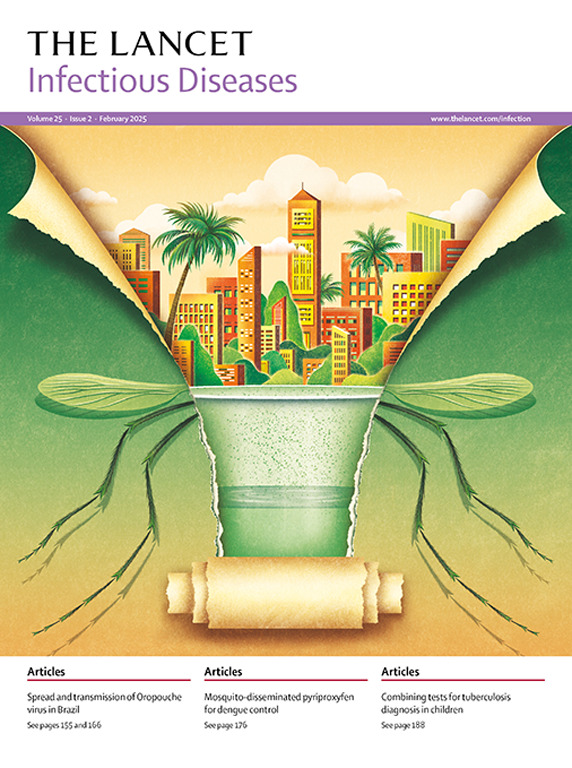









Pinned Tweet

30 Jan 2025
Read our February issue!
Featuring Oropouche virus in Brazil, mosquito-disseminated pyriproxyfen to control dengue, and TB diagnostics in children
thelancet.com/journals/lanin…
14
35
14,606
The Lancet Infectious Diseases retweeted

26 May 2025
Trachoma is the leading infectious cause of blindness worldwide.
In a new Seminar, Esmael Habtamu & colleagues provide an overview of the key clinical and public health features of trachoma.
Explore now ➡️ hubs.li/Q03nWybF0
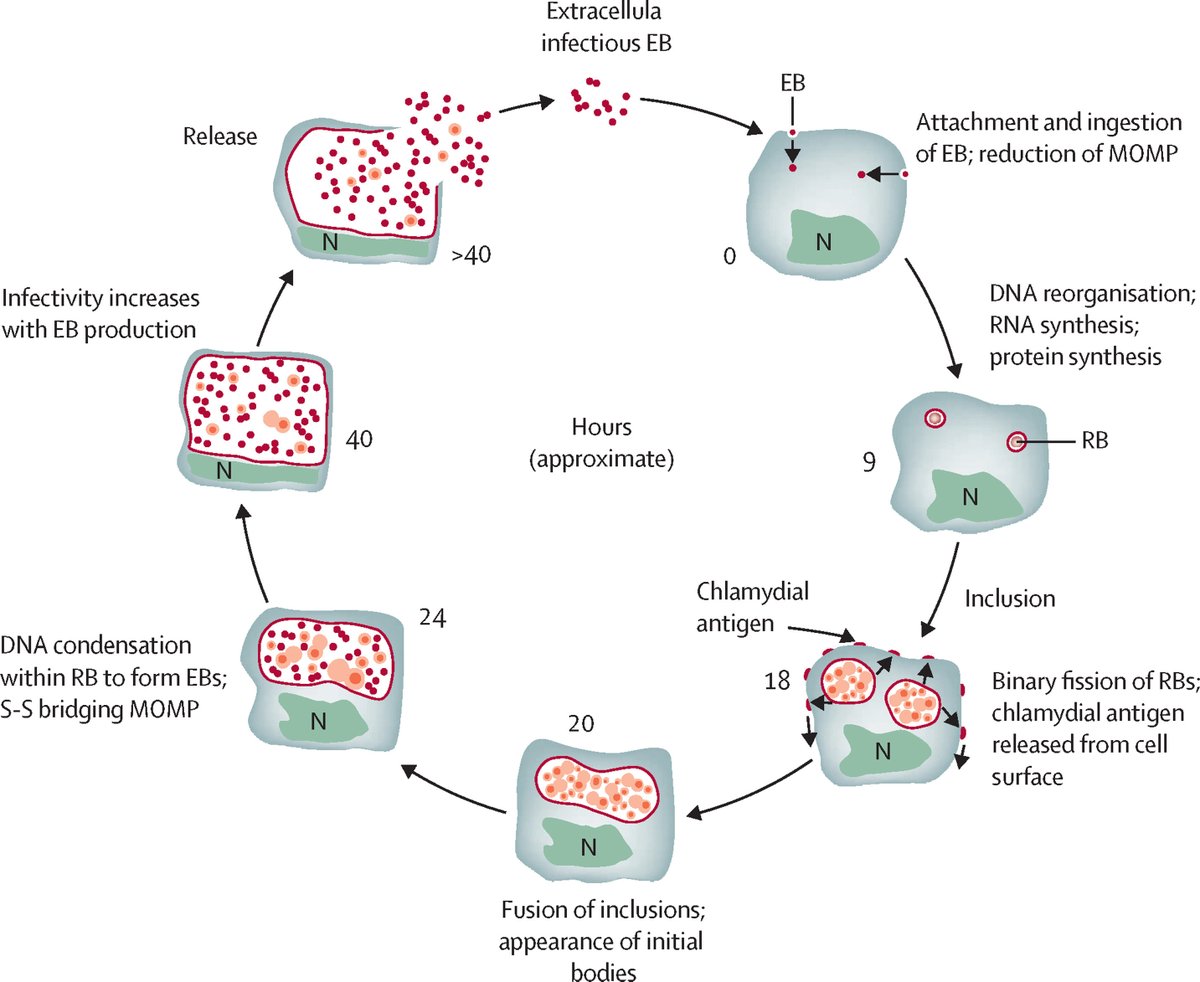
ALT Figure showing the life cycle of Chlamydia trachomatis. Copyright: 2025 World Health Organization; licensee Elsevier Ltd.
1
26
42
15,645
The Lancet Infectious Diseases retweeted

27 May 2025
☀️ On the cover of @TheLancetInfDis June issue in time for European arbovirus season, the @PREPARE_EUROPE MERMAIDS-Arbo doublebill of papers with commentary now in print - thank you!
🦟 Full issue:
thelancet.com/journals/lanin…
🤒 Clinical outcomes:
thelancet.com/journals/lanin…
🦠 Serology diagnostic algorithm:
thelancet.com/journals/lanin…
🗣️ Commentary:
thelancet.com/journals/lanin…
@louise_sigfrid @LouellaMRK @siyu1000 @MarionKoopmans
3
5
2,656
The Lancet Infectious Diseases retweeted

19 Apr 2025
In @TheLancetInfDis, MSF highlighted the urgent need for a ring vaccination strategy to curb the cholera outbreak in DRC and neighbouring countries, worsened by ongoing conflict. #Cholera #GlobalHealth #DRC 💉
shorturl.at/2hRzU
1
9
12
3,349
The Lancet Infectious Diseases retweeted

24 Apr 2025
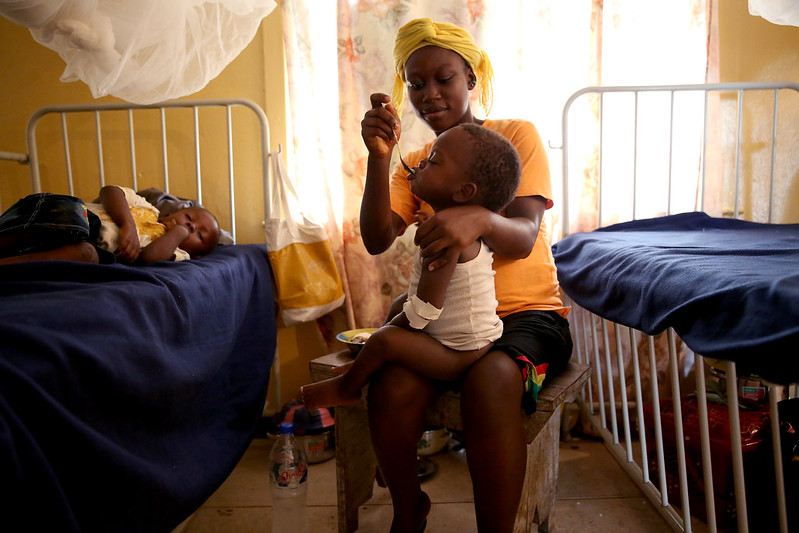
A study in @TheLancetInfDis confirmed the safety & efficacy of single low-dose primaquine in reducing malaria transmission in young children & could support global #malaria elimination efforts & limit the spread of drug resistant #malaria
iddo.org/news/new-study-conf…
@TropMedOxford
1
8
4
1,974
The Lancet Infectious Diseases retweeted

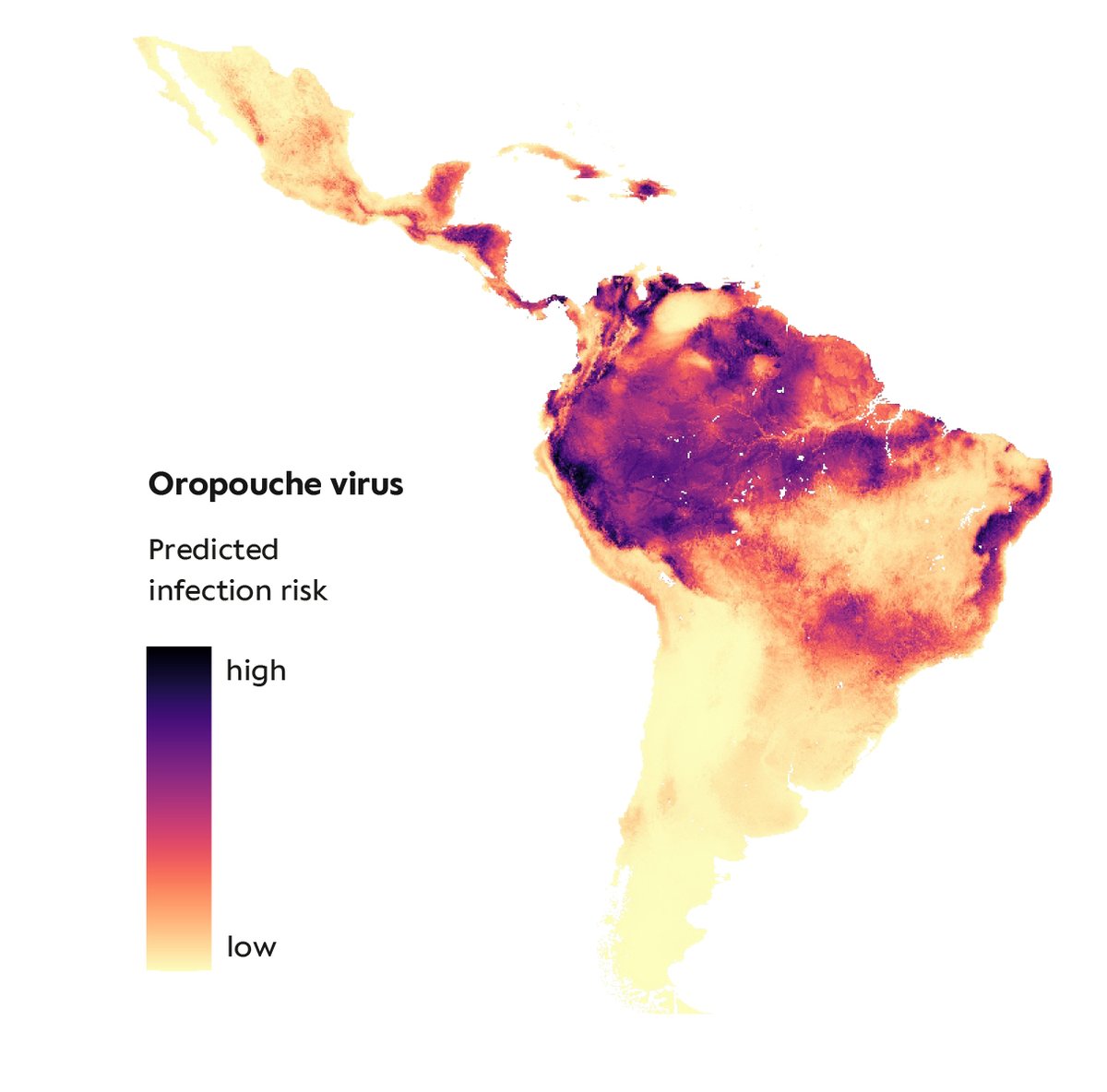
While little is known about the mysterious #Oropouche virus in Latin America, a number of deaths have been reported along with impacts on unborn babies. A #CharitéBerlin study has discovered that the pathogen is more widespread than previously thought. charite.de/en/service/press_…
6
14
2,837
The Lancet Infectious Diseases retweeted
16 Apr 2025
Now, there is a 2024 WHO Bacterial Priority Pathogens List 🆕
An article in @TheLancetInfDis details the processes involved in this important revision ⤵️ bit.ly/3EoCZUG
1
7
19
7,500
The Lancet Infectious Diseases retweeted

3 Apr 2025
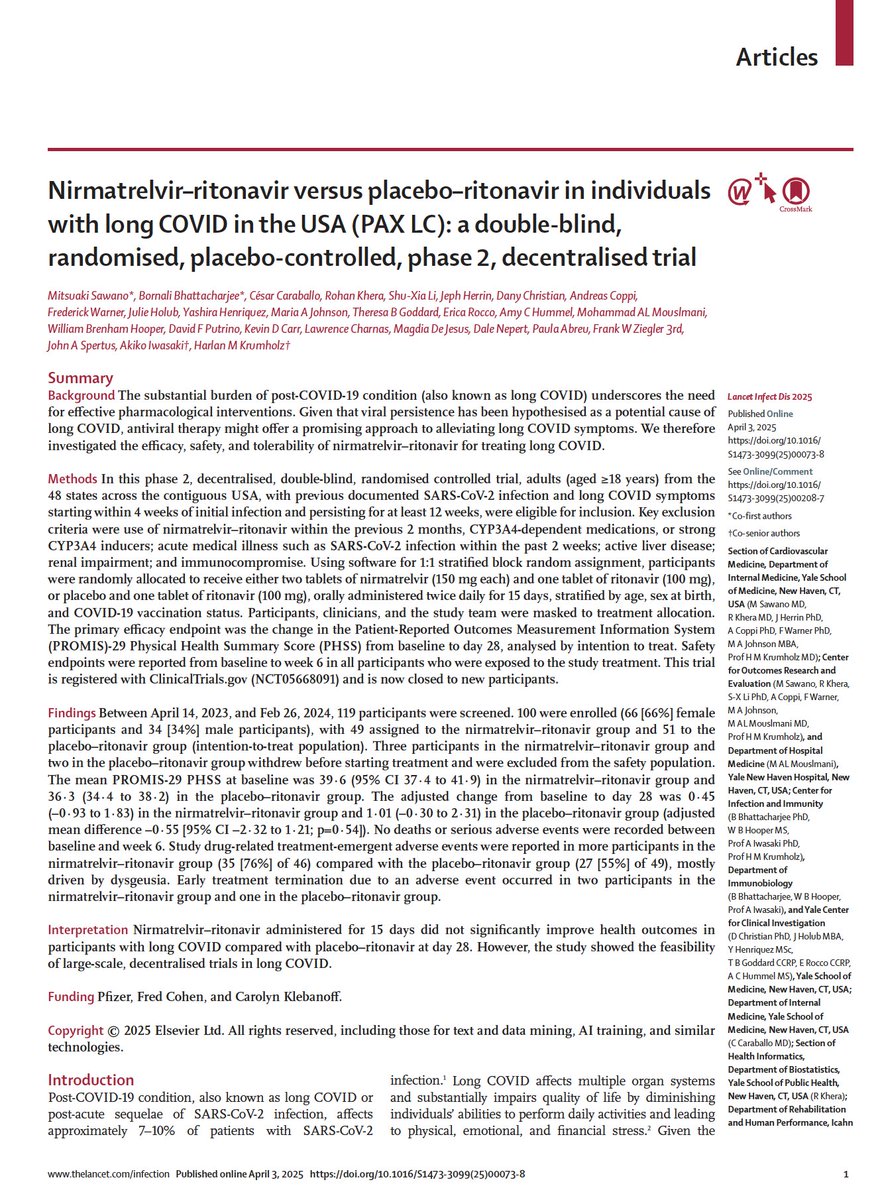
1/5 🔥 Hot off the press — PAXLC trial results now in @TheLancetInfDis (🇯🇵日本語解説付き)
After 3 years of dedicated work, we’re proud to share results from PAX LC: a fully decentralized, double-blind, placebo-controlled, FDA-authorized Phase 2 trial of Paxlovid (nirmatrelvir/ritonavir) for long COVID across 48 U.S. states (NCT05668091)
✅ 100 adults with long COVID
✅ Randomized 1:1 to Paxlovid or placebo (ritonavir only)
✅ 15-day oral treatment
🎯 Primary outcome: Change in PROMIS-29 PHSS at Day 28 from baseline
Here’s what we found—and why it matters. 🧵👇
Get your free copy here: sciencedirect.com/science/ar…
1/5 🔥速報:PAX LC 試験の結果が @TheLancetInfDis に掲載されました!
3年にわたる設計と実施を経て、コロナ後遺症に対するパキロピッドの有効性と安全性を検証した**分散型・二重盲検・プラセボ対照・FDA承認の第2相試験「PAX LC」**の結果を報告します(米国48州対象)。
✅ コロナ後遺症の成人100名が参加
✅ パキロピッドまたはプラセボ(リトナビルのみ)に1:1で無作為化
✅ 経口治療を15日間
🎯 主要評価項目:ベースラインから28日目時点での PROMIS-29 PHSS の変化
ここから、試験結果とその意義を詳しくご紹介します🧵👇
@MitsuakiSawano @bornali_27 @CesarCaraballoC @rohan_khera @jspertus @VirusesImmunity @hmkyale
@YaleMed @YaleIMed @YaleCardiology @YaleCII
#PAXLC #LongCOVID #RCT #Paxlovid
Find our other related materials here:
ClinicalTrials.gov : clinicaltrials.gov/study/NCT…
PAXLC Design Paper: sciencedirect.com/science/ar…
PAXLC Demographics Paper: medrxiv.org/content/10.1101/…
12
57
161
36,237
The Lancet Infectious Diseases retweeted

4 Apr 2025
We were so happy to partner with participants on this decentralized, technology-enabled trial. Innovative way to do trials. I just wish the result had been better for patients. @VirusesImmunity @YaleMed @yalediscovers @TheLancetInfDis medicine.yale.edu/news-artic…
8
26
101
14,749
The Lancet Infectious Diseases retweeted

We are hiring a Deputy Editor for The Lancet Regional Health – Southeast Asia
Find out more about the role here
lnkd.in/gBEyCJKB
@TheLancet
@GKangInd
@doctorsoumya
@WHOSEARO
@AnuragAgrawalMD
@swarup1972
@vivekkute
@combatstrokeSL
@lakshmivijayku1
10
10
8,635
The Lancet Infectious Diseases retweeted

21 Mar 2025
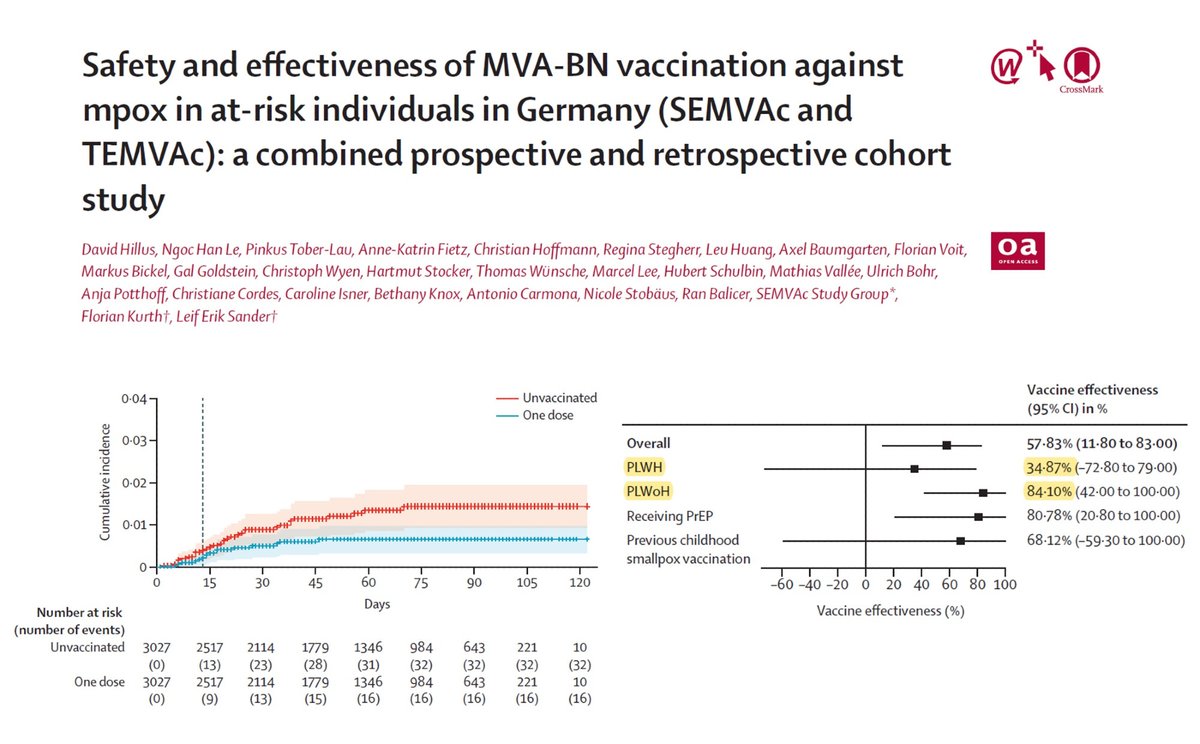
Out now in @TheLancetInfDis our #SEMVAc study demonstrates that the MVA-BN vaccine (Imvanex/Jynneos) is safe & effective against #mpox, but a single dose does not sufficiently protect people living with #HIV.
Thank you @EMA_News for support.
thelancet.com/journals/lanin…
2
7
21
3,947
The Lancet Infectious Diseases retweeted

25 Mar 2025
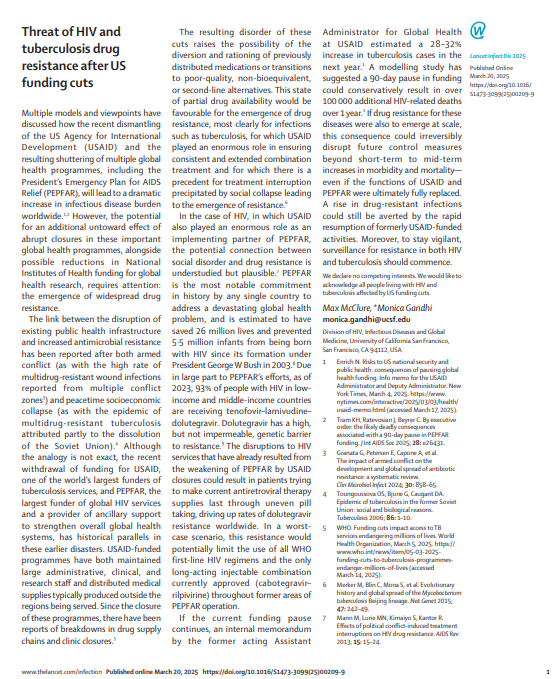
RESISTANCE IN TB AND HIV: Article we just wrote for the @TheLancetInfDis on a consequence of HIV global funding cuts that has not been discussed much -the development of drug resistance in HIV and TB
thelancet.com/journals/lanin…
1
11
19
4,376
28 Mar 2025
RT @SasoGynaecology: Well done to my sister @AnjaSaso on her excellent RCT just published in @TheLancetInfDis looking at effect of #pertuss…
2
2
The Lancet Infectious Diseases retweeted

27 Feb 2025
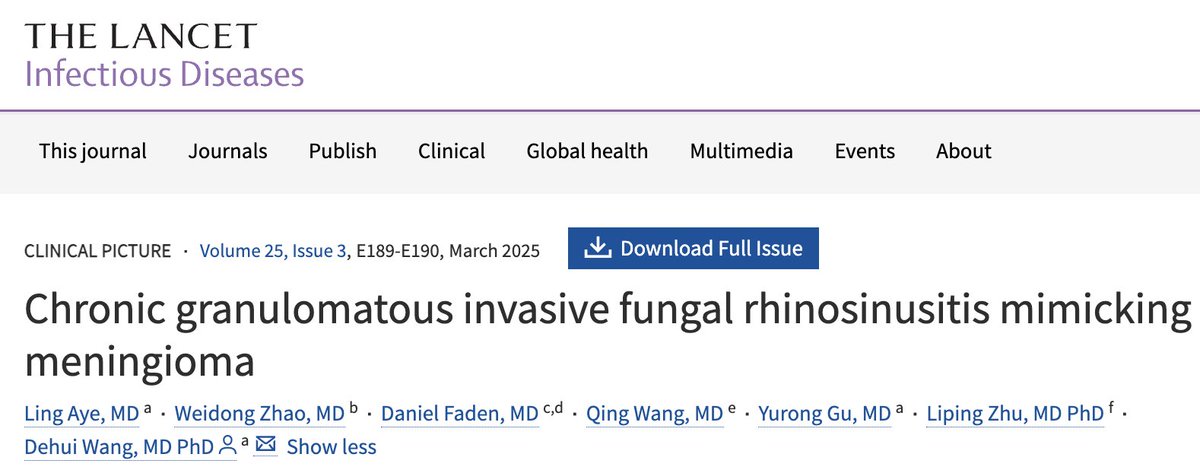
Delighted to share my latest clinical case report published in @TheLancetInfDis from Fudan University, highlighting a case of mistaken identity—sinusitis mimicking meningioma!
Thanks to @FadenLab from @MassEyeAndEar @Harvard, the co-first author, for his invaluable guidance
3
8
1,846
The Lancet Infectious Diseases retweeted
28 Feb 2025
🆕The absence of essential diagnostic & therapeutic tools is a crucial barrier to Zika virus preparedness & response.
A @TheLancetInfDis & Lancet Microbe Series outlines a comprehensive strategy to advance research, policy, & investment to address this: hubs.li/Q038m_VF0
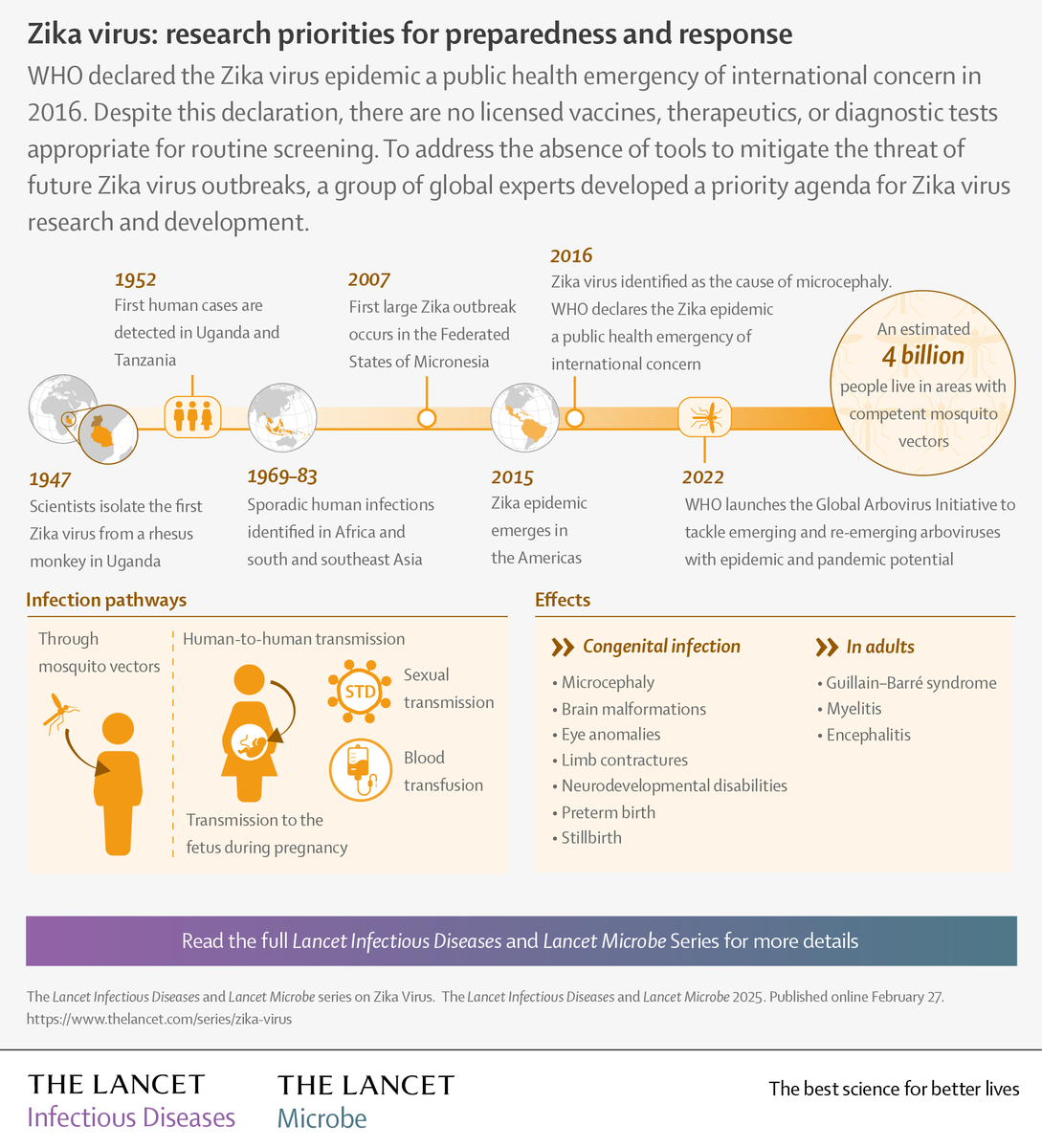
ALT Lancet Infographic for the Lancet Infectious Diseases and Lancet Microbe Series "Zika Virus: Research Priorities for Preparedness and Response"
27
51
29,243
The Lancet Infectious Diseases retweeted

4 Mar 2025
Very pleased to share our latest paper in @TheLancetInfDis. This paper considers the complex issues of antimicrobials at the end-of-life, including nonclinical factors that must be navigated in the dying process. Thanks to @BillyRosaPhD for leading this!
sciencedirect.com/science/ar…
4
12
2,621
The Lancet Infectious Diseases retweeted

4 Mar 2025
With cholera resurging in recent years, this letter by @SecGTFCC @TheLancetInfDis highlights the crucial principle of adaptive surveillance. It stresses that surveillance must be tailored to different epidemiological contexts, as outlined in their guidance
thelancet.com/journals/lanin…
4
5
1,430
The Lancet Infectious Diseases retweeted
5 Mar 2025
Cholera has skyrocketed globally in recent years, linked to factors such as conflict, displacement, and climate change.
A lack of political commitment & investment in controlling cases has also contributed to its resurgence.
Read more in the latest news piece from @TheLancetInfDis ▶️
hubs.li/Q039pBC90
3
18
30
10,116
The Lancet Infectious Diseases retweeted

25 Feb 2025
In this editorial in @TheLancetInfDis with @ACasadevall1 , we show how SARS-CoV-2 evolution once again defeated an anti-Spike mAb (#sipavibart / #AZD3152) before it reached the marked.
thelancet.com/journals/lanin…
@bjarijn @ShohamTxID @jhDavidSullivan @manuelenicastri @hueso_thomas
7
22
2,357
The Lancet Infectious Diseases retweeted

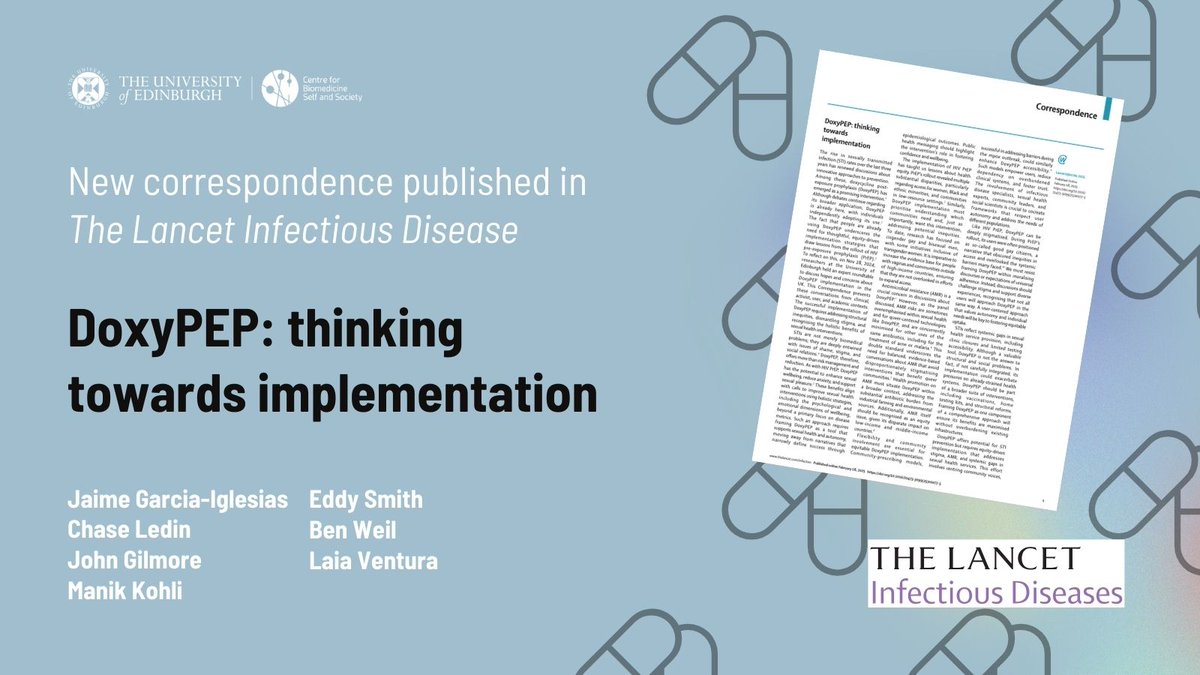
💊Very happy to share our paper in @TheLancetInfDis on doxypep: hopes and fears for implementation .
😍This is a joint effort with @GilmoreJNurse ; Manik Kohli; @EdFTMxxx ; @benvyle; and Laia Ventura
👉Access here: thelancet.com/journals/lanin…
1
8
16
34,041
The Lancet Infectious Diseases retweeted

18 Feb 2025
Europe needs a sustainably funded influenza research and response network - especially in the light of H5N1 and current developments in the US. Read our commentary in The Lancet ID:
thelancet.com/journals/lanin…
With @wendybarclay11, @MarionKoopmans and many other colleagues.
11
92
286
17,448