
New Christendom’s hat merchant. Christ is King
Joined October 2023
- Tweets 6,340
- Following 379
- Followers 2,675
- Likes 9,995
1,291 Photos and videos











Pinned Tweet

I want my kids to grow up in America, not India.

94
247
3,547
69,394
What Darryl really means to say is, “imagine a world in which you’re not allowed to watch The Wire.” Thats what really scares him about Christian Nationalism.
Jun 15

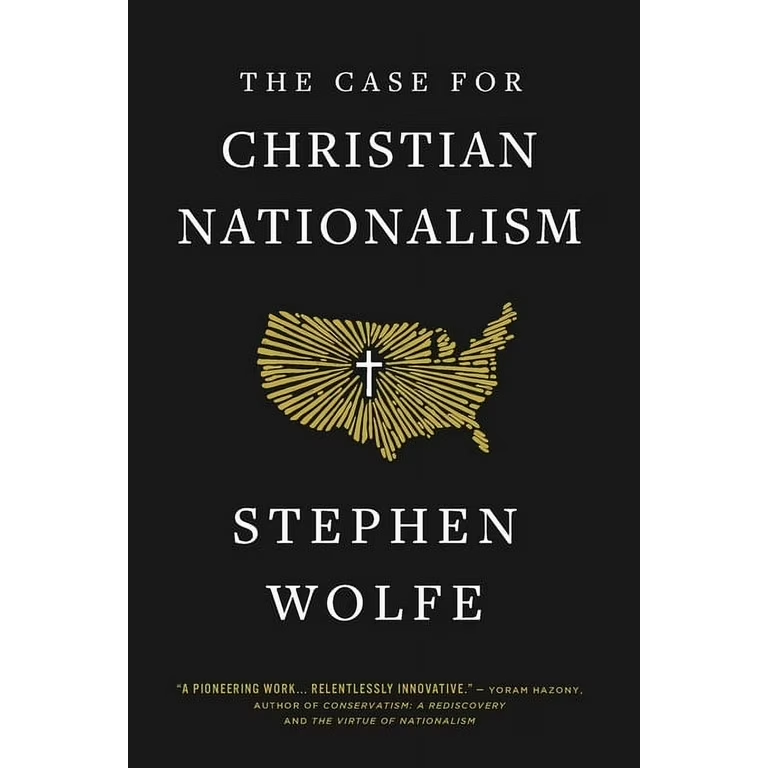
imagine a year after the covid lockdowns arguing for magistrates to have power to promote and suppress religion
1
31
992
When I tell you that the Gospel Centered™️ movement was a psy-op to neuter right wing political action by Christians, this is what I mean 👇🏻
Jun 15

“If Satan took over Philadelphia, all the bars would be closed. Pornography banished. Pristine streets would be filled with tidy pedestrians who smiled at each other. There would be no swearing. The children would say, yes sir and no ma'am, and the churches would be full every Sunday where Christ is not preached.” - Michael Allen
Watch the full message here: youtu.be/Gj0GDetIQ2I
15
455
“A brown guy cried so now we need to give up trying to have a country.”
Jun 15

At least 4 Muslims attended the Texas GOP convention this weekend - not as protesters but as delegates and attendees, hoping to participate in setting the party's priorities.
They were ostracized and rejected. One man left in tears.
via @RenzoDowney
texastribune.org/2026/06/15/…
8
50
787
11,164
This is exactly right. 👇🏻
Jun 15

When’s your next county GOP meeting? Is it on your calendar? Are you bringing a friend? Are you organized? Are you doing anything? Do you care about winning?
Get working. We have a country to save. Cut the online bullshit.
26
550
You can either seek, take, and wield power, or you can cede the future to those who will. There is no third option.
1
1
178
Serious question: are you magnet-pilled anon? I will not elaborate.
7
237
Sometimes I look around the CN landscape, and I regret re-popularizing the Jerusalem cross.
4
31
3,538
Rare Pentagon W.
Jun 7

It’s a new day
Still a Latter-day Saint
And we’re still Christians—waiting for the Pentagon to make things right
9
691
Checkmate, judaizers.
Jun 1

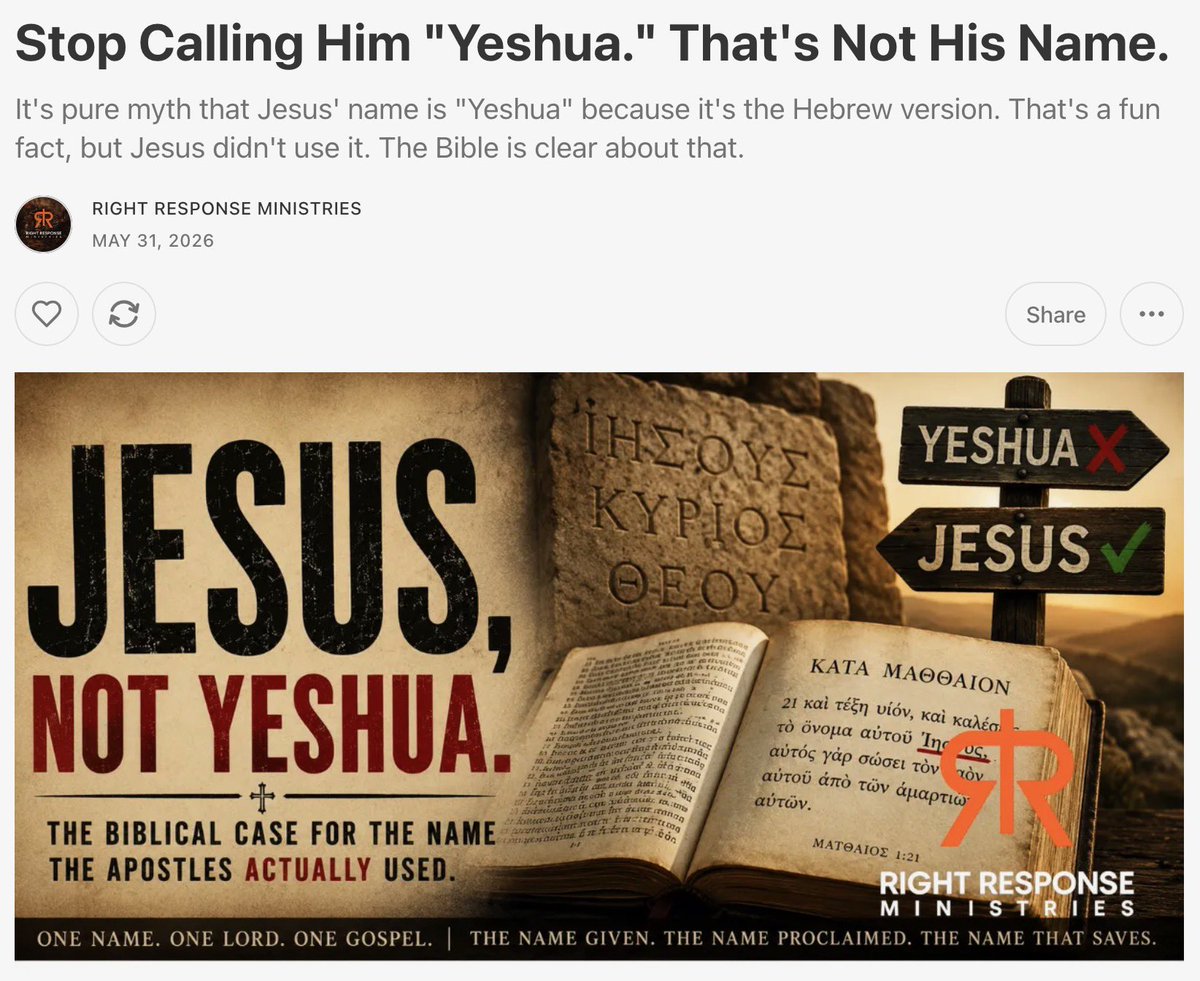
Stop Calling Him “Yeshua.”
That’s Not His Name.
“The irony is almost painful. The same people who insist on calling Jesus "Yeshua" because they want to be more authentic than ordinary Christians rarely stop to consider that the Apostles themselves lived, preached, wrote, and quoted Scripture in Greek. The New Testament is Greek. The churches were Greek-speaking. The Septuagint was the Bible of the early Church. Even the Jewish men walking beside Christ bore Greek names without embarrassment. Yet two thousand years later, a man with a shofar in the garage and a Hebrew Roots podcast subscription becomes convinced that he has uncovered a level of authenticity unavailable to Peter, Paul, Luke, John, and the congregations they planted. At some point, trying to be more Hebrew than the Apostles stops being reverence and starts becoming a theological hobby.
What makes the Matthew argument so difficult to escape is that Matthew repeatedly shows his work whenever preserving an original-language phrase actually matters. He gives his readers Raca. He gives them Mammon. He gives them Eli, Eli, lama sabachthani. In each case, the original words remain in the text precisely because Matthew wants the reader to know those specific words were spoken. Yet when the angel announces the name of the Messiah, Matthew suddenly abandons this practice entirely and gives us Ἰησοῦς without qualification, explanation, or linguistic footnote. The simplest explanation is usually the correct one. Matthew preserved original-language expressions when he believed preserving them mattered. He did not do so with the name of Jesus because, for Matthew and the Church that received his Gospel, Ἰησοῦς was not standing in for the real name. It was the real name.”
1
17
919
White pill 🤍


24
1,042
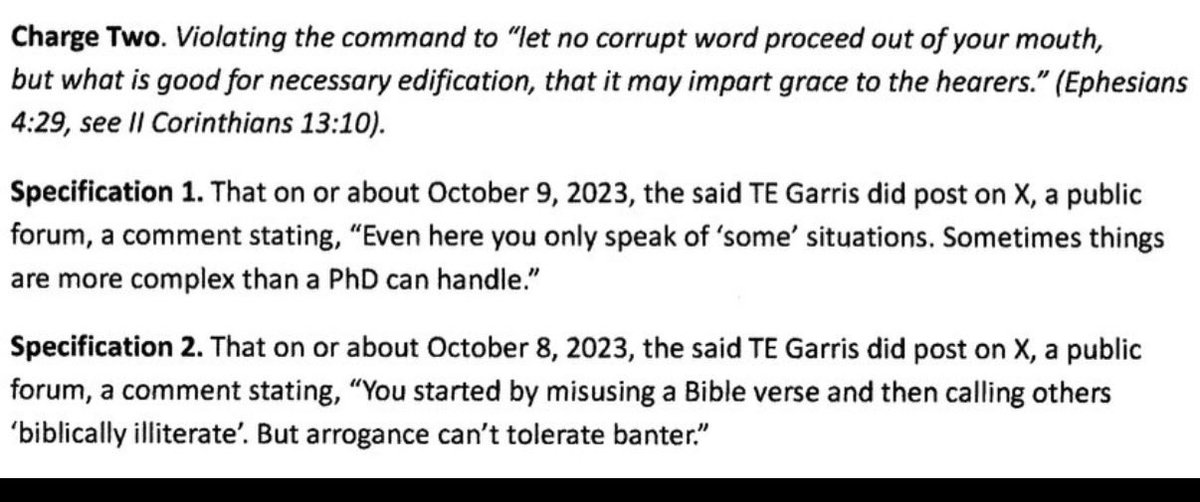
My theory is that this is retaliation from the Rio Grande presbytery over @ZacharyGarris book “Honor Thy Fathers.” RGP has several churches with female deacons/deaconesses, and I doubt they took too kindly to Garris recovery of the Reformed rejection of such nonsense.

Absolutely insane that these are the charges being brought against @ZacharyGarris and more apparent than ever that this whole circus is a proxy war over something else.
4
1
42
1,759
Absolutely insane that these are the charges being brought against @ZacharyGarris and more apparent than ever that this whole circus is a proxy war over something else.
May 29

2
57
2,429
Bro, wut?

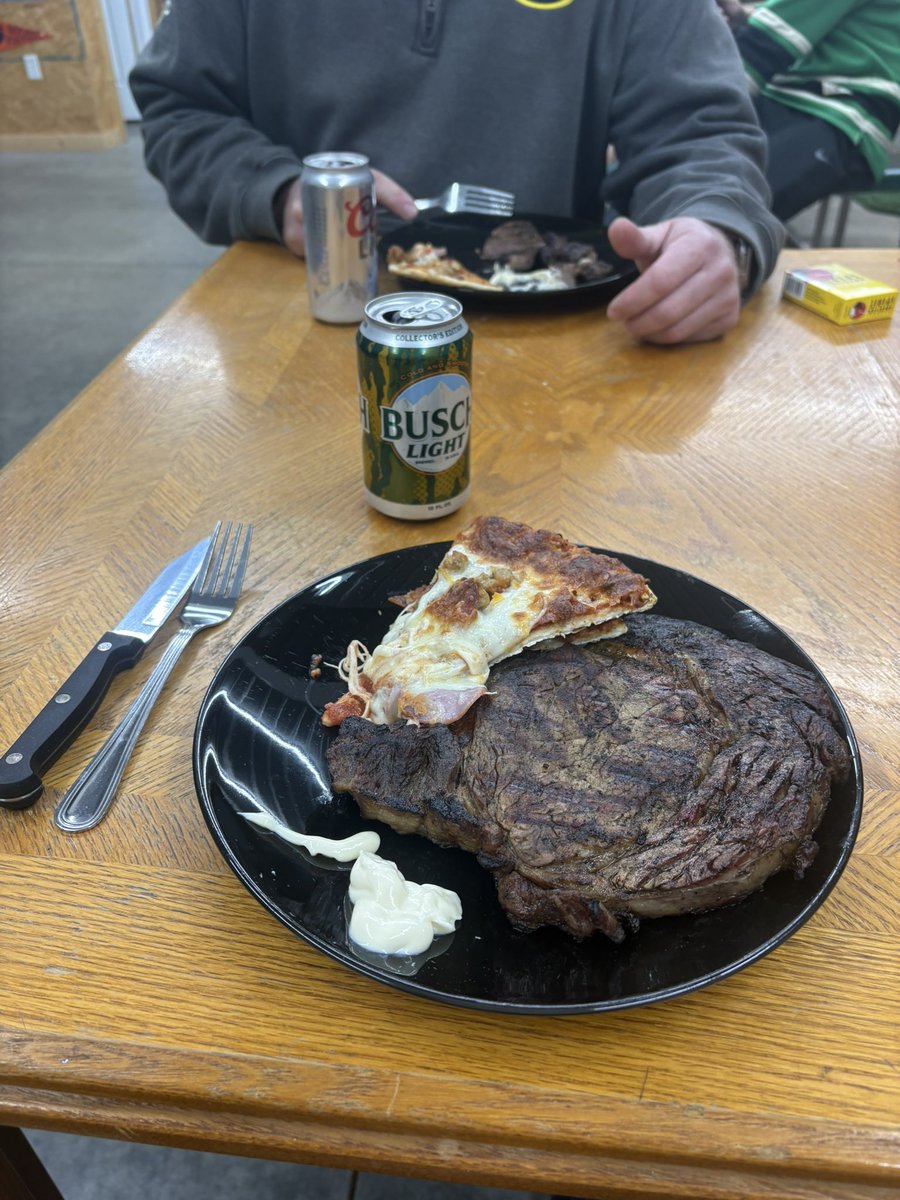
I ate this for a meal once I dare you to call me unamerican.
1
6
711
Every time I see one of these attacks on Joel, I only become more convinced that he is in fact Our Guy™️

"EXPOSED" but its nothing but half baked, dead wrong, slop that has been public for over a year.
His wife has not worked for almost 5 years.
Right Response gave back the Facebook account AND refunded 10s of thousands of dollars to make amends for the confusion.
And Joel was welcomed and preached at that church in 2024 AFTER your so called expose.
Also NXR Studios is not a 501c(3). So you somehow managed write a sentence where EVERY. SINGLE. CLAIM. is wrong. Impressive.
"Preaching male dominance while leaning on a working wife. Building a media empire on disputed church funds. And spewing anti-Jewish rhetoric while enjoying the perks of a 501(c)(3) nonprofit."
Retard.
2
40
1,488
SO MUCH WINNING!
Trump admin backs down from requiring banks to document citizenship in latest blow to deportation efforts.
Follow: @AFpost

4
1
28
1,257
Are you trusting the plan, anon?
May 20

Who are we kidding at this point?
1
11
770
Let’s go!
May 18
It’s time to talk about America after Trump.
Join us in Dallas, Tx
Nov. 12-14
1
10
266
Your based Christian nationalist secretary of war is campaigning against Thomas Massie, anon.
3
1
6
210