410 Photos and videos

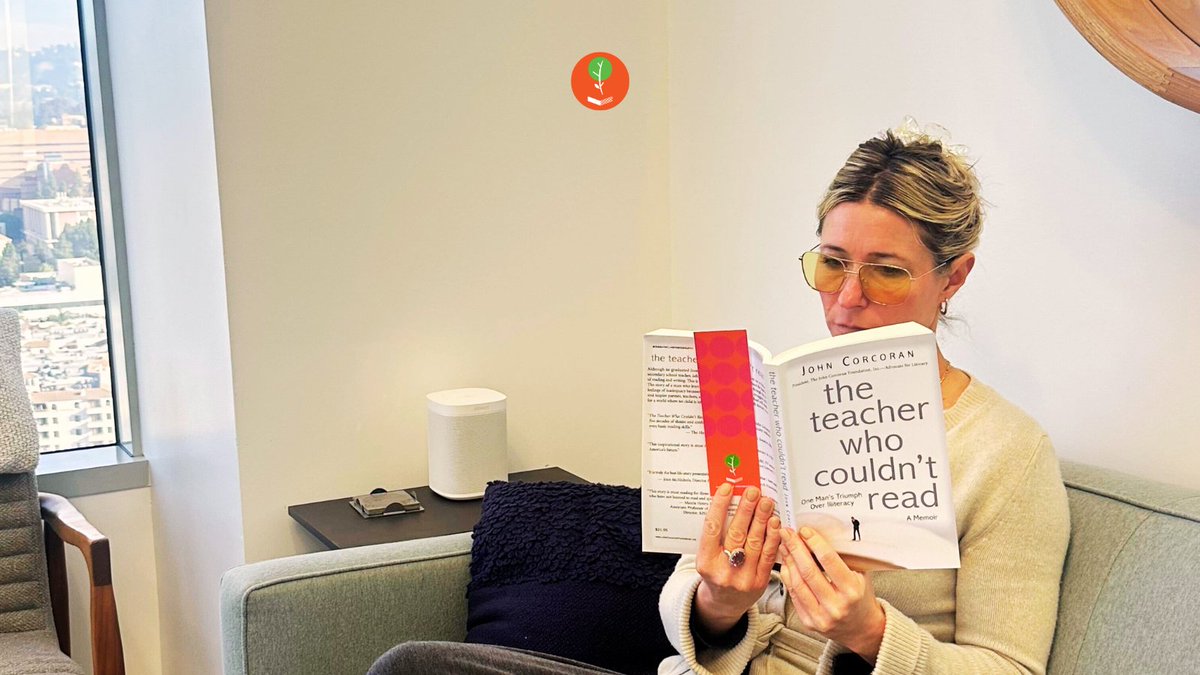
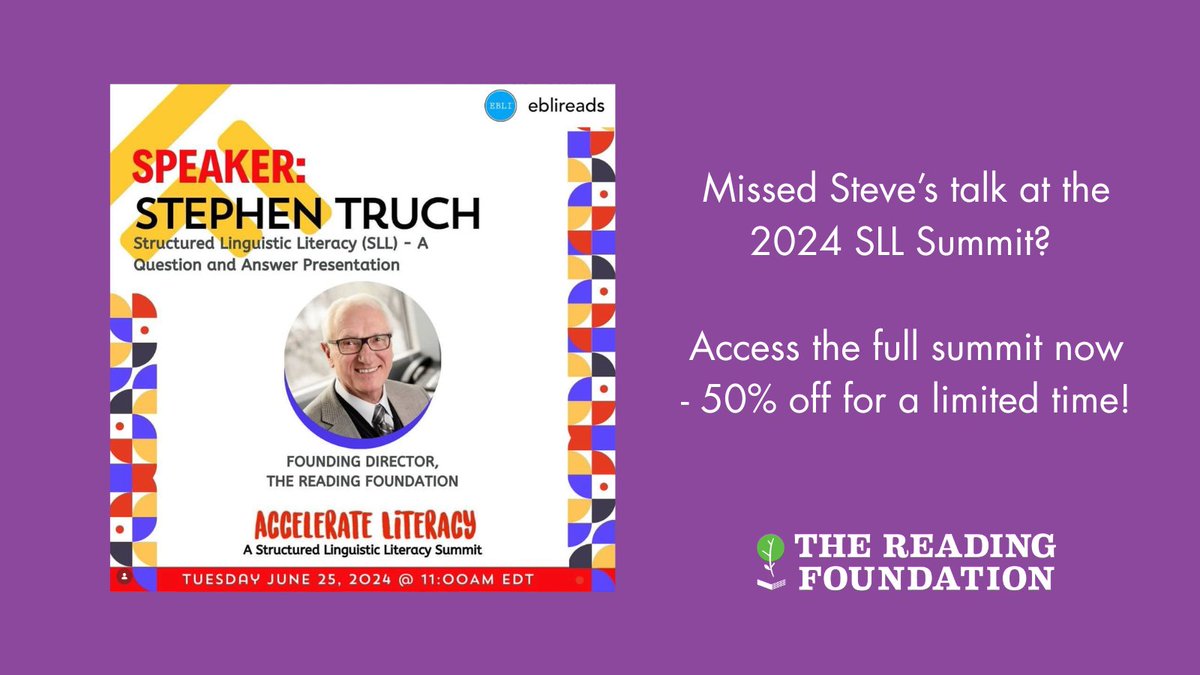
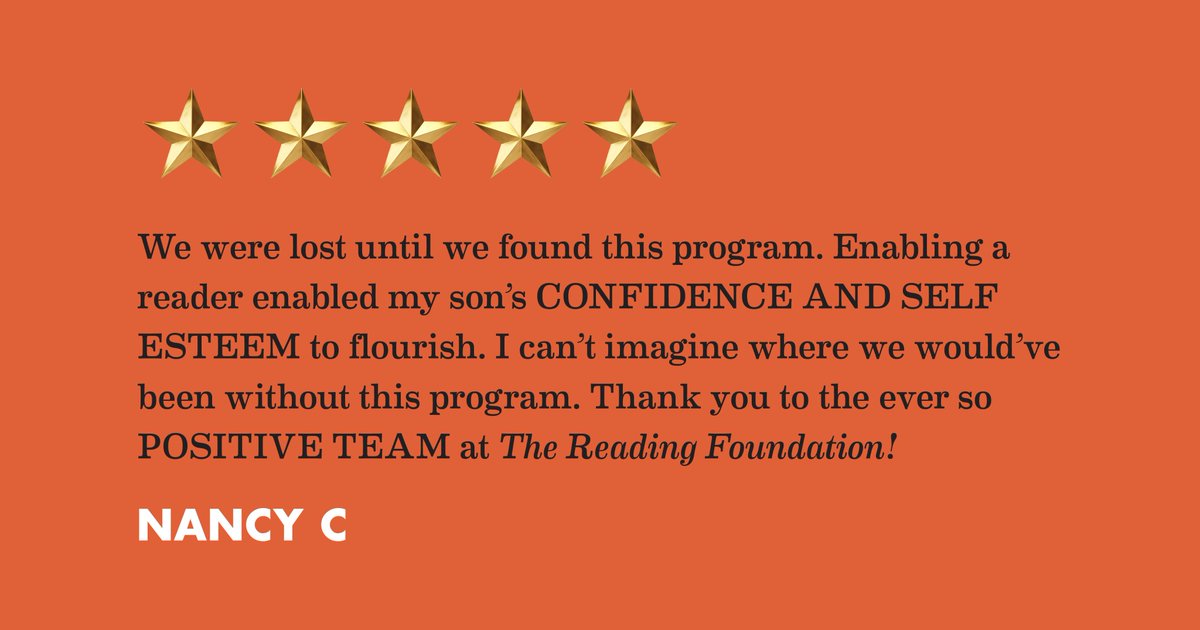
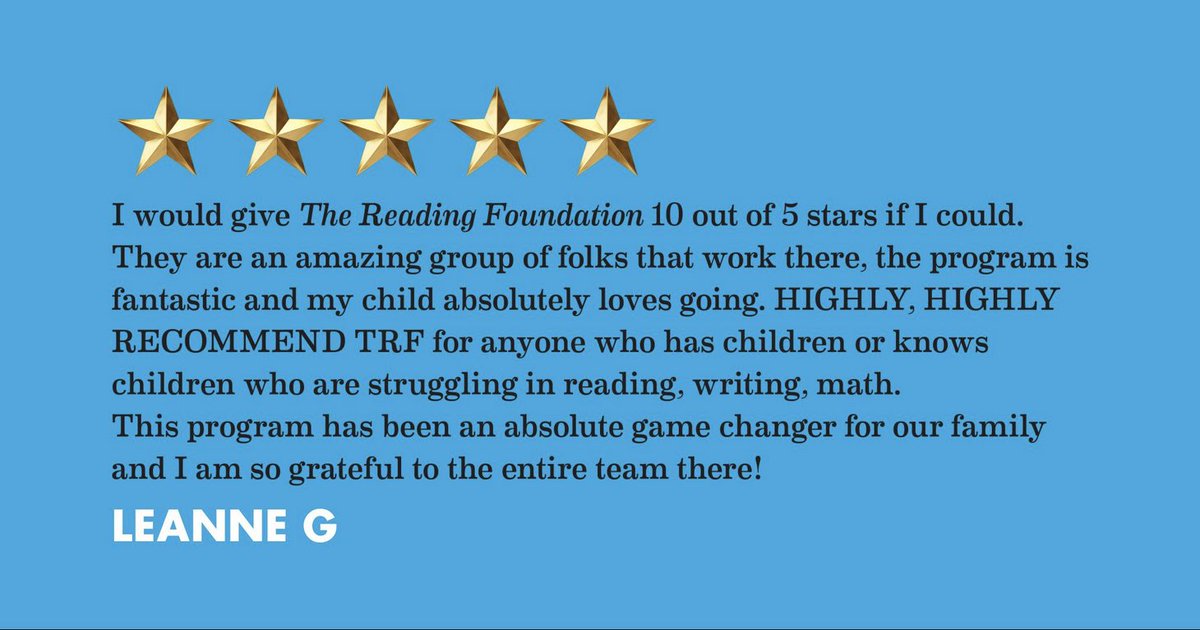

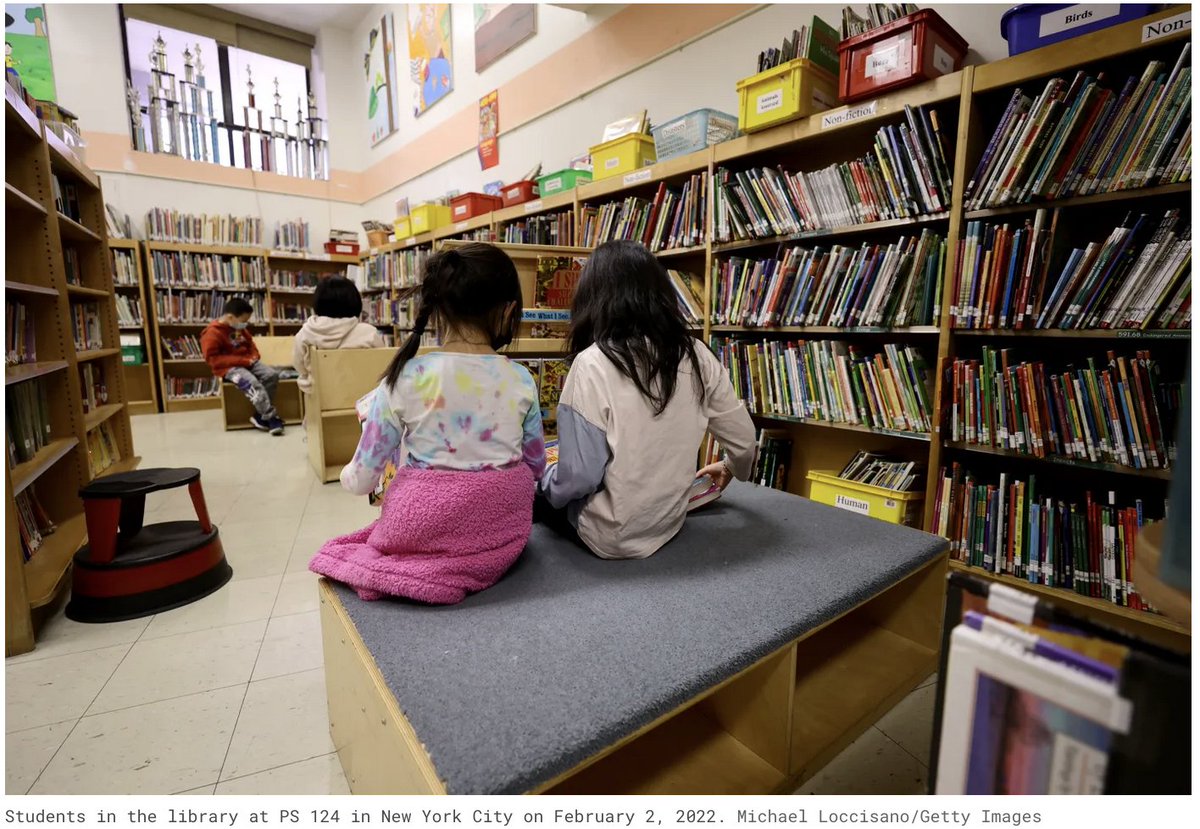
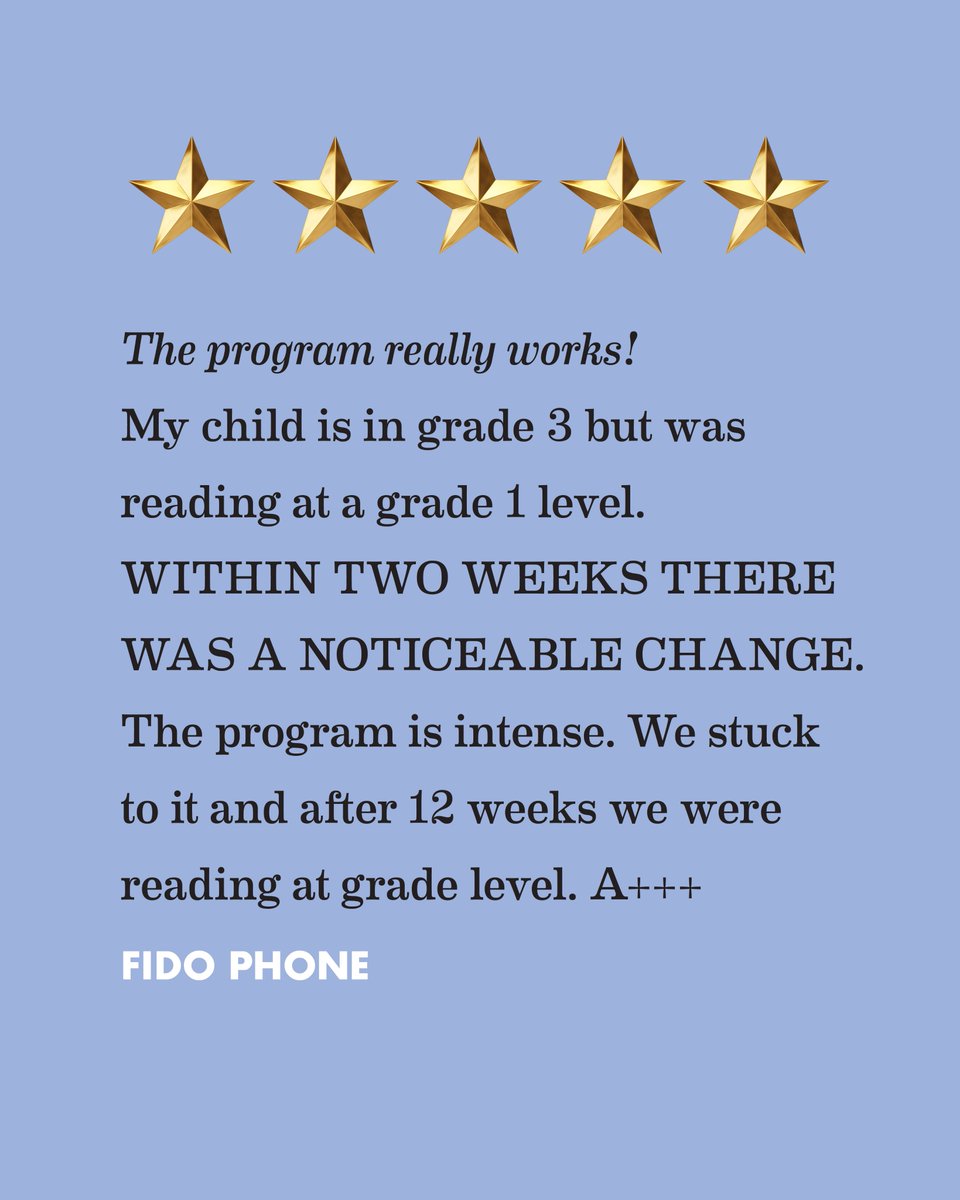

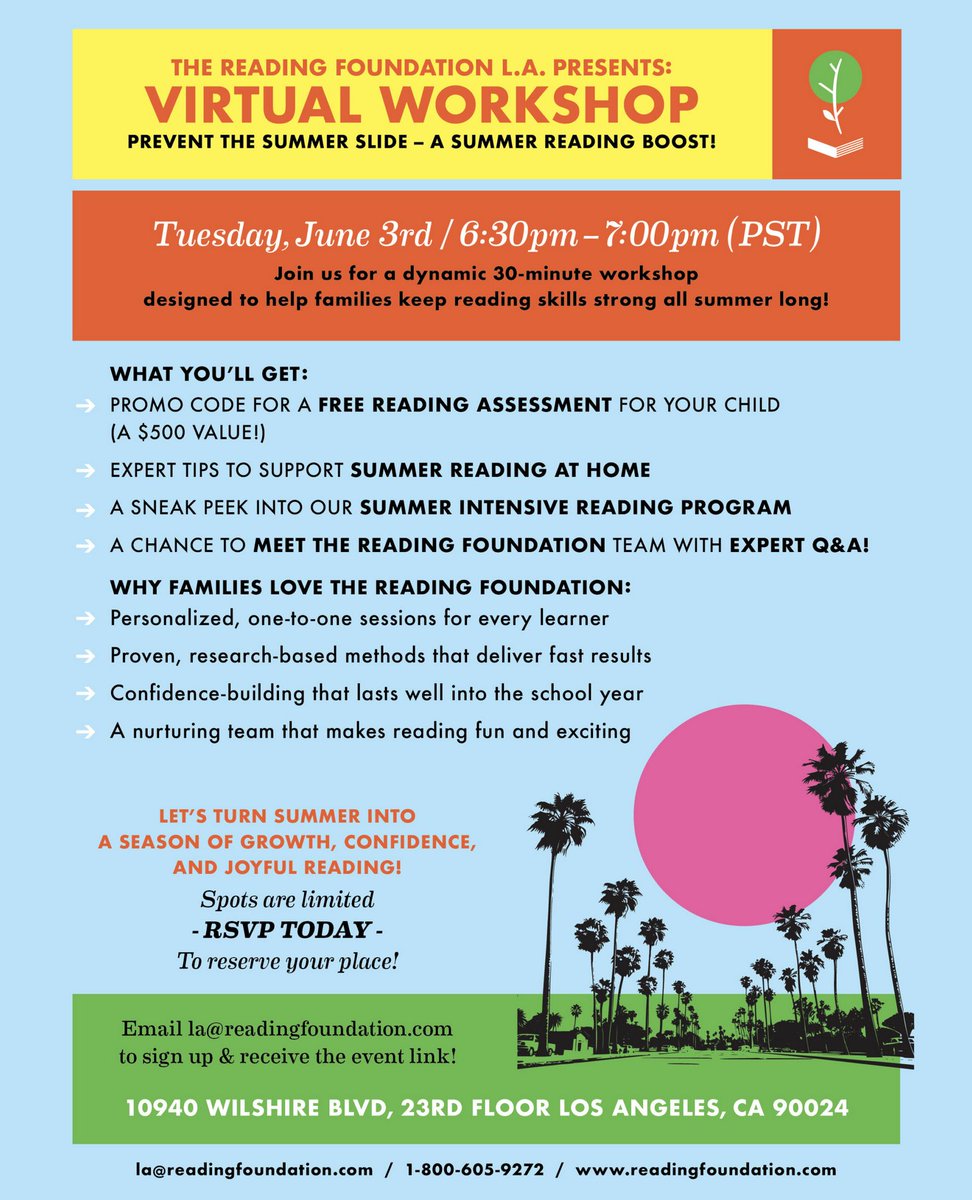
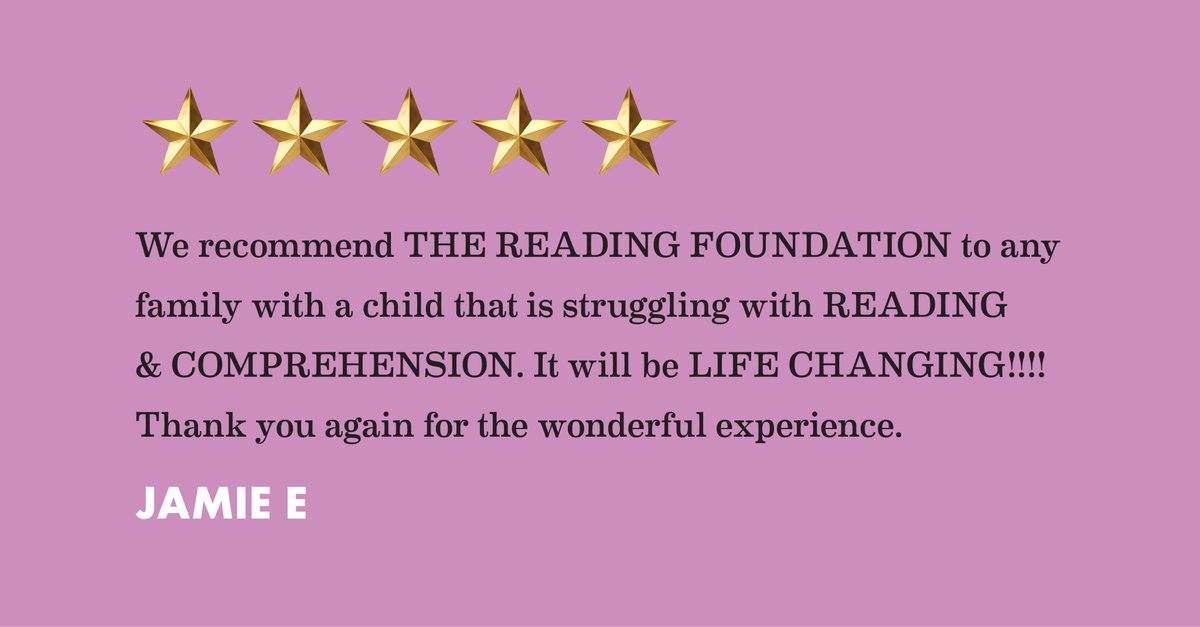
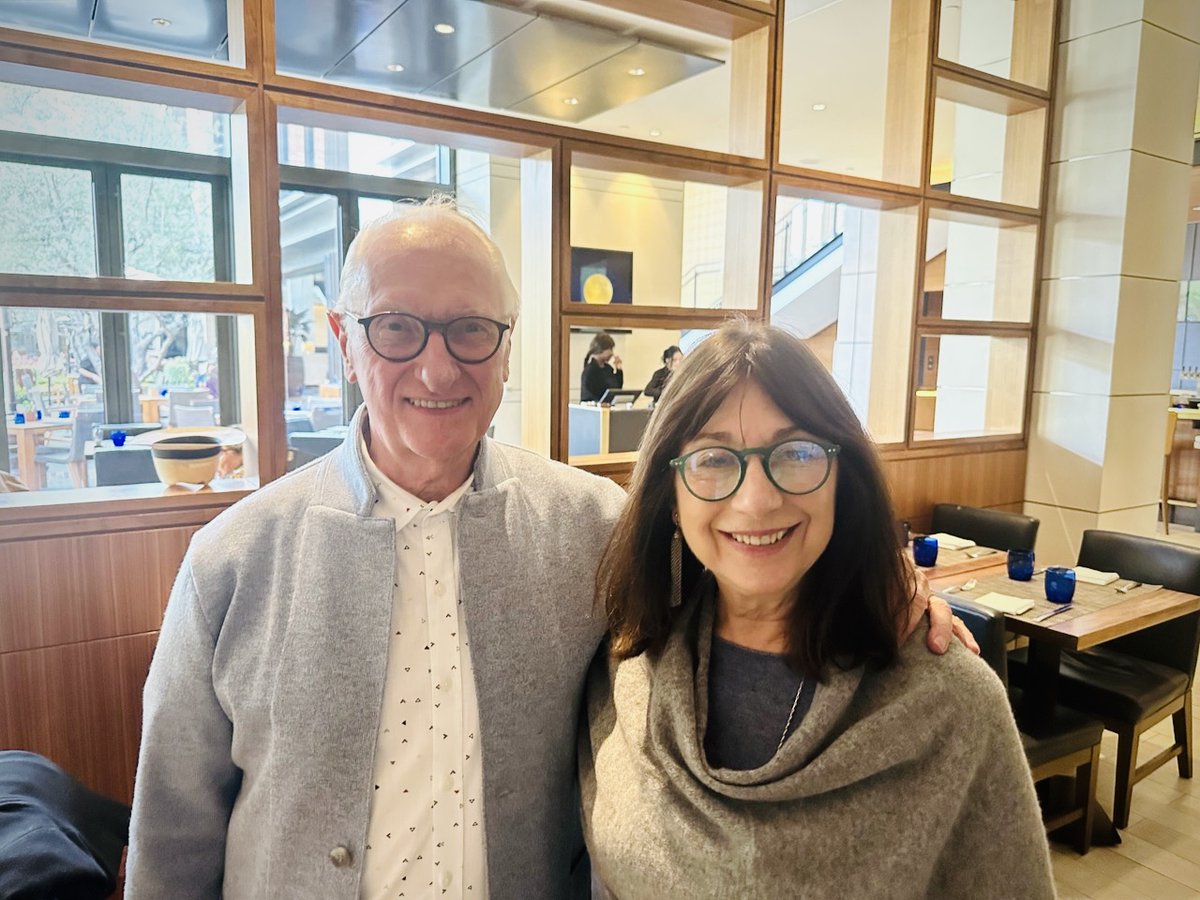
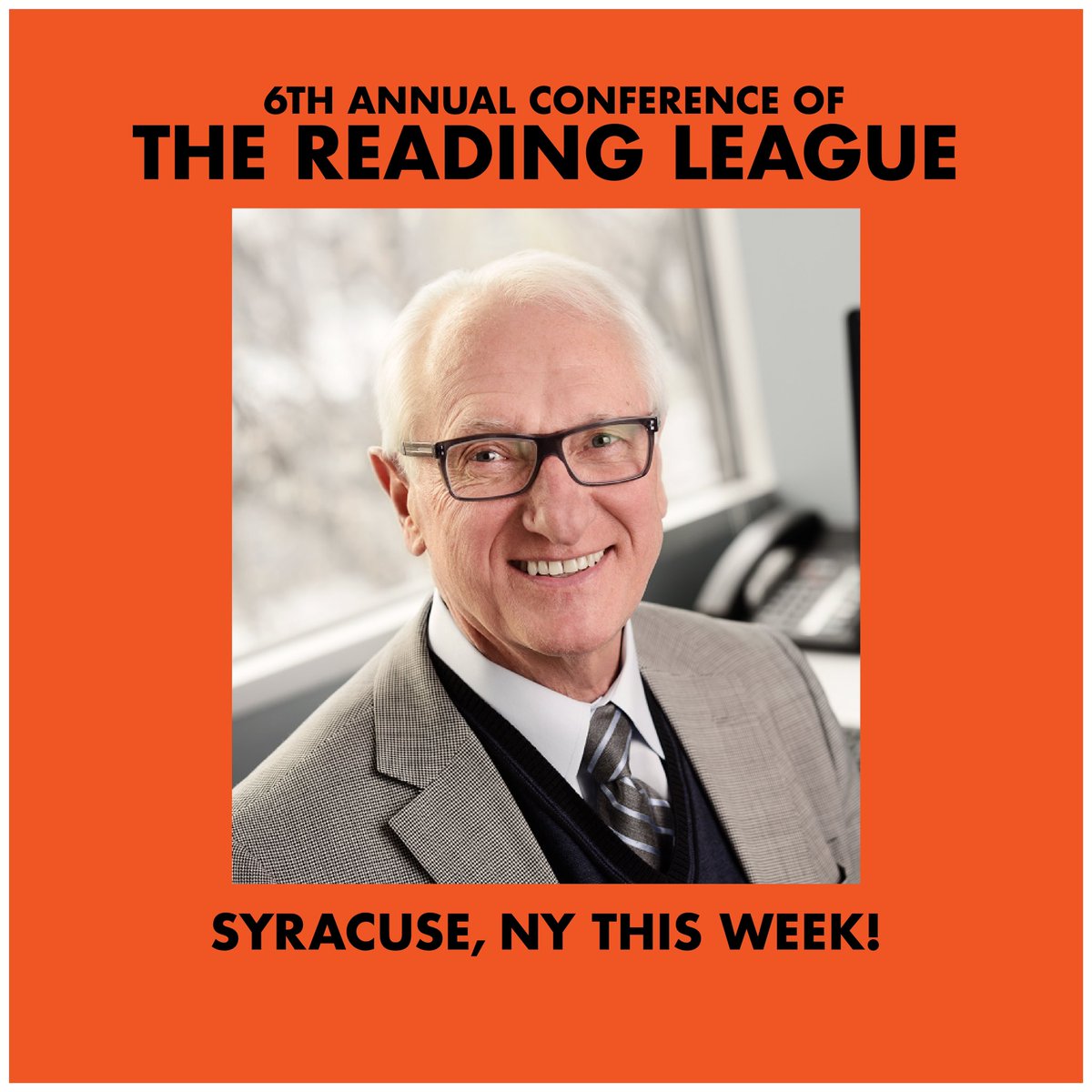

35-40% of children struggle with reading, but most are never identified or supported.
The science of WHY is fascinating. And the news is more hopeful than you'd think. readingfoundation.com/readin… #Dyslexia #Literacy #ReadingDevelopment #ChildLiteracy #Neuroplasticity
2
20
TheReadingFoundation retweeted

Families are invited to join us Thurs., June 11th at 3:30pm for a Magic Show to kick of our Summer Reading Program. Thank you to the Library Foundation of Los Angeles for providing the funding! #LAPL

3
2
51
Anyone else? 🙋
Jun 3

Sometimes I stop mid-day and think about all the books I need to read
17
Calgary — @CalgaryLibrary's free Kindergarten Book Bags are available now. Everything your child needs to start reading strong. #EarlyLiteracy #Calgary calgarylibrary.ca/library-ne…
1
15
Courage To Come Back: Mental Health award recipient wants to use AI to help others learn to read vancouver.citynews.ca/2025/0…
6
TheReadingFoundation retweeted
Our next Friends of the Library Book Sale will be Friday and Saturday, May 15 & 16, with Friends members presale, Thurs., May 14th. Fantastic selection of books for all ages, dvd's and music too! #LibraryBookSale

3
3
37
TheReadingFoundation retweeted

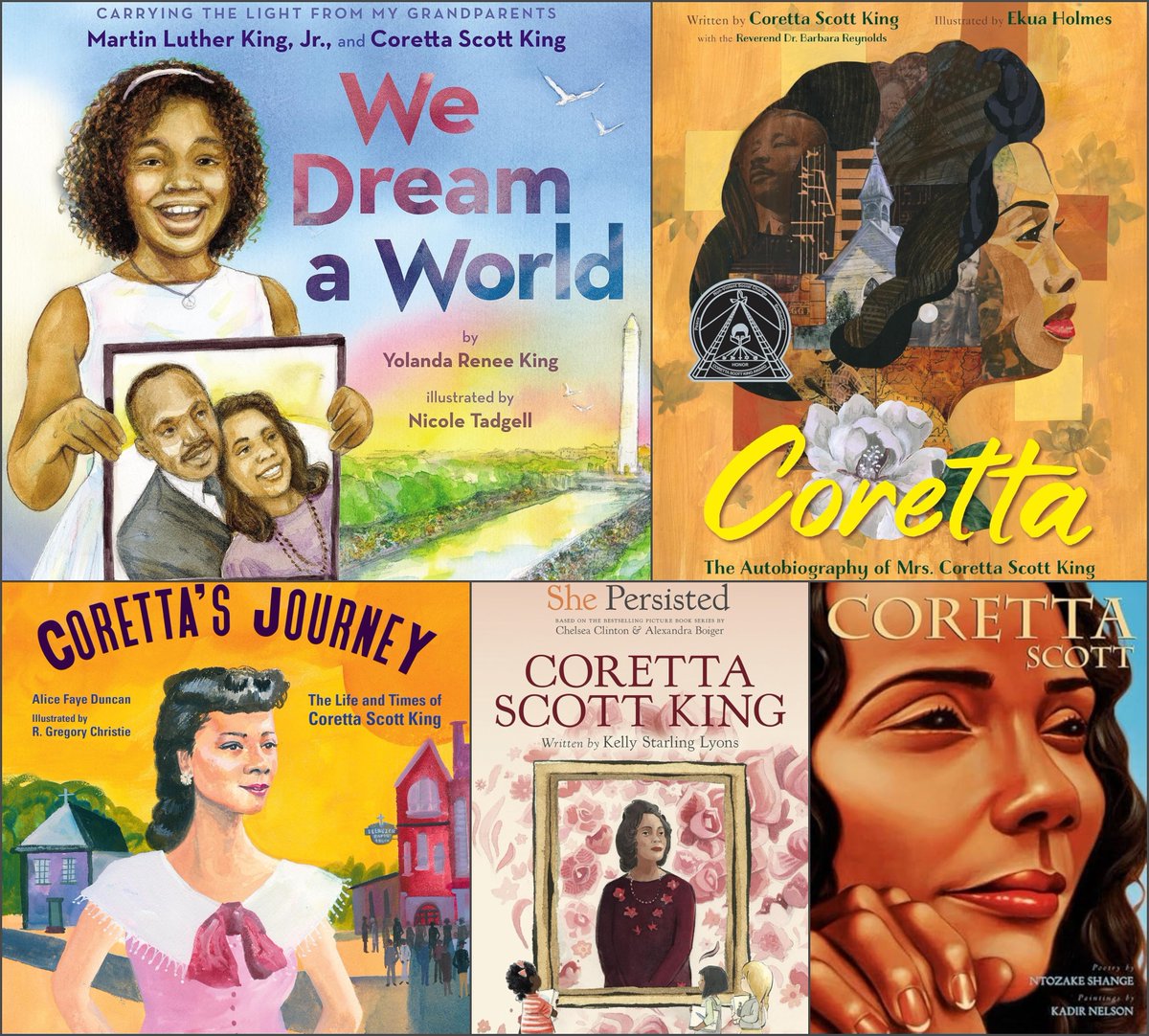
✨#BornOnThisDay: April 27, 1927: Coretta Scott King
📖CORETTA: The Autobiography of Mrs. Coretta Scott King by Coretta Scott King, Barbara Reynolds, and Ekua Holmes
📚See these books and more Black Women in History biographies here bookshop.org/lists/black-wom…
#OurStoriesMatter
1
19
31
589
What if the label isn’t the problem - how we teach is?
readingfoundation.com/what-i…
#Dyslexia #Literacy #ScienceOfReading #Education
9
Signs of a Struggling Reader – What Can a Parent Do? vancouvermom.ca/education/si… @vancouver_mom
2
TheReadingFoundation retweeted

Libraries open the door to knowledge for everyone, everywhere. 📚
On World Book and Copyright Day, we highlight their role in ensuring access to knowledge and the free flow of ideas.
@UNESCO works to advance literacy, protect authors’ rights and ensure access to books for all.
📖 Discover more via @UNESCOCourier: courier.unesco.org/en/articl…
41
507
838
38,835
TheReadingFoundation retweeted

Apr 2
Trying to read more? These professional bookworms share their tips #books #relaxation #Canada theglobeandmail.com/culture/…

1
2
44
TheReadingFoundation retweeted

Have you heard? The 2026 Family Reading Pick is “A Wrinkle in Time” by Madeleine L’Engle.
Family Reading Pick creates space for families to read together, both through the novel and graphic novel. Watch this video to learn more about which format is right for your family.
Copies are available at all Library locations, excluding Rocky Ridge and Prototype: Skyview. There are also activity booklets available with literacy activities and discussion questions.
Discover more by visiting our website at: bit.ly/4jfyF9S
#CalgaryLibrary #FamilyReadingPick #SpringBreak
1
2
200
TheReadingFoundation retweeted

26 Nov 2025
Literacy — the ability to read and write — has arguably been the single most important tool for creating prosperity over the last several hundred years. Not only has it helped spur economic growth, it has alleviated inequality through everything from female empowerment to informed civic participation. Canada has made great progress towards universal literacy but there are still millions of Canadians who remain functionally illiterate.
This is a tragedy for those unable to achieve as much as they could in their careers and lives, it is also a significant financial burden for the country. A 1% improvement could grow the economy by $67 billion.
To make progress the most important time to improve literacy rates is before Grade 4. This is a critical period for development and the skills gained at this age have the longest lasting impact on a person's abilities. But right now Canada is failing these students. 1 in 4 Canadian children miss reading goals by Grade 3 and by High School almost 15% of children lack the basic reading skills needed to thrive in the modern world.
The good news is that small changes can lead to massive improvements. Teaching literacy is well understood and many countries have made huge strides through targeted phonics training, increasing reading time, and coaching teachers on how best to improve literacy. By learning from these approaches we can transform our early childhood education.
Read the full memo below
3
5
53
26,905
TheReadingFoundation retweeted

Mar 17
“May green be the grass you walk on
May blue be the skies above you
May pure be the joys that surround you
May true be the hearts that love you.”
- Irish Toast
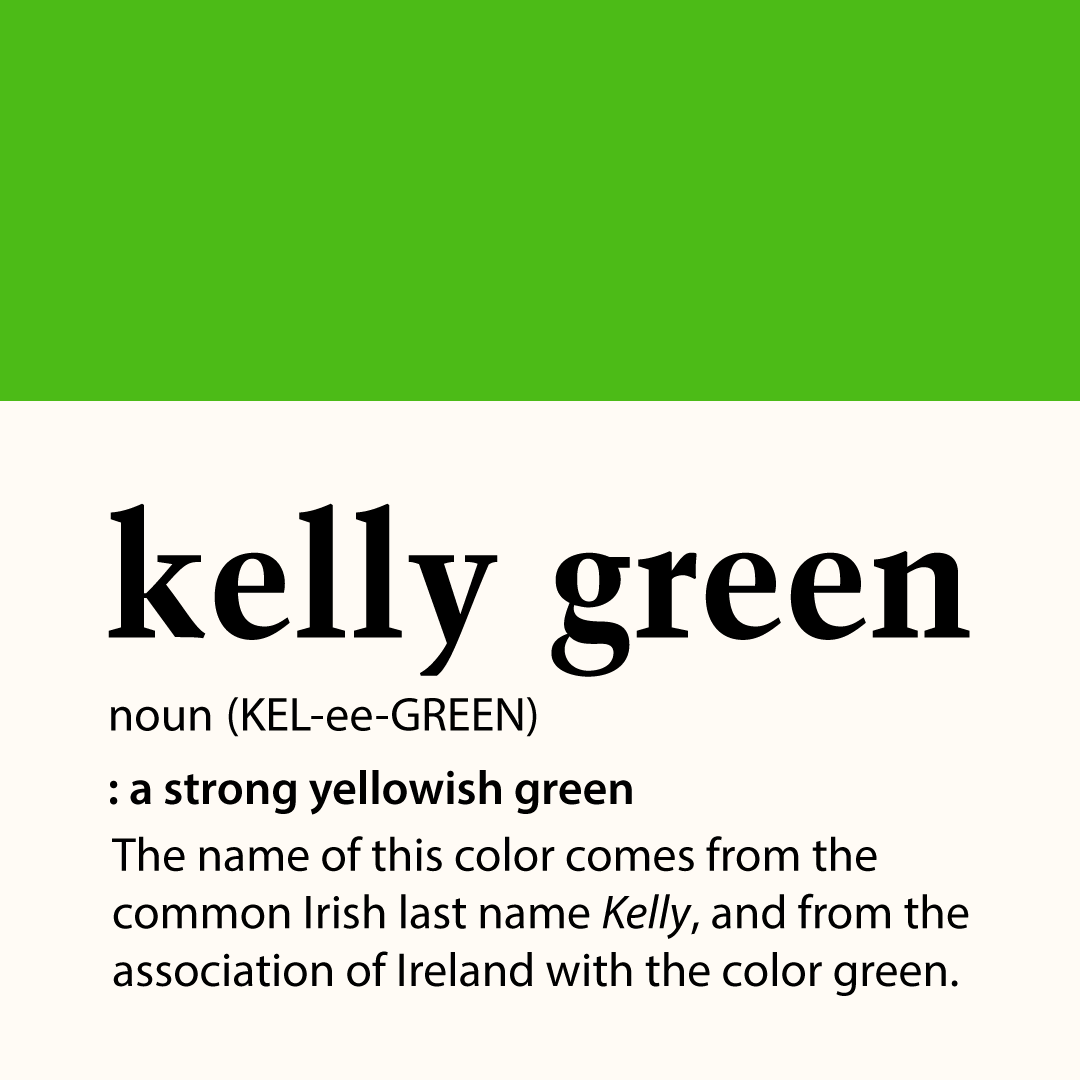
ALT kelly green noun (KEL-ee-GREEN) : a strong yellowish green | The Name of this color comes from the common Irish last name Kelly, and from the association of Ireland with the color green
29
604
2,776
182,074
TheReadingFoundation retweeted
Commemorate the Central Library Centennial and learn more about its history from those who know it best with Past Due, the official podcast of Central 100.
lapl.org/books-emedia/podcas…
#Libraries #LAPL #Podcasts #History

2
2
85
TheReadingFoundation retweeted

Mar 15
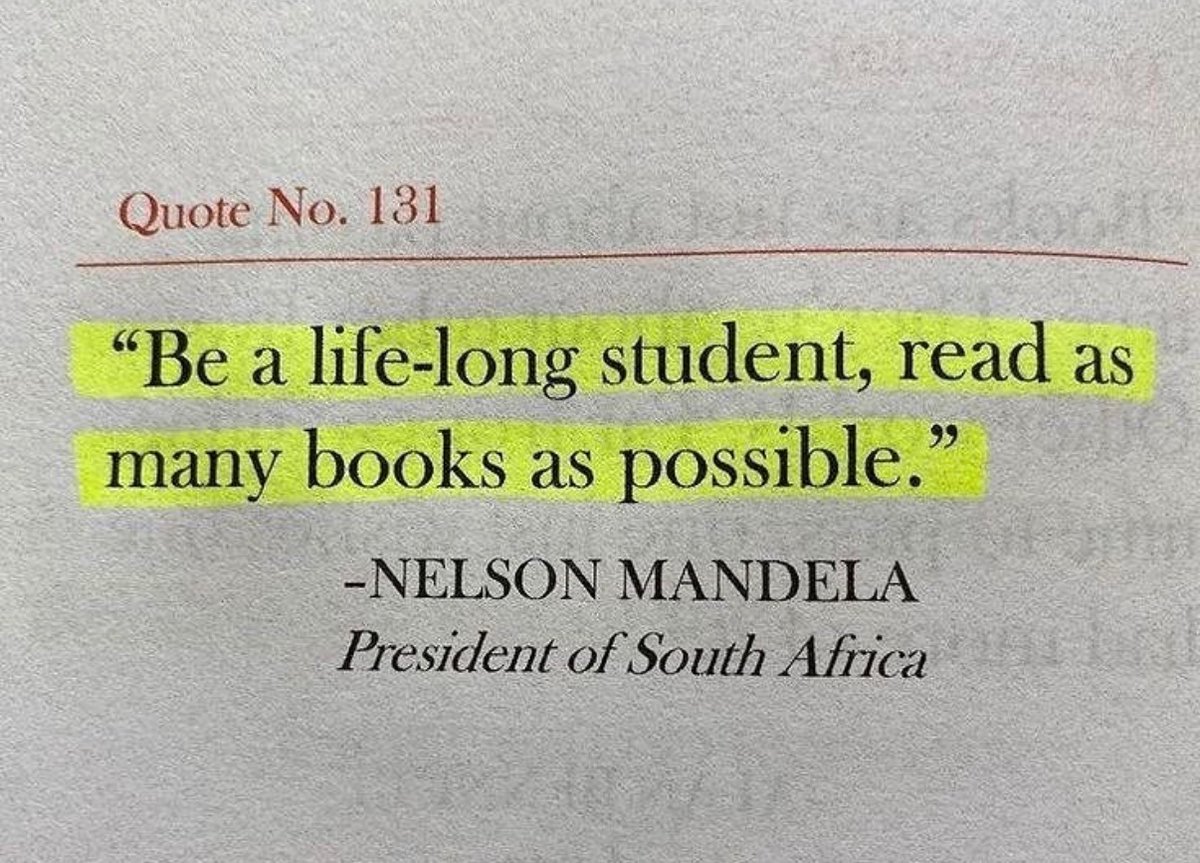
Be a life-long student.
29
624
3,717
58,746
TheReadingFoundation retweeted

Mar 14
3.14 (March 14) is Pi Day—a never-ending joy to the math-minded, a total letdown to the pastry-obsessed. #piday

7
155
717
7,659
TheReadingFoundation retweeted
Join us for the Stay Home and Read a Book Ball, now through Sunday, April 12, and transform the pleasure of reading into meaningful support for the Los Angeles Public Library. lfla.org/stayhome2026/

3
3
69
A bookmark isn’t just holding your place, it’s a quiet promise to return to the story. #TheReadingFoundation #EarlyLiteracy #NationalReadingMonth
2
22
TheReadingFoundation retweeted
Mar 5
March 5th is Cheese Doodle Day. So here's my somewhat cheesy doodle. #CheeseDoodleDay

6
47
363
3,381