
Freedom of Speech means everyone gets a soapbox. Freedom of Speech ends when some soapboxes are taken away or blocked or restricted. #cdnpolitics
Joined March 2011
- Tweets 19,903
- Following 31
- Followers 287
- Likes 62,098
1,991 Photos and videos




Pinned Tweet

25 Sep 2024
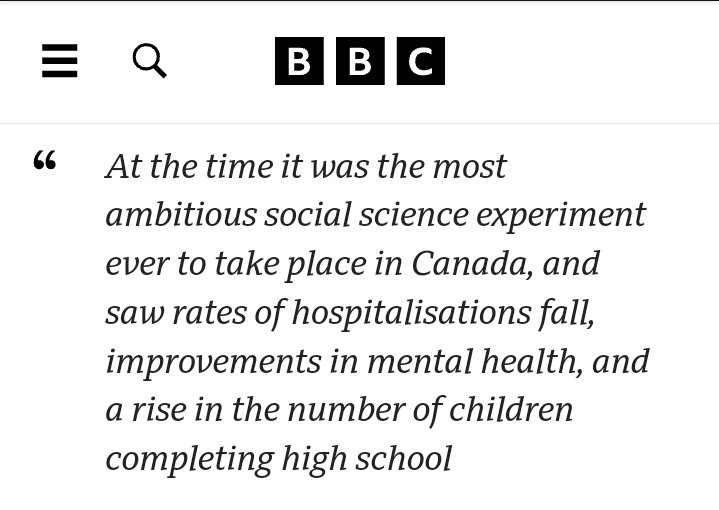
UBI resuts in less crime, saving $60,000-$159,000 per inmate. (UBI is around #12,000-$20,000.) Burden on Health Care use is decreased. $4,000 per person on welfare would be saved on administration costs. Increased education, increased GDP. #UBI
bbc.com/worklife/article/202…
1
2
6
1,326
Mar 18

🚨NEW
Alberta BANS medical assistance in dying (MAID)
for Canadians whose only medical condition is mental health related!
Finally, some sanity!
1
16
Bringing back a little Twitter in the age of X. Happy St. Patrick's Day, Canada. #StPatricksDay #SaintPatricksDay
10
The only way to stop Islamophobia in Canada and the world is to ban Christianity and Christmas. #cdnpolitics #canpoli #cdnpoli
Mar 11

Muslim preacher in the UK describes Christianity as “Islamophobia” hate crime and says offended Muslims want the UK to ban Christmas celebrations because it’s offensive and oppressive towards innocent Muslims.
What is your response to him?
18

Noble Person: I want to rape your dirty women. I want to destroy your heritage. I want to erase your culture. I want to destroy your civilization. I want to kill every single one of you who does not abide by my rules. I want to eliminate your freedoms.
Empathetic Americans: This is very dangerous incitement to violence. We cannot allow such talk.
Noble Person: Wait! My religion dictates me to do all of these things. You do believe in freedom of religion, no? You do believe in the First Amendment, no?
Empathetic Americans: Oh, if your religion dictates it then rape and pillage away. We will not tolerate any bigotry against your religious edicts.
269
2,351
10,353
230,941
Think, Learn, Vote 🍁 retweeted

Mar 16
Premier @FordNation is calling on the federal government to legally allow people to use pepper spray for self-defence and make DNA collection mandatory for people arrested for sexual offences. “It’s time we put the rights of victims first, not criminals.” thestar.com/news/ontario/dou…
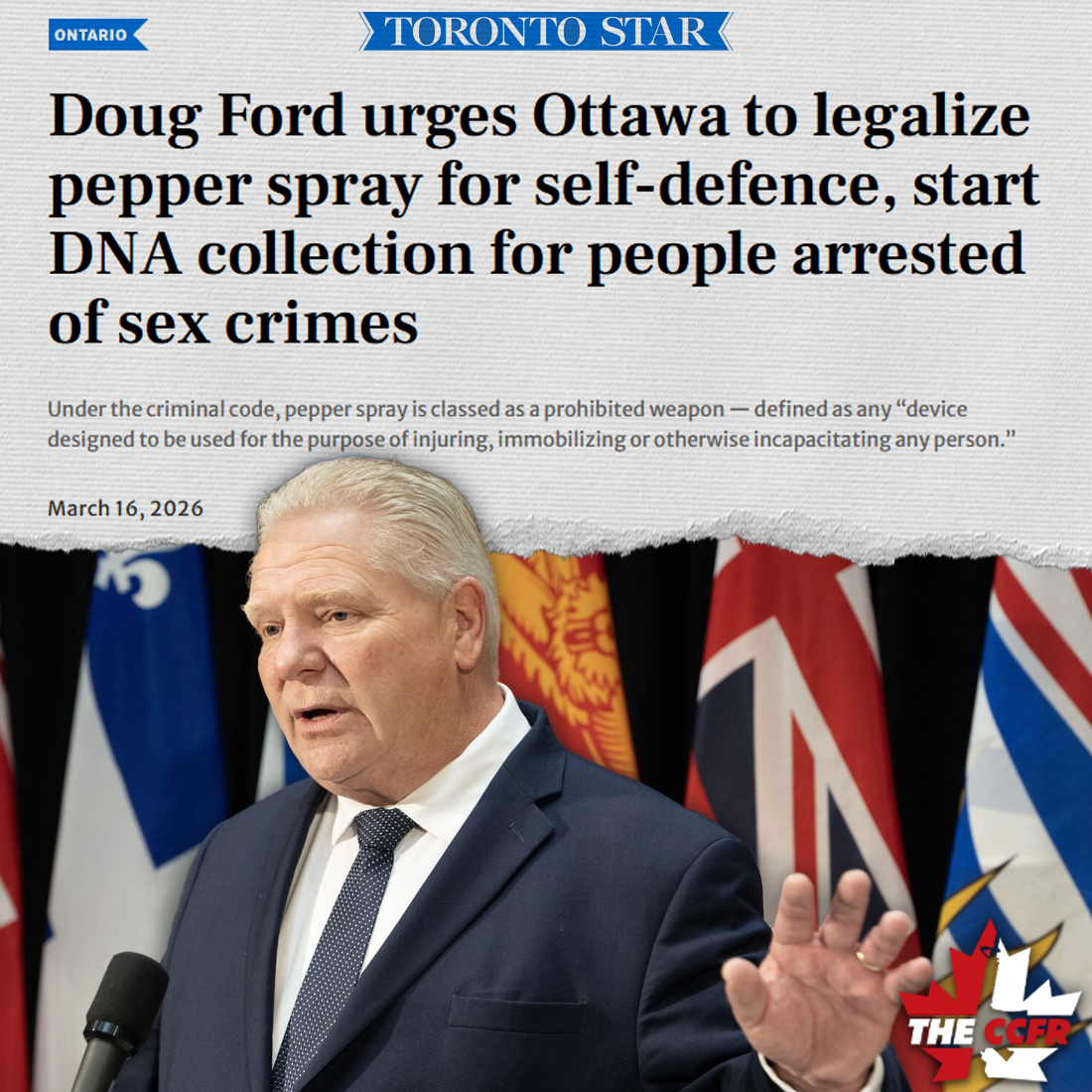
ALT Doug Ford urges Ottawa to legalize pepper spray for self-defence, start DNA collection for people arrested of sex crimes
25
41
144
3,906
Think, Learn, Vote 🍁 retweeted

Through Bill C-22, the federal government tells electronic service providers: "We're coming for Canadians' internet data, you're going to make it easy for us, and mum's the word."
Bill C-22, introduced in Parliament on March 12, would enact the Supporting Authorized Access to Information Act. This legislation will establish significant federal government control over internet platforms (like Google or X), over telecommunications and internet providers (like Telus or Rogers), and over anyone else providing an electronic service in Canada. That's a long list indeed.
If C-22 passes, the federal government will be empowered to order electronic service providers to develop capacity for extracting and organizing information for government or law enforcement review, to install devices that allow government and law enforcement to access information, and to retain metadata for up to one year. In addition, the government can order electronic service providers to keep requests for information secret.
This legislation is about compelling electronic service providers to surrender Canadians' information to the federal government.
The federal government is not coming for Canadians' internet search histories or social media activities (yet). Information later. Infrastructure now. And that's precisely what C-22 is: legislative and regulatory infrastructure designed to facilitate a vast flow of information from electronic service providers to government and law enforcement.
Tell your MP that surveillance of law-abiding citizens will not be tolerated in Canada.
Find your MP here: ourcommons.ca/Members/en/sea…
Read the full text of C-22 here: parl.ca/DocumentViewer/en/45…
Read internet and privacy expert Michael Geist's (@mgeist) analysis of C-22 here:
michaelgeist.ca/2026/03/a-ta…
51
523
878
41,408
Freedom of Speech means everyone gets a soapbox. Freedom of Speech ends when some soapboxes are taken away or blocked or restricted.
7
Mar 15

Today, we stand against Islamophobia and all forms of hatred. Everyone deserves to live free from fear. 🤝 #CombatIslamophobia
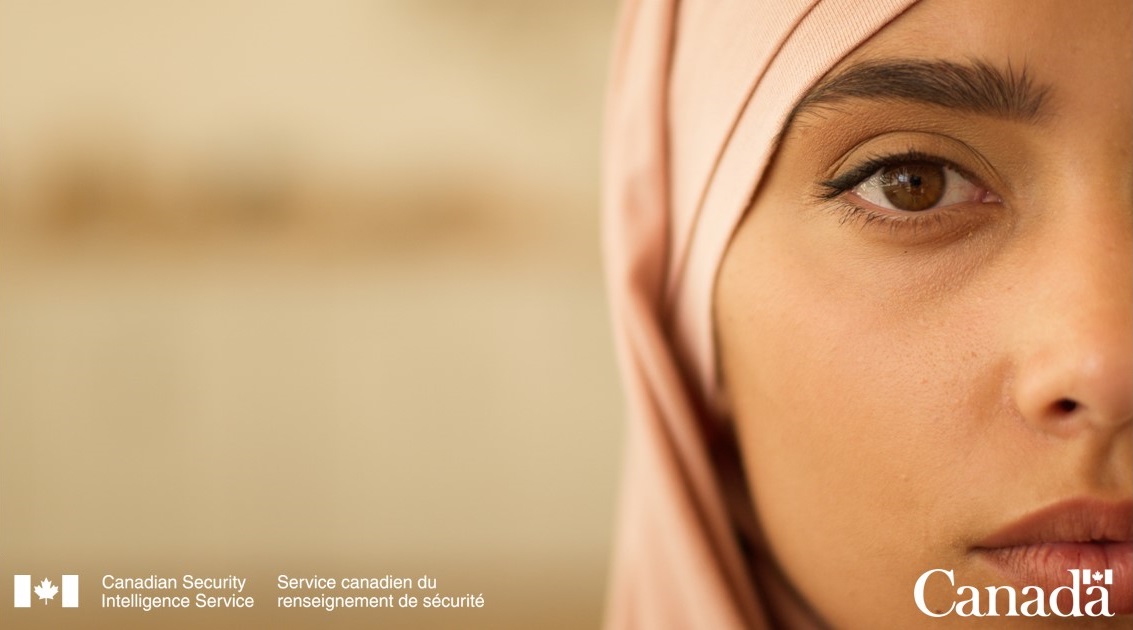
ALT close-up of a woman in a hijab
1
28
Mar 16

Nadia was kidnapped, raped and sold by lSlS!
Her 6 brothers were killed for refusing to convert to lslam, and her mother was killed too for being too old to be used as sex slave!
Canada cancelled her event, where she was supposed to talk about the rape of Yezidi women by lSlS!
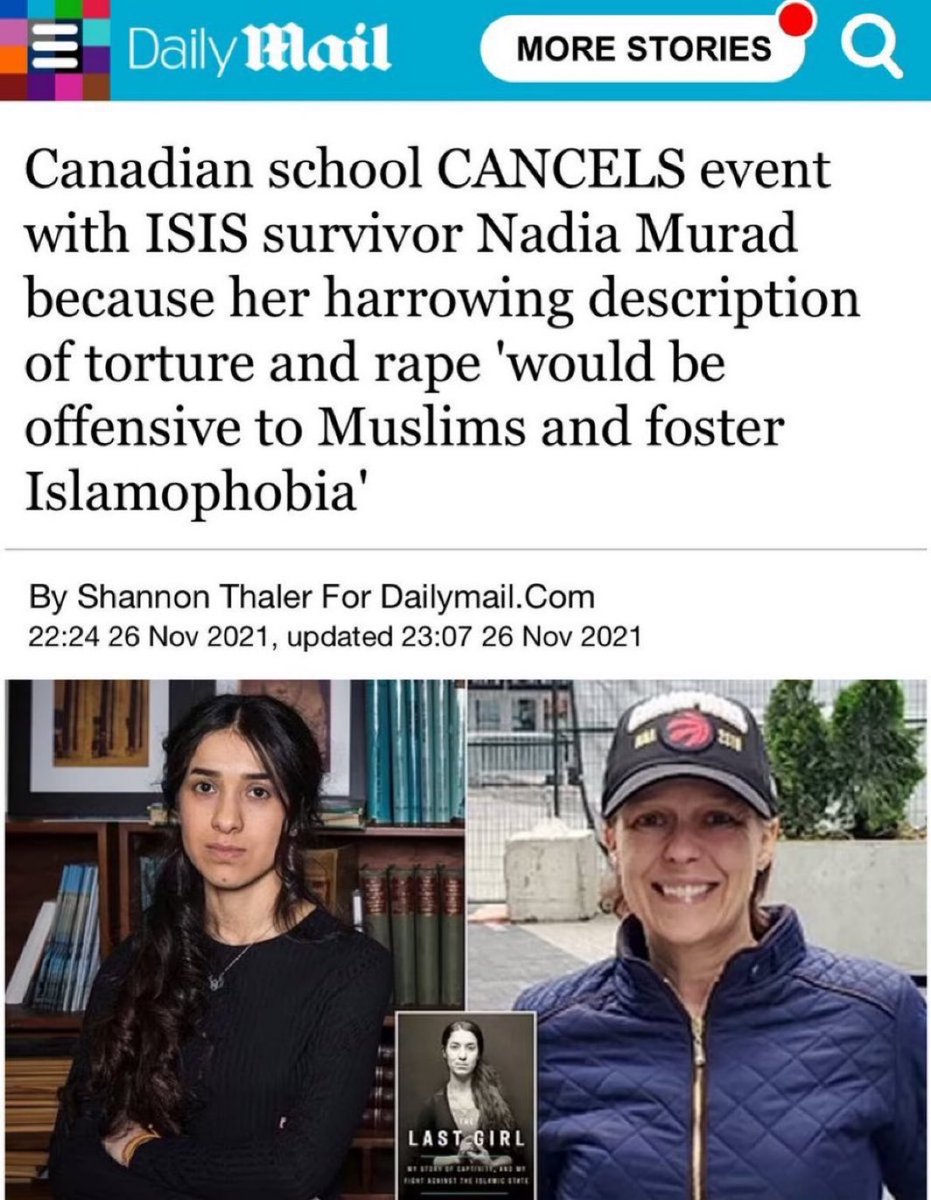
17
I can't say Canada has no freedom of speech, because...I'm still here. I can say Canada is about to have no free speech and the Canadian Charter of Rights and Freedoms has failed.
You get what you vote for.
1
18

26
We Are Livestock. It Was All a Lie.
"Reality was never taken from you by force. It was substituted so gradually you called it normal."
youtube.com/watch?v=e6g40CYv…
17
DEI that excludes Whites is blatant racism. DEI is racism. If you ever wanted to know how the KKK justified it's actions and beliefs, it's the same way DEI does. Now you know.
1
10
The far-left: European past colonization...bad; modern Islamic colonization...good.
#FreePalestine?
x.com/i/status/2025204140142…

12
Iranian woman warns the people of the UK what the Islam left alliance means for us.
6
For all the women and men supporting Islam, Palestine, Muslim councils, and more. #ViralVideos #IranWar
1
30
Think, Learn, Vote 🍁 retweeted

Feb 21
Trailer for Disney's "The Caliphate"
947
6,262
14,907
1,023,606
So a digital video truck costs about £1000 a day, with sound. It would be lovely parked up in a few places around London.....
9
Think, Learn, Vote 🍁 retweeted
So a digital video truck costs about £1000 a day, with sound. It would be lovely parked up in a few places around London.....
59
374
1,395
59,875
Mar 3

Japanese PM and the Legendary Manga Author Akamatsu has stated they will not be doing age verification or censorship of the internet. Instead they will teach children the dangers of the internet and still allow freedom of expression. Finally good news! youtu.be/5ZmxhMYTPPg
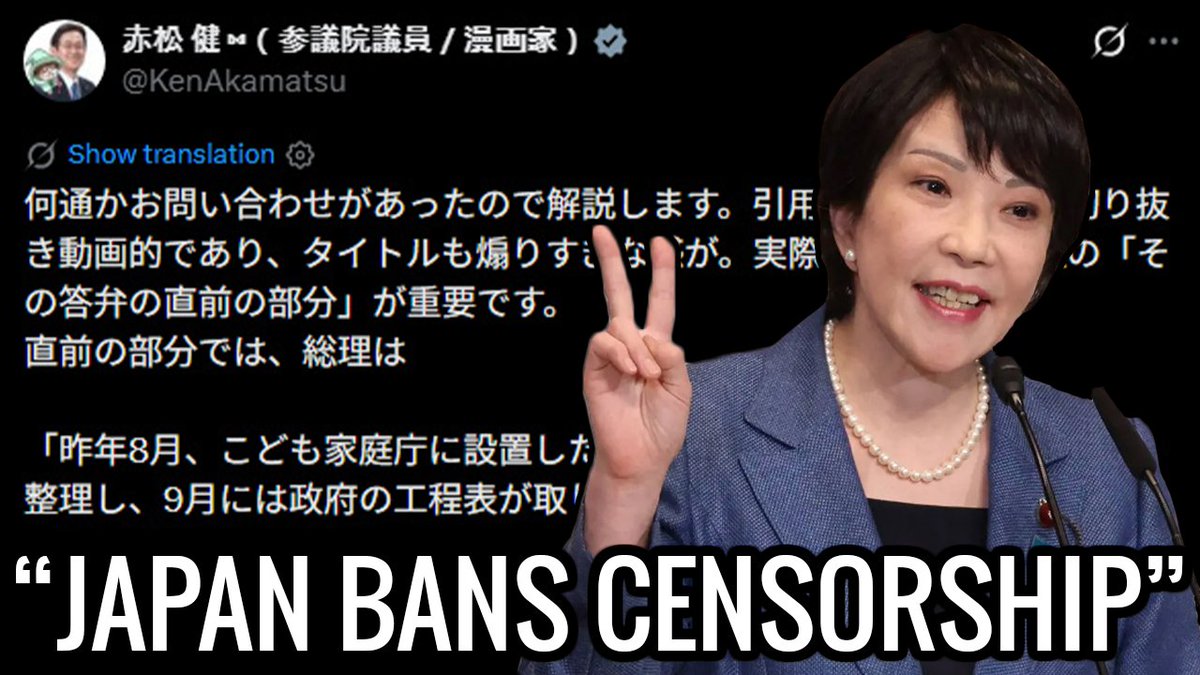
1
66