Christian Bible based music creator and collaborator. Christian artist management.
Joined November 2024
- Tweets 6,291
- Following 534
- Followers 463
- Likes 3,814
251 Photos and videos









Pinned Tweet

24 Nov 2025
20
2,753
May 24
Men bond with their daughters by showing them what a man is. Little boys who want to feel pretty dress up like a woman.
1
235
ThirdCross retweeted

May 22
Lmfao.
What loony tunes shit will the internet run with today?
Apparently this. Seeing it everywhere.
Sure anybody who deals with studios would instantly know this is a shadow but I for one prefer to believe it, and swear undying allegiance for our new mask wearing overlords


468
38
834
159,739

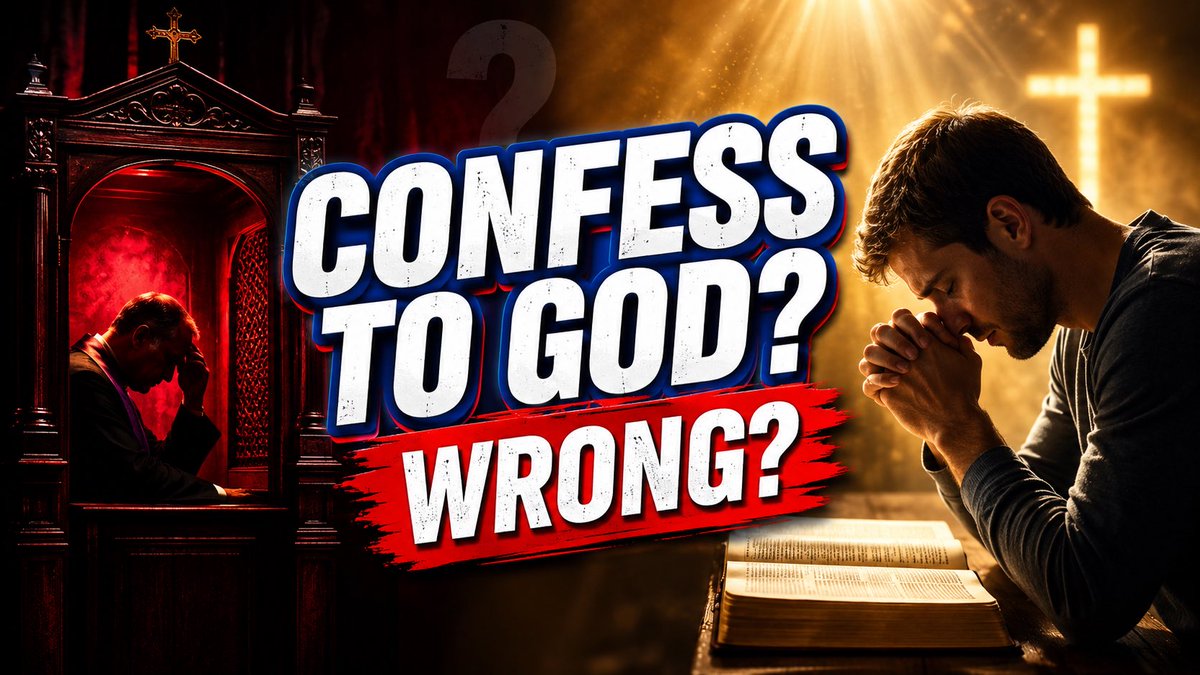
Every now and then, somebody makes a theological argument so polished, so confident, and so flat-out goofy that you have to blink twice and make sure you read it right.
This idea that Christians are “doing it wrong” when they confess their sins directly to God is one of those arguments.🤣 It sounds fancy because it comes wrapped in Old Testament priests, a dash of apostolic authority, a smidge of church tradition, and just enough religious smoke to make folks think something profound is happening. But once you open the Bible and read it without wearing medieval fog goggles, the whole thing starts falling apart like a cheap lawn chair at a Baptist picnic. Shout out Southern Baptists.
The claim is basically this: the Bible never teaches confession directly to God, so if you bow your head, humble your heart, and confess your sin to the Lord through Jesus Christ, you are somehow out of order. Now watch this— if you’re a broken sinner crying out to God for mercy, you’ve now committed a procedural violation. Well, bless your lil heart. 🥰
But that ain’t biblical Christianity. That is religious bureaucracy with incense and better architecture.
Fact: David didn’t get that memo. In Psalm 32:5, he says, “I acknowledged my sin to You… I said, ‘I will confess my transgressions to the LORD,’ and You forgave the iniquity of my sin.” That’s about as subtle as a brick through a stained-glass window (Baptist church windows only, not Catholic cathedrals - admission: cathedrals are the best buildings ever built!)
David confessed to the Lord, and the Lord forgave him. No booth. No sacramental appointment. No spiritual customer-service desk. Just a guilty man and a merciful God.
Then in Psalm 51, David does it again **GASP** after committing some of the darkest sins in Scripture. Adultery. Deception. Murder. This wasn’t no “I got a little snippy in traffic” sin. This was full-blown moral collapse! And what does he say? “Have mercy on me, O God.” He goes straight to God because sin is ultimately against God, and forgiveness ultimately comes from God.
Jesus Himself makes the point in Luke 18. The tax collector stands there ashamed and says, “God, be merciful to me, a sinner.” And Jesus says that man went home justified. Not “pending further review.” Not “kinda forgiven after priestly processing.” Justified. Period. That ought to end the argument right there, right? Well, apparently I’ve got to keep explaining the obvious because theology sometimes attracts those who can complicate a glass of water.
Now, does the Bible teach confessing sins to others? Of course it does.✅ James says to confess your sins to one another and pray for one another. If you sinned against somebody, go make it right. If you need accountability, talk to a mature believer. If your sin damaged the church, there may be a church issue to deal with. Nobody is saying confession is always private. That ain’t the argument.
The argument is whether the Bible teaches that you must confess to a priest as the required ‘channel’ of forgiveness. And the answer is no, it don’t. That is where the argument kinda moonwalks right past the text.
Yes, John 20 talks about apostolic authority.
Yes, Matthew 18 talks about binding and loosing.
Those passages matter. But they don’t cancel Psalm 32, Psalm 51, Luke 18, 1 John 1:9, Hebrews, and the whole New Testament truth that Jesus is our great High Priest.
Hebrews says we can come boldly to the throne of grace. First Timothy 2:5 says there is ONE mediator between God and man— Christ Jesus. One.
Not Jesus plus a mandatory middleman.
Not Jesus plus a booth.
Not Jesus plus a religious permission slip.
Jesus.
So yes, confess your sins directly to God. Confess honestly. Confess deeply.
But DO NOT let anybody tell you that going directly to God through Jesus Christ is “doing it wrong.” That ain’t biblical. It’s just plain silly with a robe on.
The veil was torn.
Act like it.
68
71
305
17,334
ThirdCross retweeted

May 8
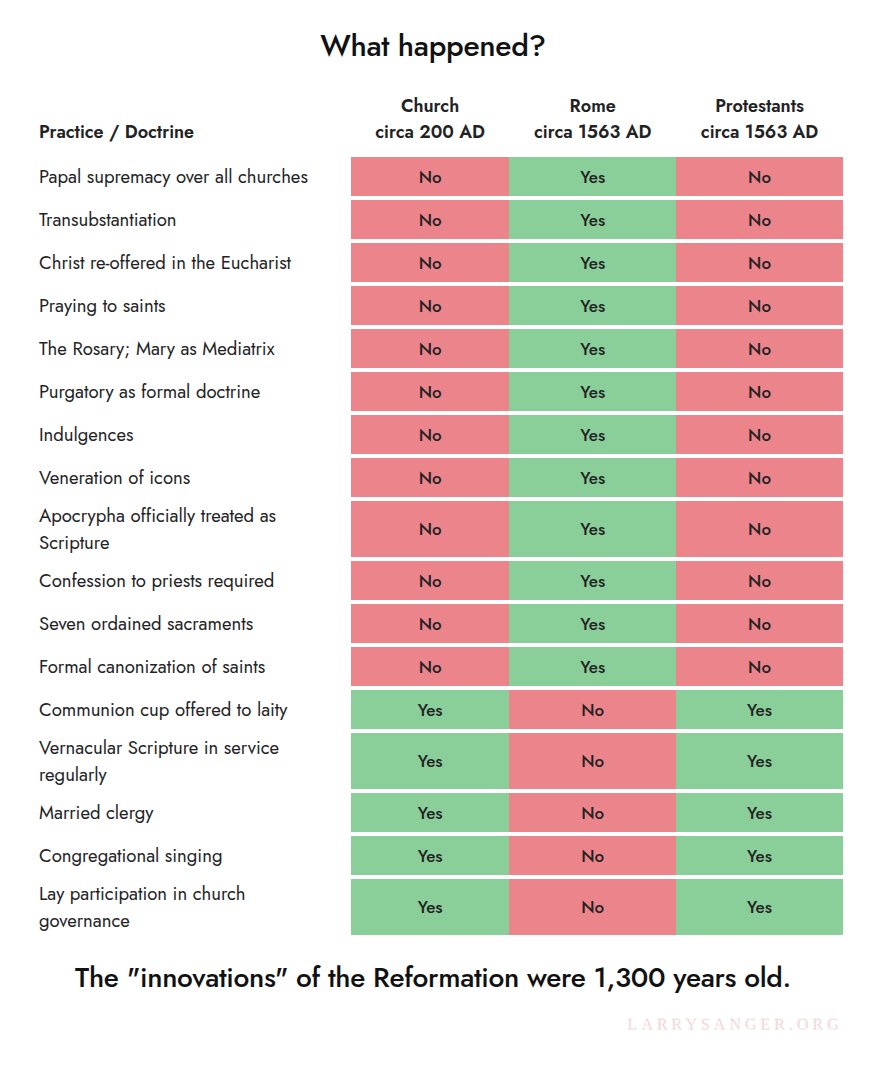
This is why Rome needs Newman. "It is all development."
184
106
683
64,123
May 1
I live in a conservative rural area.
When I go to the gas station, I usually leave my truck running.
When I go to the farm store, I leave my keys in the truck, windows down.
When I go to the grocery store, my windows are usually down while I am inside, unless it is raining or cold.
I can leave my welder setup on my porch and tools on the outside work table without them getting stolen.
Every American should be able to live like this, but thanks to evil Demonrats who keep releasing criminals out on the streets and useless Republicants who are in bed with them, US cities have devolved into lawless hell-holes, and it starting to spill out into the countryside.
We do not have to live like this. Every foreign national needs to be repatriated to their home country, every person with dual citizenship needs to decide, us or them. Every illegal needs to be removed. And our elections need to be secured from rigging by the Demonrats.
Otherwise, there will not be a United States to fight for.
3
1
178


ThirdCross retweeted

Mar 29
NT writers: “the doctrine of Mary’s perpetual virginity is so important that we aren’t going to mention it in our writings not even one time. Also, we are going to write many things that make it sound like she had other children just for kicks.”
9
9
207
10,107
ThirdCross retweeted

Mar 22
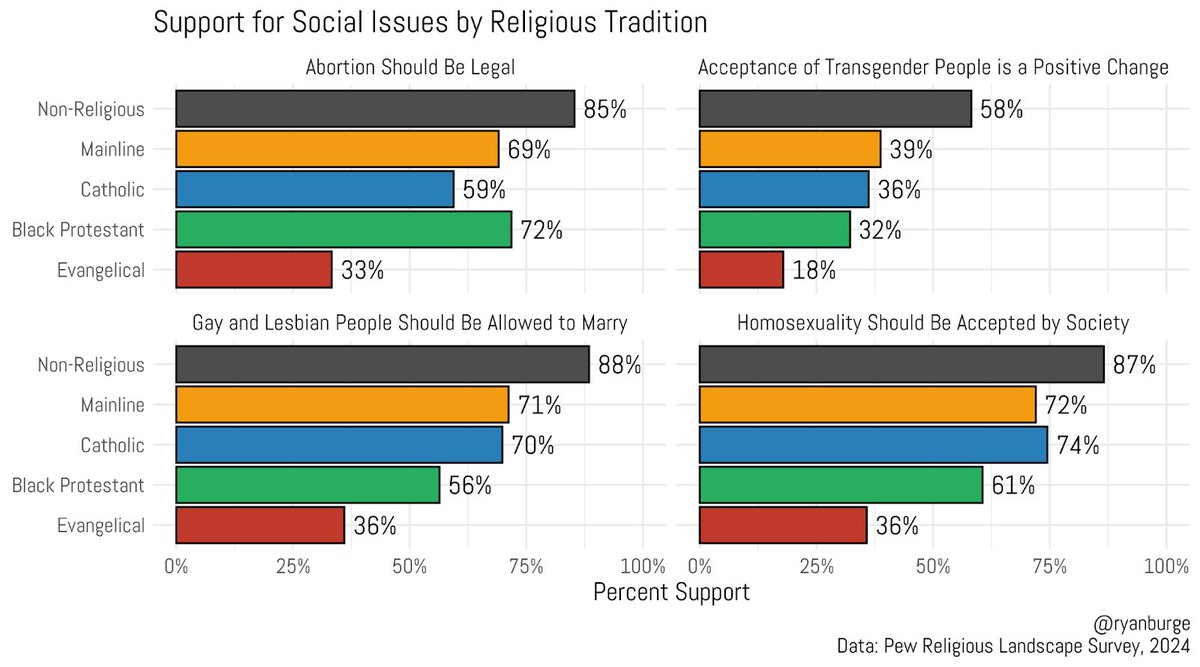
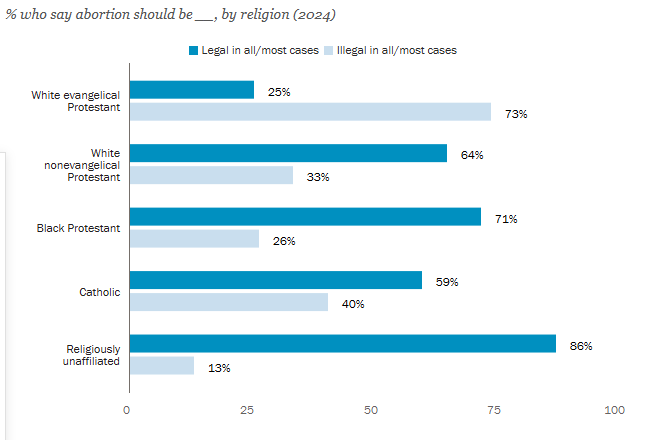
Evangelicals are the only religious group where a majority do not agree with these 3 statements:
Abortion should be legal
Gay and lesbian people should be allowed to marry
Homosexuality should be accepted by society
172
174
1,002
362,351

ThirdCross retweeted

Mar 17
The first complete Bible translated into select European Languages and the fate of the Translators...
ENGLISH: Wycliffe's Bible (1382); John Wycliffe (1328-1384)
Condemned by the Council of Constance in 1415, Pope Martin V ordered that Wycliffe be exhumed and his bones burnt
This occurred in 1428, 45 years after Wycliffe's death
GERMAN: Luther's Bible (1522); Martin Luther (1483-1546)
Excommunicated from the Congregation of Rome by Pope Leo X via papal bull in 1521
DUTCH: Liesvelt's Bible (1522); Jacob van Liesvelt (1489-1545)
A Dutch Reformer, Liesvelt was executed by Rome for printing Bibles
FRENCH: Olivetan's Bible (1535); Pierre Robert Olivetan (1506-1538)
A follower of Jan Huss (burnt at the stake by Rome in 1415), Olivetan, a cousin of John Calvin, died in Rome under mysterious circumstances
SWEDISH: Gustav Vasa's Bible (1540); King Gustav Vasa (1496-1560)
Gustav, like the British King James a century later, initiated a translation of Sacred Scripture into his country's vernacular. It was Sweden's first complete Bible Translation
Though Pope Paul III protested, King Gustav successfully reformed the Church in Sweden
DANNISH: Christain III's Bible (1550); King Christain III (1503-1559)
Christain III, like Sweden's Gustav, successfully reformed the Church in Denmark and initiated the first complete Bible to be translated into Dannish while Pope Clement VII protested
FINNISH: Agricola's Bible (1551); Mikael Agricola (1510-1557)
Consecrated as a Roman Bishop for Turku Finnland in 1554, Agricola subsequently initiated Lutheran reforms and the first complete Bible into Finnish
Agricola died suddenly after assisting in negotiating an end to the Russo- Swedish war (1554-1557)
SPANISH: La Biblia del Oso (1569); Casiodoro de Reina (1520-1594)
A monk serving the Hieronymite Monastery, Reina fled Iberia from the Spanish Inquisition and died peacefully in Frankfort after having served as a Lutheran pastor
LET NO ONE TELL YOU THAT ROME INITIATED THE TRANSLATION OF THE ENTIRE BIBLE INTO LOCAL LANGUAGES
THEY DID NOT
THAT WAS ONE OF THE MAJOR AND LASTING WORKS OF EARLY REFORMERS AND OTHER EVANGELICALS

2
17
838


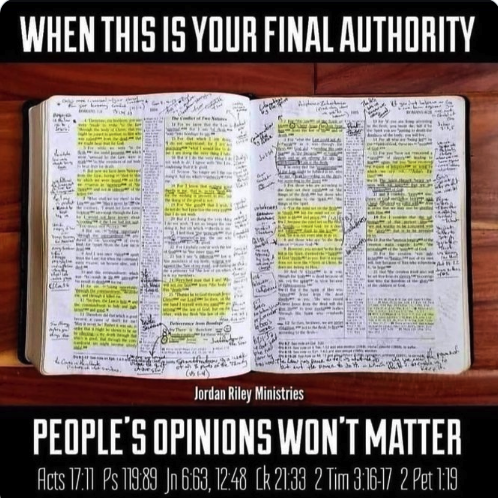
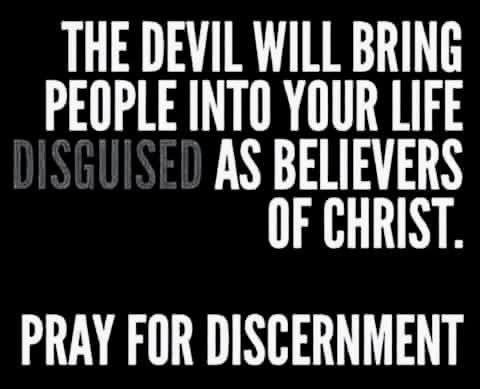
ThirdCross retweeted

Groundbreaking New Study Finds Islamophobia May Be Partially Caused By Muslims Killing People All The Time buff.ly/kHf6cVI

1,683
19,675
113,183
2,379,111
ThirdCross retweeted

Feb 20
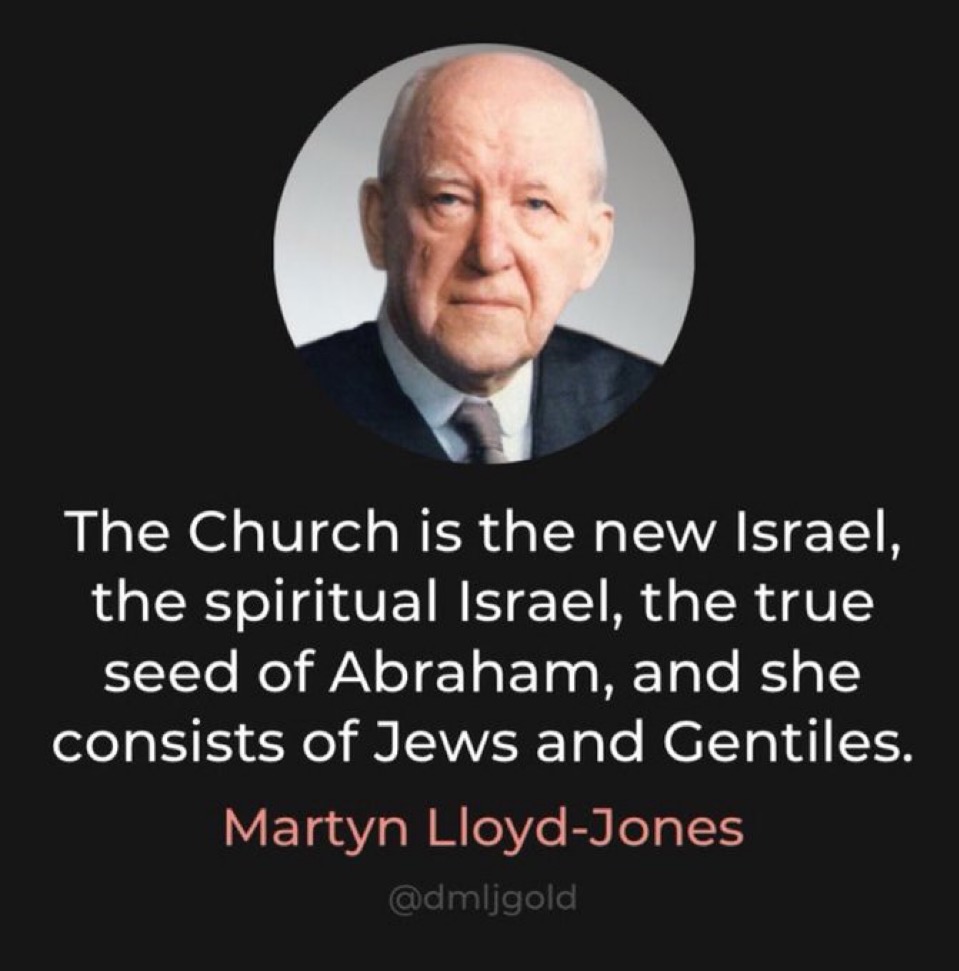
Is this statement biblically accurate?
815
75
1,000
54,628
Feb 20
Thousands of Christians are being murdered by muslims every day, but all anyone cares about is a monkey getting beat up.
1
4
191
Feb 8
Psychology of People Who Don't Care About The Superbowl youtu.be/SUytR3cnMNI?si=Wjnx… via @YouTube
2
561
ThirdCross retweeted

Feb 5
Lone bulwark are white evangelical Protestants according to Pew:
41
49
412
11,732