
Adult Human Female | Pragmatist | Crumpet Addict | Possible nerd | Not the fallen Madonna with the big boobies - it’s just a striking resemblance
Joined November 2022
- Tweets 1,989
- Following 3,712
- Followers 2,326
- Likes 20,059
187 Photos and videos










Pinned Tweet

Feb 4
Being right is a moral victory. Being in power is a structural one. You can point out the Emperor has no clothes, but as long as he still owns the wardrobe, the palace, and the guards, your "truth" is just noise. The Emperor remains an Emperor; the fool remains a fool.
This isn't a reason to stay quiet; it's a reminder to stop expecting the "Gotcha" to do the heavy lifting. If the system stays intact despite the truth, stop just shouting at the man and start dismantling the machinery that keeps him there. Knowledge isn't power—action is.
3
8
54
9,051
Jun 13
Utterly disgusting. Beneath contempt.
Jun 13

If you needed any convincing of how utterly VILE the FAR-LEFT is then this is it.
They stood chanting “refugees are welcome here” in direct response of a patriot in BRIGHTON holding a sign commemorating RHIANNON WHYTE who was brutally murdered by an illegal immigrant.
Horrid.
1
5
119
Jun 13
What in the actual hell is going on here? Why are we letting our country be taken over?
Deport these violent miscreants and their families.
This is England 🏴
1
1
12
105
Fig Newton retweeted

Jun 13
Rage and disgust are inevitable when the political class refuses to protect the country. They refuse to control the border. They refuse to defend British culture. They refuse to listen. Then they point at ordinary people and call them far-right for reacting. They are scared.
43
268
1,587
20,704
Fig Newton retweeted

Jun 13
Lancashire Police has confirmed that a 30-year-old British-born man of Pakistani heritage has been arrested on suspicion of attempted murder after a 17-year-old girl was stabbed in the neck in Brierfield.
The force said that the girl’s injuries were not life-threatening.
431
1,045
3,462
205,605
Jun 13
Gordon Bennet!! ❤️🇬🇧🫡
Jun 13

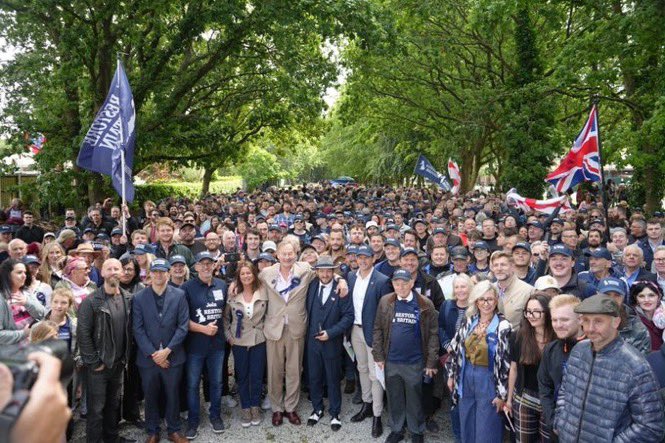
I have never seen anything like the @RestoreBritain campaigning event this morning. Over a thousand people turned up to knock on doors and hand out leaflets. I am in shock at the numbers, the energy and the passion. Something special is happening.
3
7
46
726


Fig Newton retweeted

Jun 11
Holy shit. Israel just released Hassan Yousef.
As in, co-founder of Hamas and father of Mosab Hassan Yousef (The Green Prince).
I don’t… what?!
215
213
1,319
192,751
Jun 11
“Your courage, your cheerfulness, your resolution will bring us victory."

1
45
Jun 11
Not hyperbole: they hate us.
Jun 11

Dungannon, Northern Ireland. An immigrant mocking the race/hate attack one of our own.
Yeah this doctor looks really scared, I wonder what the left will excuse this with?
1
62
Jun 10
Absolutely this!
Jun 10

Sky News suggesting Northern Ireland has a racism problem.
No, it does not. Stop distracting from the truth.
It has an open borders problem.
1
5
161
Jun 10
Modern politics has devolved into tribal theater. It is largely an insular feud among a small class of men who share the same circles, whose public 'ideology' is born from private fallouts.
They build digital armies under the guise of nationalism, but the grand narratives are an illusion. We are drafted to fight wars of ego for an inner circle we will never belong to.
The methods change, but the malice remains the same: whether it be by-elections or beheadings, beware the forked tongue of the political elite.
#UKPolitics #Belfast #Makerfield
1
1
7
284
Fig Newton retweeted

8 Dec 2025
🚨NEW: The wife and children of Somalia's new Islamic State (ISIS) leader are living in Slough on social housing
[@Telegraph]
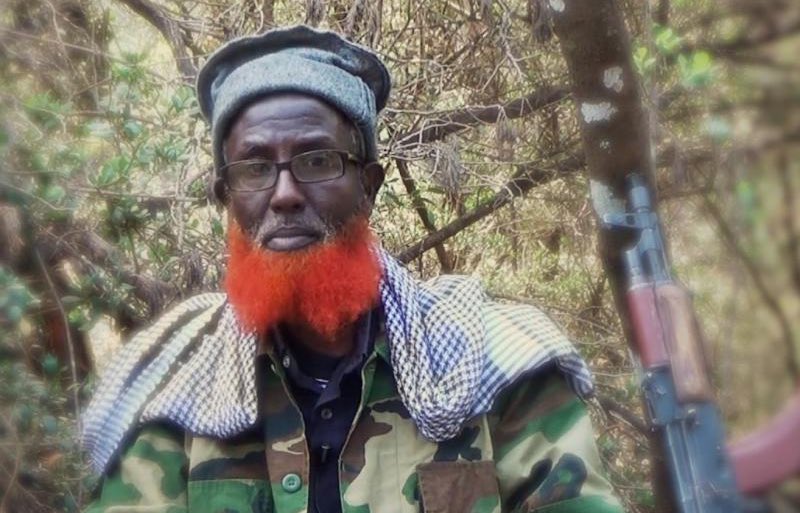
1,527
7,144
26,211
6,268,675
Fig Newton retweeted

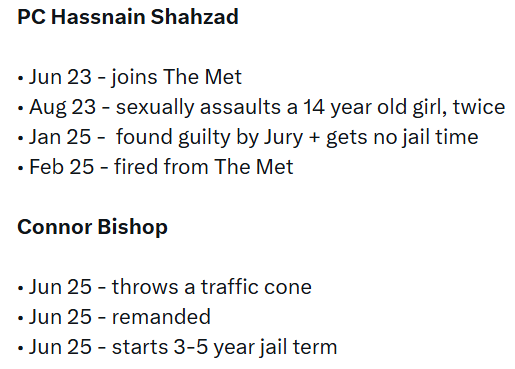
The evidence of two tier policing and judiciary is clear for all to see.
441
9,162
38,889
1,046,490
Fig Newton retweeted

@ThePosieParker is, as ever, dispensing counsel of the soundest vintage — the sort one expects from a lady who has stared down the full weight of the modern British state's pettifogging apparatus and lived to tell the tale.
Her advice in that post is not merely correct; it is the ONLY prudent course for any law-abiding citizen hauled into the orbit of a police force that has, under the present dispensation, shown a lamentable tendency to treat social media posts as graver threats than actual street violence, sexual assault and rape.
Let us be precise. The scenario in the quoted video — officers arriving at a man's door over Facebook comments — is the very definition of the "anarcho-tyranny" that has taken root: the serious offenders stroll free while the state expends resources on fishing expeditions against those who dare voice dissent.
Posie's instructions — no interview without a solicitor present, full disclosure first, "no comment" throughout, a prepared statement only, and never a guilty plea or caution — are textbook. They are the standard advice any half-competent solicitor would give under PACE 1984 when the interview is "voluntary" (that most elastic of euphemisms).
"Voluntary" in this context means precisely nothing. Refuse and they can (and frequently do) arrest you later — at the airport, on a traffic stop, or by turning up again with handcuffs - with multiple police officers. The clock then starts, custody time limits apply, and your rights crystallise.
Many a decent citizen has walked into one of these "chats" thinking cooperation shows innocence, only to find their words twisted into "malicious communications" or "hate" by officers incentivised for easy detections. The "foot soldiers want easy wins" line is not cynicism; it is observed fact.
This holds for this nature of policing — the politicised, speech-policing variety that has flourished under successive governments and reached new lows since 2024. It also holds, with minor calibration, for any kind of police interaction where you are not the clear perpetrator of a violent felony with witnesses and forensics already in hand.
The English tradition has always been: the state must prove its case; the citizen is not obliged to help it do so. The right to silence is not some American import; it is rooted in our common law aversion to compelled self-incrimination. "No comment" is not obstruction. It is the exercise of a hard-won liberty.
Those who tut and say "if you're innocent, just explain yourself" have not watched enough Crown Court cases where articulate but nervous defendants talked themselves into convictions on the basis of perfectly innocent remarks taken out of context.
Nor have they noted the two-tier reality: certain favoured groups receive kid-glove treatment while others are pursued for tweets.
Evidence?
Look at the collapse in public trust in policing, the documented disparities in charging decisions, and the sheer volume of "non-crime hate incidents" logged while burglaries and assaults go unsolved. The data is there for anyone with eyes.
A Restore Britain perspective — which I support as a member, without claiming to speak for the organisation — sees this as part of the broader inversion of justice that our policy work has highlighted: the law-abiding disarmed and scrutinised while real disorder is indulged. Restoring proper, impartial policing and the ancient principle that an Englishman's words in his own home or on his own feed are not the state's business unless they constitute a clear, provable crime, is essential. Until that restoration, the defensive posture Posie recommends is simple self-preservation.
In short: she is right. Follow it. Join the Free @SpeechUnion if you have not already. And if the knock comes, remember the old English virtue — polite, firm, and utterly uncooperative until proper safeguards are in place.
And remember, the police are NOT your friends - especially in today's political society.
Yours in profound contempt for the over-mighty state,
A Gentleman from the Old School
#TwoTierPolicing #TwoTierJusctice
3
10
190
Jun 8
The people have spoken!
I wonder what comes next...
#AdvanceUK #UKPolitics
Jun 8

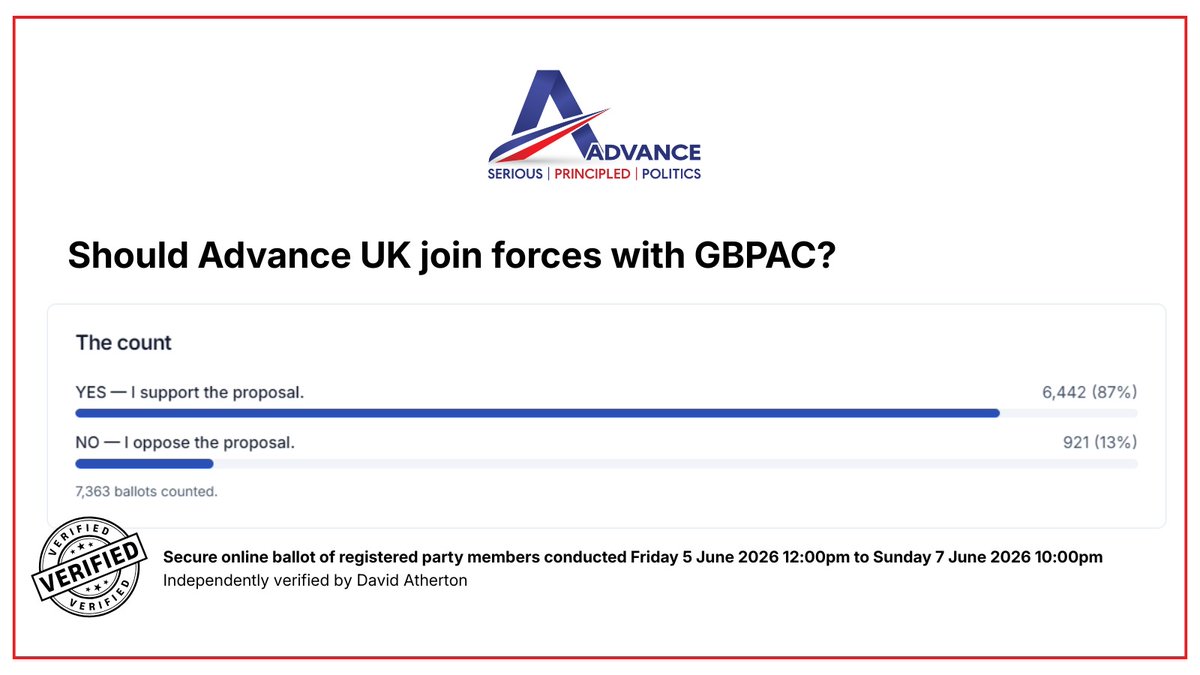
Our member ballot opened at midday on Friday 5 June. It was due to close at midday on Sunday 7 June 2026, but we extended voting until 10pm so that as many people as possible could cast their ballot. We are writing to give you the result and to tell you what happens next.
The result
Votes in favour: 6,442 (87%)
Votes against: 921 (13%)
Total votes cast: 7,363
The ballot was certified by an independent verifier, David Atherton, on Monday 8 June 2026.
This is a clear and strong result. By a large margin, members have agreed to support the proposal put forward by the College to join forces with the Great British PAC. We are grateful for the strength of that mandate.
Why this ballot mattered
The College is the body of elected members that helps guide the party on questions of this nature. The College examined the proposal and backed it, subject to a vote by the members.
The members also backed it.
What happened during the vote
On Saturday morning, Mr. Tim Power locked out the party’s staff and volunteers from our systems. He then proceeded to send an unauthorised email to our contact list seeking to disrupt the ballot. Mr Power was the party's Interim Chief Operating Officer at the time but, after these actions, was immediately removed from that role.
Our technical team restored normal access to our systems within hours.
This matter is now with our lawyers and legal action may follow. There is therefore a limit to what we can say at this stage, and we ask for your patience. A separate note from our data protection team will follow this email.
Mr. Power’s unauthorised email made a number of false claims about the party and the proposal. In seeking to block the ballot he sought to prevent members from having their democratic say. Thankfully he failed.
Now that the members have voted, we will work through the details, put the right arrangements in place, and ensure the appropriate safeguards are established.
What comes next
The members have spoken.
We recognise that this is a significant moment, and that a number of those who voted against will not welcome the outcome. We respect that. But we are confident this is the right path for the country.
Joining with the Great British Political Action Committee gives us greater reach and greater strength to fight for the things that brought us together. It also allows the party to be preserved as much as possible in case it is needed to re-form at some point in the future.
Thank you for your support, your patience, and your trust. Our particular thanks go to the volunteers and staff who gave up almost their entire weekend. They helped members through the process and answered a large number of questions with care and patience. The vote ran smoothly because of them.
We will be updating you in due course. We are very much looking forward to the next stage and remain unwavering in our commitment to the vital task of saving our country.
Ben Habib
Leader, Advance UK
4
168
Jun 5
She is magnificent! 😍🇬🇧

I am a monarchist, but the current lot have lost me. There is one exception, Princess Anne. Forthright and unflinching, direct and unvarnished, even when the IRA trying to kidnap her. Here she is passing her umbrella to a Dean because she had a hat and the Dean didn’t. Brilliant.
5
185
Fig Newton retweeted

Jun 5
Members are being asked to make a clear choice about the future of Advance UK.
The Advance UK college has voted for and is backing a proposal by our Leader Ben Habib that Advance UK joins forces with the Great British PAC (GB PAC), allowing our members, supporters and shared mission to continue through a stronger, unified organisation. If we join forces the GBPAC, we preserve the party, so can easily relaunch if required.
The alternative is for Advance UK to deregister as a political party and cease operations. Members are asked to choose which of these two paths they wish to support.
Voting will open at 12:00 pm today, Friday 5 June 2026, and will close at 12:00 pm on Sunday 7 June 2026, allowing a full 48-hour period for your ballots to be cast. The vote will then be verified and announced as soon as that process has concluded, which will be Sunday afternoon at the earliest.
To vote you will need to click the link in your email inbox where you must enter either your membership number or the email address you used when you joined the party.
40
33
134
14,045
Jun 5
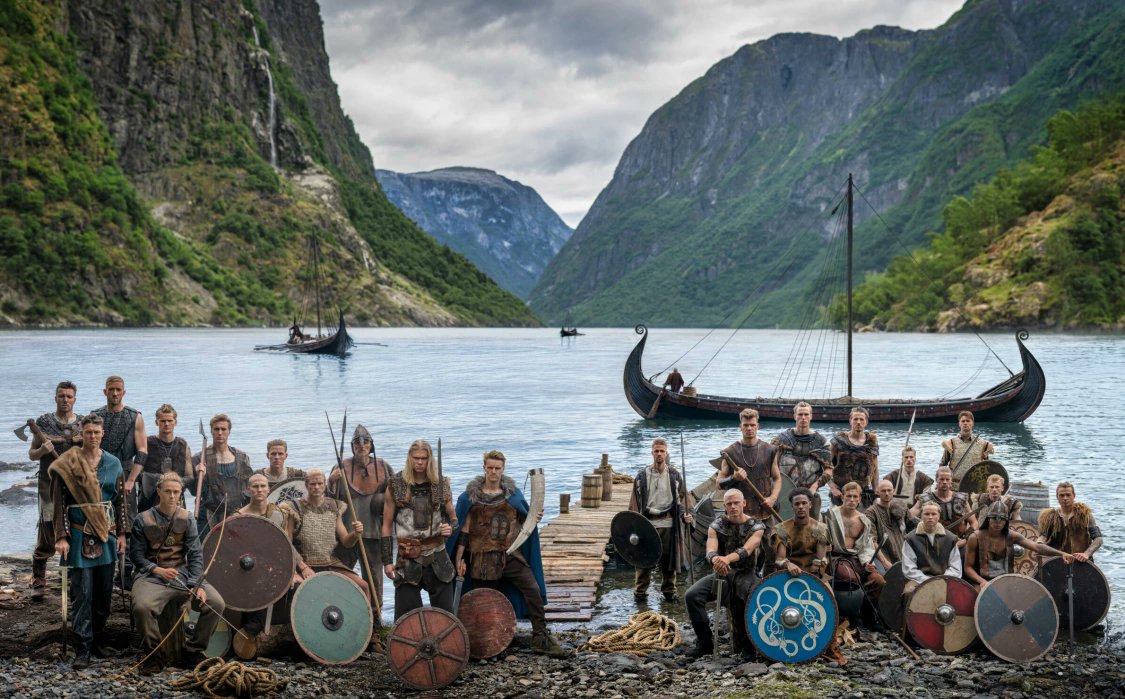
This epic photo is almost getting me interested in football.
Jun 5

Is this the best World Cup team photo of all time?
Bravo, Norway 🇳🇴⚔️
1
102

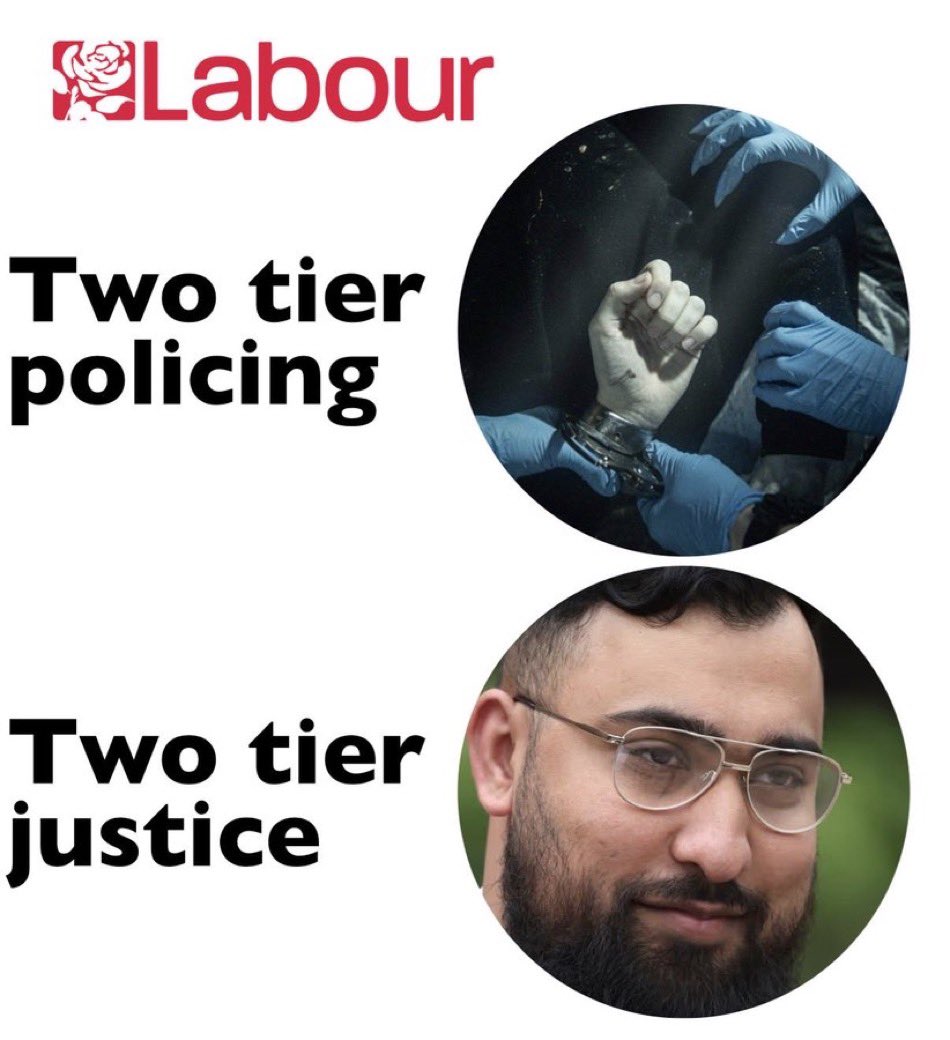
Fig Newton retweeted

Jun 3
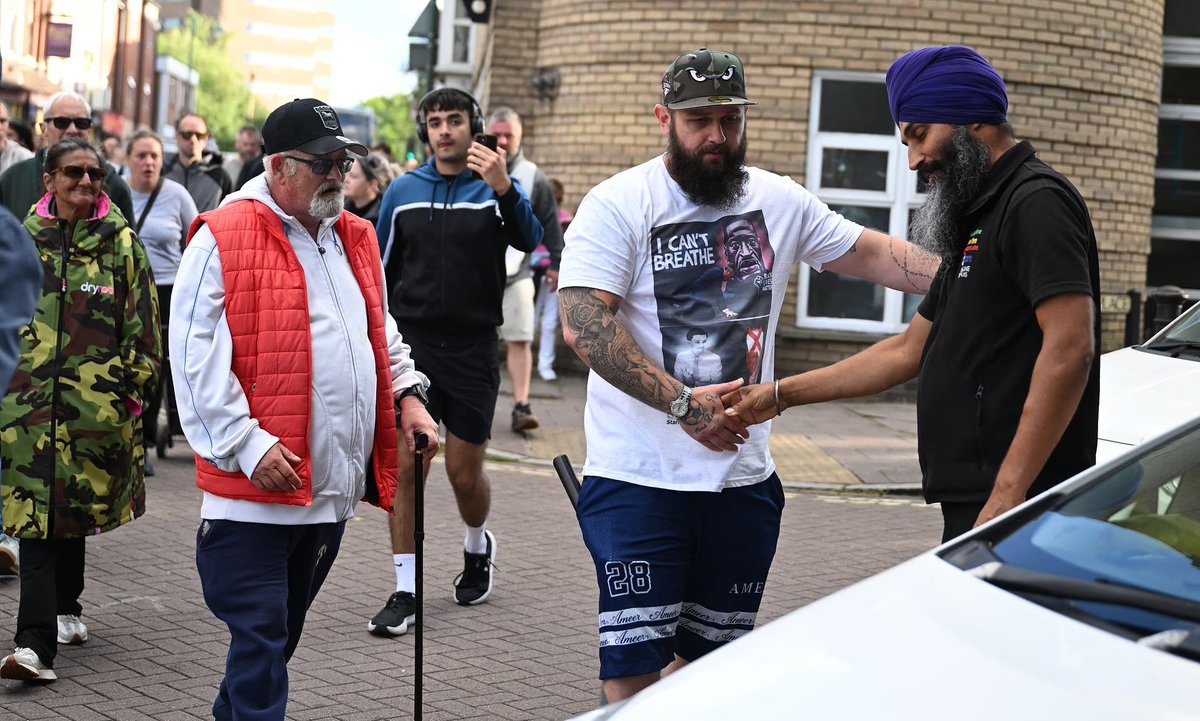
🔺Thousands of protestors last night walked past a Gurdwara in Southampton without incident, as many Sikh gentlemen in the community welcomed the protest against two tier policing in the Henry Nowak tragedy and shook hands with protestors as they walked past.
Kulwinder Singh told the Daily Mail he welcomed the protest in the city and those who were marching following the 18-year-old's death 'It's nothing to do with the faith. We should keep people together.'
90
313
1,885
97,290