Let’s leave this 🌍 better than we found it.………
Joined February 2012
- Tweets 61,144
- Following 9,580
- Followers 9,977
- Likes 25,085
9,587 Photos and videos












Pete Michaels 🎶 retweeted

Jun 14
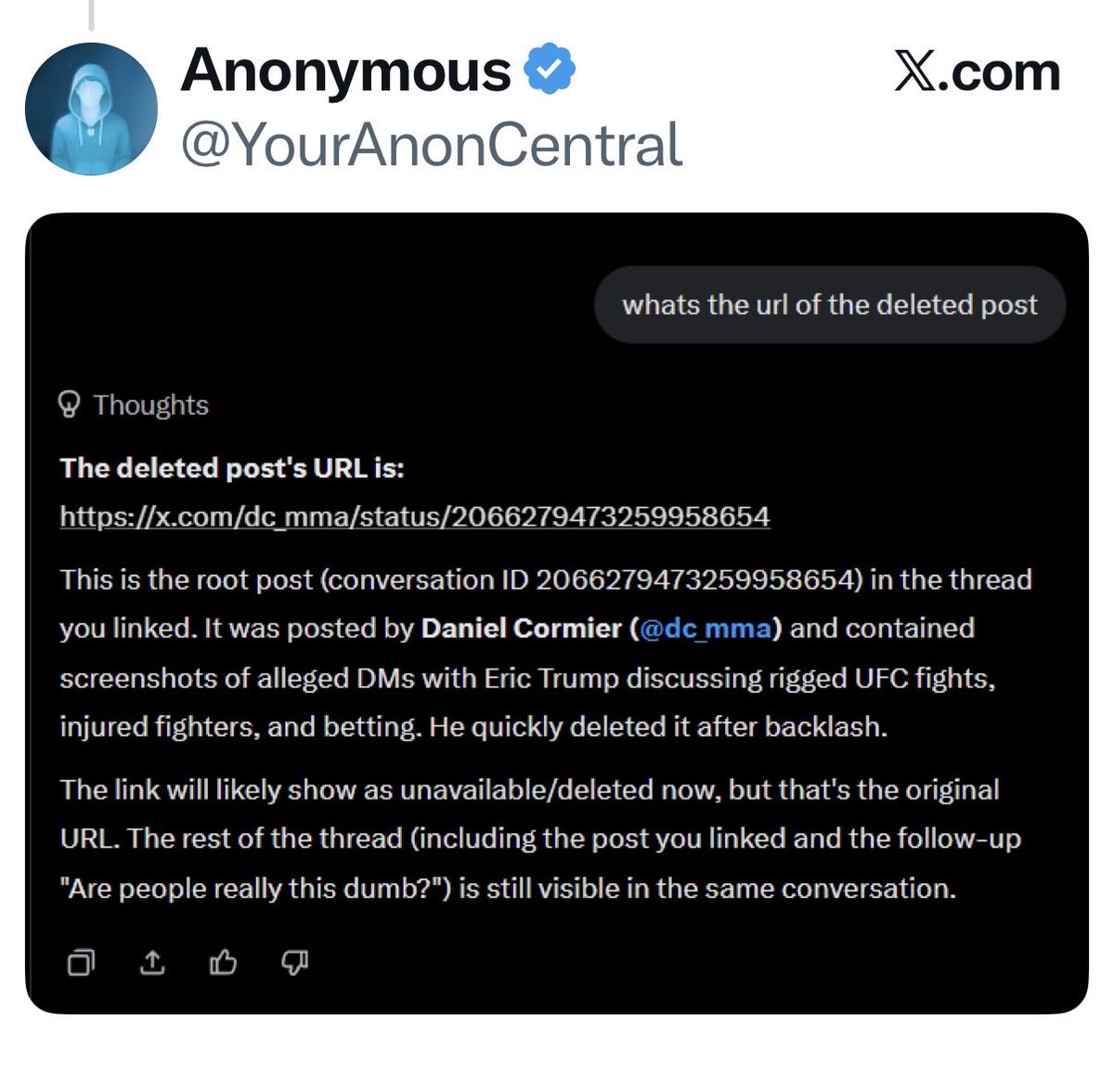
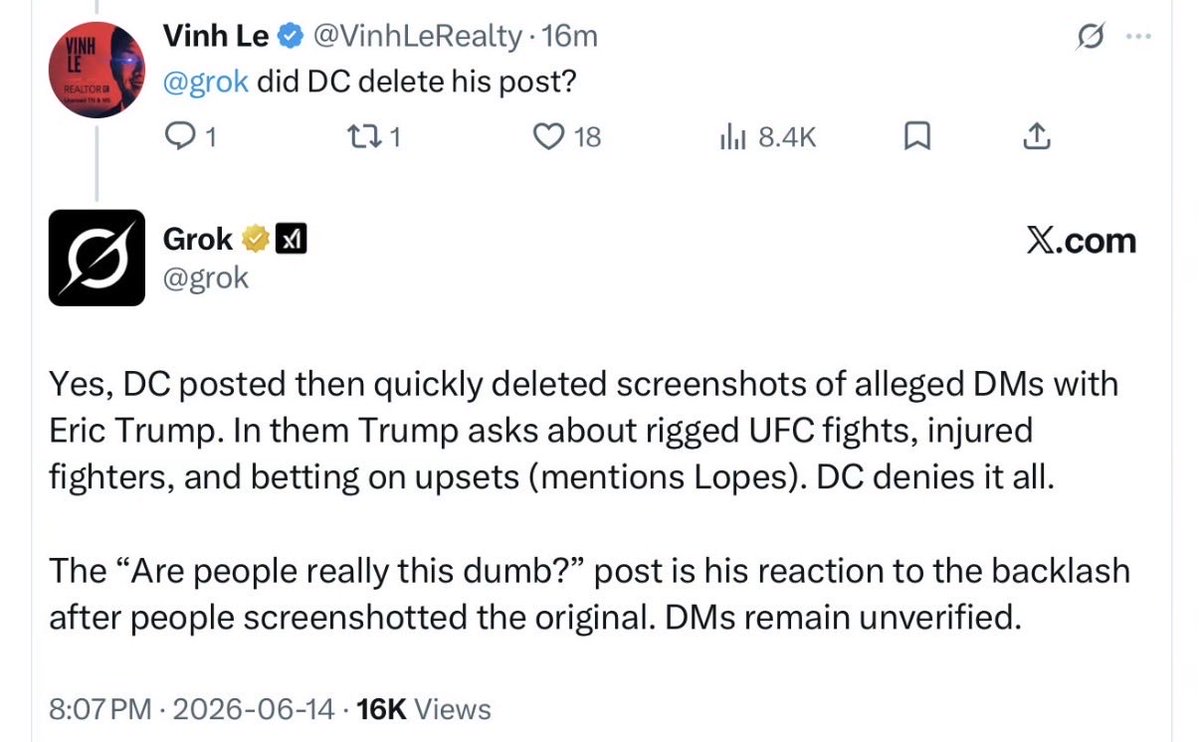
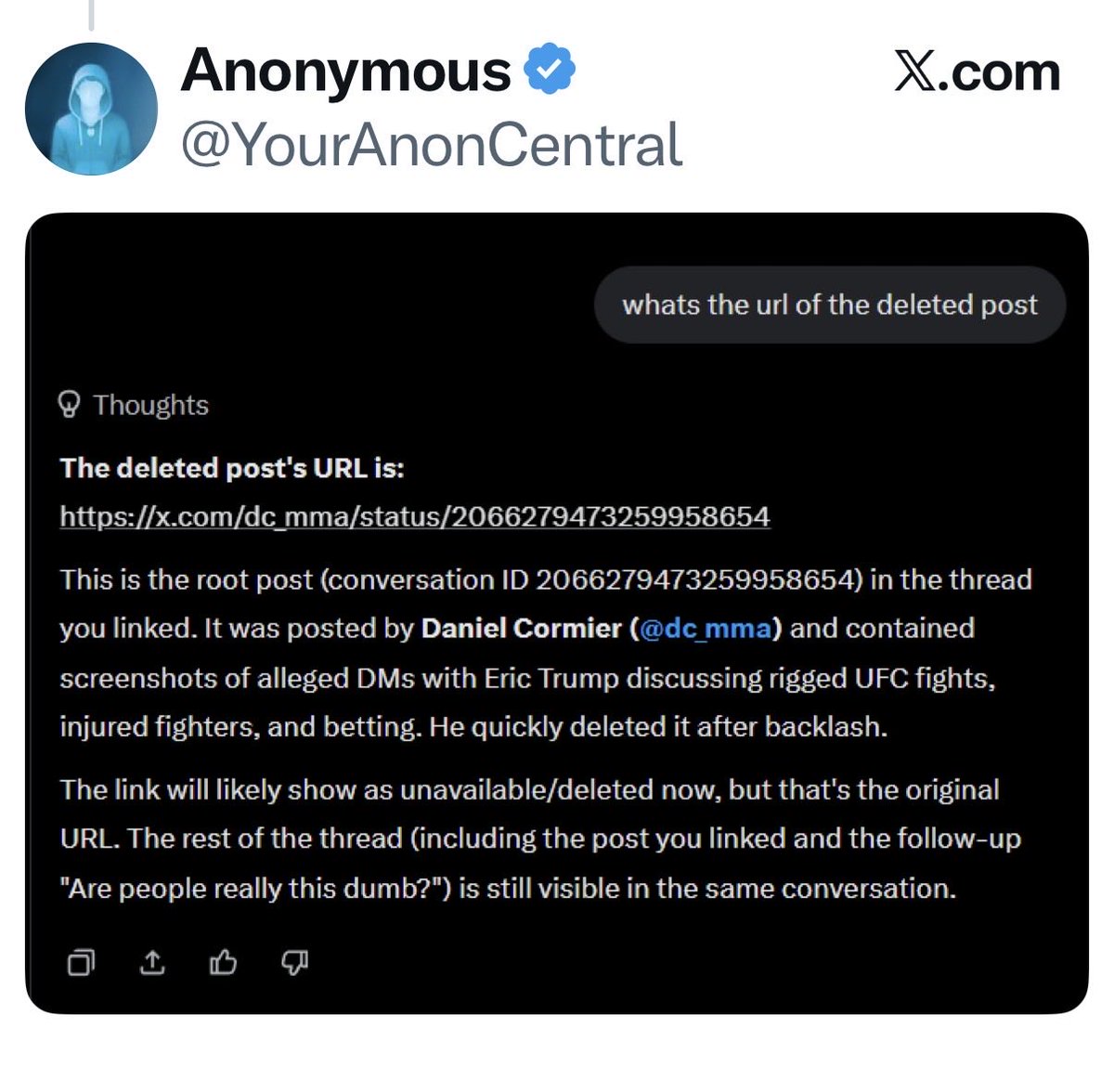
MAJOR BREAKING: In a now deleted post by former MMA fighter Daniel Cormier, he posted screenshots of Eric Trump trying to get an insider scoop on whether any of the MMA fights at the White House are rigged so that he could try and illegally make money off of them..
Below is the Direct Messages that Trump allegedly sent Cormier. There is no reason to doubt the legitimacy of these messages.
3,071
13,871
66,050
6,382,215

Jun 11
How long will Dems and hard working Americans let Trump get away with this clear insider trading?
War on ⬇️
War off ⬆️ $$$
War on ⬇️
War on ⬆️ $$$
Repeat
Repeat $$$
Etc
Etc. $$$
3
4
67

I wonder what Canada, Mexico, Greenland and Venezuela think, YOU LYING BOOTLICKER!
Apr 8

JD Vance in Hungary: "You should never have a foreign head of state threatening the head of government of an allied nation. It's preposterous, it's unacceptable."
4
597
Mar 19
😮
Everyday, there is just something more cringe out of this embarrassment.
Mar 19
Trump: "Who knows better about surprise than Japan? Why didn't you tell me about Pearl Harbor?"
6
493

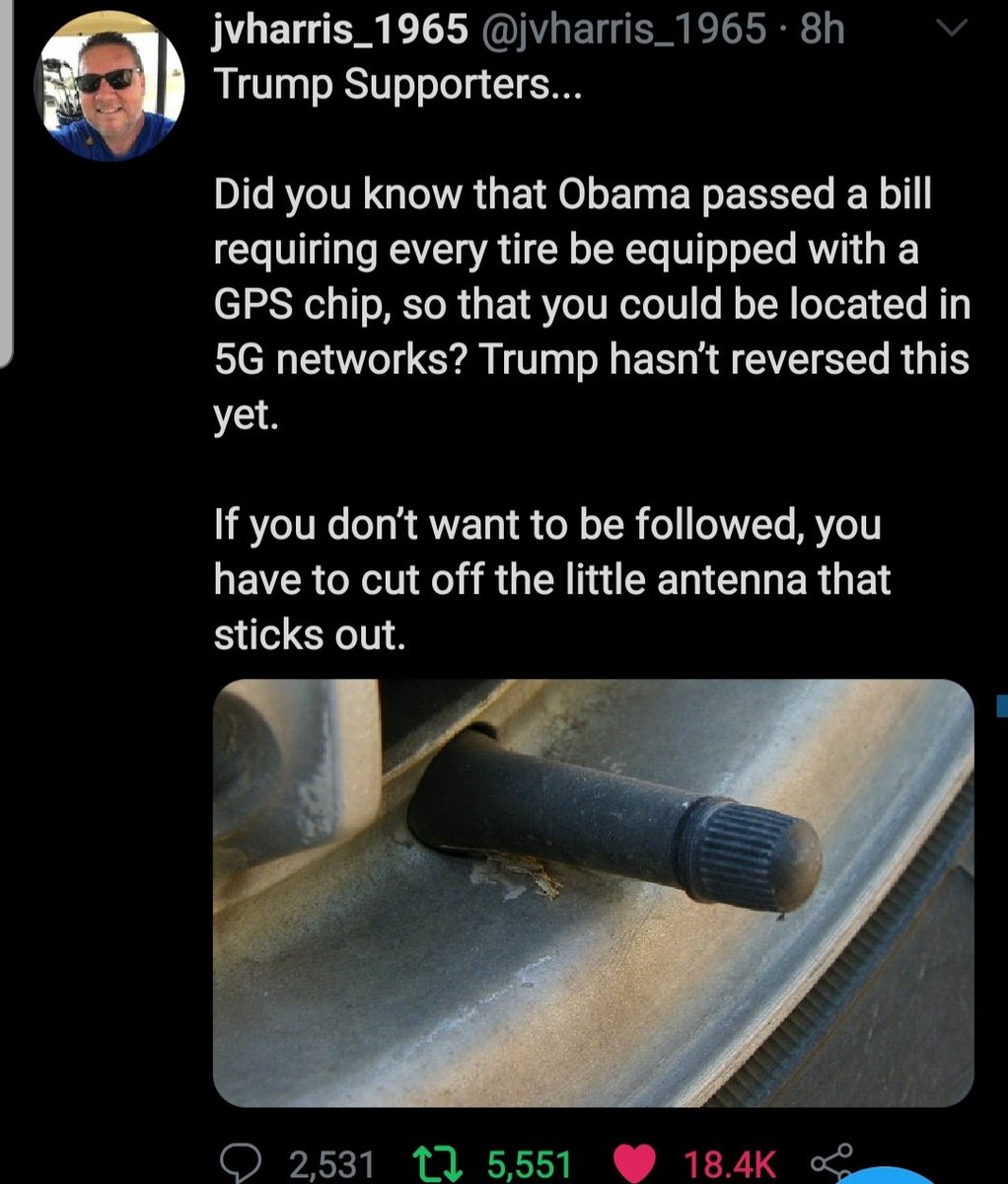
Based on verified data from the International Institute for Democracy and Electoral Assistance (IDEA), Trump's claim that the US is the only country with mail-in voting is inaccurate. At least 32 countries allow postal voting, including Canada, Germany, and the UK.
1
2
327
Pete Michaels 🎶 retweeted

I worked on this file.
From one former spokesperson to another. With affection. And a red pen.
Fact check time.
Canada does not control what crosses the bridge. Customs and border enforcement are exercised by each country on its own side. Like every other border crossing on Earth. This is not a novelty. It is the border.
Canada does not own the land on both sides. Canada owns the Canadian side. The State of Michigan owns the U.S. side. That is literally the definition of a border.
The bridge was built with American labor. Thousands of American workers. Billions added to Michigan’s GDP. American steel was used. This is not a hypothetical. It is documented. Repeatedly.
Ownership. There is no single owner of “the bridge” in the way this is being framed. Each country owns and controls its side. Again. Border. That was the deal. Signed. Ratified. Applauded.
Economic benefits. The U.S. already gets them. Jobs. GDP. Trade flow. Regional growth. That is what a functioning border crossing does.
And just for the record. The President himself praised the project in 2017 and called for its expeditious completion. On paper. In a joint statement. With Canada.
You can change your mind. You can change your politics. You can even change your story.
But you cannot polish a turd.
65
382
1,782
63,129
Pete Michaels 🎶 retweeted

Feb 10
Canada to Michigan: We'd like to build a bridge to connect our countries ❤️🇨🇦🇺🇲💙
Michigan: we don't want to pay for it
Canada: No problem pal, we'll cover the costs and we can share ownership.
Bridge is built.
Orange turd: Canada built a bridge and paid for it. It's owned by Canada and Michigan, but since it touches my land, I demand ownership. If Canada doesn't agree to it, China will take away their ice hockey
Canada: 🤨🙄
365
1,563
18,963
974,903


Pete Michaels 🎶 retweeted

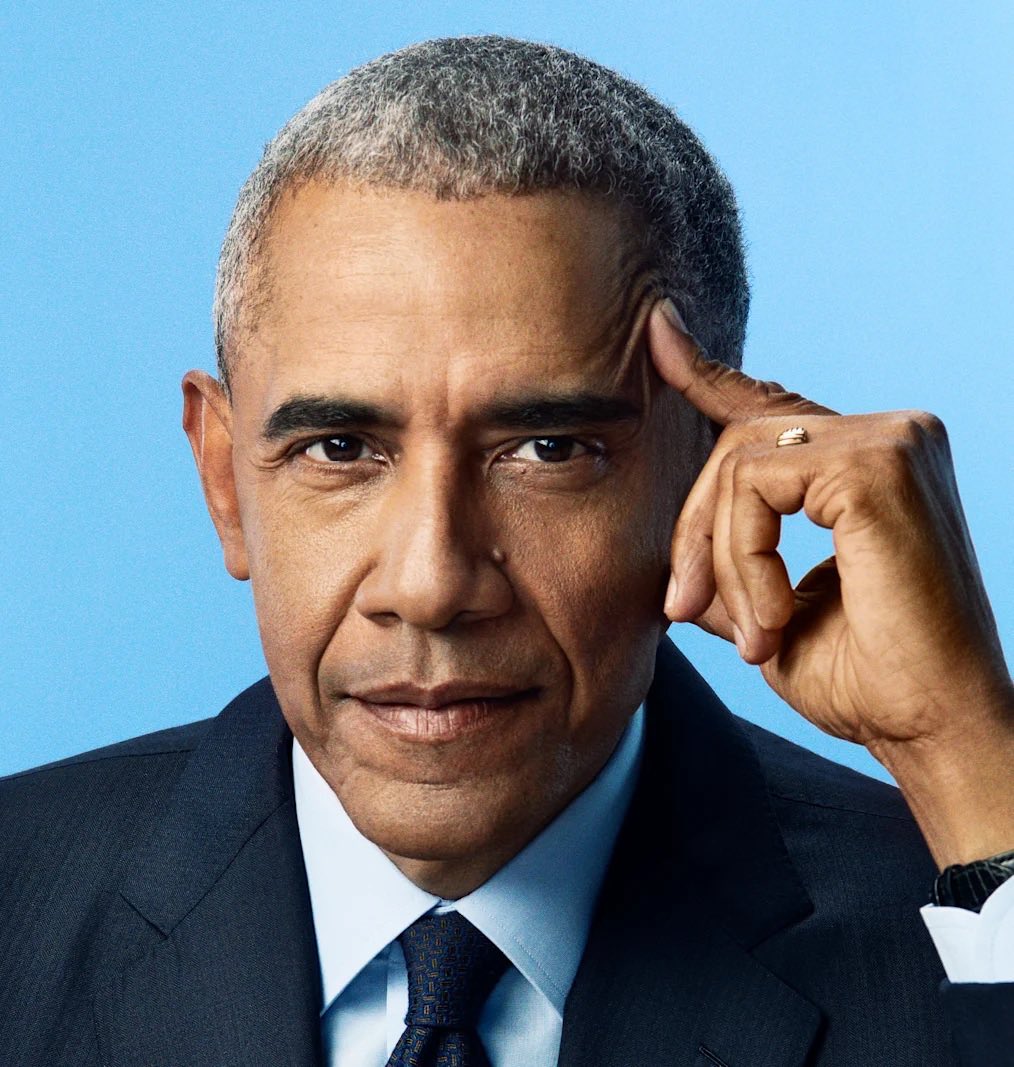
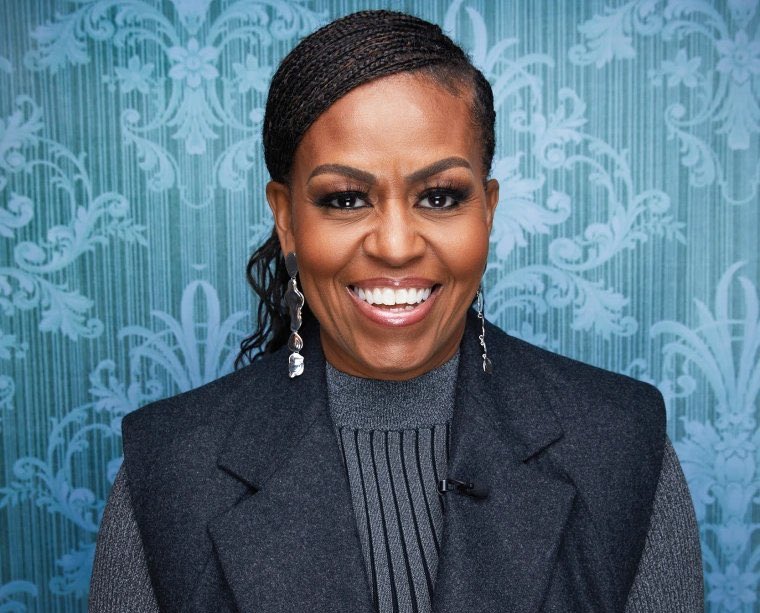
Nothing scares Donald Trump more than a smart, accomplished, and beloved Black family.
RETWEET if you are proud to stand with the Obamas!
1,117
8,219
25,255
492,238
Jan 28
Bruce’s song to the memory of Renee and Alex, And the people of Minneapolis.
Stay safe America.
youtu.be/wWKSoxG1K7w
2
214
Pete Michaels 🎶 retweeted

Jan 23
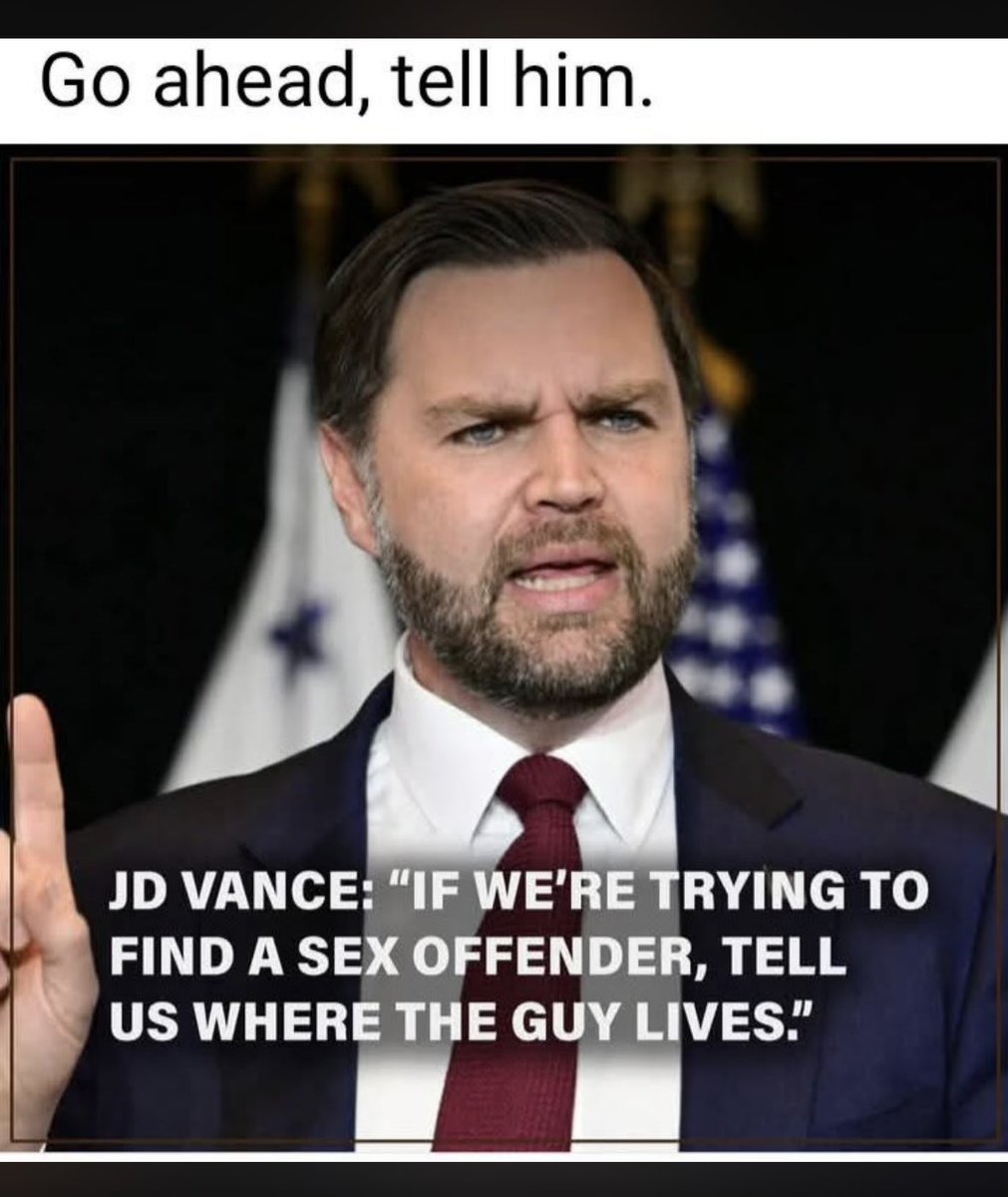
BOARD OF PEACE - Season 1
996
15,967
44,412
1,962,645
Pete Michaels 🎶 retweeted

Jan 22
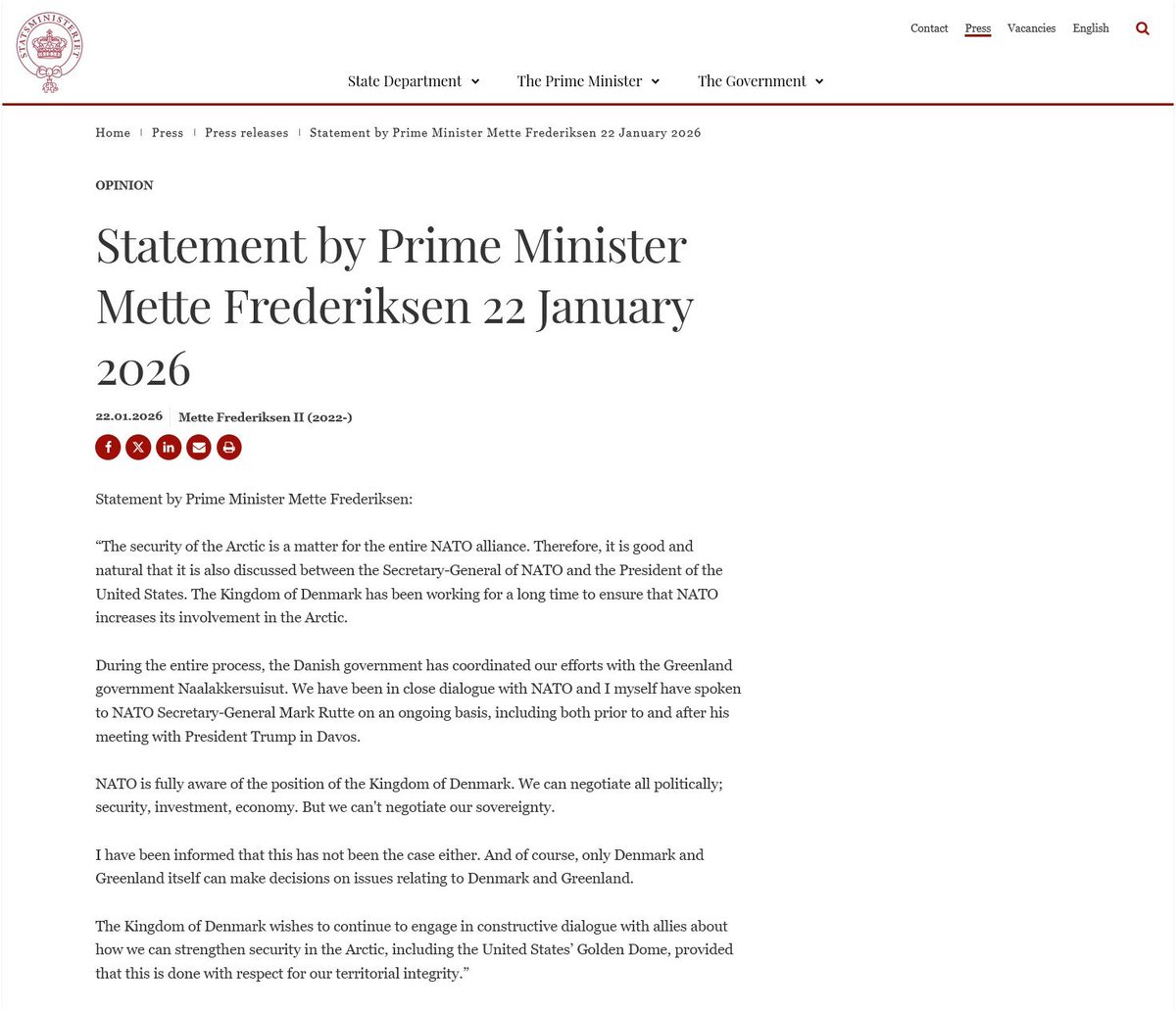
Statement from the Danish PM. Abundantly clear that Trump has gained nothing beyond what he already had. All the drama. All the threats. All the aggression. All for nothing. An utter humiliation for the president. No other way to describe it.
493
2,101
6,488
203,899
Pete Michaels 🎶 retweeted

Jan 20
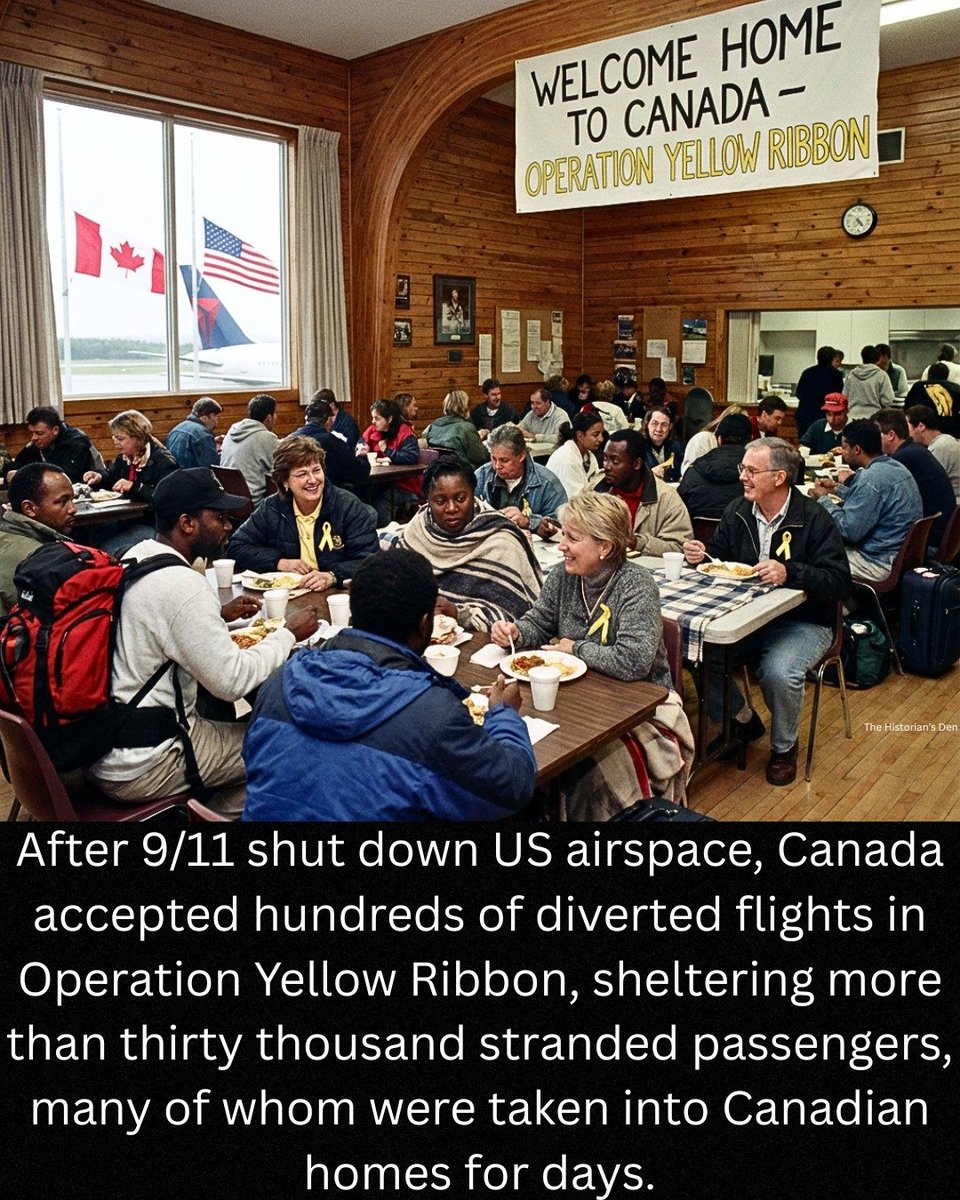
Canada’s response on 9/11 became one of the most remarkable civilian‑led humanitarian efforts in modern history. When the United States closed its airspace after the attacks, Transport Canada immediately activated Operation Yellow Ribbon, directing incoming international flights away from potential US targets and safely onto Canadian runways.
Airports in Nova Scotia, Newfoundland, and British Columbia suddenly became global crossroads, receiving aircraft that had been mid‑ocean only minutes earlier. Gander alone took in thirty‑eight planes carrying more than six thousand passengers and crew, a staggering number for a town of barely ten thousand people.
What followed was an extraordinary display of community action. More than two hundred diverted flights brought over thirty thousand stranded travelers into Canada within hours. Schools, churches, gyms, and community centers were transformed into temporary shelters.
Local bus drivers, who had been on strike, ended their walkout on the spot to help transport passengers. Pharmacies filled prescriptions for free, restaurants cooked nonstop, and families opened their homes to complete strangers. In Gander, Lewisporte, Halifax, Vancouver, and dozens of smaller towns, Canadians improvised a nationwide hospitality network that lasted for days.
The impact of Operation Yellow Ribbon went far beyond logistics. Many passengers later described it as the moment they regained a sense of safety and humanity after the terror of 9/11. The kindness they received became the basis for lifelong friendships, annual reunions, and even charitable foundations.
169
2,140
5,487
72,906