Joined December 2020
- Tweets 52
- Following 184
- Followers 269
- Likes 111
17 Photos and videos

Pinned Tweet

9 Dec 2023
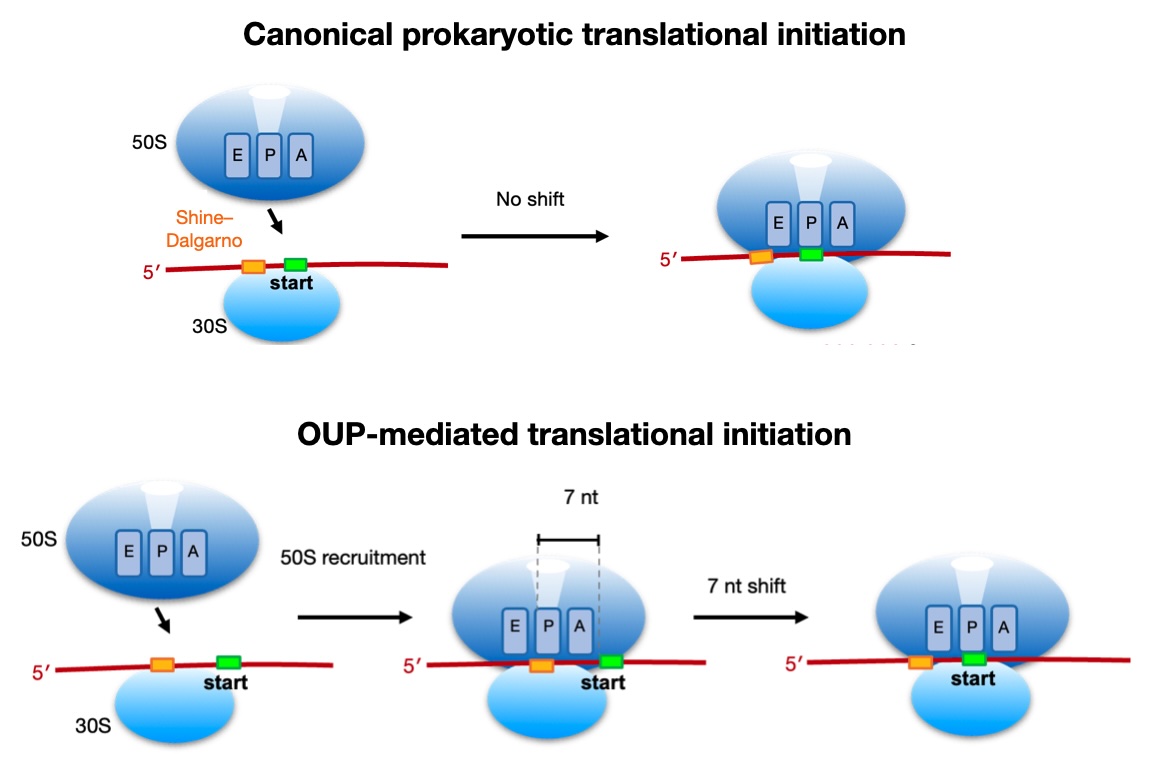
What is OUP-mediated translation initiation? Find out @ nature.com/articles/s41467-0…. Fantastic work driven by our dynamic PDRA:PhD duo. @OJ_Bryant and Filip Lastovka, @TranslatingRNA @CamPathology
15
32
11,453
ChungLab retweeted

2 Aug 2025
#TansleyReview RNA elements and their biotechnological applications in plants
Lastovka et al. @TranslatingRNA @Lomonossoff_Lab @HadrienPeyret
📖 nph.onlinelibrary.wiley.com/…
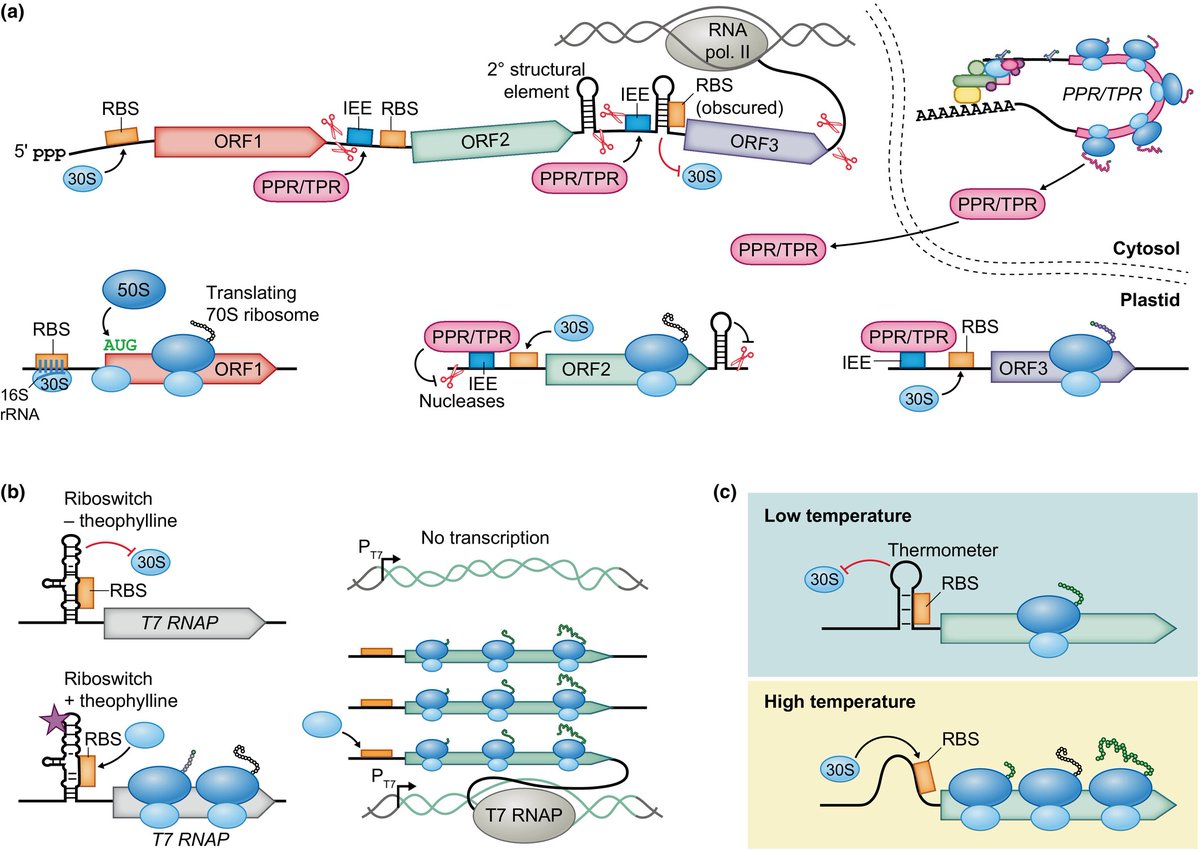
ALT Gene expression in plastids.
9
25
1,744
10 Jun 2025
Funded 4 year #PhD opportunity!
Explore how bacteria control protein synthesis in unexpected ways 🧬🦠
Start: January 2026| location UofCambridge.
Apply now: findaphd.com/phds/project/fu…
1
1
271
11 Nov 2024
Are you fascinated by how pathogens hijack host cells to make proteins and establish infection? Join us at Chung Lab @TranslatingRNA for a fully-funded 4-year PhD! @CamPathology and @Cambridge_Uni. Apply now: jobs.cam.ac.uk/job/48957/ findaphd.com/phds/project/fu…
2
4
581
ChungLab retweeted

5 Oct 2024
10th century incense recipe found in @ParkerLibCCCC, colleagues/students from @CorpusCambridge made it, in chapel, giving @MattBullimore something special for year ahead. Reminds me how cool/bizarre it can be to work at a 650 year old institution 😅 bbc.co.uk/news/articles/cx2k…
3
8
538
ChungLab retweeted

21 May 2024
🚨 SAVE-the-DATE 🚨
International Advances in Plant Virology 2025 (IAPV25)
📅 April 8-11 2025, Murcia 🇪🇸
In collab w @virtigation @Euphresco
🕸️ cvent.me/mNNvzA

1
39
60
6,265
ChungLab retweeted

24 Feb 2024
Check out our latest paper where we identify a new C-terminal export signal in flagellar Type III secretion substrates which provides further evidence against a subunit capture/chain mechanism for flagellar assembly. doi.org/10.1128/mbio.03067-2…
4
10
980
ChungLab retweeted
11 Dec 2023
Check out our new paper @ nature.com/articles/s41467-0… from my time working in the fantastic Chung lab @TranslatingRNA. Also check out our "Behind the Paper" post go.nature.com/3GCnE09.
@ Filip Lastovka, @TranslatingRNA, @CamPathology, @OJ_Bryant. More to come from us soon!
1
8
12
6,445
ChungLab retweeted

21 Nov 2023
We are very pleased to invite applications for an exciting new position of Professor of Synthetic Biology or Engineering Biology. Come and work with us and our @EngBioIRC group to build bridges across @Cambridge_Uni. More details here: jobs.cam.ac.uk/job/43556/
31
54
29,553
ChungLab retweeted

31 Oct 2023
Evolution's secret to C4 photosynthesis also includes translation! 🌱 Our work reveals how translational control of photosynthesis genes adapts to light in C3 rice and C4 sorghum. @CRAGENOMICA @jmhibber @TranslatingRNA @Thepallavisingh @TinaSchreier biorxiv.org/content/10.1101/…
2
9
33
3,485
ChungLab retweeted

1 Sep 2023
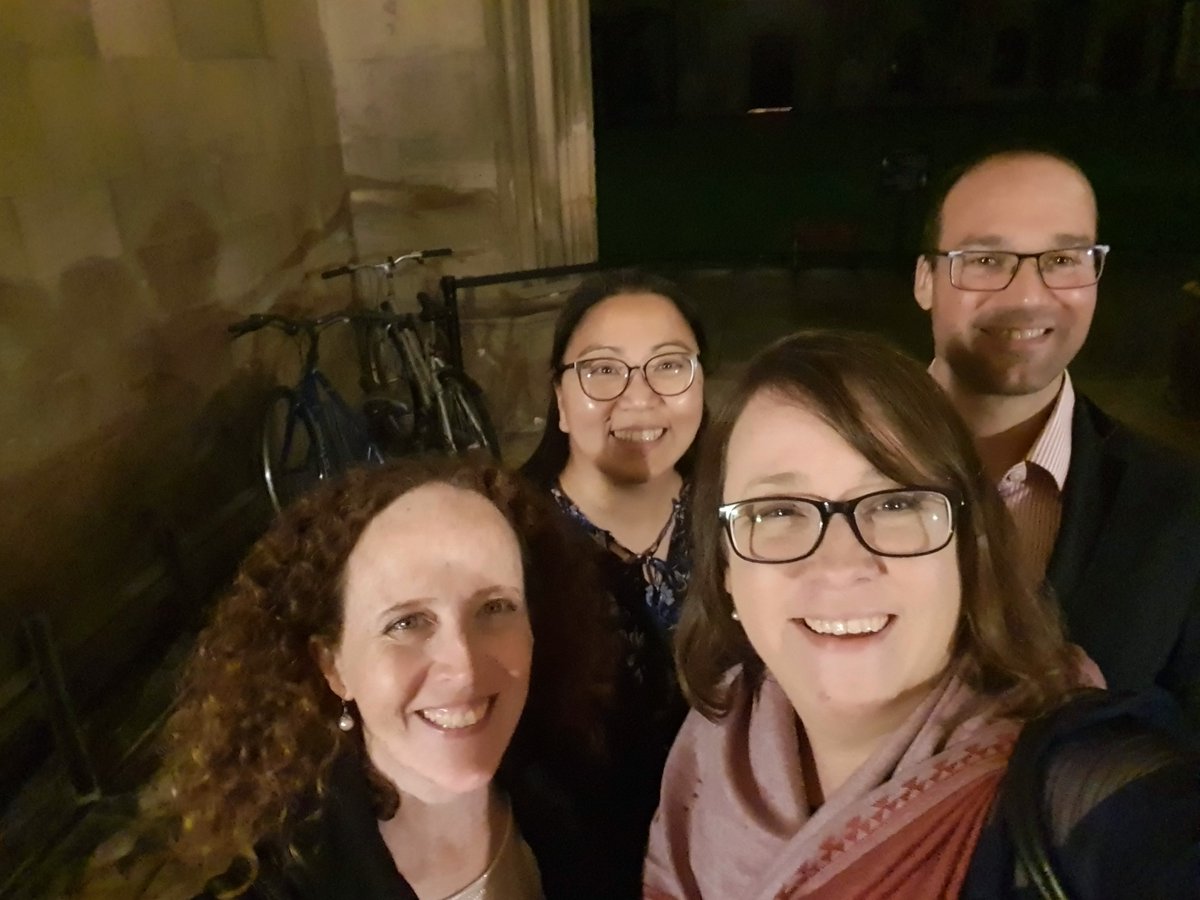
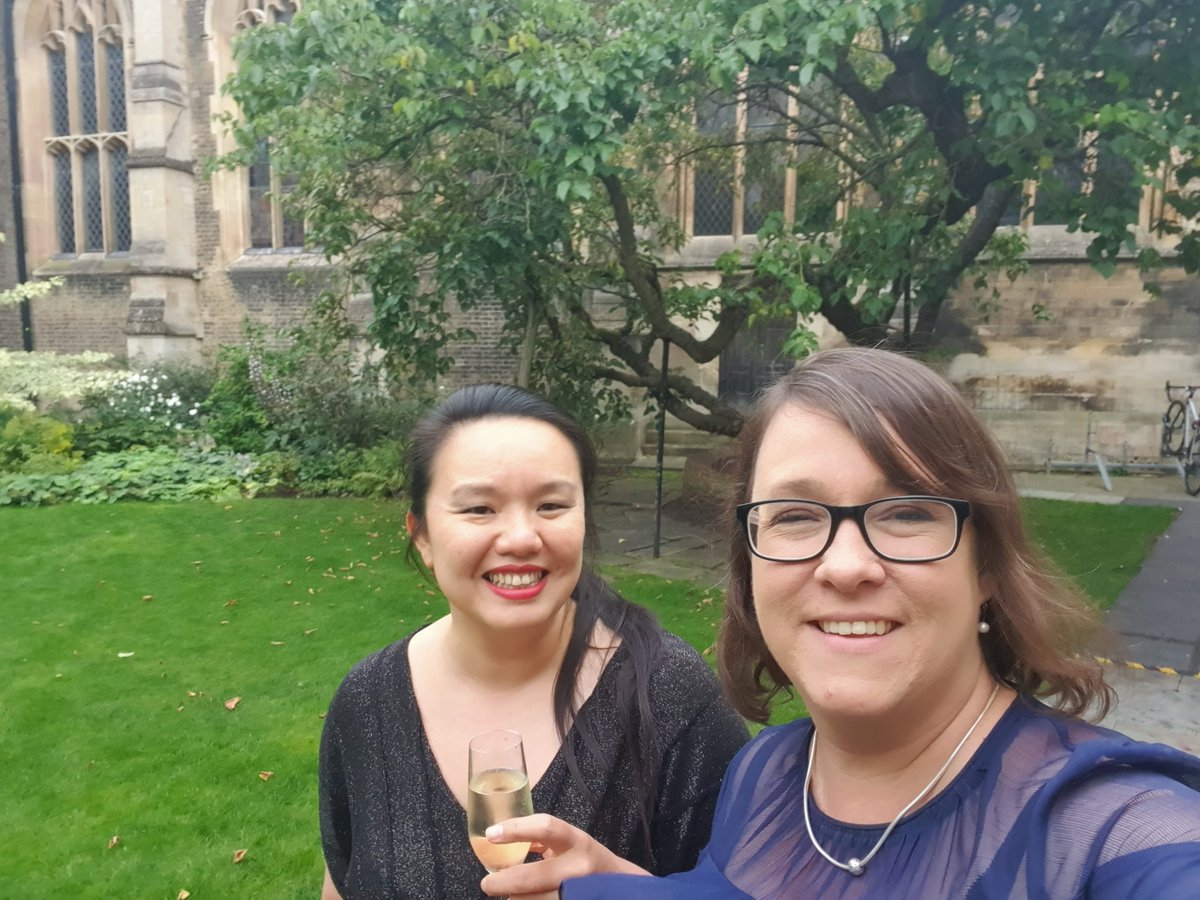
Fantastic end to Experience Postgrad Life Sciences 2023- 8wk paid internship in Cambridge for aspiring scientists. Breathtakingly gd presentations from our interns & dinner @ Corpus Christi College. @JanetDeaneLab @jrkumita @FlorianMerkle @Cambridge_SBS @IMS_MRL @TranslatingRNA
8
21
1,879
ChungLab retweeted

15 Aug 2022
I'm recruiting a NIH funded postdoc to investigate circRNAs in virus infection! RTs appreciated! jobs.ac.uk/job/CSK115/resear…
37
36
14 Jul 2023
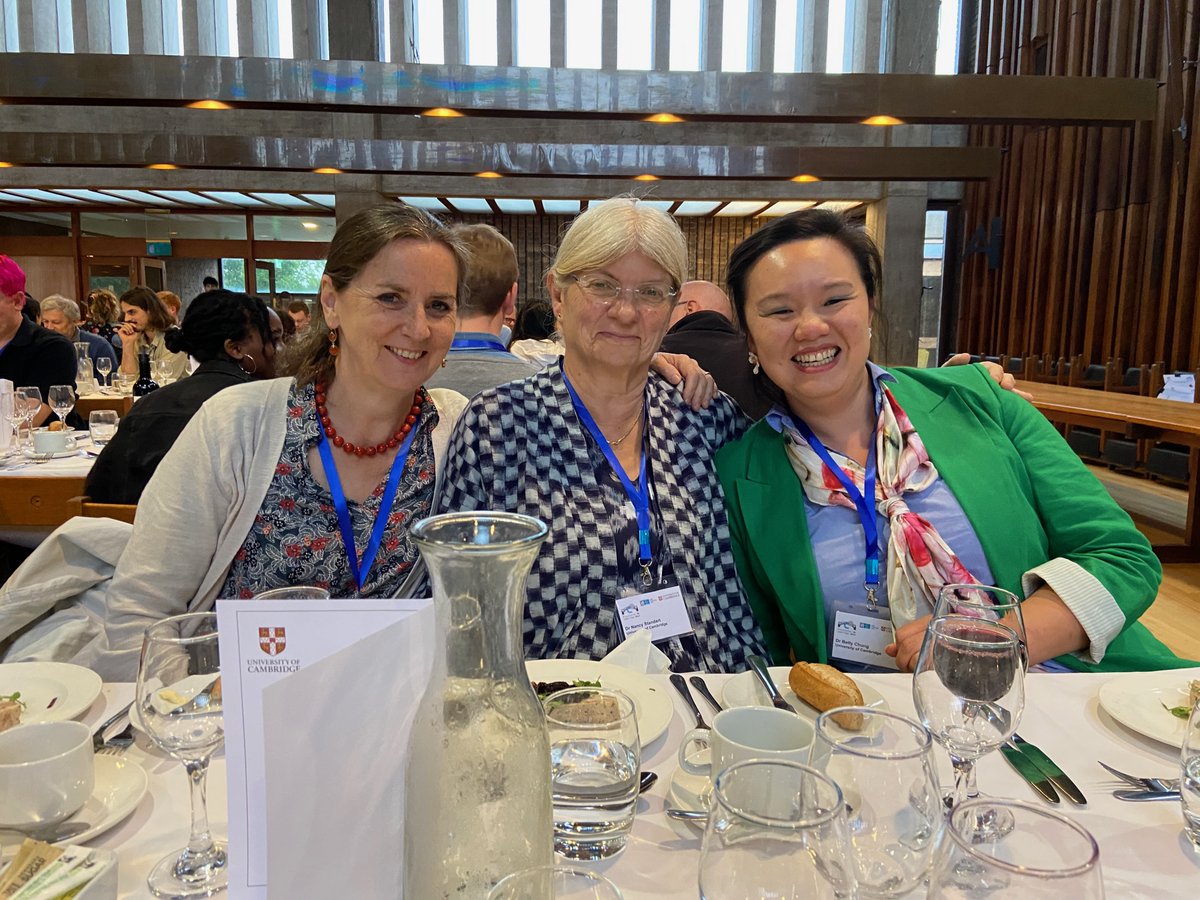
Can't believe #TUK23 was last week! Fond memories ♥️♥️ with Anne Willis and Nancy Standart. Already looking forward to TUK24Surrey organised by Andre Gerber @andre_gerber
, Hannah Burgess @HannahmBurgess, Nick Locker @locker_nic and Trevor Sweeney @TrevorSweeney4 !
2
3
20
1,979
14 Jul 2023
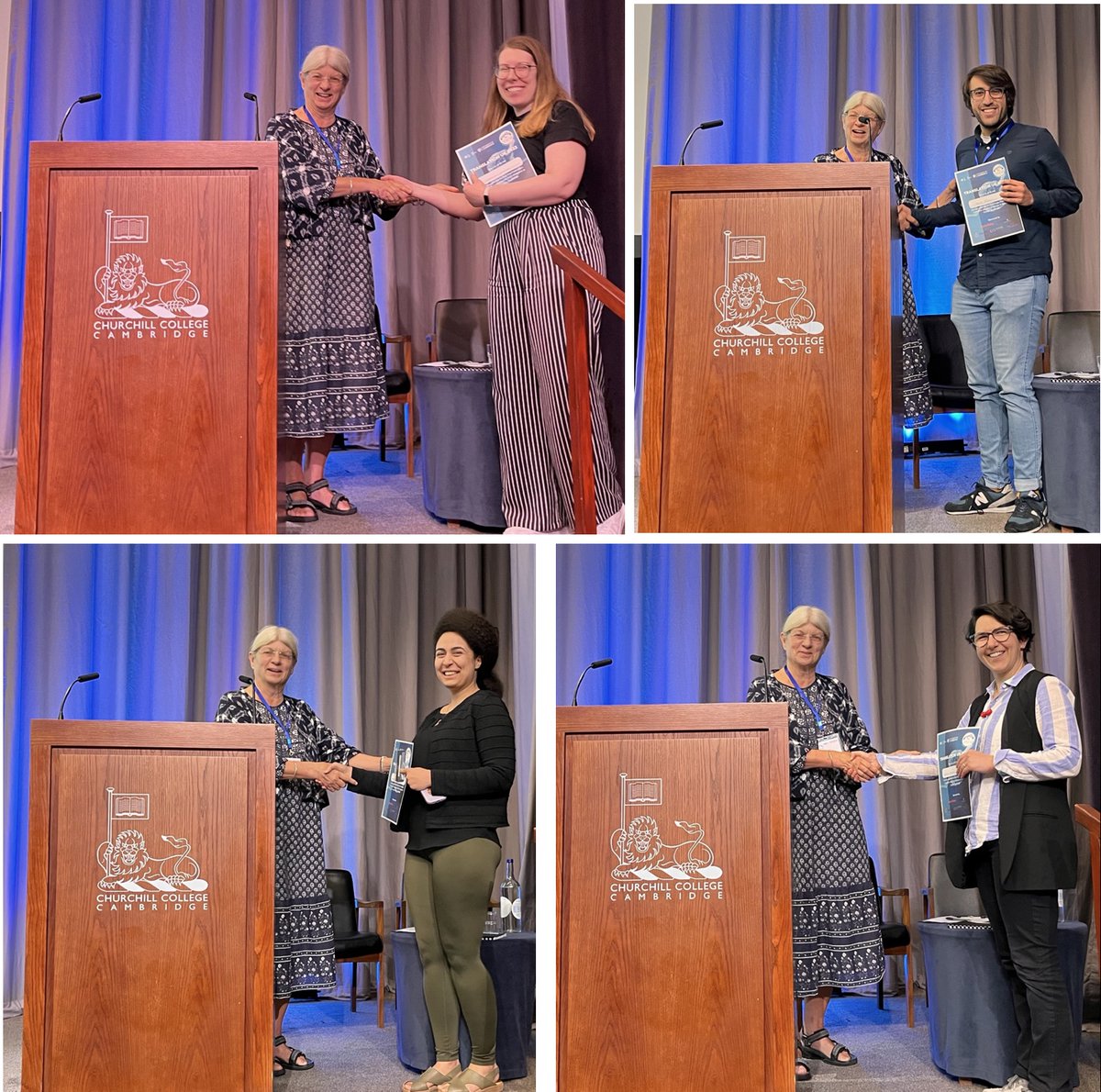
#TUK23 Prize winners presented by our very dear TUK veteran Nancy Standart! Poster prize ECR Chiara Giacomelli, Poster prize PhD Karim Elbouri, Talk prize 1 Farnex Mansouri-Noori, Talk prize 2 Federica Capraro!
1
1
3
827
14 Jul 2023
Only possible with support from #TUK23 attendees, Prize judges, Julie @RNA_julie, Ania and Helena @NatureComms career session, helper from @MRC_TU and @CamPathology, Fiona&Sophie, Churchill College and @thermofisher, @CambridgeBiosci, @generon_ltd, @PCR_Biosystems and @colorifix!
1
203
ChungLab retweeted

8 Jul 2023
Day 30 of great biology papers. 🎆The final day.🎆
"General Nature of the Genetic Code for Proteins," by F. Crick, S. Brenner, L. Barnett & R.J. Watts-Tobin (1961).
This paper is, in my opinion, the most impressive in the history of molecular biology. Here's why...
****
When the structure of DNA was solved in 1953, molecular biology was a relatively barren landscape. By that, I mean that messenger RNA had not yet been discovered, nobody was quite sure whether there was any link between DNA and proteins, and there were zero technologies to isolate a gene, let alone sequence one.
And yet, just 8 years after that seminal paper, these four scientists used a simple experiment — and fragmentary evidence — to correctly determine that...
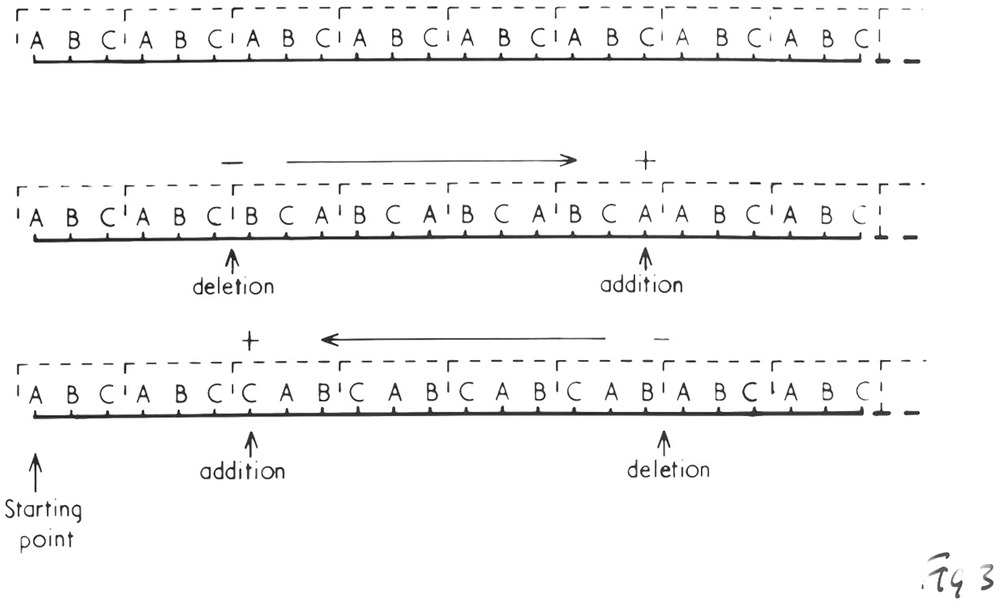
1. Each amino acid in a protein is encoded by a triplet code...
2. The letters in this code do not overlap (e.g. AUGACC is read by the ribosome as 'AUG' and 'ACC,' rather than 'AUG,' 'UGA,' 'GAC' etc.)...
3. There is a start codon.
Again, they discovered all of these things in the absence of tools to sequence DNA, or to compare a DNA sequence with a protein's amino acids. But before I tell you how they did it, I want to set the scene.
The year 1961 was, essentially, the annus mirabilis for molecular biology:
- In May, two separate groups reported that they had isolated and proved the existence of messenger RNA, and they postulated that it probably carried information from DNA to proteins.
- Jacob and Monod argued that there are two types of genes: Those that encode proteins, and others that regulate gene expression.
- Marshall Nirenberg showed that a chain of RNA containing the letters "UUUUUUUUUUUU" encoded a protein filled with phenylalanine amino acids, thus demonstrating a profound, initial insight into the genetic code.
(See the excellent review by Matthew Cobb: onlinelibrary.wiley.com/doi/…)
With these prior experiments in mind, Brenner, Barnett, Crick, and Watts-Tobin set out to understand how, exactly, the genetic code works.
Their experiments began with a bacteriophage that infects bacteria, called T4. When these bacteriophage are doused with mutagens, and their genetic material is altered, they sometimes lose their ability to infect bacteria.
Now, there is also a dye, called acridine, that causes single nucleotides to be added or deleted from a piece of DNA. This is quite important, because most other mutagens just randomly change sections of DNA. But acridine always adds or removes just one nucleotide.
So Crick put these two things together and had a brilliant idea. He took a T4 bacteriophage, exposed it to acridine, and found that it had lost its ability to infect E. coli. This strain was called FC0 — Francis Crick Zero. But then, he (and the others) used acridine to add or remove more letters in the bacteriophage DNA until it regained its ability to infect bacteria.
If they added one base and then removed one base, the phage infected the bacteria.
If they added two bases, the phage did not infect bacteria.
If they added three bases, the phage infected bacteria.
From these observations, they argued that the genetic code must use triplets to encode each amino acid. It was a brilliant takeaway, based on partial experimental evidence. From the paper:
"The simplest postulate to make is that the shift of the reading frame produces some triplets the reading of which is ‘unacceptable’; for example, they may be ‘nonsense’, or stand for ‘end the chain’, or be unacceptable in some other way to the complications of protein structure."
Even though the "combination of mutations strongly suggested that the code was based on units of three bases, the experiments could not prove that to be the case – a code using groups of six bases was consistent with the results," writes Cobb in his review.
"This, however, would raise all sorts of problems by massively increasing the number of either meaningless or degenerate sequences (there would be 4096 possible combinations of bases, rather than a mere 64). As Crick later put it, this was 'hardly likely to be taken seriously.'"
In his classic book on the history of molecular biology, The Eighth Day of Creation, Horace Judson called this experiment, "a classic of intellectual clarity, precision and rigour." And I agree.
Thanks for reading this series!
Paper: nature.com/articles/1921227a…
Full text: labs.bio.unc.edu/Goldstein/1…
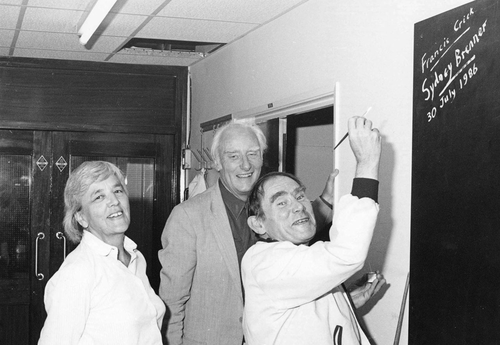
ALT Leslie Barnett, Francis Crick and Sydney at the MRC. (© MRC LMB.)
18
300
1,338
221,283
31 Mar 2023
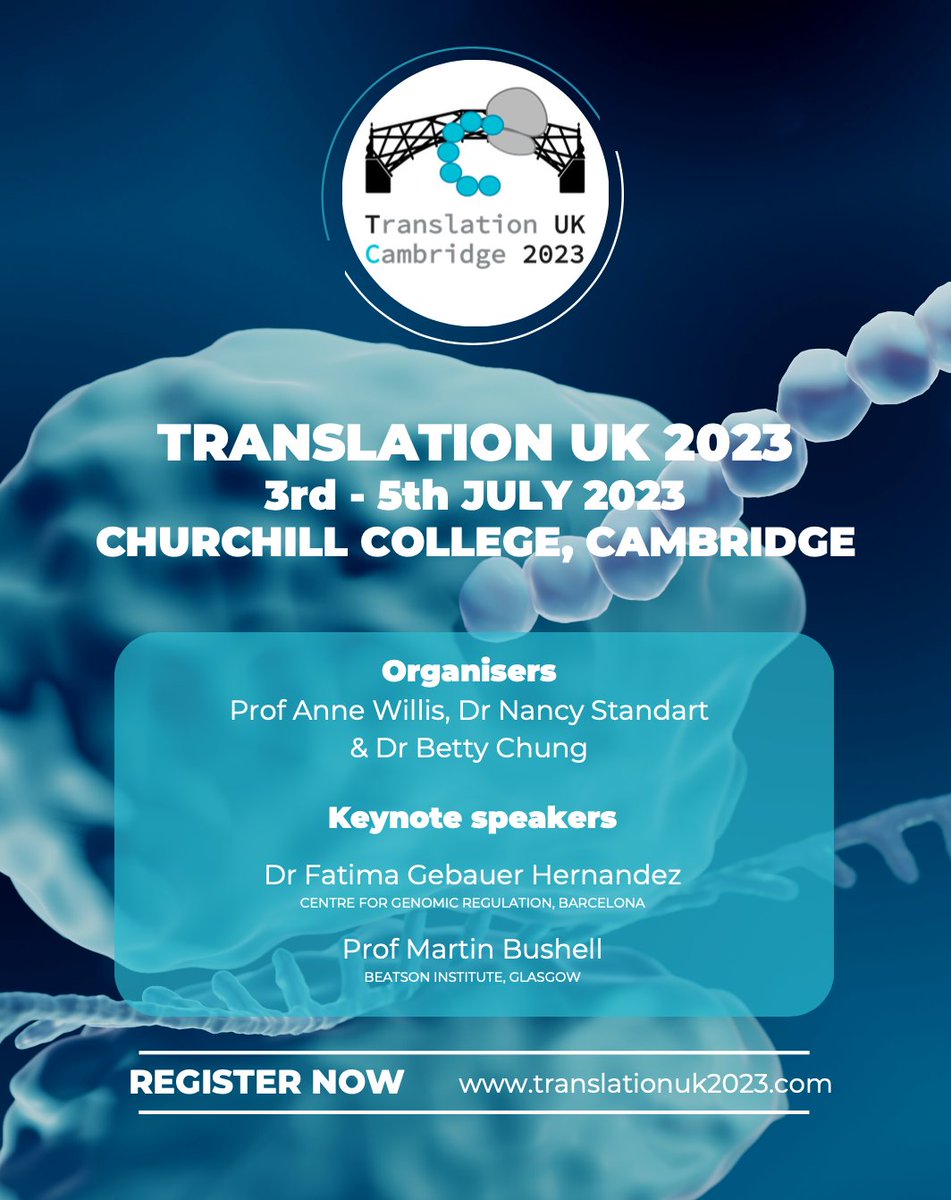
Reminder #TRUK202, translationuk2023.com
Onsite accommodation running out! Please book your accommodation at the same time via the accommodation link on translationuk2023.com. Please be sure to use the promotional code KX53663 to secure these preferential prices.
5
879
31 Mar 2023
Reminder #TRUK202, translationuk2023.com
Student travel bursary available: please send request (250 word max) with following information to translationuk2023@mrc-tox.cam.ac.uk
• PI name
• Source of studentship
• PhD stage
• Presentation type
• Reason
• Est. travel cost
2
8
1,128
ChungLab retweeted

30 Mar 2023
Last chance to get the Early Bird Student rate for Translation UK 2023!
Registration and abstract submission is open now!
Find out more on our website: buff.ly/40yyWup
#TRUK2023
5
5
1,283