
بازگشت به مشروطه
Joined July 2022
- Tweets 13,802
- Following 177
- Followers 4,996
- Likes 126,632
2,129 Photos and videos
Saeid S. retweeted
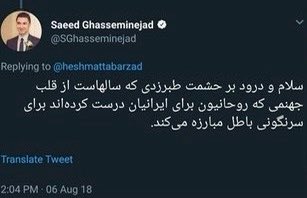
فحش های تیم لوزر قاسمی نژاد تموم شد ؟؟؟
خوب خواستم یه بیلاخ حواله شون کنم بگم ما اگه قرار بود با فحش چهار تا لات لمپن پولی کنار بریم اصلا اینجا نبودیم
پس فشار بخورید
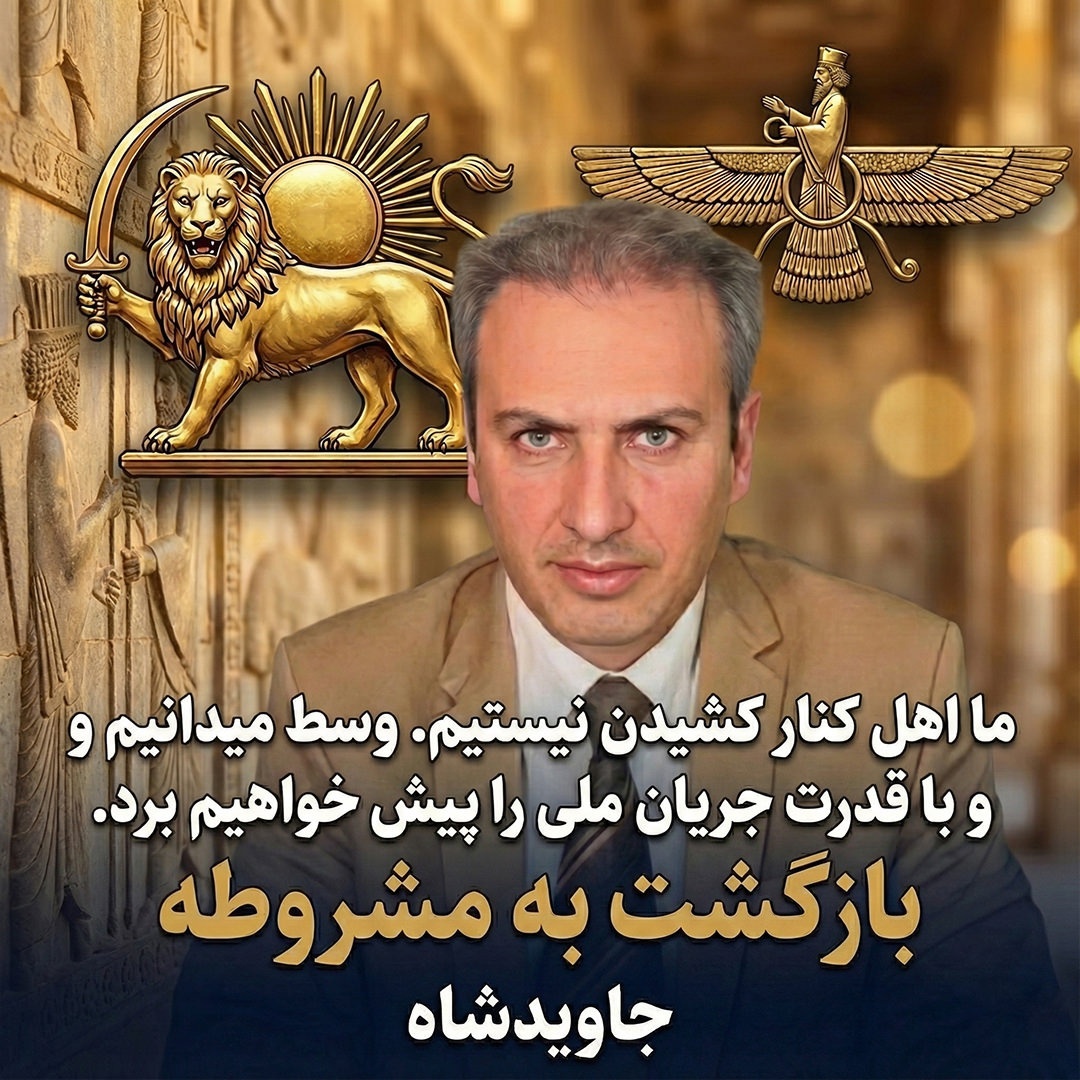
"ما اهل کنار کشیدن نیستیم،وسط میدانیم و با قدرت جریان ملی را پیش خواهیم برد"
#حجت_کلاشی
حالا برید با تهمتن و سپاه جمله بسازید و خیال کنید ملت نمیدونن بابای خودت سعید جان، کارمند سپاهه و کل افرادتون هم مجاهد و اصلاح طلب های واجا یا مزدورهای پولی اسراییل و امریکا هستن
5
10
28
307
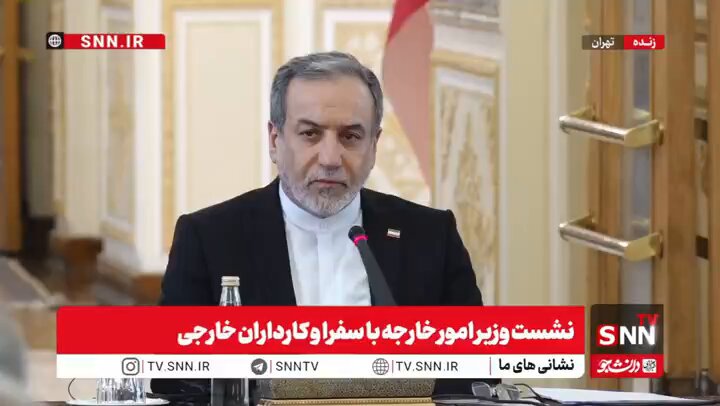
دو نکته در صحبت عراقچی هست که در نوع خودش کلیدیه.
یکُم، عبور از عبارتبندی «رژیم صهیونیستی» و به کار بردن «اسرائیل».
دوم، طرف قرارداد بودنِ اسرائیل از نظر تهران؛ که اتوماتیکوار یعنی به رسمیت شناختن اسرائیل توسط رژیم.
9
16
70
5,387
این توافق، به بحثی پایان داد که حریان ملی سالها هشدار داد و باید مدتها پیش مختومه میشد. لذا هر جریانی که بعد این تحولات همچنان نگاهش به بیرون باشه یا از نظر استراتژیک بیسواده و یا به ابزاری در خدمت منافع بیگانه بدل شده و دیگه نسبتی با منافع ملی ایران نداره. جمهوری اسلامی از این کارزار، با وضعیتی بهتر از قبلِ جنگ (به لحاظ دوام) و وضعیتی که رسماً از سوی واشنگتن به رسمیت شناخته شده بیرون اومد.
شبکه پهلوی حتی با دیدن این نتیجه، درست در امتداد خط رفتاری سازمان مجاهدین خلق که دههها به عنوان ابزار فشار غرب فعالیت کرد و هیچ دستاوردی برای مردم ایران نداشت قرار گرفته و قصد یا توان تغییر رفتارش رو نداره.
با این وجود، هنوز تنها مسیر برای تغییر سیاسی اصیل در ایران، صرفاً از توان خود ایران میگذره؛ نه از واشنگتن، نه از تلآویو، و نه از هیچ پایتخت خارجی دیگه که منافع خاص خودشو در پیکرهبندی ایران دنبال میکند.
کسایی که بعد تمامی این رویدادها هنوز این واقعیتو نپذیرفتن و در پی جلب نظر خارجی، و حمایت خارجی و کمک خارجی و غیره هستن «اپوزیسیون» یا احمقِ مفید و یا صرفا ابزار سیاست خارجیِ باقی کشورهان.
#پاينده_ایران

My Analysis @ACMideast regarding the agreement between US and Iran:
The end not just of war, but also of a strategic assumption about regime change in Iran
A US-Iran agreement will likely bring to an end, at least for the foreseeable future, the long-standing expectation in parts of Jerusalem and Washington that sustained pressure could lead to regime change in Tehran.
From Israel’s perspective, the conditions appeared unusually favorable for such change. Iran was confronting significant internal and external pressures, while Israel operated with unprecedented military freedom and the support of the world’s most powerful military ally.
But the announced agreement suggests a fundamental reality: The campaign that many hoped would weaken or even destabilize the Islamic Republic will instead conclude with the regime intact, strengthened, and formally engaged by the United States.
This would not represent a tactical setback. It would amount to the collapse of a broader strategic assumption: that coordinated American and Israeli pressure could generate conditions conducive to fundamental political change inside Iran.
Instead, the likely outcome is the opposite. The Iranian leadership could emerge from its most significant test in decades having demonstrated resilience, retained control, and shown a willingness to absorb substantial costs while preserving core regime interests. Such an outcome is likely to reinforce the confidence of the ruling elite rather than weaken it.
Moreover, Tehran stands to gain several important advantages: economic relief, renewed diplomatic legitimacy through engagement with Washington, and a perception that American leverage over Iran has diminished relative to what it was at the outset of the cris
Assuming maritime routes remain open and regional escalation is contained, negotiations will inevitably return to the nuclear file. It is already apparent that neither Iran’s missile program nor its network of regional partners is likely to be central to any near-term agreement. Nonetheless, unresolved issues, particularly those related to Lebanon and regional security arrangements, could still complicate implementation
The broader strategic consequence is that today’s decision reduces the likelihood of renewed large-scale conflict in the immediate future while simultaneously strengthening the Iranian regime’s regional and international position. It also risks increasing Israel’s diplomatic isolation on the Iran issue, particularly as Gulf Arab states increasingly prioritize de-escalation, economic stability, and a durable ceasefire over continued confrontation.
From Tehran’s perspective, such a result would constitute a significant strategic achievement. Iran would preserve critical strategic capabilities, maintain its influence across multiple theaters—including the increasingly interconnected Lebanese and Iranian fronts—and secure meaningful economic breathing space. Just as importantly, it would retain its ability to threaten vital maritime chokepoints and global energy flows, a source of leverage that remains central to its regional strategy.
The broader lesson is that operational success does not automatically translate into strategic success. Military pressure imposed significant costs on Iran, but it did not produce the political transformation that some anticipated. Ultimately, Iran’s ability to impose risks on global markets, combined with the practical limitations of eliminating or removing its nuclear infrastructure through force alone, pushed all sides toward negotiation.
The result is an agreement that underscores a growing divergence between Washington and Jerusalem. While Israel may continue to view such an arrangement with deep skepticism, its ability to prevent the outcome appears increasingly limited. For the United States, the agreement may represent a pathway to regional stabilization. For Israel, it may be seen as confirmation that military achievements alone were insufficient to achieve the broader strategic objectives that guided the campaign from the outset.
#IranWar
6
15
38
1,051
Saeid S. retweeted

Jun 15
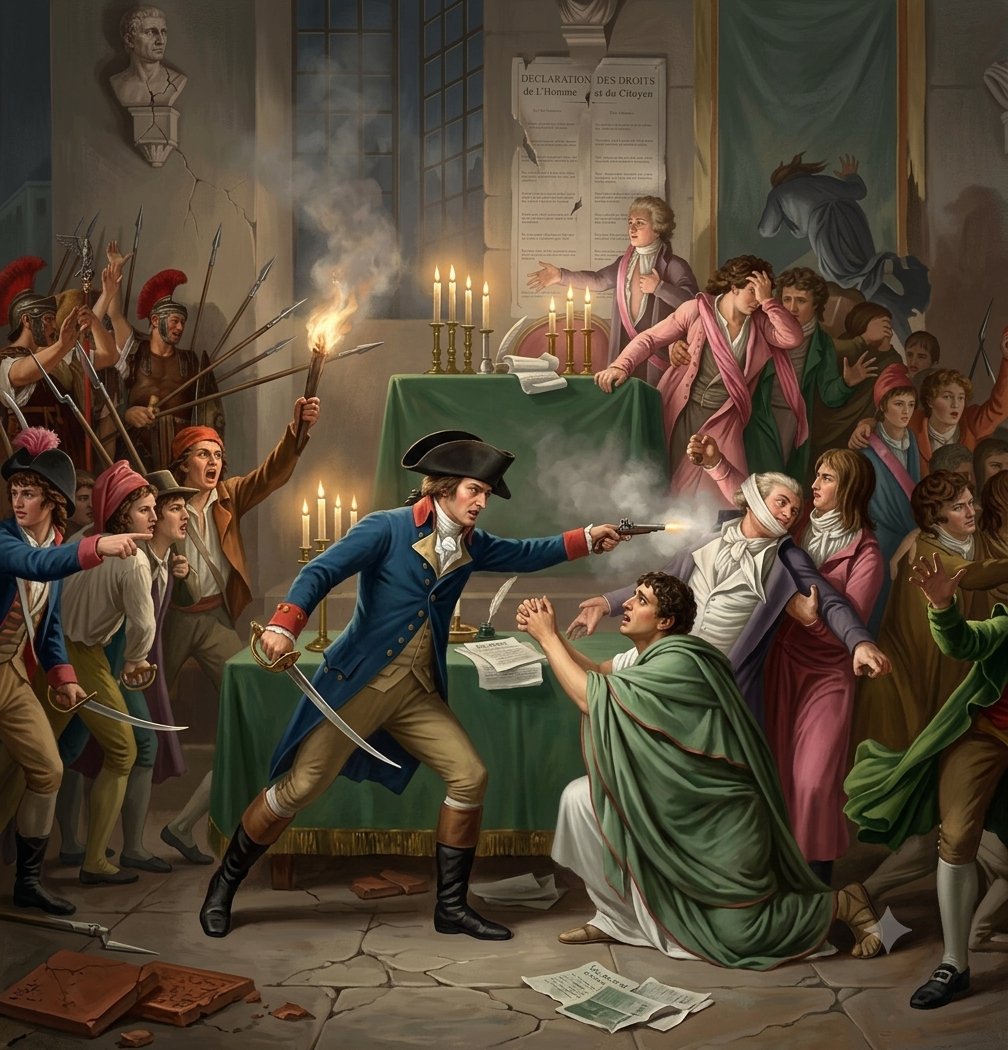
«معماری یک پوستاندازی؛ گذار ترمیدوری و جونتای پراتوری»
مفهوم ترمیدور از دل انقلاب فرانسه با سقوط روبسپیر، نه به دست ضدانقلابیون بلکه به دست همان انقلابیونی که از رادیکالیسم خسته شده بودند، بیرون آمد. ترمیدور به آن لحظهای اشاره دارد که انقلاب از درونِ خودش میشکند. نه چون دشمن خارجی آن را شکست داده بلکه چون هزینه ایدئولوژیک ادامه مسیر از توان نخبگان داخلیاش فراتر رفته. آنچه پس از ترمیدور میآید معمولاً بازگشت به وضع پیشین یا تعمیق انقلاب نیست بلکه یک نظم محافظهکارانهتر است که شکل انقلاب را حفظ و روح آن را تخلیه میکند.
مفهوم «جونتای پراتوری» ریشهای متفاوت دارد. گارد پراتوری روم که در اصل برای حفاظت از امپراتور تأسیس شده بود به تدریج به نهادی تبدیل شد که امپراتور میساخت. این الگو در تاریخ مدرن از آمریکای لاتین تا ترکیه و پاکستان و مصر هم تکرار شده و در ساختار همهشان نهاد نظامی که در سایه قدرت حکومت رشد کرده، در لحظهای از خلاء یا بحران، نه از طریق کودتای کلاسیک بلکه از طریق «پر کردن فضای خالی»، به قدرت واقعی تبدیل شد. در این وضع نیز شکلهای قانونی و نهادها باقی میمانند اما به پوستههایی تبدیل میشوند که نهاد نظامی از درونِ آنها تصمیم میگیرد.
این دو مفهوم در یک نقطه با هم تلاقی پیدا میکنند. هر دو به لحظهای مربوط مسشوند که در آن، ایدئولوژیِ بنیانگذار قدرت، به نهادی واگذار میشود که در اصل، ابزارِ آن ایدئولوژی بود. تفاوت این دو مفهوم هم صرفا در منشأ آنهاست؛ ترمیدور از خستگی درونی نخبگان آغاز میشود، جونتای پراتوری از فرصت ساختاری نهاد نظامی.
در ایران امروز جنگزده هر دو فرآیند به طور همزمان قابل ردیابیاند. از سویی سپاه غیر از نهاد نظامی، به یک امپراتوری تجاری-امنیتی-ایدئولوژیک تبدیل شده و مطایق است با الگوی پراتوری که در سایه رشد میکند و برای لحظه خلا آماده میشود. در عین حال، نشانههای خستگی ایدئولوژیک در لایههای داخلی نظام دیده میشود که ردپای ترمیدور را نشان میدهد.
اما آنچه وضعیت ایران را از هر دو الگوی کلاسیک متمایز میکند این است که وضع کنونی نه از طریق فرسایش تدریجی داخلی بلکه در نتیجه یک ضربه خارجی ایجاد شد. با این ضربه خارجی، هر دو فرآیند به جای آنکه به صورت مرحلهبهمرحله و آهسته طی شوند، به طور همزمان شتاب پیدا کردند و تقویت شدند.
Feb 8

«معماری یک پوستاندازی »
رژیم بعد حملات نظامی آمریکا و اسرائیل و تضعیف نظامی، له شدن اقتصاد کشور، نابودی رسمی بازوهای منطقهای و اعتراضات گسترده مردم، در لبه پرتگاه ایستاده. با این حال، نیروی محرکه این وقایع و اعزام «آرمادا»، یک جنگ صلیبی آمریکایی برای تغییر رژیم نیست؛
1/16
14
29
943
19h
دوستان به درستی متوجه شدن این توییت با ادبیات مجاهدین نوشته شده. اما بین سطور، منطق و مشی سازمانی مجاهدین خلق هم قرار داره و این یعنی عمق فاجعه فراتر از تصورات قبلیه.

شاهزاده رضا پهلوی، رهبر اپوزیسیون دموکراتیک ایران، روز سهشنبه ۲۶ خرداد، همزمان با بررسی لایحه «تهدیدات امنیت ملی و نفوذ دولتهای خارجی» در پارلمان بریتانیا، به لندن سفر خواهد کرد.
در جریان این سفر، شاهزاده رضا پهلوی با رهبران سیاسی بریتانیا، نمایندگان پارلمان، رسانهها و چهرههای اثرگذار و همسو با مبارزه ملت ایران دیدار خواهد کرد. محور اصلی این دیدارها تأکید بر ضرورت قرار گرفتن مردم ایران در مرکز تصمیمگیریها و گفتوگوهای سیاسی درباره آینده ایران است.
شاهزاده همچنین در این سفر بر این واقعیت روشن و انکارناپذیر تأکید خواهد کرد که تهدید جمهوری اسلامی تنها به درون مرزهای ایران محدود نیست و رژیم خطری مستقیم برای جوامع دموکراتیک و امنیت ملی کشورهای غربی، از جمله بریتانیا است.
7
27
92
4,493
Saeid S. retweeted

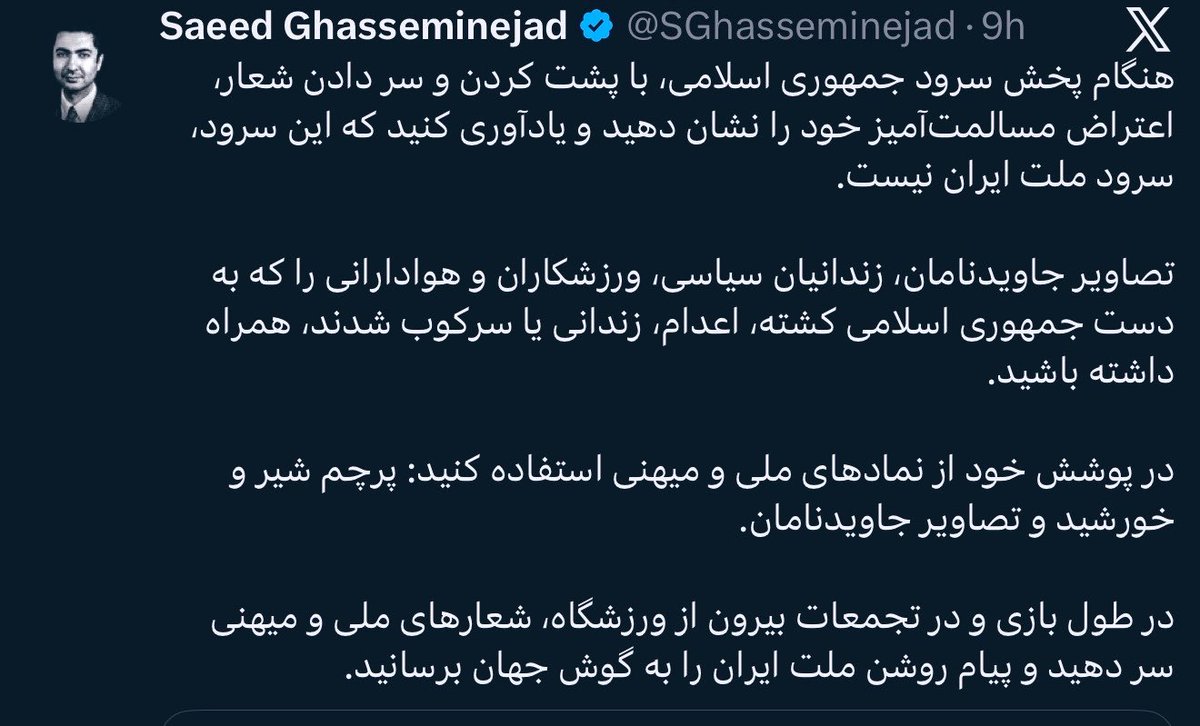
قابل توجه عدهای که وسط جنگ، از ما که مخالف مداخله نظامی بودیم، #راهکار براندازی میخواستند و مدعی بودند همه راههای مسالمتآمیز را رفتهاند و به این نتیجه رسیدهاند که این رژیم را جز با حمله نظامی نمیتوان ساقط کرد. جناب صدراعظم از یک راهکار مسالمتآمیز تضمینی پرده برداشتهاند که گویا تاکنون پیموده نشده:
«چرخش قهرمانانه نشیمنگاه به سوی تیم فوتبال»
شک نکنید که این آخرین نبرد فتحنشده است و پس از آن در تهران خواهید بود.
5
23
59
2,564
22h
کاش هزینه اشتباهات و گندهایی که میزنید رو خودتون میدادید. افسوس که شما به ازای اینگند زدنا فاند میگیرید و پولدار میشید و هزینشو مردم با خون و زندگیشون میدن.
#پاينده_ایران
4
27
89
1,355
Saeid S. retweeted
Feb 8
«معماری یک پوستاندازی »
رژیم بعد حملات نظامی آمریکا و اسرائیل و تضعیف نظامی، له شدن اقتصاد کشور، نابودی رسمی بازوهای منطقهای و اعتراضات گسترده مردم، در لبه پرتگاه ایستاده. با این حال، نیروی محرکه این وقایع و اعزام «آرمادا»، یک جنگ صلیبی آمریکایی برای تغییر رژیم نیست؛
1/16
Jan 29
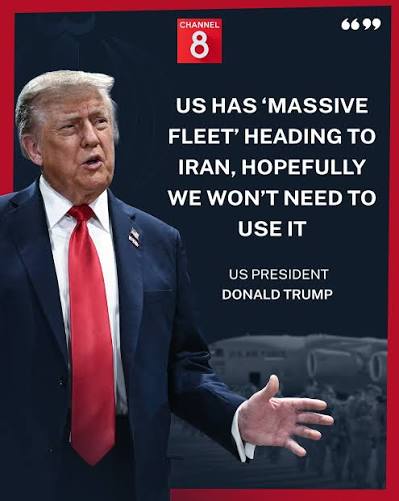
«معماریِ یک رویارویی»
اعلام علنی اعزام ناوگان جنگی به سمت ایران با قیدِ «امیدواریم استفاده نشود» در واقع نوعی سیگنالدهی استراتژیک در جامهی دیپلماسیست. اعلام تحرک نیروی نظامی پیش از وقوع درگیری، انتظارات را شرطی و حضور نظامی را عادیسازی میکند و به این ترتیب،
۱/۱۳
3
28
48
7,295
Saeid S. retweeted

Jun 15
با این تفاوت که رویا فروشی شما انقلاب ملی رو نابود کرد
با این تفاوت که مجتبی که به خواب رهبری رو نمیدید عین اب خوردن رهبر شد
با این تفاوت که تخریب زیر ساخت های اقتصادی که شما برا خوش خدمتی لیست کردید که اسراییل بزنه ،ضرر و فشار اقتصادی اش کمر ما رو داره میشکونه و وعده شما که گفته بودید بزنه بهترشو میسازیم دروغ محض بود
با این تفاوت که الان اعدام ها و سرکوب حتی از قبل هم بیشتر و وحشتناک تر شده و تفاوتی در نیروی سرکوب نمیبینیم
با این تفاوت که رویا فروشی شما و اویزان شدن به بیگانه و وعده دروغ رژیم چنج با جنگ ،ناامیدی و انفعال بزرگی در مردم ایجاد کرد
با این تفاوت که خیلی از مردم عادی هم کشته شدن از جمله بچه های بیگناه میناب
و ...
شما میرزا،به تمام معنی شیعه کونده پررویی هستی که هر چی بیشتر بخوری بازم شکست رو نمیپذیری و پیروزی
با لایک های پولی ات و تیم سایبری ات خوش باش که روز حساب کشیدن ملت از تو هم میرسه

باز شدن تنگه هرمز و پایان این دور از جنگ وضعیت را به پیش از جنگ دوم باز میگرداند با این تفاوت که حدود هشت هزار نفر از نیروهای دستگاه سرکوب کشته شدهاند، زیرساختهای نظامی و امنیتی جمهوری اسلامی ضربات شدید خوردهاند، خامنهای و تعداد زیادی از رهبران نظامی-امنیتی جمهوری اسلامی کشته شدهاند، کشورهای کلیدی خلیج فارس مثل امارات و عربستان جمهوری اسلامی را خطری وجودی برای خود میبینند، وضعیت اقتصادی جمهوری اسلامی بحرانیتر از قبل است و چشمانداز بهبود اقتصادی تاریکتر از قبل.
آیا جمهوری اسلامی به خاطر این جنگ ضعیفتر شده است؟ بله
آیا انقلاب شیروخورشید به خاطر این جنگ ضعیفتر شده است؟ خیر
آیا باز شدن تنگه هرمز مسائل اصلی جمهوری اسلامی را حل میکند؟ خیر
3
24
60
1,274
Saeid S. retweeted

Jun 15
اینقدر این بی وطن ها وقیح شدن که به راحتی حرف از تجزیه ایران توسط اسرائیل با کمک مسلحانه به پانکردها میزنن و حتی ناراحتم هستن که چرا اجرا نشده!
حالا متوجه شدید چرا تیم به مشروطه حمله میکنه؟ برای اینکه مشروطه مخالف تجزیه ست و اما تیم خود فروخته ی بی وطن، در دفترچه بدبختی حتی بر سر مرزهای آبی هم میخواد گفتگو کنه! تا پولی بزنه به جیب و ایران هم تجزیه بشه.
#بازگشت_به_مشروطه x.com/BehroozHos1989/status/…
1
21
37
535
Saeid S. retweeted

Jun 14
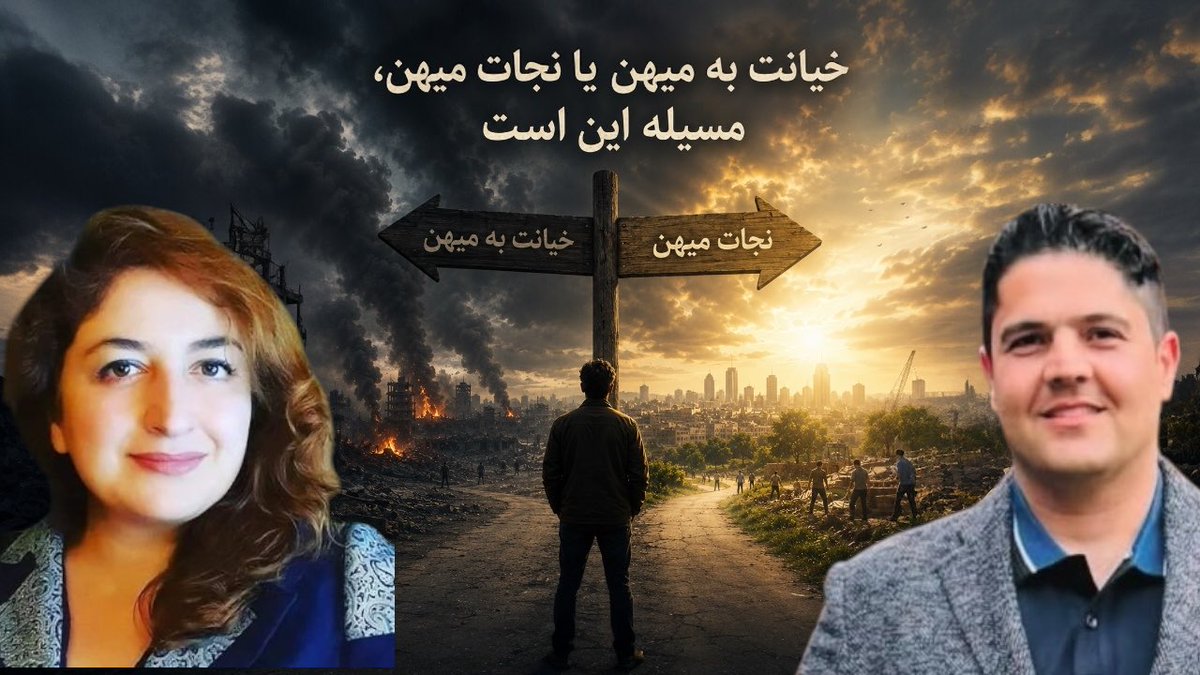
یکشنبه آینده, ۲۱ جون ساعت ۱۱ صبح به وقت غرب امریکا برابر با ۳۱ خرداد ساعت ۲۱:۳۰ به وقت تهران، همراه با بانو شیدا تهرانی گرامی خواهم بود. @Sheyda_RI
موضوع برنامه؛ خیانت به میهن یا نجات میهن، مسیله این است.
@ChantehPodcast
1
22
50
1,037
Jun 13
در اینجا چند مورد کمک خارجیها و شاهزاده و تیمش رو برای کمک به مردم در طول جنگ مینویسم. واقعا دیگه شما مردم چه کمکی بیشتر از این میخواستین که هنوز ج.ا رو شکست نداید؟!
- مجاهدین و تجزیهطلبها رو طبق برنامه FDD براتون مسلح کردن تا همزمان با بمباران وسیع غرب توسط اسرائیل، اینها از غرب کشور وارد بشن و تا تهران رو اشغال کنن.
- شاهزاده بابت مرگ سه سرباز امریکا از طرف ما مردم اعلام کرد ما ایرانیها تا ابد مدیون اوناییم.
- تیم برامون لیست اهداف شامل پتروشیمیها و نیروگاهها رو به اسرائیل داد.
- لیندزی گراهام گفت مشکل ایران رو بعد از 2000 سال قراره حل کنیم.
- ترامپ انقد به فکرمون بود که گفت تمدن ایران رو از صفحه روزگار محو میکنه.
- شبکه سایبری تیم شاهزاده، و در راسشون علیحسین قاضیزاده فضا رو برای بمب اتمی آماده کردن.
- قاسمینژاد نگران خلبان گمشده امریکایی در تلویزیون و توییتر از مردم خواست برای نجات خلبان امریکایی خودشونو فدا کنن.
- کارشناس عرب رسانه اسرائیلی اعلام کرد همونطور که در زمان ساسانیها ما ایرانیها رو شکست دادن الانم شکستمون میدن.
- سردستههای تجمعات تیم، هرروز جلوی سفارتخونهها مراسم رقص و آهنگ برگزار میکردن که مردم انرژی بگیرن.
- امارات قرار شد جزایر رو برامون اشغال کنه و برداره واسه خودش. بن سبطی هم بهومن فهموند جزایر در اشغال رژیمه و اصلا مال ایران نیست. و سرکردگان سایبری تیم هم برامون نظرسنجی گذاشتن که حاضرید به ازای جزایر، ج.ا بره یا نه؟
- تمام لشکر سایبری شاهزاده و تیمش تلاش کردن هر پتروشیمی، داروسازی، نیروگاه، پالایشگاه، پاستور، دانشگاه و پل و... زده میشه سفیدشویی کنن و بگن فدای سر کشورای عرب منطقه.
- حتی پدافندا و جنگندهها و ناوها و زیردریاییها رو برمون زدن که وقتی اومدیم توخیابون دیگه با ناو و F14 سرکوب نشیم.
و کلی از این کمکهای بینظیرِ دیگه که همگی رو مرهون لابی موفق شاهزاده و تیمش هستیم.
خلاصه همونطور که میبینید خارجیا و شاهزاده و تیمش خیلی برای پیروزی مردم زحمت کشیدن ولی معلوم نیست چرا با وجود اینهمه کمک مردم نتونستن از این فرصت استثنایی استفاده کنن!
4
29
68
2,326
Jun 13
شاهزاده ظاهرا شوخی میکنن دیگه؟ عامل تشکیل مافیا پوله. «تیم»ی که شما چیدید فقط به خاطر چند میلیون دلار فاند چنان مافیایی راه انداخته که فساد و باندبازی از توییتر و اینستاگرام گرفته تا جلسات حزبی و سیاسی و دیدارهای خارجی رو فرا گرفته. همین حالا مشاورای شما مستقیم زنگ میزنن افرادی که به مشروطهخواها حمله نمیکنن رو تهدید میکنن. گروههای فشار و حذف مجازی راه انداختید. باندهای بیآبروسازی (دیفیمیشن) راه انداختید.
کشور که در مقیاس هزارمیلیار دلار ثروت داره هیچ، همین یک تیم فوتبال با گردش مالی چند ده میلیون دلاری هم دست شما بدن تبدیل به کارتل تروریستی میشه؛ مافیا هیچ!
شاهزاده رضا پهلوی: در ایران نوین با مافیایی شدن ورزش مقابله خواهیم کرد.
دیدار با برخی قهرمانان، مدالآوران و پیشکسوتان ورزش ایران
26
30
138
6,258
Jun 12
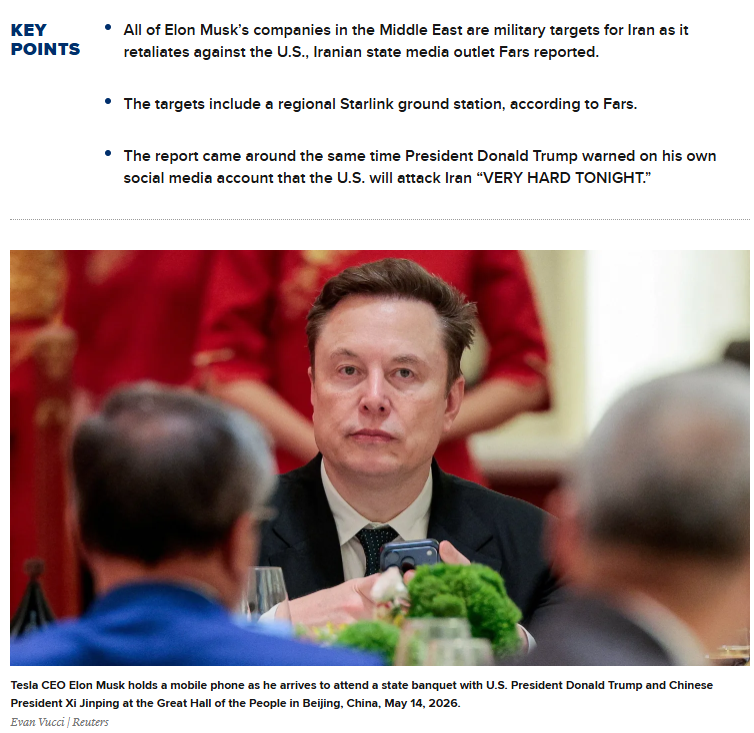
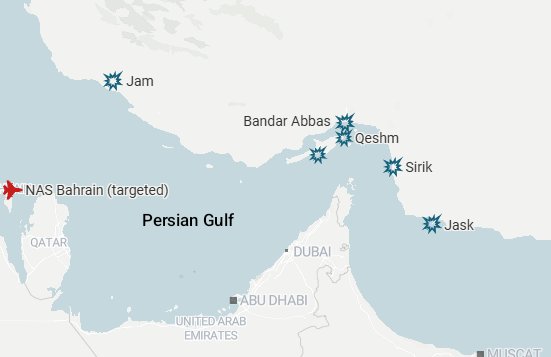
در آخرین روزهای جنگ 39 روزه، ایران لیستی از اهداف زیرساخت تکنولوژی منطقه منتشر کرد (توییت کوت). پس از آن مومنتوم حملات امریکا به شدت افت کرد و چند روز بعد جنگ پایان یافت. همچنین پس از تهدید اخیر ترامپ به ازسرگیری حمله و اشغال خارک، ایران تهدید به هدف قرار دادن داراییهای ایلان ماسک در منطقه کرد. روز بعد خبر لغو حمله و احتمال توافق را شاهد بودیم.
روایت غالب در جنگ جاری، تلاش آمریکا برای توافق را به عنوان «خویشتنداری ضدجنگها» در برابر فشارهای جنگطلبان جلوه میدهد. اما واقعیتِ امر این است که جناح طرفدار توافق و جناح جنگطلب، هر دو از معماران جنگ جاریاند که صرفا ضربات انتقامی ایران را در محاسبات مالی و استراتژیک خود اشتباه قیمتگذاری کرده بودند. و این موضوع برای جناحی که اکنون حامی ثبات (توافق) شده و عمدتا حامیان ونس در انتخابات اخیر بودند حیاتیتر از جناحیست که خواهان ادامه جنگ است.
بنابراین، نوسان میان جنگ و توافق، حاصلِ تغییرات موازنه قوایی است که نمیتوان آن را به اختلاف بین دو جناح ضدجنگ و جنگطلب امریکا تقلیل داد. این نوسان نتیجه بازنگری موقعیت توسط بخشی از جنگطلبان است که متوجه شدند ضربات تلافیجویانه ایران را اشتباه قیمتگذاری کرده بودند. در این فضا، توافق به معنای عقبنشینی استراتژیکِ بخشی از جناح جنگطلب است. از این رو هر توافق احتمالی بسیار ناپایدار است زیرا در صورت امکانِ قیمتگذاری مجدد برای ضربات وارد بر زیرساختهای استراتژیک فناوری، موازنهی قوا میتواند دوباره به نفع جنگطلبان سنگین شود.
Mar 31
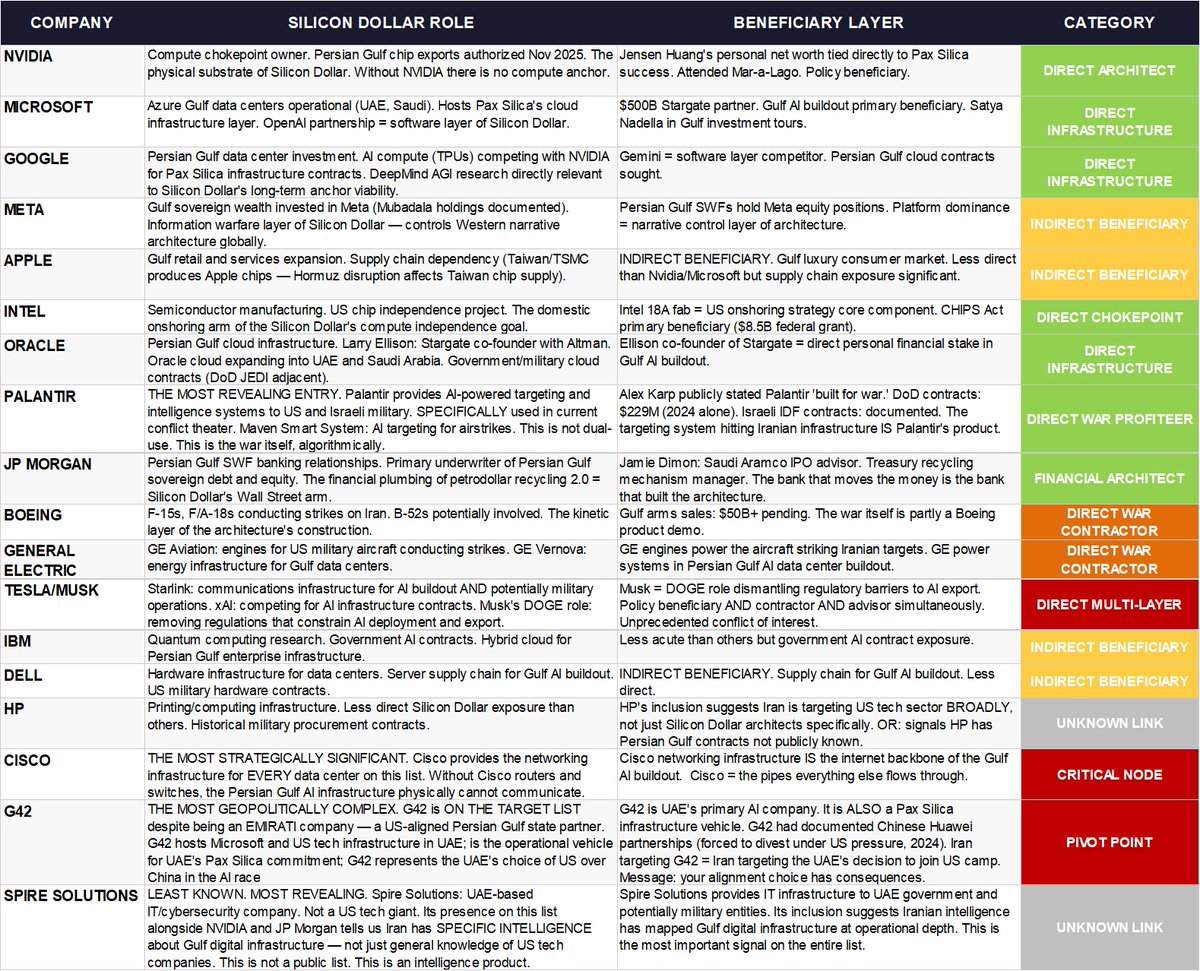
ایران تهدید کرده که در ازای هر ترور، یکی از شرکتهای آمریکایی مستقر در کشورهای حوزه خلیج فارس را هدف قرار خواهد داد. فهرست اهداف منتشر شده، صرفاً یک سری اهداف نظامیِ ساده نیست، بلکه کالبدشکافیِ دقیق ساختار "سیلیکوندلار" (سیستم آتی هژمونی مالی-فناوری آمریکا) است. هر شرکتی که در این لیست آمده، یا سازنده مستقیمِ زیرساختهای این شبکه است، یا تأمینکننده مالی آن، و یا سازنده تسلیحاتی که مسیر پیشروی این سیستم را هموار میکنند.
قابل انکار نیست که اهداف این لیست دقیقاً با ذینفعان غیردولتی (دولت در سایه) جنگ جاری همپوشانی بالایی دارد. ایران بهدرستی تشخیص داده که این جنگ، توسط و برای یک شبکه خاص از سرمایهداران خصوصی در جریان است؛ لذا اعلام کرده که پاسخ او نه فقط متوجه پایگاههای نظامی دولت آمریکا، بلکه مستقیماً علیه این شبکه خواهد بود. این رویکرد، نمایشِ هوشمندانهای از دکترین Unrestricted Warfare است؛ جایی که میدان نبرد، نه پادگانها، بلکه زیرساختهای شرکتی و ستونهای اقتصادیِ هژمونی رقیب است.
جدول زیر، لیست اهداف و موقعیت هریک در معماری جنگ جاری را نشان میدهد:
14
34
1,751
Jun 12
«چه کسی از شاه عبور کرد؟»
«شاه» یه ایدهی جاویده که بر پیکر حقیقیِ یک وارث مینشینه که در مدت حیاتش امانتدارِ اون میراثه؛ لذا بدیهیه این شاهزاده رضا پهلویه که از «شاه» عبور کرده و هر حرفی جز این آدرس غلطِ ناشی از کجفهمی یا غرضورزیه.
این «جاوید» بودنِ شاه، این فرّ، از اوستا تا شاهنامه، موهبتی بود که بر شانهی شاهِ لایق قرار میگرفته؛ فرّی که در تاریخ ایران دیدیم وقتی پادشاهانی از میراثشون دست کشیدن از دست دادن. چون فرّ ذاتی نیست بلکه کسبیه و از دست رفتنی!
مشروطهخواها پیرو «شاهِ جاوید» هستن و این شاهزاده رضا پهلویه که ترجیح داده جامهی شاه رو از تن در بیاره و عریان در برابر ملت بایسته و حالا متعجب شده چرا نخبگان ملی از ایشون روی برگردوندن و کسی جز اوباش و بدسابقهها و واماندههای ۵۷ از ایشون حمایت نمیکنن. قاطبه ملتِ رنجزده که قبلا به ایشون اعتماد داشتن هم به تدریج دارن میبینن که شاه لخته. ملت ایران که «جاوید شاه» رو با خون نوشت، بسیار بهتر از شاهزاده و شیادهای اطرافش درک کرده که پیکرِ میرای شخص حقیقی، جاوید نیست!
#پاينده_ایران
21
27
72
2,668
Jun 11
«فاز دوم جنگ»
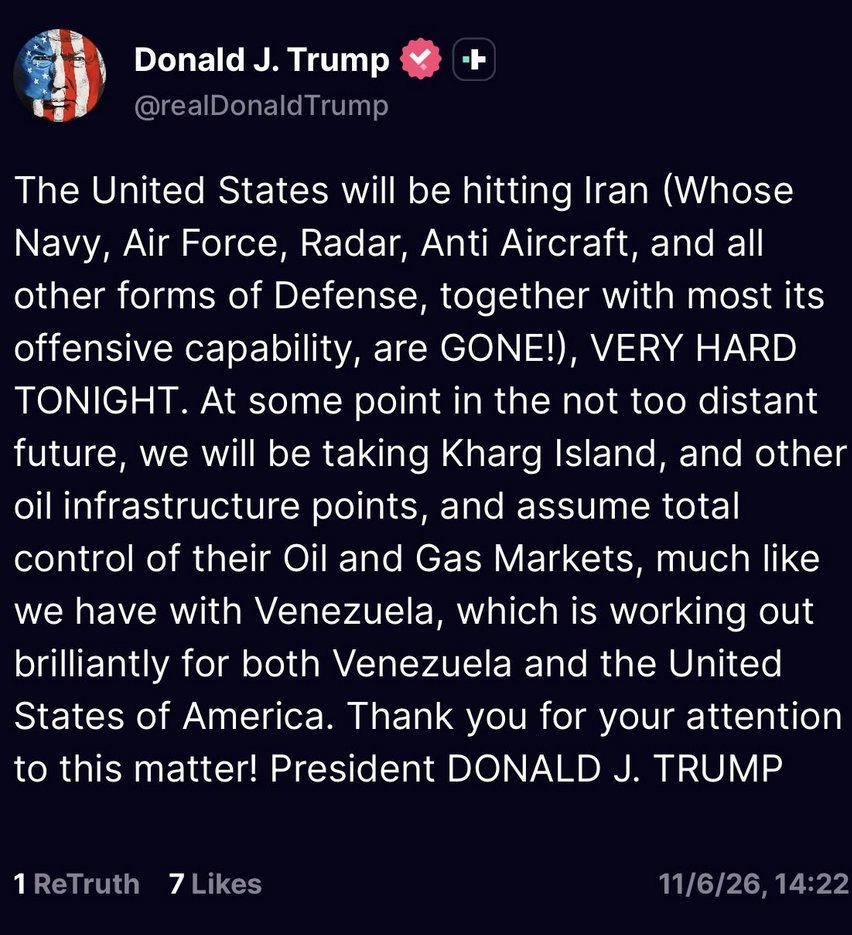
در حملات پیشین زیرساختهای نفتی خارگ عمداً نادیده گرفته شدند. همین حالا هم محاصره دریایی دارد روزی ۵۰۰ میلیون دلار از جیب ایران میمکد؛ یعنی طناب دار اقتصادی عملاً دور گلو قرار گرفته است. خارگ فعلاً به عنوان برگ برنده نگه داشته شده. زیرا هدف واقعی، جغرافیای تنگه هرمز است.
ابوموسی، تنب بزرگ و تنب کوچک که در دهانه تنگه هرمز قرار دارند و طراحان نظامی پنتاگون آنها را «ناوهای هواپیمابرِ غرقنشدنی» مینامند، در لیست تصرف آمریکا هستند. این جزایر ملکِ رژیم ج.ا نیستند؛ خاکِ پاک و حاکمیتی ایران هستند که قرنها در اختیار ایران بودهاند اما امارات که ادعای مالکینشان را دارد و حالا هم به یکی از مهرههای اصلی واشنگتن در طرح سرمایهگذاری خلیج فارس تبدیل شده است. این دو موضوع اصلاً بیارتباط با هم نیستند.
معاملهای که پشت پرده در حال جوش خوردن است، چنین ساختاری دارد: ایالات متحده حضور نظامی دائمی خود در هرمز را در قالب یک پیمان دریایی چندجانبه تضمین میکند و امارات هم جزایر را مال خود میکند. قرار نیست هیچکدام از این دو اتفاق به عنوان «توافق مرزی» جار زده شوند، اما هر دو به واقعیتهای تثبیتشده و روی زمین تبدیل خواهند شد.
برای آن دسته از ایرانیانی که حسابِ «ایران» را از «رژیم» جدا میکنندّ سقوط این حکومت صرفاً دیر و زود دارد اما آنچه هیچ تضمینی برایش نیست، میراثی است که برای ایرانِ بعدی باقی میماند. توافقهای ارضی پس از جنگ که روی جنازه یک حکومتِ شکستخورده بسته میشوند را هیچ حکومتِ جانشینی در آینده نمیتواند به این راحتیها فسخ کند و ورق را برگرداند.
موشکها و حملات، ظاهرا ج.ا را هدف گرفتهاند اما جغرافیایی که دارد از نو نقاشی میشود، متعلق به ایران است.
#پاينده_ایران
3
26
61
2,497
Jun 11
«فداکاری ایرانیان باید سرمایه ملی و سرمشقی باشد برای پیشرفت جنبش ملی که سازنده و آزادی آور است. به فردای بهتر میاندیشد و ارزشهایی مانند استقلال ملی، آبادانی و توسعه کشور را پاس میدارد نه آنکه بهانی باشد برای وطنفروشی و پهنکردن فرش قرمز پیش پای متجاوز.
خون ایرانی نباید سوخت هواپیما و موشکِ اجنبی متجاوز شود.»
#پاينده_ایران
Jun 11

جان یکنفر ایرانی هم برای من عزیز است و کشته شدن یک ایرانی هم زیاد!
ایرانیان برای ارزشهای ارجمند و رسیدن به زندگی بهتر و خوشبختی کشور و مردمانش مبارزه و فداکاری میکنند. هیچ ایرانی میهنپرست، آزاده و دانایی نمیخواهد خون و کوششها و فداکاریاش بهانه و دستاویز یورش، تهاجم و تجاوز بیگانگان شود که بر سر مردم بمب بریزند، زیر ساختهای مدنیت و زندگی را نابود کنند و کل تمدن را تهدید به نابودی کنند و بارها هشدار بدهند که چه بسا بمب اتم خواهند زد و یا با صدای بلند بگویند میخواهیم «خارک» را اشغال کنیم و نفت ایرانیان را ببریم!
فداکاری ایرانیان باید سرمایه ملی و سرمشقی باشد برای پیشرفت جنبش ملی که سازنده و آزادی آور است. به فردای بهتر میاندیشد و ارزشهایی مانند استقلال ملی، آبادانی و توسعه کشور را پاس میدارد نه آنکه بهانی باشد برای وطنفروشی و پهنکردن فرش قرمز پیش پای متجاوز.
خون ایرانی نباید سوخت هواپیما و موشکِ اجنبی متجاوز شود.
2
10
36
865
Jun 11
RT @hojjat_kalashi: @AmeshaSpenta0 جان یکنفر ایرانی هم برای من عزیز است و کشته شدن یک ایرانی هم زیاد!
ایرانیان برای ارزشهای ارجمند و رسیدن…
54
Saeid S. retweeted

Jun 11
The #UnitedStates is executing a structural hegemonic reset that mirrors, but is architecturally deeper than the 1971–1979 cycle. The core logic: dollar credibility erosion ➡️ engineered or exploited crisis ➡️ new commodity/technology anchor ➡️ hostile regional power
1/3
1
2
5
159