damn🐈⬛🐈🐈⬛🐈⬛🐈 🐈 and ferrets....wee stinkers
Joined July 2014
- Tweets 127,229
- Following 4,317
- Followers 1,455
- Likes 118,796
1,745 Photos and videos


Katrina Hoogendam retweeted

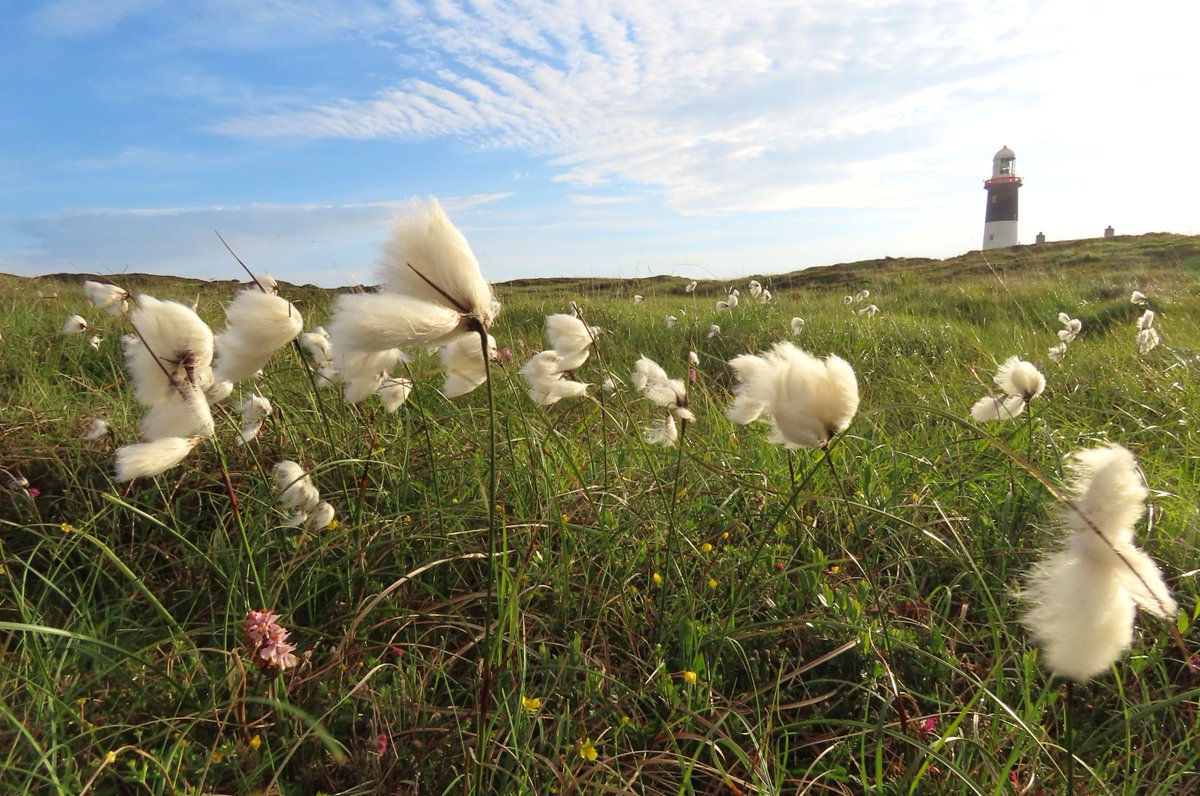
Saw the briefest flash of gold in the distance early this morning, almost thought the mind was playing tricks... But later it appeared again, unmistakably a real Golden Hare! Always such a thrill to spot one of these beautiful creatures, unique to Rathlin Island

1
4
36
Katrina Hoogendam retweeted

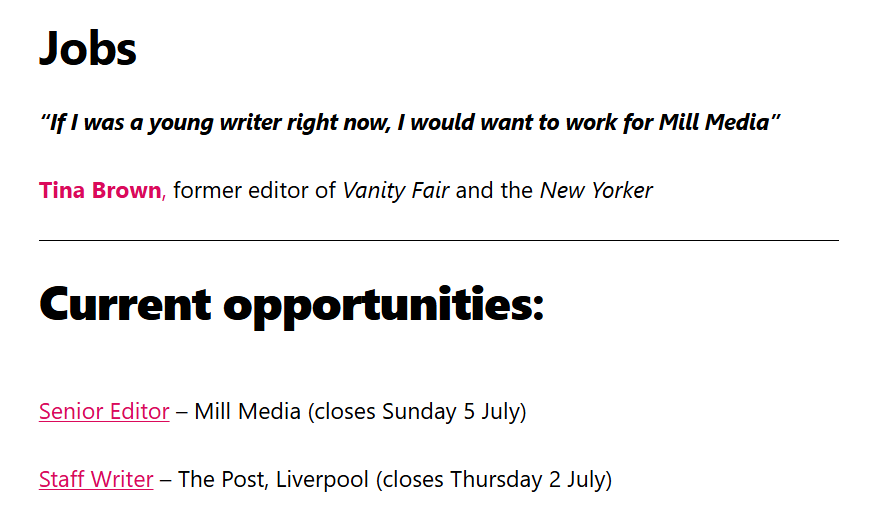
Good news - we're hiring TWO roles...
✍️ A Senior Editor (can be based in any of our cities) to manage some of our reporters and biggest stories.
✒️ A staff writer in Liverpool to work for @liverpoolpost.
Rare chance to join this fantastic team!
millmediaco.uk/jobs/
5
6
327
Katrina Hoogendam retweeted

👏 ITV speaks to businesses in Northern Ireland 10 years after Brexit.
A food wholesaler: extra £750k tied up in stock, huge delays on goods from GB, and constant red tape.
“Cheese I could have ordered today in Wales could have been here tomorrow. It’s now a 7–14 day lead time and five to seven bits of paperwork.”
Promised control and opportunity. Delivered higher costs, delays, and frustration.
Northern Ireland does not have the “best of both worlds”. It has the best of the worst worlds created by Brexit.
Yes, some businesses get dual market access (GB EU). But the reality for many is:
• Extra hundreds of thousands tied up in stock
• 7–14 day delays on goods from Great Britain
• Mountains of paperwork and red lane checks
• Ongoing political tension and identity friction
Brexit forced a border somewhere. In Northern Ireland, it created complexity, cost, and compromise everywhere.
This is the messy, unsatisfactory hybrid that was always going to happen when you leave the Single Market but try to keep an open Irish border.
Not a win. A painful fudge. The Brexit experiment continues to extract a heavy price.
Watch full documentary @jordan_utv tweet below.

Watch the full program - "A Decade of Brexit" - difficulties with the Irish Sea border, the view of farmers, impact on hospitality and the £1m cost to one business itv.com/watch/news/up-close-…
2
18
34
1,459

Katrina Hoogendam retweeted

He has arrived safely. ❤️
Just a baby, under a year old, with a badly broken body.
The pressure sores on his body tell a heartbreaking story. He had been lying in the same spot for days, under temperatures exceeding 50°C, unable to move.
No one knows where he came from.
No one knows who his owner is.
He is now receiving urgent care, and we will share a full update very soon.
We are still £70 short of his transport bill and urgently need help with his treatment too.
Please help us give this baby a second chance.
💳 PayPal: paypal.me/TAWFUK
❤️ Construction GoFundMe: gofundme.com/f/tawf-sanctuar…
🔗 linktr.ee/tahiraanimalwelfar…
50
665
2,059
30,962
Katrina Hoogendam retweeted
This little cutie also seen today - a young Razorbill chick briefly peeping out from the shelter of its protective parents while it gobbled down some fish for breakfast #SuperSeabirdSunday
1
19
145
1,519
Katrina Hoogendam retweeted

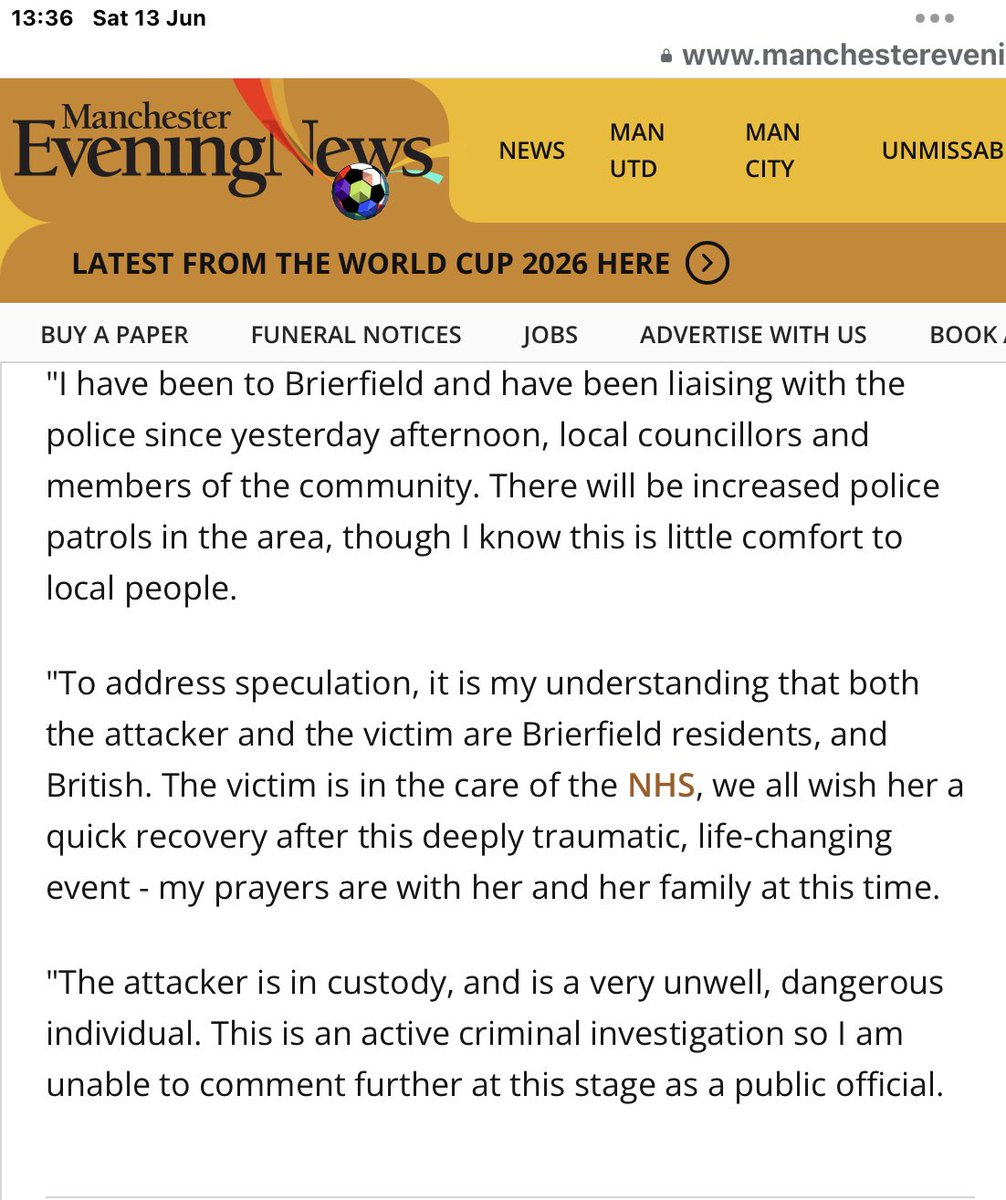
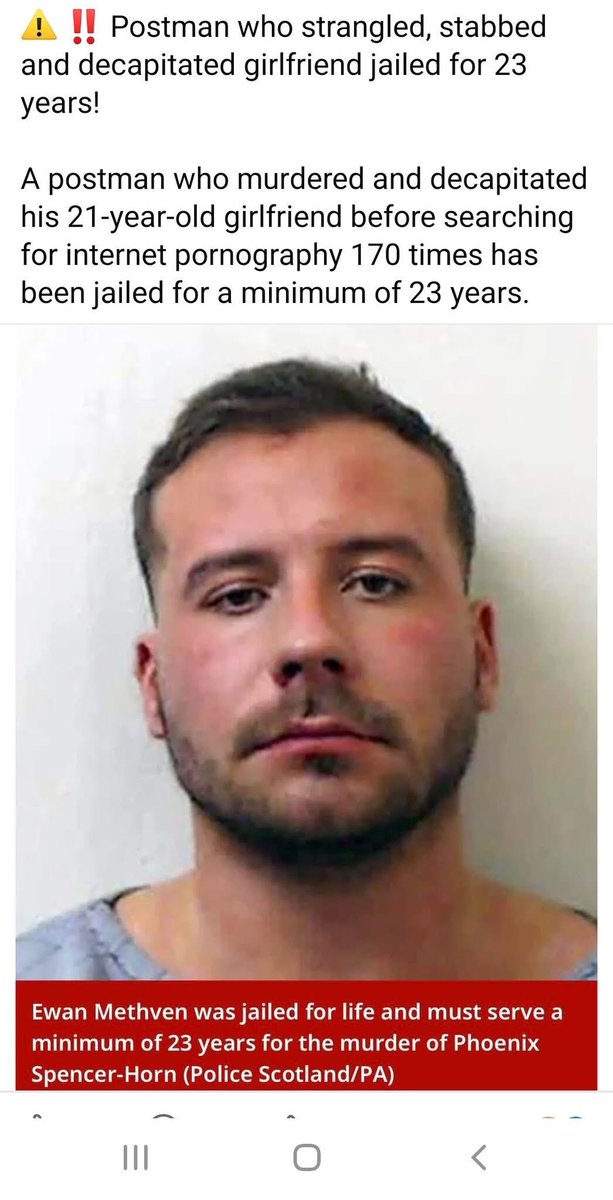
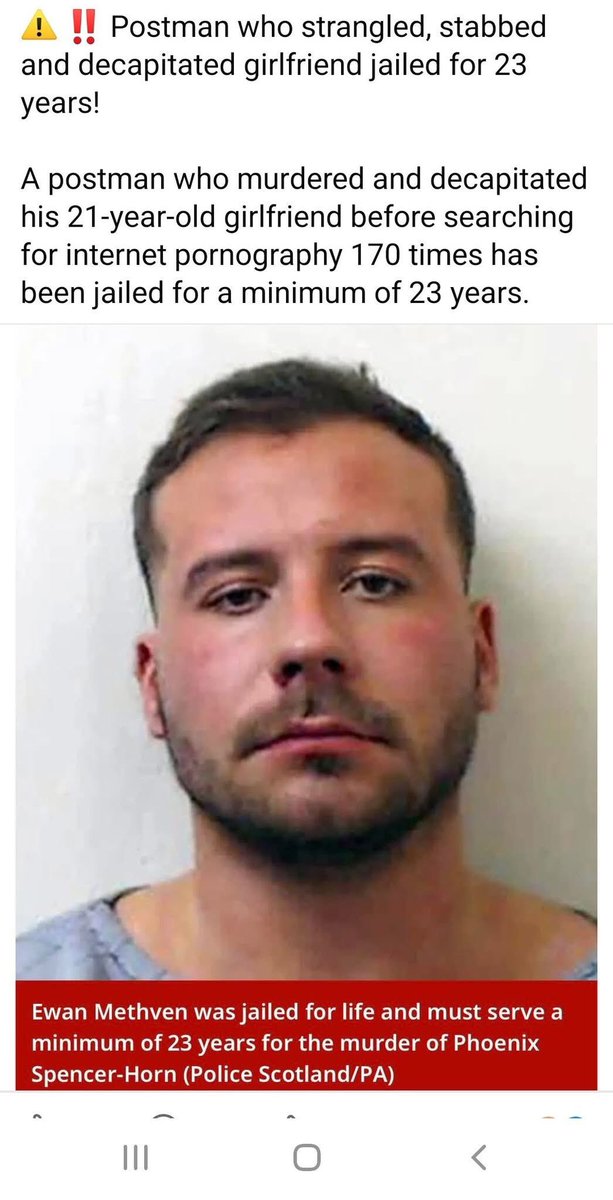
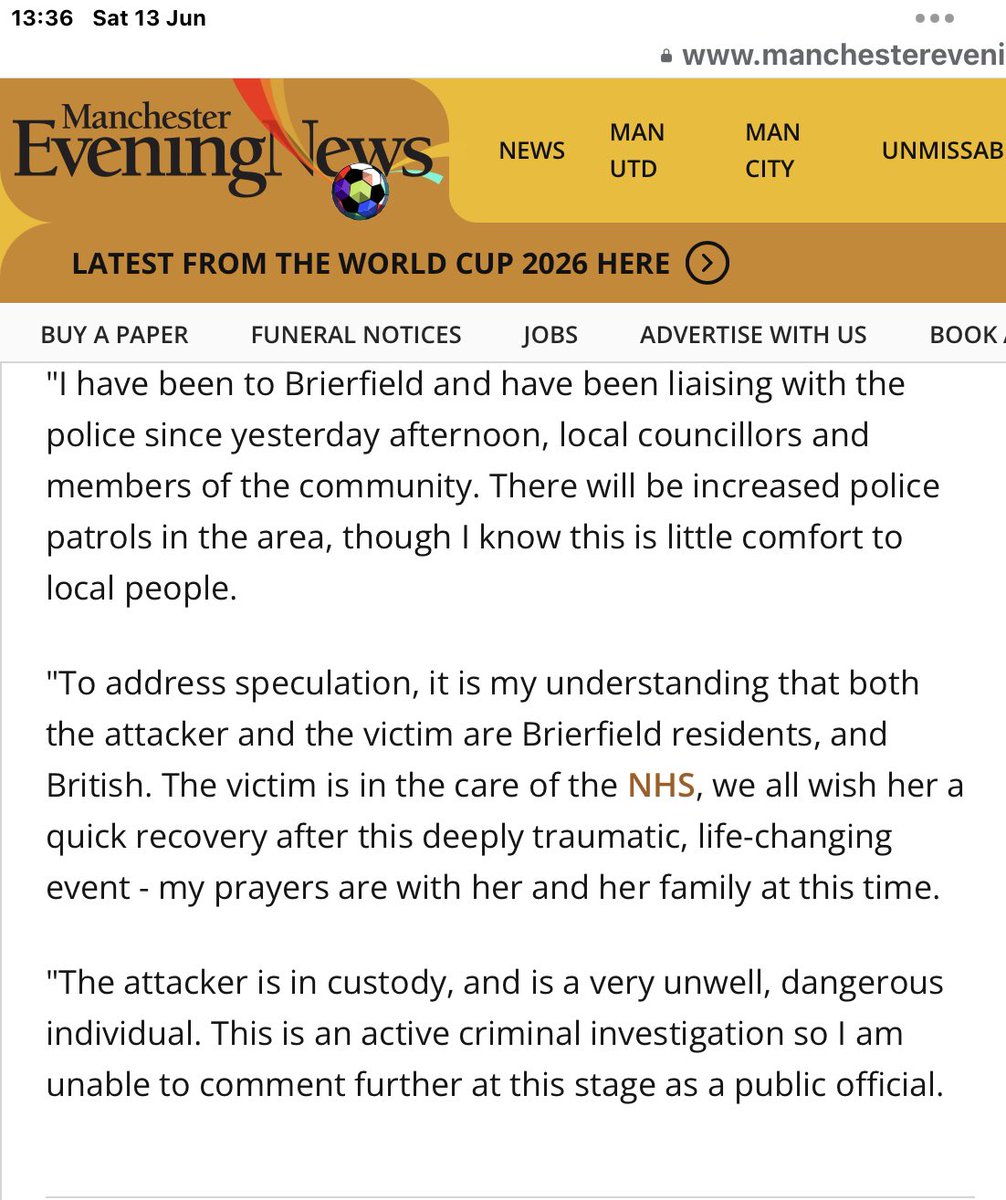
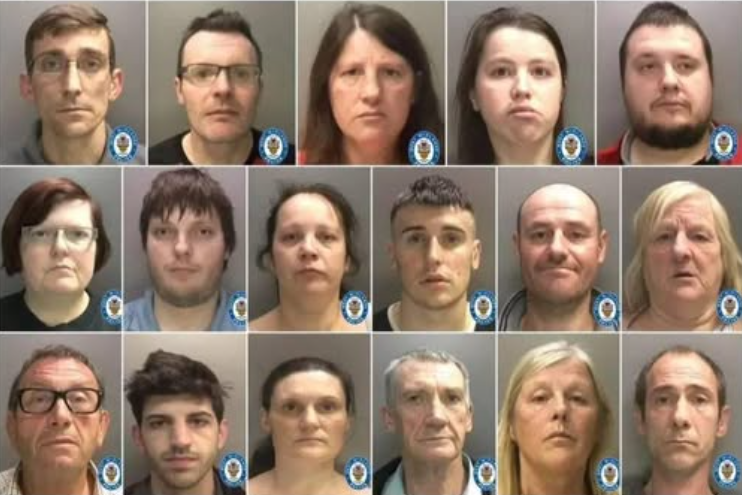
Paedophiles that West Midlands Police caught under 'Operation Satchel' who they called 'Every Parents Worst Nightmare'.
Notice anything about them?
1,549
3,703
8,453
269,843
Katrina Hoogendam retweeted

A timeline cleanse.
How beautiful is this !
Jun 13

This wren is only about 4” (100mm) long, yet bathes us in beautiful song.
How much greater and impact we can make… to bring peace and joy to the spaces around us.
8
22
92
1,307
Katrina Hoogendam retweeted

Rays of light through the mist. Always lovely to see. This photo was taken in the field at the bottom of Glastonbury Tor. The structure is one of the Syrens Way markers. It has a little bell in it.

45
264
1,668
9,805
Katrina Hoogendam retweeted

24 May 2025
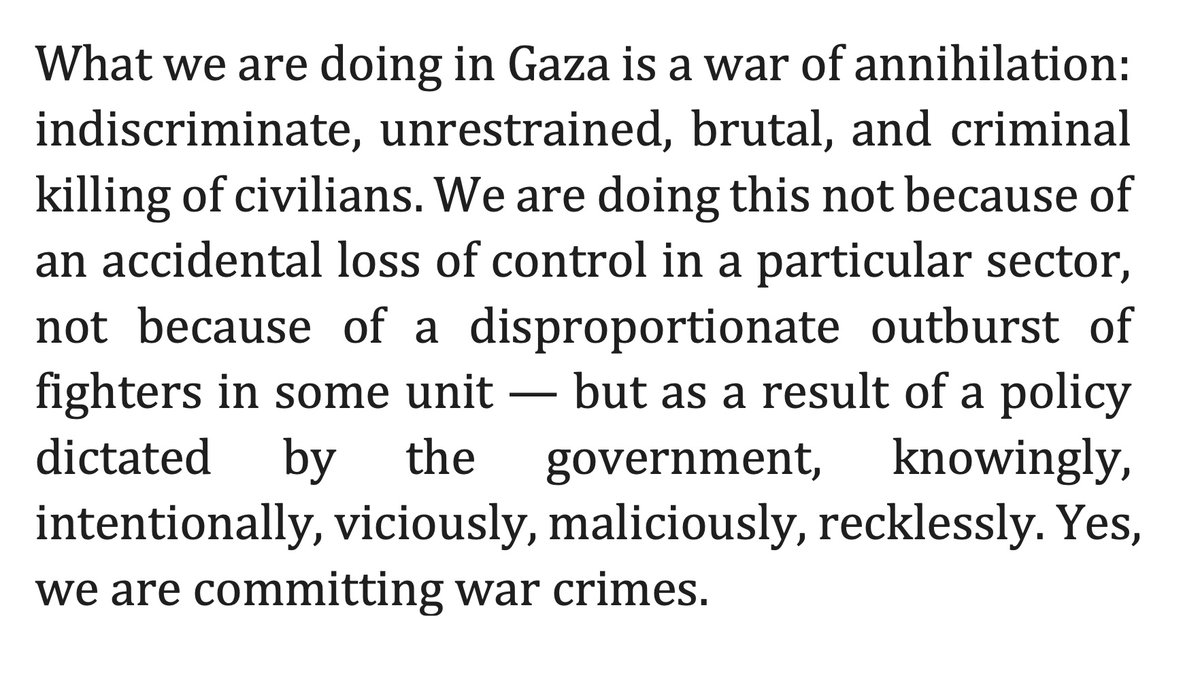
If you read, and retweet, one post on Gaza this weekend let it be this
24 May 2025

In Haaretz Hebrew, 22 May, former Israeli PM Olmert says he used to think that the mass killing of civilians in Gaza was a result of a "tragic war" & he denied the charges of genocide & war crimes, but now he thinks: it is an intentional annihilation. archive.ph/3vvOi
54
2,496
3,564
217,689
Katrina Hoogendam retweeted

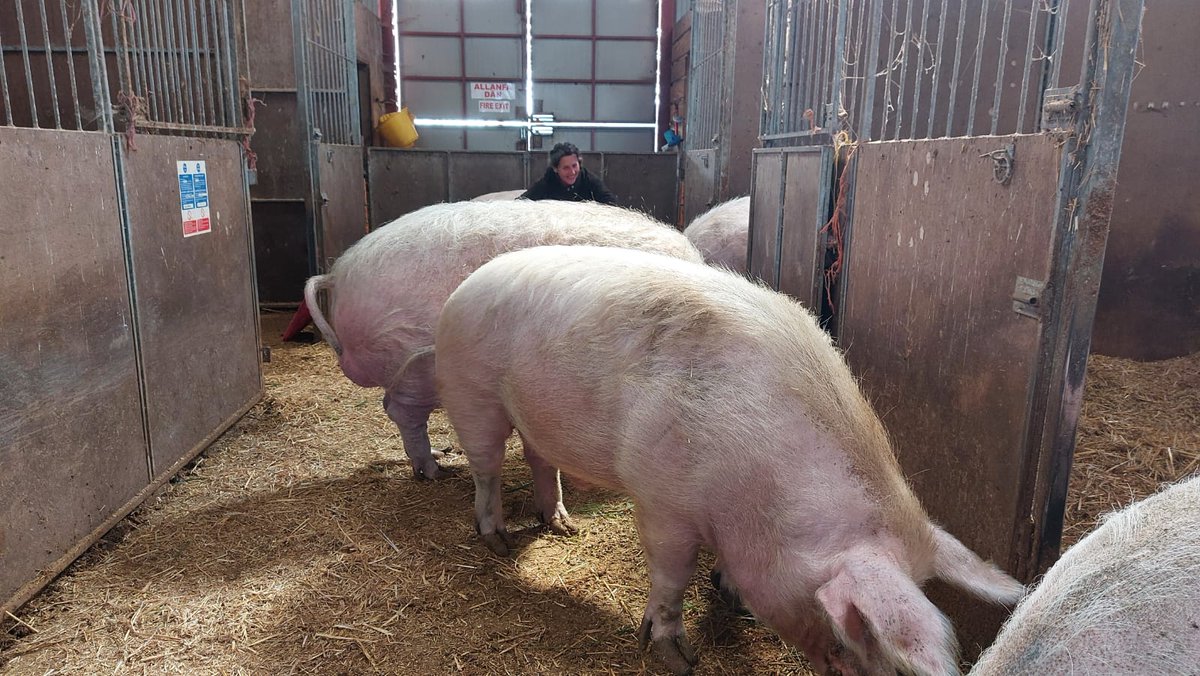
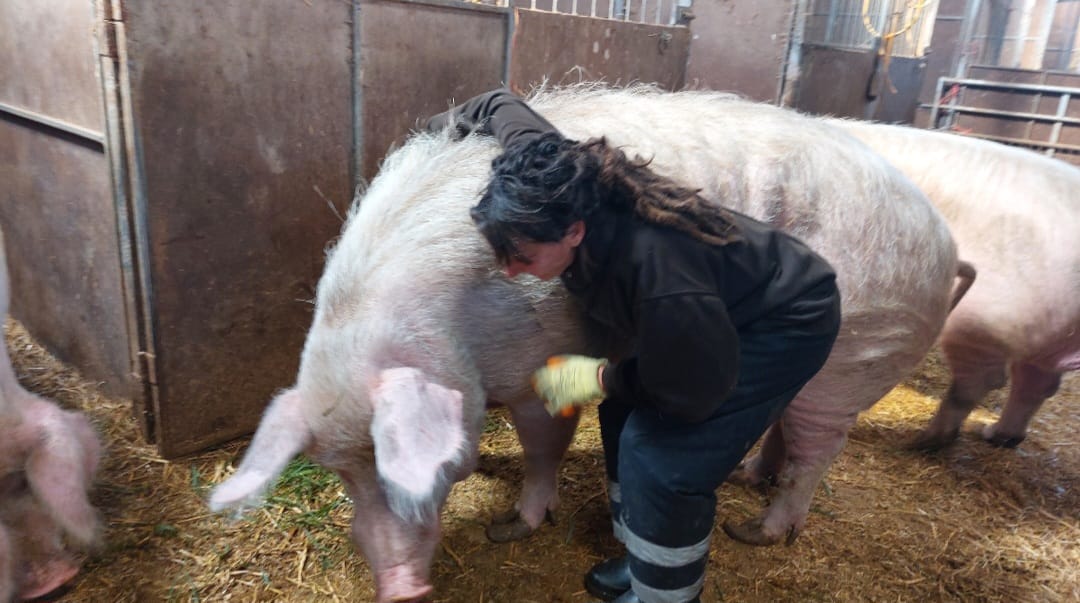
I will never forget the day that I visited the Giant Boars at Beneath the Wood Sanctuary.
The thought of them all losing their barn & lives is unthinkable.
They were saved from slaughter once.
TOGETHER WE CAN SAVE THEM AGAIN🐗🐗🐗🐗🐗🐗🐗🐗🐗🐗🐖
donorbox.org/gandalf-needs-h…
2
107
154
3,128
Katrina Hoogendam retweeted

Jun 13
Antarctica’s west coast missing an area of sea ice the size of France as temperatures peak 20C above average.
theguardian.com/world/2026/j…
12
193
538
27,174
Katrina Hoogendam retweeted

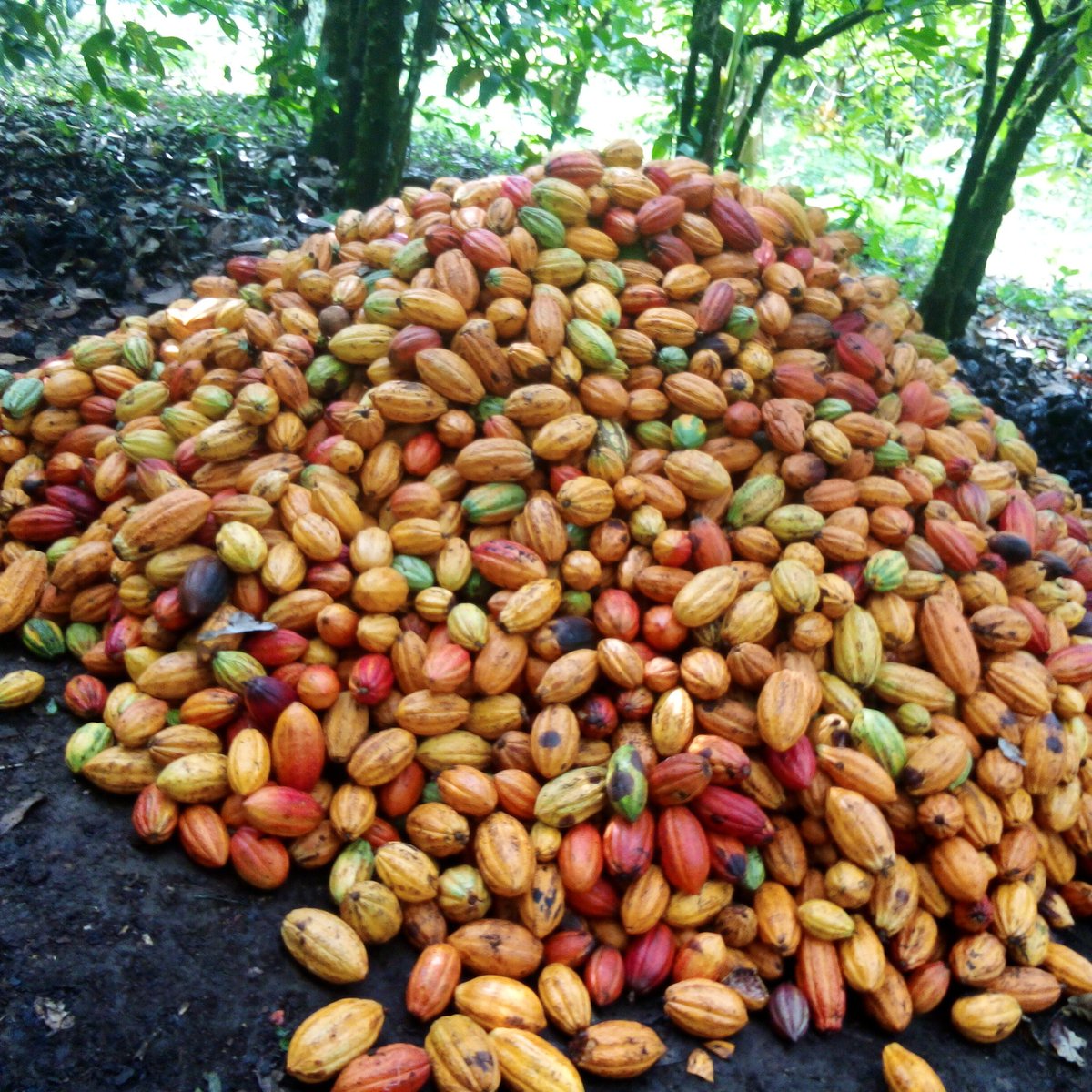
1/3 of all food produced is wasted. If food waste were a country, it would be the 3rd largest emitter of greenhouse gases.
Let’s stop fighting nature and start farming with it. 🌿✨
#Sustainability #ClimateJustice #ActNow #GreenRevolution #GlobalGoals
79
131
1,227
Katrina Hoogendam retweeted

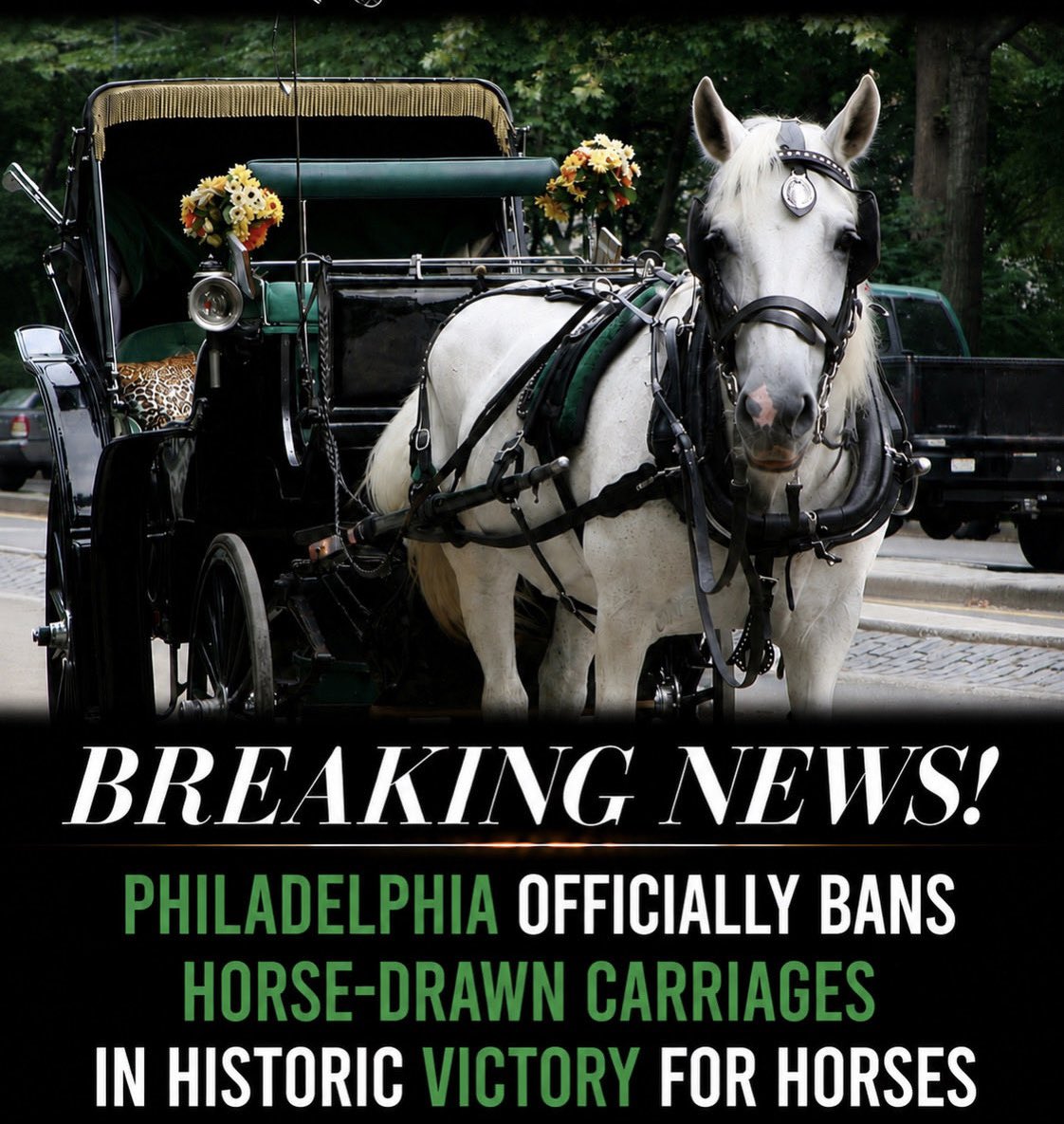
Well done Philadelphia 👏👏.
Philadelphia officially bans horse-drawn carriages in historic victory for horses!
New York City, please follow suit!
181
1,960
7,303
47,465
Katrina Hoogendam retweeted

Jun 13
87 years old. Every flower bag is handmade with patience, care, and a lifetime of skill. When you carry one, you're carrying a story, not just a bag. Own a beautiful piece made by real hands before they're gone forever. 🌼 Shop now.
17
41
235
19,983
Katrina Hoogendam retweeted

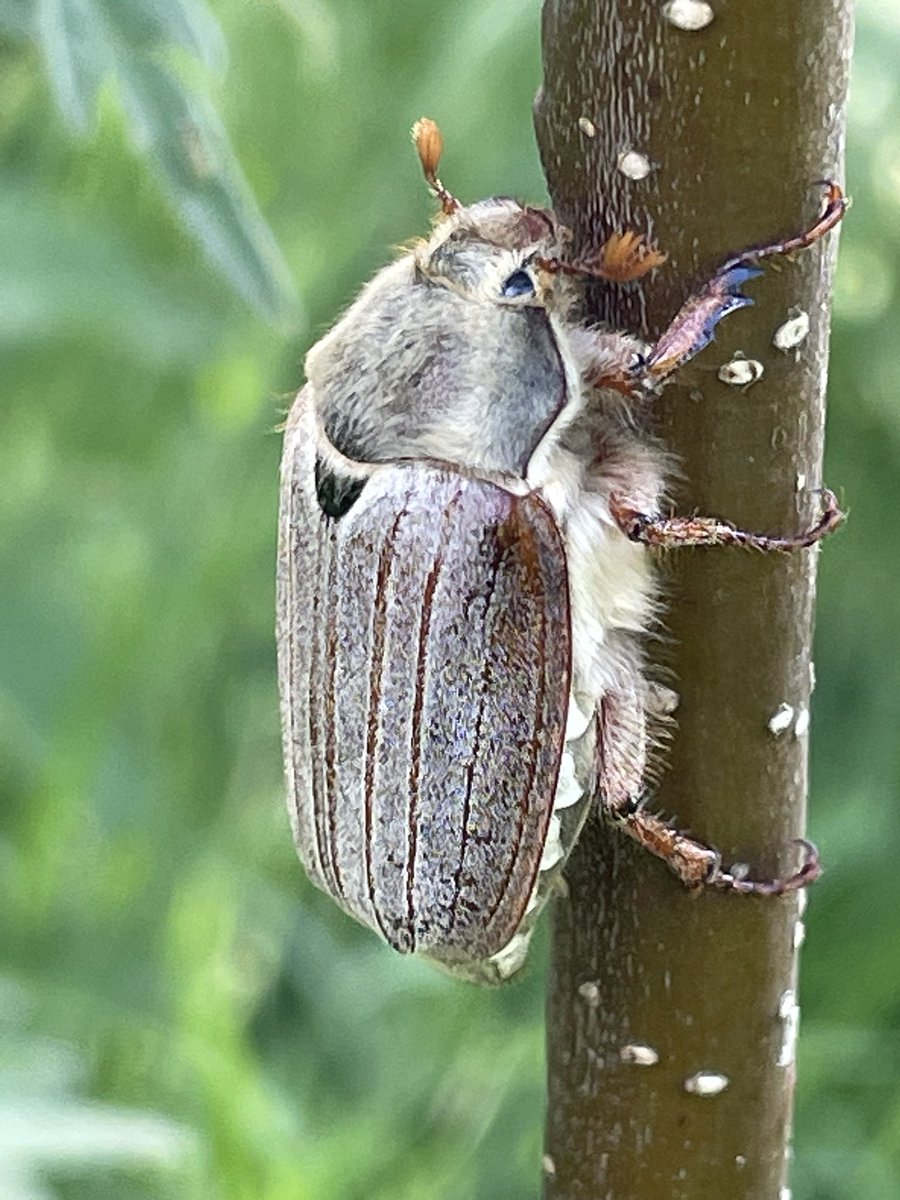
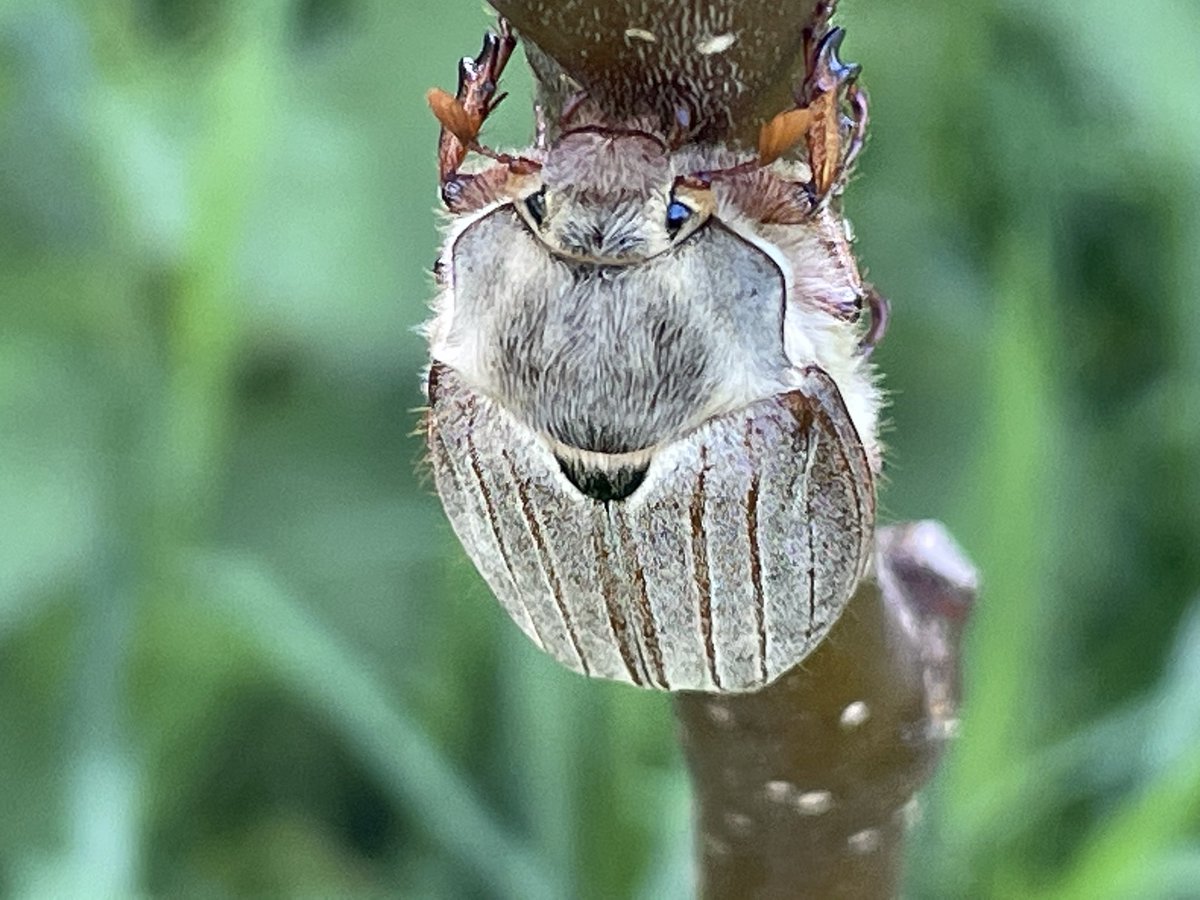
A creature with various names - Junebug/Maybug or common cockchafer & crazy fliers. They fly like they’re a tired drunk,constantly bumping into things. Completely harmless, unless you panic if they get caught in your long hair. Their antennae look like a pair of bushy eyelashes
9
15
127
2,010
Katrina Hoogendam retweeted

Jun 13
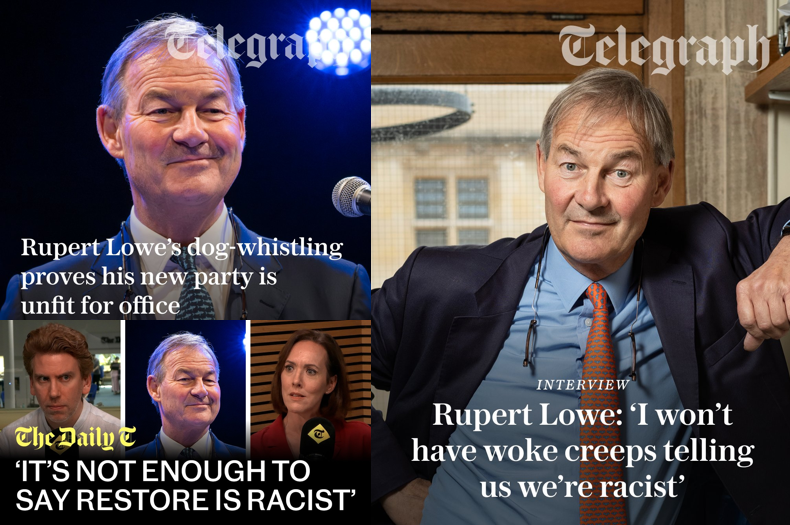
When it comes to the overwhelming majority of ordinary British people, Rupert Lowe and Elon Musk see the best in the worst of us, and the worst in the best of us.
Jun 13

Rupert Lowe’s rhetorical strategy, particularly his repeated use of terms such as “savages,” “third world savages,” “barbarians,” and “animals” to describe migrants from certain countries, alongside calls for the deportation of “millions and millions,” exemplifies a deeply flawed and politically counterproductive approach to discussing migration, crime, and social cohesion.
While Lowe presents himself as a truth-teller confronting realities others are unwilling to acknowledge, his rhetoric frequently substitutes visceral outrage and civilization caricature for careful, evidence-based analysis. The result is a style of political communication that dehumanises broad categories of people, exploits strategic ambiguity, and weakens the intellectual and political foundations of the reforms it claims to advance.
A defining feature of Lowe’s rhetoric is its calculated imprecision. References to “dangerous third world savages” being placed in British communities are rarely confined to clearly defined categories such as convicted violent offenders or failed asylum seekers. Instead, they are embedded within a broader discourse that encompasses those who allegedly fail to integrate, depend on welfare, occupy social housing, or originate from countries associated with large-scale migration.
This rhetorical elasticity allows him to move seamlessly between specific criminal acts and much wider populations. By embracing accusations of racism with remarks such as “If that makes me a racist, so be it,” while avoiding precise definitions, he cultivates the appearance of fearless candour while preserving plausible deniability. The effect is to transfer the stigma attached to the most serious offenders onto far larger groups who share only nationality, ethnicity, religion, or migrant status.
The significance of this ambiguity extends beyond questions of tone or precision. It reflects a broader process of essentialisation, whereby complex social phenomena are reduced to supposedly inherent characteristics of groups. Individual crimes, criminal networks, or integration failures become evidence not merely of specific social problems but of deeper national, religious, or civilizational deficiencies.
Terms such as “invasion,” “savages,” and “barbarians” do more than express anger; they establish a moral framework in which Britain is cast as a civilised society under siege from alien and inferior forces. Such language erases individuality, flattens complexity, and encourages audiences to interpret social tensions through the lens of collective threat rather than institutional failure, policy design, socioeconomic conditions, or individual responsibility.
The dehumanising character of this rhetoric is not incidental but central to its persuasive force. Labels such as “animals” and “savages” symbolically place their targets outside the boundaries of ordinary moral consideration. This is a well-established feature of dehumanising language in political communication, which frequently employs animalistic imagery to erode moral constraints and make exclusion or harsh treatment more publicly acceptable. History teaches us where it can lead. Lowe’s language implies that the pathologies associated with particular offenders are characteristic of the groups from which those offenders emerge.
Even when Lowe invokes genuine horrors, for example the grooming gang scandals in Rotherham, Rochdale, Telford, and elsewhere, where men of predominantly Pakistani heritage perpetrated systematic abuse amid institutional failures and documented reluctance by some officials to act for fear of racism, the framing encourages audiences to treat these crimes as representative of broader populations rather than particular offenders in specific contexts. In doing so, it amplifies perceptions of collective danger and blurs crucial distinctions between perpetrators and the vastly larger groups with whom they are associated.
This dynamic is reinforced by Lowe’s tendency to collapse a range of distinct issues into a single narrative of national decline and external threat. Grooming scandals, asylum policy, migration through irregular routes, violent crime, demographic change, welfare dependency, housing pressures, and integration failures are repeatedly woven into one simplistic overarching story of a country being overwhelmed by outsiders. The truth is that these phenomena have multiple different causes and require different responses. The language of “millions” who must leave Britain discourages differentiation and promotes sweeping attributions to broadly defined out-groups.
This tendency functions as a form of moral amplification. Highly salient crimes become symbolic representations of entire populations, while exceptional cases are elevated into evidence of broader civilization dysfunction. The emotional power of such rhetoric comes from compressing complexity into a simple story of civilisation vs barbarism, “us” vs “them.” However, the same simplification that makes it potent also makes it analytically weak and, at best, liable to generate policy responses that are poorly aligned with the complexity of the underlying problems.
Politically, Lowe’s rhetorical style is as self-defeating as it is inflammatory. His dismissive attitude towards labels such as racist, xenophobe, or Islamophobe may energise a committed base, but it ensures that debate centres on his language rather than the substantive issues.
Many voters who support tighter controls still recoil from rhetoric that evokes collective guilt or civilizational hierarchy, which some audiences associate with narratives of white supremacy. As a result, language designed to demonstrate uncompromising conviction often narrows the coalition needed for real change.
None of this requires denying cultural differences, integration challenges, or institutional failures. Serious discussion must confront uncomfortable realities, including patterns of offending in particular cohorts and institutional reluctance to address sensitive issues. But it depends on maintaining careful distinctions between individuals and groups, statistical patterns and moral judgements, and policy failures and personal responsibility. Lowe’s rhetoric repeatedly collapses those distinctions, sacrificing analytical precision for emotional force.
Ultimately, a significant problem with Lowe’s approach is not that it addresses difficult subjects but that it does so through dehumanisation, essentialisation, and deliberate overbreadth, when Britain needs a debate grounded in specificity, proportionality, and human dignity.
Rhetoric that relies on caricature, ambiguity, and collective stigma may generate outrage effectively, but it obscures the problems it claims to illuminate, makes constructive solutions harder to achieve, and distorts rather than illuminates public understanding.
13
22
781
Katrina Hoogendam retweeted
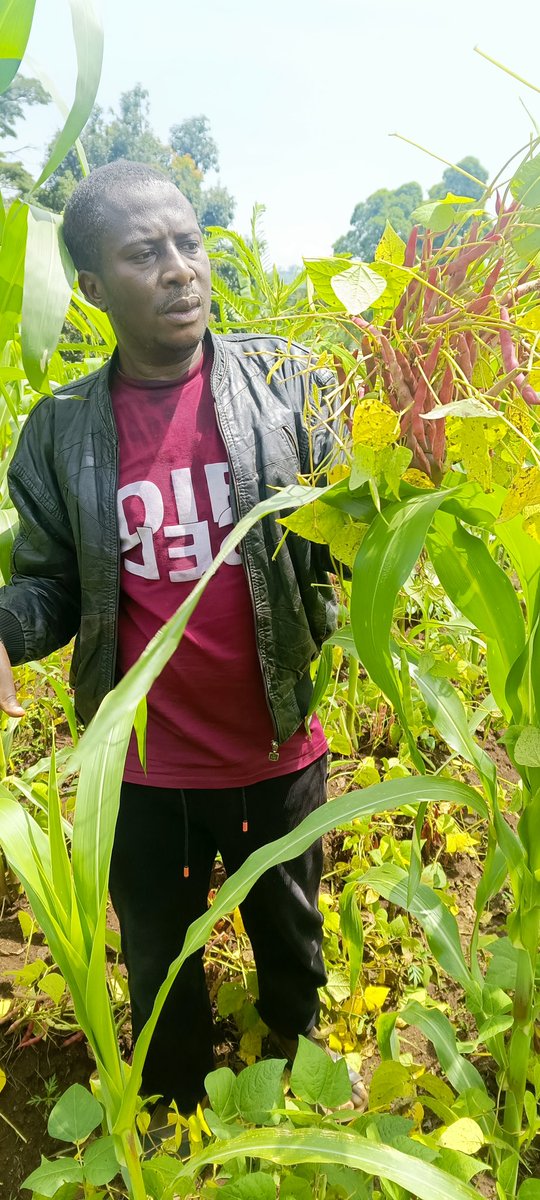
Harvest season doesn't wait. In Kumbo, we're knee-deep in beans This crop keeps our soil healthy (nitrogen fixation!) and our pots full. Respect to every farmer waking up early to gather this protein-rich gift.
Now educate me: What crop is currently being harvested in your area?
4
21
38
480
Katrina Hoogendam retweeted

Jun 13
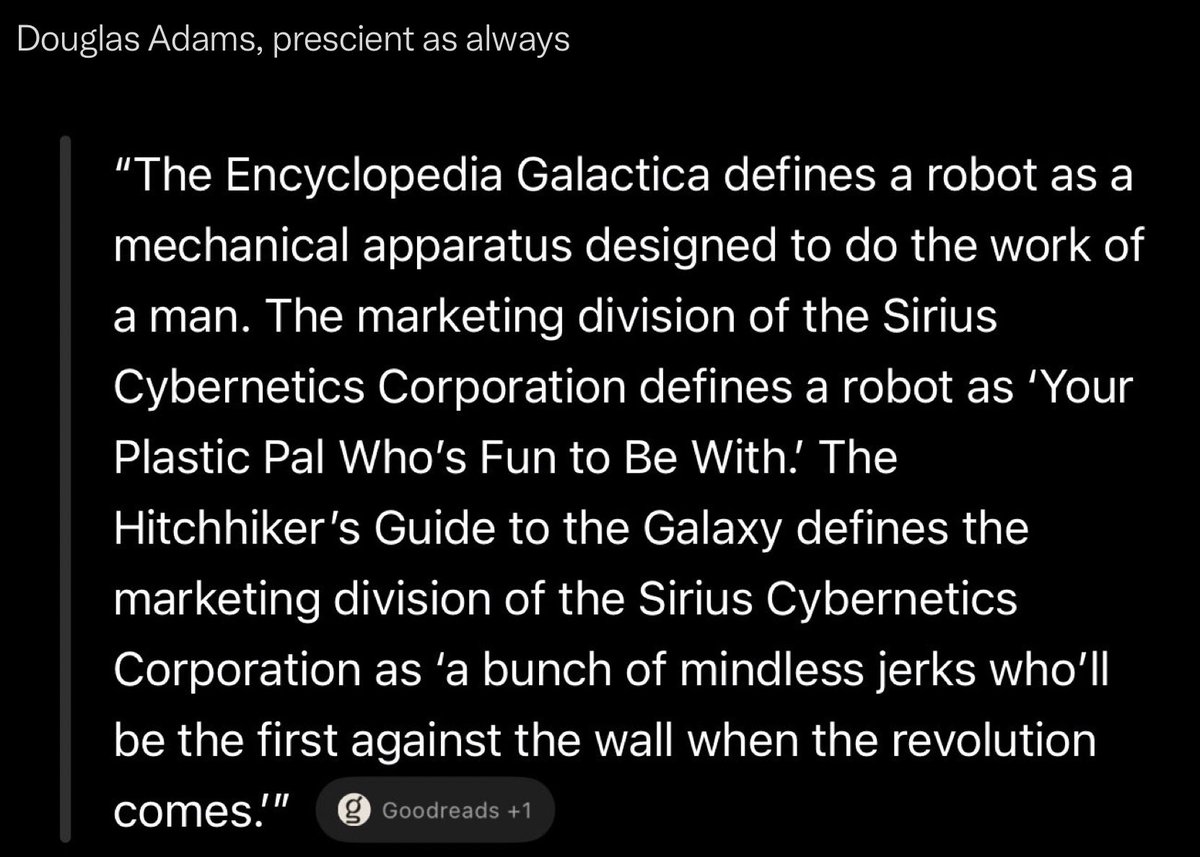
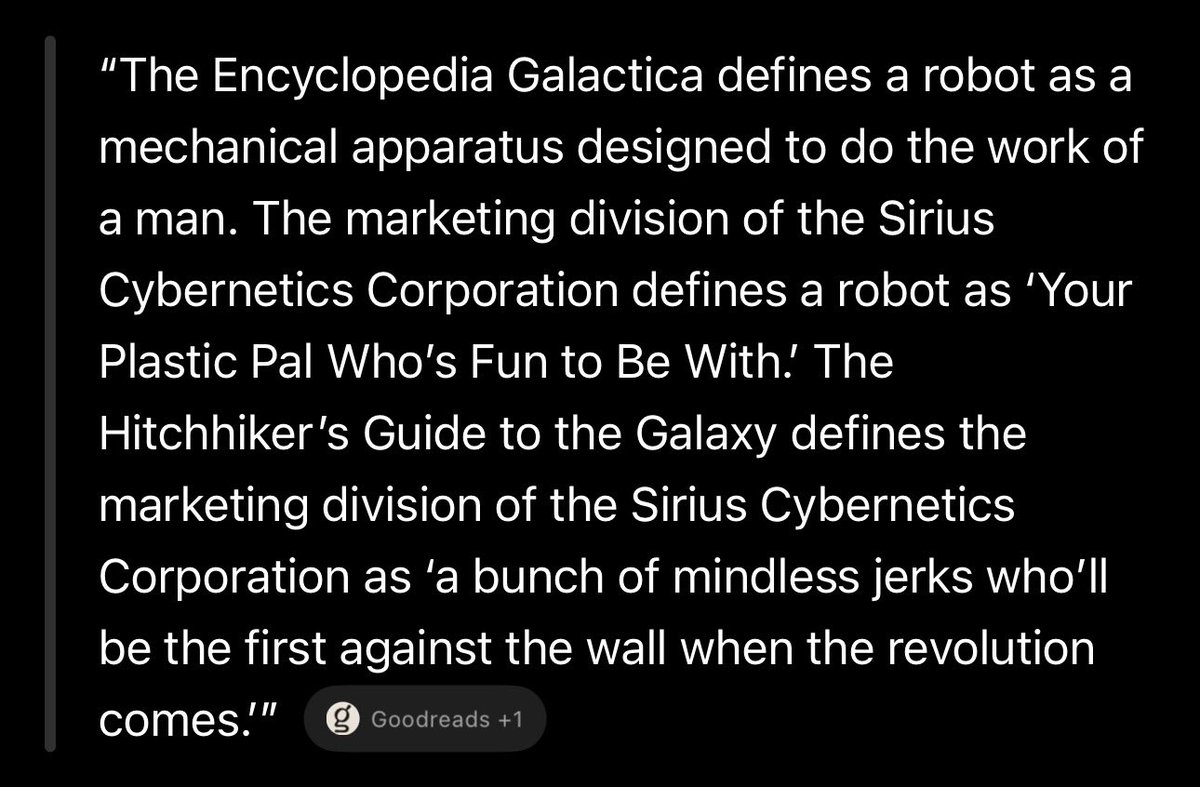
Douglas Adams, prescient as always
14
428
2,372
40,070
Katrina Hoogendam retweeted

Jun 12
In the USA in 1943 they produced a film 'Don't be a Sucker' about fascism.
It perfectly explains Nigel Farage, Donald Trump, Elon Musk and the entire Right.
209
5,266
10,531
130,572