US Coastal Research Program: A National coastal effort to coordinate Federal activities, strengthen academic programs, and build a skilled workforce.
Joined August 2019
- Tweets 406
- Following 163
- Followers 655
- Likes 151
278 Photos and videos
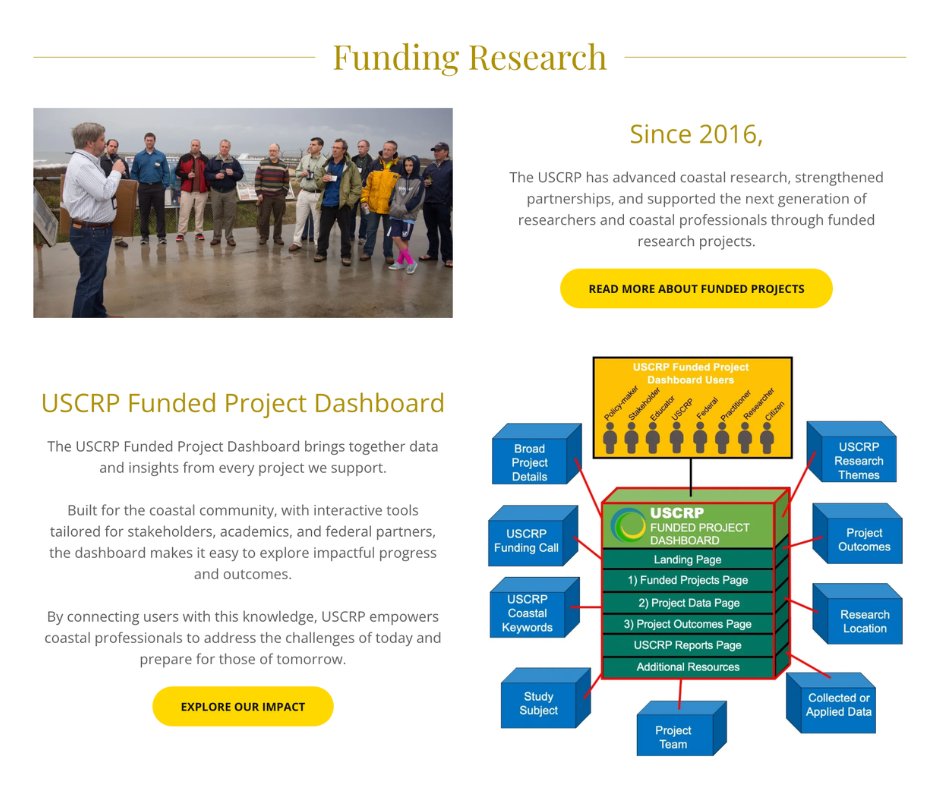

🌎 Happy Earth Day! Today is a reminder that healthy coastlines are essential to a healthy planet.
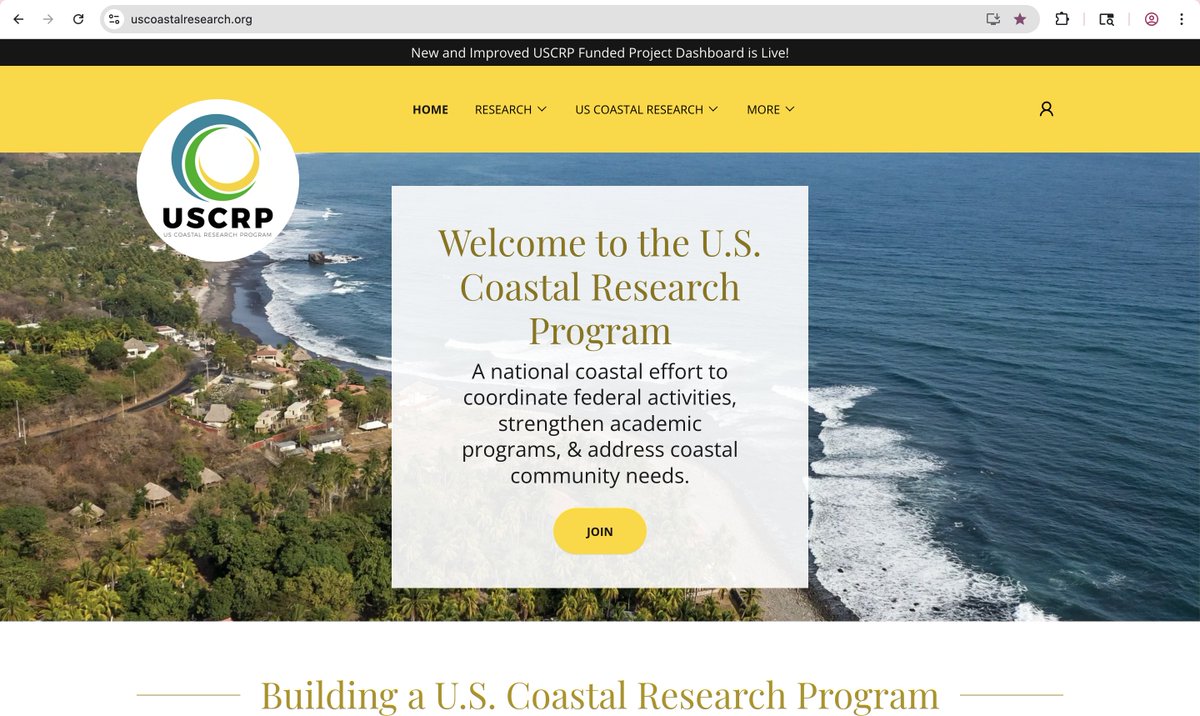
👉 See how USCRP is contributing to a more resilient future at uscoastalresearch.org/our-im…
1
54
As part of the USCRP website revamp, the new “Our Impact” page showcases the outcomes, tools, and collaborative efforts that help translate research into better decisions for people and ecosystems
👉 See how we are contributing to a more resilient future: uscoastalresearch.org/our-im…
51
🗞️ Got news? We want to hear it!
If you have recent publications, project outcomes, events, or other announcements, please share them with us by emailing Annie.Mercer@ASBPA.org
#USCRP #CoastalResearch #GotNews #CoastalResearchNews #ShareYourNews
9
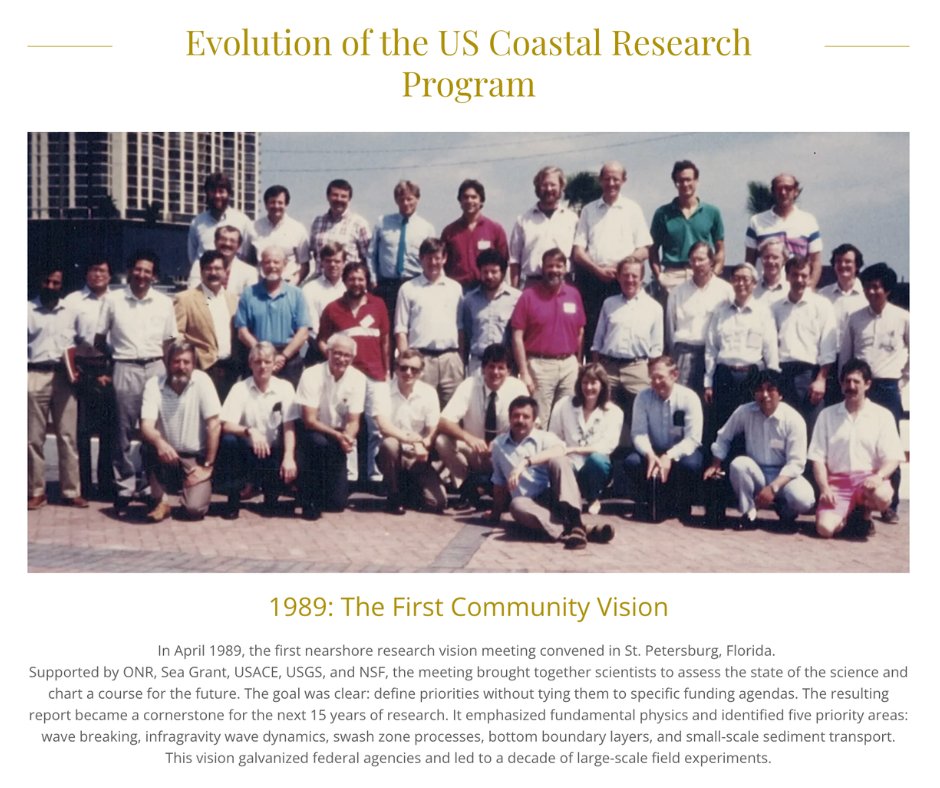
🤔 How did USCRP become what it is today?
For more than a decade, the USCRP has brought together federal agencies, academics, and stakeholders to build a community of practice to address societal needs along the coast. 🤝
Check it out now: uscoastalresearch.org/histor…
1
1
27
As part of the USCRP website revamp, we have introduced a new “History of USCRP” page that traces the program’s evolution - from early collaborations that shaped national coastal research priorities to the milestones that continue to guide our work.
22
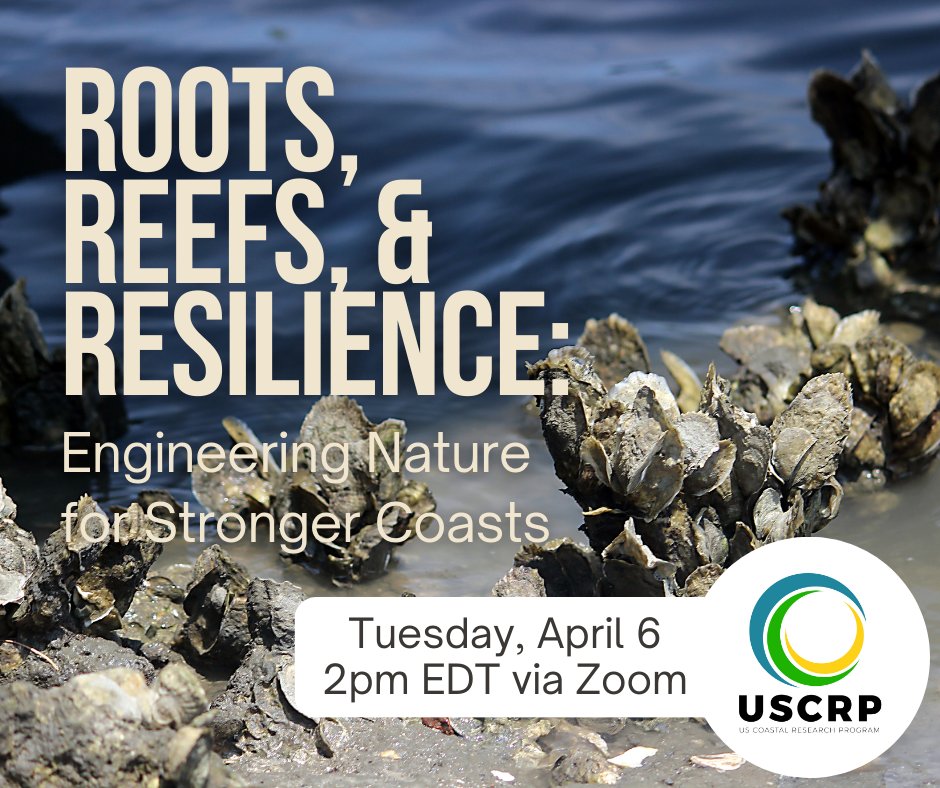
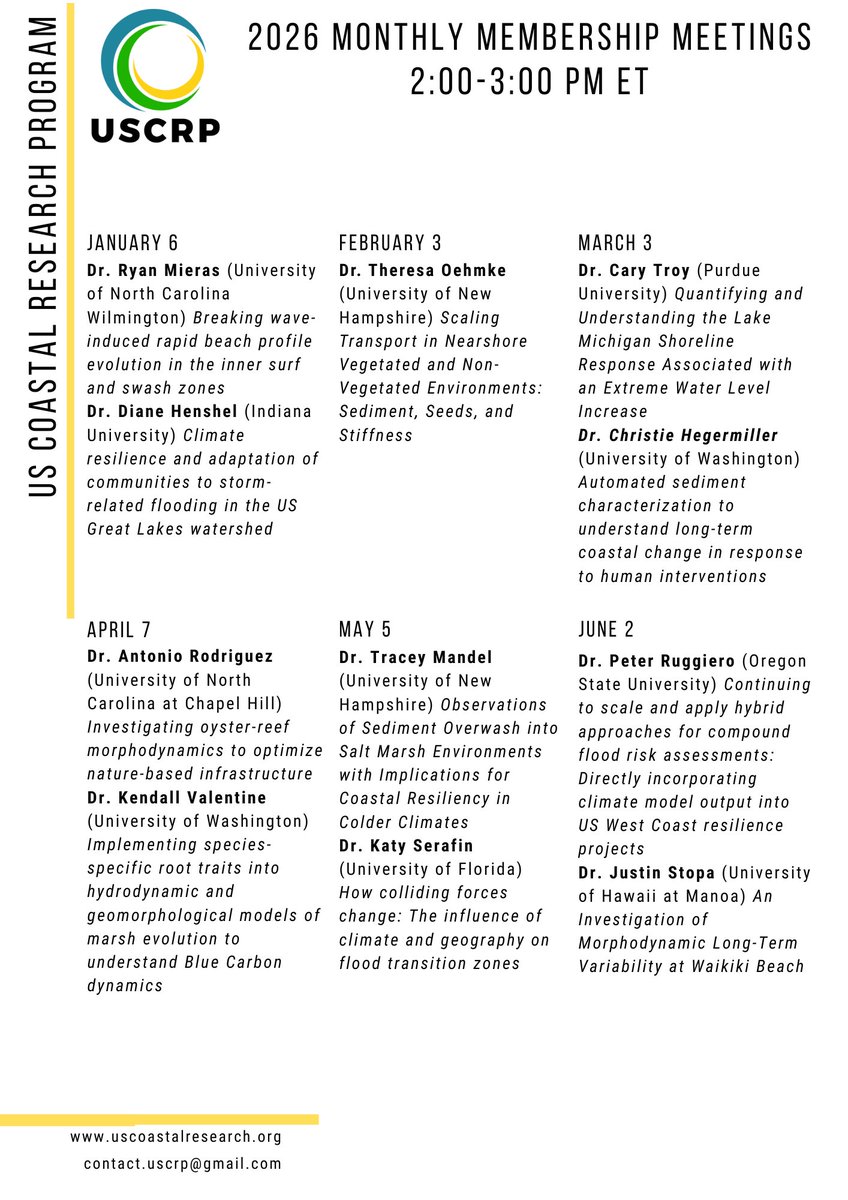
Join us tomorrow, April 7th, at 2 PM EDT for an exciting conversation on nature-based solutions that are shaping the future of coastal resilience! 🌾
Learn more in our newsletter. 📩 Not a USCRP member yet? Join now for free at uscoastalresearch.org/join
1
39
🦪 Dr. Antonio Rodriguez (@UNC) Investigating oyster-reef morphodynamics to optimize nature-based infrastructure
1
32
🌱 Dr. Kendall Valentine (@UW @k_valentine7 @magic_walnut) Implementing species-specific root traits into hydrodynamic and geomorphological models of marsh evolution to understand Blue Carbon dynamics
39
🏖️🤝 Coastal science has always been a team effort
We work alongside partners, like @ASBPA, to understand and protect our coastlines
🎙️ Their new Shaping Shores podcast captures these stories while celebrating ASBPA’s 100 years of preserving, protecting, & enhancing our coasts
Mar 31

🏖️ Through stories from ASBPA heroes, chapters across the nation, and moments that defined our history, the ASBPA #ShapingShoresPodcast series brings forward the voices behind our mission.
Celebrate the #ASBPA100 with us and watch the latest episode at ASBPA.org
13
🏛️ Coastal conversations are happening on Capitol Hill next week during #CoastsWeek2026!
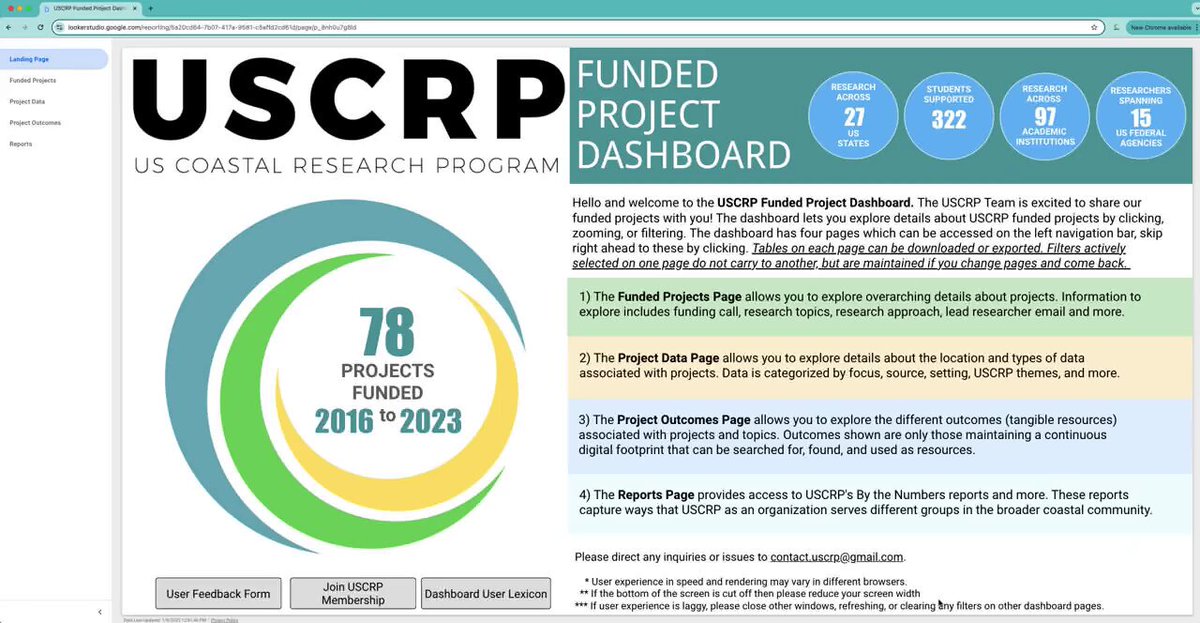
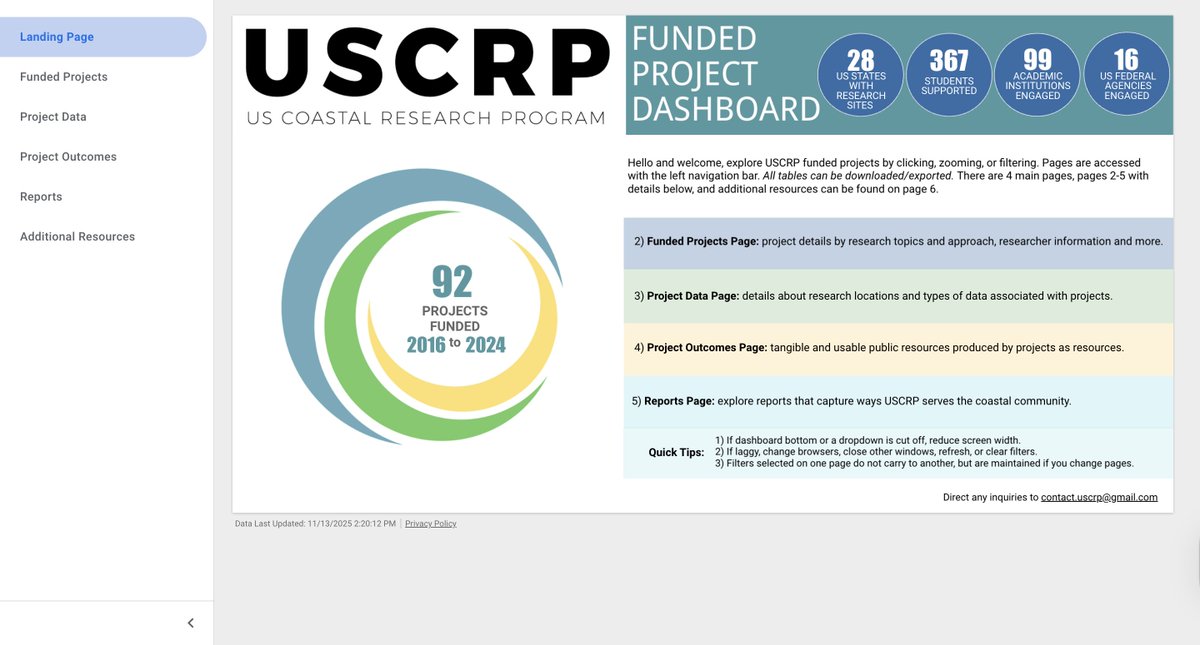
➡️ If you’re engaging with policymakers, bring the USCRP State Reports as a resource when talking with your representatives about coastal research needs: lookerstudio.google.com/u/0/…
15
🌴 Coastal systems thrive when every part works together — and the same is true of the people who study, manage, and support them.
📚 Share where you earned your coastal degree(s): arcg.is/10uKG52
💼 And where your career has taken you: arcg.is/19iejr2
1
19
Our community is built on interconnected roots all contributing to stronger, more resilient coastlines.
Add your information to the Coastal Community Family Tree geo‑database to help highlight the depth, diversity, and reach of our national coastal workforce. @asbpa
1
16
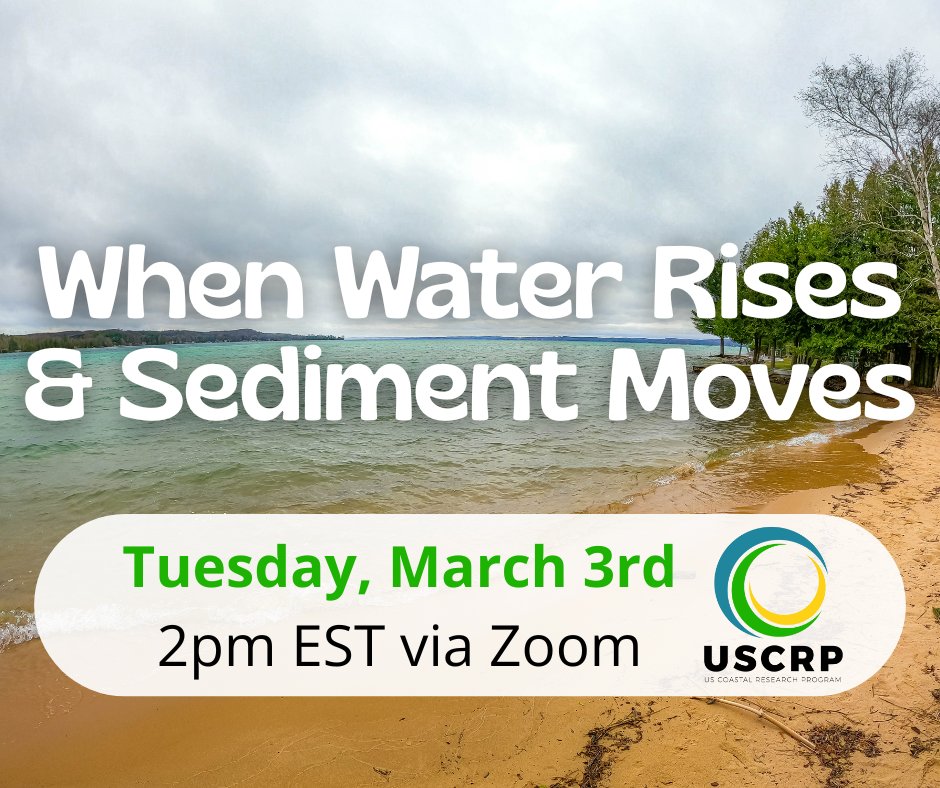
What happens to a coastline? Find out tomorrow, March 3, @ 2pm EST via Zoom!
🌊 Dr. Cary Troy @LifeAtPurdue @TroyLab_Purdue
🌾 Dr. Christie Hegermiller @UW @k_valentine7 @magic_walnut
Learn more in our newsletter. 📩 Not a USCRP member yet? Join now at uscoastalresearch.org
1
64
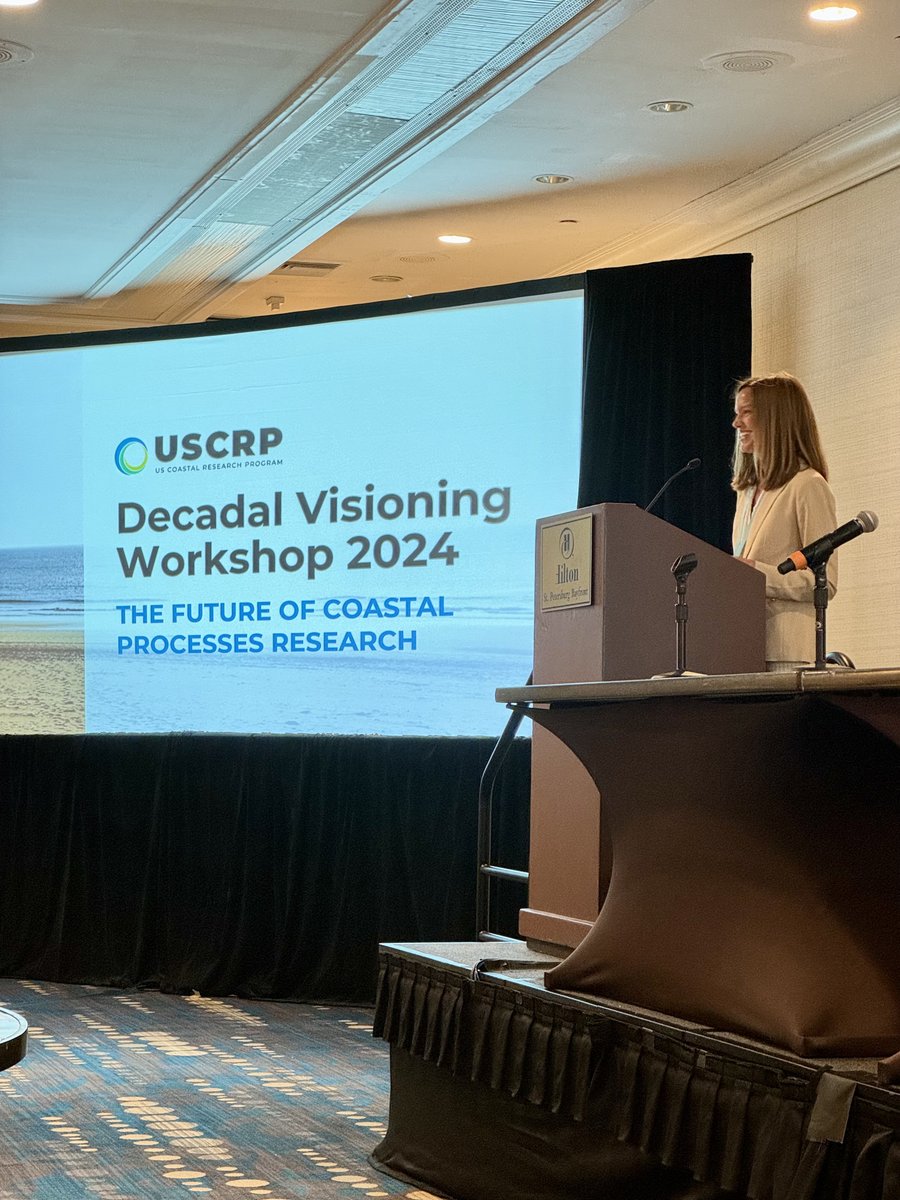
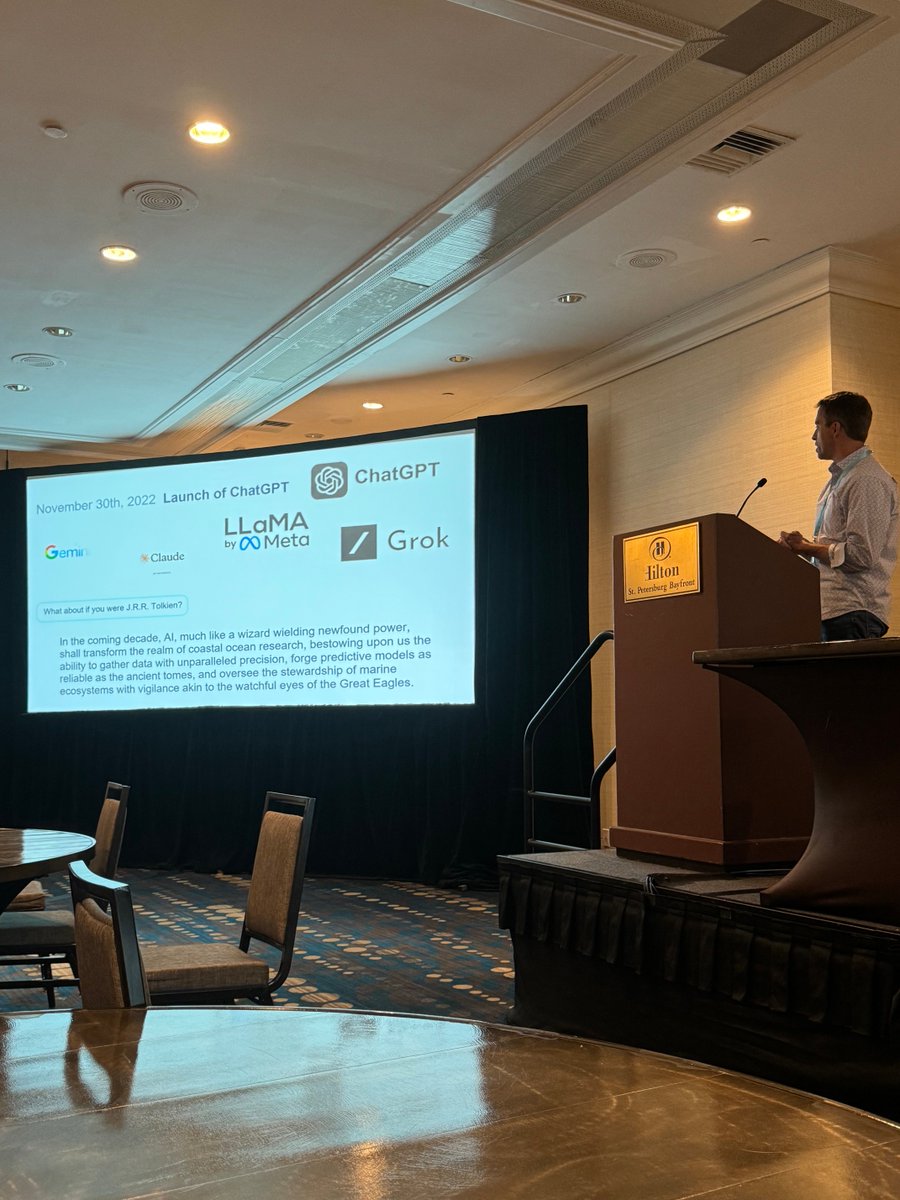
🗣️ USCRP is excited to present “Perspectives on the Future of Coastal Processes Research” at the 39th International Conference on Coastal Engineering in Galveston, Texas, May 17–22, 2026. @USACEHQ
1
24
We are looking forward to sharing research priorities and collaborative opportunities that will shape the next decade of coastal science.
Stay tuned for updates as we prepare for this global gathering of coastal experts! 🌊
12
🌍 Advancing Global Collaboration on Coastal Research
USCRP’s Greg Dusek recently shared insights at the American Meteorological Society @ametsoc Annual Meeting and will bring US perspectives to Scotland at the Ocean Sciences Meeting in Glasgow later this month.
1
27
📢 Session Details:
The Future of Coastal Processes Research: A Report from the US Coastal Research Program
🗓️ Feb 27, 2026
⏰ 11:40–11:50 GMT
📍 SEC, Carron
Learn how USCRP is shaping resilient coasts nationwide at uscoastalresearch.org
15
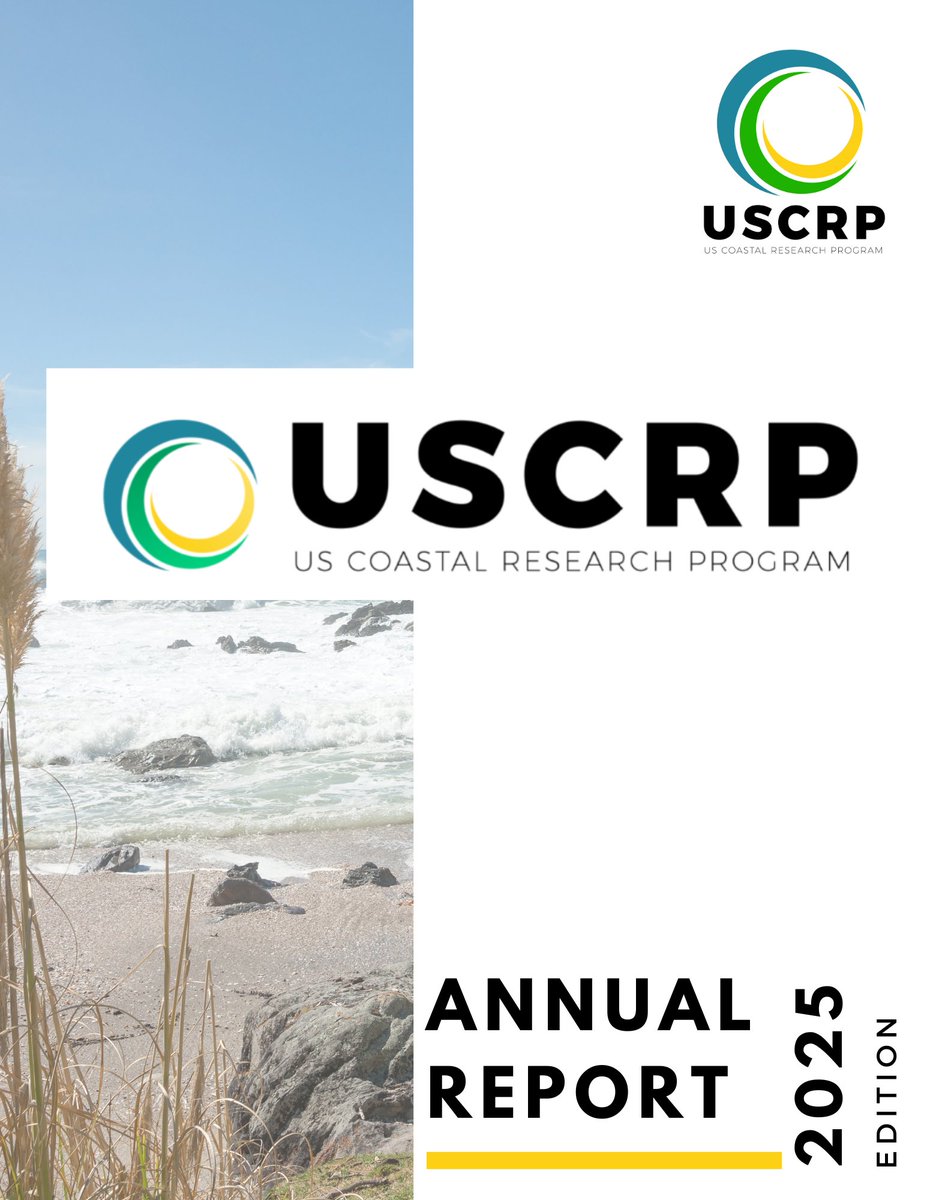
The 2025 USCRP #AnnualReport is live! 🌊
Celebrate a year of coastal innovation, collaboration, and progress with us. 💫 Explore how USCRP advanced #CoastalResearch in striving for a more resilient future for our nation’s coasts at uscoastalresearch.org/blogs
#USCRP #YearInReview
11
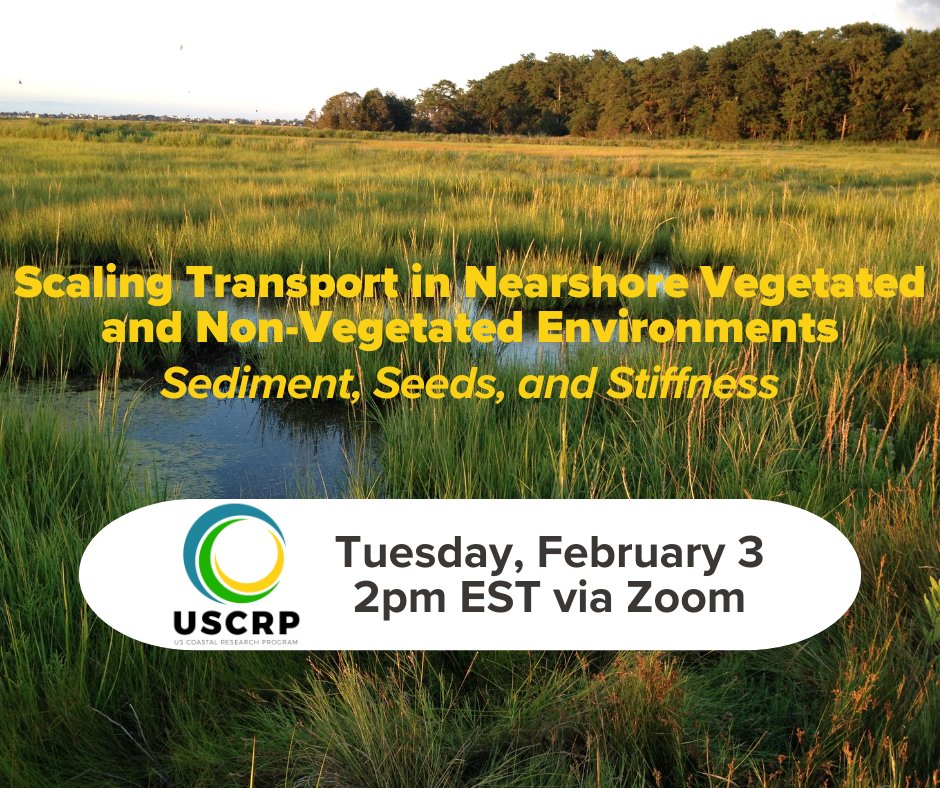
🗣️ Join us tomorrow, February 3rd at 2pm EST to hear from Dr. Theresa Oehmke (University of New Hampshire) about Scaling Transport in Nearshore Vegetated and Non-Vegetated Environments: Sediment, Seeds, and Stiffness!
@UofNH @UNHMarine
1
1
1
69
Get more information in your monthly e-newsletter, and save this and all 2026 meetings to your calendar at uscoastalresearch.org/uscrp-…
#USCRP #CoastalResearch #USCRPMonthlyMeetings #ProfessionalNetworking #ResearchUpdates #UniversityOfNewHampshire #SedimentTransport
16