The USGS in Montana -- Science for a changing world. Tweets do not = endorsement (on.doi.gov/pgwu0Y).

Joined January 2014
1,223 Photos and videos
USGS in Montana retweeted
In 2024–25, fishing generated $1.5B for Montana businesses. To help protect these vital waters, the new TroutCast tool links streamflow data with trout populations, giving resource managers 1–4 week & long-term #drought forecasts. Learn more: drought.gov/news/new-troutca…
1
3
488
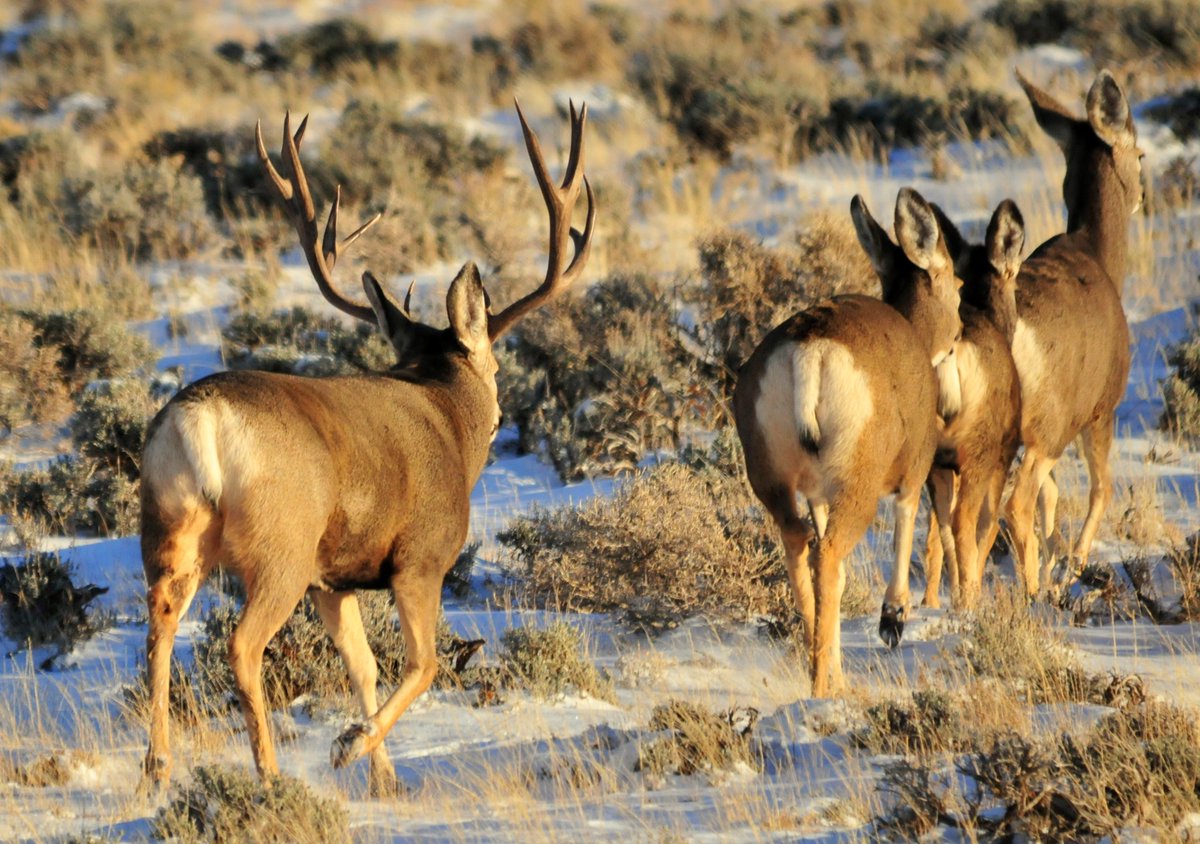
Cozy temperatures quality habitats = more young mule deer 🦌🦌 Resource managers are interested in understanding mule deer population declines because they contribute millions of dollars annually to local western economies through hunting and are culturally and ecologically important. A new study by Montana and Wyoming USGS scientists and their collaborators assessed important drivers of mule deer fawn-to-doe ratios across Wyoming. The ratio of fawns-to-does, also called an age ratio, is an indicator of how many juvenile mule deer are being recruited into populations. Scientists found that temperature had the strongest effect on age ratios with hotter summers and colder winters having negative effects on age ratios. Seasonal habitat suitability was the second strongest factor on age ratios. Increasing amounts of high-quality summer habitat and suitable winter habitat had positive effects on age ratios. Though temperature is not a variable managers can control, this research provides insight into what actions can direct positive outcomes for mule deer, such as improving summer habitat and supporting drought resistant forage, and helps guide the management of an important western big game species. To learn more about the paper 👉 ow.ly/WHQY50Z7Pln 📷: A buck and three doe mule deer moving through Wyoming sagebrush habitat in winter. Photo by U.S. Fish and Wildlife Service #Deer #Wildlife #WildlifeHabitat
59
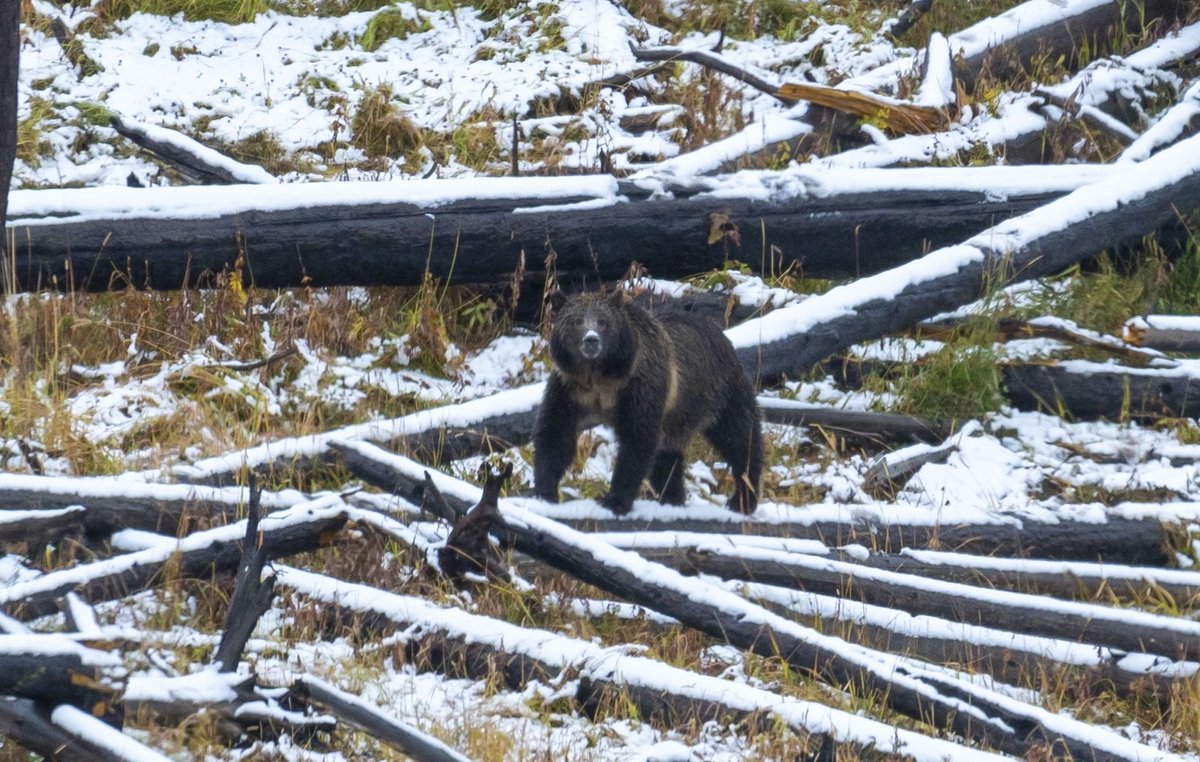
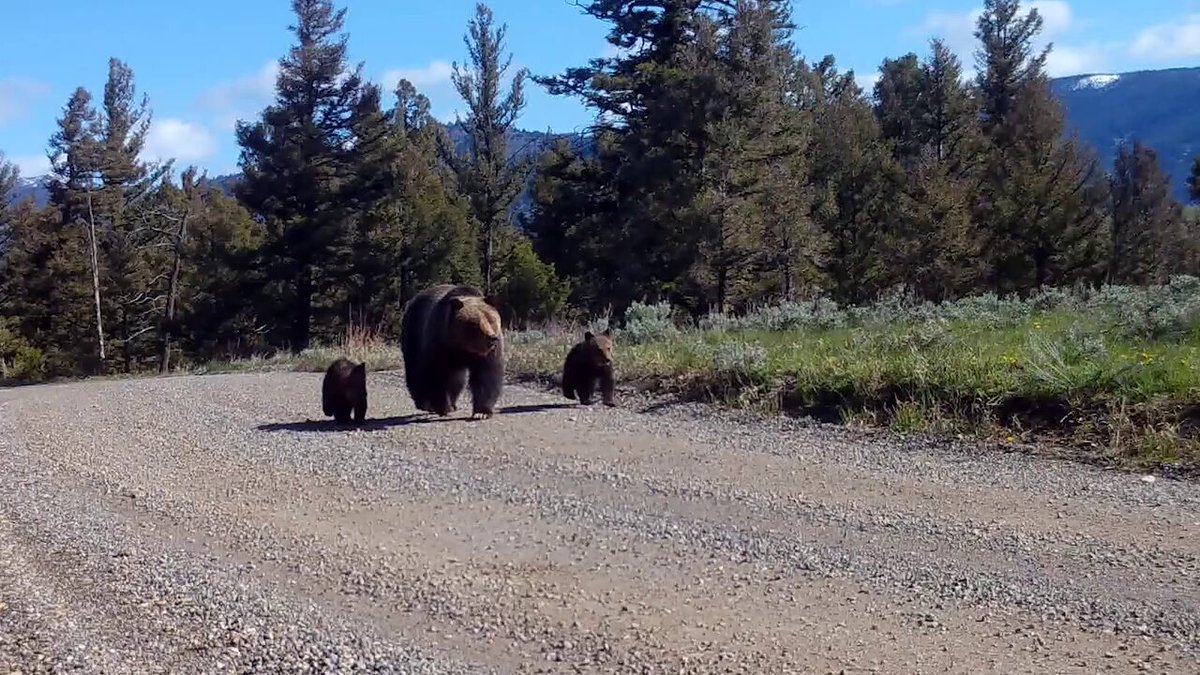
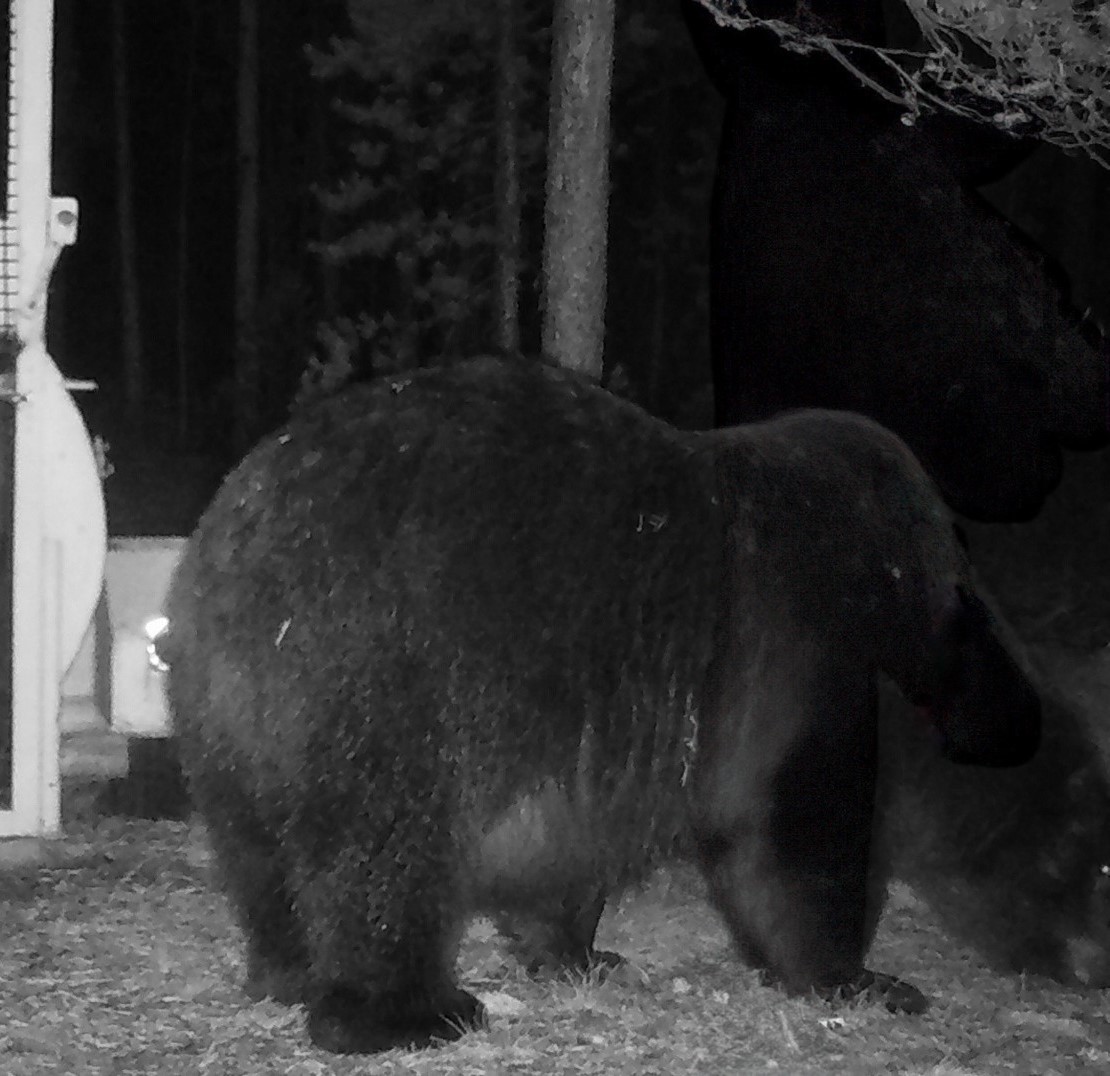
We’re not the only ones who have been enjoying the great spring weather—be Bear Aware in the Greater Yellowstone Ecosystem A lot of people are outside in the Greater Yellowstone Ecosystem (GYE) these days. The USGS Interagency Grizzly Bear Study Team has been busy conducting GYE grizzly bear research and monitoring, and the public has been enjoying recreating in the beautiful outdoors. This time of year is also busy for both black and grizzly bears in the GYE. It’s mating season, females are looking after their cubs (and are very protective about that), and bears are always looking for food. Bears can cover a lot of distance in the GYE during this time while males are looking for females and all bears are searching for food, which means people may encounter them, so be Bear Aware and assume bears could be present while in the outdoors. Bears eat a wide variety of food, so expect to find them just about anywhere in bear country. Some safety tips to keep in mind: ⚬ Never approach a bear ⚬ Never run from a bear ⚬ Carry bear spray where it is allowed and make sure the bear spray is readily accessible ⚬ Travel in groups of 3 or more ⚬ Stay alert, use your eyes and ears, avoid headphones/earbuds ⚬ Make noise so you don’t accidentally surprise a bear ⚬ Be extra careful near blind corners, dense vegetation, and noisy streams and rivers ⚬ Store food and scented items properly For more detailed information about being Bear Aware: ow.ly/KVSB50Z5o7b 📷: Grizzly bear in the Greater Yellowstone Ecosystem. Photo Credit: USGS #BearAware #GrizzlyBear #Bears
190
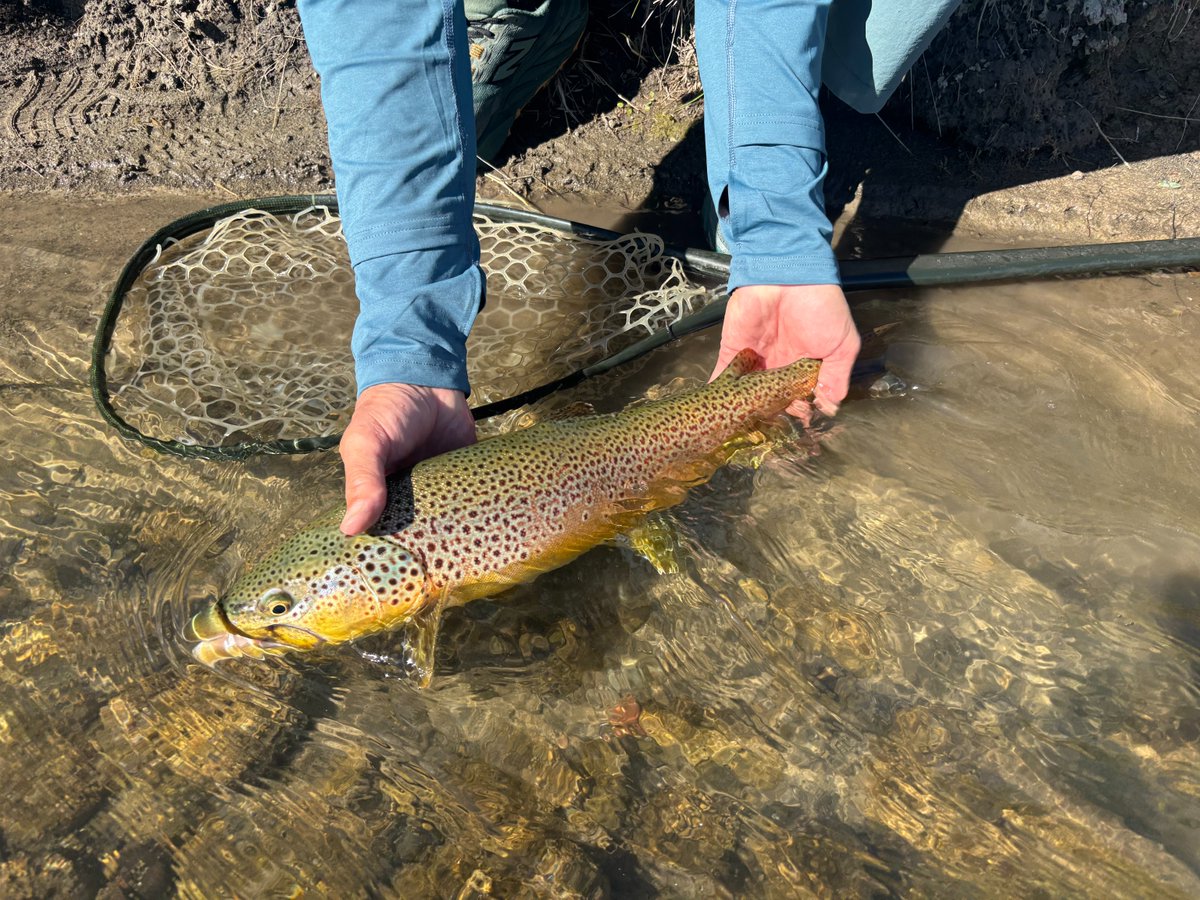
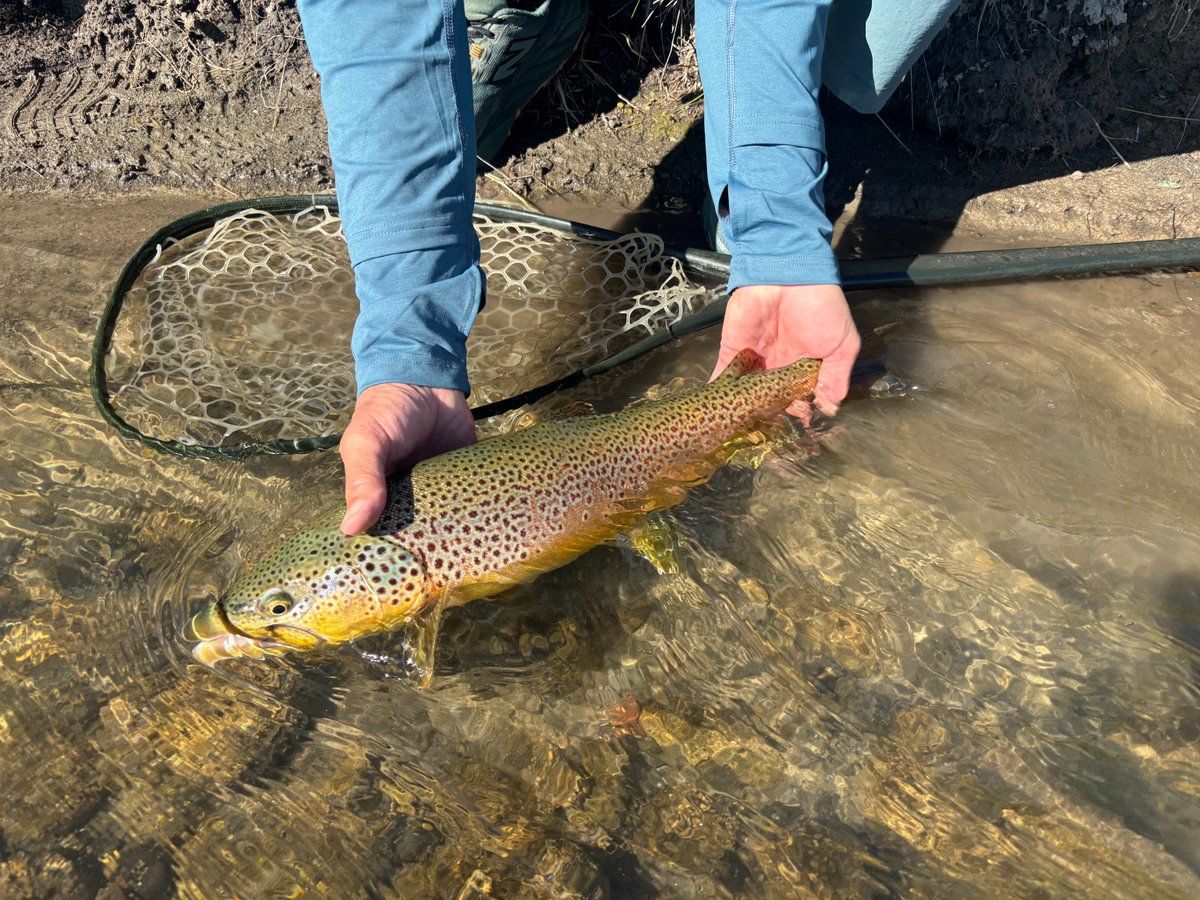
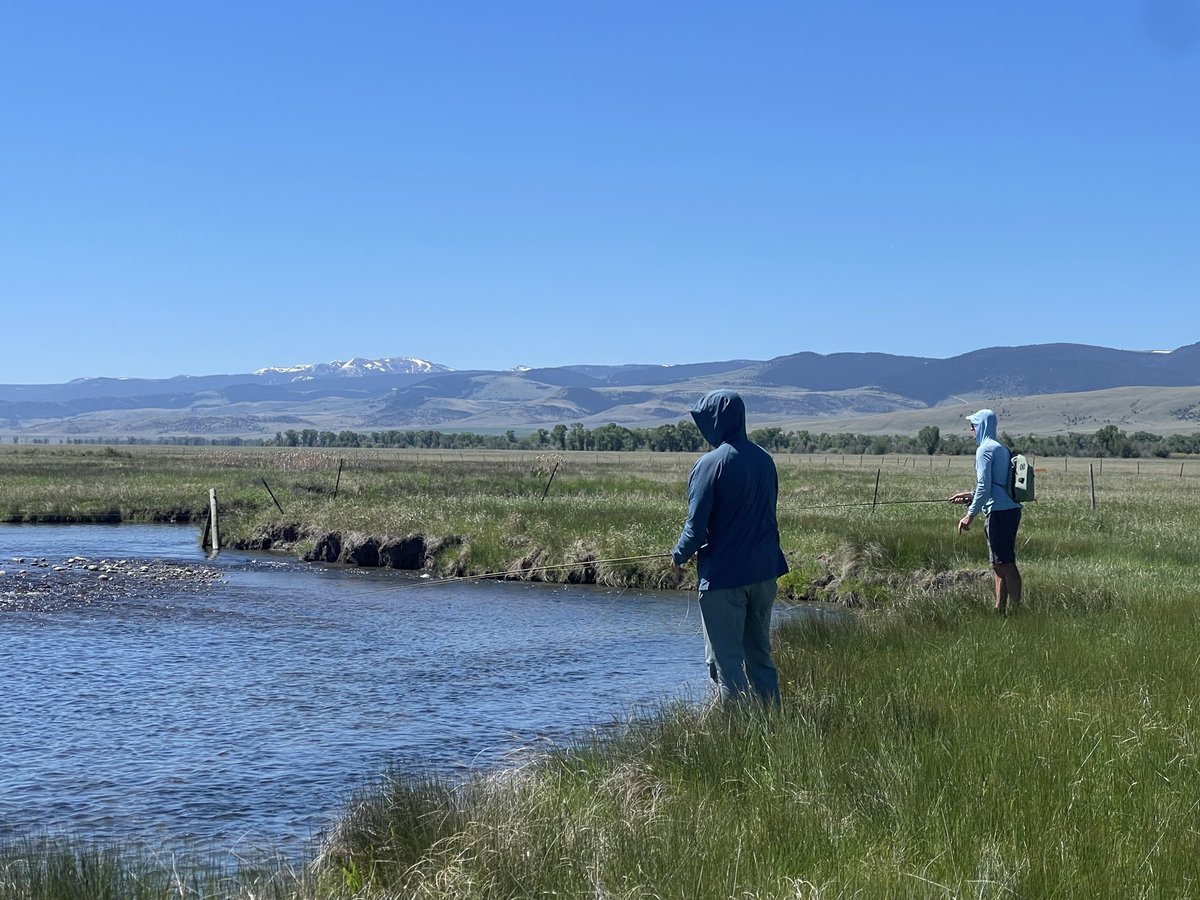
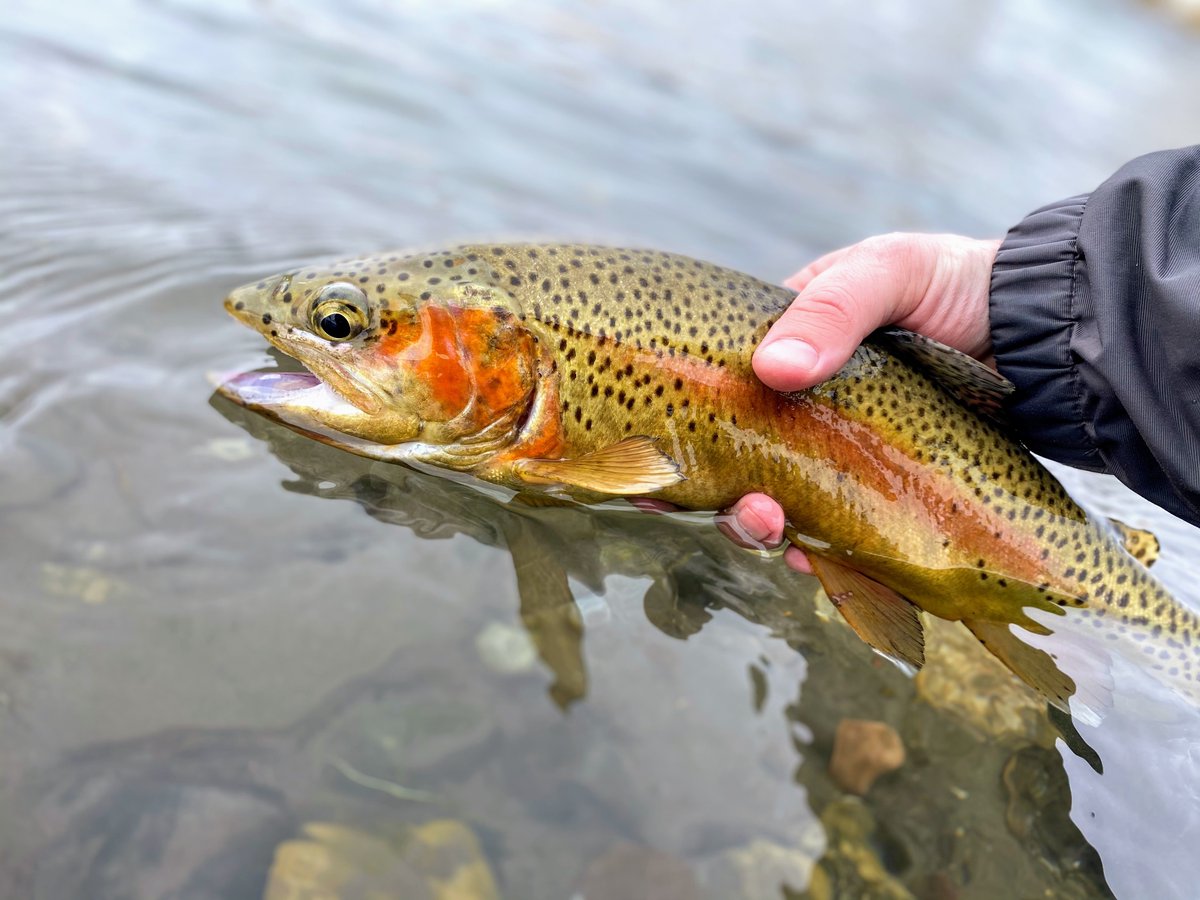
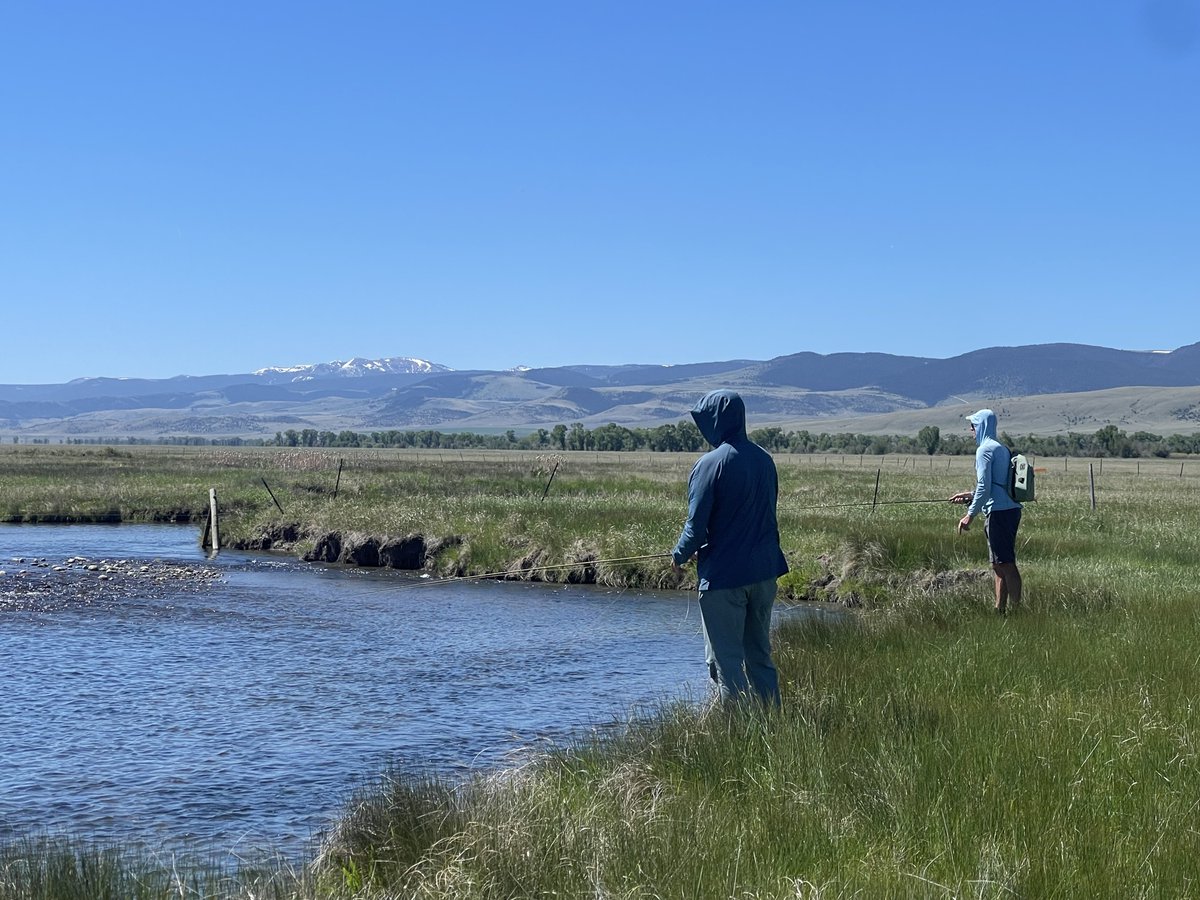
Introducing FishCast—a tool to help protect Montana’s trout fisheries and economies 🐟 💰 Montana’s world-class trout fisheries generate about $1.5 billion annually through recreational angling, supporting local communities and economies. Extreme drought is expected to become more frequent and severe, threatening trout fisheries and the economies they support. Reduced streamflows and elevated water temperatures stress fish populations, especially cold-water species like trout. In collaboration with @MontanaState, @MontanaFWP, and @NOAADrought, the USGS developed FishCast—an interactive webtool designed to help protect Montana’s iconic trout rivers from drought. This decision-support tool will: 🐟Provide seasonal and long-term forecasts of trout population trends, abundance, and drought risk. 🐟 Forecast the likelihood of fisheries management actions, including potential fishing closures triggered by drought-related streamflow and water temperature thresholds. FishCast enables proactive, science-based decision-making to protect cold-water fisheries, sustain angling opportunities and water resources, and support local economies in the face of drought and changing streamflow conditions. Learn more about FishCast 👉 ow.ly/w39w50Z3nAK 📷1: An angler on the banks of a Montana river gently releasing a brown trout. 📷2: Two anglers on the banks on a Montana river with snow-capped mountains in the background. Credit: USGS #FlyFishing #Trout #Drought
2
5
819
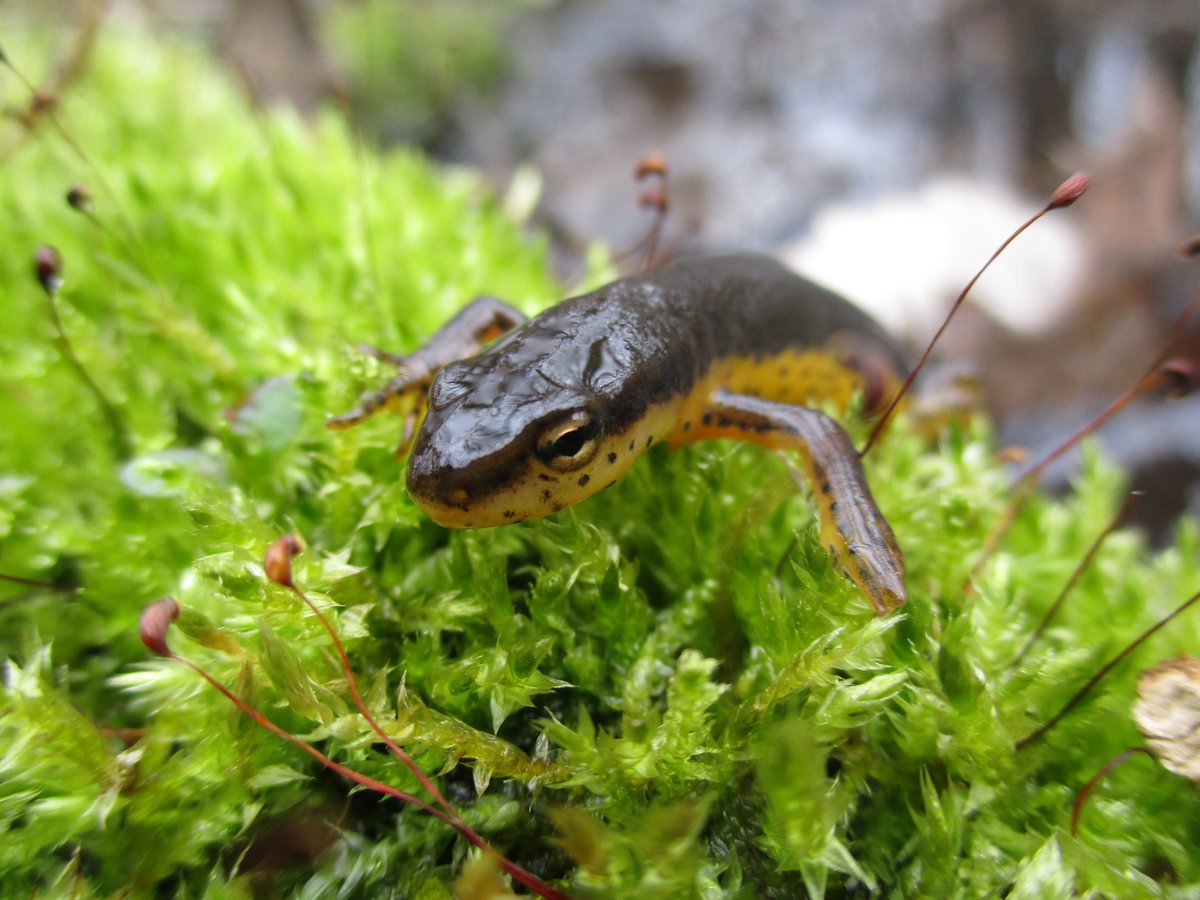
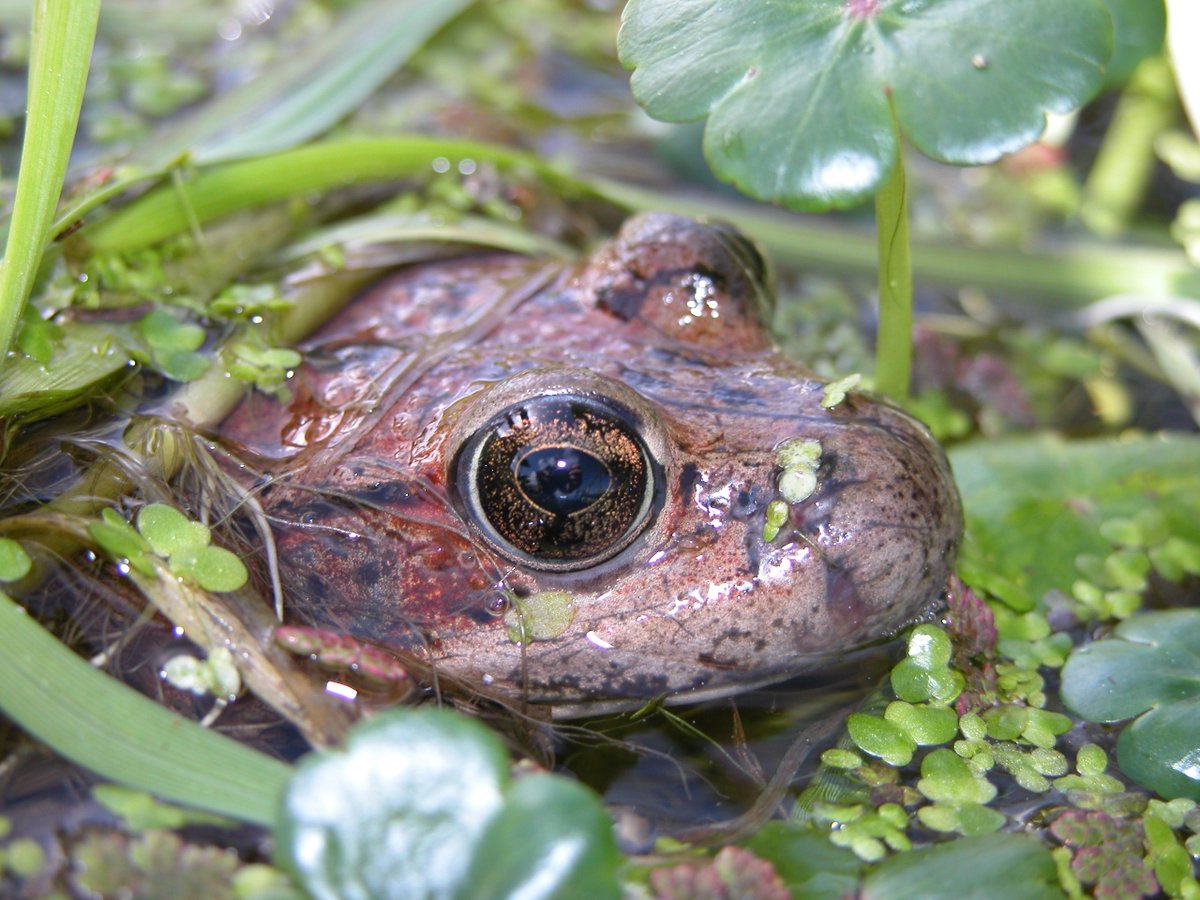
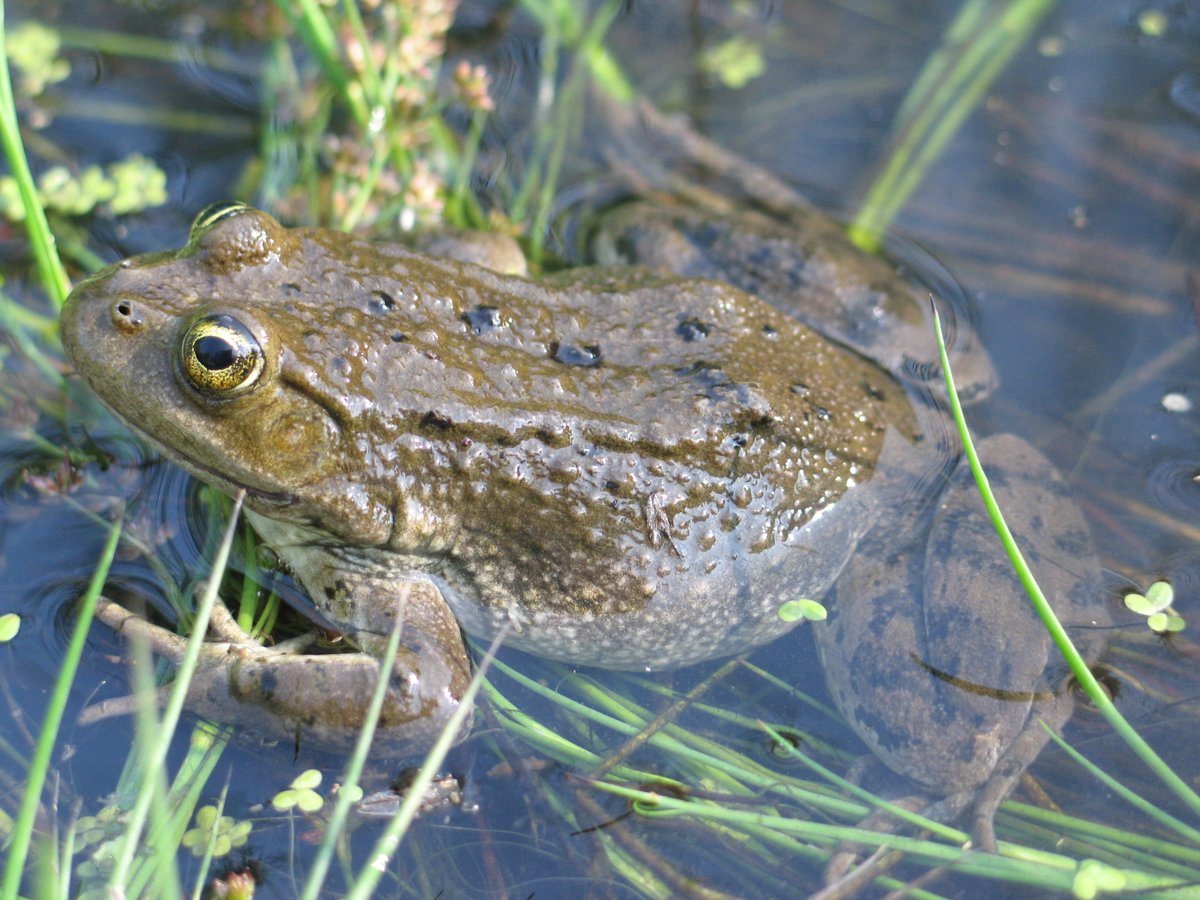
USGS Northern Rocky Mountain Science Center (NOROCK) scientists are helping managers understand widespread and potentially lethal threats to native amphibians. 🐸 🐸 Native amphibians are in decline worldwide due to a variety of factors, including the amphibian chytrid fungus (Batrachochytrium dendrobatidis (Bd)) and methylmercury—widespread and potentially lethal threats to amphibians. NOROCK scientists and their collaborators have been studying the effects of Bd and methylmercury on native amphibians across the U.S., including how beaver activity influences Bd prevalence. The scientists found that the combined effects of methylmercury and Bd can further reduce amphibian survival compared to those being exposed to just one of the stressors. 🦫They also found that beaver activity in Glacier National Park wetlands resulted in an overall negligible effect in Bd prevalence because of the opposing effects of prevalence—some beaver activity resulted in increased Bd prevalence, while other activity resulted increased prevalence. Many amphibian species rely on beaver-enhanced wetlands, and some wetland restoration efforts mimic beaver activity, so studying how beavers influence this pathogen’s prevalence can provide some guidance for managers and restoration practitioners. Learn more about NOROCK’s recent amphibian research findings: ow.ly/an9b50YVCkq 📷: 1 The Eastern newt was one of the native species the USGS studied across the nation to understand the effects of the amphibian chytrid fungus pathogen and methylmercury environmental contaminant to native amphibians. 📷: 2 The California red-legged frog is another native species the USGS studied to assess the effects of a widespread amphibian pathogen and environmental contaminant. 📷: 3 The Columbia spotted frog is one of many amphibian species that use beaver-modified wetlands and the USGS studies how beaver activity influences amphibian pathogen prevalence. Credit: USGS #AmphibianWeek #Amphibians
105
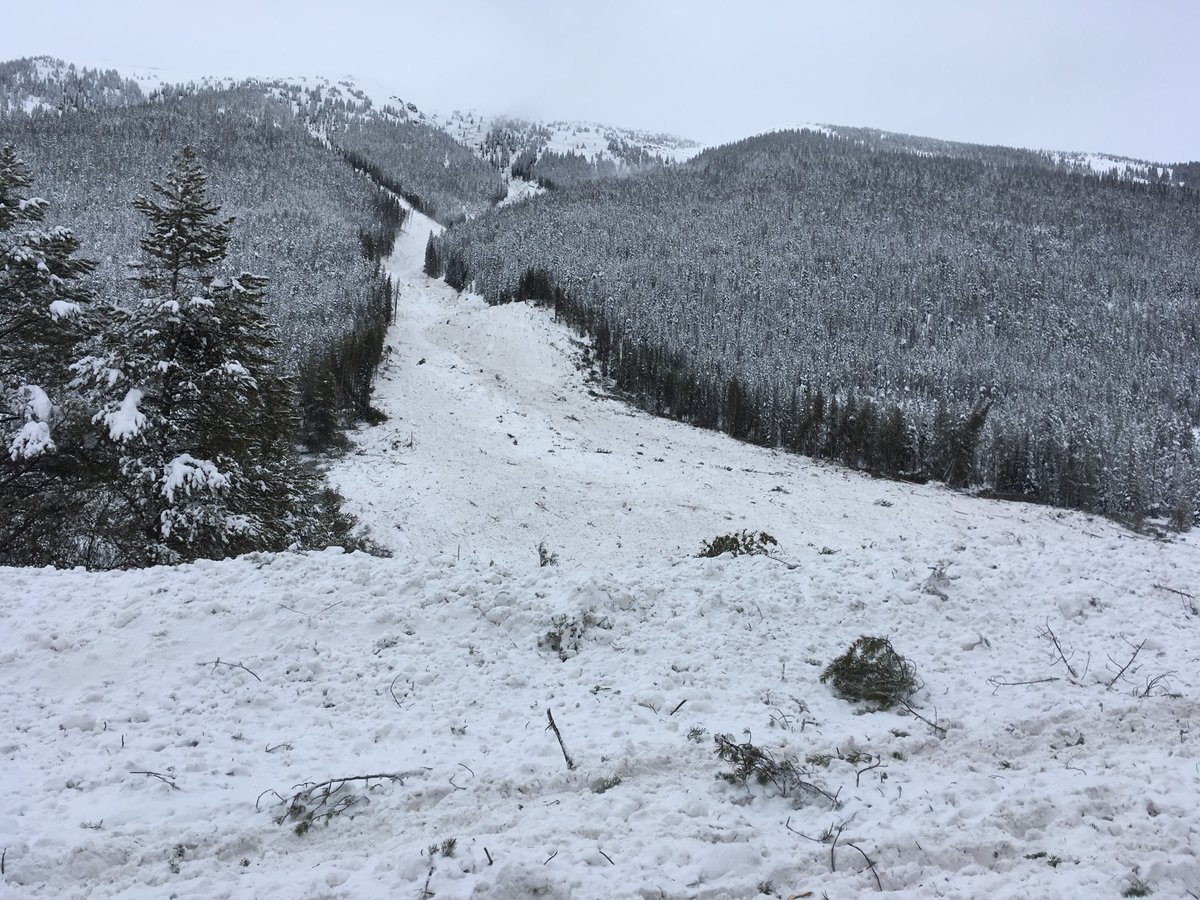
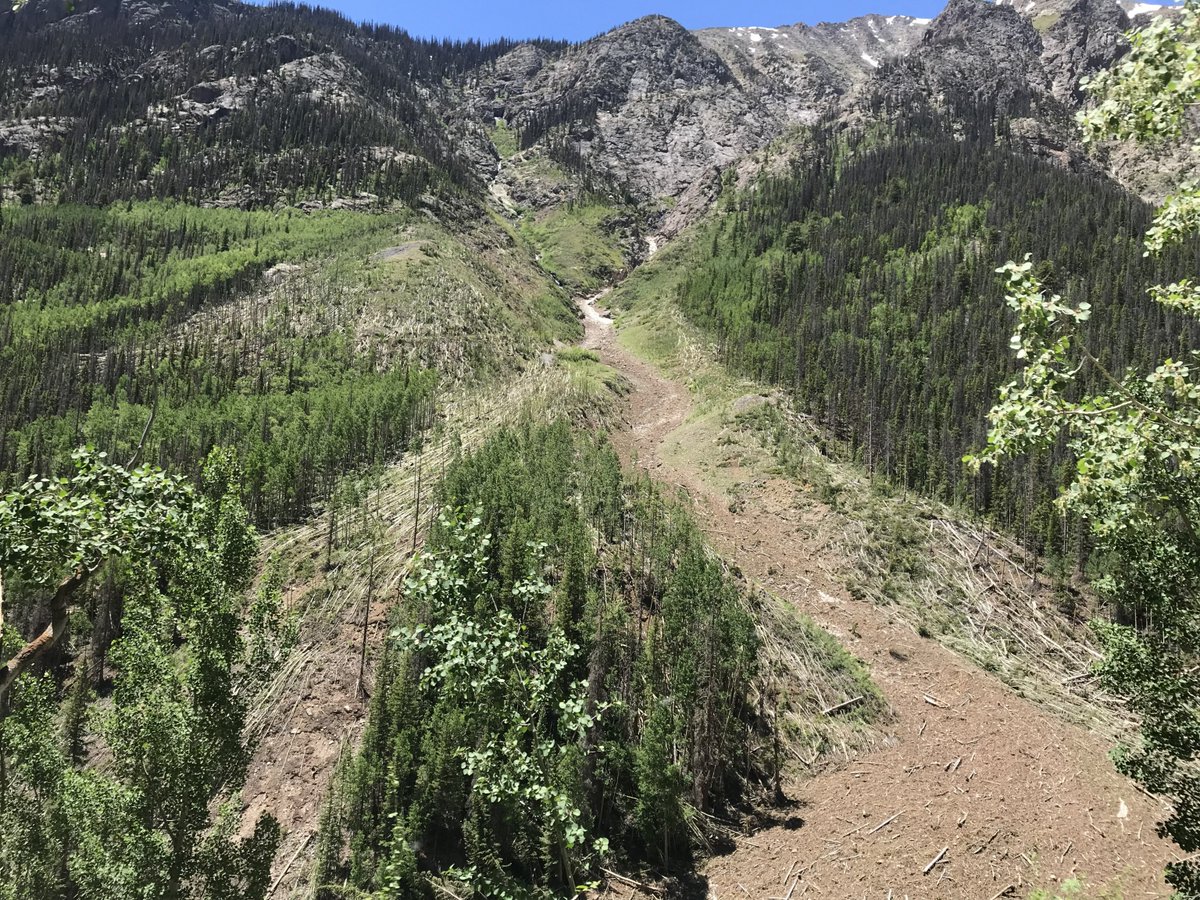
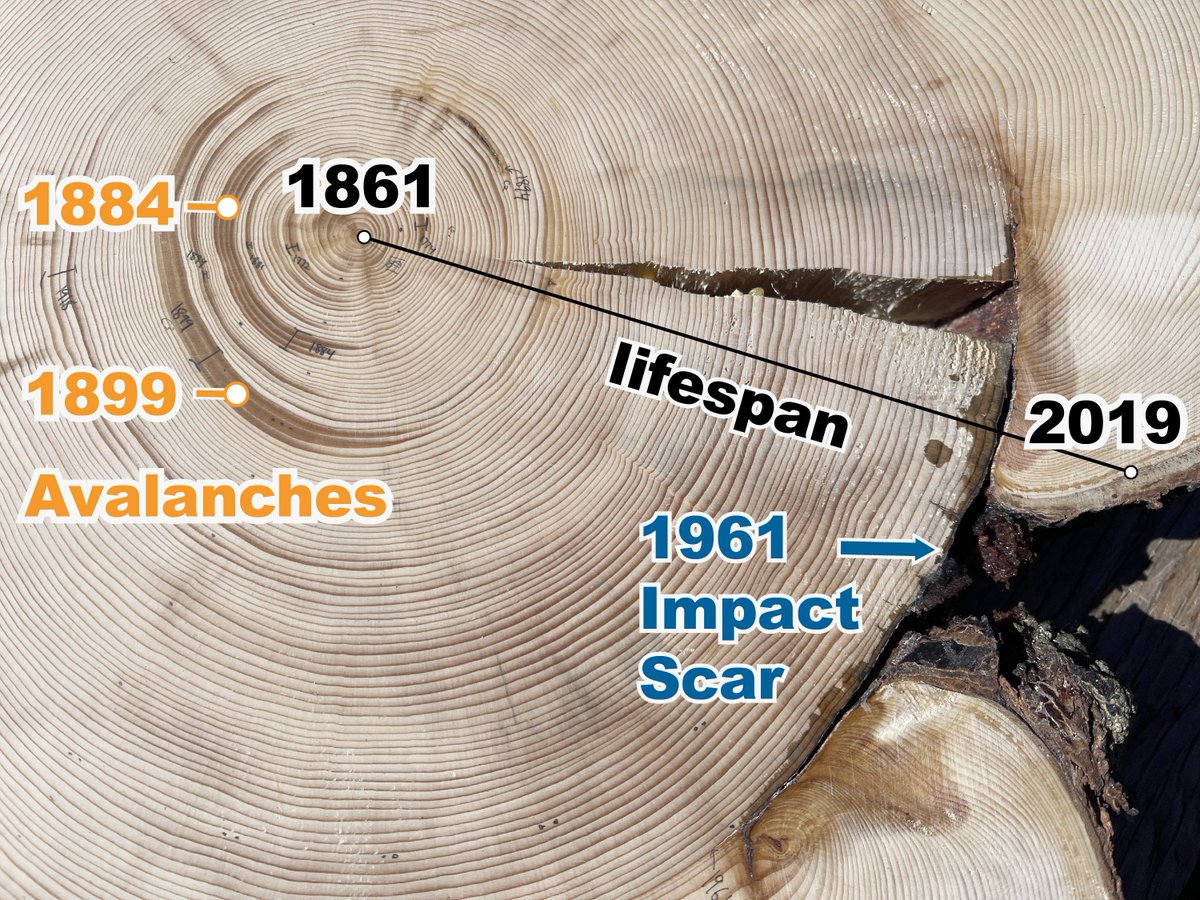
Information hidden in trees helps researchers understand destructive 2019 Colorado avalanche cycle ⛰️ ❄️ In March 2019, a major avalanche cycle produced more than 1,000 avalanches in Colorado in two weeks causing loss of life, injuries, interstate and highway closures & widespread damage to powerlines. A USGS Northern Rocky Mountain Science Center scientist, @COAvalancheInfo, and their collaborators used tree ring data to reconstructed large magnitude avalanche activity from 1698–2020 and climate data from 1901–2020 to identify factors contributing to that activity. When large magnitude avalanches impact a tree, they can cause damage and leave scars on the tree’s growth rings, which researchers can then use to date when the avalanches occurred. Scientists found 1-2 avalanche cycles in the late 1800s comparable to the March 2019 cycle. Since 1900, large magnitude avalanche probability and snowpack levels have declined, but low December snow levels followed by high March snow were linked to large avalanche events, including in March 2019. Understanding the drivers of large avalanches can improve avalanche forecasting across the West and limit the loss of human life, damage to infrastructure, and economic loss caused by this natural hazard. For more information about the study👉 doi.org/10.5194/nhess-26-105…. 📷1: Avalanche debris from a large magnitude avalanche in Summit County, CO from March 7, 2019 with snow covered forests in the background. This avalanche deposited debris on Colorado State Highway 91. Photo by Ron Simenhois, Colorado Avalanche Information Center. 📷2: Downed trees in the foreground and background (middle left of image) shows the aftermath of large magnitude avalanche in Hinsdale, CO that occurred in March 2019. The main avalanche paths are devoid of trees but the surrounding areas contain coniferous forest and some aspen trees. Small patches of snow are all that remains of the avalanche debris in September 2019. Photo by USGS 📷3: Cross section of a tree uprooted in the March 2019 avalanche. The cross section is annotated to show the tree lived from 1861 to 2019 and it had experienced multiple large magnitude avalanche events, including in 1961 and in the late 1800s. Photo by USGS #AvalancheSafety #Avalanches #Dendrochronology
2
7
702
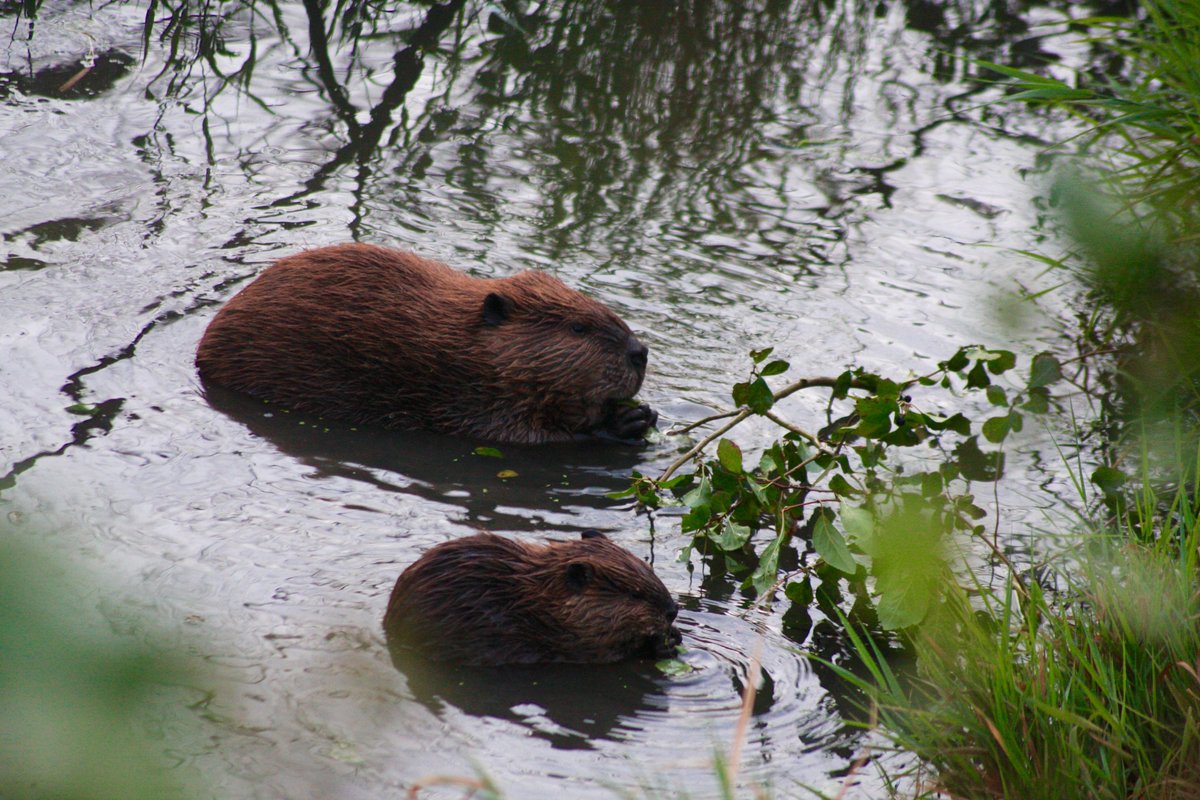
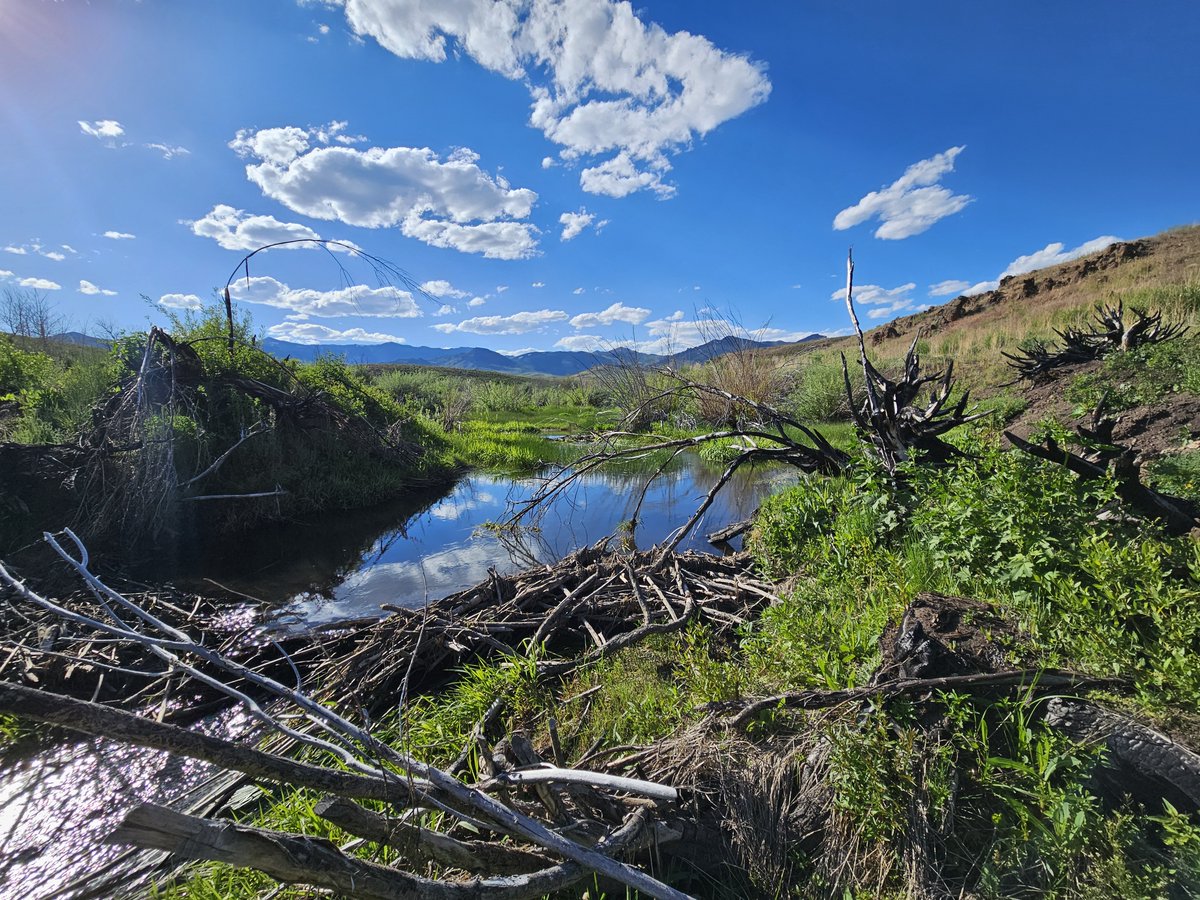
🦫 Beavers are more than builders...they’re engineering lifelines in dry landscapes. 💧 In the arid West, water is scarce, and organisms in these ecosystems rely on habitats that contain this precious resource. Beaver dams slow streamflow, allowing water to spread water across floodplains, increase stream channel complexity, and reconnect parts of the floodplain with water where it had dried out. These changes support riparian vegetation, stabilize banks, and create the complex habitats needed to sustain terrestrial and aquatic biodiversity. Even abandoned or partially breached beaver dams continue to provide benefits. USGS scientists have been assessing the use of beaver dams in influencing riverscape health and biodiversity across the Great Basin—one of North America’s driest regions—where these natural structures may offer a cost‑effective, self‑sustaining pathway to restoring degraded waterways and improving habitat for native trout. 📸1: An adult and juvenile beaver chewing on vegetation while in water. Photo by USGS 📸2: Beaver dam on a tributary to the Marys River in Northeast Nevada with mountains in the background. Photo by USGS #InternationalBeaverDay #Beavers #StreamRestoration
1
4
7
303
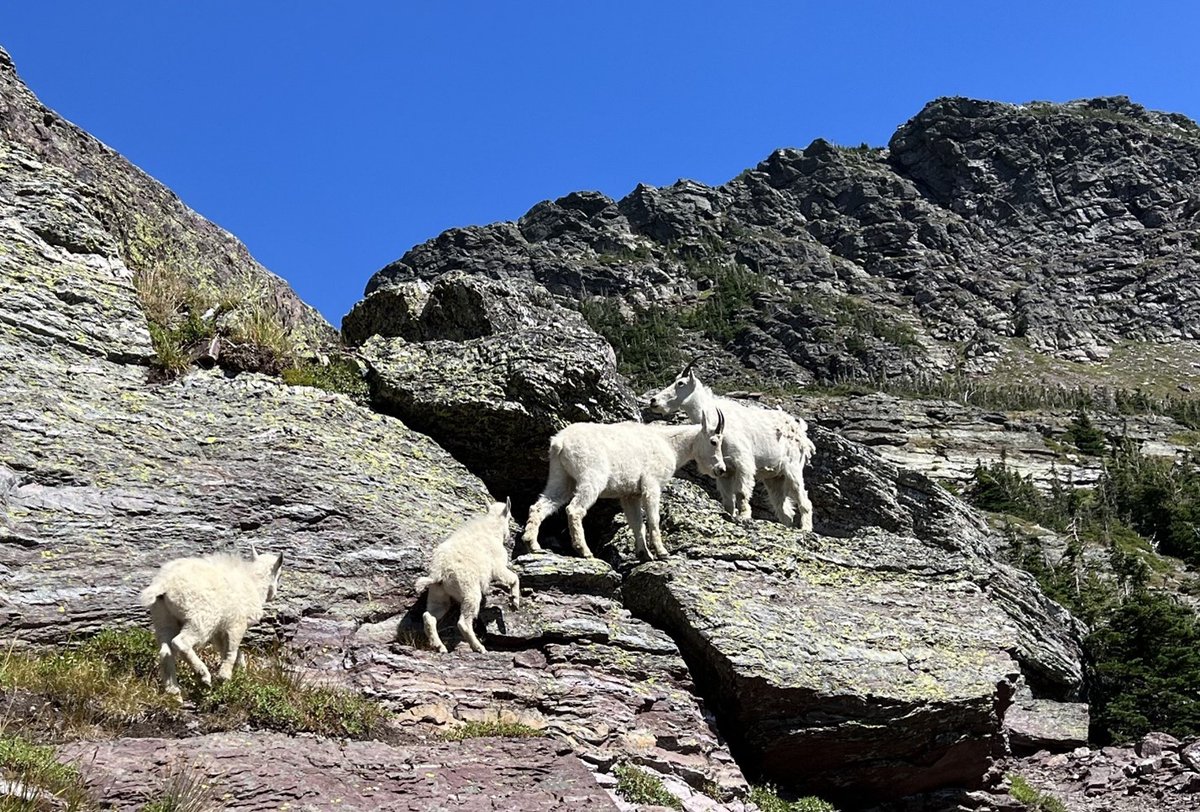
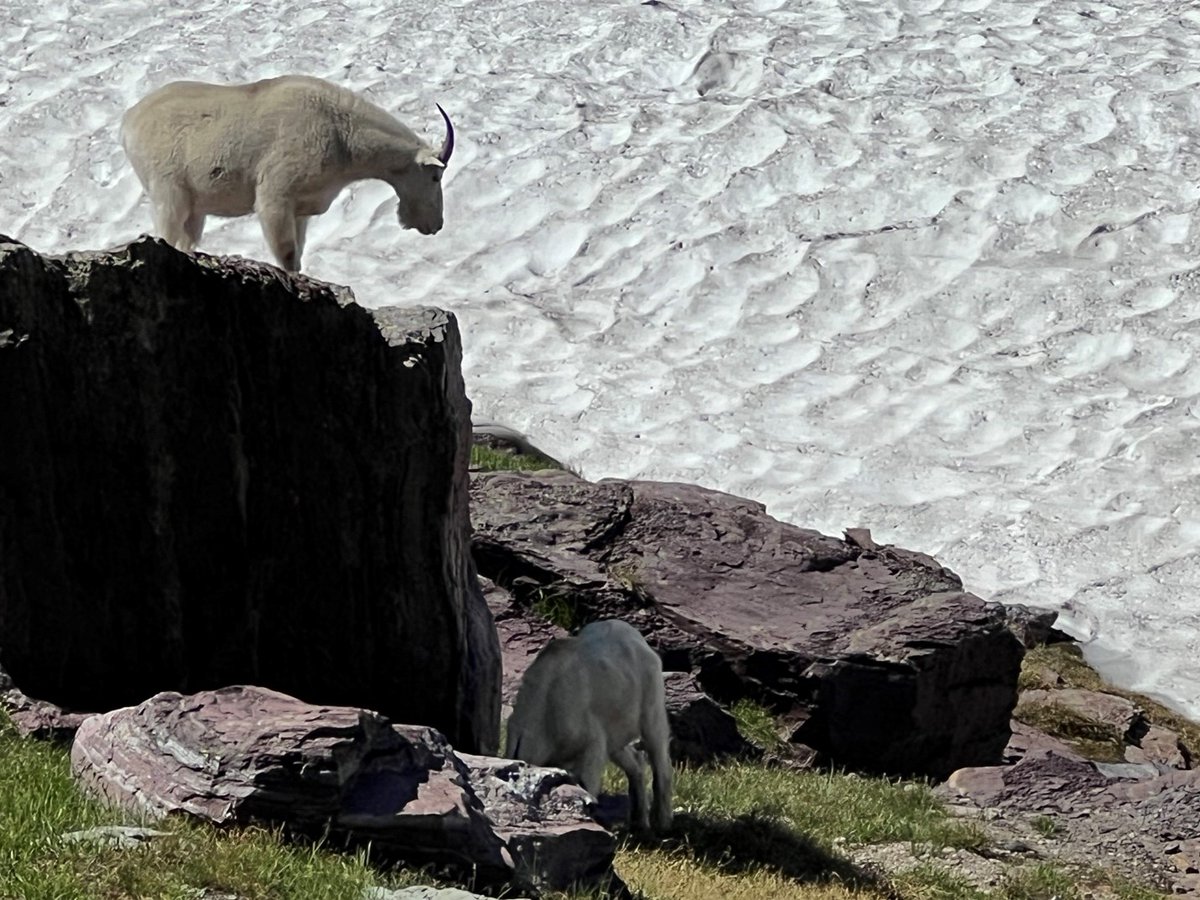
USGS science is the GOAT! Using @NatlParkService citizen science data, @USGS found the park’s mountain goats declined by about 45% from 2008 to 2019, but goats benefited from areas with more snow and natural mineral licks, and wetter springs. Learn more 👉pubs.usgs.gov/publication/70…
1
3
764
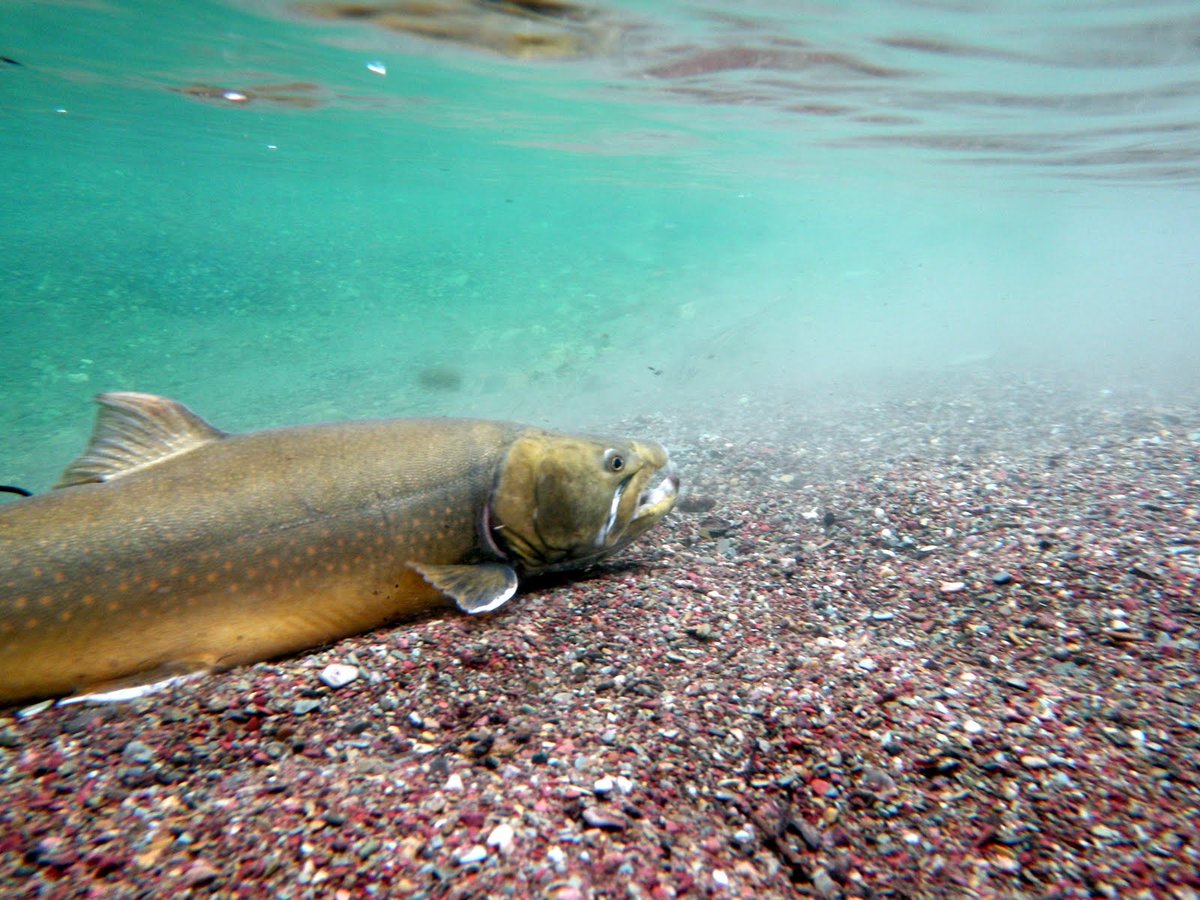
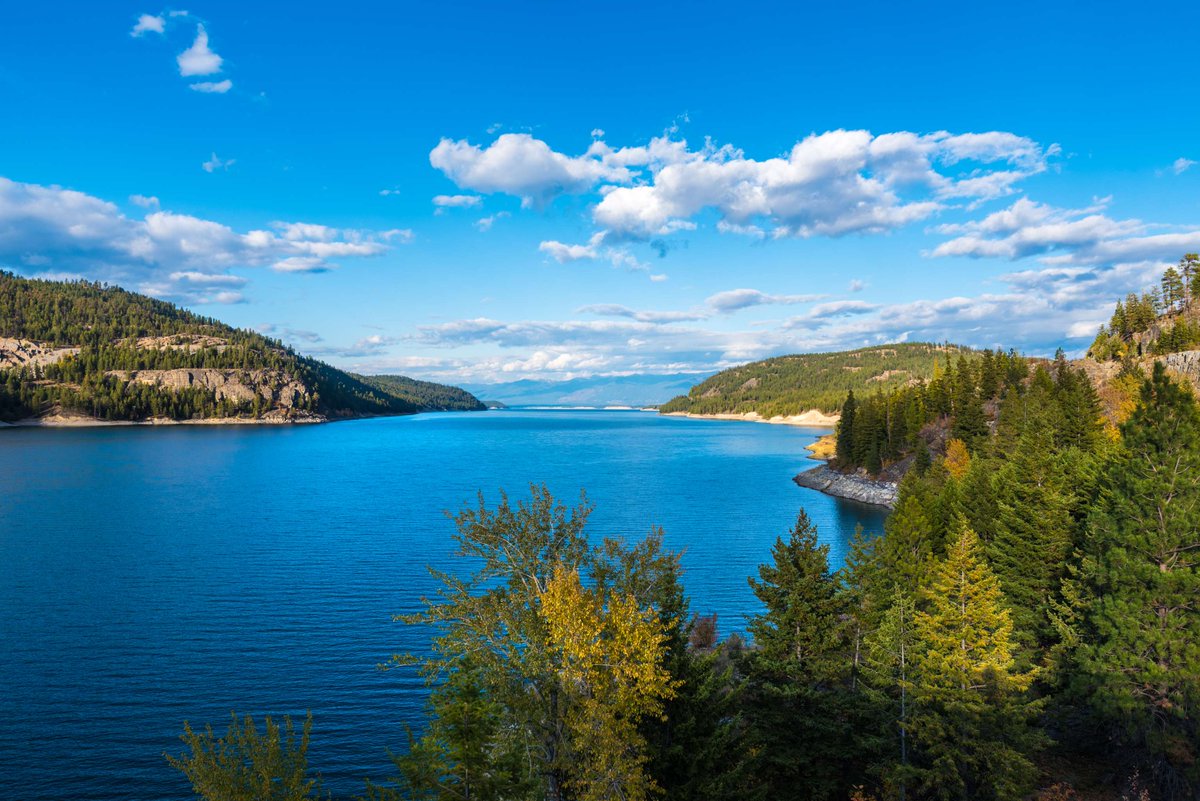
In Lake Koocanusa, on the border of MT & British Columbia, federally threatened bull trout can sustain a modest recreational fishery because of harvest limits and an unlikely ally—a nonnative fish it feeds upon. Learn more: esajournals.onlinelibrary.wi… #WorldFisheriesDay
1
209
USGS in Montana retweeted
Happy GIS Day! Geographic information systems, or GIS, allows us to better understand the world around us. From tracking animals to mapping habitats to assessing restoration project progress, learn how USGS uses GIS to inform natural resource issues: ow.ly/4ss750XunSf
1
2
7
336
USGS in Montana retweeted
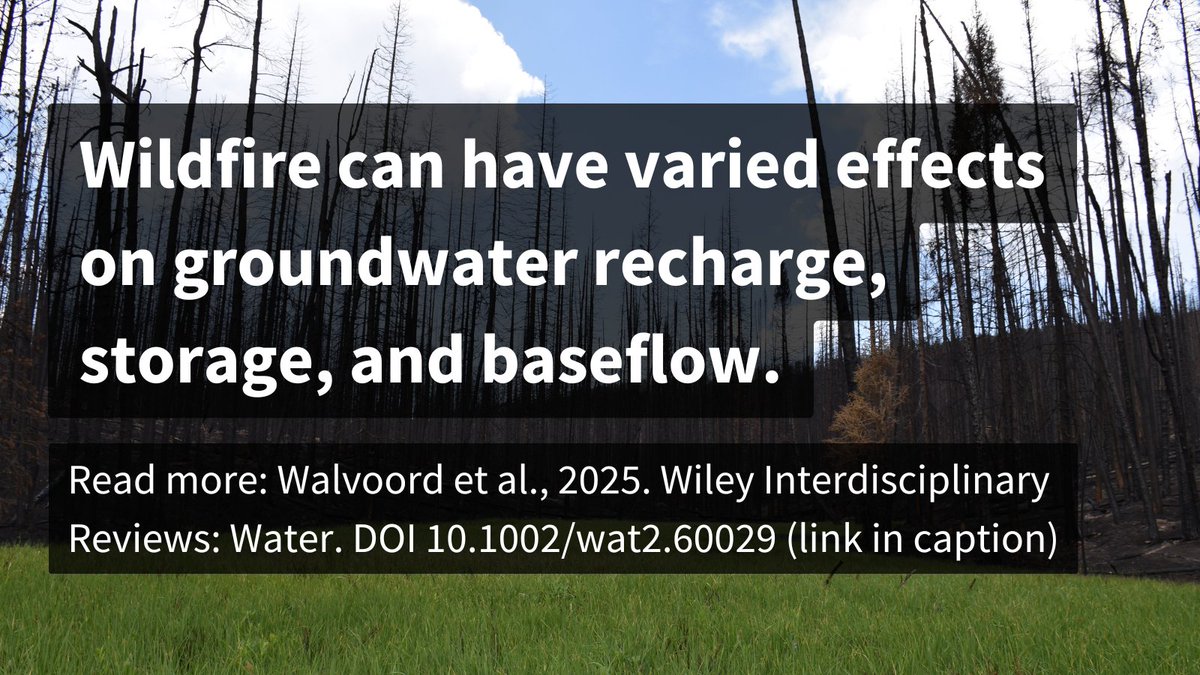
How does 🔥 #wildfire affect 💧 #groundwater? It depends on local and regional conditions, as well as fire severity and area burned. Read the paper - wires.onlinelibrary.wiley.co… #USGS #WaterScience
3
3
6
366
Hi! Happy to see you again and we’ll be back next week! Have a nice weekend.
6
114
Due to the federal government shutdown, this account is not being actively updated. For more information, please visit: doi.gov/shutdown
1
135
Strolling towards the weekend.
5
136
USGS in Montana retweeted
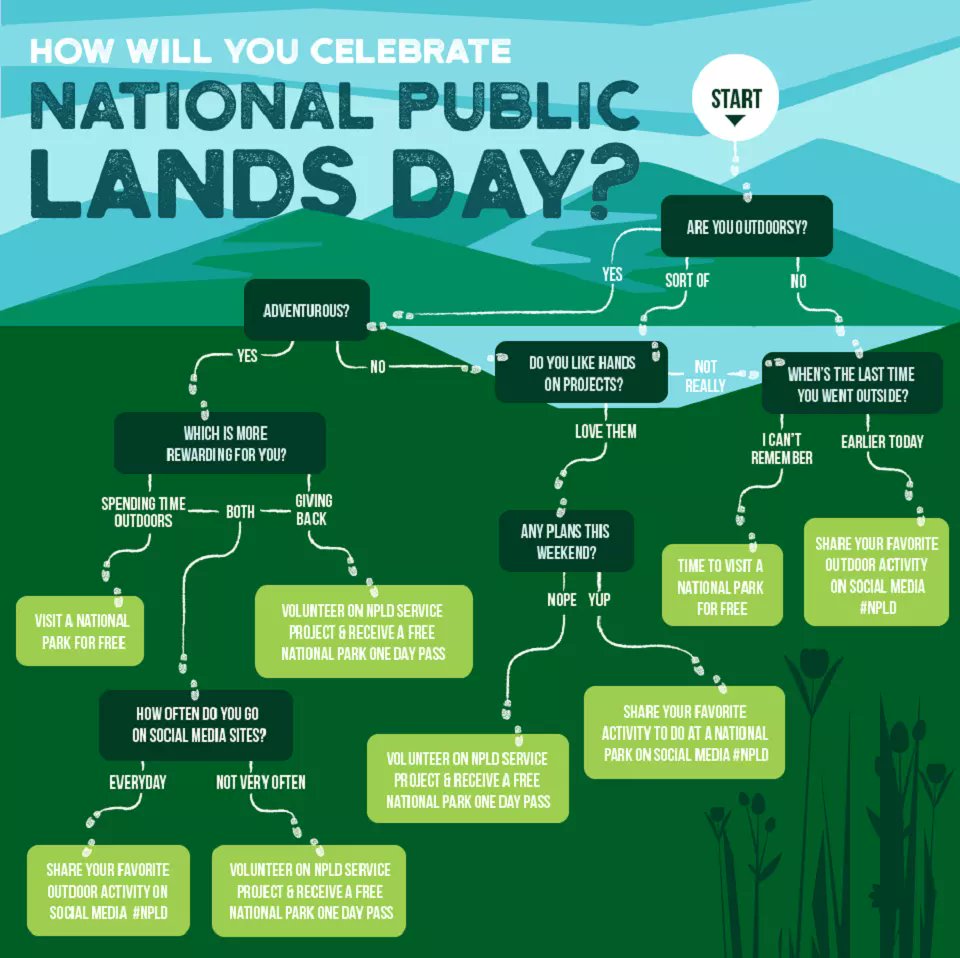
On September 27, the nation is headed outdoors—and you’re invited! National Public Lands Day is the largest annual volunteer event on public lands. One way to celebrate is to explore federal public lands without admission on this fee-free day! : neefusa.org/npld-event-searc…
5
5
619
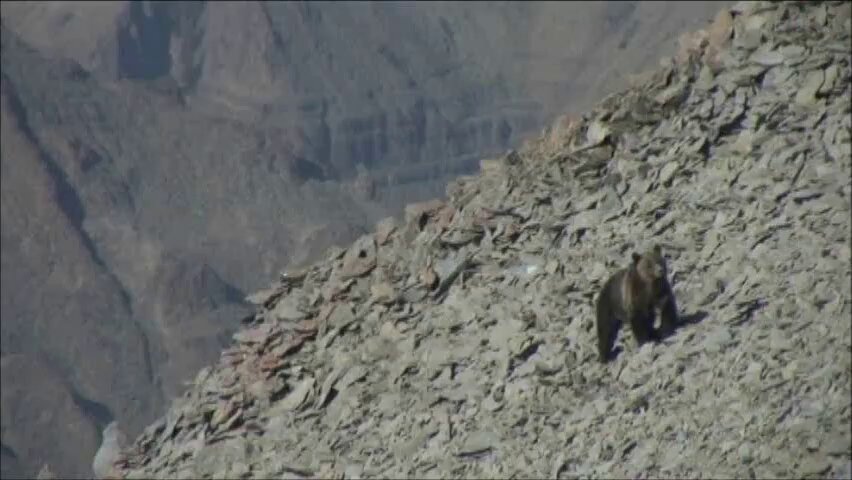
You might be wondering how grizzly bears get Army cutworm moths. They do it the grizzly bear way—they find the moths beneath large rocks on talus slopes and put their claws and muscles to work. Grizzly bears do not mess around when it comes to getting a snack.
5
150
Greater Yellowstone Ecosystem grizzly bears primarily feed on plants, but they also eat high-value foods including whitebark pine seeds, cutthroat trout, winter-killed bison, elk & Army cutworm moths. Learn about grizzly bear science 👉 ow.ly/xE8850X2vgj #FatBearWeek
4
180
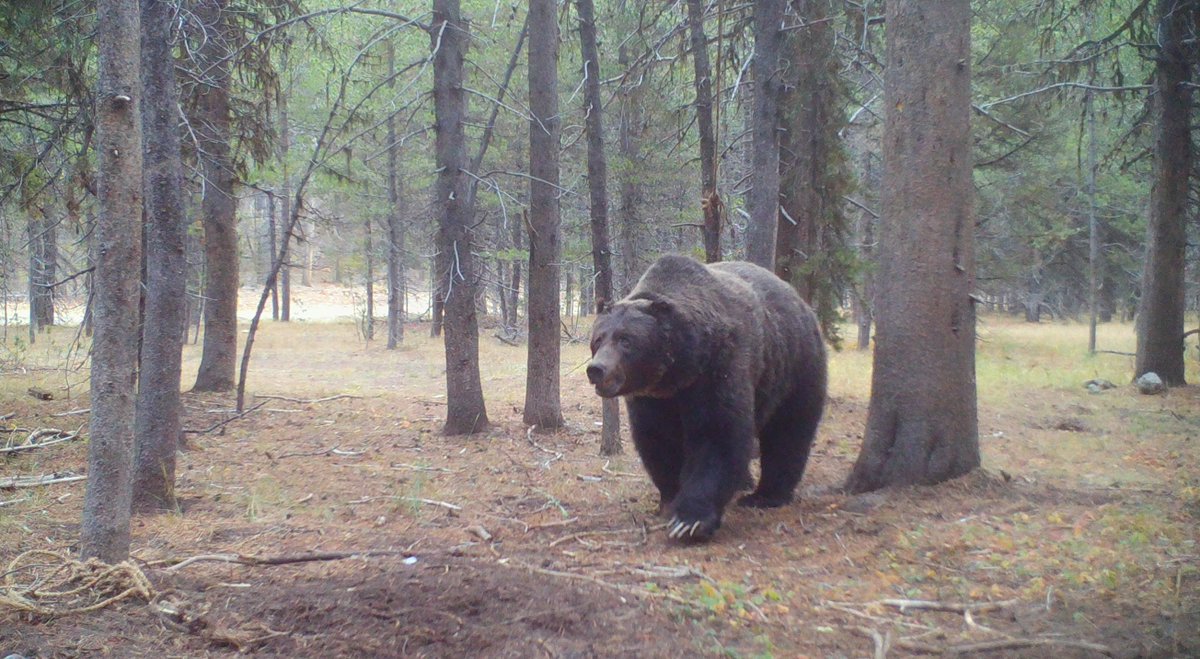
It’s #FatBearWeek @KatmaiNPS in AK, but Greater Yellowstone Ecosystem (GYE) has its own heavyweights. The heaviest GYE female on record was 487 pounds while the heaviest GYE male was 715 pounds!! That’s a lot of bear! @YellowstoneNPS
163
1/2 How do trout end up in hot water? Just add drought. •Less streamflow •Warmer waters •More stress on cold-water fish. But it’s not all bad news—USGS has a plan to help managers protect cold-water fisheries in the northern Rockies #Drought #Trout #ColdWaterFish
92
2/2 @USGS helps managers prepare for drought by developing drought early warning systems that support proactive decision-making to protect fish, water resources, human communities & the region’s trout fishery. Learn more 👉 ow.ly/9S0k50X2i76 #NationalPreparednessMonth
1
78